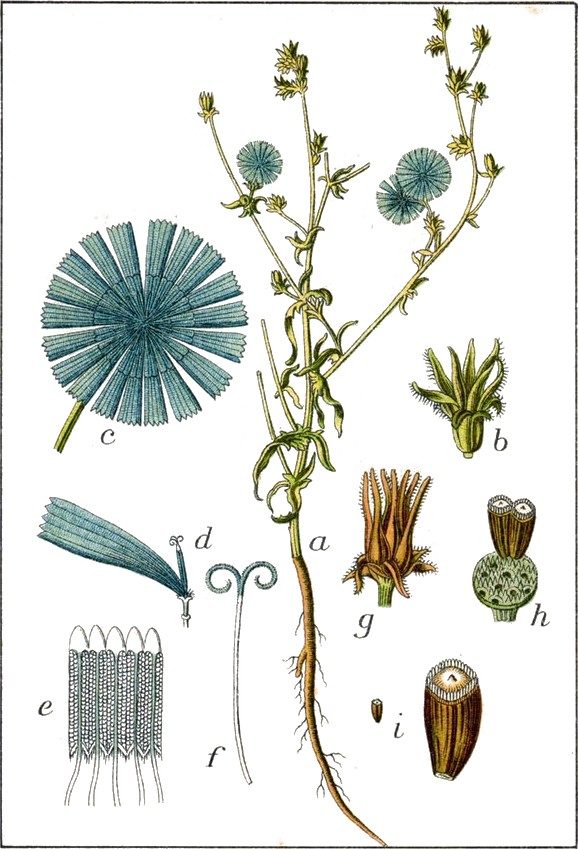
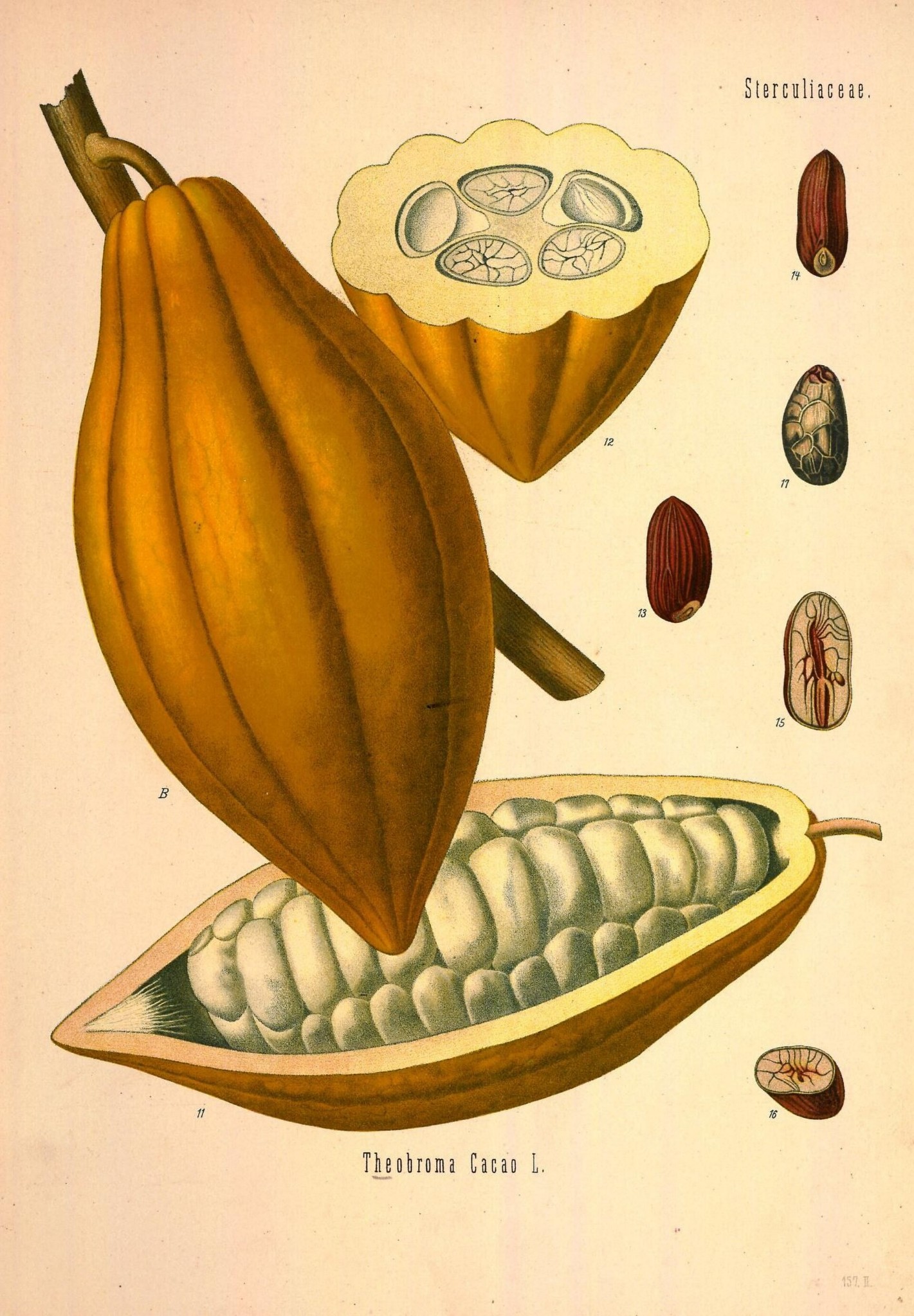
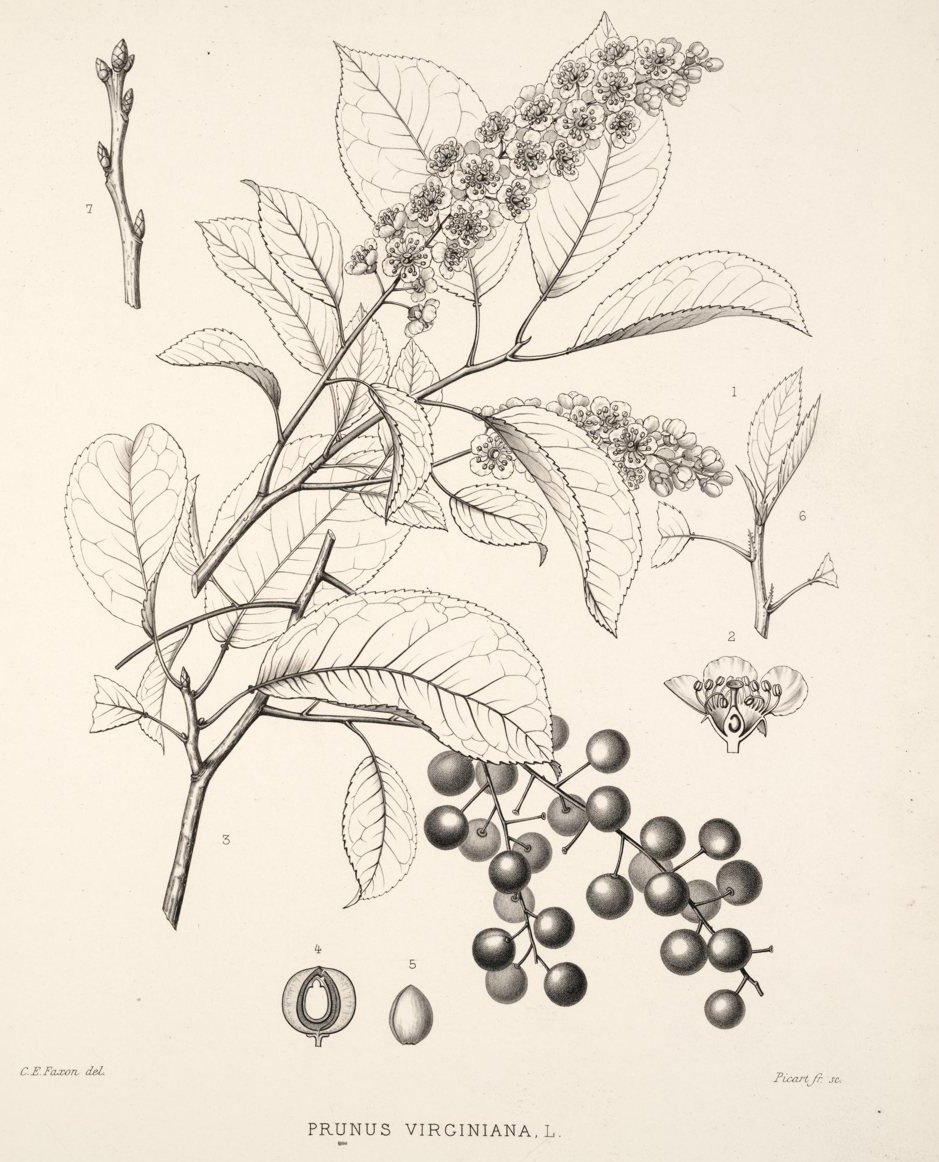
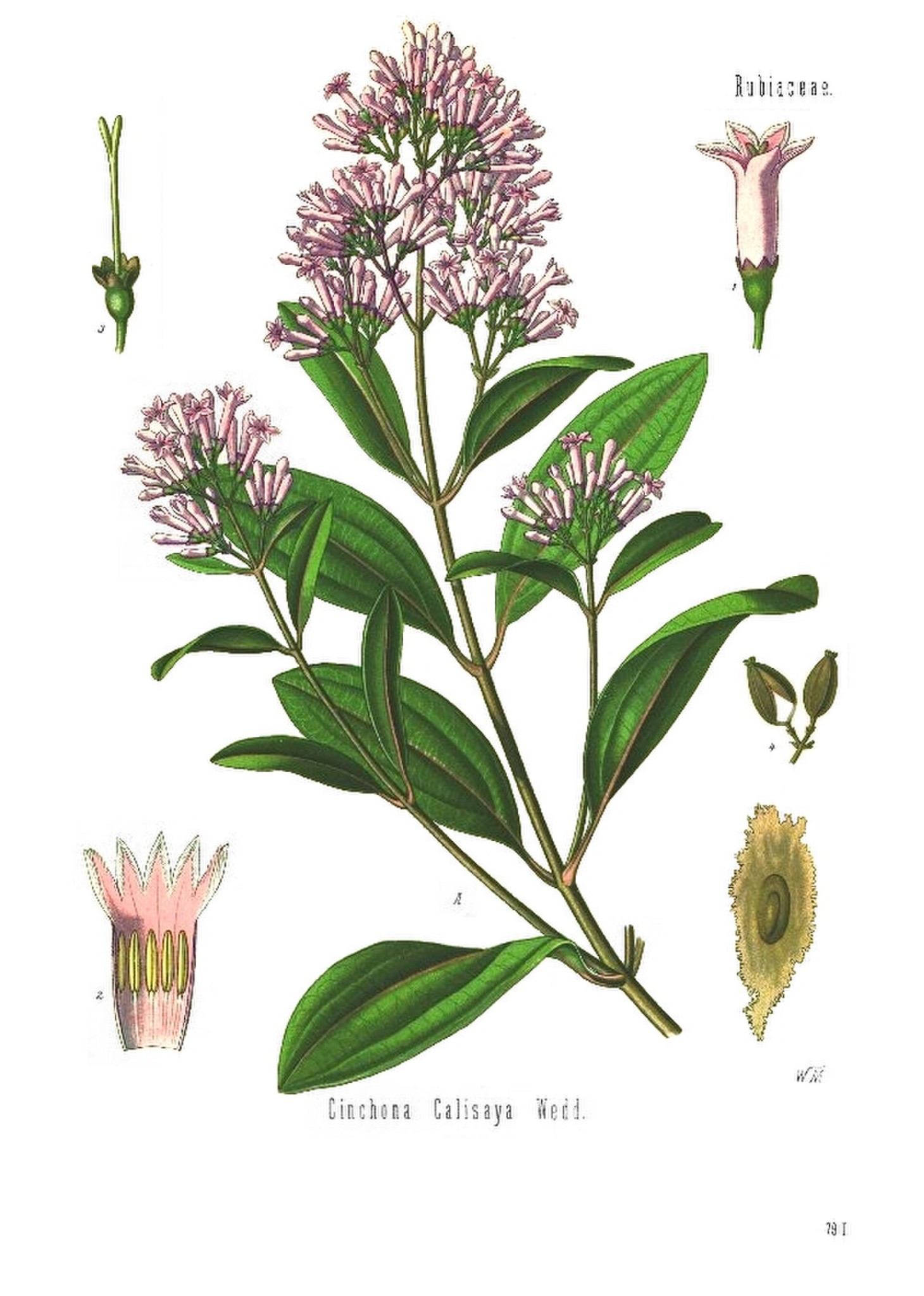
All Engravings From the founder’s library Plant Fungus Resin & Wood Mineral Animal Compound Food & Drink Sacramental
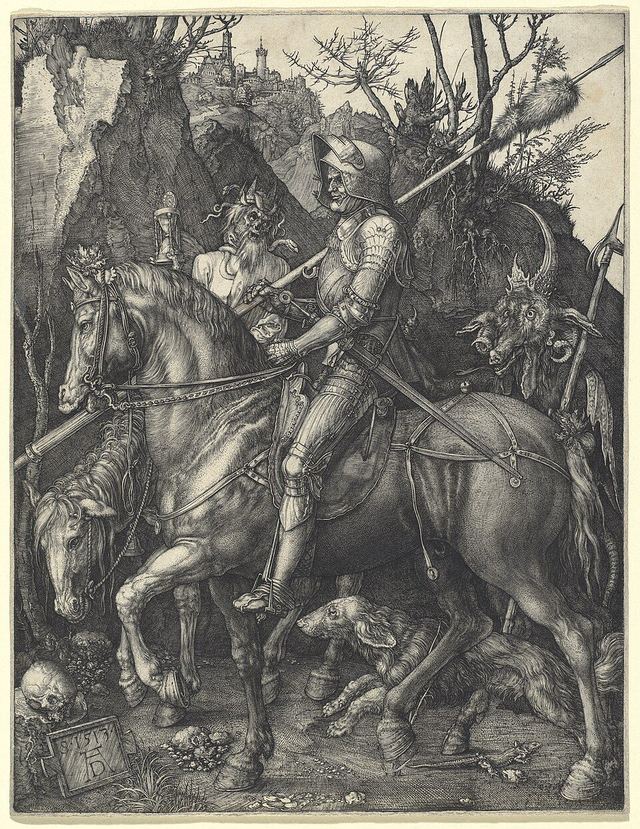
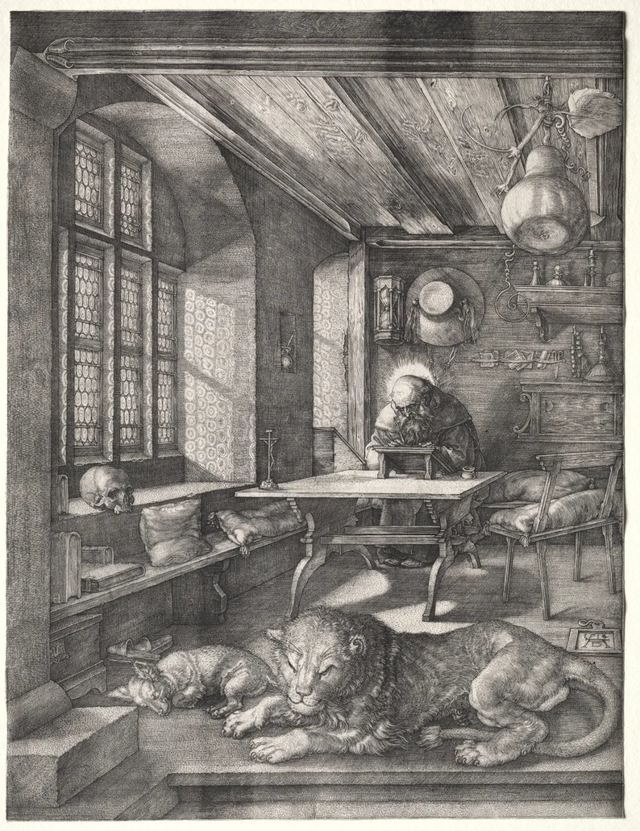
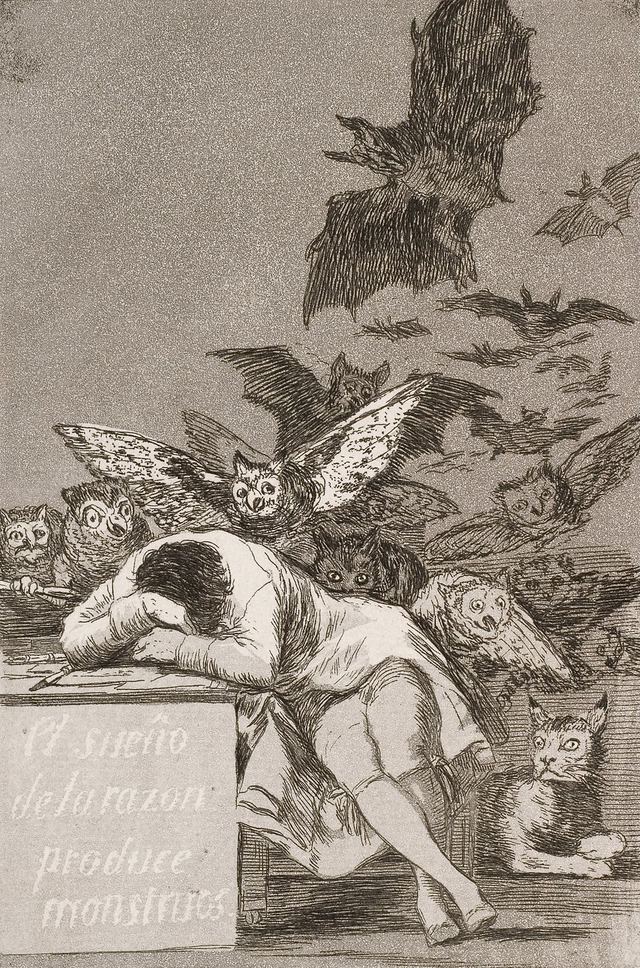
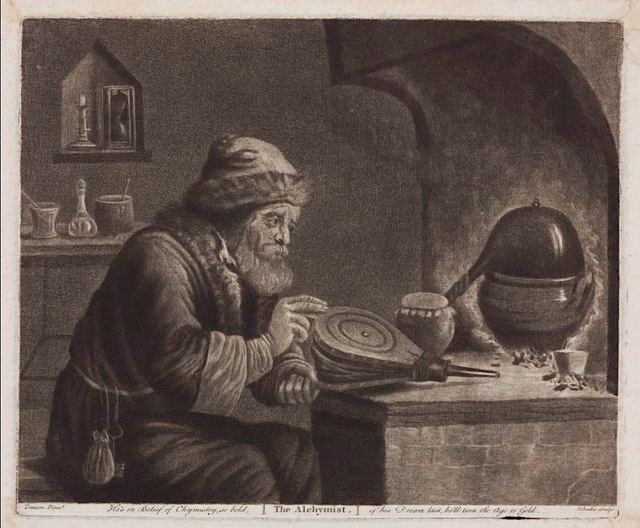
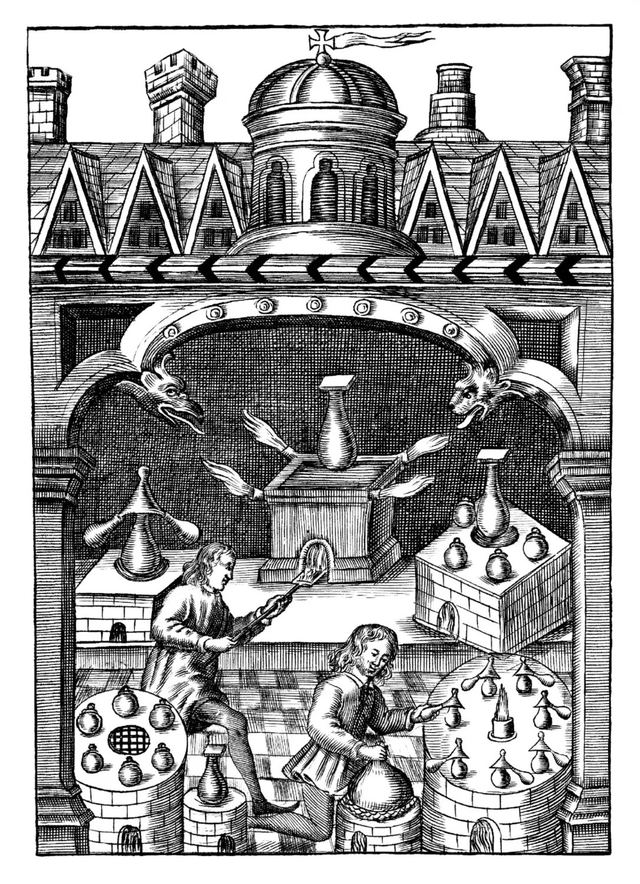
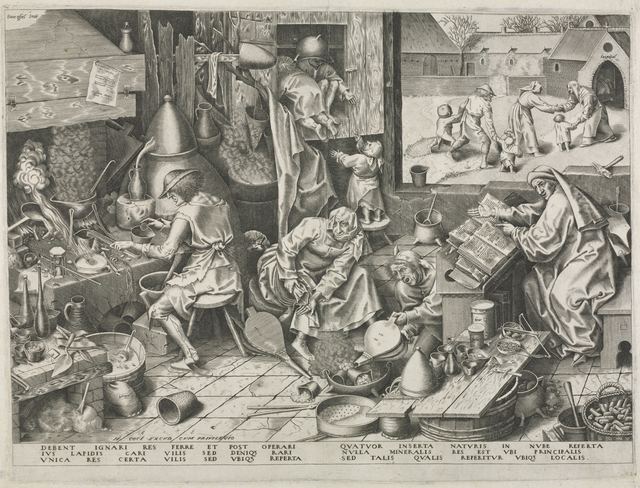
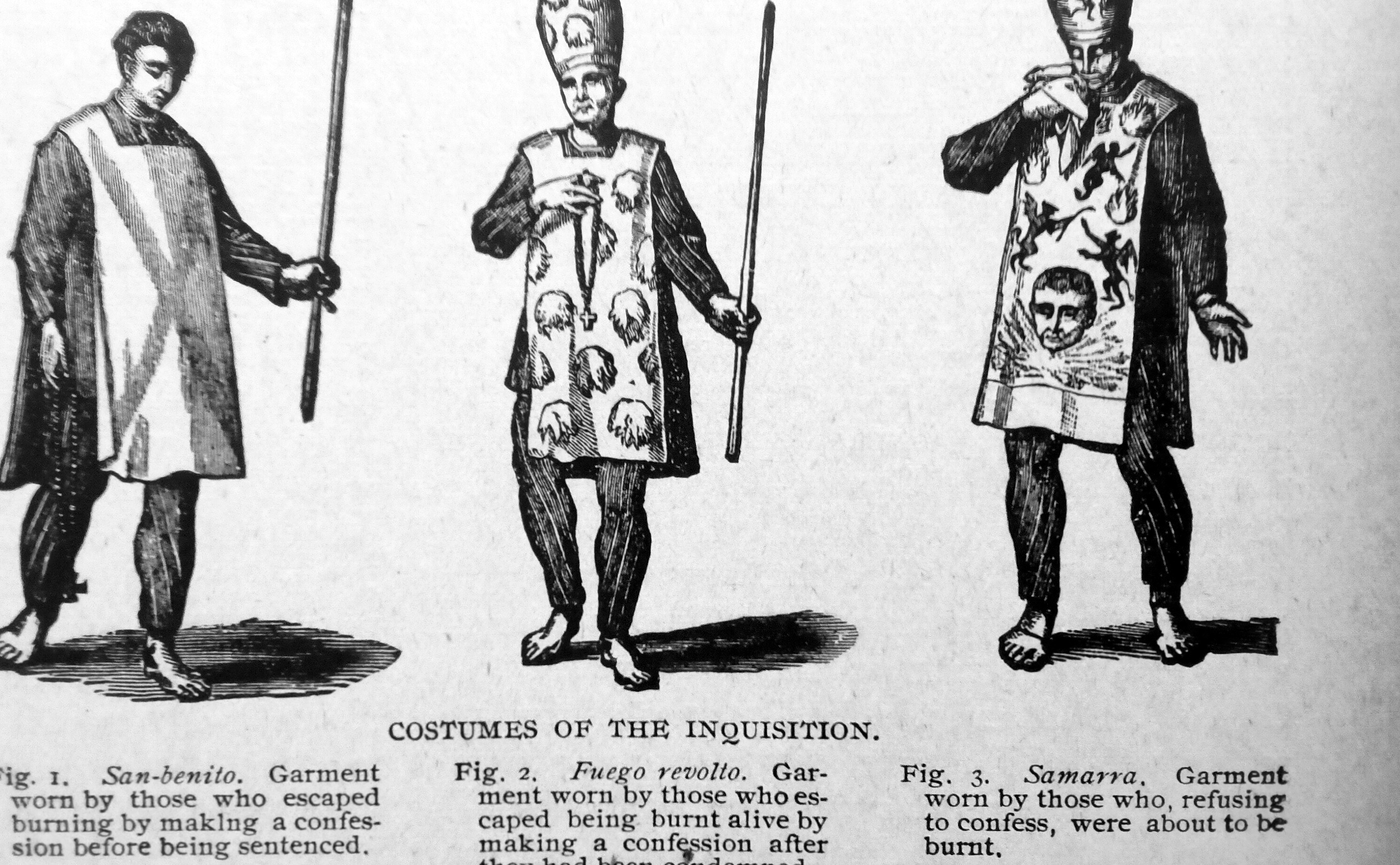
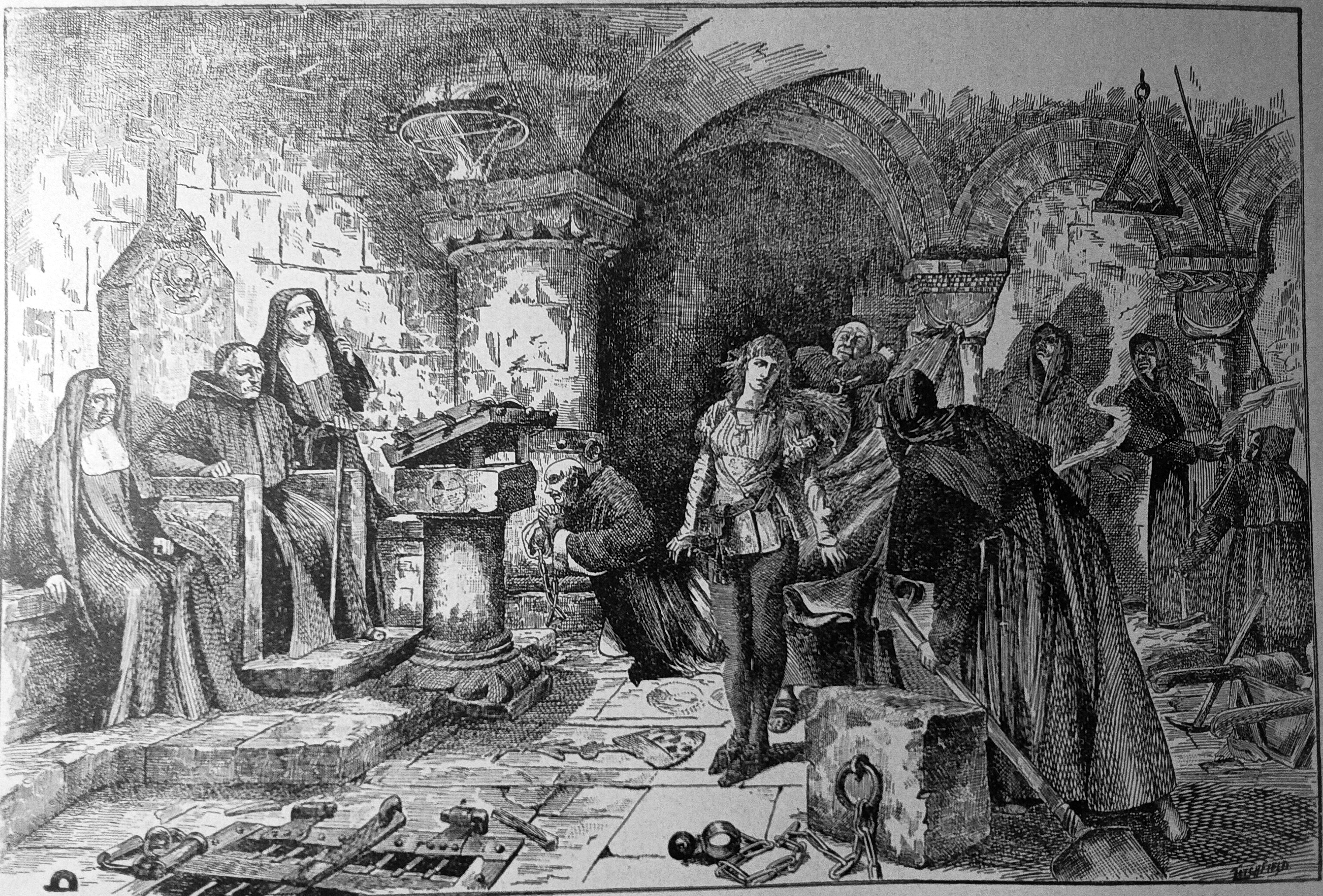
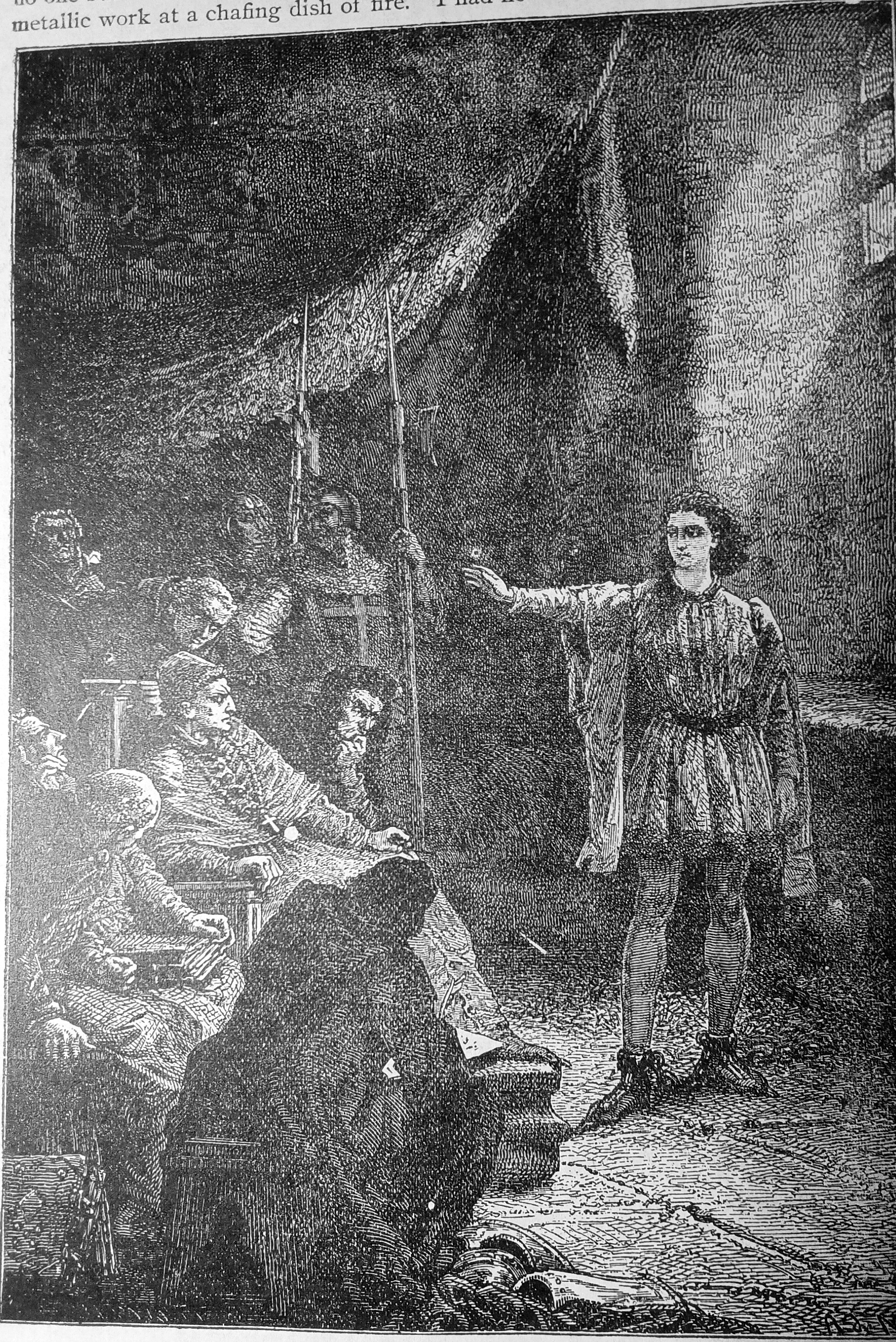
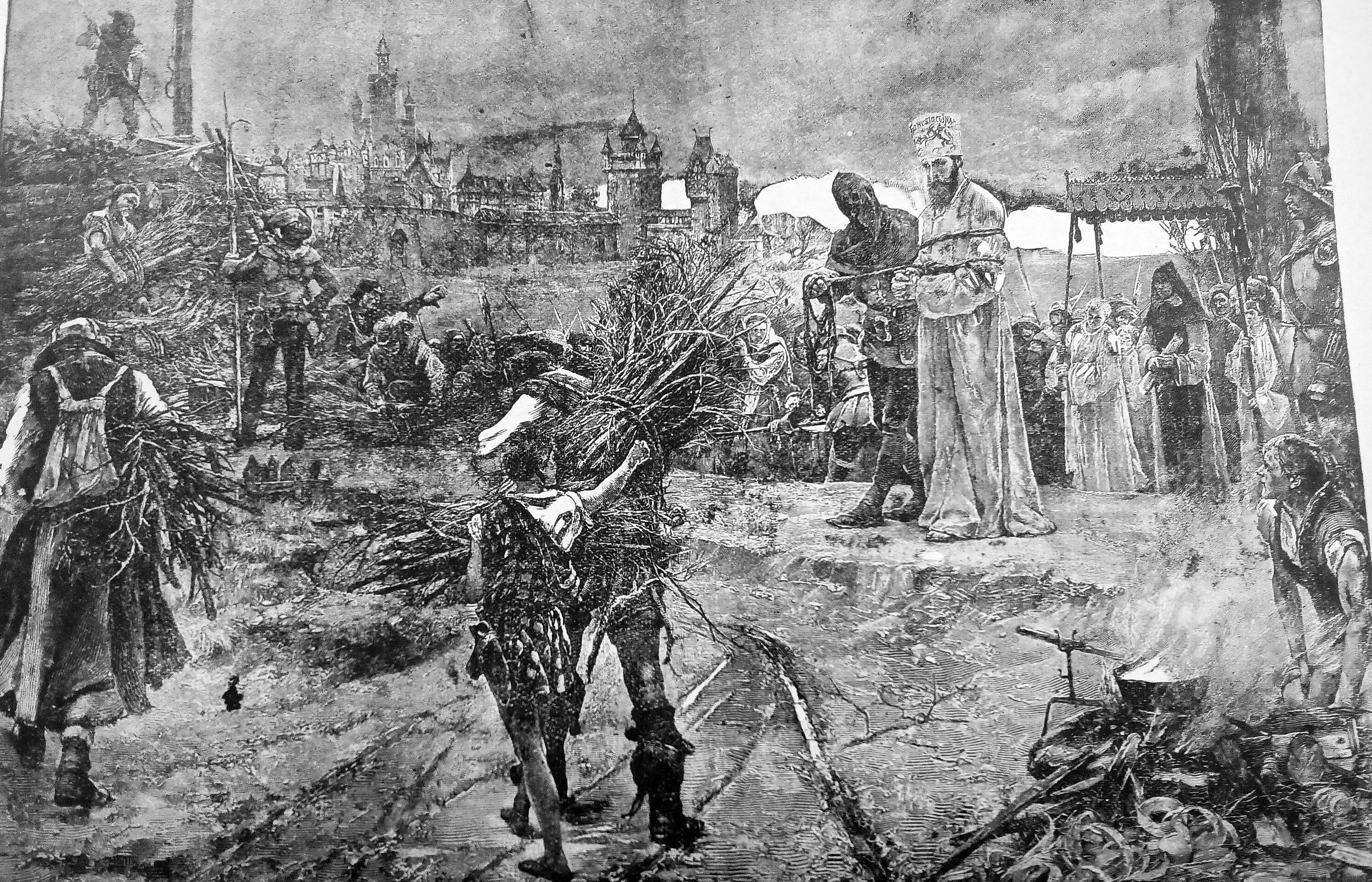
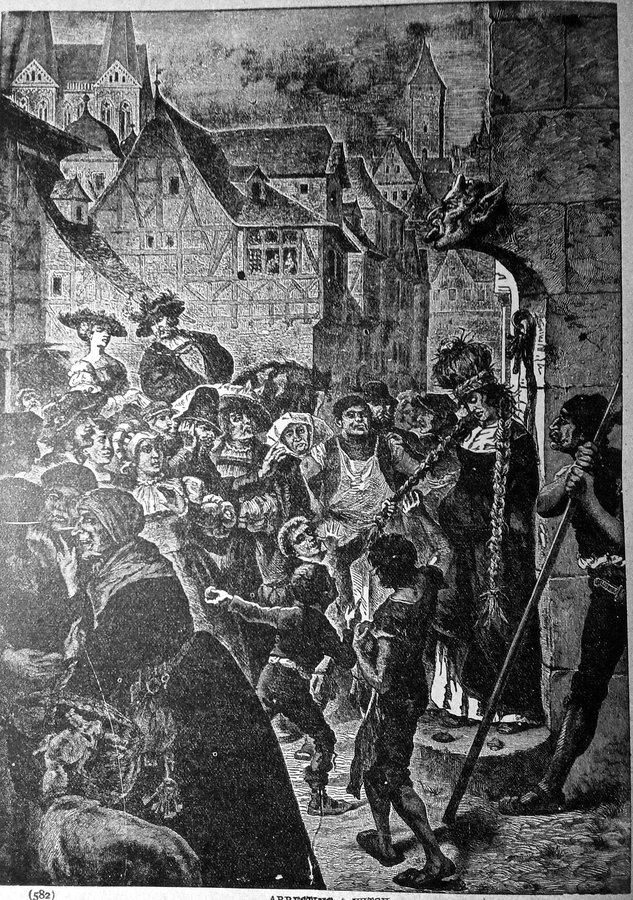
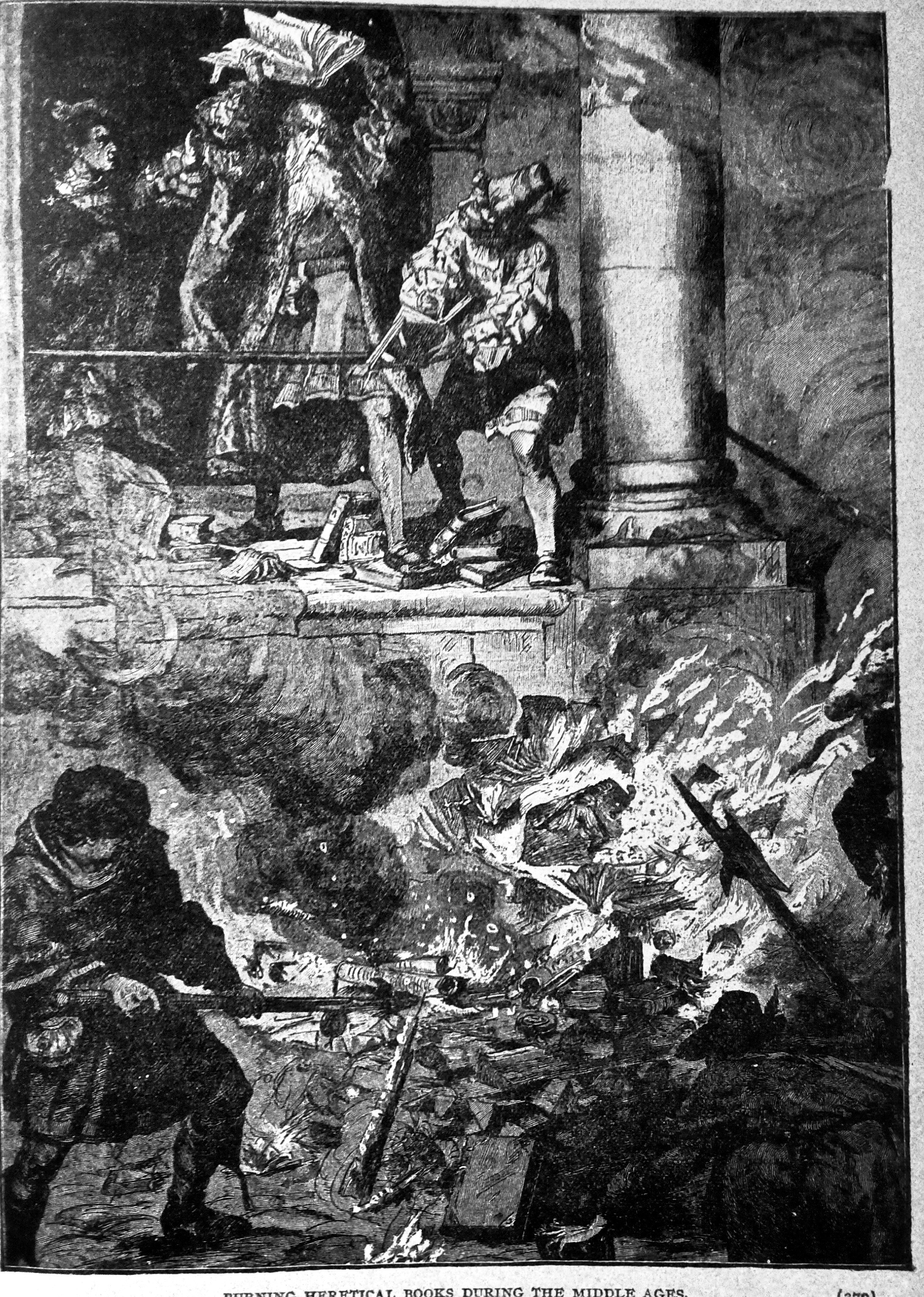
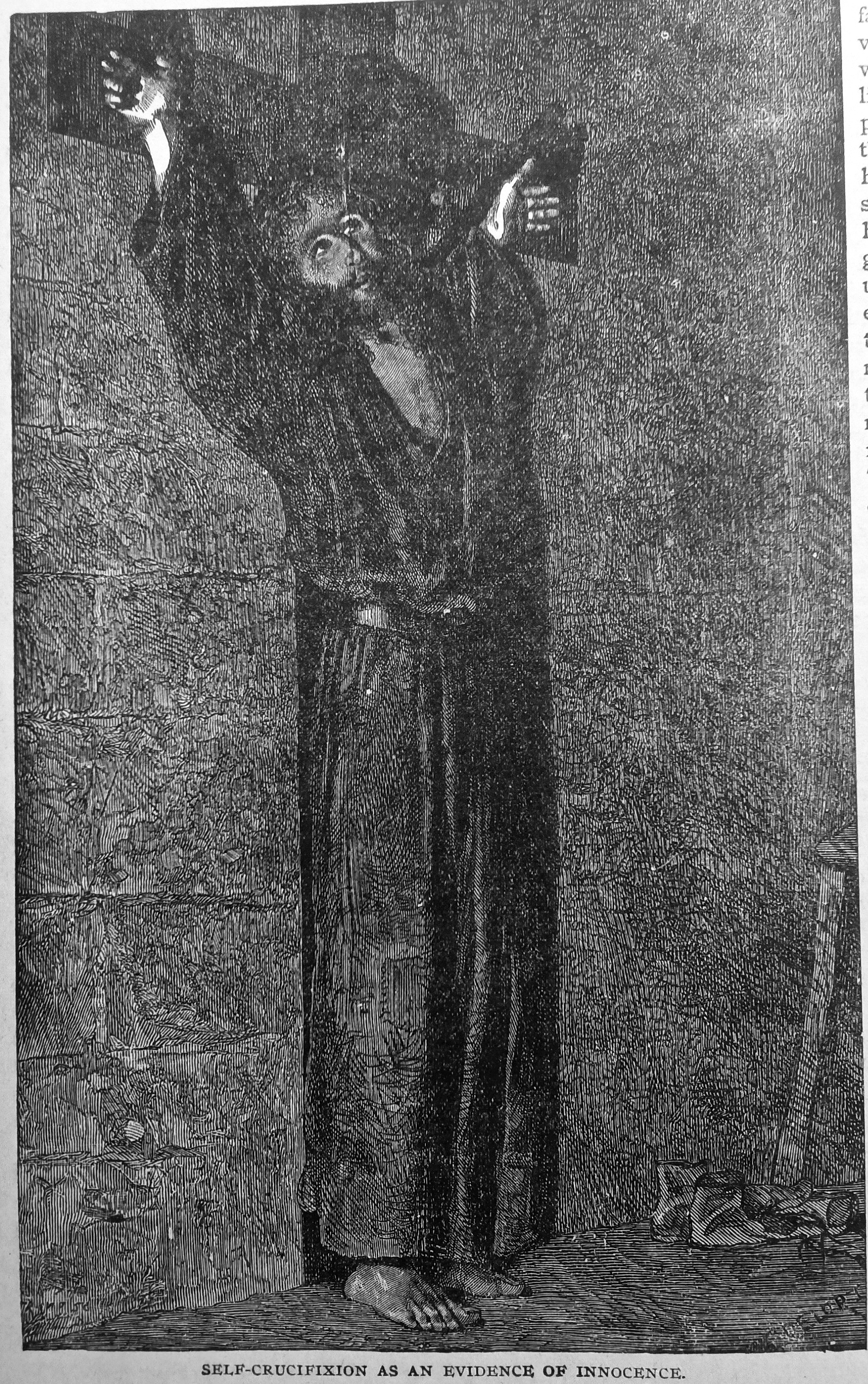
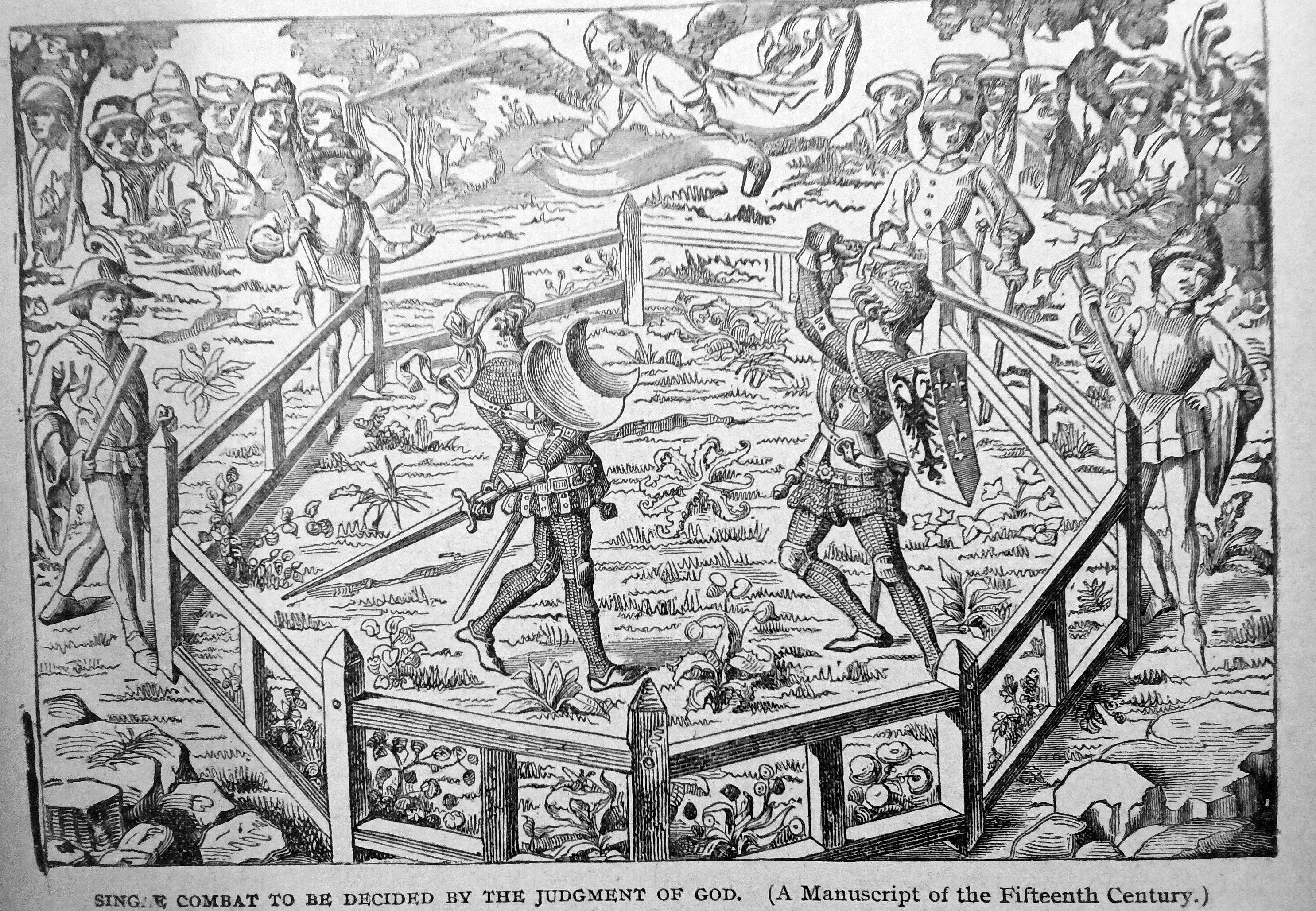
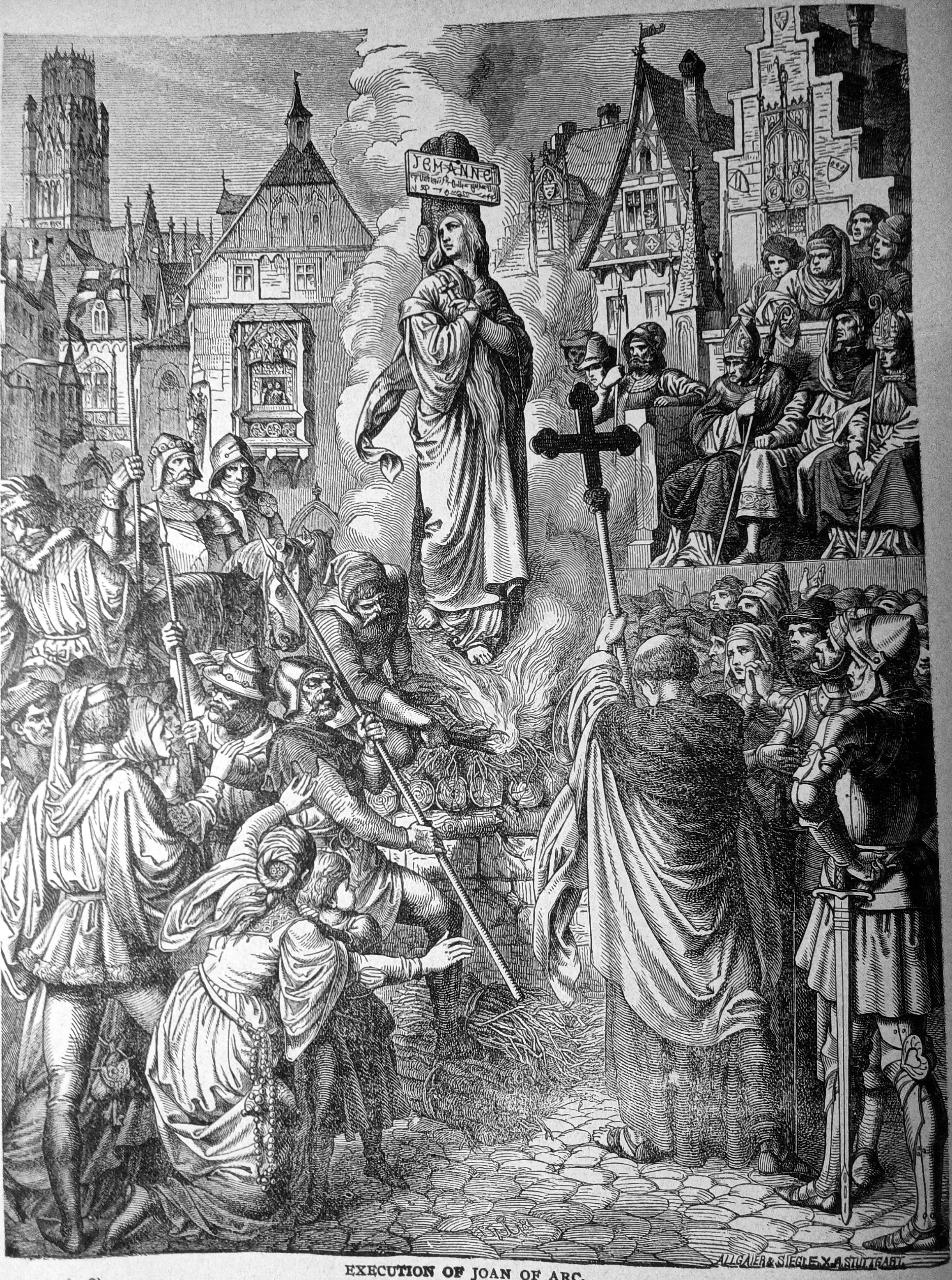
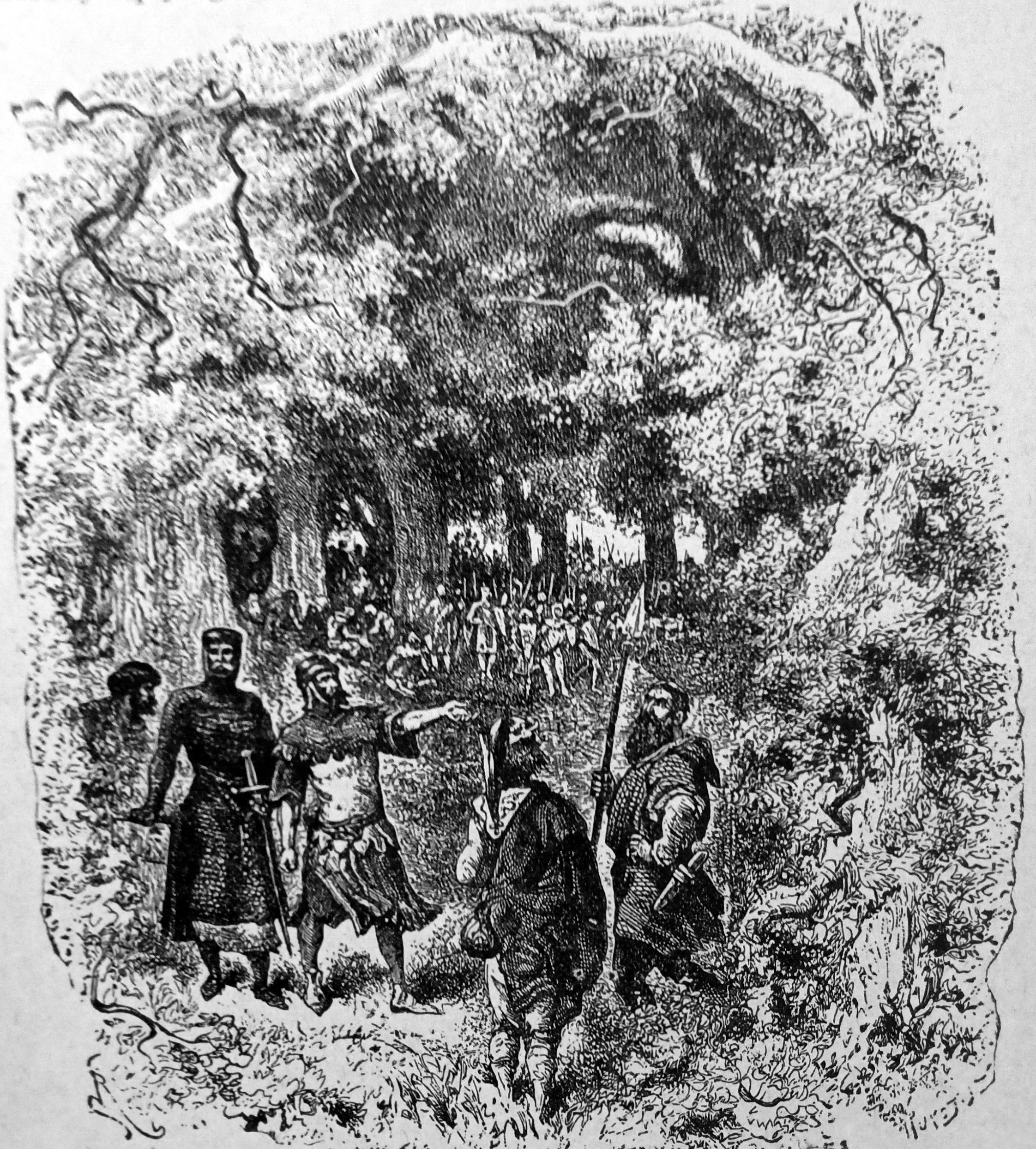
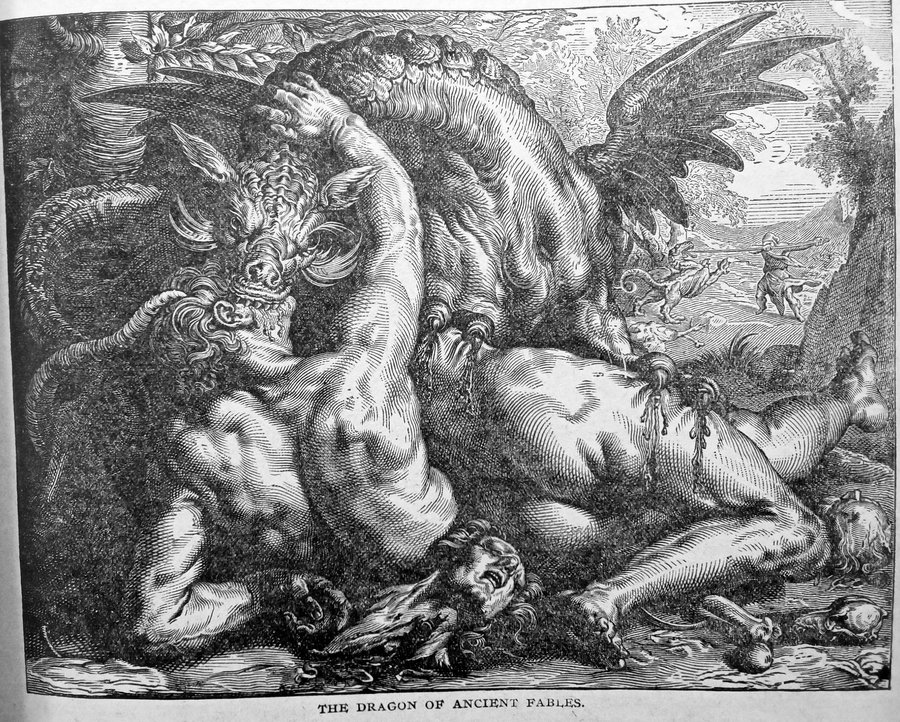
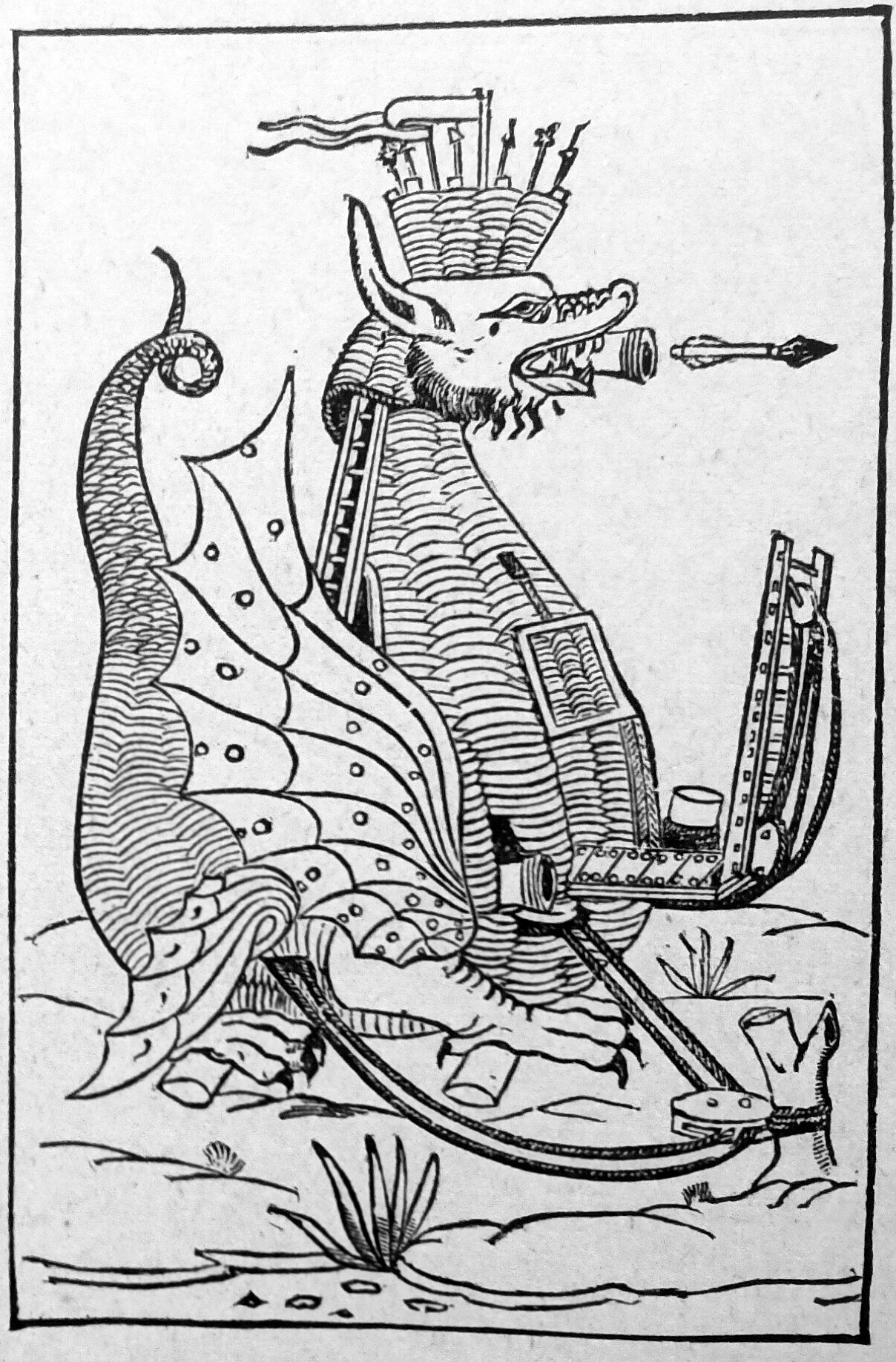
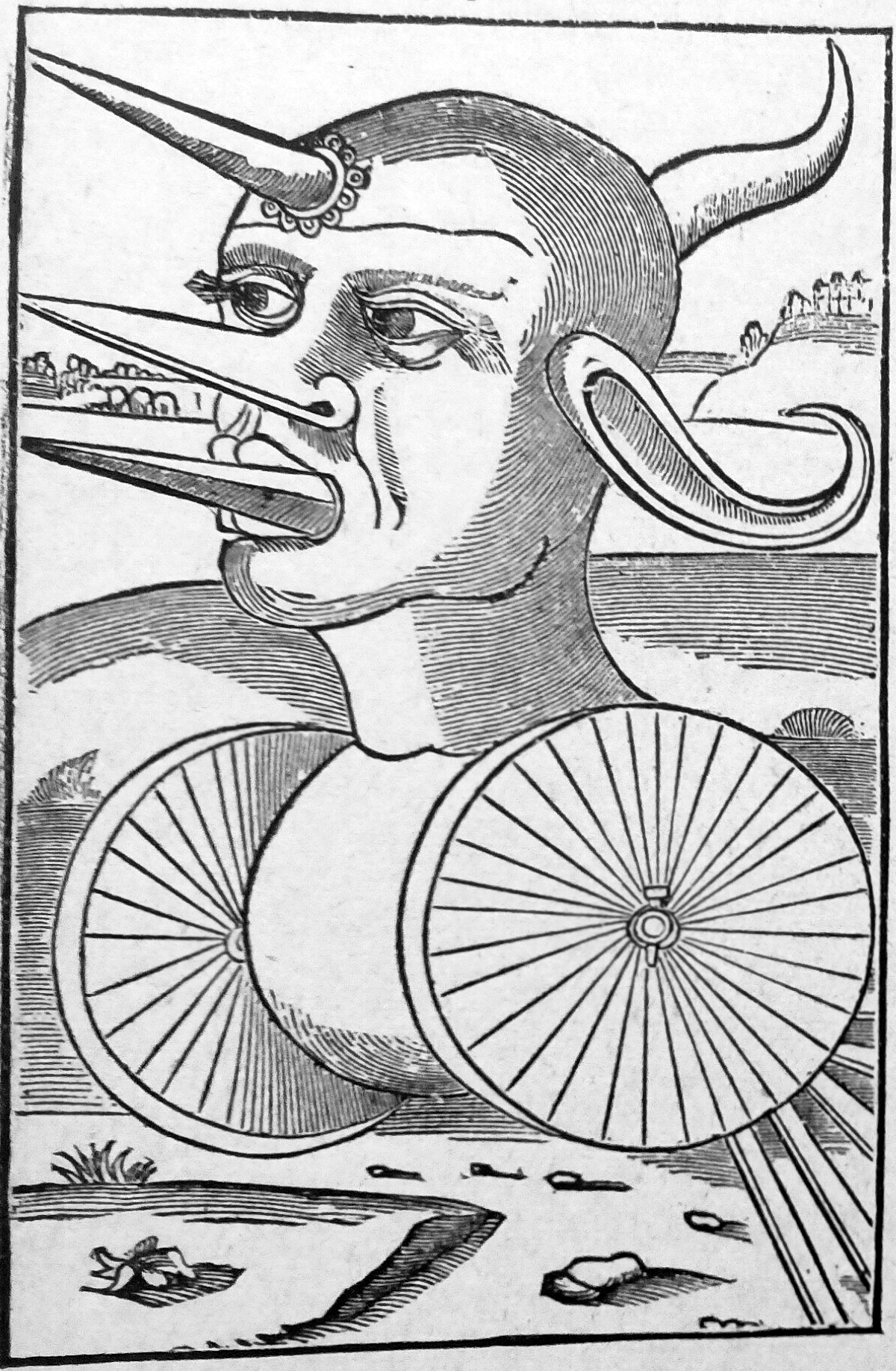
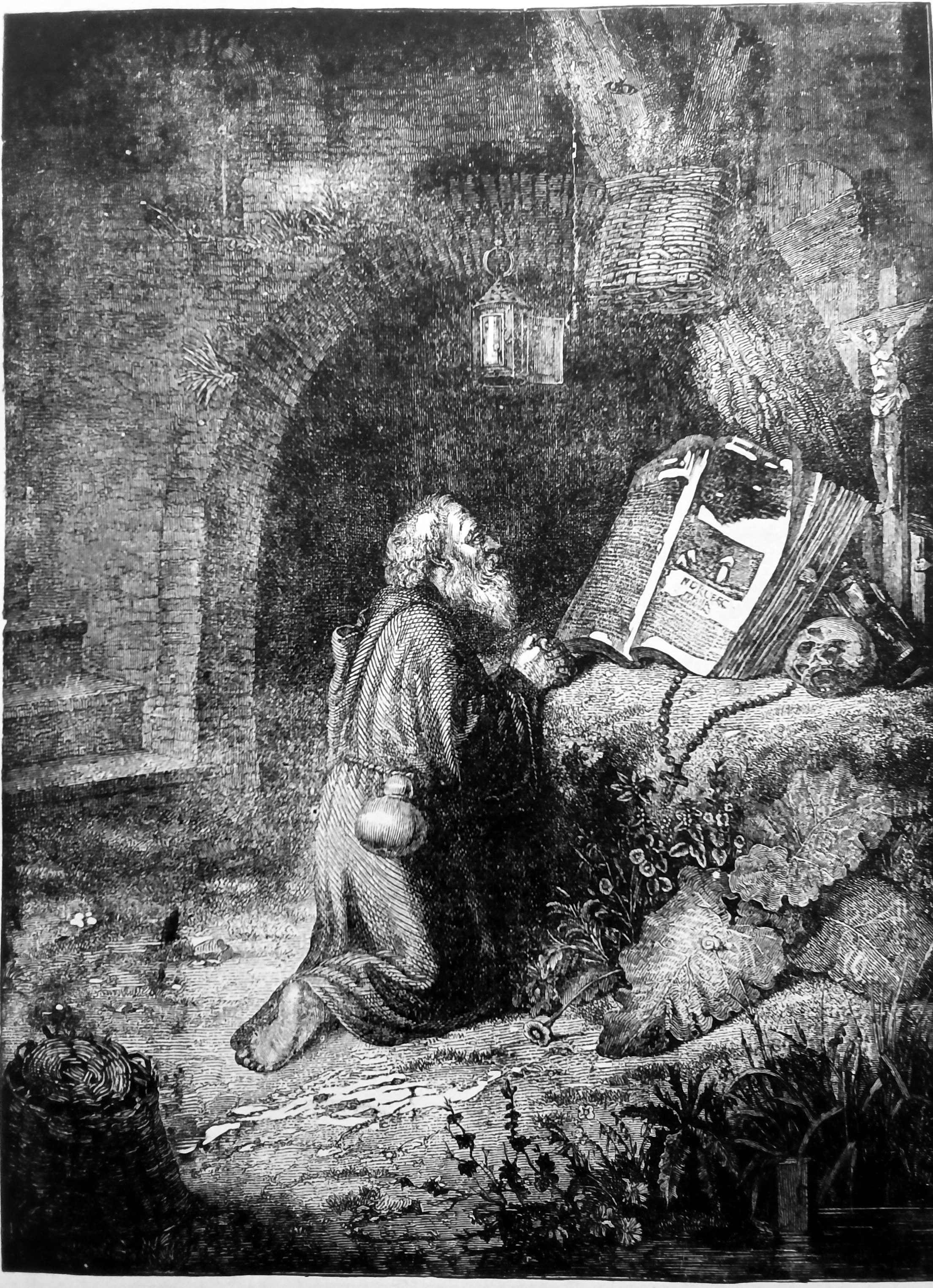
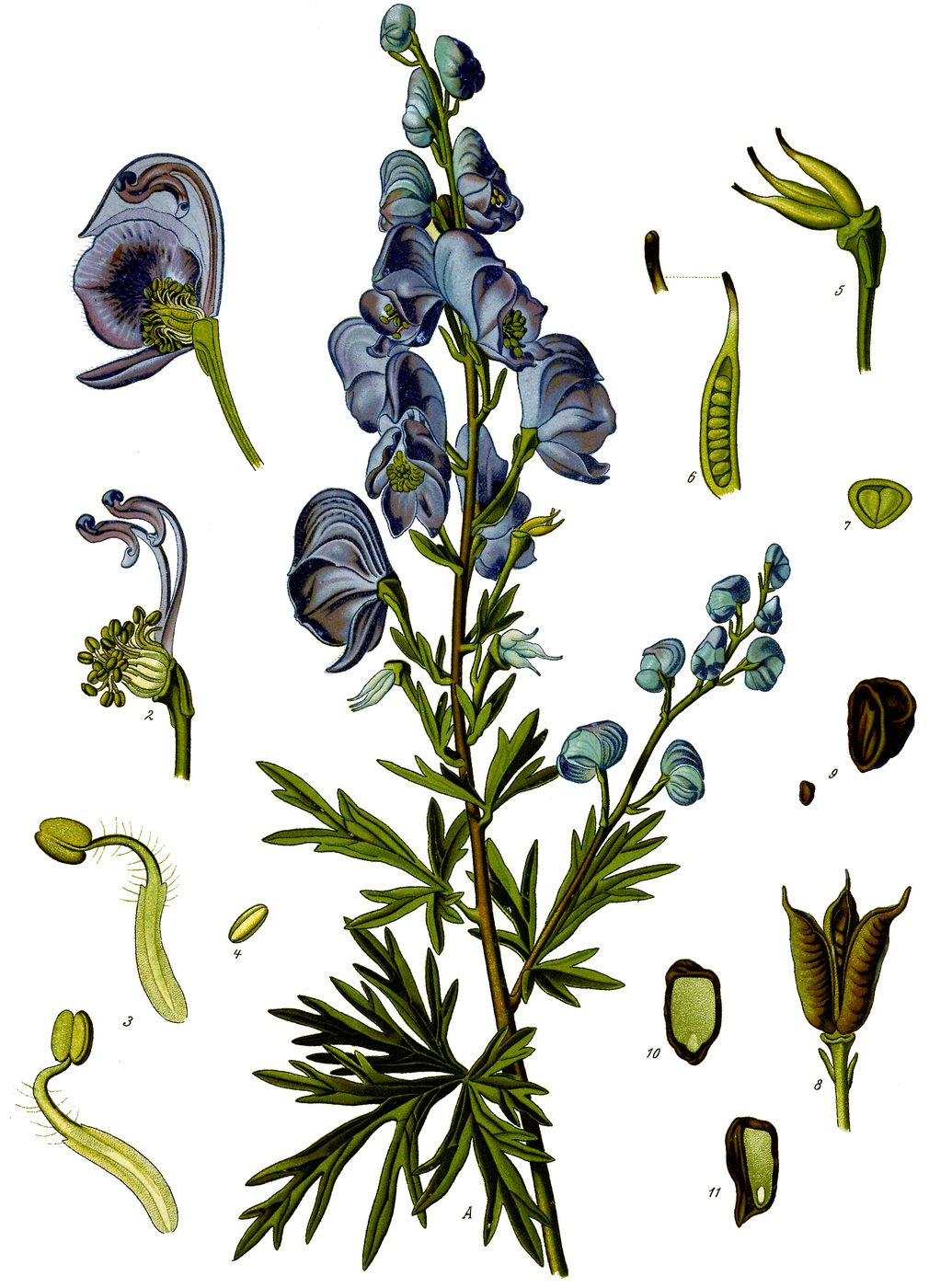
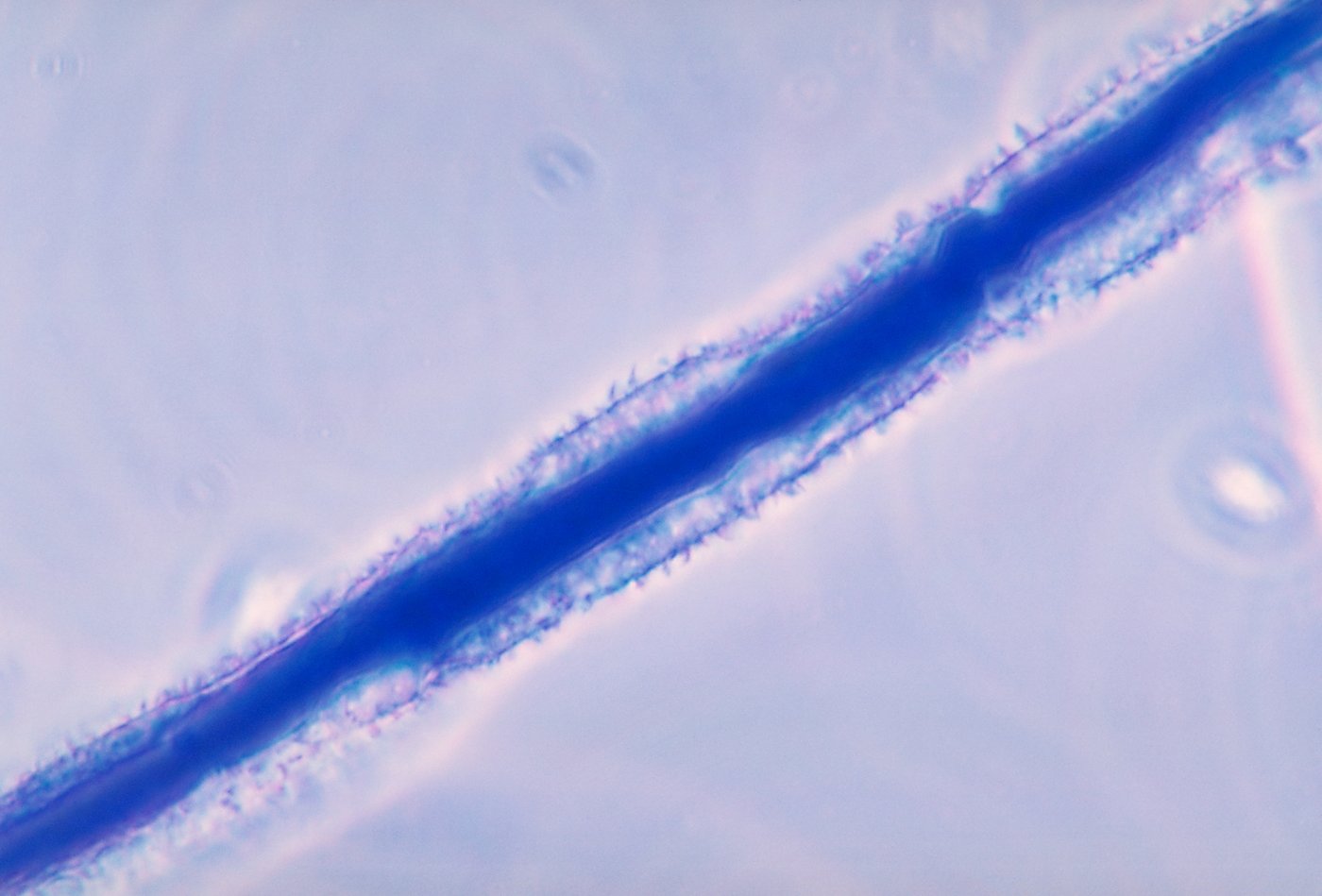
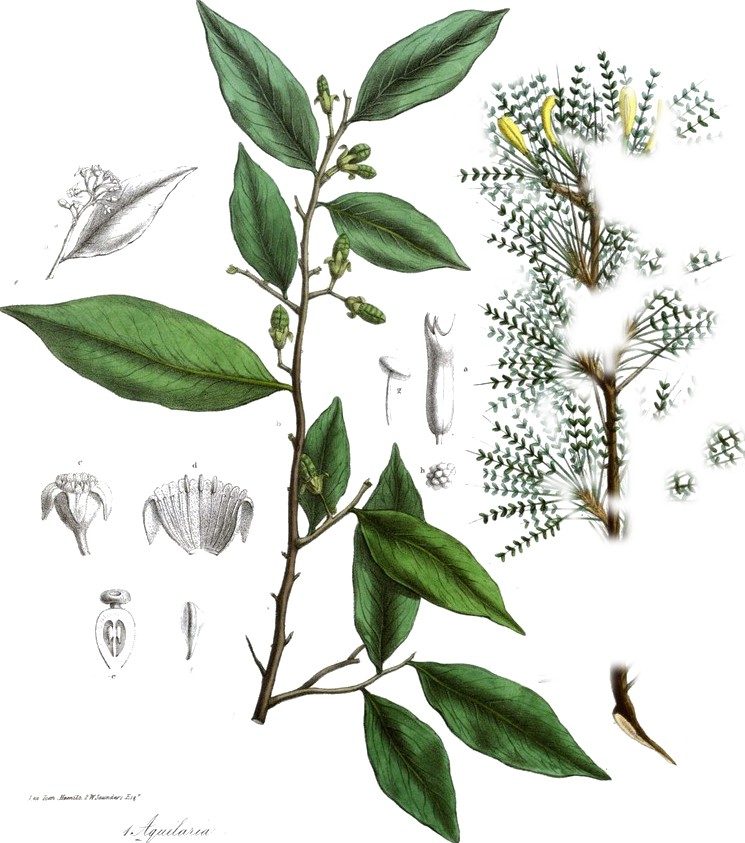
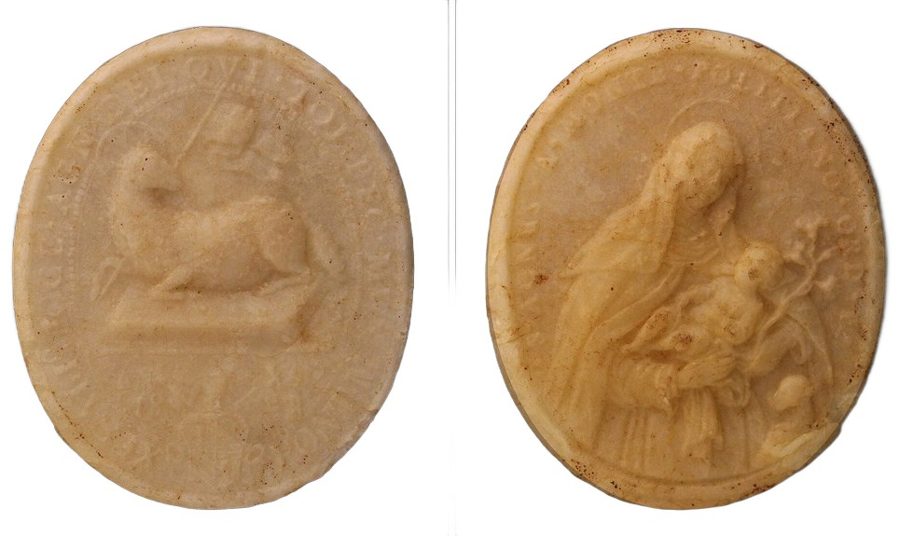
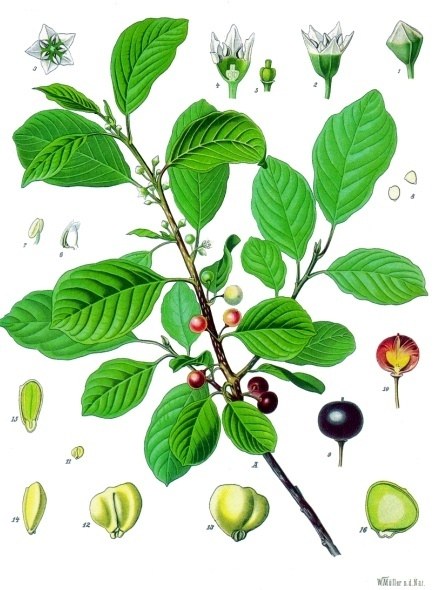
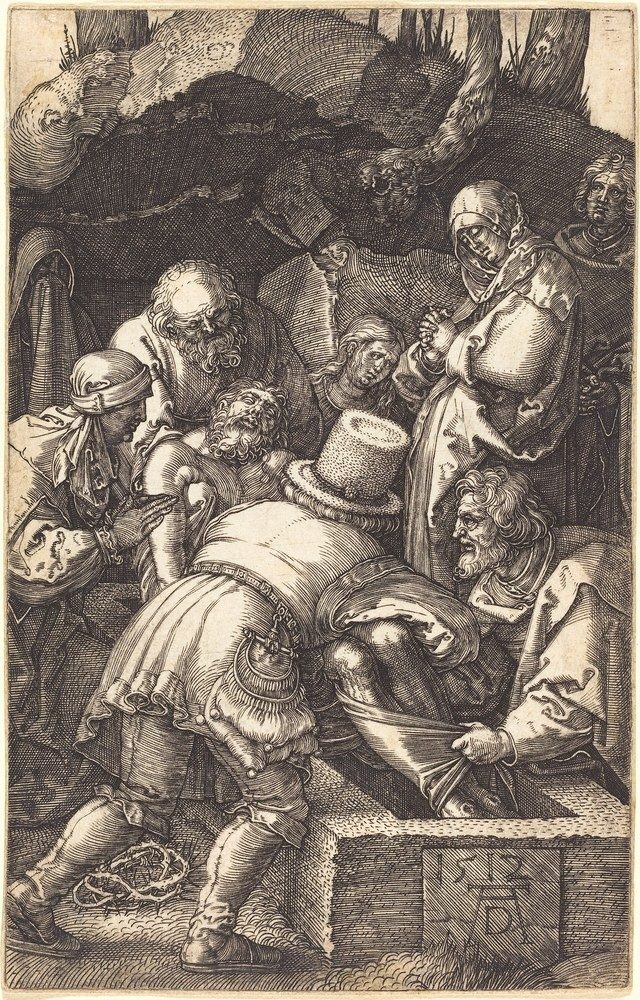
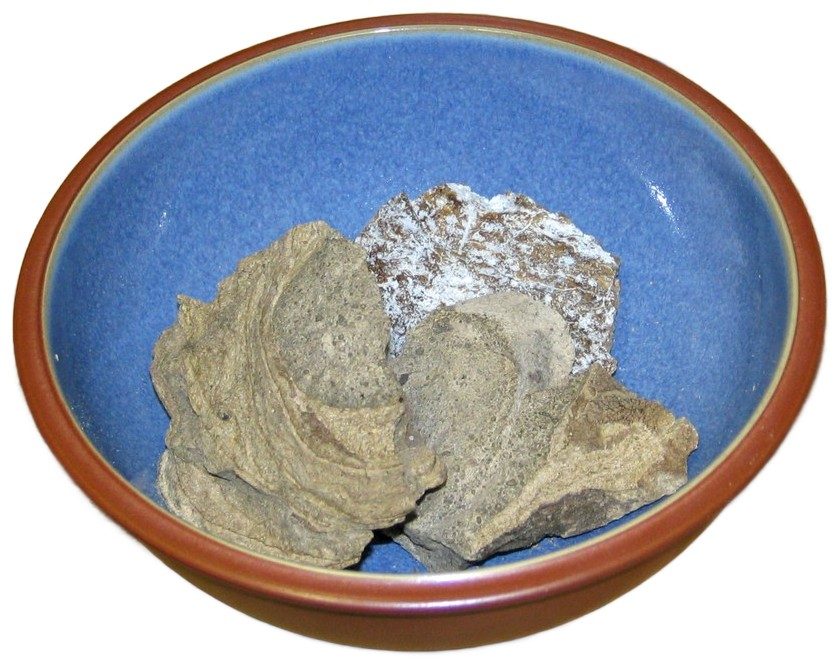
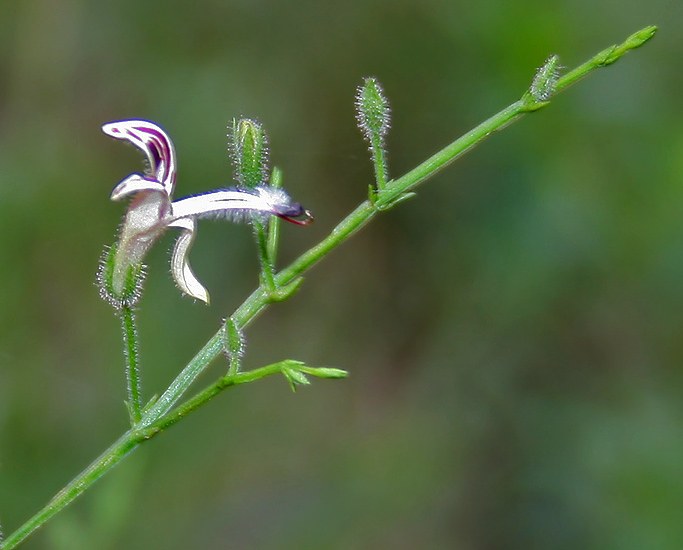
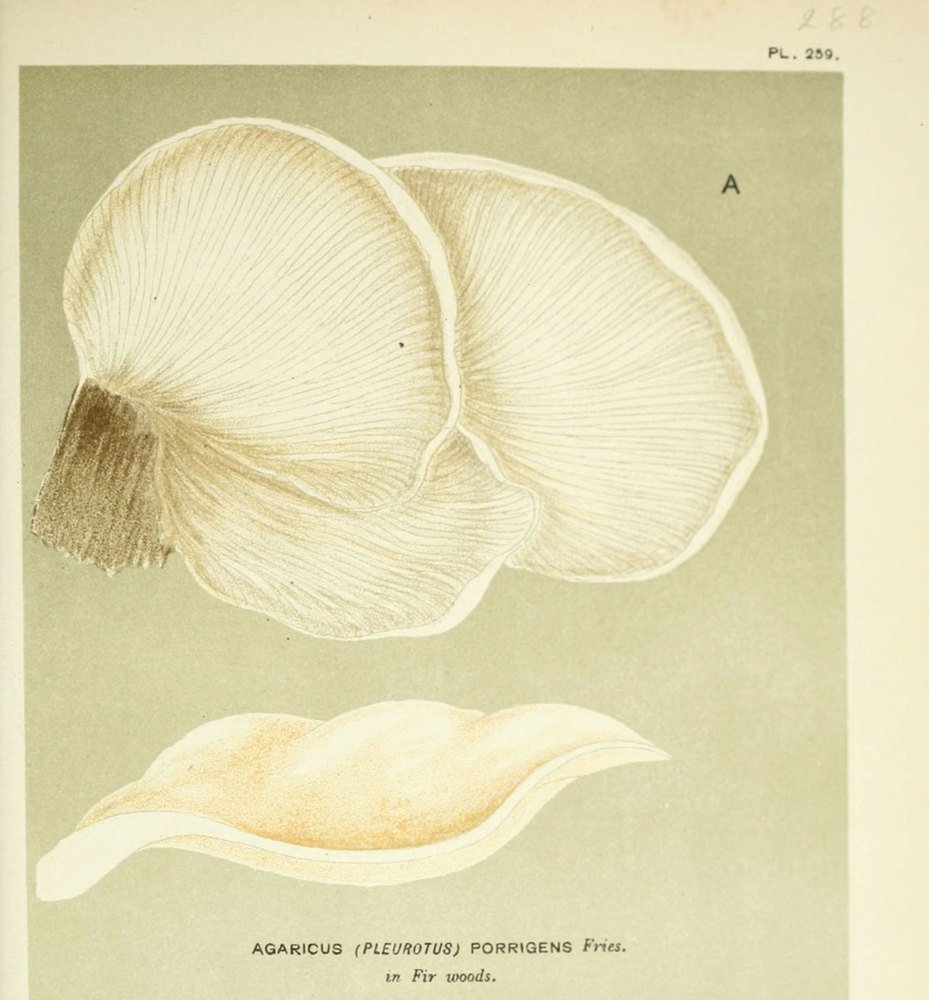
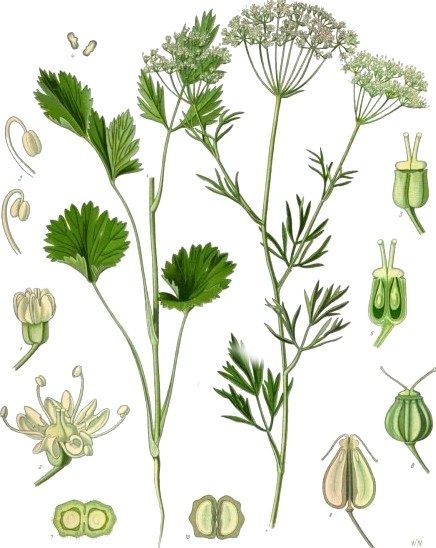
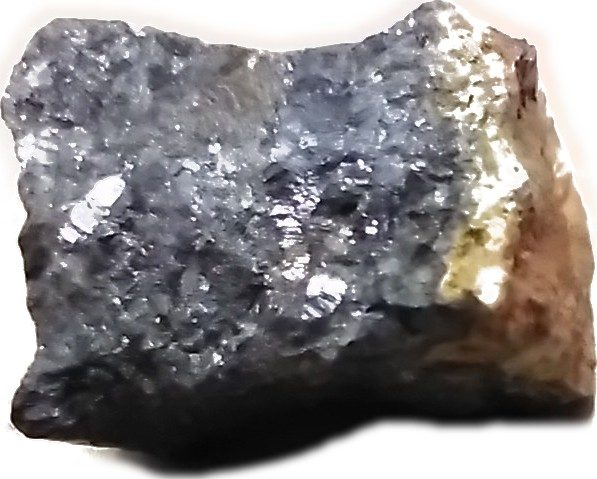
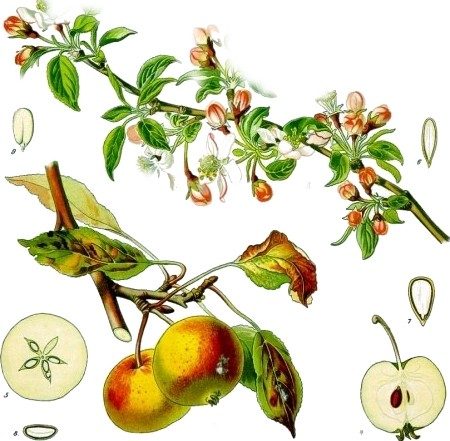
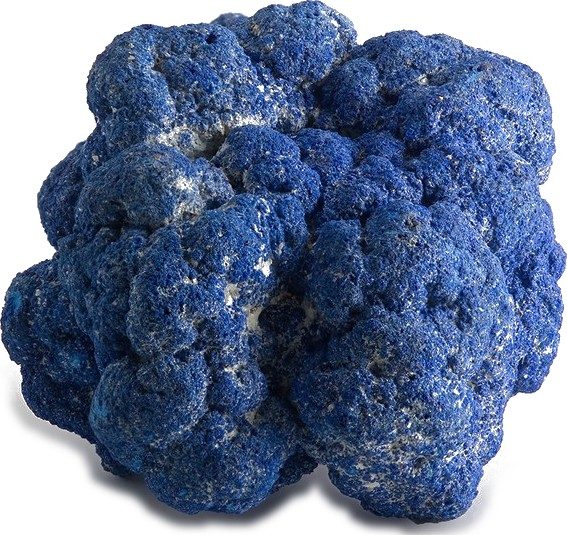
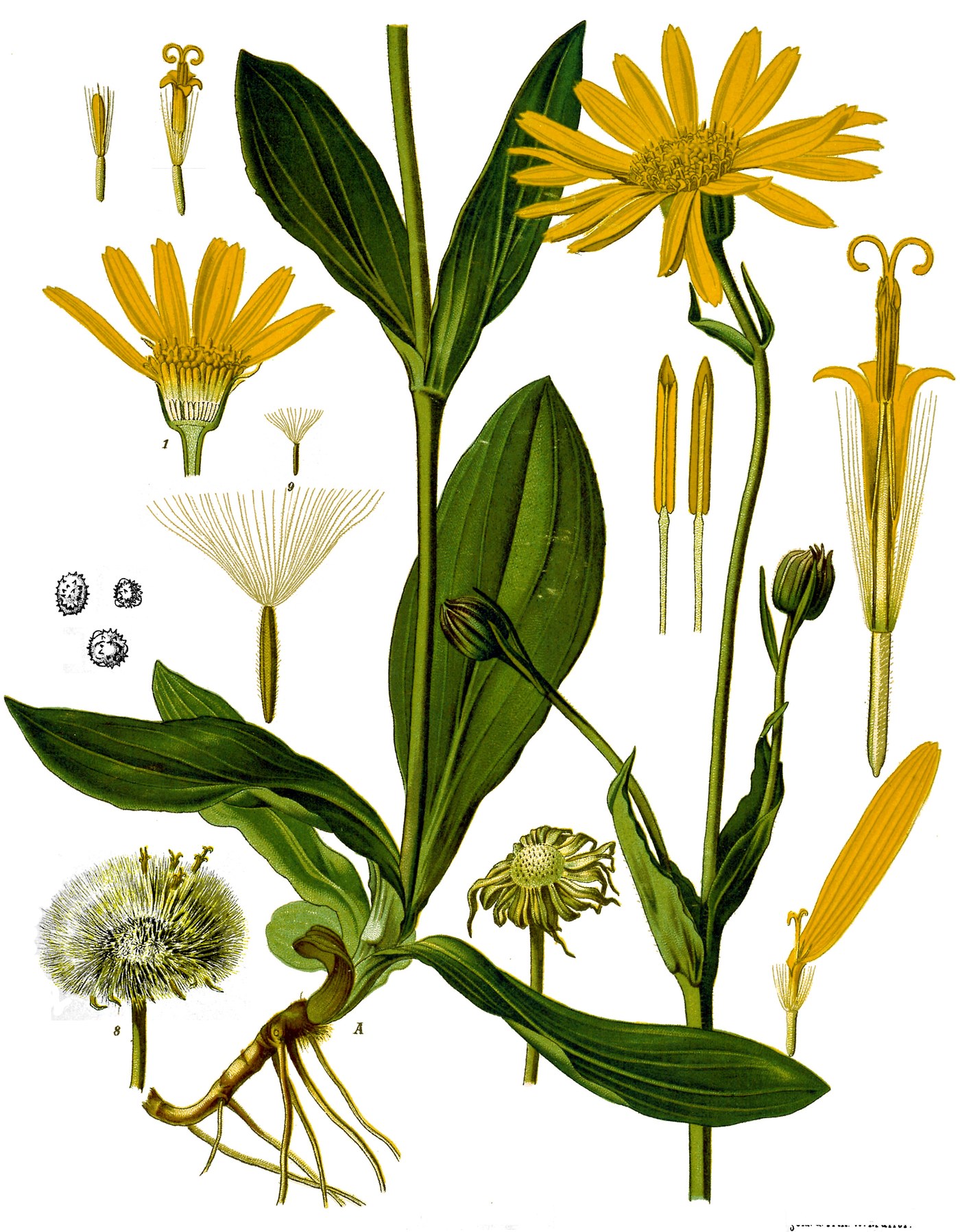
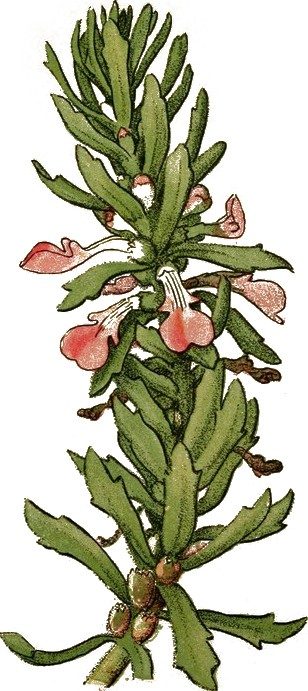
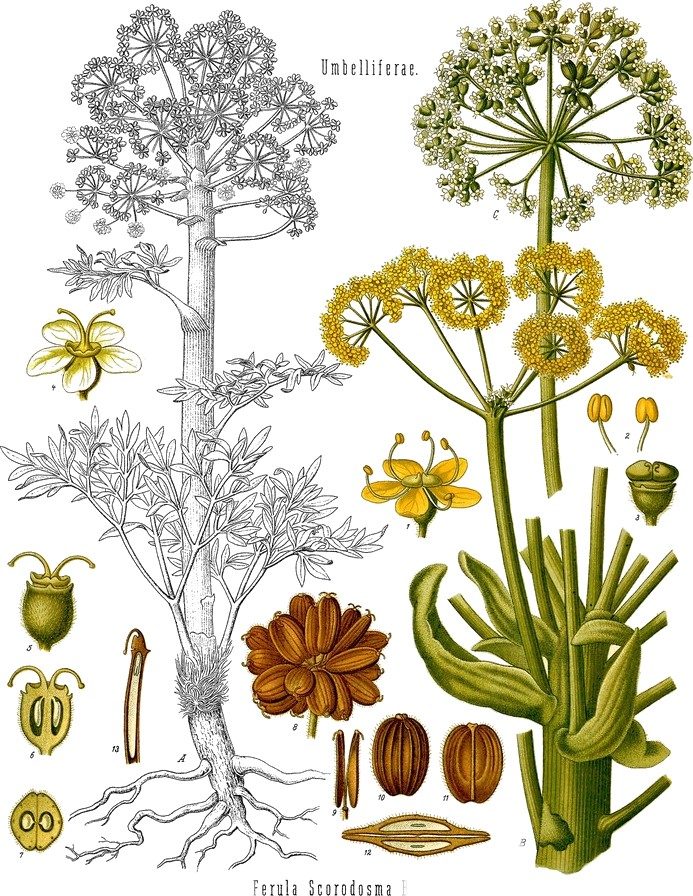
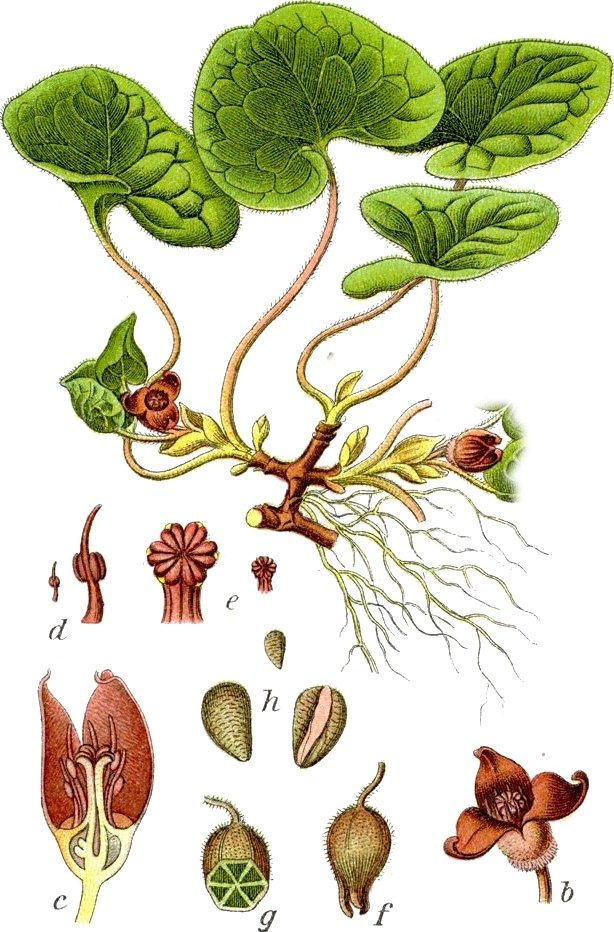
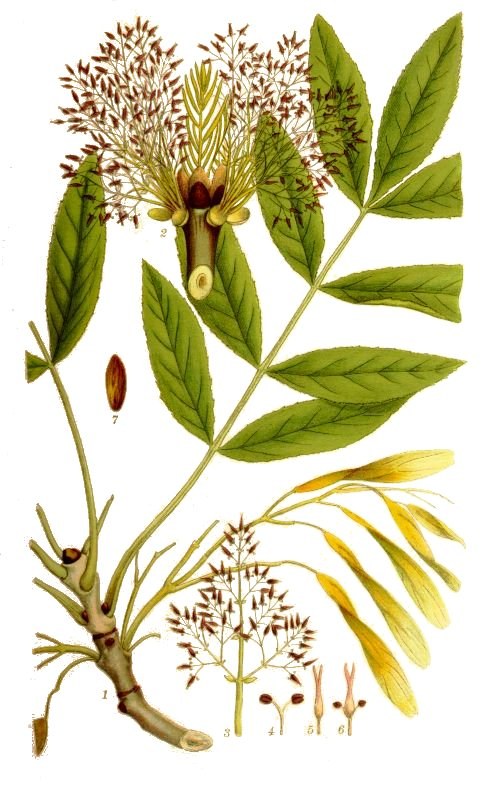
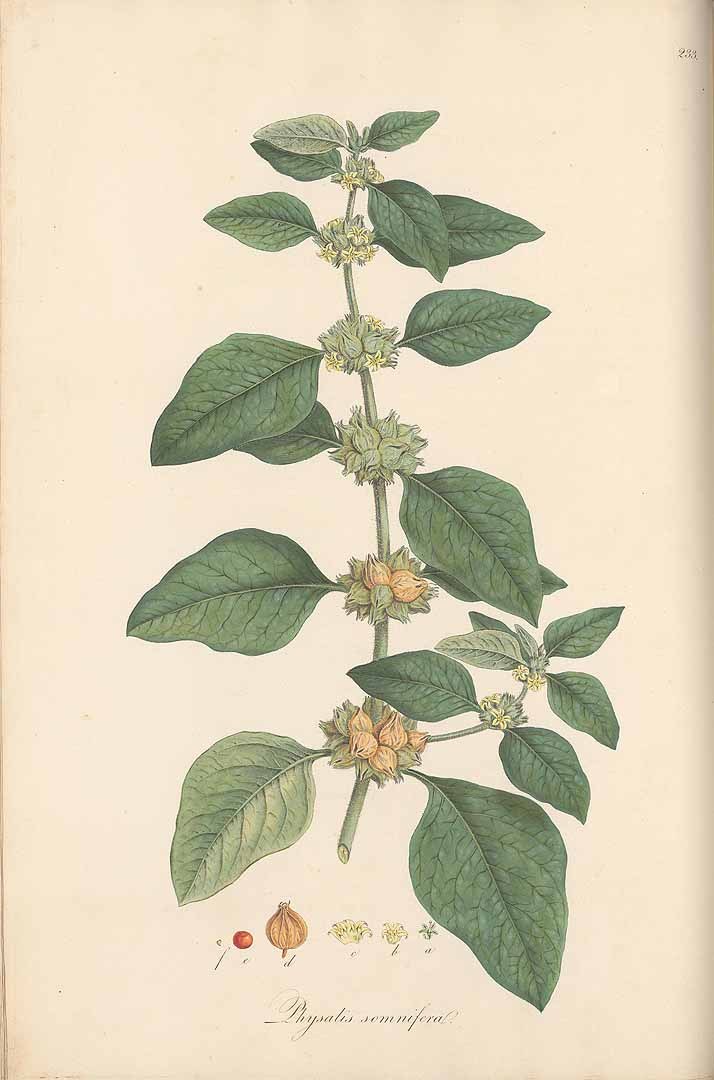
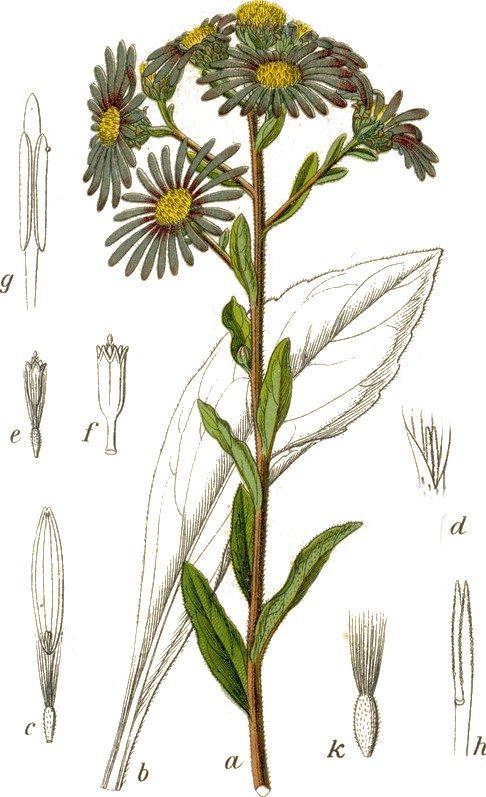
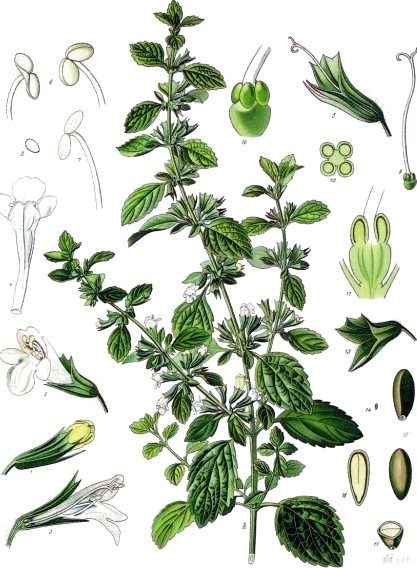
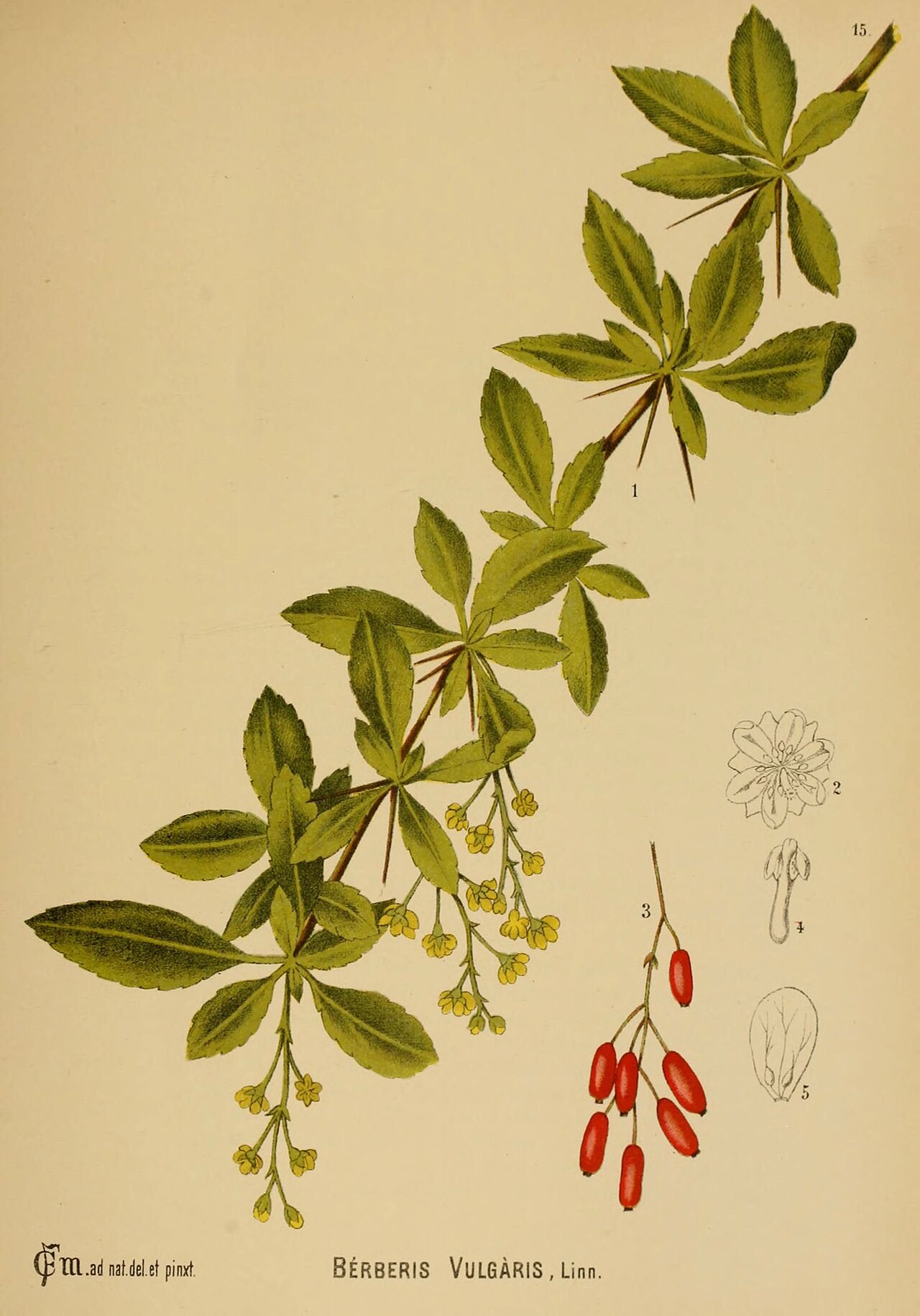
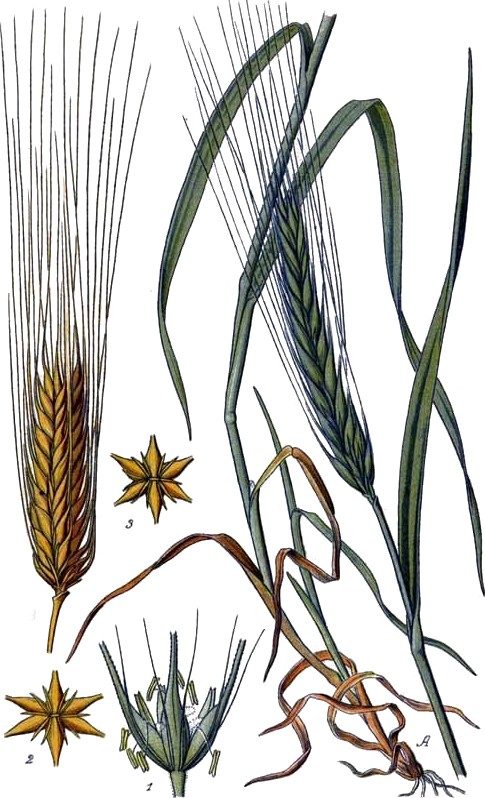
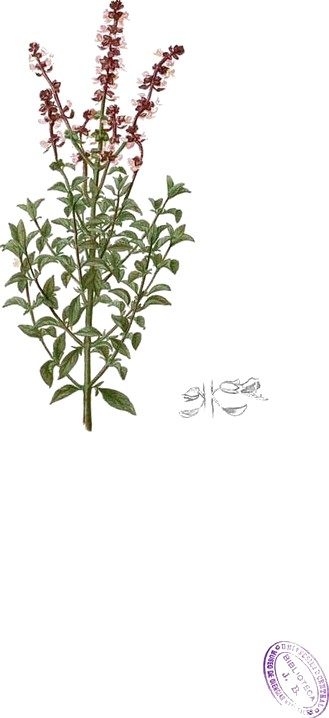
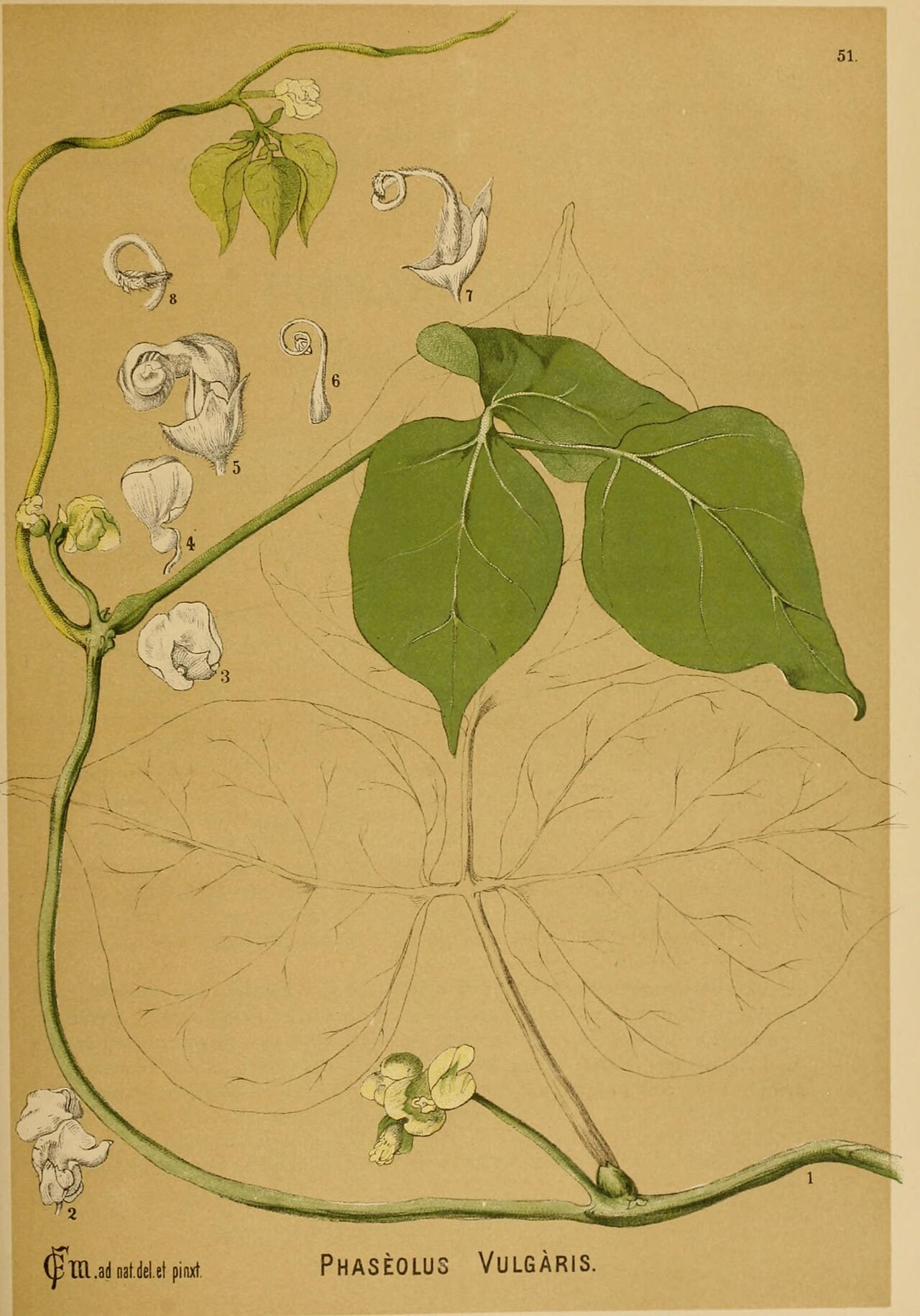
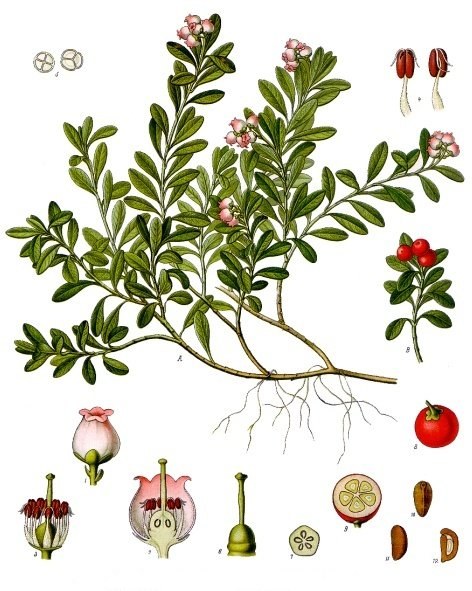
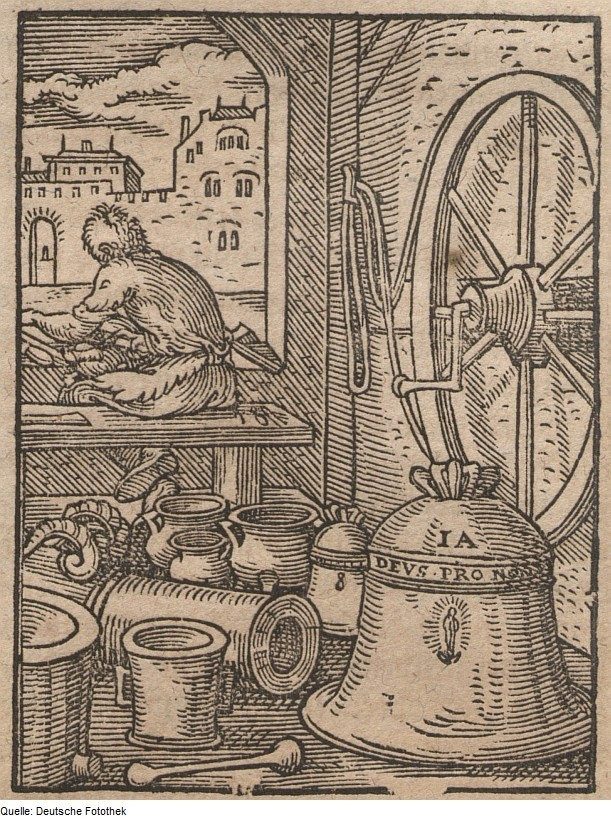
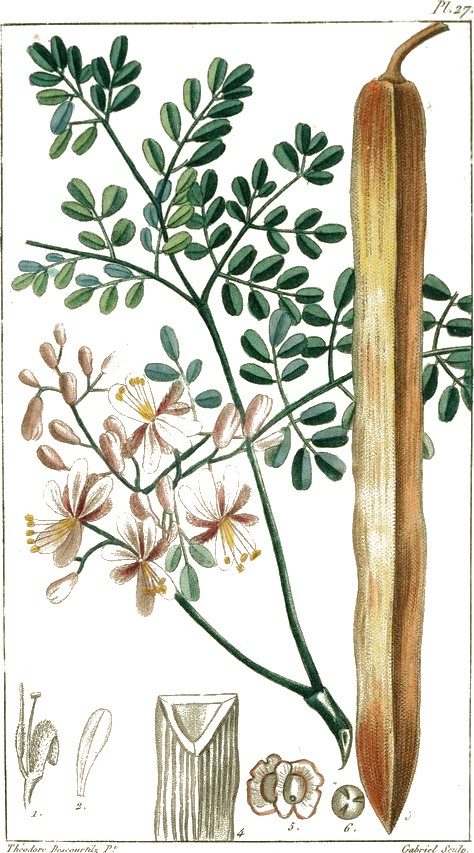
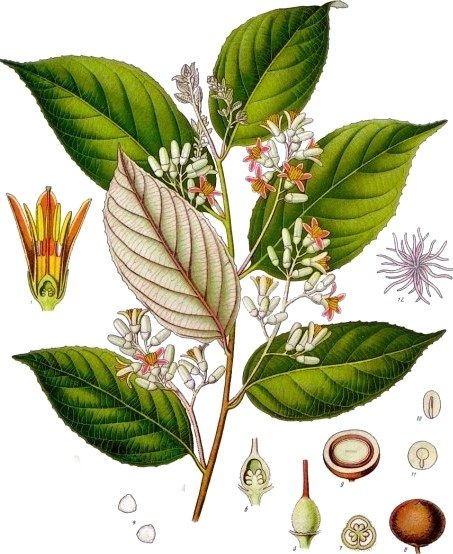
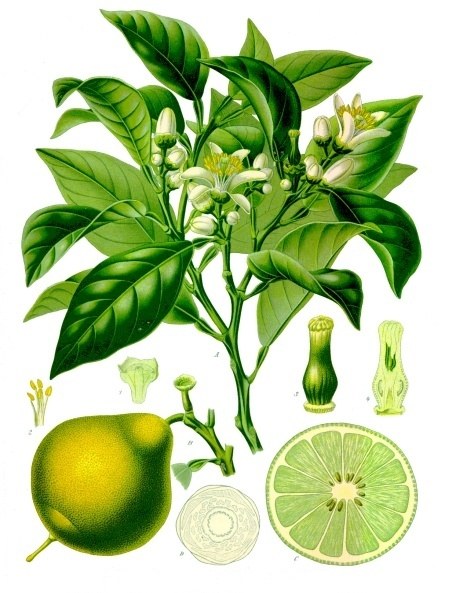
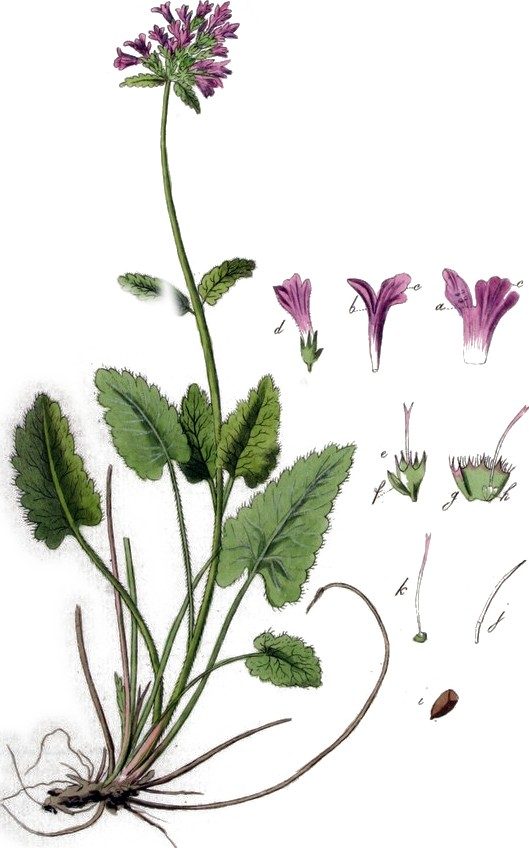
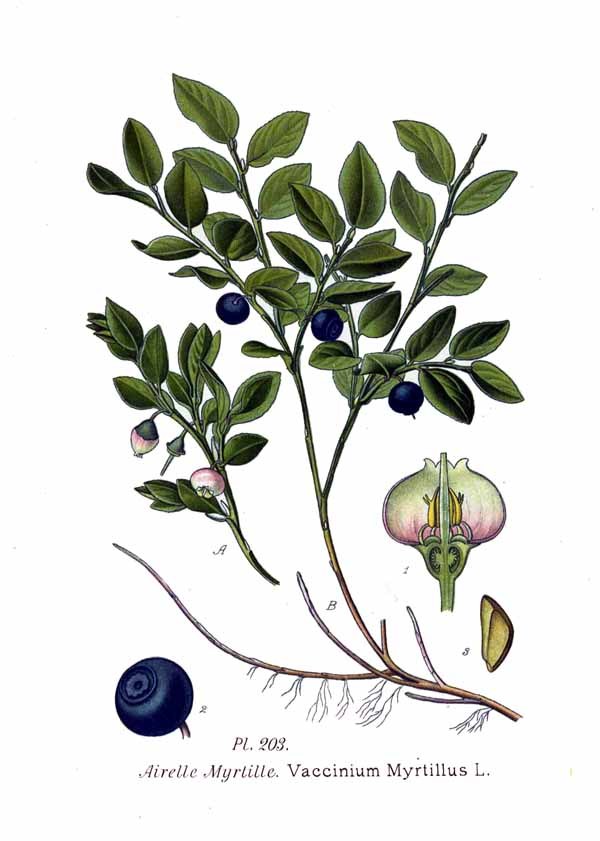
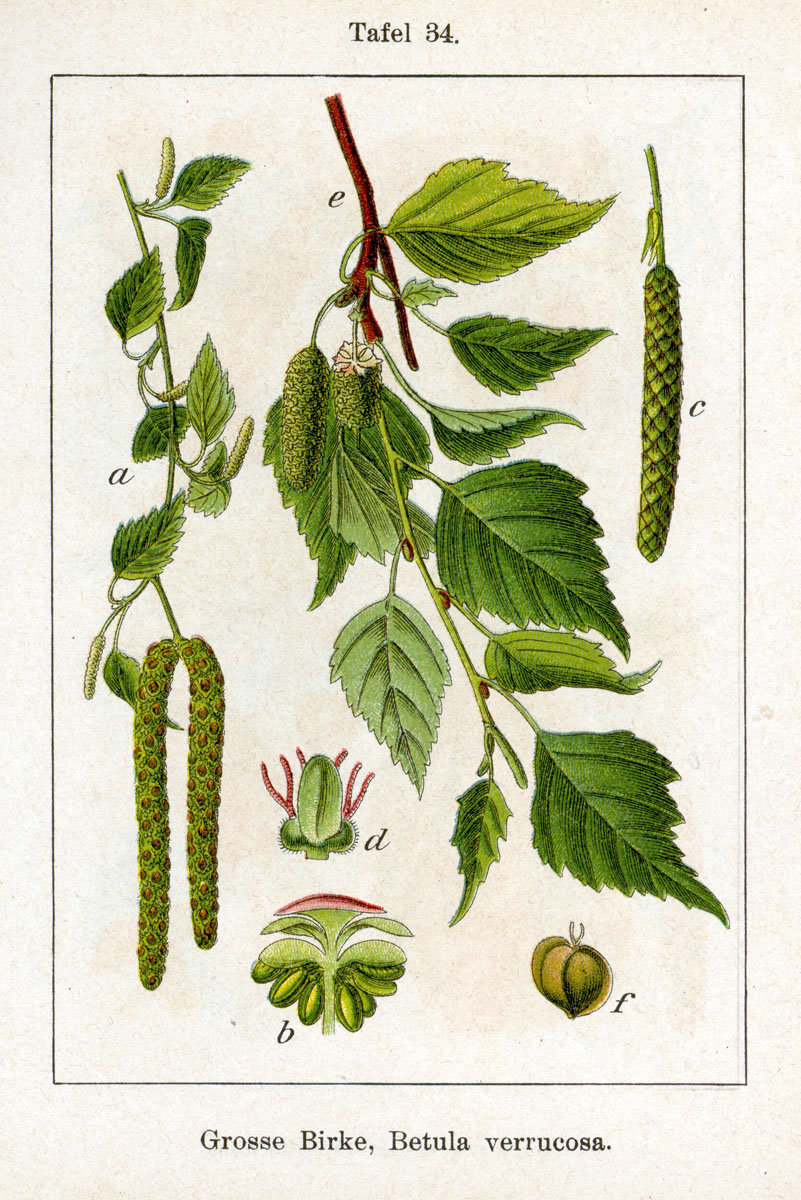
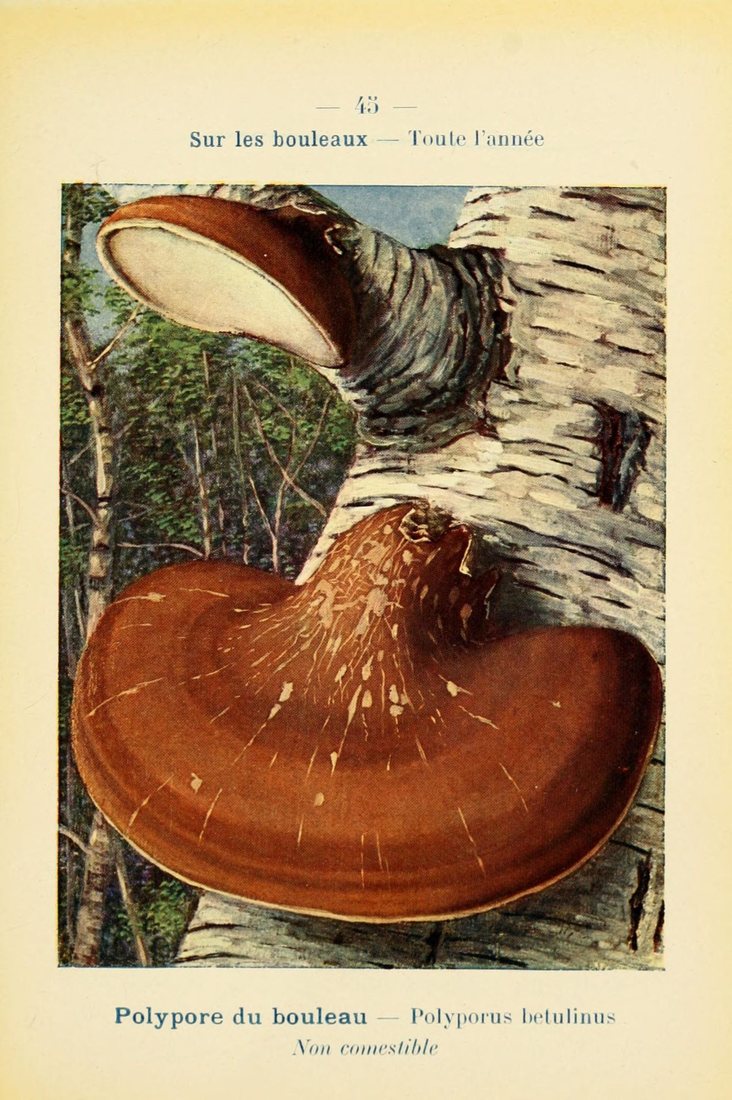
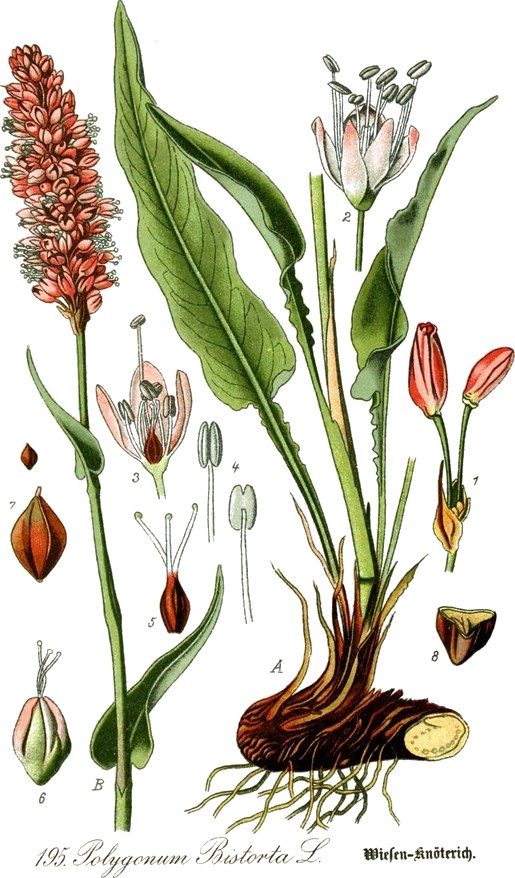
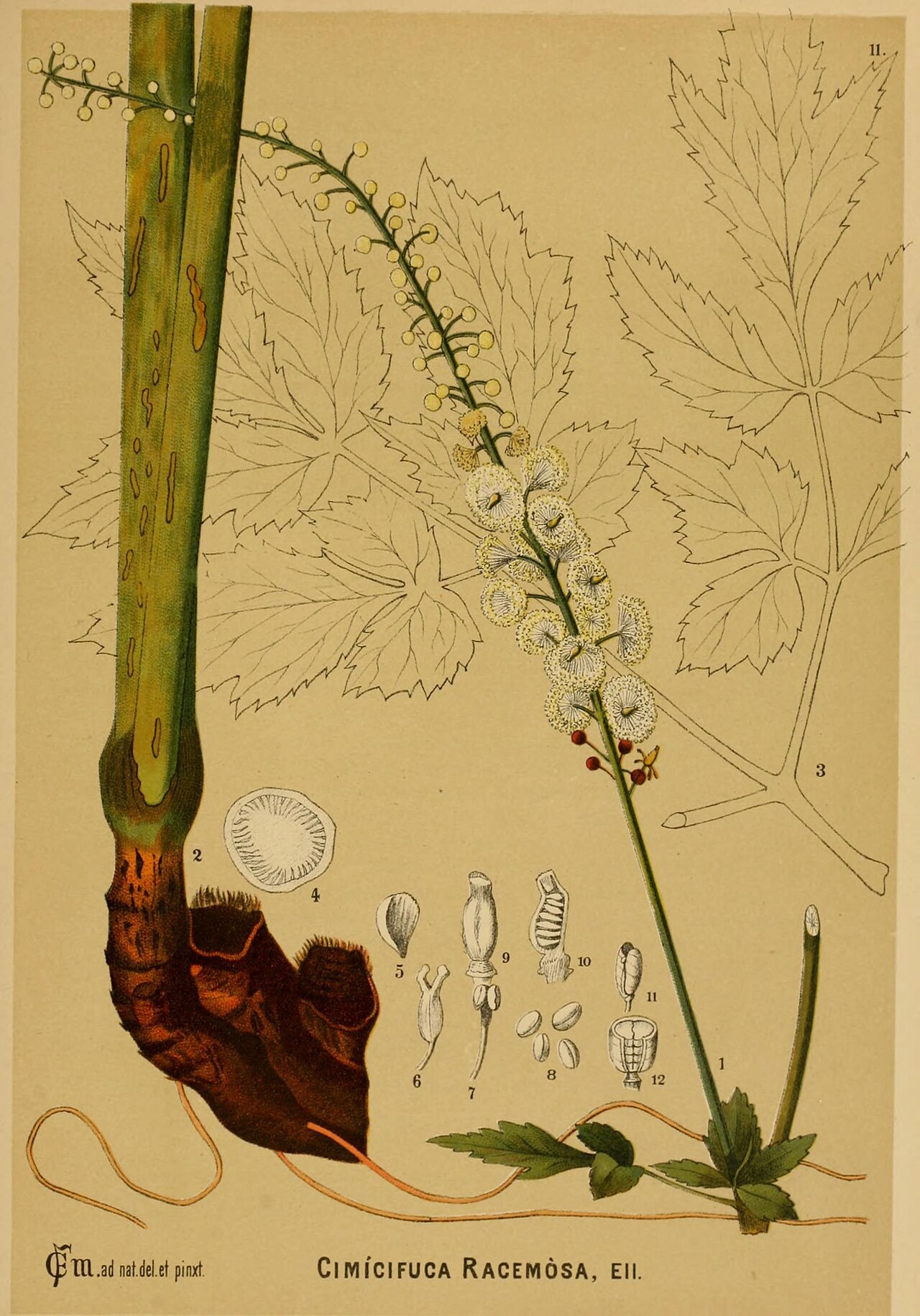
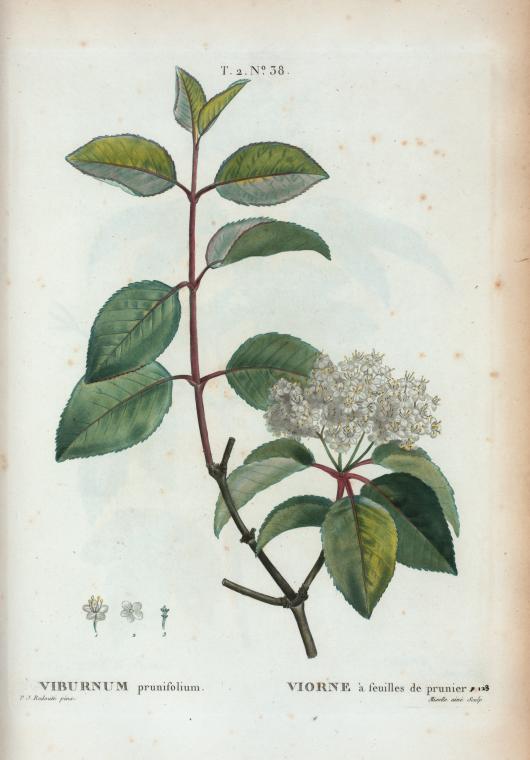
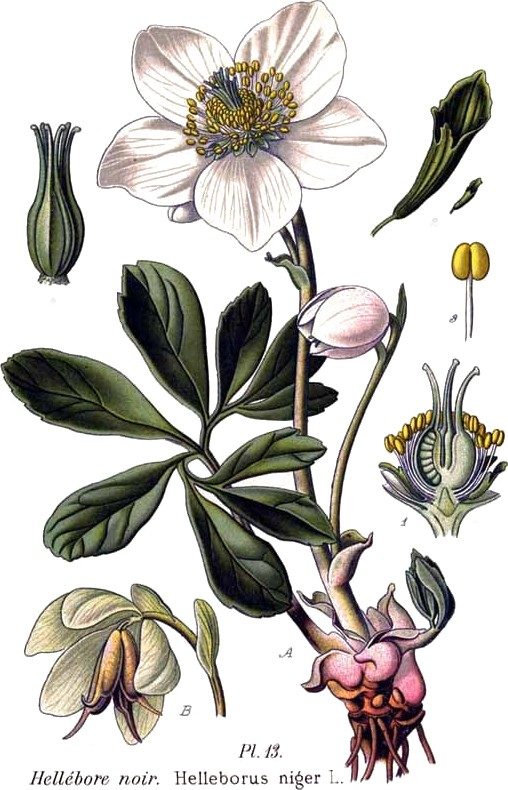
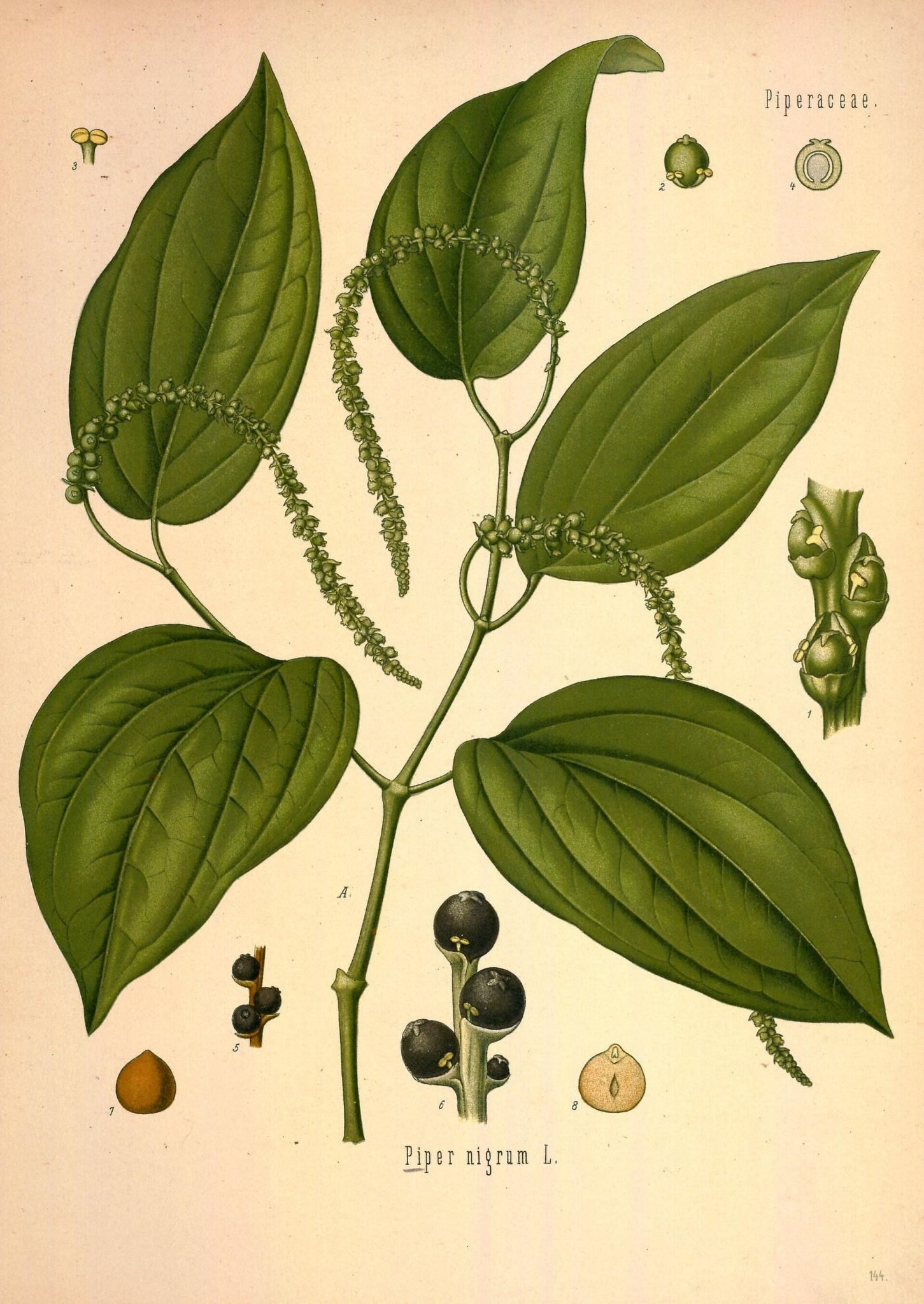
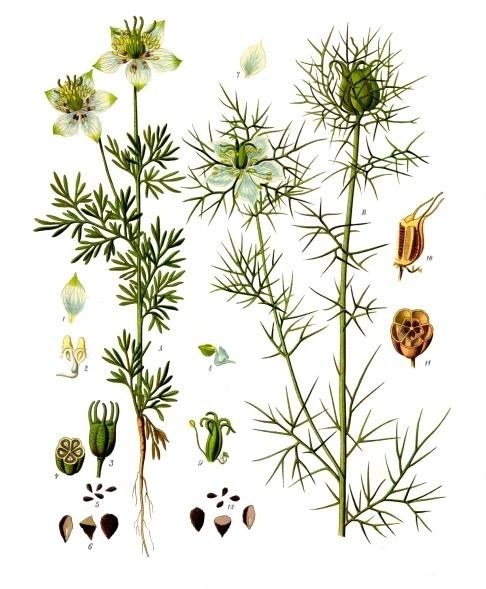
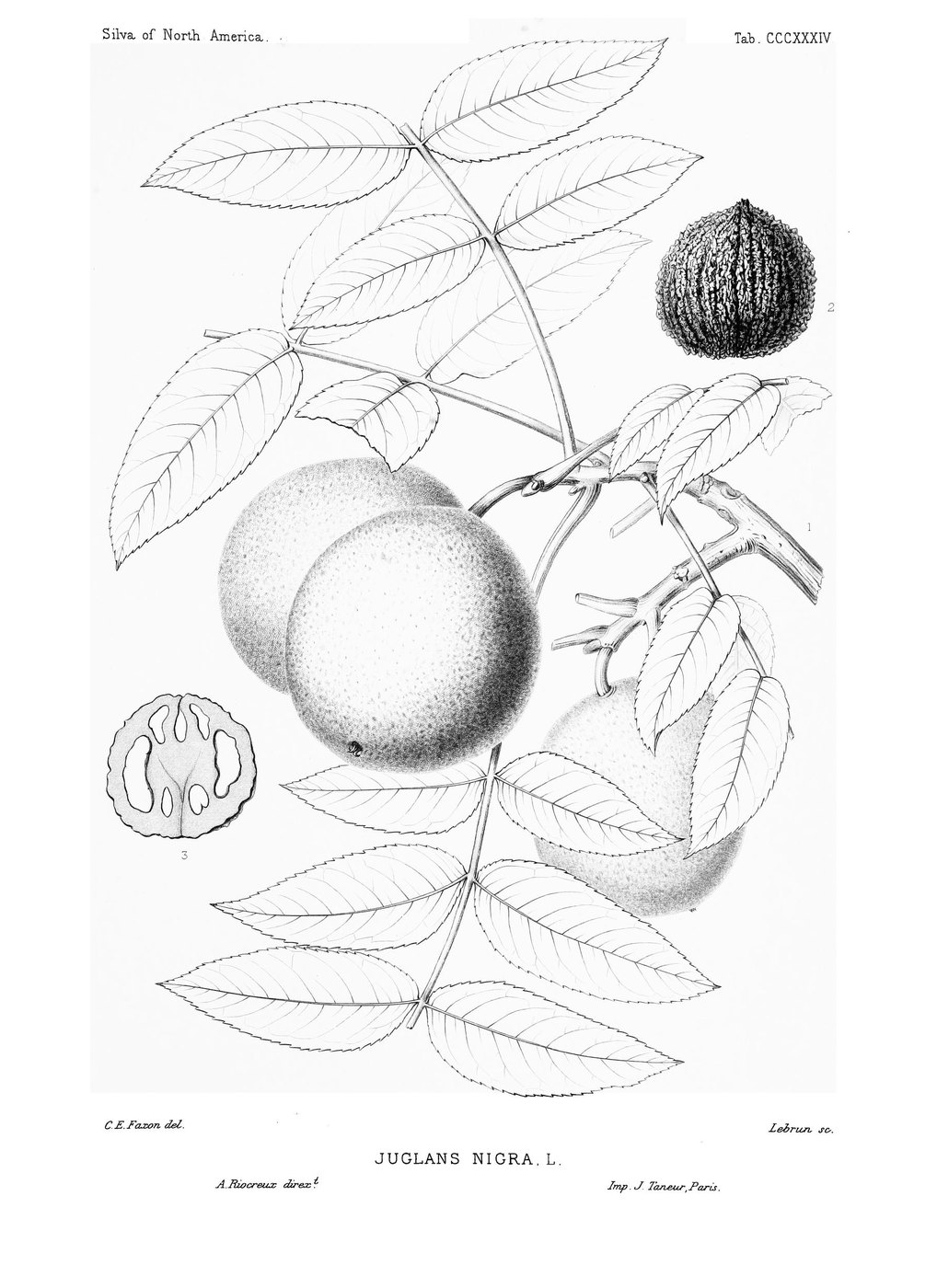
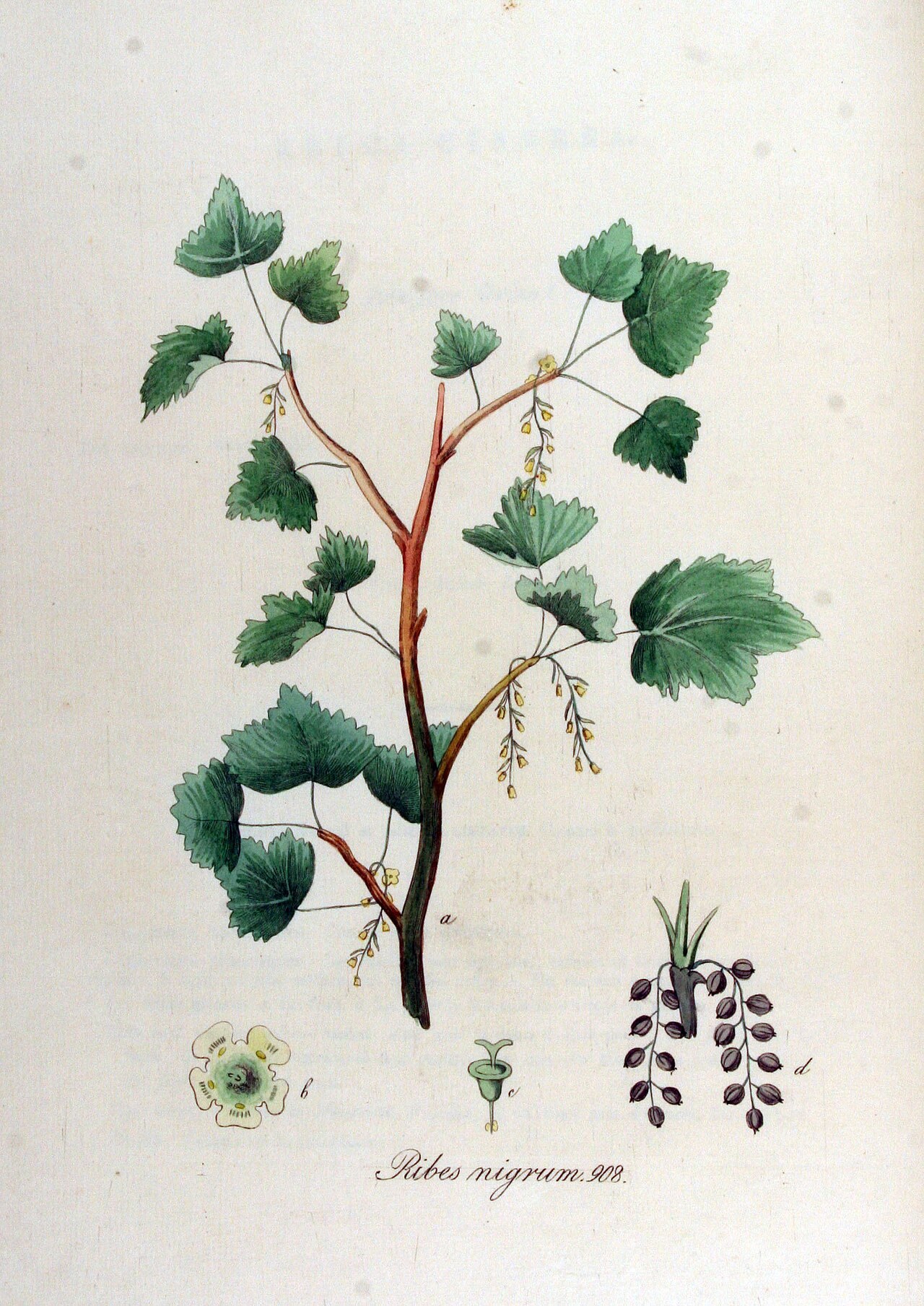
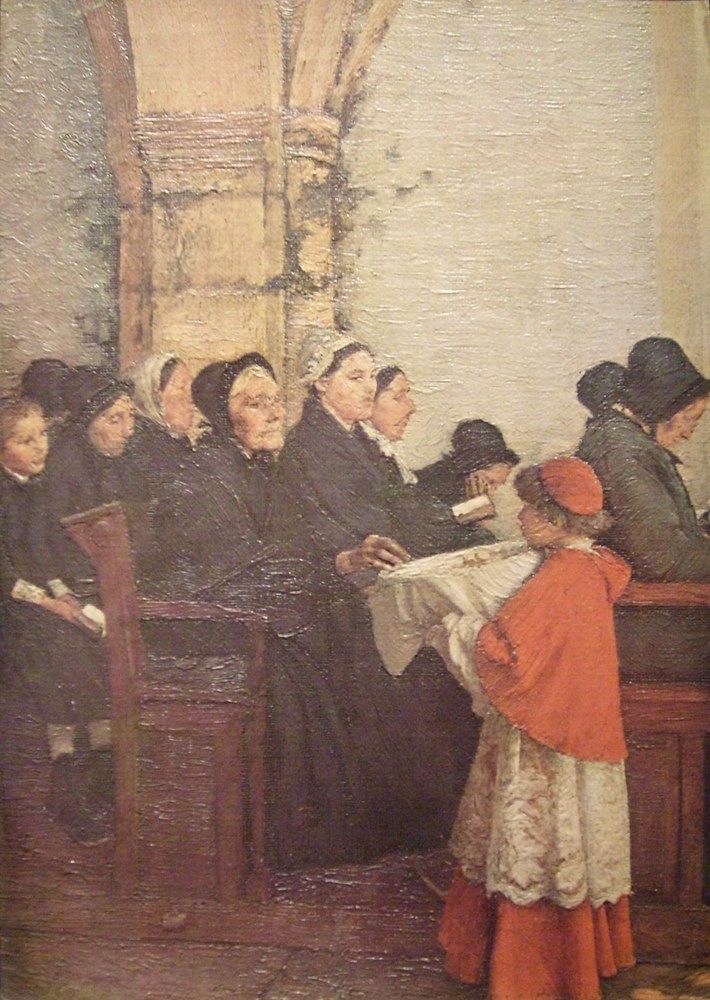
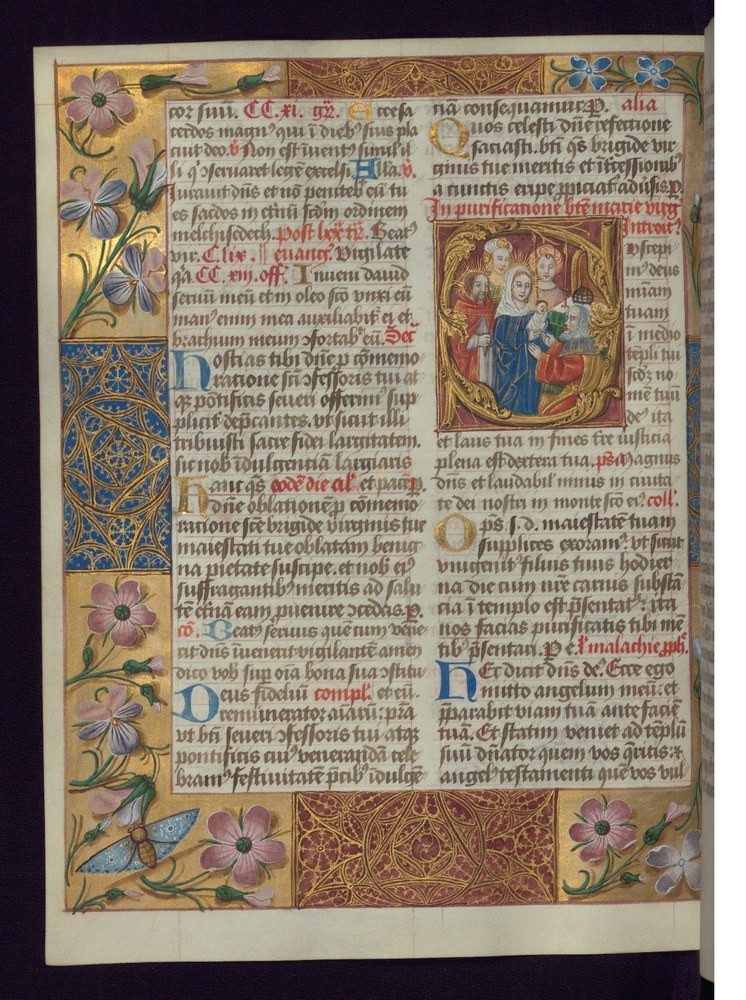
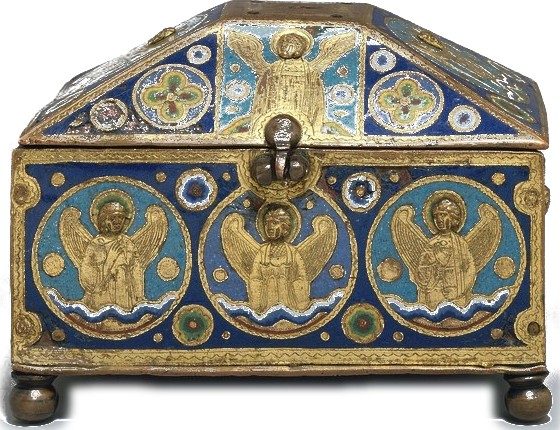
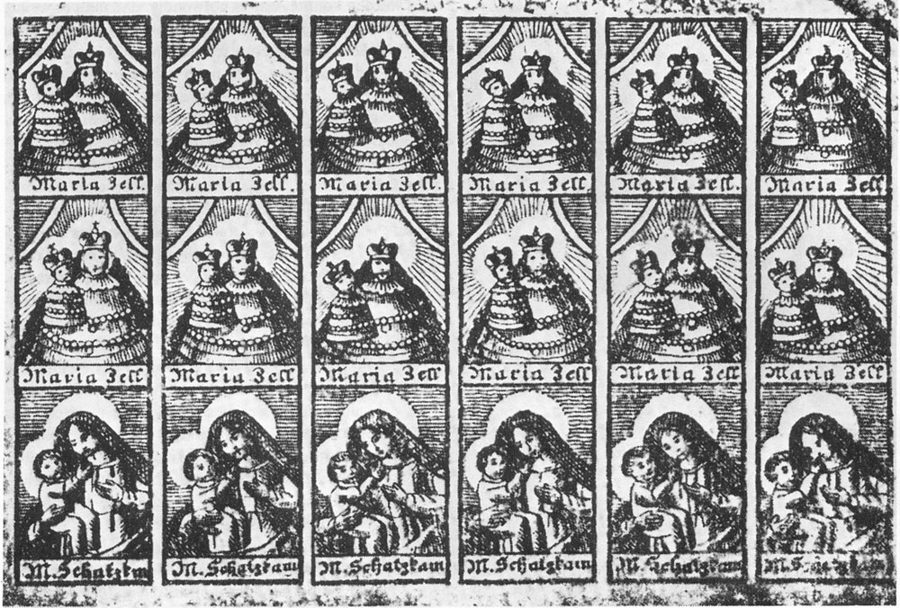
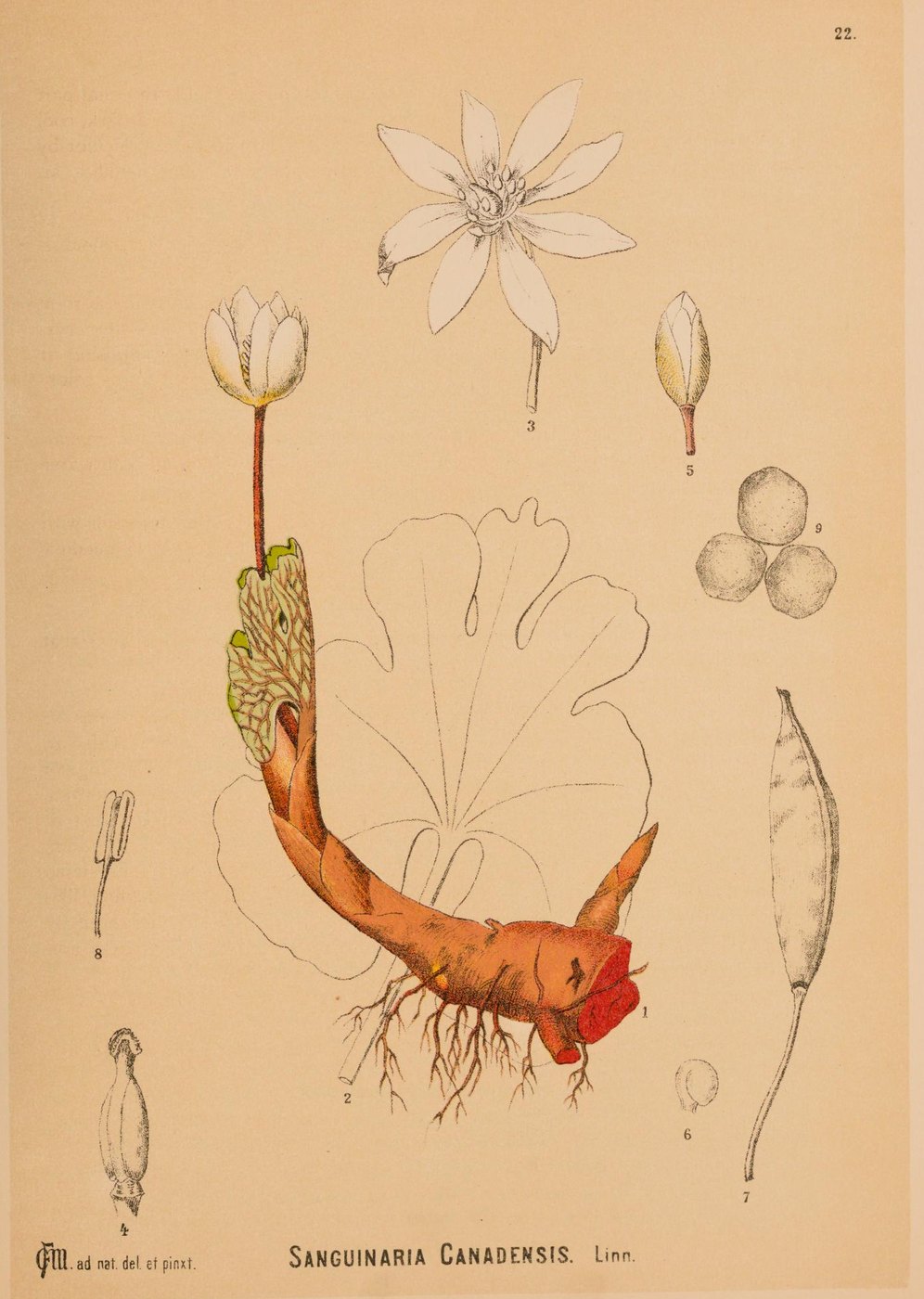
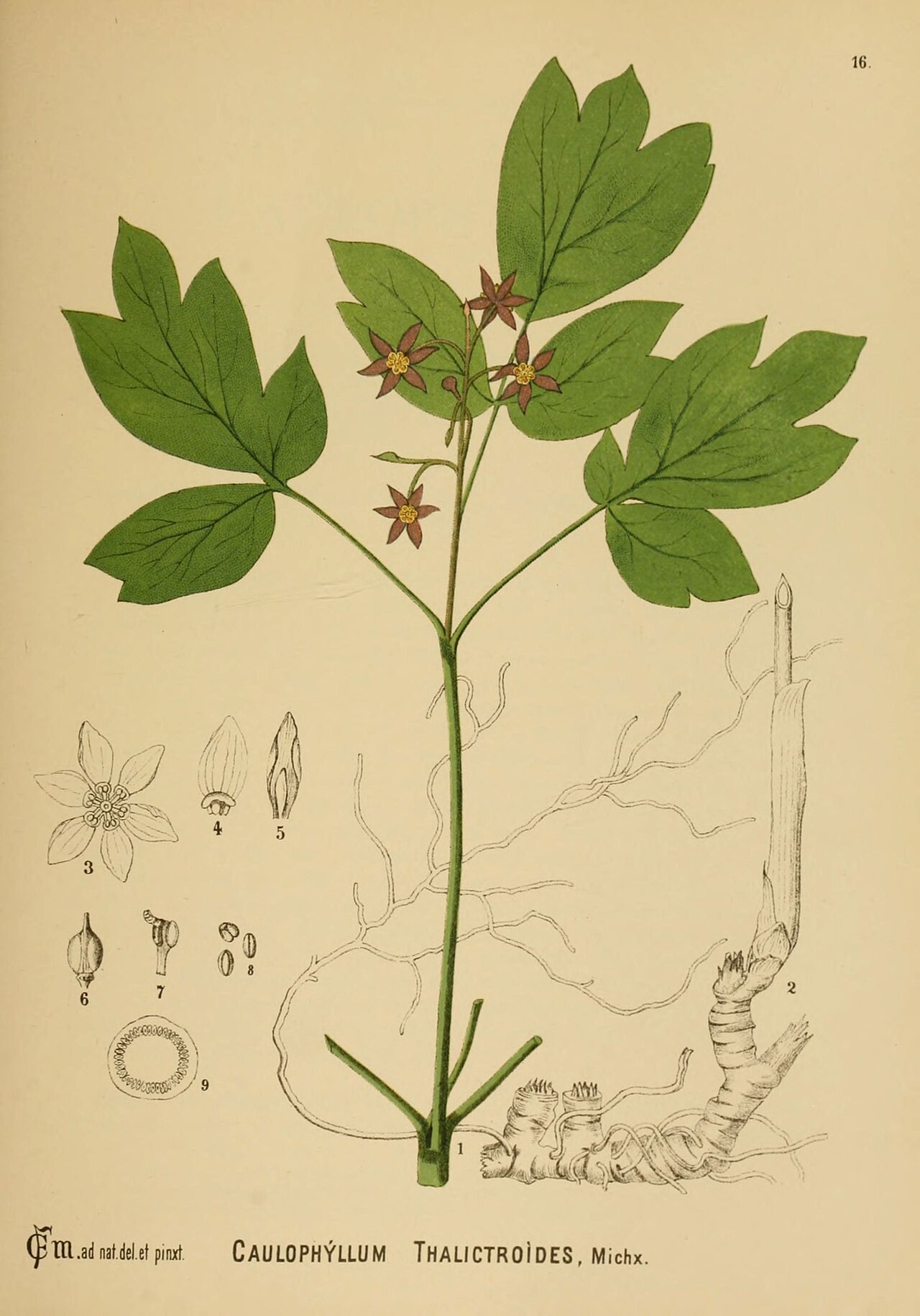
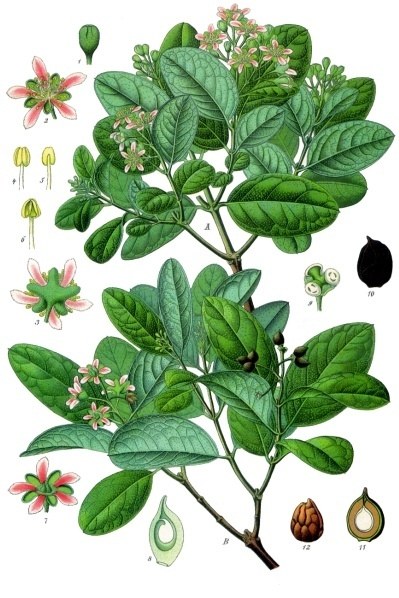
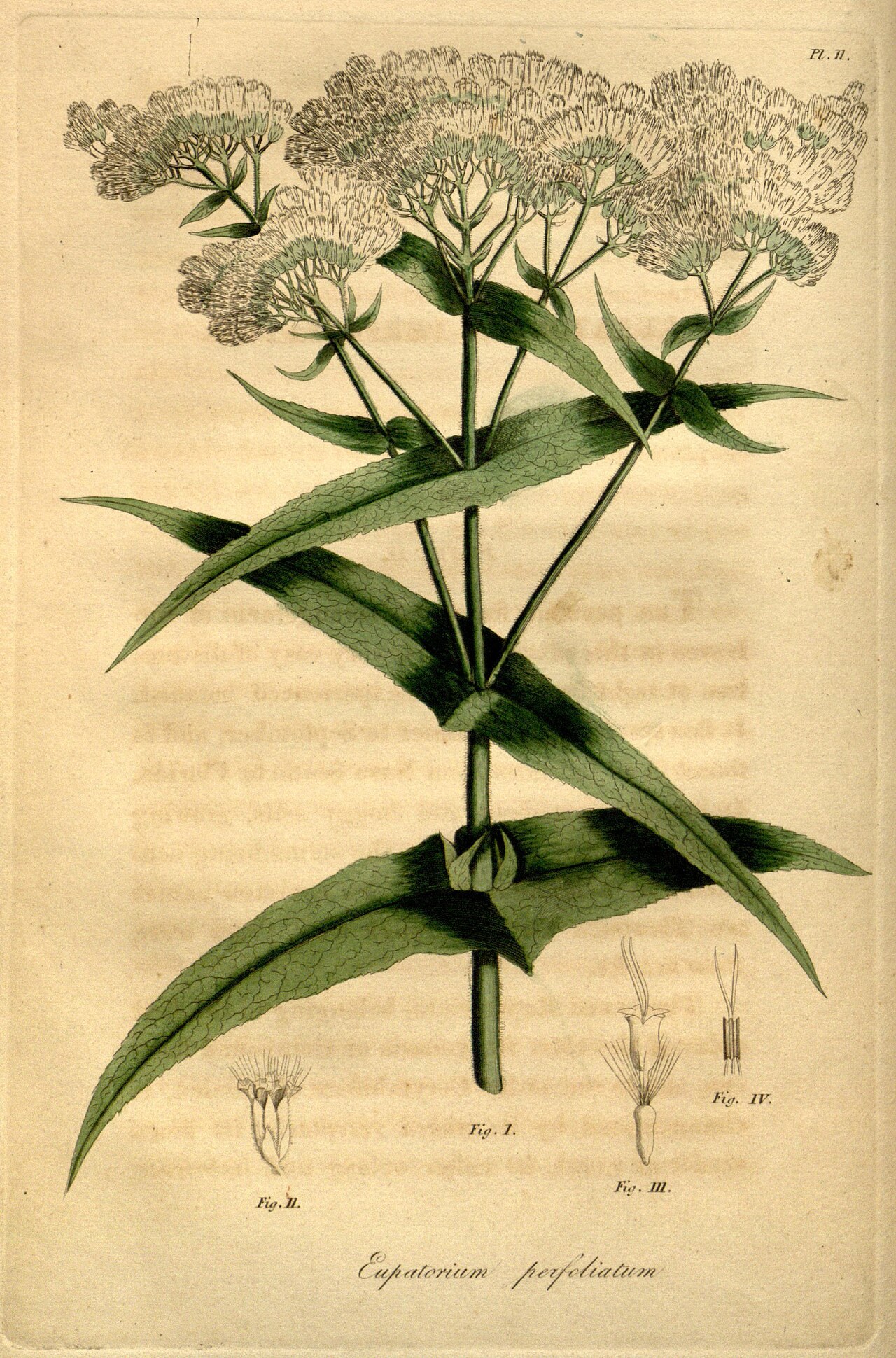
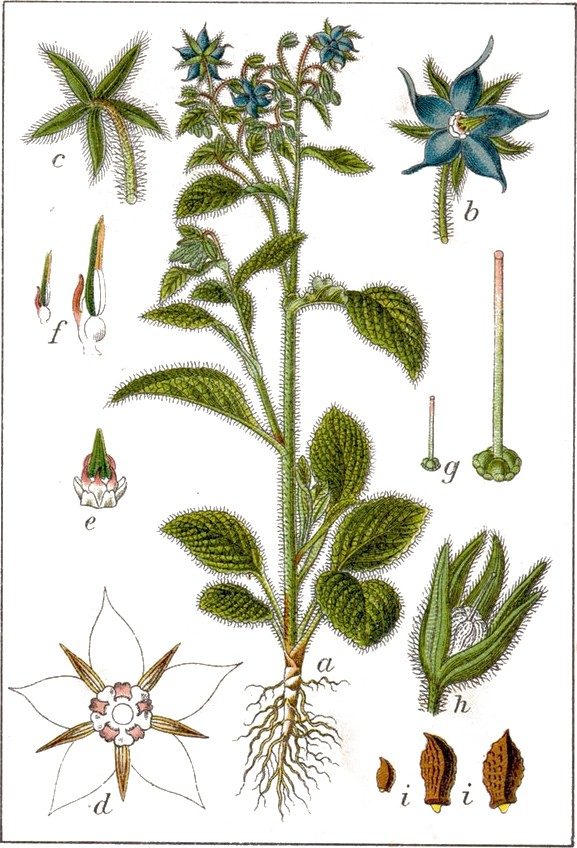
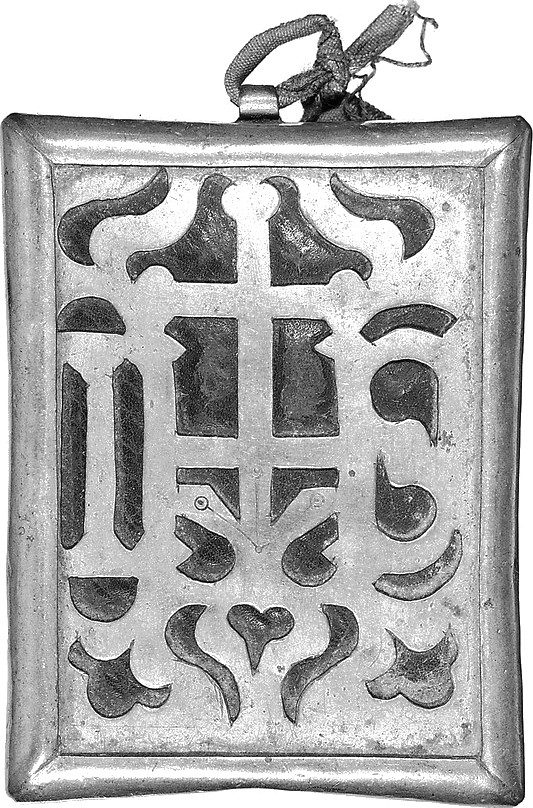
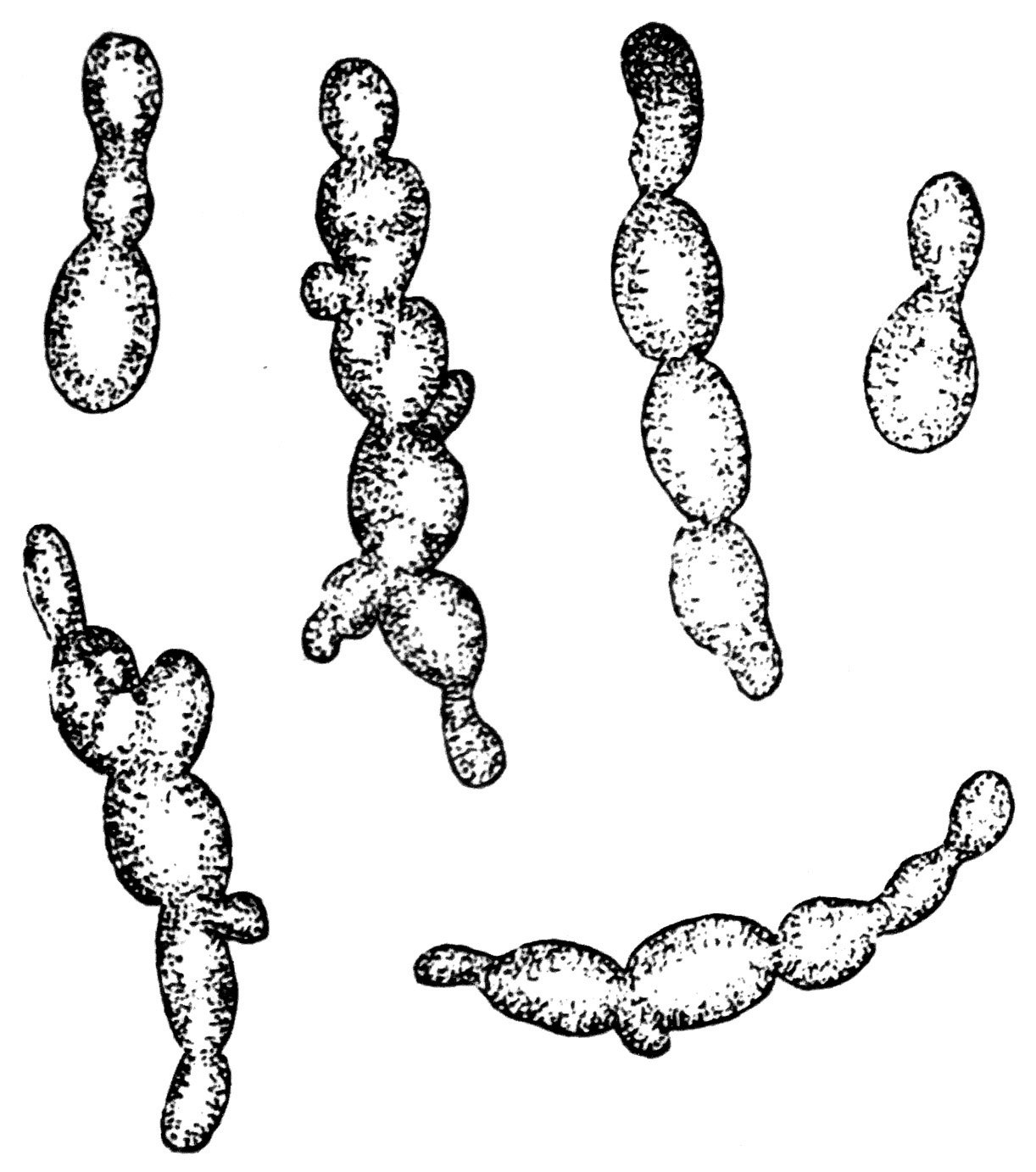
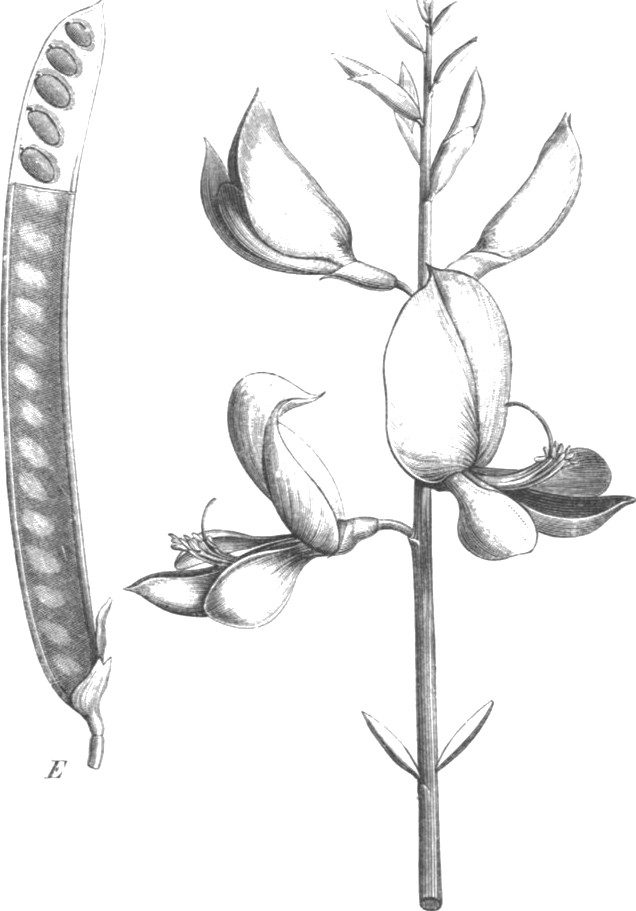
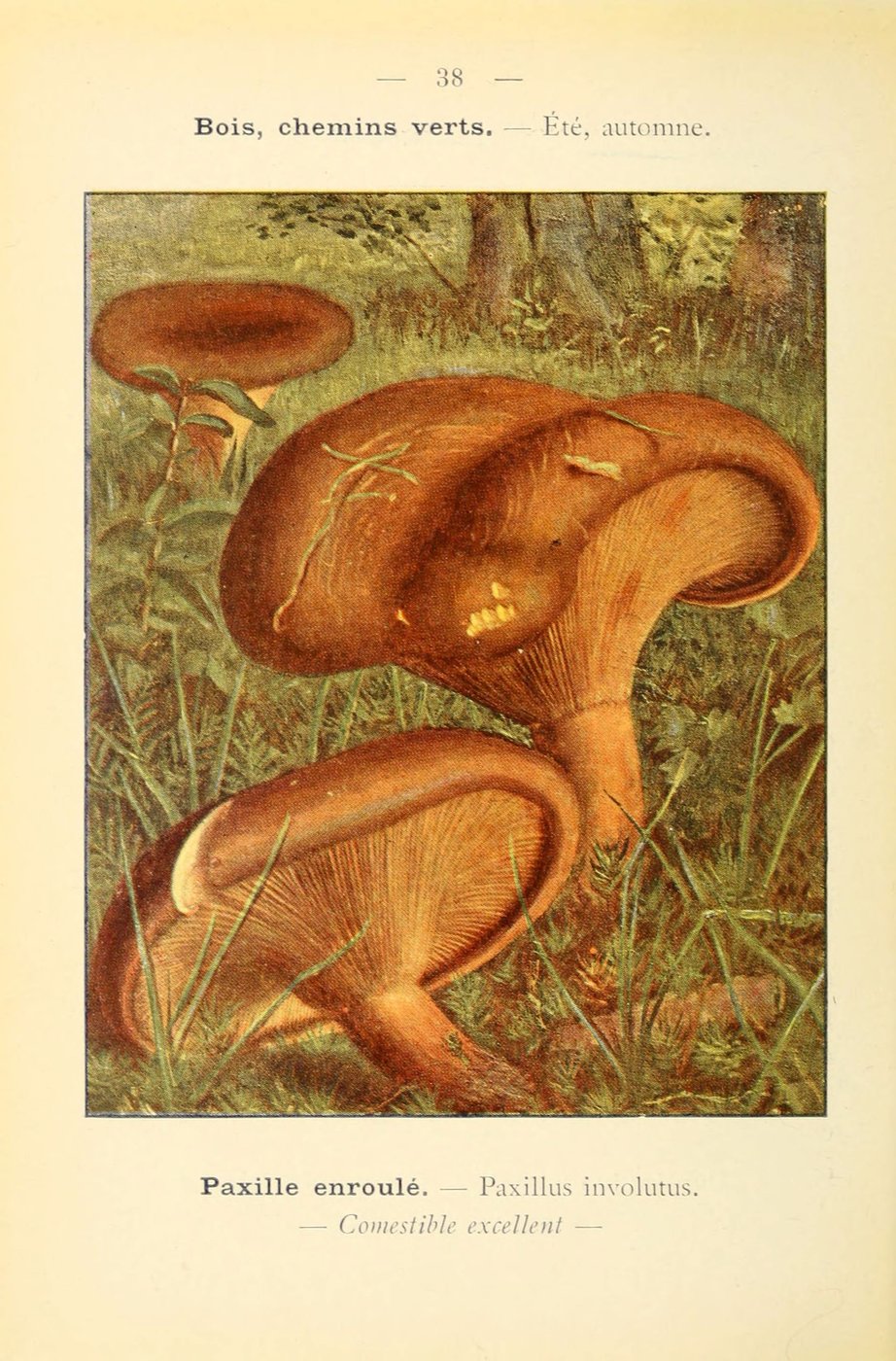
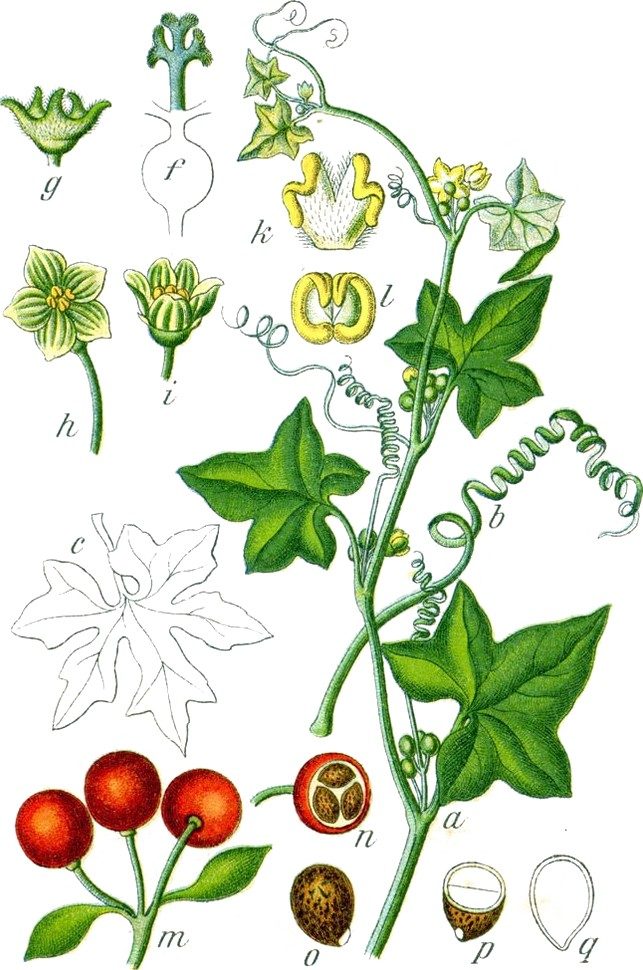
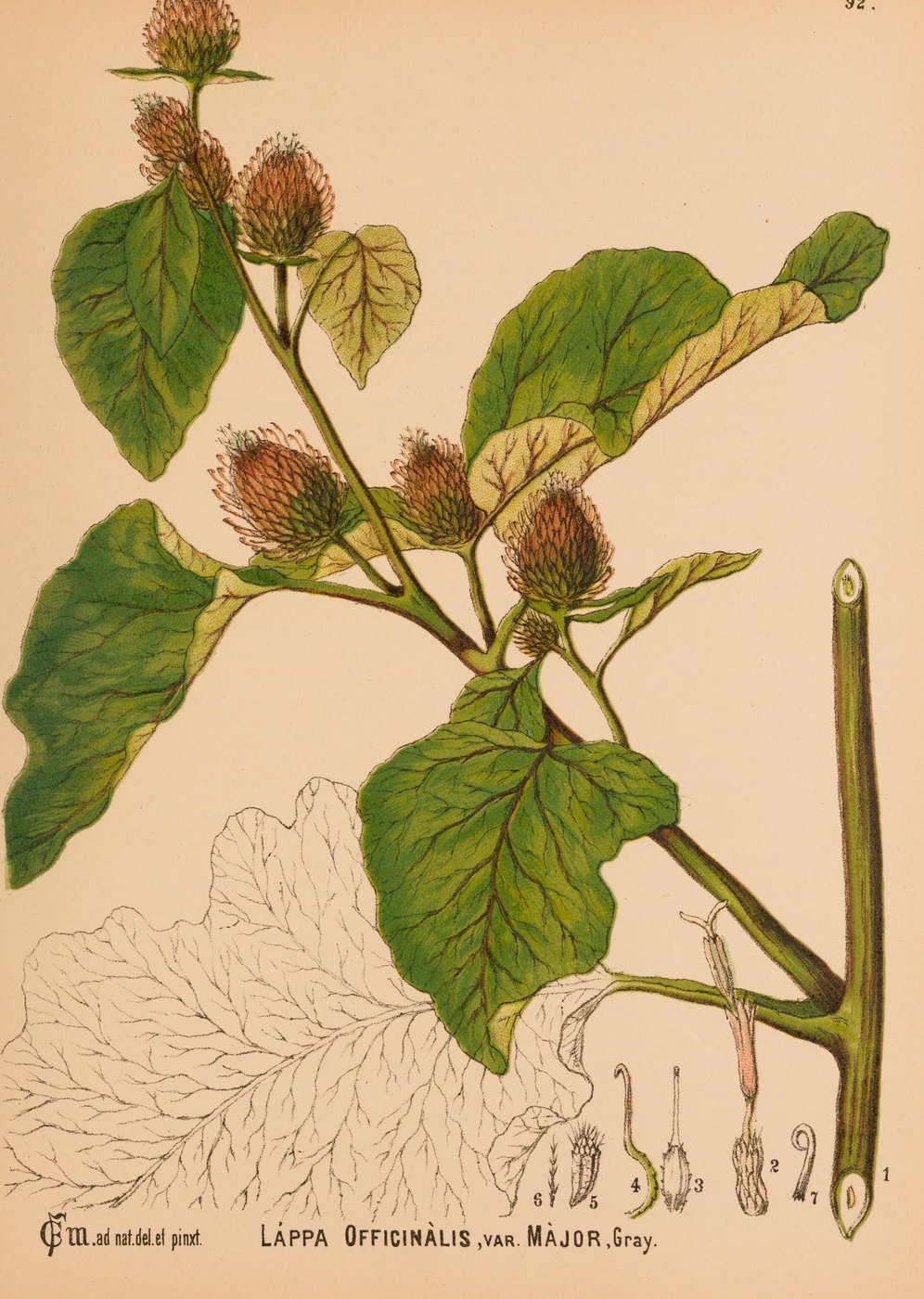
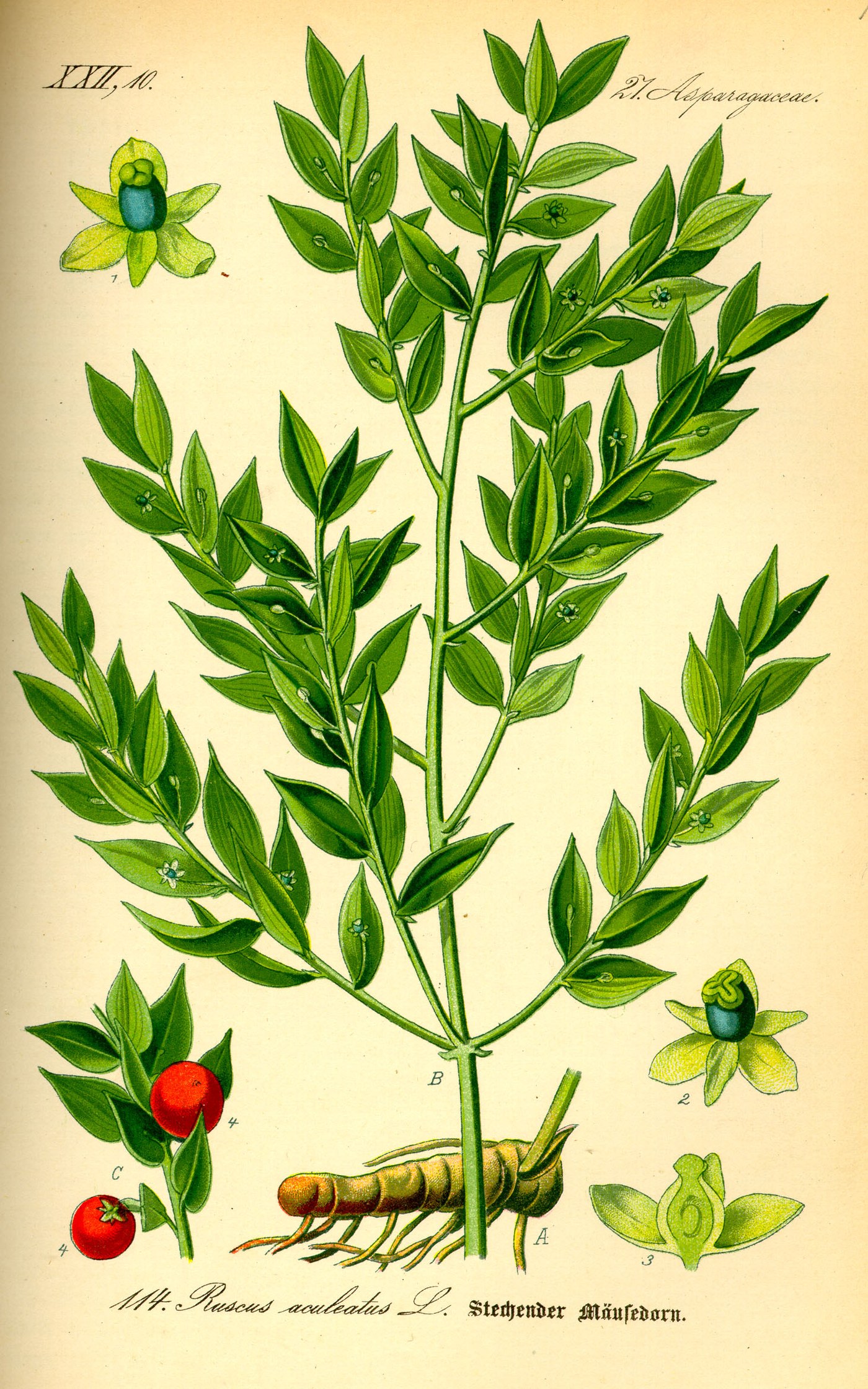
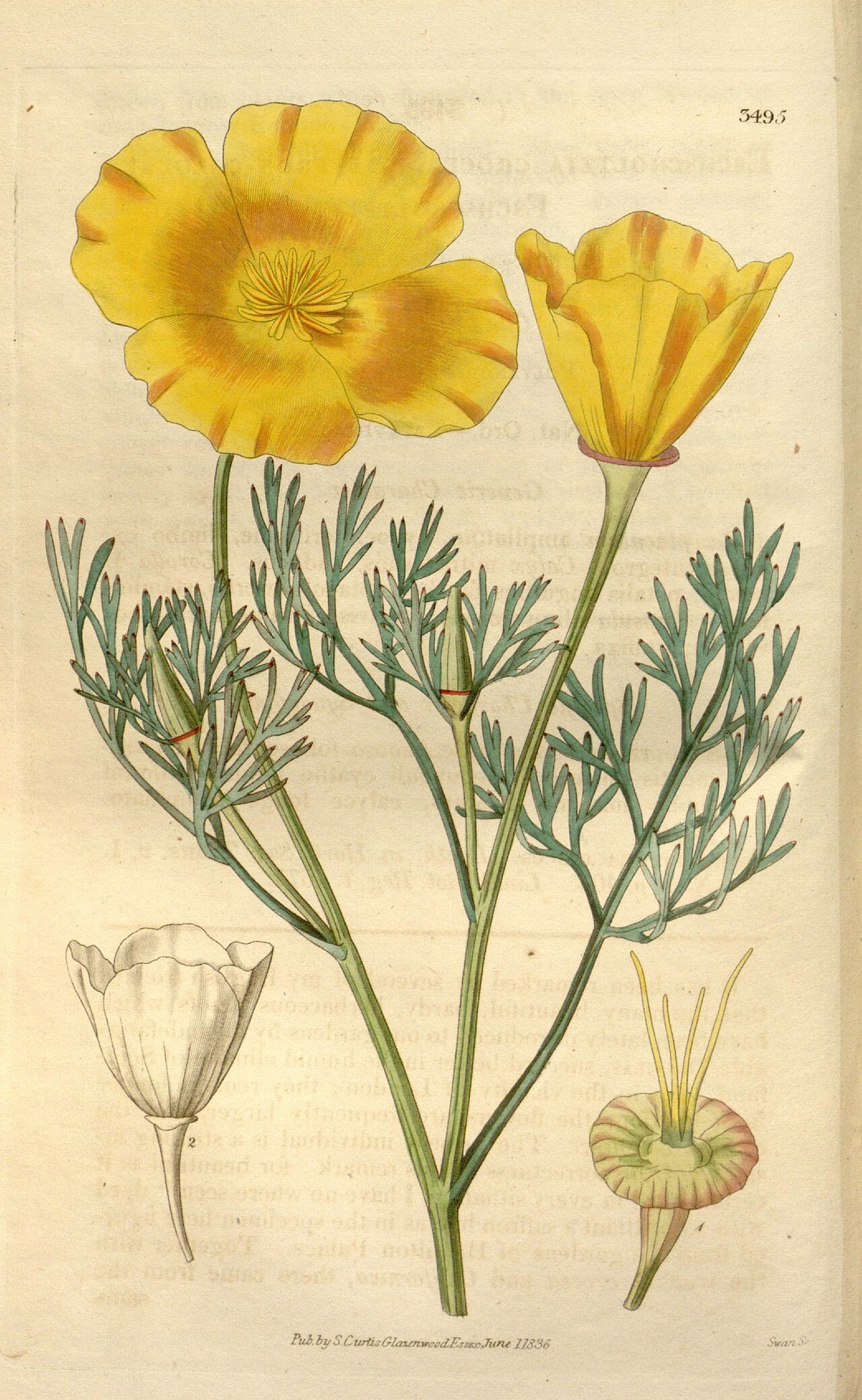
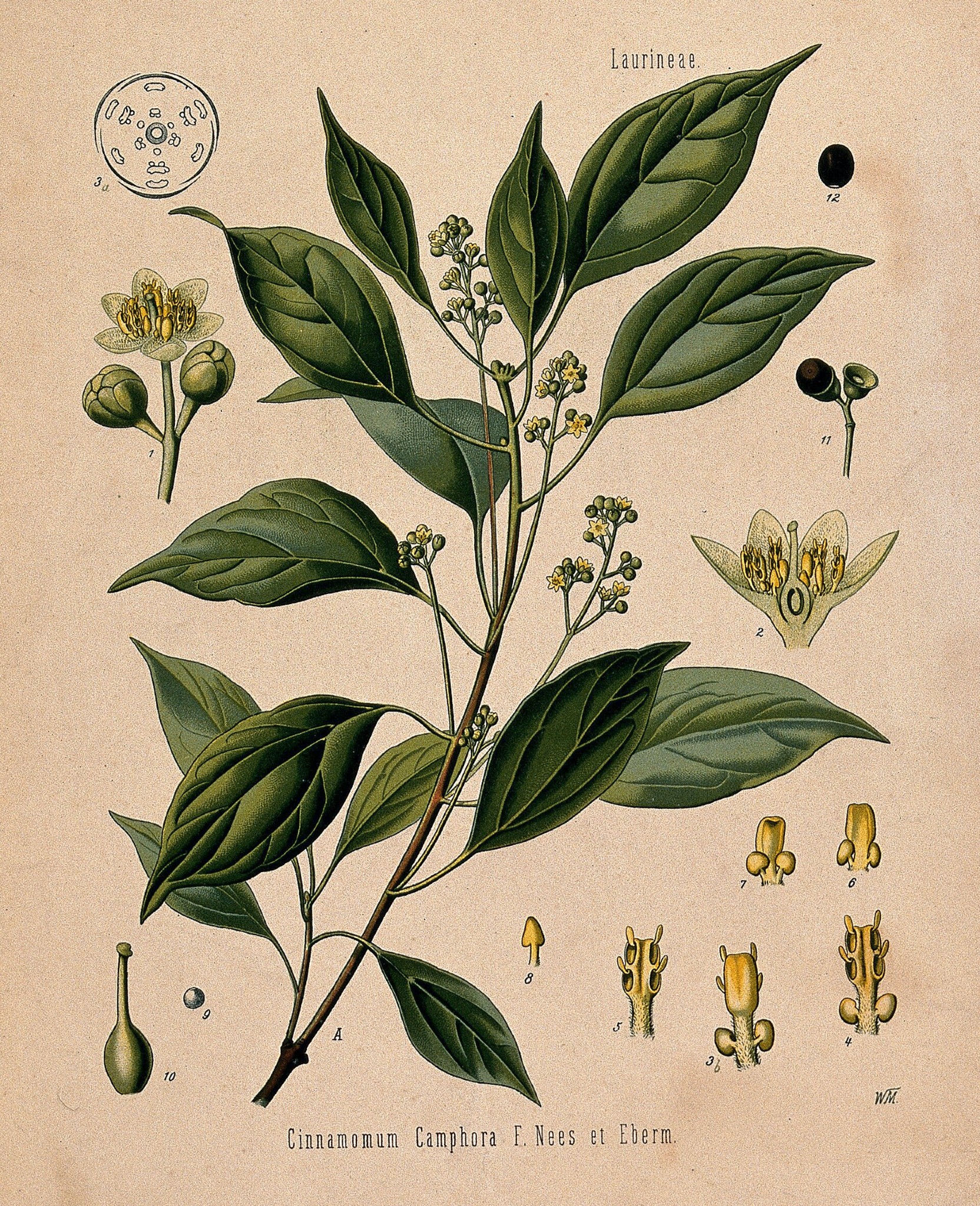
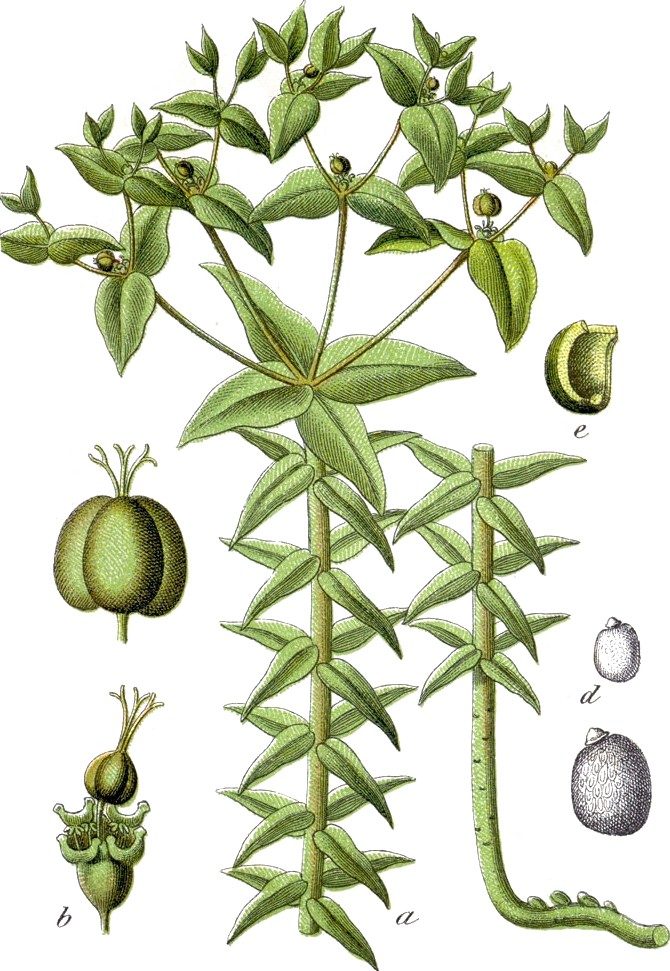
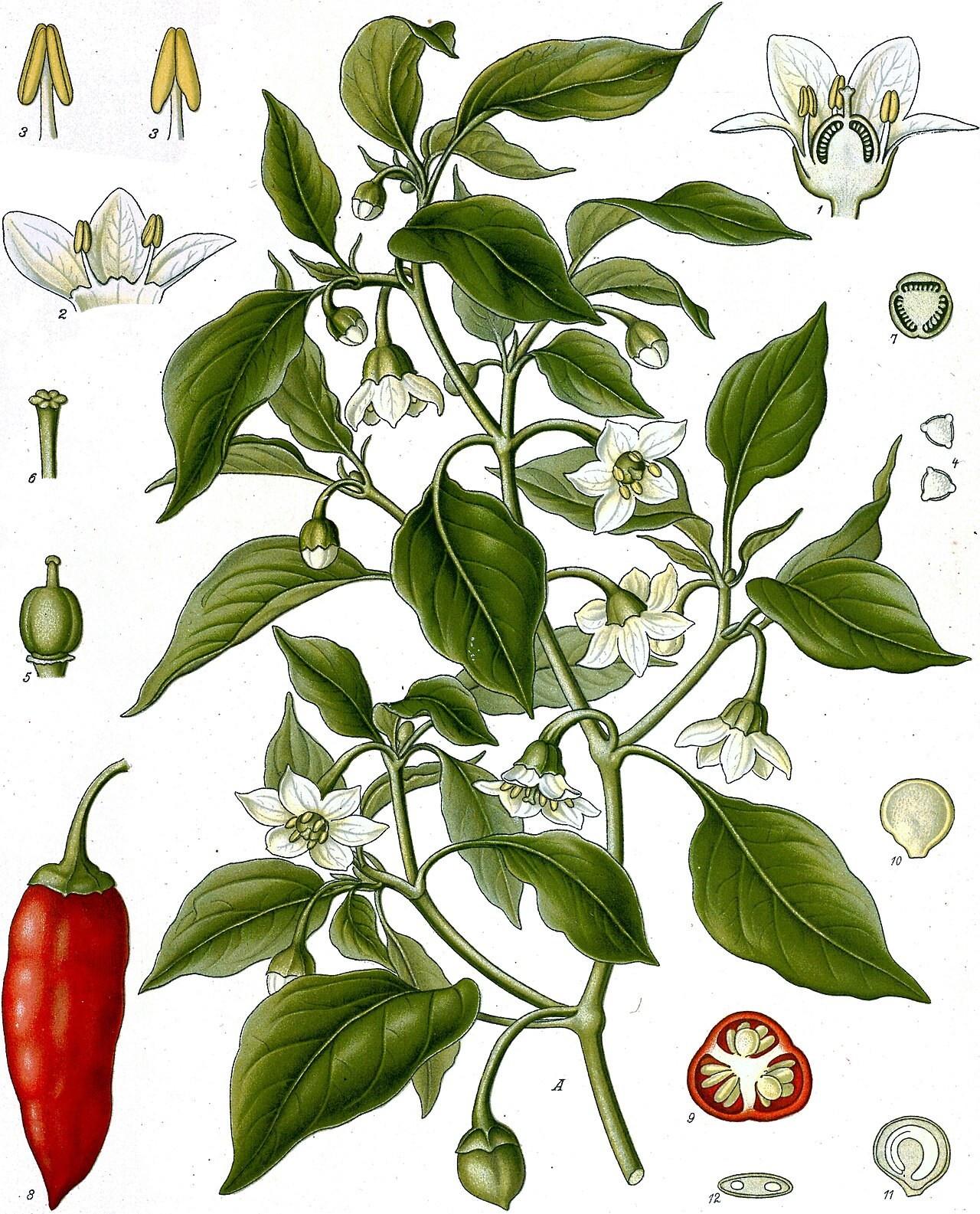
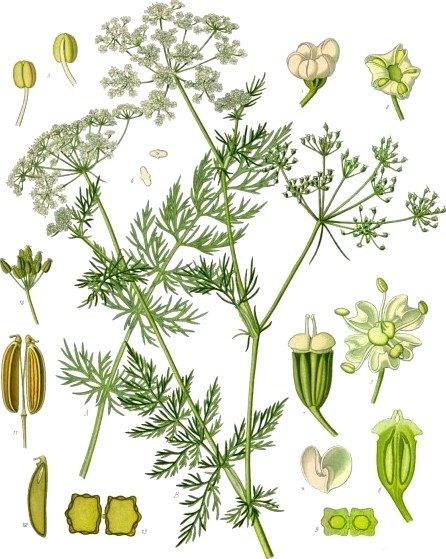
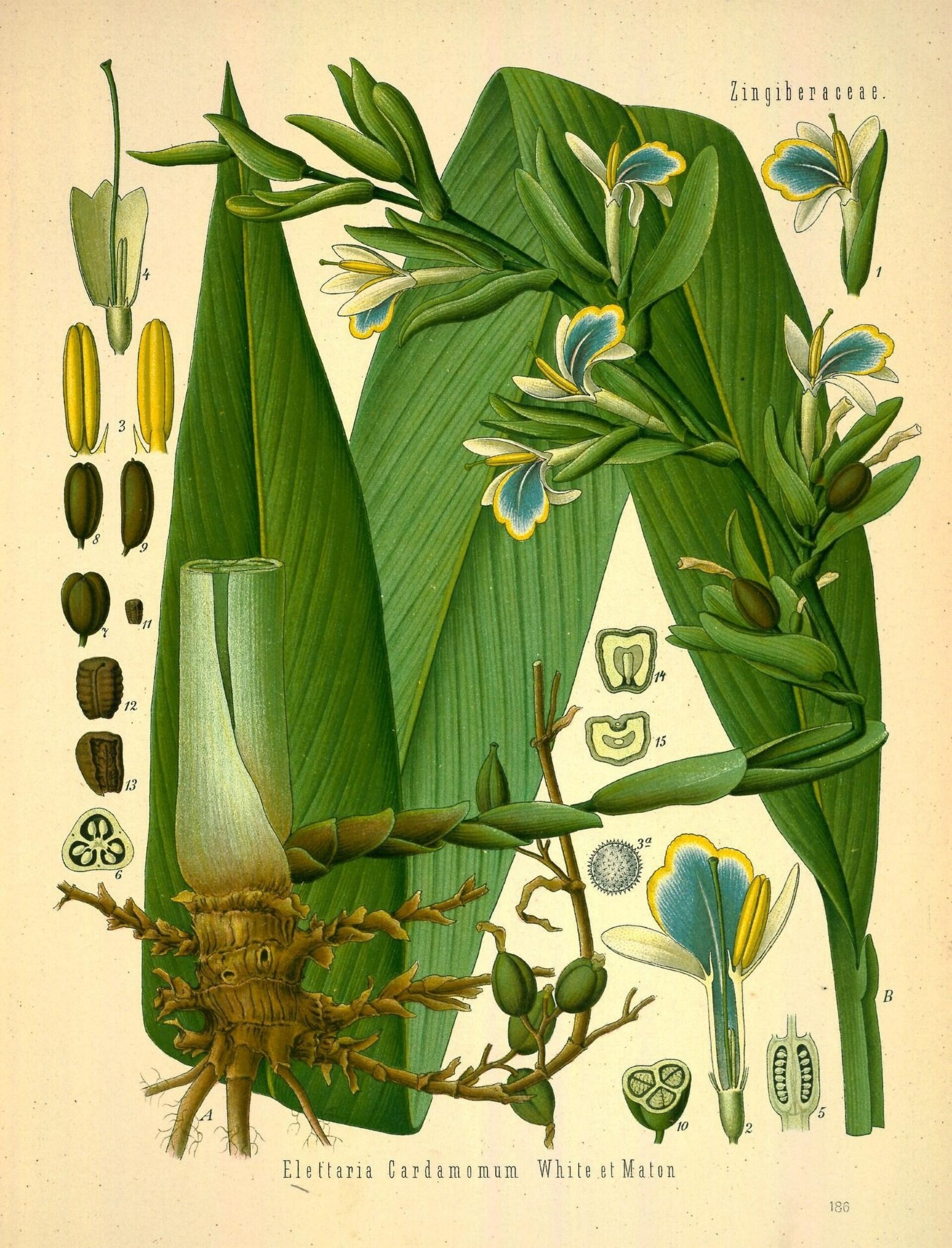
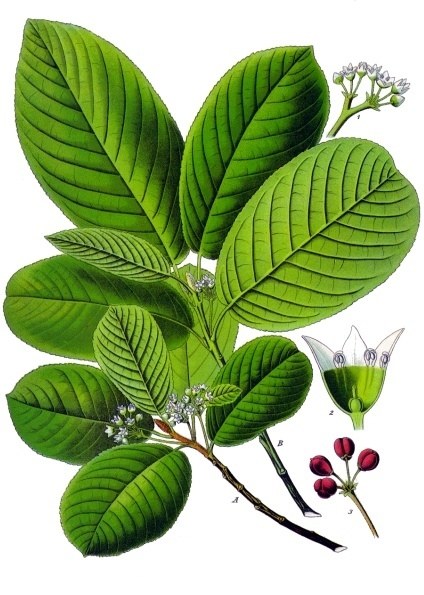
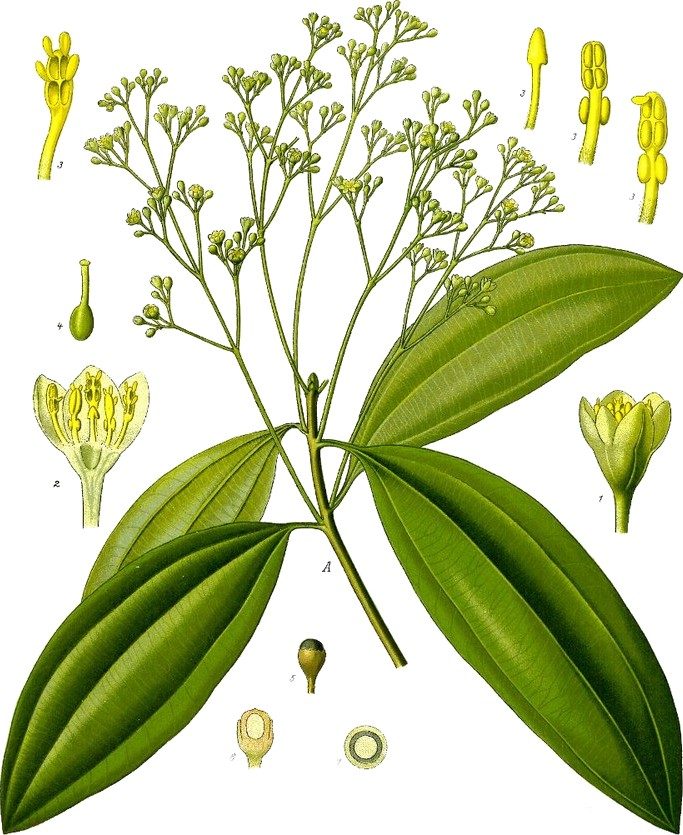
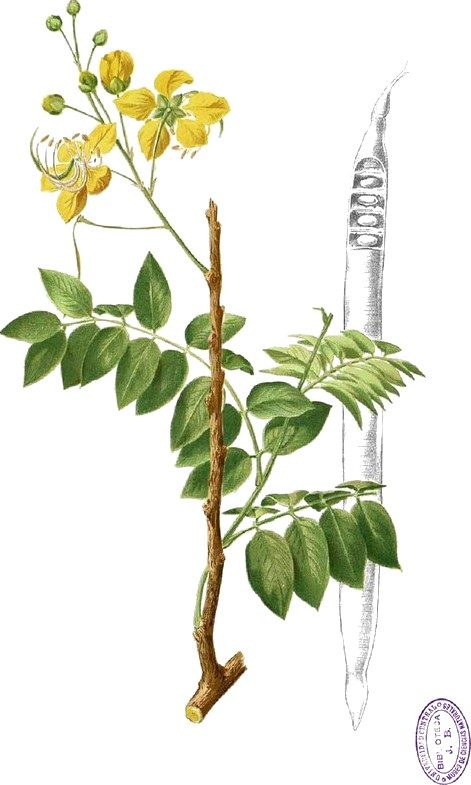
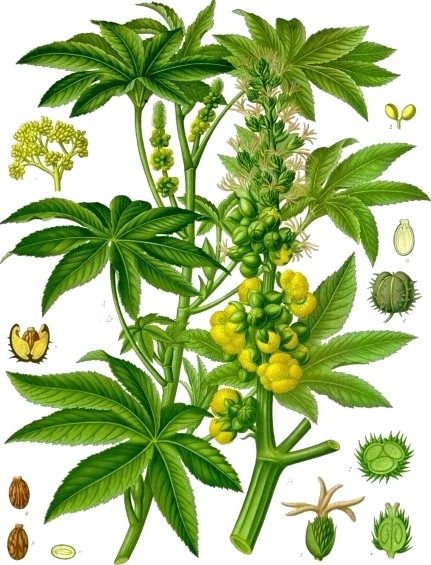
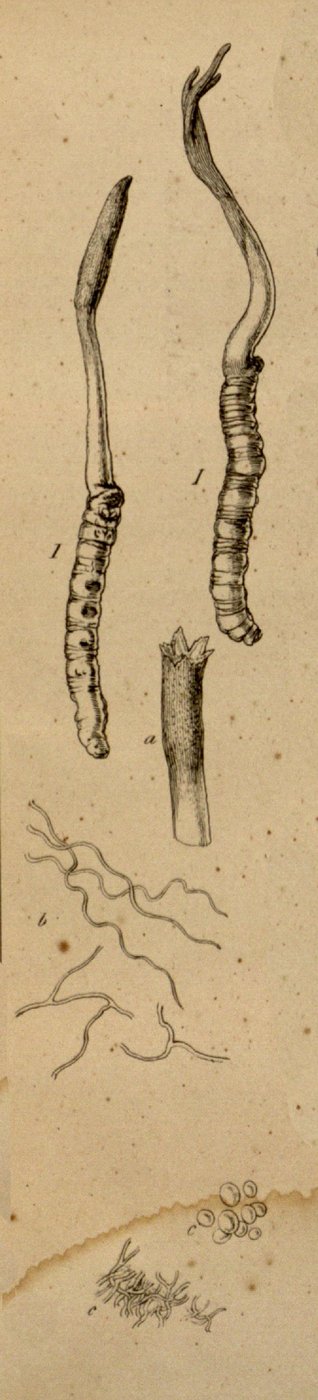
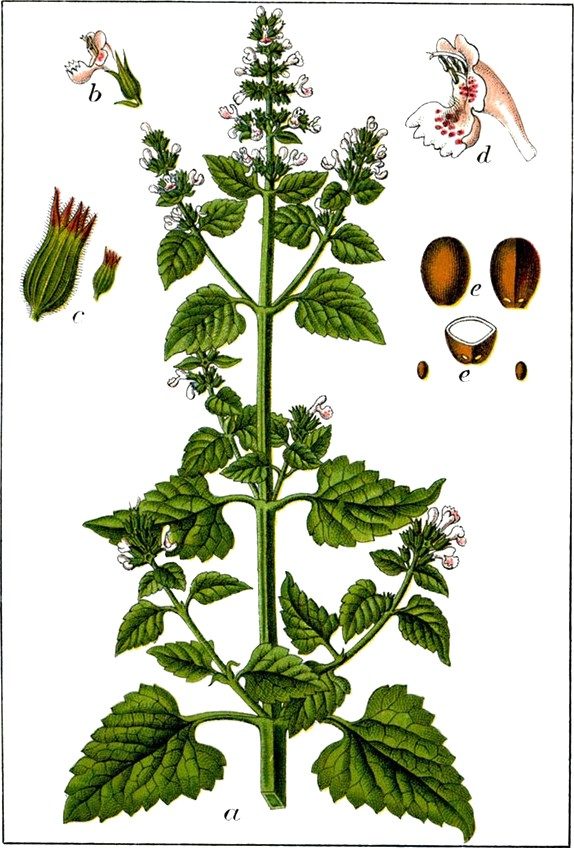
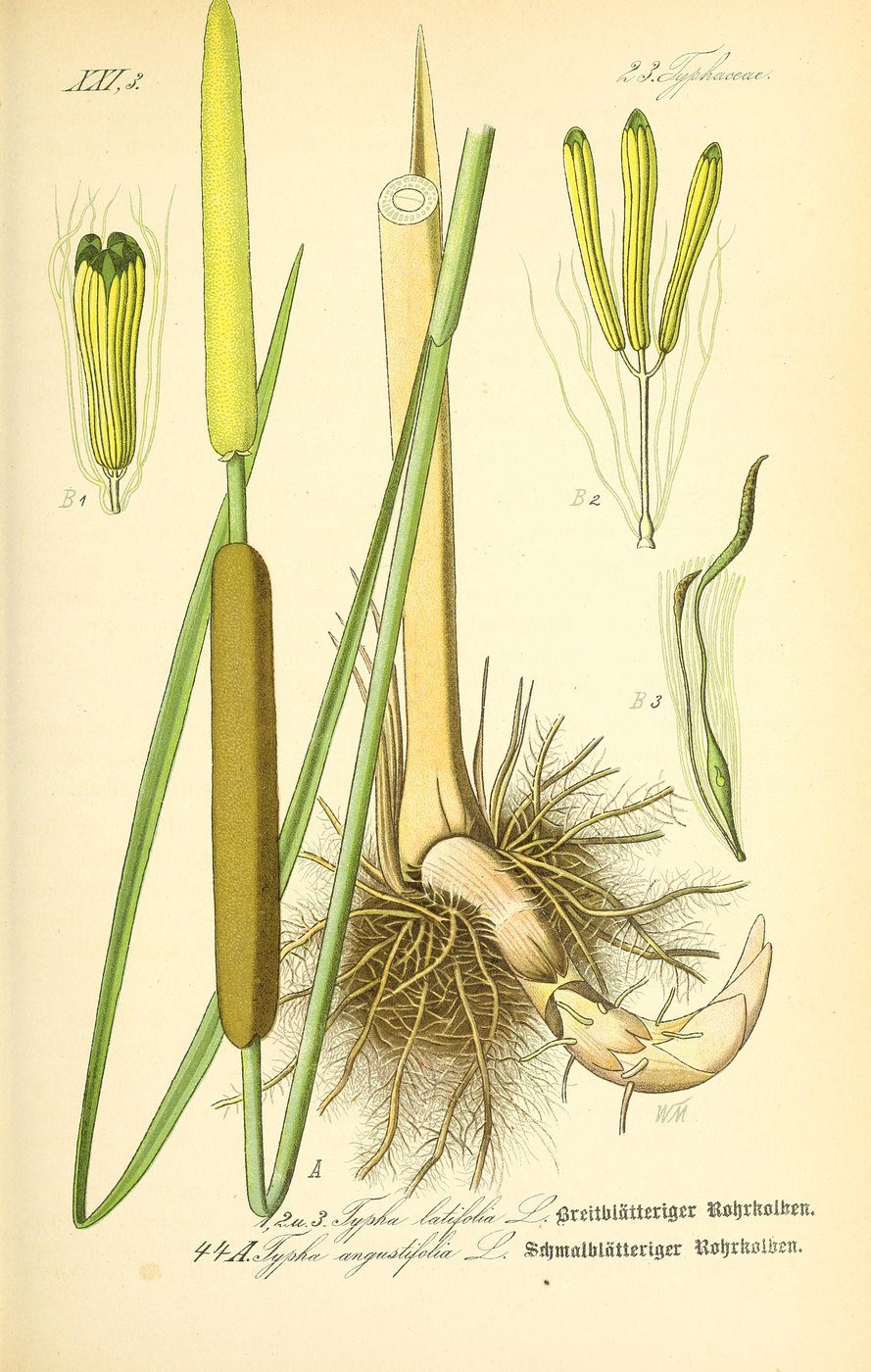
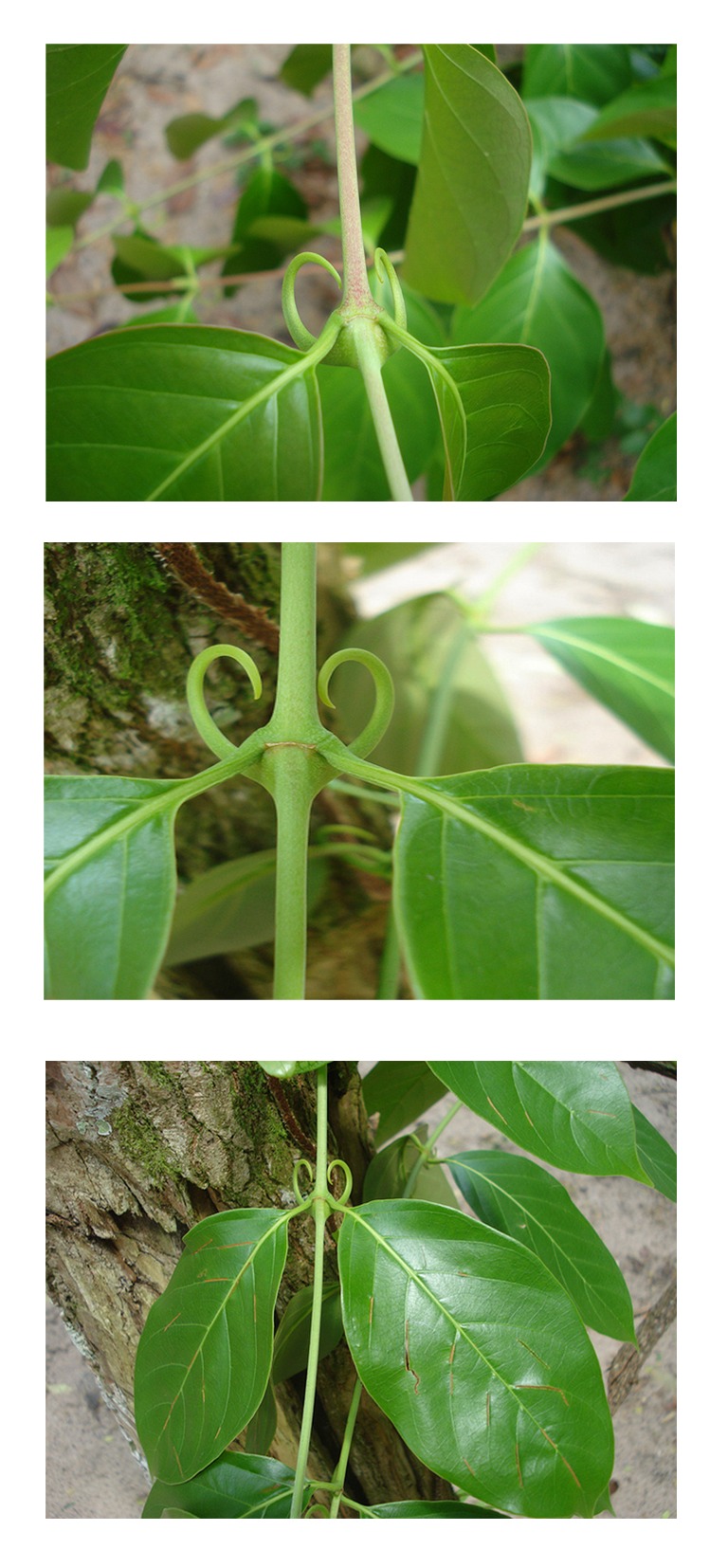
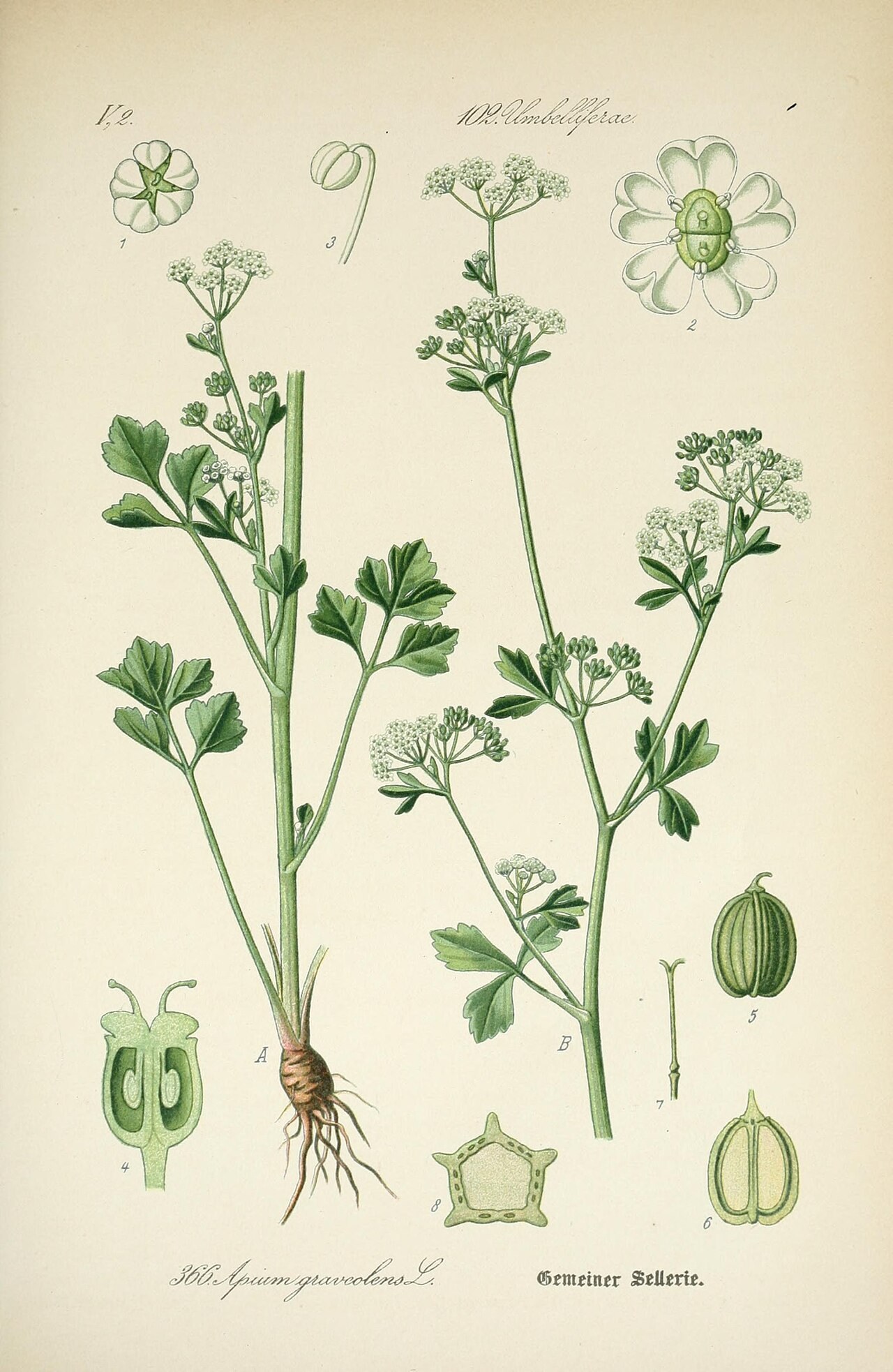
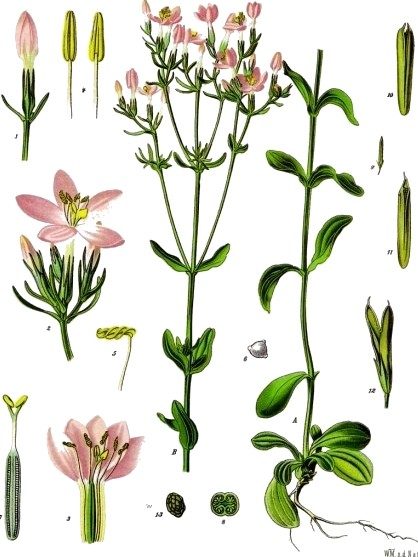
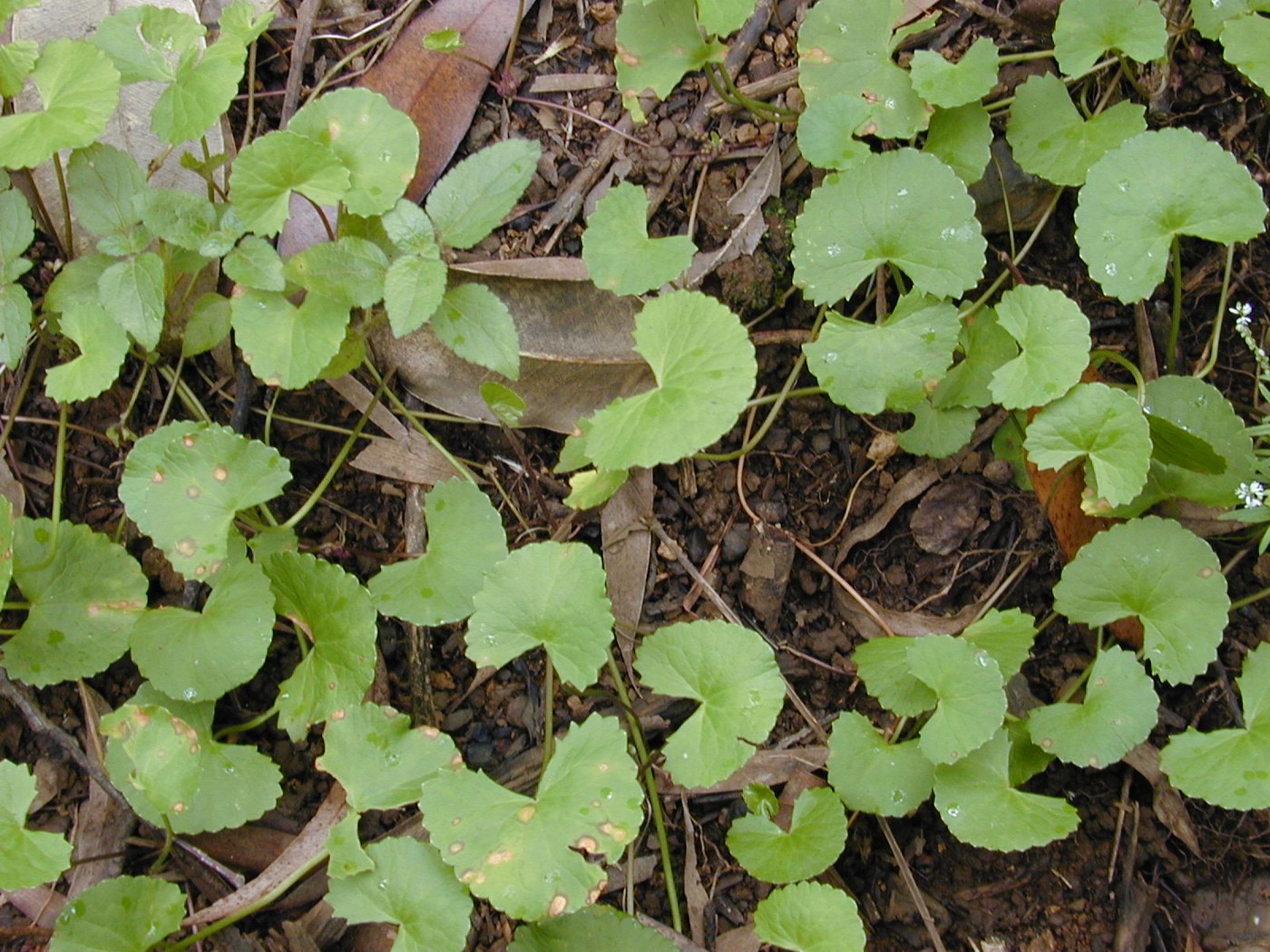
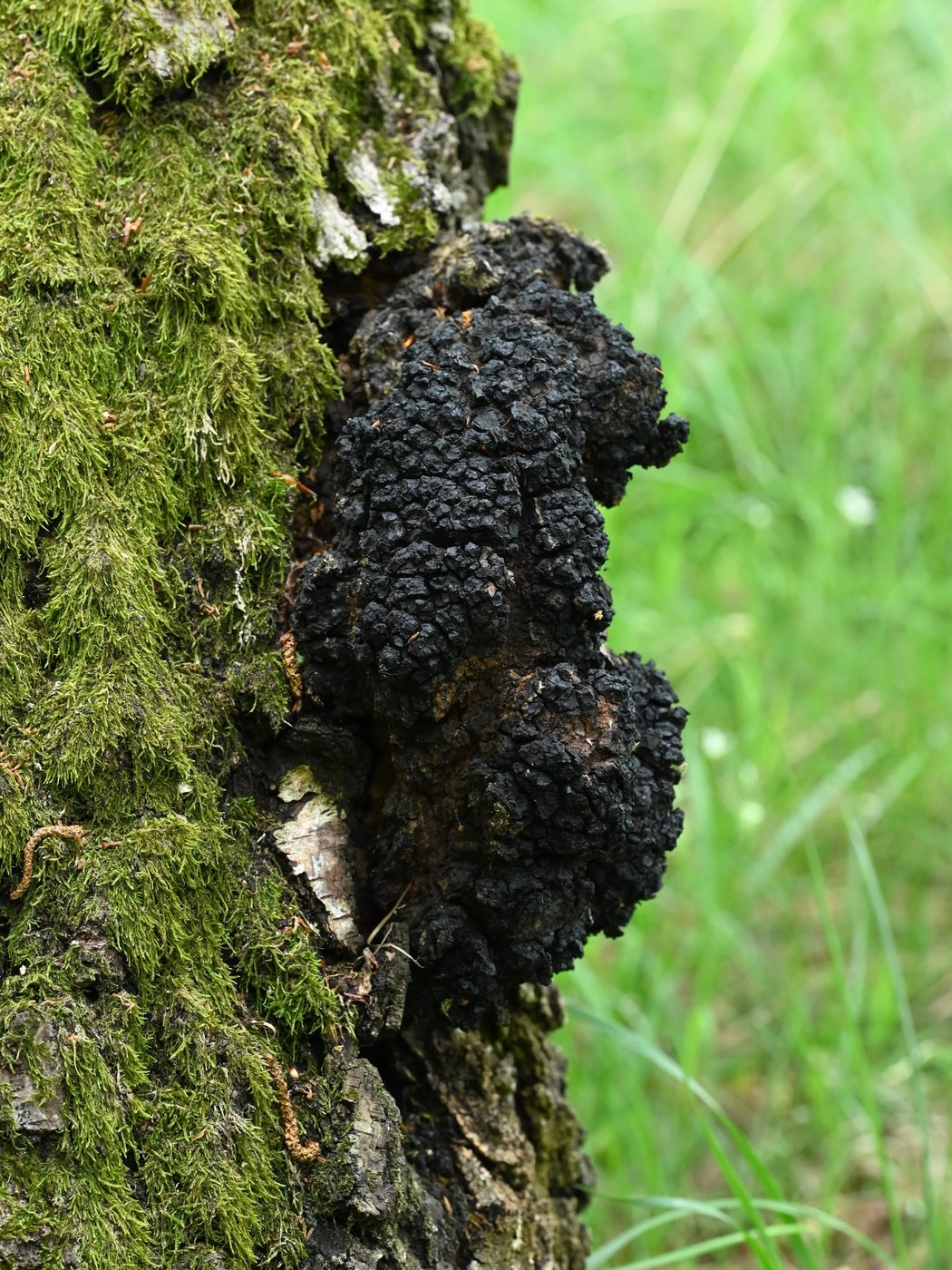
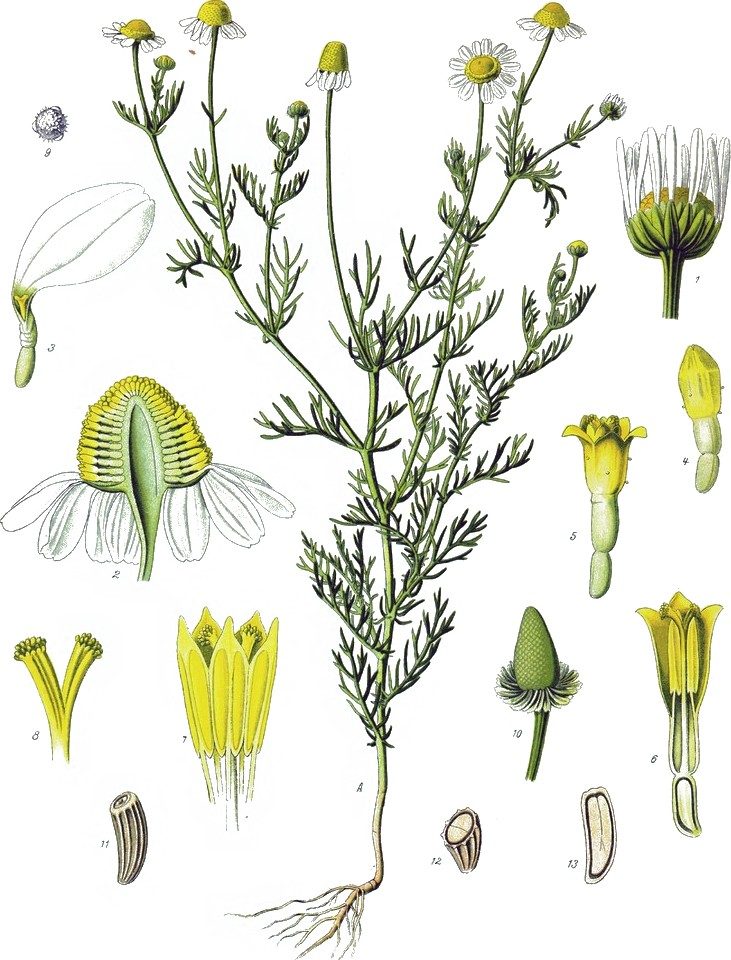
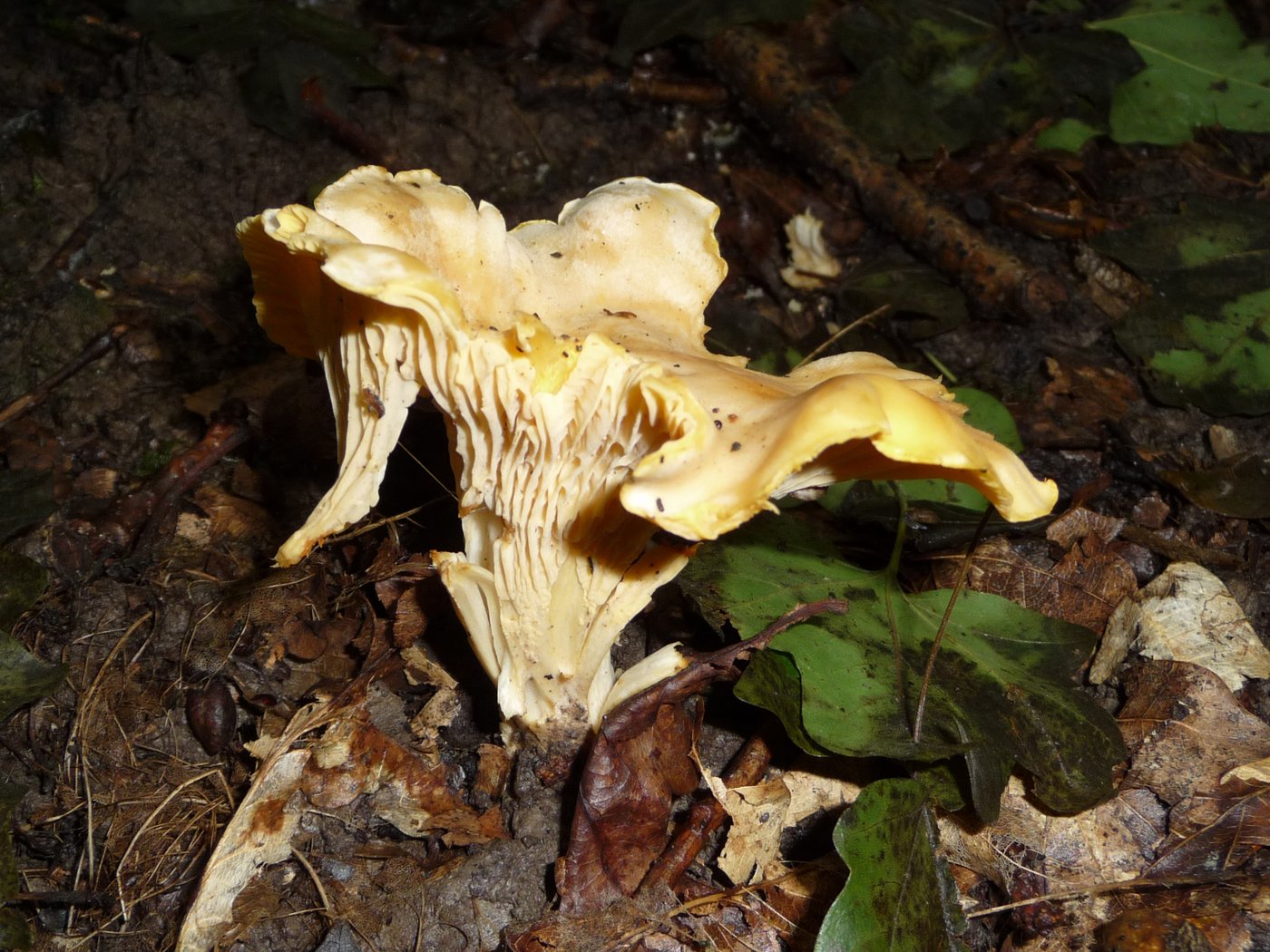
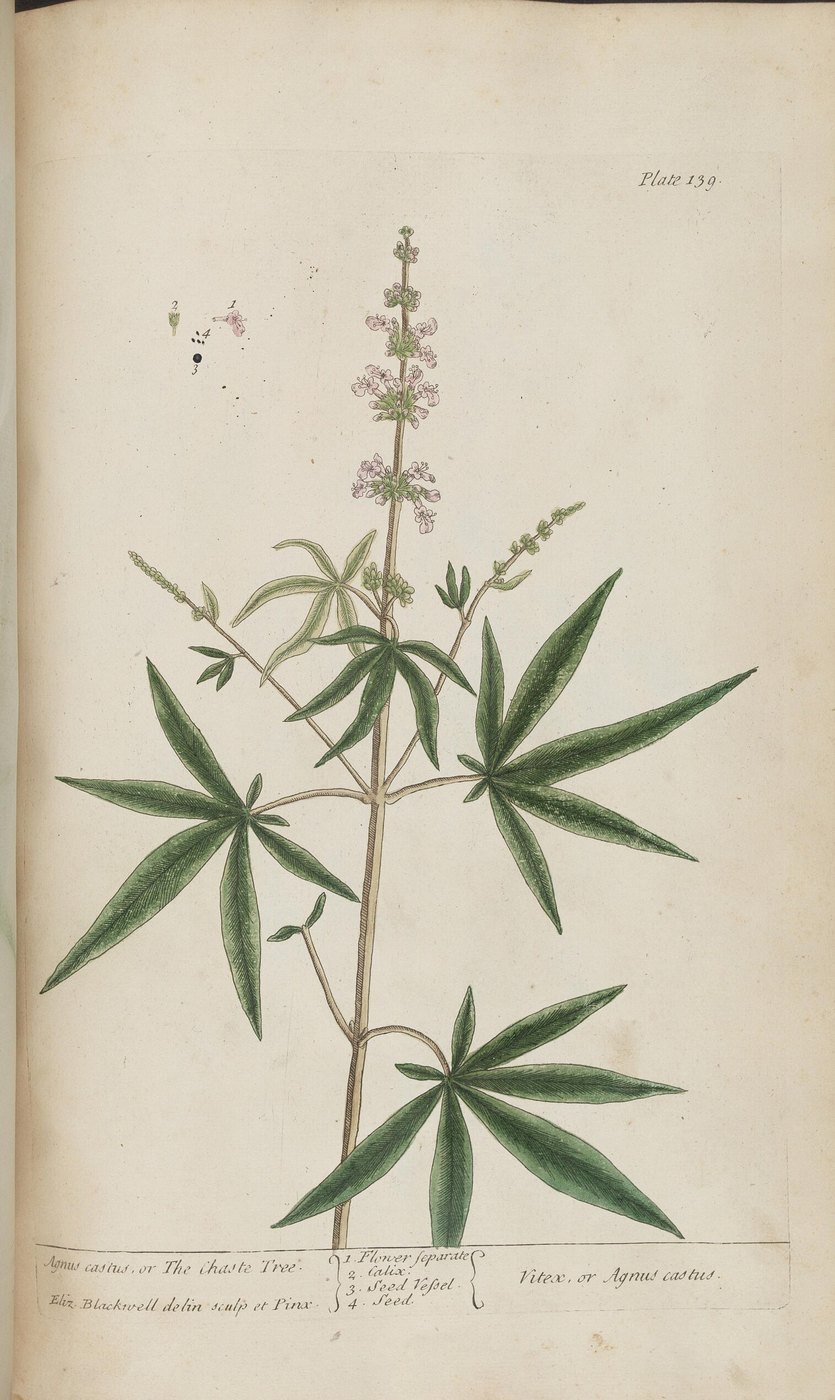
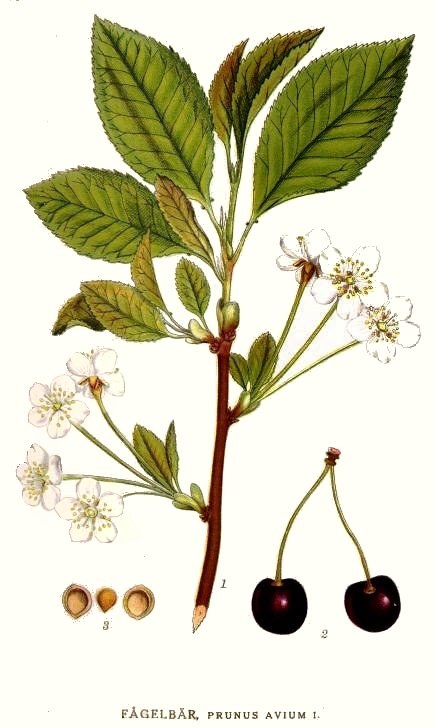
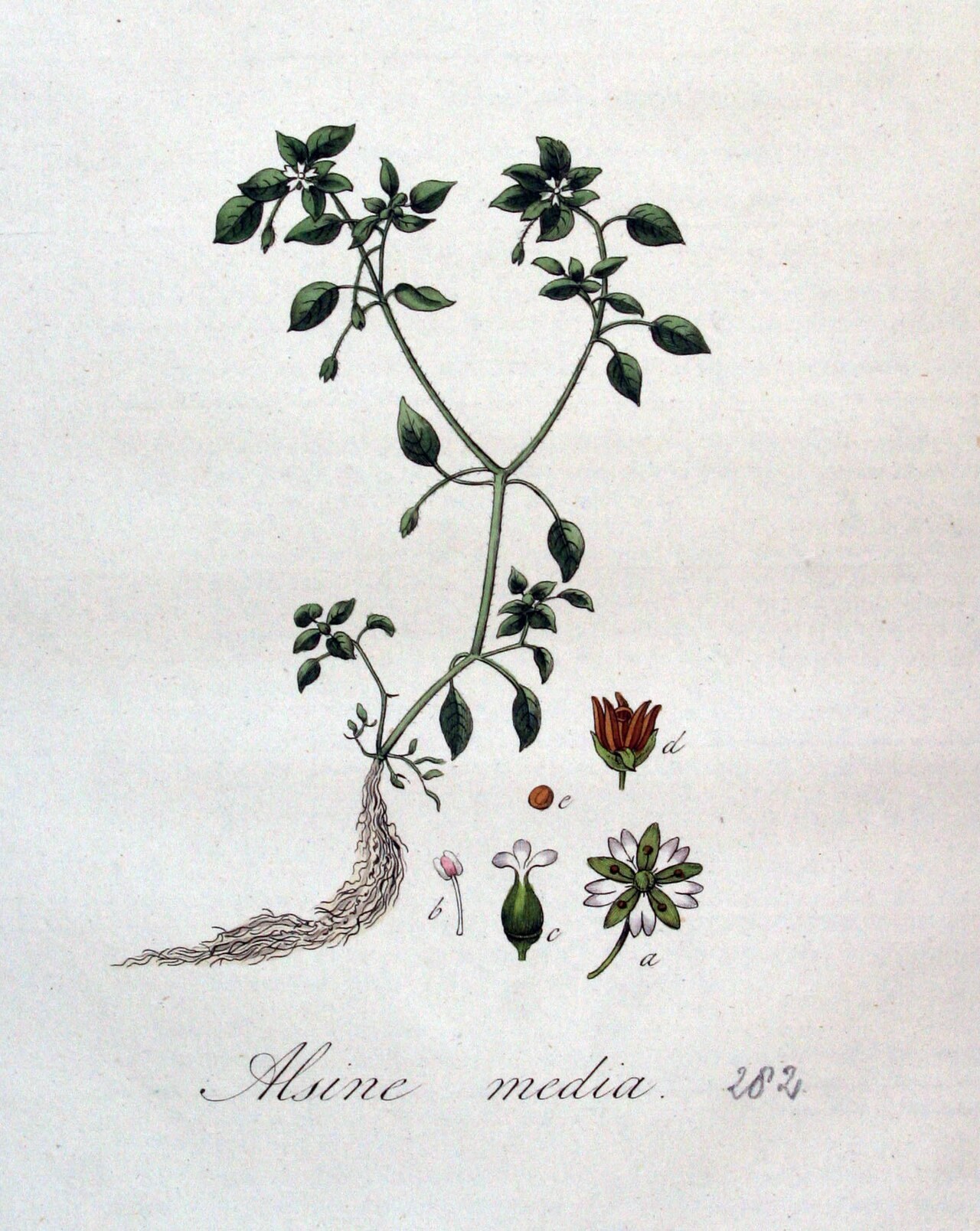
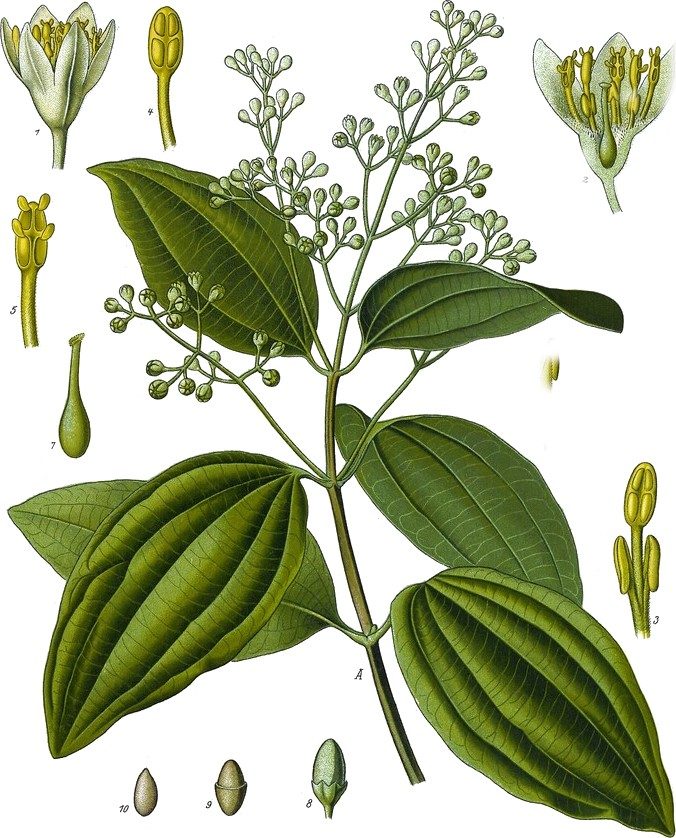
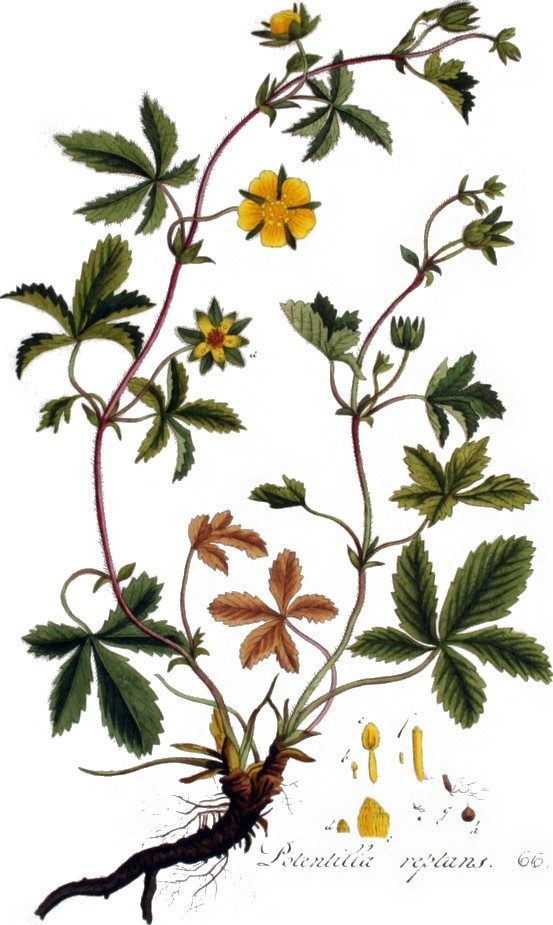
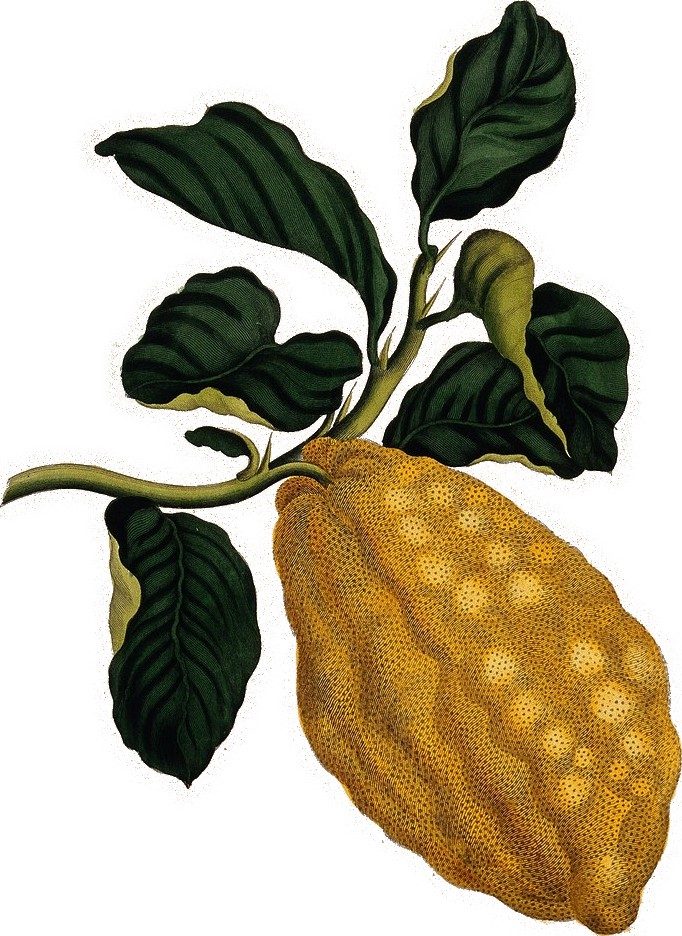
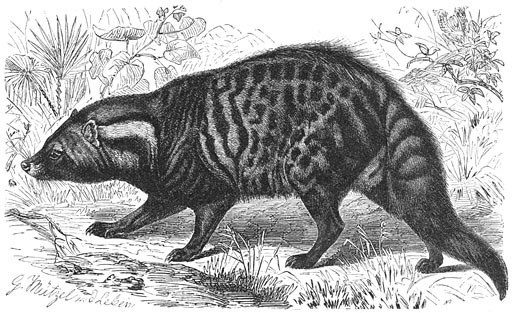
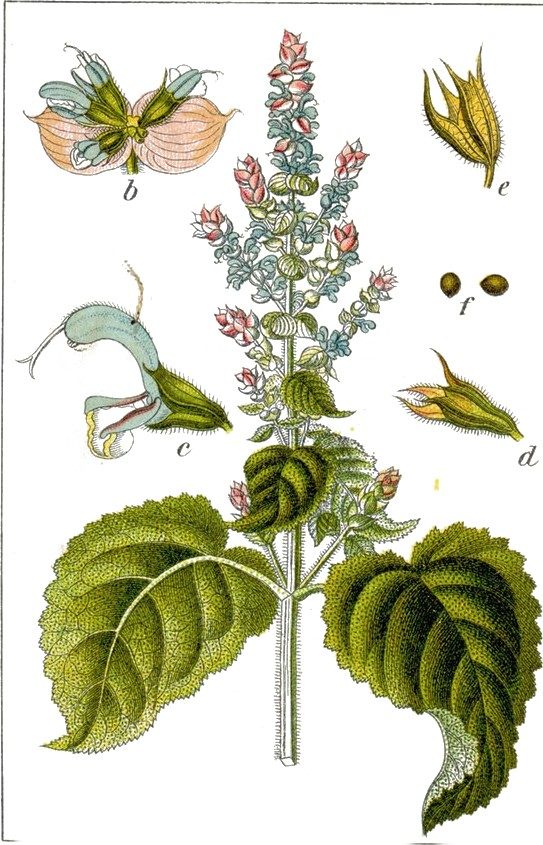
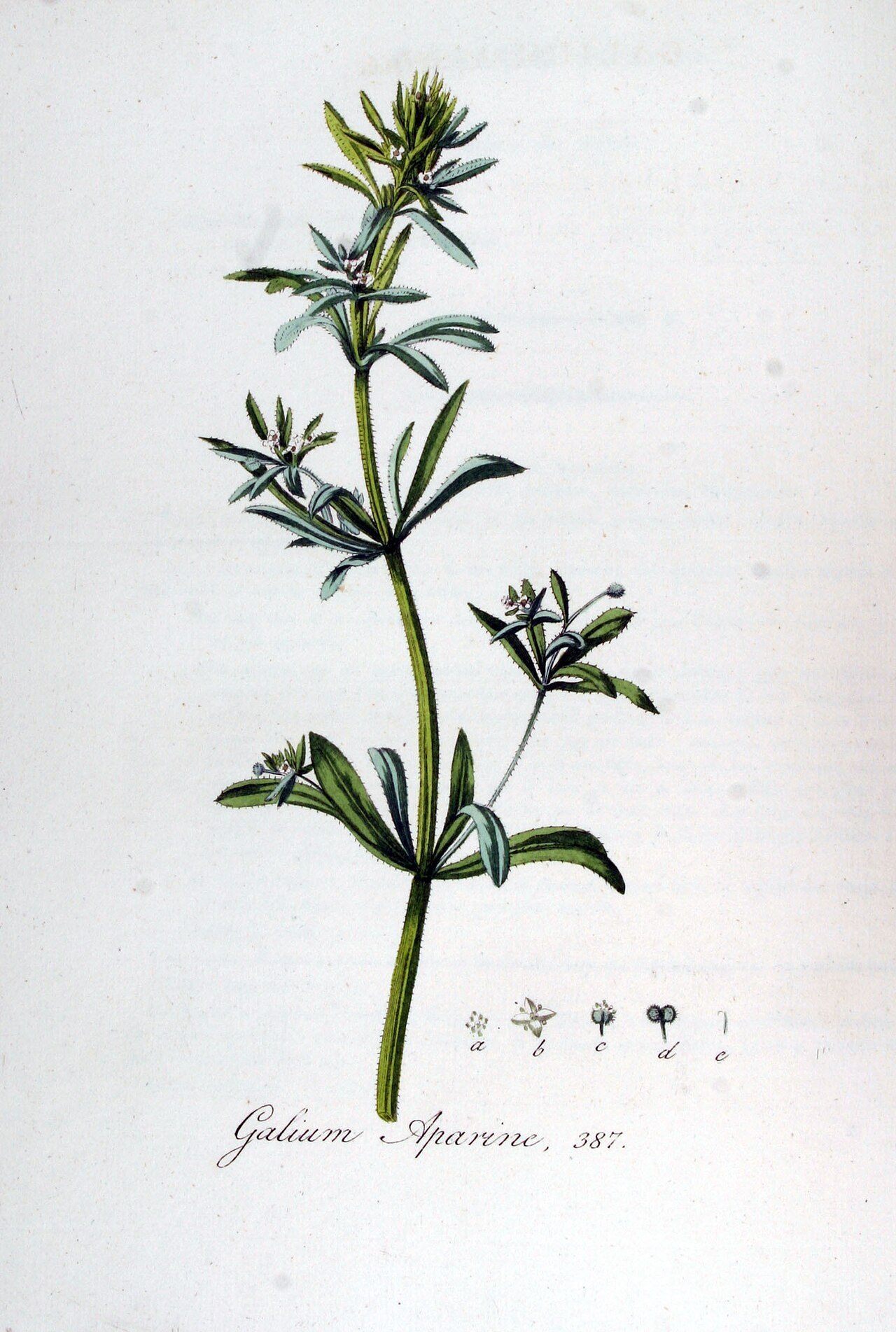
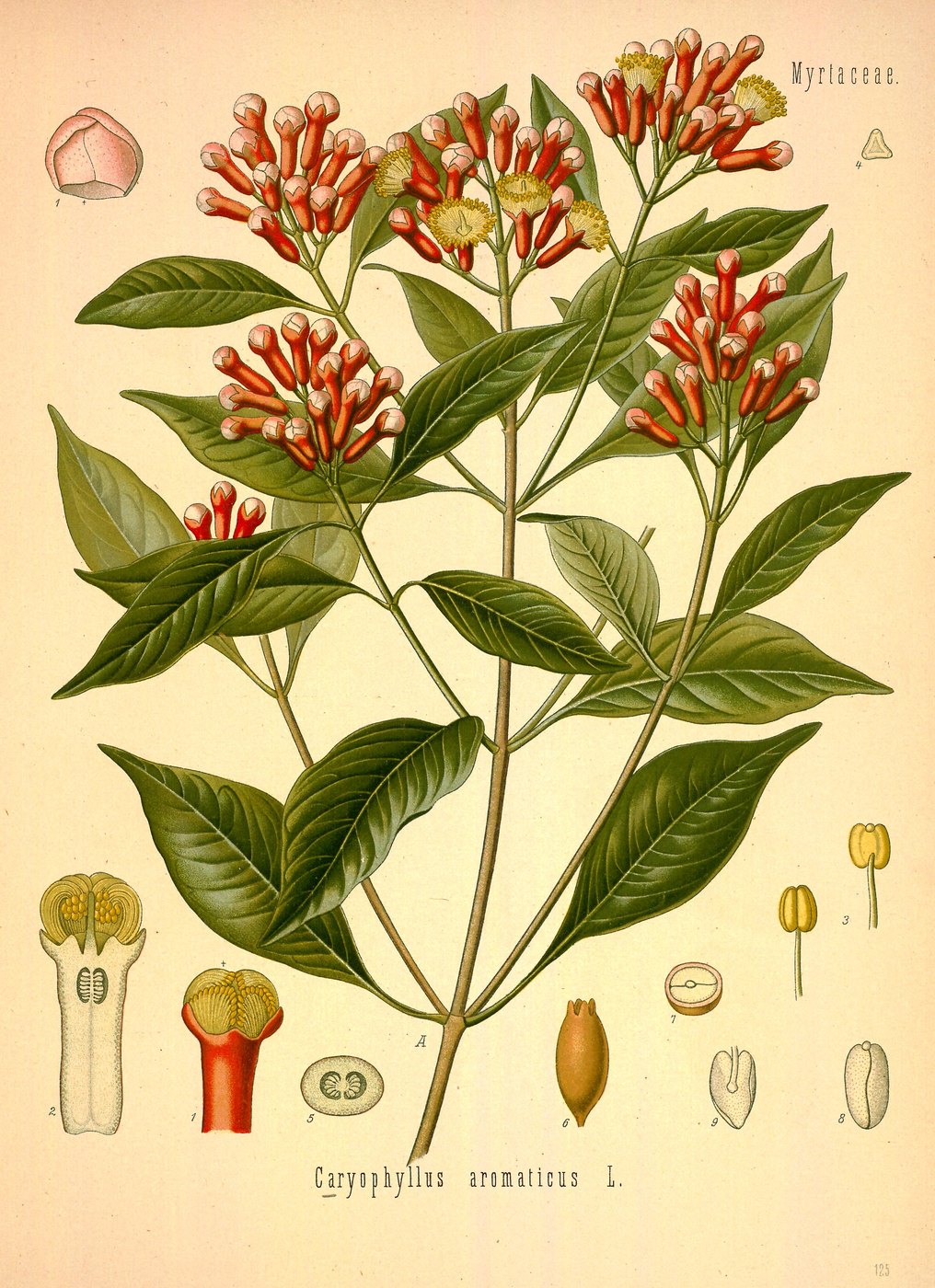
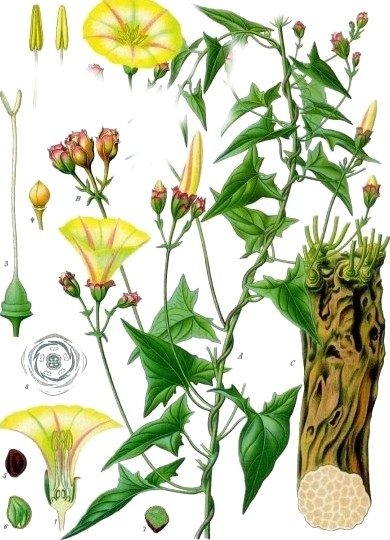
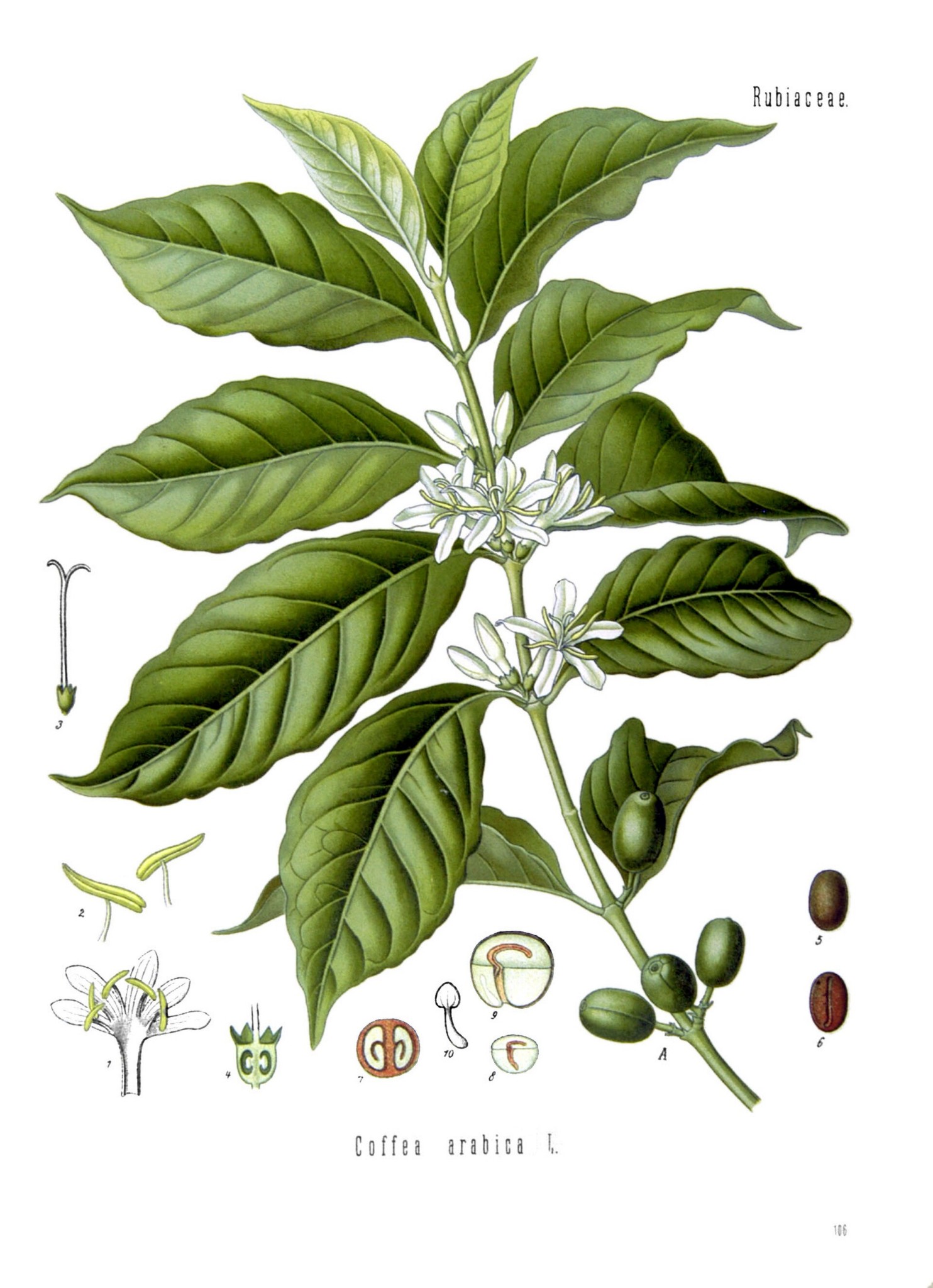
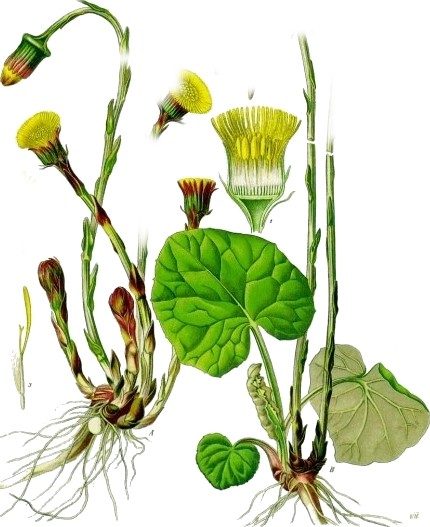
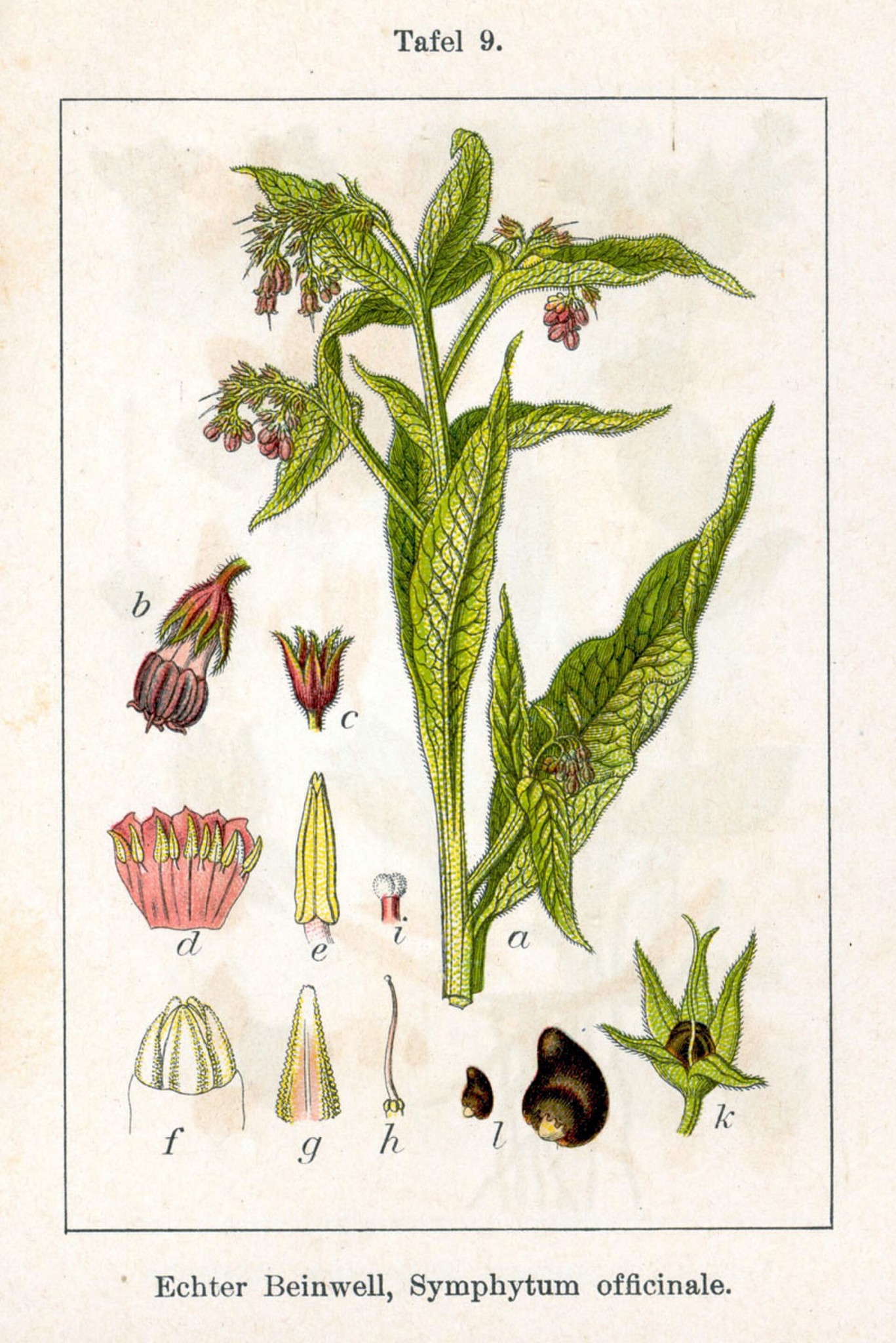
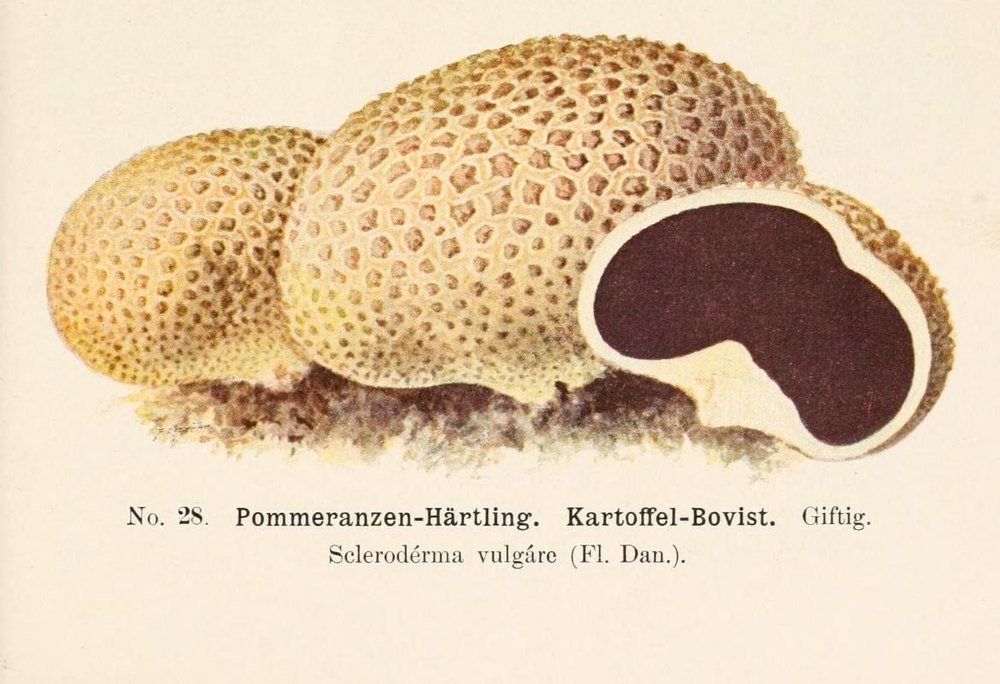
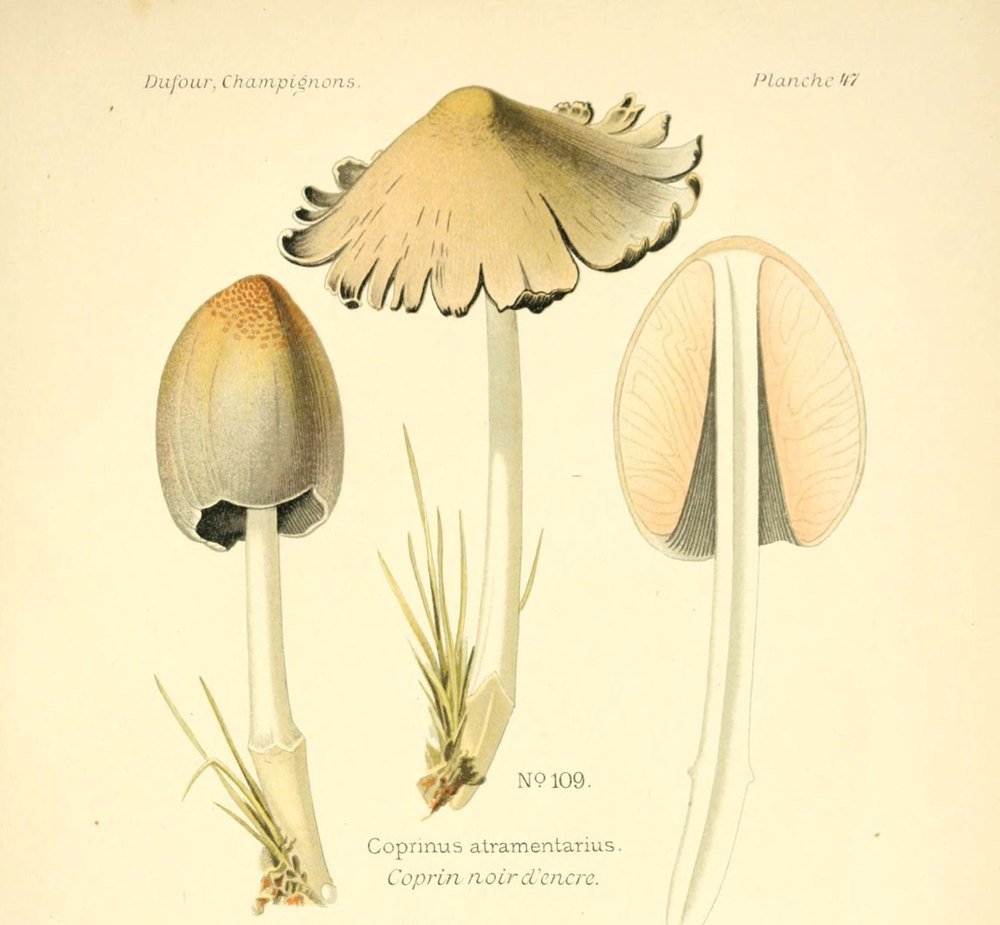
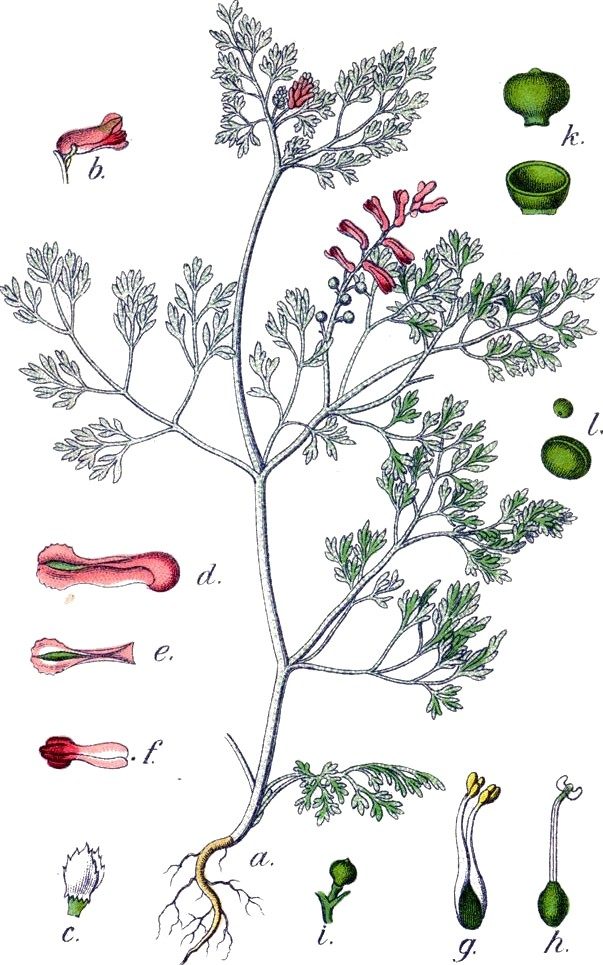
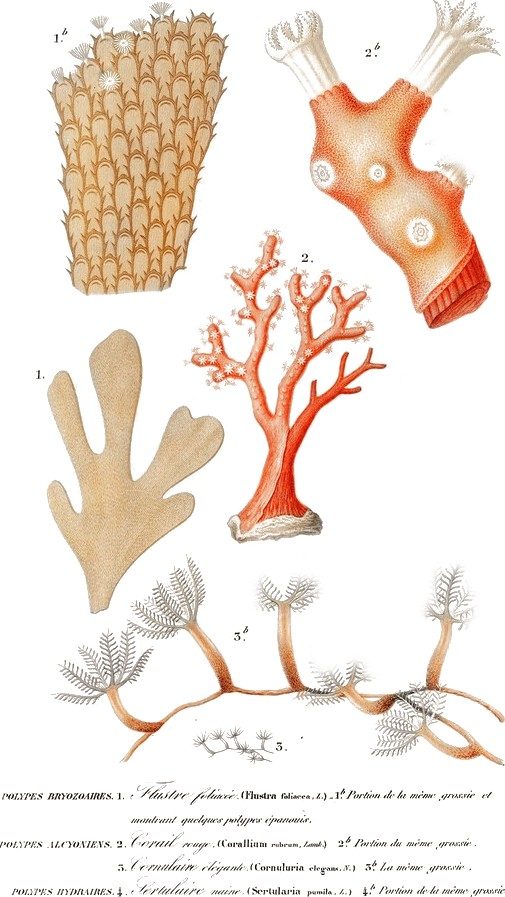
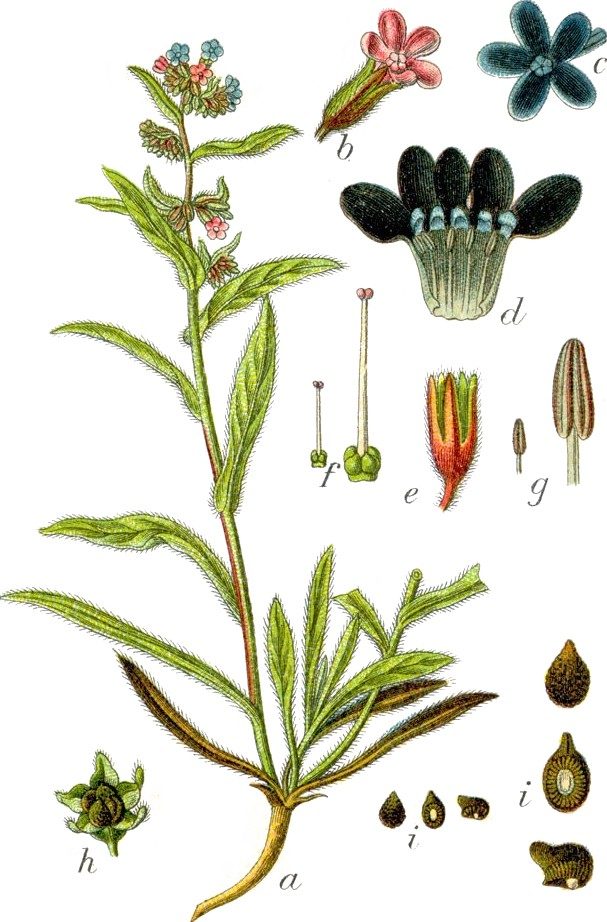
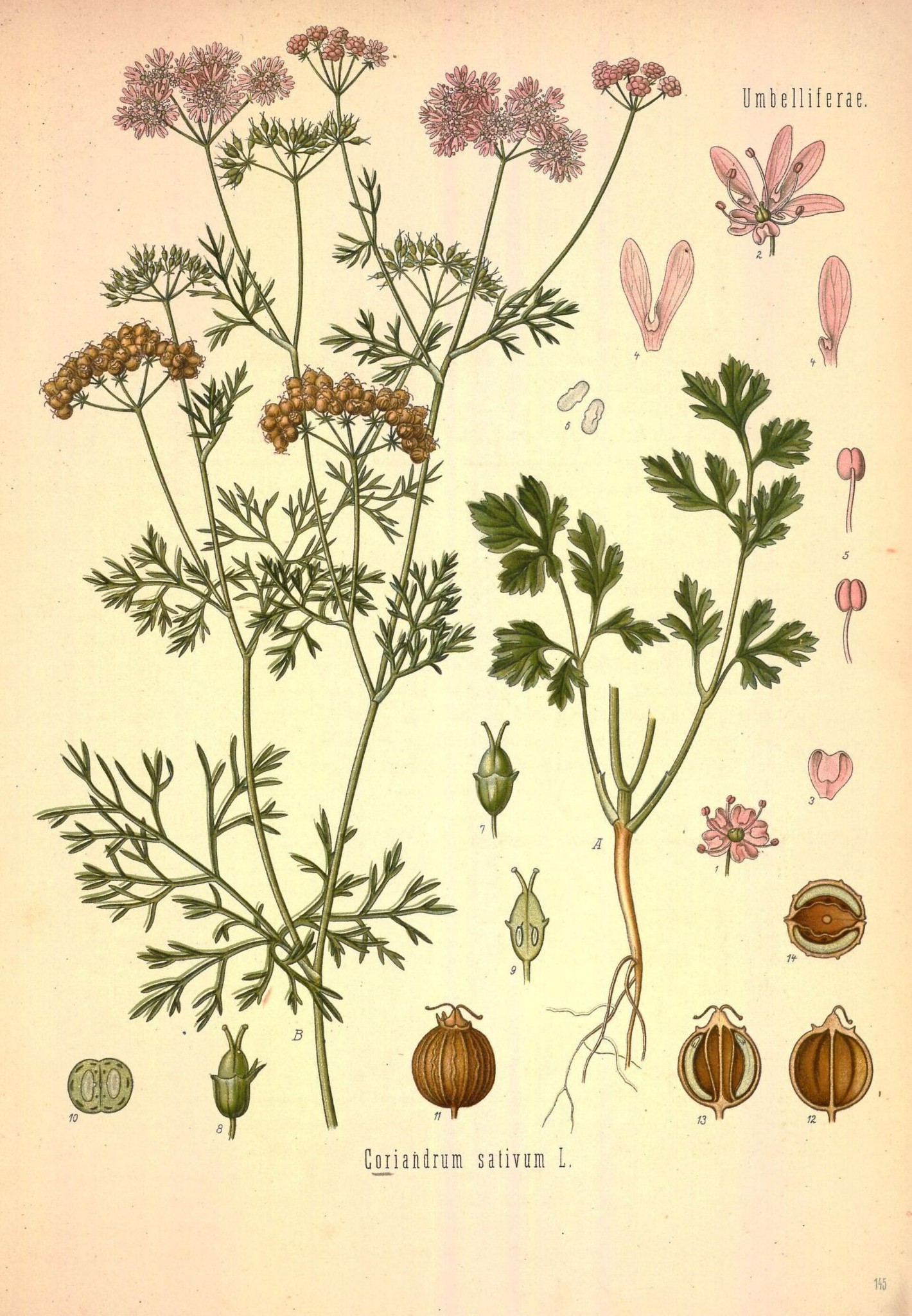
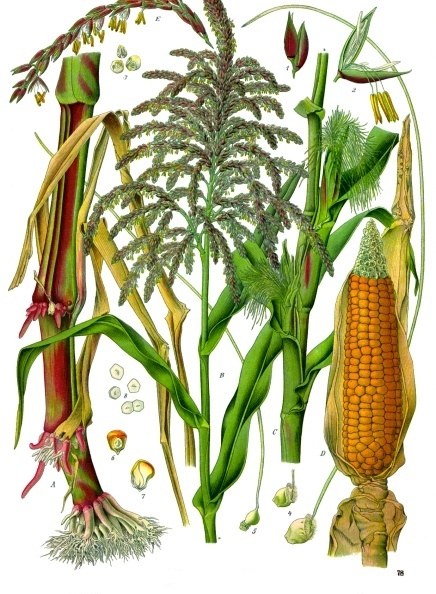
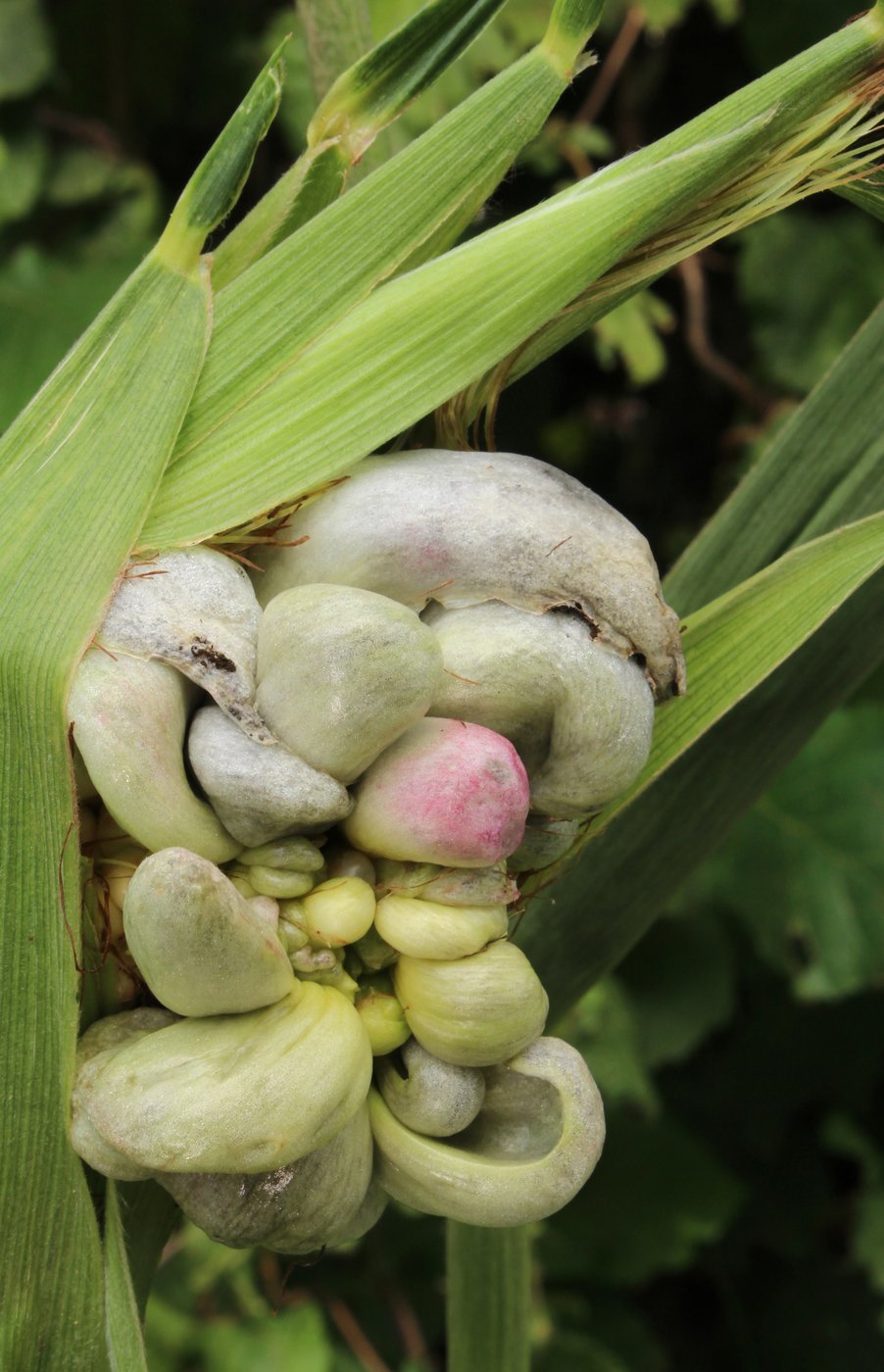
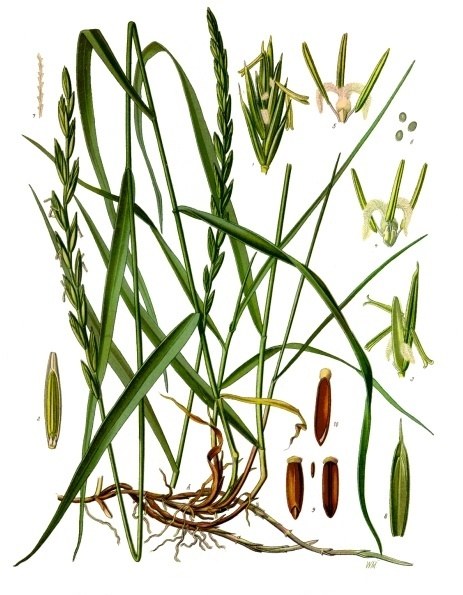
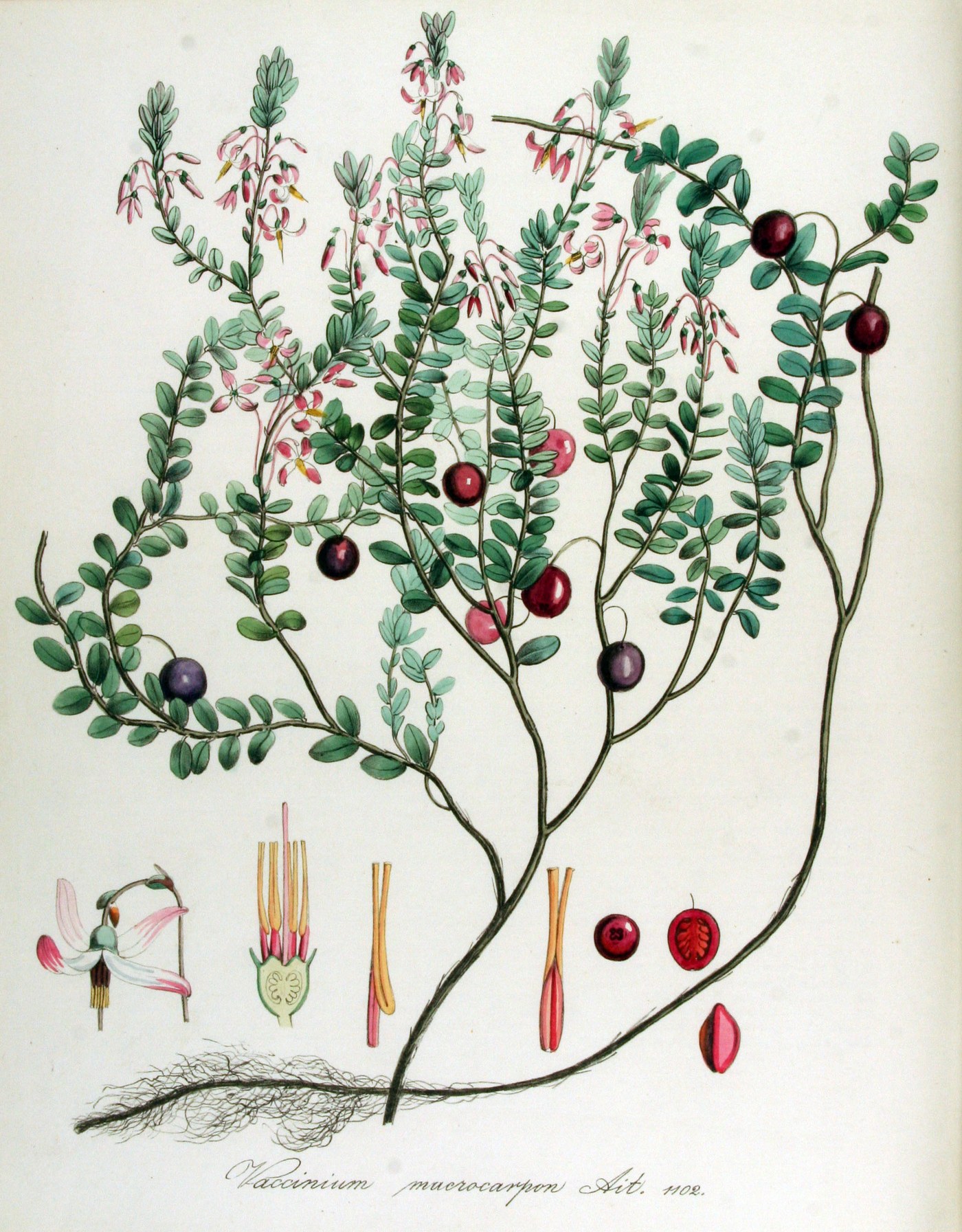
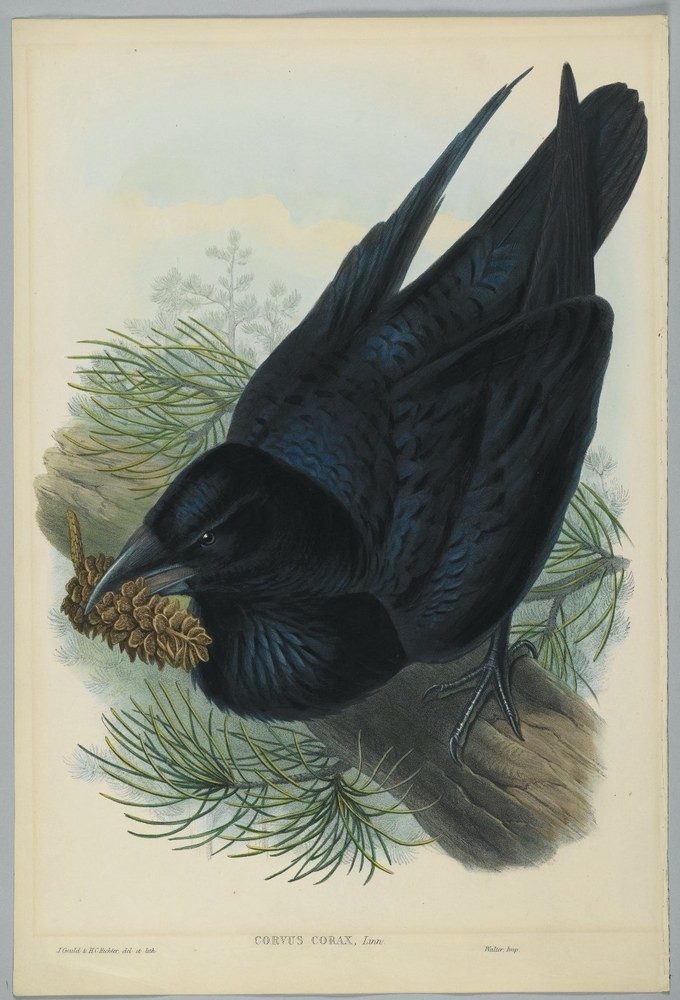
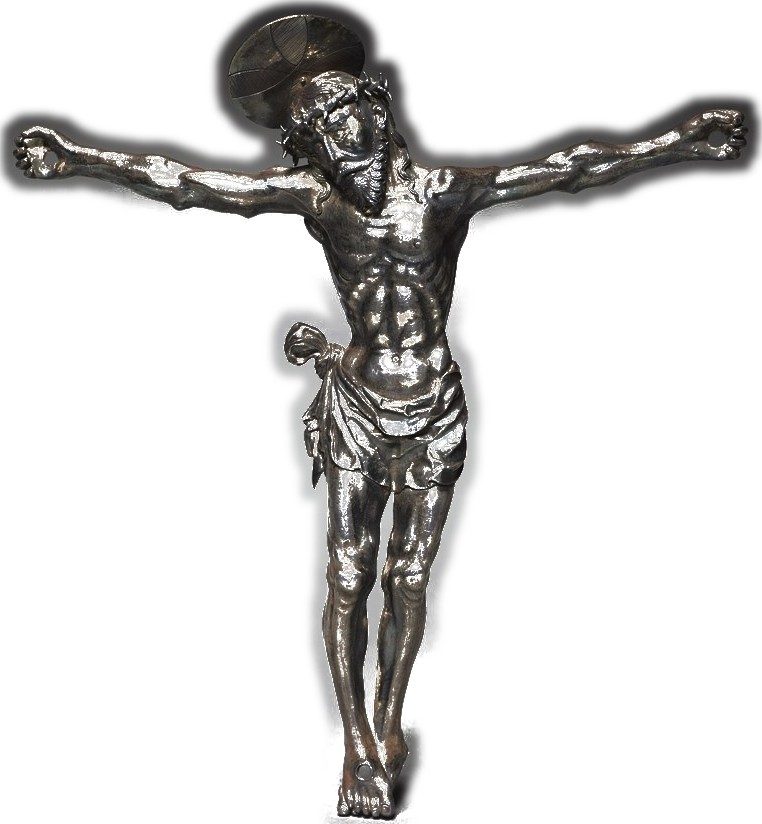
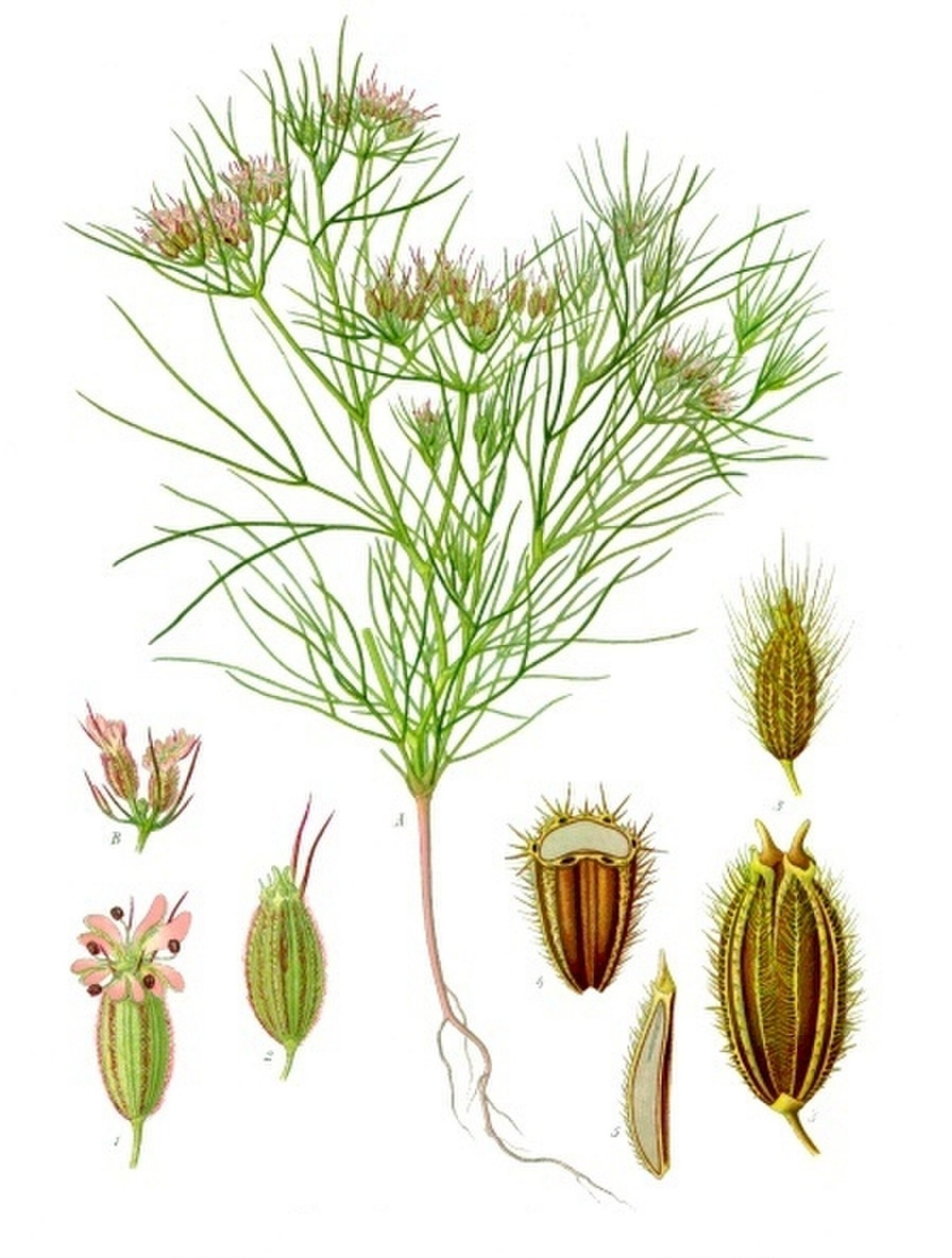
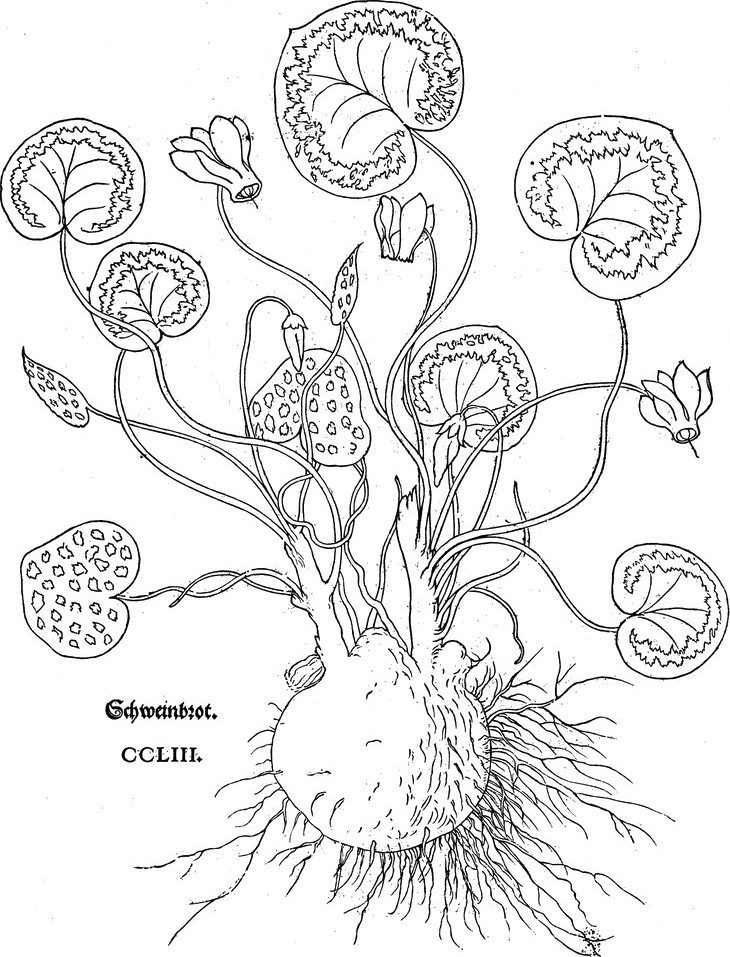
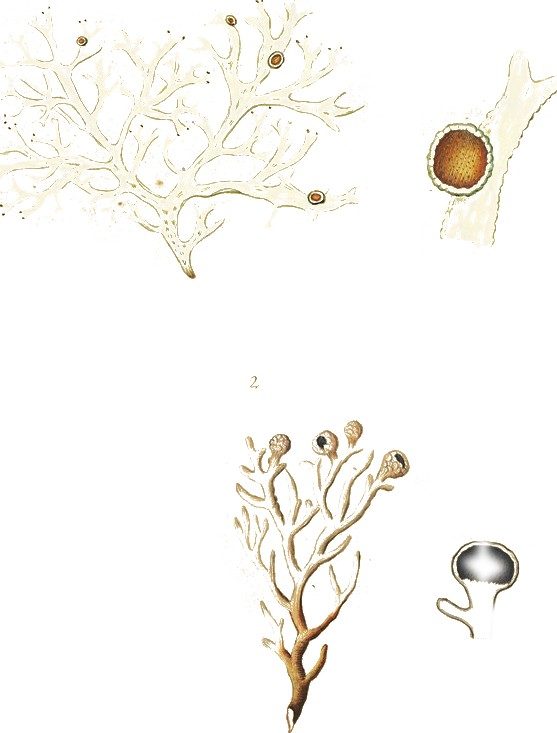
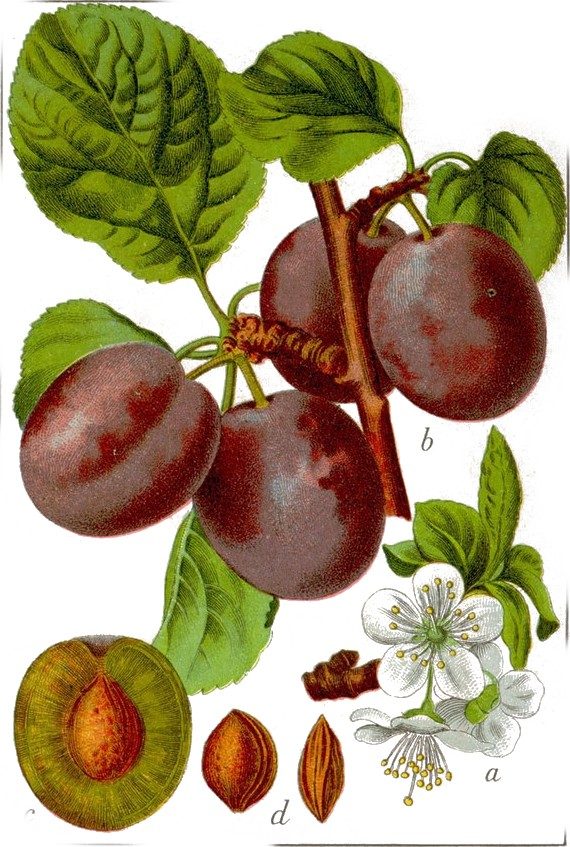
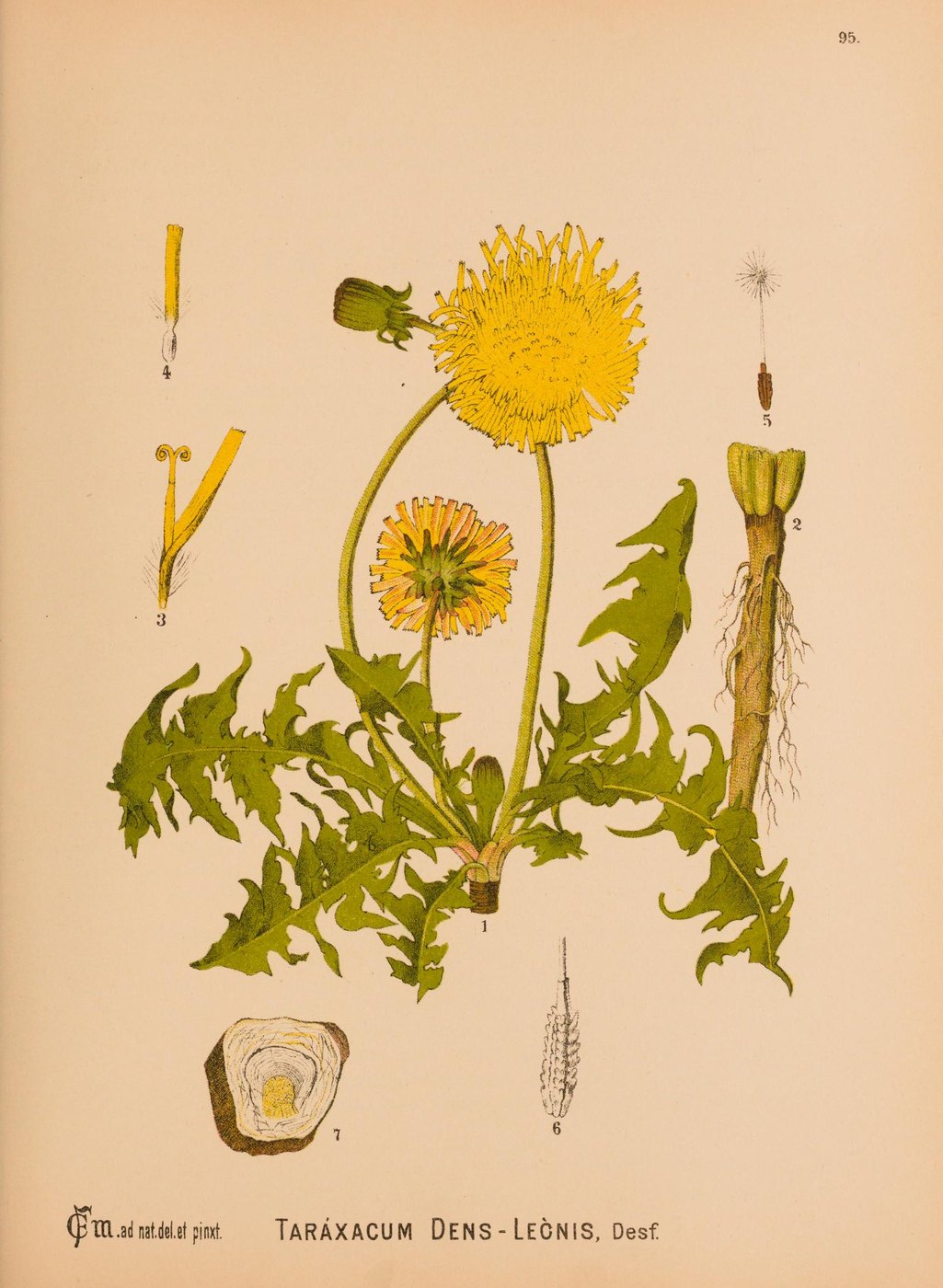
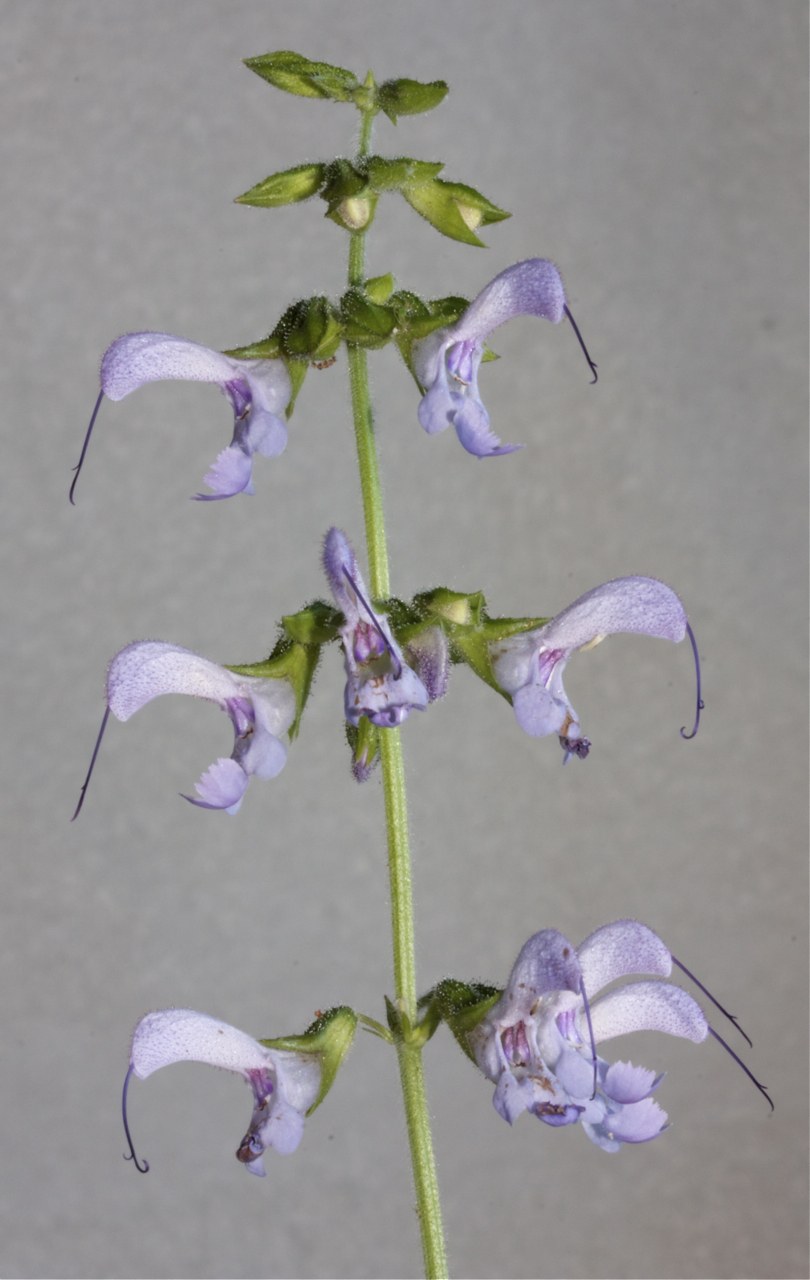
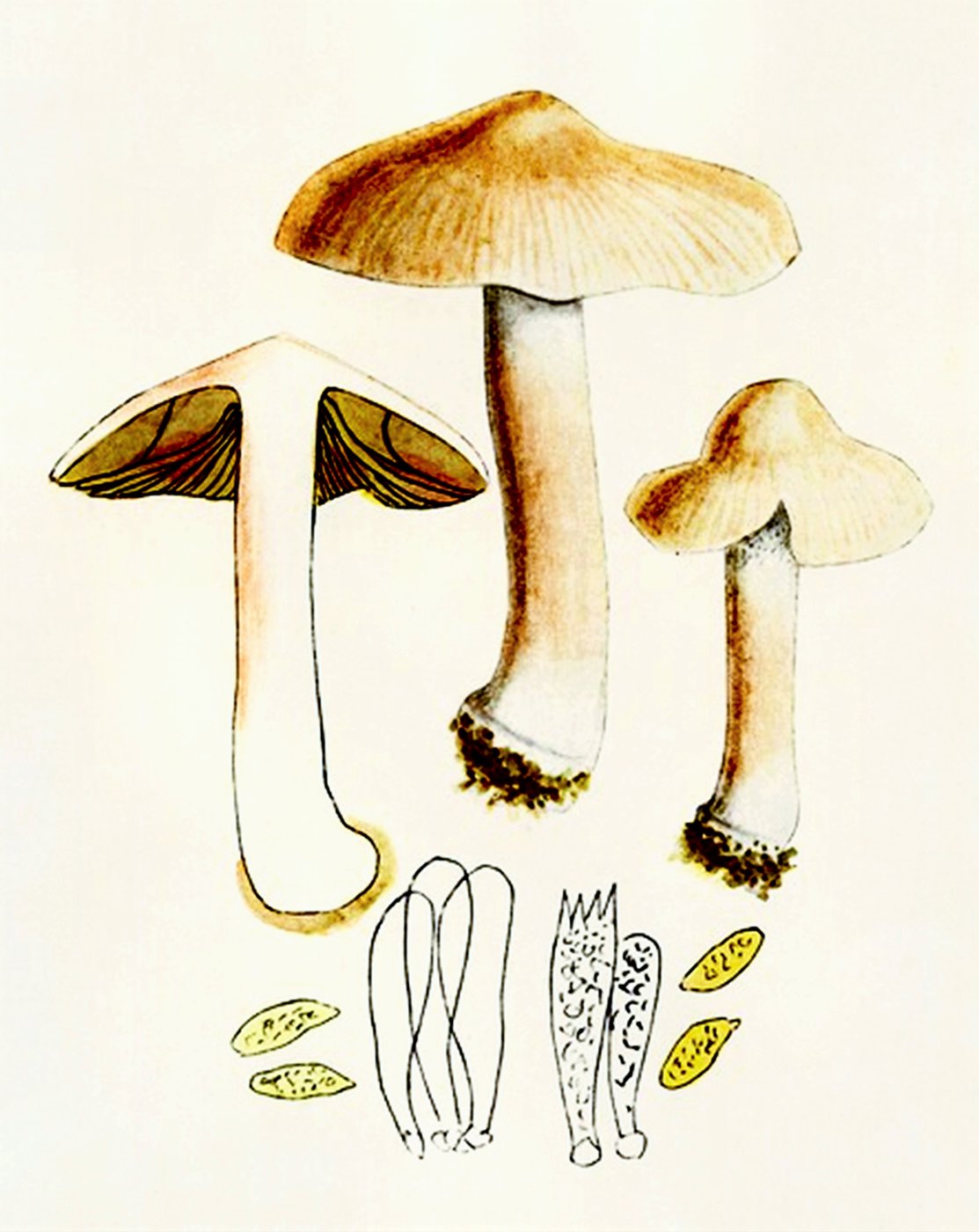
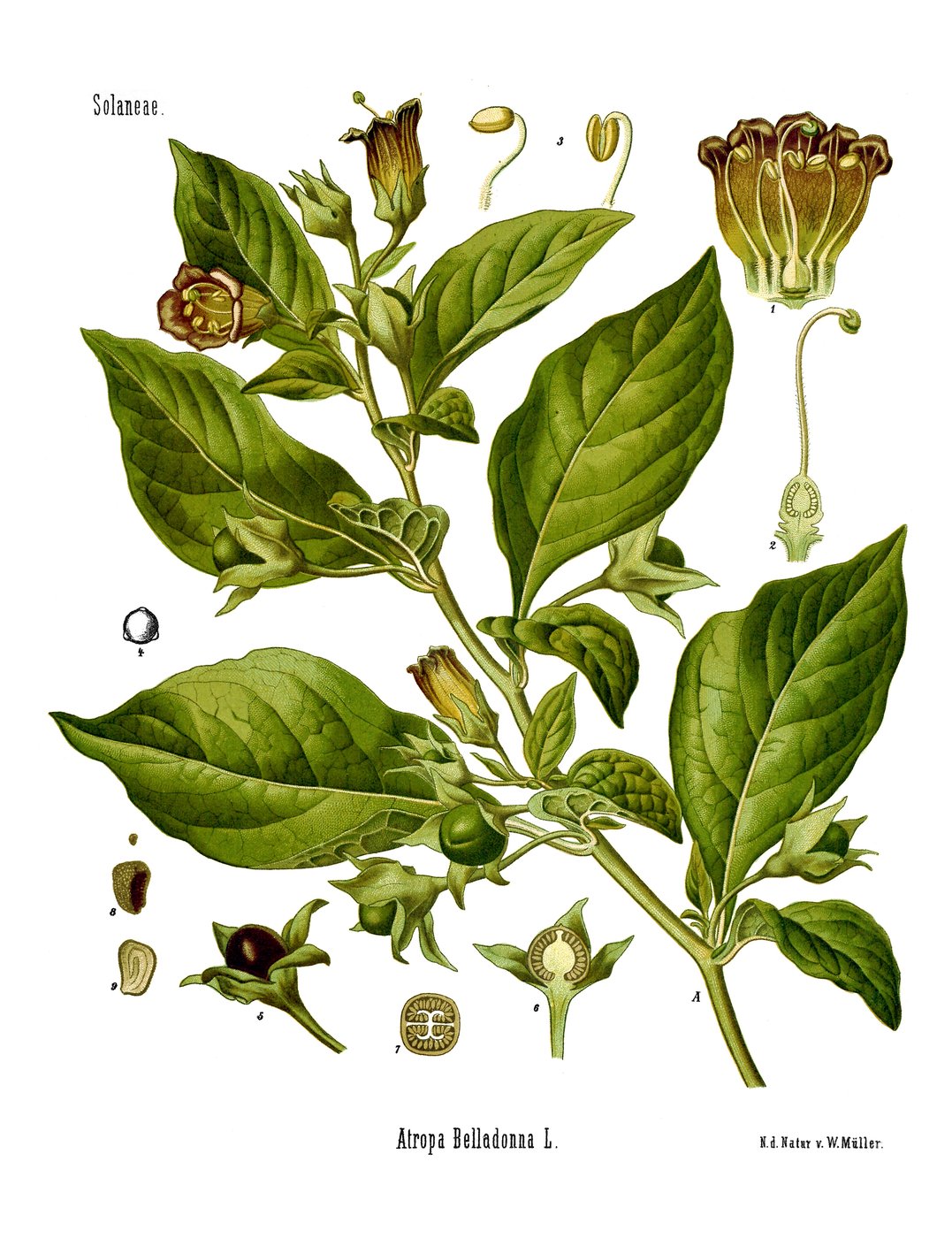
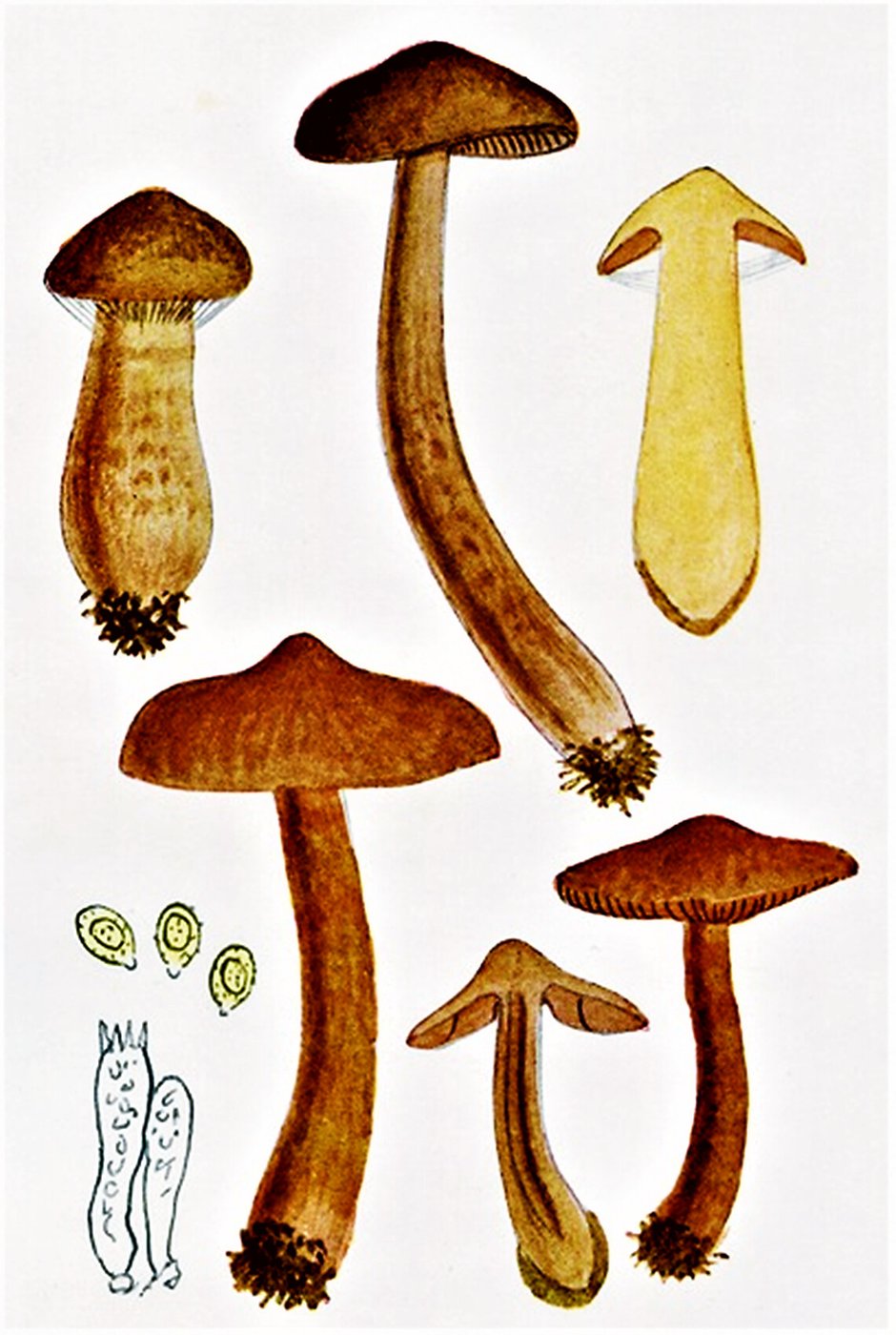
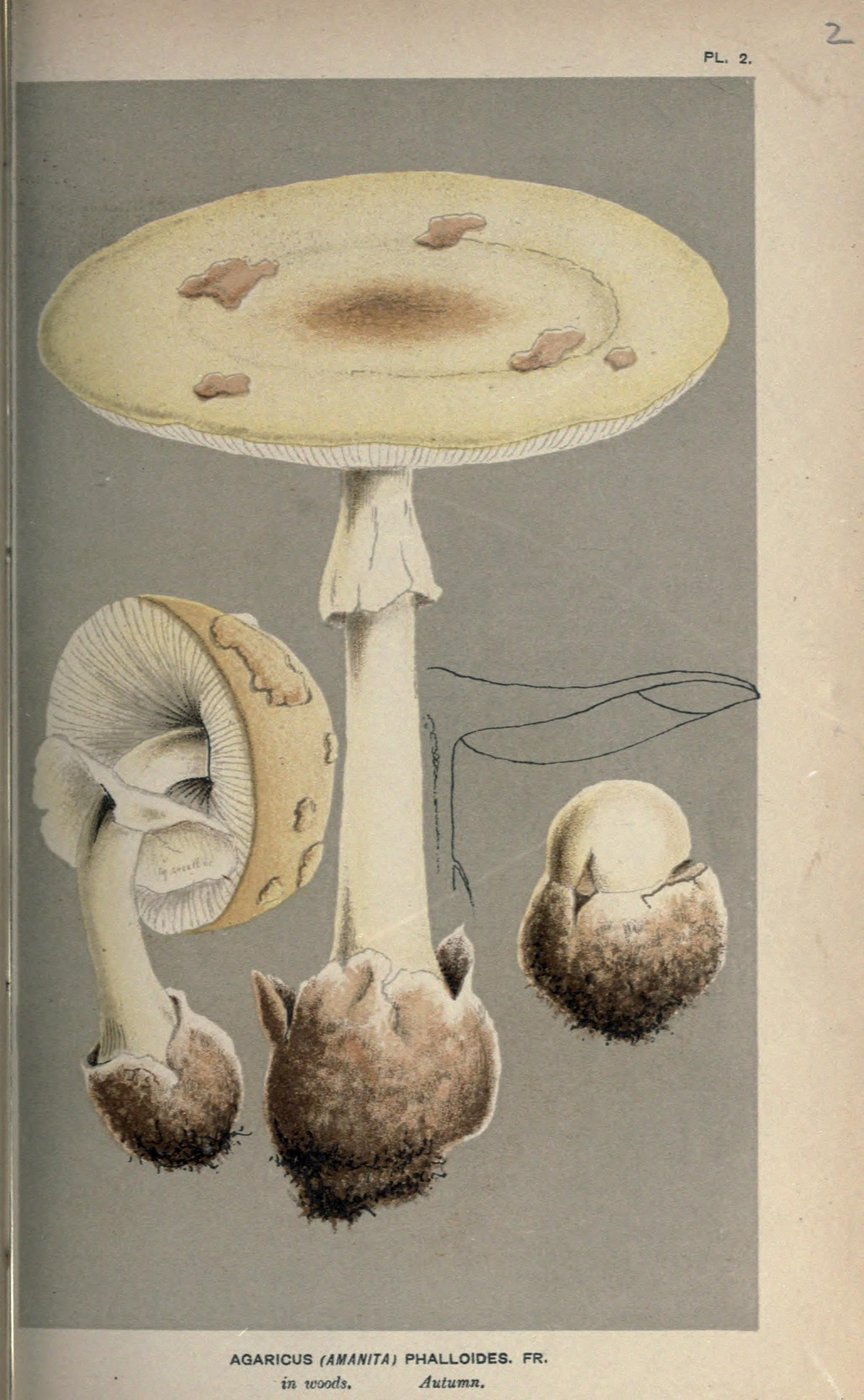
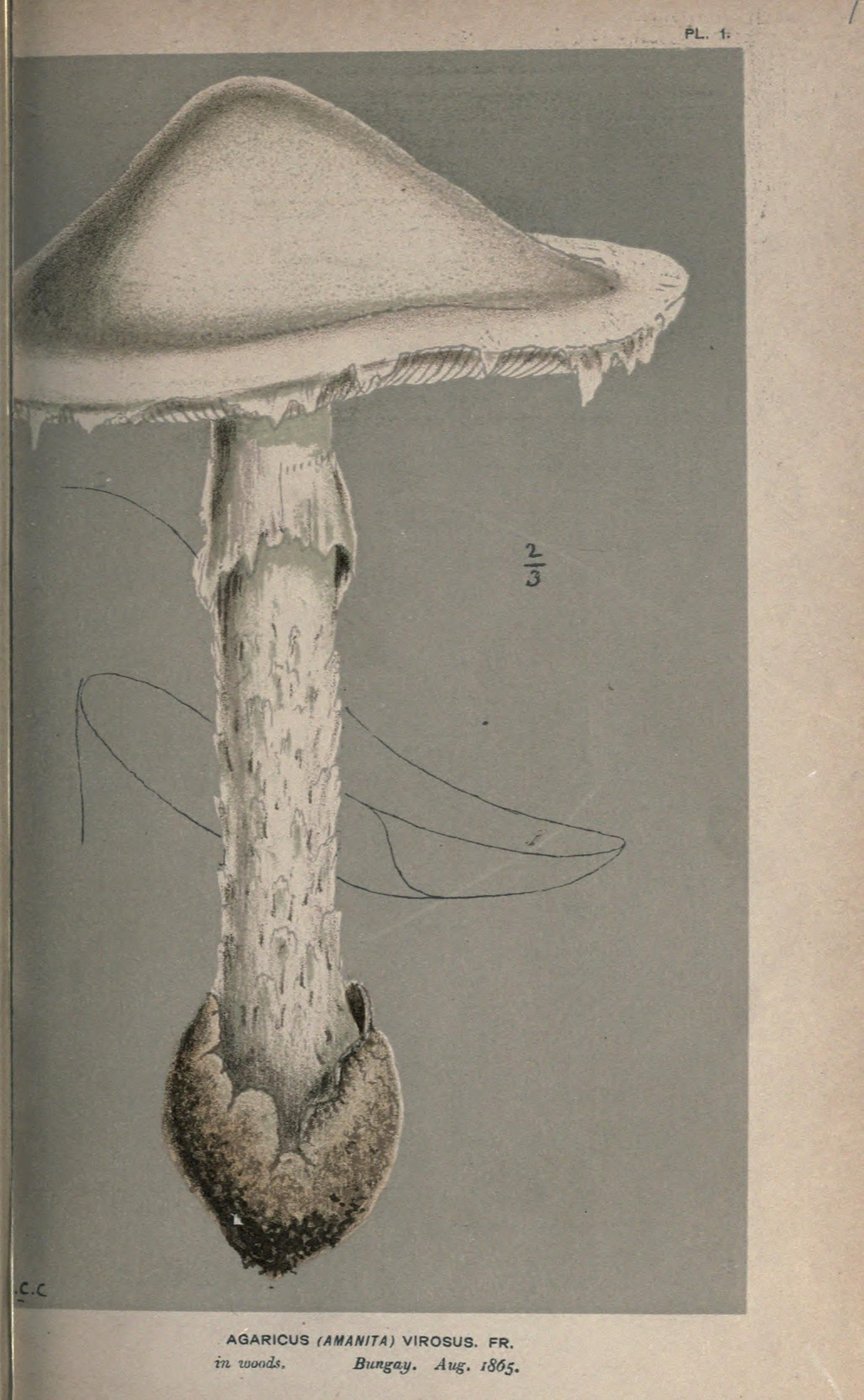
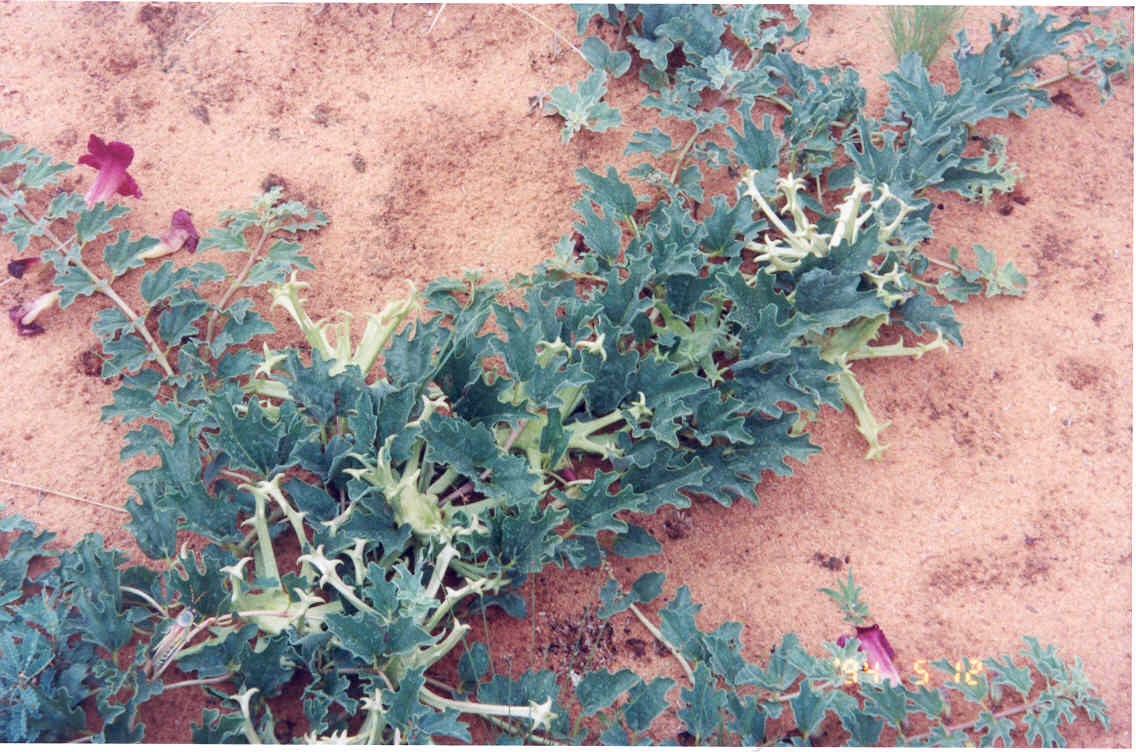
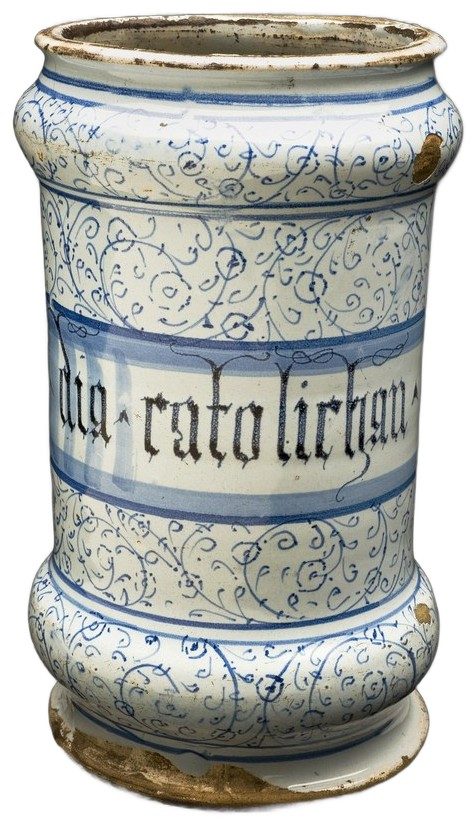
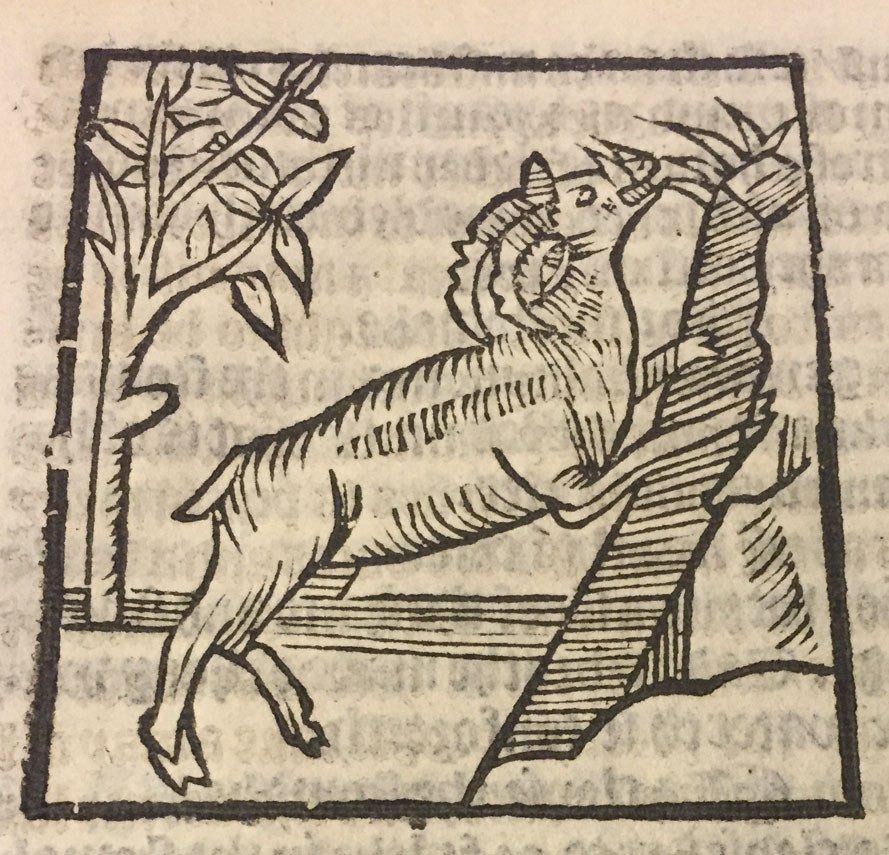
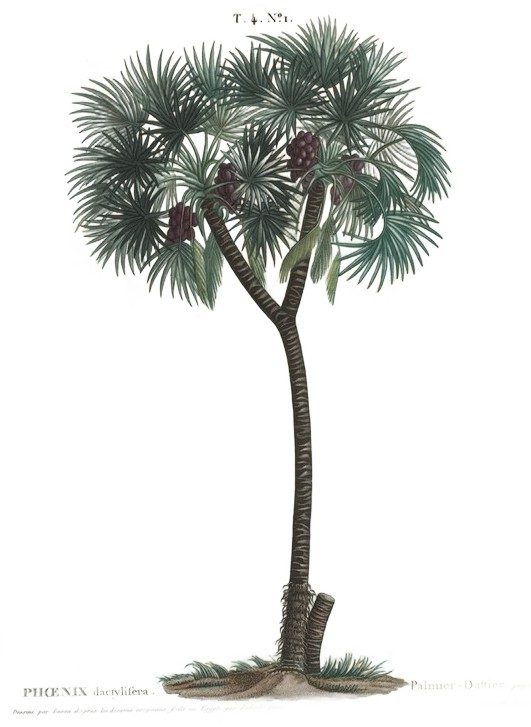
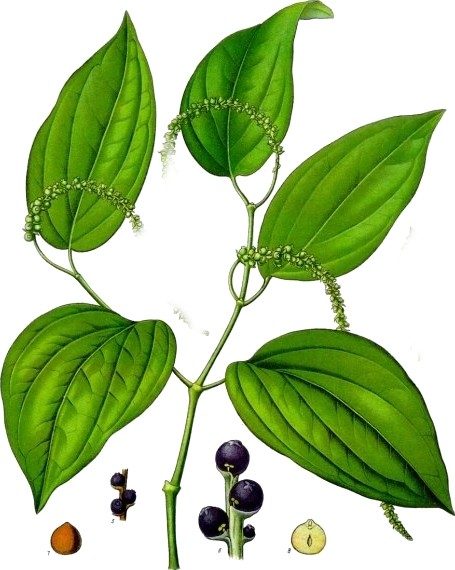
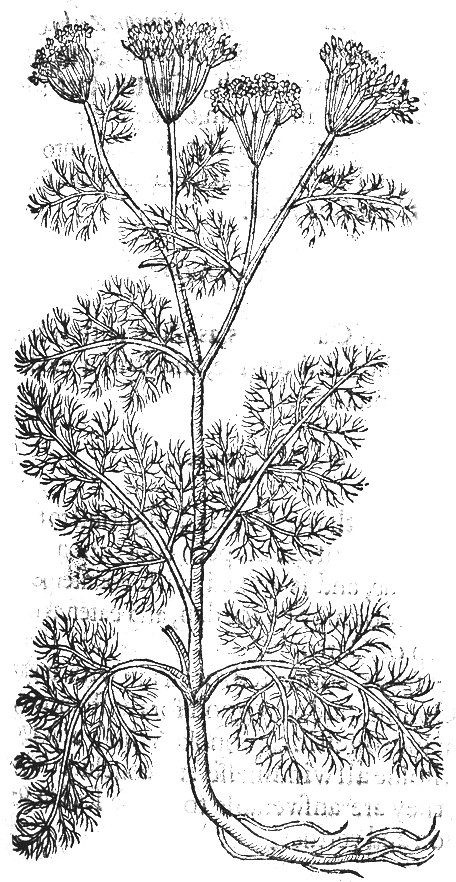
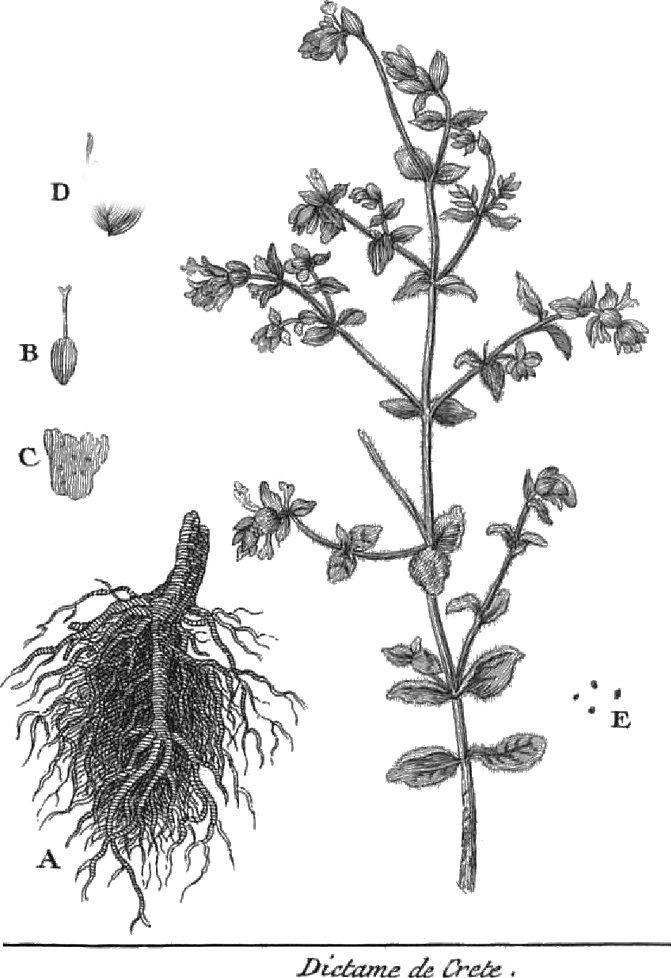
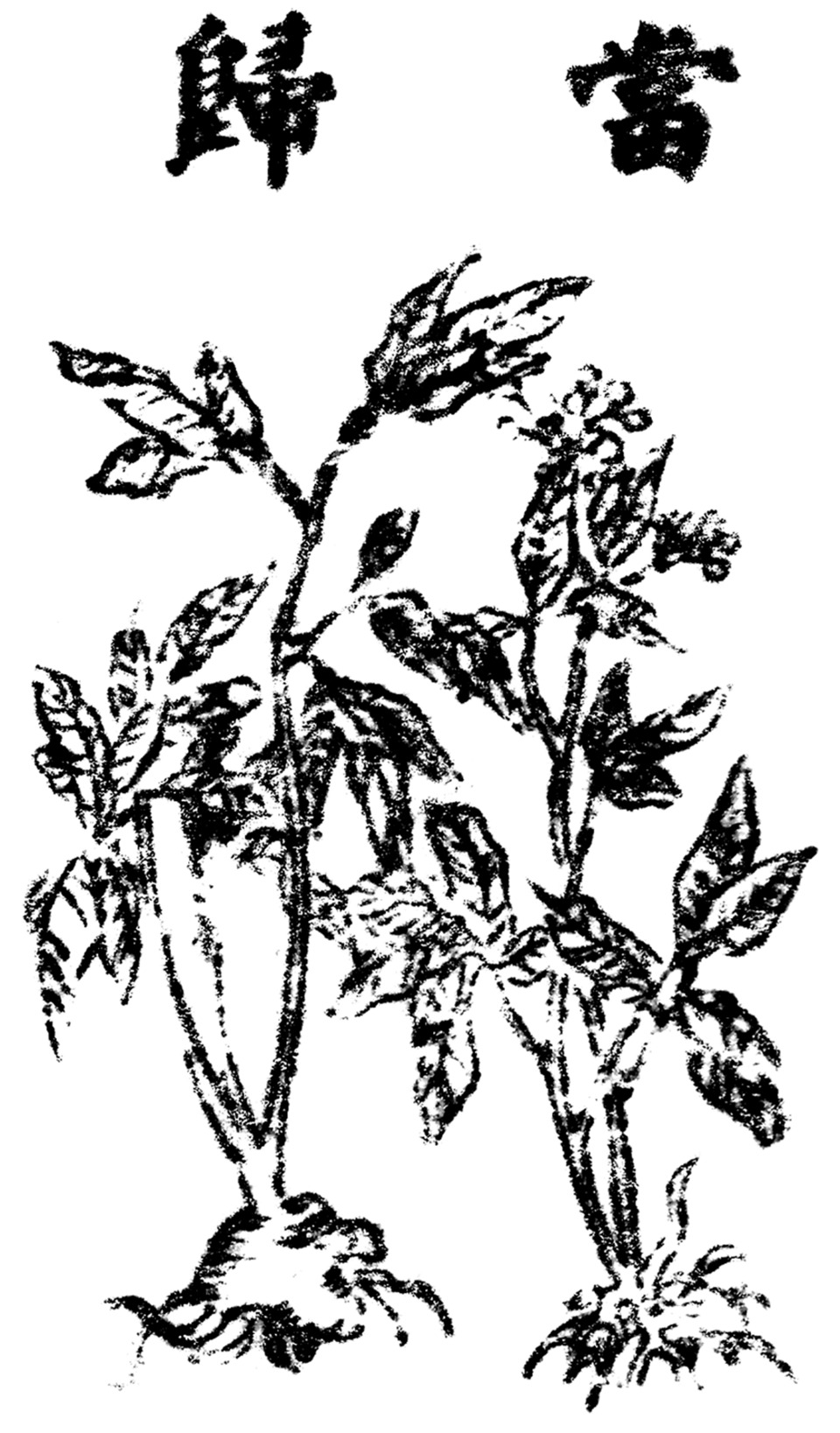
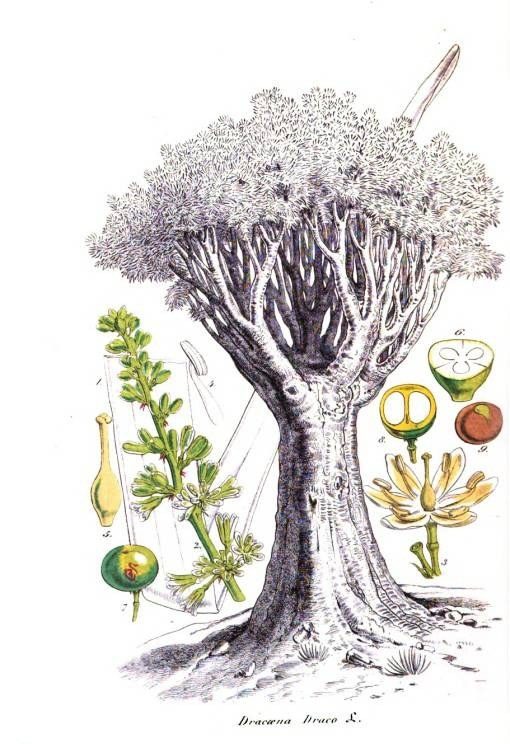
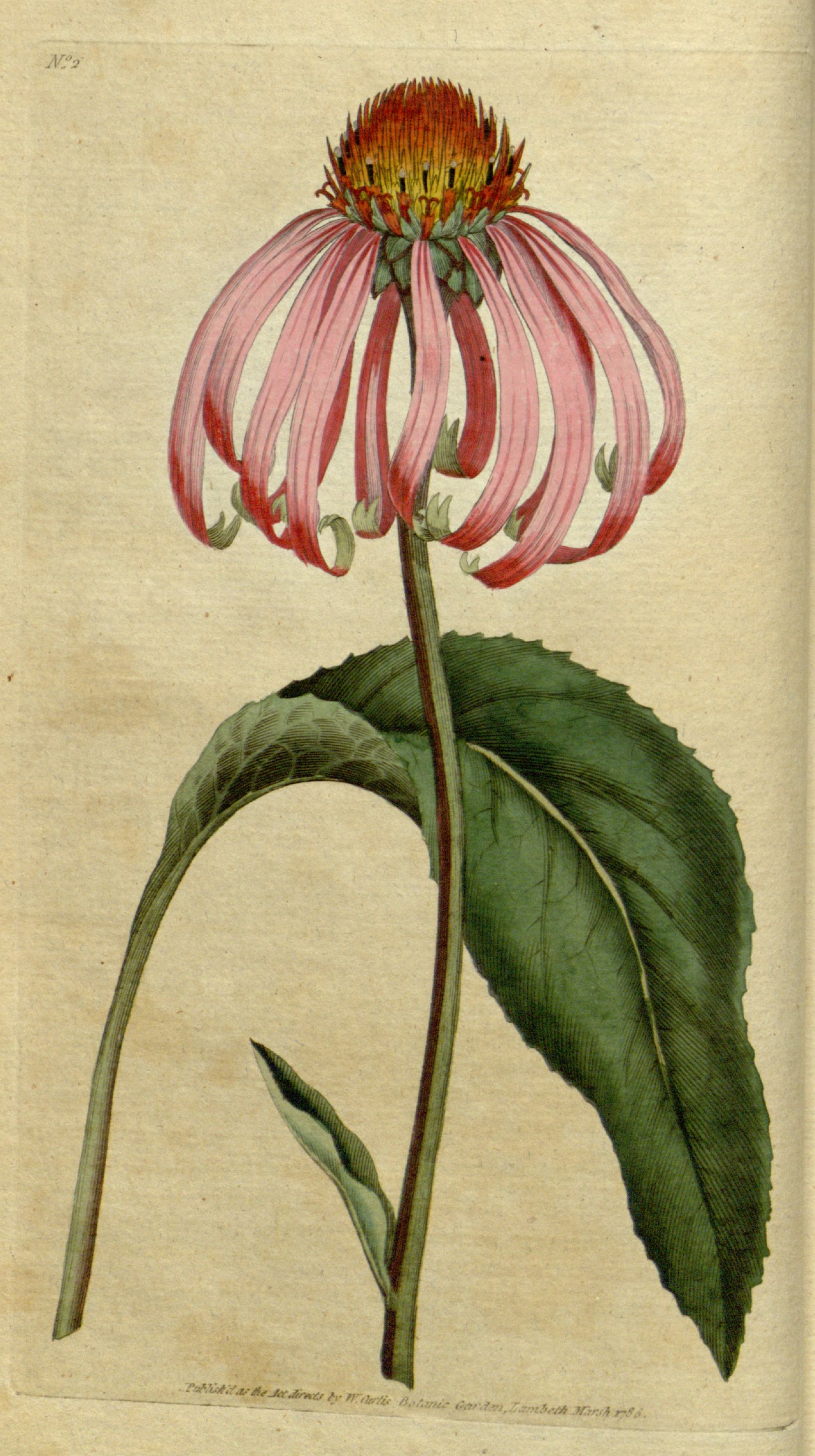
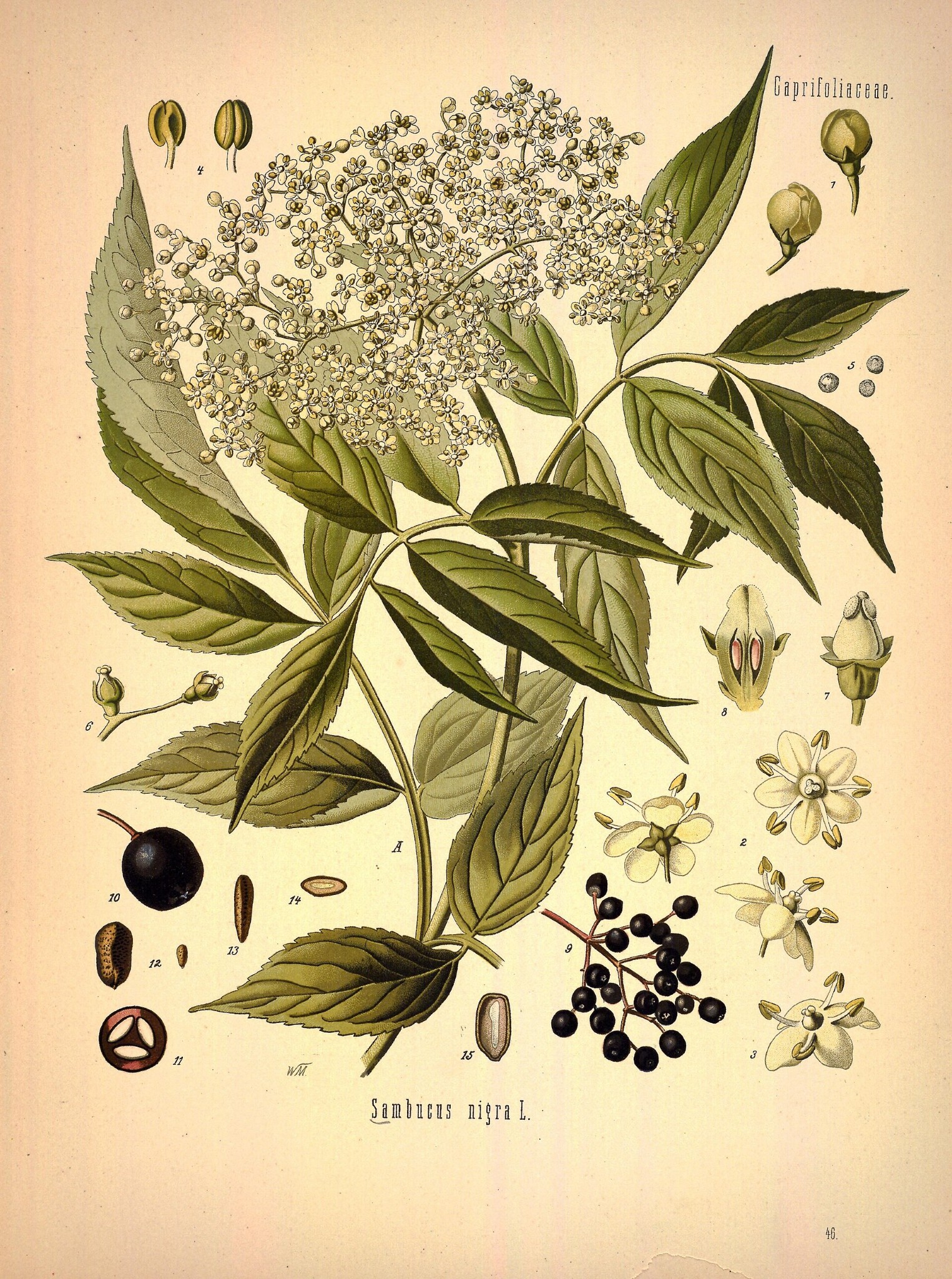
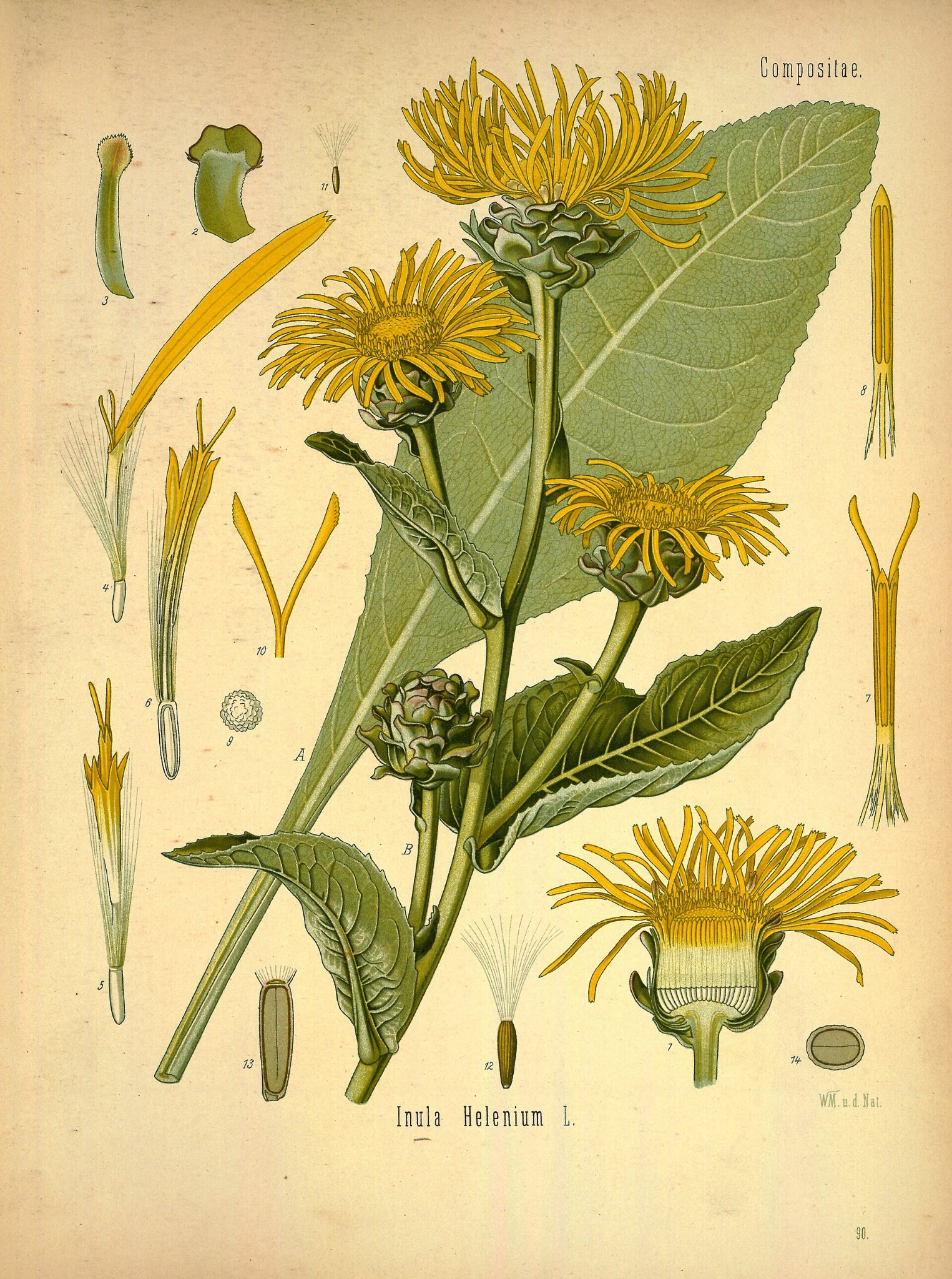
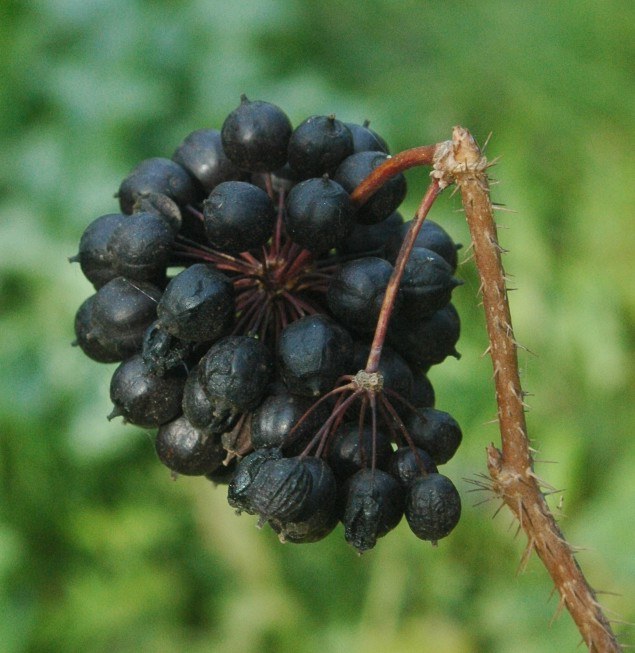
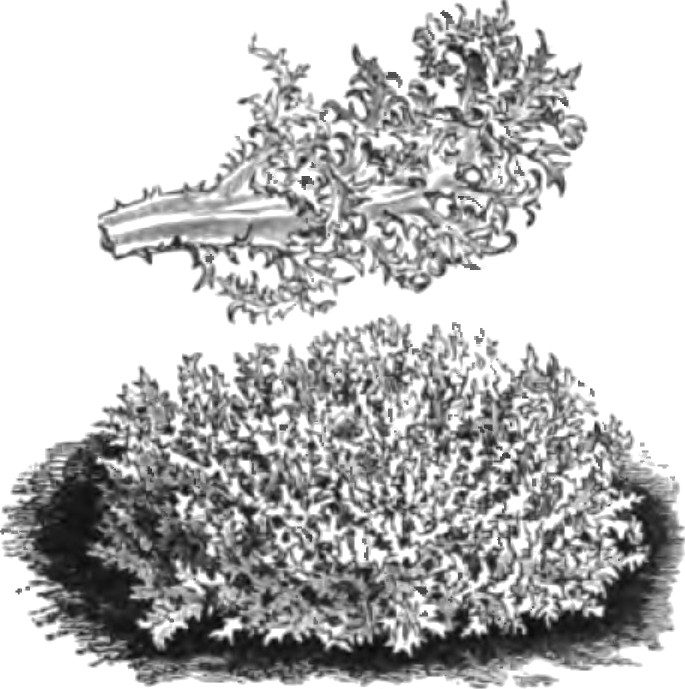
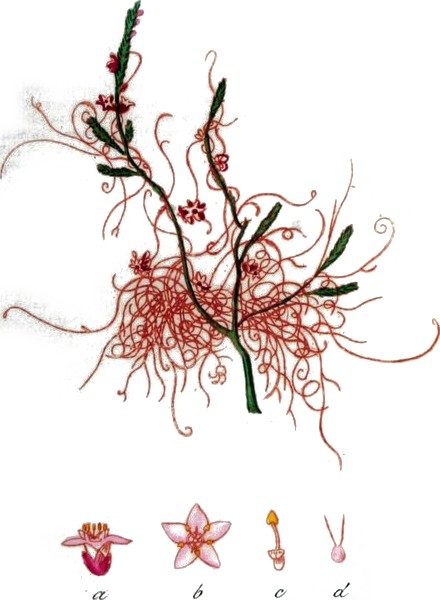
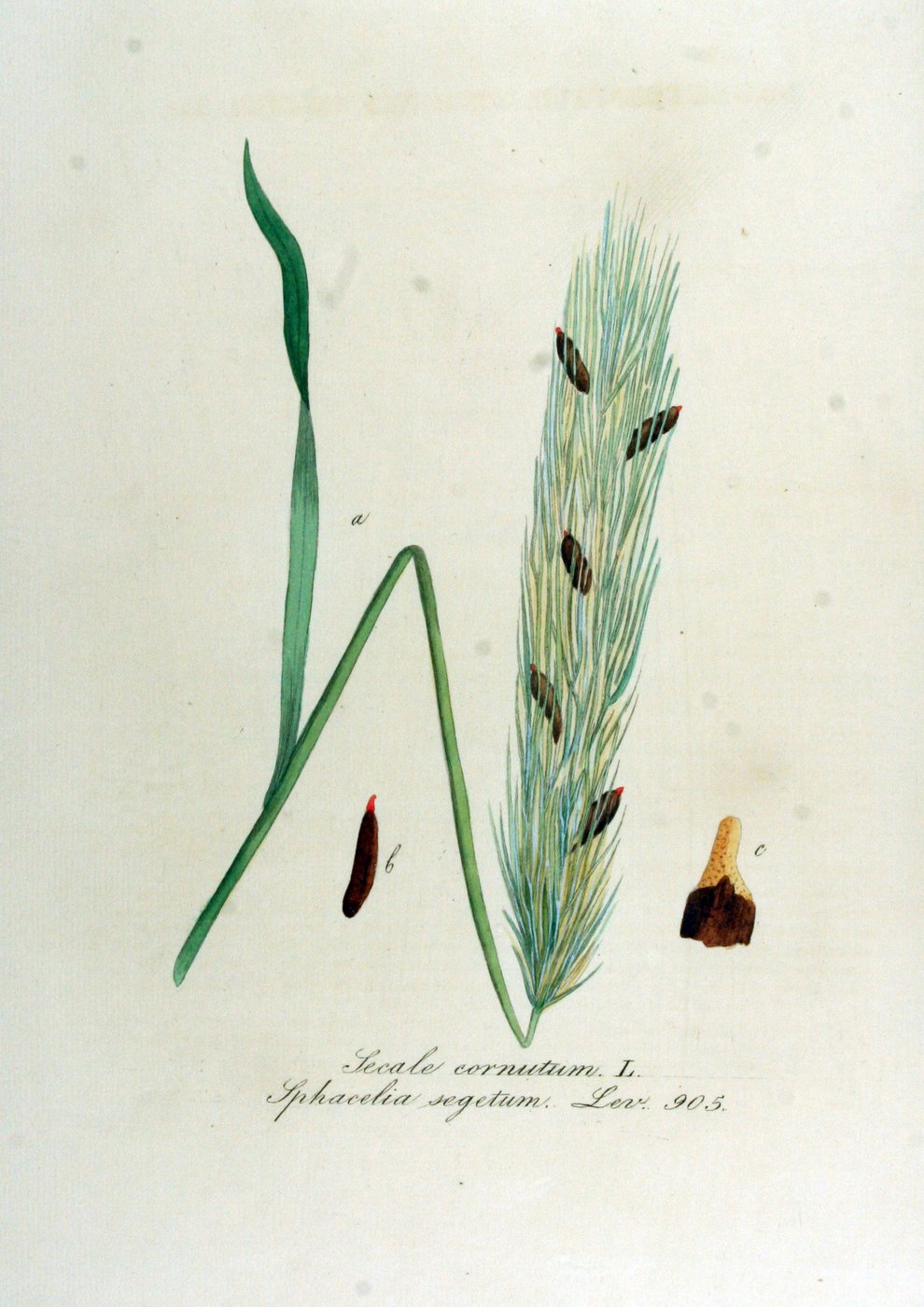
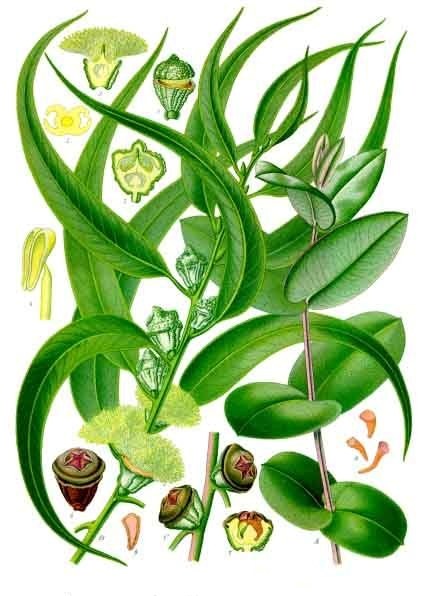
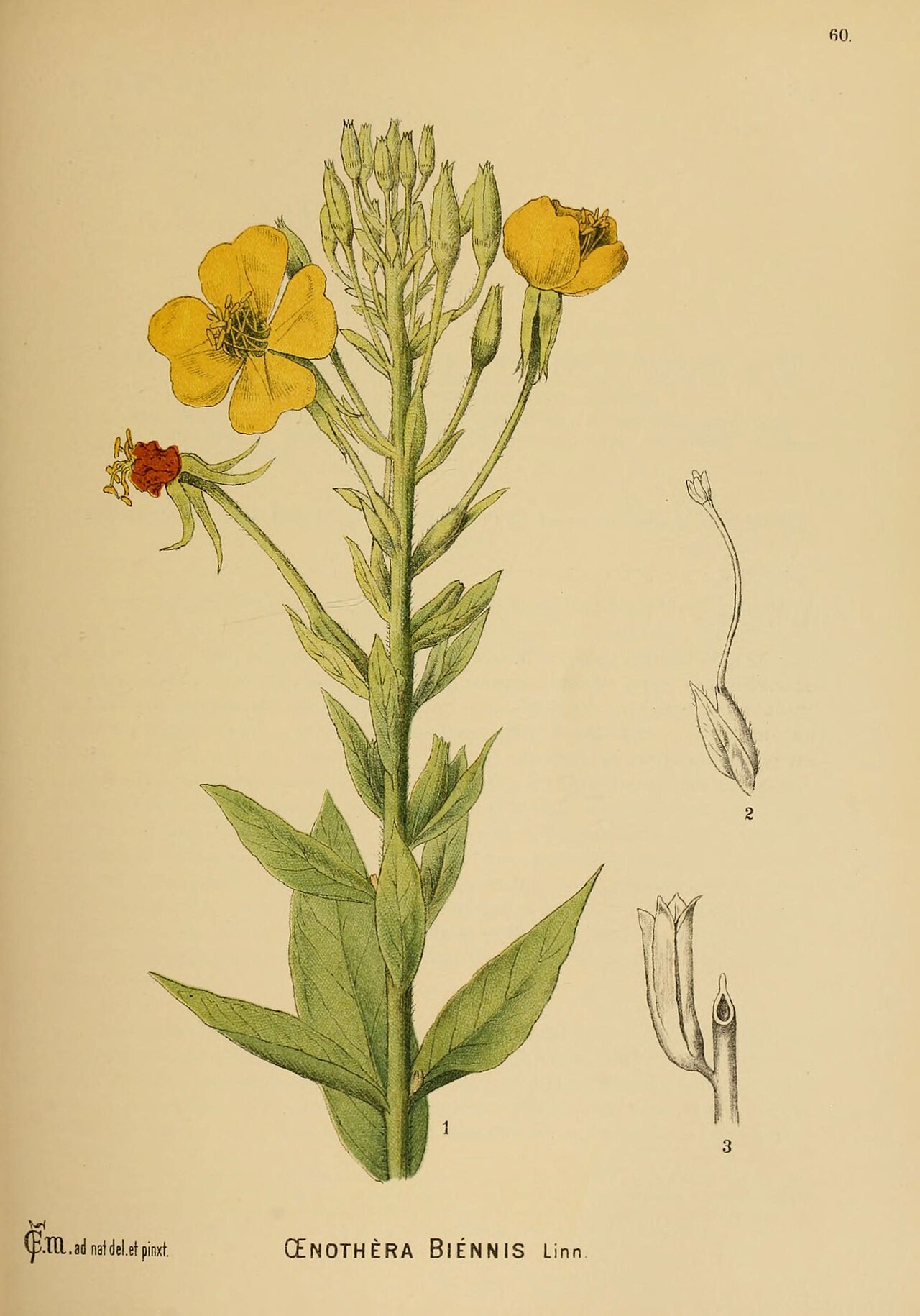
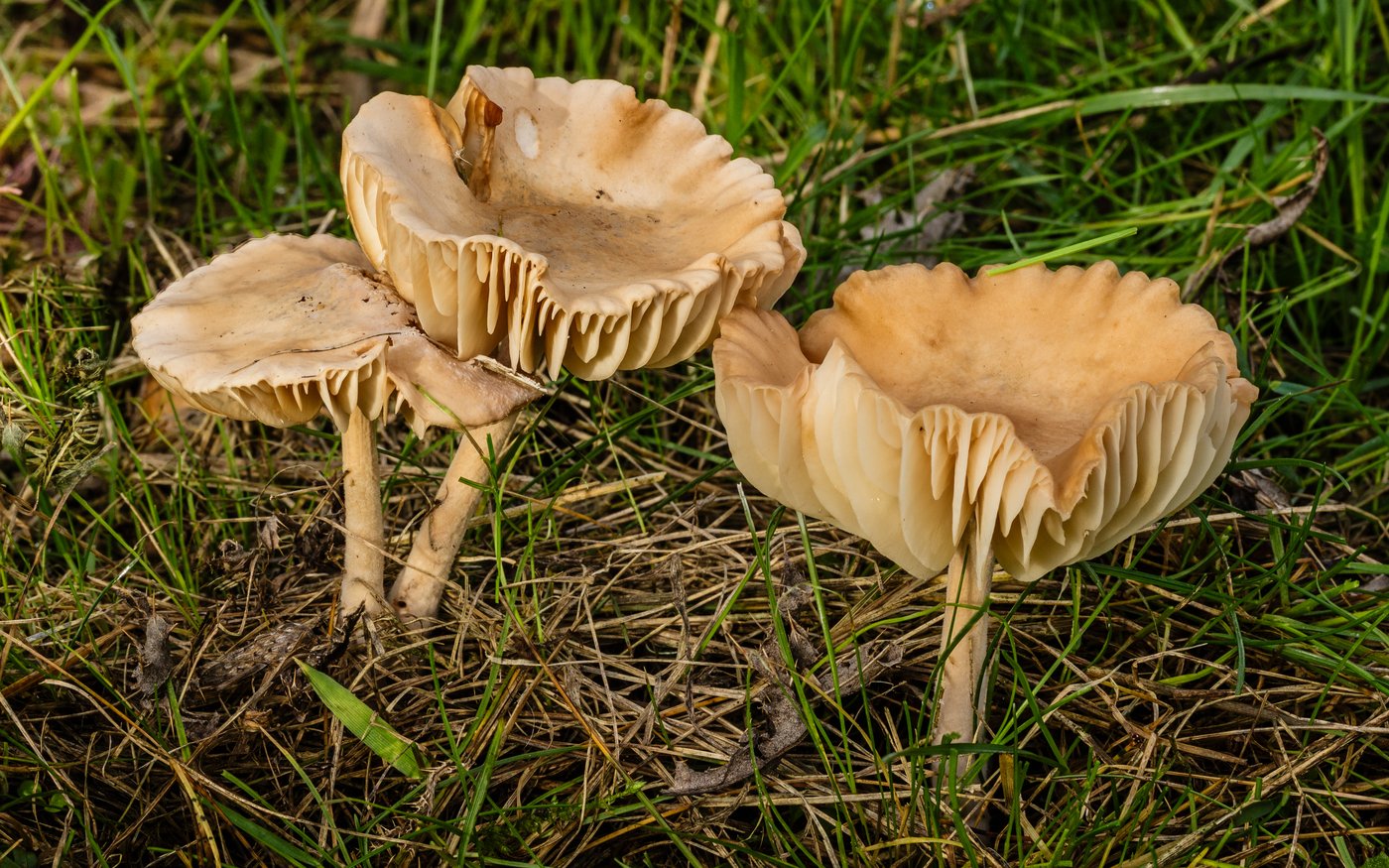
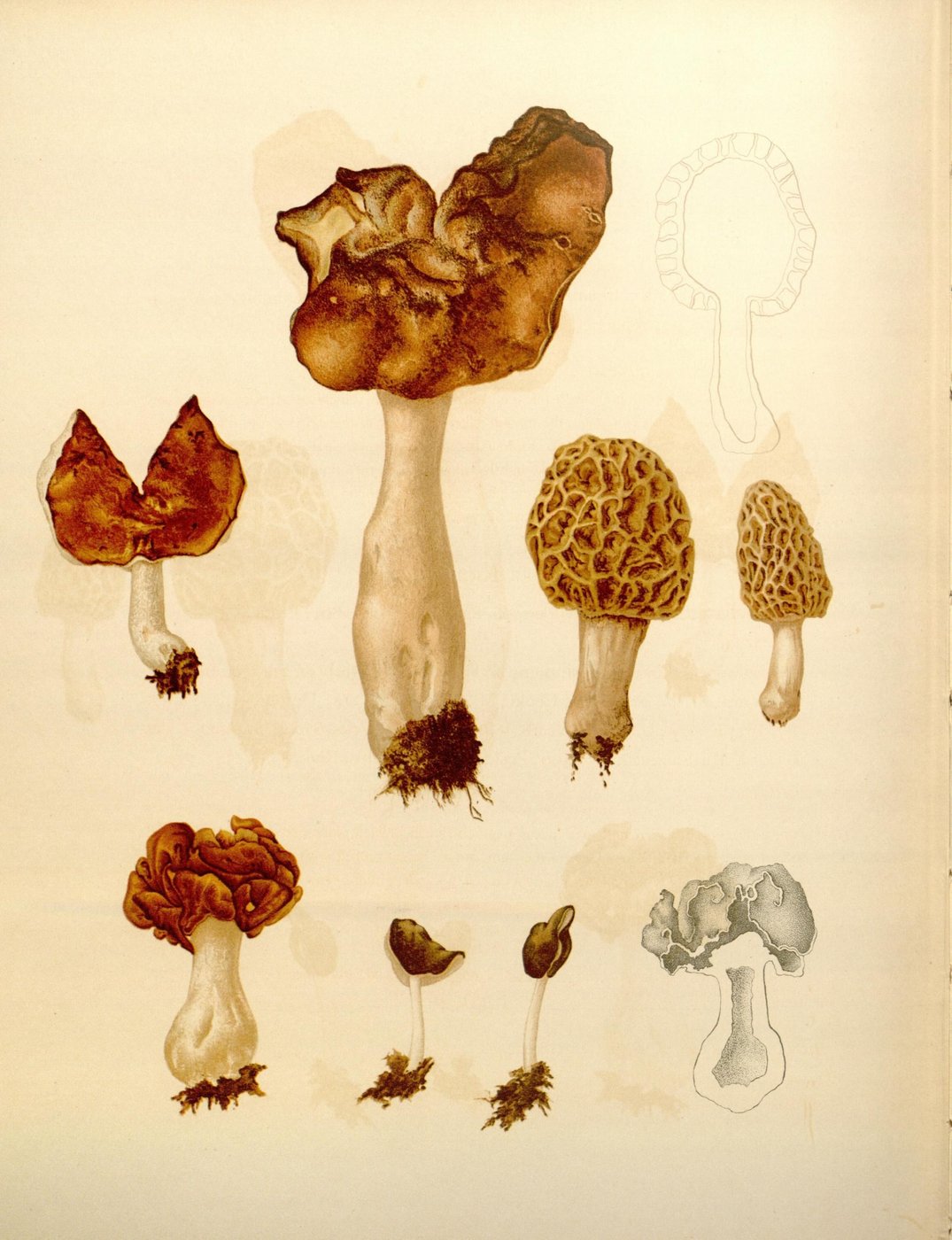
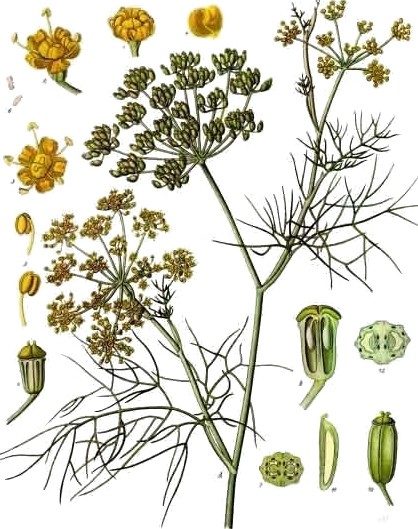
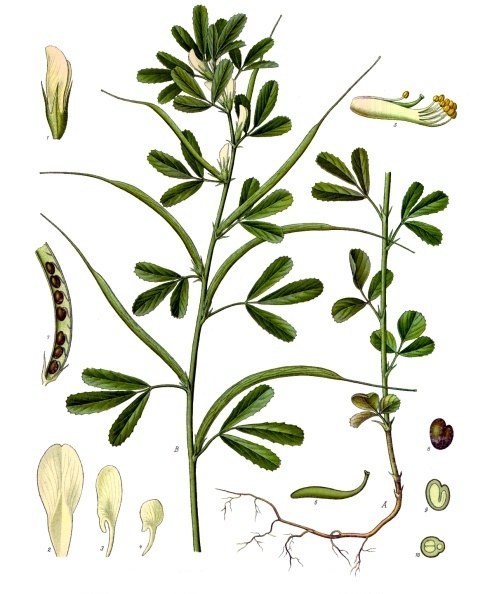
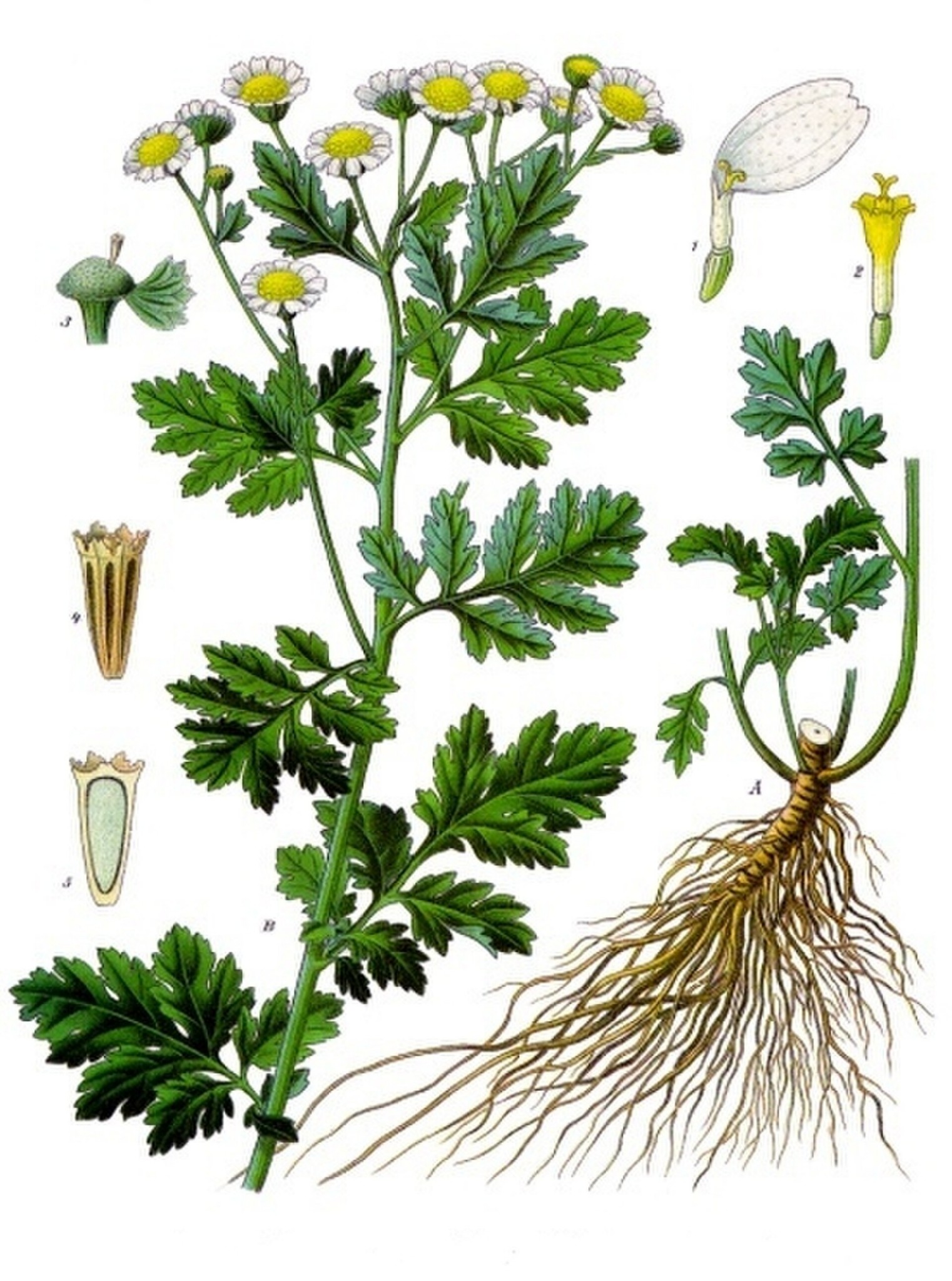
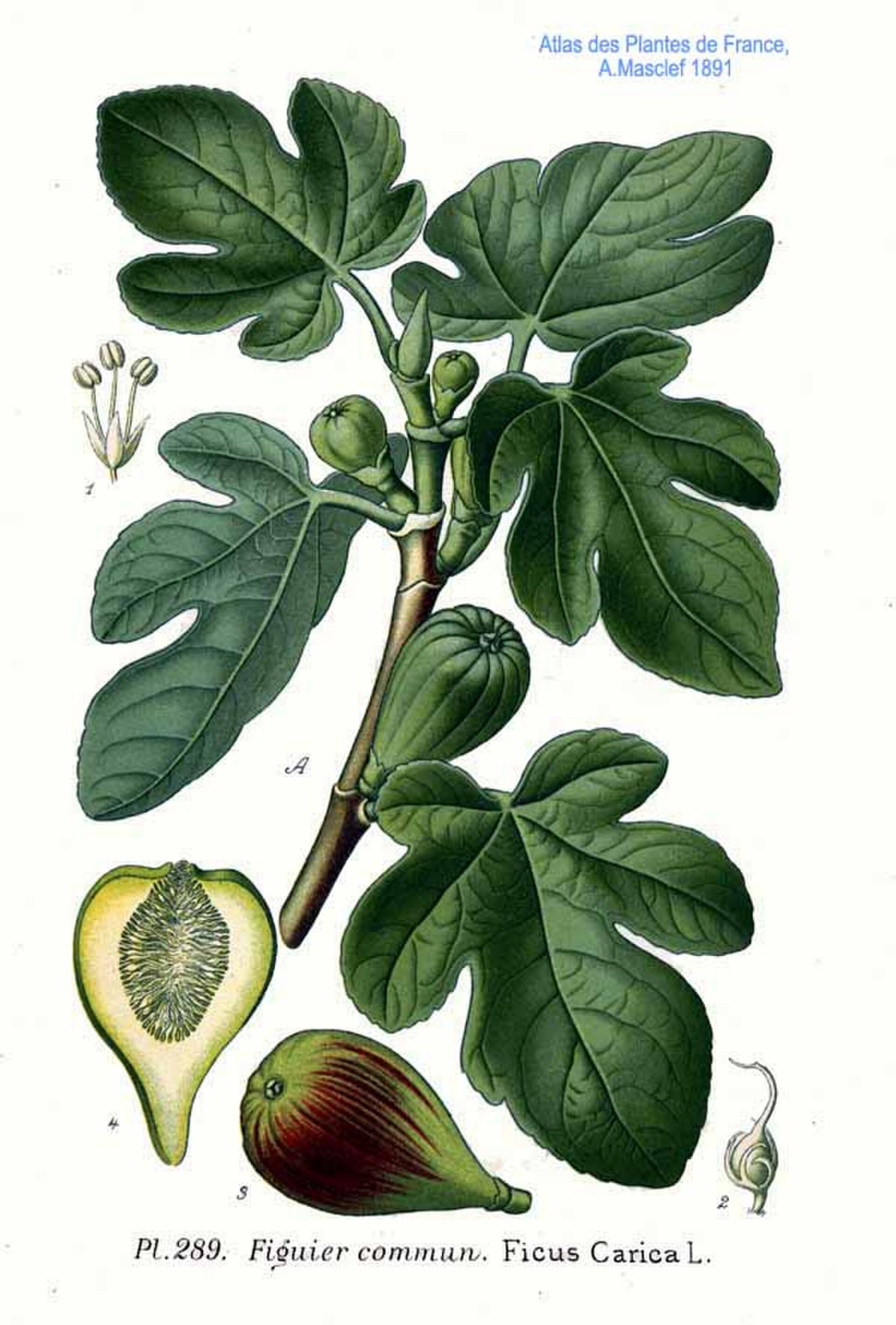
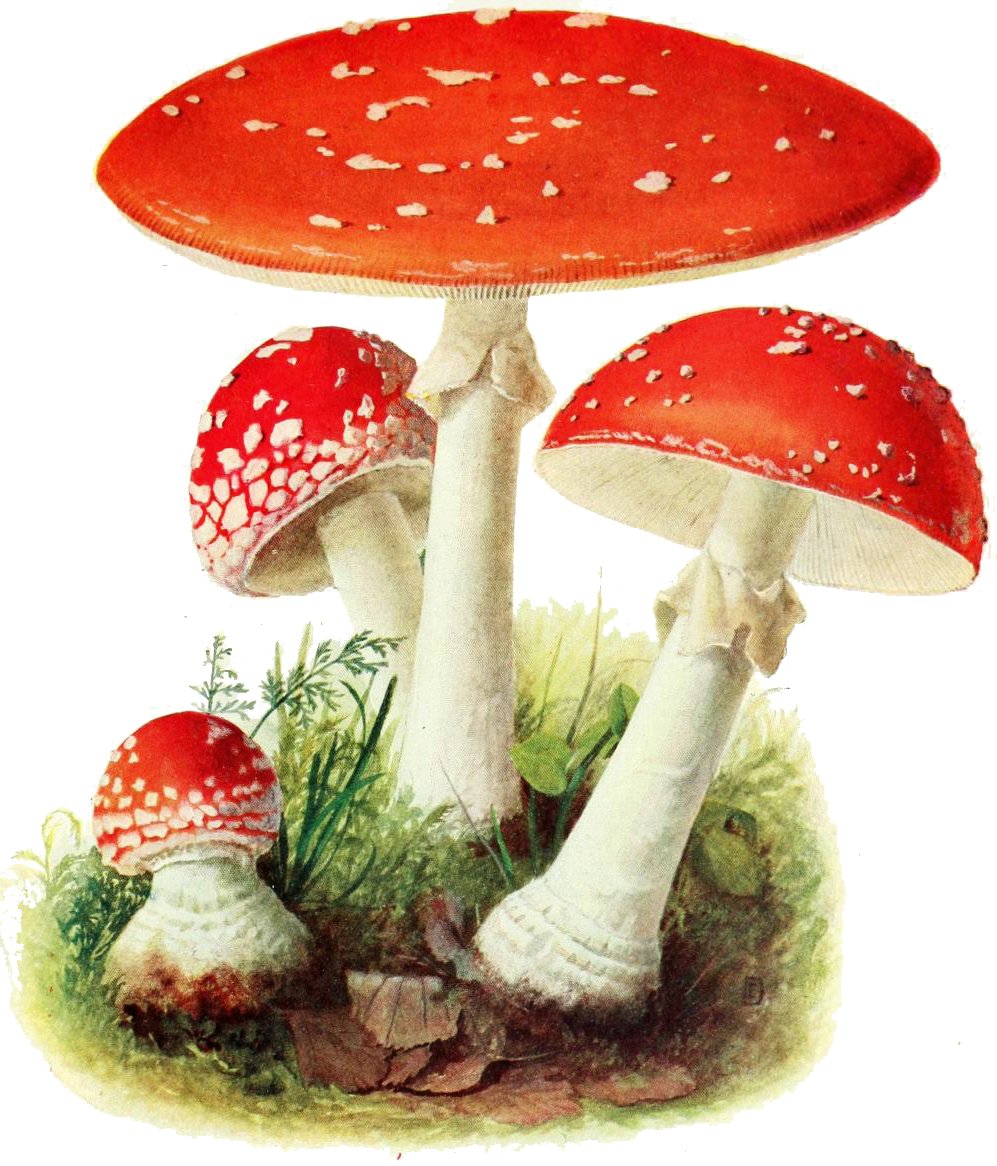
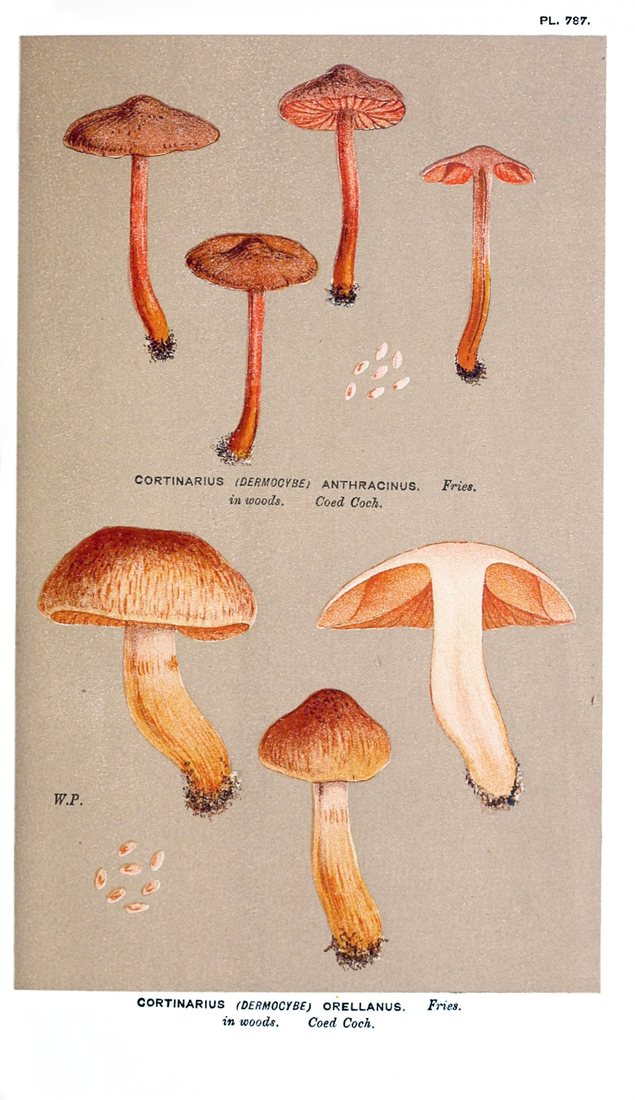
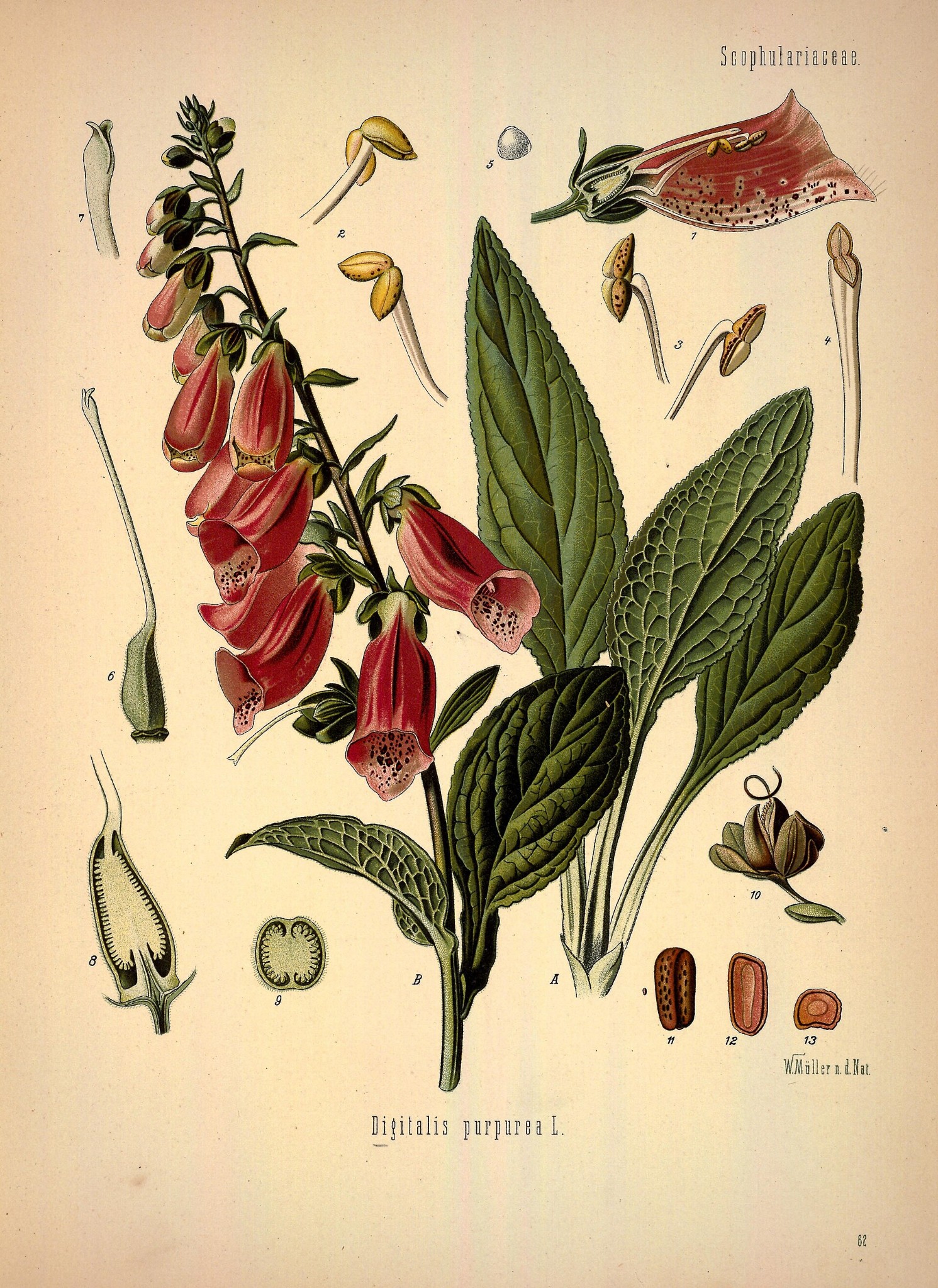
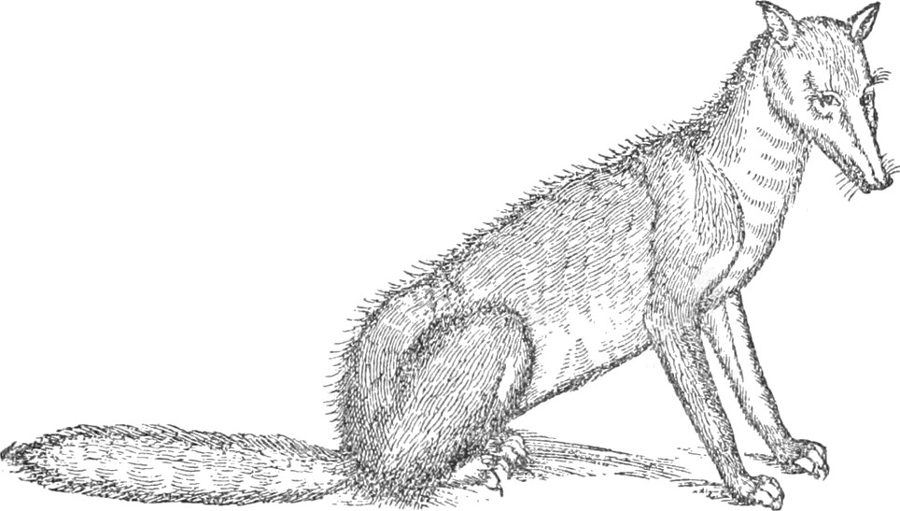
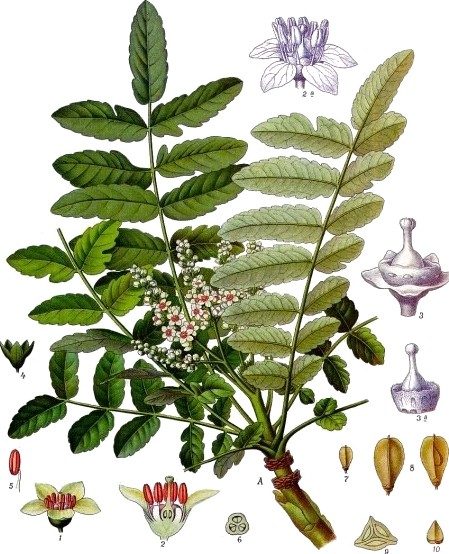
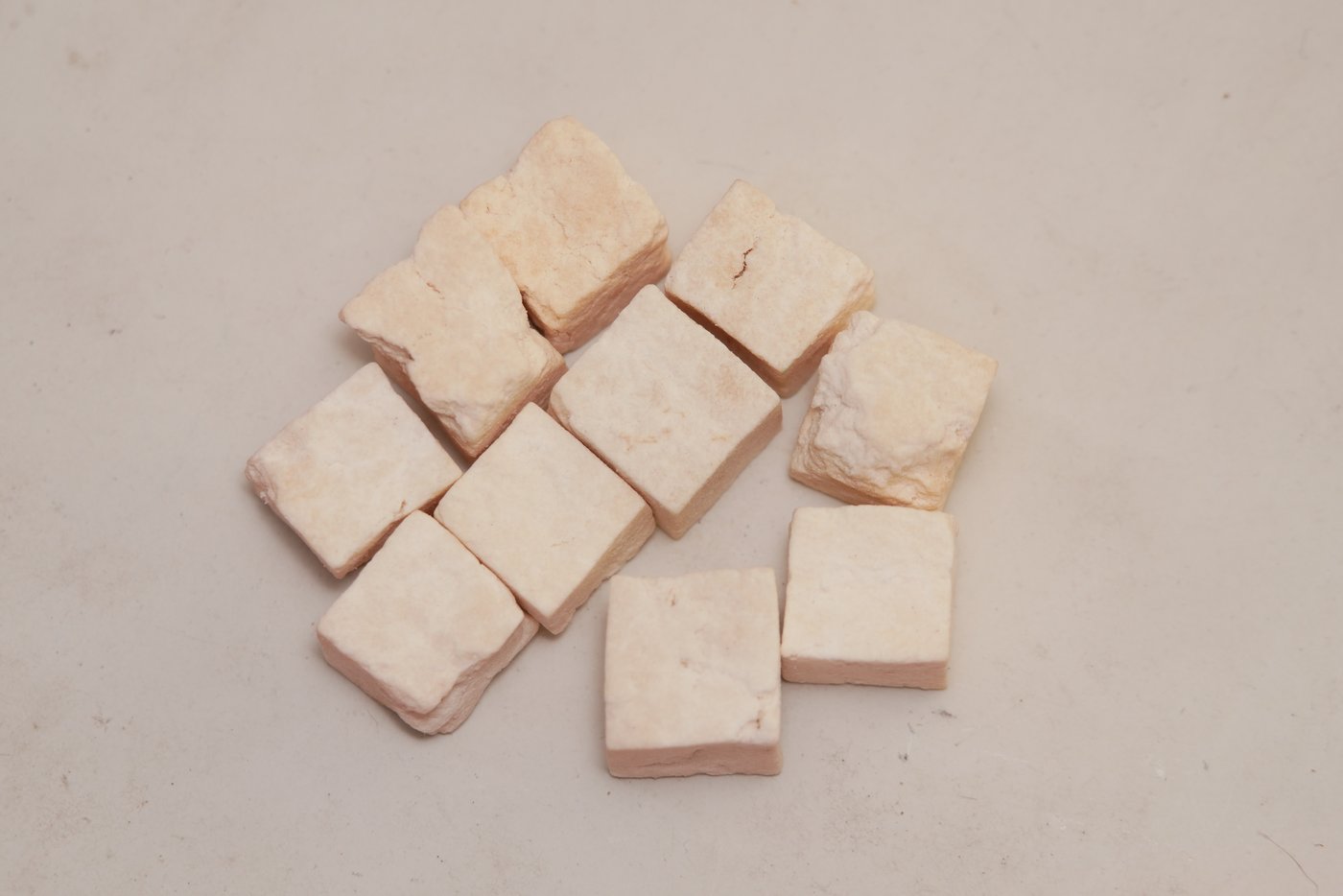
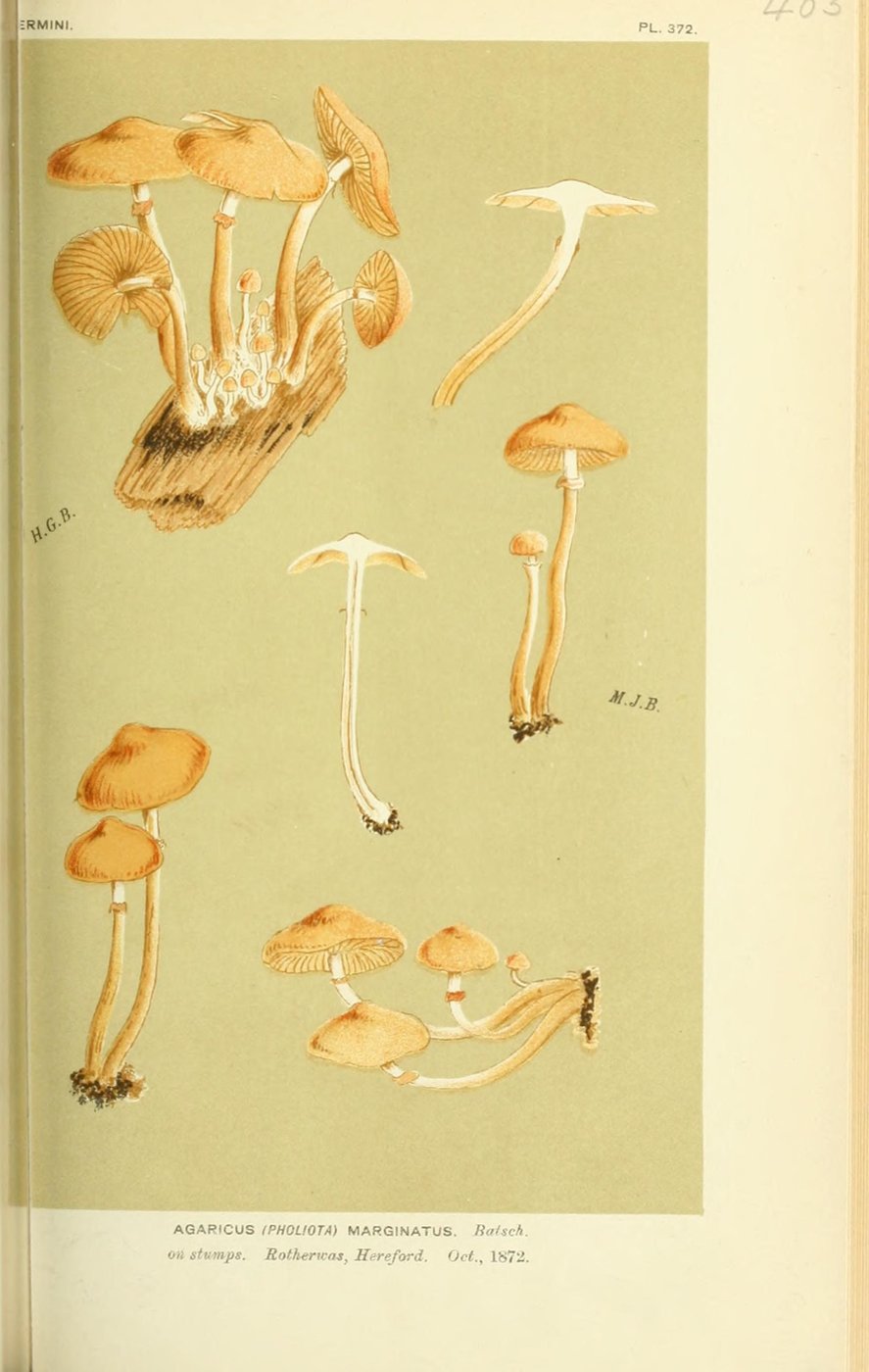
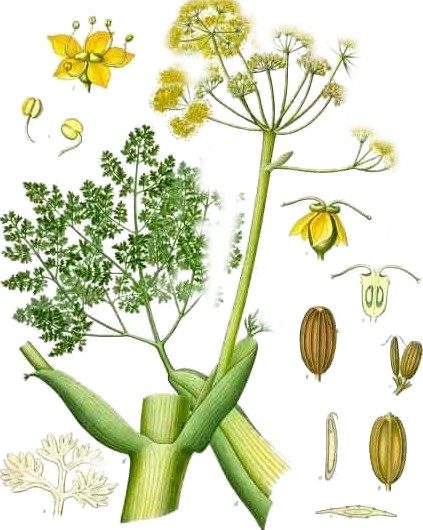
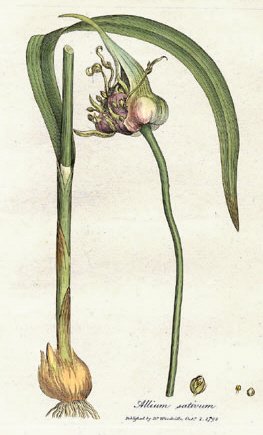
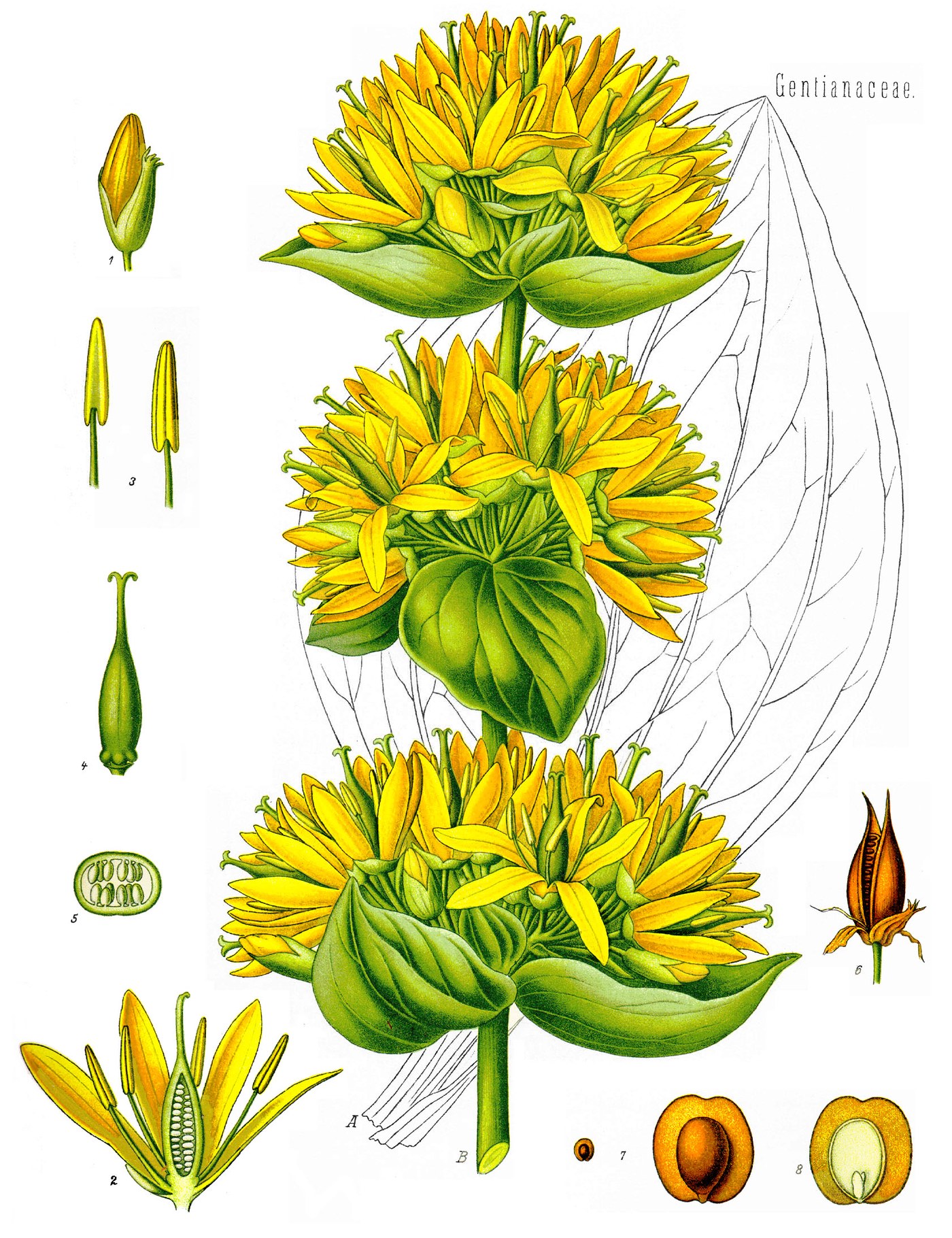
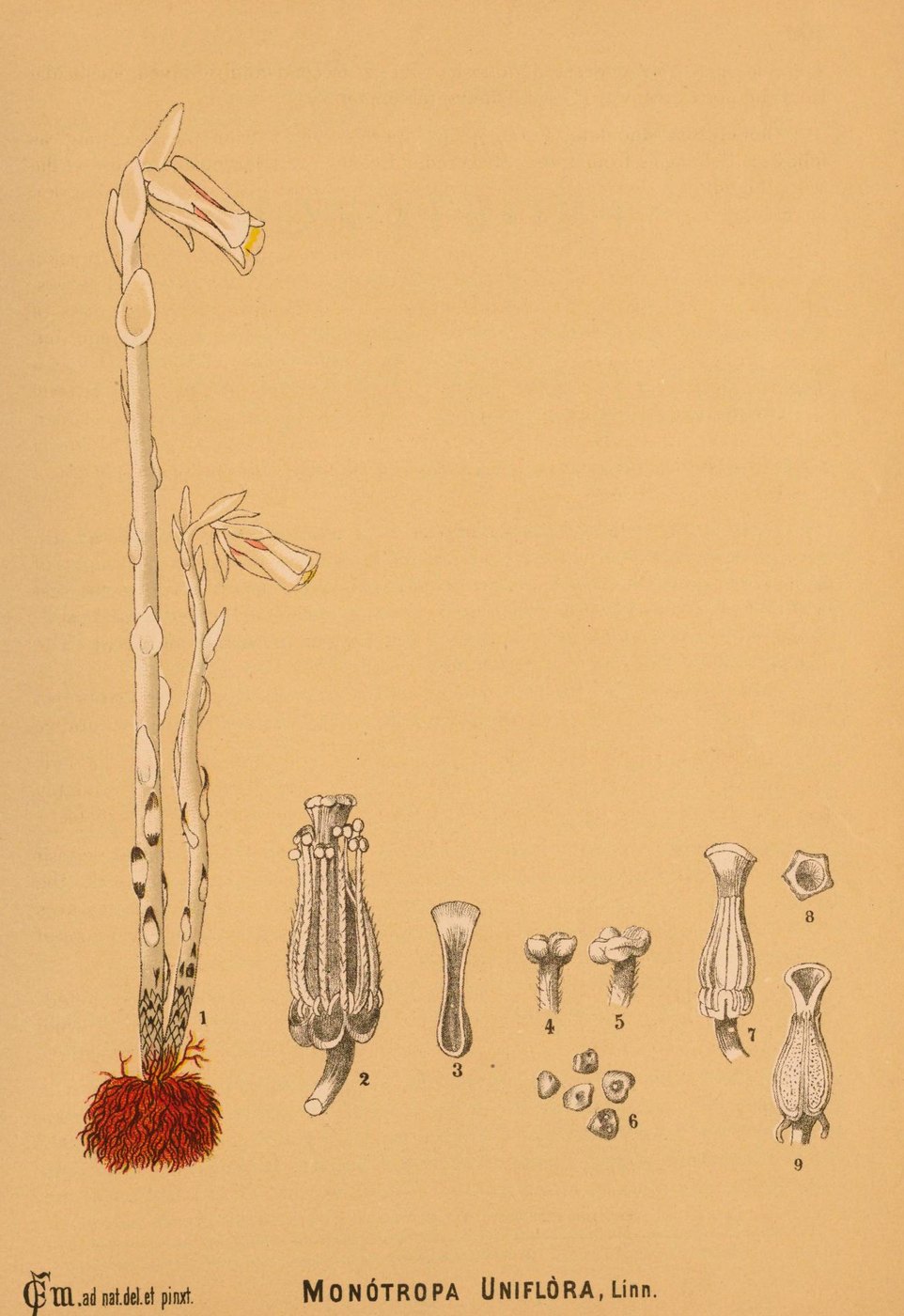
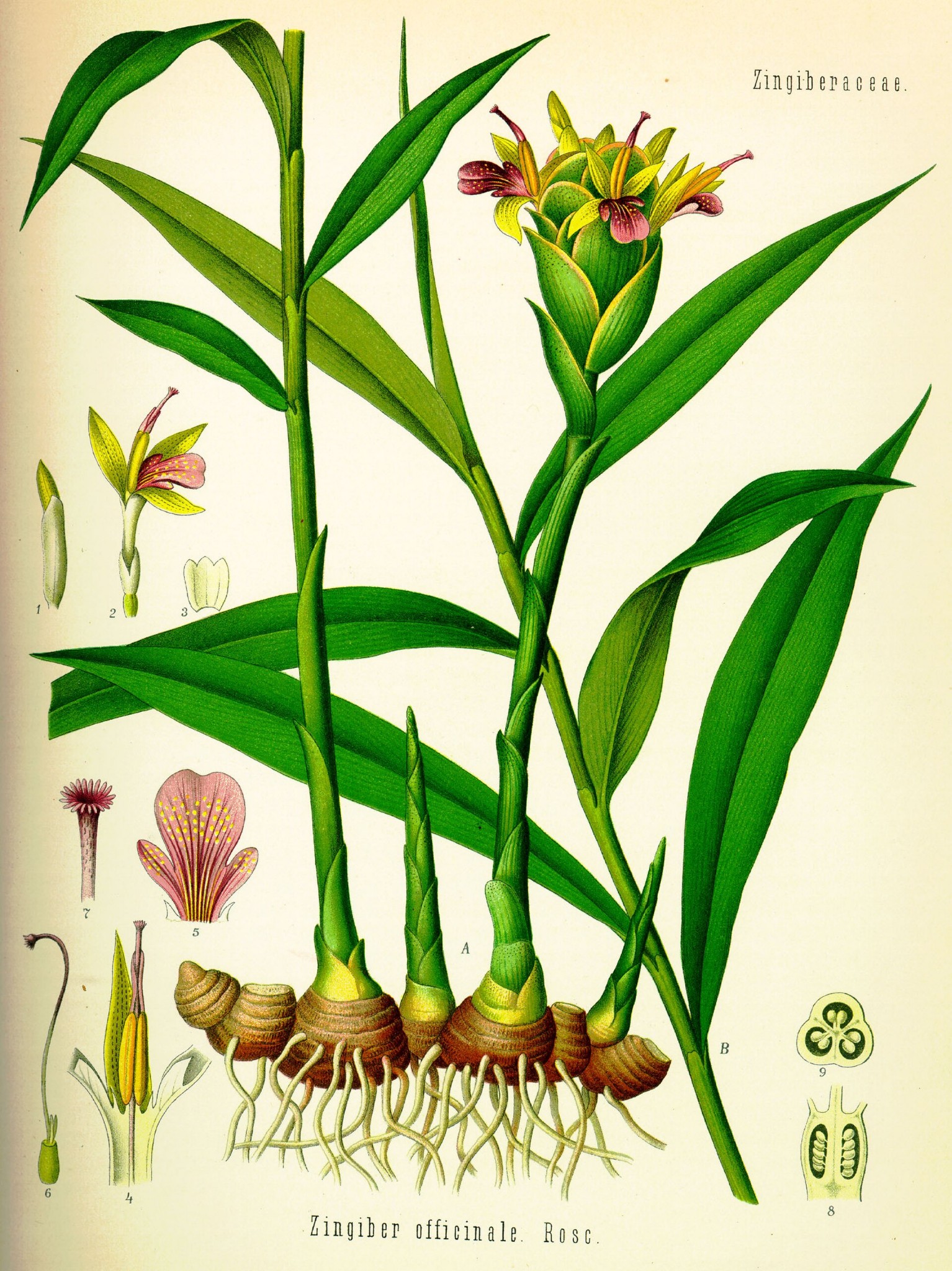
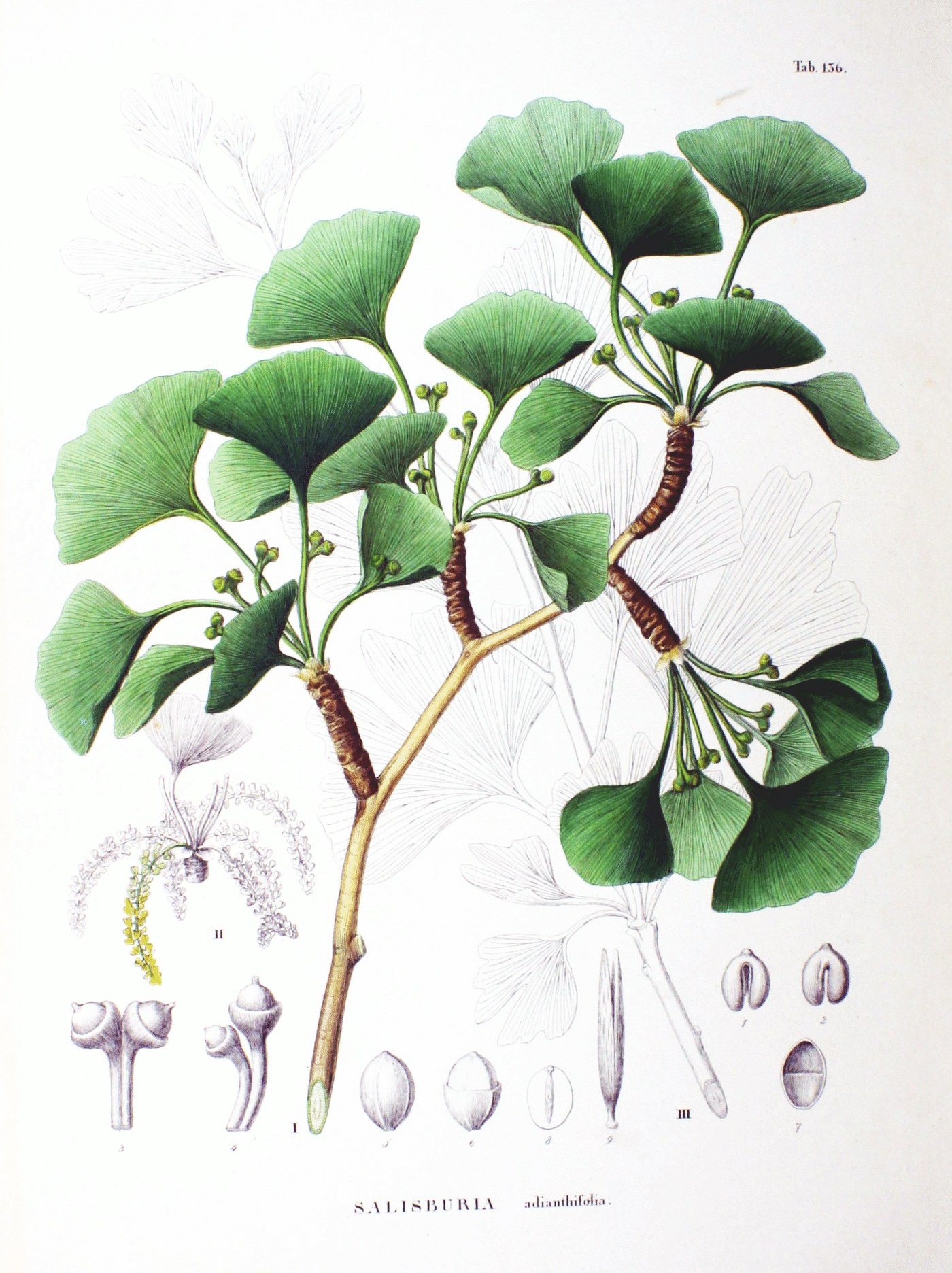
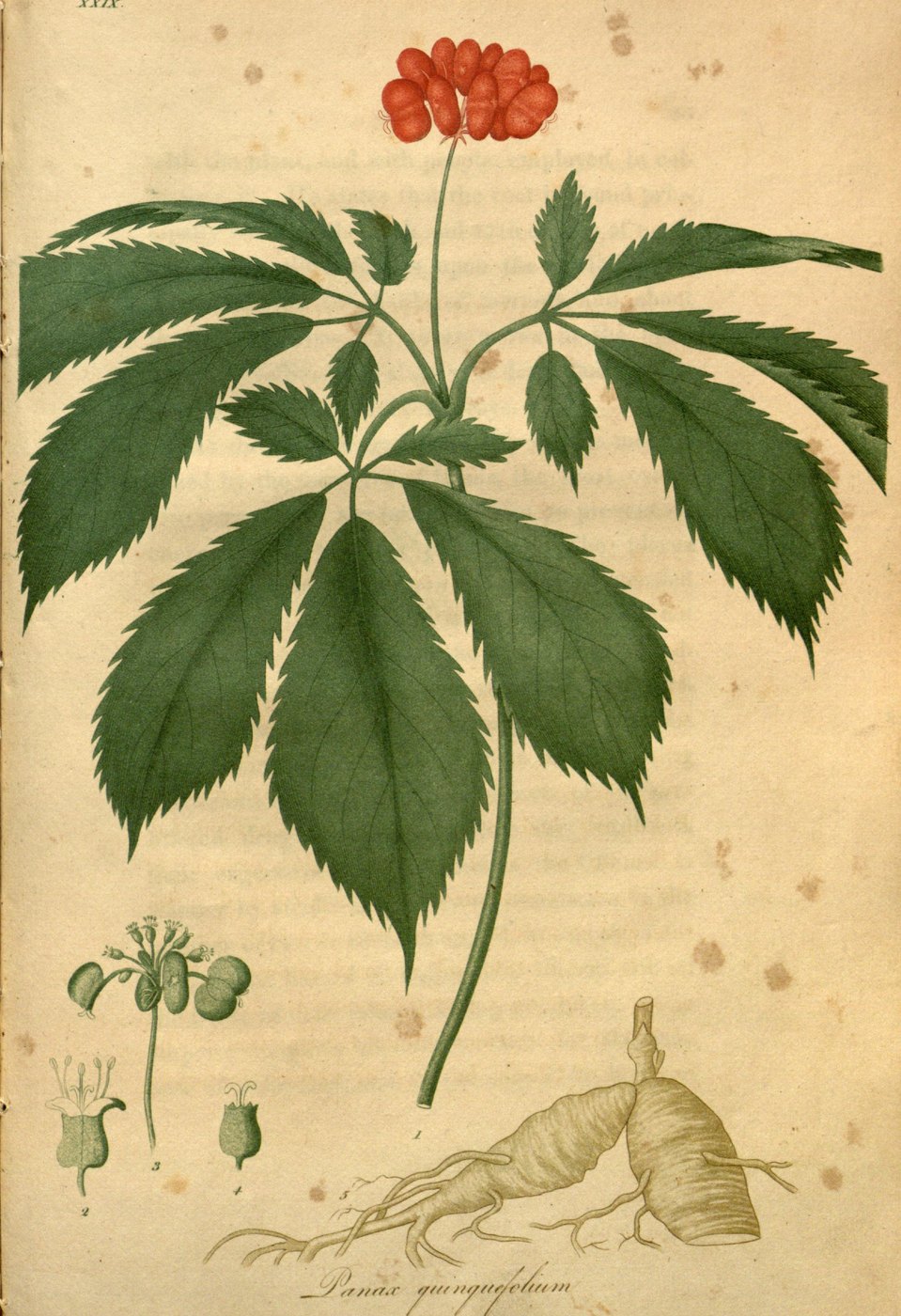
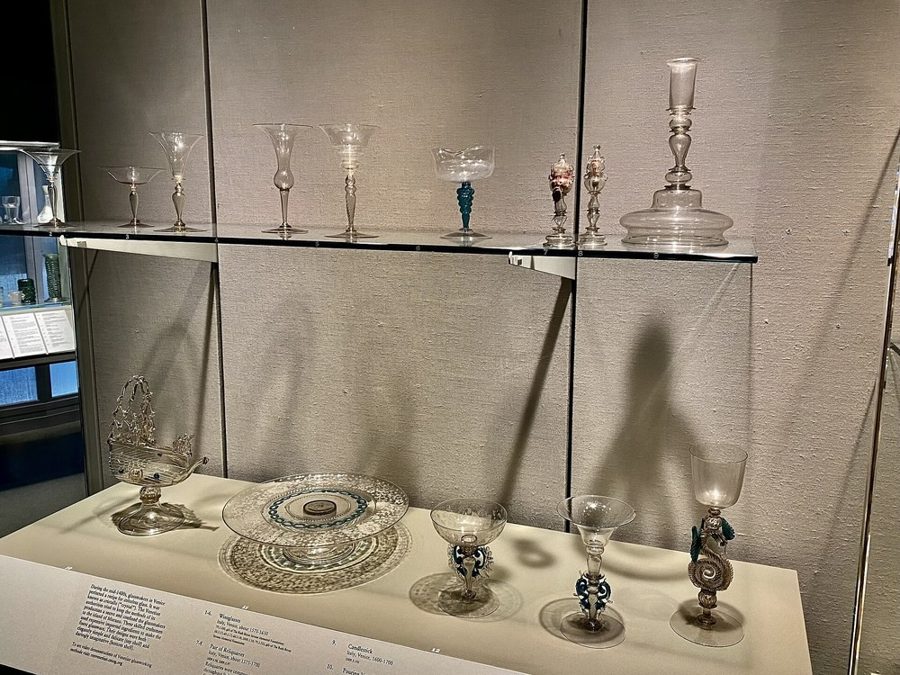
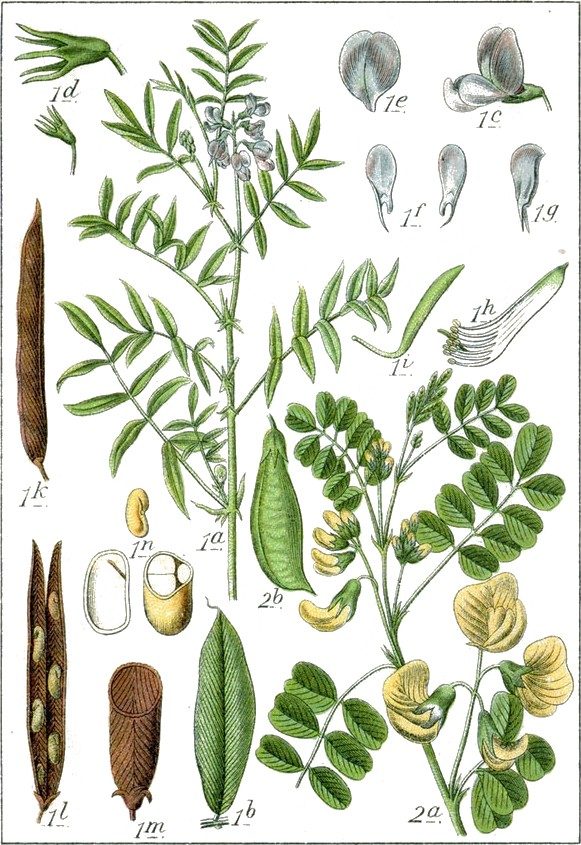
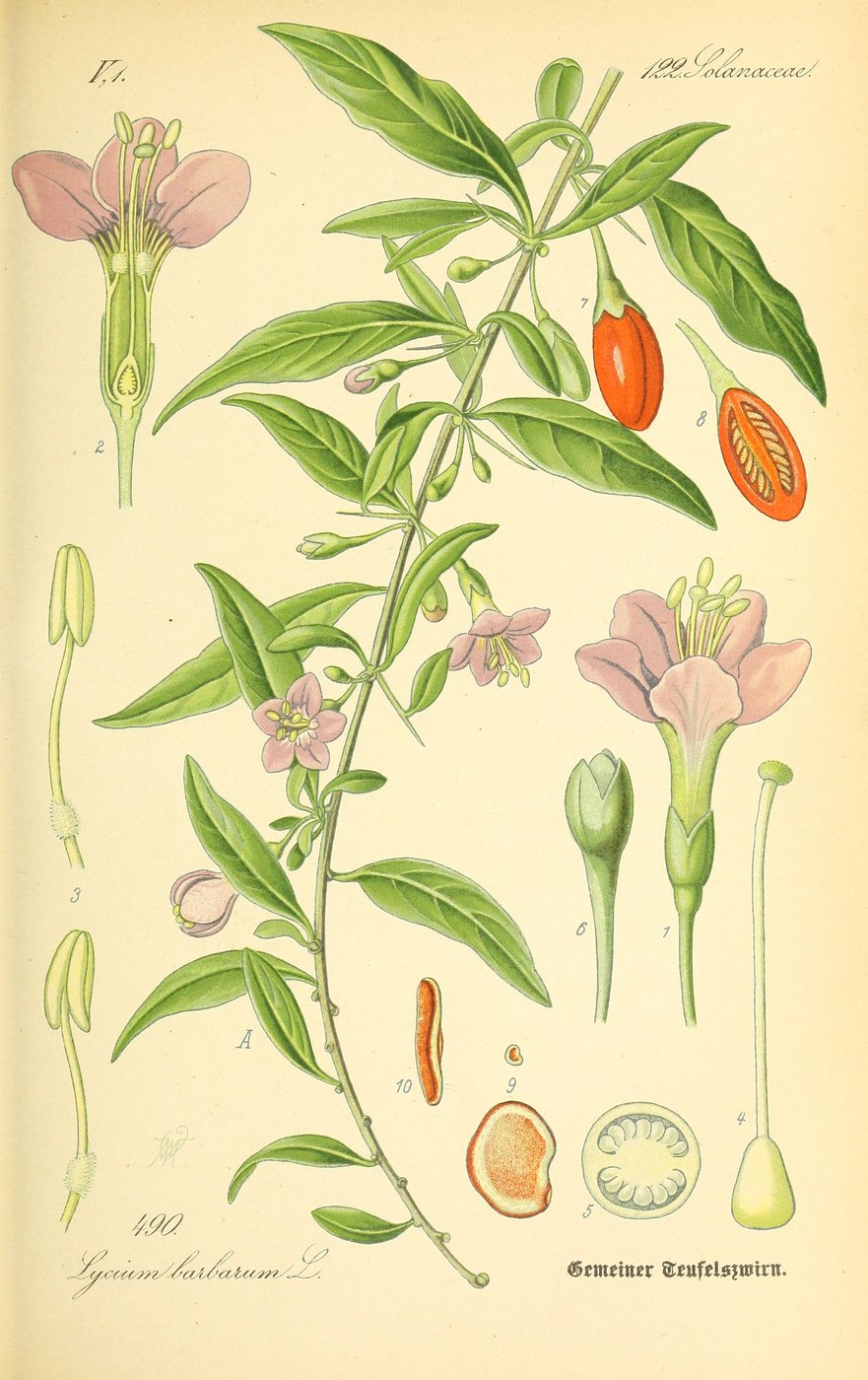
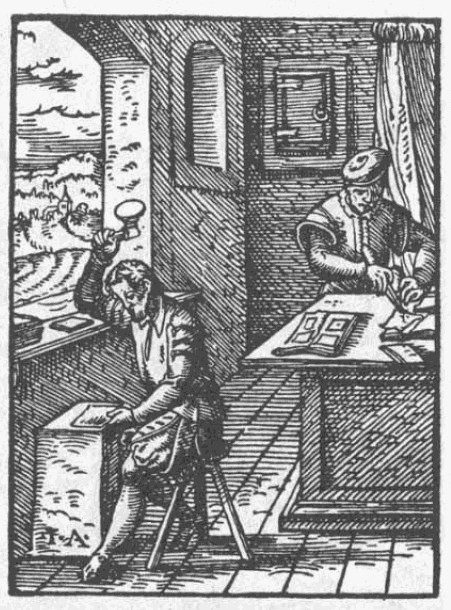
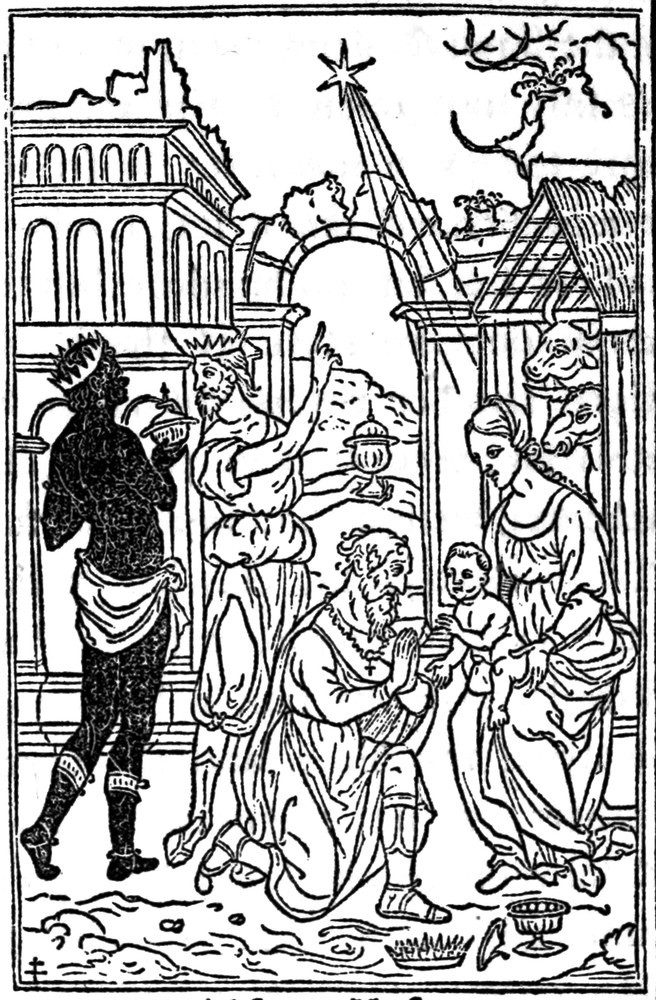
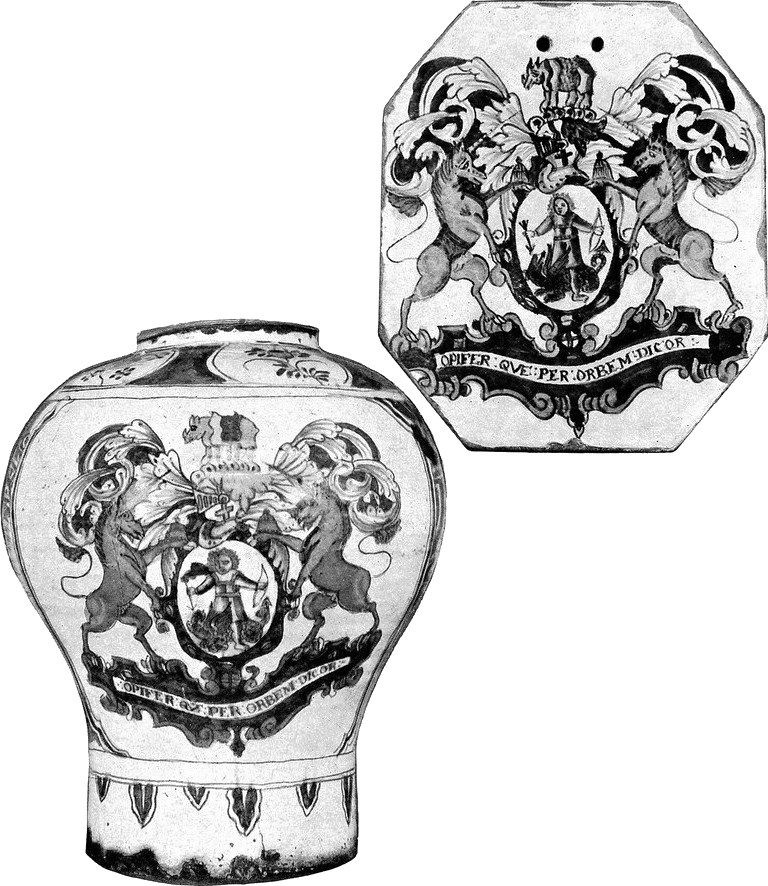
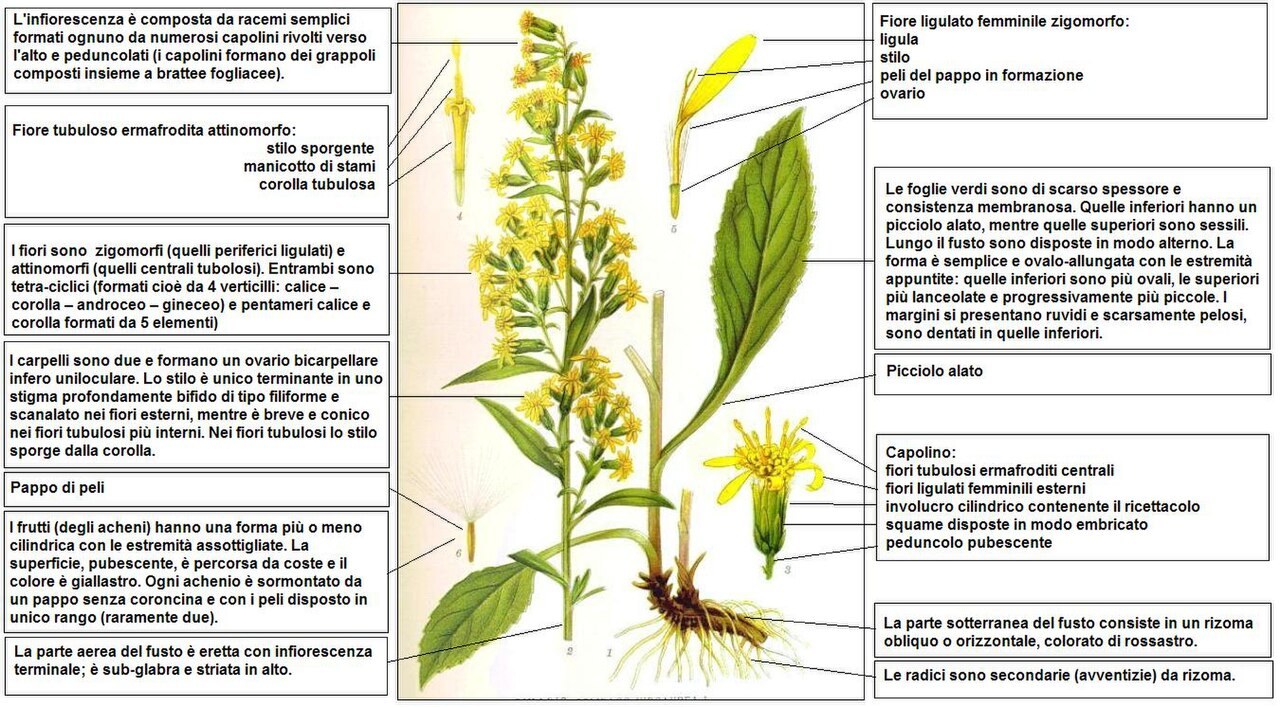
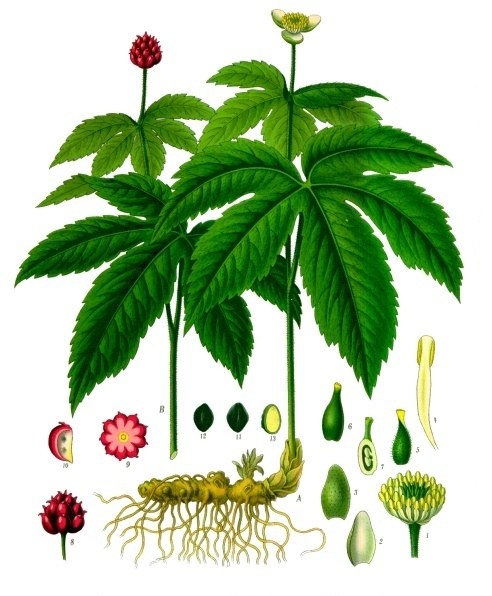
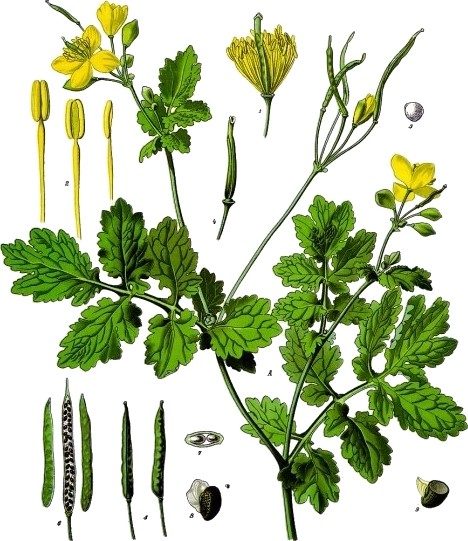
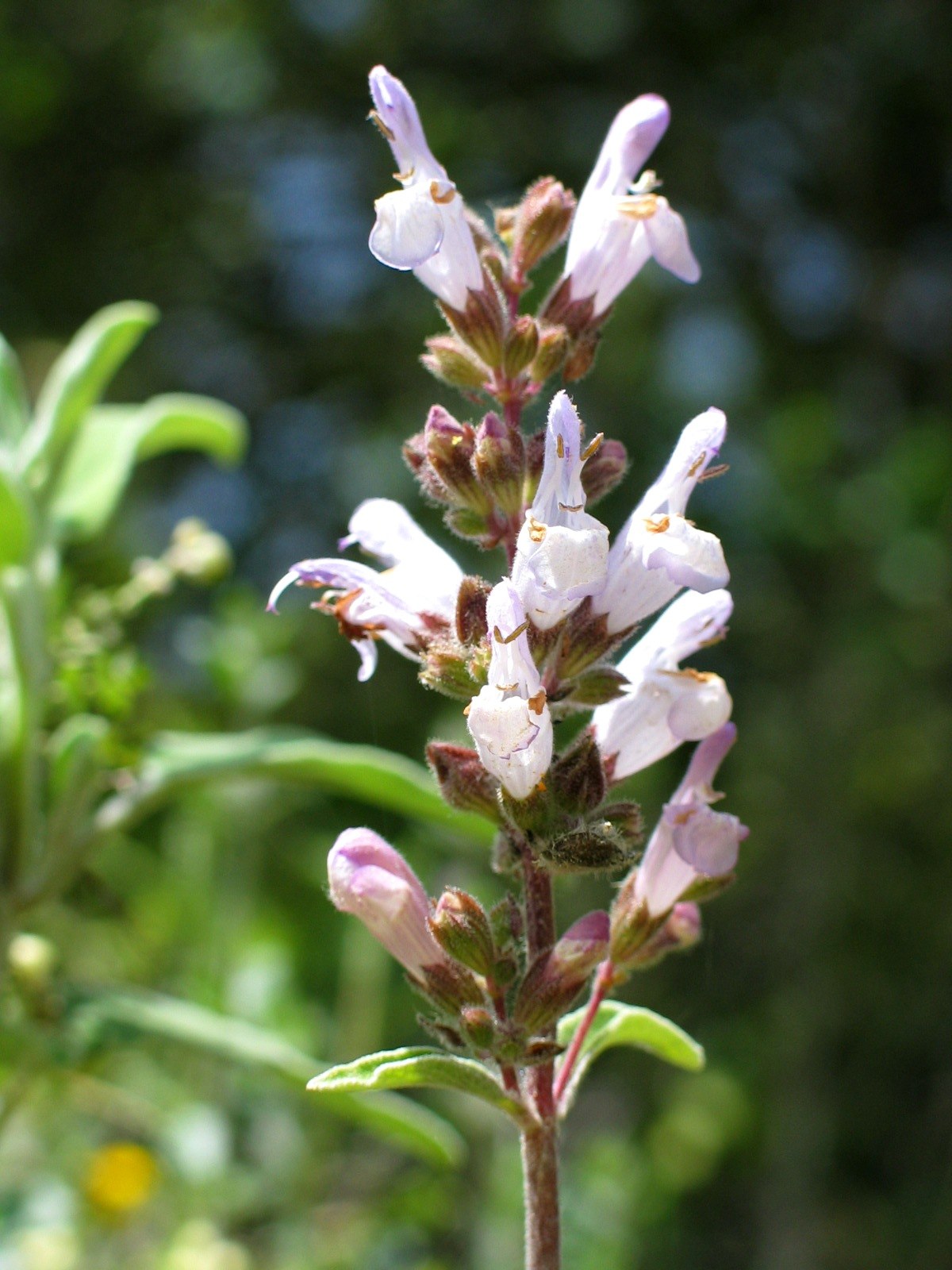
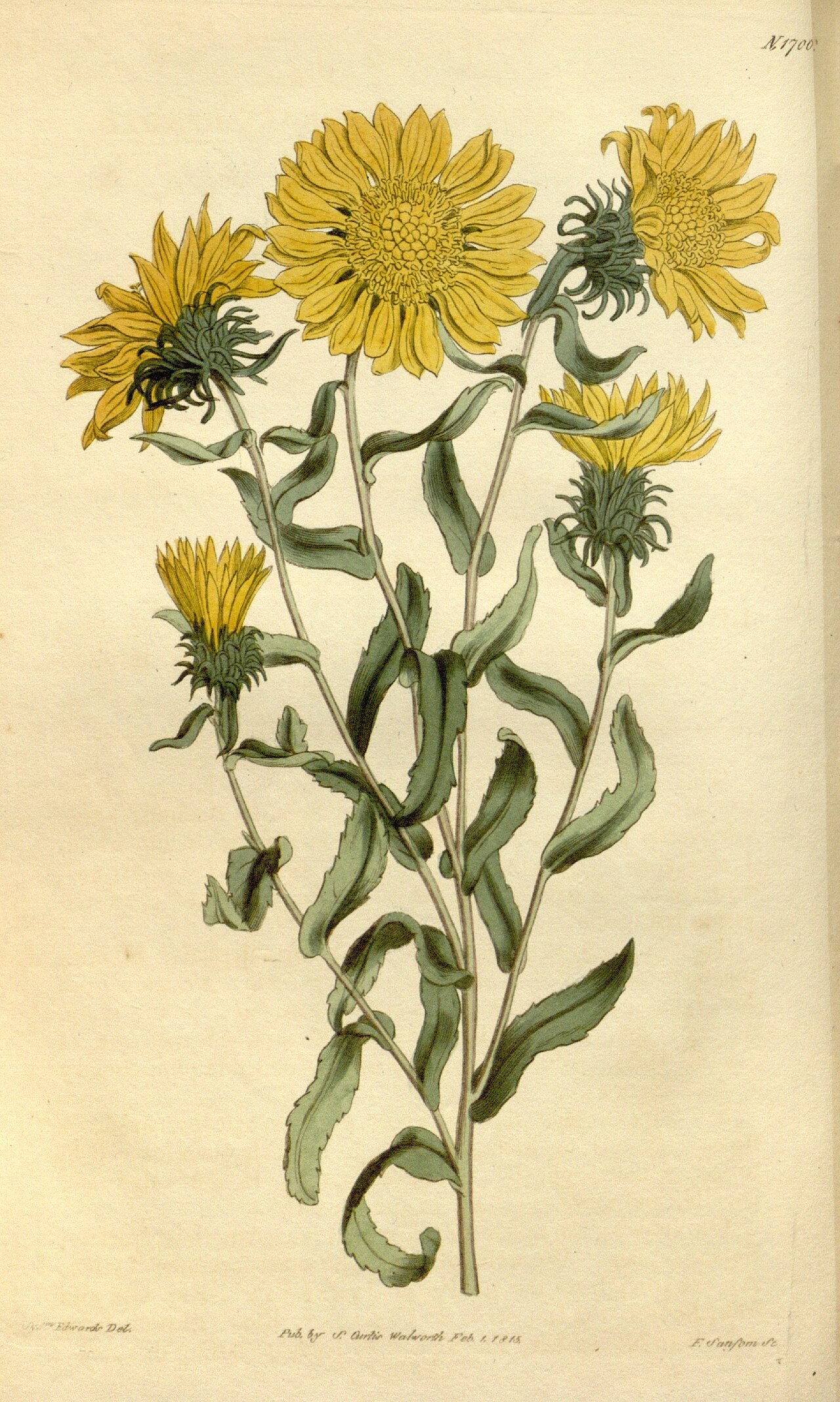
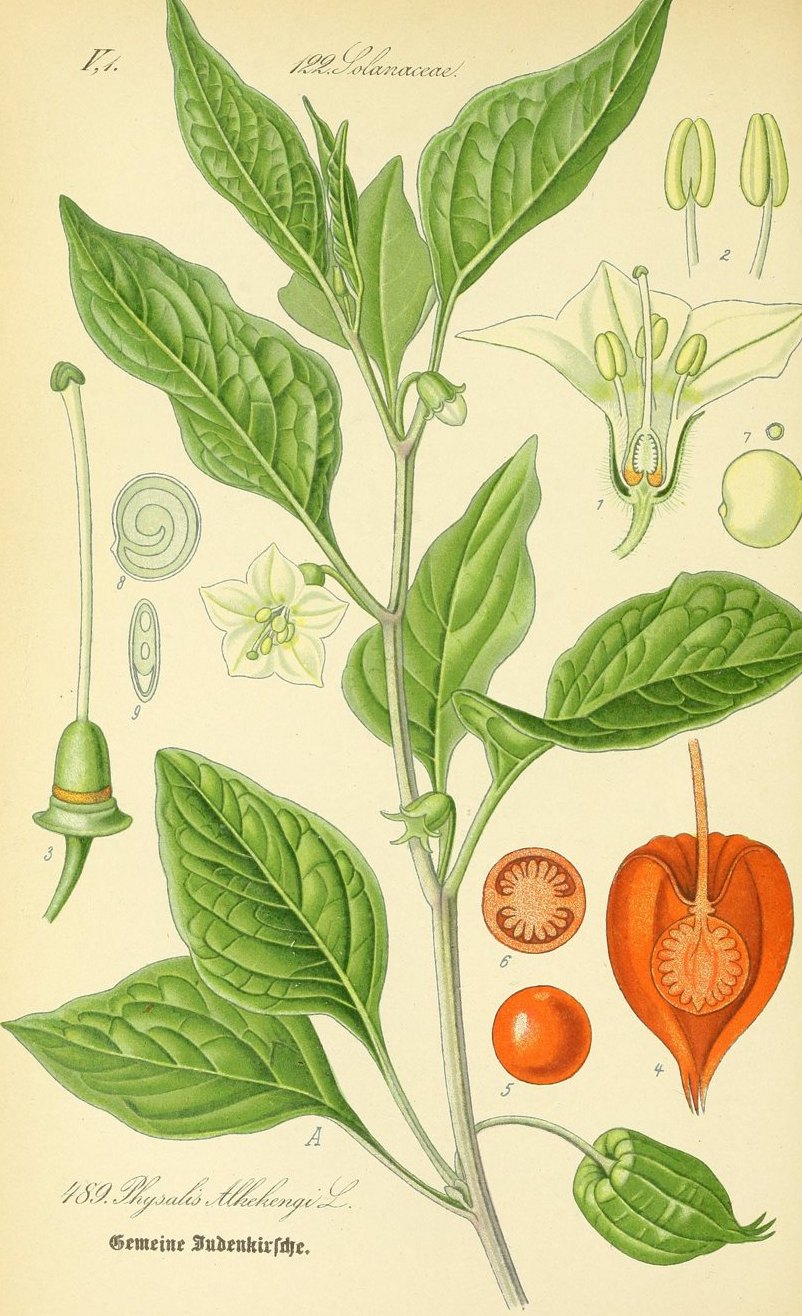
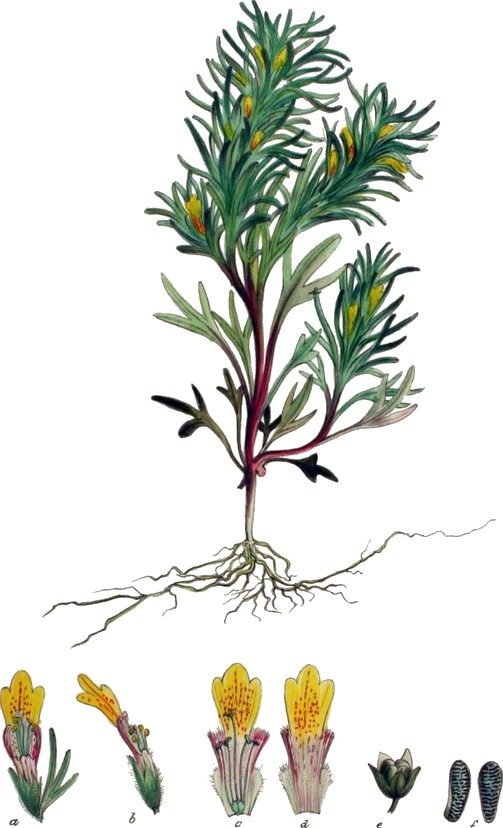
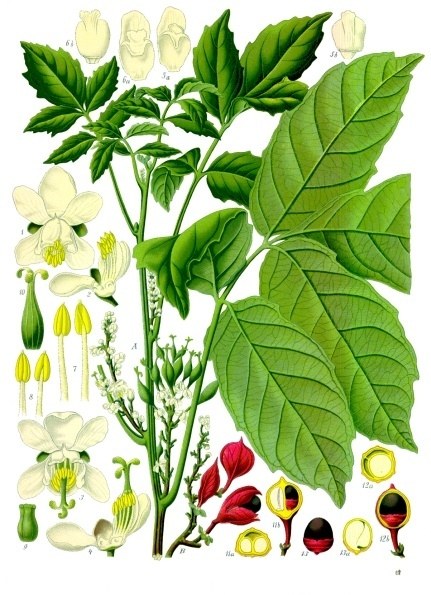
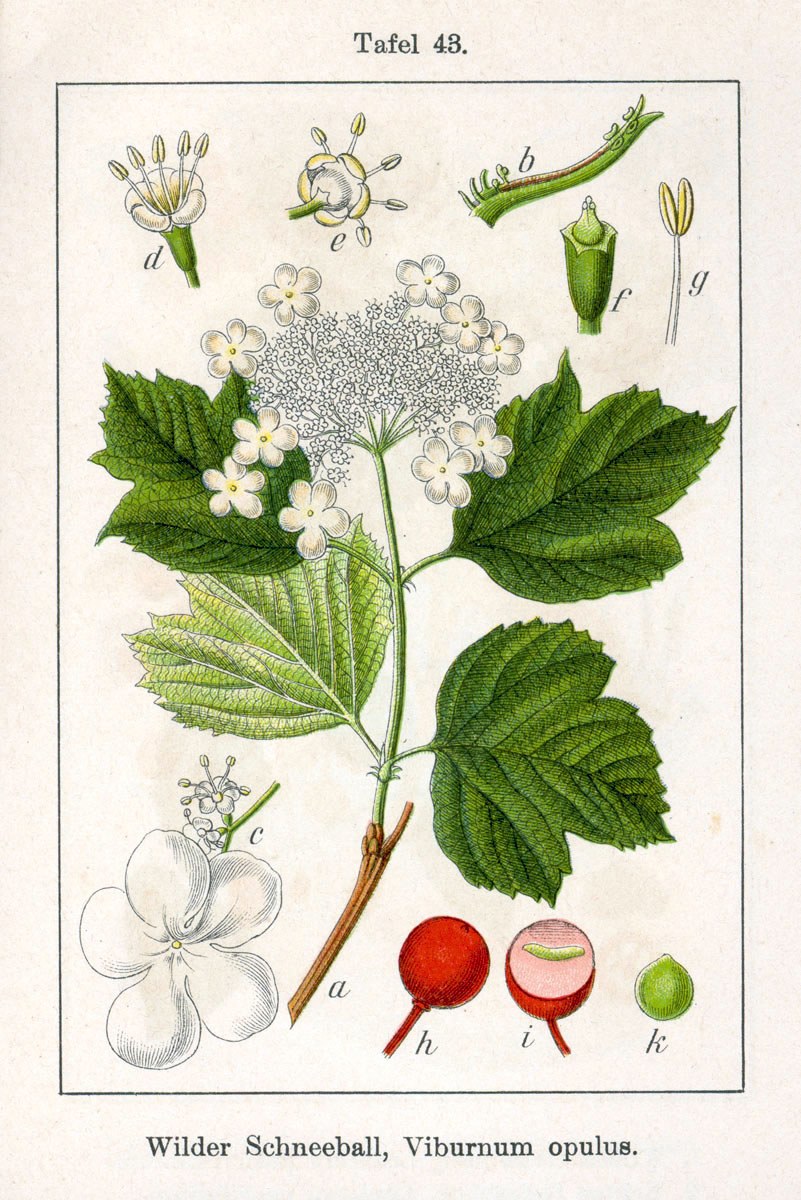
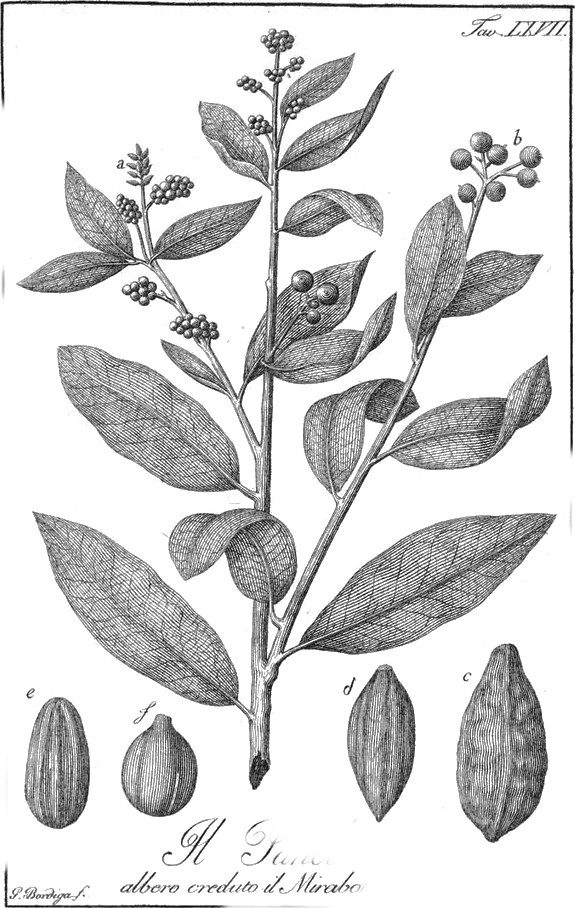
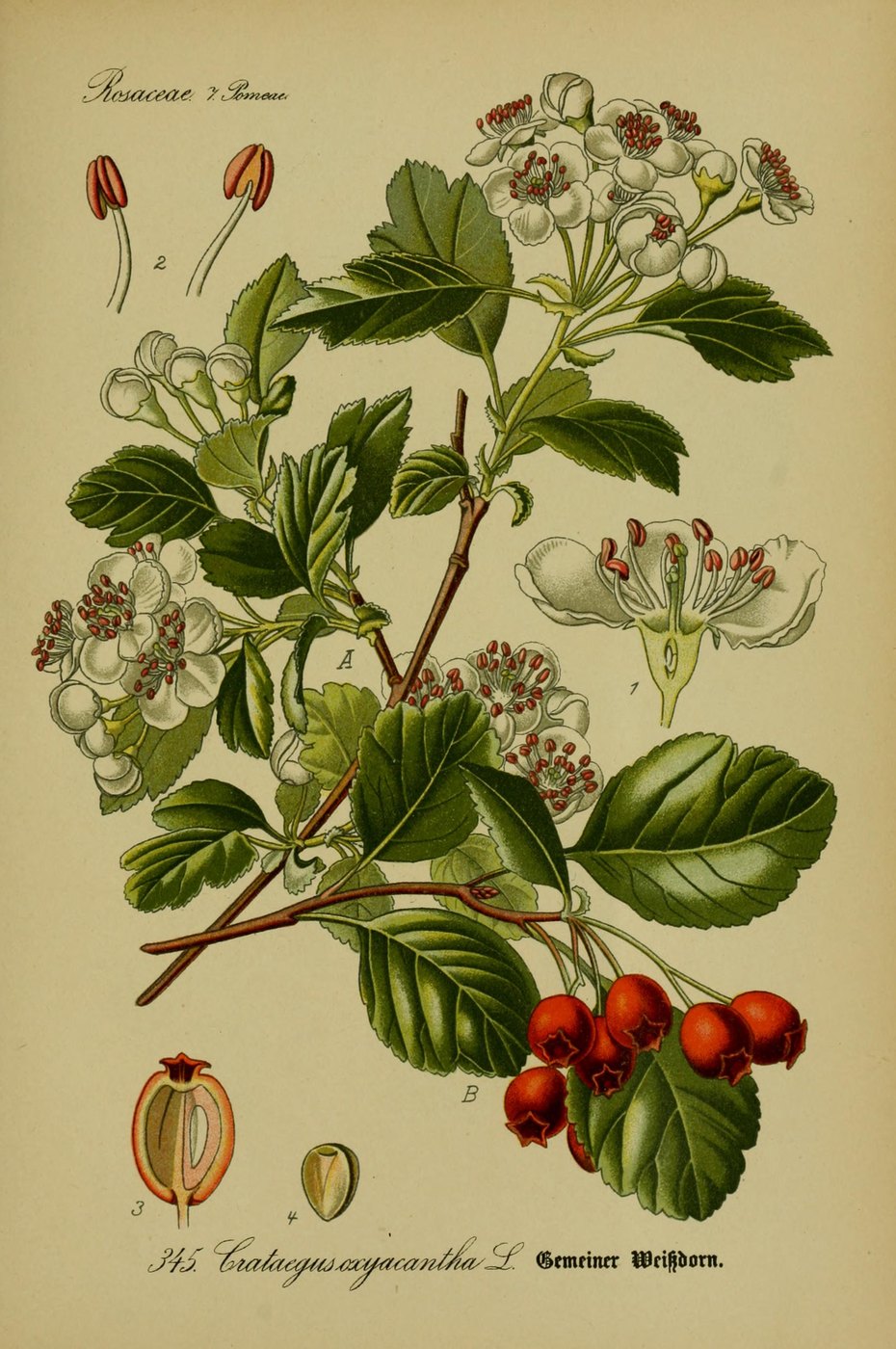
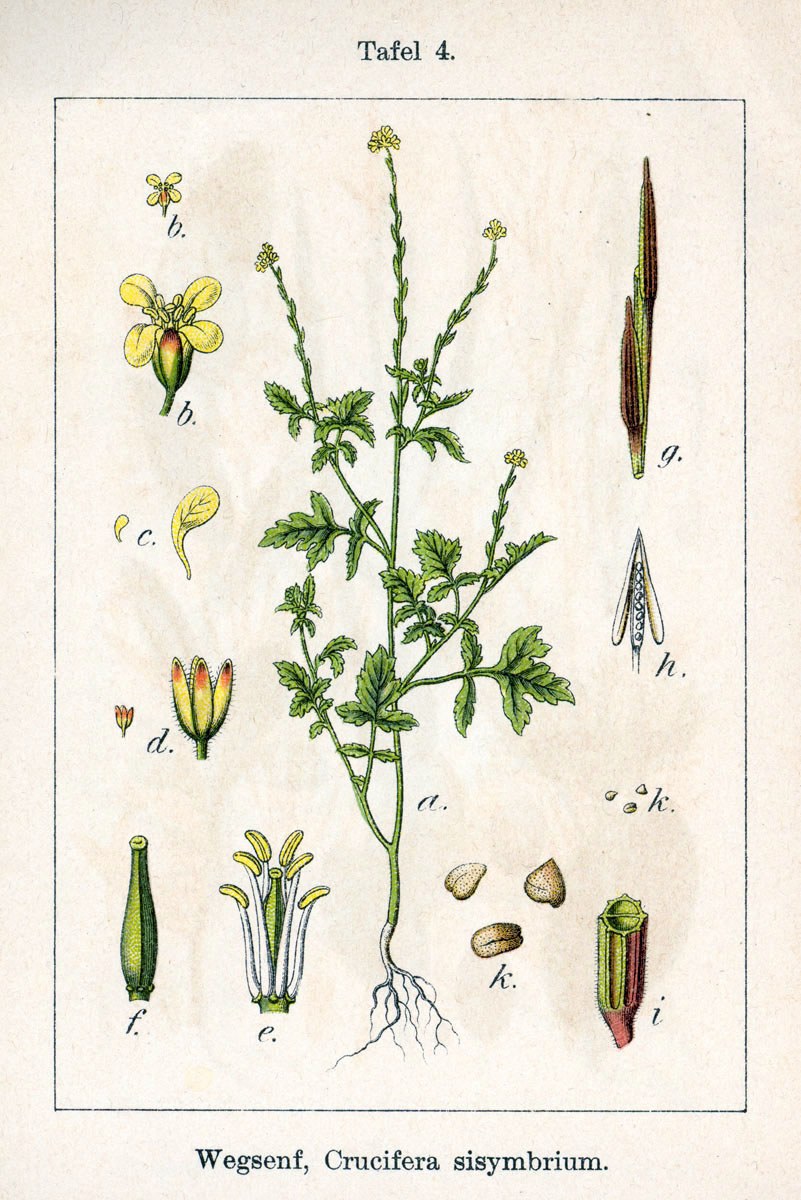
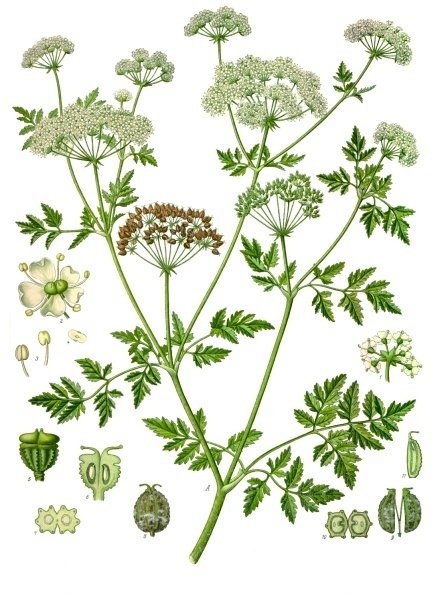
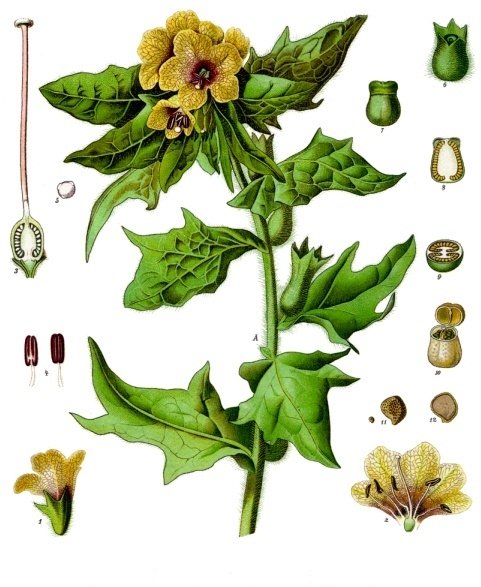
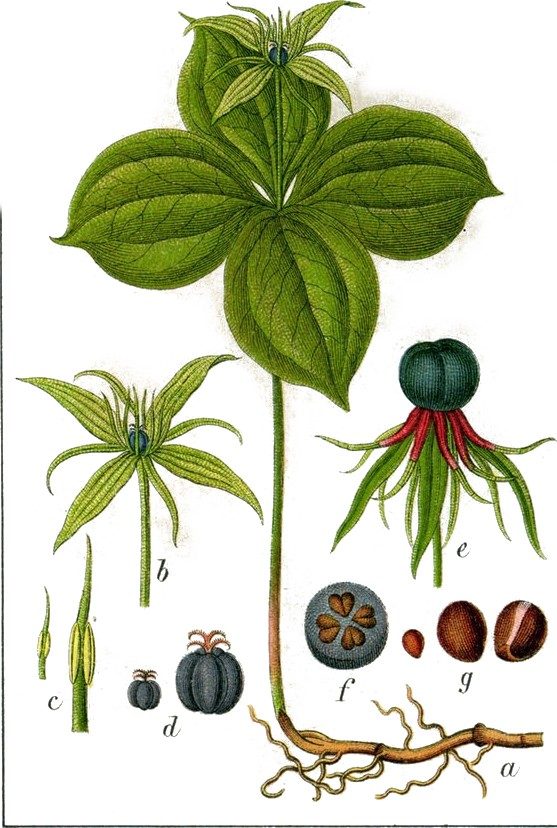
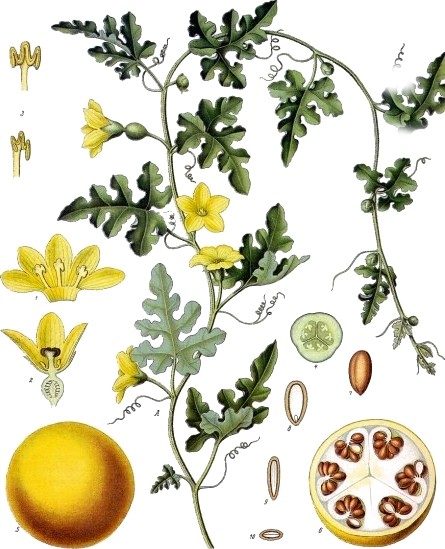
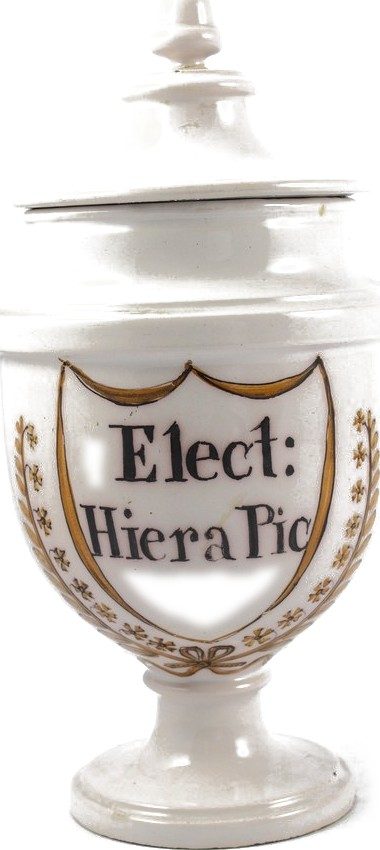
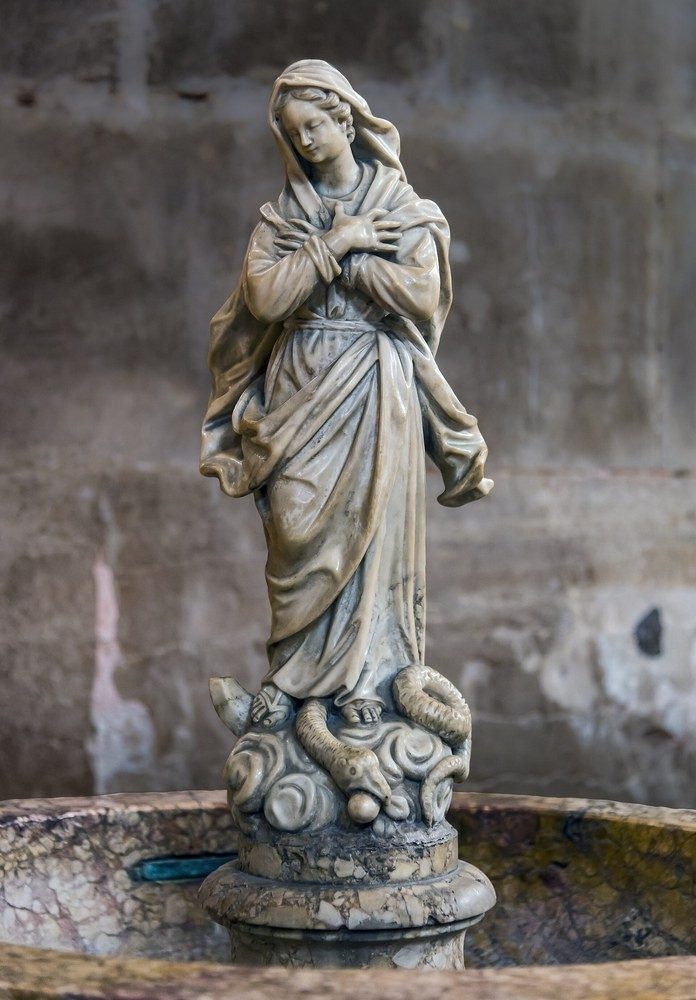
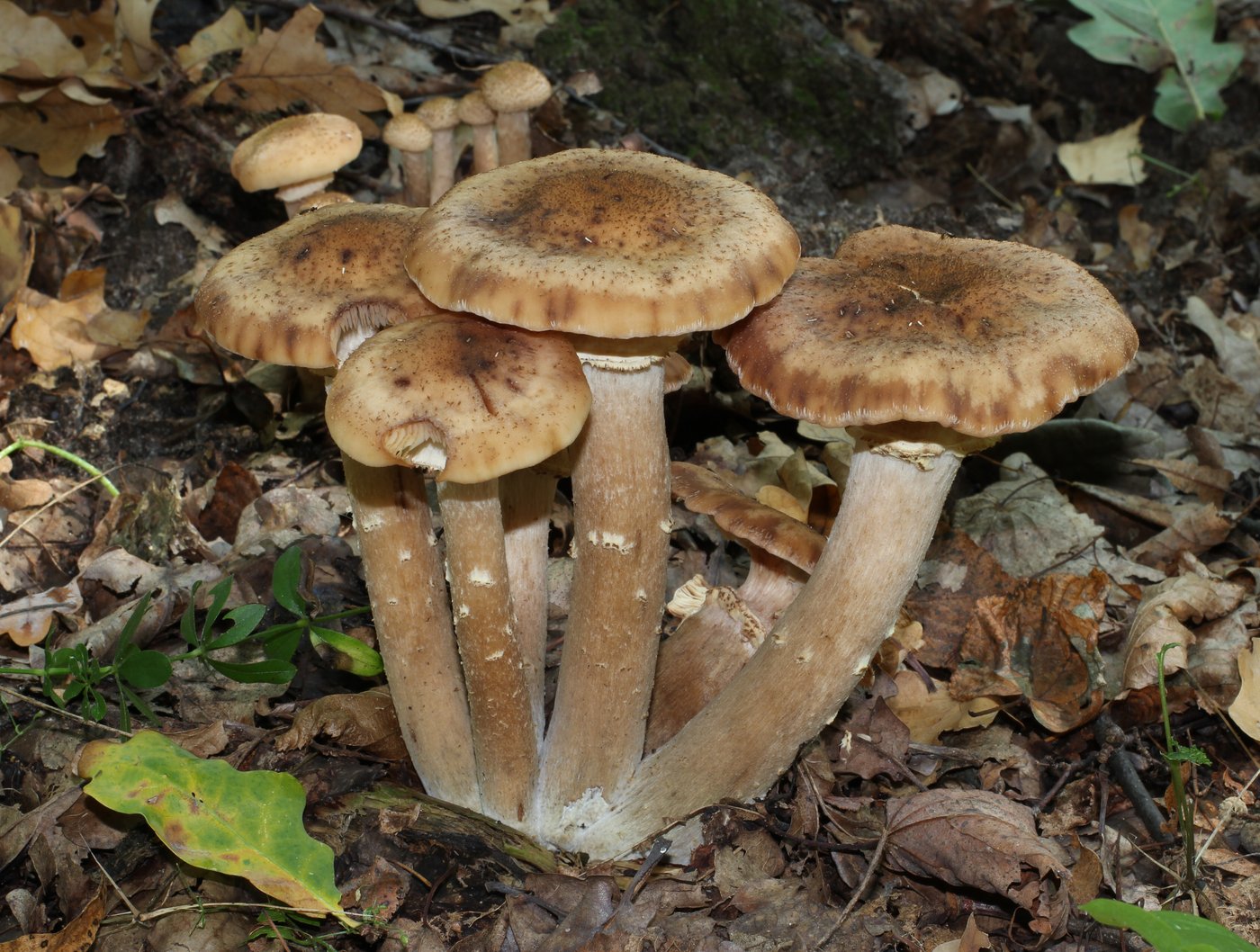
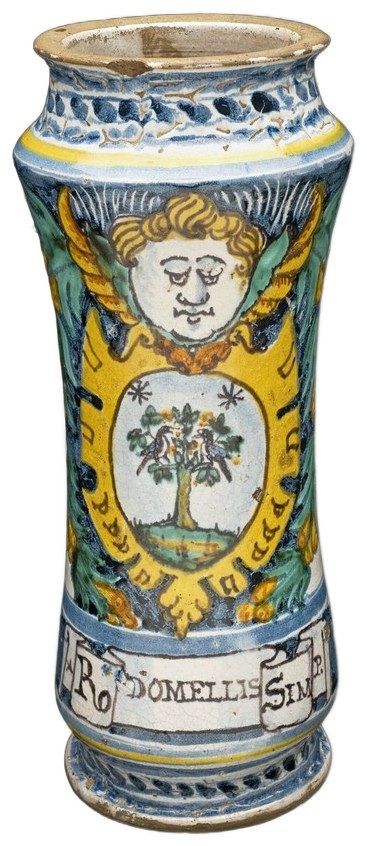
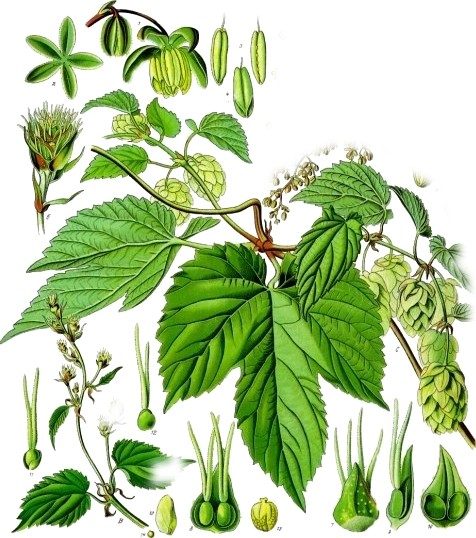
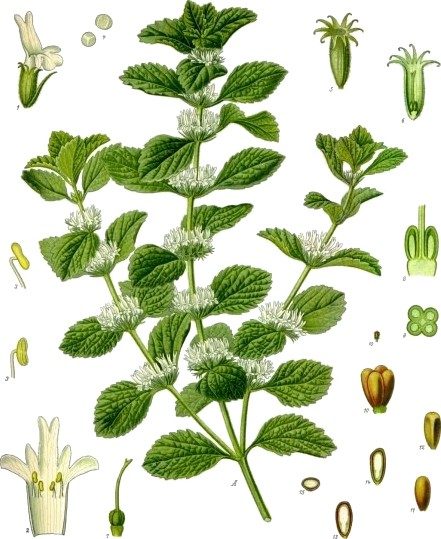
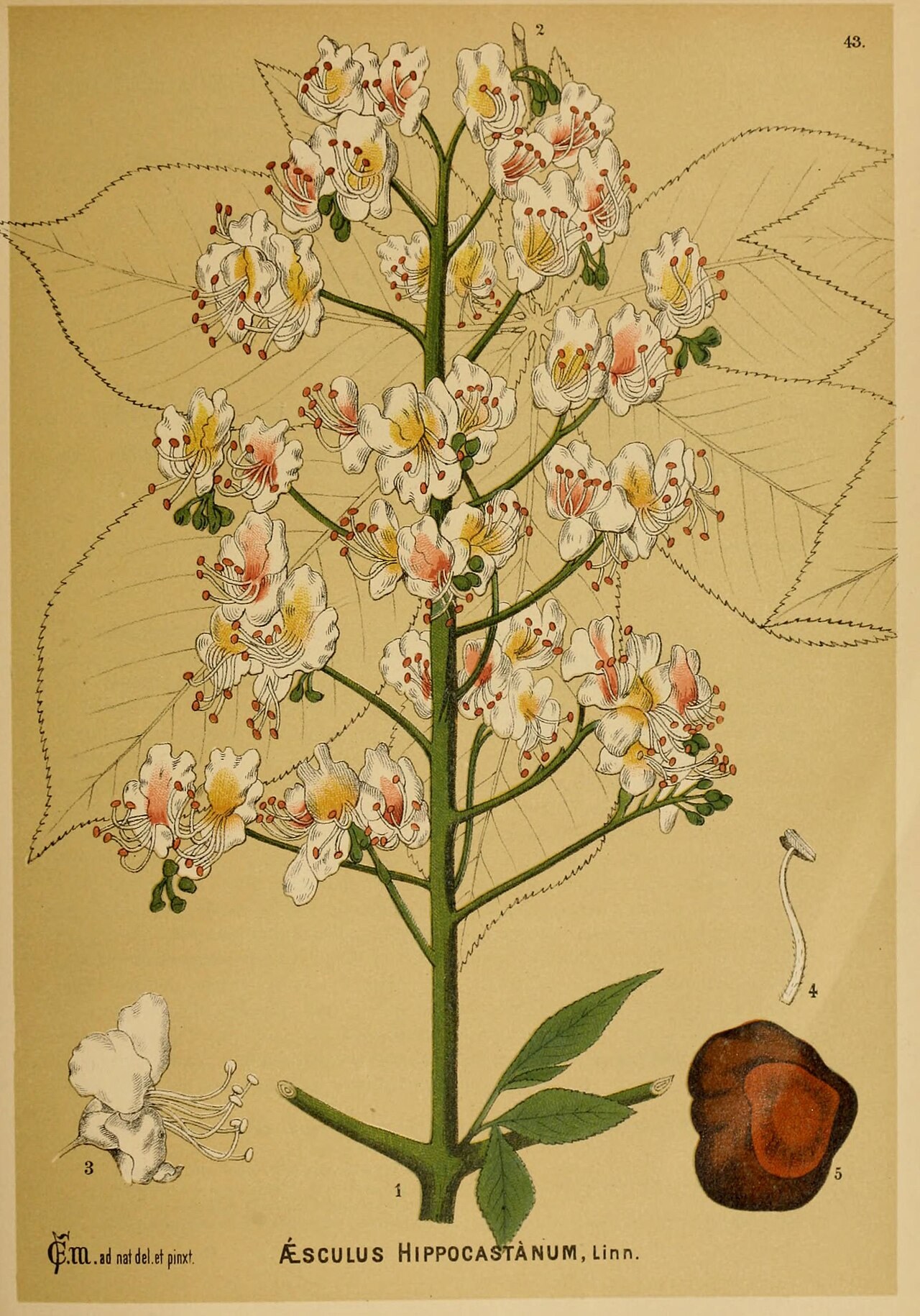
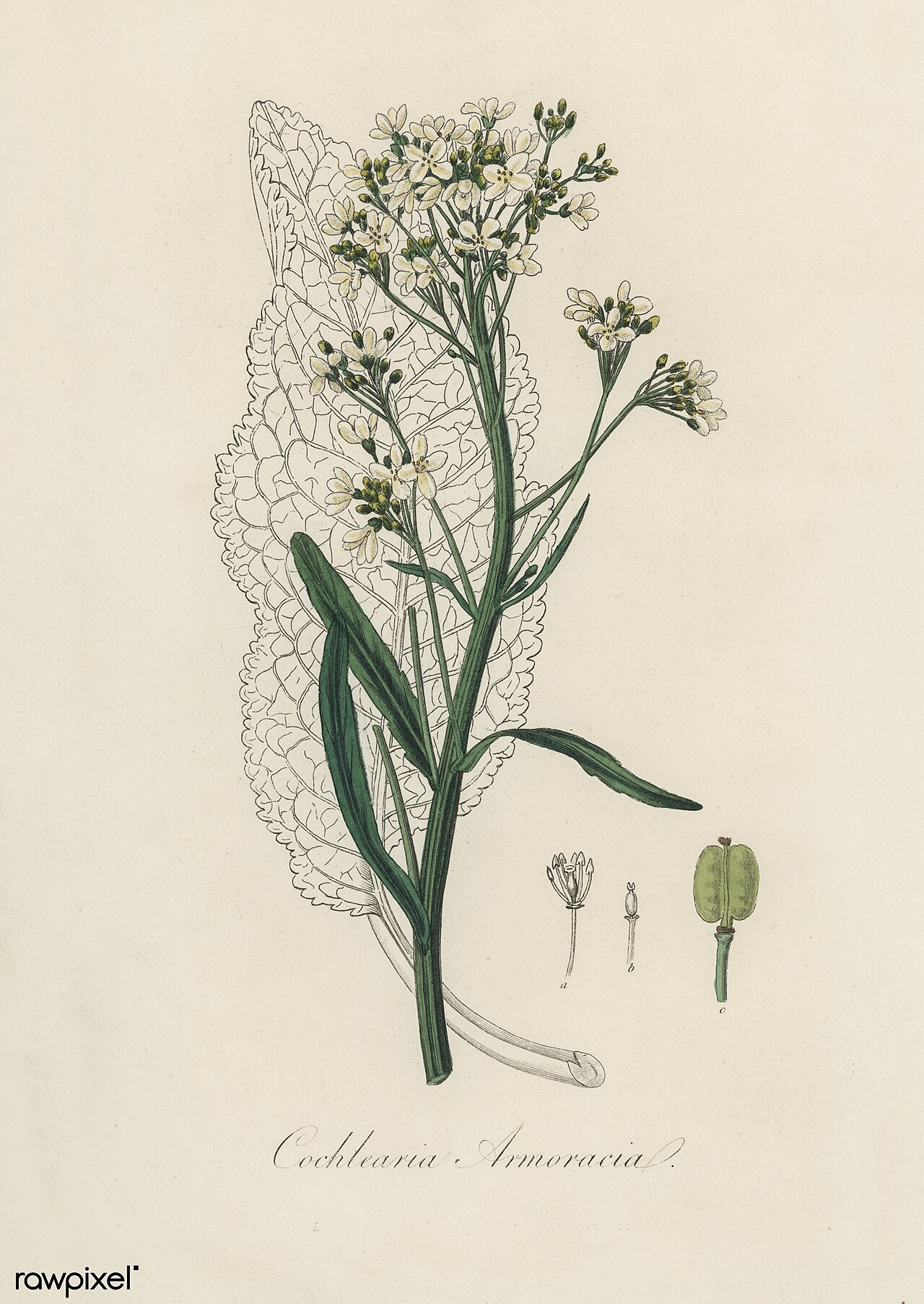
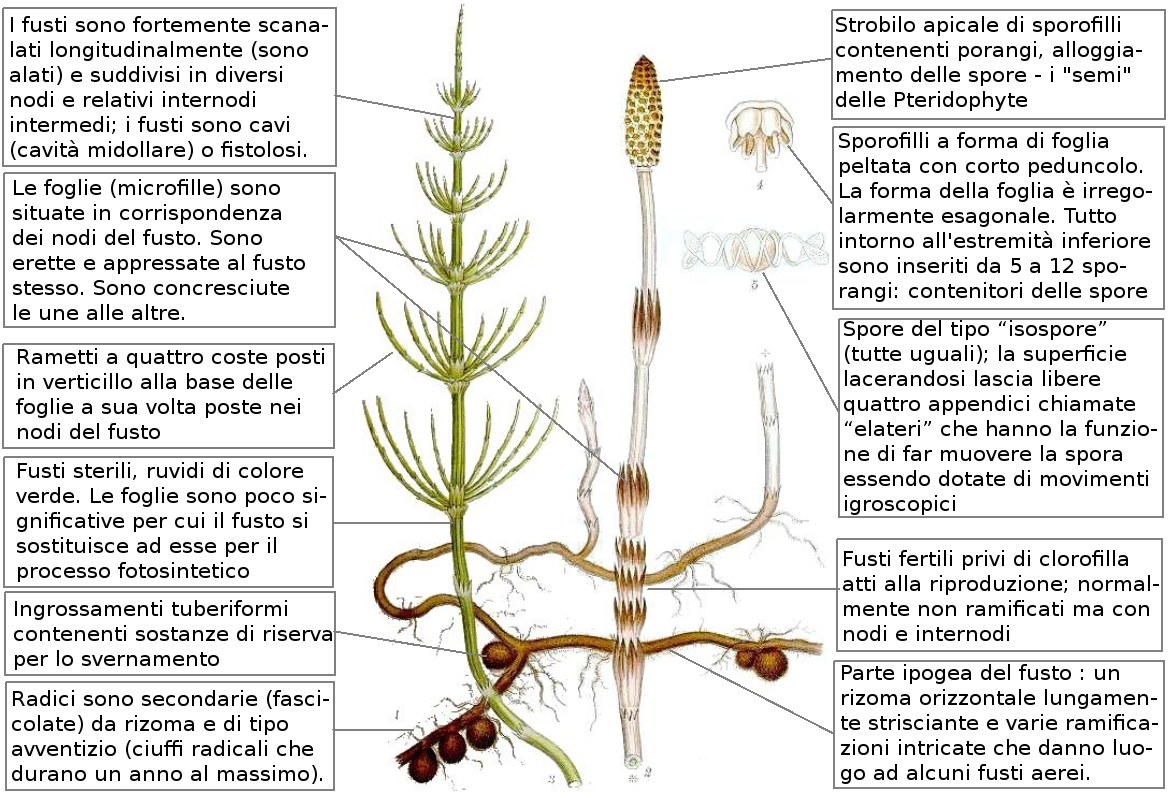
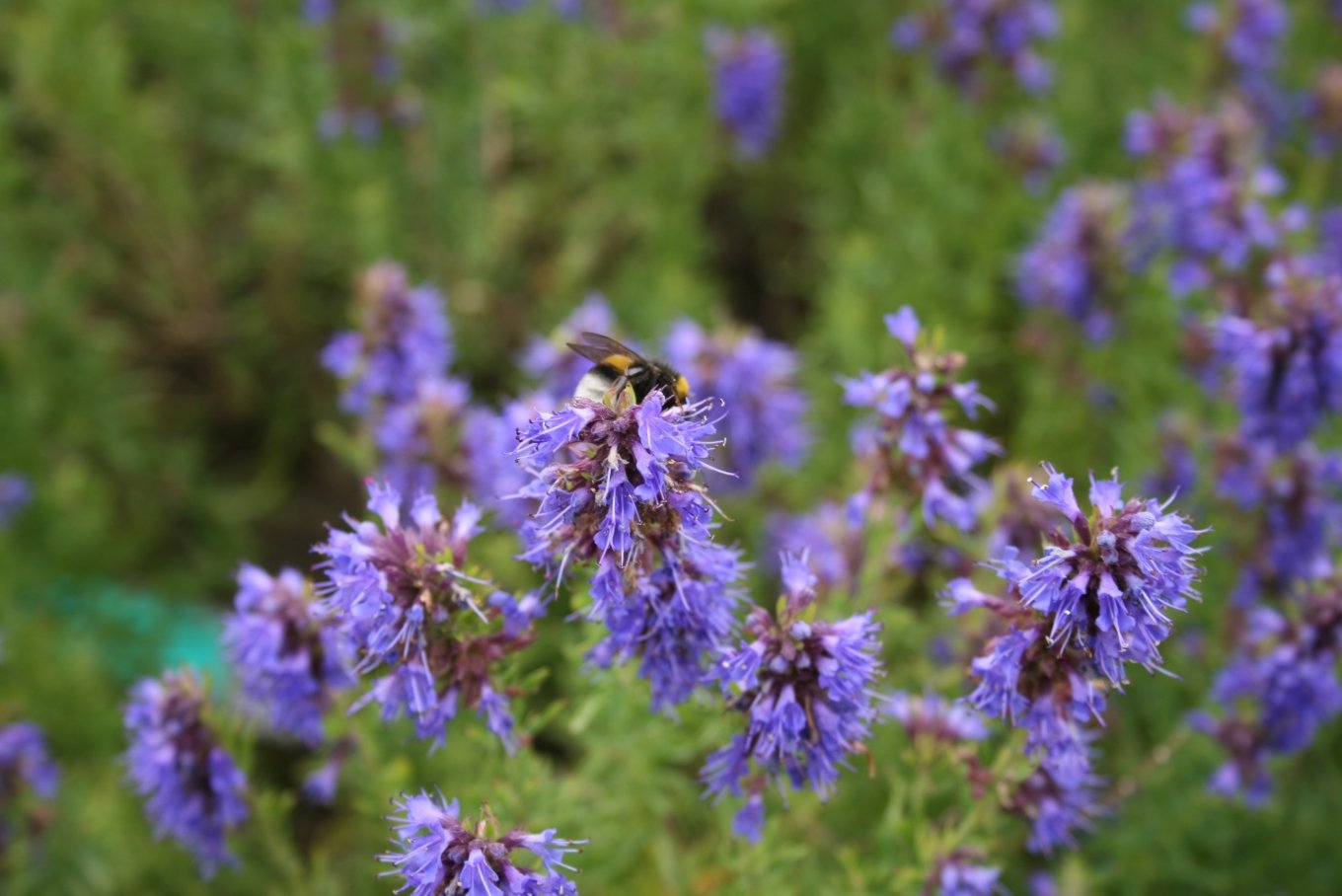
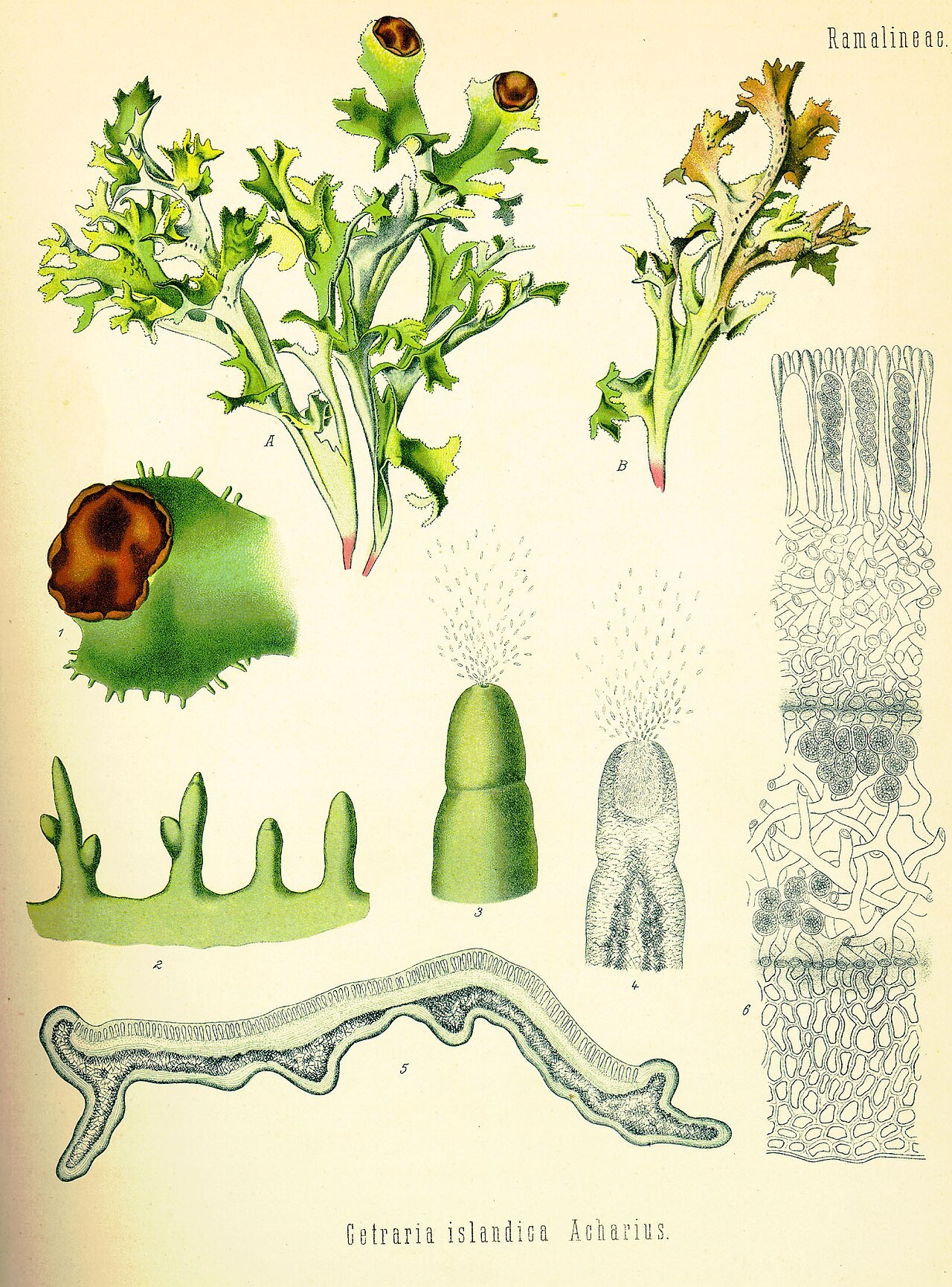
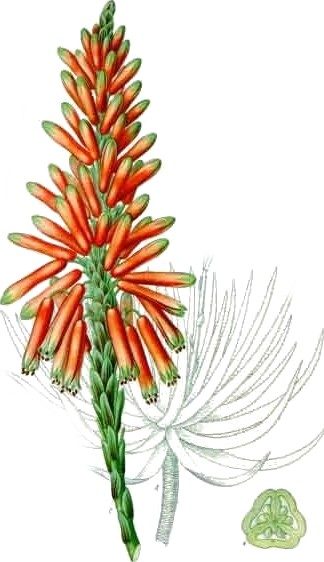
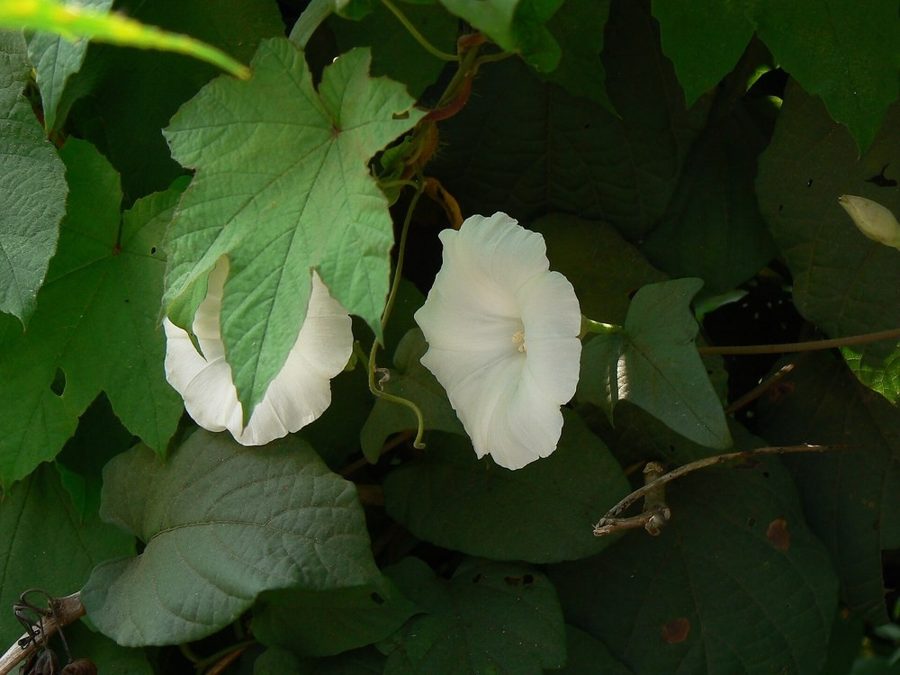
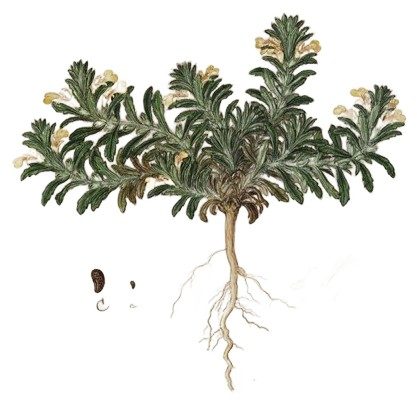
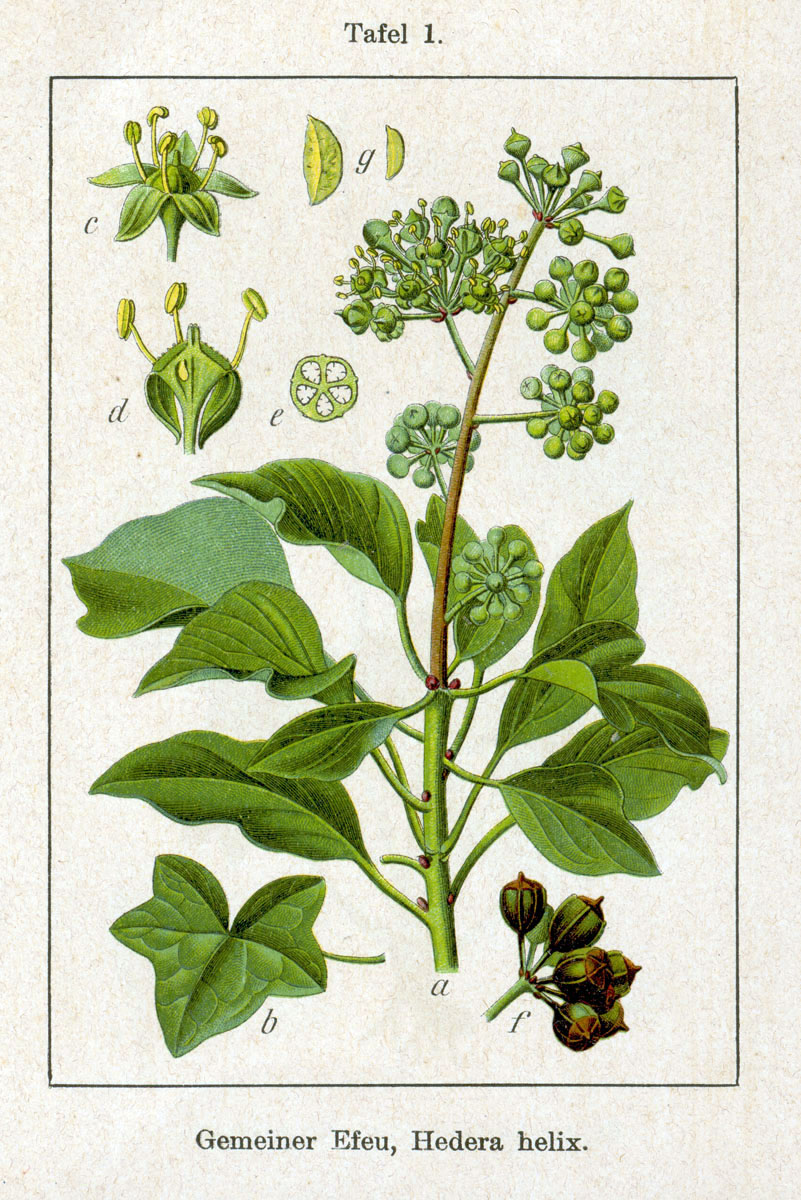
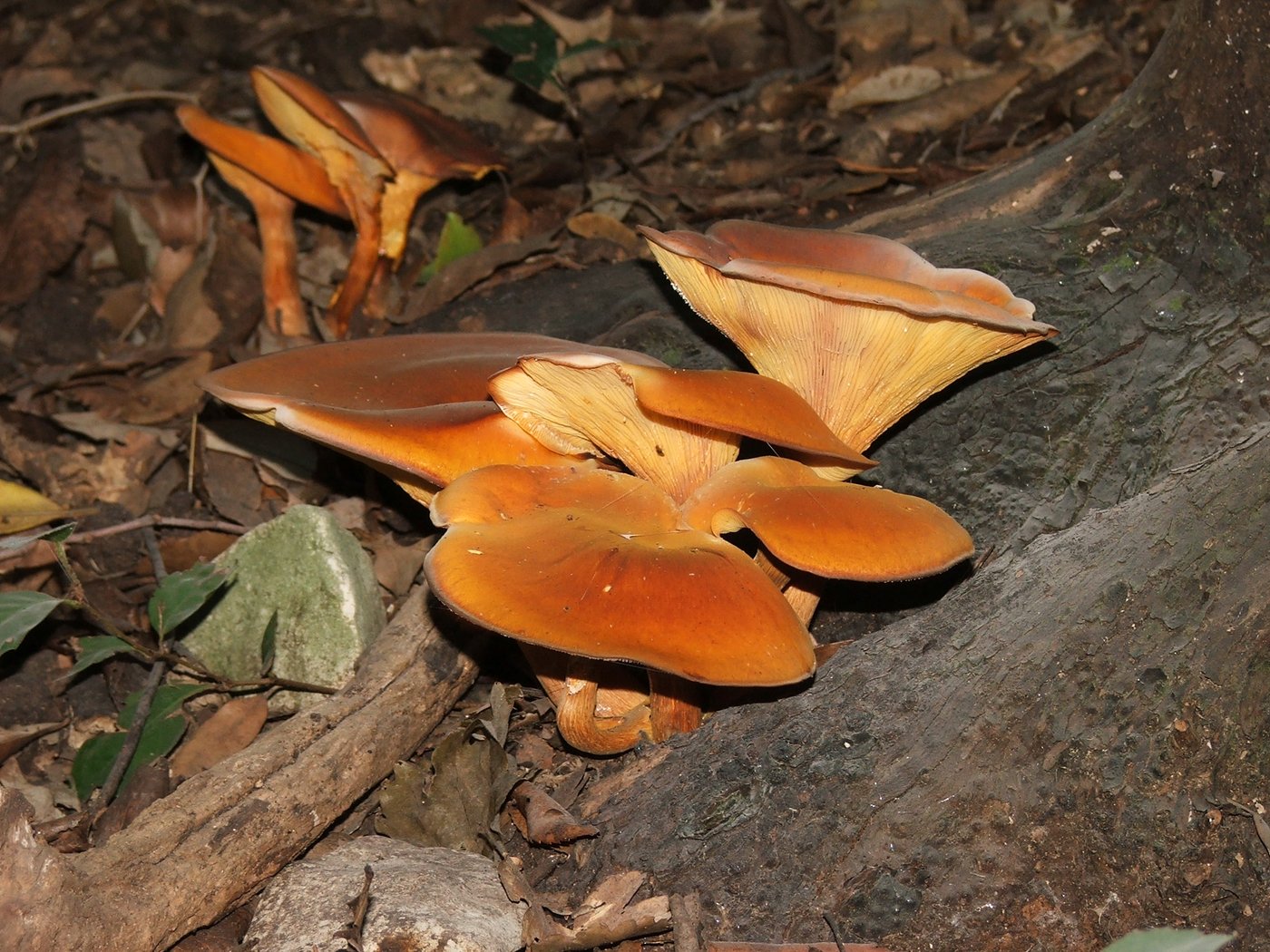
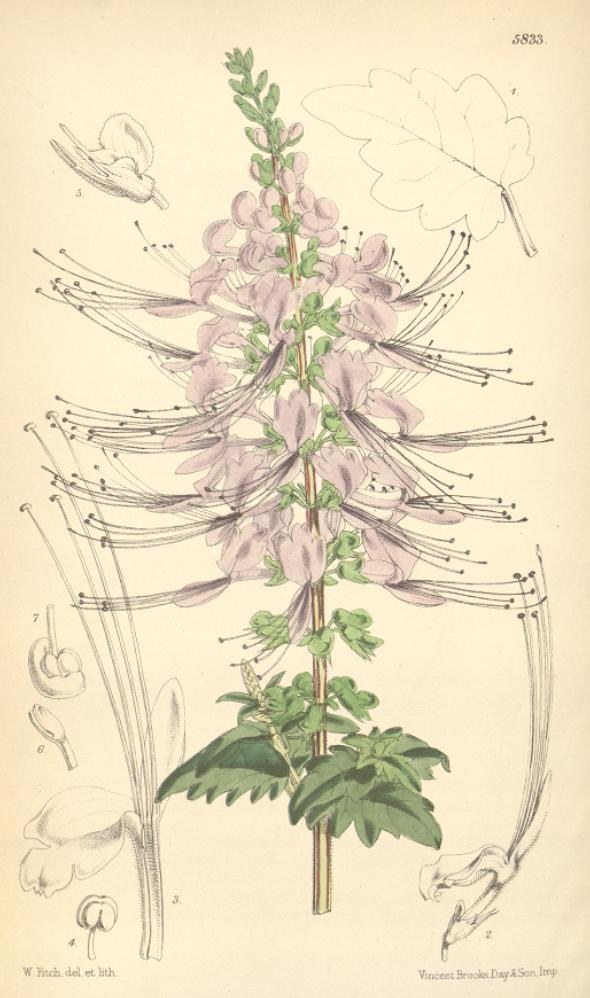
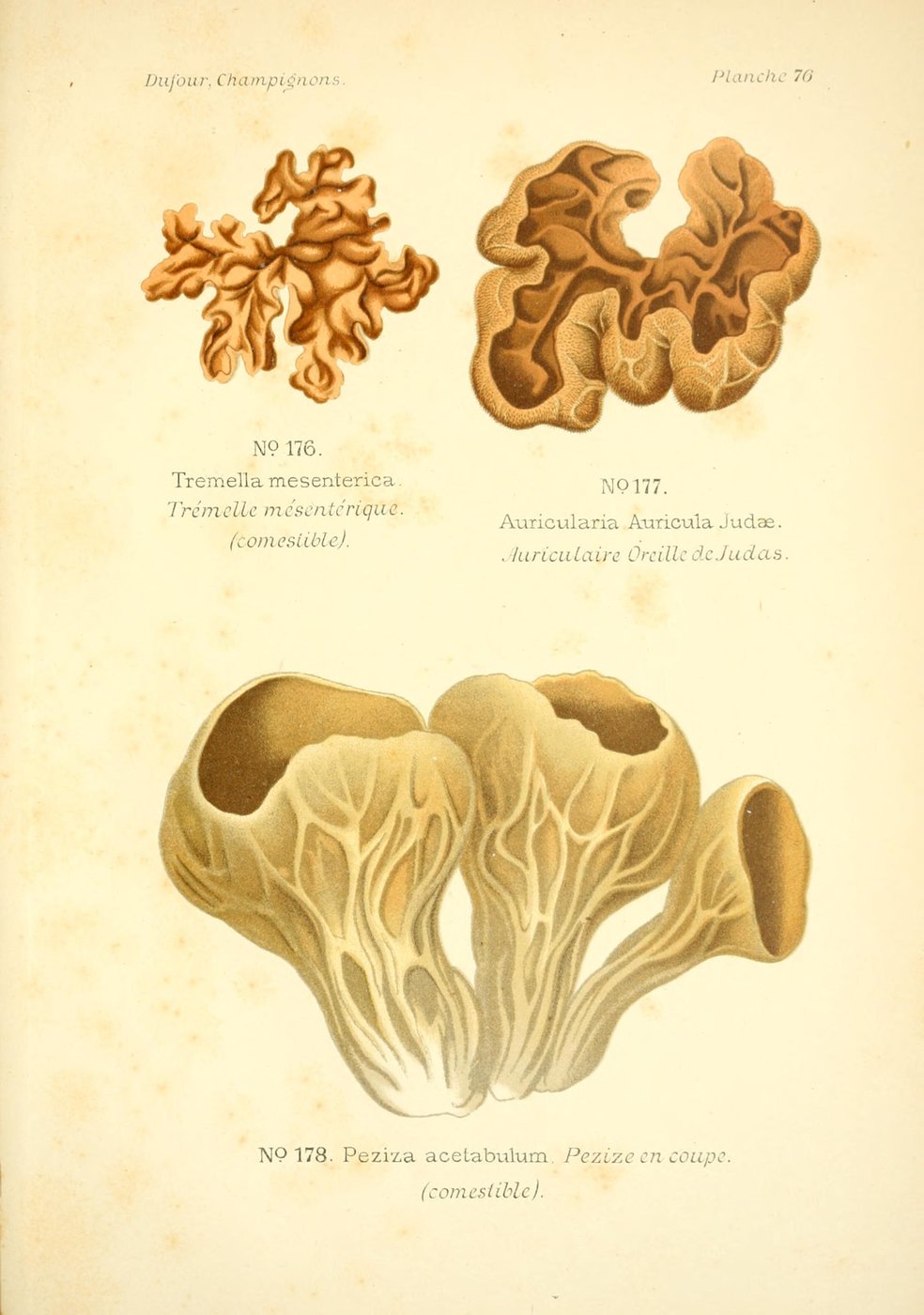
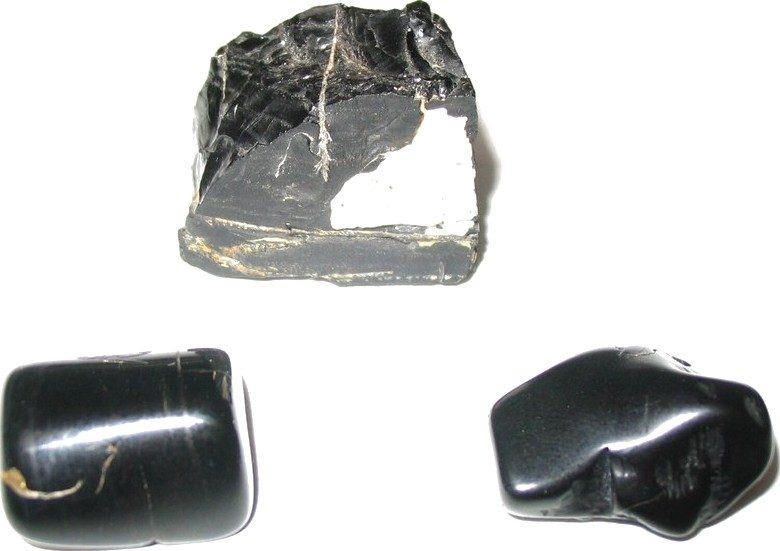
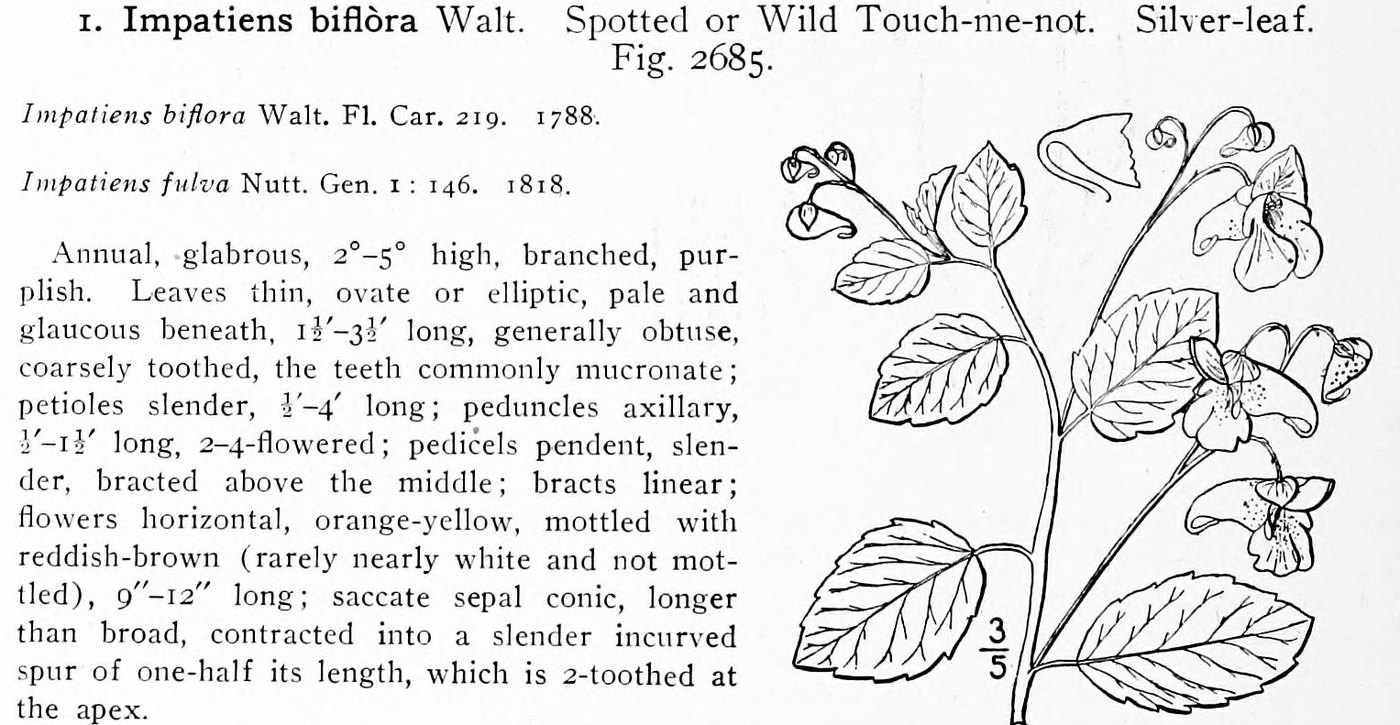
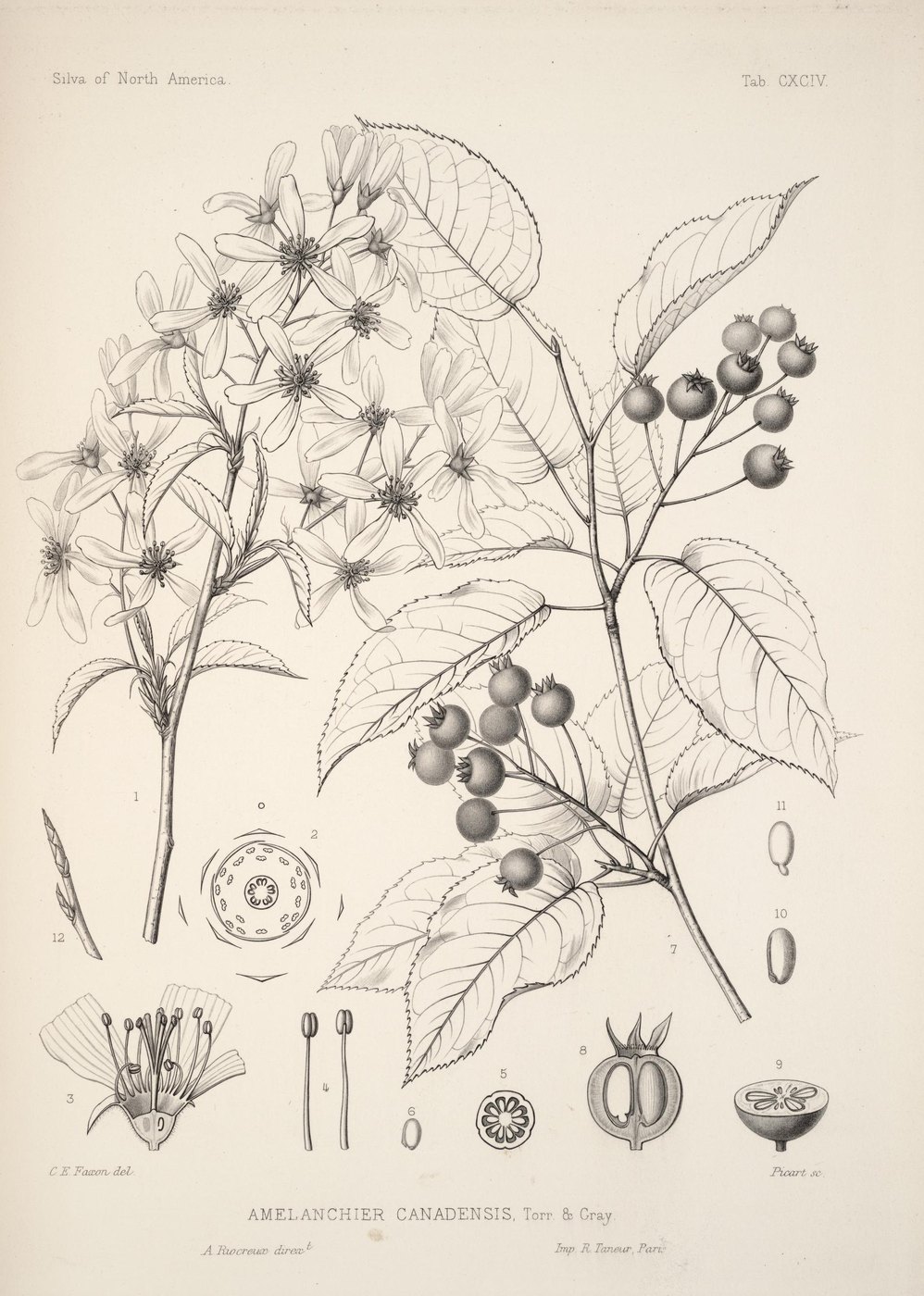
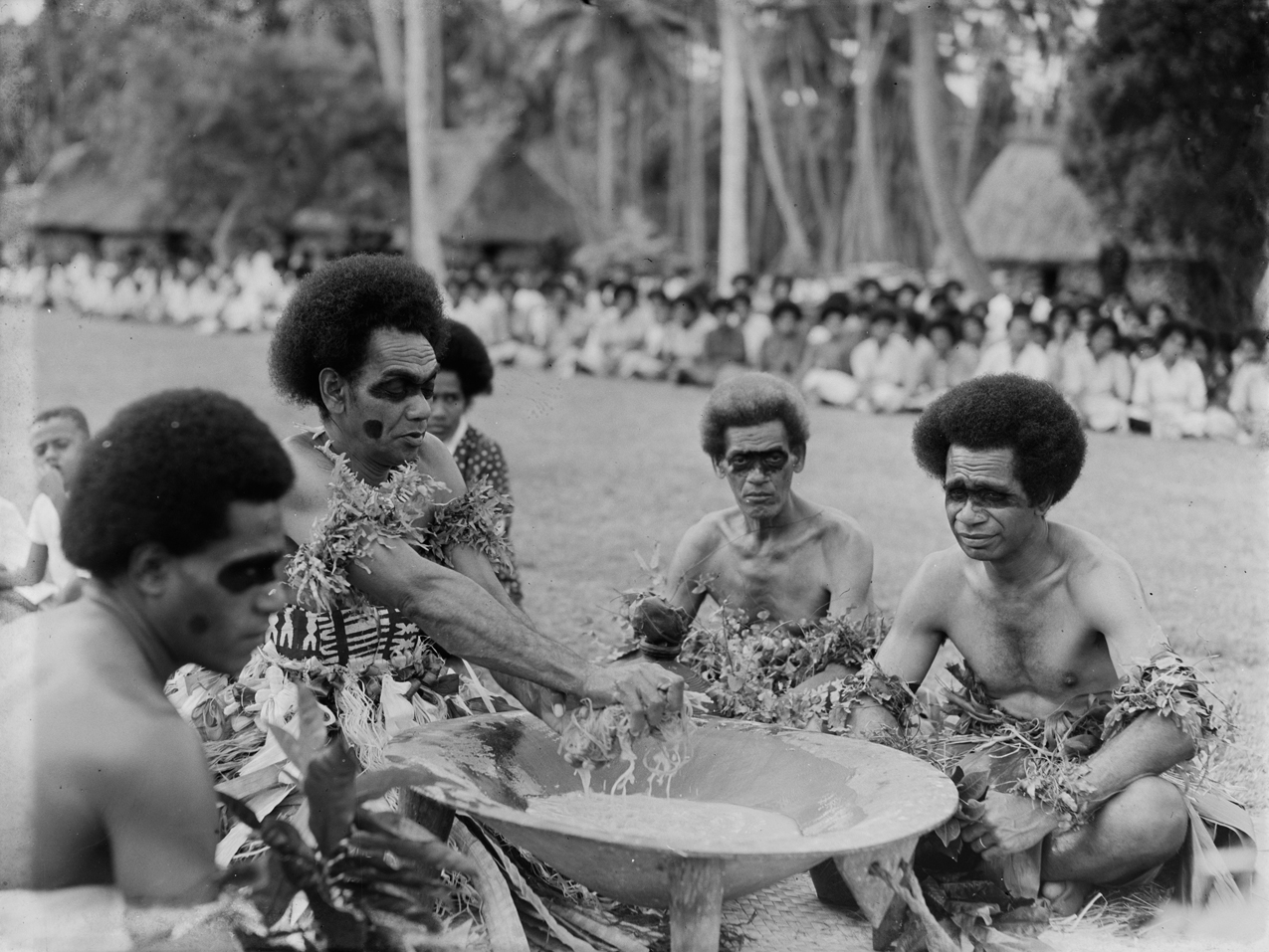
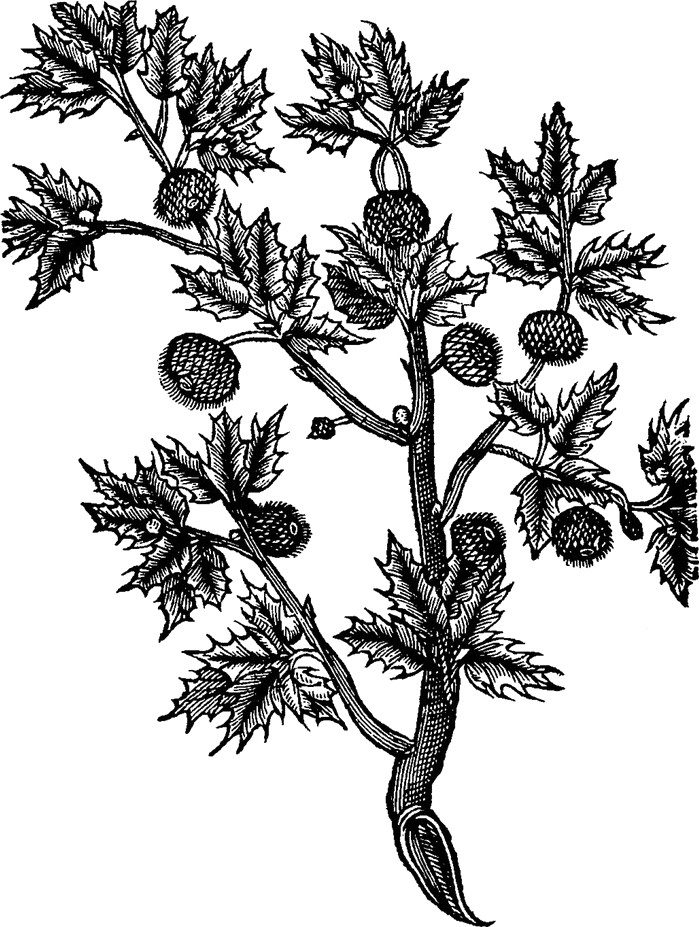
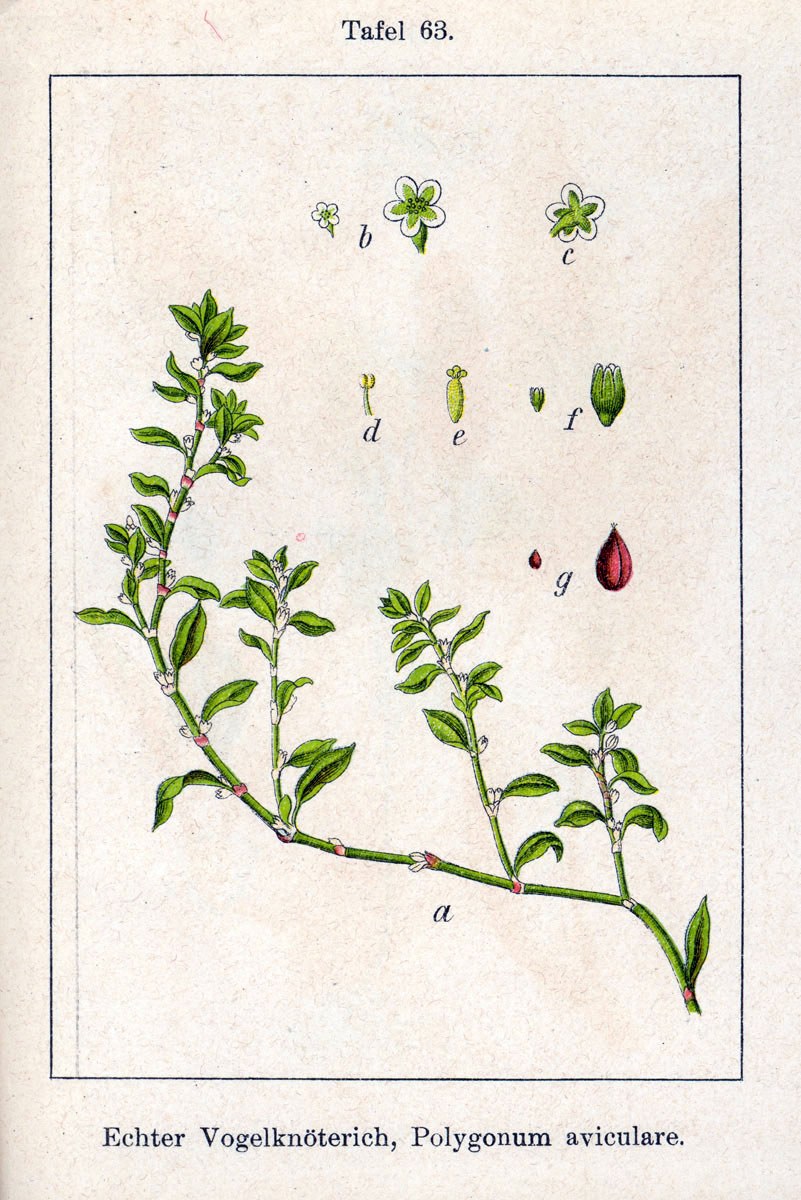
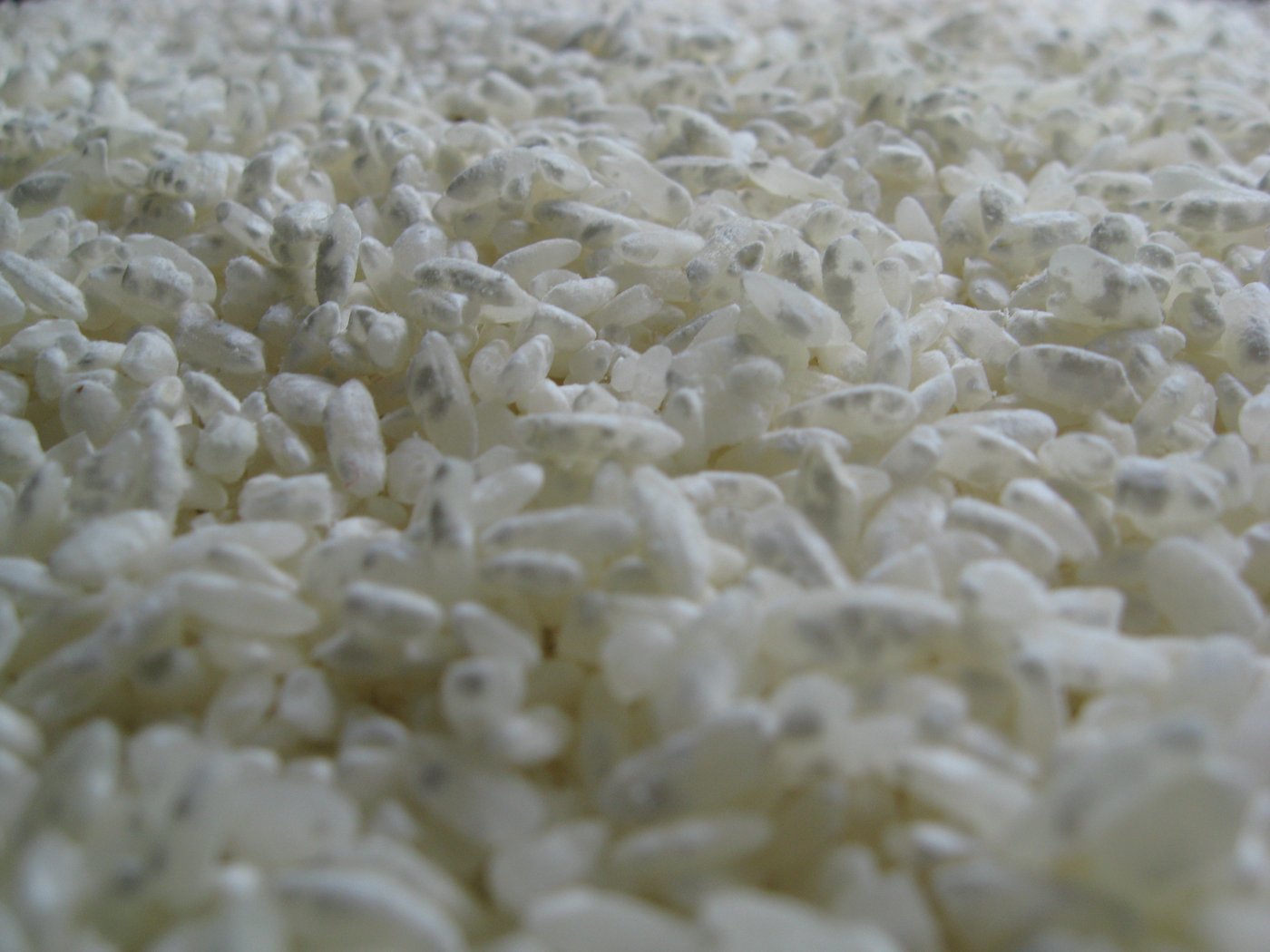
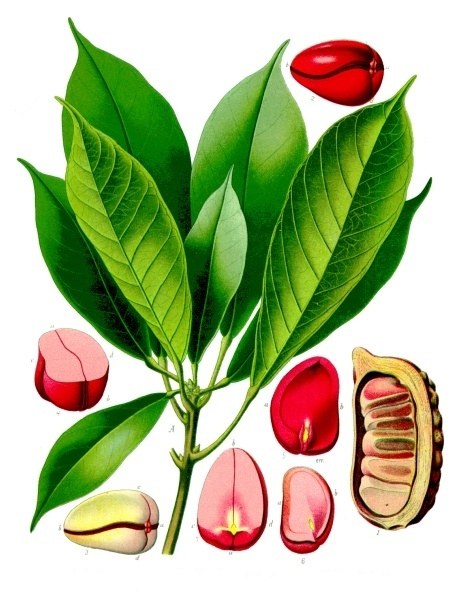
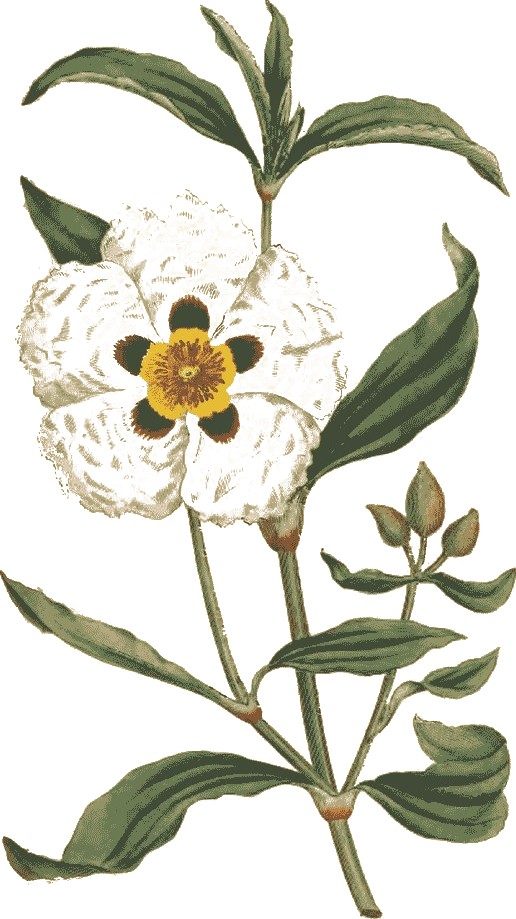
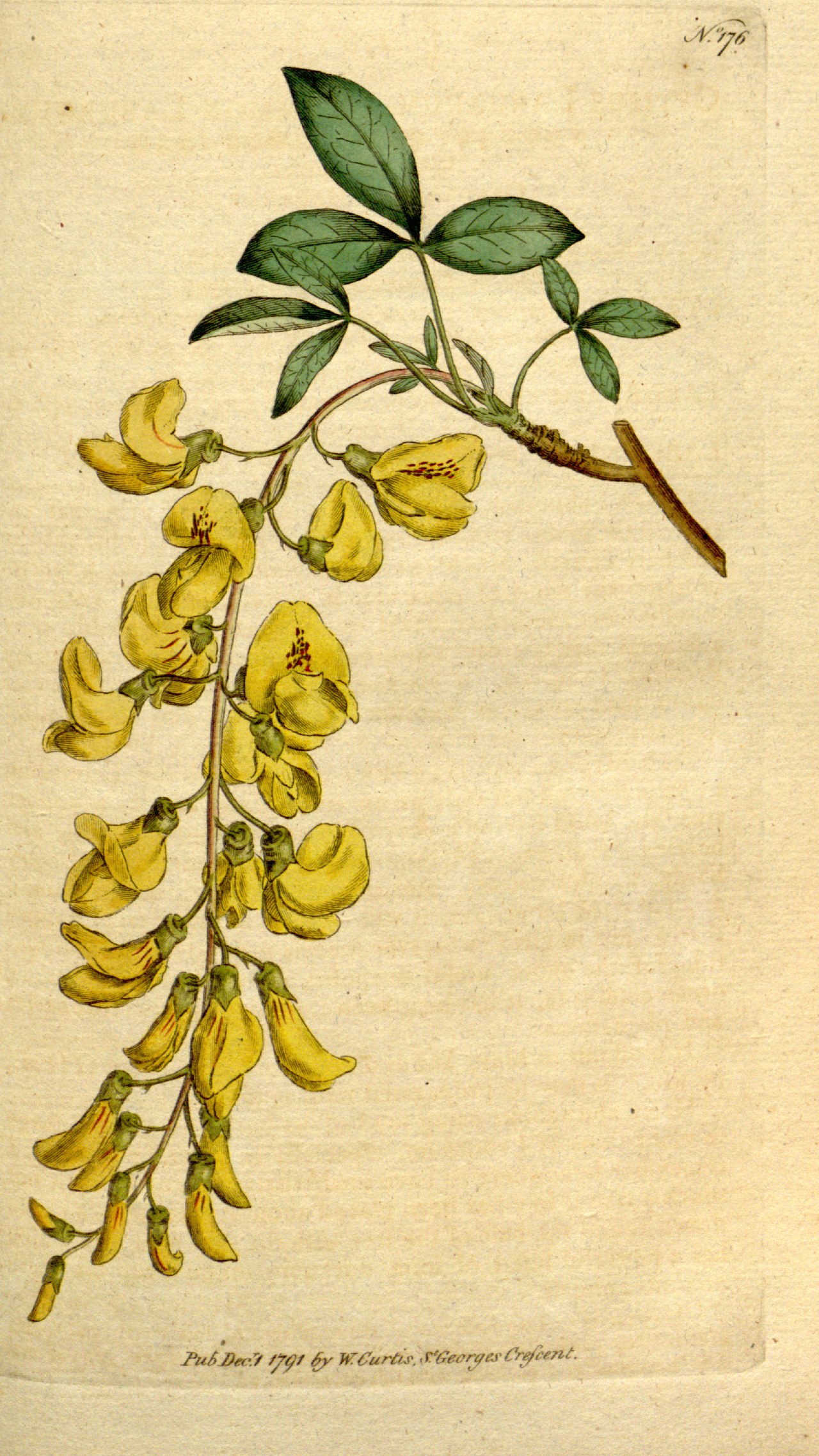
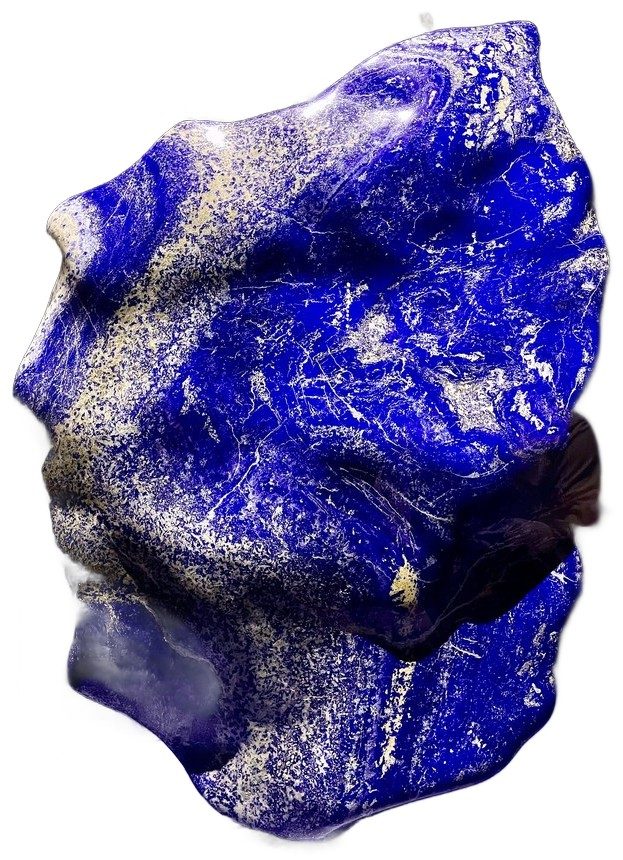
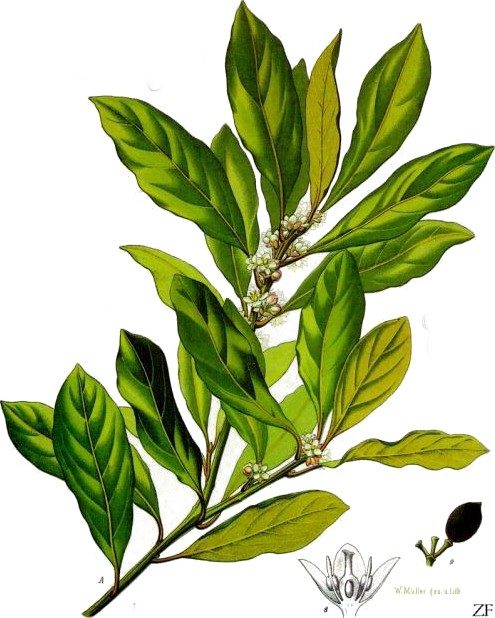
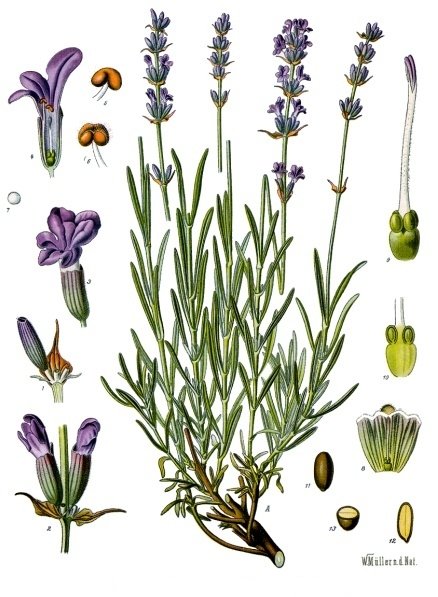
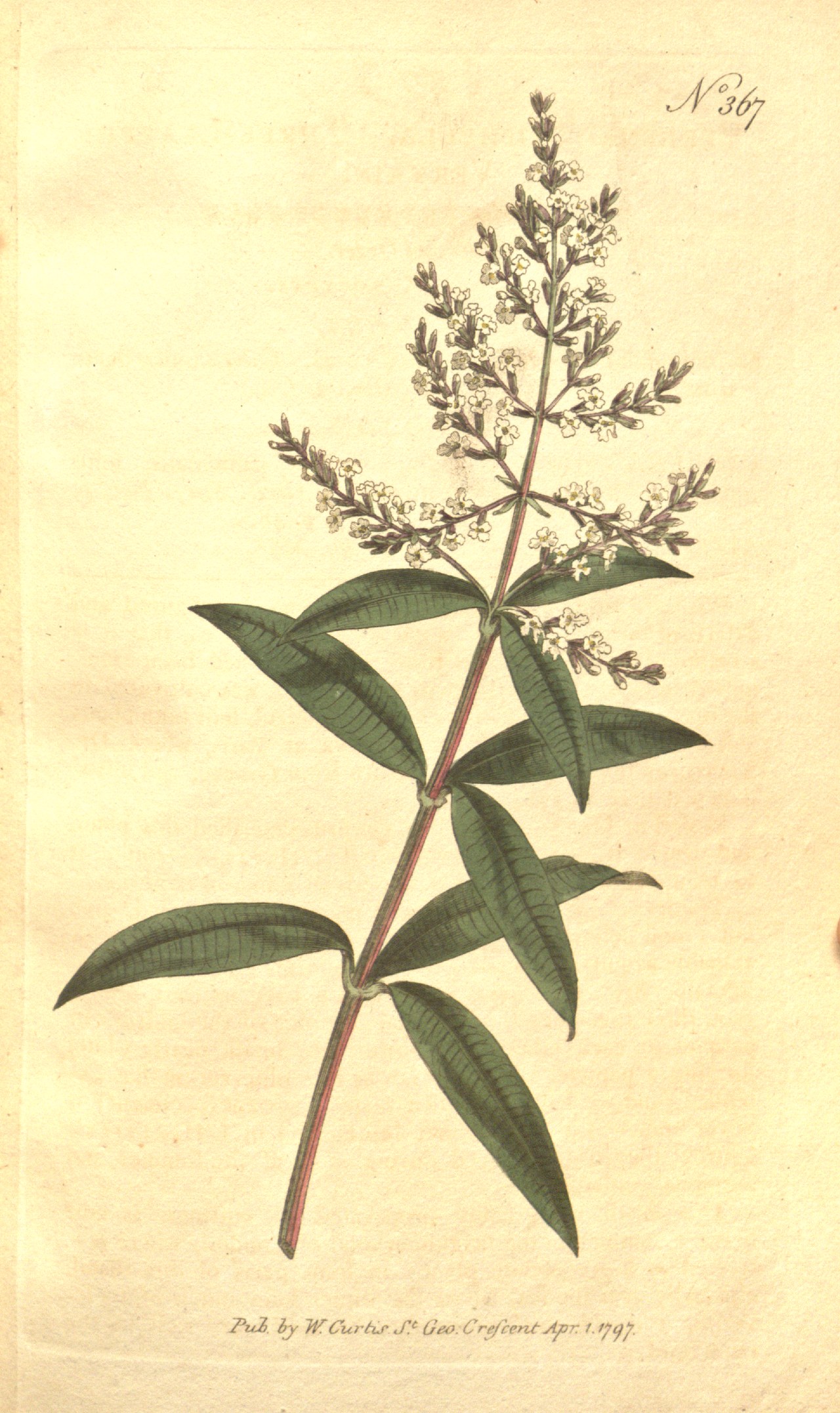
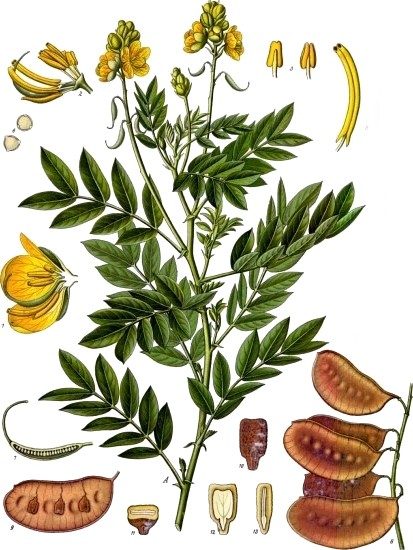
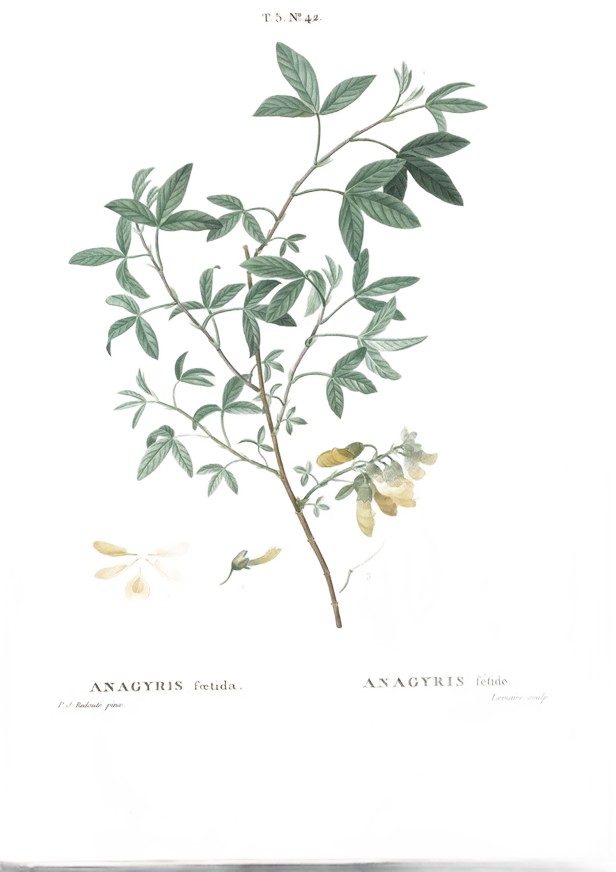
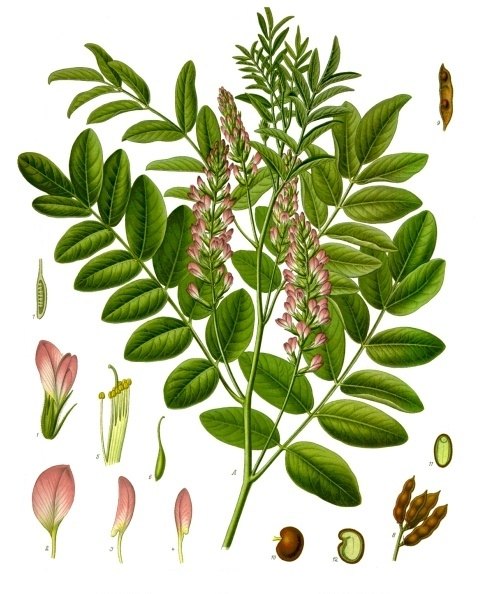
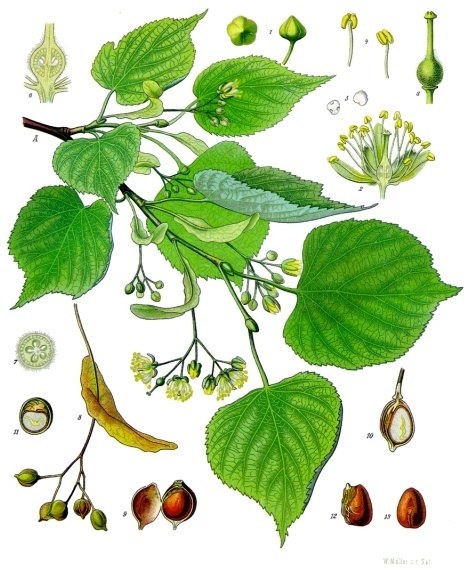
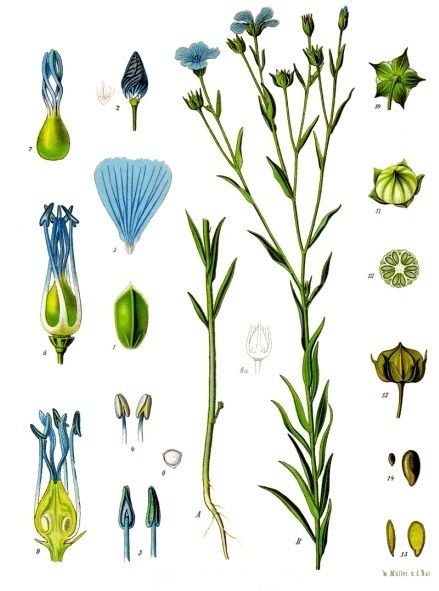
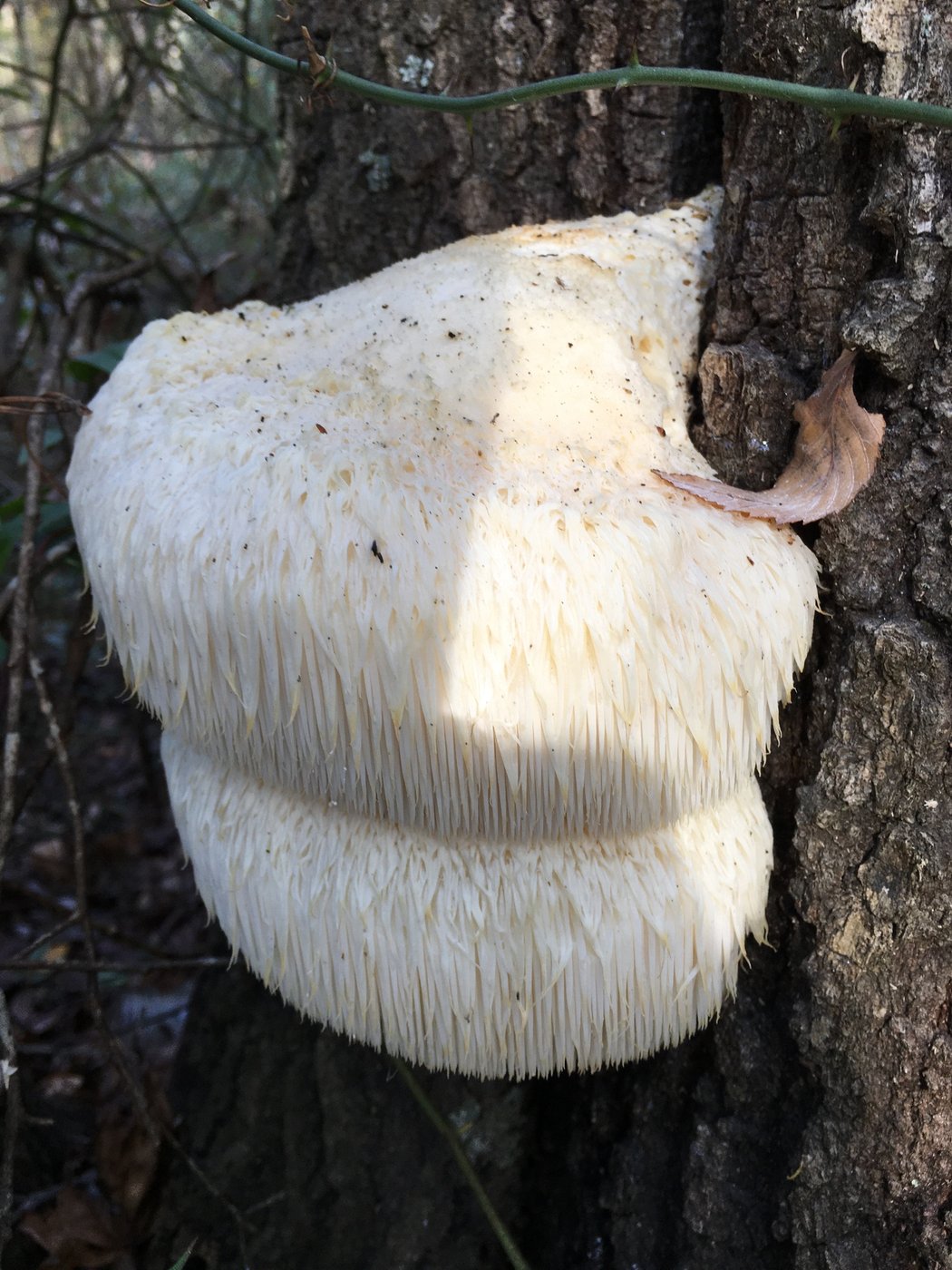
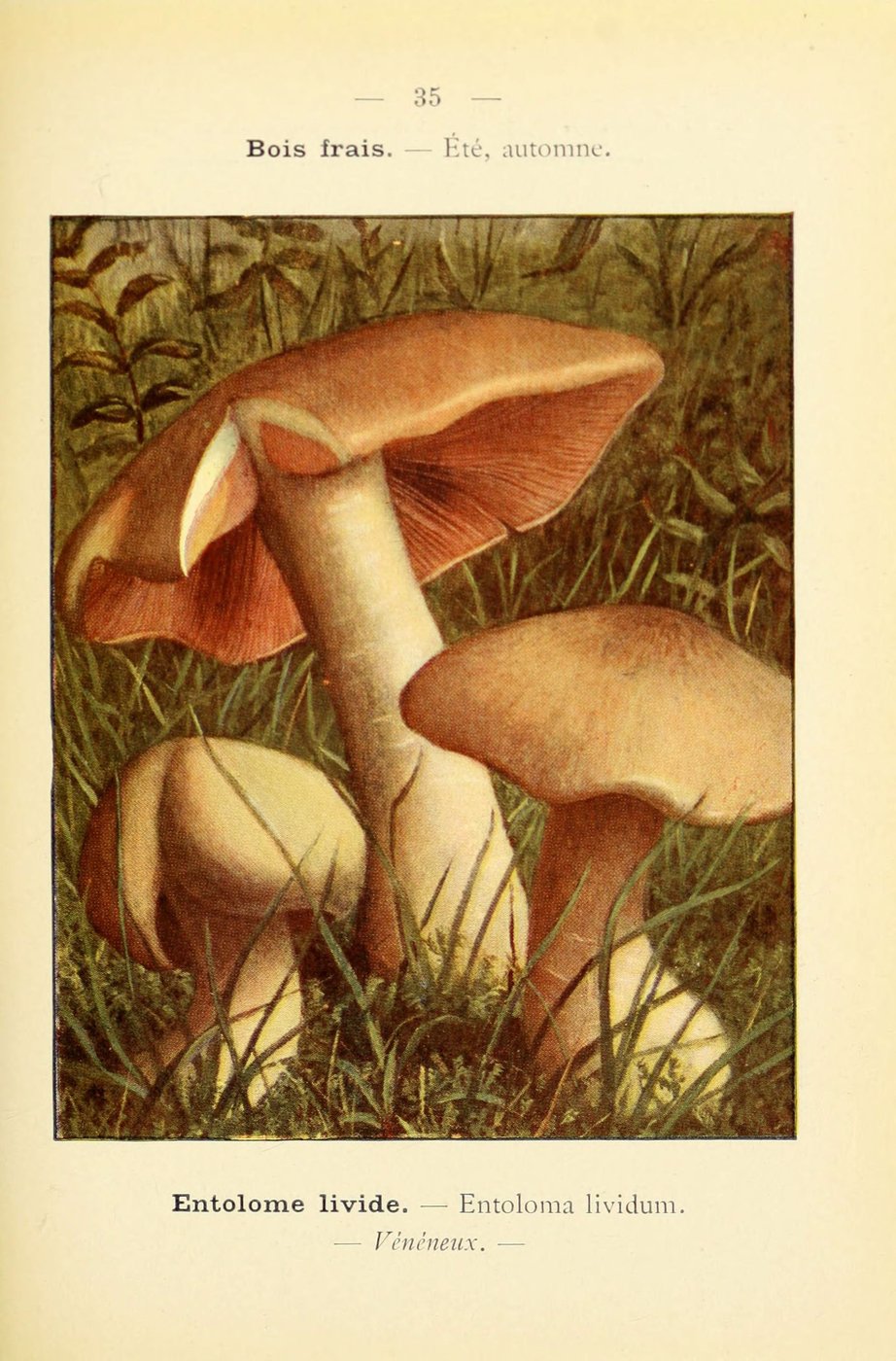
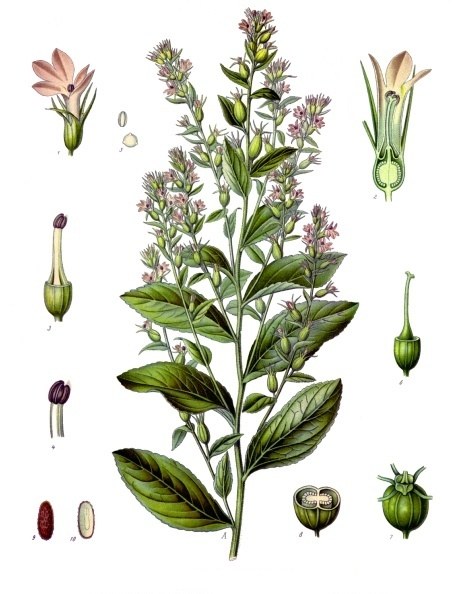
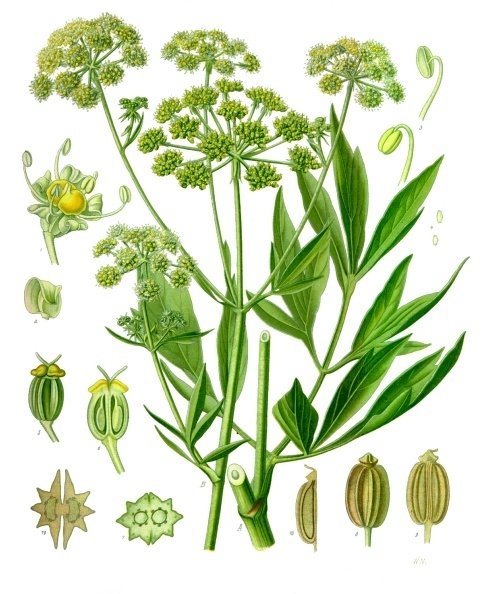
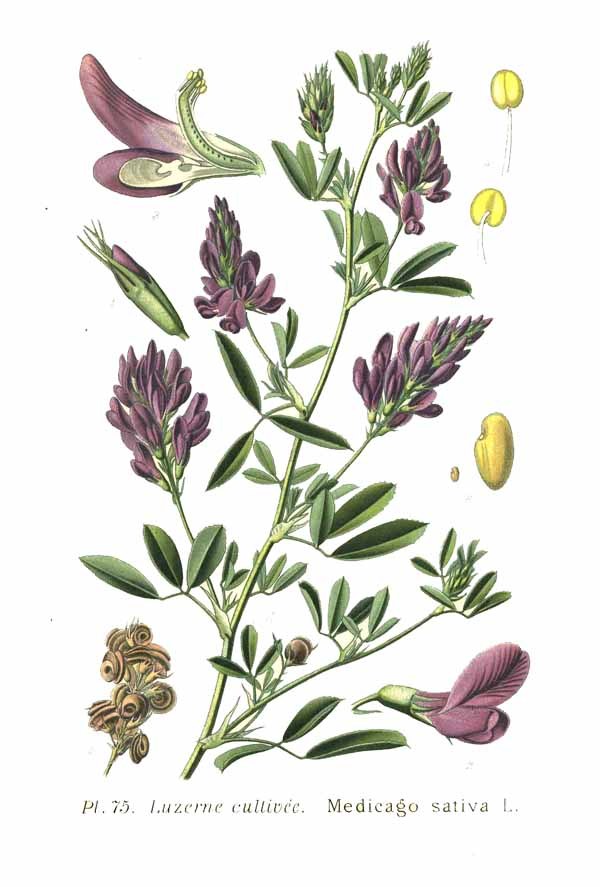
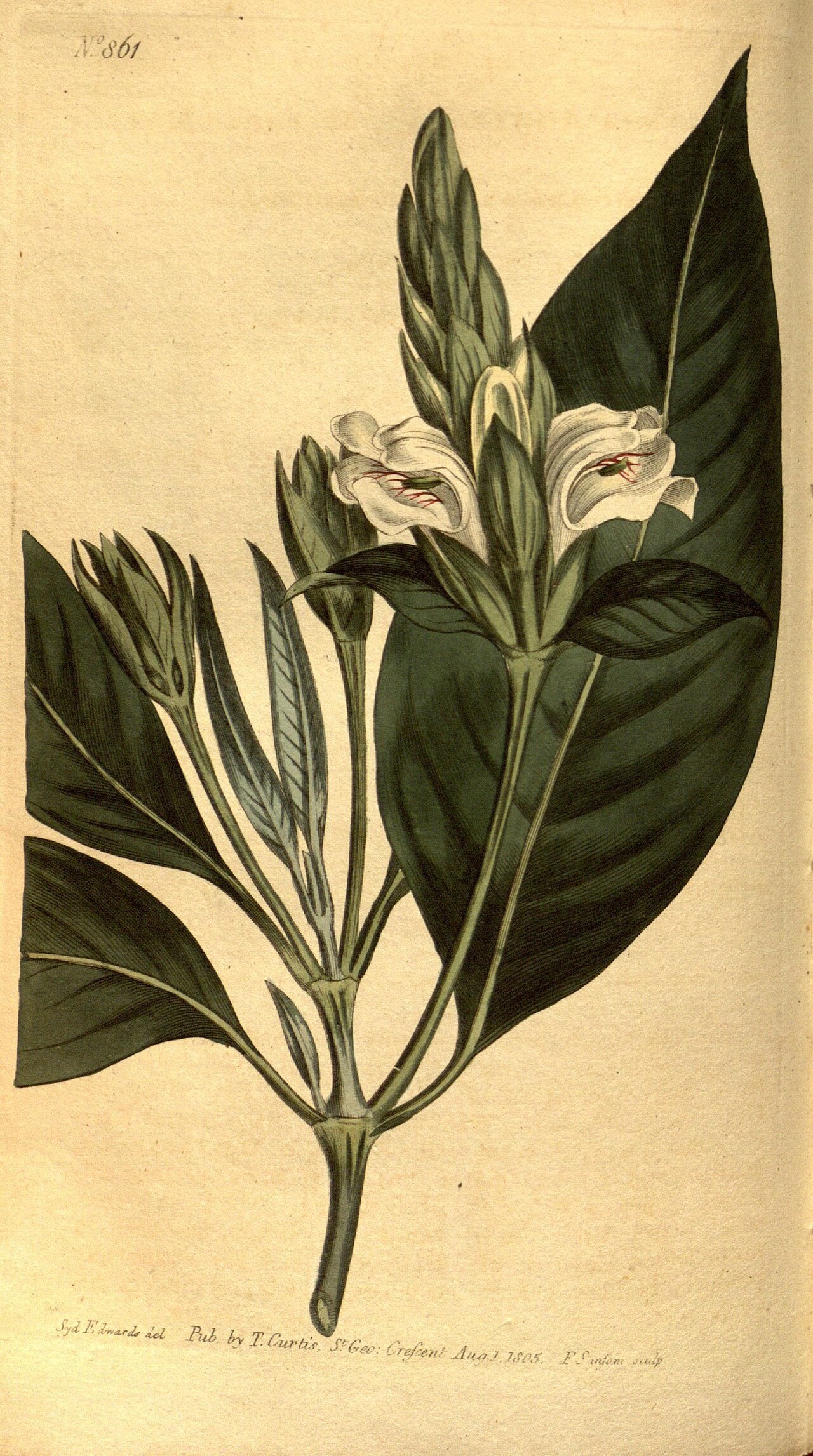
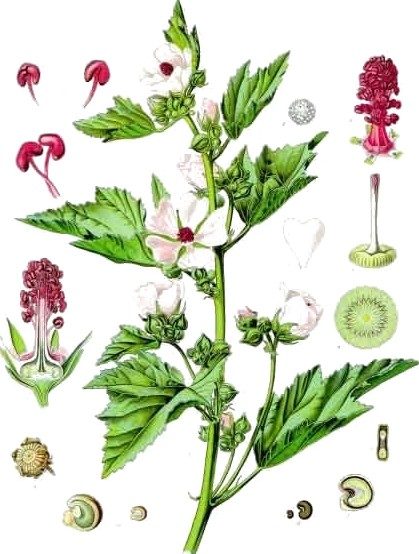
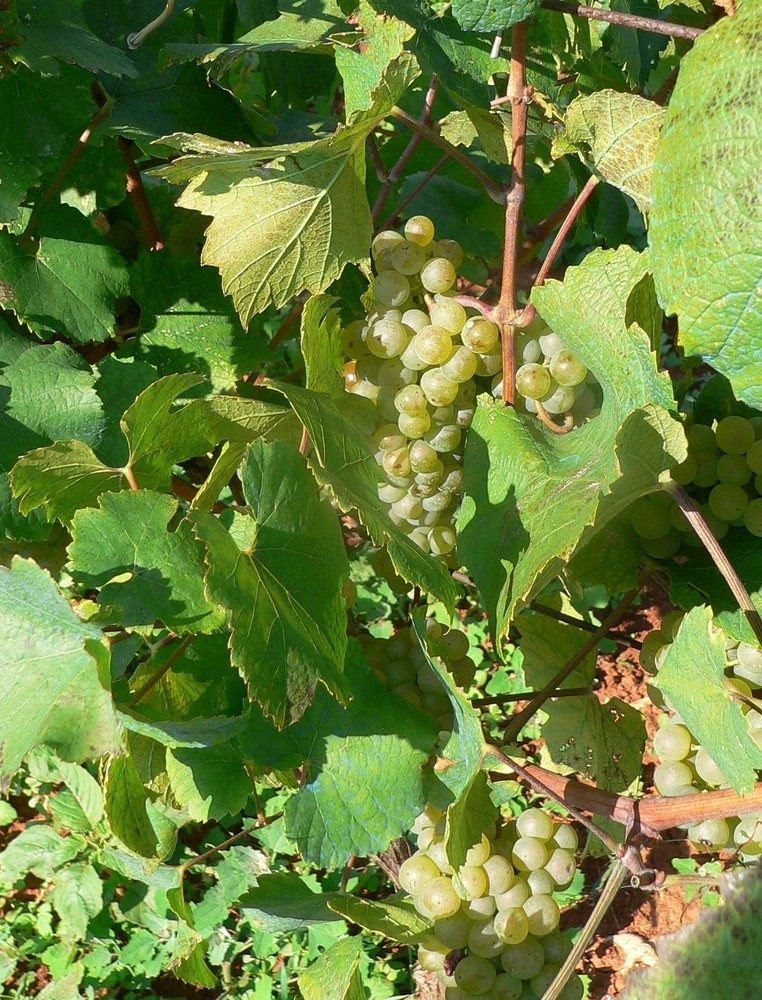
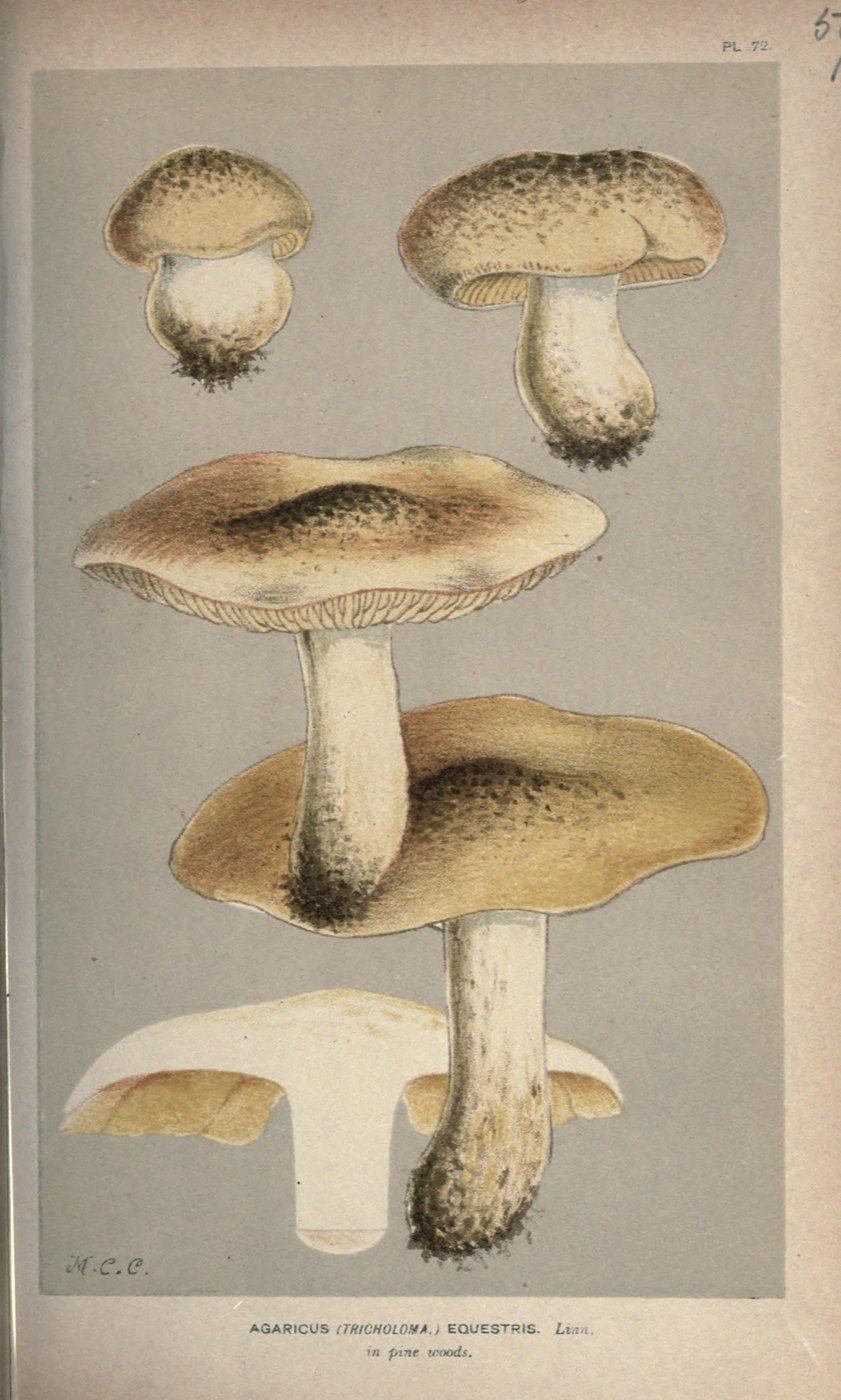
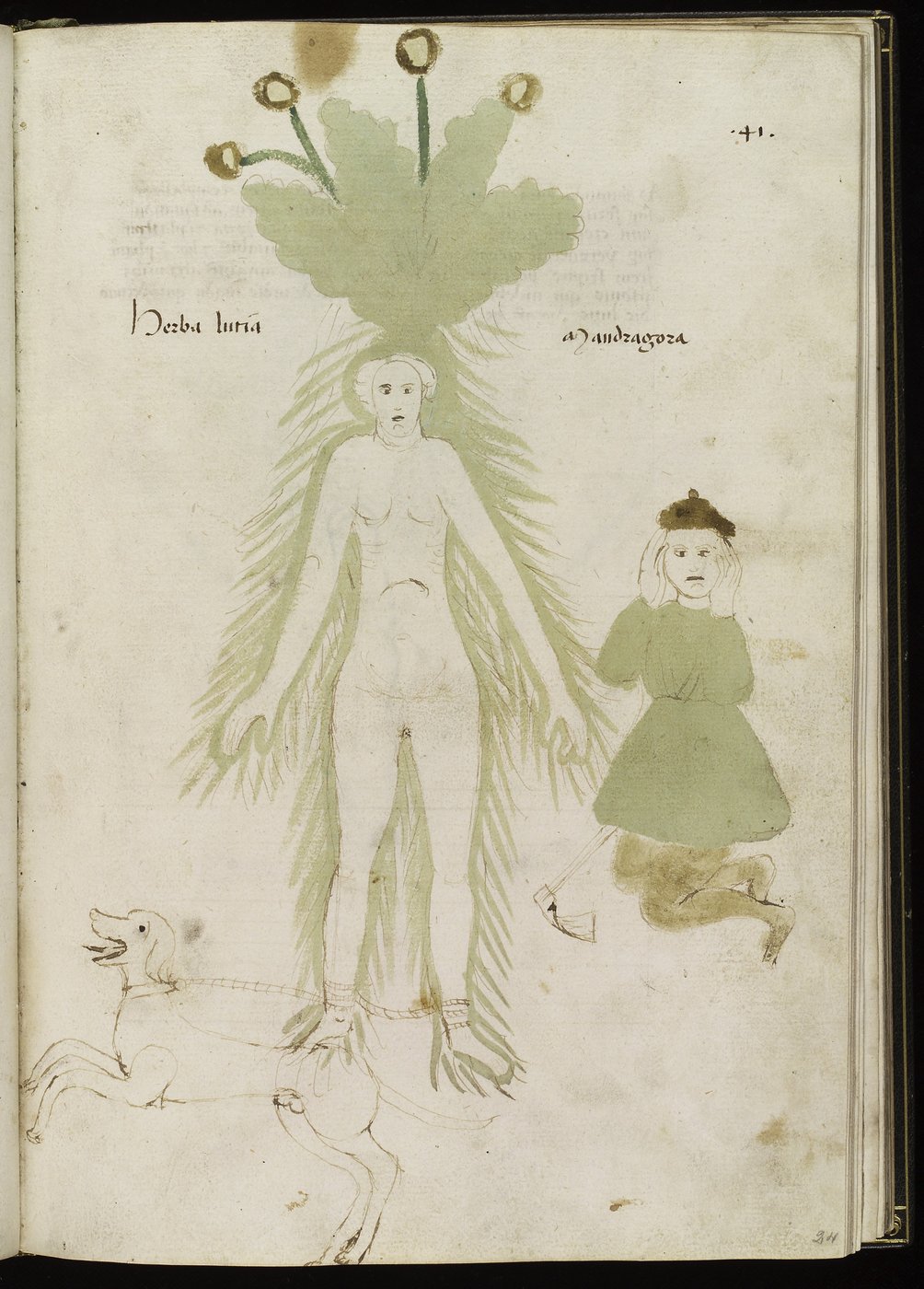
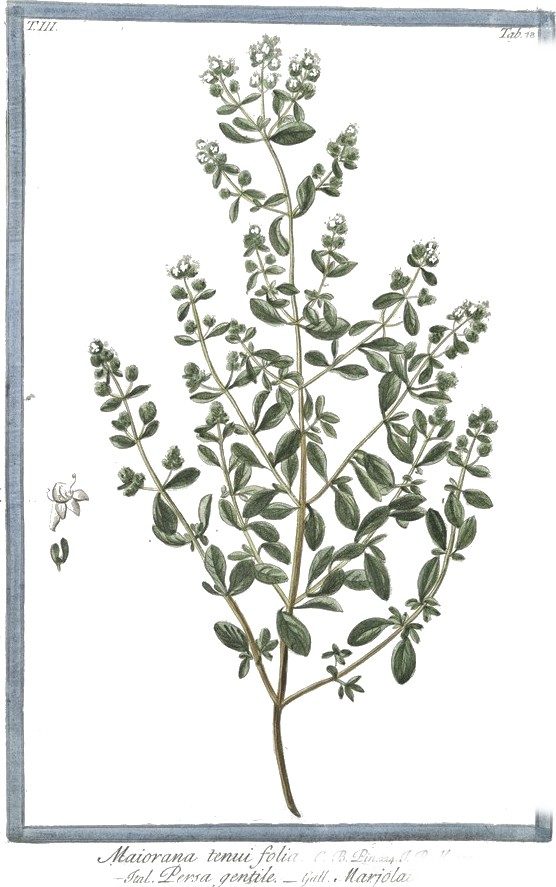
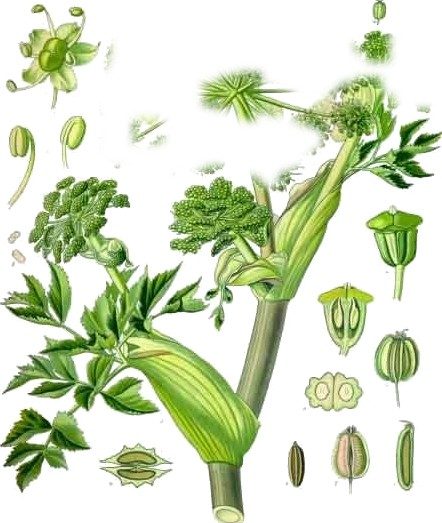
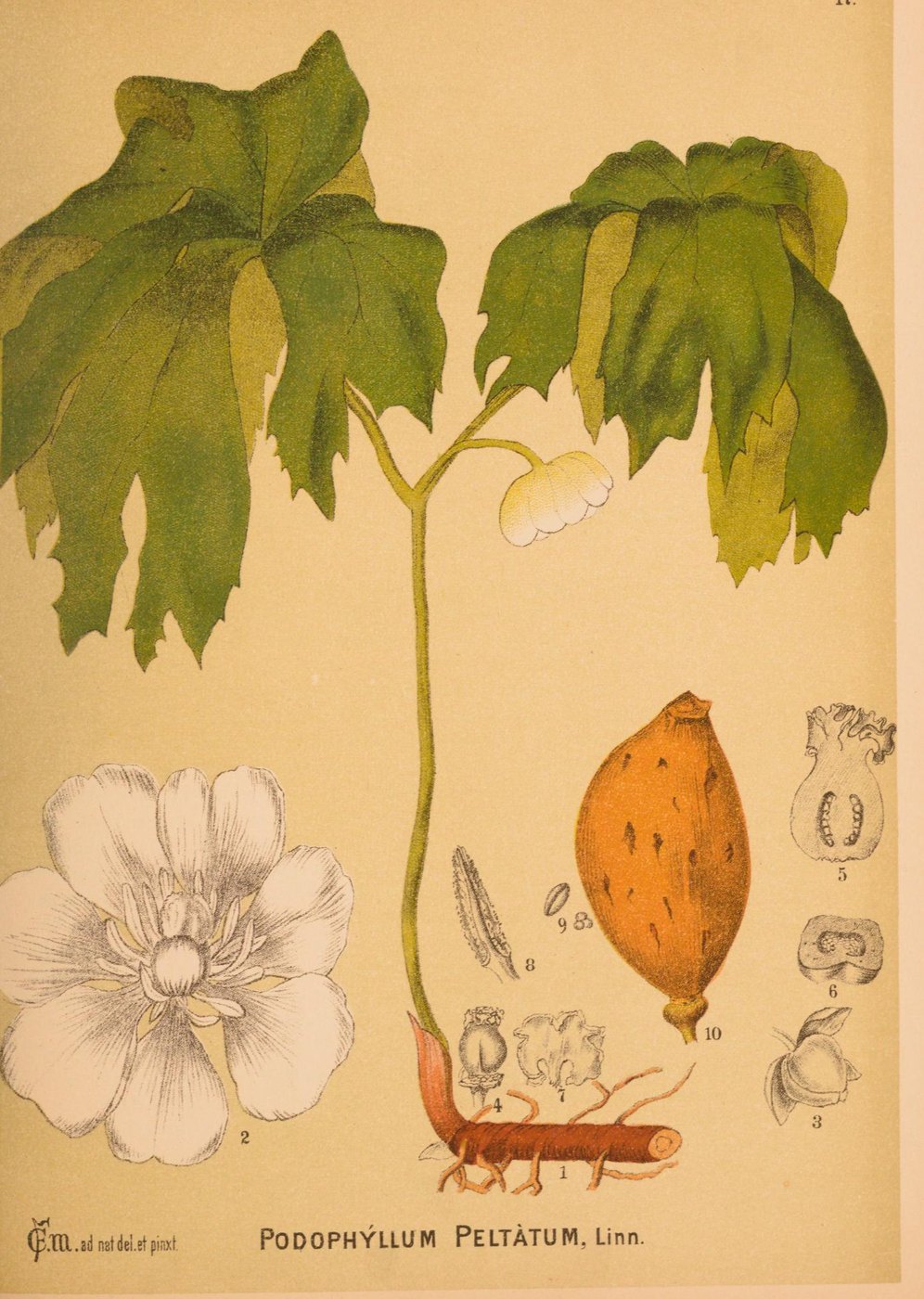
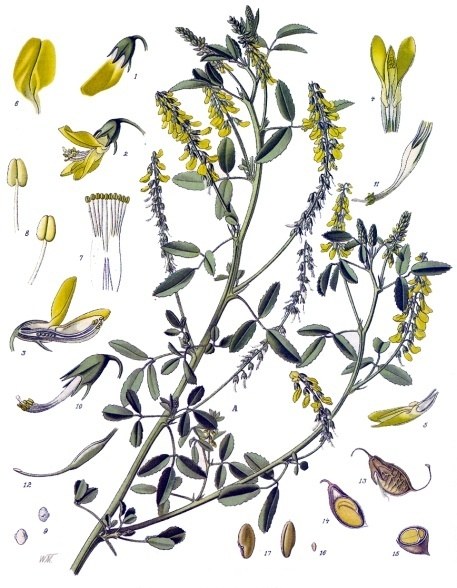
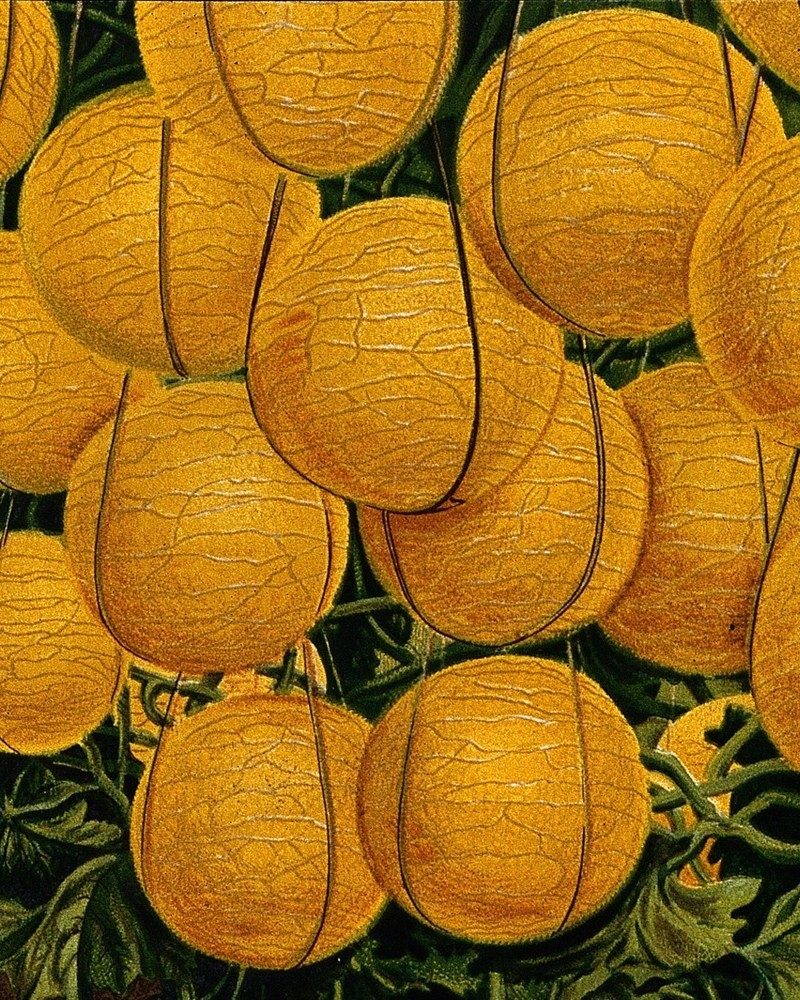
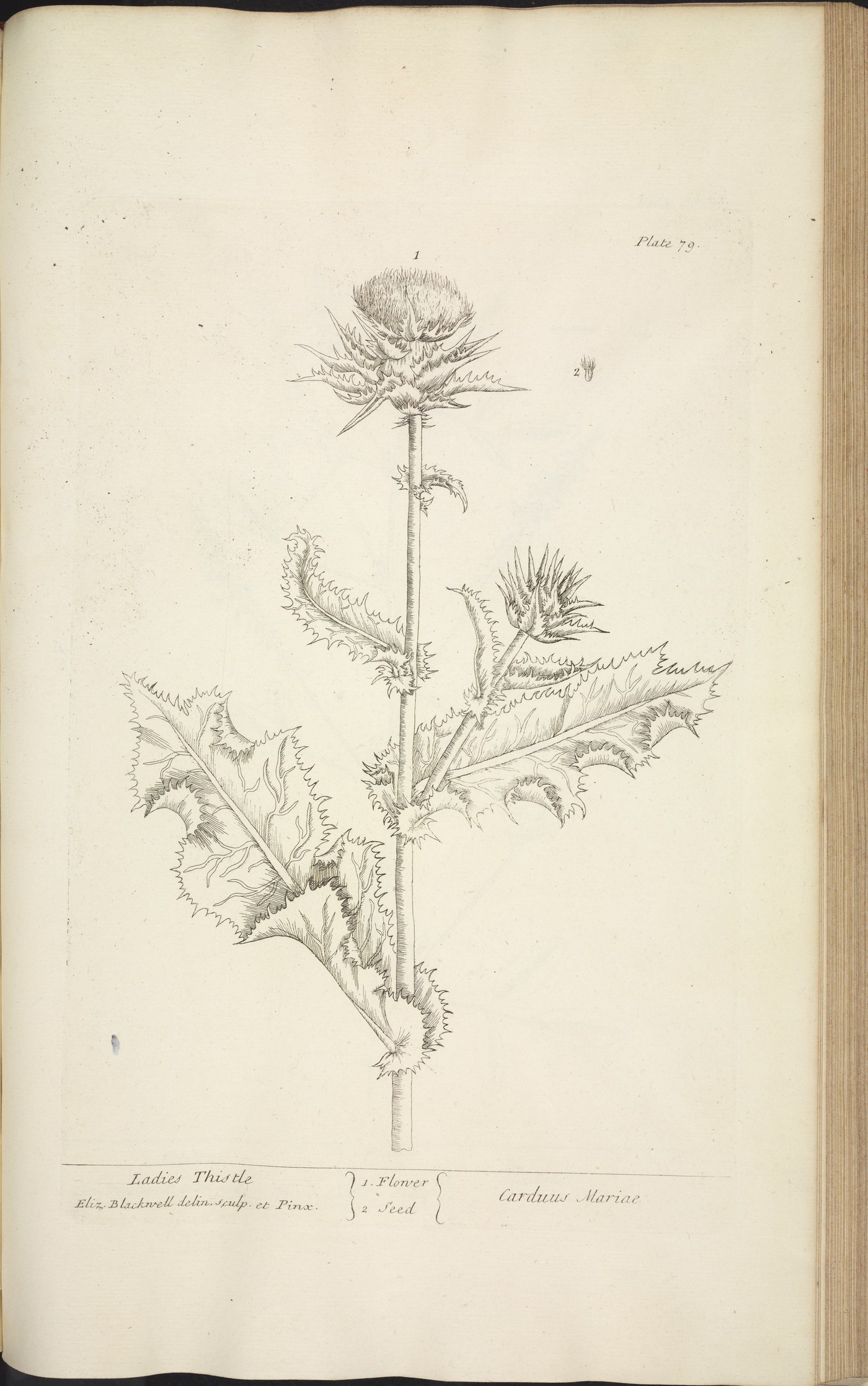
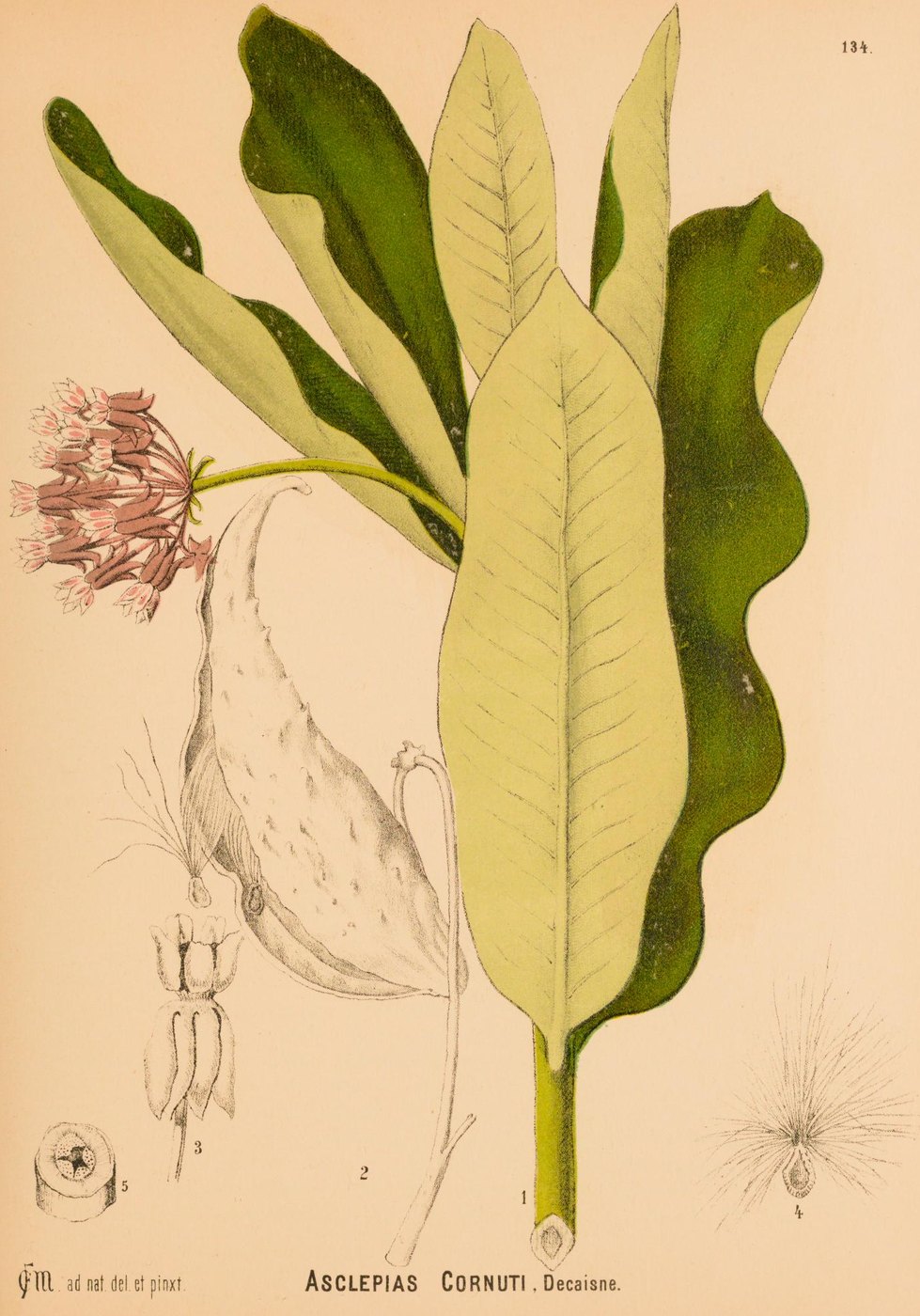
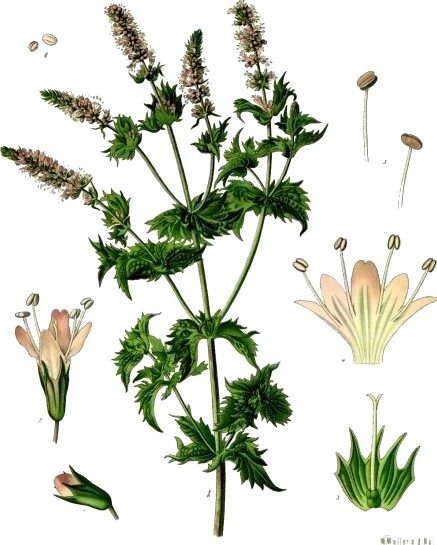
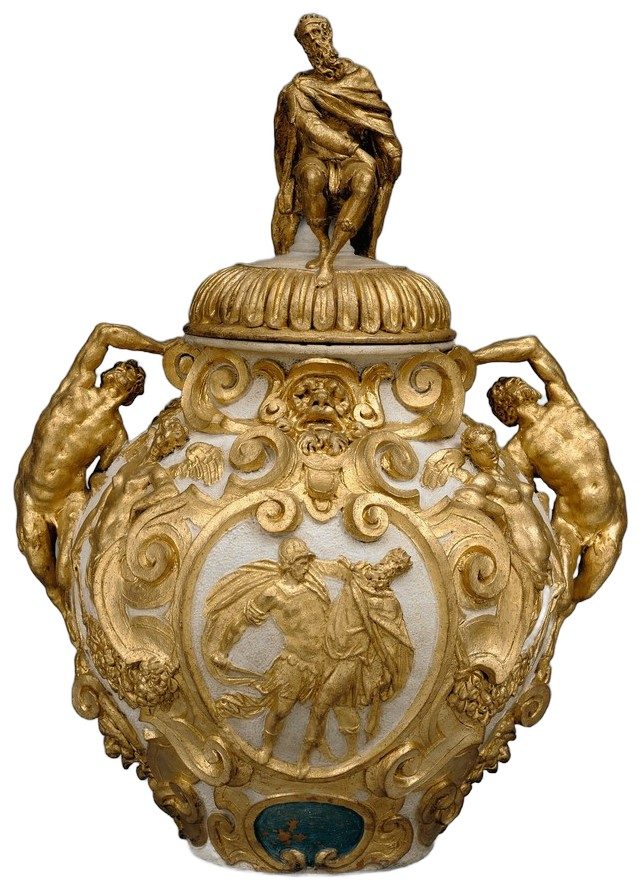
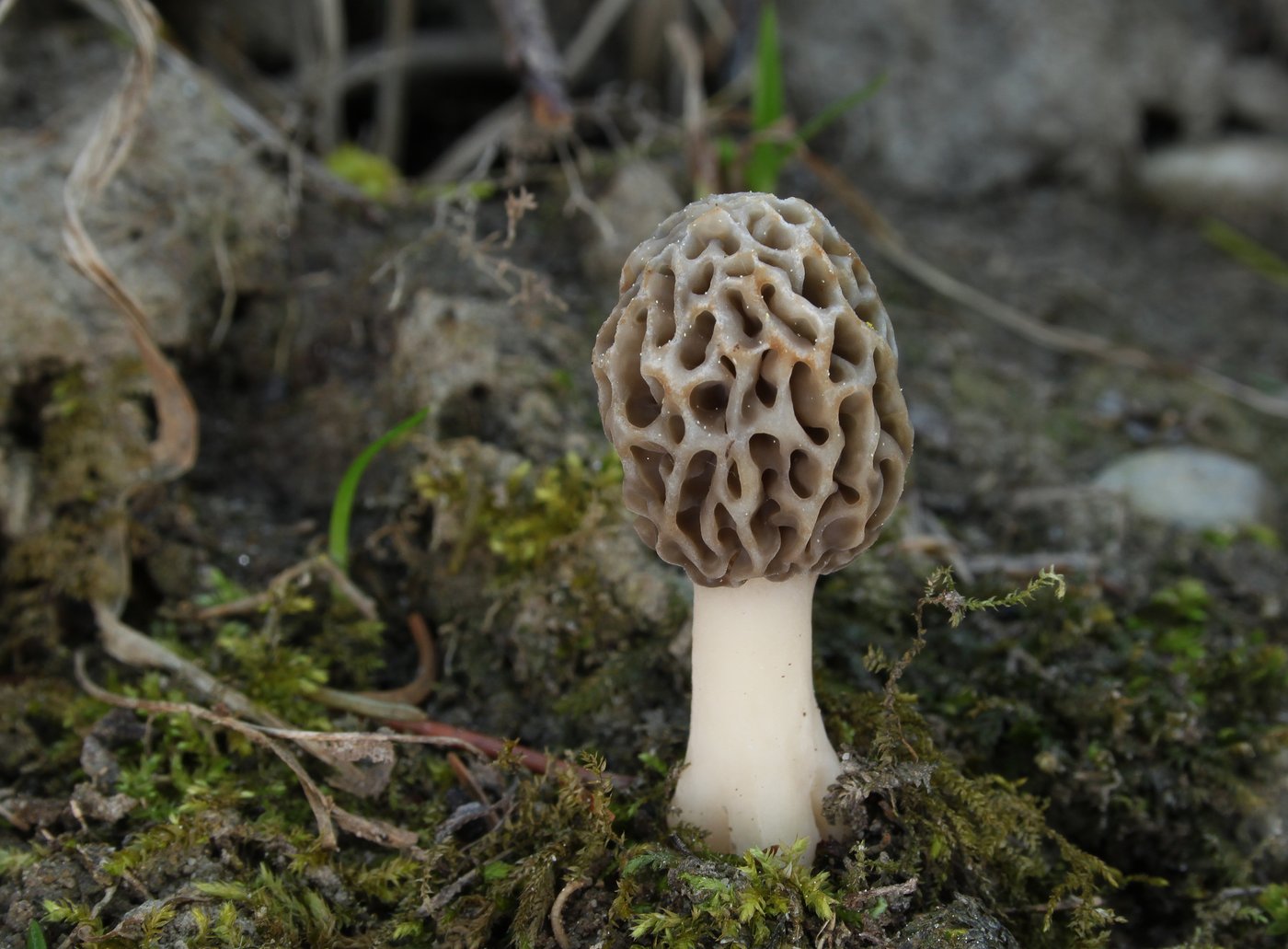
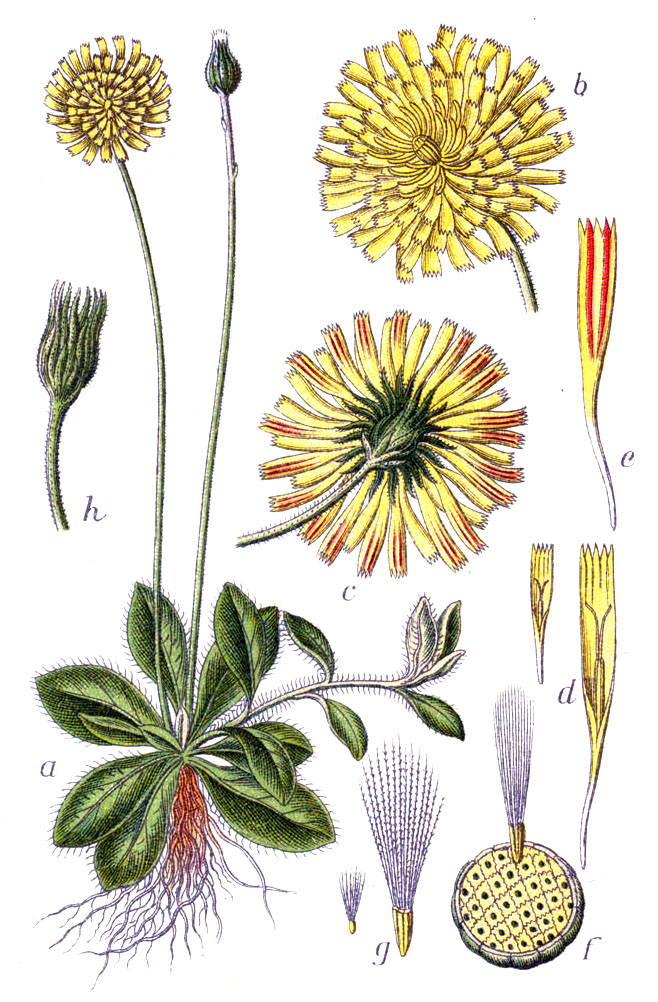
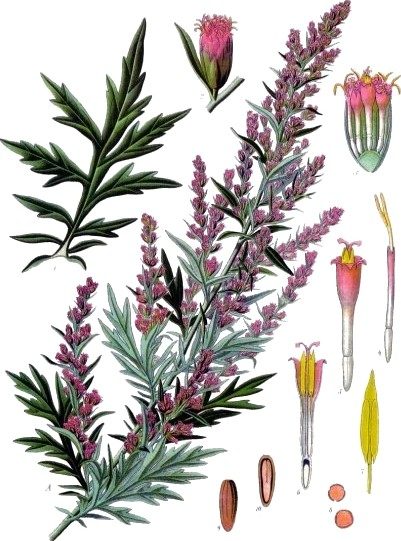
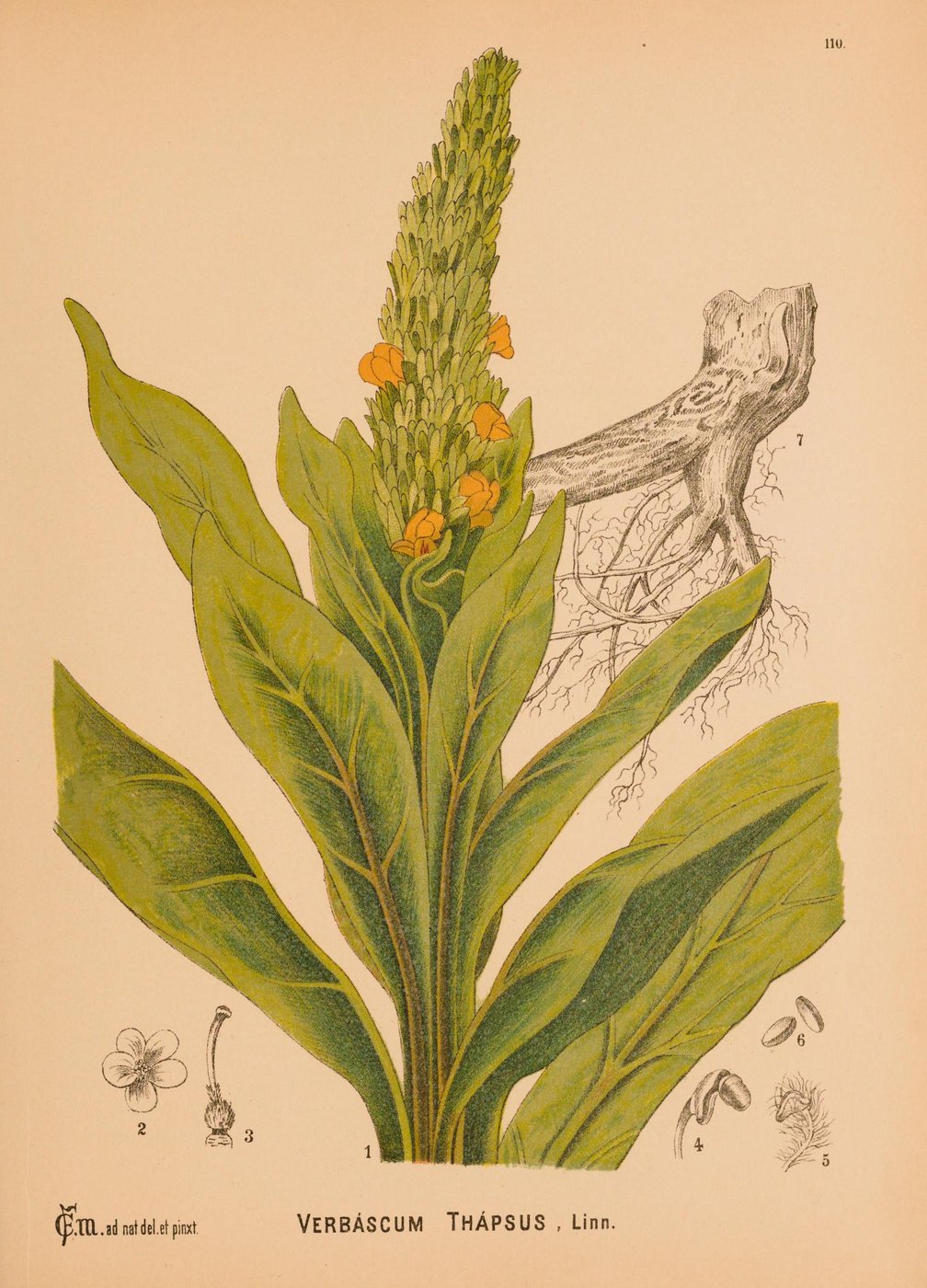
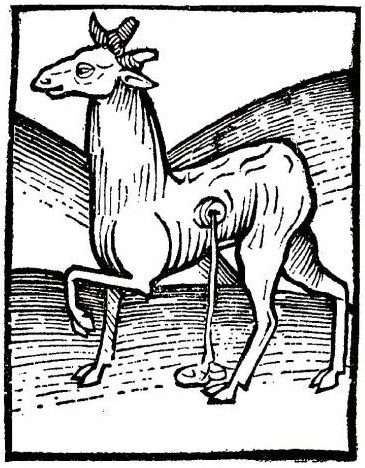
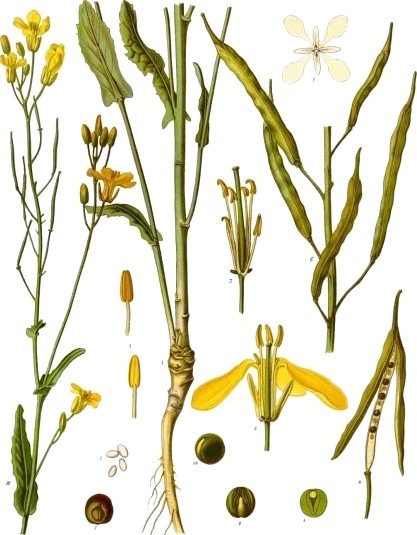
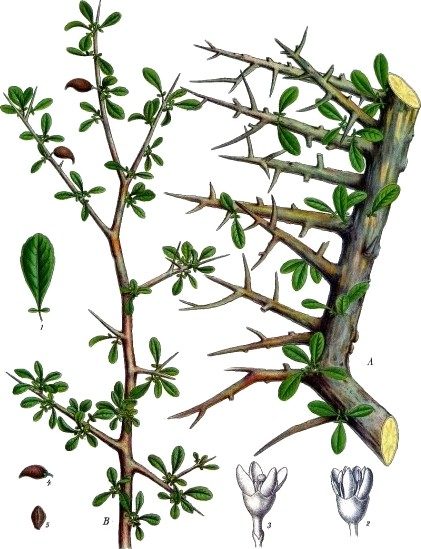
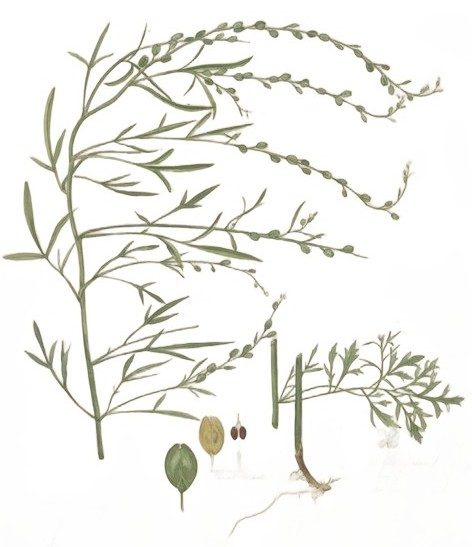
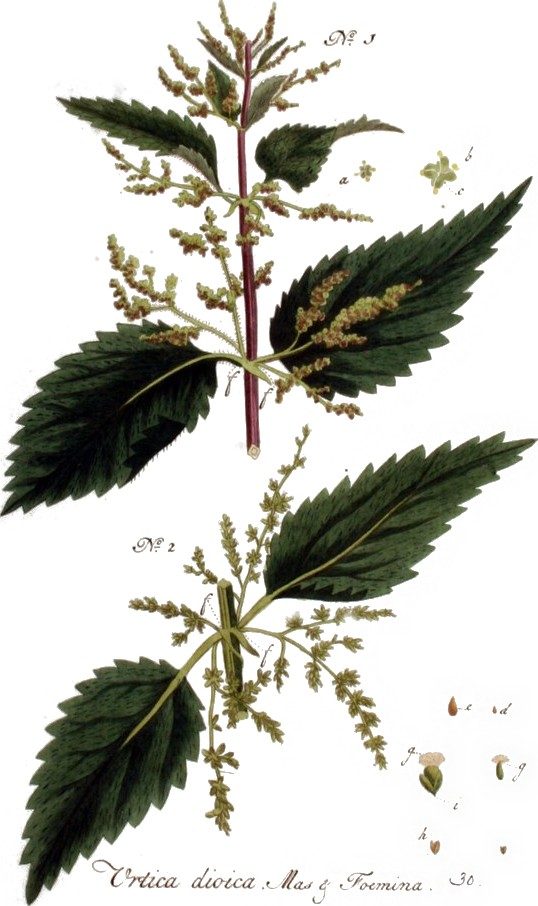
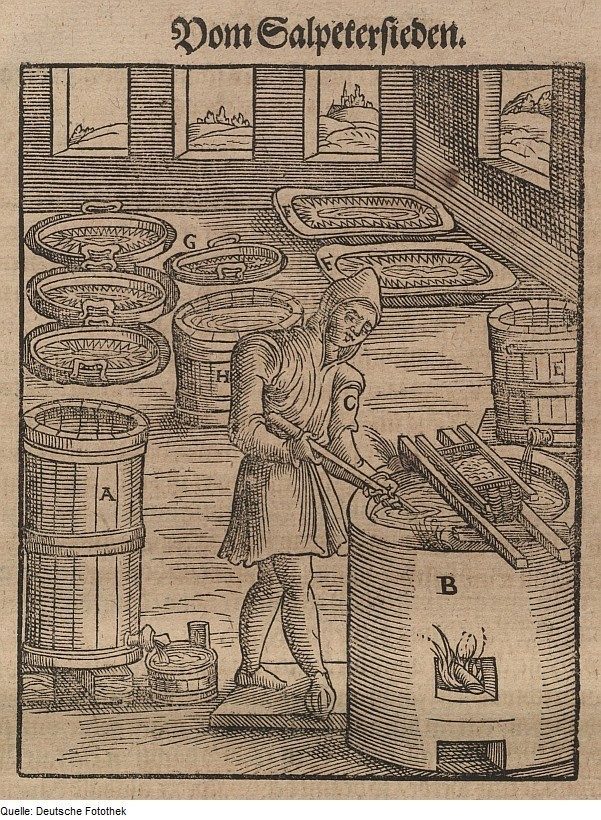
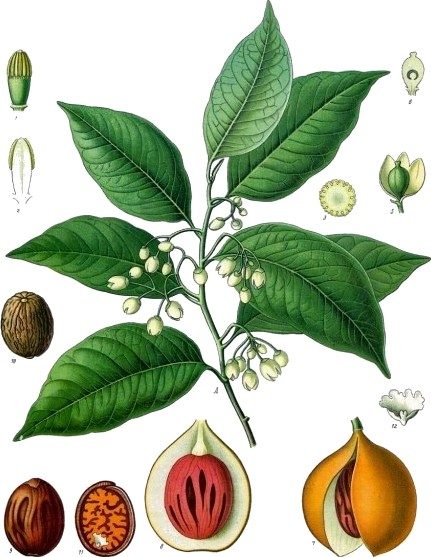
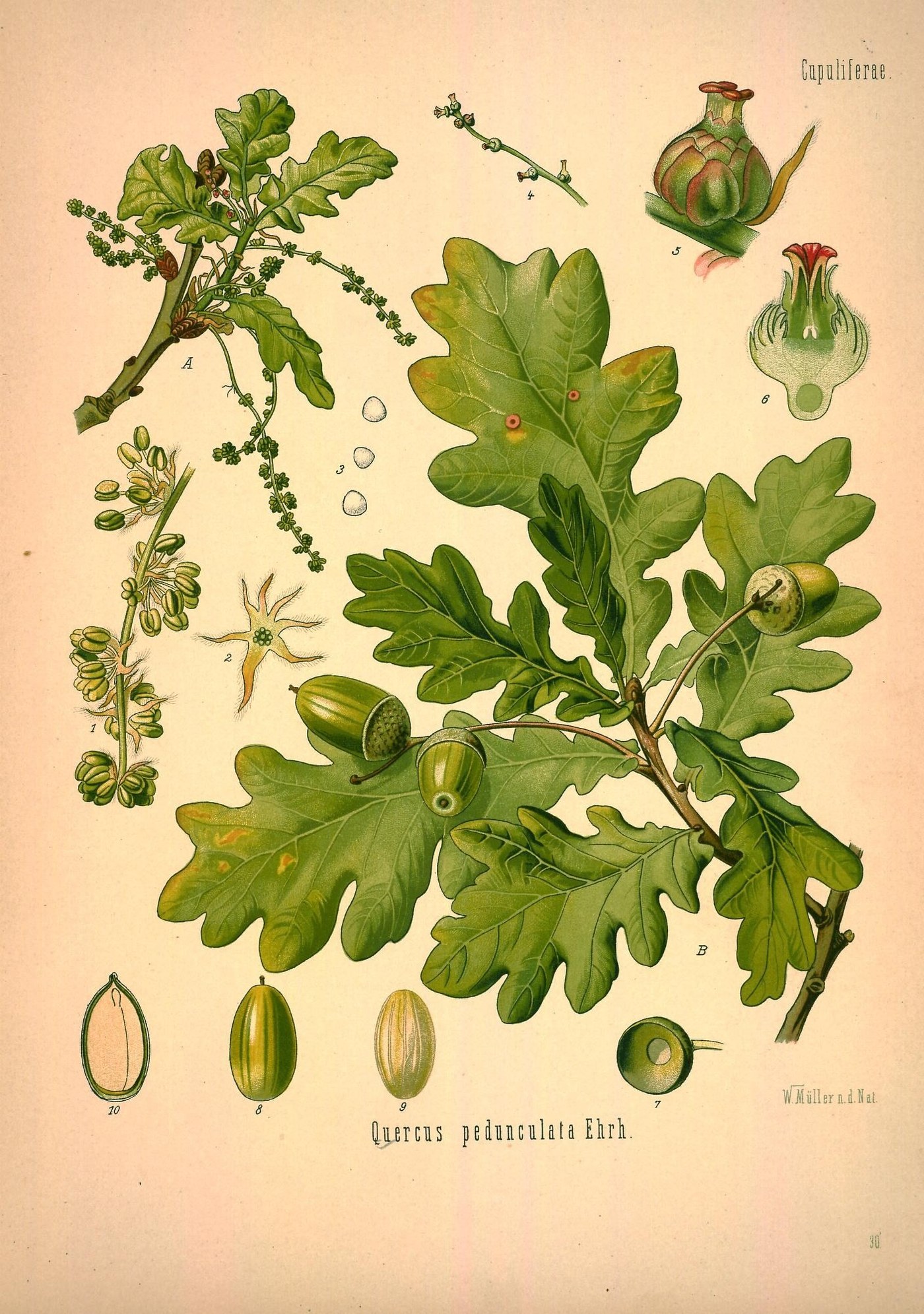
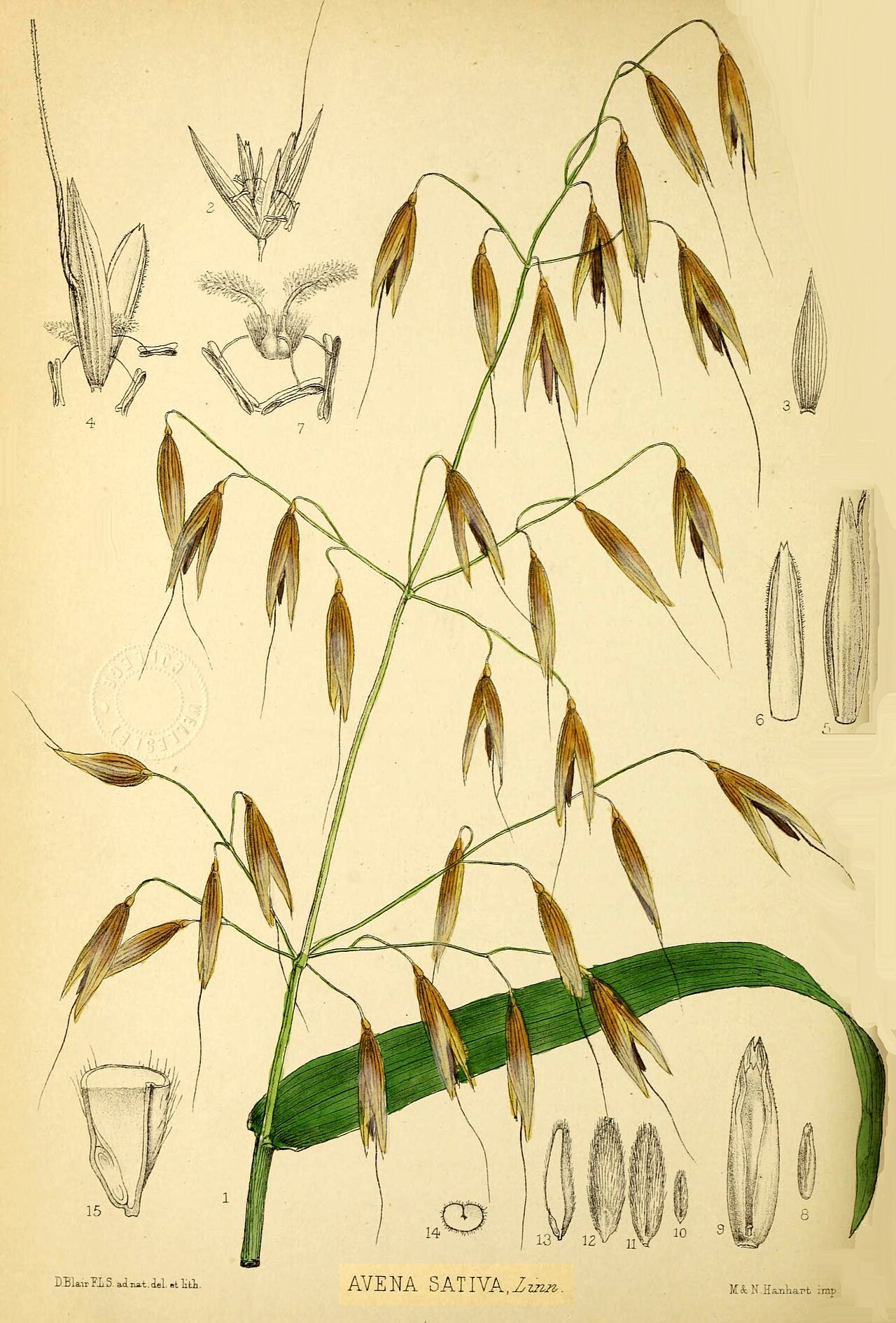
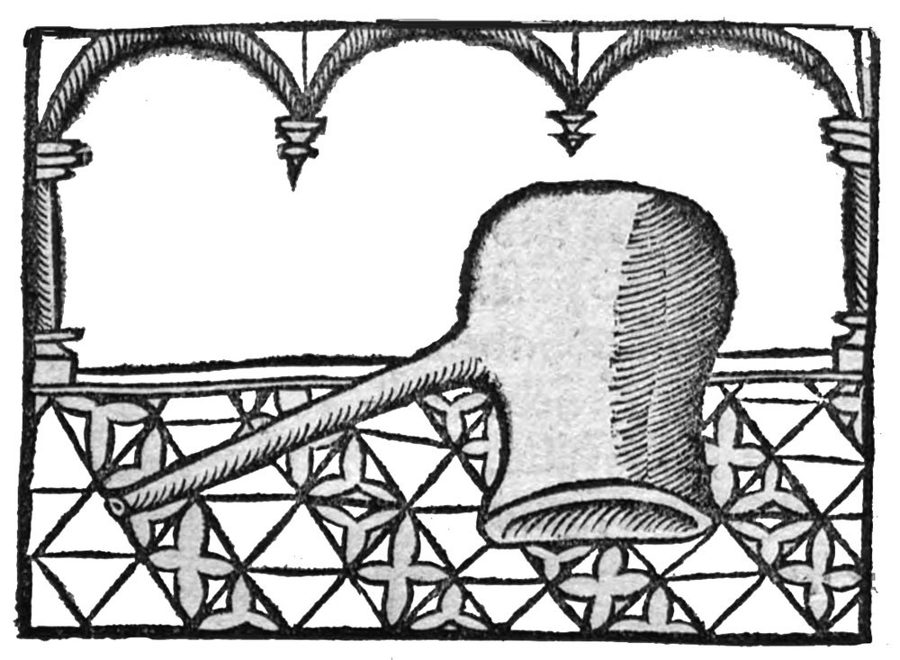
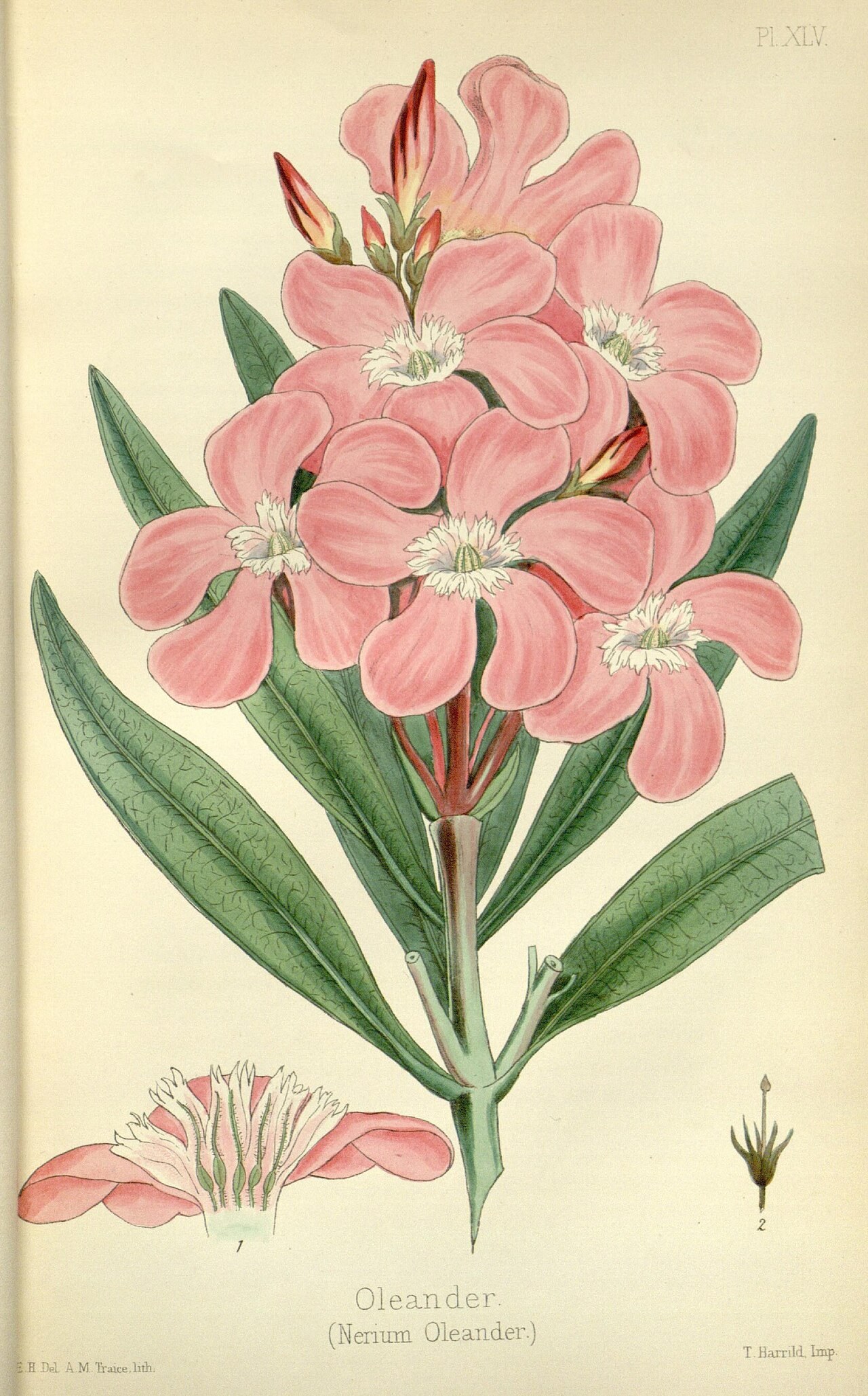
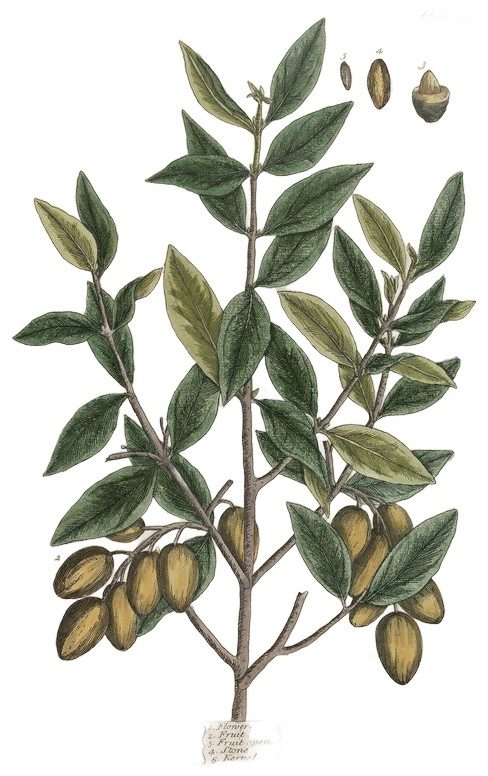
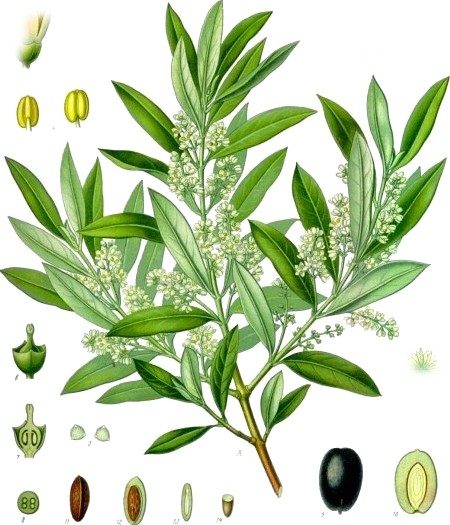
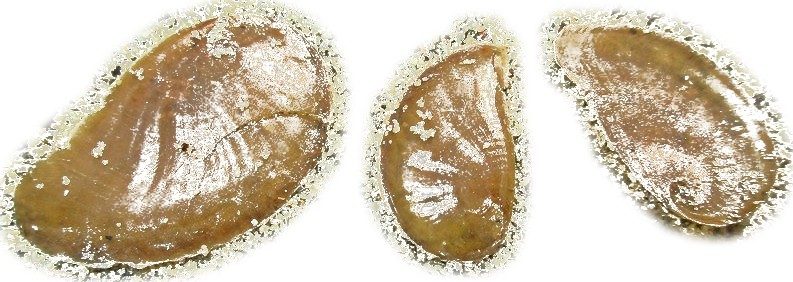
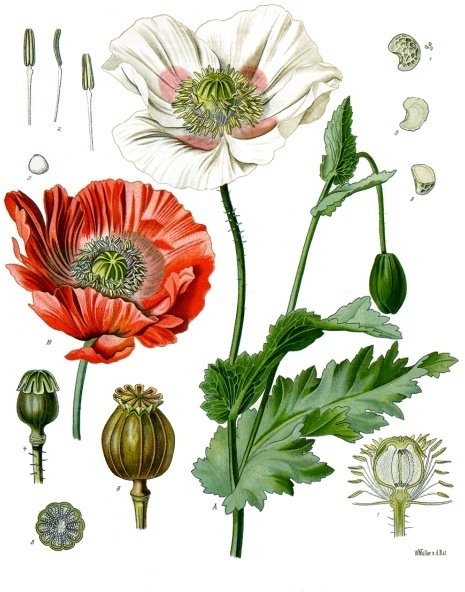
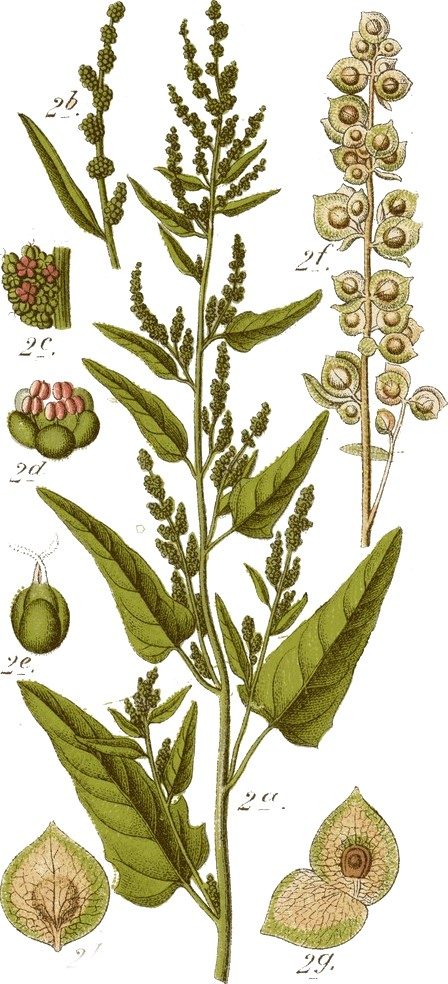
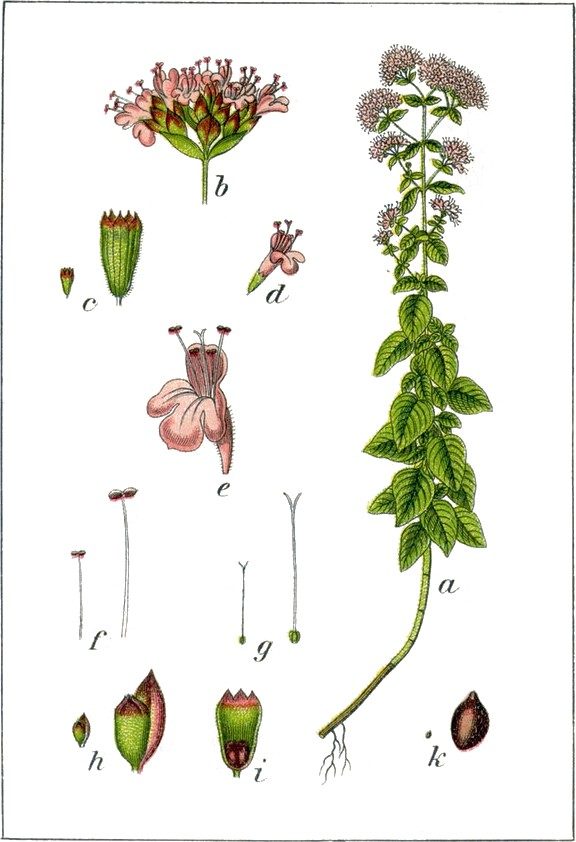
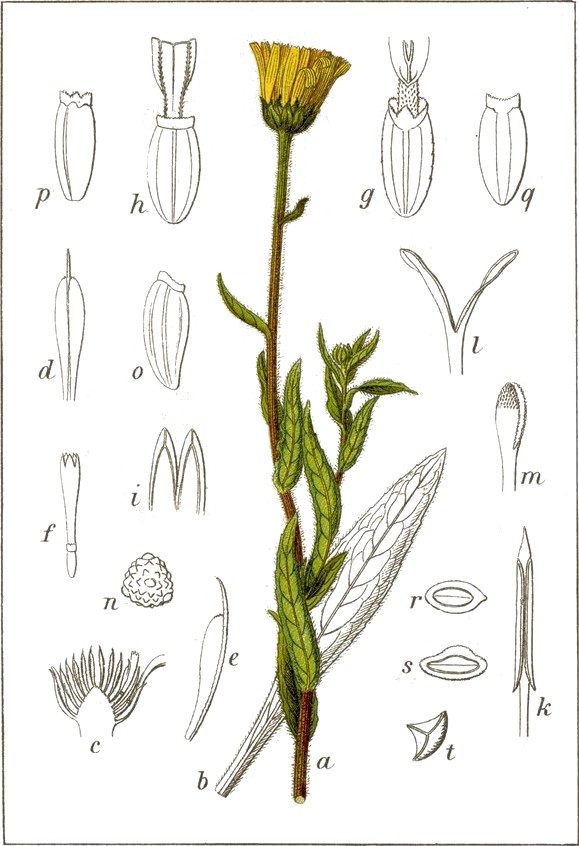
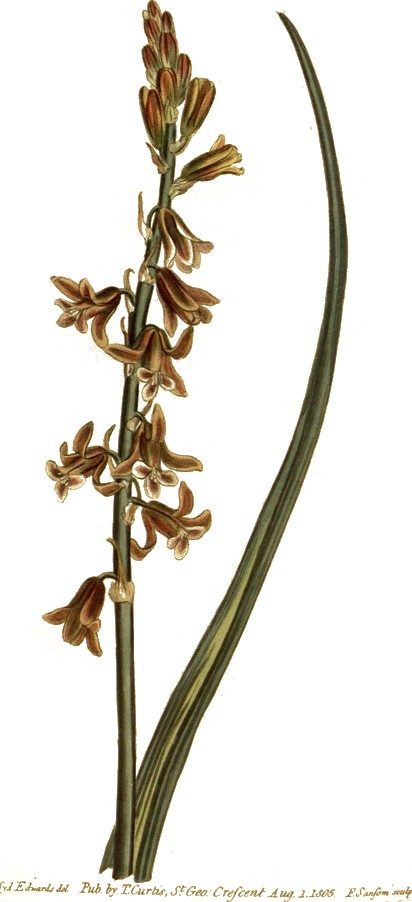
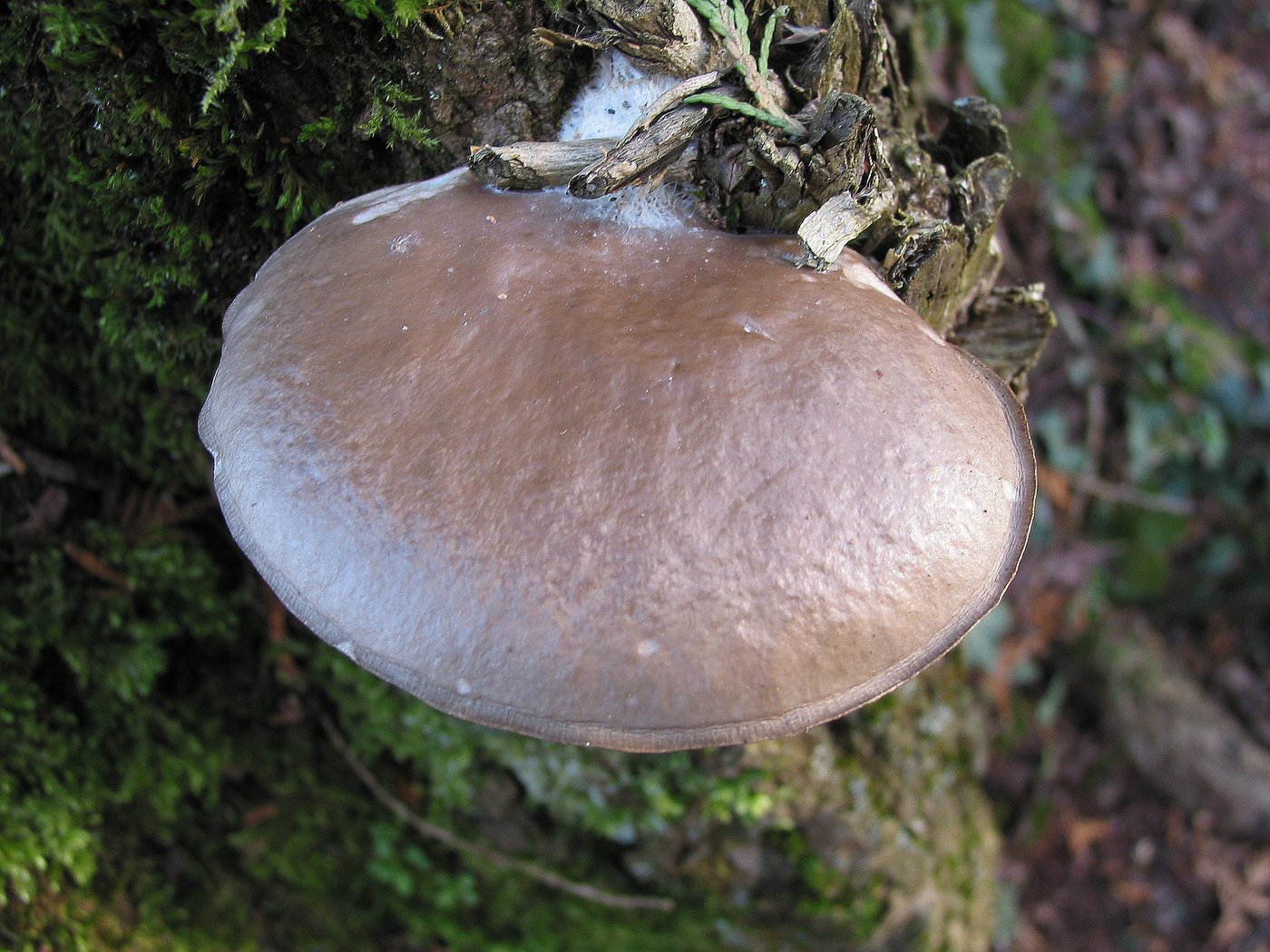
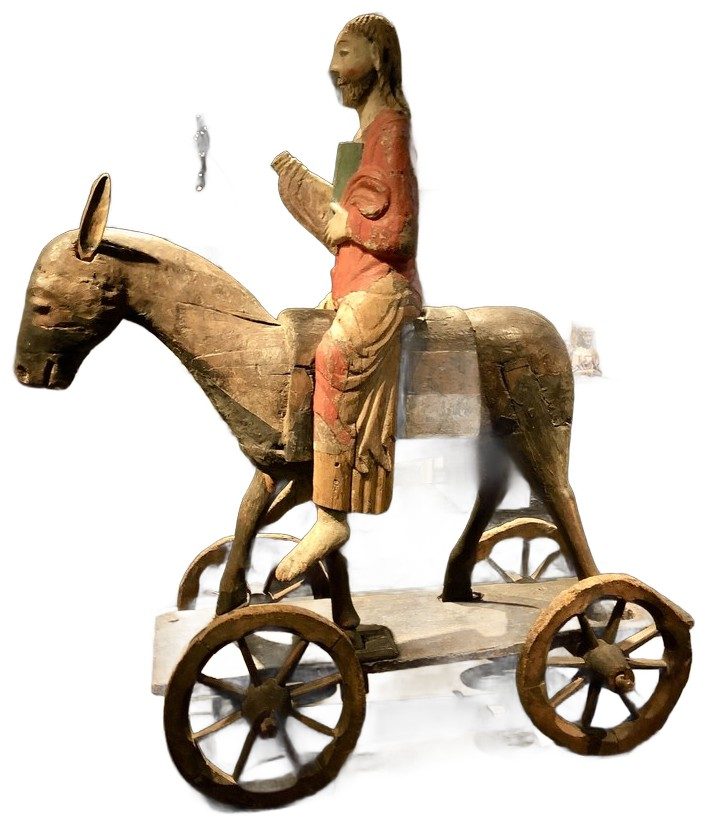
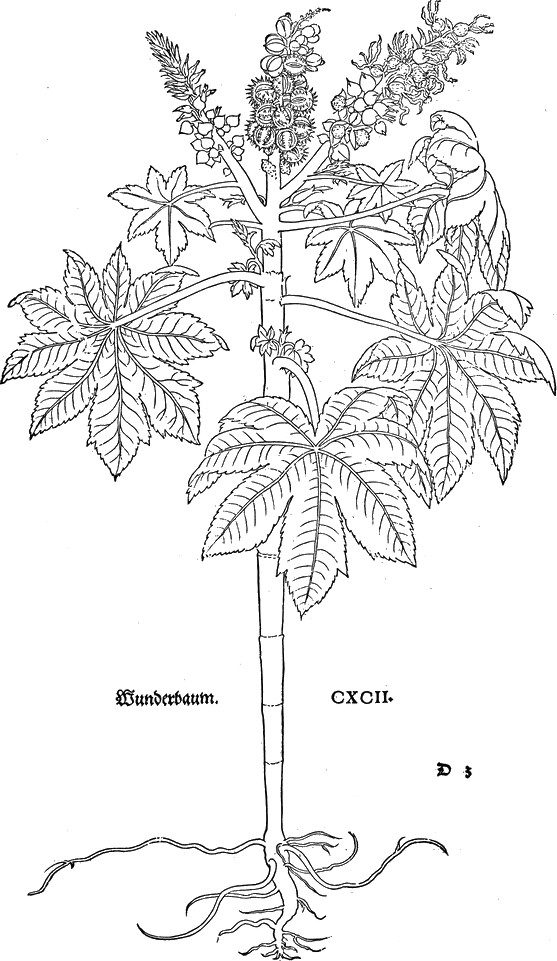
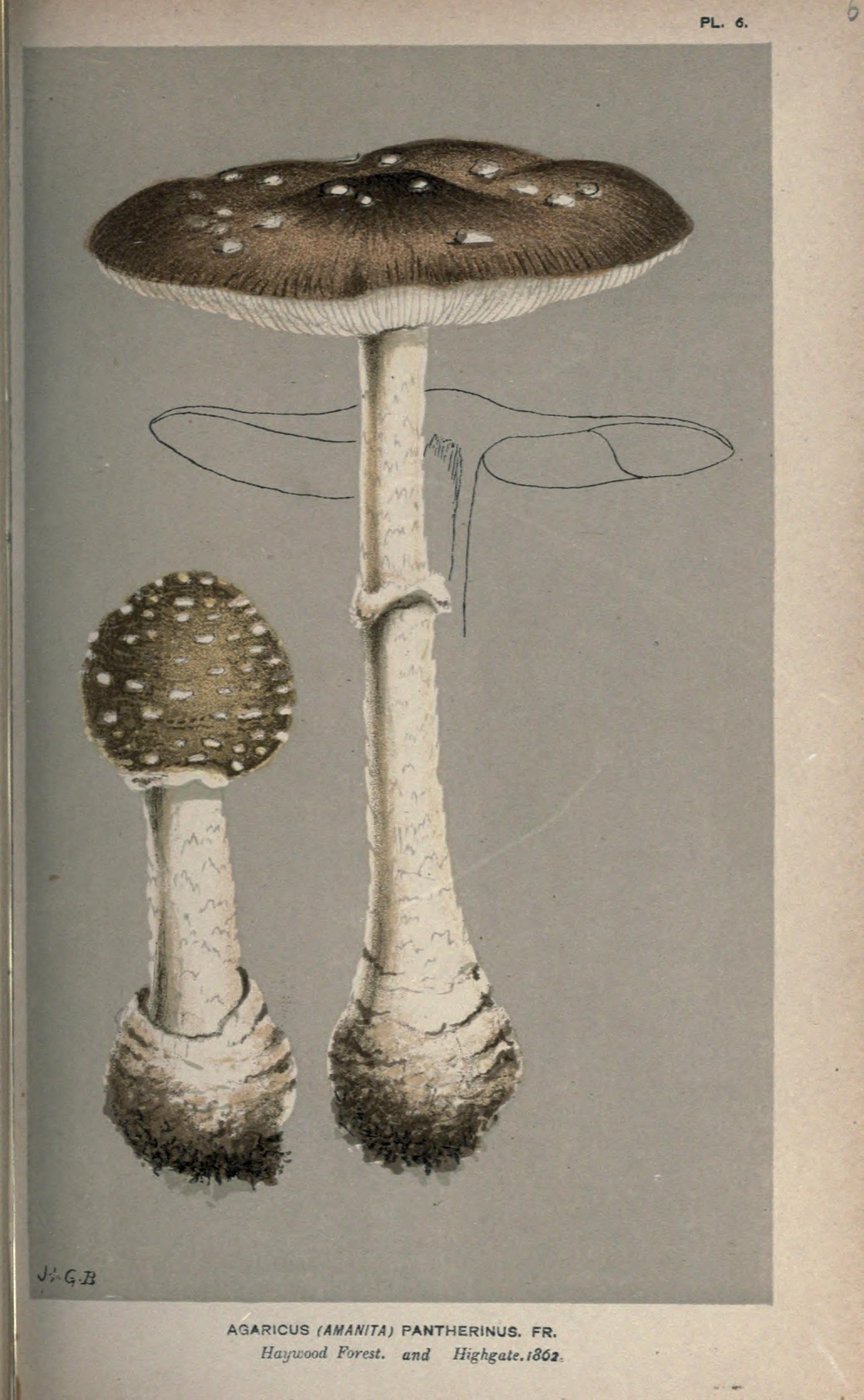
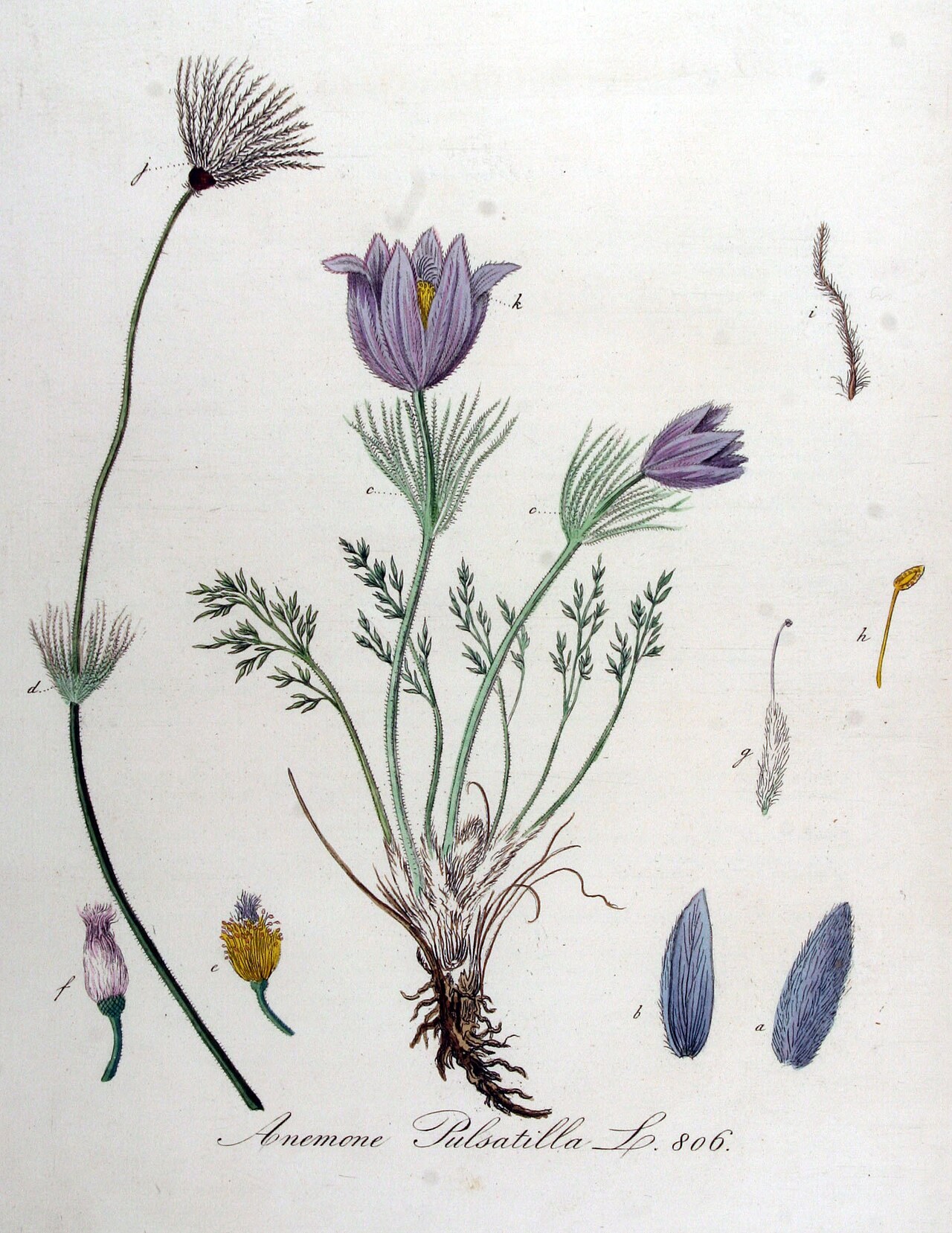
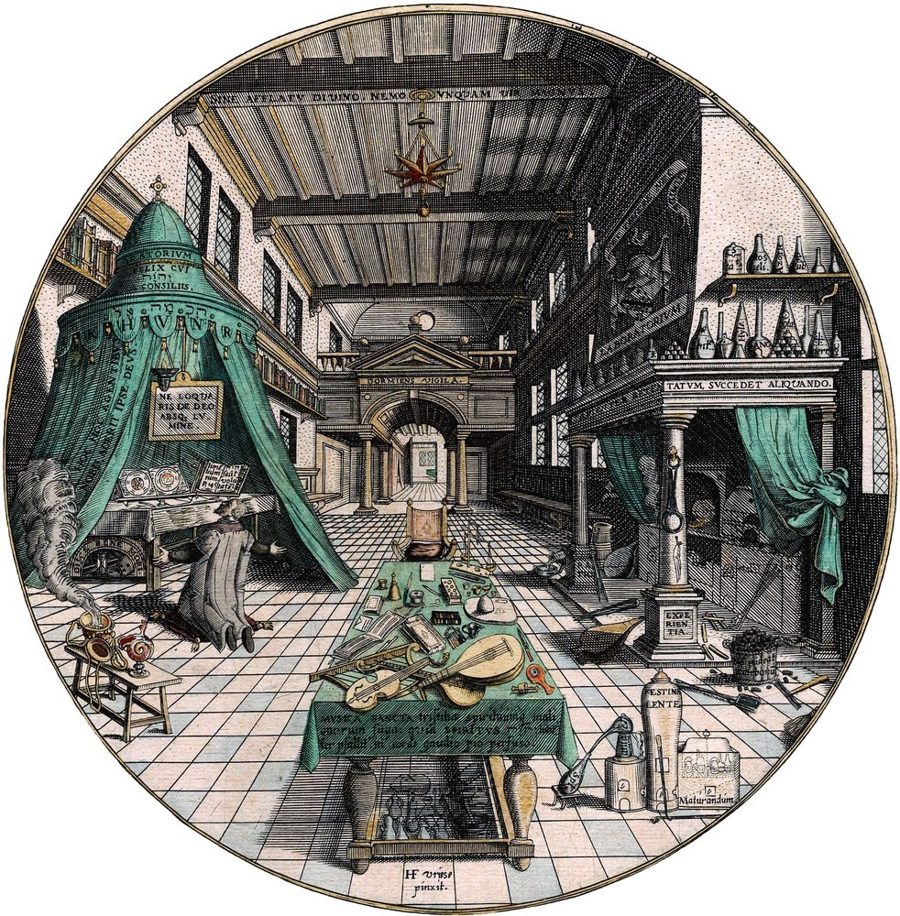
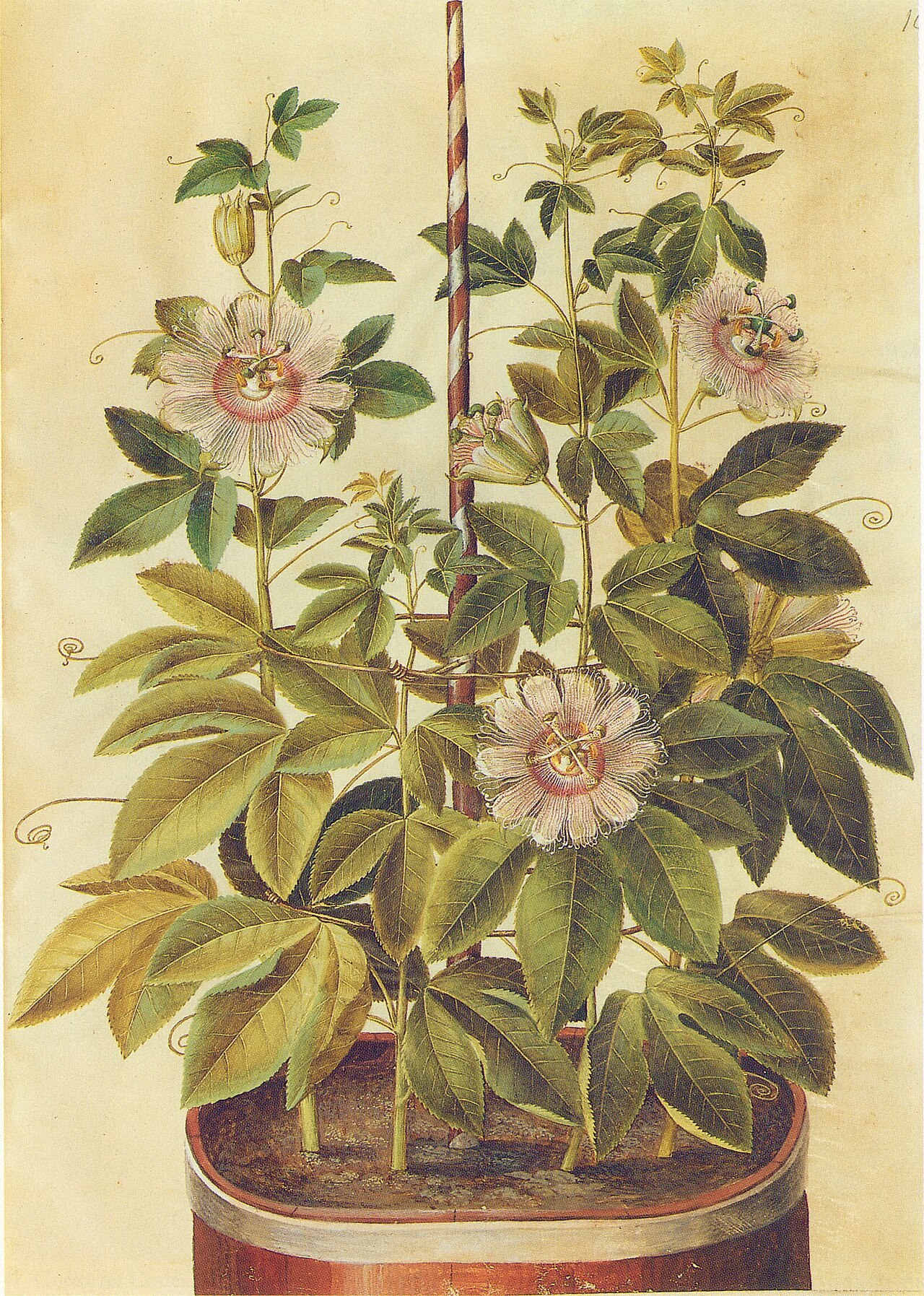
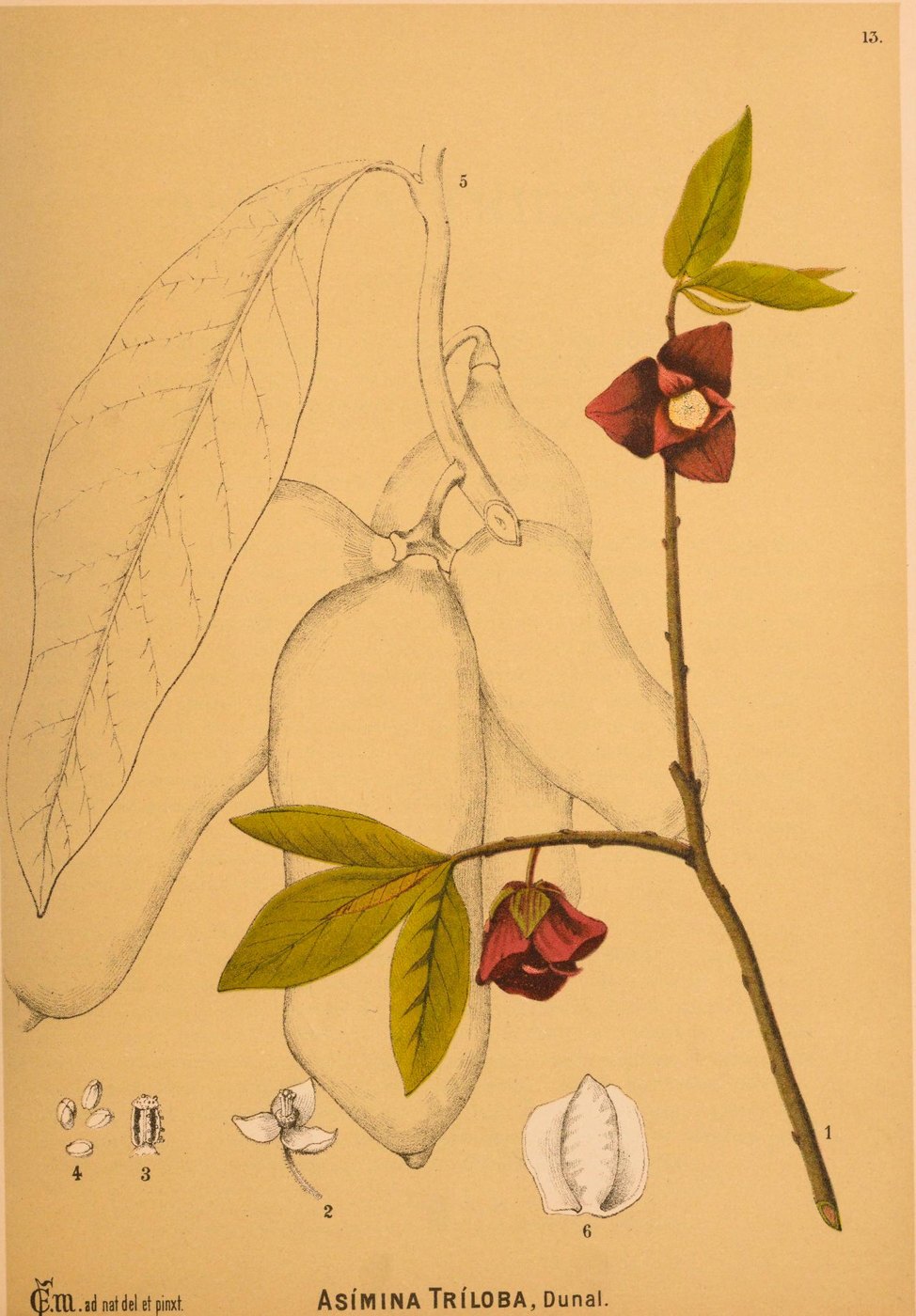
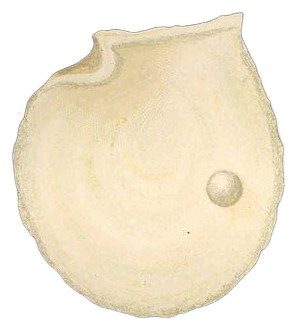
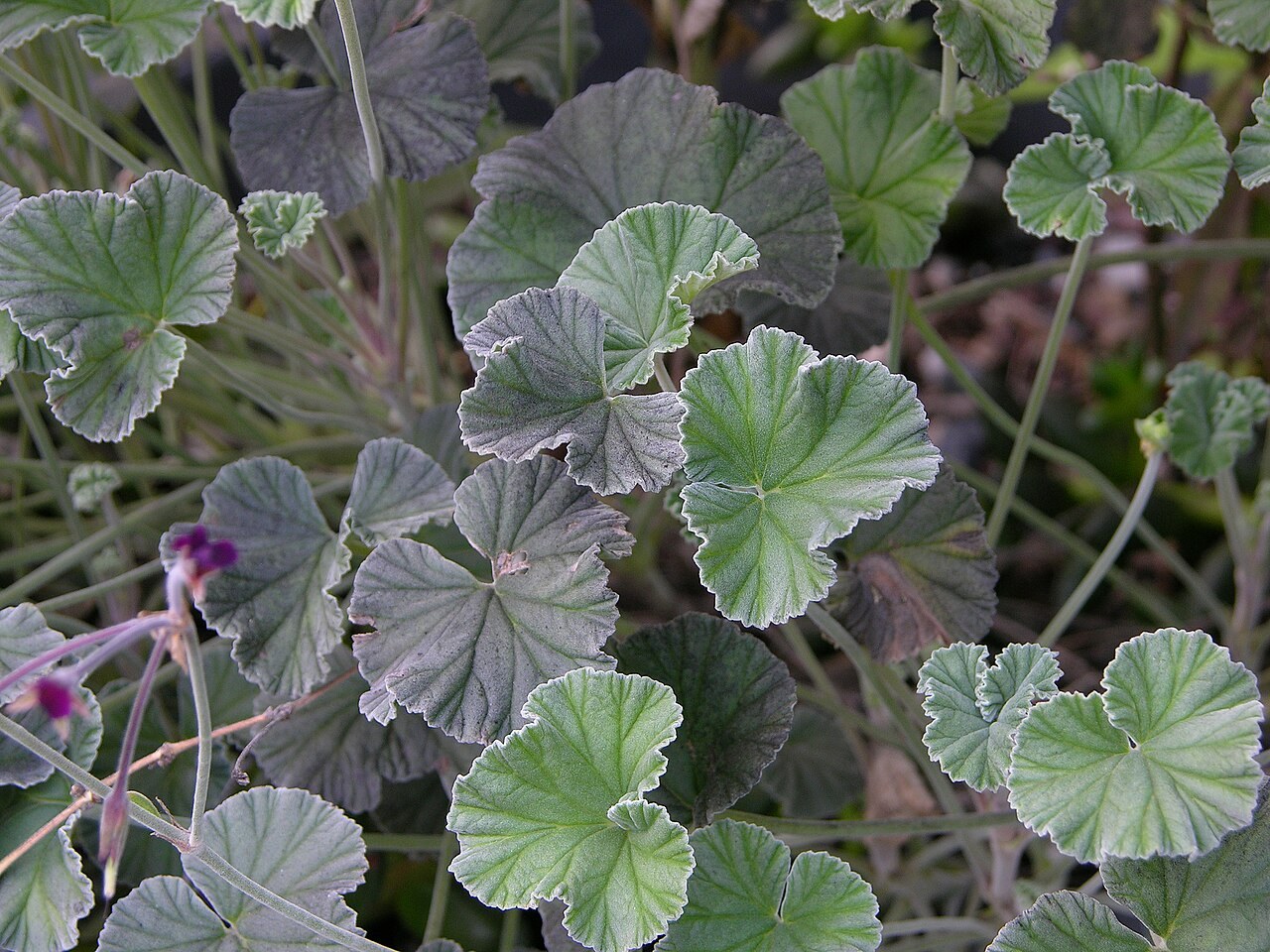
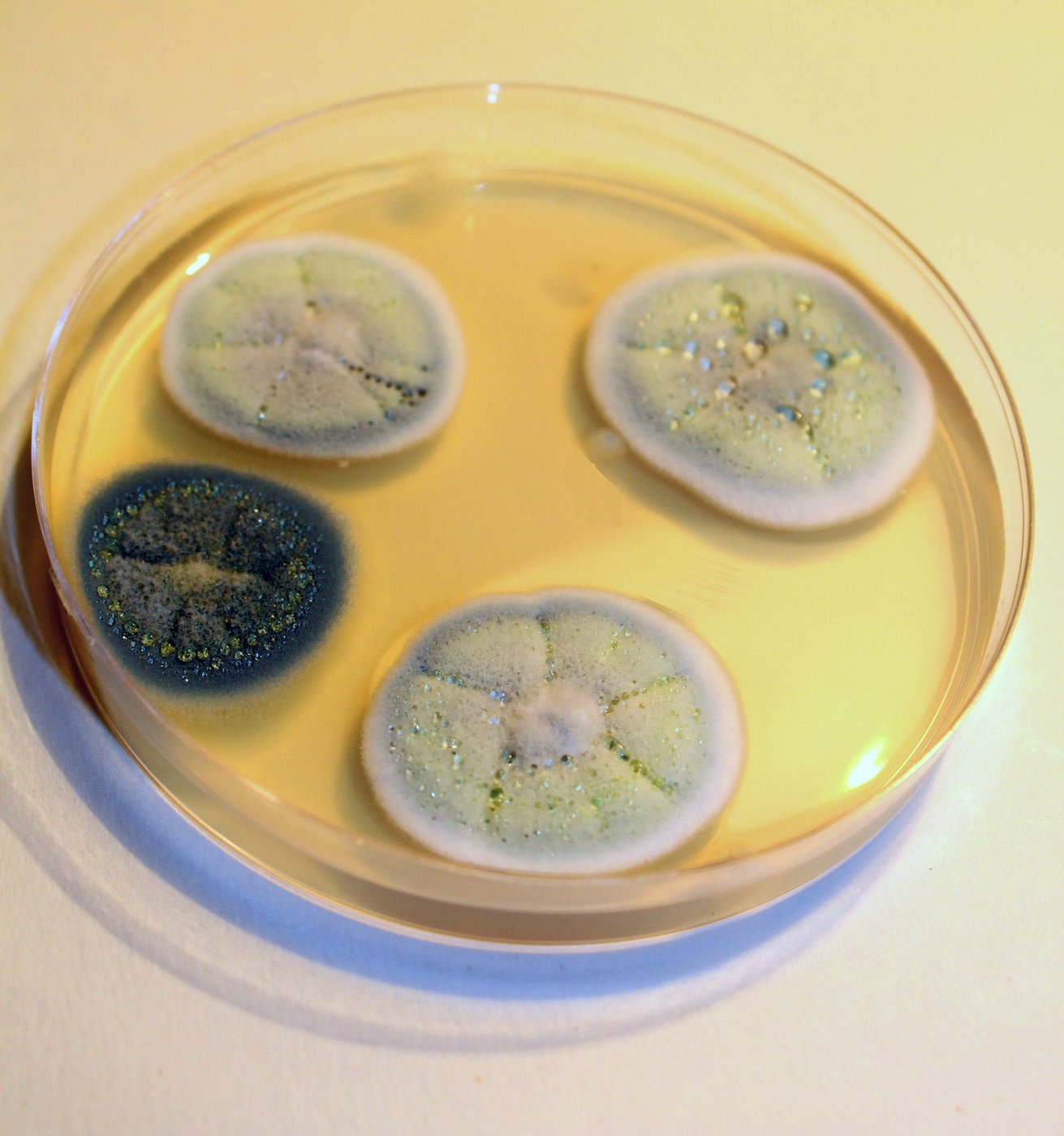
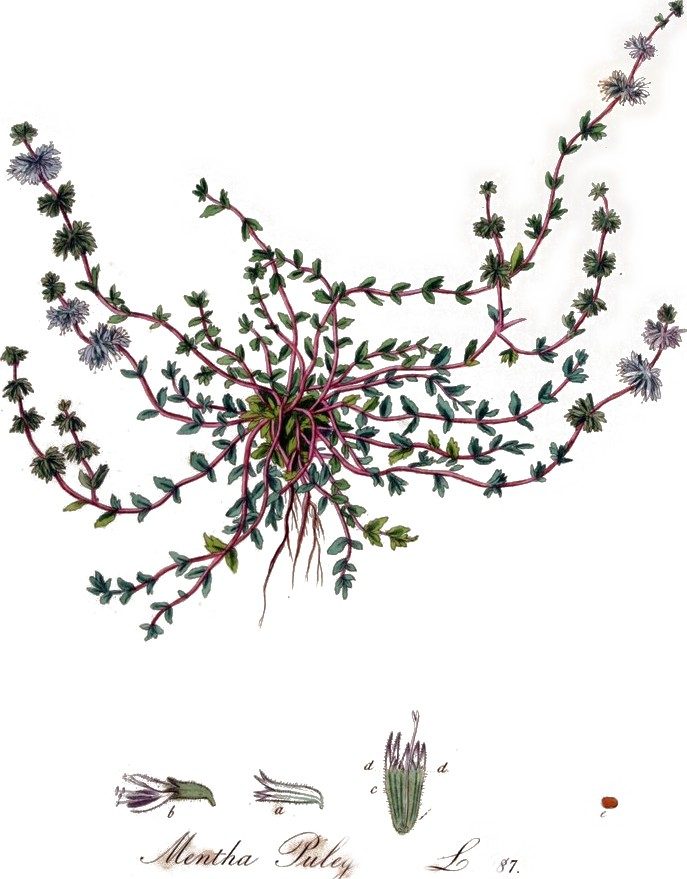
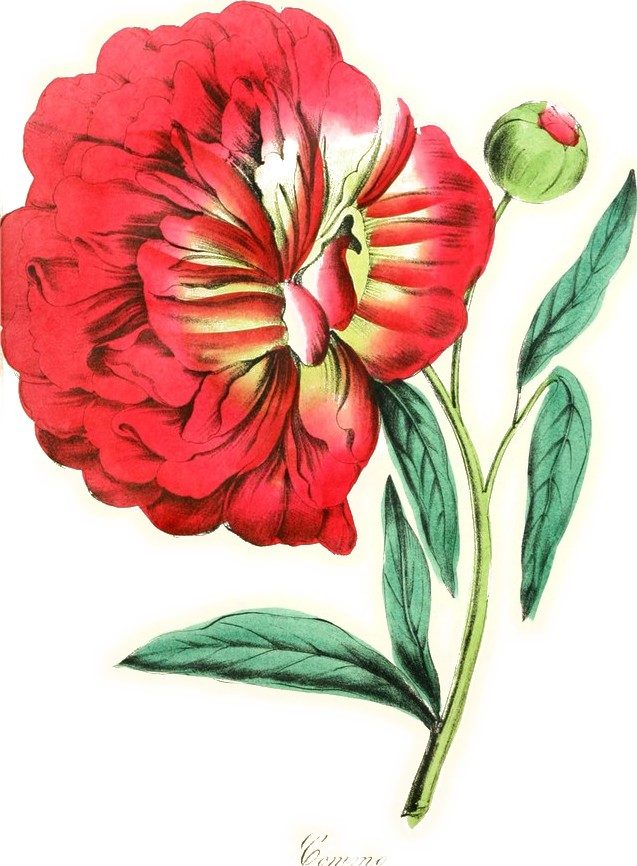
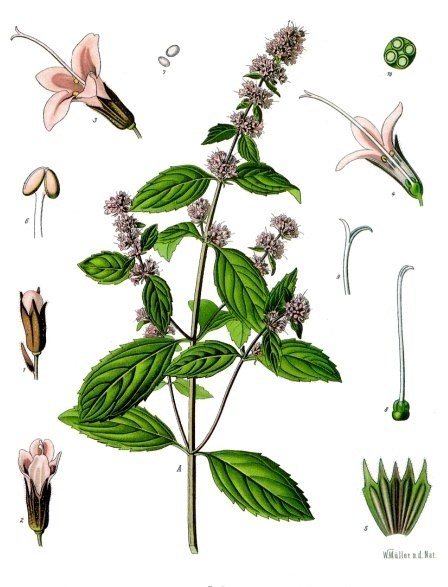
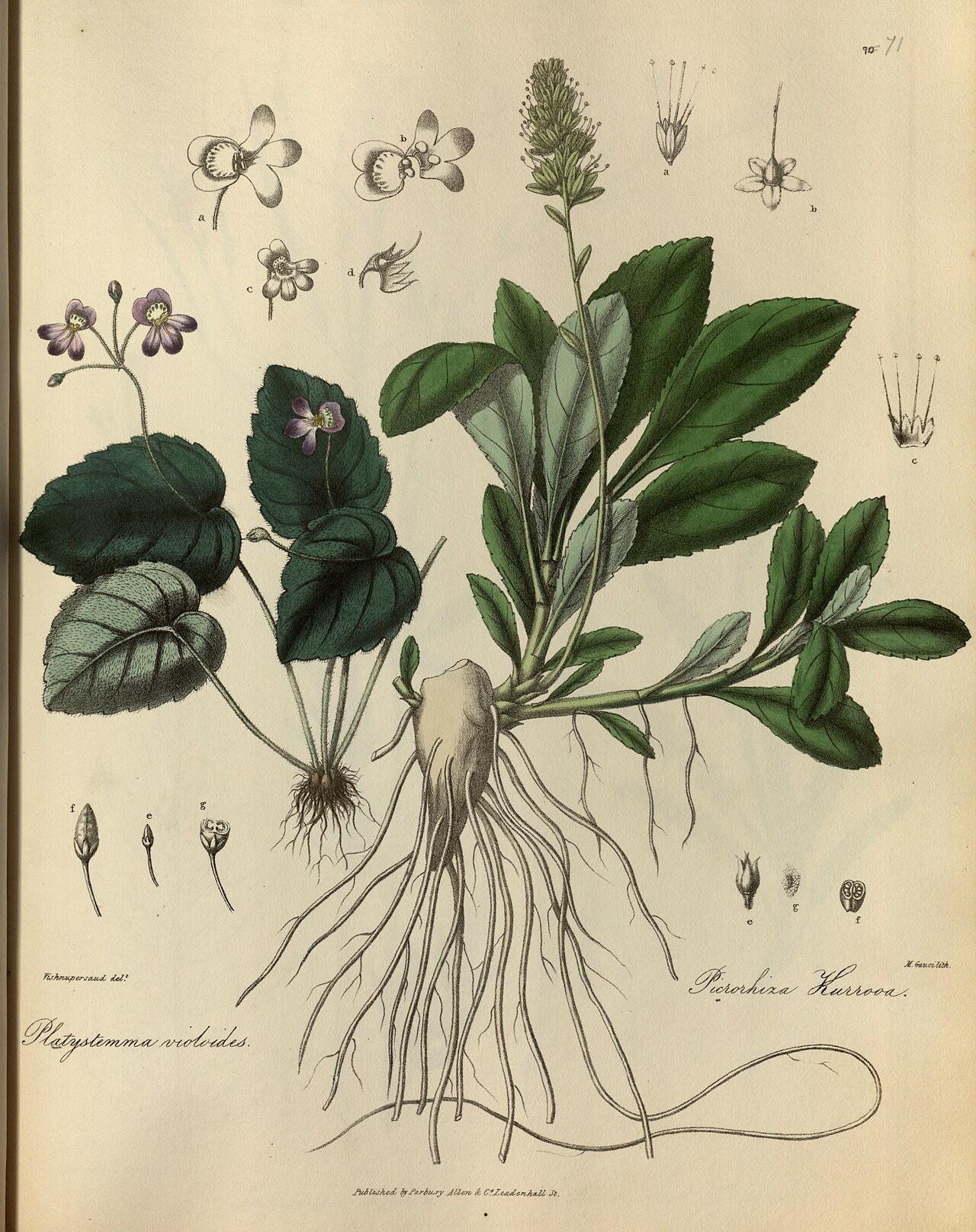
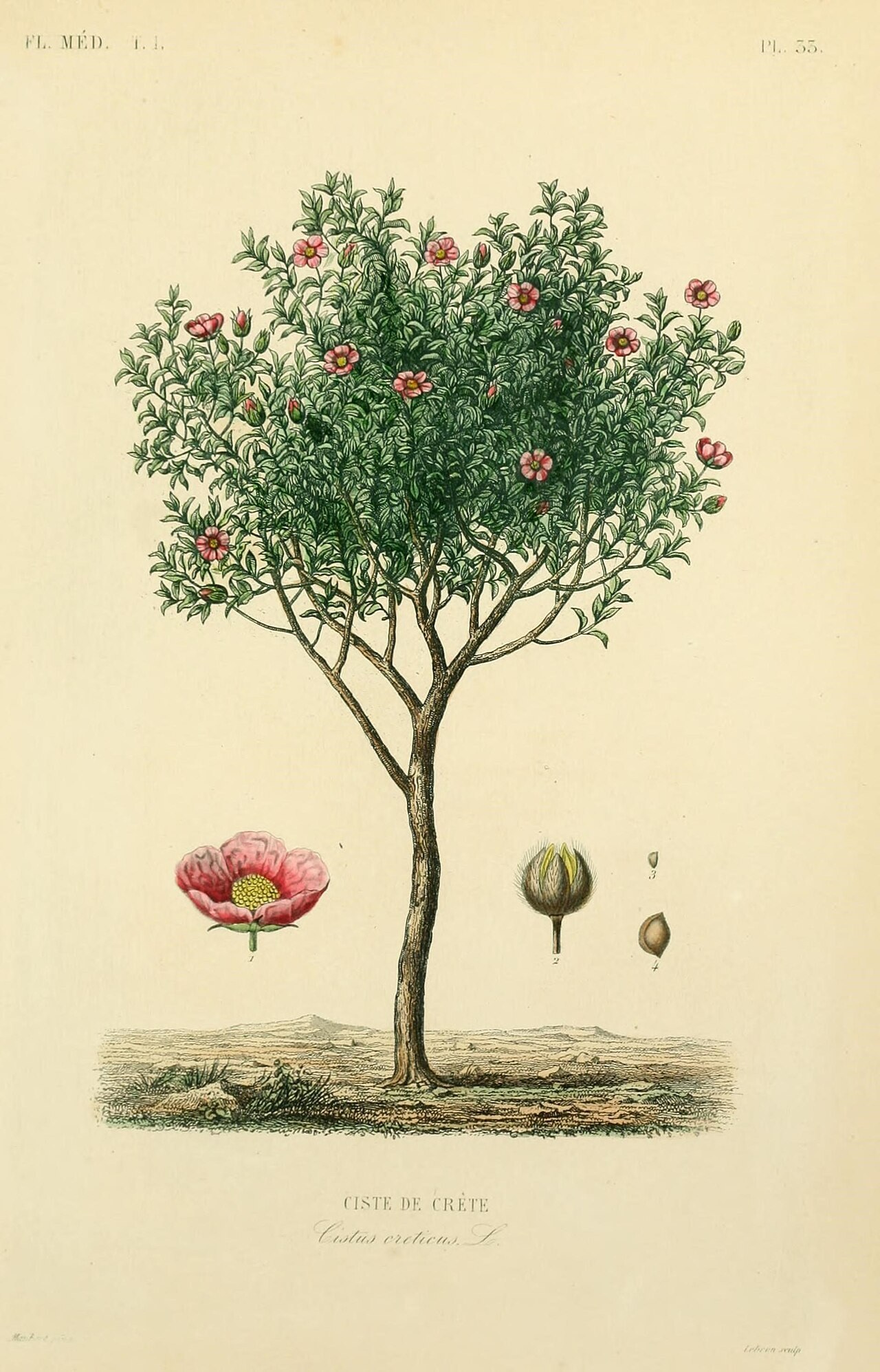
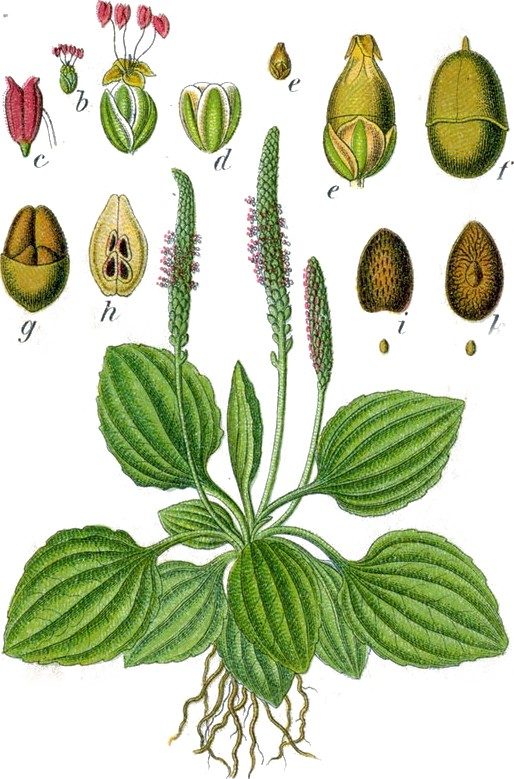
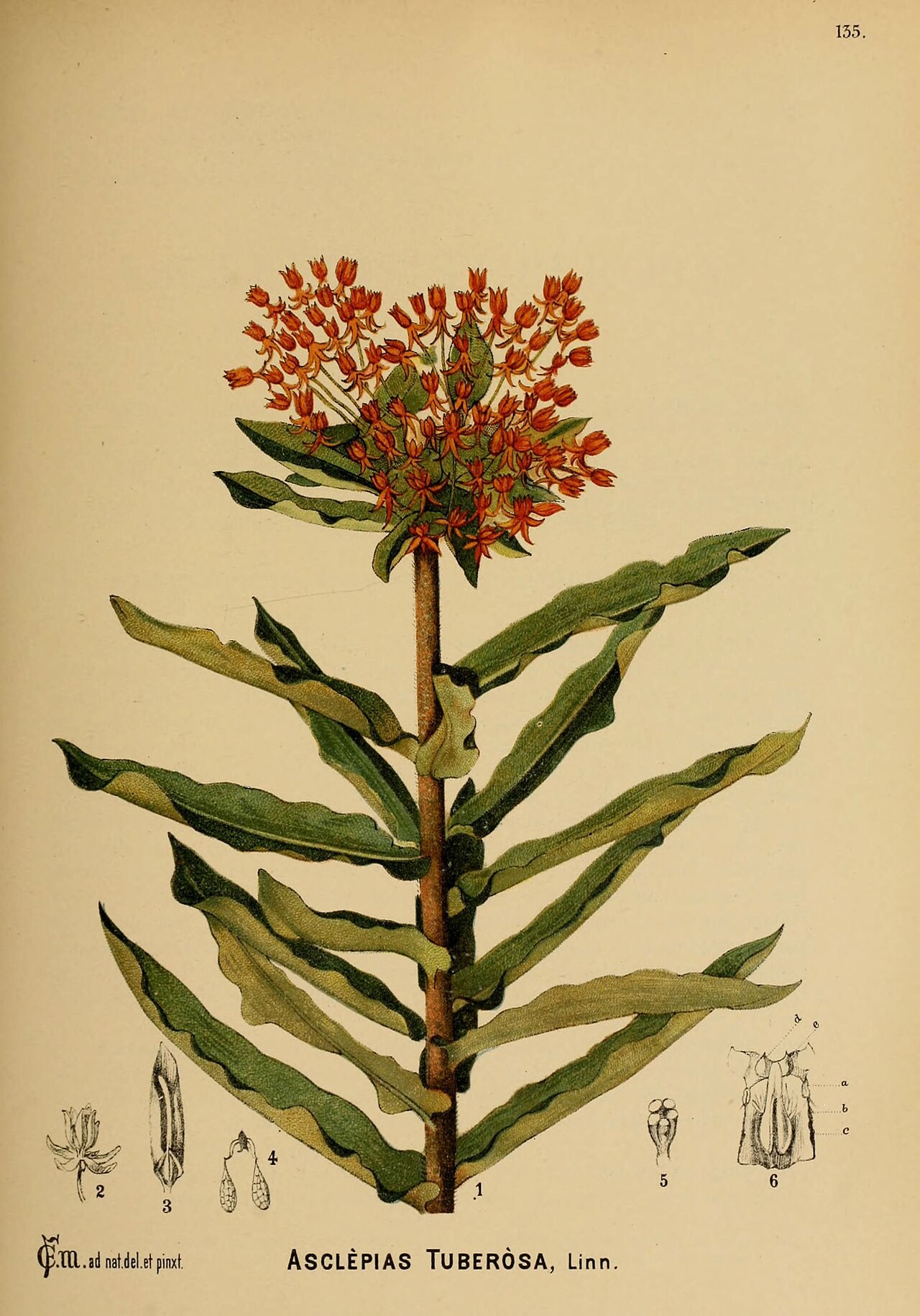
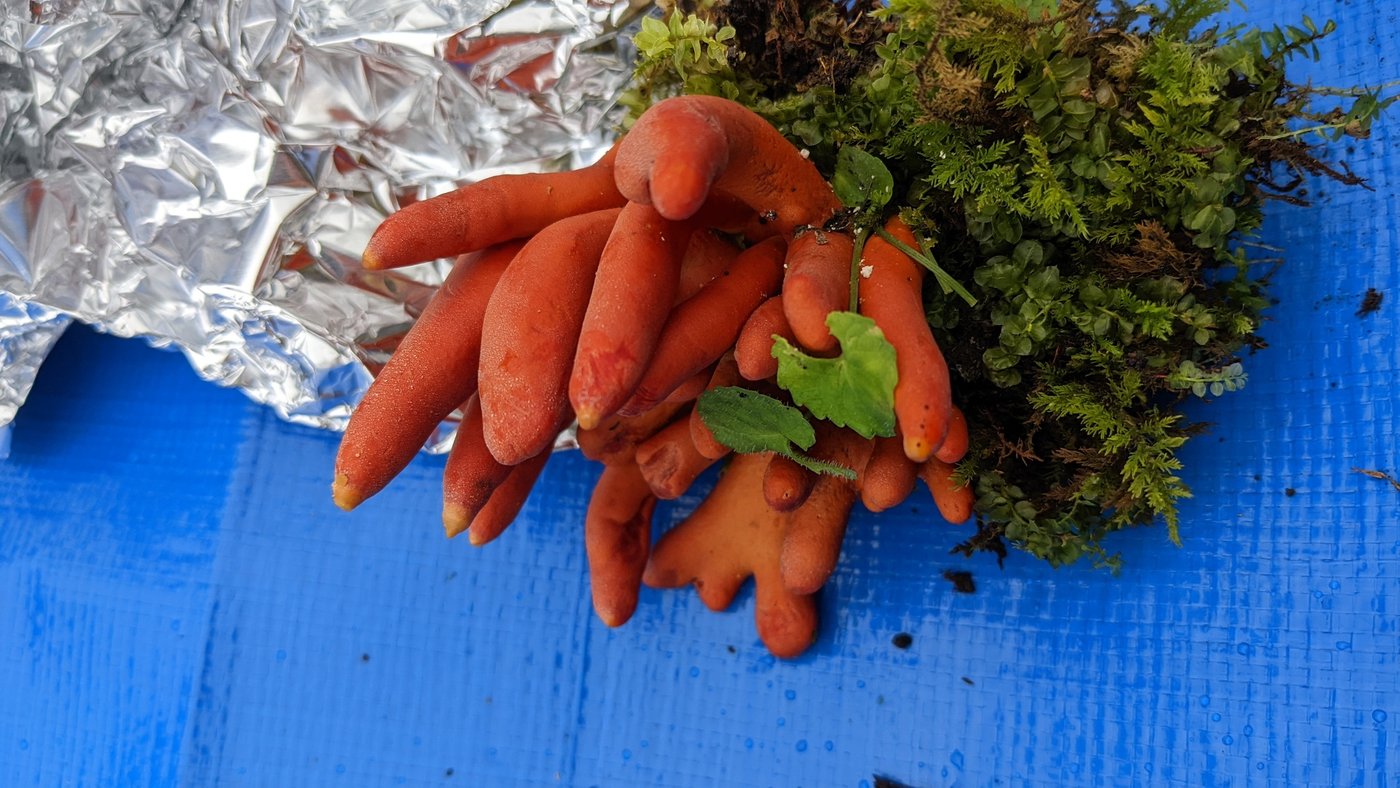
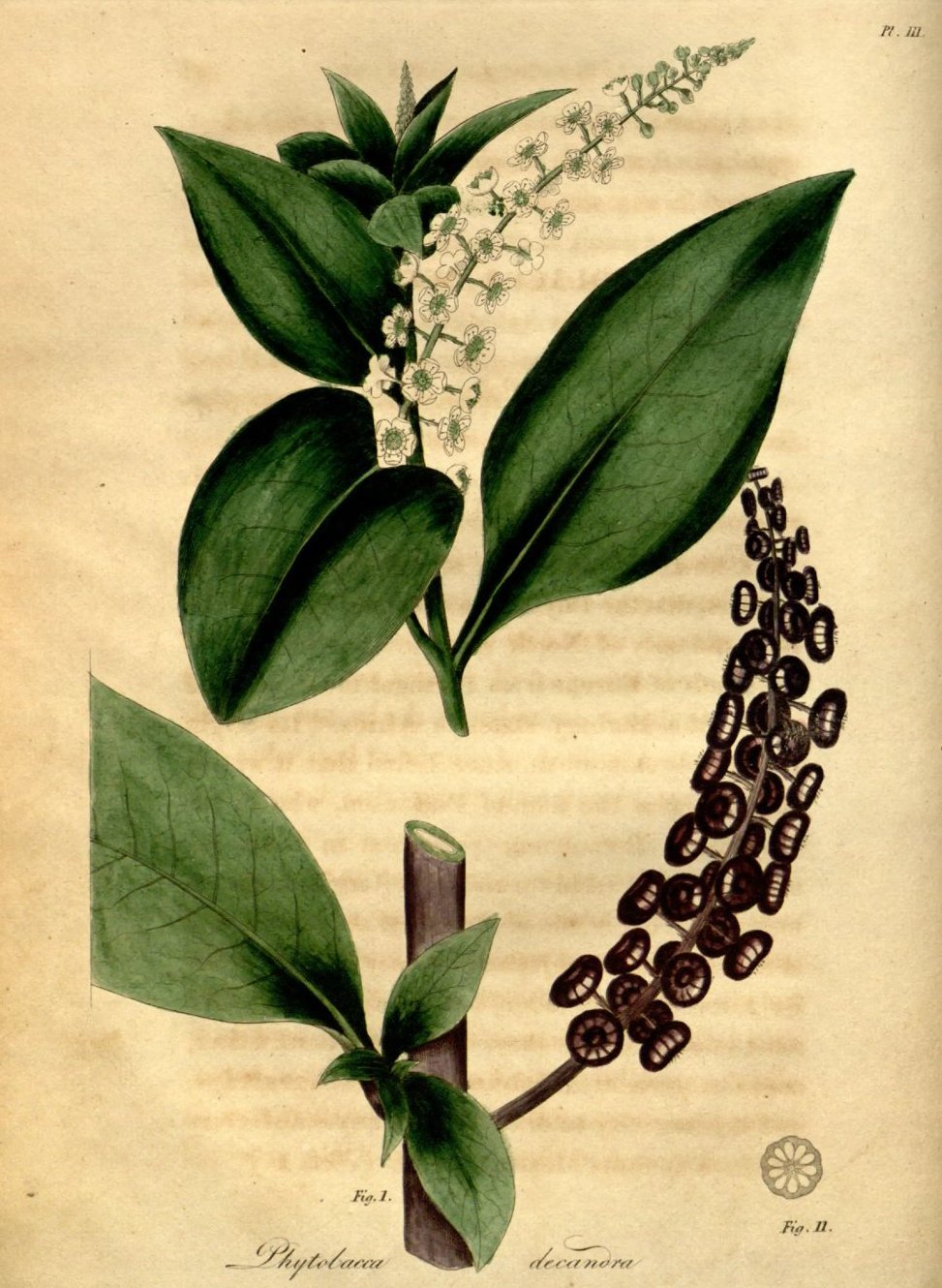
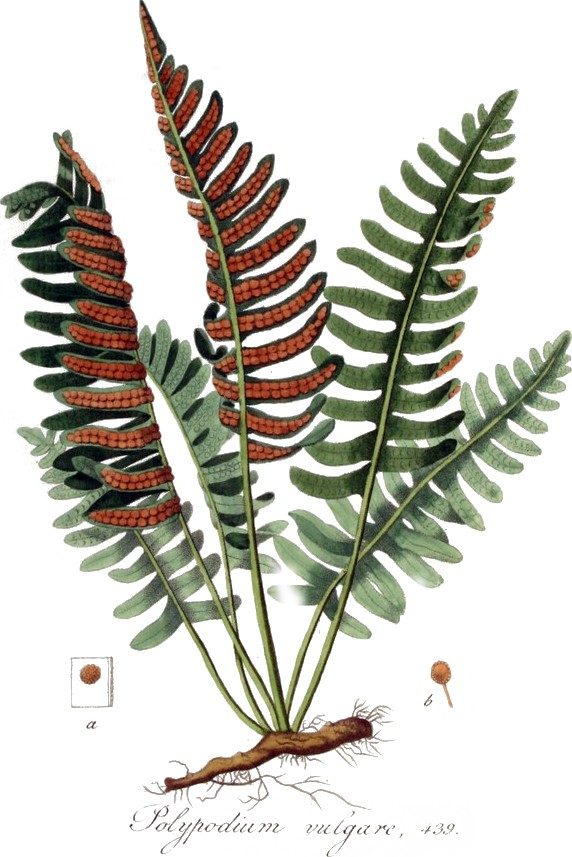
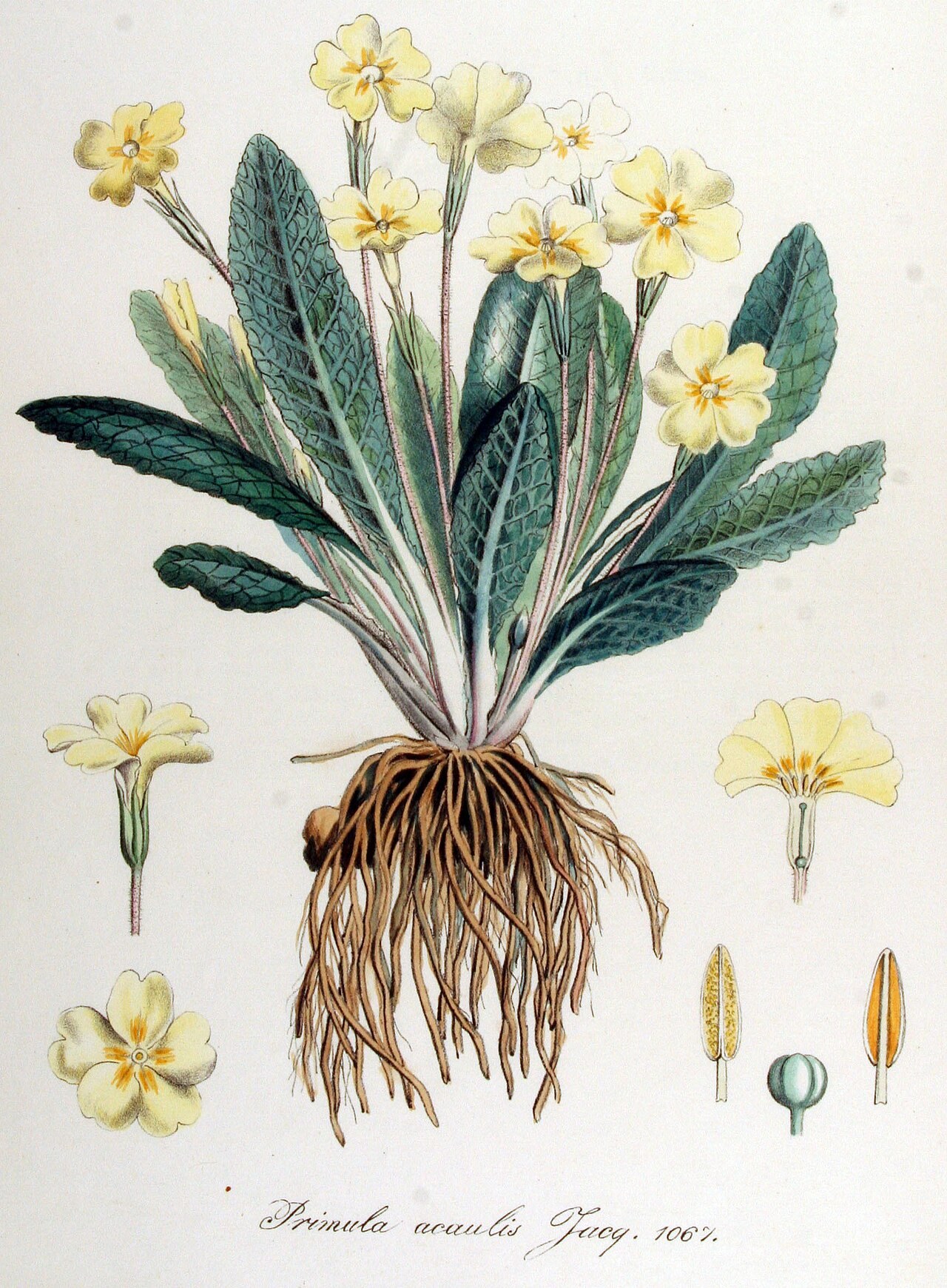
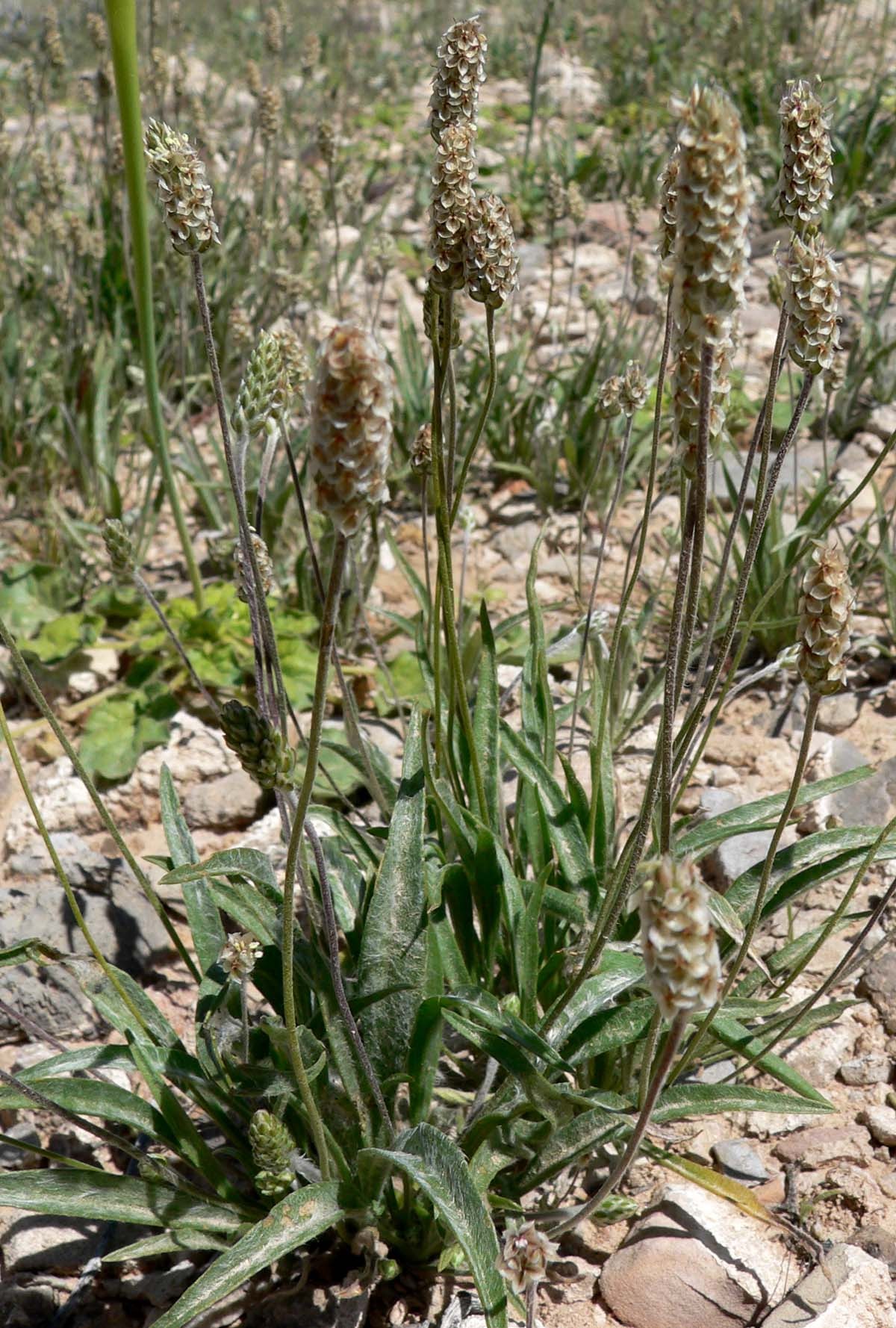
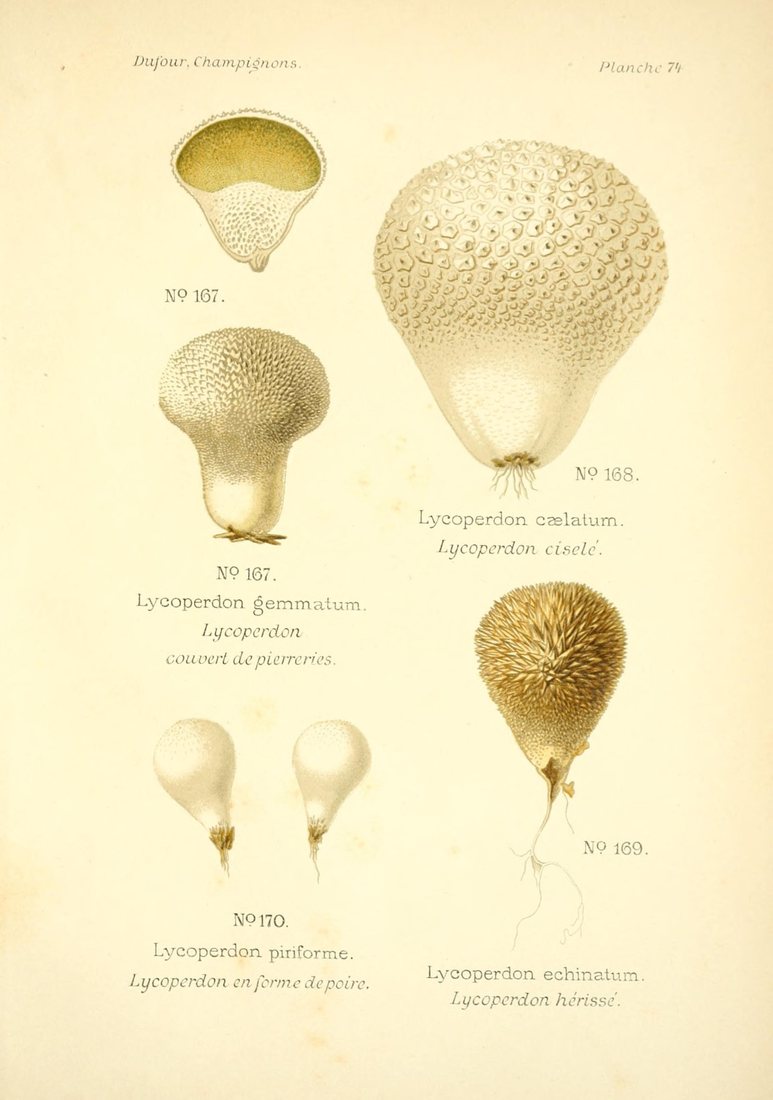
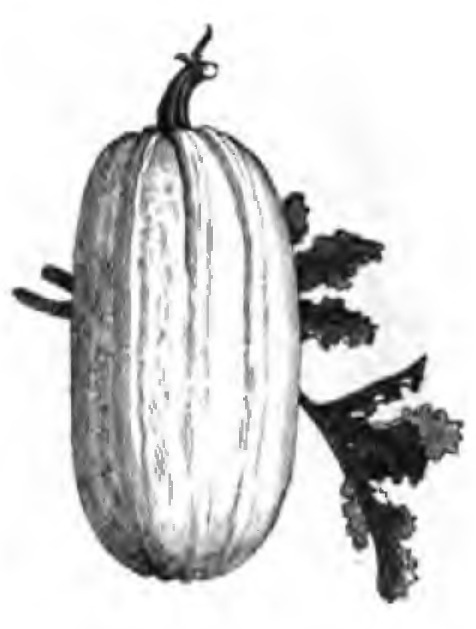
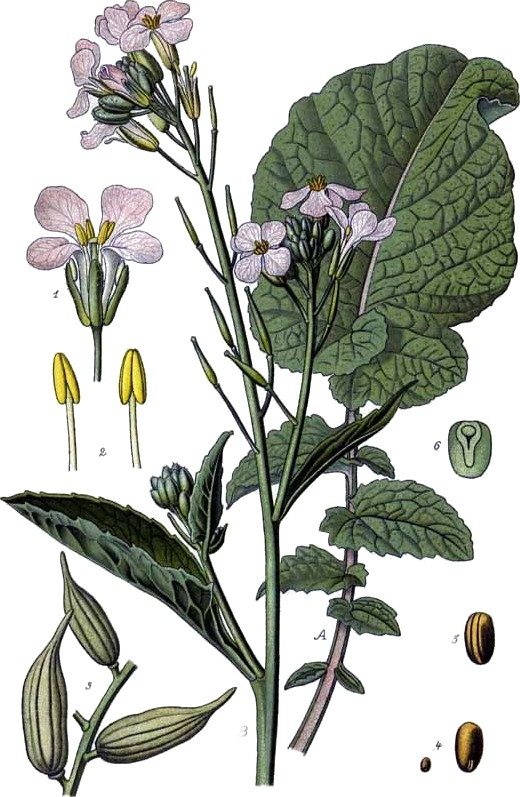
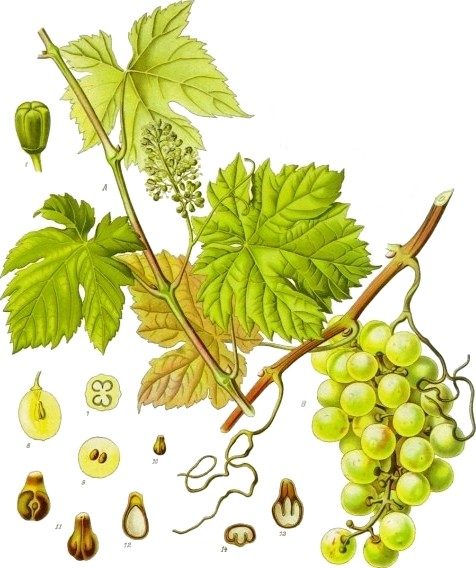
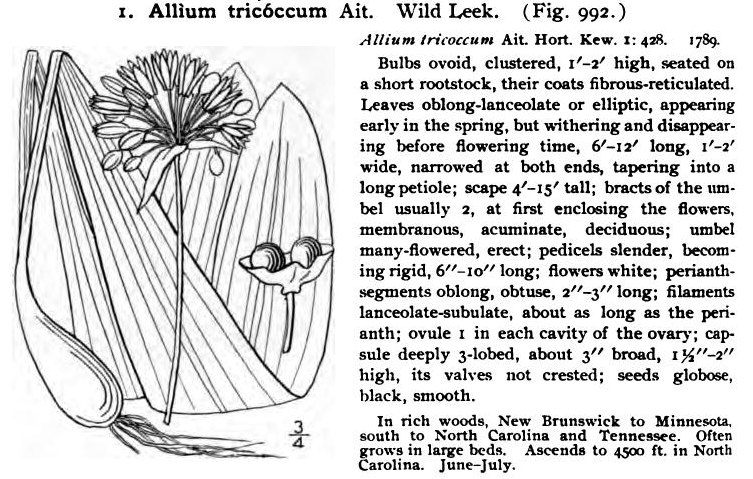
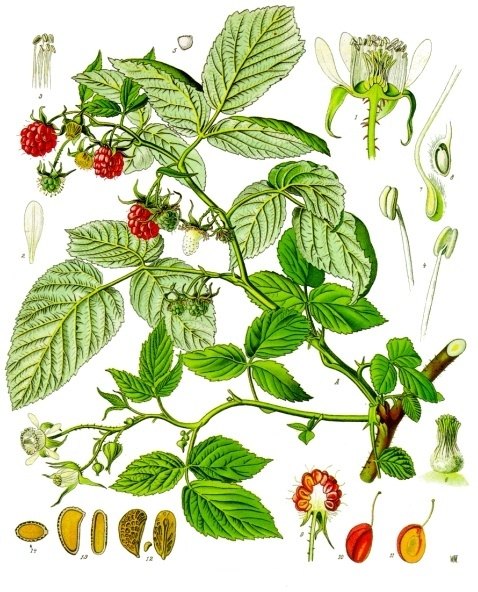
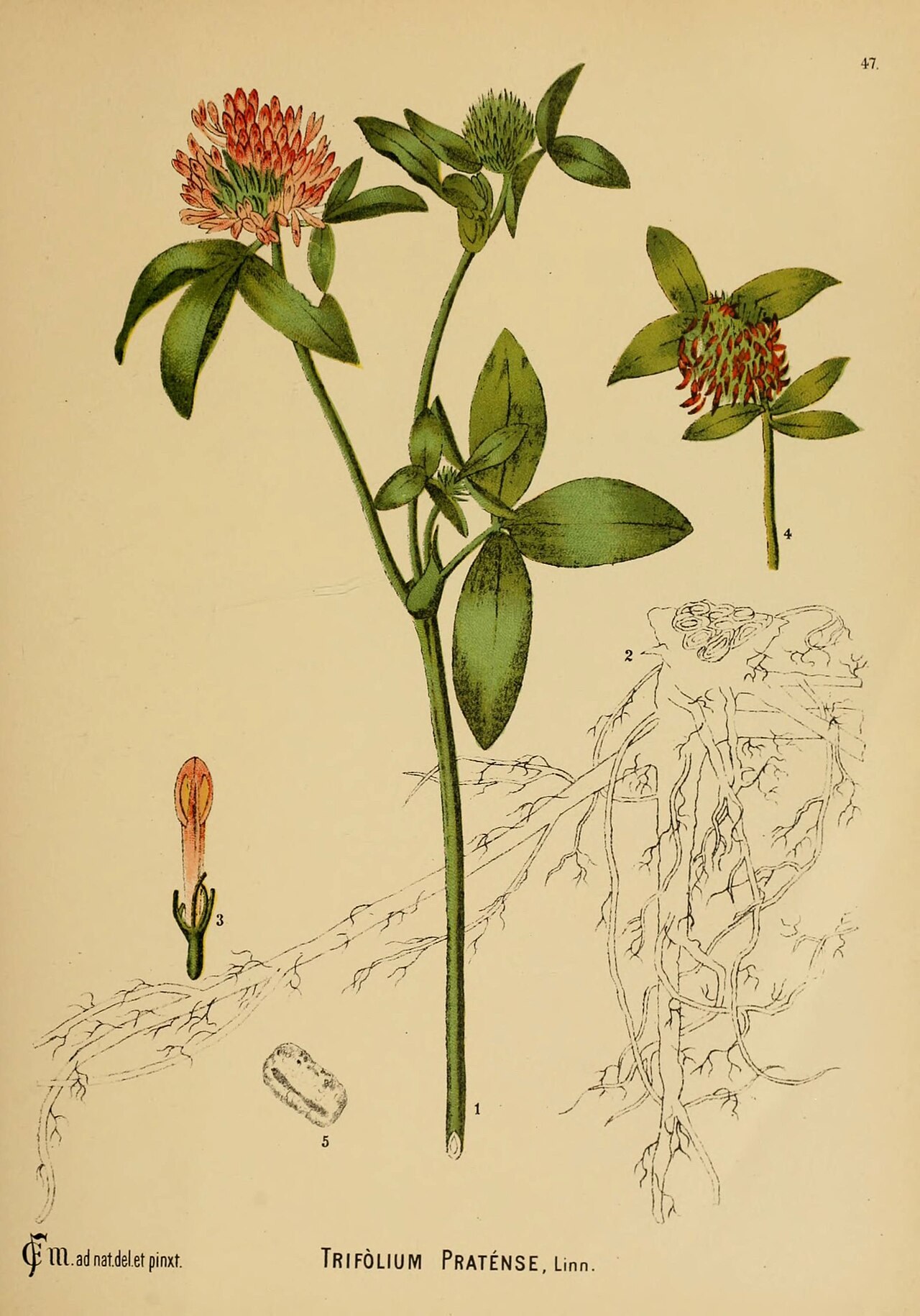
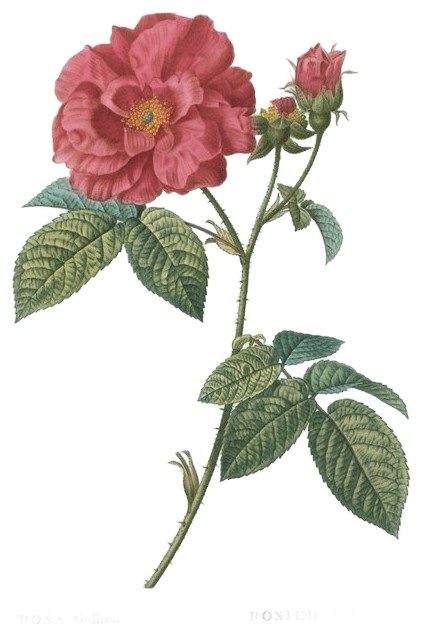
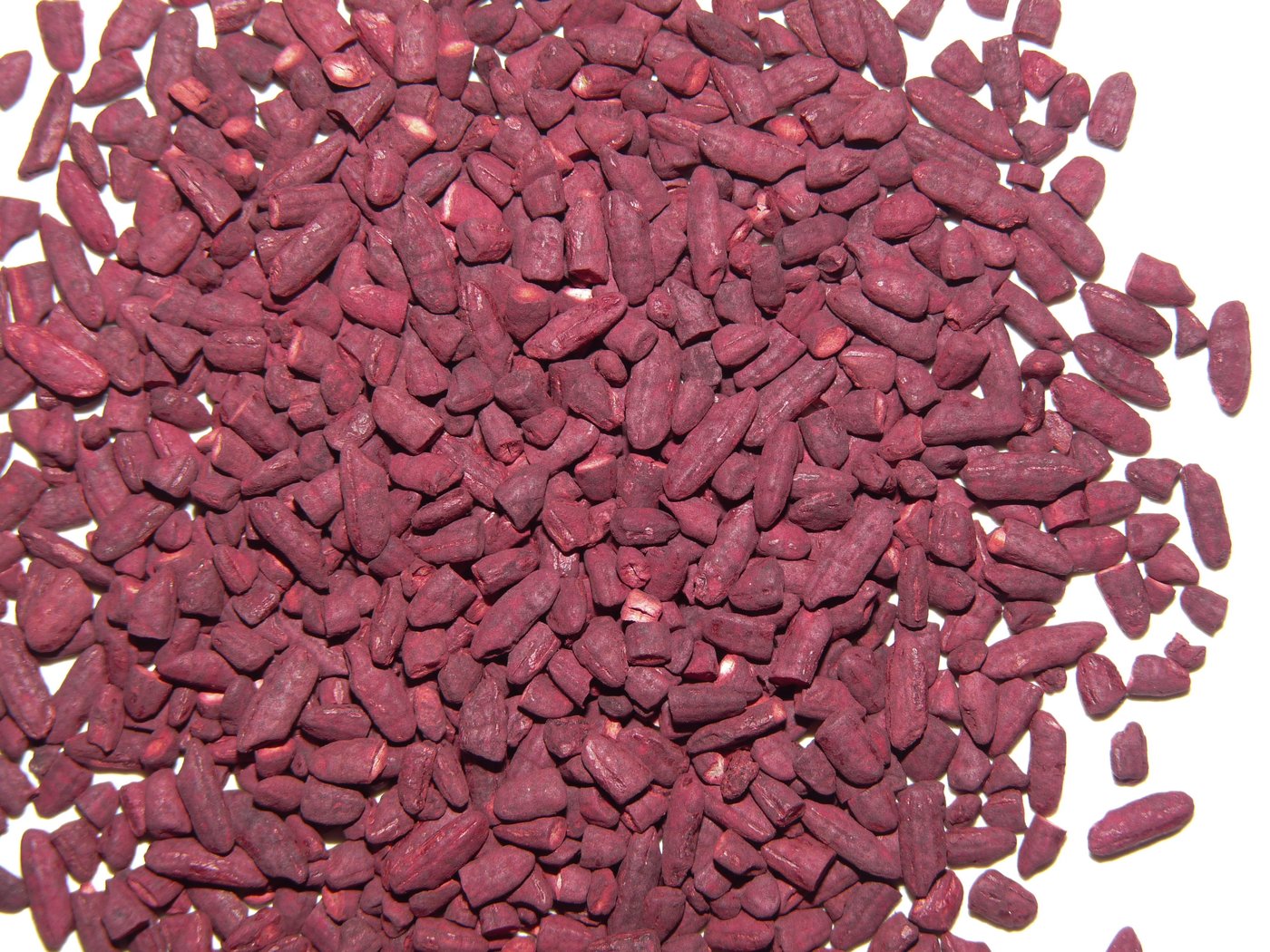
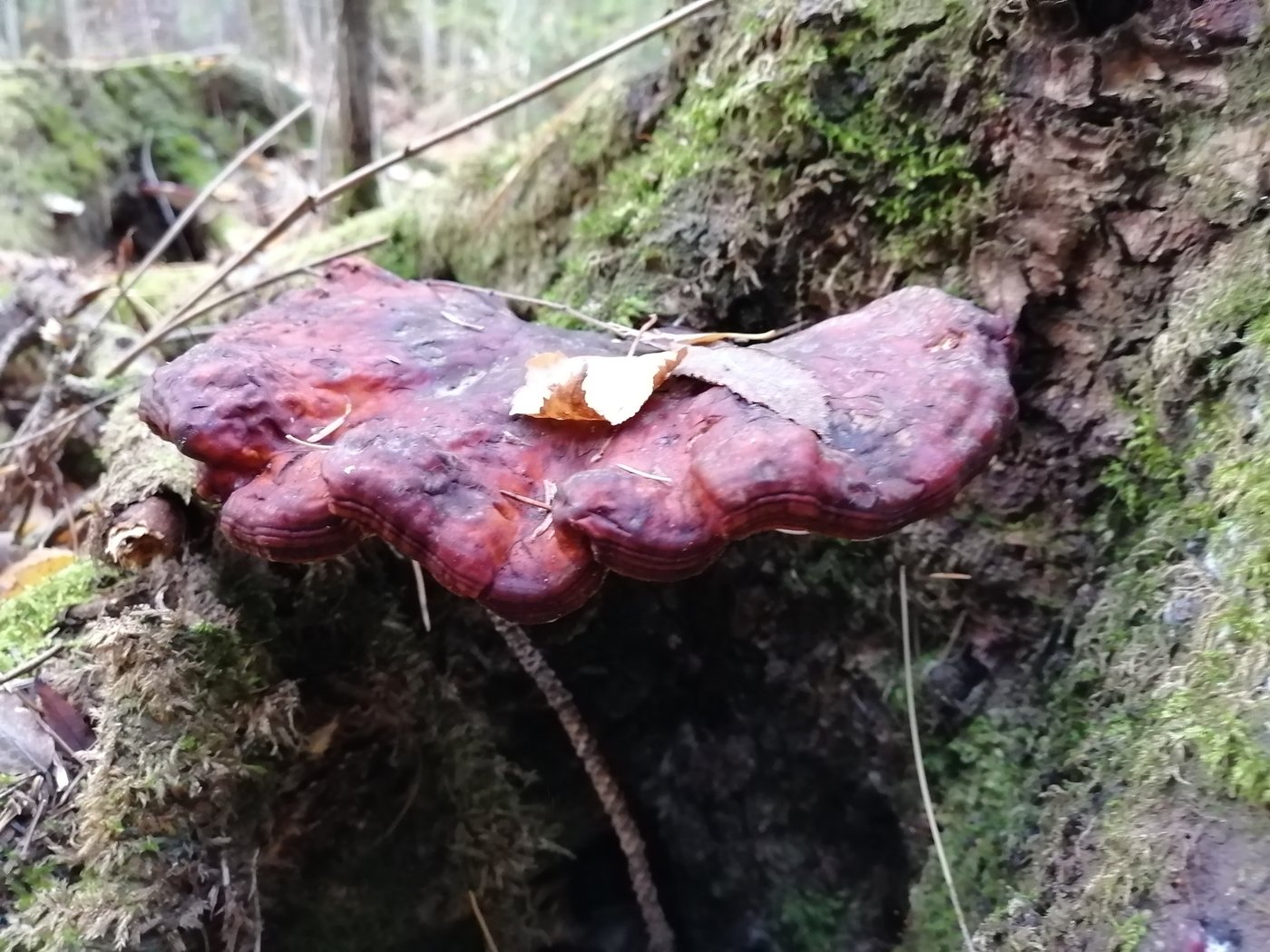
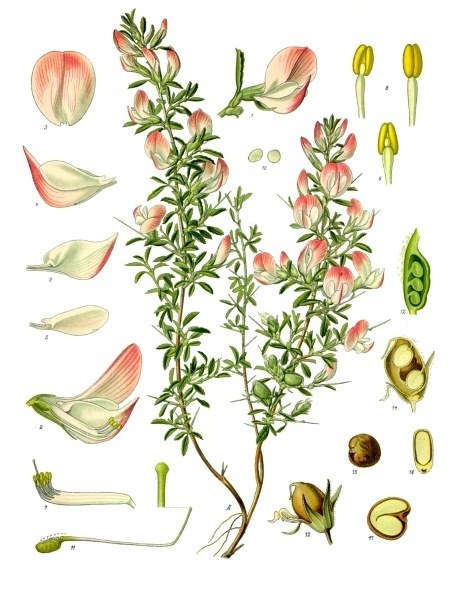
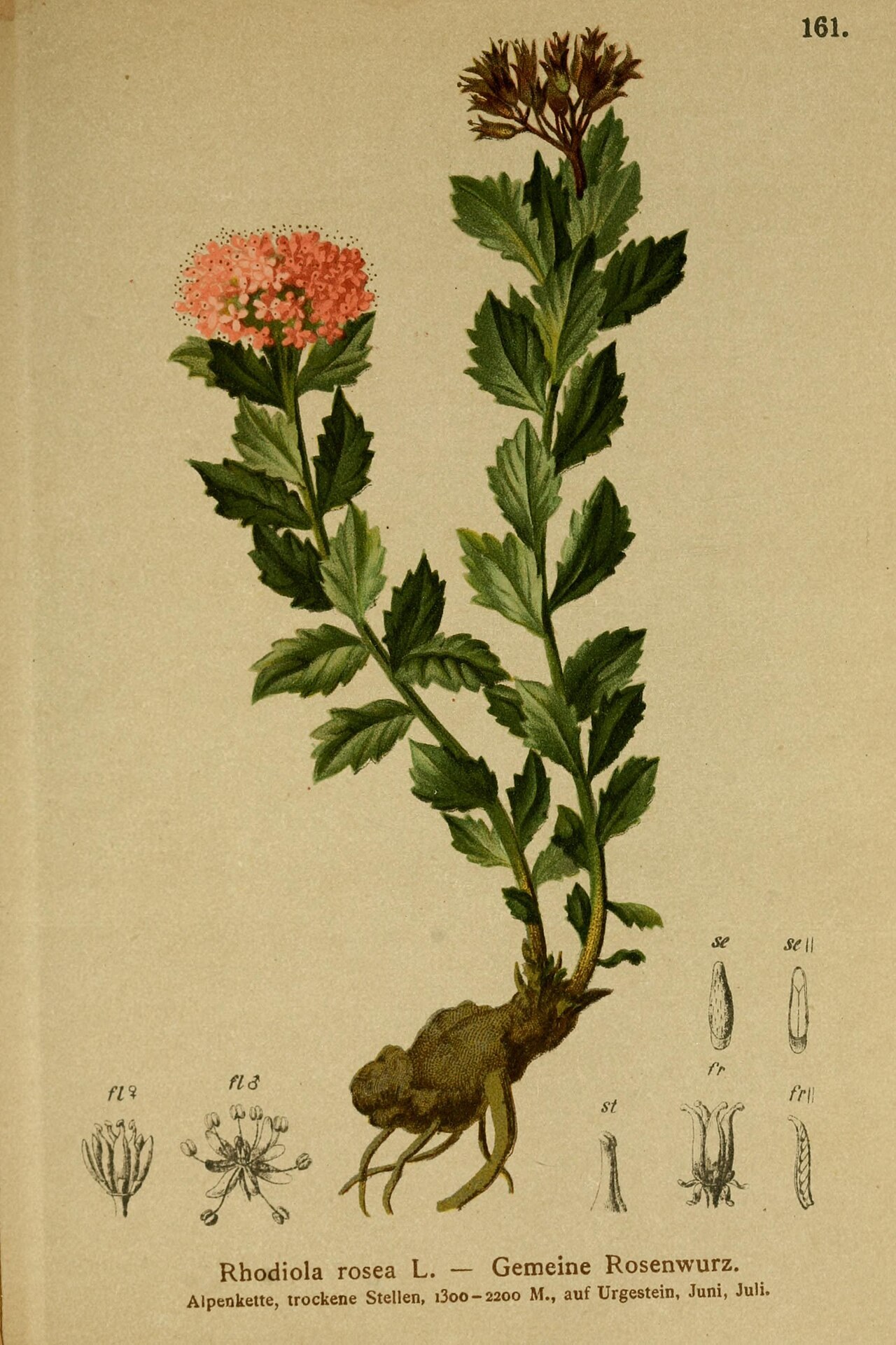
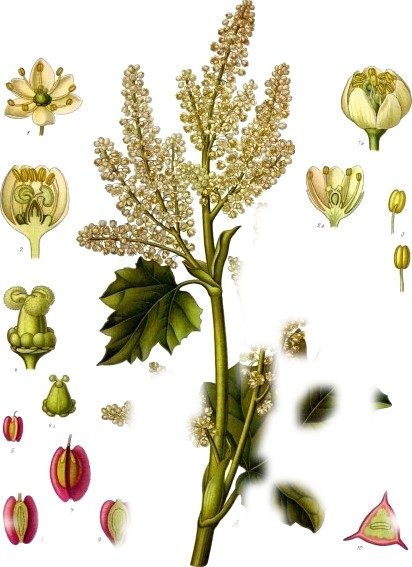
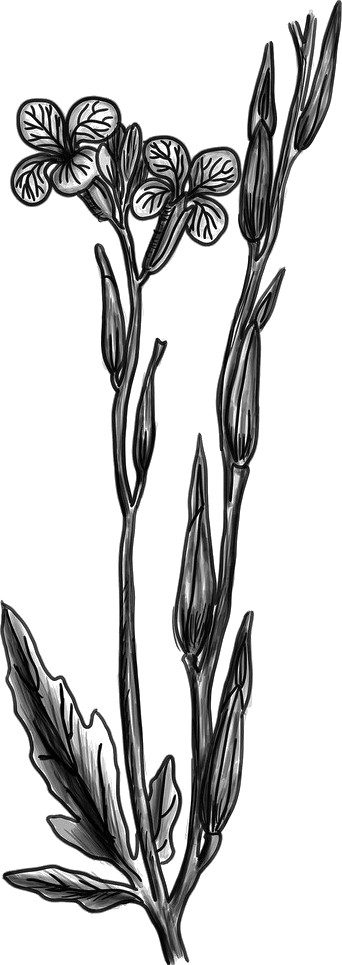
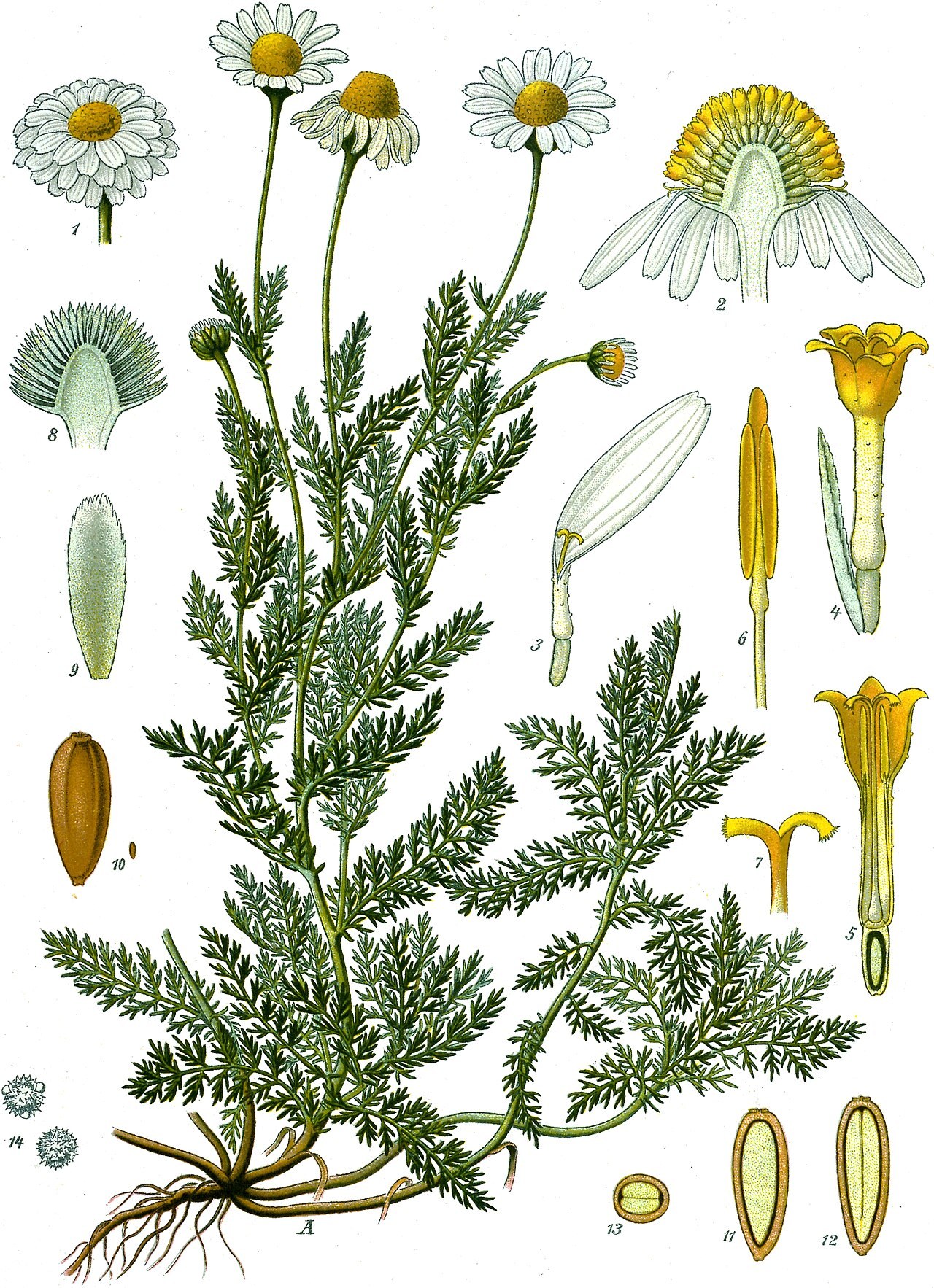
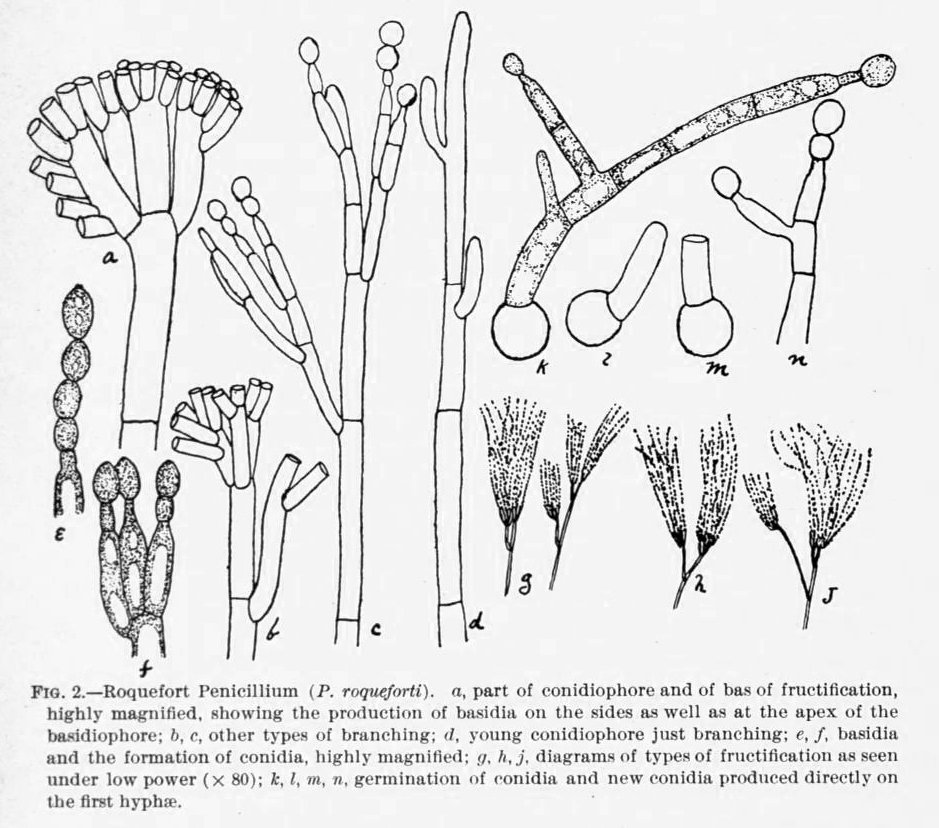
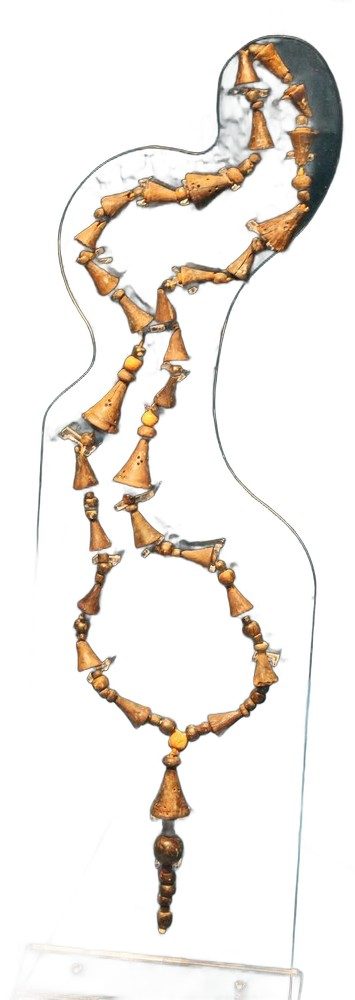
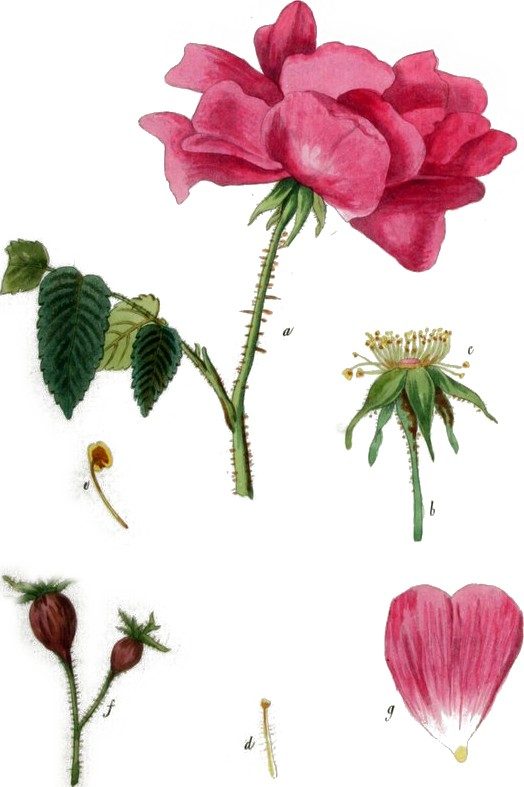
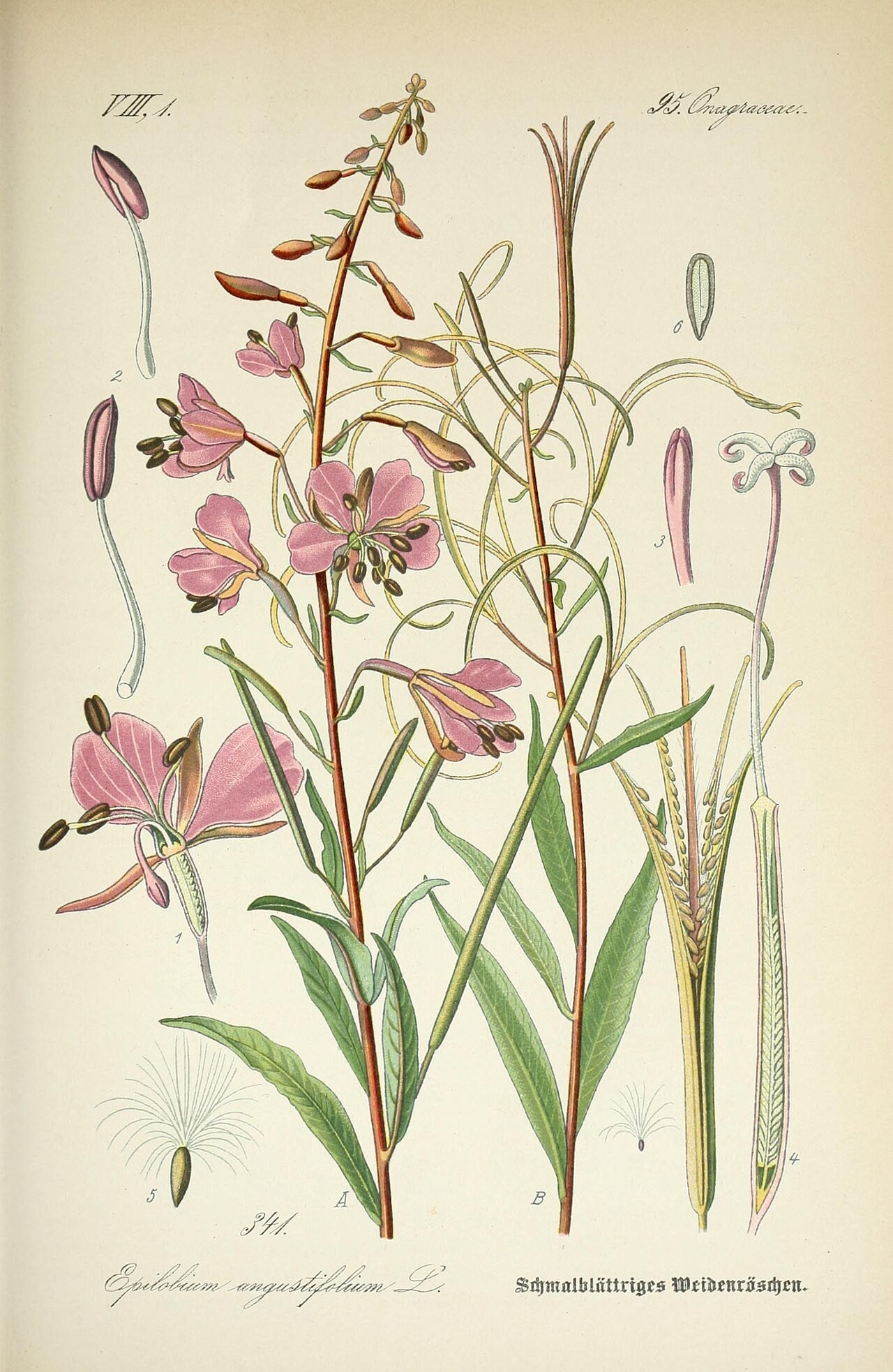
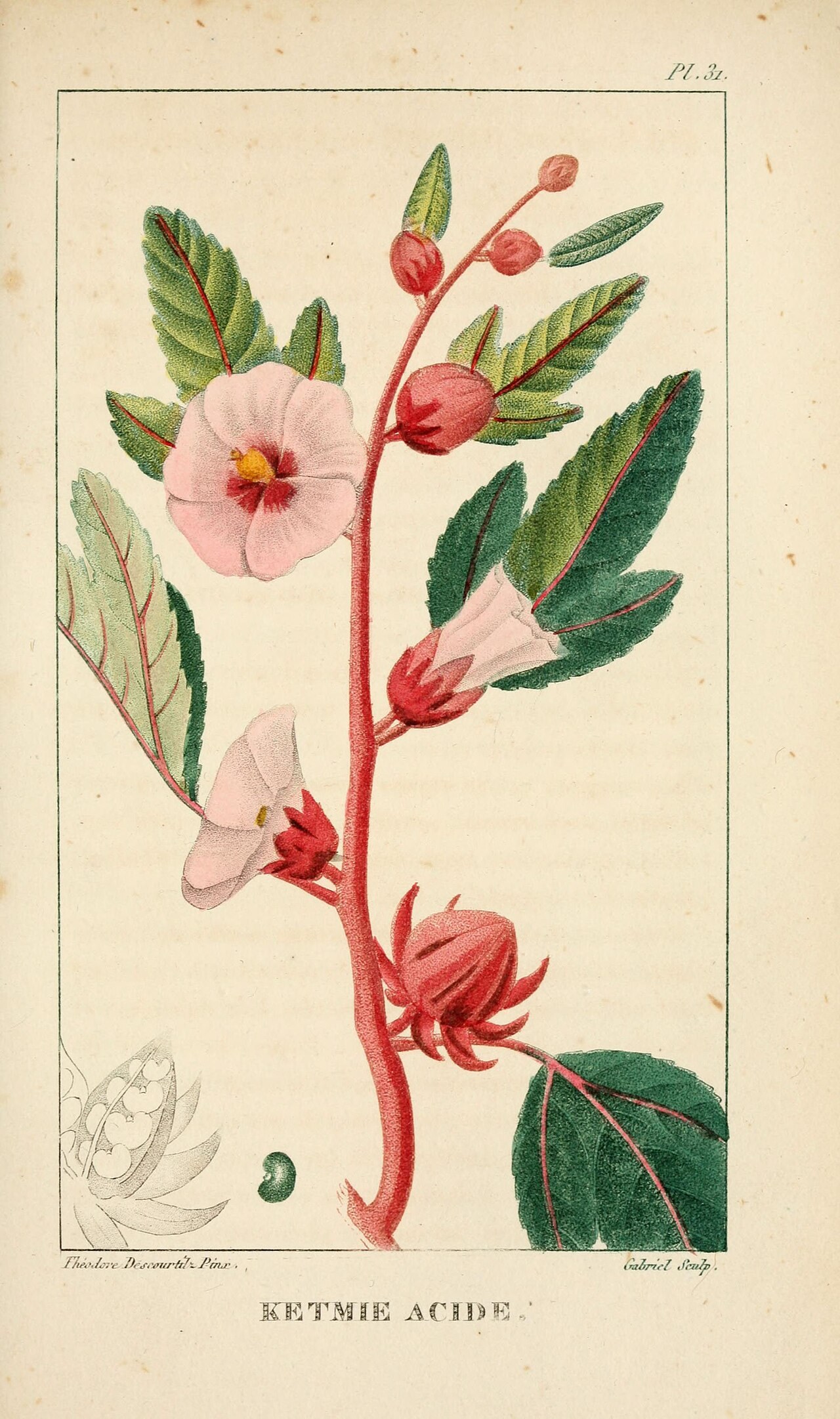
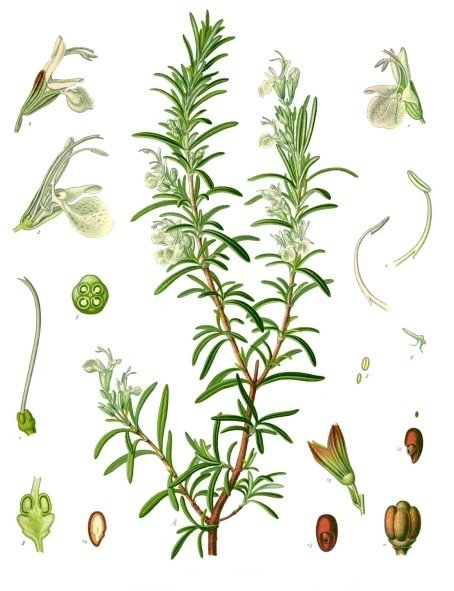
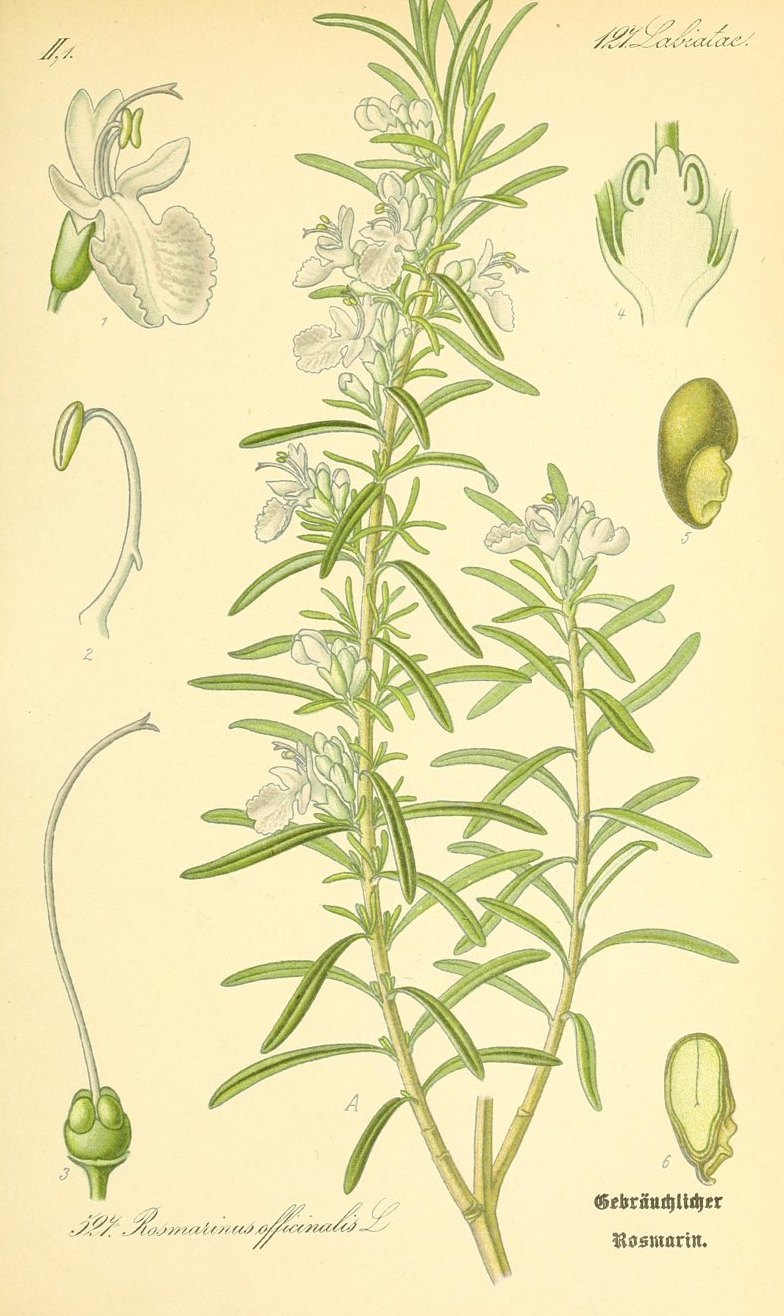
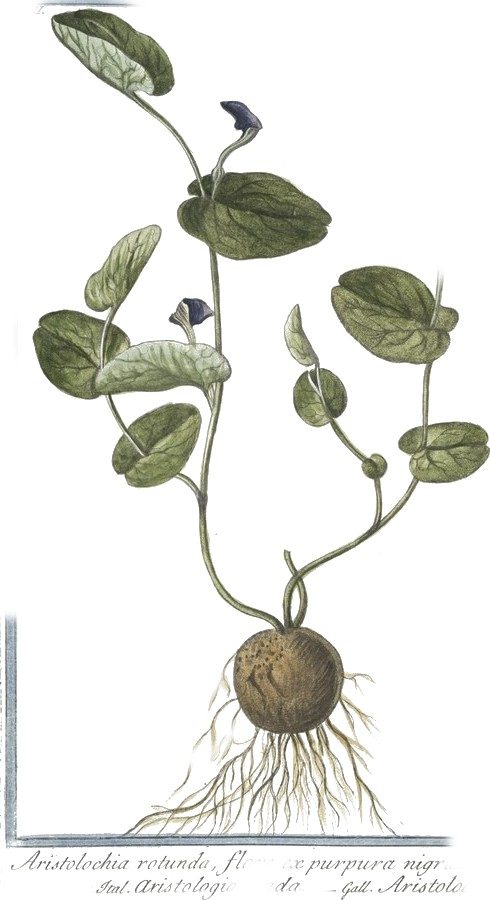
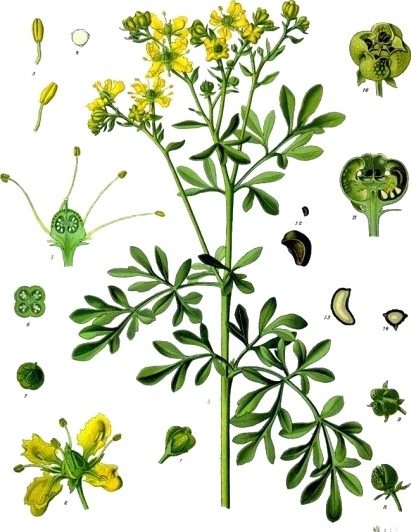
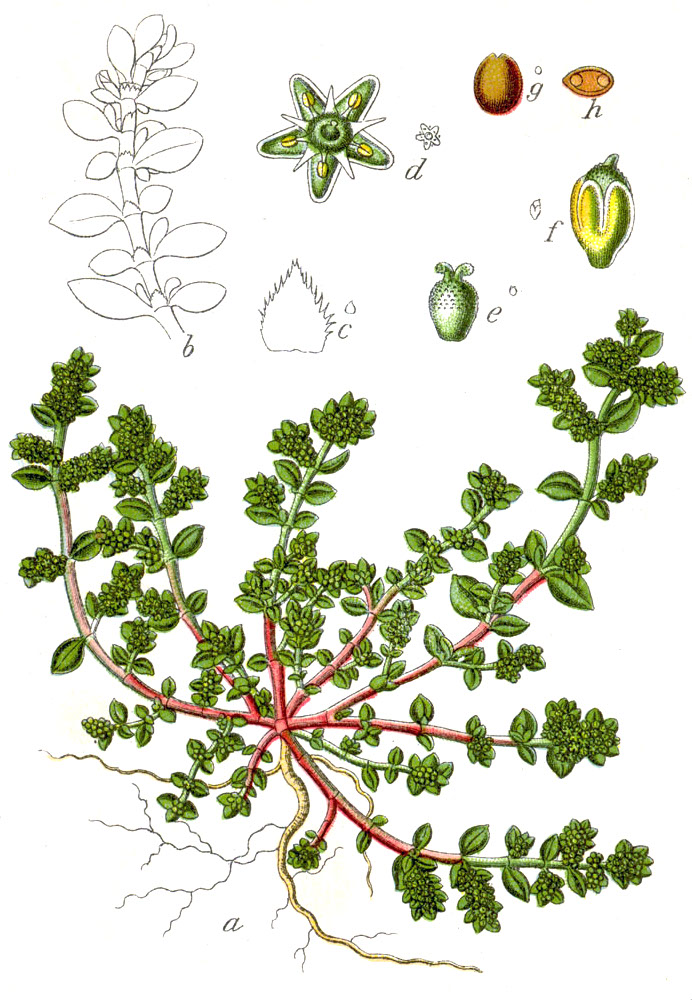
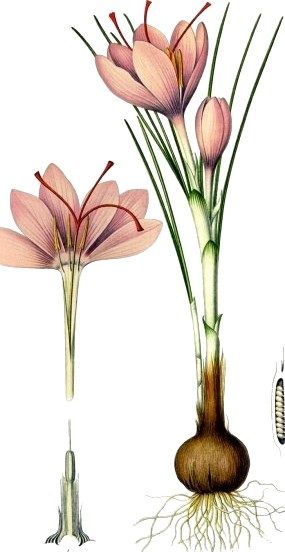
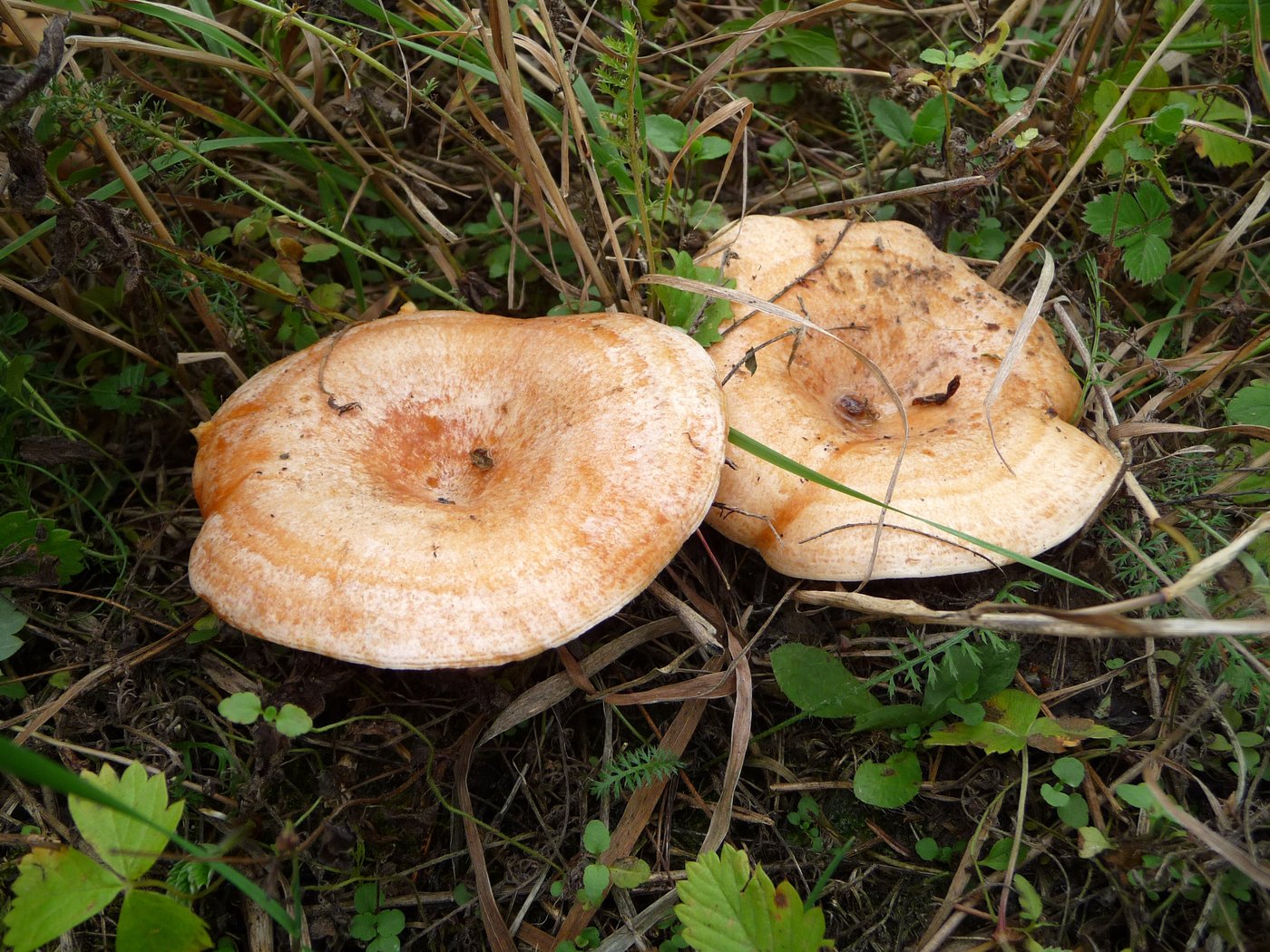
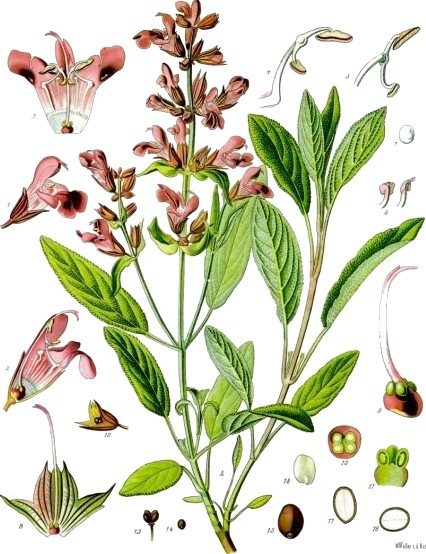
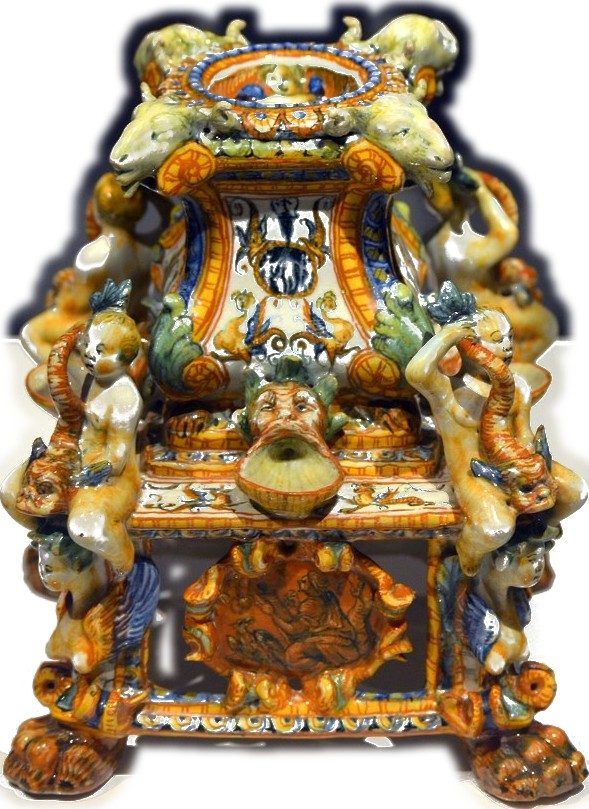
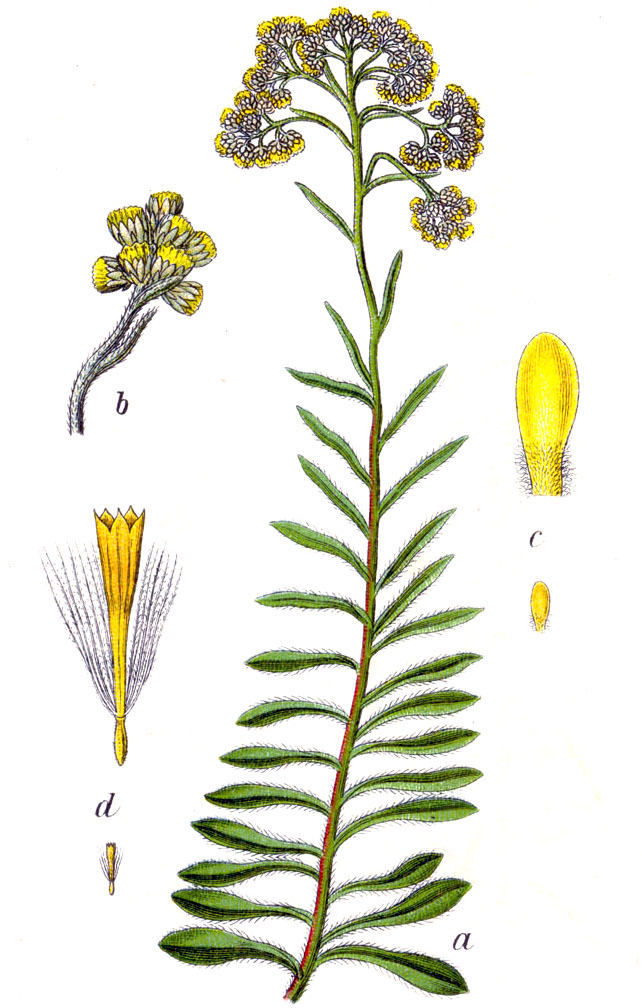
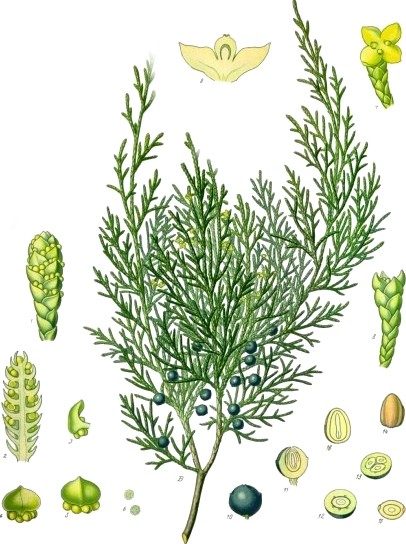
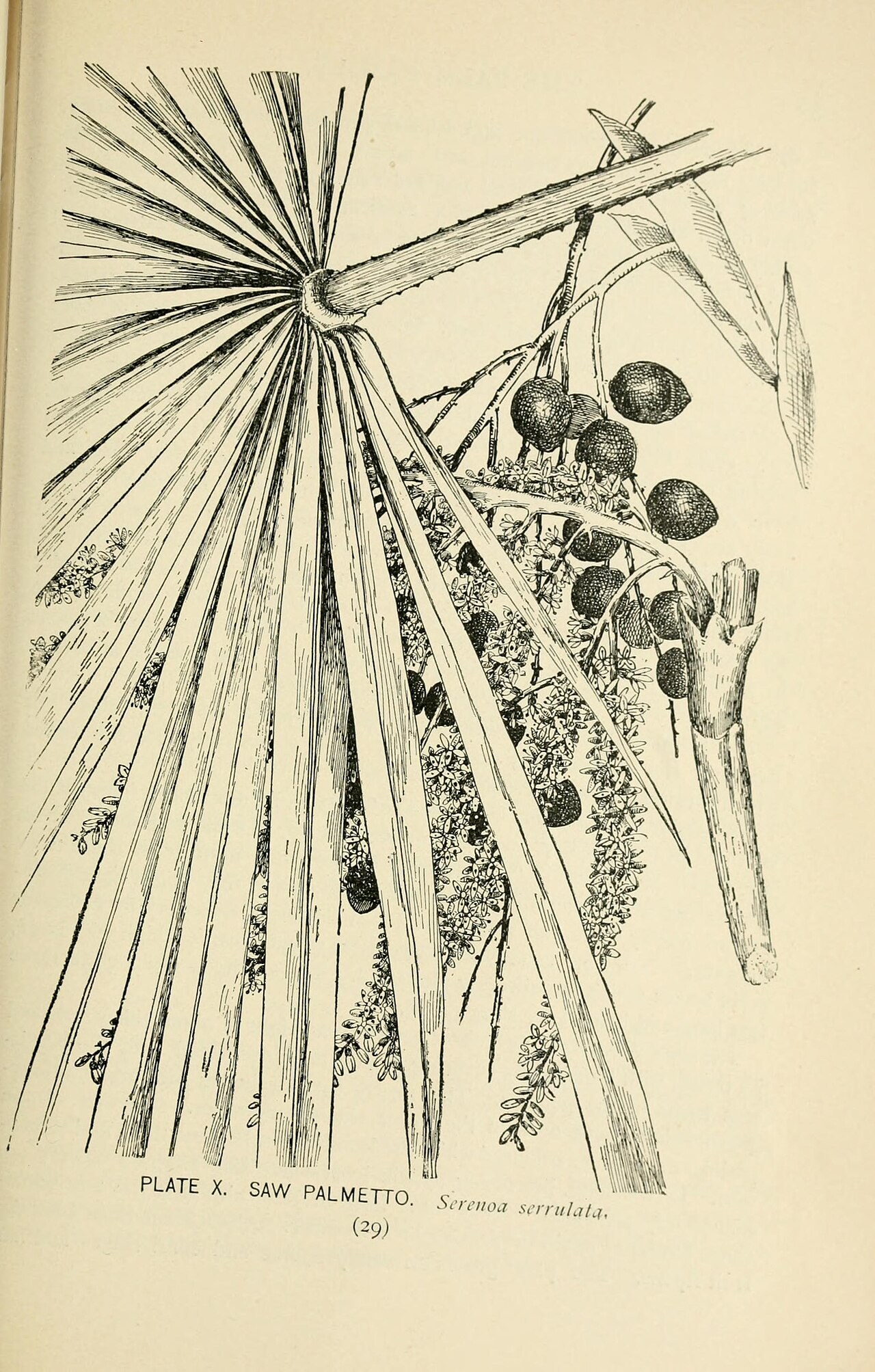
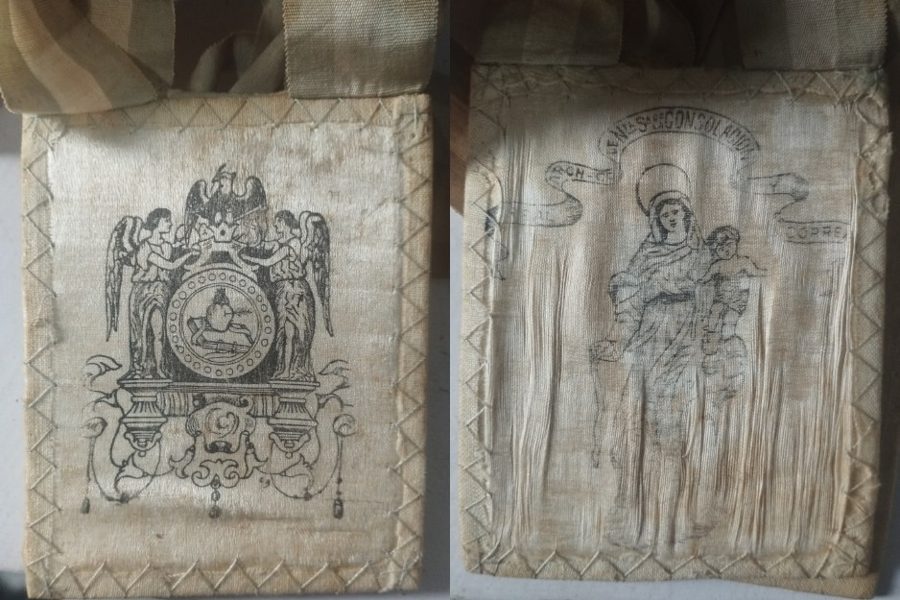
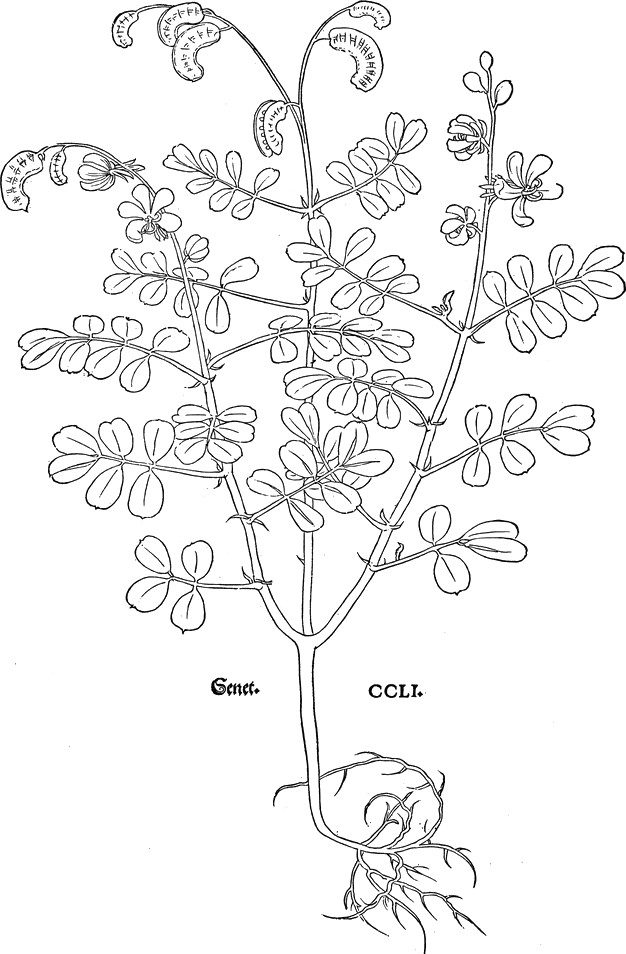
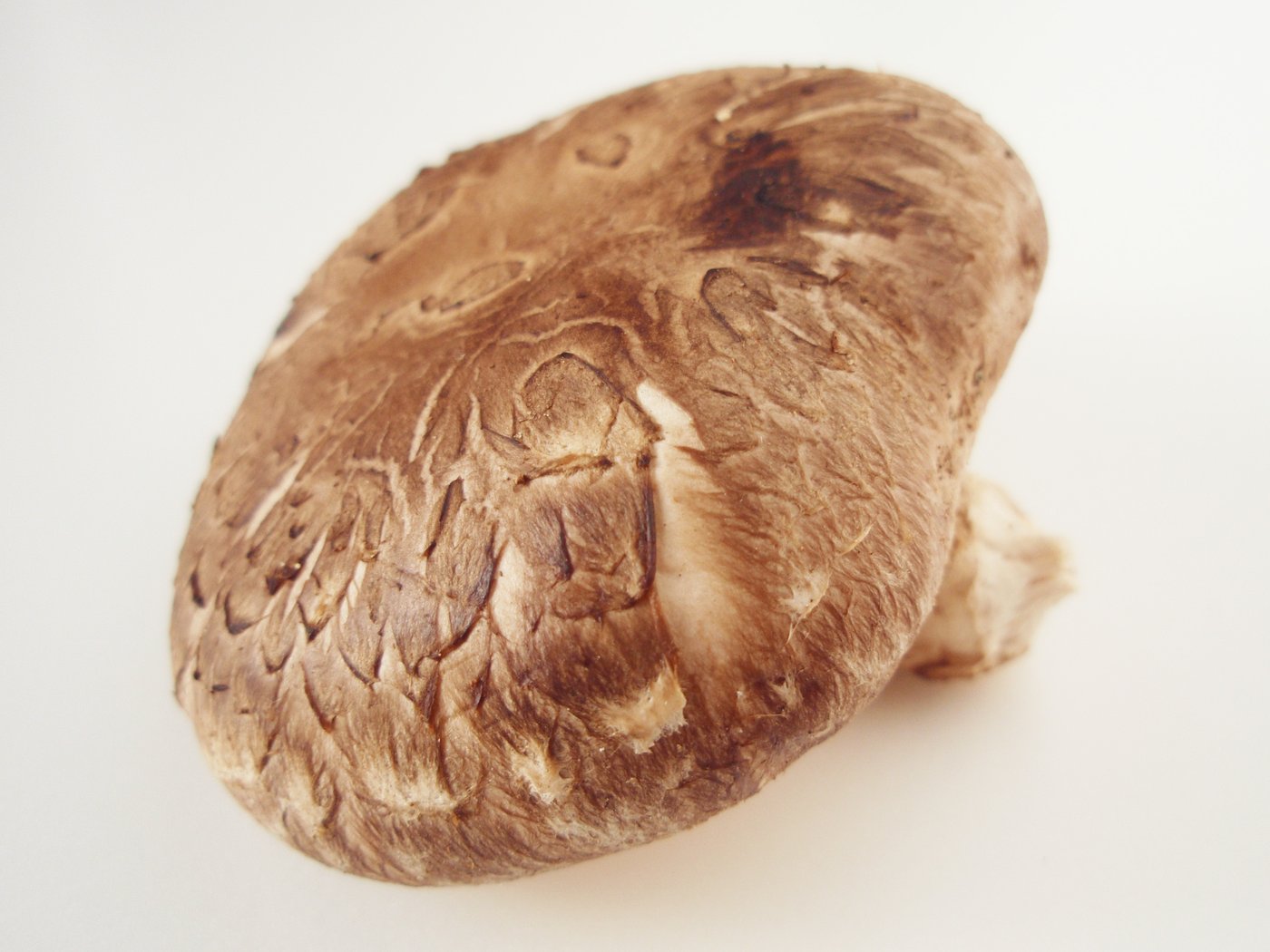
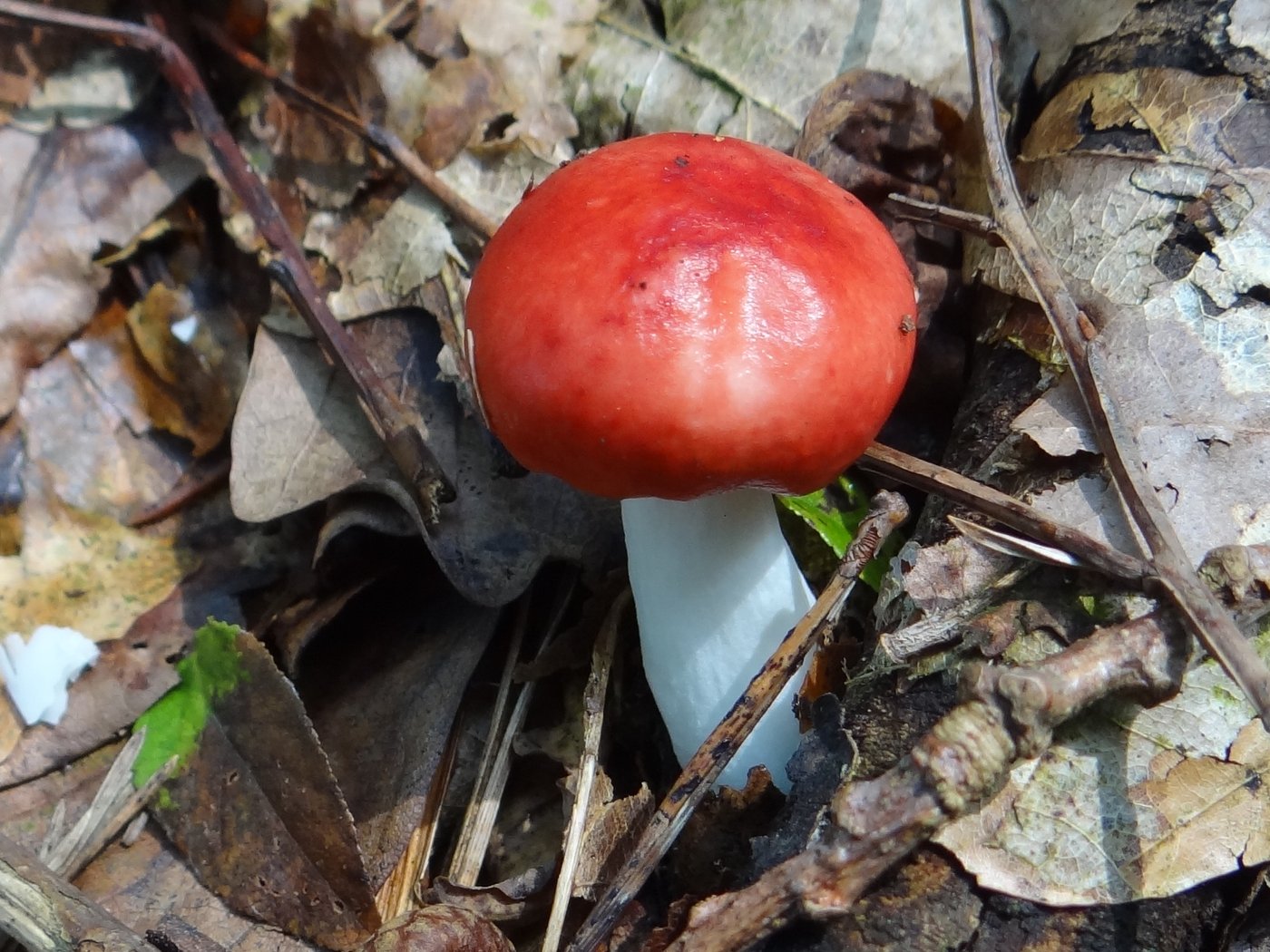
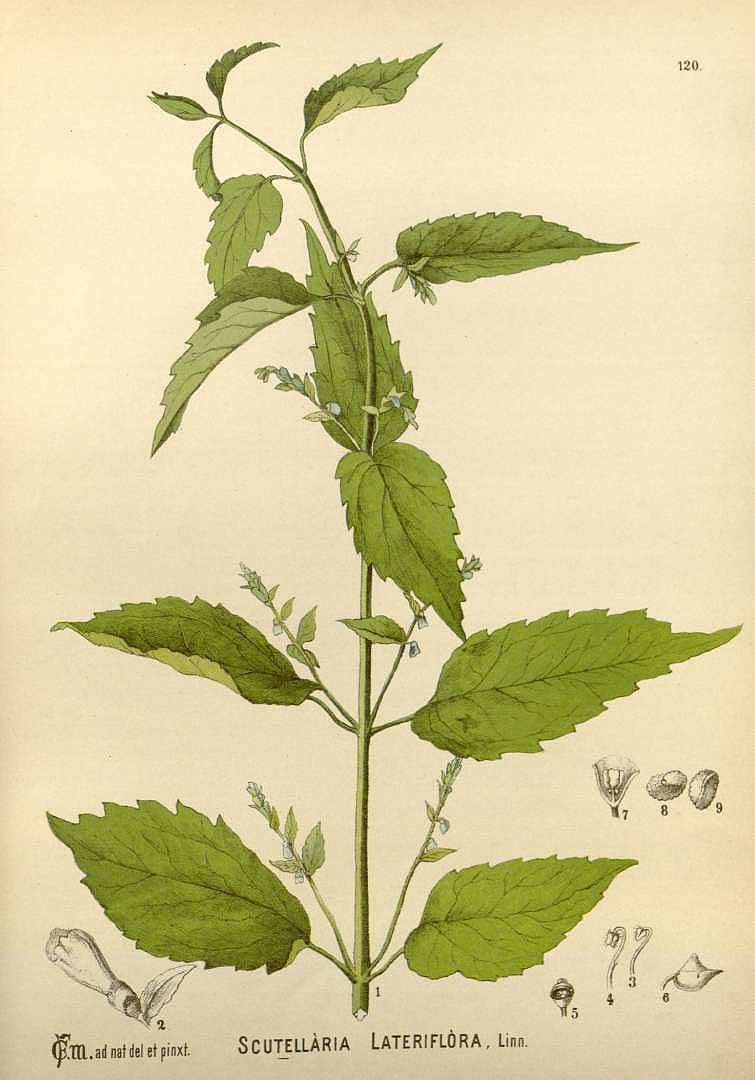
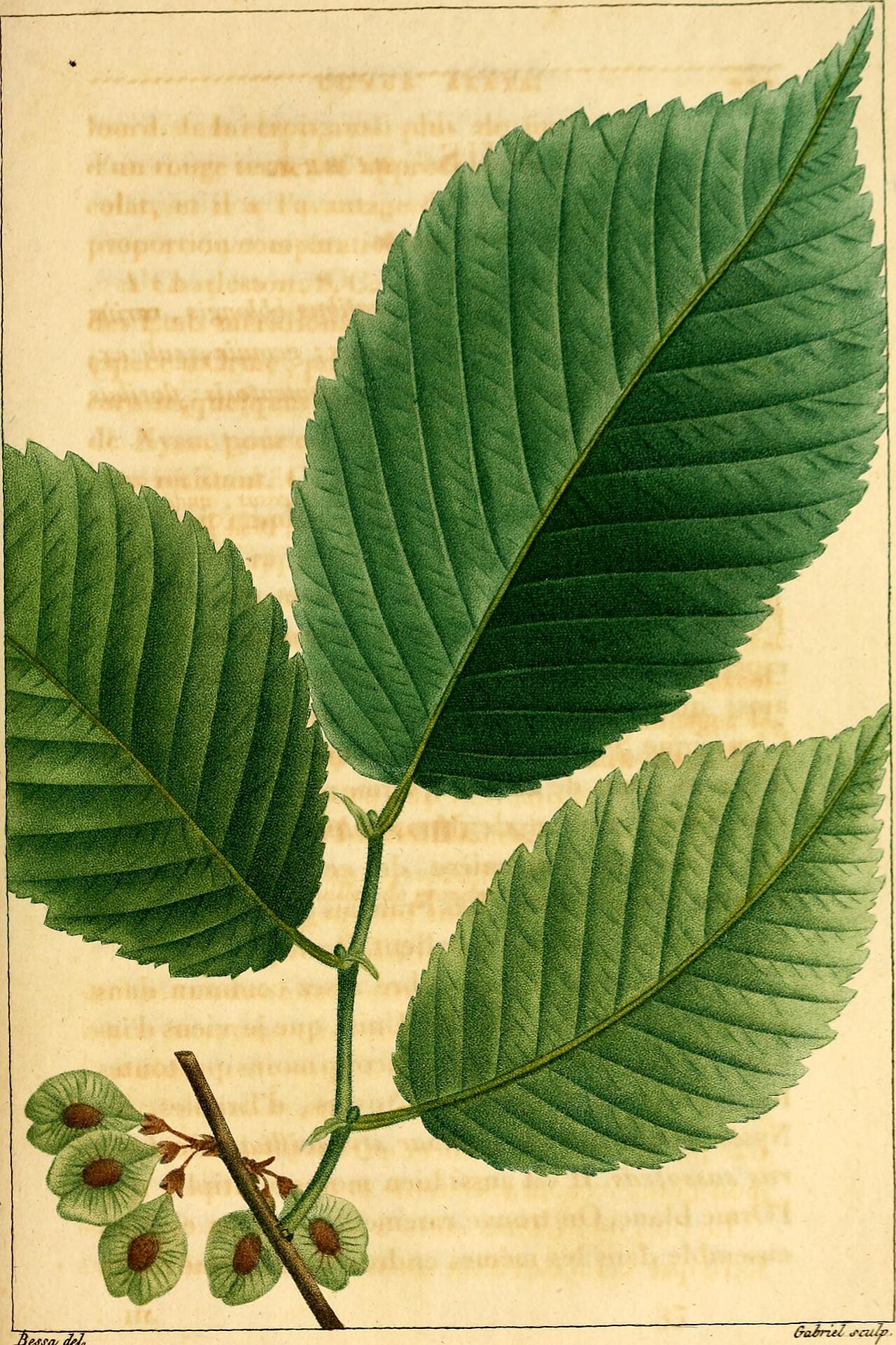
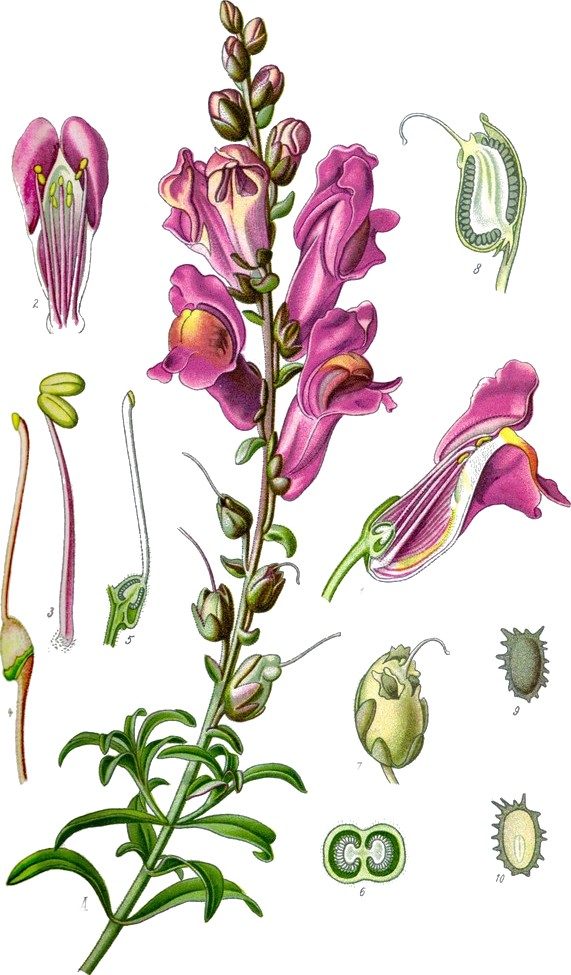
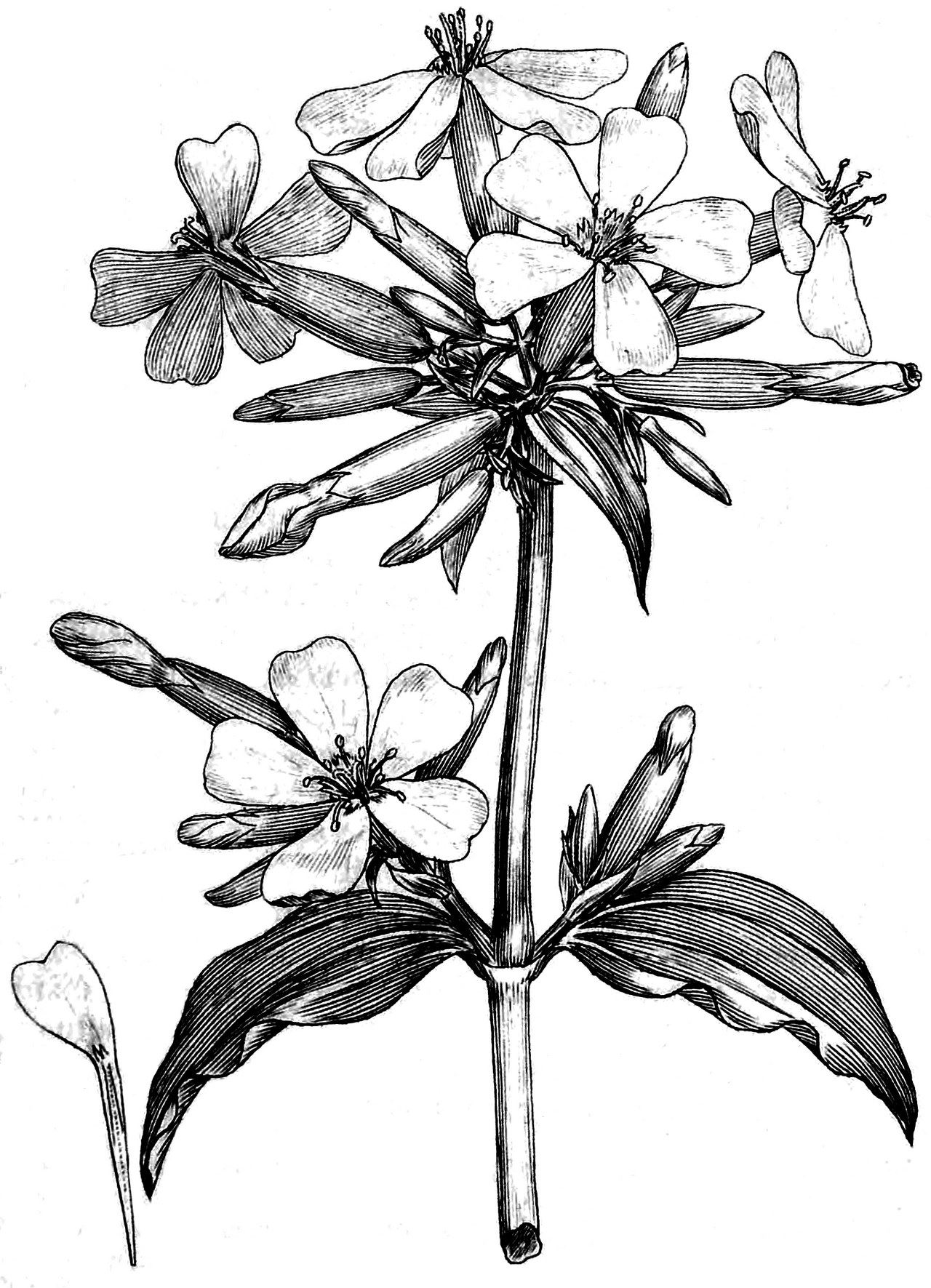
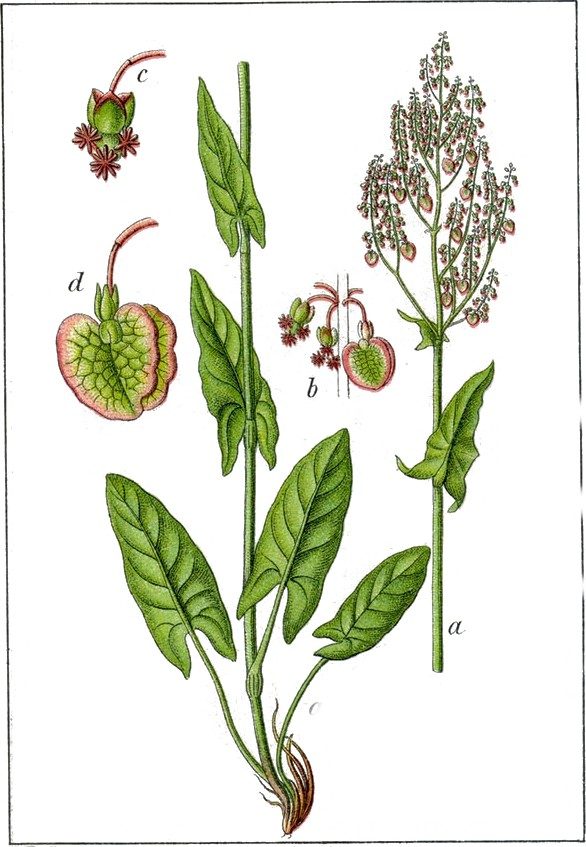
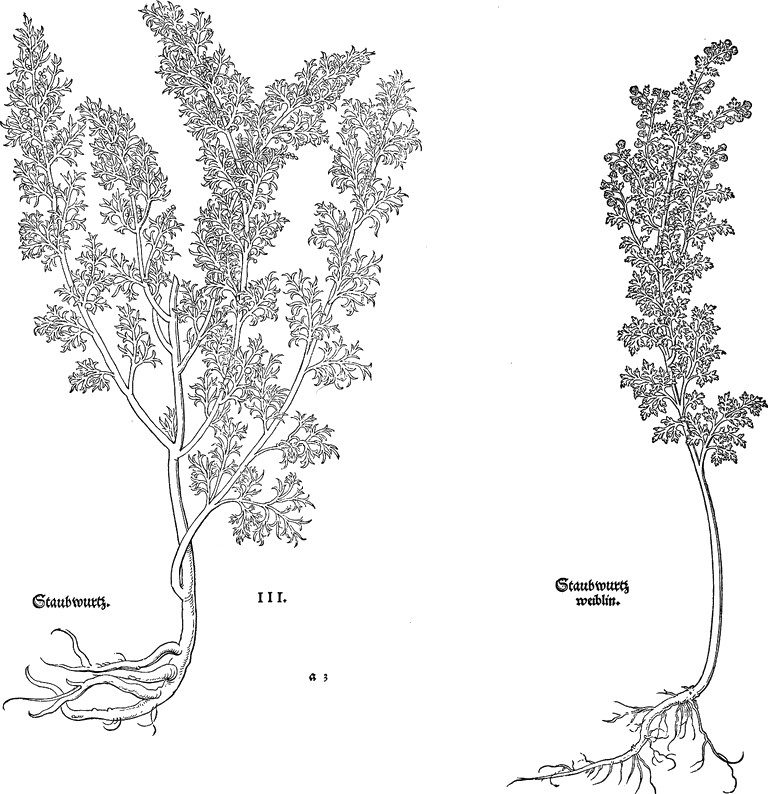
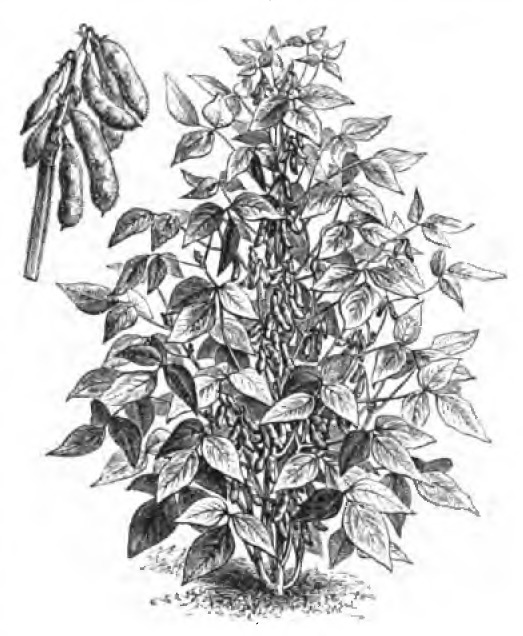
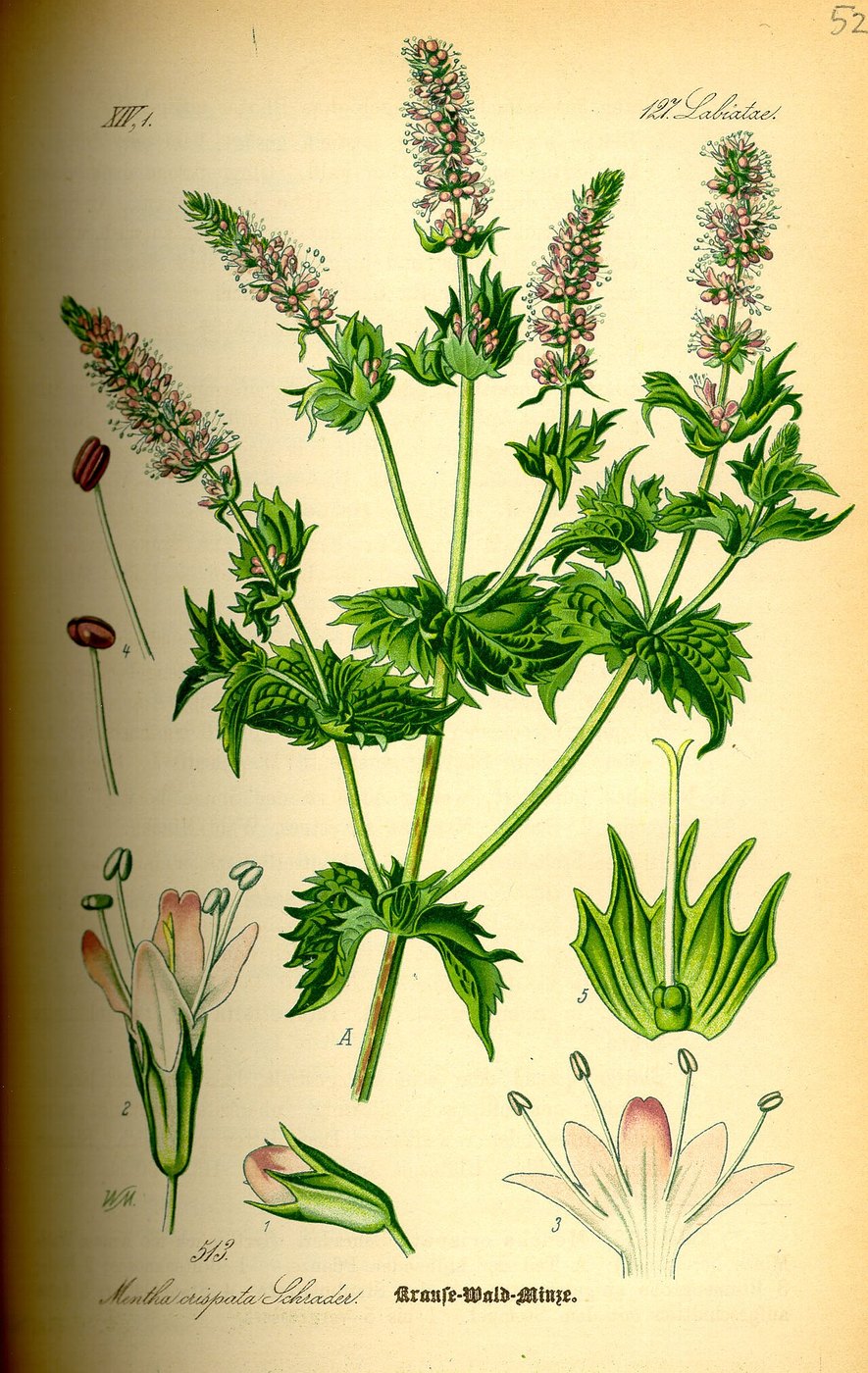
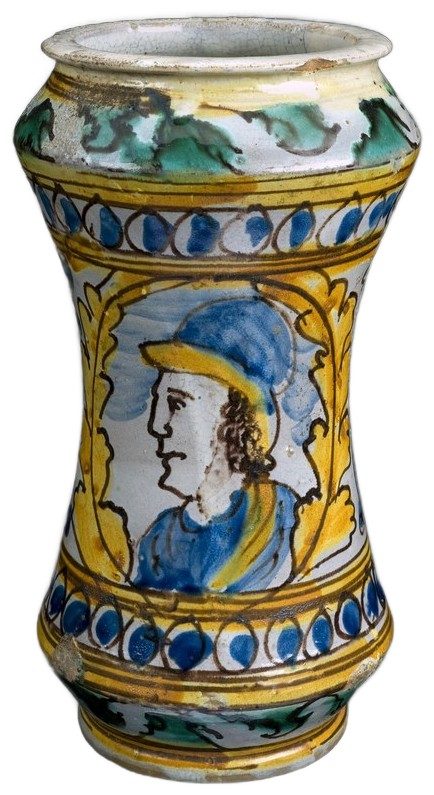
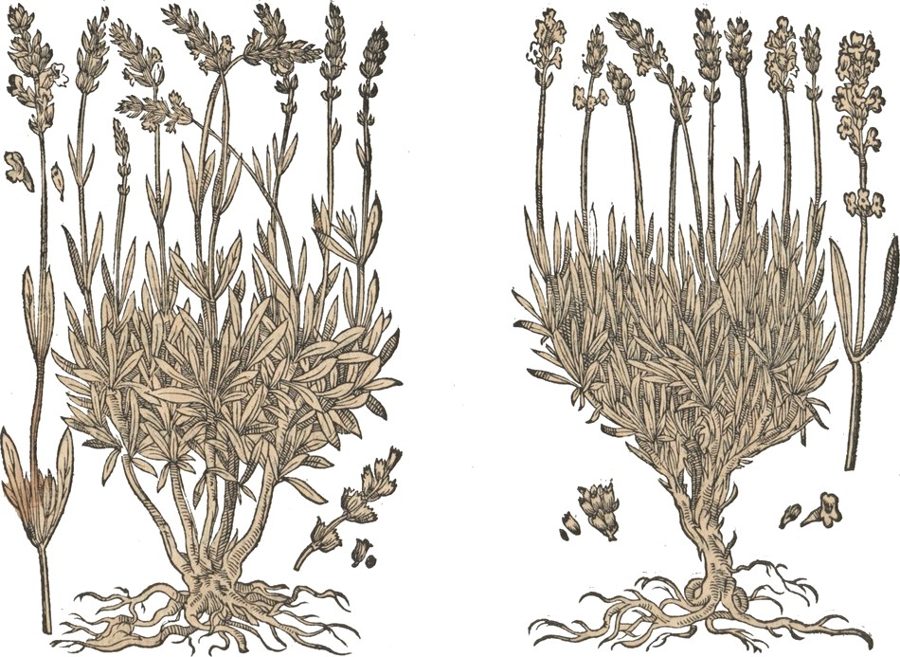
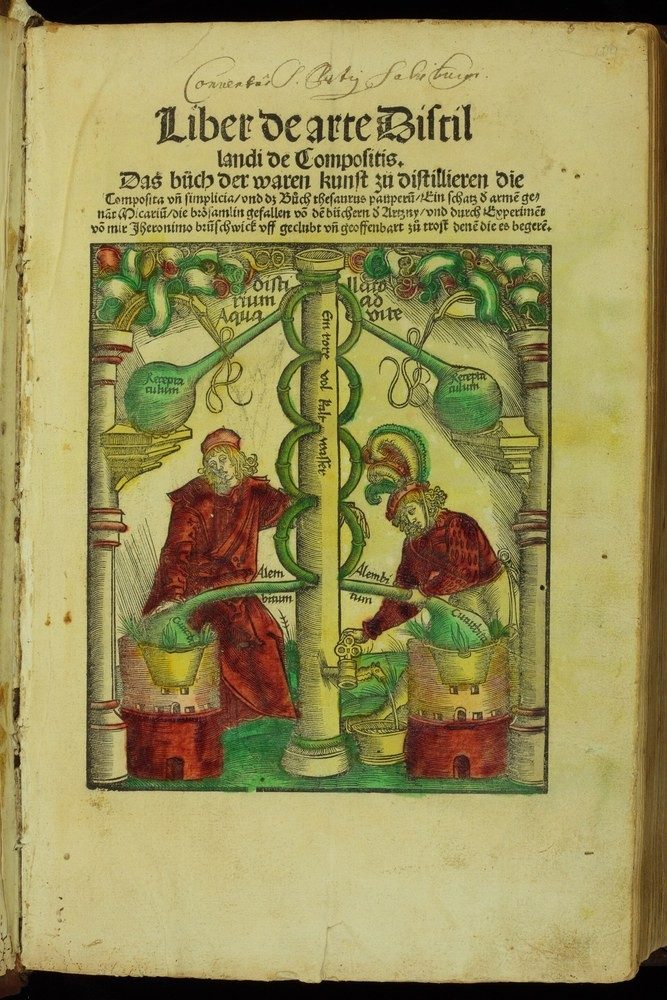
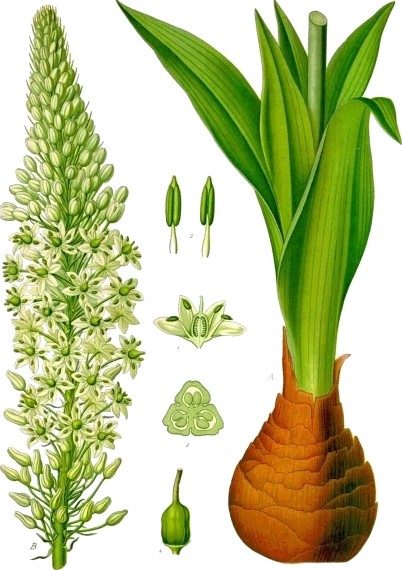
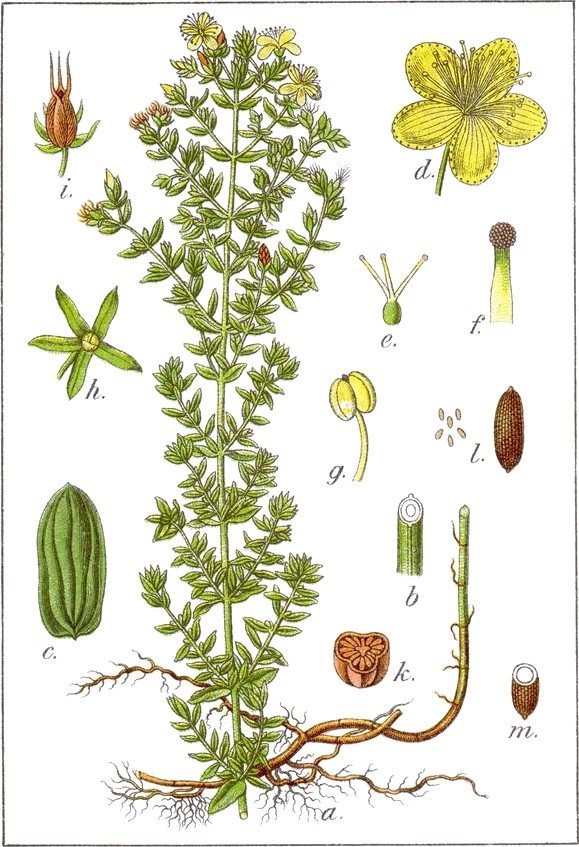
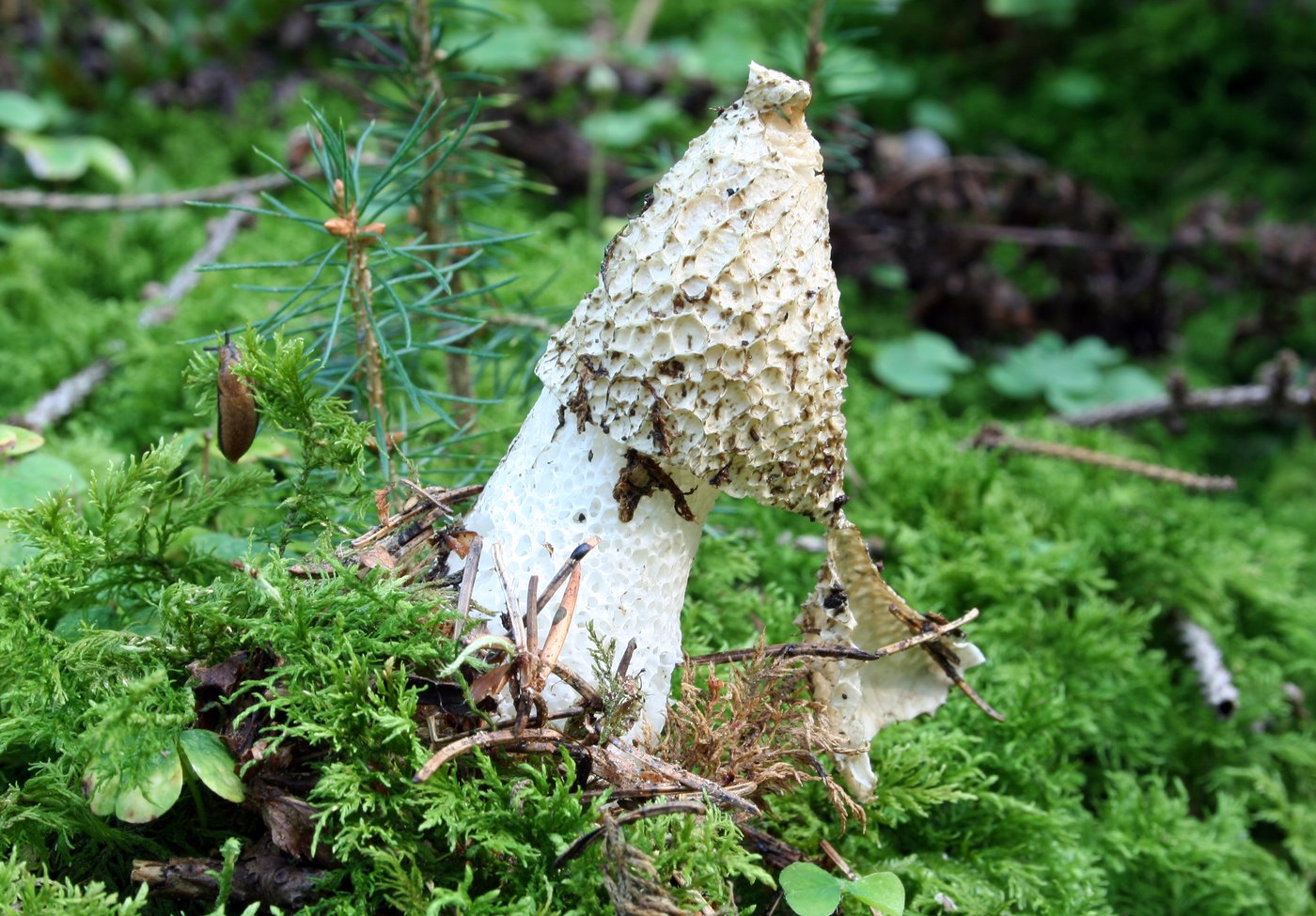
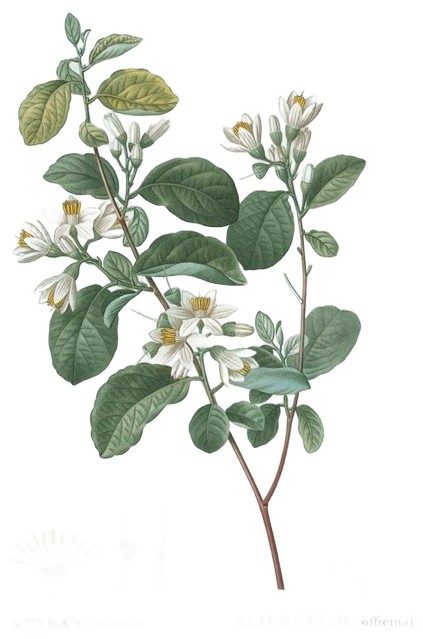
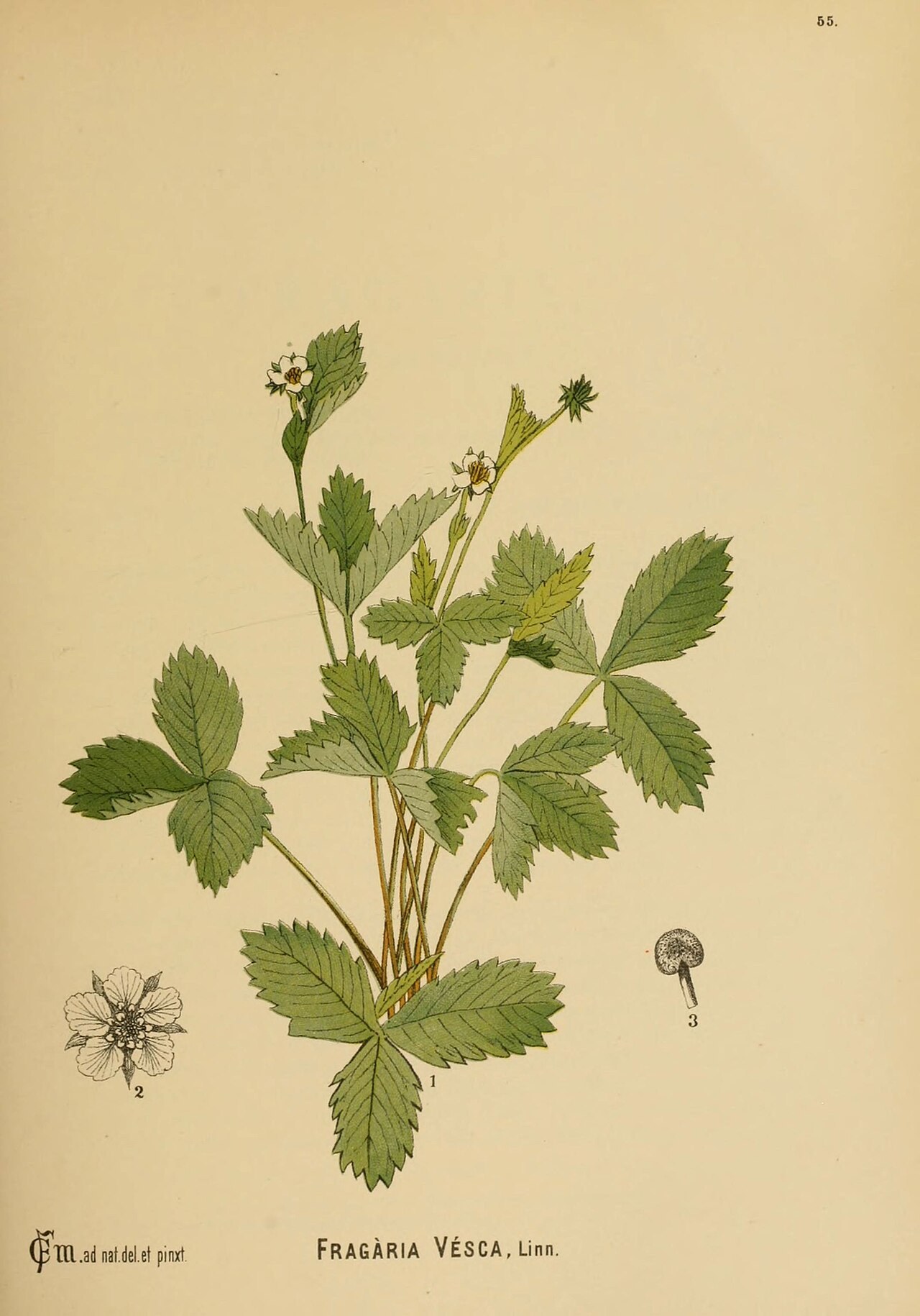
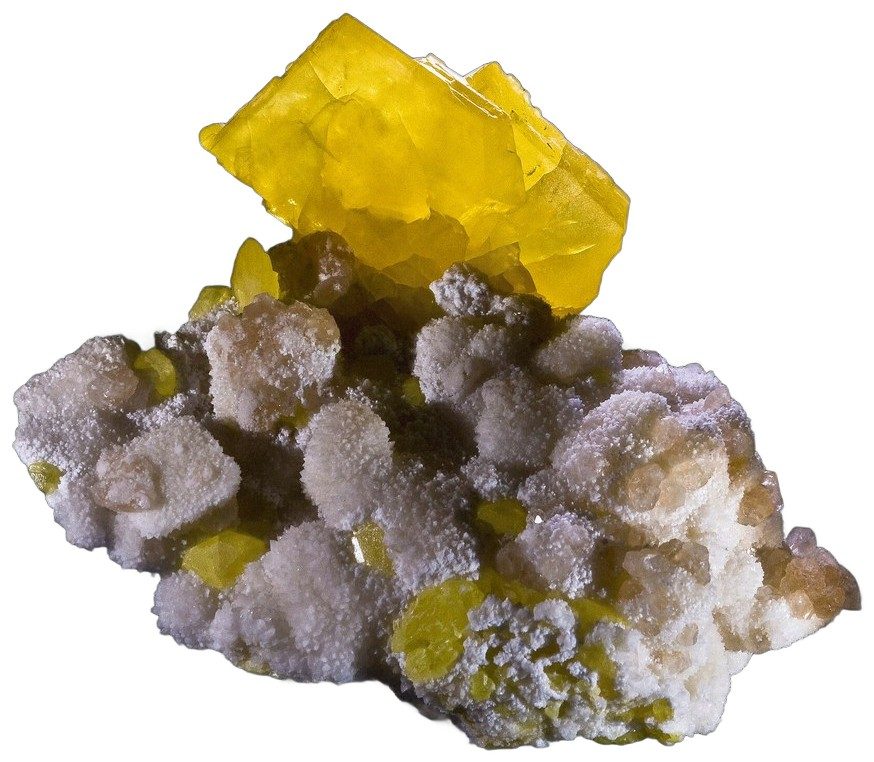
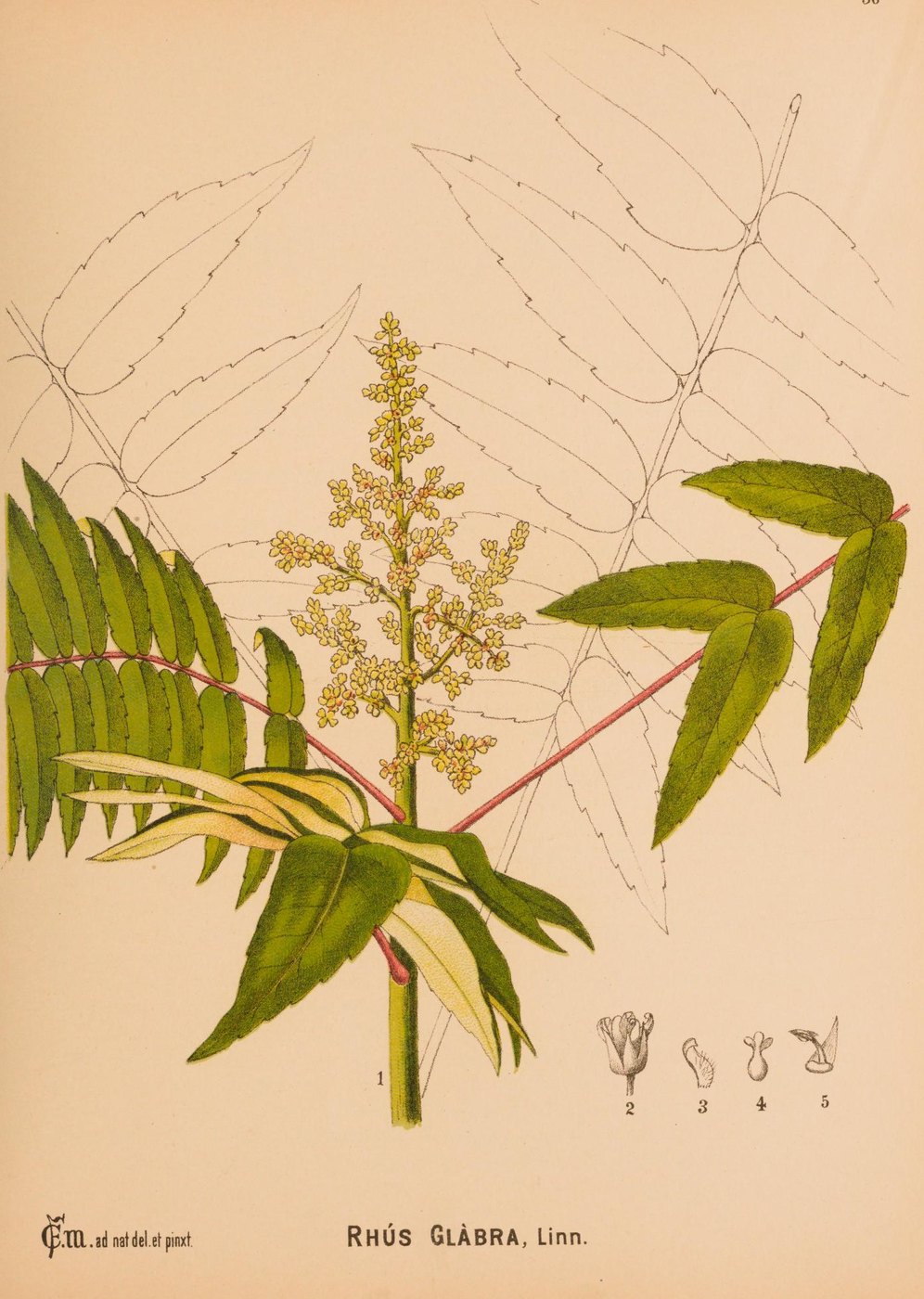
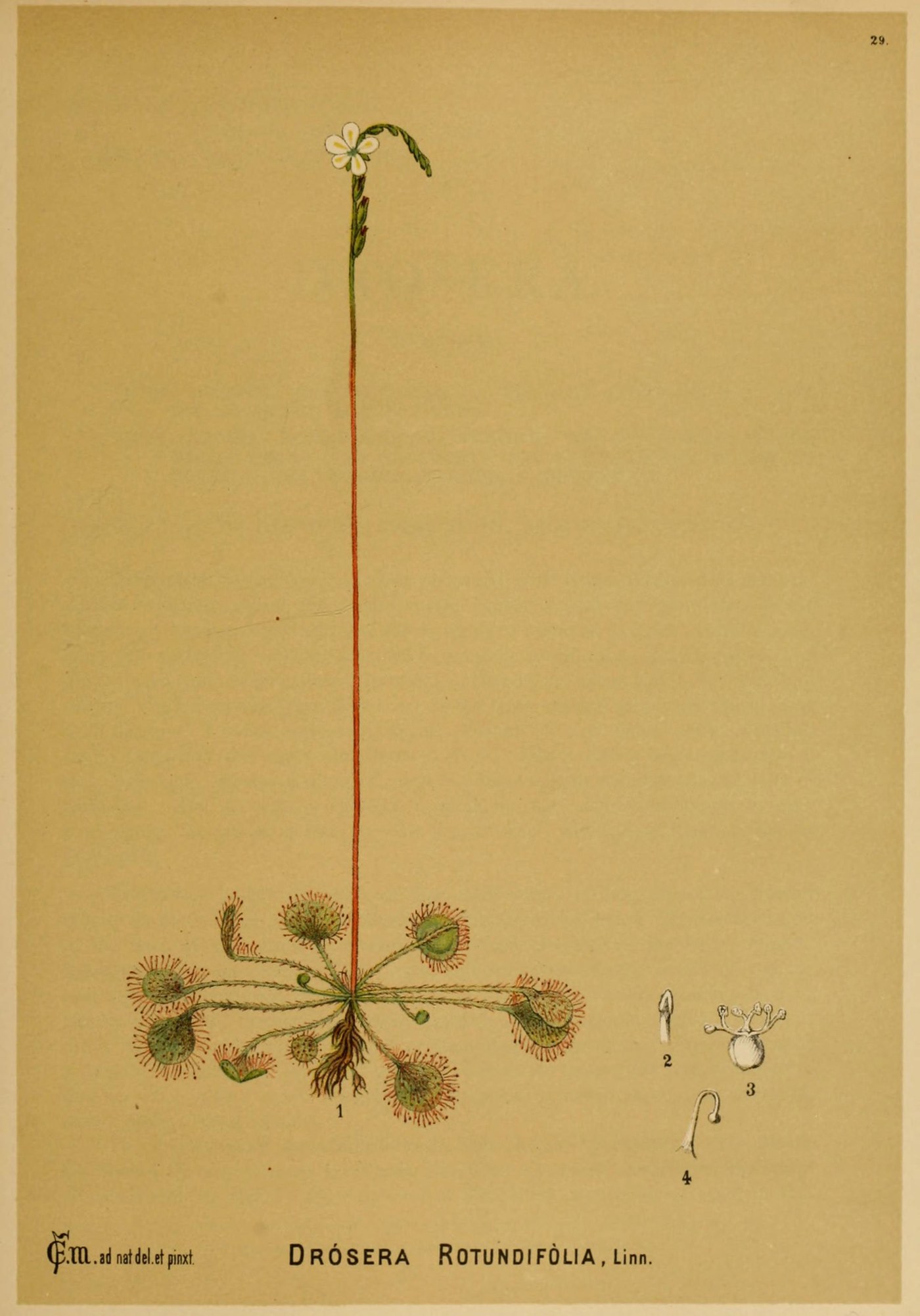
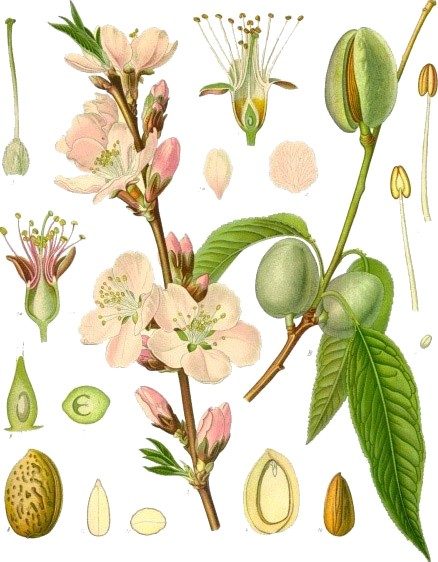
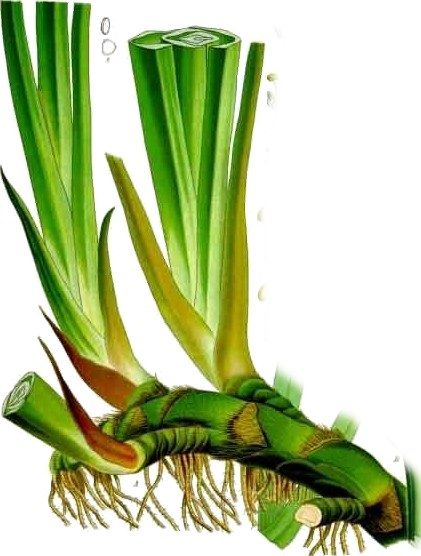
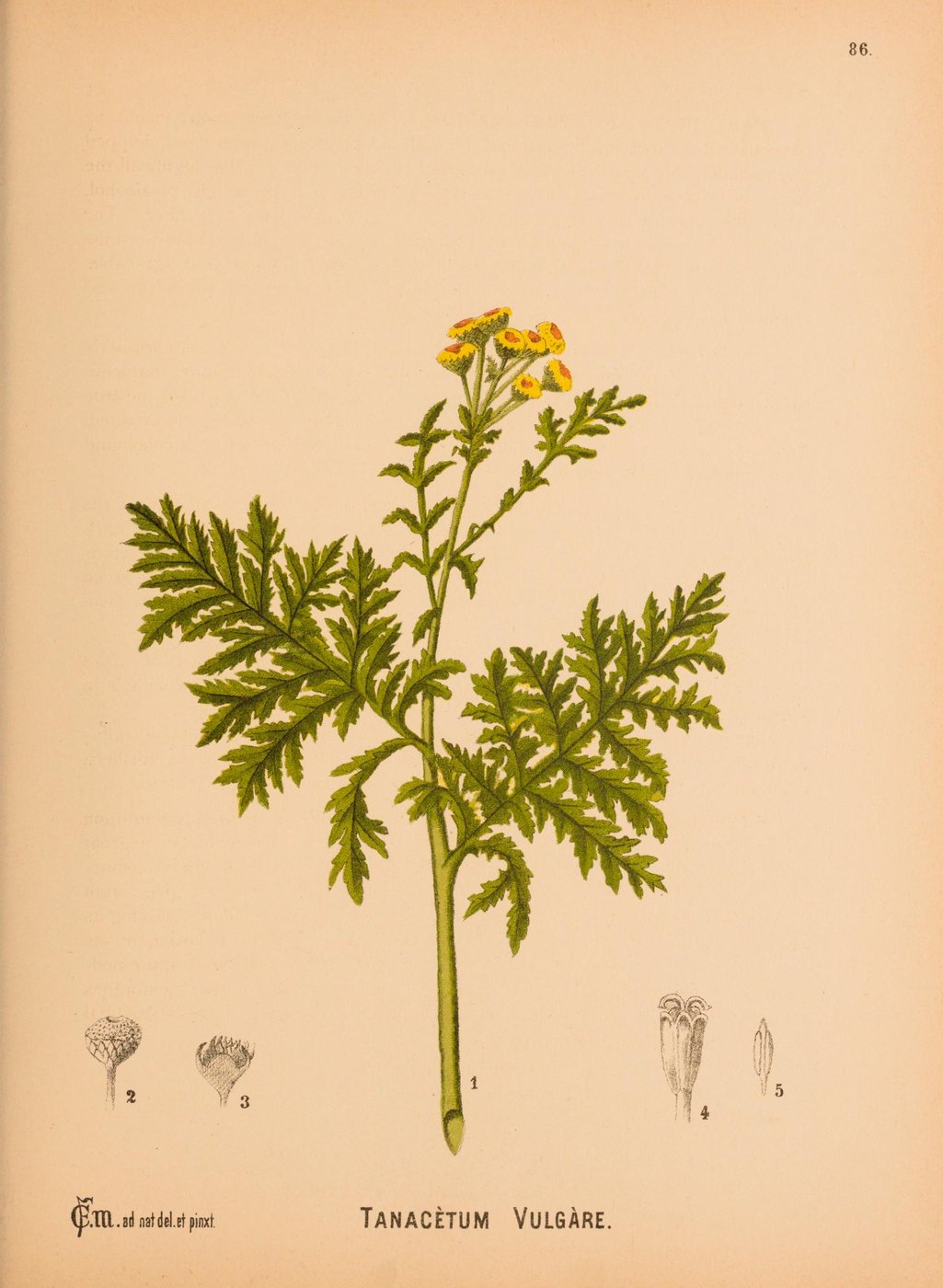
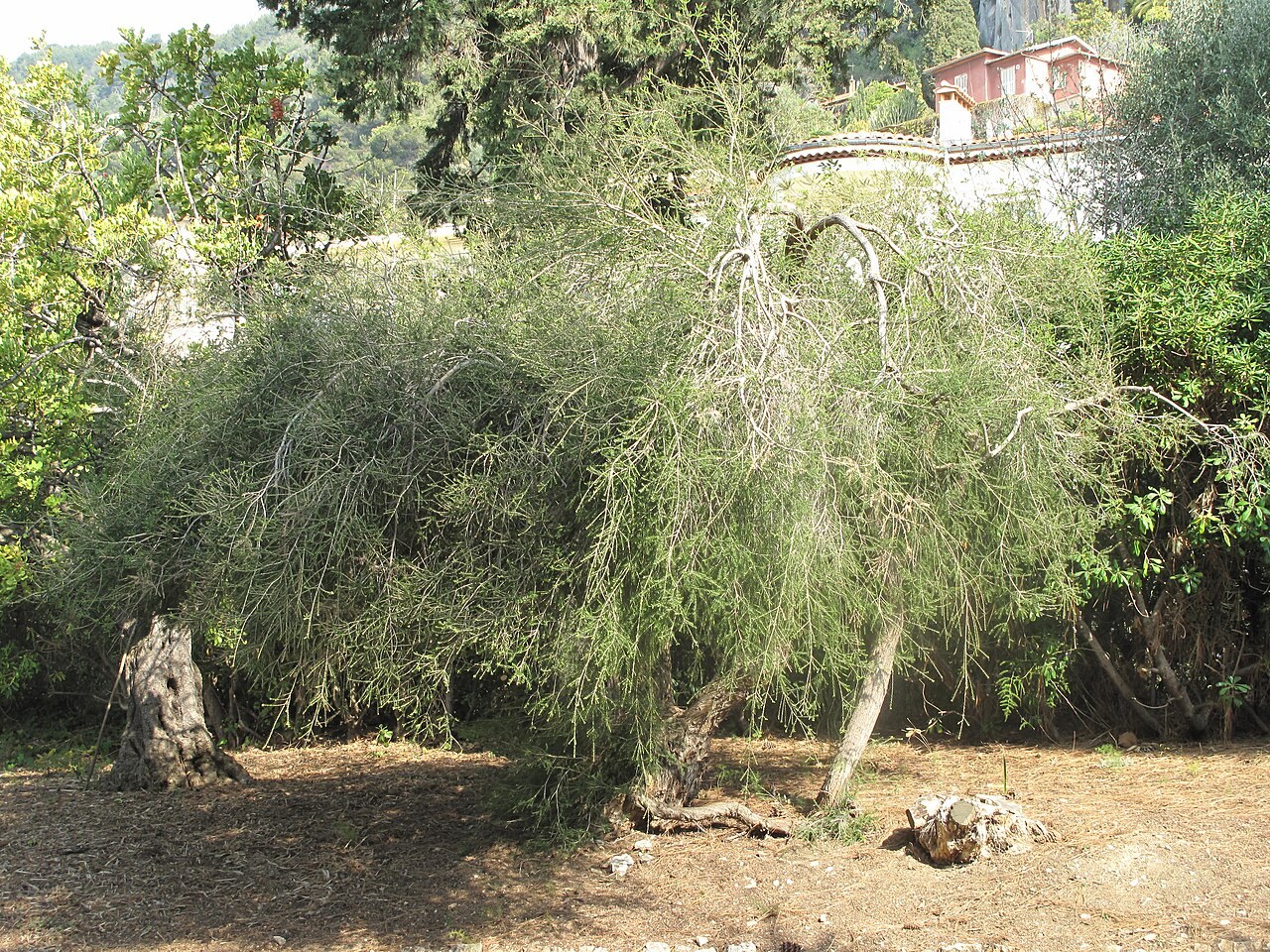
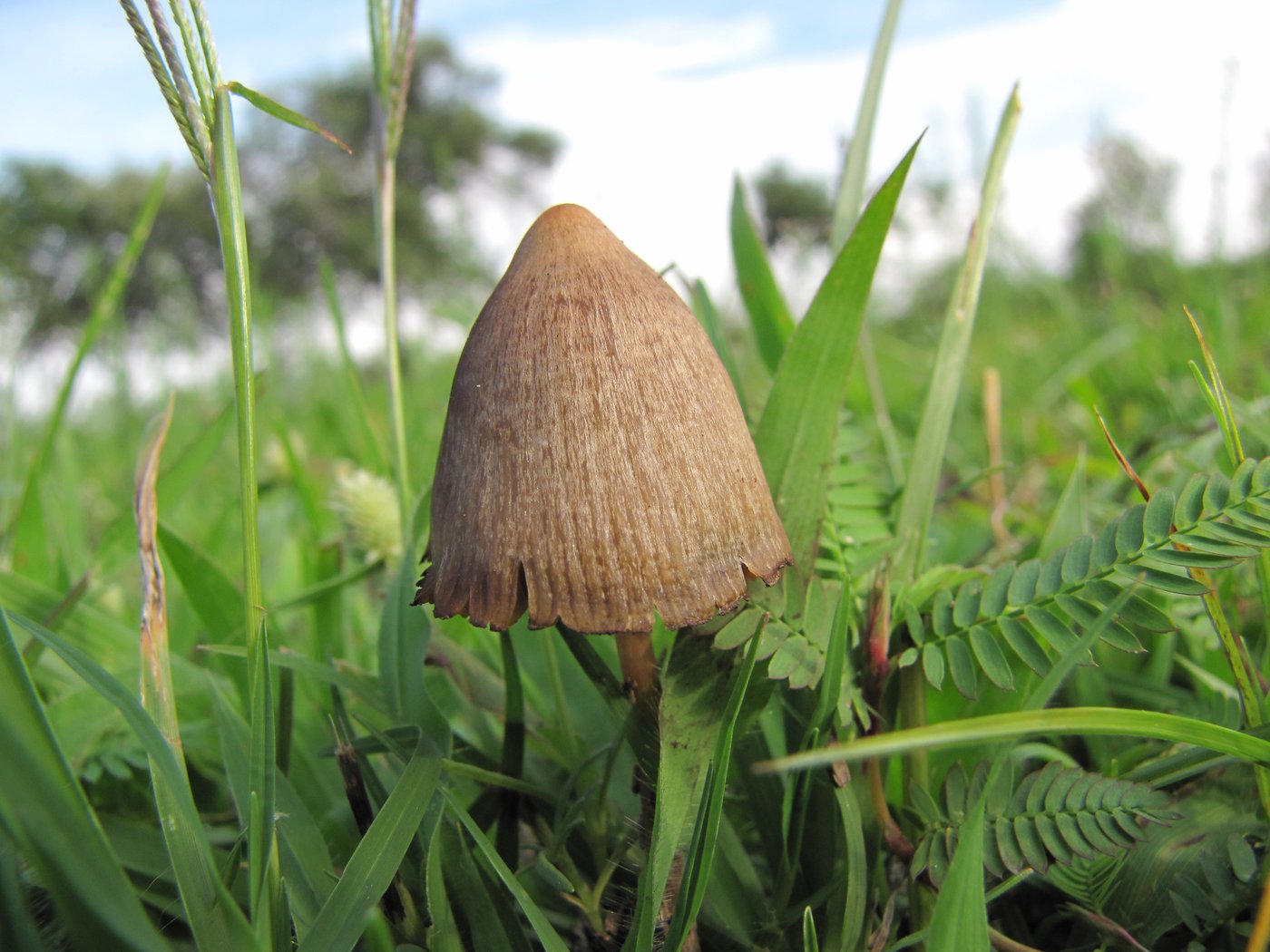
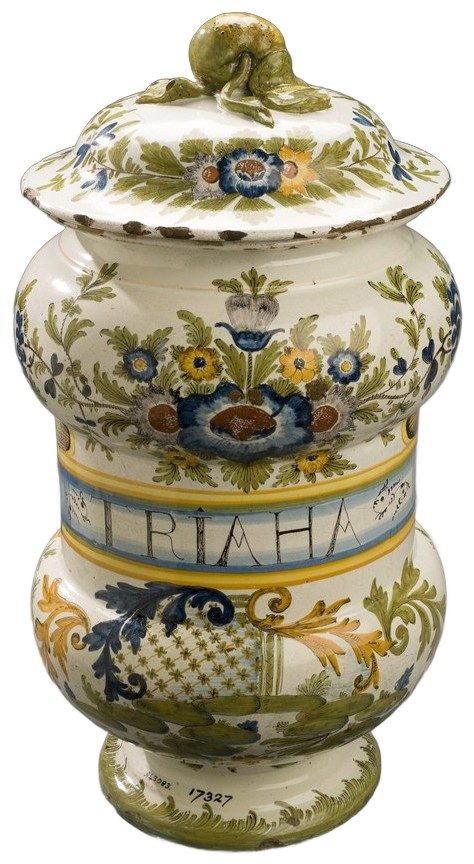
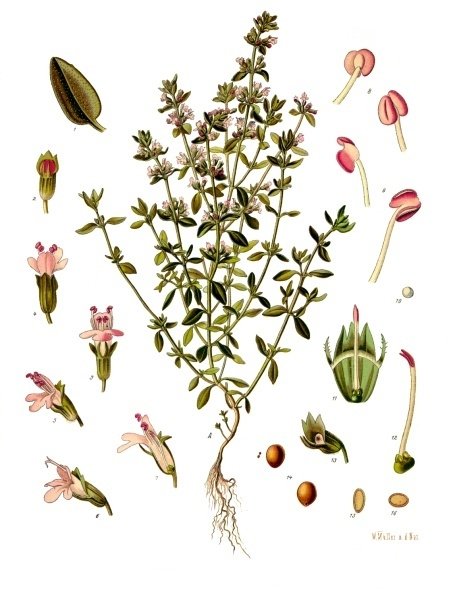
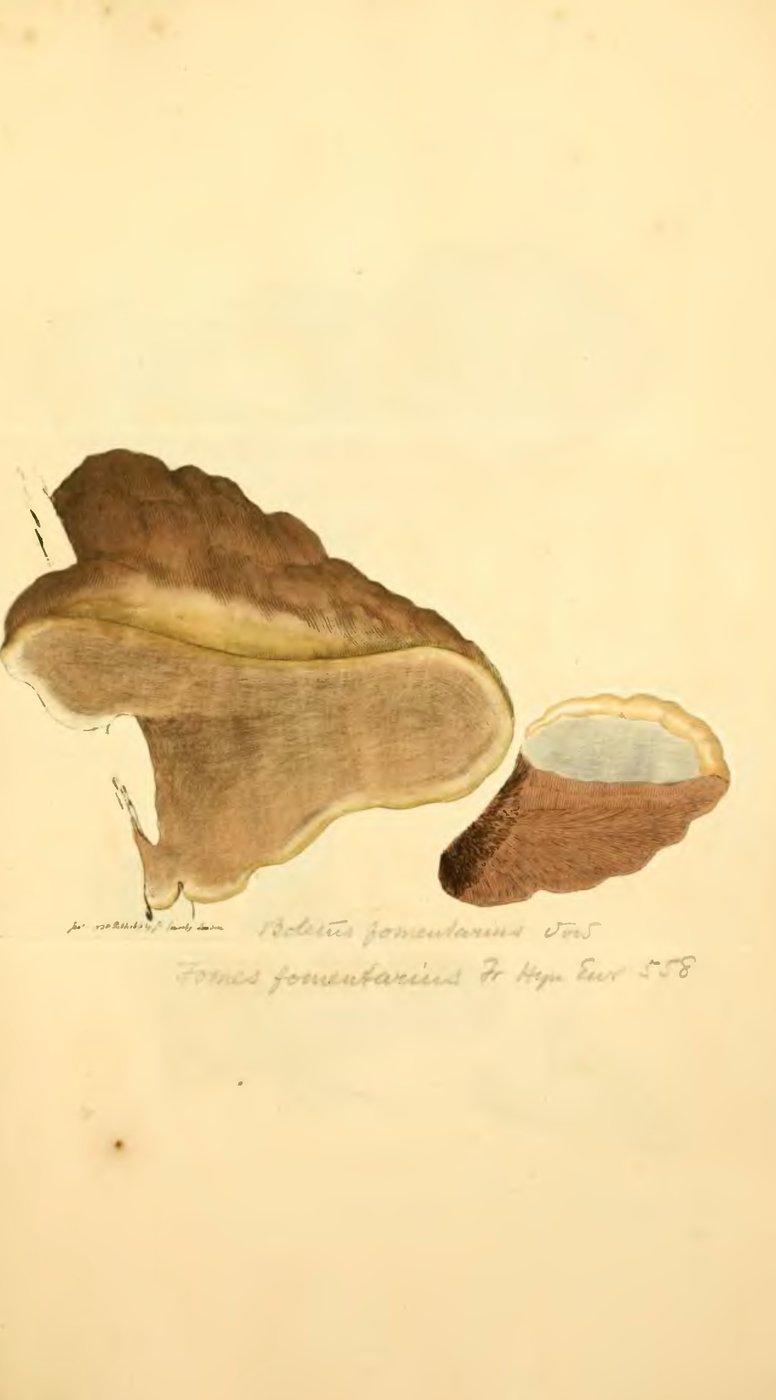
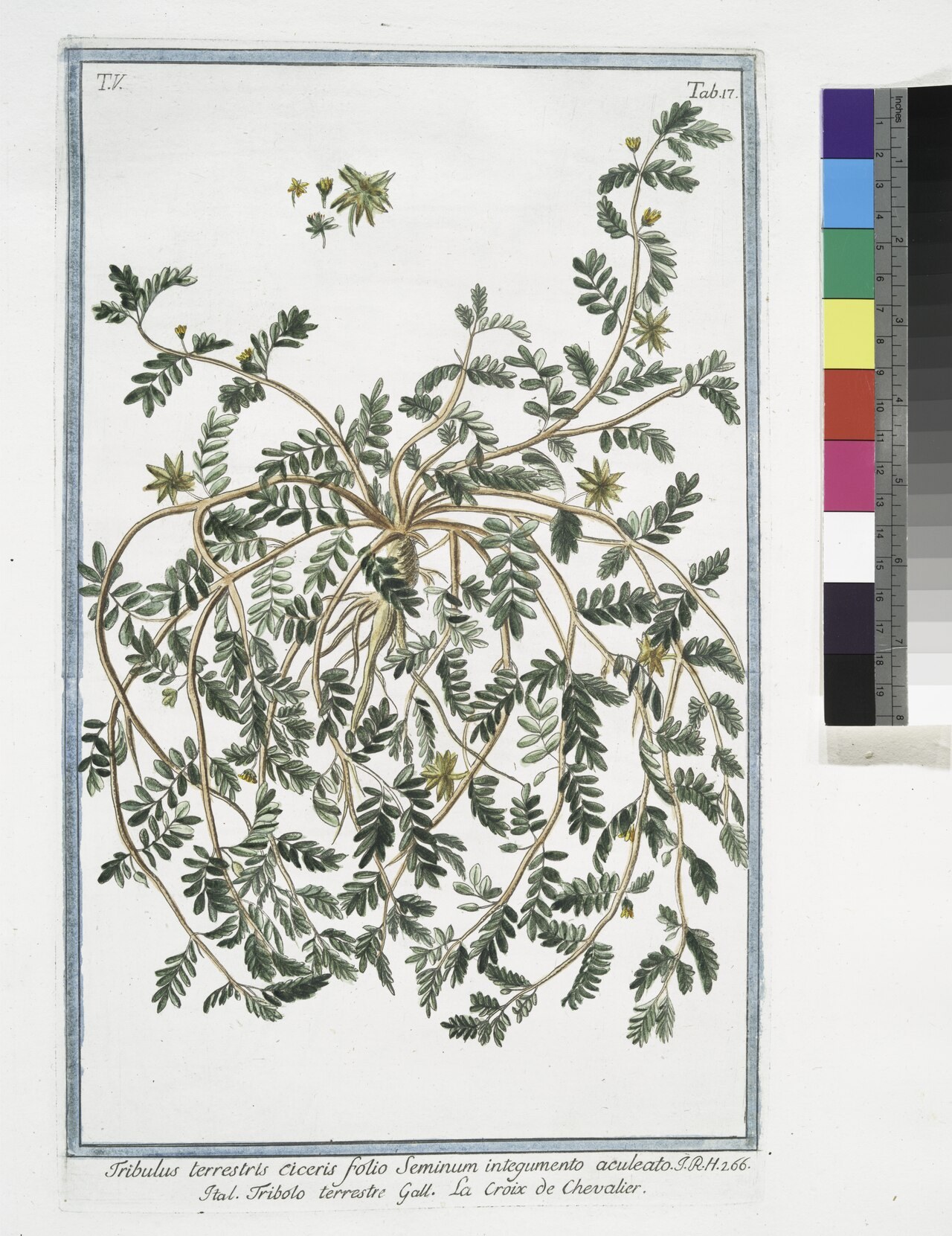
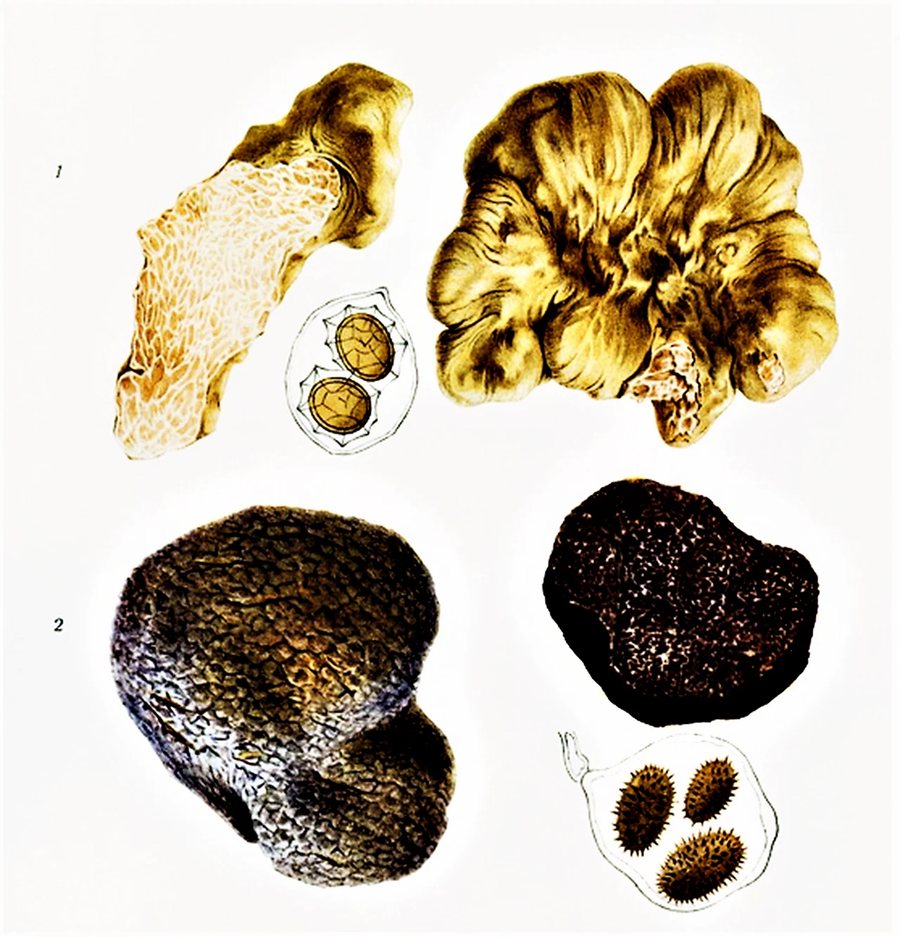
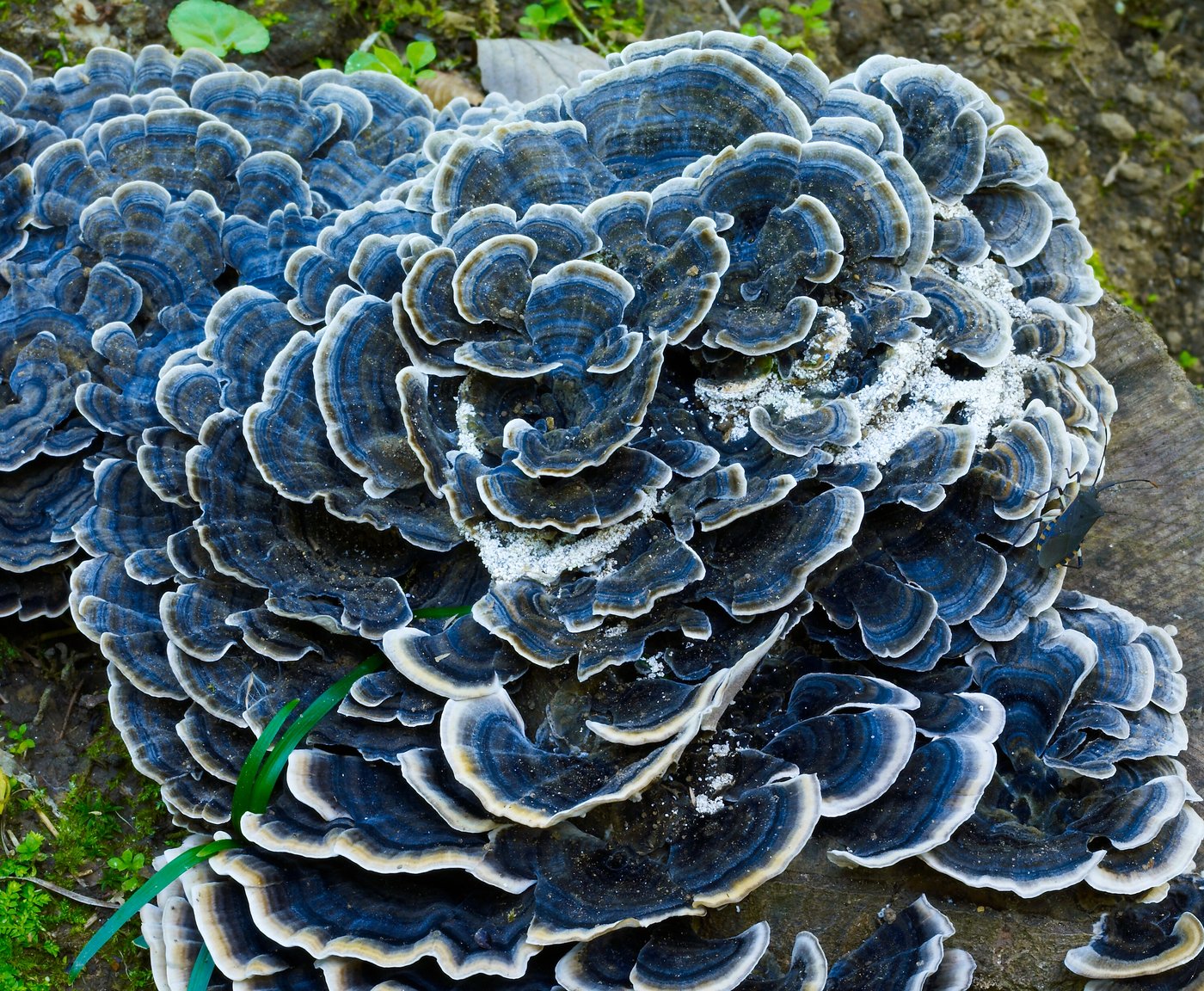
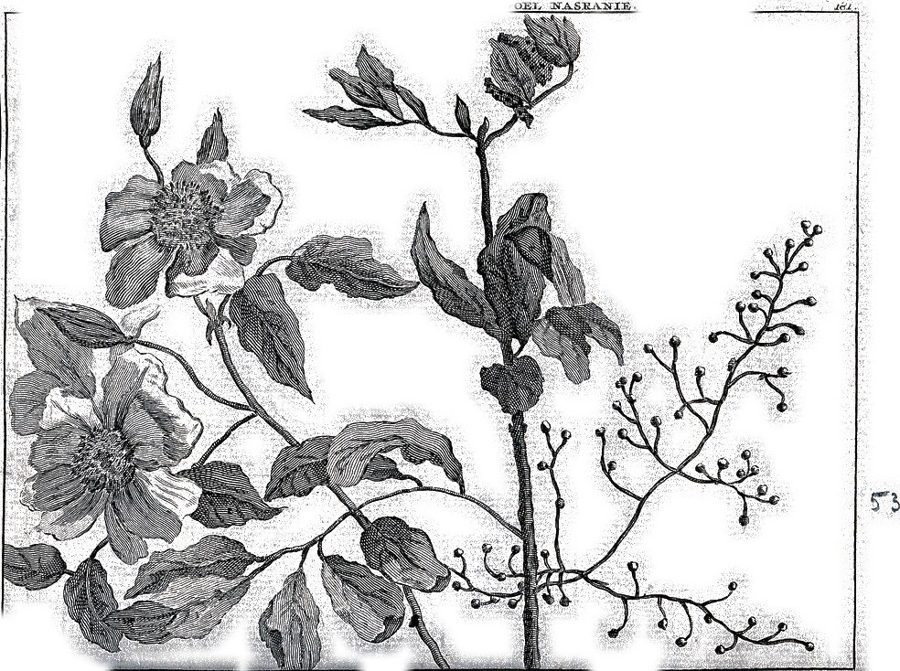
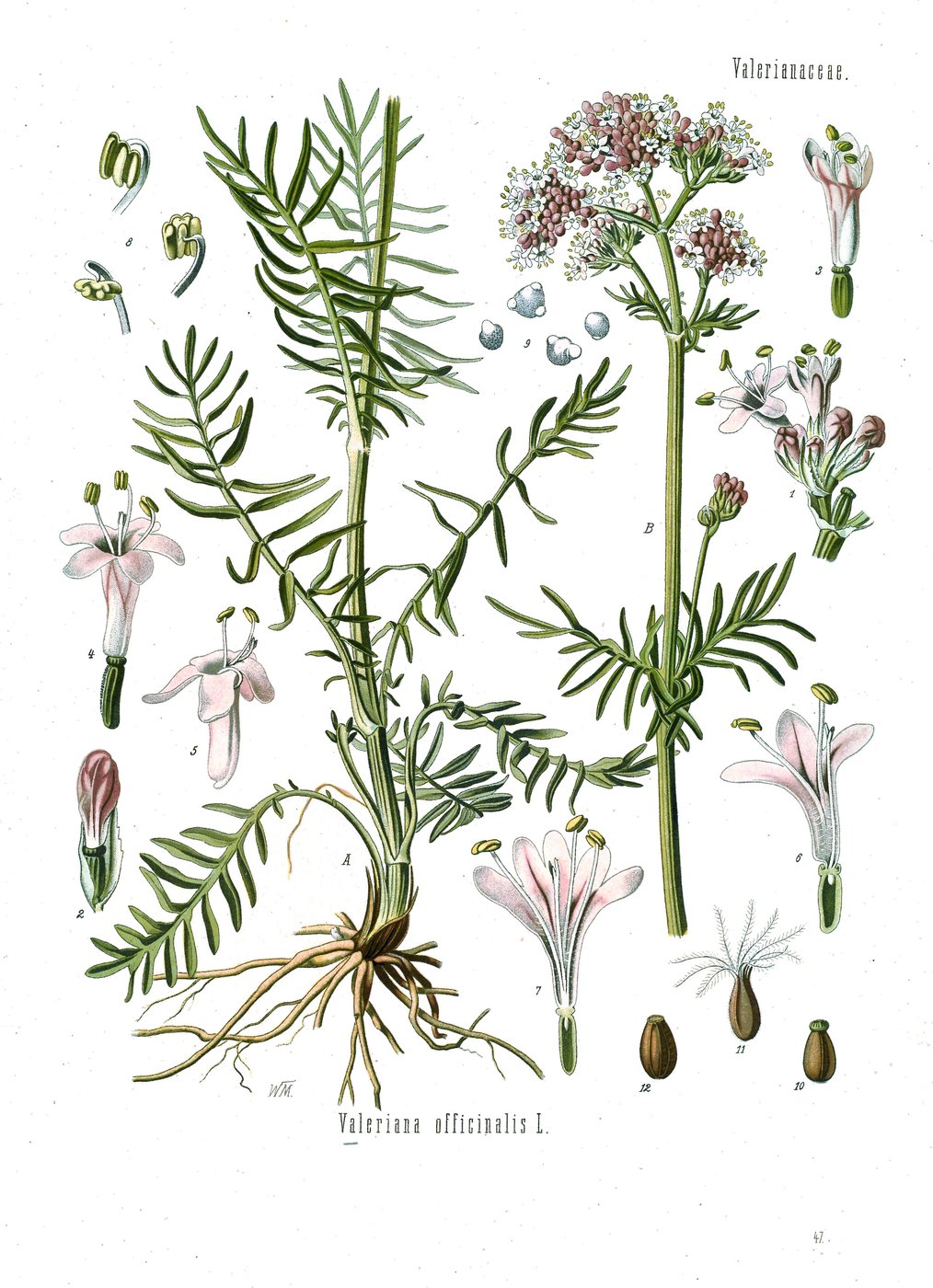
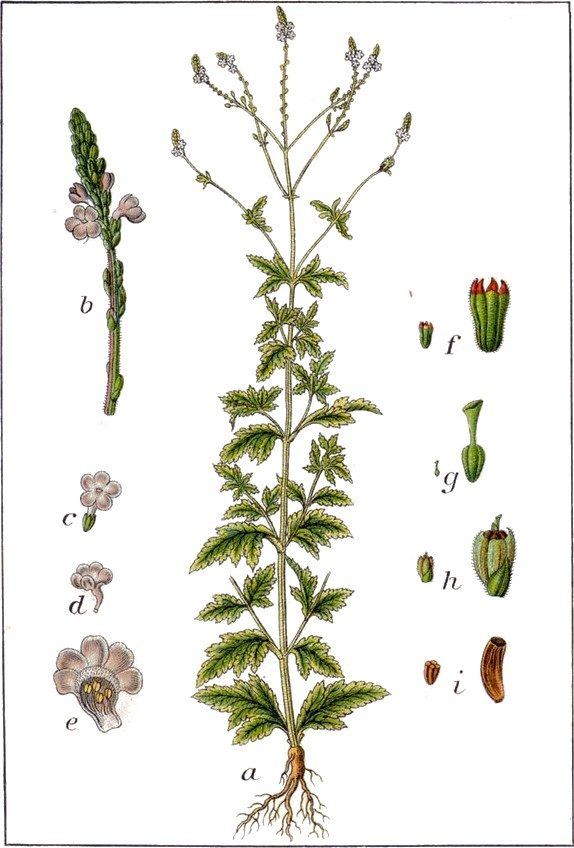
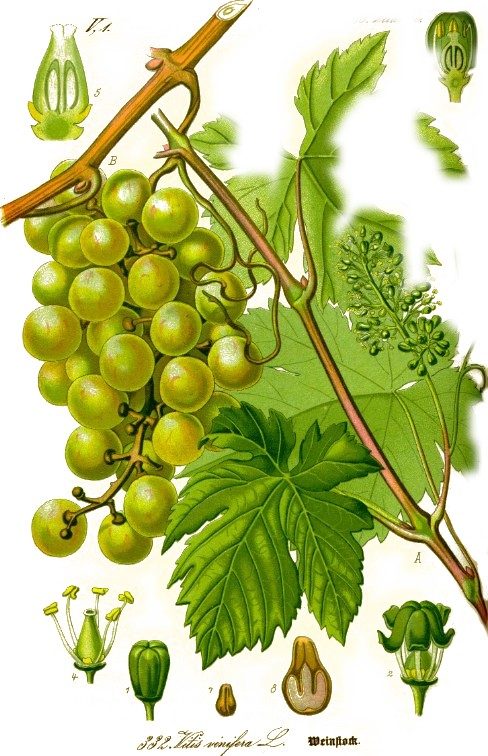
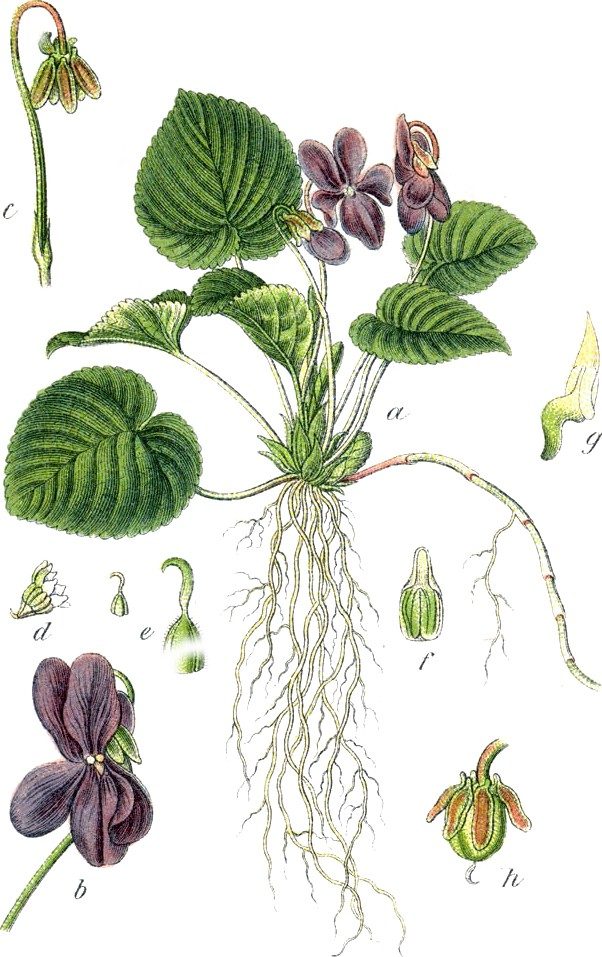
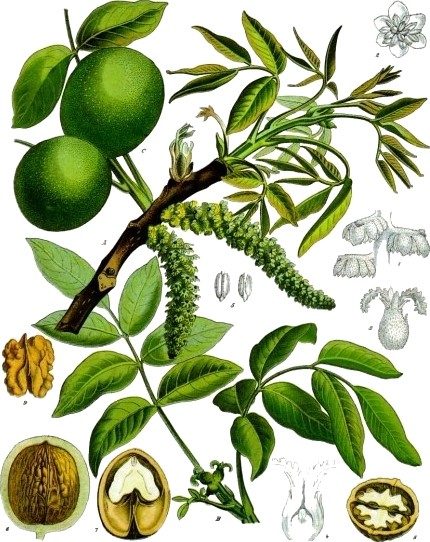
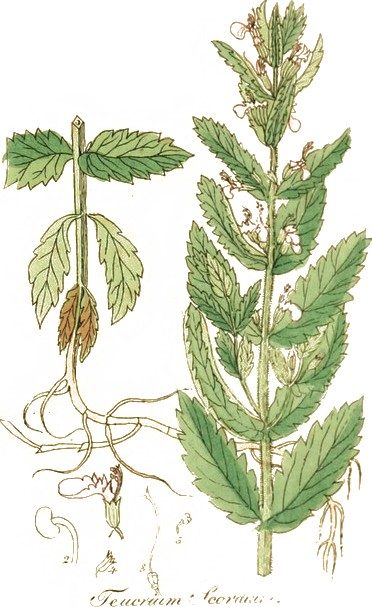
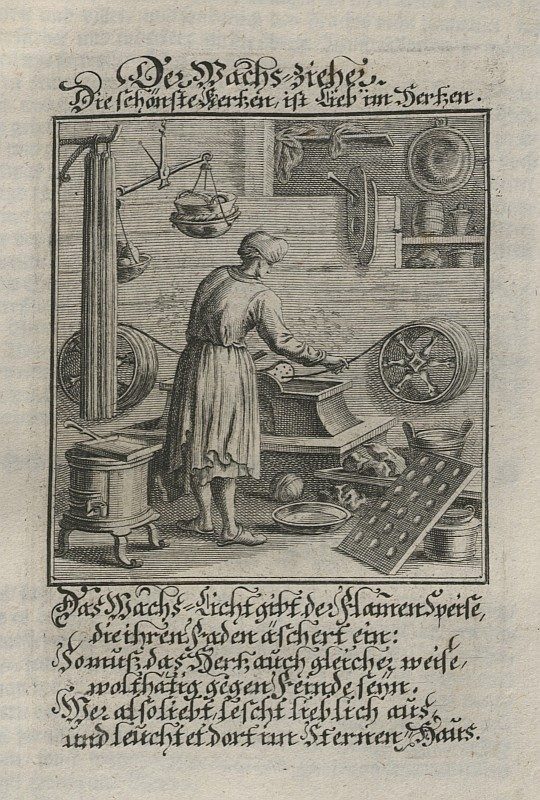
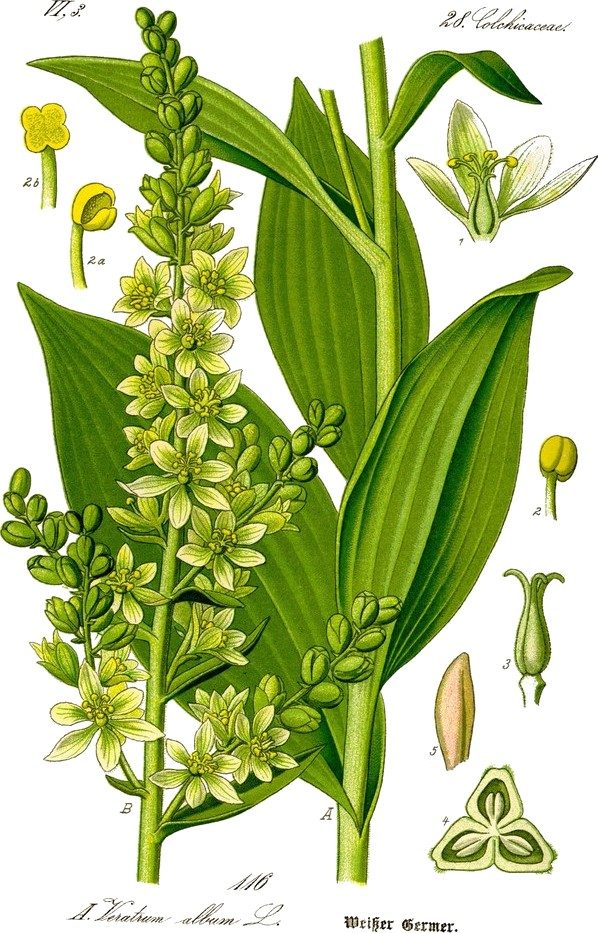
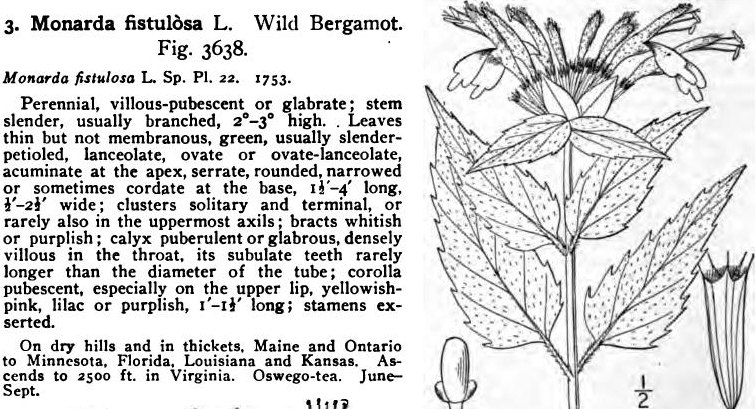
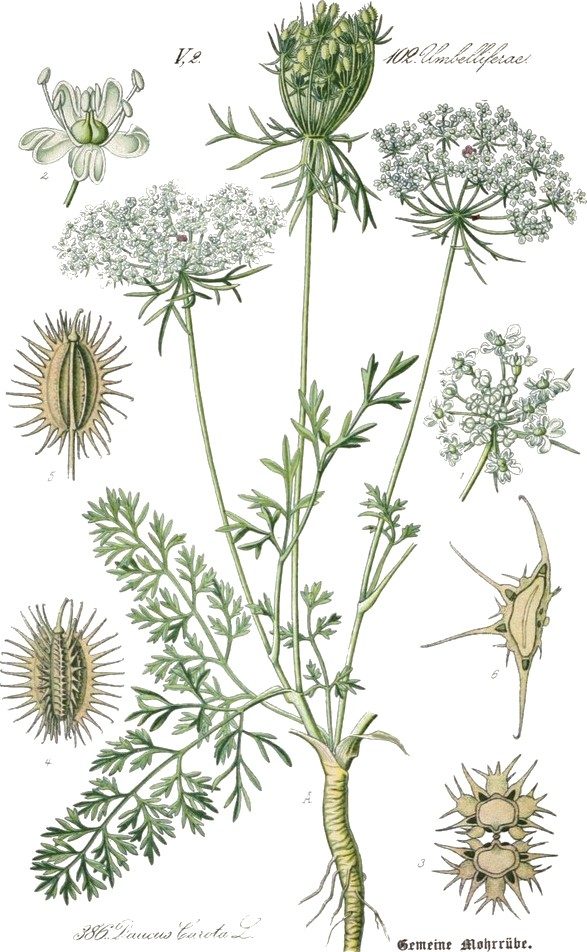
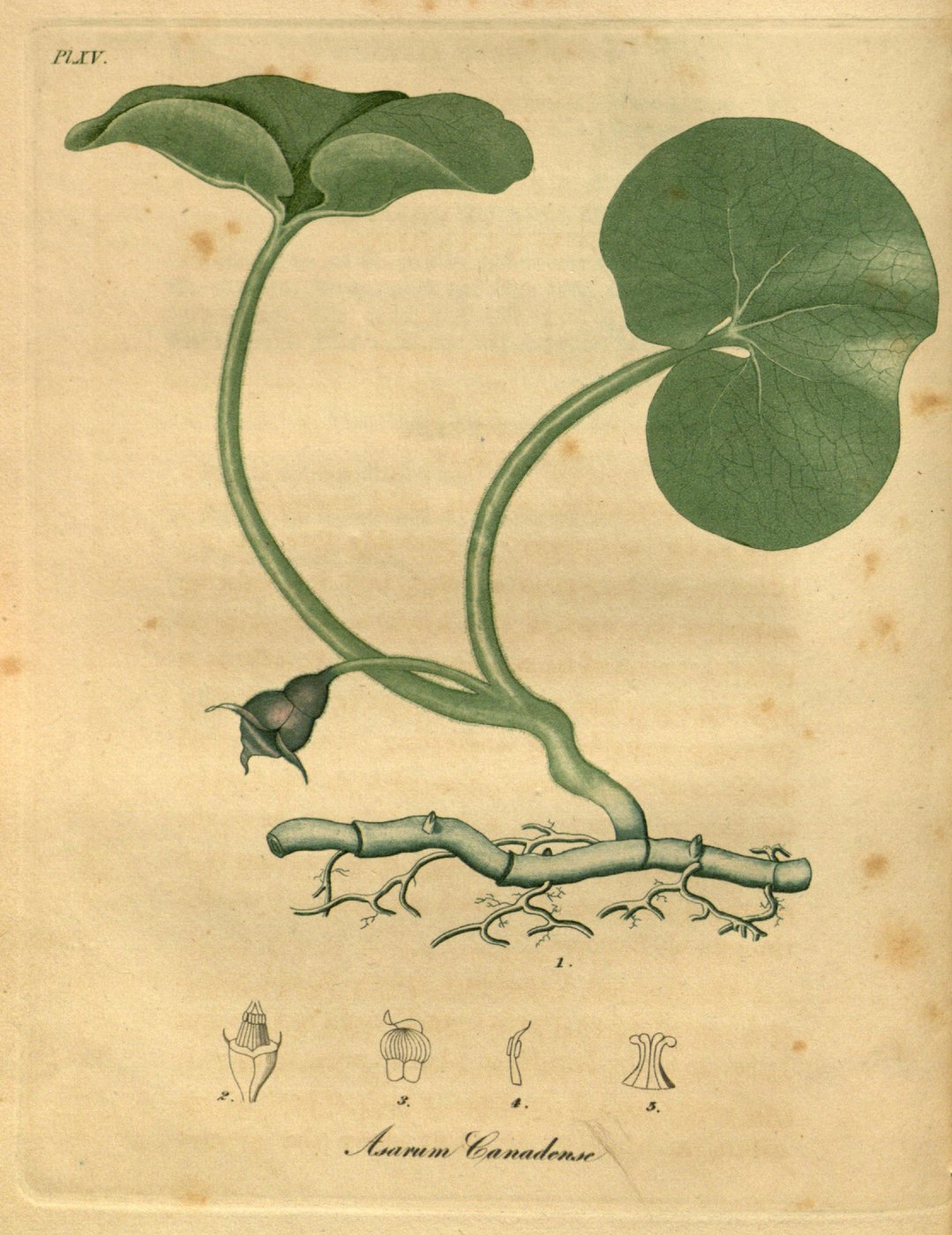
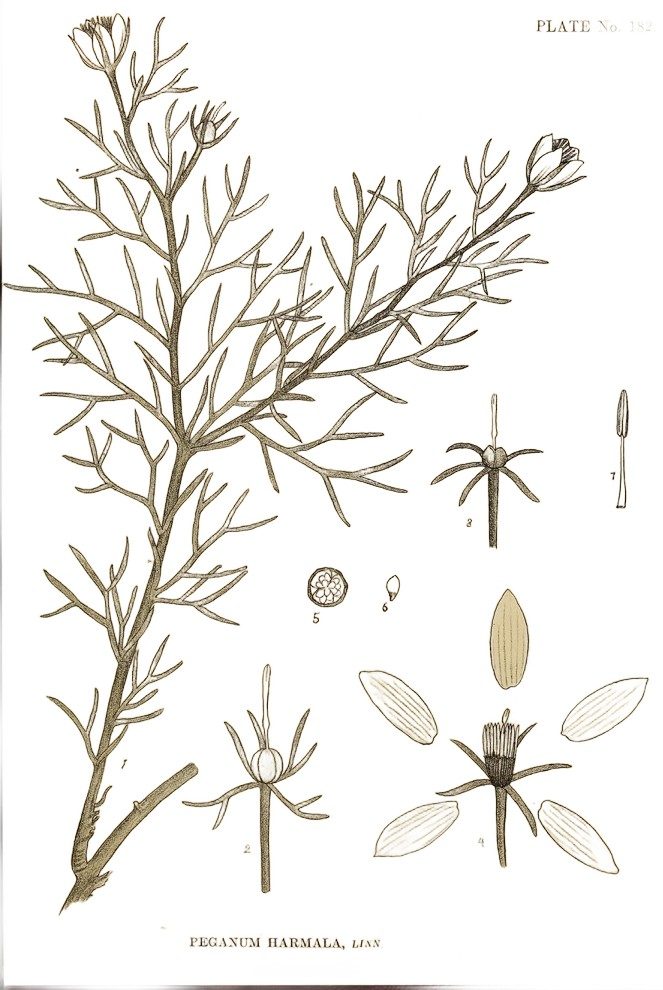
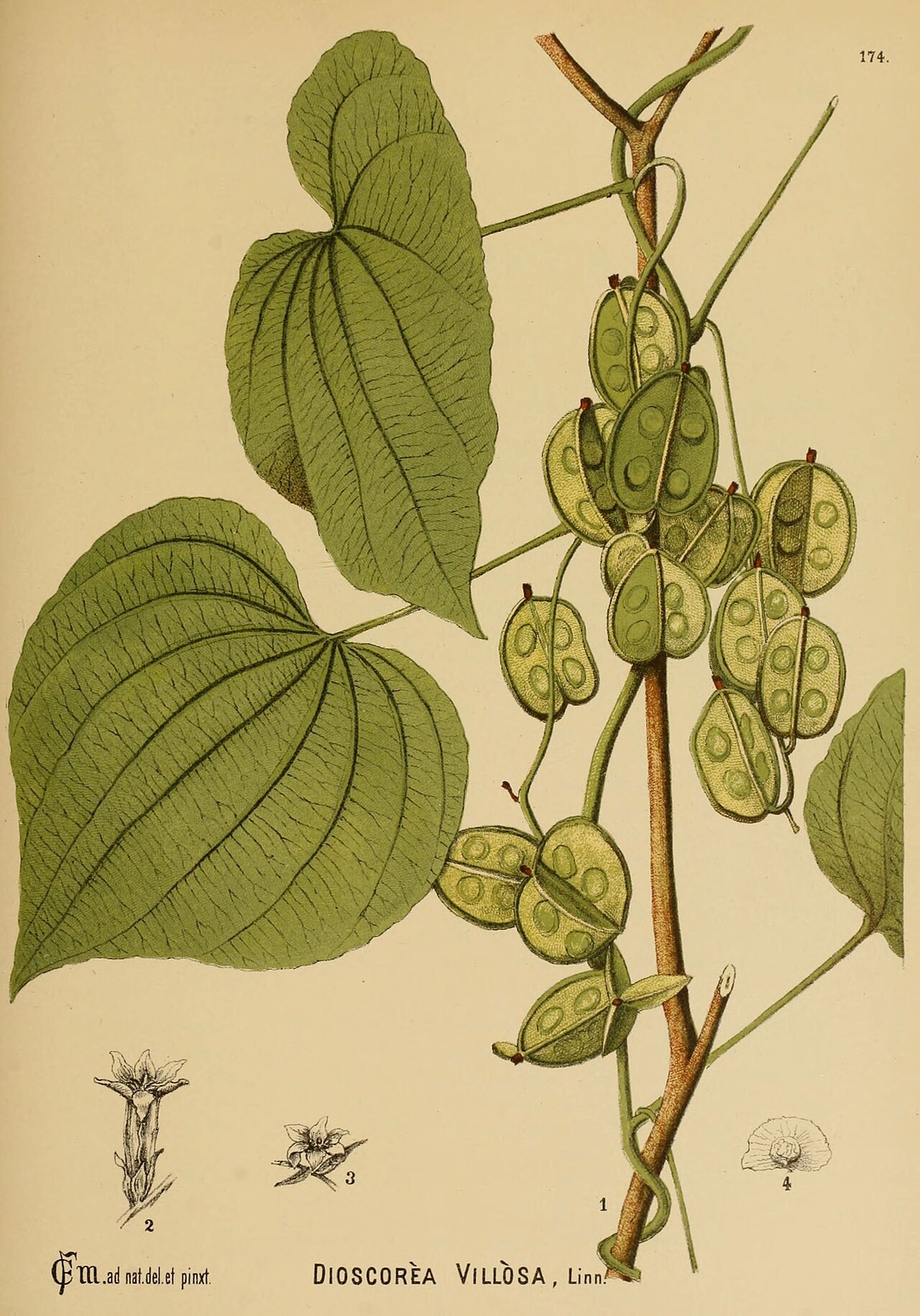
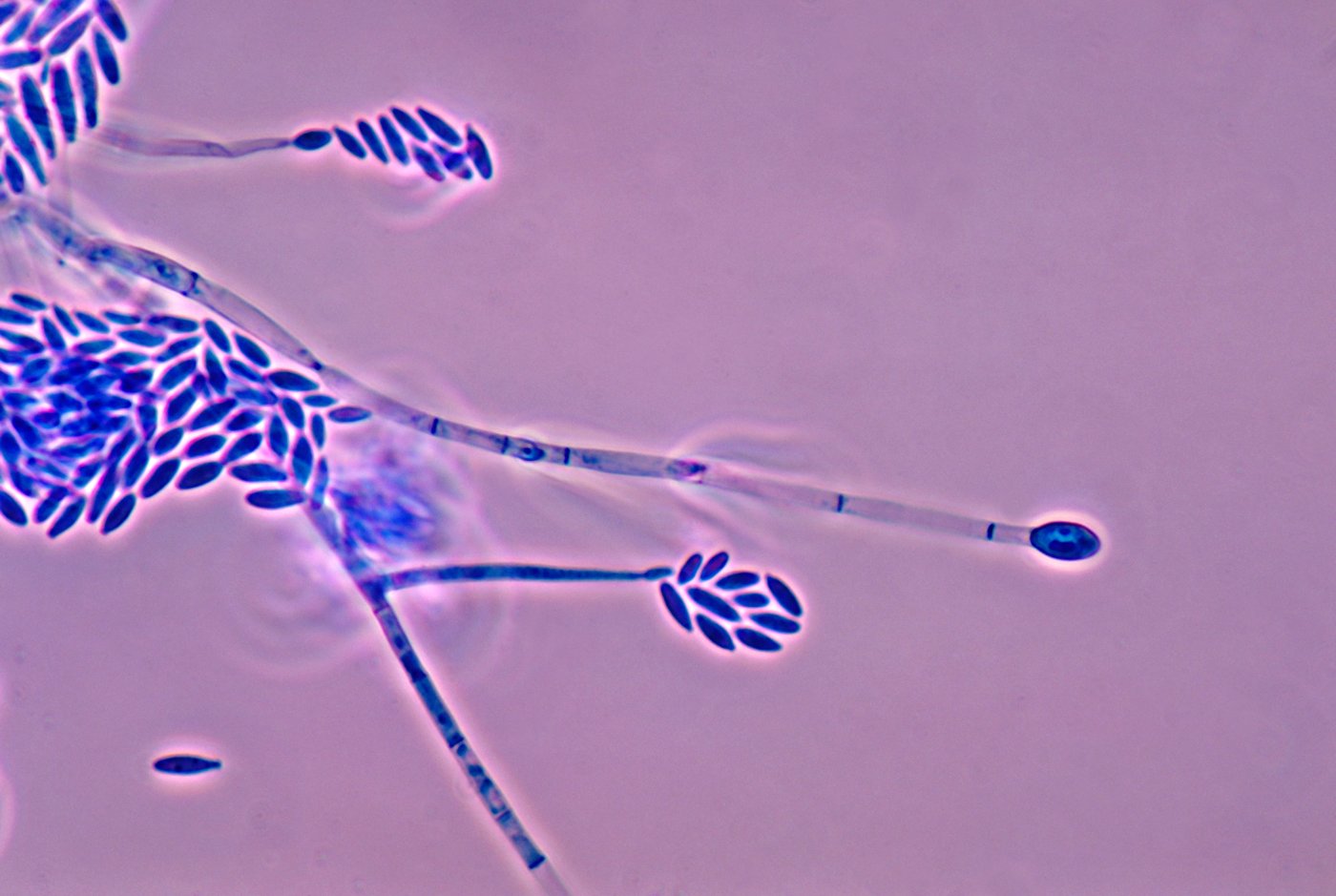
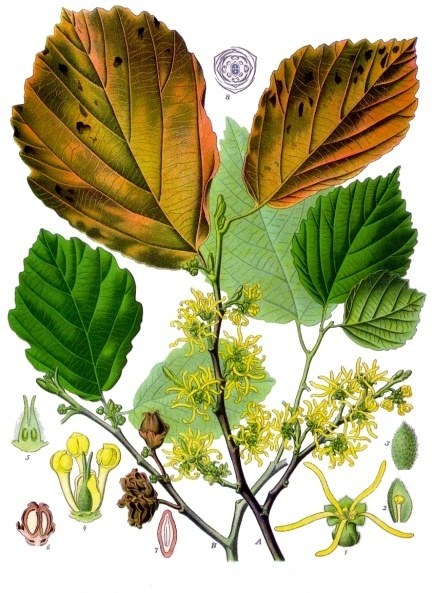
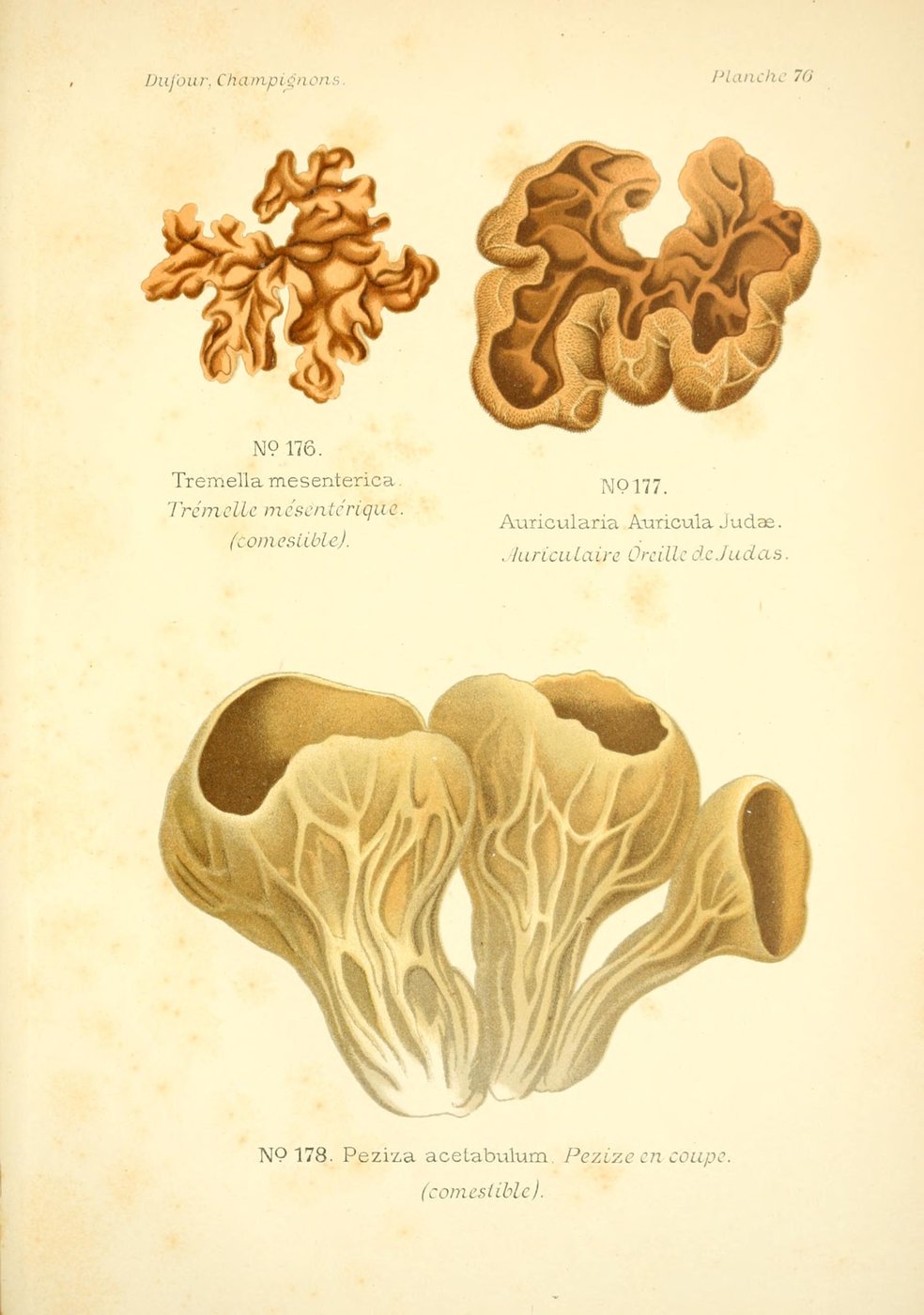
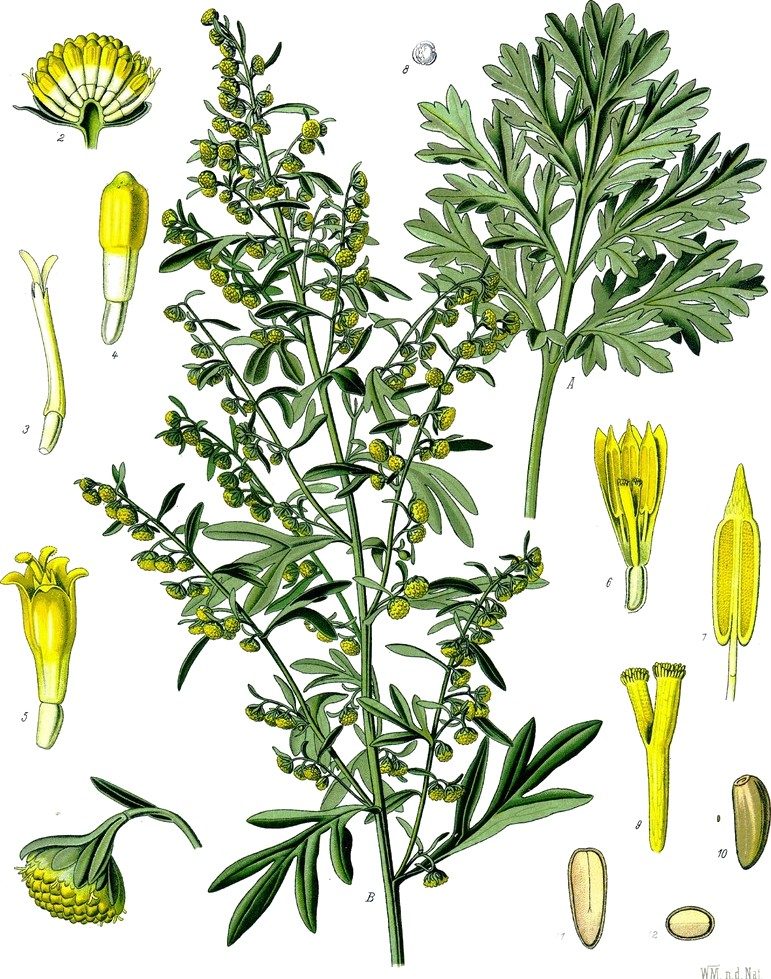
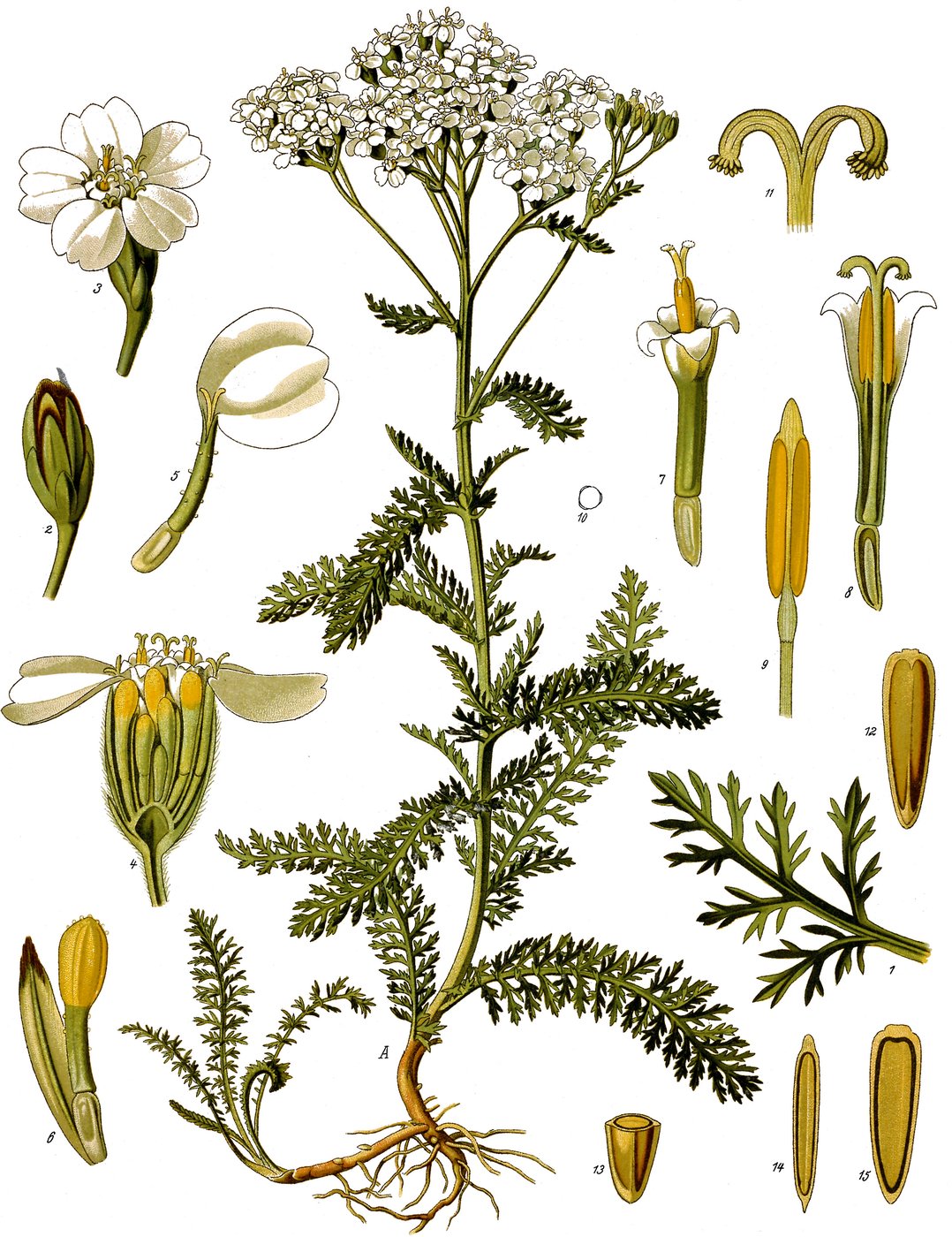
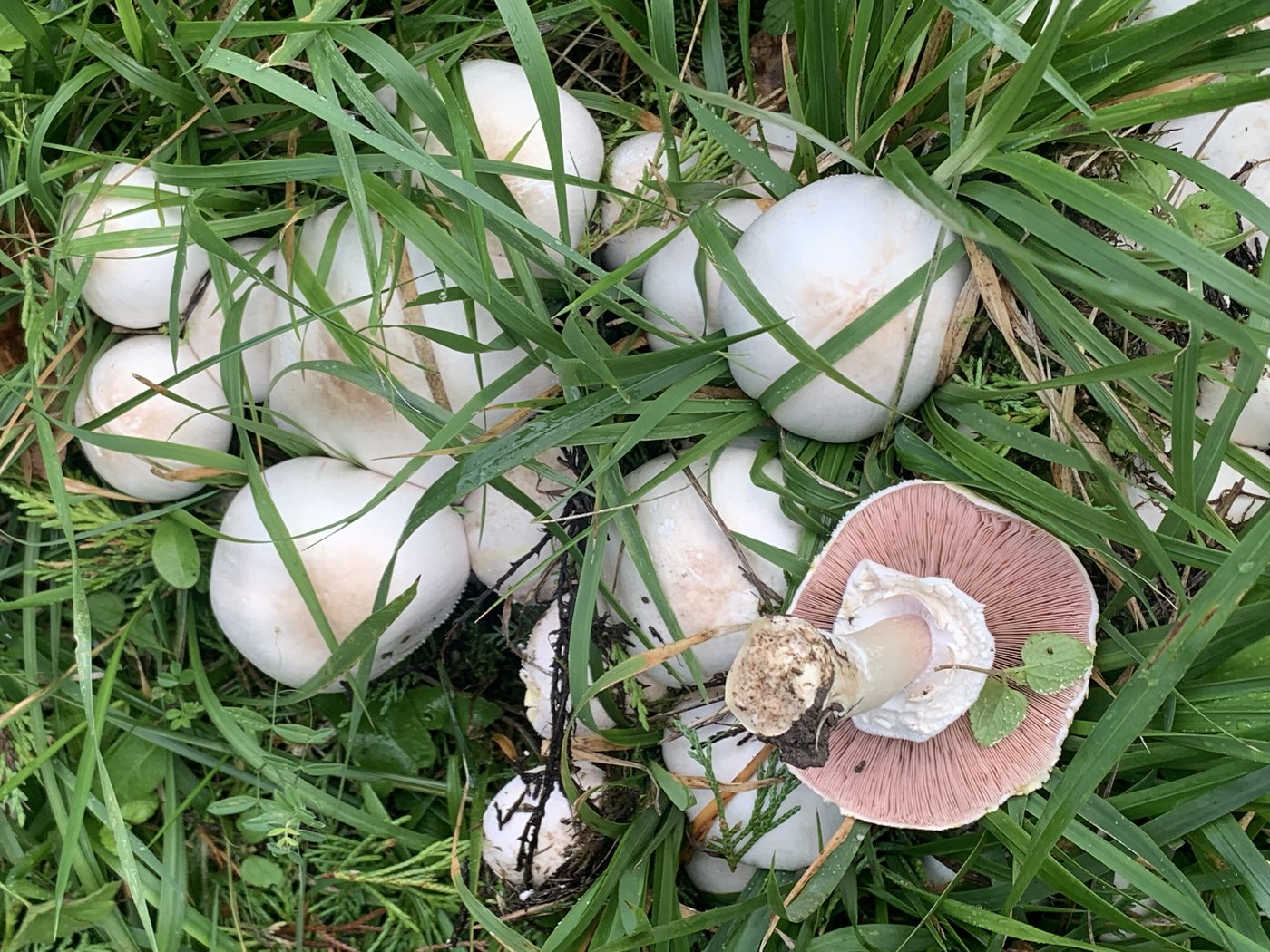
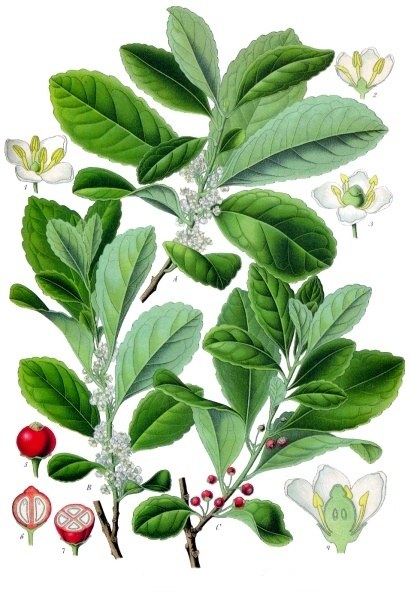
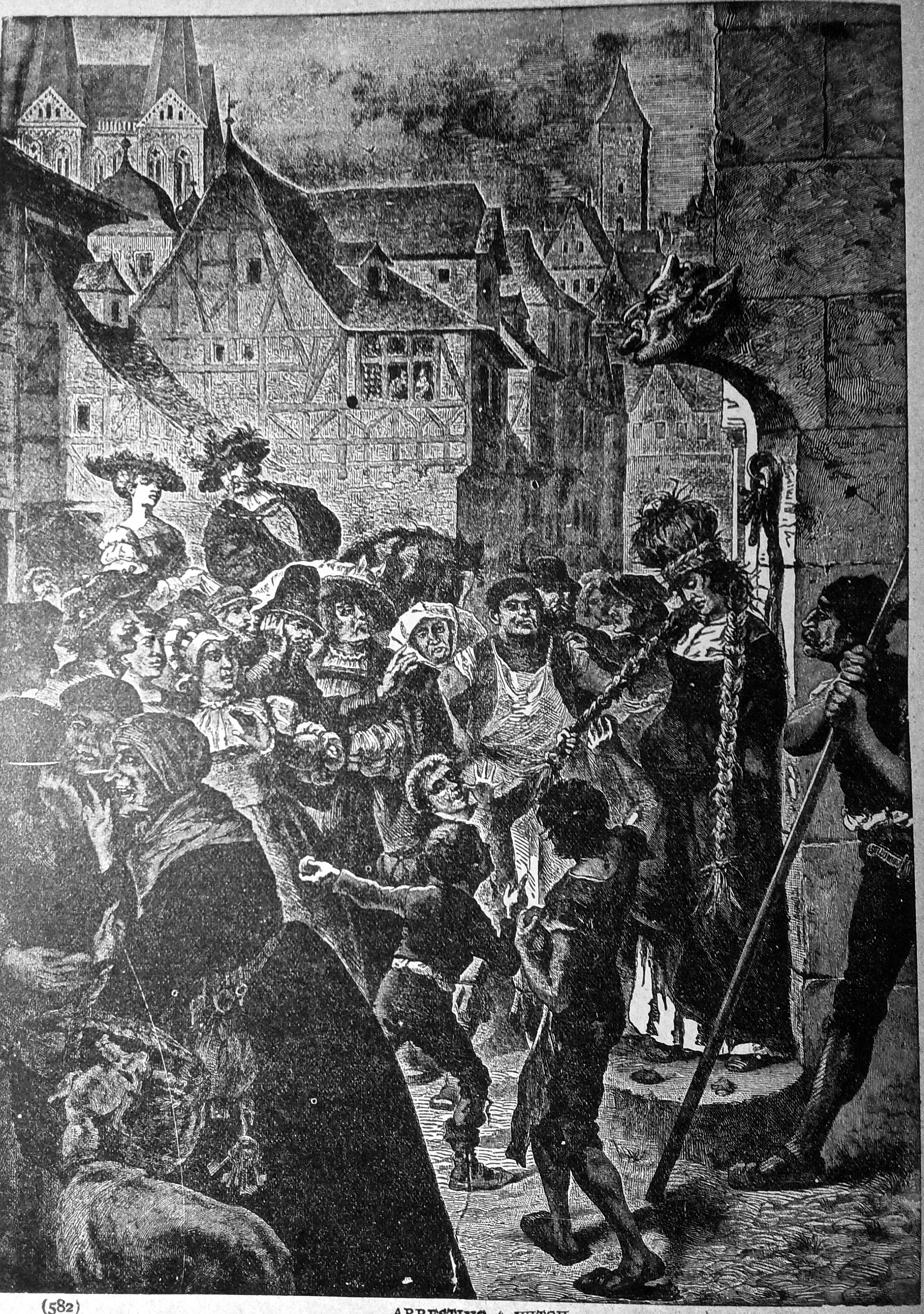
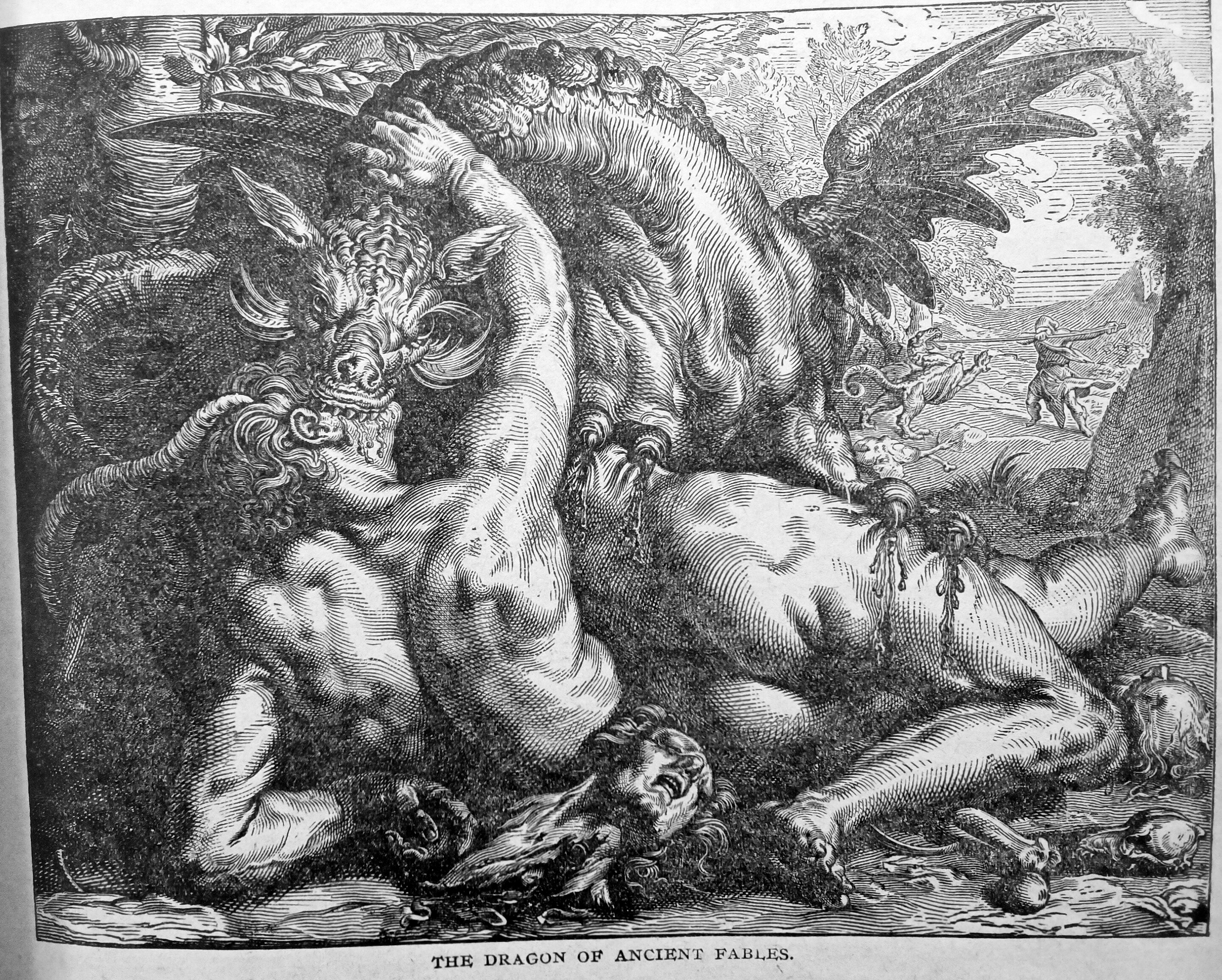
Albrecht Dürer, Knight, Death and the Devil , engraving, 1513. Albrecht Dürer, Saint Jerome in His Study , engraving, 1514. Francisco Goya, The Sleep of Reason Produces Monsters , etching. The Alchymist , mezzotint after David Teniers the Younger.An alchemical laboratory: furnaces, alembics, and bellows at work, early modern woodcut. An alchemist at his furnace, engraving. Philip Galle after Pieter Bruegel, The Alchemist , engraving, 1558. Cleveland Museum of Art. The Three Habits of the Condemned . The san-benito , the fuego revolto and the samarra , the garments of those the Spanish Inquisition sentenced, by how near each came to the fire. After the copper engravings in Philip van Limborch’s Historia Inquisitionis (Amsterdam, 1692), by way of Paul Lacroix’s Military and Religious Life in the Middle Ages . Lacroix, figs. 335–337. Full size .Before the Tribunal . A young prisoner brought before seated inquisitors at a lectern, hooded men with a torch behind, shackles and chains on the floor. The book calls it “A Trial by the Inquisition” and names no artist; it is signed at the lower right. Bryan and Ridpath, p. 407. Full size .The Sentence . A youth stands with his arm raised before judges and halberdiers. The book calls it “Condemned by the Inquisition” and names no artist. Full size .The Road to the Pyre . A prisoner in a long robe and a tall painted cap led on a rope by a hooded man, villagers carrying faggots, clergy under a canopy. The book calls it “Conducting a Prisoner to the Stake” and names no artist. Bryan and Ridpath, p. 62. Full size .The Arrest of a Witch . A woman in a tall headdress stands in a gateway under a carved devil’s head, one of her two long braids pulled out into a jeering crowd. The book’s title is “Arresting a Witch”; it names no artist. Bryan and Ridpath, p. 582. Full size .The Burning of the Books . Books thrown down from a colonnade into a bonfire while a hooded man stokes it. The book calls it “Burning Heretical Books during the Middle Ages” and names no artist. Bryan and Ridpath, p. 379. Full size .The Ordeal of the Cross . A man standing with his arms outstretched against a wall. The book’s title is “Self-Crucifixion as an Evidence of Innocence”; the engraving is signed. Bryan and Ridpath, p. 74. Full size .The Judgment of God . Two men fighting inside the lists, the single combat to be decided by the judgment of God. From a miniature in the Conquêtes de Charlemagne , a fifteenth-century manuscript in the national library at Paris, by way of Lacroix. Lacroix, fig. 129. Full size .The Burning of Joan of Arc . Joan at the stake in a mitre lettered “Jehanne,” a friar holding up the cross, clergy in mitres watching from a stand. Signed by the Stuttgart engravers Allgaier & Siegle. Bryan and Ridpath, p. 518. Full size .The Prophet Taken . A hermit seized in a forest by armed men at the king’s order, from the book’s chapter on prophecy, where it is titled “King John Orders the Yorkshire Hermit to be Imprisoned.” Full size .The Dragon of Cadmus . The dragon devouring the companions of Cadmus, from Ovid. The book’s uncredited copy, titled “The Dragon of Ancient Fables,” of Hendrick Goltzius’s engraving after Cornelis van Haarlem (Haarlem, 1588). Full size .The Dragon Engine . A siege machine in the form of a winged dragon, shooting an arrow from its mouth, with a tower on its head and a ladder at its side. From Robert Valturin’s La Discipline Militaire (1555), by way of Lacroix. Lacroix, fig. 64. Full size .The Horned Engine . A war machine in the form of a horned head on wheels, spikes for a beak, meant to break the enemy’s ranks. From Végèce, L’Art Militaire (1532), by way of Lacroix. Lacroix, fig. 63. Full size .The Hermit at Prayer . An old man kneeling in a ruined cell before a great open book, a skull, a rosary and a crucifix beside him, a lantern overhead. The book gives it as “From the Painting by Gerard Dow.” Bryan and Ridpath, p. 133. Full size .Aconite Aconitum napellus (monkshood / wolfsbane). F. E. Köhler, Köhler's Medizinal-Pflanzen (1887–98). Source. Aflatoxin mould Aspergillus flavus (aflatoxin mould), a rough conidiophore under the microscope. CDC / Dr. Libero Ajello (PHIL #4299), 1963. U.S. government work, in the public domain. Source. Agarwood Agarwood (Aquilaria agallocha ), with Astragalus grahamianus beside it. J. F. Royle, Illustrations of the Botany and Other Branches of the Natural History of the Himalayan Mountains , vol. 2 (1839), drawn by W. Saunders; public domain, Wikimedia Commons. Agnus Dei Wax Agnus Dei blessed by Pius IX in 1858. Photo Emartin, CC BY-SA 4.0, Wikimedia Commons. Alder buckthorn Frangula alnus (alder buckthorn). F. E. Köhler, Köhler's Medizinal-Pflanzen (1887–98). Source. Aloe Albrecht Dürer, The Entombment (1512). National Gallery of Art, Washington. Ambergris Ambergris. Photo Peter Kaminski. CC BY 2.0. Andrographis Andrographis paniculata (andrographis). Photo J. M. Garg. CC BY-SA 4.0. Source. Angel’s wings Agaricus (Pleurotus) porrigens (Angel's wings, Pleurocybella porrigens). M. C. Cooke, Illustrations of British Fungi (Hymenomycetes) (1881-1891), Pl. 259. CC BY 2.0, Biodiversity Heritage Library / New York Botanical Garden. Cropped to the species. Source. Aniseed Anise. From Köhler’s Medizinal-Pflanzen (Gera-Untermhaus, 1887–98). Antimony Stibnite. Photo Bob J. Galindo. CC BY-SA 4.0. Apples, syrup of Apple. From Köhler’s Medizinal-Pflanzen (Gera-Untermhaus, 1887–98). Armenian stone, pills of Azurite, Burra Mine, South Australia. Photo J. J. Harrison. CC BY-SA 3.0. Arnica Arnica montana (arnica). F. E. Köhler, Köhler's Medizinal-Pflanzen (1887–98). Source. Arthritica Iva. O. Penzig, Flore coloriée de poche du littoral méditerranéen (1902). Asafoetida Asafoetida. From Köhler’s Medizinal-Pflanzen (Gera-Untermhaus, 1887–98). Asarabacca Asarabacca, from Deutschlands Flora in Abbildungen (Nuremberg, 1796 onward). Ash leaf Fraxinus excelsior (ash leaf). C. A. M. Lindman, Bilder ur Nordens Flora (1917–26). Source. Ashwagandha Withania somnifera (ashwagandha). Flora Graeca, vol. 3, t. 233 (1819). Source. Aster Italian starwort, from Deutschlands Flora in Abbildungen (Nuremberg, 1796 onward). Balm Lemon balm. From Köhler’s Medizinal-Pflanzen (Gera-Untermhaus, 1887–98). Barberry Berberis vulgaris (barberry). C. F. Millspaugh, American Medicinal Plants (1887). Source. Barley water Barley. Amédée Masclef, Atlas des plantes de France (1891). Basil Basil. F. M. Blanco, Flora de Filipinas (1880–83). Bean pod Phaseolus vulgaris (bean pod). C. F. Millspaugh, American Medicinal Plants (1887). Source. Bearberry Arctostaphylos uva-ursi (bearberry). F. E. Köhler, Köhler's Medizinal-Pflanzen (1887–98). Source. Bells The bell-founder. Ständebuch (1641 ed.), woodcut. Deutsche Fotothek. Ben-nut Ben-nut tree. M. E. Descourtilz, Flore pittoresque et médicale des Antilles (1821). Benzoin Benzoin tree. From Köhler’s Medizinal-Pflanzen (Gera-Untermhaus, 1887–98). Bergamot Citrus limon (bergamot). F. E. Köhler, Köhler's Medizinal-Pflanzen (1887–98). Source. Betony Betony. Jan Kops, Flora Batava (1800 onward). Bilberry Vaccinium myrtillus (bilberry). Amédée Masclef, Atlas des plantes de France (1891). Source. Birch leaf Betula pendula (silver birch), as Betula verrucosa, plate 34. Jacob Sturm, Deutschlands Flora in Abbildungen, 1796. Source. Birch polypore Polypore du bouleau , Polyporus betulinus , “on birches, all year”: plate 45 of a French illustrated guide to mushrooms.Bistort Bistort. O. W. Thomé, Flora von Deutschland , vol. 2 (1904), plate 195. Black cohosh Actaea racemosa (black cohosh). C. F. Millspaugh, American Medicinal Plants (1887). Source. Black haw Viburnum prunifolium (black haw), Viorne à feuilles de prunier, T. 2 No. 38. Pierre-Joseph Redouté; New York Public Library. Source. Black hellebore Black hellebore. Amédée Masclef, Atlas des plantes de France (1891). Black pepper Piper nigrum L. (black pepper), plate 144. F. E. Köhler, Köhler's Medizinal-Pflanzen (1887–98). Source. Black seed Nigella sativa (black seed). F. E. Köhler, Köhler's Medizinal-Pflanzen (1887–98). Source. Black walnut Juglans nigra (black walnut), drawn by Charles Edward Faxon. Plate CCCXXXIV of Charles Sprague Sargent, The Silva of North America, vol. 7 (1895), from the Internet Archive's scan. Source. Blackcurrant Ribes nigrum (blackcurrant). Jan Kops, Flora Batava. Source. Blessed ashes Ashes of Ash Wednesday. Photo Oxh973. Blessed bread Pascal Dagnan-Bouveret, Le Pain bénit (1885). Blessed candles The Purification (Candlemas). Masters of the Dark Eyes, Missal, c. 1500. Walters Art Museum, Ms. W.175. Blessed herbs Herb bundle for the Feast of the Assumption. Photo Sol Octobris. CC BY-SA 4.0. Blessed oil Chrismatory, France, c. 1200, champlevé enamel. Metropolitan Museum of Art. Blessed paper Sheet of swallowing pictures (Schluckbildchen ), Mariazell, 18th century, engraving. Bloodroot Sanguinaria canadensis (bloodroot), drawn from nature by Charles F. Millspaugh. Plate 22 of Millspaugh, American Medicinal Plants, vol. 1 (1887), from the Internet Archive's scan. Source. Blue cohosh Caulophyllum thalictroides (blue cohosh). C. F. Millspaugh, American Medicinal Plants (1887). Source. Boldo Peumus boldus (boldo). F. E. Köhler, Köhler's Medizinal-Pflanzen (1887–98). Source. Boneset Eupatorium perfoliatum (boneset). Jacob Bigelow, American Medical Botany, pl. II (1817). Source. Borage Borage. Jacob Sturm, in J. G. Sturm, Deutschlands Flora in Abbildungen (1796 onward). Breve Breverl, folded amulet with IHS. Wellcome Collection. CC BY 4.0. Brewer’s yeast Saccharomyces cerevisiae (brewer's yeast). Illustration, Otto's Encyclopedia. Source. Broom Spanish broom. Paul Taubert, in Engler and Prantl, Die natürlichen Pflanzenfamilien (1891). Brown roll-rim Paxille enroulé (Paxillus involutus). Paul Dumée, Nouvel atlas de poche des champignons comestibles et vénéneux (1912). CC BY 2.0, Biodiversity Heritage Library / New York Botanical Garden. Source. Bryony White bryony. Jacob Sturm, in J. G. Sturm, Deutschlands Flora in Abbildungen (1796 onward). Burdock Lappa officinalis var. major (burdock), drawn from nature by Charles F. Millspaugh. Plate 92 of Millspaugh, American Medicinal Plants, vol. 1 (1887), from the Internet Archive's scan. Source. Butcher’s broom Ruscus aculeatus (butcher's broom). Botanical illustration, public domain, via Wikimedia Commons. Source. California poppy Eschscholzia californica (california poppy). Curtis's Botanical Magazine, pl. 3495 (1836). Source. Camphor Cinnamomum camphora F. Nees et Eberm. (camphor tree). F. E. Köhler, Köhler's Medizinal-Pflanzen (1887–98). Source. Caper spurge Caper spurge. Jacob Sturm, in J. G. Sturm, Deutschlands Flora in Abbildungen (1796 onward). Capsicum Capsicum annuum (capsicum). F. E. Köhler, Köhler's Medizinal-Pflanzen (1887–98). Source. Caraway broth Caraway. From Köhler’s Medizinal-Pflanzen (Gera-Untermhaus, 1887–98). Cardamom Elettaria cardamomum White et Maton (cardamom), plate 186. F. E. Köhler, Köhler's Medizinal-Pflanzen (1887–98). Source. Cascara Frangula purshiana (cascara). F. E. Köhler, Köhler's Medizinal-Pflanzen (1887–98). Source. Cassia wood Cinnamomum cassia Blume, plate 77. F. E. Köhler, Köhler’s Medizinal-Pflanzen (1887–98).Cassia, flower of Indian laburnum. F. M. Blanco, Flora de Filipinas (1880–83). Castor-oil plant, seeds of Castor-oil plant. From Köhler’s Medizinal-Pflanzen (Gera-Untermhaus, 1887–98). Caterpillar fungus Ophiocordyceps sinensis, as Sphaeria sinensis (caterpillar fungus). Miles Joseph Berkeley, original illustration, 19th century. Source. Catmint Catmint. Jacob Sturm, in J. G. Sturm, Deutschlands Flora in Abbildungen (1796 onward). Cattail Typha latifolia and Typha angustifolia (Rohrkolben). Tafel 44 of Otto Wilhelm Thomé, Flora von Deutschland, Österreich und der Schweiz, Bd. 1 (1886), from the Internet Archive's scan. Source. Cat’s claw Uncaria tomentosa (cat's claw), stipules and paired hooked spines. Photograph by Vangeliq.petrova, 2012, CC BY-SA 4.0. Source. Celery Apium graveolens (celery). Otto Wilhelm Thomé, Flora von Deutschland, Österreich und der Schweiz (1888). Source. Centaury Centaury. From Köhler’s Medizinal-Pflanzen (Gera-Untermhaus, 1887–98). Centella Centella asiatica (centella). Photo Forest and Kim Starr. CC BY 3.0. Source. Chaga Inonotus obliquus (chaga), sterile conk on birch. Krzysztof Ziarnek, Kenraiz, photograph. Licence: CC BY-SA 4.0. Source. Chamomile Chamomile. From Köhler’s Medizinal-Pflanzen (Gera-Untermhaus, 1887–98). Chanterelle Cantharellus cibarius (chanterelle). George Chernilevsky, photograph. Source. Chaste tree Agnus castus, or the chaste tree. Elizabeth Blackwell, A Curious Herbal (1737–39), plate 139, drawn, engraved and coloured by Blackwell. Source. Cherry stalks Prunus avium (cherry stalks). C. A. M. Lindman, Bilder ur Nordens Flora (1917–26). Source. Chickweed Stellaria media (chickweed), labeled Alsine media. Jan Kops, Flora Batava, vol. 4 (1822). Source. Chicory Chicory. Jacob Sturm, in J. G. Sturm, Deutschlands Flora in Abbildungen (1796 onward). Chocolate Theobroma cacao L. (cacao), the pod and beans. F. E. Köhler, Köhler's Medizinal-Pflanzen (1887–98). Source. Chokecherry Prunus virginiana (choke cherry), drawn from nature by Charles Edward Faxon. Plate CLVIII of Charles Sprague Sargent, The Silva of North America, vol. 4 (1892), from the Internet Archive's scan. Source. Cinchona Cinchona calisaya Wedd., one of the bark-yielding Cinchona trees. F. E. Köhler, Köhler's Medizinal-Pflanzen (1887–98). Source. Cinnamon Cinnamon. From Köhler’s Medizinal-Pflanzen (Gera-Untermhaus, 1887–98). Cinquefoil Cinquefoil. Jan Kops, Flora Batava (1800 onward). Citron Citron. Coloured etching by J. Pass, c. 1800. Wellcome Collection. CC BY 4.0. Civet Civet. Alfred Brehm, Het leven der dieren (1927). Clary, garden Clary sage. Jacob Sturm, in J. G. Sturm, Deutschlands Flora in Abbildungen (1796 onward). Cleavers Galium aparine (cleavers). Jan Kops, Flora Batava. Source. Clove Caryophyllus aromaticus (clove). F. E. Köhler, Köhler's Medizinal-Pflanzen, Bd. 2 (1887–98), Tafel 125, from the Internet Archive's scan. Source. Cochia pills Scammony. From Köhler’s Medizinal-Pflanzen (Gera-Untermhaus, 1887–98). Coffee Coffea arabica L. (coffee), plate 106. F. E. Köhler, Köhler's Medizinal-Pflanzen (1887–98). Source. Coltsfoot Coltsfoot. From Köhler’s Medizinal-Pflanzen (Gera-Untermhaus, 1887–98). Comfrey Symphytum officinale (comfrey), Echter Beinwell, Tafel 9. Jacob Sturm, Deutschlands Flora in Abbildungen. Source. Common earthball Kartoffel-Bovist (Scleroderma citrinum, labeled S. vulgare). Edmund Michael, Führer für Pilzfreunde (1896). CC BY 2.0, Biodiversity Heritage Library / MBLWHOI Library. Cropped to the species. Source. Common ink cap Coprin noir d'encre (Coprinopsis atramentaria). L. Dufour, Atlas des champignons comestibles et vénéneux (1891). CC BY 2.0, Biodiversity Heritage Library / New York Botanical Garden. Cropped to the species. Source. Compound fumitory Fumitory. Jacob Sturm, in J. G. Sturm, Deutschlands Flora in Abbildungen (1796 onward). Coral, red Red coral (fig. 2). Dictionnaire universel d’histoire naturelle (1841–49). CC BY 2.0 (rawpixel). Cordial flowers and fruits Bugloss. Jacob Sturm, in J. G. Sturm, Deutschlands Flora in Abbildungen (1796 onward). Coriander Coriandrum sativum L. (coriander), plate 145. F. E. Köhler, Köhler's Medizinal-Pflanzen (1887–98). Source. Corn silk Zea mays (corn silk). F. E. Köhler, Köhler's Medizinal-Pflanzen (1887–98). Source. Corn smut Ustilago maydis (corn smut) on maize. Holger Krisp, photograph. Licence: CC BY 3.0. Source. Couch grass Elymus repens (couch grass). F. E. Köhler, Köhler's Medizinal-Pflanzen (1887–98). Source. Cranberry Vaccinium macrocarpon (cranberry). Jan Kops, Flora Batava. Source. Crow’s gall Raven. John Gould, The Birds of Great Britain (1862–73), lithograph. Crucifix Crucifix, Spain (?), 16th century. Cleveland Museum of Art. Cumin Cuminum cyminum (cumin), Kreuzkümmel, plate 198. F. E. Köhler, Köhler's Medizinal-Pflanzen (1887–98). Source. Cyclamen, greater Sowbread. Leonhart Fuchs, New Kreüterbuch (Basel, 1543), woodcut. Cyprus powder Oak moss (fig. 1). Flora Danica (1840). Damascus prunes Plum. Jacob Sturm, in J. G. Sturm, Deutschlands Flora in Abbildungen (1796 onward). Dandelion Taraxacum dens-leonis (dandelion), drawn from nature by Charles F. Millspaugh. Plate 95 of Millspaugh, American Medicinal Plants, vol. 1 (1887), from the Internet Archive's scan. Source. Danshen Salvia miltiorrhiza (danshen). Image by First Light, Wikimedia Commons. CC BY 3.0. Source. Deadly fibrecap Inocybe erubescens, as I. Patouillardi (deadly fibrecap). Giacomo Bresadola, Iconographia Mycologica. Source. Deadly nightshade Atropa belladonna (deadly nightshade). F. E. Köhler, Köhler's Medizinal-Pflanzen (1887–98). Source. Deadly webcap Deadly webcap (Cortinarius rubellus, as C. brunneo-fulvus). Giacomo Bresadola, Iconographia Mycologica, vol. XIV, tab. 654 (1930). Public domain. Source. Death cap Death cap (Agaricus phalloides). M. C. Cooke, Illustrations of British Fungi (Hymenomycetes), Pl. 2 (1881-1891). Public domain. Source. Destroying angel Destroying angel (Amanita virosa). M. C. Cooke, Illustrations of British Fungi (Hymenomycetes), Pl. 1 (1881-1891). Public domain. Source. Devil’s claw Harpagophytum procumbens (devil's claw). Photo Henri Pidoux, © CITES Secretariat. Source. Diacatholicon Albarello for diacatholicon, Italy, 17th century. Wellcome Collection. CC BY 4.0. Diamoschu, sweet Musk deer. The Grete Herball (London, 1526), woodcut. Diaphenicon Date palm. Traité des arbres et arbustes (Paris, 1801 onward), New York Public Library. Diatrion piperion Black pepper. From Köhler’s Medizinal-Pflanzen (Gera-Untermhaus, 1887–98). Dill Dill. John Gerard, The Herball (1633 ed.), woodcut. Wellcome Collection. CC BY 4.0. Dittany Dittany of Crete. François Rozier, Cours complet d’agriculture , vol. 3 (1781), plate 19. Dong quai Angelica sinensis (dong quai), from the Illustriertes Kompendium der Materia medica, 1911, by Chu chong xiong. Source. Dragon’s blood Dragon tree of Orotava before 1819. Charles Lemaire. Echinacea Echinacea purpurea (echinacea). Sydenham Edwards, The Botanical Magazine, pl. 2 (1787). Source. Elder Sambucus nigra L. (elder), plate 46. F. E. Köhler, Köhler's Medizinal-Pflanzen (1887–98). Source. Elecampane Inula helenium L. (elecampane), plate 90. F. E. Köhler, Köhler's Medizinal-Pflanzen (1887–98). Source. Eleutherococcus Eleutherococcus senticosus (eleutherococcus). Photo Stanislav Doronenko. CC BY 2.5. Source. Endive Endive. Vilmorin-Andrieux, Les plantes potagères (1883). Epithymum Dodder. Jan Kops, Flora Batava (1800 onward). Ergot Claviceps purpurea (ergot), labeled Secale cornutum. Jan Kops, Flora Batava, vol. 12. Source. Eucalyptus Eucalyptus globulus (eucalyptus). F. E. Köhler, Köhler's Medizinal-Pflanzen (1887–98). Source. Evening primrose Oenothera biennis (evening primrose). C. F. Millspaugh, American Medicinal Plants (1887). Source. Fairy ring champignon Marasmius oreades (fairy ring champignon) in a fairy ring. Agnes Monkelbaan, photograph. Licence: CC BY-SA 4.0. Source. False morel Gyromitra esculenta (false morel). Burt & Farlow, Icones Farlowianae, Plate 102 (Harvard). Licence: CC BY 2.0. Source. Fennel Fennel. From Köhler’s Medizinal-Pflanzen (Gera-Untermhaus, 1887–98). Fenugreek Trigonella foenum-graecum (fenugreek). F. E. Köhler, Köhler's Medizinal-Pflanzen (1887–98). Source. Feverfew Tanacetum parthenium (feverfew), Mutterkraut, plate 36. F. E. Köhler, Köhler's Medizinal-Pflanzen (1887–98). Source. Fig Ficus carica L. (fig), Figuier commun, plate 289. A. Masclef, Atlas des Plantes de France, 1891. Source. Fly agaric Amanita muscaria (fly agaric). Emil Doerstling, in Eugen Gramberg, Pilze der Heimat, Plate 64 (1913). Source. Foetid pills Sagapenum resin. Photo Jacopo188. CC BY-SA 4.0. Fool’s webcap Cortinarius anthracinus (above) and C. orellanus (below), “in woods, Coed Coch”: plate 787 of an atlas of British fungi.Foxglove Digitalis purpurea L. (foxglove), plate 62, drawn by W. Müller. F. E. Köhler, Köhler's Medizinal-Pflanzen (1887–98). Source. Fox’s heart Fox. Conrad Gessner, Historia animalium (1551), woodcut. Frankincense Frankincense tree. From Köhler’s Medizinal-Pflanzen (Gera-Untermhaus, 1887–98). Fu ling Wolfiporia extensa, dried sclerotium slices (fu ling / tuckahoe), as sold medicinally. Licence: CC BY-SA 4.0. Source. Funeral bell Funeral bell (Galerina marginata, as Agaricus/Pholiota marginatus). M. C. Cooke, Illustrations of British Fungi (Hymenomycetes), Pl. 372 (1881-1891). Public domain. Source. Galbanum Galbanum. From Köhler’s Medizinal-Pflanzen (Gera-Untermhaus, 1887–98). Gallia moschata Pomander, Germany, 16th century. Cooper Hewitt, Smithsonian Design Museum. Garlic Allium sativum (garlic). William Woodville, Medical Botany, hand-coloured engraving (London, 1793). Source. Gentian Gentiana lutea (gentian). F. E. Köhler, Köhler's Medizinal-Pflanzen (1887–98). Source. Ghost pipe Monotropa uniflora (Indian pipe), drawn from nature by Charles F. Millspaugh. Plate 105 of Millspaugh, American Medicinal Plants, vol. 1 (1887), from the Internet Archive's scan. Source. Ginger Zingiber officinale Rosc. (ginger). F. E. Köhler, Köhler's Medizinal-Pflanzen (1887–98). Source. Ginkgo Ginkgo biloba (ginkgo). Siebold and Zuccarini, Flora Japonica (1870). Source. Ginseng Panax quinquefolium (ginseng). Plate XXIX of Jacob Bigelow, American Medical Botany, vol. 2 (1818), from the Internet Archive's scan. Source. Glass powder Venetian cristallo glass, 16th–17th century. Corning Museum of Glass; photo Andre Carrotflower. CC BY-SA 4.0. Goat’s rue Goat’s rue. Jacob Sturm, in J. G. Sturm, Deutschlands Flora in Abbildungen (1796 onward). Goji berry Lycium barbarum (Gemeiner Teufelszwirn). Tafel 490 of Otto Wilhelm Thomé, Flora von Deutschland, Österreich und der Schweiz, Bd. 4 (1889), from the Internet Archive's scan. Source. Gold leaf The goldbeater. Jost Amman, Ständebuch (Frankfurt, 1568), woodcut. Gold, frankincense, and myrrh Geoffroy Tory, The Adoration of the Magi (1525), woodcut. Golden pills Drug jar and pill tile, Lambeth delftware. Wellcome Collection. CC BY 4.0. Goldenrod Solidago virgaurea (goldenrod). C. A. M. Lindman, Bilder ur Nordens Flora (1917–26). Source. Goldenseal Hydrastis canadensis (goldenseal). F. E. Köhler, Köhler's Medizinal-Pflanzen (1887–98). Source. Greater celandine Greater celandine. From Köhler’s Medizinal-Pflanzen (Gera-Untermhaus, 1887–98). Greek sage Salvia fruticosa (greek sage). Photo Ester Inbar. Free to use with attribution. Source. Grindelia Grindelia squarrosa (gumweed), published as Donia squarrosa. Syd. Edwards, Curtis’s Botanical Magazine, vol. 41, plate 1706 (1815). Source. Ground cherry Physalis Alkekengi (Gemeine Judenkirsche). Tafel 489 of Otto Wilhelm Thomé, Flora von Deutschland, Österreich und der Schweiz, Bd. 4 (1889), from the Internet Archive's scan. Source. Ground pine Ground pine. Jan Kops, Flora Batava (1800 onward). Guarana Paullinia cupana (guarana). F. E. Köhler, Köhler's Medizinal-Pflanzen (1887–98). Source. Guelder rose Viburnum opulus (guelder rose). Jacob Sturm, Deutschlands Flora in Abbildungen. Source. Hamech, confection of Myrobalan. Storia delle piante forastiere (Milan, 1793). Biblioteca Europea di Informazione e Cultura. Hawthorn Crataegus oxyacantha (hawthorn). Tafel 345 of Thomé, Flora von Deutschland, Österreich und der Schweiz, Bd. 3 (1903 edition), from the Internet Archive's scan. Source. Hedge mustard Sisymbrium officinale (hedge mustard). Jacob Sturm, Deutschlands Flora in Abbildungen. Source. Hemlock Conium maculatum (hemlock). F. E. Köhler, Köhler's Medizinal-Pflanzen (1887–98). Source. Henbane Hyoscyamus niger (henbane). F. E. Köhler, Köhler's Medizinal-Pflanzen (1887–98). Source. Herb Paris Herb Paris. Jacob Sturm, in J. G. Sturm, Deutschlands Flora in Abbildungen (1796 onward). Hiera of Pacchius Colocynth. From Köhler’s Medizinal-Pflanzen (Gera-Untermhaus, 1887–98). Hiera with agaric Pharmacy jar for hiera picra. Musée des Hospices Civils de Lyon; photo A. Troccon and M. Mauquin. CC BY-SA 4.0. Holy water Holy water stoup, Santa Maria Gloriosa dei Frari, Venice. Photo Didier Descouens. CC BY-SA 4.0. Honey fungus Armillaria mellea (honey fungus). George Chernilevsky, photograph. Source. Honeyed wine and honeyed water Albarello for honey of roses, Italy, 17th century. Wellcome Collection. CC BY 4.0. Hop Hop. From Köhler’s Medizinal-Pflanzen (Gera-Untermhaus, 1887–98). Horehound White horehound. From Köhler’s Medizinal-Pflanzen (Gera-Untermhaus, 1887–98). Horse chestnut Aesculus hippocastanum (horse chestnut). C. F. Millspaugh, American Medicinal Plants (1887). Source. Horseradish Armoracia rusticana (horseradish). After John Stephenson and James Morss Churchill, Medical Botany (1836), enhanced by Rawpixel. CC BY-SA 4.0. Source. Horsetail Equisetum arvense (horsetail). C. A. M. Lindman, Bilder ur Nordens Flora (1917–26). Source. Hyssop Hyssopus officinalis (hyssop) in flower. Sten Porse, photograph. Licence: CC BY-SA 3.0. Source. Iceland moss Cetraria islandica (iceland moss). F. E. Köhler, Köhler's Medizinal-Pflanzen (1887–98). Source. Indian and Arabian pills Aloe. From Köhler’s Medizinal-Pflanzen (Gera-Untermhaus, 1887–98). Indian electuary, greater and lesser Turpeth, Operculina turpethum . Photo Dinesh Valke. CC BY-SA 2.0. Iva Iva. Ferdinand Bauer, drawing for Flora Graeca . Bodleian Library, MS. Sherard 244. Ivy leaf Hedera helix (ivy), plate 1. Jacob Sturm, Deutschlands Flora in Abbildungen, 1796. Source. Jack-o’-lantern Omphalotus olearius (jack-o'-lantern). Antonio Abbatiello, photograph. Source. Java tea Orthosiphon aristatus (java tea). Curtis's Botanical Magazine, pl. 5833 (1870). Source. Jelly ear Auricularia auricula-judae ("Auriculaire Oreille de Judas"). L. Dufour, Atlas des champignons comestibles et vénéneux, Planche 76 (Biodiversity Heritage Library / New York Botanical Garden scan). Public domain. Source. Jet, oil of Jet, Holzmaden, Germany. Photo Thmsfrst. Jewelweed Impatiens biflora (spotted touch-me-not), the figure and description from Britton and Brown, An Illustrated Flora of the Northern United States, Canada and the British Possessions, 2nd ed., vol. 2 (1913), from the Internet Archive's scan. Source. Juneberry Amelanchier canadensis (shad bush, service berry), drawn by Charles Edward Faxon. Plate CXCIV of Charles Sprague Sargent, The Silva of North America, vol. 4 (1892), from the Internet Archive's scan. Source. Kava Men in ceremonial dress wringing kava over the bowl, 1940s. Photograph by Tudor Washington Collins, Auckland War Memorial Museum (AM 75182-1), CC BY 4.0. Source. Kermes The kermes oak, “arbre de la graine d’escarlatte.” Claude Duret, Histoire admirable des plantes (1605), woodcut. Knotgrass Polygonum aviculare (knotgrass). Jacob Sturm, Deutschlands Flora in Abbildungen. Source. Koji mould Aspergillus oryzae (koji mould) on steamed rice. Forrest O., photograph. Licence: CC BY-SA 2.0. Source. Kola nut Cola acuminata (kola nut). F. E. Köhler, Köhler's Medizinal-Pflanzen (1887–98). Source. Labdanum Gum cistus. Curtis’s Botanical Magazine , vol. 4 (1791). Laburnum Laburnum anagyroides (laburnum). The Botanical Magazine, pl. 176 (1792). Source. Lapis lazuli, pills of Lapis lazuli, National Museum of Natural History, Washington. Photo Kplans. CC BY-SA 4.0. Laurel Bay laurel. From Köhler’s Medizinal-Pflanzen (Gera-Untermhaus, 1887–98). Lavender Lavandula angustifolia (lavender). Franz Eugen Koehler, Koehler's Medizinal-Pflanzen (1887), botanical plate. Source. Lemon verbena Aloysia citrodora (lemon verbena). The Botanical Magazine, pl. 367 (1797). Source. Lenitive electuary Senna. From Köhler’s Medizinal-Pflanzen (Gera-Untermhaus, 1887–98). Lesser bean-trefoil Stinking bean trefoil. Traité des arbres et arbustes (Paris, 1801 onward), New York Public Library. Licorice Glycyrrhiza glabra (licorice). F. E. Köhler, Köhler's Medizinal-Pflanzen (1887–98). Source. Lime flower Tilia cordata (lime flower). F. E. Köhler, Köhler's Medizinal-Pflanzen (1887–98). Source. Linseed Linum usitatissimum (linseed). F. E. Köhler, Köhler's Medizinal-Pflanzen (1887–98). Source. Lion’s mane Hericium erinaceus (lion's mane). Becky, photograph. Source. Livid pinkgill Entolome livide (Entoloma sinuatum, labeled E. lividum). Paul Dumée, Nouvel atlas de poche des champignons comestibles et vénéneux (1912). CC BY 2.0, Biodiversity Heritage Library / New York Botanical Garden. Source. Lobelia Lobelia inflata (lobelia). F. E. Köhler, Köhler's Medizinal-Pflanzen (1887–98). Source. Lovage Levisticum officinale (lovage). Franz Eugen Koehler, Koehler's Medizinal-Pflanzen (1887), botanical plate. Source. Lucerne Medicago sativa (lucerne). Amédée Masclef, Atlas des plantes de France (1891). Source. Malabar nut Justicia adhatoda (malabar nut). Curtis's Botanical Magazine, no. 861 (1805). Source. Mallow and marshmallow Marshmallow. From Köhler’s Medizinal-Pflanzen (Gera-Untermhaus, 1887–98). Malmsey Malvasia grapes. Photo Scops. CC BY-SA 3.0. Man on horseback Tricholoma equestre (man on horseback). M. C. Cooke, Illustrations of British Fungi (Hymenomycetes), Plate 72. Source. Mandrake Illustration of a mandrake plant (the dog-and-root harvesting legend), 15th-century herbal manuscript. Wellcome Collection, CC BY 4.0. Source. Marjoram and jasmine Marjoram. N. Martelli, Hortus Romanus (Rome, 1772 onward), New York Public Library. Marking-nut electuary Marking nut. Carolus Clusius, Exoticorum libri decem (1605), woodcut. Masterwort and angelica Angelica. From Köhler’s Medizinal-Pflanzen (Gera-Untermhaus, 1887–98). Mayapple Podophyllum peltatum (may-apple), drawn from nature by Charles F. Millspaugh. Plate 17 of Millspaugh, American Medicinal Plants, vol. 1 (1887), from the Internet Archive's scan. Source. Melilot Melilotus officinalis (melilot). F. E. Köhler, Köhler's Medizinal-Pflanzen (1887–98). Source. Melon root Melon. Wellcome Collection. CC BY 4.0. Milk thistle Silybum marianum (milk thistle). Elizabeth Blackwell, A Curious Herbal (1737–39). National Library of Scotland. Source. Milkweed Asclepias cornuti (common milkweed), drawn from nature by Charles F. Millspaugh. Plate 134 of Millspaugh, American Medicinal Plants, vol. 2 (1887), from the Internet Archive's scan. Source. Mint, oil of Mint. From Köhler’s Medizinal-Pflanzen (Gera-Untermhaus, 1887–98). Mithridate Drug jar for mithridate, Annibale Fontana, Milan, 1580–90. Morel Morchella esculenta (morel). Holger Krisp, photograph. Licence: CC BY 3.0. Source. Mouse-ear hawkweed Hieracium pilosella (mouse-ear hawkweed), plate 56. Jacob Sturm, Deutschlands Flora in Abbildungen, 1796. Source. Mugwort Mugwort. From Köhler’s Medizinal-Pflanzen (Gera-Untermhaus, 1887–98). Mullein Verbascum thapsus (mullein), drawn from nature by Charles F. Millspaugh. Plate 110 of Millspaugh, American Medicinal Plants, vol. 2 (1887), from the Internet Archive's scan. Source. Musk Musk. Hortus sanitatis (Mainz: Jacob Meydenbach, 1491), woodcut. Mustard seed Rape. From Köhler’s Medizinal-Pflanzen (Gera-Untermhaus, 1887–98). Myrrh Myrrh. From Köhler’s Medizinal-Pflanzen (Gera-Untermhaus, 1887–98). Nasturtium, that is, garden cress Garden cress. Naturalis Biodiversity Center, Leiden. Nettle seed Stinging nettle. Jan Kops, Flora Batava (1800 onward). Niter, pills of Refining saltpetre. Lazarus Ercker, Beschreibung allerfürnemisten mineralischen Ertzt (1629 ed.), woodcut. Deutsche Fotothek. Nutmeg and clove Nutmeg. From Köhler’s Medizinal-Pflanzen (Gera-Untermhaus, 1887–98). Oak bark Quercus robur (oak bark). F. E. Köhler, Köhler's Medizinal-Pflanzen (1887–98). Source. Oat Avena sativa (oat). Bentley and Trimen, Medicinal Plants (1880). Source. Oil of bricks Alembic with beak. Hieronymus Brunschwig, Liber de arte distillandi (Strasbourg, 1512), woodcut. Oleander Nerium oleander (oleander). Edward Hamilton, The Flora Homoeopathica (1853). Source. Olive oil and holy water Olive. Elizabeth Blackwell, A Curious Herbal (1737–39). Olive-wood ash lye Olive. From Köhler’s Medizinal-Pflanzen (Gera-Untermhaus, 1887–98). Onycha and stacte Operculum of a sea snail (Euspira catena ). Photo B. Schoenmakers. CC BY 3.0. Opium poppy Papaver somniferum (opium poppy). F. E. Köhler, Köhler's Medizinal-Pflanzen (1887–98). Source. Orache Orache. Jacob Sturm, in J. G. Sturm, Deutschlands Flora in Abbildungen (1796 onward). Oregano and squinanth Oregano. Jacob Sturm, in J. G. Sturm, Deutschlands Flora in Abbildungen (1796 onward). Ox eye Yellow ox-eye. Jacob Sturm, in J. G. Sturm, Deutschlands Flora in Abbildungen (1796 onward). Oxymel, and oxymel of squill Squill. Curtis’s Botanical Magazine , no. 859 (1805). Oyster mushroom Pleurotus ostreatus (oyster mushroom), photograph. Licence: CC BY 3.0. Source. Palm and olive branches Palmesel, Steinen, Switzerland, c. 1055. Swiss National Museum. CC BY-SA 4.0. Palm of Christ Palma Christi. Leonhart Fuchs, New Kreüterbuch (Basel, 1543), woodcut. Panther cap Amanita pantherina (panther cap). M. C. Cooke, Illustrations of British Fungi (Hymenomycetes), Plate 6. Source. Pasque flower Pulsatilla vulgaris (pasque flower). Jan Kops, Flora Batava. Source. Passarino’s white powder The alchemist’s laboratory. Heinrich Khunrath, Amphitheatrum sapientiae aeternae (1595), engraving after Hans Vredeman de Vries. Passionflower Passiflora incarnata (passionflower). Hans Simon Holtzbecker, the Gottorfer Codex (1649–59). Source. Pawpaw Asimina triloba (pawpaw), drawn from nature by Charles F. Millspaugh. Plate 13 of Millspaugh, American Medicinal Plants, vol. 1 (1887), from the Internet Archive's scan. Source. Pearls, prepared Pearl oyster with pearl. E. W. Streeter, Pearls and Pearling Life (1886). Pelargonium Pelargonium sidoides (pelargonium). Photo Derek Ramsey. CC BY-SA 3.0. Source. Penicillin mould Penicillium species on Petri dish. Convallaria majalis, photograph. Licence: CC BY-SA 4.0. Source. Pennyroyal Pennyroyal. Jan Kops, Flora Batava (1800 onward). Peony Peony. A. B. Strong, The American Flora (1855), plate 6. Peppermint Mentha × piperita (peppermint). F. E. Köhler, Köhler's Medizinal-Pflanzen (1887–98). Source. Picrorhiza Picrorhiza kurrooa (picrorhiza). J. Forbes Royle, Illustrations of the Botany of the Himalayan Mountains, pl. 71 (1839). Source. Pink rock-rose Cistus creticus (pink rock-rose), lettered Ciste de Crète. Le Règne végétal, Fl. méd. t. 1, pl. 33 (Paris, L. Guérin, 1870–72). Source. Plantain Plantain. Jacob Sturm, in J. G. Sturm, Deutschlands Flora in Abbildungen (1796 onward). Pleurisy root Asclepias tuberosa (pleurisy root), drawn from nature by Charles F. Millspaugh. Plate 135 of Millspaugh, American Medicinal Plants (1887), from the Biodiversity Heritage Library scan. Source. Poison fire coral Trichoderma cornu-damae (poison fire coral). Atsushi Nakajima, photograph. Licence: CC BY 4.0. Source. Pokeweed Phytolacca decandra (poke). Plate III of Jacob Bigelow, American Medical Botany, vol. 1 (1817), from the Biodiversity Heritage Library's scan. Source. Polypody of mercurialis, syrup of Polypody. Jan Kops, Flora Batava (1800 onward). Primrose Primula vulgaris (primrose). Jan Kops, Flora Batava. Source. Psyllium Plantago ovata (psyllium). Photo Stan Shebs. CC BY-SA 3.0. Source. Puffball Four puffballs of the genus Lycoperdon : Léon Dufour, Atlas des champignons comestibles et vénéneux (Paris, 1891), plate 74. Pumpkin seed Cucurbita pepo: the vegetable marrow (Courge à la moelle), under “III. Cucurbita Pepo L.” in Vilmorin-Andrieux & Cie, Les Plantes potagères, Paris, 1883. Source. Radish Radish. Amédée Masclef, Atlas des plantes de France (1891). Raisins Grape vine. From Köhler’s Medizinal-Pflanzen (Gera-Untermhaus, 1887–98). Ramps Allium tricoccum (wild leek), the figure and description from Britton and Brown, An Illustrated Flora of the Northern United States, Canada and the British Possessions, vol. 1 (1896), from the Internet Archive's scan. Source. Raspberry leaf Rubus idaeus (raspberry). F. E. Köhler, Köhler's Medizinal-Pflanzen (1887–98). Source. Red clover Trifolium pratense (red clover), drawn from nature by Charles F. Millspaugh. Plate 47 of Millspaugh, American Medicinal Plants (1887), from the Biodiversity Heritage Library scan. Source. Red roses Red rose. Traité des arbres et arbustes (Paris, 1801 onward), New York Public Library. Red yeast rice Monascus purpureus culture on rice, hongqu (red yeast rice). Uranassbandit, photograph. Licence: CC BY-SA 3.0. Source. Reishi Ganoderma lucidum (reishi). Tatiana, photograph. Licence: CC BY 4.0. Source. Rest-harrow Ononis spinosa (rest-harrow). F. E. Köhler, Köhler's Medizinal-Pflanzen (1887–98). Source. Rhodiola Rhodiola rosea (rhodiola). Atlas der Alpenflora (1882). Source. Rhubarb Rhubarb. From Köhler’s Medizinal-Pflanzen (Gera-Untermhaus, 1887–98). Rocket Rocket. C. A. M. Lindman, Bilder ur Nordens Flora (1901–05). CC BY-SA 4.0. Roman chamomile Chamaemelum nobile (roman chamomile). F. E. Köhler, Köhler's Medizinal-Pflanzen (1887–98). Source. Roquefort mould Penicillium roqueforti (Roquefort mould). Charles Thom, Cultural Studies of Species of Penicillium, Fig. 2 (1906). Source. Rosary Rosary recovered from the Mary Rose (sank 1545). Photo Tim Sheerman-Chase. CC BY 4.0. Rose Rose. Jan Kops, Flora Batava (1800 onward). Rosebay willowherb Chamaenerion angustifolium (rosebay willowherb). Otto Wilhelm Thomé, Flora von Deutschland, Österreich und der Schweiz (1888). Source. Roselle Hibiscus sabdariffa (roselle). M. E. Descourtilz, Flore pittoresque et médicale des Antilles, pl. 31 (1821). Source. Rosemary Rosmarinus officinalis (rosemary). Franz Eugen Koehler, Koehler's Medizinal-Pflanzen (1887), botanical plate. Source. Rosemary rice water Rosmarinus officinalis (Gebräuchlicher Rosmarin). Tafel 527 of Otto Wilhelm Thomé, Flora von Deutschland, Österreich und der Schweiz, Bd. 4 (1889), from the Internet Archive's scan. Source. Round birthwort Round birthwort. N. Martelli, Hortus Romanus (Rome, 1772 onward), New York Public Library. Rue Rue. From Köhler’s Medizinal-Pflanzen (Gera-Untermhaus, 1887–98). Rupturewort Herniaria glabra (rupturewort), as Paronychia herniaria. Jacob Sturm, Deutschlands Flora in Abbildungen, 1796. Source. Saffron Saffron crocus. From Köhler’s Medizinal-Pflanzen (Gera-Untermhaus, 1887–98). Saffron milk cap Lactarius deliciosus (saffron milk cap). George Chernilevsky, photograph. Source. Sage Sage. From Köhler’s Medizinal-Pflanzen (Gera-Untermhaus, 1887–98). Salt Salt cellar, Urbino, c. 1570, maiolica. Photo Silar. CC BY-SA 4.0. Sandy everlasting Helichrysum arenarium (sandy everlasting), as Gnaphalium arenarium. Jacob Sturm, Deutschlands Flora in Abbildungen, 1796. Source. Savin Savin. From Köhler’s Medizinal-Pflanzen (Gera-Untermhaus, 1887–98). Saw palmetto Serenoa repens (saw palmetto). Alice Lounsberry and Marian Ellis Rowan, Southern Wild Flowers and Trees, pl. X (1901). Source. Scapular Scapular of the Archconfraternity of Our Lady of Consolation and Cincture. Photo Jeronimosalle. CC BY 4.0. Senna Senna. Leonhart Fuchs, New Kreüterbuch (Basel, 1543), woodcut. Shiitake Lentinula edodes (shiitake). Batholith, photograph. Source. The sickener Russula emetica (the sickener). Jerzy Opioła, photograph, Poland. Licence: CC BY-SA 4.0. Source. Skullcap Scutellaria lateriflora (Virginian skullcap). C. F. Millspaugh, American Medicinal Plants, vol. 2 (1892), plate 120, drawn and painted by Millspaugh. Source. Slippery elm Ulmus rubra (slippery elm). F. A. Michaux, Histoire des arbres forestiers de l'Amérique septentrionale (1812). Source. Snapdragon Snapdragon. O. W. Thomé, Flora von Deutschland (1885). Soapwort Saponaria officinalis (soapwort). William Woodville, Medical Botany, pl. 251 (1790). Source. Sorrel, syrup of Sorrel. Jacob Sturm, in J. G. Sturm, Deutschlands Flora in Abbildungen (1796 onward). Southernwood Southernwood. Leonhart Fuchs, New Kreüterbuch (Basel, 1543), woodcut. Soya Soya, as Soja hispida Moench: “Soja. Plante réd. au huitième, cosses au tiers.” Vilmorin-Andrieux & Cie, Les Plantes potagères, Paris, 1883, p. 549. Source. Spearmint Mentha crispata (curled mint, a form of spearmint, Mentha spicata). O. W. Thomé, Flora von Deutschland, Österreich und der Schweiz (1885). Source. Species Pleris Archonticon Albarello, Italy, 1520–80. Wellcome Collection. CC BY 4.0. Spikenard Spikenard. Joachim Camerarius, Kreutterbuch (Frankfurt, 1586), woodcut. Spirit of wine Distillation. Hieronymus Brunschwig, Liber de arte distillandi (Strasbourg, 1512), woodcut. Science History Institute. Squill Sea squill. From Köhler’s Medizinal-Pflanzen (Gera-Untermhaus, 1887–98). St. John’s wort St. John’s wort. Jacob Sturm, in J. G. Sturm, Deutschlands Flora in Abbildungen (1796 onward). Stinkhorn Phallus impudicus (common stinkhorn). Holger Krisp, photograph. Licence: CC BY 3.0. Source. Storax calamite Storax. Traité des arbres et arbustes (Paris, 1801 onward), New York Public Library. Strawberry Fragaria vesca (strawberry). C. F. Millspaugh, American Medicinal Plants (1887). Source. Sulfur Sulfur, Floristella mine, Enna, Sicily. Photo Didier Descouens. CC BY-SA 4.0. Sumac Rhus glabra (smooth sumach), drawn from nature by Charles F. Millspaugh. Plate 36 of Millspaugh, American Medicinal Plants, vol. 1 (1887), from the Internet Archive's scan. Source. Sundew Drosera rotundifolia (sundew). C. F. Millspaugh, American Medicinal Plants (1887). Source. Sweet almond, oil of Almond. From Köhler’s Medizinal-Pflanzen (Gera-Untermhaus, 1887–98). Sweet flag Sweet flag. From Köhler’s Medizinal-Pflanzen (Gera-Untermhaus, 1887–98). Tansy Tanacetum vulgare (tansy), drawn from nature by Charles F. Millspaugh. Plate 86 of Millspaugh, American Medicinal Plants, vol. 1 (1887), from the Internet Archive's scan. Source. Tea tree oil Melaleuca alternifolia (tea tree oil). Photo Tangopaso, public domain. Source. Teonanácatl Psilocybe mexicana (teonanacatl). Alan Rockefeller, photograph. Licence: CC BY-SA 3.0. Source. Theriac Drug jar for theriac, Italy, 18th century. Wellcome Collection. CC BY 4.0. Thyme Thymus vulgaris (thyme). Franz Eugen Koehler, Koehler's Medizinal-Pflanzen (1887), botanical plate. Source. Tinder fungus Boletus fomentarius (now Fomes fomentarius). James Sowerby, Coloured Figures of English Fungi or Mushrooms (1797), Plate 133. Public domain. Source. Tribulus Tribulus terrestris (tribulus). Nicola Martelli and Liberato Sabbati, Hortus Romanus (1772). New York Public Library. Source. Troche of agaric Agaric on the larch. P. A. Mattioli, Commentarii (1560), woodcut. Truffle The white truffle (1) and the black truffle (2), each with its spores: a botanical plate. Turkey tail Trametes versicolor (turkey tail). Joi, photograph. Licence: CC BY 3.0. Source. Turpentine Terebinth. Line engraving. Wellcome Collection. CC BY 4.0. Valerian Valeriana officinalis (valerian). F. E. Köhler, Köhler's Medizinal-Pflanzen (1887–98). Source. Verbena Vervain. Jacob Sturm, in J. G. Sturm, Deutschlands Flora in Abbildungen (1796 onward). Vine ash Vine. O. W. Thomé, Flora von Deutschland (1885). Violet, lettuce, sow-thistle Sweet violet. Jacob Sturm, in J. G. Sturm, Deutschlands Flora in Abbildungen (1796 onward). Walnut, middle bark of Walnut. From Köhler’s Medizinal-Pflanzen (Gera-Untermhaus, 1887–98). Water germander Water germander. D. N. F. Dietrich, Flora medica (1831). Wax The wax chandler. Christoph Weigel, Ständebuch (1698), engraving. Deutsche Fotothek. White hellebore White hellebore. O. W. Thomé, Flora von Deutschland, Österreich und der Schweiz (1885). Wild bergamot Monarda fistulosa (wild bergamot), the figure and description from Britton and Brown, An Illustrated Flora of the Northern United States, Canada and the British Possessions, 2nd ed., vol. 3 (1913), from the Internet Archive's scan. Source. Wild carrot, seed of Wild carrot. O. W. Thomé, Flora von Deutschland, Österreich und der Schweiz (1885). Wild ginger Asarum canadense (wild ginger). Plate XV of Jacob Bigelow, American Medical Botany, vol. 1 (1817), from the Internet Archive's scan. Source. Wild rue Syrian rue. Kirtikar and Basu, Indian Medicinal Plants (1918), plate 182. Wild yam Dioscorea villosa (wild yam). C. F. Millspaugh, American Medicinal Plants (1887). Source. Winter-grain mould Fusarium verticillioides (winter-grain mould, representative Fusarium), spores and conidiophores under the microscope. Source. Witch hazel Hamamelis virginiana (witch hazel). F. E. Köhler, Köhler's Medizinal-Pflanzen (1887–98). Source. Witches’ butter Tremella mesenterica ("Trémelle mésentérique"). L. Dufour, Atlas des champignons comestibles et vénéneux, Planche 76 (Biodiversity Heritage Library / New York Botanical Garden scan). Public domain. Source. Wormwood, oil of Wormwood. From Köhler’s Medizinal-Pflanzen (Gera-Untermhaus, 1887–98). Yarrow Achillea millefolium (yarrow). F. E. Köhler, Köhler's Medizinal-Pflanzen (1887–98). Source. Yellow stainer Agaricus xanthodermus (yellow stainer). Jose Angel Urquia Goitia, photograph. Licence: CC BY-SA 4.0. Source. Yerba mate Ilex paraguariensis (yerba mate). F. E. Köhler, Köhler's Medizinal-Pflanzen (1887–98). Source. Plates are reproduced from printed herbals, botanical atlases, and museum collections, each with its credit. Those marked “From the founder’s library” were photographed from his copy of William S. Bryan and John Clark Ridpath, The Wonderful, the Curious and the Beautiful in the World’s History (Philadelphia, 1893); the titles are the press’s, the words in quotation marks the book’s own, and the page numbers its own. Where the book borrowed a plate, its source is named from the captions of Paul Lacroix’s Military and Religious Life in the Middle Ages (Project Gutenberg , read for these plates) and, for the dragon, the Barber Institute ’s record of the Goltzius engraving. Club members can print any Materia Medica plate as a card from its entry.