
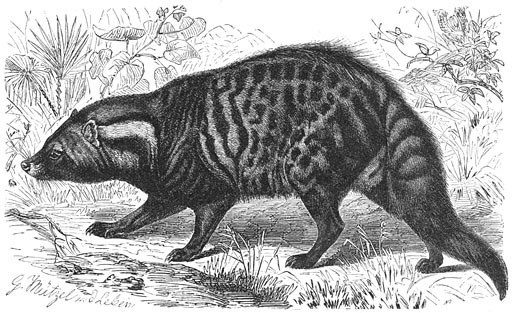
Civet
Zibetto
- Known today as
- The glandular secretion of the civet cat.
- Kind
- Animal
- Constituents
- civetone, skatole
- In the Canale glossary
- On the Manner of Discerning and Healing the Bewitched, Appendix A: Part Three, Chapter 9: Anointings
Revised October 3, 2026: Checked against its sources, each read in full, in part, or in its abstract. Version 1, first published September 25, 2026.
Civet: what did Canale use it for?
Six grains in the oil (ch. 9).
Civet: what does modern science say?
Chiefly a perfume material, prized because its scent lasts. Its collection from caged animals raises serious welfare concerns, and perfumers have turned increasingly to synthetic fixatives, though Taye holds that the synthetics cannot replace the natural musk.
Pharmacognosy & Toxicology
- Constituents
- Mechanism
- Civetone, the dominant odorant, is a musky fixative; the paste, pungent and faecal when raw, smells sweet when diluted and blended.
- Toxic dose
- None.
- Standing
- Civet farming in Ethiopia continues for the perfume trade; Chanel switched to synthetic civetone in 1998, following other perfume houses.
Constituent names open the compound’s record at PubChem, and “ChEMBL” beside a name opens its record at ChEMBL, the European Bioinformatics Institute’s database of bioactive molecules. Where a mechanism line was checked against ChEMBL (ChEMBL 37, read 1 October 2026), the check is shown with the measured value and its source paper, or says plainly that nothing has been measured. Doses are as the references give them, for description only; this is not medical advice. Each source carries the result of its check against Crossref, PubMed, or the authority’s page: see Verification.
Civet: what lore surrounds it?
Ethiopia is the world’s main supplier of civet musk to the perfume trade, with about 90 per cent of exports; the animals have been kept in cages there for hundreds of years, and the musk is collected by squeezing a pair of glands under the tail. Concern over their mistreatment has driven the export underground, and the trade is declining.
In Their Own Words
The 1911 Britannica says civet has a strong musky odour, disagreeable to those unused to it, but, in a quoted opinion, pleasing when diluted and combined with other scents, and more floral than musk.
“It has a strong musky odour, exceedingly disagreeable to those unaccustomed to it, but “when properly diluted and combined with other scents it produces a very pleasing effect, and possesses a much more floral fragrance than musk”
Encyclopædia Britannica, eleventh edition: Civet, “Civet”, vol. 6. The 1911 Encyclopædia Britannica, as transcribed on Wikisource. The text, read in full
Each passage is quoted from the text named, which the press fetched and read, and was checked word for word against a fresh copy of it; the link opens that copy. Passages are given as printed, without the editors’ footnote numbers, and with words broken across lines joined.
Used in These Compounds
Civet is an ingredient of 1 compound medicine in the database. For Club members. Create a free account or sign in.
Sources
- [77] Leemans, I. (2024). Civet. Encyclopedia of Smell History and Heritage (Odeuropa). Read in full · the text read
- The Conversation, on Ethiopian civet musk. Read in full · the text read
- Taye, T. (2009). The African civet cat (Viverra civetta) and its life supporting role in the livelihood of smallholder farmers in Ethiopia. Tropentag 2009, University of Hamburg. Read in full · the text read
- PubChem, “Civetone” (CID 5315941), record description. pubchem.ncbi.nlm.nih.gov. Read in full · the text read
- Wikipedia, “Civetone” (read 2 October 2026), en.wikipedia.org/wiki/Civetone. Read in full · the text read
Verification
- Checked
- October 1, 2026, and October 3, 2026
- Passes
- Every sentence read against its sources, in the pass over the remaining 343 entries
- The Standing line checked against the authority it names (EMA, WHO, FDA, CITES, Commission E)
- Every dated or regulatory claim checked by category across the database
- Every source read, in full, in part, or in its abstract, and every sentence checked against what was read (October 3, 2026)
- Sources
- 5 cited: 5 read in full.
- Corrections
- None were needed.
What was checked, how, and what was found is set out on the Verification page. A checked source is one whose record was found; it does not make the entry medical advice.
Cite This Entry
Version 1 · first published September 25, 2026 · last revised October 3, 2026
- Chicago
“Civet.” In Materia Medica, edited by B. C. P. Statema. Version 1. The Thinking Press, 2026–. Last modified October 3, 2026. https://thethinkingpress.org/materia-medica/civet.
- MLA
“Civet.” Materia Medica, edited by B. C. P. Statema, version 1, The Thinking Press, 3 Oct. 2026, thethinkingpress.org/materia-medica/civet. Accessed 8 Oct. 2026.
- APA
Civet. (2026, October 3). In B. C. P. Statema (Ed.), Materia medica (Version 1). The Thinking Press. Retrieved October 8, 2026, from https://thethinkingpress.org/materia-medica/civet
Club members keep entries on a shelf with private notes, print the plates as cards, and receive an entry by email each week. Create a free account before January 1, 2027 and all of it is yours for good. About the Club
See Also
Drawing on the same sources: Wikipedia
Cochia pills · Chanterelle · Common ink cap · the bibliography →
Nearby in the alphabet
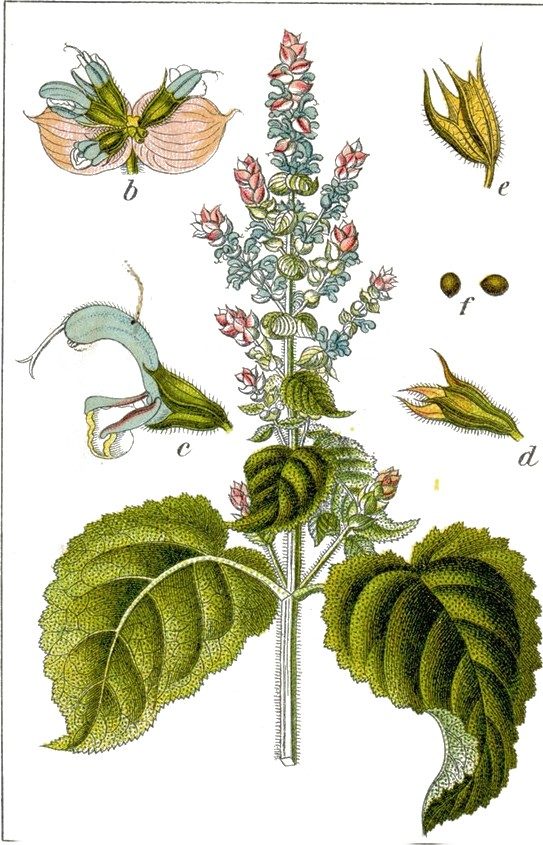
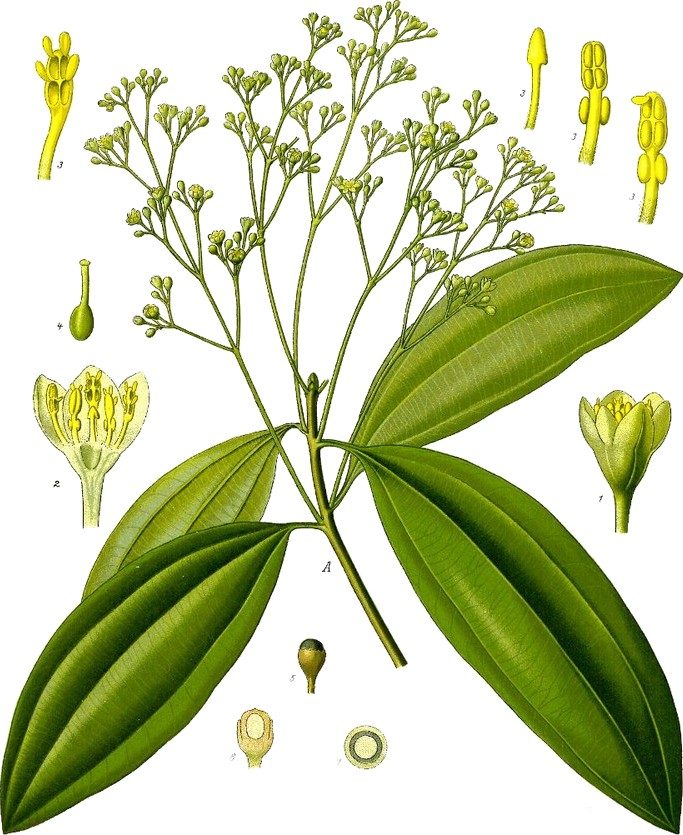
Clary, garden (Salvia sclarea) · Citron (the large thick-rinded ancestor of the lemon) · Clove · Cinquefoil (Potentilla reptans) · Cinnamon (The bark of Cinnamomum verum) · Cochineal (a parasite of the prickly-pear cactus of Mexico and South America) · Cinnabar (Mercury sulfide)
Historical description, not medical advice.