
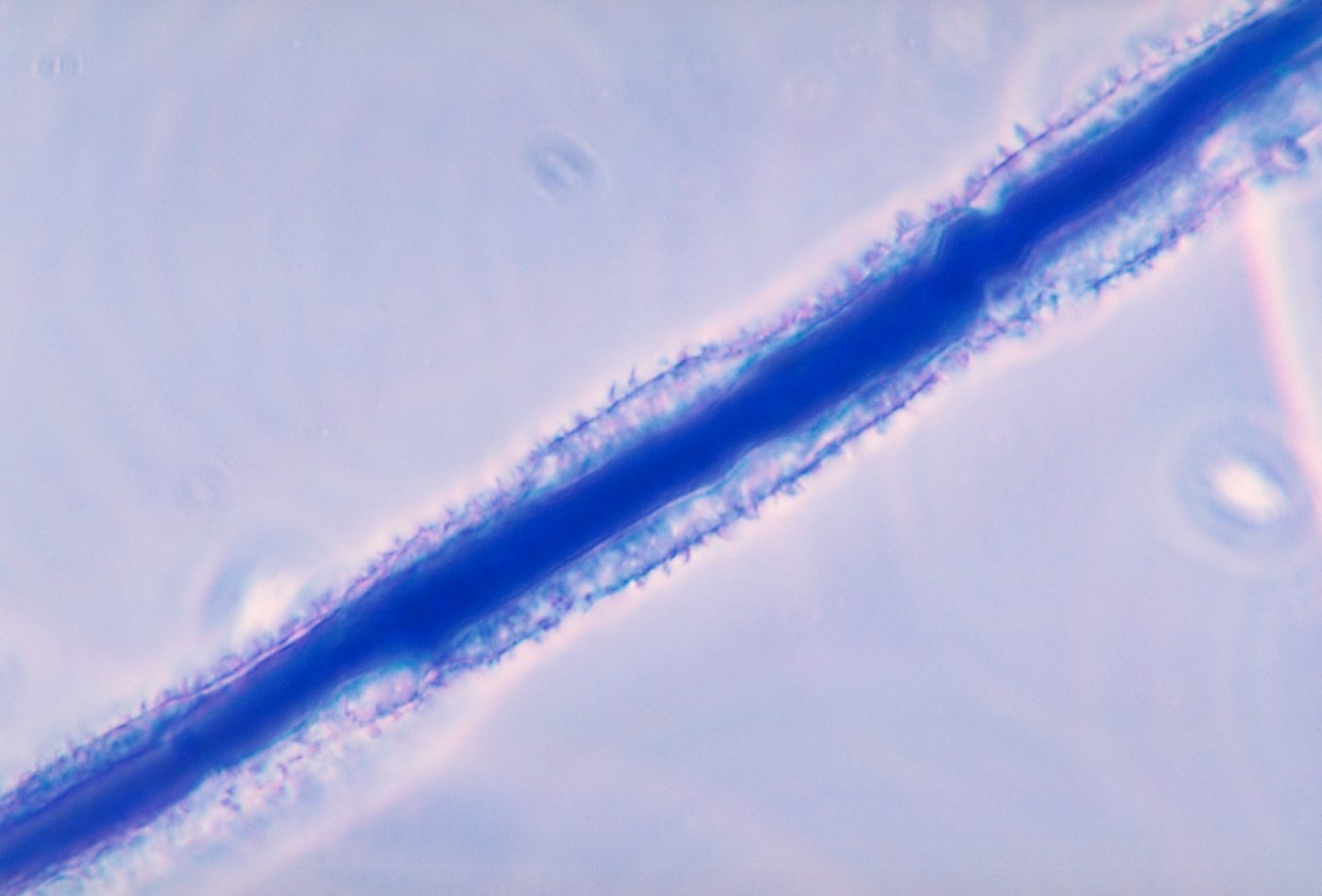
Aflatoxin mould
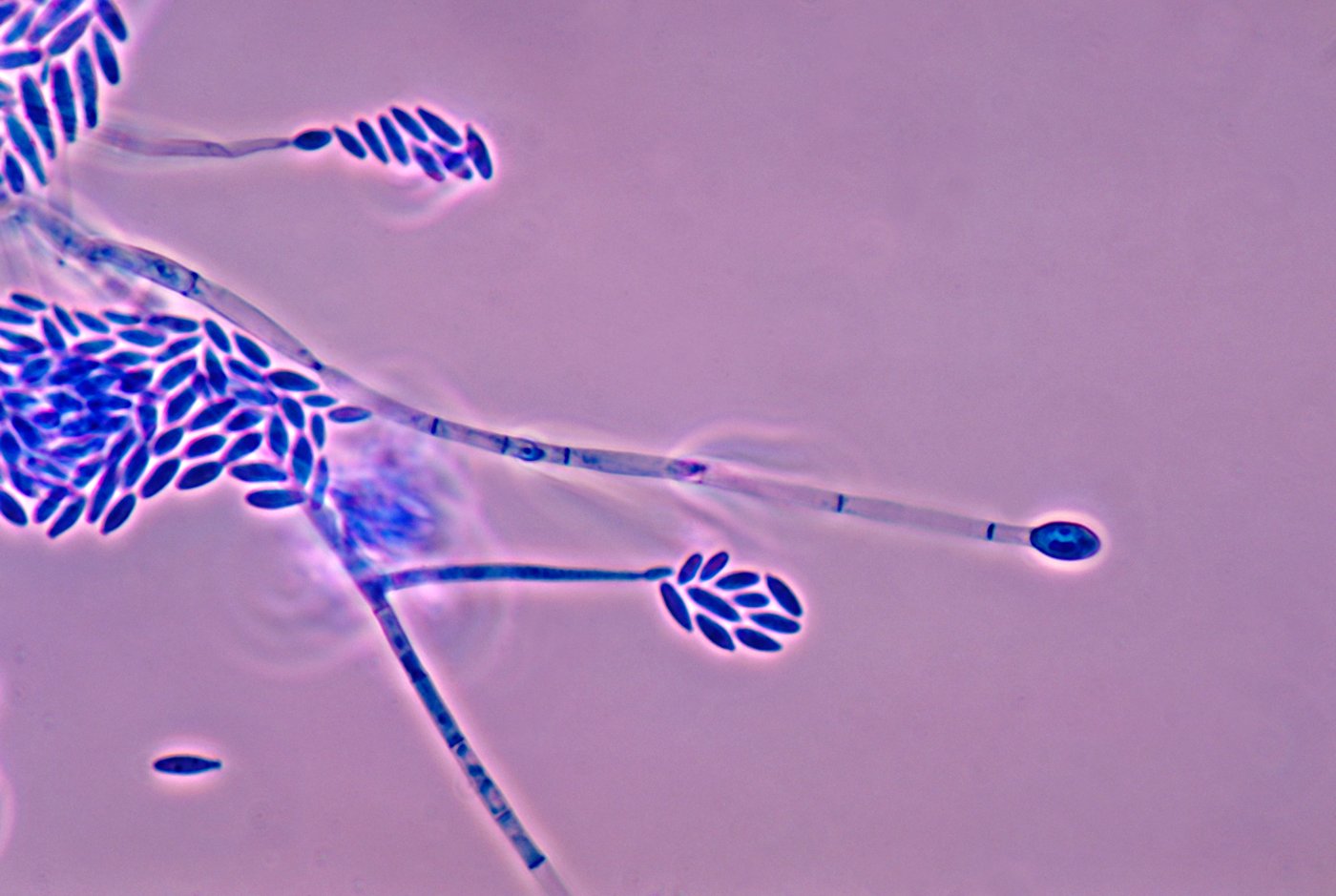
Aspergillus flavus
- Known today as
- A yellow mould of cereal grains, legumes, and tree nuts, rotting them in the field, in harvest, and in storage.
- Kind
- Fungus
- Constituents
- aflatoxin B1, aflatoxin M1
- Poisoning
- Mycotoxins of the moulds
- In other databases
- GBIF search · Wikidata search
Revised October 3, 2026: Checked against its sources, each read in full, in part, or in its abstract. Version 1, first published September 25, 2026.
Deadly. Deadly in quantity; a carcinogen in small amounts over time.
Aflatoxin mould: what was it used for?
None.
Aflatoxin mould: what does modern science say?
Aflatoxins are among the most carcinogenic substances known. In Kenya in 2004 contaminated maize killed 125 people.
Aflatoxin mould: is it poisonous?
Yes, and it can kill. Deadly in quantity; a carcinogen in small amounts over time. Its poisoning is mycotoxins of the moulds: Hours for an acute dose; years for the cancers. Historical description, not medical advice; in a poisoning, call a poison centre.
Pharmacognosy & Toxicology
- Constituents
- aflatoxin B1 ChEMBL
- aflatoxin M1in the milk of animals fed mouldy feed
- Mechanism
- Aflatoxin B1 is metabolised to a reactive exo-epoxide that binds DNA; exposure is linked with a specific mutation in codon 249 of the TP53 tumour-suppressor gene.
- Toxic dose
- Long exposure raises the risk of liver cancer, more than multiplicatively with hepatitis B infection; in the Kenyan outbreak of 2004, 7 per cent of market maize products held over 1,000 parts per billion.
- Syndrome
- Mycotoxins of the moulds
- Standing
- Limits in foods are set in parts per billion: Kenya’s was 20, and the US Food and Drug Administration’s action levels run from 20 to 300.
- IARC (2012). Monographs, vol. 100F. Read in full · the text read
- Azziz-Baumgartner, E., et al. (2005). Environmental Health Perspectives 113. Read in full · the text read
Constituent names open the compound’s record at PubChem, and “ChEMBL” beside a name opens its record at ChEMBL, the European Bioinformatics Institute’s database of bioactive molecules. Where a mechanism line was checked against ChEMBL (ChEMBL 37, read 1 October 2026), the check is shown with the measured value and its source paper, or says plainly that nothing has been measured. Doses are as the references give them, for description only; this is not medical advice. Each source carries the result of its check against Crossref, PubMed, or the authority’s page: see Verification.
Aflatoxin mould: what lore surrounds it?
A mould that entered history through a farmyard: “Turkey X disease” killed some 100,000 turkey poults in south-eastern England in 1960, and its cause was traced to peanut meal contaminated by the toxins of Aspergillus flavus.
Sources
- Blount, W. P. (1961). Turkey “X” disease. Abstract read · the text read
- Centers for Disease Control and Prevention (2004). Outbreak of aflatoxin poisoning, Kenya. Verified against its record · doi:10.4314/eamj.v82i6.9296
- Lewis, L., et al. (2005). Aflatoxin contamination of commercial maize products during an outbreak of acute aflatoxicosis in eastern and central Kenya. Environmental Health Perspectives 113: 1763–1767. Read in full · the text read
- “Aflatoxin.” Wikipedia (read 2 October 2026). Read in full · the text read
- “Mycotoxin” (Turkey X disease). Wikipedia (read 2 October 2026). Read in full · the text read
- “Aspergillus flavus.” Wikipedia (read 2 October 2026). Read in part · the text read
Verification
- Checked
- October 1, 2026, and October 3, 2026
- Passes
- Every sentence read against its sources, in the pass over the remaining 343 entries
- The Standing line checked against the authority it names (EMA, WHO, FDA, CITES, Commission E)
- Every dated or regulatory claim checked by category across the database
- Every source read, in full, in part, or in its abstract, and every sentence checked against what was read (October 3, 2026)
- Sources
- 8 cited: 5 read in full, 1 read in part, 1 abstract read, 1 verified against its record. 2 with the abstract on file.
- Corrections
- None were needed.
What was checked, how, and what was found is set out on the Verification page. A checked source is one whose record was found; it does not make the entry medical advice.
Cite This Entry
Version 1 · first published September 25, 2026 · last revised October 3, 2026
- Chicago
“Aflatoxin mould.” In Materia Medica, edited by B. C. P. Statema. Version 1. The Thinking Press, 2026–. Last modified October 3, 2026. https://thethinkingpress.org/materia-medica/aflatoxin-mould.
- MLA
“Aflatoxin mould.” Materia Medica, edited by B. C. P. Statema, version 1, The Thinking Press, 3 Oct. 2026, thethinkingpress.org/materia-medica/aflatoxin-mould. Accessed 8 Oct. 2026.
- APA
Aflatoxin mould. (2026, October 3). In B. C. P. Statema (Ed.), Materia medica (Version 1). The Thinking Press. Retrieved October 8, 2026, from https://thethinkingpress.org/materia-medica/aflatoxin-mould
Club members keep entries on a shelf with private notes, print the plates as cards, and receive an entry by email each week. Create a free account before January 1, 2027 and all of it is yours for good. About the Club
See Also
Poisoned alike: mycotoxins of the moulds
Poison fire coral · Winter-grain mould · the syndrome, with all of them →
Nearby in the alphabet
Agarwood (oud) · Adder’s-tongue fern (Ophioglossum vulgatum) · AGLA · Aconite (of the buttercup family) · Agnus Dei (blessed by the pope (note LXX)) · Abracadabra (one letter shorter each time, into a narrowing triangle) · Agrimony (Agrimonia eupatoria) · Zedoary (of the ginger family, a bitter, camphor-scented root from India)

Historical description, not medical advice.