
Herbal Teas
37 substances of the database that were drunk as a tea, an infusion, or a decoction, with the directions the older authorities gave: the measure, the water, the dose, and what it was taken for. Most are Mrs. Grieve’s, from A Modern Herbal; the ginseng is Father Jartoux’s by way of Bigelow, the goji berry the Chinese books’ by way of Stuart.
37 teas · An introduction to Galenic pharmacy
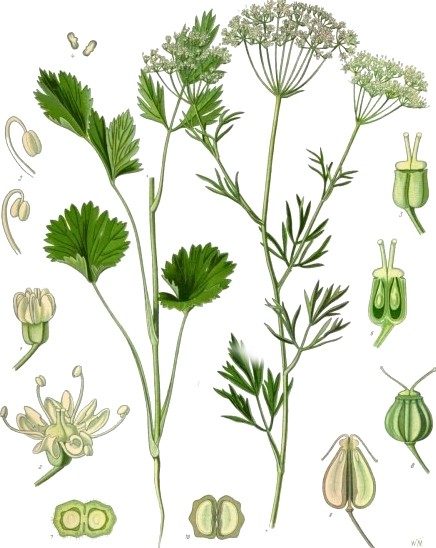
Aniseed
Plant
Half a pint of boiling water on two teaspoonfuls of bruised seed, for the catarrh of infants.
After Mrs. M. Grieve, A Modern Herbal, “Anise”
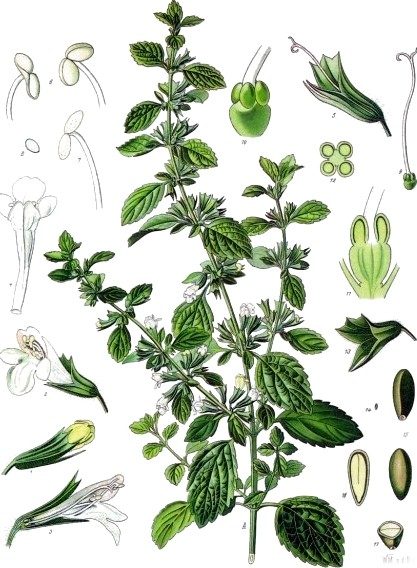
Balm
Plant
An ounce of the herb to a pint of boiling water: a pleasant, cooling tea for feverish colds and influenza, Grieve says, and the fresh leaves make a better tea than the dry.
After Mrs. M. Grieve, A Modern Herbal, “Balm”
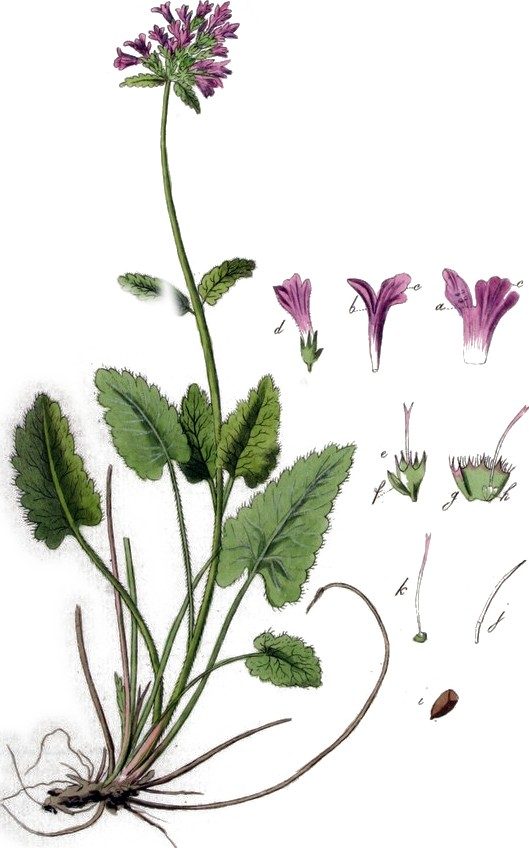
Betony
Plant
A pint of boiling water on an ounce of the dried herb. The weak infusion was drunk in many districts as a substitute for tea, having its taste and its good qualities without the bad, and a wineglassful three times a day was taken against languid nervous headaches.
After Mrs. M. Grieve, A Modern Herbal, “Betony, Wood”
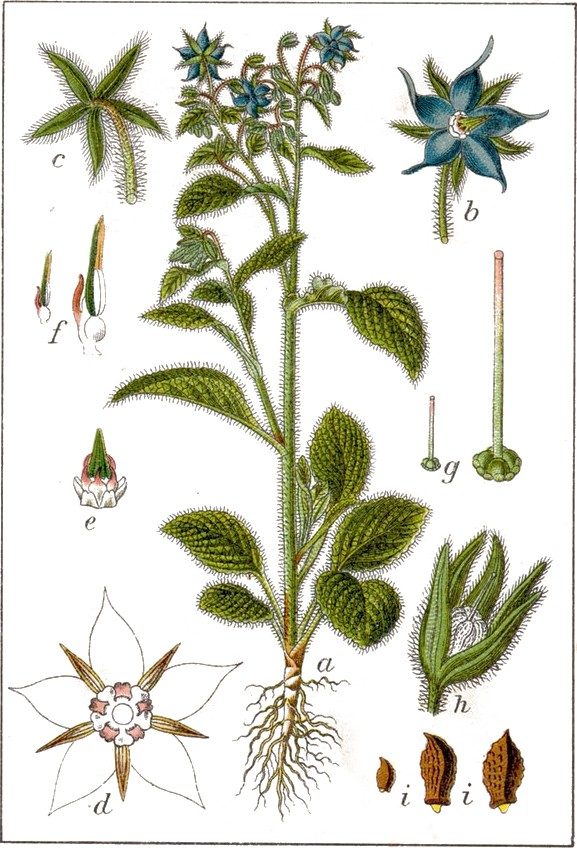
Borage
Plant · poison
An ounce of leaves to a pint of boiling water, taken in wineglassful doses.
After Mrs. M. Grieve, A Modern Herbal, “Borage”
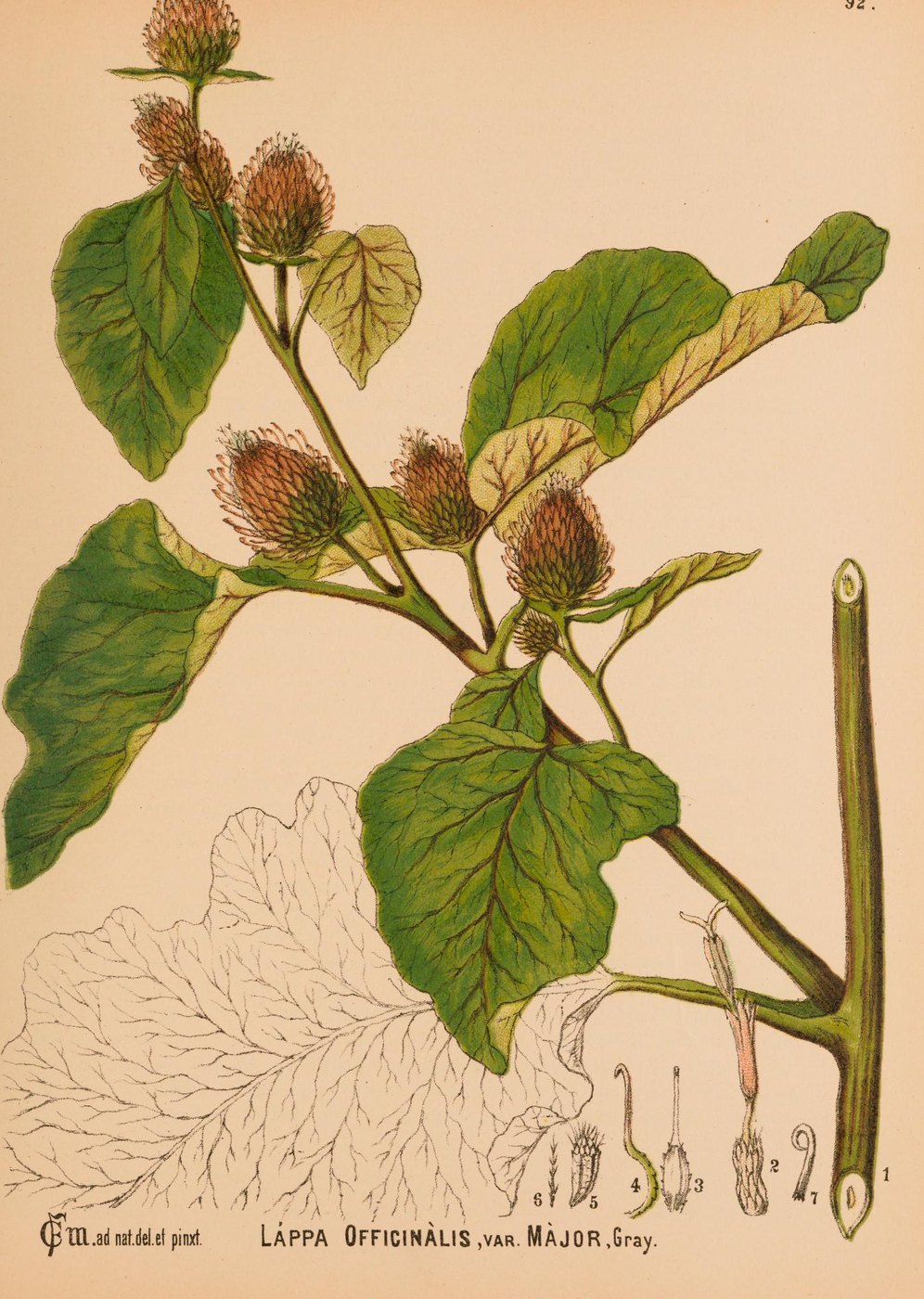
Burdock
Plant
Root or seeds in decoction, an ounce to a pint and a half of water boiled down to a pint, a wineglassful three or four times a day, for the skin above all; an infusion of the leaves for a weak stomach. The Potawatomi made a tea of the root as a tonic and blood purifier.
After Mrs. M. Grieve, A Modern Herbal, “Burdock”
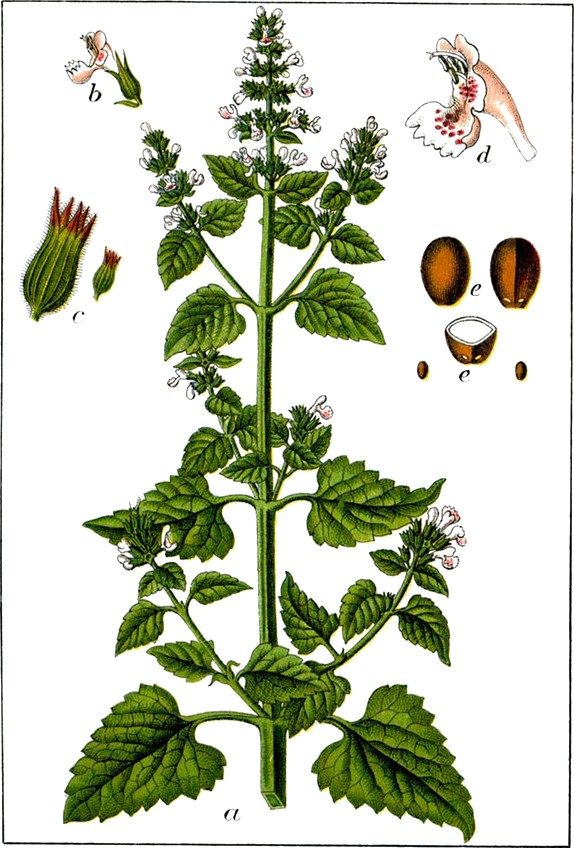
Catmint
Plant
An ounce to a pint of boiling water, two tablespoonfuls at a time for adults and two or three teaspoonfuls for children: a fever drink that brings sleep and sweat without heating the body, Grieve says, though very large warm doses act as an emetic.
After Mrs. M. Grieve, A Modern Herbal, “Catmint”
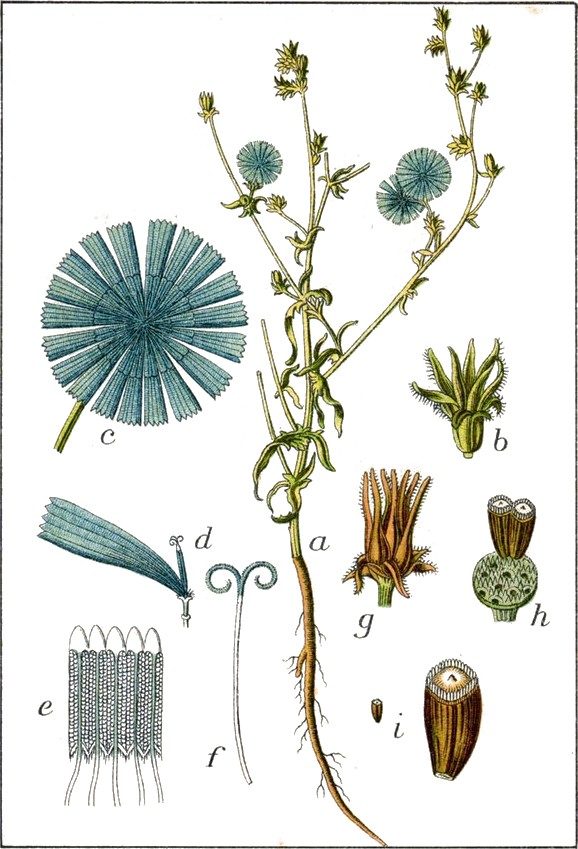
Chicory
Plant
A decoction of an ounce of the root to a pint of boiling water, taken freely, for jaundice, the liver, gout, and rheumatic complaints.
After Mrs. M. Grieve, A Modern Herbal, “Chicory”
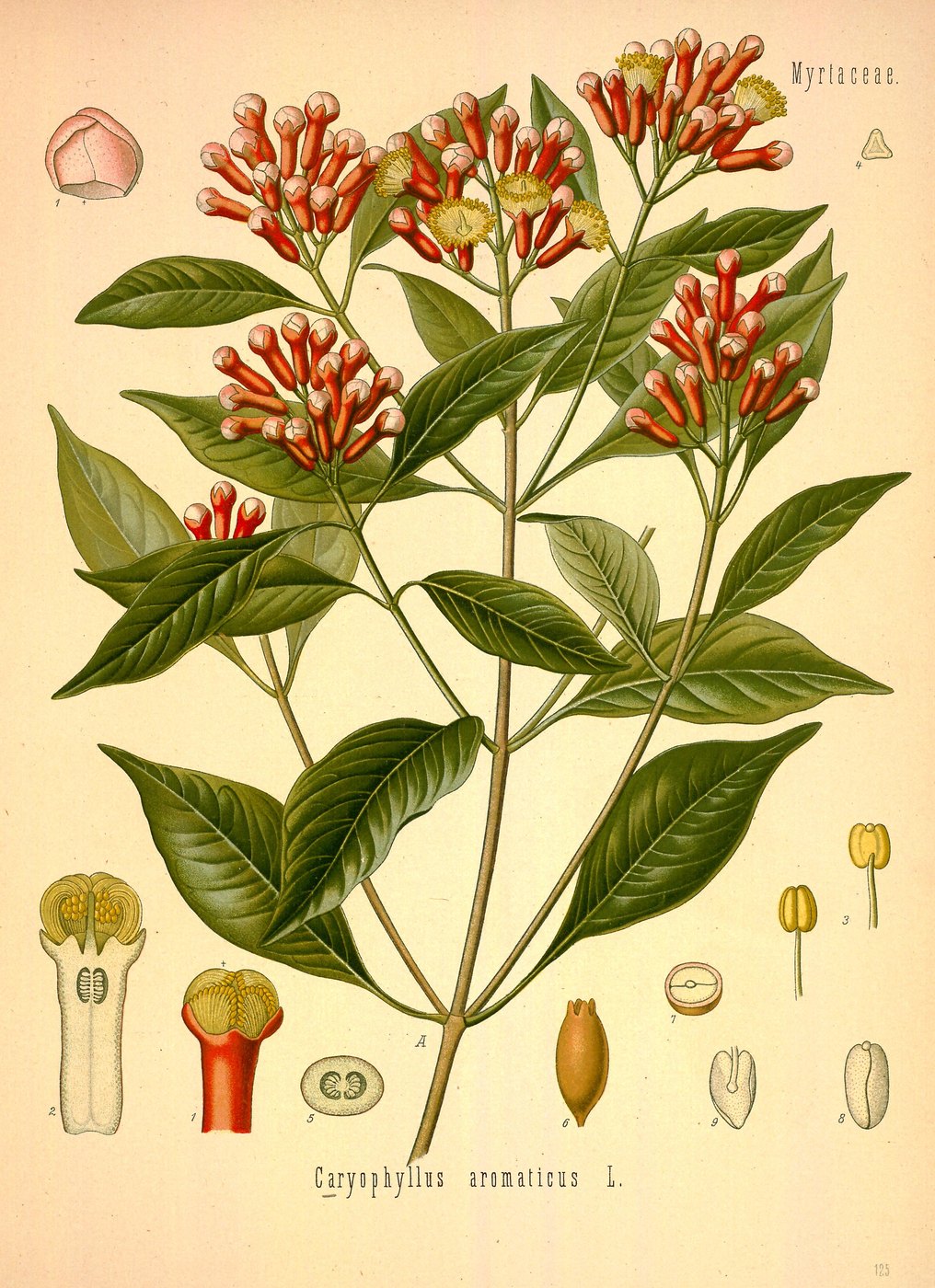
Clove
Plant · poison
An infusion of half an ounce to an ounce by the British Pharmacopoeia, Grieve says, given for nausea, flatulence, and languid indigestion; clove water was a vehicle for other medicines.
After Mrs. M. Grieve, A Modern Herbal, “Cloves”
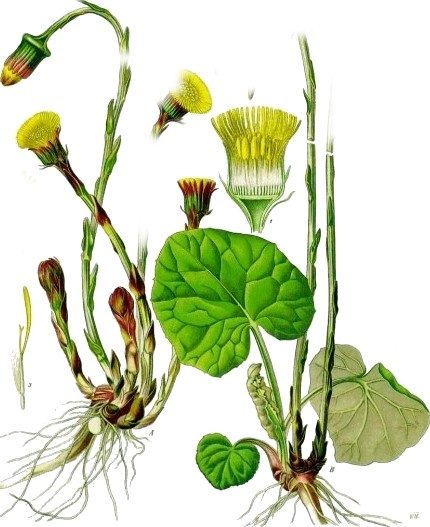
Coltsfoot
Plant
A decoction of an ounce of leaves, or coltsfoot tea made for the same purpose, for coughs; coltsfoot rock has long been a domestic remedy.
After Mrs. M. Grieve, A Modern Herbal, “Coltsfoot”
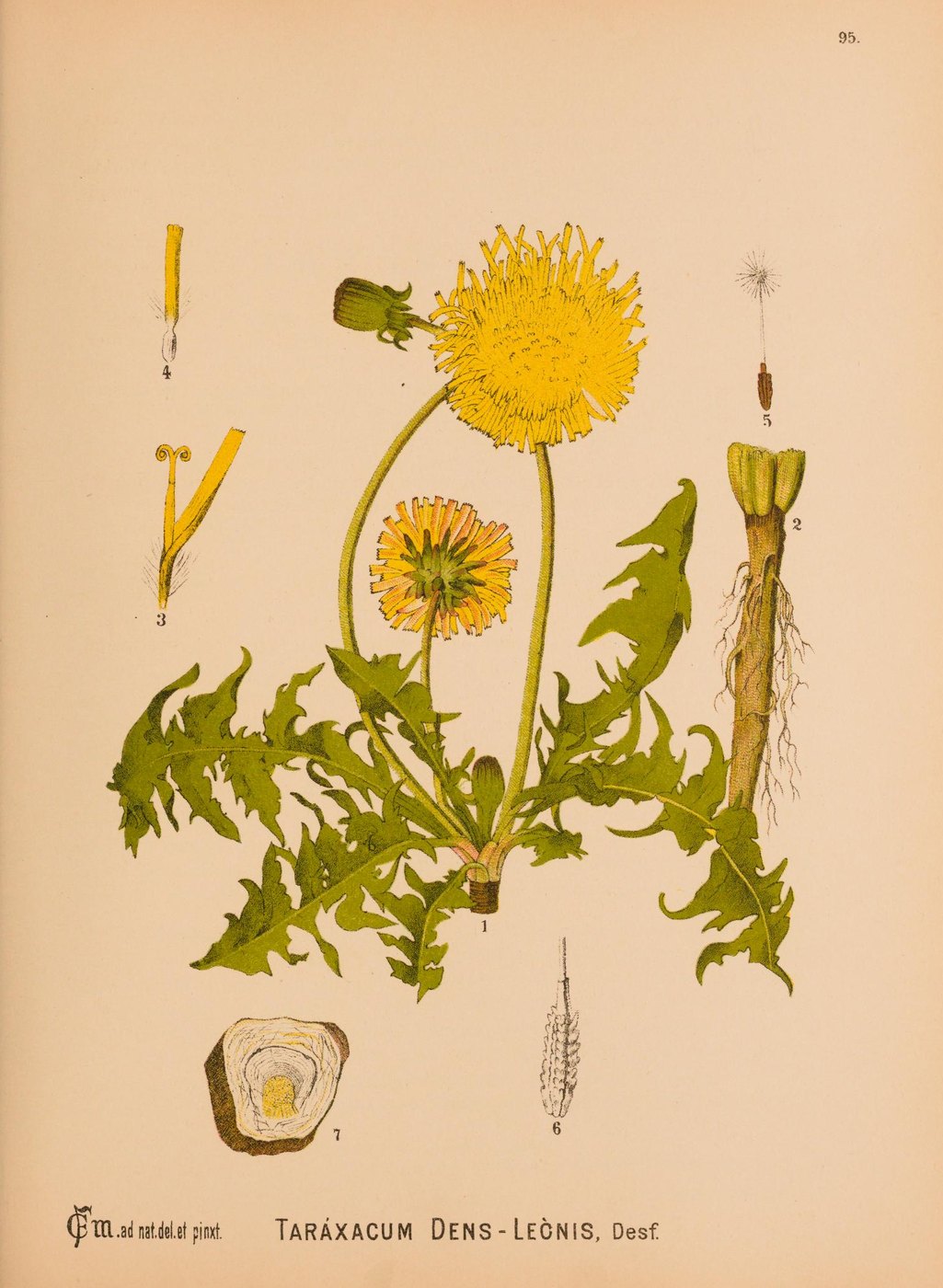
Dandelion
Plant
An ounce of the herb infused ten minutes in a pint of boiling water, decanted and sweetened with honey, several glasses in the course of the day.
After Mrs. M. Grieve, A Modern Herbal, “Dandelion”
Elder
Plant · poison
Elder flower tea, the dried flowers infused: gently laxative, said to promote expectoration in pleurisy and held excellent for inducing free perspiration. The bark, an ounce to a pint, is a strong purgative and in large doses an emetic.
After Mrs. M. Grieve, A Modern Herbal, “Elder”
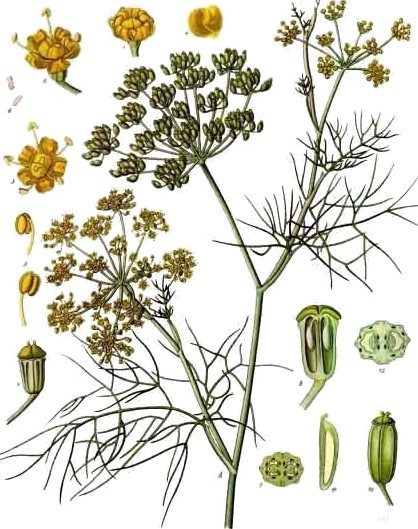
Fennel
Plant
Half a pint of boiling water on a teaspoonful of bruised seeds, formerly taken as a carminative.
After Mrs. M. Grieve, A Modern Herbal, “Fennel”
Feverfew
Plant
An ounce of the herb to a pint of boiling water, left to cool, half a teacupful at a time; a cold infusion of the flowers for the face-ache or earache of a nervous, dyspeptic, or rheumatic person.
After Mrs. M. Grieve, A Modern Herbal, “Feverfew”
Ginger
Plant
Ginger tea, a hot infusion, for the stoppage of the menses from cold.
After Mrs. M. Grieve, A Modern Herbal, “Ginger”
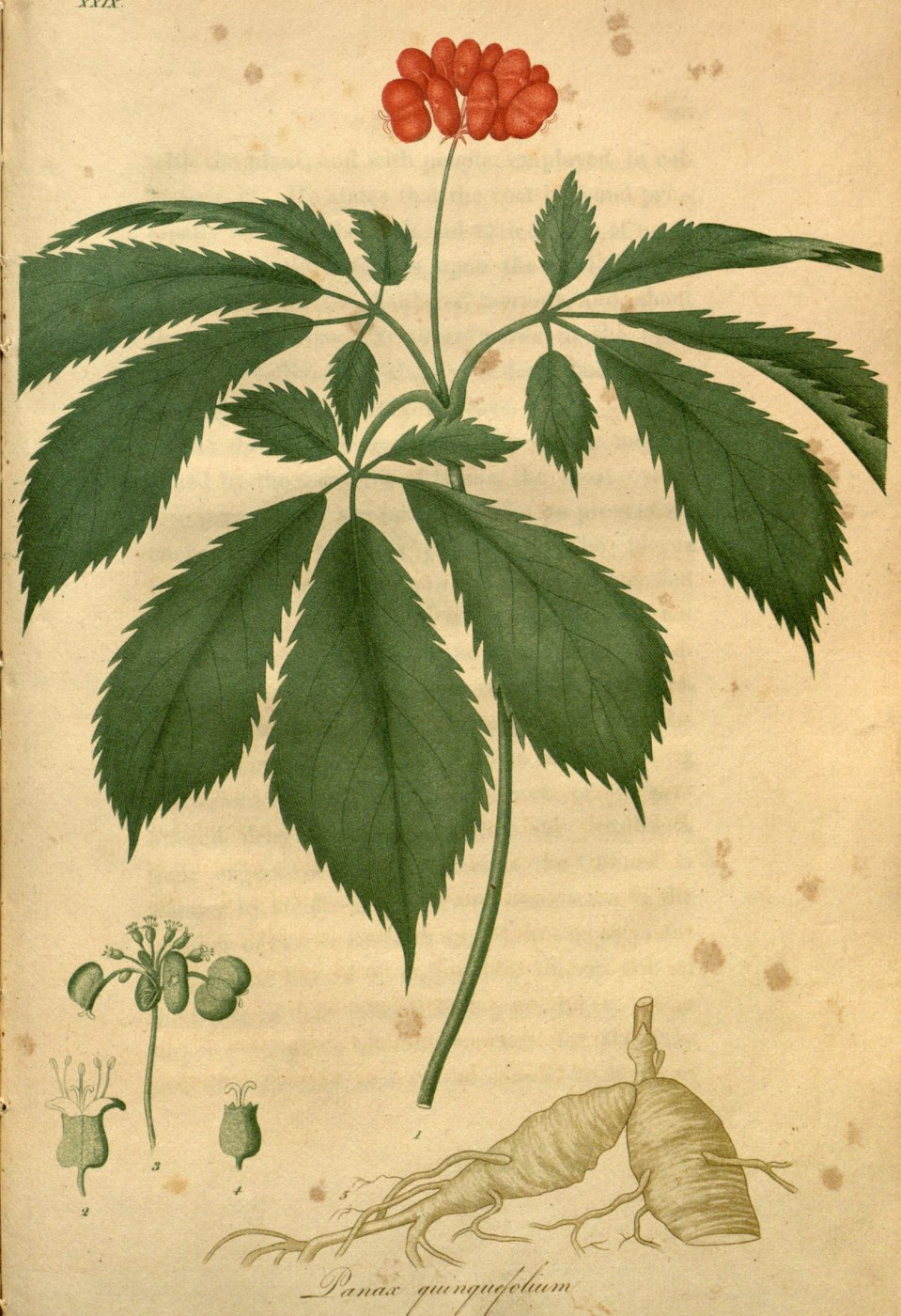
Ginseng
Plant
The Chinese decoction, by Father Jartoux as Bigelow gives him: about a fifth of an ounce of the root boiled in a covered vessel with two successive waters, to draw all its virtue. The Tartars often brought Jartoux the leaves instead of tea, and he found himself so well afterwards that he preferred them to the best tea.
After Bigelow
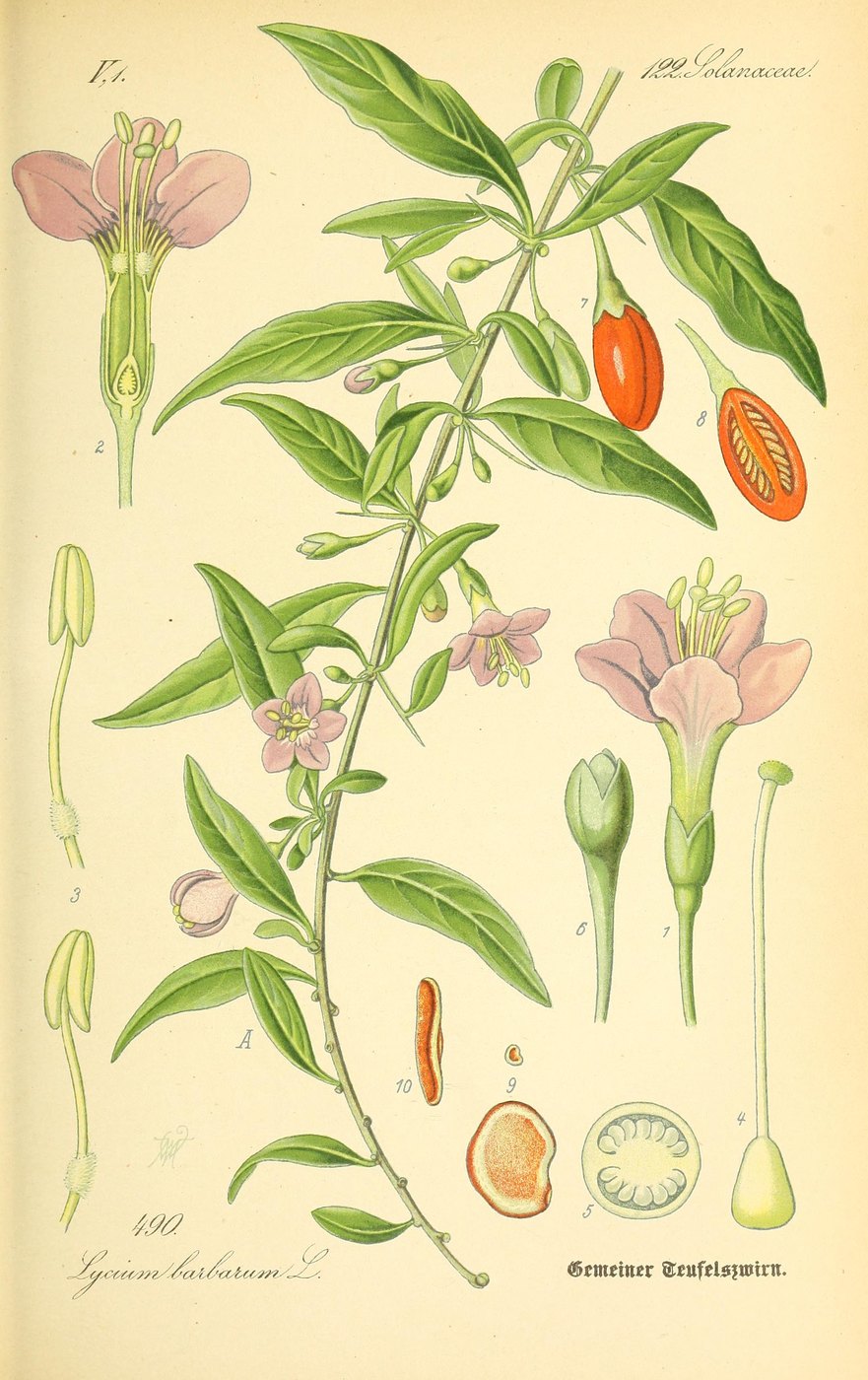
Goji berry
Plant
The young leaves as a tea to quench thirst and relieve the symptoms of consumption, by the Chinese books as Stuart reports them. A concentrated tea of the fruit, three or four glasses a day for four days, was enough to disturb a woman’s warfarin.
After Stuart
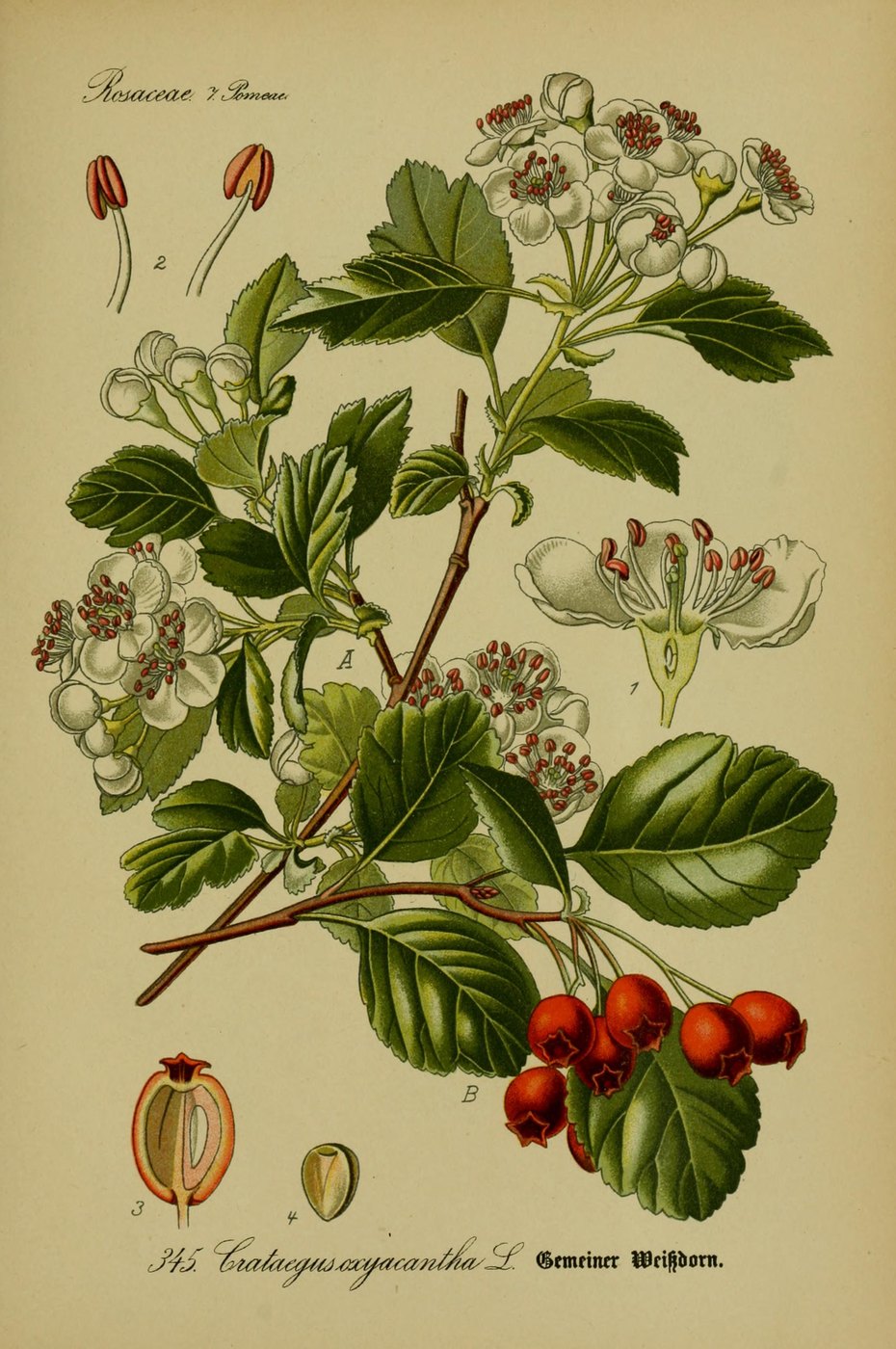
Hawthorn
Plant
Flowers and berries, astringent, in decoction for sore throats; the leaves were used to adulterate tea.
After Mrs. M. Grieve, A Modern Herbal, “Hawthorn”
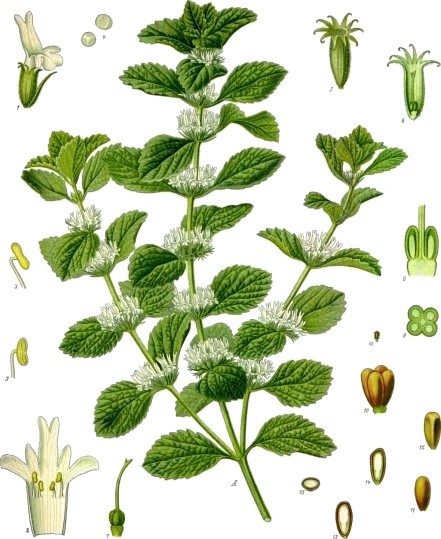
Horehound
Plant
An ounce of the leaves, fresh or dried, under boiling water, a wineglassful three or four times a day: for an ordinary cold, Grieve says, usually sufficient in itself. In Norfolk and Suffolk it was grown in cottage gardens for tea and candy against coughs.
After Mrs. M. Grieve, A Modern Herbal, “Horehound, White”
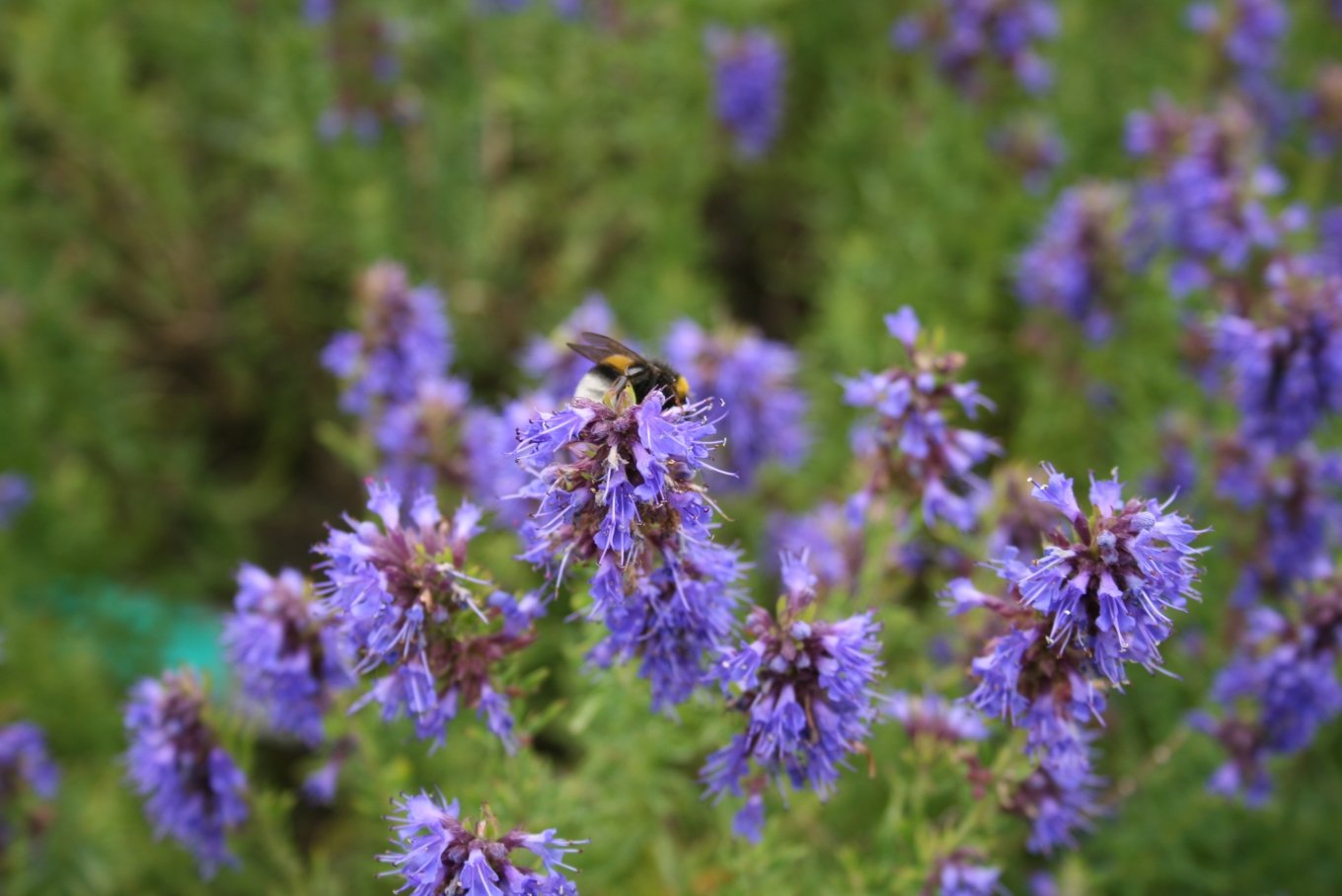
Hyssop
Plant
A warm infusion of the green tops, often with horehound, taken frequently: a grateful drink for a feeble stomach, and drunk several times daily one of the old country remedies for rheumatism.
After Mrs. M. Grieve, A Modern Herbal, “Hyssop”
Juniper
Plant
An ounce of the berries to a pint of boiling water, taken in the course of twenty-four hours.
After Mrs. M. Grieve, A Modern Herbal, “Juniper Berries”
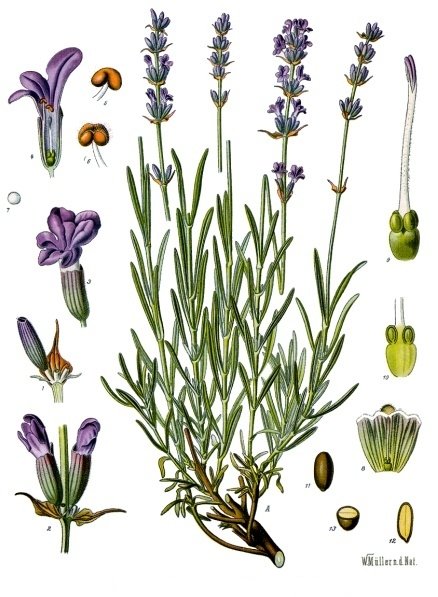
Lavender
Plant
A tea of the tops in moderate strength for the headache of fatigue and exhaustion; taken too freely it gripes, and the oil in large doses is a narcotic poison.
After Mrs. M. Grieve, A Modern Herbal, “Lavenders”
Marigold
Plant
An ounce of the flowers to a pint of boiling water, a tablespoonful at a time; the freshly gathered flowers infused in fevers to promote perspiration and bring out the eruption.
After Mrs. M. Grieve, A Modern Herbal, “Marigold”
Meadowsweet
Plant
An ounce of the dried herb to a pint of water, in wineglassful doses; an infusion of the fresh tops produces perspiration.
After Mrs. M. Grieve, A Modern Herbal, “Meadowsweet”
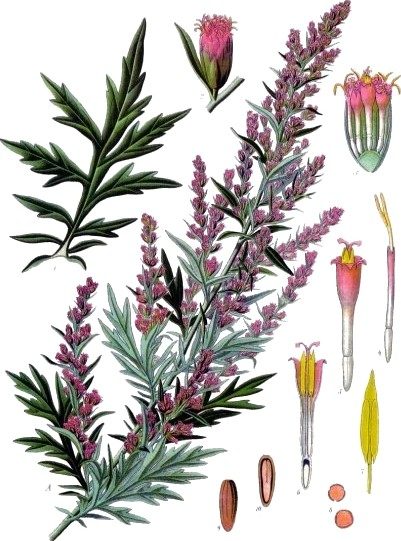
Mugwort
Plant
An ounce to a pint of boiling water, prepared in a covered vessel and given warm by the half-teaspoonful, or cold as a tonic three times a day. Culpeper, Grieve notes, found a very slight infusion excellent for the stomach and too strong a one disgusting to the taste.
After Mrs. M. Grieve, A Modern Herbal, “Mugwort”
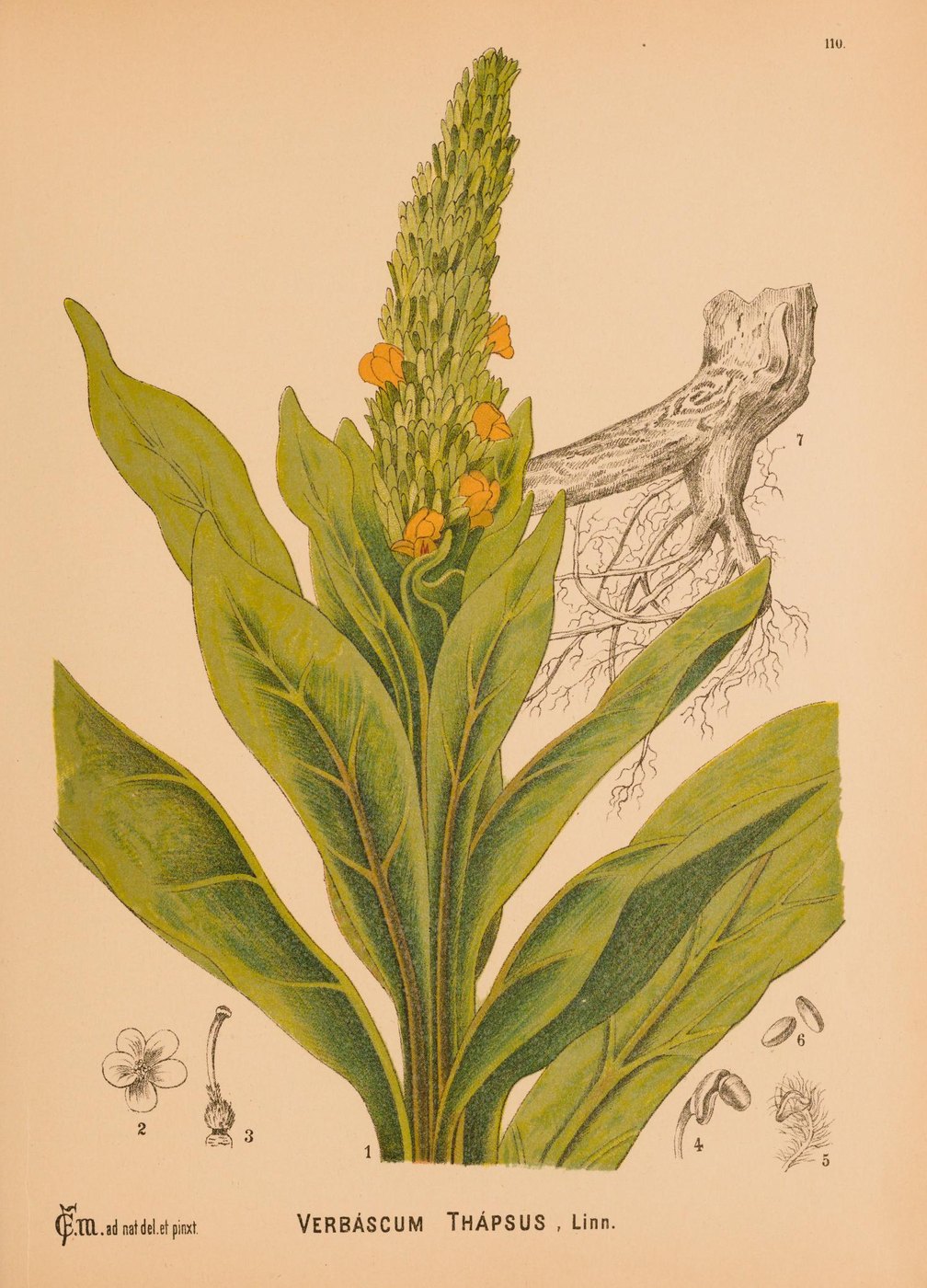
Mullein
Plant
An ounce of the flowers or leaves to a pint of boiling water, in wineglassful doses, always strained through fine muslin to catch the hairs, which otherwise itch the mouth intolerably: a remedy of the greatest antiquity for coughs and colds.
After Mrs. M. Grieve, A Modern Herbal, “Mullein, Great”
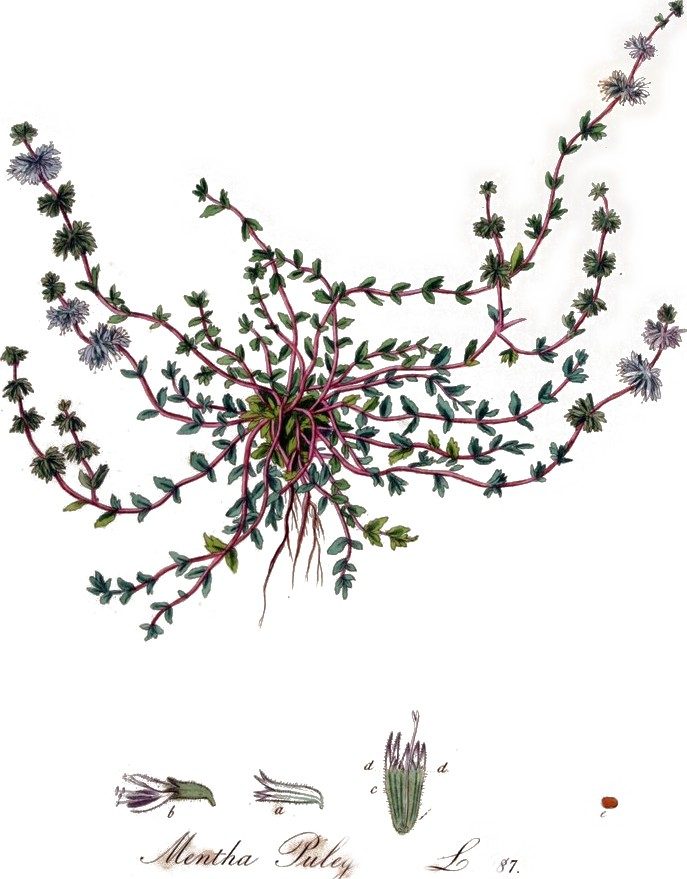
Pennyroyal
Plant · poison
An ounce of the herb to a pint of boiling water, taken warm by the teacupful, frequently repeated.
After Mrs. M. Grieve, A Modern Herbal, “Pennyroyal”
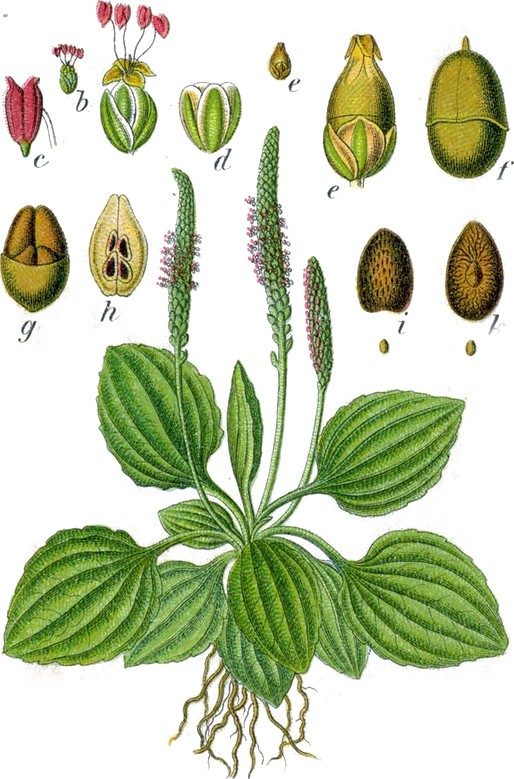
Plantain
Plant
A pint of boiling water on an ounce of the herb, a wineglassful to half a teacupful three or four times a day, still recommended in herbal medicine for diarrhoea and piles.
After Mrs. M. Grieve, A Modern Herbal, “Plantain, Common”
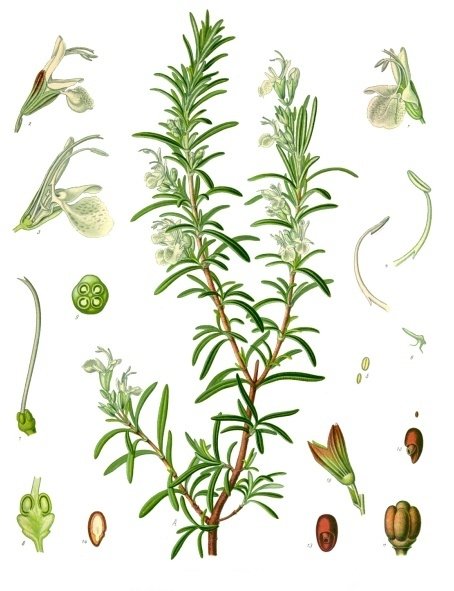
Rosemary
Plant
The young tops, leaves, and flowers infused and taken warm, with care to keep the steam in, for headache, colic, colds, and nervous complaints.
After Mrs. M. Grieve, A Modern Herbal, “Rosemary”
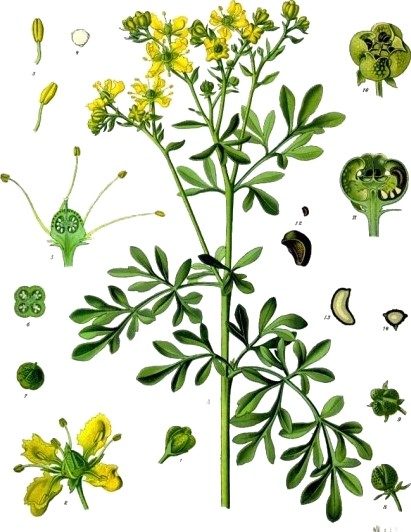
Rue
Plant · poison
A warm infusion, strongly stimulating and antispasmodic, often employed as an emmenagogue.
After Mrs. M. Grieve, A Modern Herbal, “Rue”
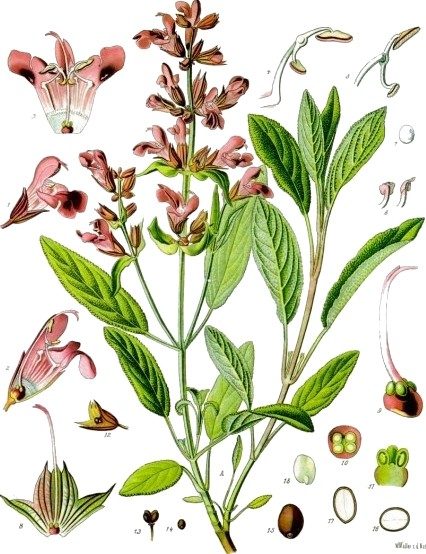
Sage
Plant
A pint of boiling water on an ounce of the leaves, with lemon rind and sugar if liked, strained after half an hour: a gargle for the relaxed or ulcerated throat, and in small repeated doses for nervous headache and the delirium of fevers. The Chinese, Grieve says, once preferred it to their own tea.
After Mrs. M. Grieve, A Modern Herbal, “Sages”
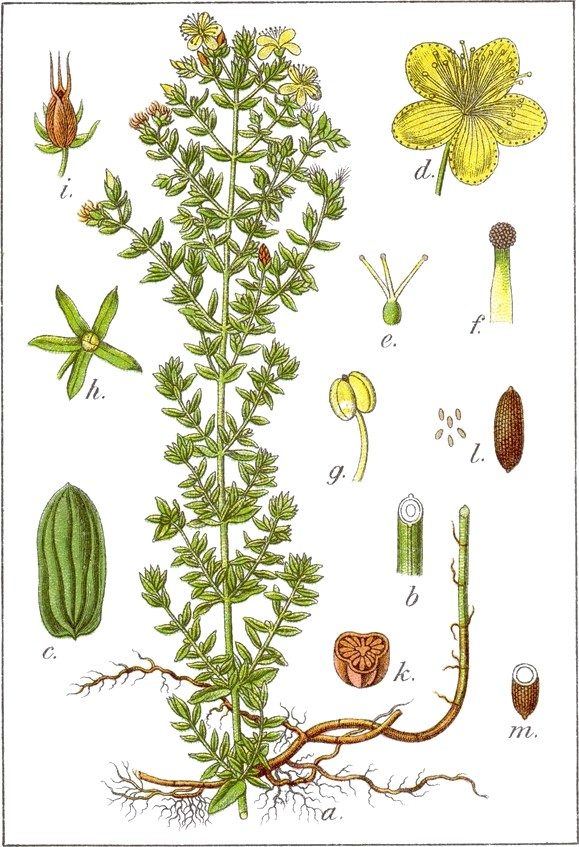
St. John’s wort
Plant · poison
An infusion given before bed for children who wet the bed, and for chronic catarrh of the lungs, bowels, or urinary passages.
After Mrs. M. Grieve, A Modern Herbal, “St. John's Wort”
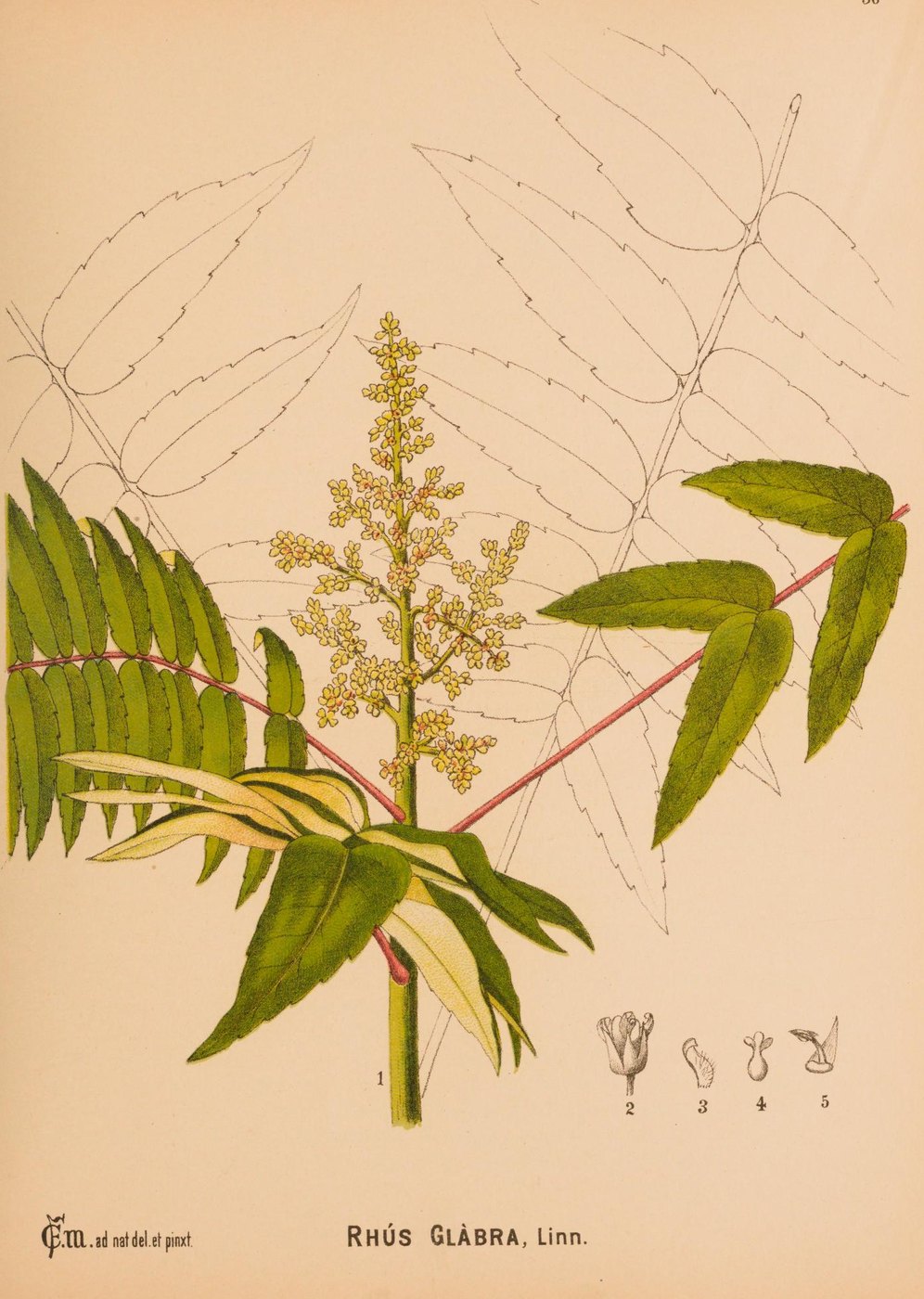
Sumac
Plant
The ripe red berries steeped in cold water and sweetened with maple sugar, a drink like lemonade, by the Flambeau Ojibwe; dried and cooked with maple sugar for a hot drink in winter. Grieve has the infusion of the berries, one to four fluid ounces, and as a gargle.
After Mrs. M. Grieve, A Modern Herbal, “Sumachs”
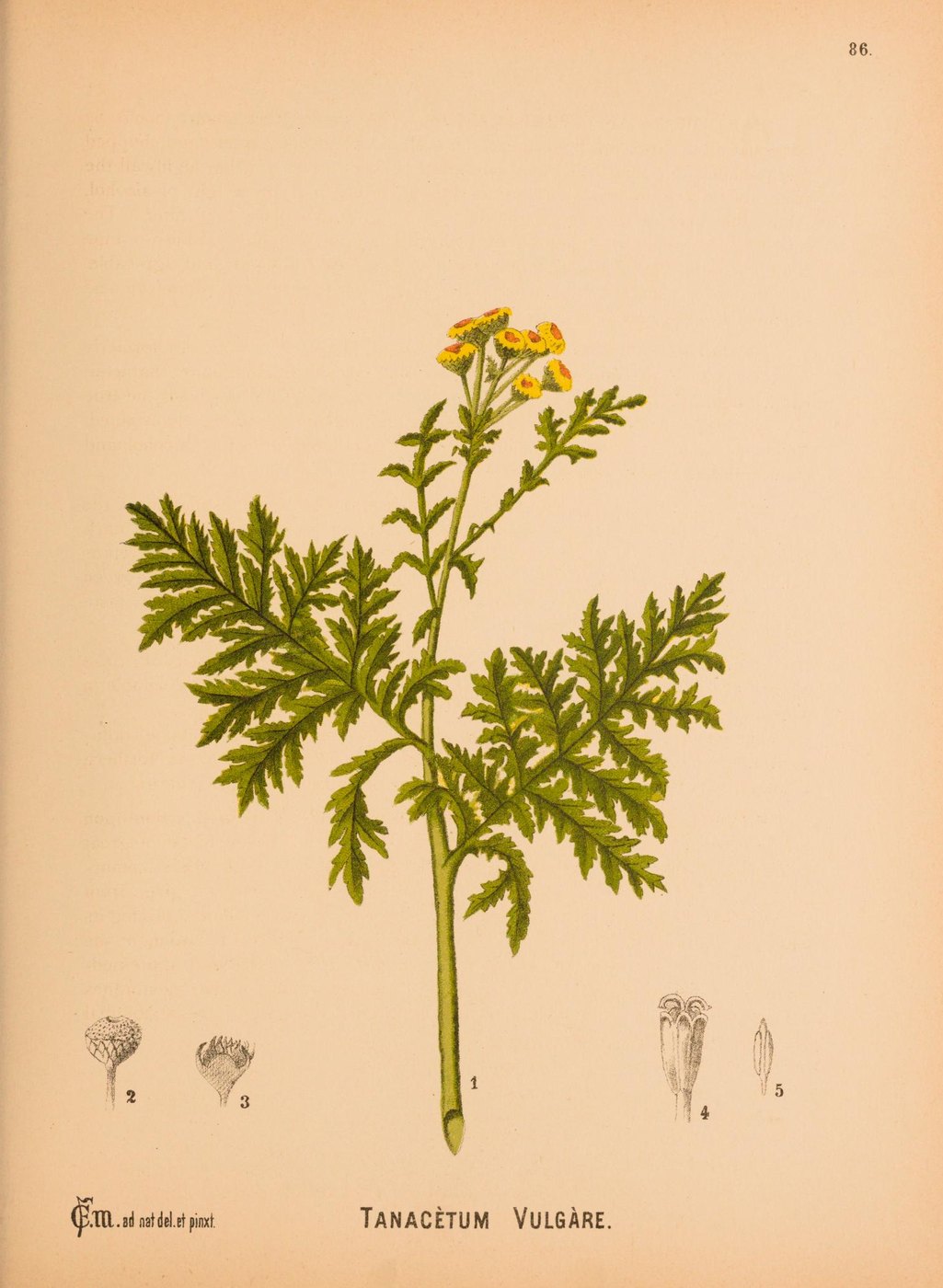
Tansy
Plant · poison
An ounce to a pint of boiling water, a teacupful night and morning fasting, to expel worms in children; in Scotland a half to one teaspoonful of the dried flowers and seeds for gout; an old country tea for fever.
After Mrs. M. Grieve, A Modern Herbal, “Tansy”
Tea
Food & Drink
The leaf under boiling water: rarely used as a medicine, Grieve says, but the infusion is useful to relieve neuralgic headaches.
After Mrs. M. Grieve, A Modern Herbal, “Tea”
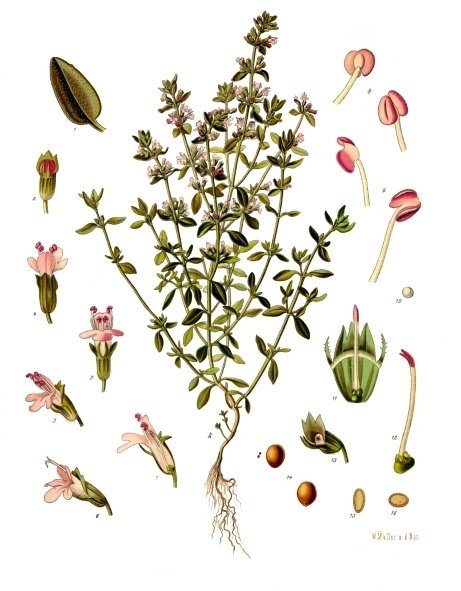
Thyme
Plant
An ounce of the dried herb to a pint of boiling water, sweetened with sugar or honey, a tablespoonful or more several times a day for whooping cough, catarrh, and sore throat; thyme tea, Grieve says, arrests gastric fermentation.
After Mrs. M. Grieve, A Modern Herbal, “Thyme, Garden”
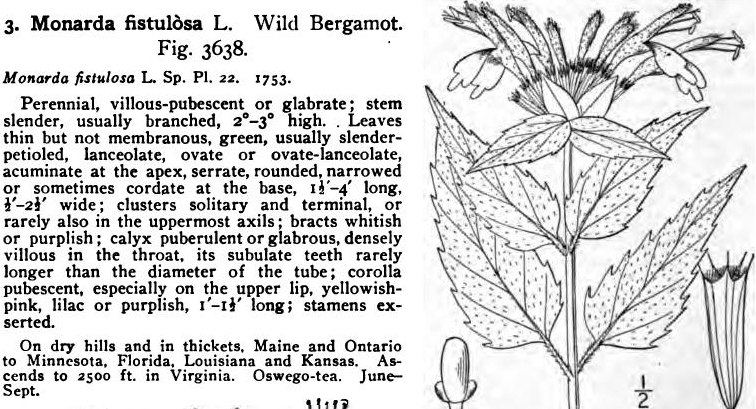
Wild bergamot
Plant
A tea of the herb, which Rafinesque found equal to camomile and more palatable, for fevers and colic; the Ojibwe boiled the dried plant and breathed the vapour for catarrh.
After Rafinesque
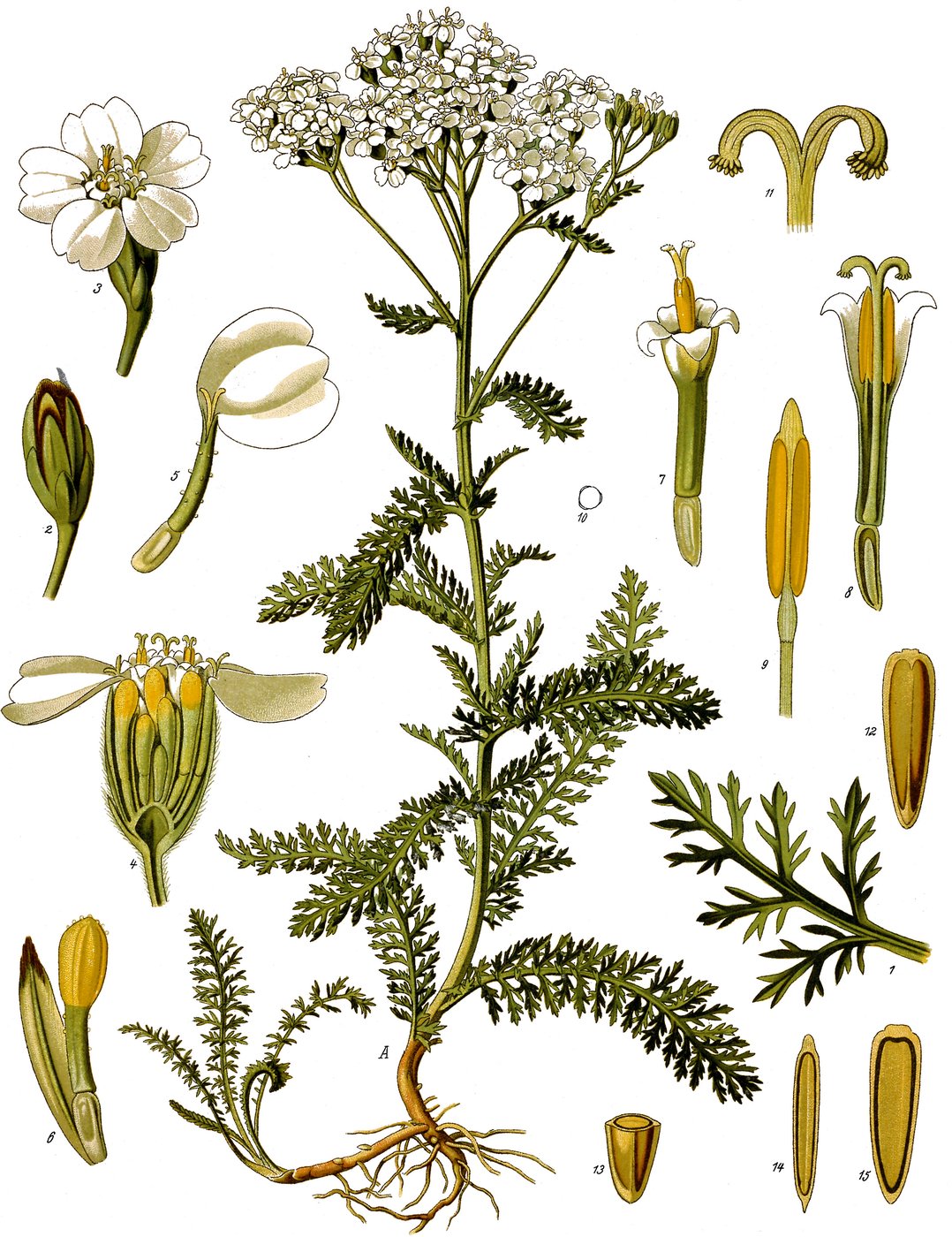
Yarrow
Plant
An ounce of the dried herb to a pint of boiling water, drunk warm in wineglassful doses: a good remedy for severe colds, most useful at the start of fevers and when perspiration is obstructed.
After Mrs. M. Grieve, A Modern Herbal, “Yarrow”
Historical directions, not medical advice. Several of these herbs are poisons in the wrong dose; read the entry before the cup.