
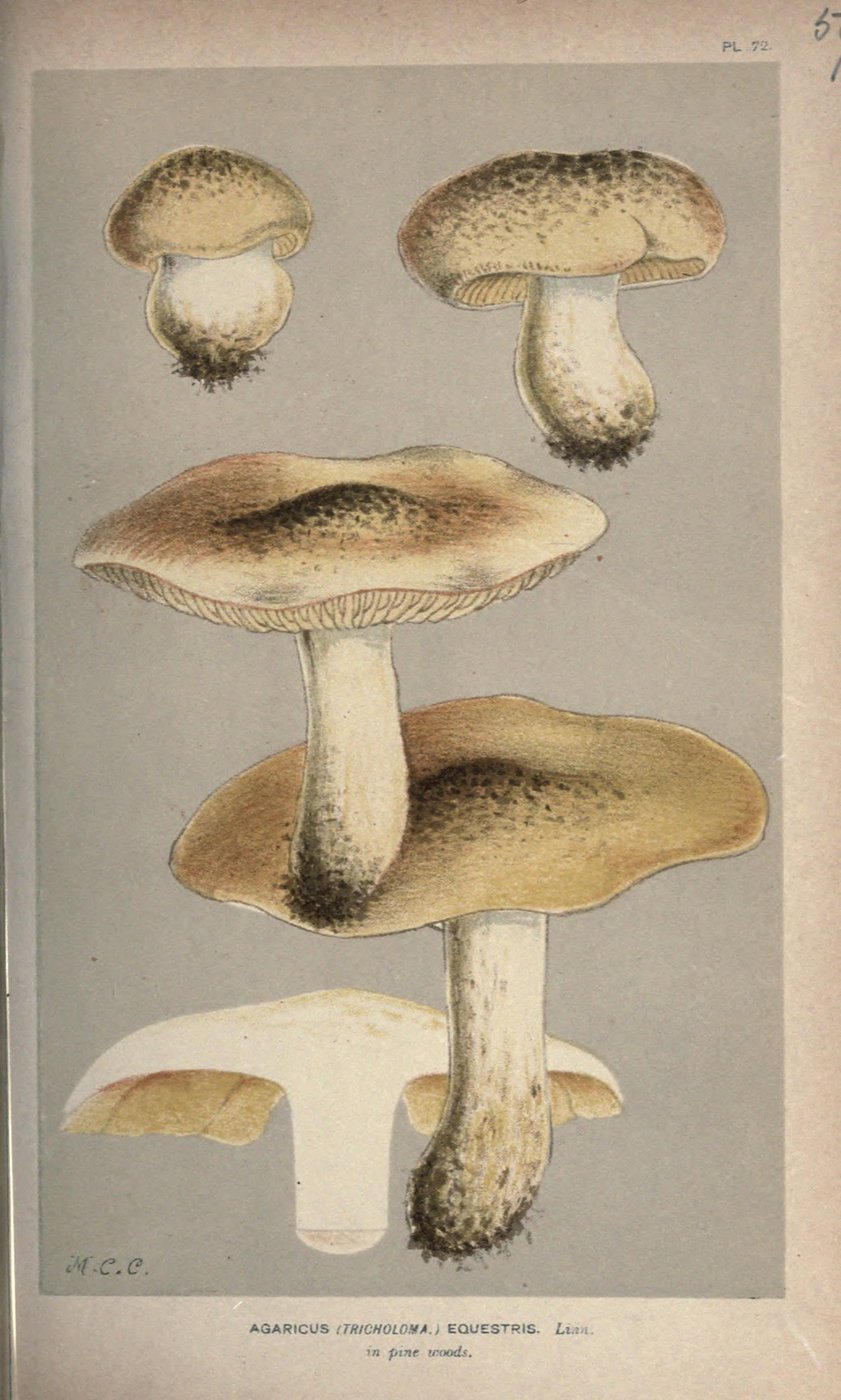
Man on horseback
Tricholoma equestre
- Known today as
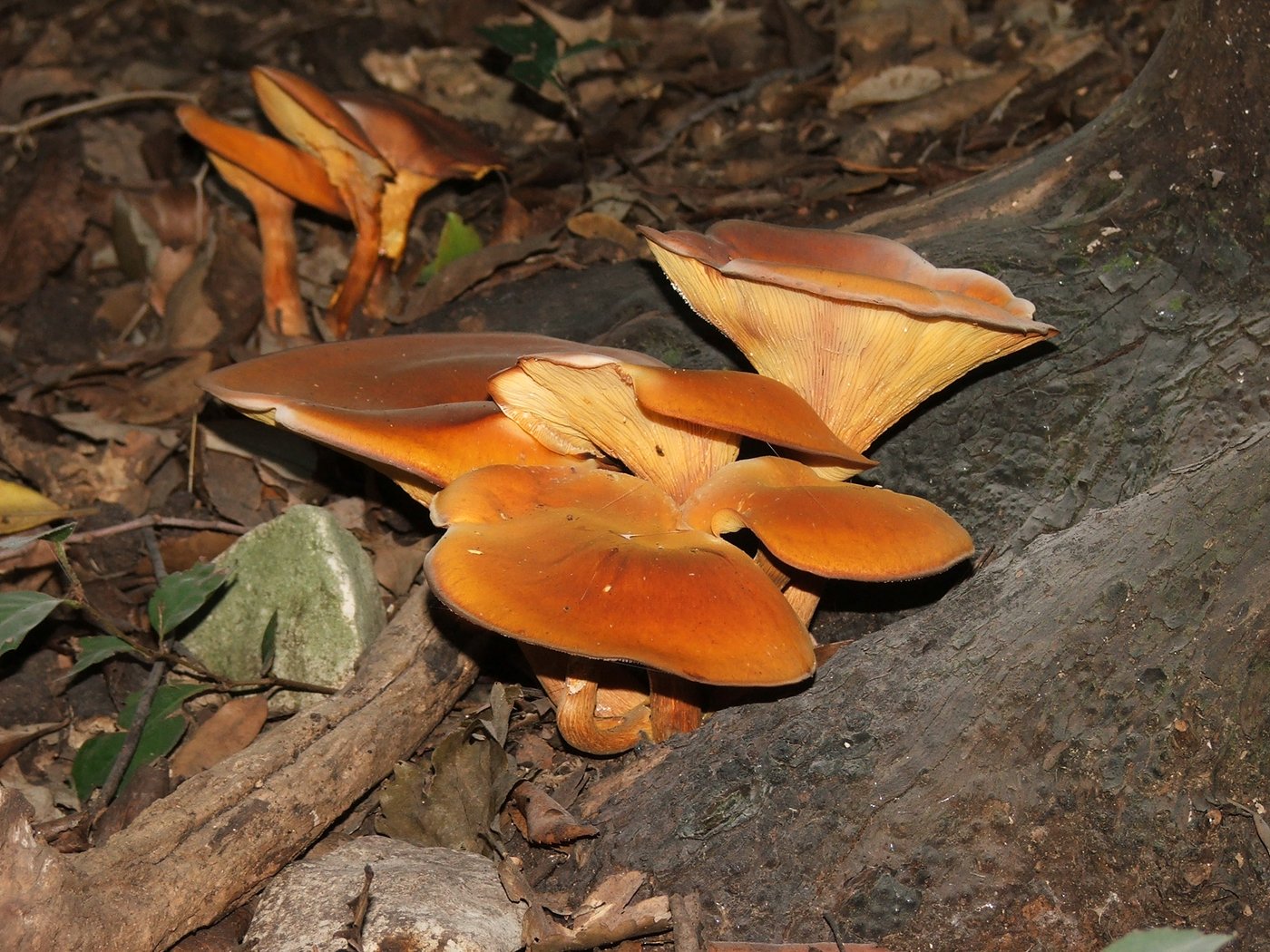
- A yellow mushroom of pine woods, long counted a good edible.
- Kind
- Fungus
- Constituents
- unknown
- Poisoning
- Rhabdomyolysis (the yellow knight)
- In other databases
- GBIF search · Wikidata search
Revised October 3, 2026: Checked against its sources, each read in full, in part, or in its abstract. Version 1, first published September 25, 2026.
Deadly. Can be deadly, especially eaten several meals in a row.
Man on horseback: what was it used for?
Long eaten, and sold in European markets.
Man on horseback: what does modern science say?
Large or repeated meals caused a breakdown of the muscles (rhabdomyolysis) in twelve people in south-western France between 1992 and 2000, three of whom died, as reported in 2001; its sale has since been banned in France.
Man on horseback: is it poisonous?
Yes, and it can kill. Can be deadly, especially eaten several meals in a row. Its poisoning is rhabdomyolysis (the yellow knight): One to four days after repeated meals. Historical description, not medical advice; in a poisoning, call a poison centre.
Pharmacognosy & Toxicology
- Constituents
- unknownthe myotoxin has not been identified
- Mechanism
- Something in the mushroom, after repeated meals, breaks down skeletal muscle.
- Toxic dose
- Three or more meals within two weeks in the reported cases.
- Syndrome
- Rhabdomyolysis (the yellow knight)
- Standing
- Sale and import forbidden in France, after deaths in the south-west.
- Bedry, R., et al. (2001). New England Journal of Medicine 345. Book, not indexed
Constituent names open the compound’s record at PubChem, and “ChEMBL” beside a name opens its record at ChEMBL, the European Bioinformatics Institute’s database of bioactive molecules. Where a mechanism line was checked against ChEMBL (ChEMBL 37, read 1 October 2026), the check is shown with the measured value and its source paper, or says plainly that nothing has been measured. Doses are as the references give them, for description only; this is not medical advice. Each source carries the result of its check against Crossref, PubMed, or the authority’s page: see Verification.
Man on horseback: what lore surrounds it?
Its fall from the table is recent: an edible of the old guidebooks that turned out to be a slow poison.
In Their Own Words
Charles McIlvaine says he had eaten Tricholoma equestre since 1883, finding that its occasional unpleasant smell vanished in cooking and that the flesh was rather tough but good.
“I have eaten it since 1883. All disagreeable odor about T. equestre (which I have seldom noticed) disappears upon cooking. The substance is rather tough, but good.”
Captain Charles McIlvaine, Toadstools, Mushrooms, Fungi, Edible and Poisonous; One Thousand American Fungi, Tricholoma, T. equestre, p. 61. Indianapolis: The Bowen-Merrill Company (named in the preface; the scan has no title page), Internet Archive OCR text. The text, read in part
George Massee describes Tricholoma equestre as having a viscid, scaly cap, yellow or tinged with green, sulphur-yellow gills and a yellow stem.
“=equestre=, Linn. P. 7-12 cm. exp. obtuse, viscid, squamulose, yellow or tinged green; g. sulphur yellow; s. 4-7 cm. yellow; sp. 7-8 x 5.”
George Massee, F.L.S., European Fungus Flora: Agaricaceae, Tricholoma, T. equestre. London: Duckworth & Co., 3 Henrietta Street, W.C., 1902 (Project Gutenberg eBook #33013). The text, read in part
Each passage is quoted from the text named, which the press fetched and read, and was checked word for word against a fresh copy of it; the link opens that copy. Passages are given as printed, without the editors’ footnote numbers, and with words broken across lines joined.
Sources
- Bedry, R., et al. (2001). Wild-mushroom intoxication as a cause of rhabdomyolysis. New England Journal of Medicine 345: 798–802. Abstract read · the text read
- Wikipedia contributors. “Tricholoma equestre.” Wikipedia, The Free Encyclopedia. en.wikipedia.org/wiki/Tricholoma_equestre (read 2 October 2026). Read in full · the text read
- Wikipédia (French). “Tricholome équestre.” fr.wikipedia.org/wiki/Tricholome_équestre (read 2 October 2026). Read in full · the text read
Verification
- Checked
- October 1, 2026, and October 3, 2026
- Passes
- Every sentence read against its sources, in the pass over the remaining 343 entries
- The Standing line checked against the authority it names (EMA, WHO, FDA, CITES, Commission E)
- Every dated or regulatory claim checked by category across the database
- Every source read, in full, in part, or in its abstract, and every sentence checked against what was read (October 3, 2026)
- Sources
- 4 cited: 2 read in full, 1 abstract read, 1 book, not indexed. 1 with the abstract on file.
- Corrections
- the Italian ban could not be verified; the French decree of 2005 stands.
What was checked, how, and what was found is set out on the Verification page. A checked source is one whose record was found; it does not make the entry medical advice.
Cite This Entry
Version 1 · first published September 25, 2026 · last revised October 3, 2026
- Chicago
“Man on horseback.” In Materia Medica, edited by B. C. P. Statema. Version 1. The Thinking Press, 2026–. Last modified October 3, 2026. https://thethinkingpress.org/materia-medica/man-on-horseback.
- MLA
“Man on horseback.” Materia Medica, edited by B. C. P. Statema, version 1, The Thinking Press, 3 Oct. 2026, thethinkingpress.org/materia-medica/man-on-horseback. Accessed 8 Oct. 2026.
- APA
Man on horseback. (2026, October 3). In B. C. P. Statema (Ed.), Materia medica (Version 1). The Thinking Press. Retrieved October 8, 2026, from https://thethinkingpress.org/materia-medica/man-on-horseback
Club members keep entries on a shelf with private notes, print the plates as cards, and receive an entry by email each week. Create a free account before January 1, 2027 and all of it is yours for good. About the Club
See Also
Sharing unknown
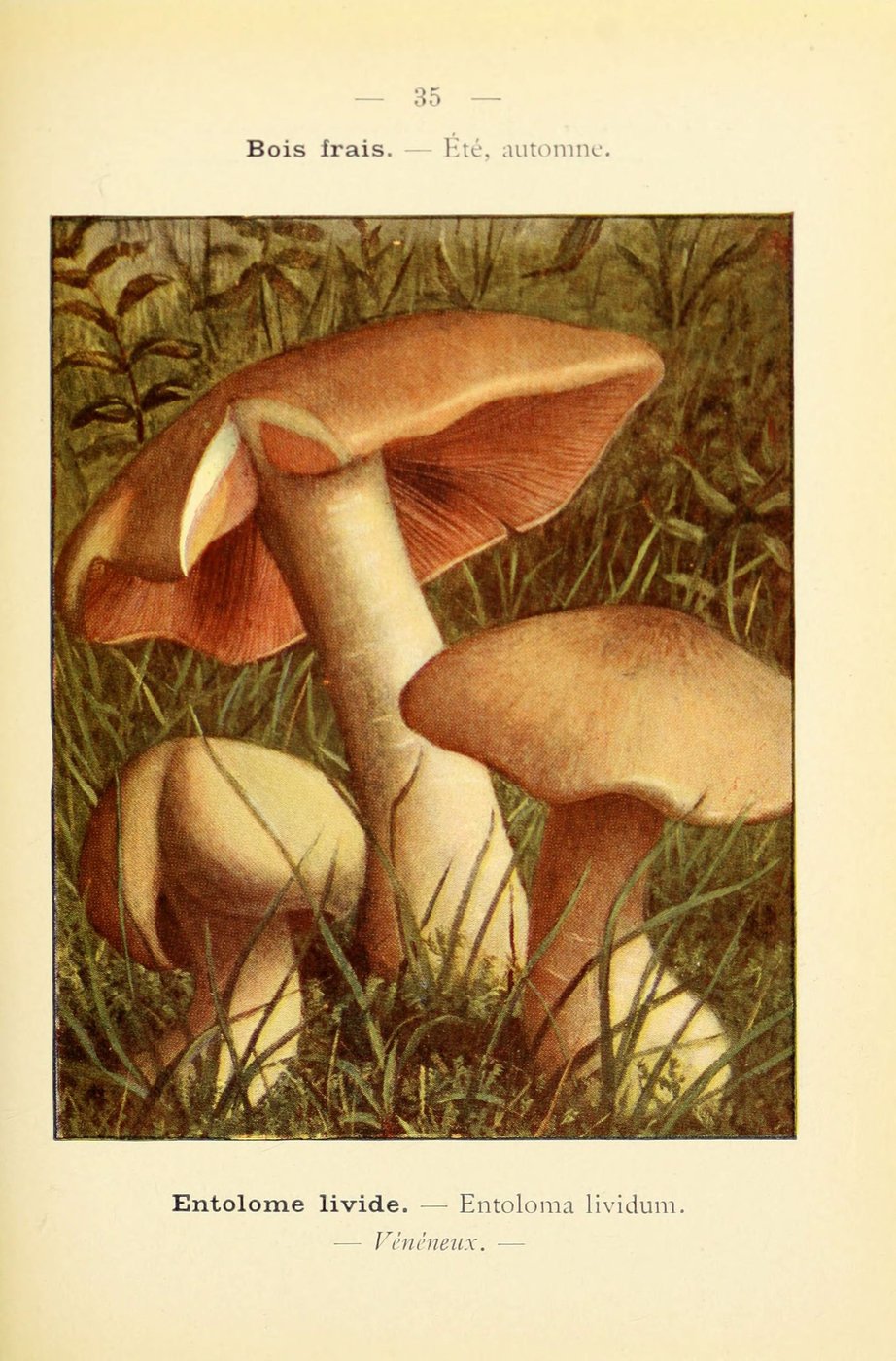
Passarino’s white powder · Entoloma sinuatum · Ferula · Armillaria
Nearby in the alphabet
Mandrake (of the nightshade family) · Malmsey · Manna (Fraxinus ornus, of Calabria and Sicily) · Mallow and marshmallow (Malva sylvestris and Althaea officinalis) · Marigold (the pot marigold) · Madonna lily (Lilium candidum) · Marjoram and jasmine (Origanum majorana) · Madder (Rubia tinctorum)
,_to_serve_as_an_atlas_to_the_%22Handbook_of_British_Fungi%22_(Pl._59)_(8163917060).jpg)
Historical description, not medical advice.