
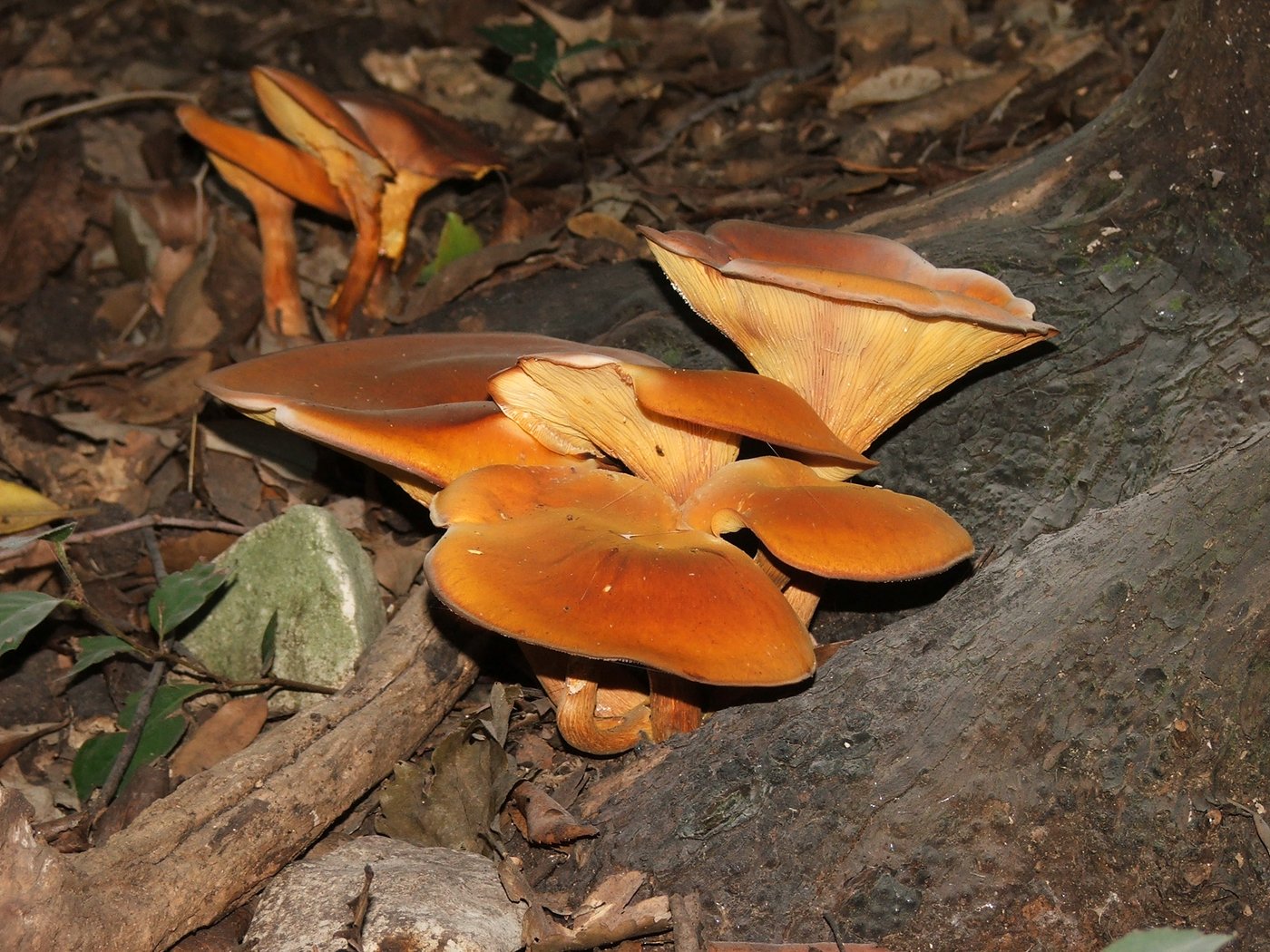
Jack-o’-lantern
Omphalotus olearius and O. illudens
- Known today as
- An orange mushroom clustered on the stumps and roots of olive and other hardwood trees.
- Kind
- Fungus
- Constituents
- illudin S, illudin M
- Poisoning
- Gastrointestinal irritants
- In other databases
- GBIF search · Wikidata search
Revised October 3, 2026: Checked against its sources, each read in full, in part, or in its abstract. Version 1, first published September 25, 2026.
Caution. Poisonous.
Jack-o’-lantern: what was it used for?
None, though a derivative of its illudins has been tested against cancer.
Jack-o’-lantern: what does modern science say?
Its illudins cause violent vomiting; it is mistaken for the chanterelle.
Jack-o’-lantern: is it poisonous?
Yes, in some form or dose. Poisonous. Its poisoning is gastrointestinal irritants: Thirty minutes to three hours: the short latency is reassuring, since the deadly syndromes come later. Historical description, not medical advice; in a poisoning, call a poison centre.
Pharmacognosy & Toxicology
- Constituents
- Mechanism
- The illudins damage DNA; in the gut they cause the vomiting, and a synthetic relative, irofulven, was tried as a cancer drug.
- Toxic dose
- A meal, mistaken for the chanterelle; severe but not typically lethal.
- Syndrome
- Gastrointestinal irritants
- Standing
- None; the mushroom glows faintly in the dark from its luciferin.
- Kelner, M. J., et al. (1987). “Preclinical evaluation of illudins as anticancer agents.” Cancer Research 47. Abstract read · the text read
The abstract of each source, beneath its citation. For Club members. About the Club or sign in.
Constituent names open the compound’s record at PubChem, and “ChEMBL” beside a name opens its record at ChEMBL, the European Bioinformatics Institute’s database of bioactive molecules. Where a mechanism line was checked against ChEMBL (ChEMBL 37, read 1 October 2026), the check is shown with the measured value and its source paper, or says plainly that nothing has been measured. Doses are as the references give them, for description only; this is not medical advice. Each source carries the result of its check against Crossref, PubMed, or the authority’s page: see Verification.
Jack-o’-lantern: what lore surrounds it?
Its gills glow faintly green in the dark.
The name these glowing gills share with the pumpkin lantern goes back to the folklore of the will-o’-the-wisp: an Irish legend of Stingy Jack, who outwitted the Devil, was barred from both Heaven and Hell, and was left to wander the earth with a burning coal in a hollowed turnip. The tale is folklore rather than history; the name jack-o’-lantern belonged first to the will-o’-the-wisp, the lights over bogs that learned writers put down to marsh gas, and from that deceptive glow the glowing mushroom takes its name.
In Their Own Words
Atkinson says the saffron-yellow Clitocybe illudens is easily known by its strong phosphorescence in the dark, for which it is sometimes called 'Jack-my-lantern'.
“From the rich saffron yellow color of all parts of the plant, and especially by its strong phosphorescence, so evident in the dark, it is an easy plant to recognize. Because of its phosphorescence it is sometimes called "Jack-my-lantern."”
George Francis Atkinson, Studies of American Fungi. Mushrooms, Edible, Poisonous, etc., Chapter VI (The White-Spored Agarics), Clitocybe illudens. Second edition; New York: Henry Holt and Company, 1903 (Project Gutenberg eBook #26492). The text, read in part
McIlvaine says that, cooked, it tastes rather soapy and generally sickens the eater, and that tests show it contains a minor poison.
“When cooked the taste is rather saponaceous. Strong stomachs can retain a meal of them, but the fungus generally sickens the eater. Many testings show it to contain a minor poison.”
Charles McIlvaine and Robert K. Macadam, Toadstools, Mushrooms, Fungi, Edible and Poisonous; One Thousand American Fungi, Clitocybe illudens, species entry. Revised edition; Indianapolis: The Bowen-Merrill Company, copyright 1900, 1902 (Project Gutenberg eBook #51393). The text, read in part
Badham notes that Agaricus olearius, not uncommon in Italy, may be seen at night shining feebly in the darkness of the olive grove.
“…of the first, the Agaricus olearius, not uncommon in Italy, is sometimes seen at night, feebly shining amidst the darkness of the olive grove.”
Charles David Badham, M.D.; edited by Frederick Currey, A Treatise on the Esculent Funguses of England, Phosphorescence. London: Lovell Reeve & Co., Henrietta Street, Covent Garden, 1863 (second edition; Project Gutenberg eBook #58853). The text, read in part
Each passage is quoted from the text named, which the press fetched and read, and was checked word for word against a fresh copy of it; the link opens that copy. Passages are given as printed, without the editors’ footnote numbers, and with words broken across lines joined.
Sources
- Snopes, on Stingy Jack. Read in full · the text read
- Wikipedia contributors. “Omphalotus olearius.” Wikipedia, The Free Encyclopedia. en.wikipedia.org/wiki/Omphalotus_olearius (read 2 October 2026). Read in full · the text read
- Wikipedia contributors. “Omphalotus illudens.” Wikipedia, The Free Encyclopedia. en.wikipedia.org/wiki/Omphalotus_illudens (read 2 October 2026). Read in full · the text read
- Wikipedia contributors. “Jack-o'-lantern.” Wikipedia, The Free Encyclopedia. en.wikipedia.org/wiki/Jack-o'-lantern (read 2 October 2026). Read in full · the text read
Verification
- Checked
- October 1, 2026, and October 3, 2026
- Passes
- Every sentence read against its sources, in the pass over the remaining 343 entries
- The Standing line checked against the authority it names (EMA, WHO, FDA, CITES, Commission E)
- Every dated or regulatory claim checked by category across the database
- Every source read, in full, in part, or in its abstract, and every sentence checked against what was read (October 3, 2026)
- Sources
- 5 cited: 4 read in full, 1 abstract read. 1 with the abstract on file.
- Corrections
- None were needed.
What was checked, how, and what was found is set out on the Verification page. A checked source is one whose record was found; it does not make the entry medical advice.
Cite This Entry
Version 1 · first published September 25, 2026 · last revised October 3, 2026
- Chicago
“Jack-o’-lantern.” In Materia Medica, edited by B. C. P. Statema. Version 1. The Thinking Press, 2026–. Last modified October 3, 2026. https://thethinkingpress.org/materia-medica/jack-o-lantern.
- MLA
“Jack-o’-lantern.” Materia Medica, edited by B. C. P. Statema, version 1, The Thinking Press, 3 Oct. 2026, thethinkingpress.org/materia-medica/jack-o-lantern. Accessed 8 Oct. 2026.
- APA
Jack-o’-lantern. (2026, October 3). In B. C. P. Statema (Ed.), Materia medica (Version 1). The Thinking Press. Retrieved October 8, 2026, from https://thethinkingpress.org/materia-medica/jack-o-lantern
Club members keep entries on a shelf with private notes, print the plates as cards, and receive an entry by email each week. Create a free account before January 1, 2027 and all of it is yours for good. About the Club
See Also
Poisoned alike: gastrointestinal irritants
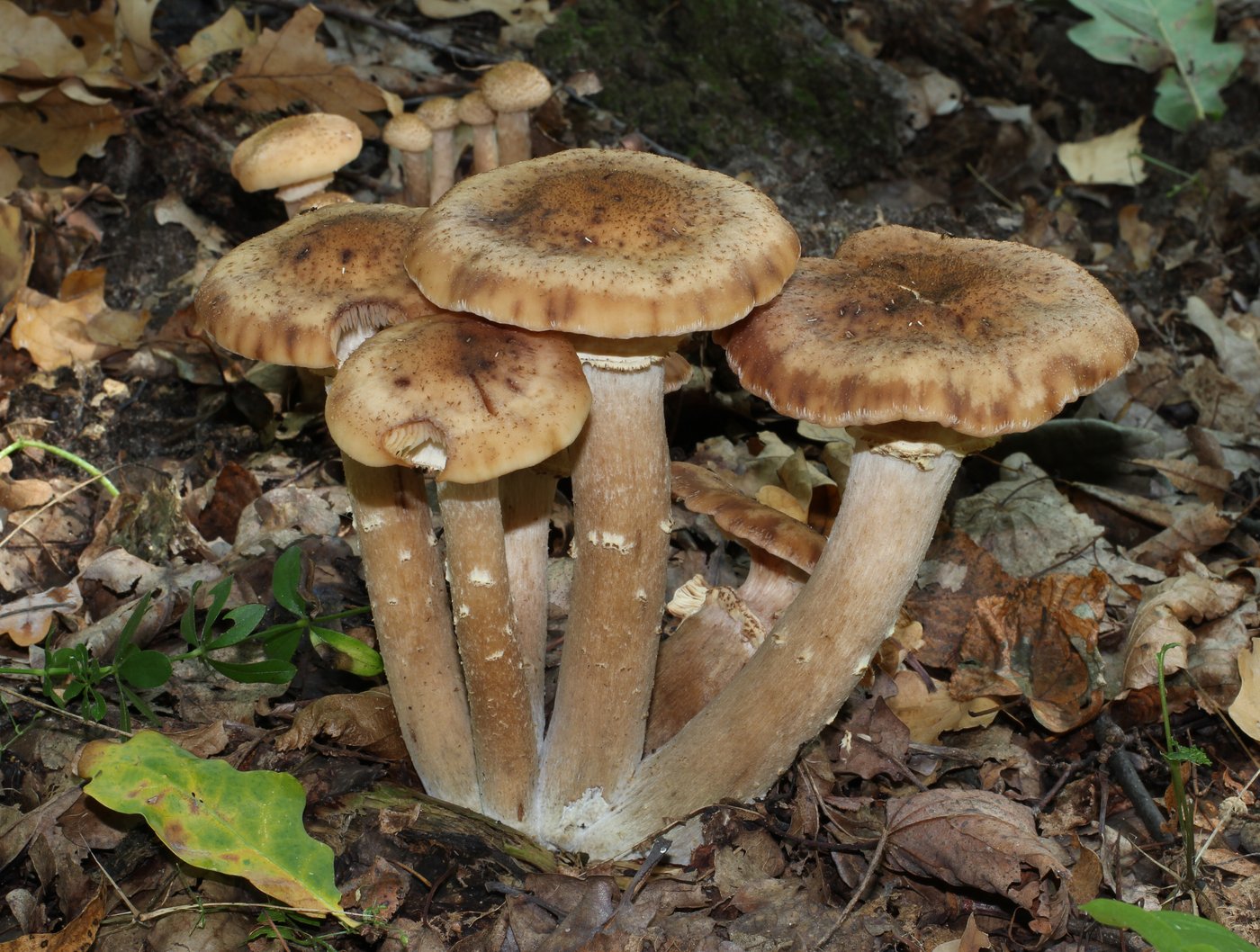
Jalap · Honey fungus · Livid pinkgill · Cyclamen, greater · Meadow saffron · Common earthball · Melon root · Colocynth · the syndrome, with all of them →
Drawing on the same sources: Snopes
Nearby in the alphabet
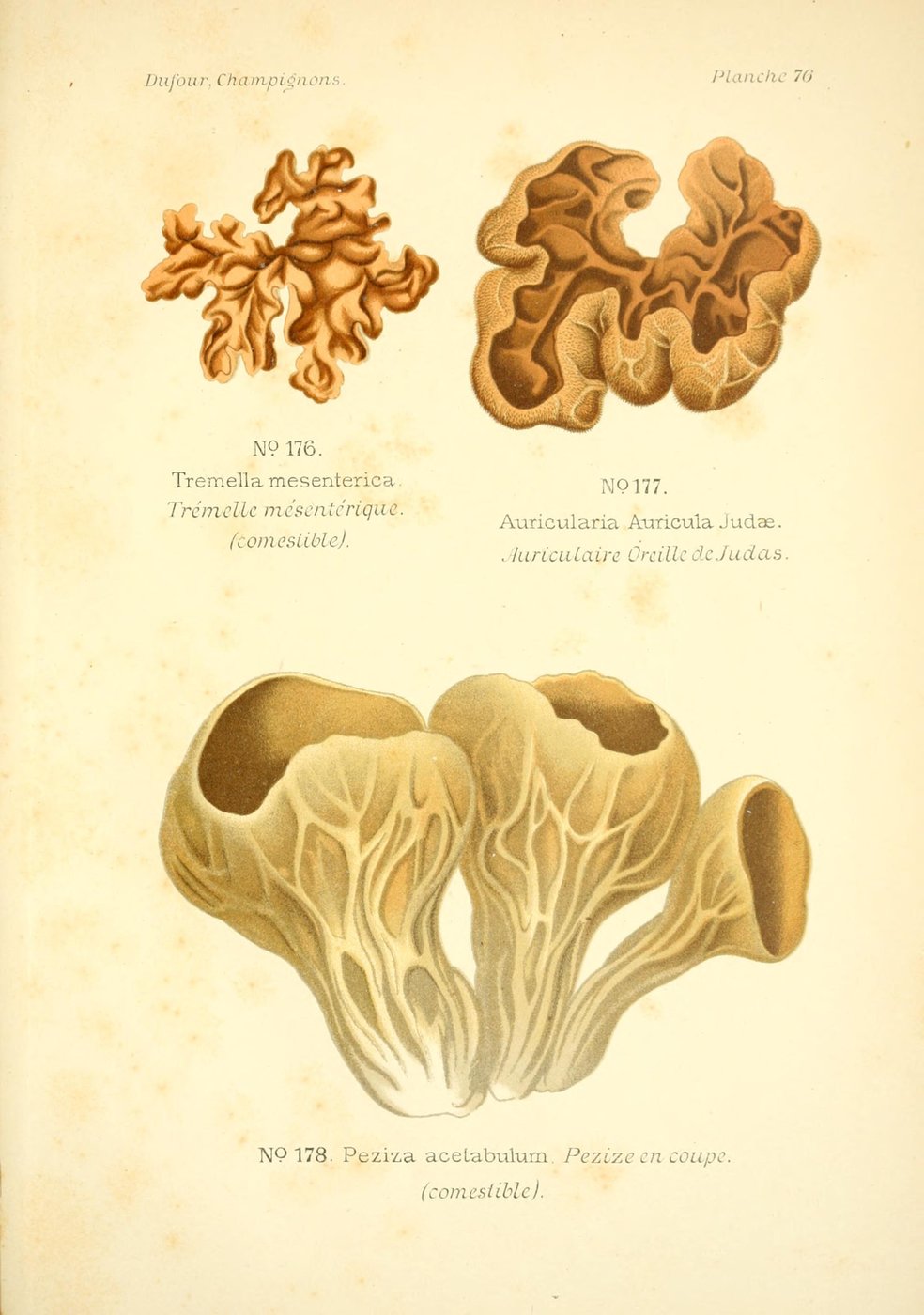
Iva (Ajuga iva) · James’s powder (secret in its making) · Isinglass · Jelly ear (rubbery, ear-shaped fungus, chiefly on elder) · Iron and steel (given as filings in wine, as its rust, or in chalybeate spring waters) · Jet, oil of (a dense variety of lignite) · Ipecacuanha (The root of Carapichea ipecacuanha of Brazil)

Historical description, not medical advice.