
Foraging the Midwest
27 plants and fungi of the Lake country and the prairie states that were gathered wild for food, medicine, dye, or shelter, with the part taken, the season, and whose record it is: the Chippewa of Minnesota as Frances Densmore wrote them down in 1928, the Ojibwe and the Forest Potawatomi of Wisconsin as Huron Smith did in 1932 and 1933, and the botanists Bigelow, Rafinesque, Millspaugh, and Sargent. 8 of them are poisons in some part or dose.
27 foragables · The herbal teas · The poisons
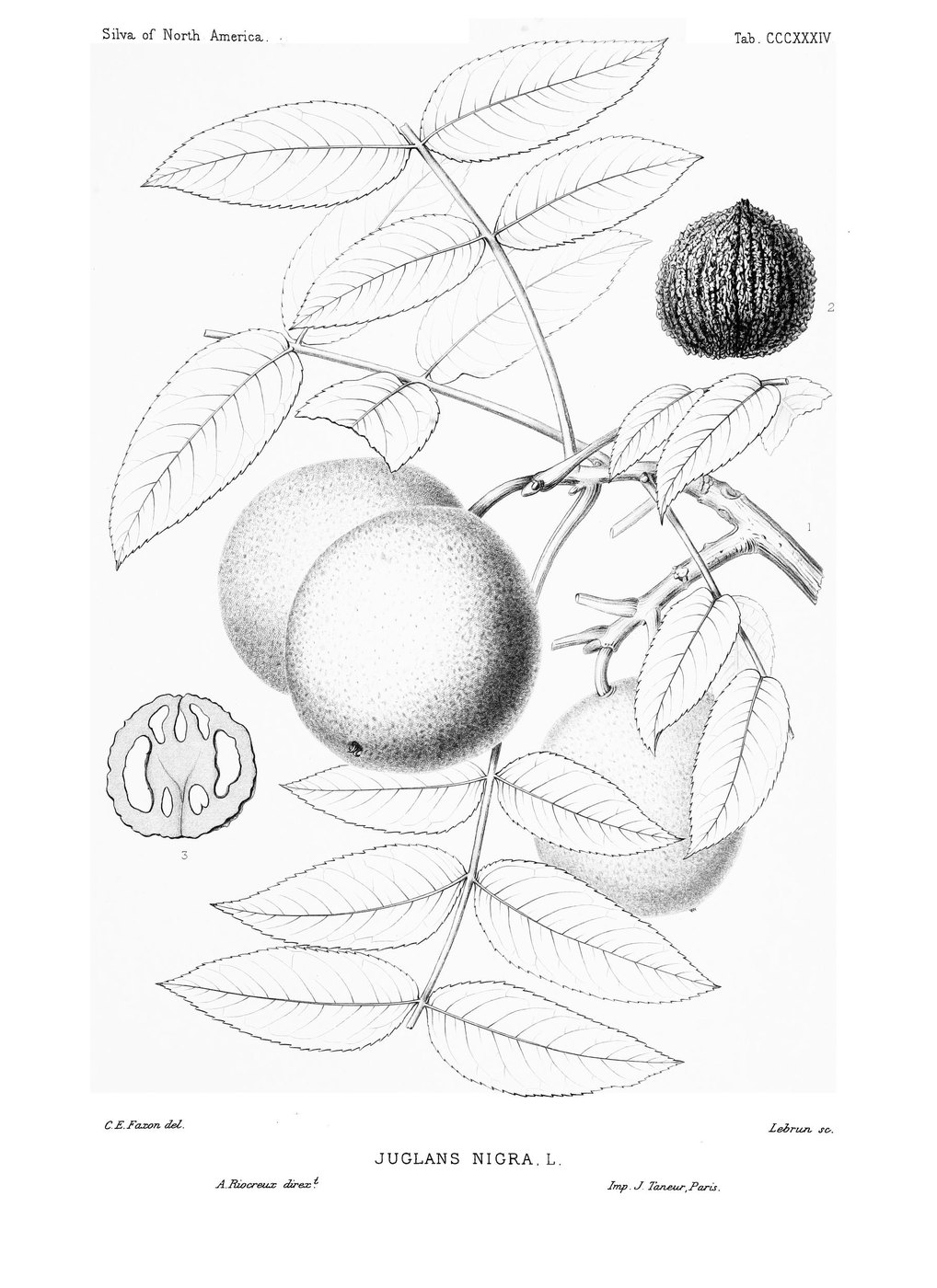
Black walnut
Plant · Nuts · Autumn · poison
Rich bottom-lands and fertile hillsides from southern Michigan and Minnesota to Kansas and south; the nuts were valued by the Indians of the Mississippi Basin and gathered for domestic use, the sweet kernel going rancid soon. In Wisconsin the tree reaches only the southern half of the state; the north has the butternut.
After Sargent; Smith
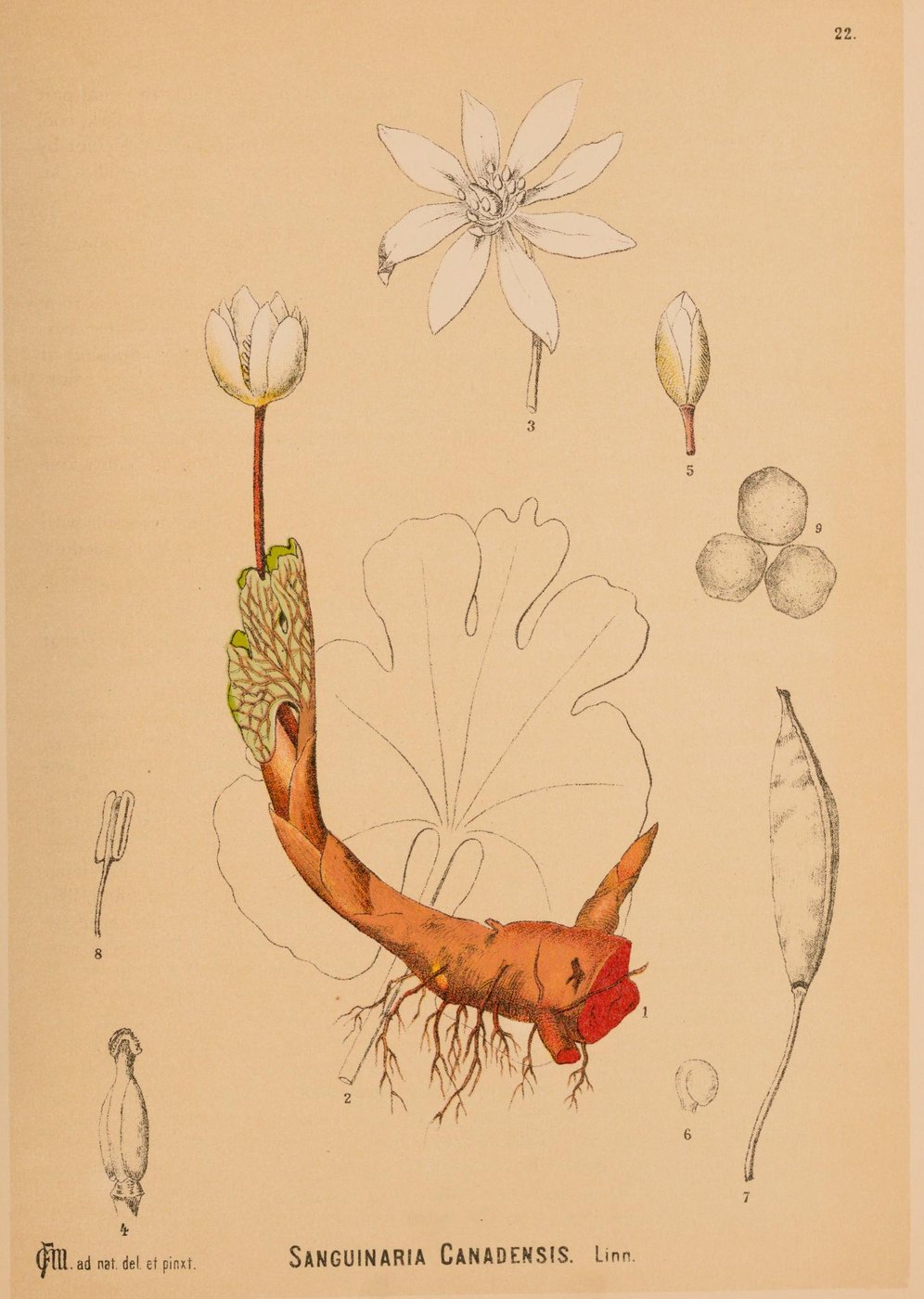
Bloodroot
Plant · Root · Autumn, after the leaves die down · deadly
Rich open woods and shaded bottom-lands, flowering in March and April; the root is dug in autumn, by Grieve, or when the seeds are ripe, by Millspaugh, and quickly spoils if not kept dry. A poison and a dye, never a food.
After Grieve; Millspaugh
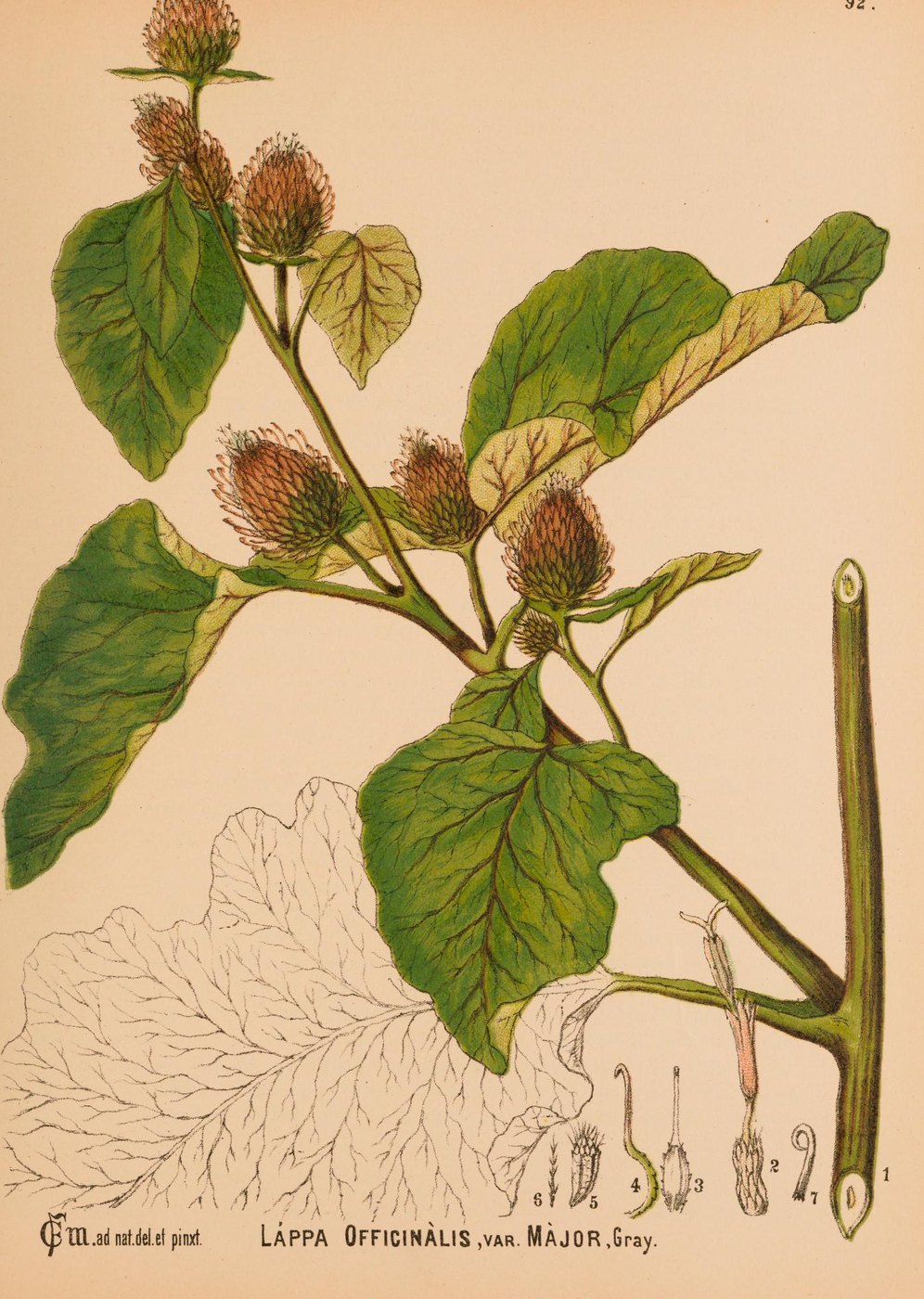
Burdock
Plant · Root of the first year; young peeled stems · Root in autumn before hard frost; stems in spring
Roadsides and waste ground about dwellings, everywhere; the roots, stems, and leaves were boiled and eaten in Canada and the root even raw, and the young stems stripped of their rind eaten in salad. The root is dug in autumn before the frost has touched the plant deeply.
After Rafinesque; Millspaugh
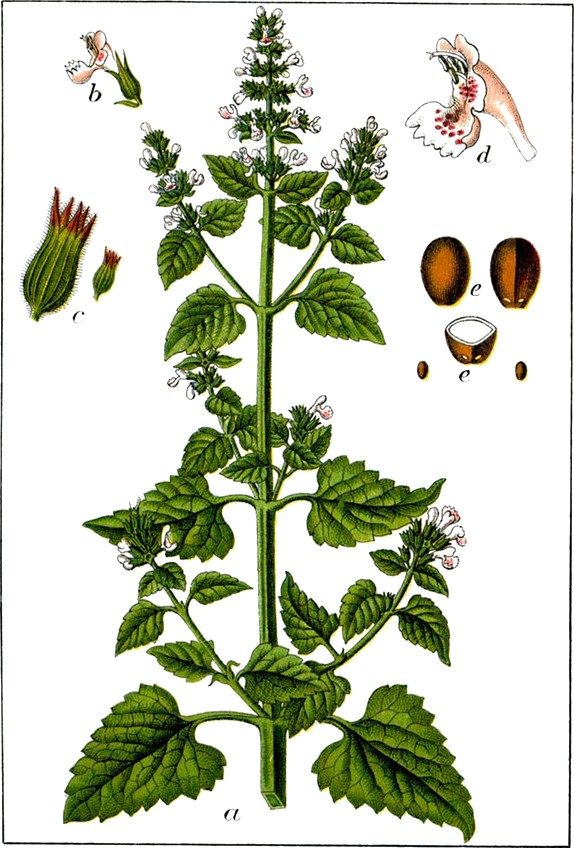
Catmint
Plant · Leaves · Summer
The Flambeau Ojibwe brewed a tea of the leaves as a beverage and as a blood purifier, and bathed a patient in the mint water to raise the body’s heat. A dooryard escape in the Lake country.
After Smith
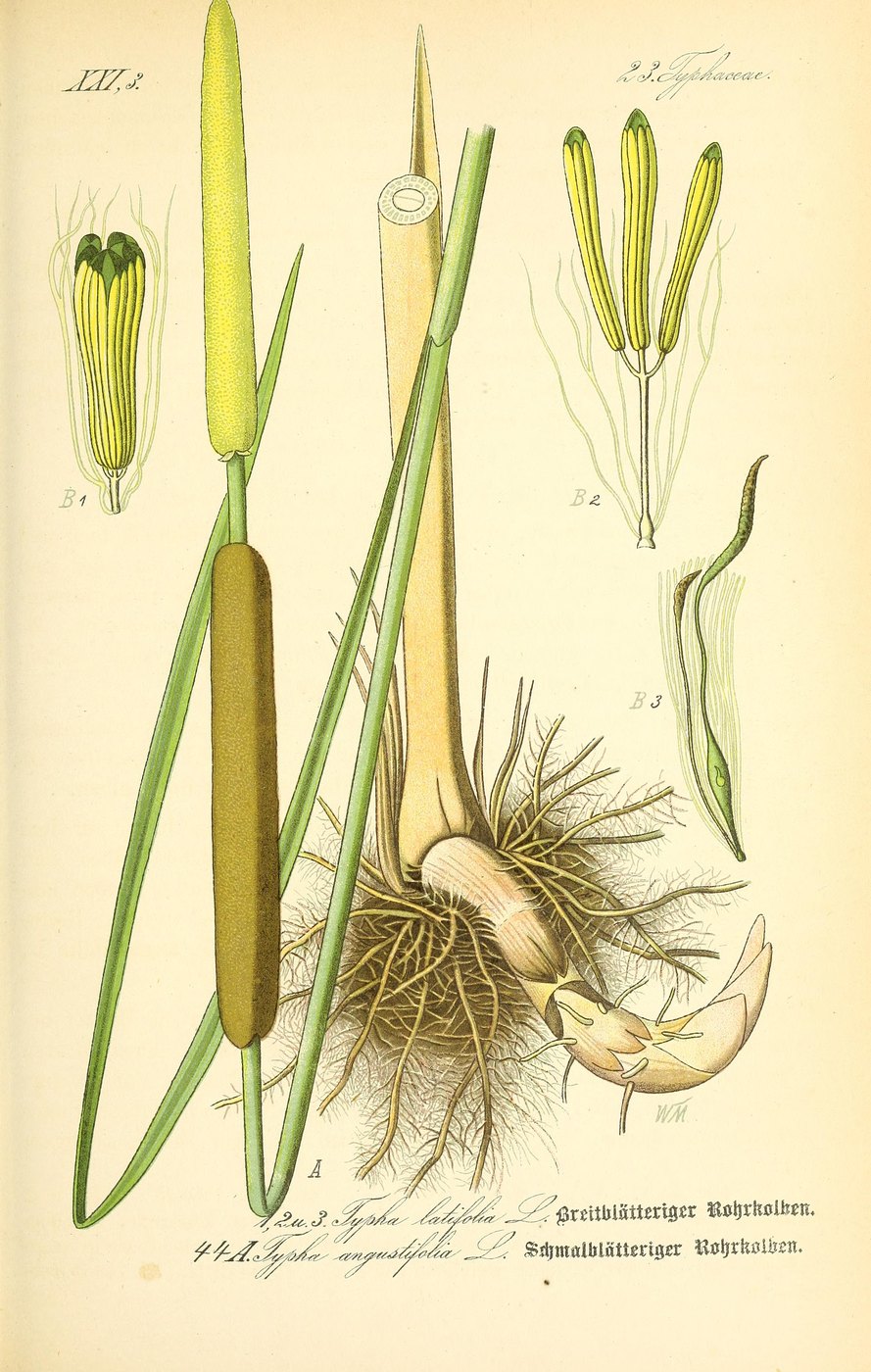
Cattail
Plant · Rhizome, young shoots, leaves, down · Rhizome in autumn and winter, shoots in spring, leaves in summer
Pond margins, ditches, and marshes; the root yields a starch that Rafinesque likened to salep, the leaves made the mats of the wigwam, and the down lined the cradle. Rafinesque wanted it planted in every swamp.
After Rafinesque; Smith; Densmore
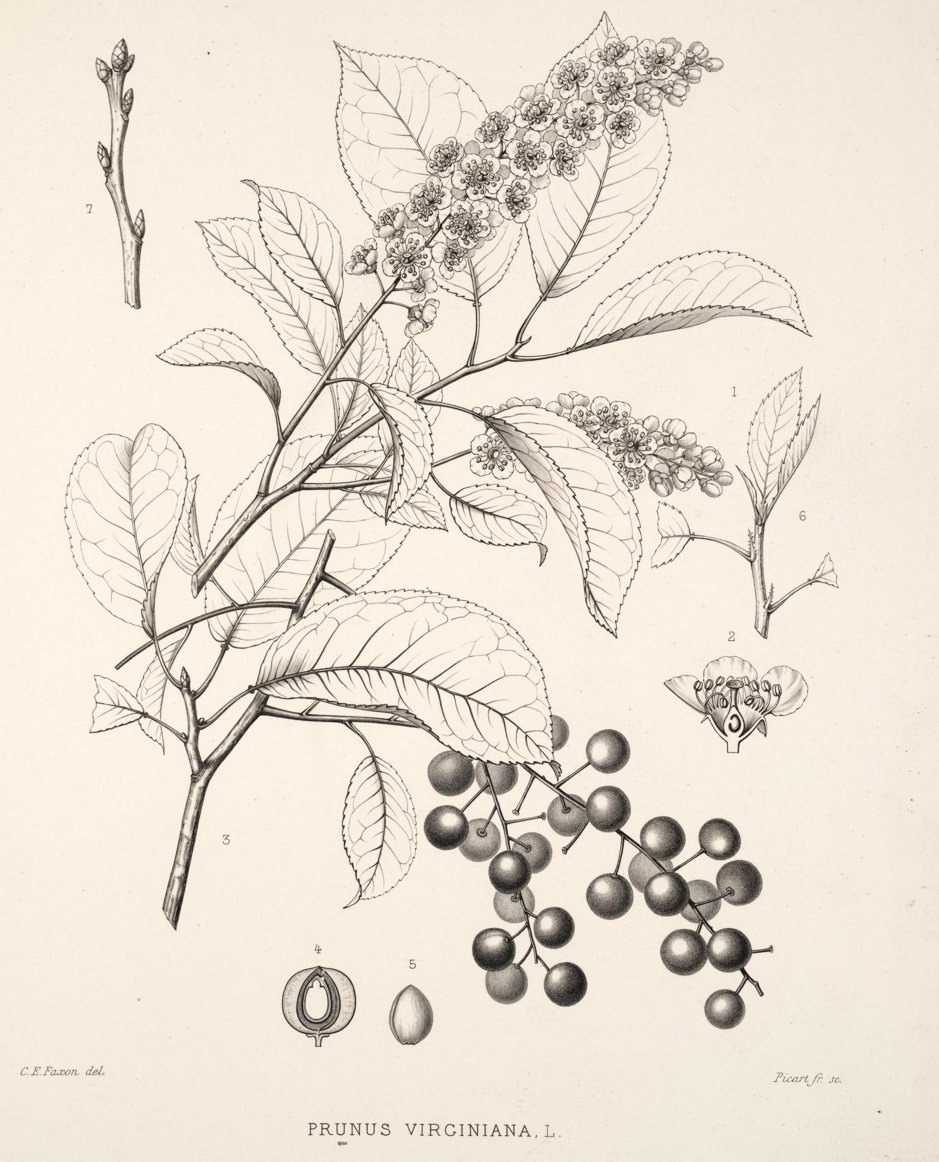
Chokecherry
Plant · Fruit; inner bark · Late summer, after frost for the fruit · poison
The Pillager Ojibwe liked the fruit, which whites found too acrid, “especially after the fruit has been frosted,” and made a tea of the inner bark for lung trouble. The bark, leaves, and kernels hold prussic acid; the ripe flesh is the food.
After Smith
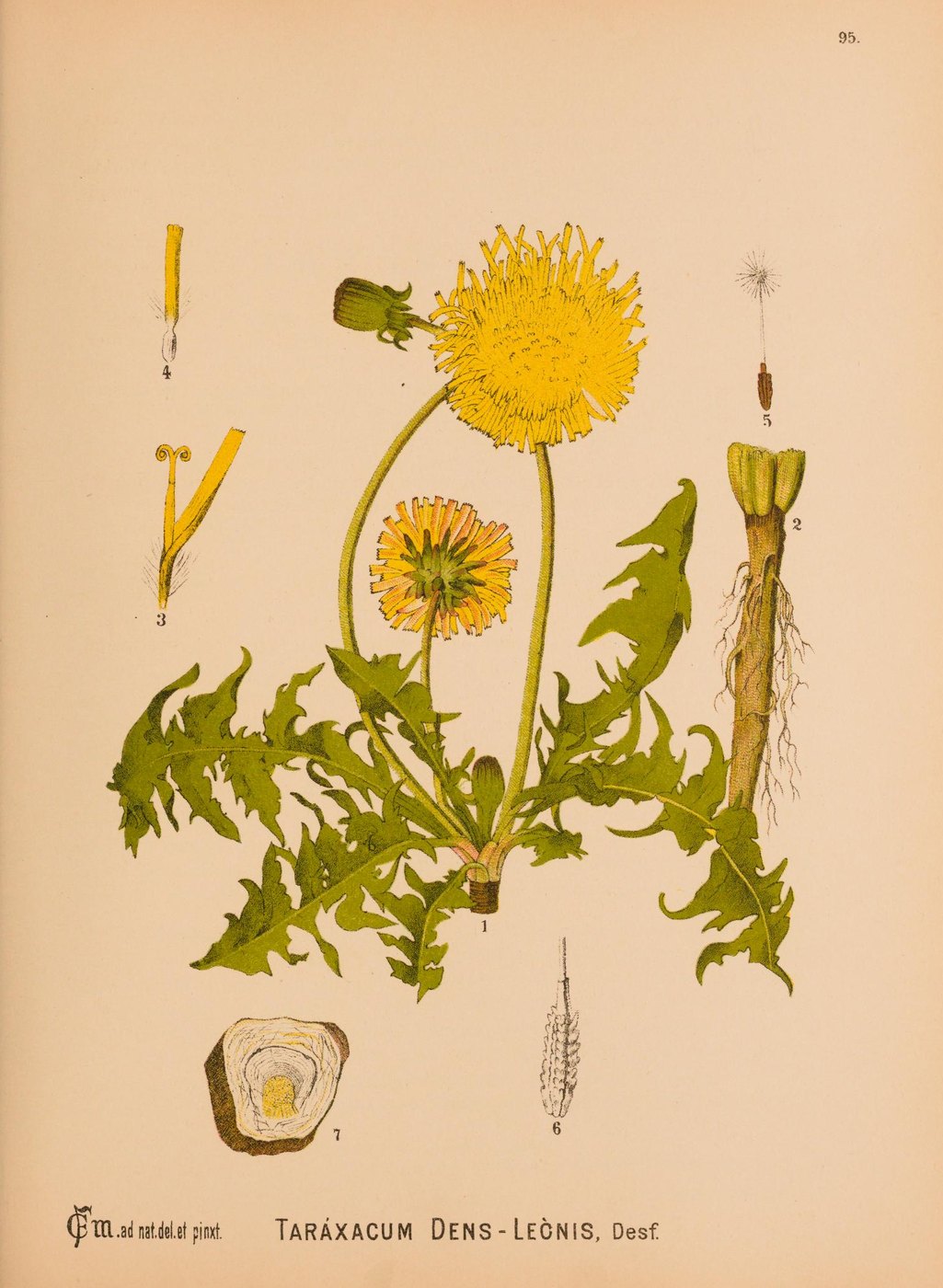
Dandelion
Plant · Young leaves; root · Leaves in spring; root for a tea
The Flambeau Ojibwe gathered the young leaves in spring and cooked them with pork or venison for greens, with a vinegar of soured maple sap; the Pillager Ojibwe made a tea of the root for heartburn.
After Smith
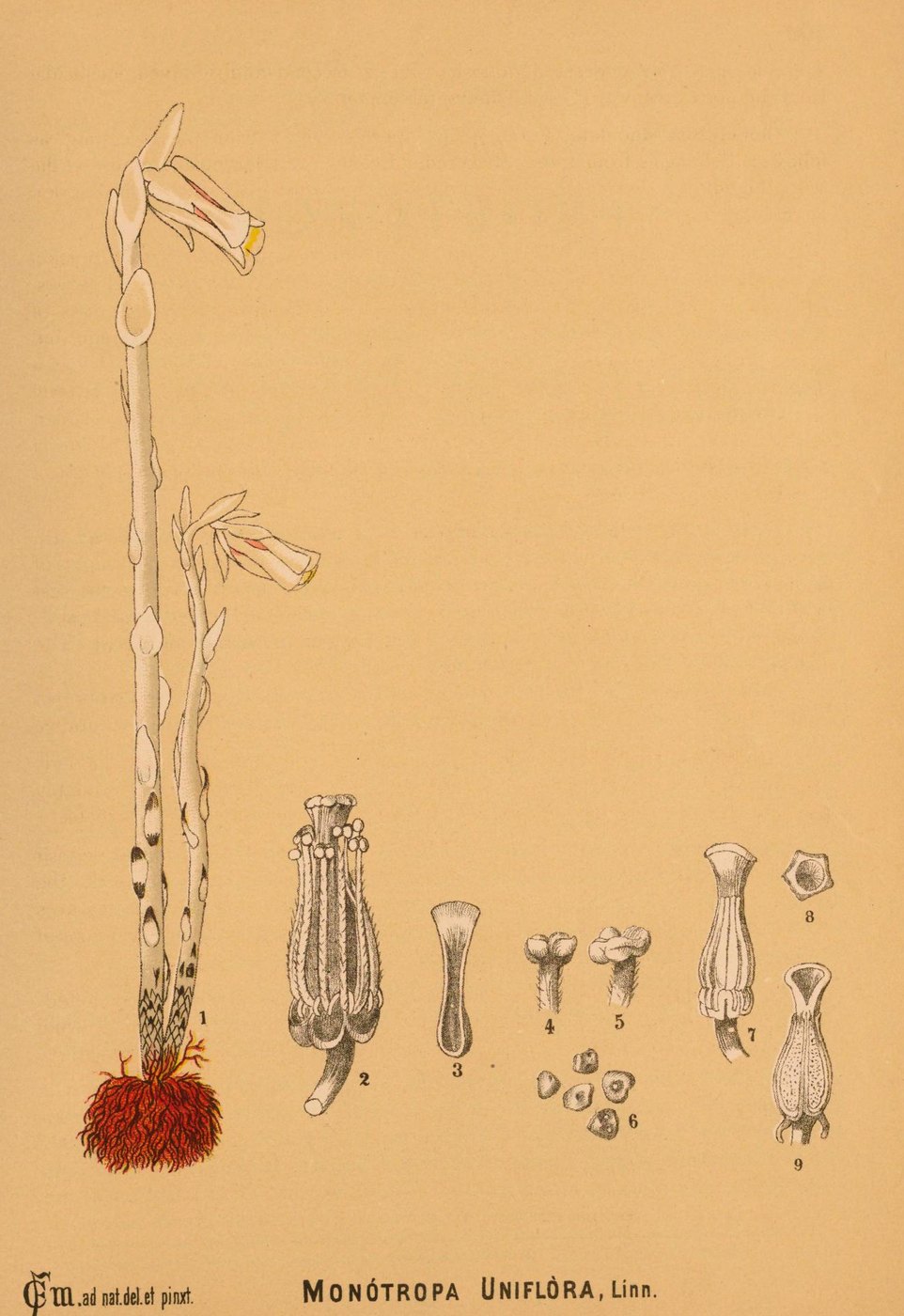
Ghost pipe
Plant · Root and flowering plant · July to September
Deep rich shady woods, the beech woods above all; the Potawatomi medicine woman Mrs. Spoon made a tea of the roots for female troubles. The plant blackens in the hand and will not keep.
After Smith; Millspaugh
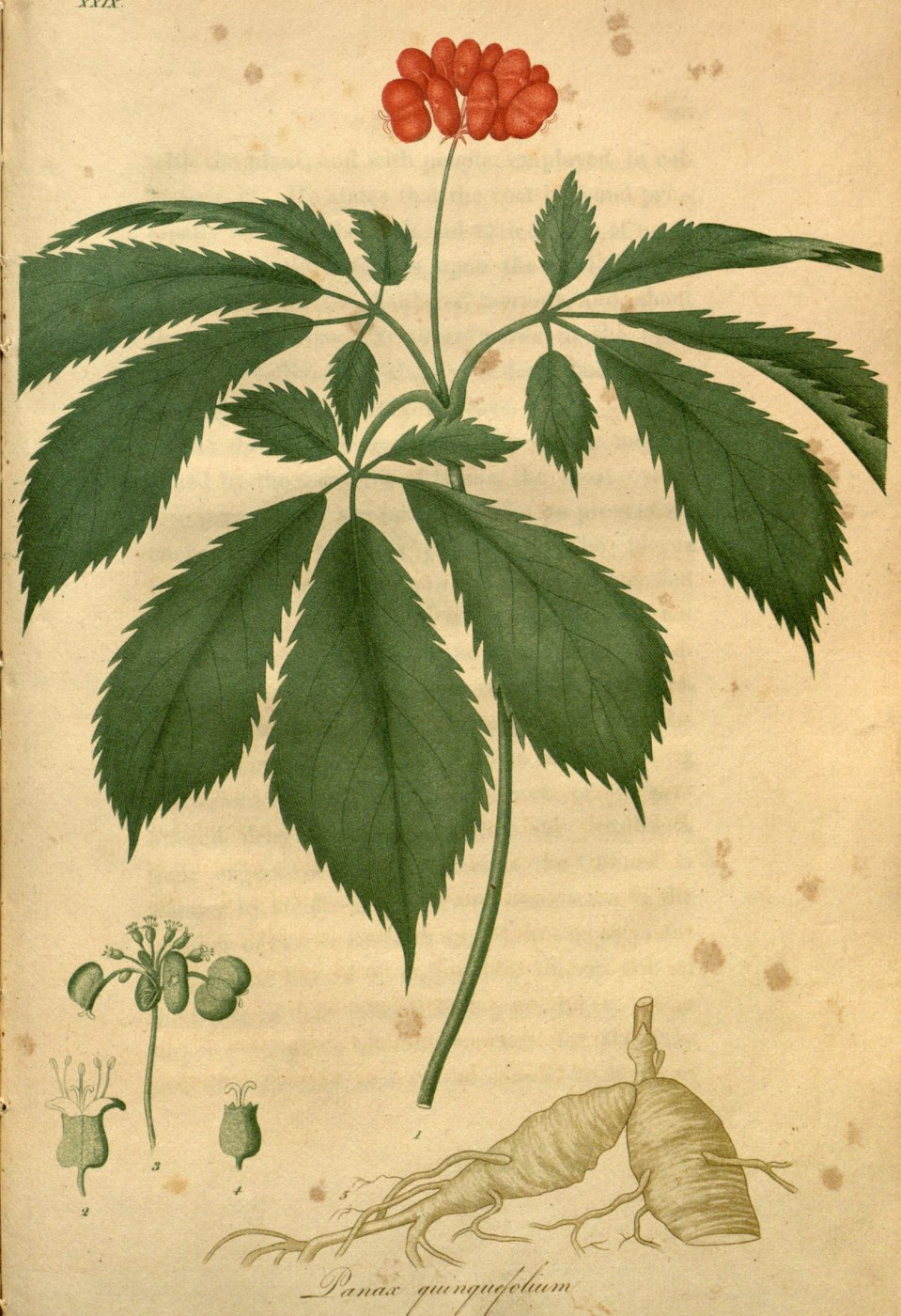
Ginseng
Plant · Root · Autumn, when the red berries are ripe
The Ojibwe gathered it assiduously for the traders and thoughtfully: only when the red berries were mature and before they dropped, so the seed went back into the ground; the Forest Potawatomi used the root as medicine. Rich shaded woods; protected and regulated nearly everywhere now.
After Smith
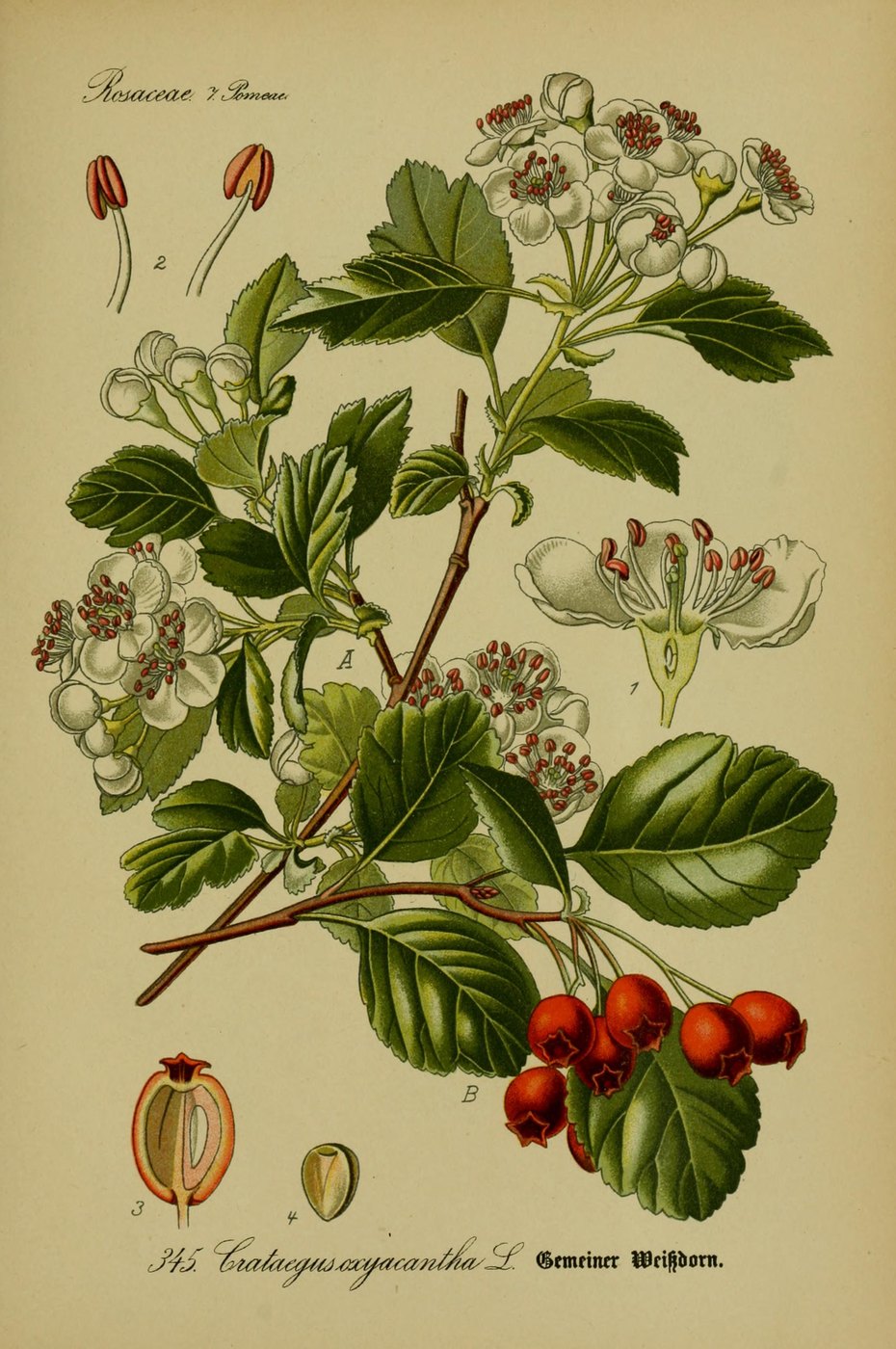
Hawthorn
Plant · Haws; thorns · Autumn
The Pillager Ojibwe ate the haw apples in the fall of the year, the Flambeau used fruit and bark for a women’s medicine, and the women sewed with the sharp thorns for awls on fine work.
After Smith
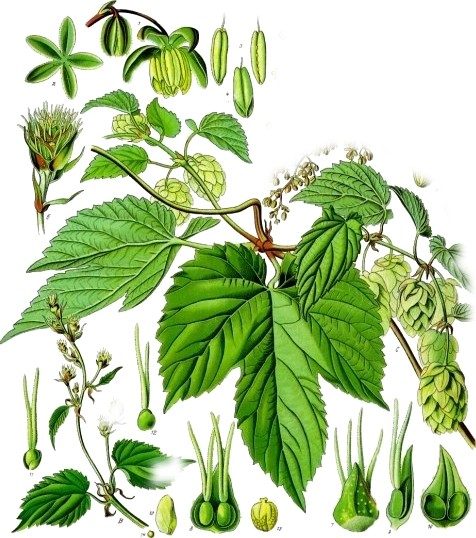
Hop
Plant · Fruit · Late summer
The Pillager Ojibwe made a tea of the hop that eased the urine and reduced its acidity, and used the fruit as a substitute for baking soda.
After Smith
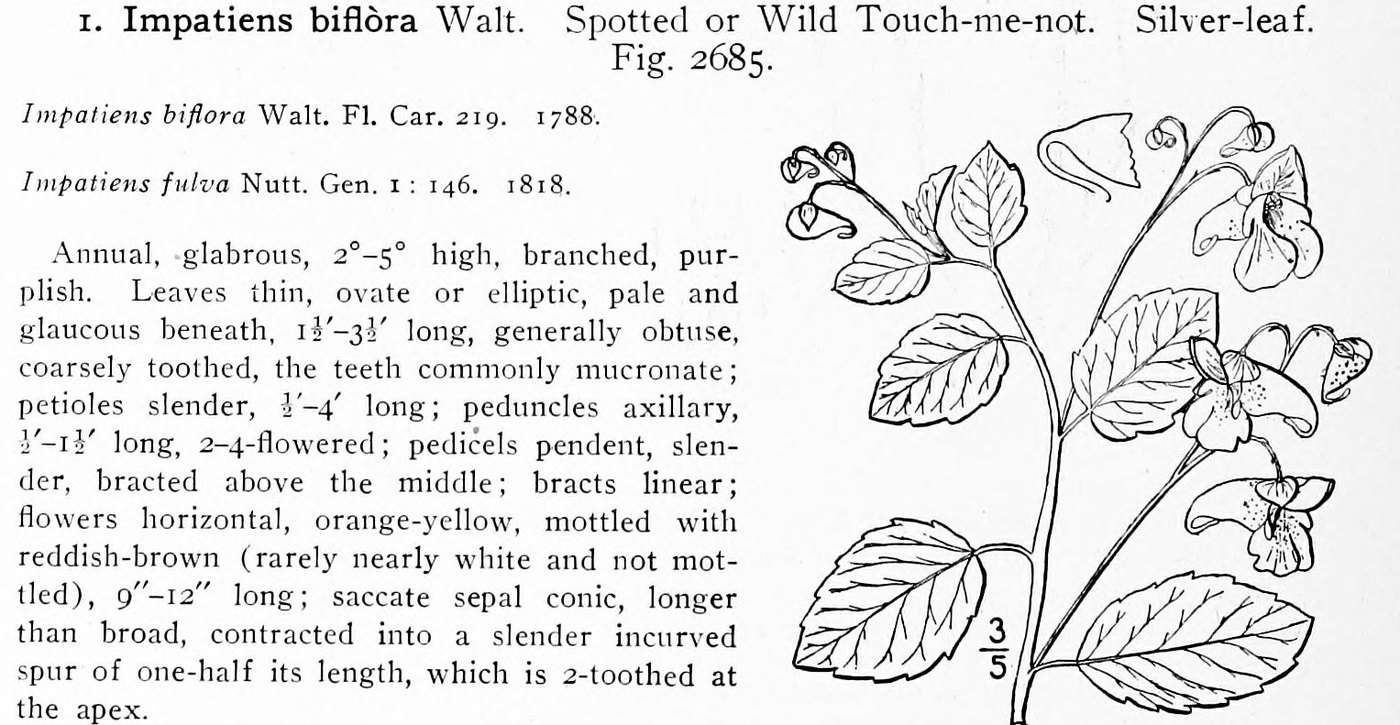
Jewelweed
Plant · Fresh juice and leaves · Summer, when the plant stands
Wet shady ground beside the nettles and the poison ivy it is used against; the fresh plant is crushed and the juice rubbed on at once. A dried or bottled extract is not the remedy the tribes used, and did nothing in the one trial of it.
After Smith
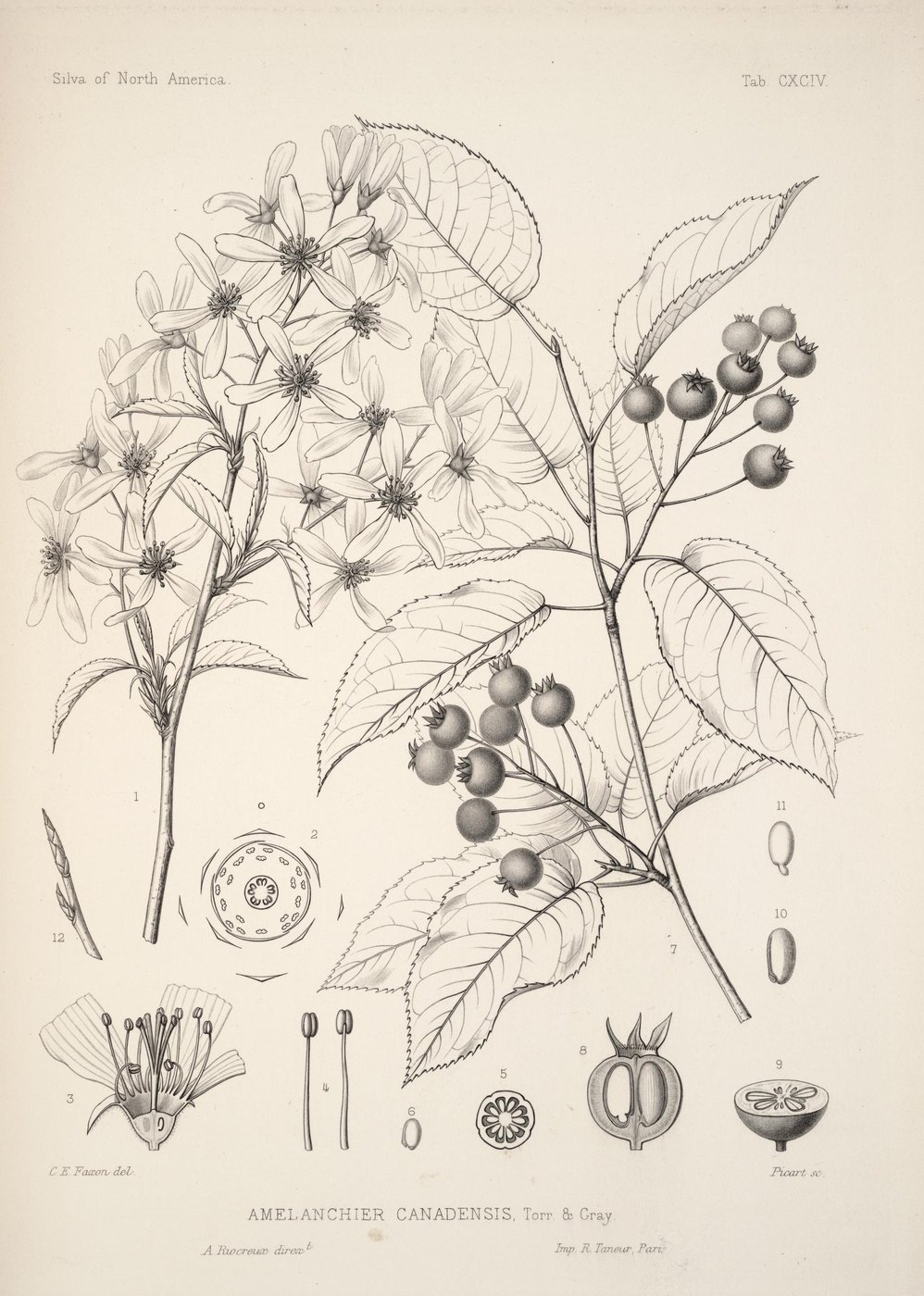
Juneberry
Plant · Fruit · June and early summer
Upland woods with the oaks and maples, and the swamp form on stream banks; the Chippewa found them abundant, took them on journeys, and dried them for winter, often preferring them to blueberries. “Take some Juneberries with you.”
After Densmore; Smith
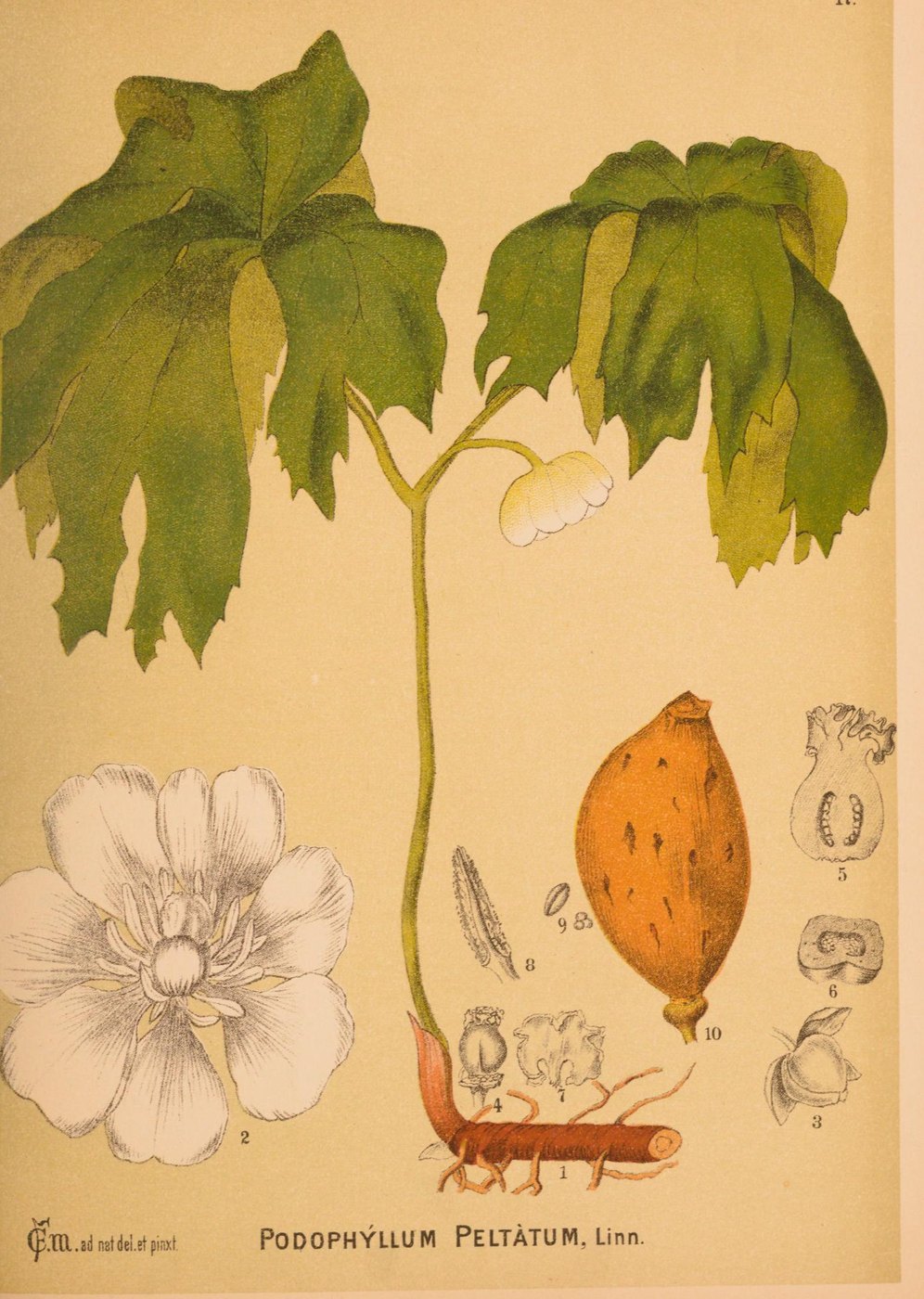
Mayapple
Plant · Ripe fruit only · August · deadly
In beds on low shady ground and damp open woods, flowering in May and fruiting in August; only the fully ripe yellow fruit is taken, and that has purged the susceptible. Root, leaves, and spring shoots are poisons, and the shoots have killed as a potherb.
After Bigelow; Millspaugh
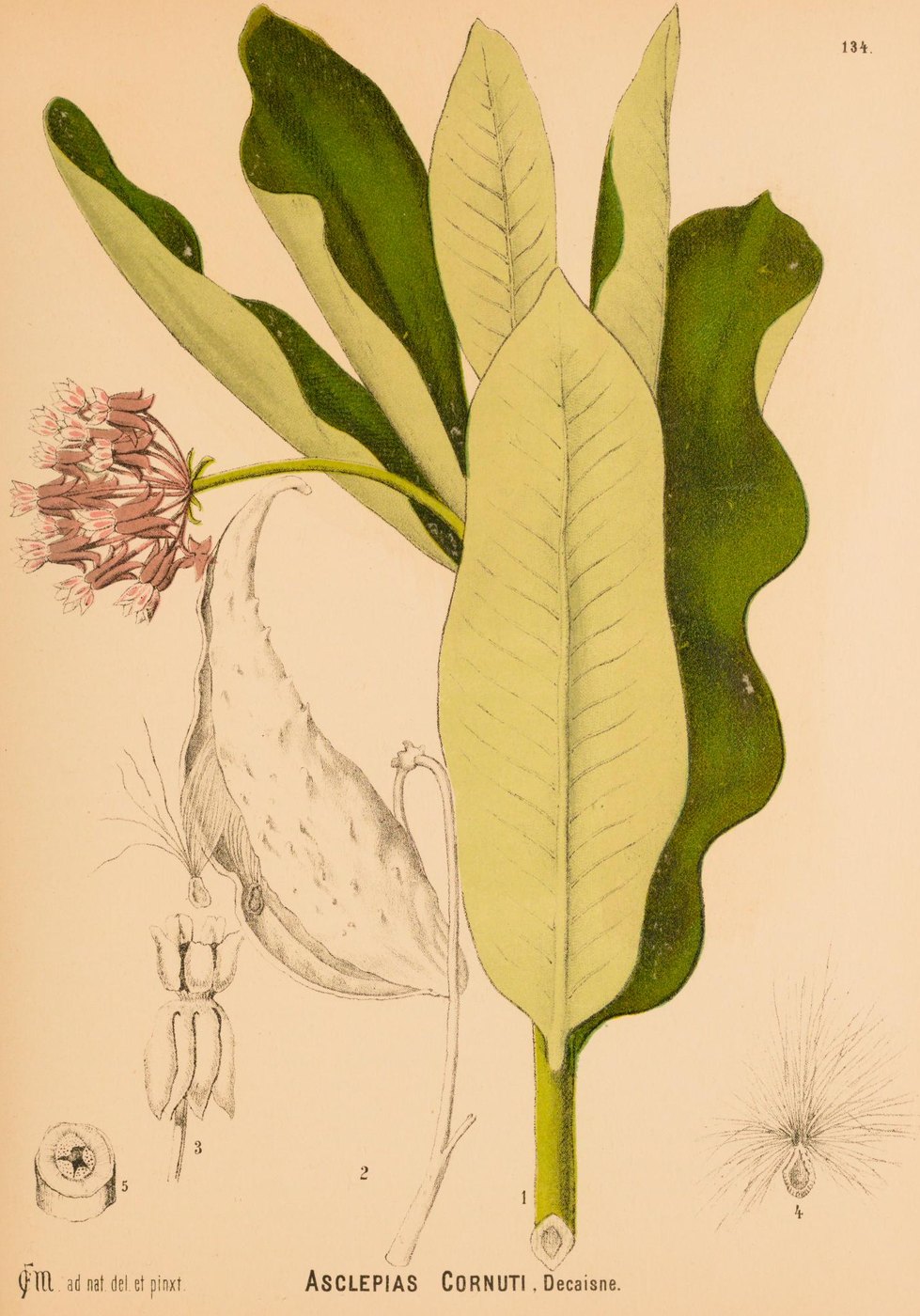
Milkweed
Plant · Young shoots, buds, and flowers · Shoots in spring, buds and flowers in early summer · poison
Roadsides and fields everywhere, and by every wigwam; the shoots were cooked like asparagus, the buds and flowers stewed or dropped into meat soups until they thickened it like okra, and the flowers dried for winter. Always cooked; the plant holds heart glycosides.
After Smith; Densmore; Millspaugh
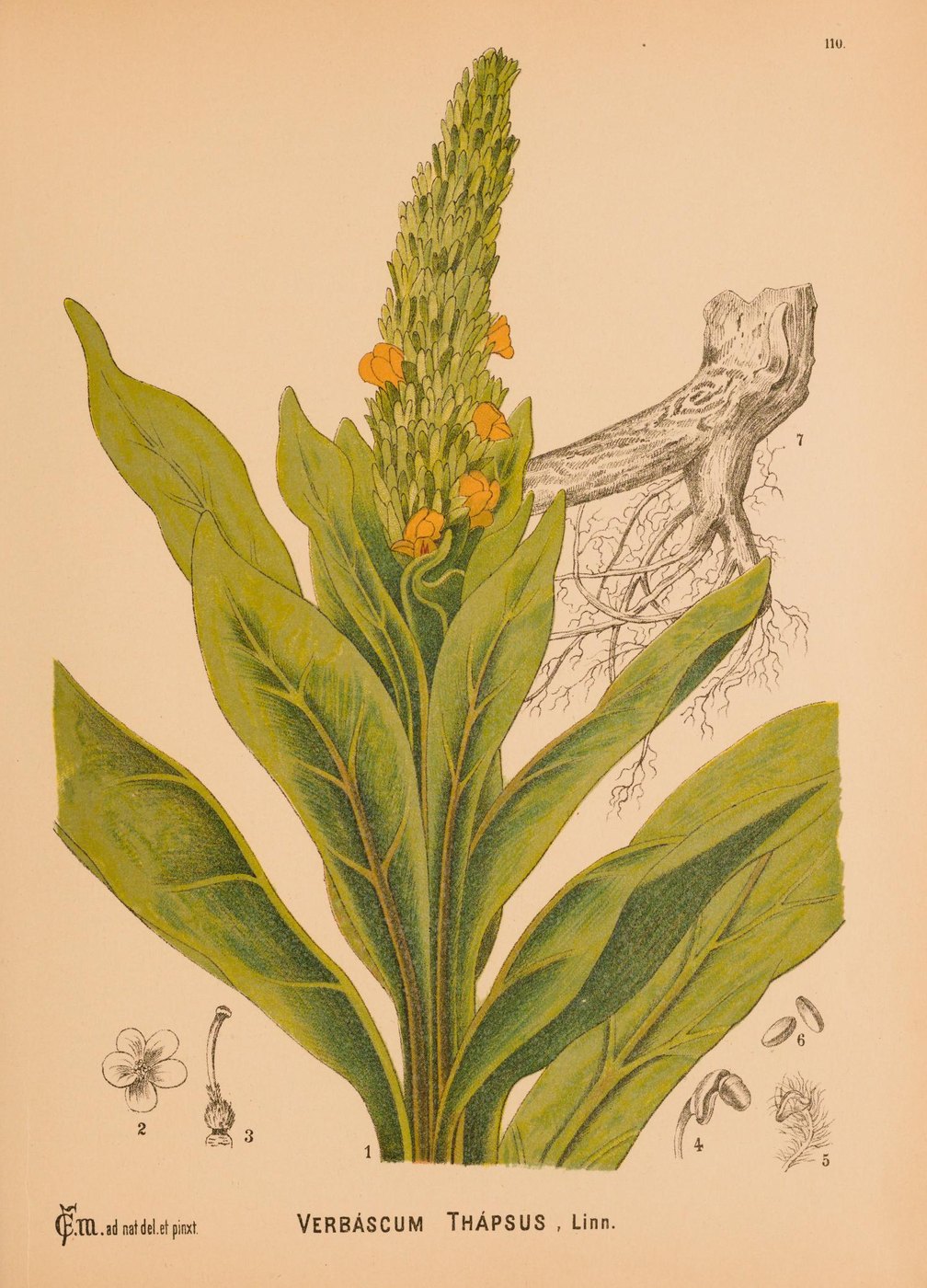
Mullein
Plant · Leaves · Summer
The Flambeau Ojibwe had no name for it, since it came into their territory from the south, and did not use it; Smith gathered it for his grandmother, who smoked the leaves for asthma and bronchitis.
After Smith
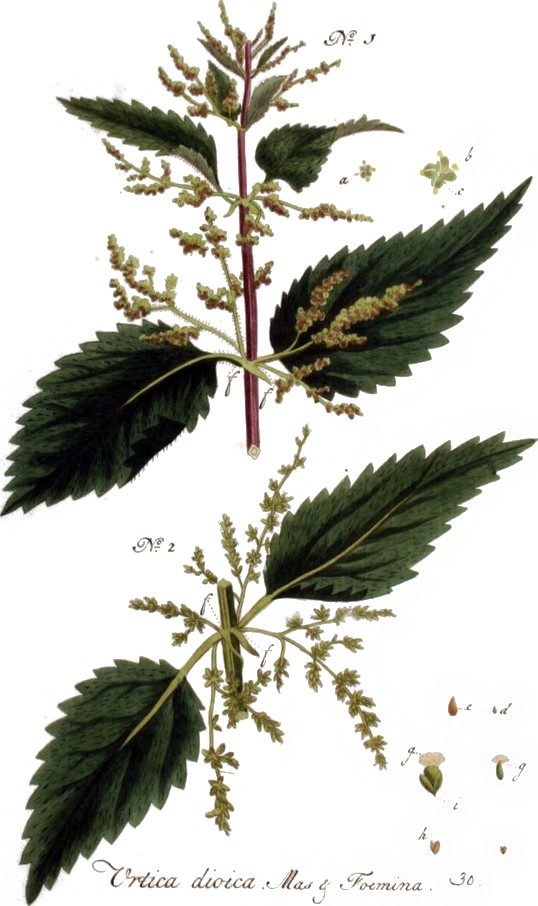
Nettle seed
Plant · Leaves; stalk fibre · Leaves in summer, stalks in autumn
The Flambeau Ojibwe soaked the leaves of their nettle in warm water for a poultice on heat rashes, something like fighting fire with fire, and in aboriginal times took a fine stout sewing fibre from the rind of the stalk.
After Smith
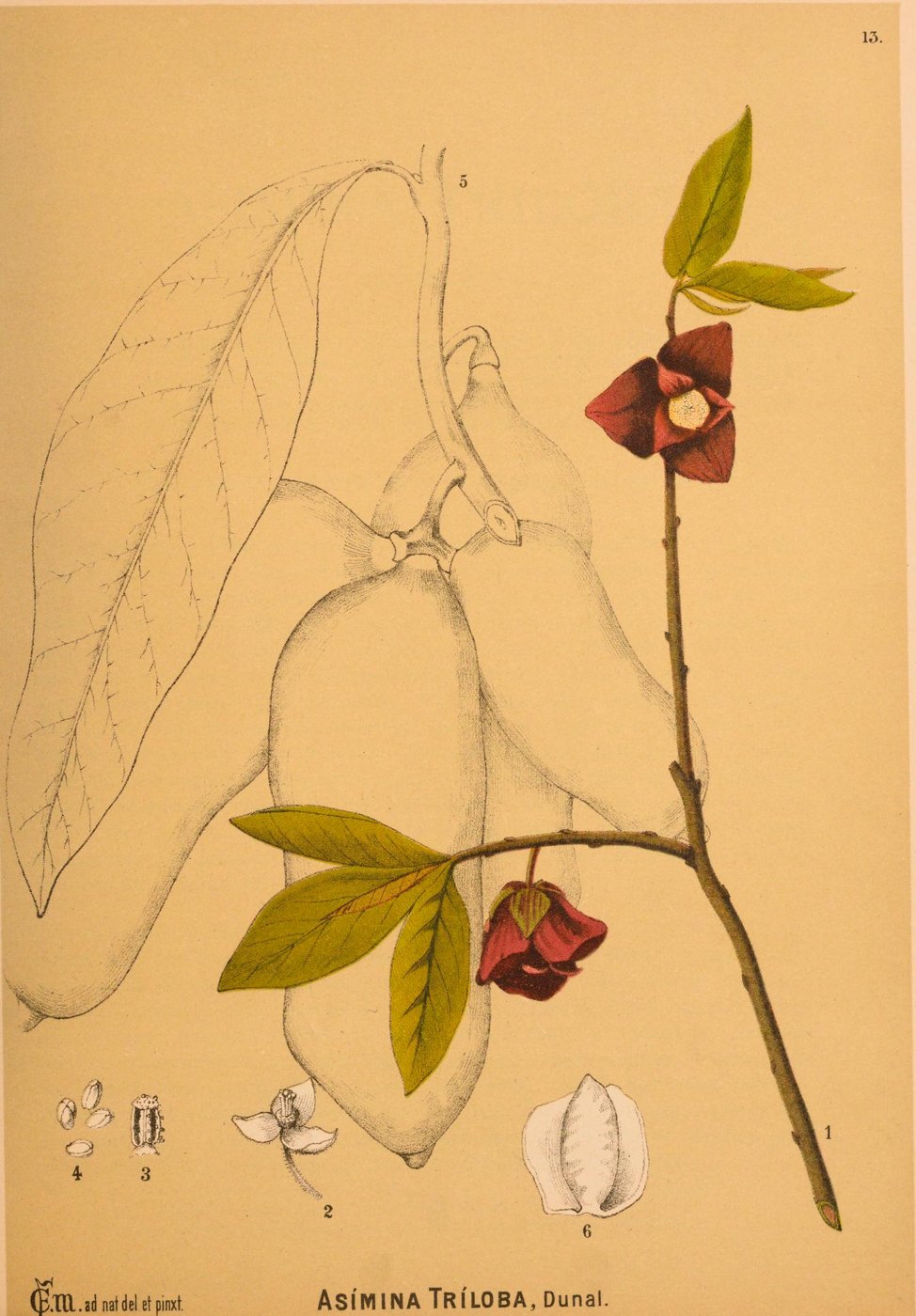
Pawpaw
Plant · Fruit · September and October, after frost · poison
Along streams in rich soil through the Ohio valley and the central belt from western New York to the Mississippi, Millspaugh says; the fruit is fit to eat only when frost has turned it from yellowish-green to black and custard within. The seeds and bark are not eaten.
After Millspaugh; Rafinesque
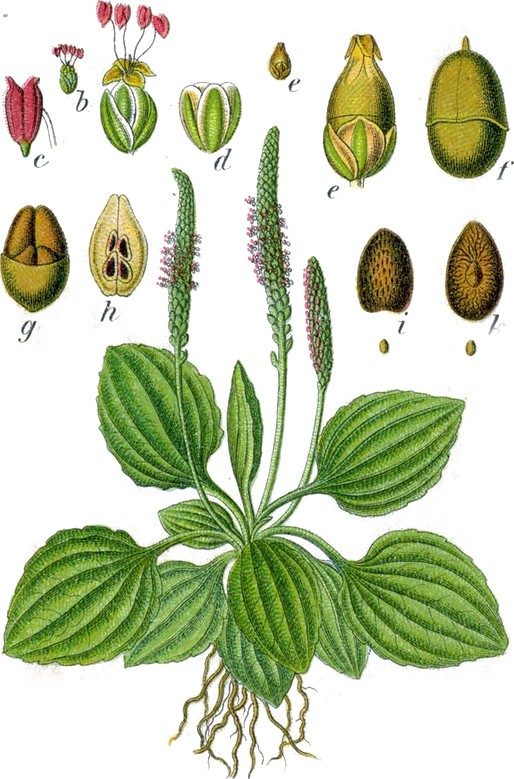
Plantain
Plant · Leaves · Whole season
The Flambeau Ojibwe soaked the leaves in warm water and bound them on bruises, sprains, and sores, and used them for burns, scalds, bee stings, and snake bites; the Pillager Ojibwe the same. A dooryard weed everywhere.
After Smith
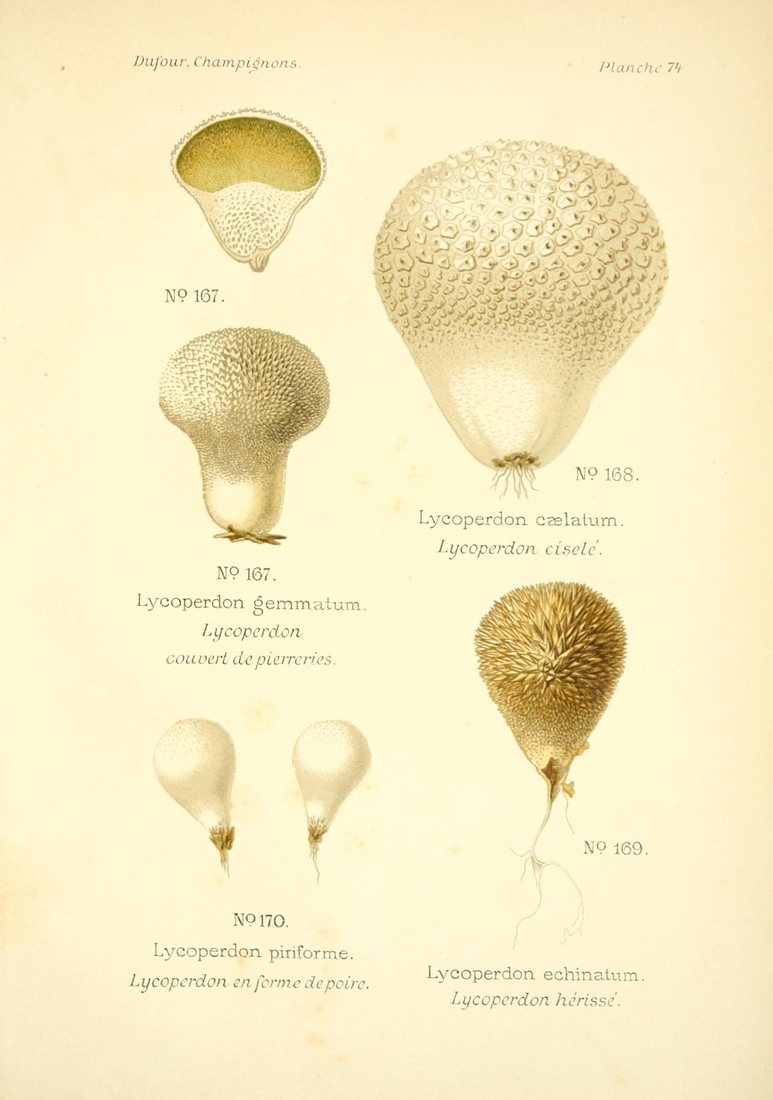
Puffball
Fungus · The mature ball · Late summer and autumn
The Ojibwe kept the giant puffball on hand in its mature stage and snuffed the inner mass up the nose to stop a nosebleed; the Potawatomi used the spores of a pinkish puffball as a headache powder and to soothe a chafed infant, and counted every other fungus a poison.
After Smith
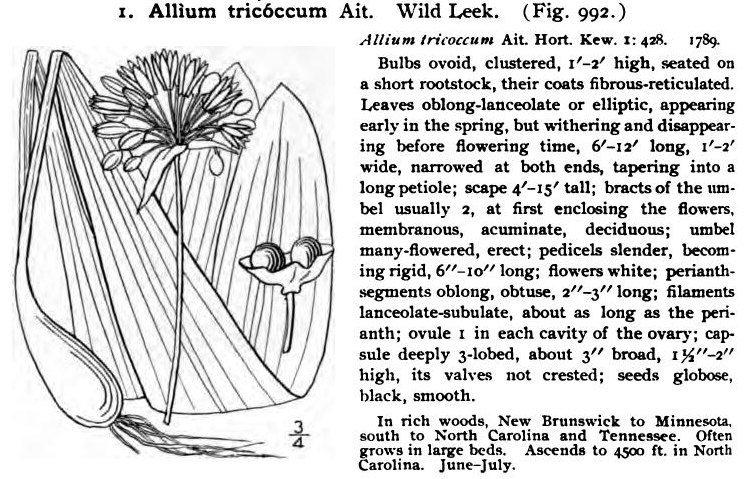
Ramps
Plant · Bulb and leaf · Spring
The hardwood forests of the Lake country; gathered in spring when the bulb is round and plumper than in the fall, and dried for later use. The larger of the two wild onions; the smaller nodding onion is the sweeter.
After Smith
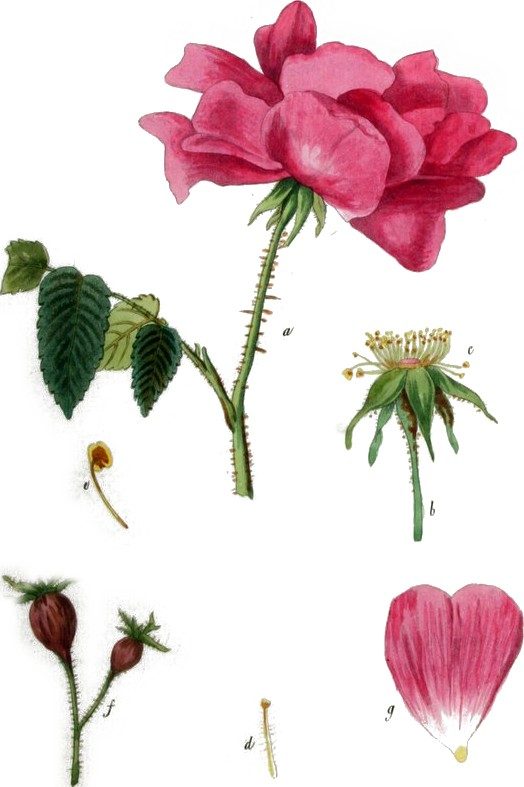
Rose
Plant · Hips; flowers · Hips in autumn, flowers in June
The Pillager Ojibwe used the skin of the hip of the smooth wild rose for stomach trouble and indigestion, and the Flambeau dried and powdered the flowers for heartburn.
After Smith
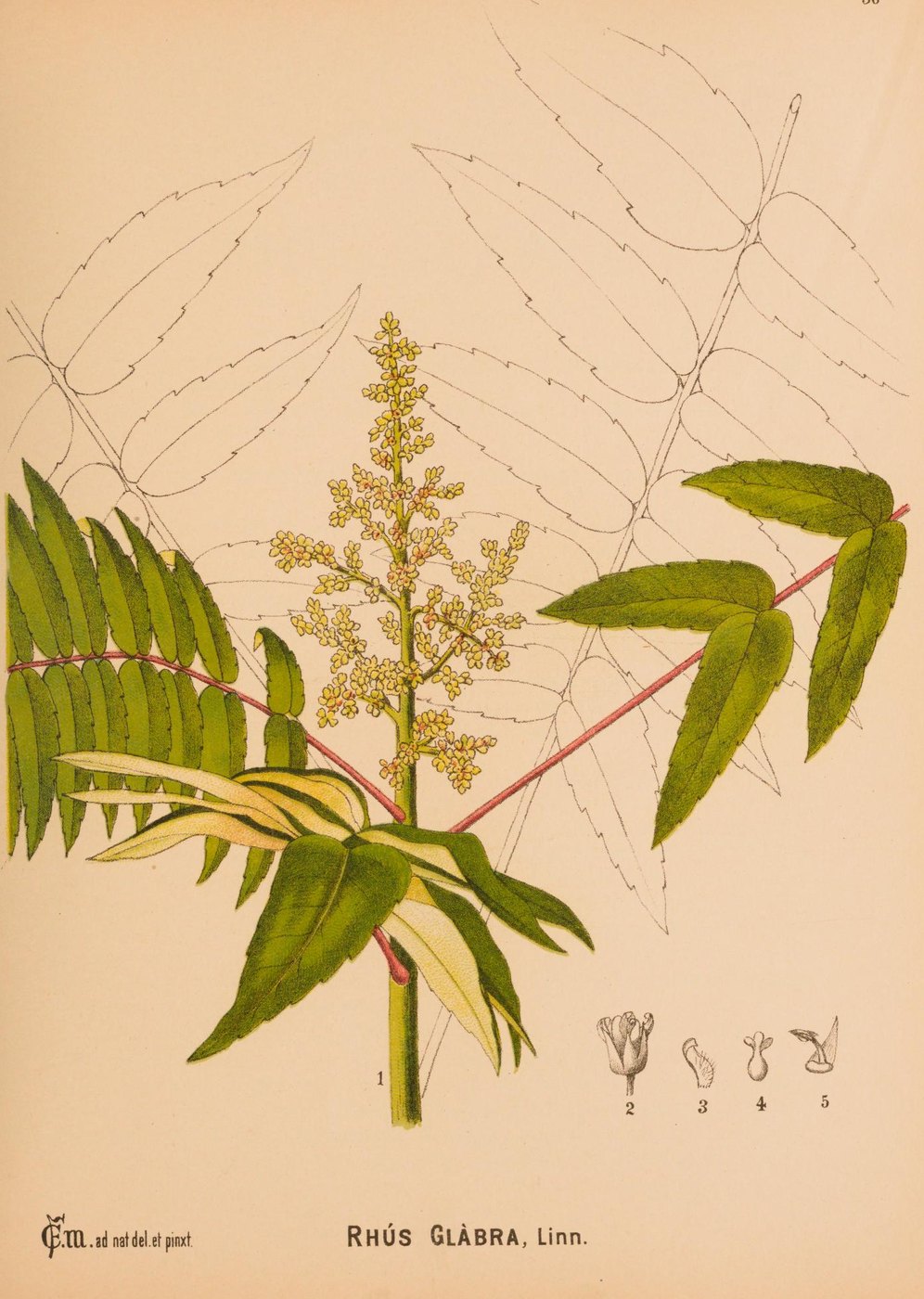
Sumac
Plant · Ripe red berries · Late summer and autumn, before the rains
Rocky and barren ground and thickets throughout; the berries are gathered before rain has washed the acid down from their hairs, soaked in water with maple sugar for a drink like lemonade, and dried for a hot drink in winter. Only the red hairy fruit in dense upright heads; the poison sumac’s fruit is white, smooth, and hanging.
After Smith; Grieve
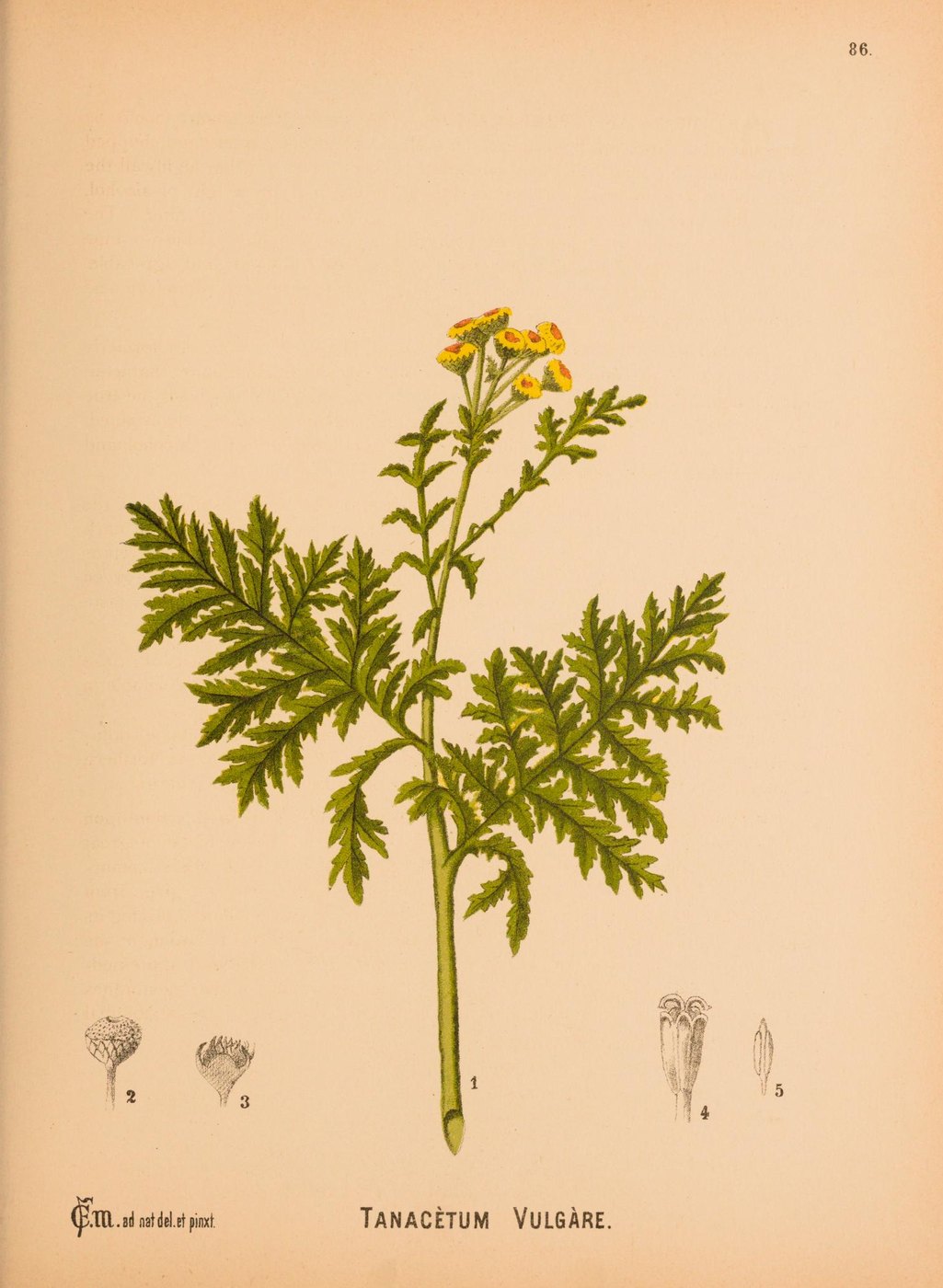
Tansy
Plant · Flowers · Late summer · poison
The Flambeau Ojibwe had no name of their own for it, saying it came from the south and was good for fevers; the yellow flowers went into the odorous hunting mixture smoked to attract deer. A roadside escape.
After Smith
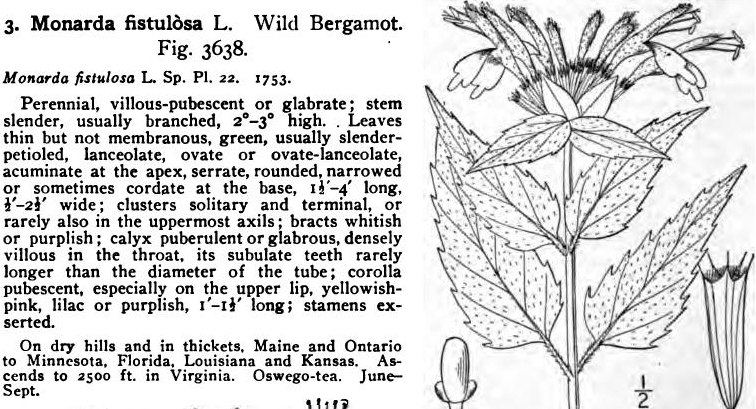
Wild bergamot
Plant · Whole flowering plant · Summer
Prairies, meadows, and dry open woods; the Flambeau Ojibwe gathered and dried the whole plant to boil for its vapour. The Potawatomi, alone among the Wisconsin tribes, did not use it.
After Smith
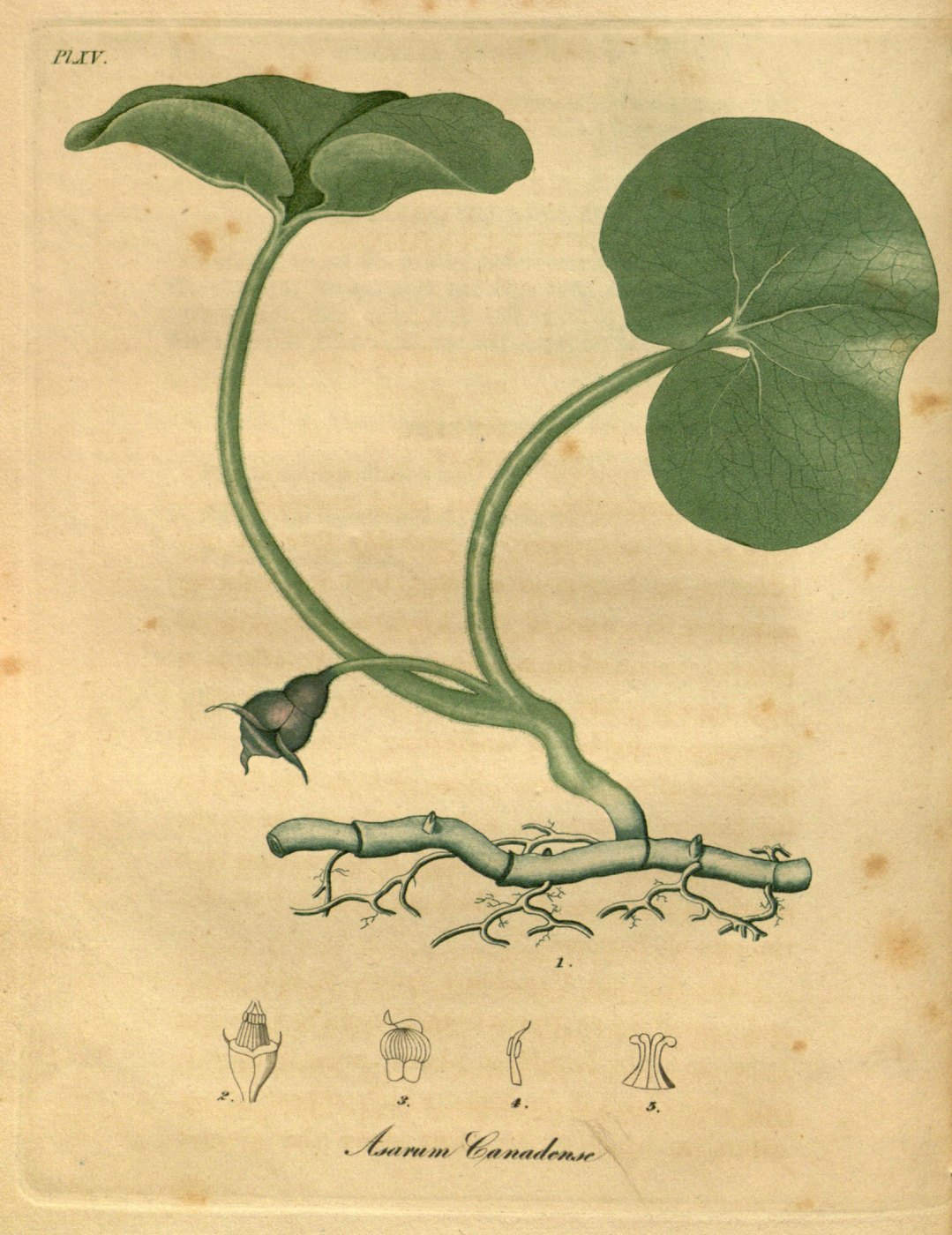
Wild ginger
Plant · Root · Spring to autumn · poison
Rich shady woods, hills, and alluvial ground from Canada to Missouri; the creeping root, found by its two kidney-shaped leaves, was the seasoning of the Lake tribes. The genus carries a kidney poison, and the species has not been measured.
After Rafinesque; Smith
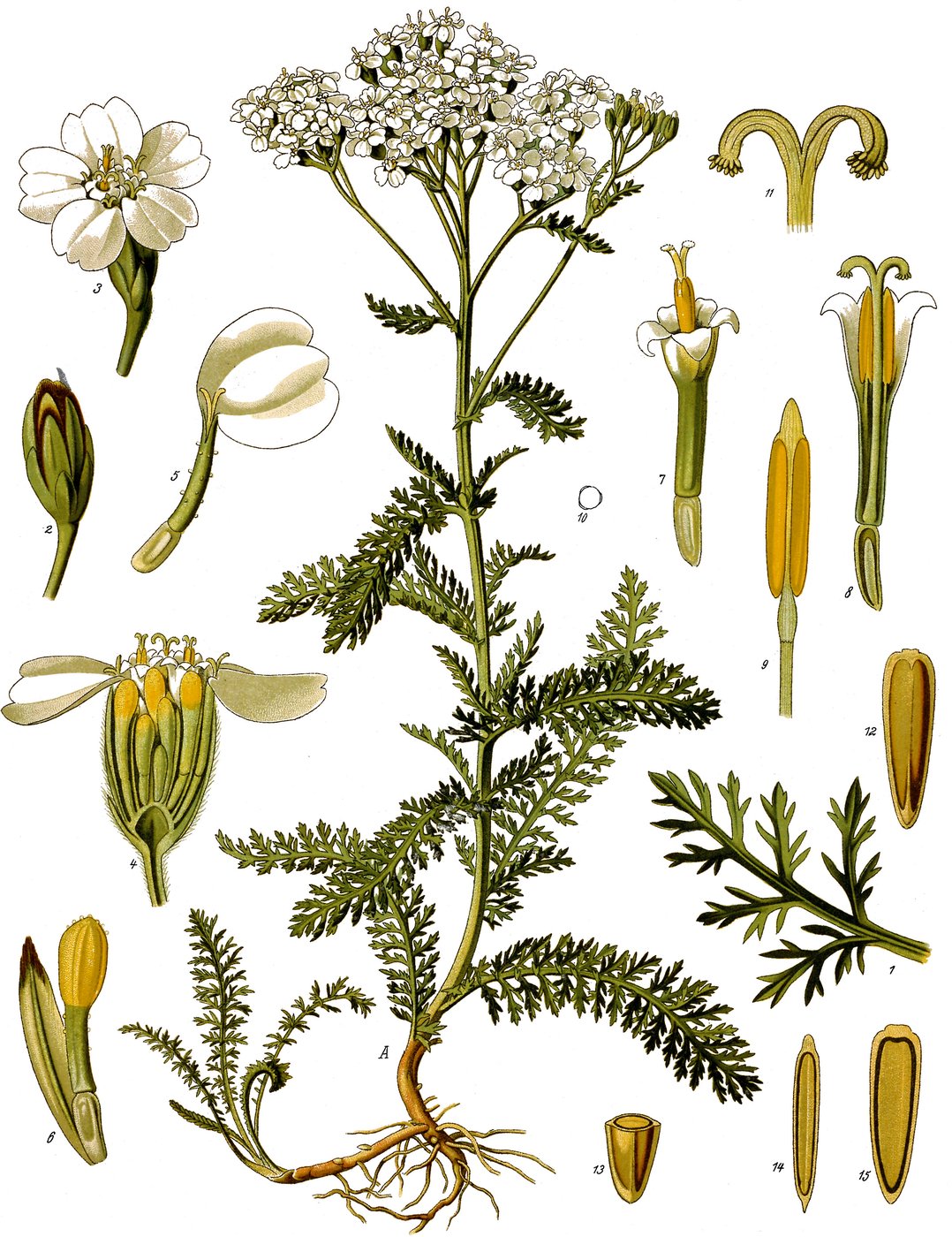
Yarrow
Plant · Flowering heads · Summer
The Pillager Ojibwe placed the florets on a bed of coals and inhaled the smoke to break a fever, and smoked the dried heads in ceremony; the Flambeau used the leaves as a poultice for a spider’s bite. Roadsides and dry fields.
After Smith
A historical record, not a field guide. Several of these plants have deadly look-alikes that these books do not describe; identify with a living guide and a modern key before you gather, and read each entry’s caution. Nothing here is medical advice.