Ambergris
Ambra; ambra odorifera
- Known today as
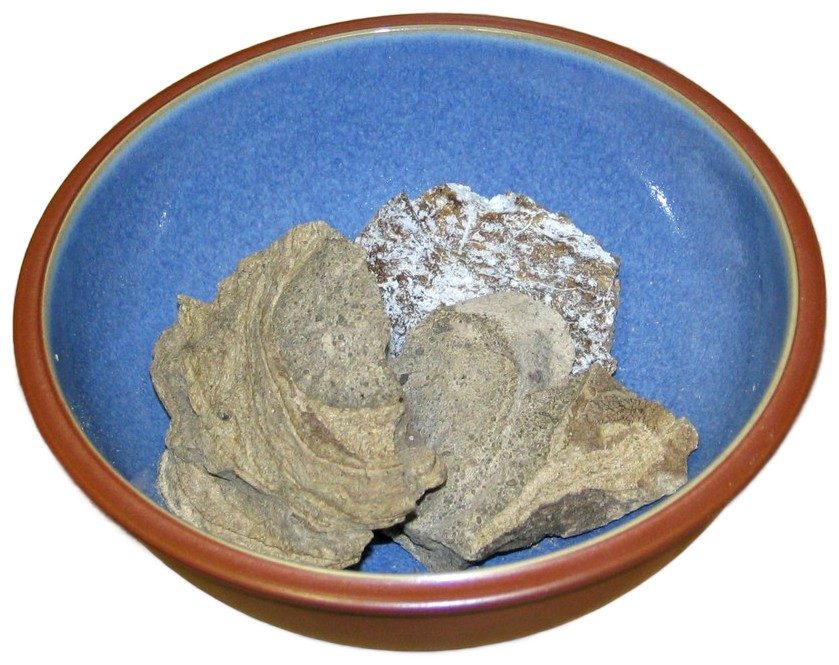
- A waxy substance formed in the gut of the sperm whale.
- Kind
- Animal
- Constituents
- ambrein, epi-coprosterol, ambroxide
- In the Canale glossary
- On the Manner of Discerning and Healing the Bewitched, Appendix A: Part Three, Chapter 6: Remedies Given by Mouth After the Purge
Revised October 3, 2026: Checked against its sources, each read in full, in part, or in its abstract. Version 1, first published September 25, 2026.
Ambergris: what did Canale use it for?
With musk at the alembic; in the oil for the bewitched (chs. 6, 9).
Ambergris: what does modern science say?
A perfume fixative.
Pharmacognosy & Toxicology
- Constituents
- ambrein ChEMBLa tricyclic triterpene alcohol, 25–45 per cent
- epi-coprosterol30–40 per cent
- ambroxidefrom the oxidation of ambrein, the scent
- Mechanism
- A concretion formed in the gut of the sperm whale around indigestible squid beaks, which may float at sea for years before it is found, and the best perfume fixative known; ambrein raised sexual behaviour in male rats in one study (Taha, 1995) and is itself odourless.
- Standing
- Laws on its sale vary: some countries prohibit it with all whale products, while CITES treats it as a naturally occurring waste product of the sperm whale; synthetic chemicals have replaced it in all but the most expensive perfumes.
- Taha, S. A., et al. (1995). “Effect of ambrein, a major constituent of ambergris, on masculine sexual behavior in rats.” Archives Internationales de Pharmacodynamie et de Thérapie 329. Abstract read · the text read
- Clarke, R. (2006). “The origin of ambergris.” Latin American Journal of Aquatic Mammals 5. Read in full · the text read
The abstract of each source, beneath its citation. For Club members. About the Club or sign in.
Constituent names open the compound’s record at PubChem, and “ChEMBL” beside a name opens its record at ChEMBL, the European Bioinformatics Institute’s database of bioactive molecules. Where a mechanism line was checked against ChEMBL (ChEMBL 37, read 1 October 2026), the check is shown with the measured value and its source paper, or says plainly that nothing has been measured. Doses are as the references give them, for description only; this is not medical advice. Each source carries the result of its check against Crossref, PubMed, or the authority’s page: see Verification.
Ambergris: what lore surrounds it?
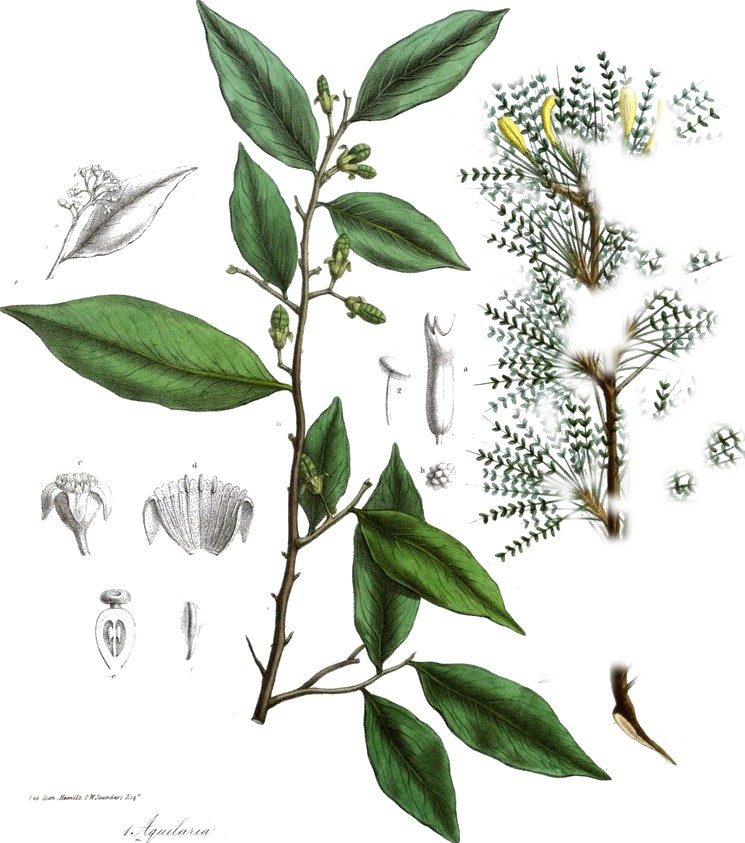
Its origin was long disputed: it was taken for hardened sea foam or the droppings of large birds, the Chinese called it “dragon’s spittle fragrance,” and in 1667 Klobius recorded eighteen theories; only when large-scale whaling began in the 1800s was the sperm whale found to be its source. Among the rumours at the death of Charles II, Macaulay records that poison had been put into “his favourite dish of eggs and ambergrease.” Melville gives it a chapter of Moby-Dick. And Leónard Fuschius, as Clarke reports, held that ambergris was a fake, compounded of labdanum, aloes-wood, and civet.
In Their Own Words
The 1911 Britannica says that the European use of ambergris had come to be confined to perfumery, though it formerly held no small place in medicine.
“The use of ambergris in Europe is now entirely confined to perfumery, though it formerly occupied no inconsiderable place in medicine.”
Encyclopædia Britannica, eleventh edition: Ambergris, “Ambergris”, vol. 1. The 1911 Encyclopædia Britannica, as transcribed on Wikisource. The text, read in full
Culpeper says ambergris taken inwardly strengthens the brain and memory, the heart and vital spirit, warms cold stomachs, and is an exceeding strengthener of nature to old people.
“…inwardly taken it strengthens the brain and memory, the heart and vital spirit, warms cold stomachs, and is an exceeding strengthener of nature to old people, adding vigour to decayed and worn-out spirits”
Nicholas Culpeper, M.D., The Complete Herbal ... to which are now first annexed, the English Physician Enlarged, and Key to Physic, Catalogue of Simples in the New Dispensatory: Gums, Rozins, Balsams. A new edition. London: Thomas Kelly, 17, Paternoster Row, MDCCCL (Project Gutenberg eBook #49513). The text, read in part
Each passage is quoted from the text named, which the press fetched and read, and was checked word for word against a fresh copy of it; the link opens that copy. Passages are given as printed, without the editors’ footnote numbers, and with words broken across lines joined.
Used in These Compounds
Ambergris is an ingredient of 3 compound medicines in the database. For Club members. Create a free account or sign in.
Sources
- Natural History Museum, London, on ambergris. Read in full · the text read
- He, N., Yu, H., and Ye, L. (2024). Efforts toward ambergris biosynthesis. Chem & Bio Engineering 1: 91–98. Read in full · the text read
- Macaulay, T. B. (1848). The History of England from the Accession of James II, vol. 1. Project Gutenberg ebook 1468. Read in part · the text read
- Melville, H. (1851). Moby-Dick; or, The Whale, ch. 92, “Ambergris.” Project Gutenberg ebook 2701. Read in part · the text read
- Graber, C. (2007). “Strange but true: whale waste is extremely valuable.” Scientific American, 26 April 2007. Read in full · the text read
Verification
- Checked
- October 1, 2026, and October 3, 2026
- Passes
- Every sentence read against its sources, in the pass over the remaining 343 entries
- The Standing line checked against the authority it names (EMA, WHO, FDA, CITES, Commission E)
- Every dated or regulatory claim checked by category across the database
- Every source read, in full, in part, or in its abstract, and every sentence checked against what was read (October 3, 2026)
- Sources
- 7 cited: 4 read in full, 2 read in part, 1 abstract read. 1 with the abstract on file.
- Corrections
- None were needed.
What was checked, how, and what was found is set out on the Verification page. A checked source is one whose record was found; it does not make the entry medical advice.
Cite This Entry
Version 1 · first published September 25, 2026 · last revised October 3, 2026
- Chicago
“Ambergris.” In Materia Medica, edited by B. C. P. Statema. Version 1. The Thinking Press, 2026–. Last modified October 3, 2026. https://thethinkingpress.org/materia-medica/ambergris.
- MLA
“Ambergris.” Materia Medica, edited by B. C. P. Statema, version 1, The Thinking Press, 3 Oct. 2026, thethinkingpress.org/materia-medica/ambergris. Accessed 8 Oct. 2026.
- APA
Ambergris. (2026, October 3). In B. C. P. Statema (Ed.), Materia medica (Version 1). The Thinking Press. Retrieved October 8, 2026, from https://thethinkingpress.org/materia-medica/ambergris
Club members keep entries on a shelf with private notes, print the plates as cards, and receive an entry by email each week. Create a free account before January 1, 2027 and all of it is yours for good. About the Club
See Also
Drawing on the same sources: He, Melville, Clarke
Nearby in the alphabet
The amulet herbs (See each above) · Amber (chiefly from the Baltic coast) · Angel’s wings (fan-shaped fungus that rots conifer wood) · Alum (Potassium aluminum sulfate) · Aniseed (Pimpinella anisum) · Aloe (Here the aloe of John 19) · Antimony (The metallic element and its compounds) · Alkanet (Alkanna tinctoria (syn)
Historical description, not medical advice.