
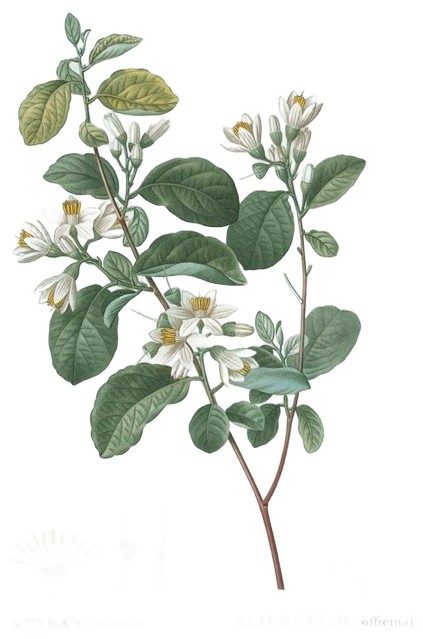
Storax calamite
Storace calamita
- Known today as
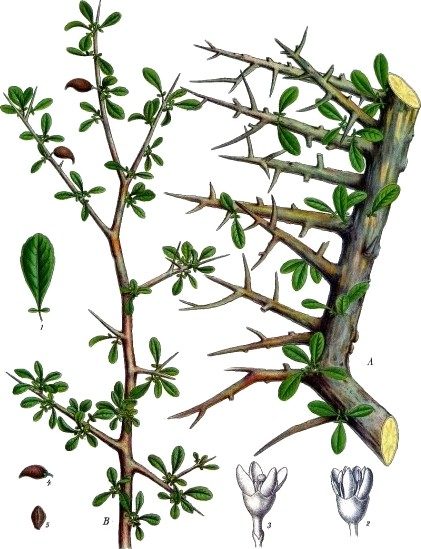
- The resin of Styrax officinalis, packed in reeds (calami) for export.
- Kind
- Resin & Wood, in 1 older authority
- Constituents
- cinnamic acid, styrene, storesin, and 1 more
- Earliest authority quoted here
- Herodotus (c. 484–c. 425 BC)
- In other databases
- Plants of the World Online · GBIF · Wikidata
- In the Canale glossary
- On the Manner of Discerning and Healing the Bewitched, Appendix A: Part Three, Chapters 7–8: The Bath and Fumigations
Revised October 17, 2026: Lore added from texts read in full. Checked against its sources, each read in full, in part, or in its abstract. Version 1, first published September 25, 2026.
Storax calamite: what did Canale use it for?
In the fumigation and the oil (chs. 8–9).
Storax calamite: what does modern science say?
Aromatic; extracts of the plant show some antimicrobial activity in the laboratory.
The toxic dose and the poisoning
- Toxic dose
- Safe externally; sensitising.
The references for these lines are listed under Pharmacognosy, in Science. Doses are as the references give them, for description only; this is not medical advice. In a poisoning, call a poison centre.
Storax calamite: what did the older authorities say?
- Herodotusc. 484–c. 425 BC
- Tells that the Arabians burned storax to drive off the winged serpents that guarded the frankincense trees.
Storax calamite: what lore surrounds it?
Folkard: “The Styrax, or Storax-tree, has been held in great estimation from the time of Dioscorides and Pliny,” and its gum, “known as Storax-tears, can only be obtained in perfection from Asiatic Turkey.” He quotes Gerarde, “of this gum, there are made sundry excellent perfumes, pomanders, sweet waters, sweet bags, sweet washing-balls, and divers other sweet chains and bracelets,” and adds that “Storax-tears are still used as incense in the churches and mosques of Asia Minor.”
Pharmacognosy
- Constituents
- Mechanism
- Styrax balsams come from several American, Mediterranean and East Asian trees and were used in ancient civilisations for their therapeutic and odoriferous properties; Woodville records storax given for catarrhs, coughs and asthma, and it is still one of the four balsams of compound benzoin tincture.
- Standing
- In compound benzoin tincture, still sold in the United States; a perfumery material.
- Hovaneissian, M., et al. (2008). “Analytical investigation of styrax and benzoin balsams by HPLC-PAD-fluorimetry and GC-MS.” Phytochemical Analysis 19. Abstract read · the text read
The abstract of each source, beneath its citation. For Club members. About the Club or sign in.
Constituent names open the compound’s record at PubChem, and “ChEMBL” beside a name opens its record at ChEMBL, the European Bioinformatics Institute’s database of bioactive molecules. Where a mechanism line was checked against ChEMBL (ChEMBL 37, read 1 October 2026), the check is shown with the measured value and its source paper, or says plainly that nothing has been measured. Doses are as the references give them, for description only; this is not medical advice. Each source carries the result of its check against Crossref, PubMed, or the authority’s page: see Verification.
Sources
- [68] Jaradat, N. (2020). Phytochemistry, traditional uses and biological effects of the desert plant Styrax officinalis L. Journal of Arid Environments 182: 104253. doi:10.1016/j.jaridenv.2020.104253 Abstract read · the text read
- [123] Woodville, W. (1790–1794). Medical Botany: Styrax officinale, Officinal Storax. Transcribed at Henriette’s Herbal Homepage, henriettes-herb.com. Read in full · the text read
- Folkard, R. (1884). Plant Lore, Legends, and Lyrics, “Storax.” Project Gutenberg #44638. Primary text
- Herodotus, Histories III.107, trans. G. C. Macaulay (1890). Read in part · the text read
- DailyMed, U.S. National Library of Medicine. Compound Benzoin Tincture (Medical Chemical Corporation), label published 6 July 2026. Read in full · the text read
Verification
- Checked
- October 1, 2026, October 17, 2026
- Passes
- Read against its sources in the pass over the remaining 343 entries
- Every dated or regulatory claim checked by category across the database
- Each quotation from the older authorities checked word for word against the text, read in full
- Every source read, in full, in part, or in its abstract, and every sentence checked against what was read (October 17, 2026)
- Sources
- 6 cited: 2 read in full, 1 read in part, 2 abstract read, 1 primary text. 2 with the abstract on file.
- Corrections
- None recorded.
What was checked, how, and what was found is set out on the Verification page. A checked source is one whose record was found; it does not make the entry medical advice.
Club members can point at a technical term in this entry, such as a constituent, an action, or a word of Jung’s, to read its definition from the source. The Club.
Cite This Entry
Version 1 · first published September 25, 2026 · last revised October 17, 2026
- Chicago
“Storax calamite.” In Materia Medica, edited by B. C. P. Statema. Version 1. The Thinking Press, 2026–. Last modified October 17, 2026. https://thethinkingpress.org/materia-medica/storax-calamite.
- MLA
“Storax calamite.” Materia Medica, edited by B. C. P. Statema, version 1, The Thinking Press, 17 Oct. 2026, thethinkingpress.org/materia-medica/storax-calamite. Accessed 22 Nov. 2026.
- APA
Storax calamite. (2026, October 17). In B. C. P. Statema (Ed.), Materia medica (Version 1). The Thinking Press. Retrieved November 22, 2026, from https://thethinkingpress.org/materia-medica/storax-calamite
See Also
Sharing cinnamic acid, vanillin
Also in Herodotus
Alum in Herodotus · Radish in Herodotus · Castor-oil plant, seeds of in Herodotus · Onion in Herodotus · everything Herodotus names →
Drawing on the same sources: Folkard, Herodotus
Strawberry · Spikenard · Sweet almond, oil of · the bibliography →
Nearby in the alphabet
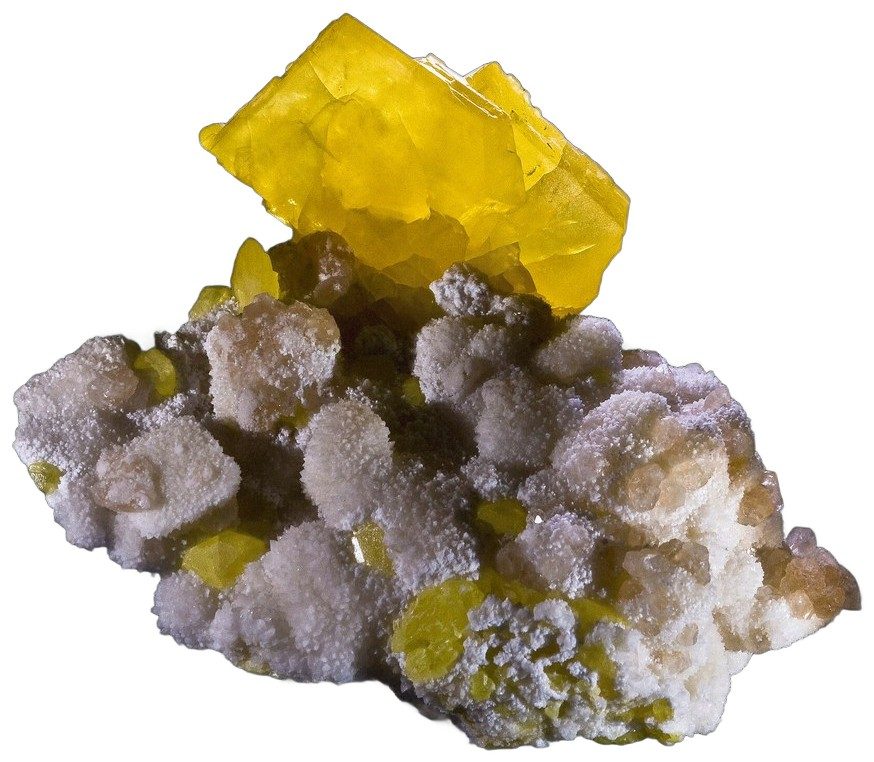
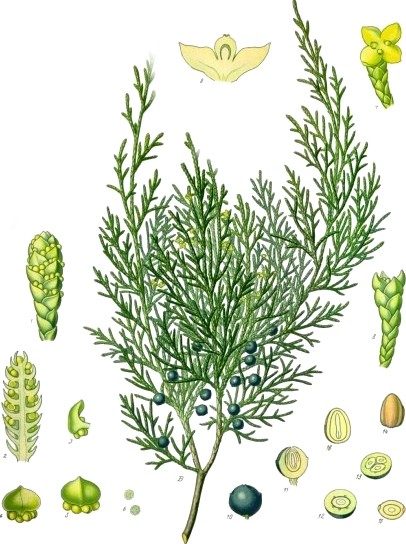
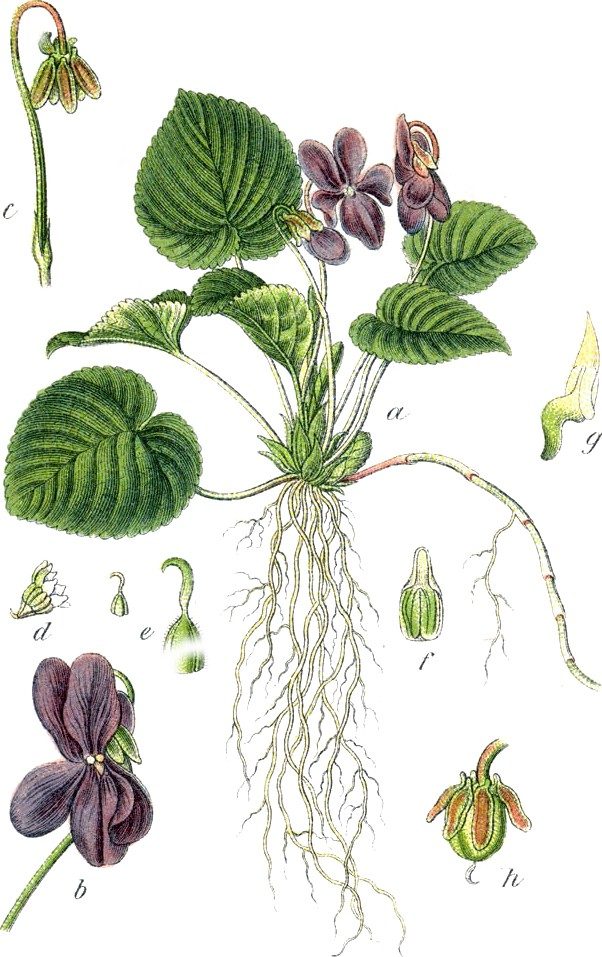
The stole (the sign of his sacred office) · Sugar (Saccharum officinarum) · Stinkhorn · Sulfur (Brimstone) · St. Zacharias cross (each standing for a Latin invocation against the plague) · Sumac · St. Walburga’s oil (A clear liquid that gathers on the stone slab over the relics of St)
Historical description, not medical advice.
