
The Symbolarium
A catalogue of symbols in two parts: the ritual objects of the press’s world, from holy water and the Agnus Dei to witch bottles and the Hand of Glory, and the symbols of the psyche that analytical psychology returns to most. Browse by category, or find one by any of its names.
Categories
Objects of Rite and Protection
The sacramentals and amulets of the press’s catalogue and the world it comes from: what each was, what it was believed to do, and where it appears in the press’s books. Each opens its entry in the Materia Medica.
Blessed Matter 31
The substances the Church blessed for protection and healing: light, water and salt, oil and wax, incense, herbs, and bread.
Light
Candles blessed at Candlemas, the Paschal candle, the crossed candles of St. Blaise, and the fires of midsummer.
-
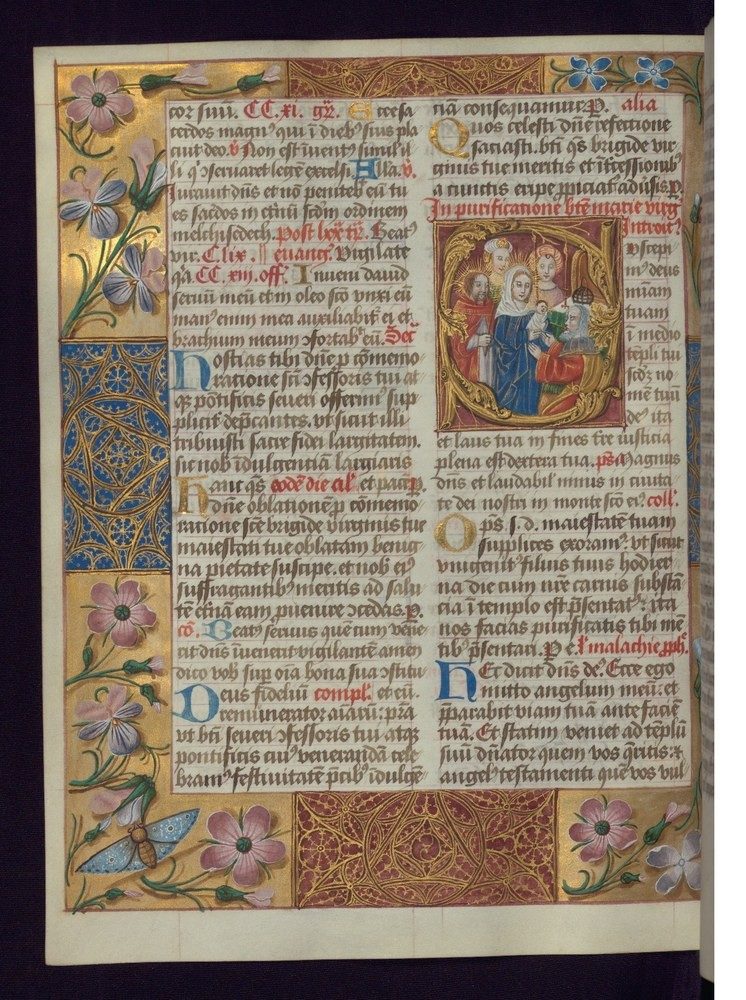 BBlessed candlesCandele benedetteCandles blessed at Candlemas (2 February), and the Paschal candle.Light
 - PPaschal candleCereus paschalisThe great candle blessed and lit from the new fire at the Easter Vigil, marked with a cross, the Alpha and Omega, and the numerals of the year, and set with five grains of incense for the five wounds of Christ.Light
- SSt. Blaise candlesThe blessing of throatsTwo blessed candles, crossed and held at the throat on 3 February, the feast of St. Blaise, bishop and martyr of Sebaste in Armenia.Light
- SSt. John’s firesMidsummer fires; fuochi di San GiovanniThe bonfires lit across Europe on the eve of the Nativity of St. John the Baptist, 23 June, at midsummer.Light
Water and Salt
The oldest of the sacramentals: water and salt, blessed and mingled, and the waters of feasts, saints, and holy springs.
-
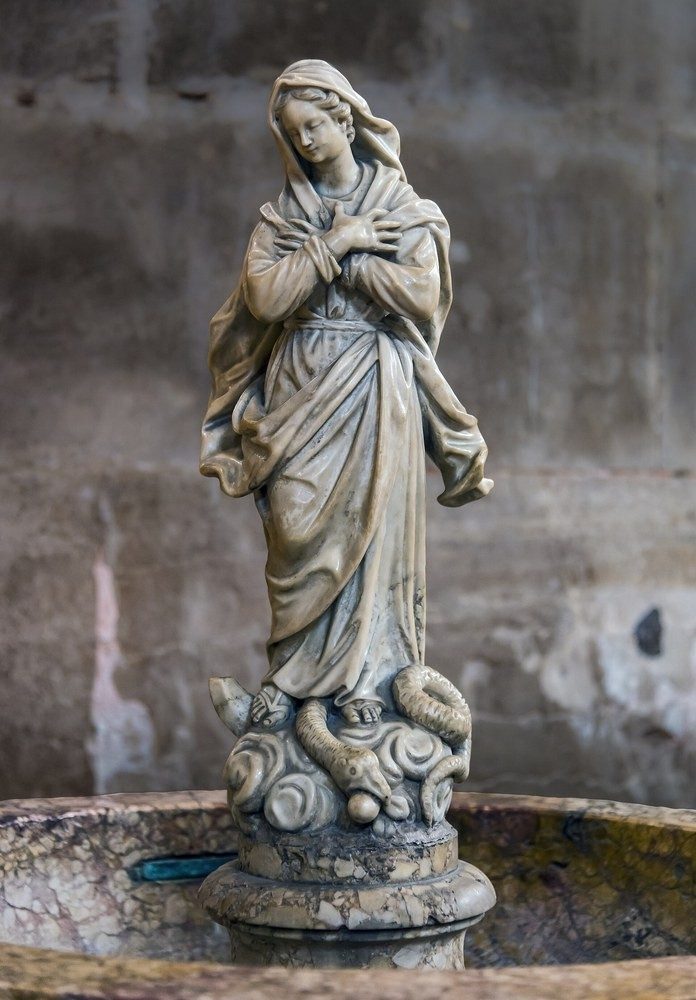 HHoly waterAcqua benedettaWater blessed by a priest, usually with exorcized salt mixed in.Water and Salt
 -
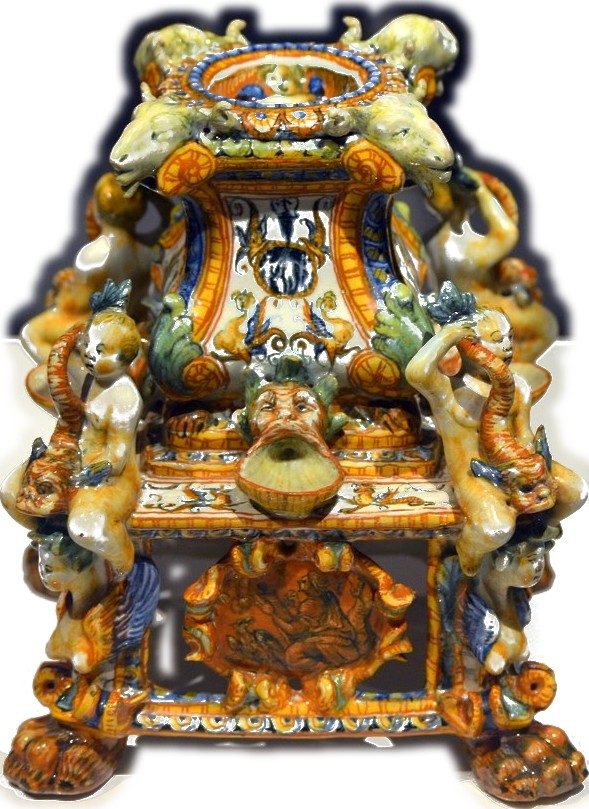 SSaltSaleSalt exorcized and blessed, “by the God who commanded you to be cast into the water through the Prophet Elisha” (2 Kings 2:19–22).Water and Salt
 - EEpiphany waterWater of the Three Kings; the Great Blessing of WatersWater blessed at the Epiphany by a solemn rite with a long exorcism, in the East as the Great Blessing of the Waters at Theophany.Water and Salt
- SSt. Ignatius waterAqua Sancti IgnatiiWater blessed with a relic or medal of St. Ignatius of Loyola, by a formula of the Society of Jesus.Water and Salt
- LLourdes waterEau de LourdesWater from the spring in the grotto of Massabielle at Lourdes, uncovered by Bernadette Soubirous on 25 February 1858 during the apparitions she reported.Water and Salt
- HHoly wellsClootie wells; fontes sanctiSprings dedicated to saints, many of them sacred long before Christianity, visited for cures.Water and Salt
Oil and Chrism
Oils blessed for anointing, from the simple blessed oil any priest could hallow to the three holy oils of Holy Thursday, and the oil of a saint’s tomb.
-
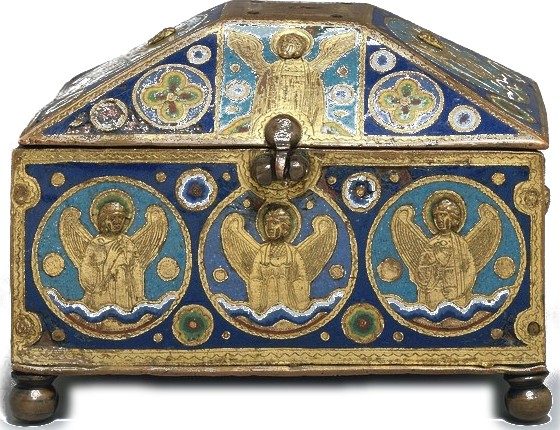 BBlessed oilOglio benedettoOil blessed by a priest, as distinct from the holy oils blessed and consecrated by the bishop in Holy Week.Oil and Chrism
 - CChrismSacrum chrismaOlive oil mixed with balsam and consecrated by a bishop.Oil and Chrism
- OOil of the sickOleum infirmorumOlive oil blessed by the bishop at the Chrism Mass of Holy Thursday for anointing the sick.Oil and Chrism
- OOil of catechumensOleum catechumenorumOlive oil blessed at the Chrism Mass for anointing those preparing for baptism.Oil and Chrism
- SSt. Walburga’s oilWalburgisölA clear liquid that gathers on the stone slab over the relics of St. Walburga (died 779), the English-born abbess of Heidenheim, in her church at Eichstätt in Bavaria.Oil and Chrism
Wax
Medallions of blessed wax, stamped with the Lamb of God, and the wax offerings hung at shrines.
-
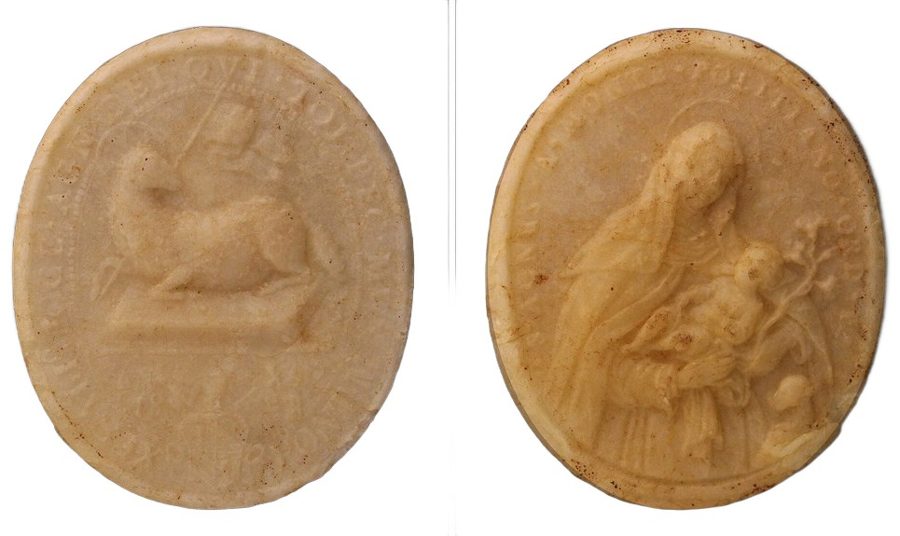 AAgnus DeiA wax medallion stamped with the Lamb of God, blessed by the pope (note LXX).Wax
 -
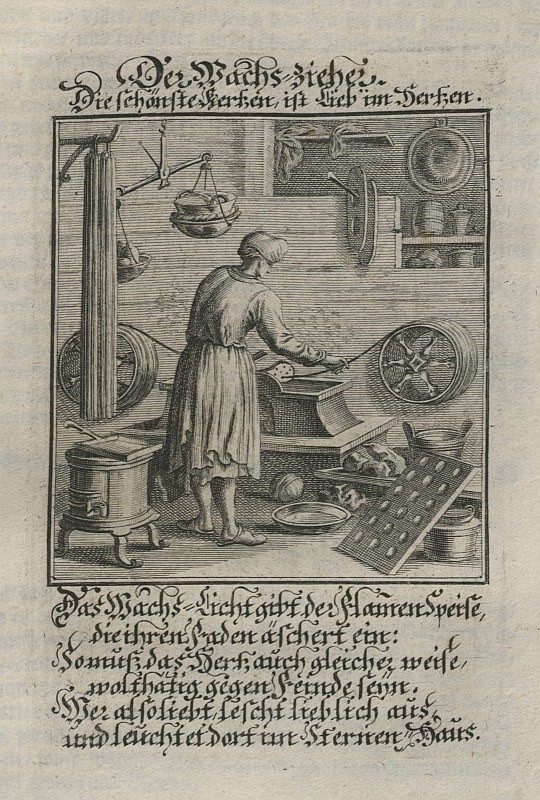 WWaxCeraBeeswax; in the final oil, wax of the Paschal candle.Wax
 - WWax ex-votosEx voto; botiOfferings of wax shaped as eyes, limbs, hearts, children, or whole bodies, hung at a shrine in petition or in thanks for a cure.Wax
Incense and Resins
The sweet smokes that honored God, and in the exorcist’s art drove off what could not bear them.
-
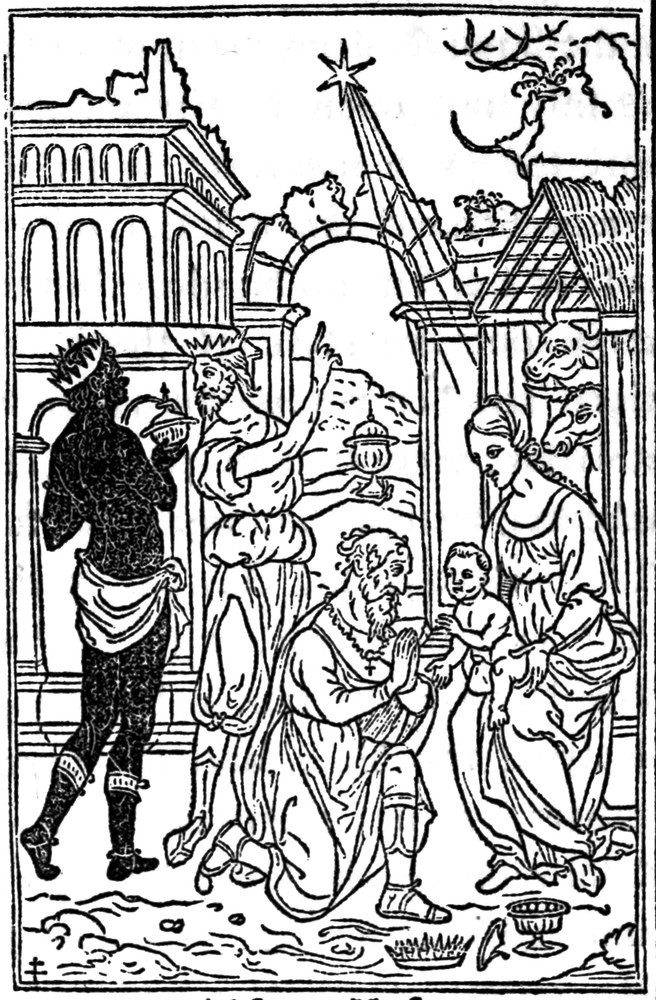 GGold, frankincense, and myrrhOro, incenso, mirraThe gifts of the Magi.Incense and Resins
 -
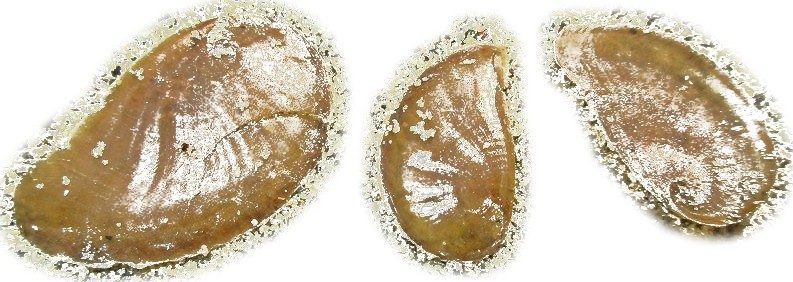 OOnycha and stacteIngredients of the Temple incense (Exodus 30:34). Onycha is probably the operculum of a sea snail; stacte, probably liquid myrrh.Incense and Resins
 -
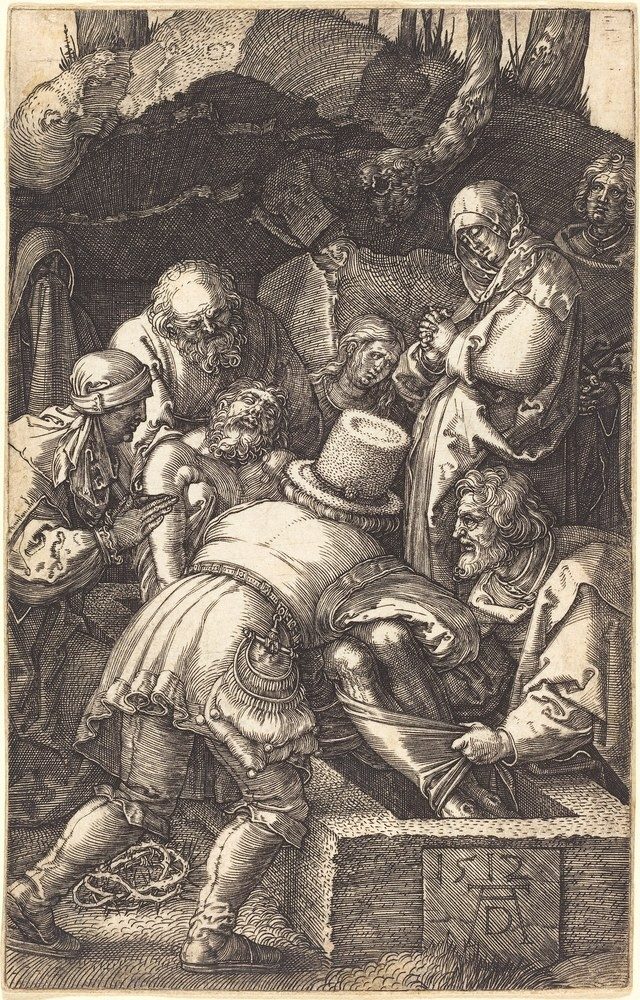 AAloeAloeHere the aloe of John 19:39, with which, mixed with myrrh, Nicodemus anointed Christ’s body; probably aloeswood (agarwood) rather than the aloe plant.Incense and Resins
Palms and Herbs
Branches and herbs blessed on the great feasts, hung in the house, and set against hexes.
-
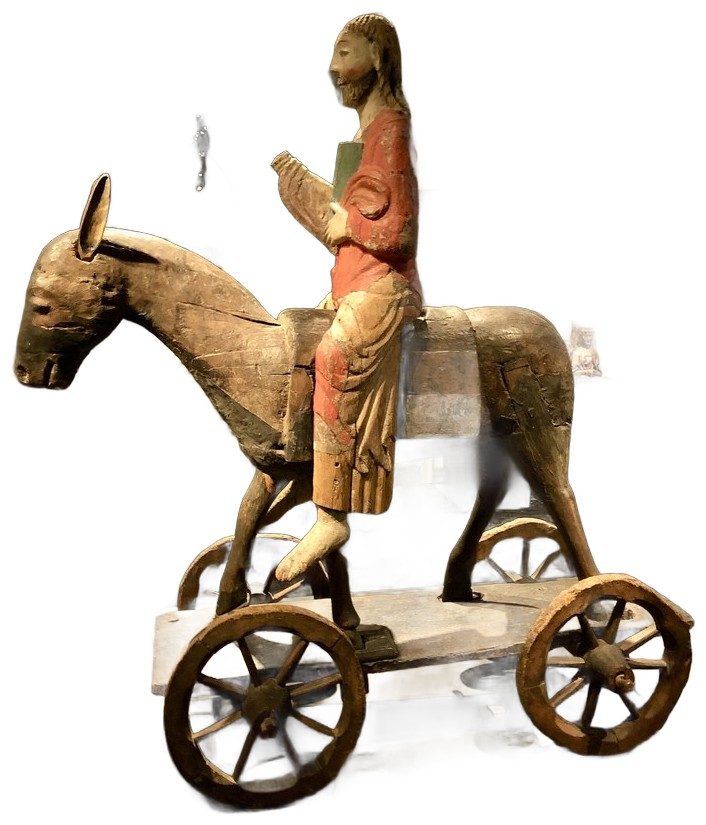 PPalm and olive branchesRami benedettiBranches blessed on Palm Sunday.Palms and Herbs
 -
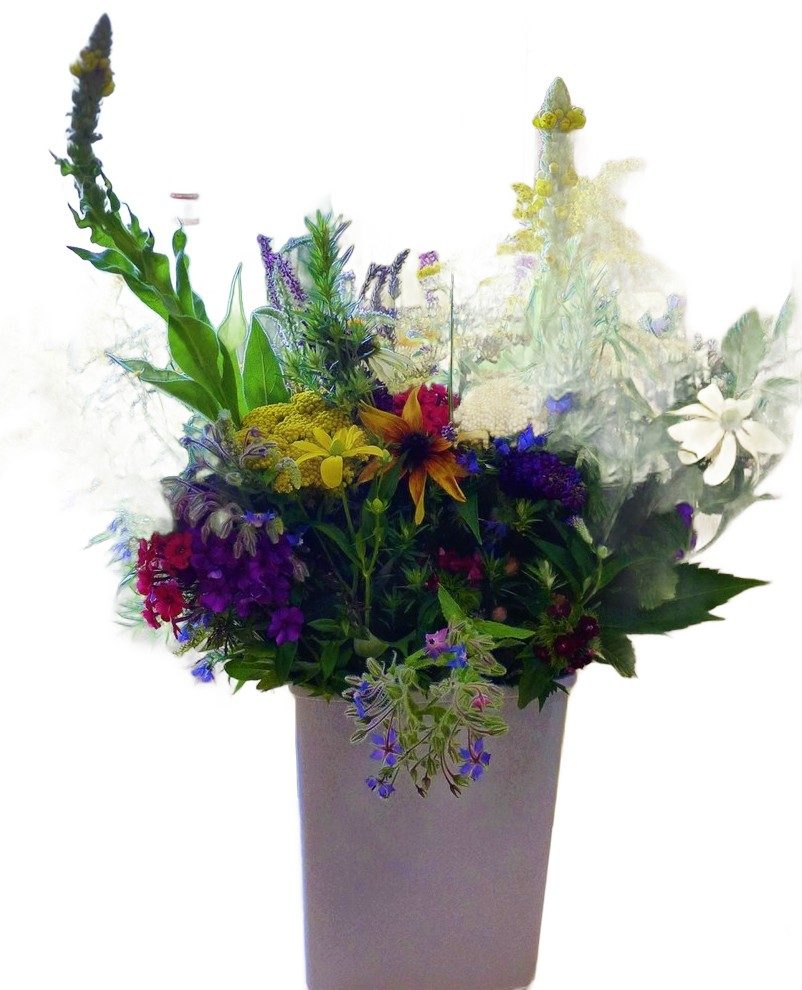 BBlessed herbsErbe benedetteHerbs blessed by the Church, especially on the feast of the Assumption (15 August).Palms and Herbs
 - aThe amulet herbsBetony, goat’s rue, savin, sage, horehound, cyclamen, laurel, masterwort, and angelicaSee each above.Palms and Herbs
-
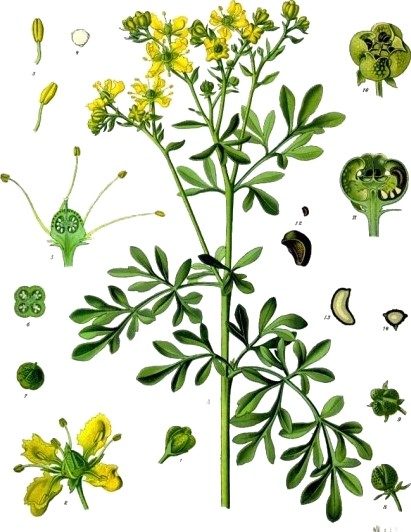 RRueRutaRuta graveolens, garden rue.Palms and Herbs
 -
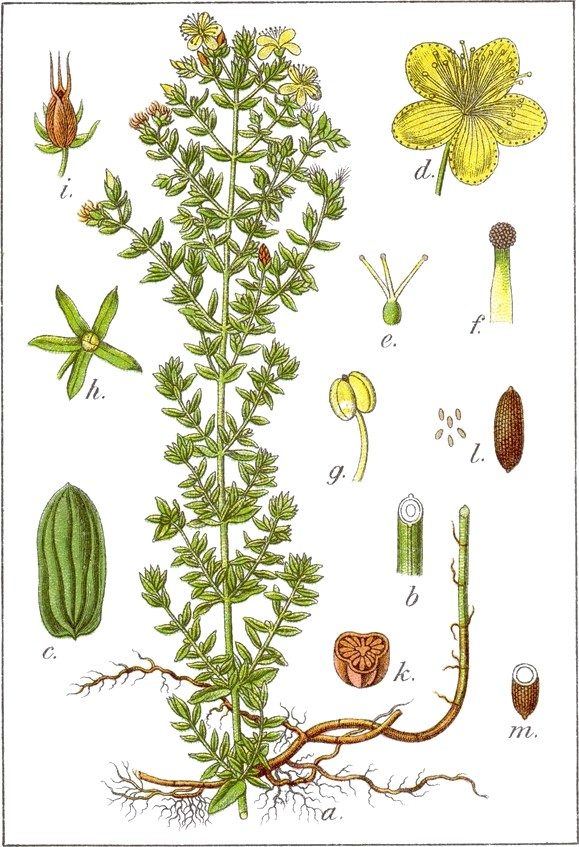 SSt. John’s wortHiperico; perforataHypericum perforatum.Palms and Herbs
 -
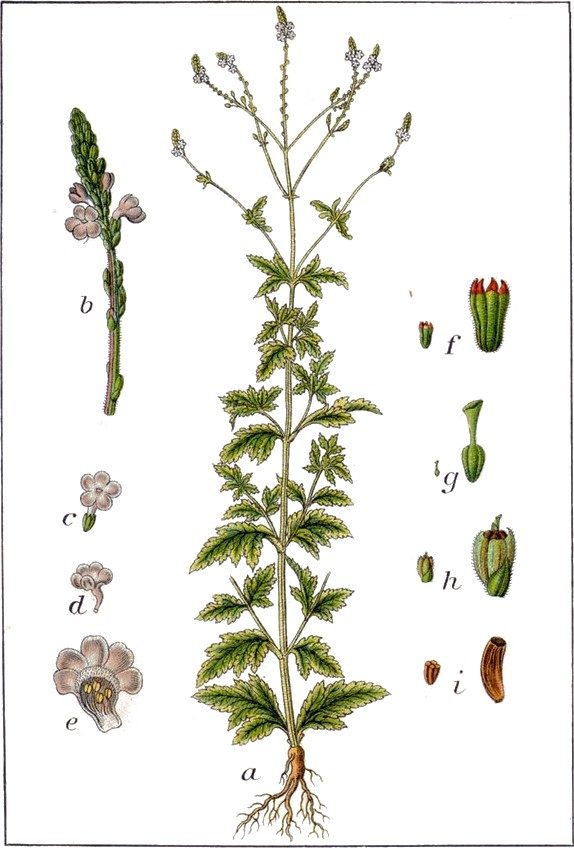 VVerbenaVerbenaVervain, Verbena officinalis.Palms and Herbs
Bread, Ashes, and Chalk
Bread blessed on saints’ days, the ashes of Ash Wednesday, and the chalk that marks the door at the Epiphany.
-
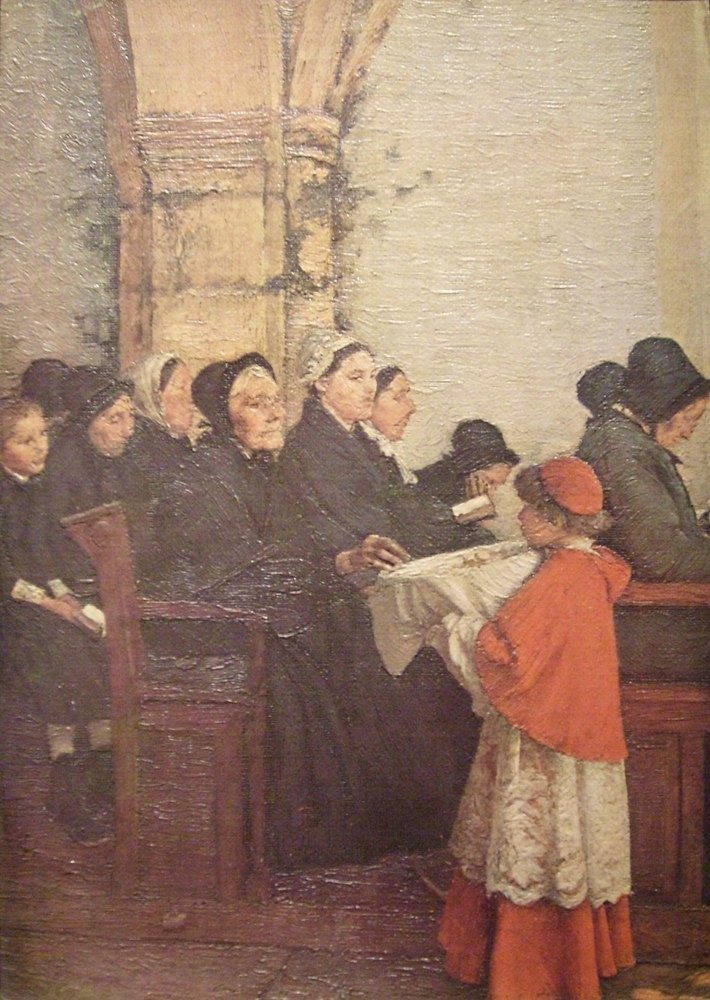 BBlessed breadPane benedettoBread blessed by a priest, distinct from the Eucharist.Bread, Ashes, and Chalk
 - SSt. Agatha’s breadAgathabrot; minne di Sant’AgataBread blessed on 5 February, the feast of St. Agatha, virgin and martyr of Catania.Bread, Ashes, and Chalk
-
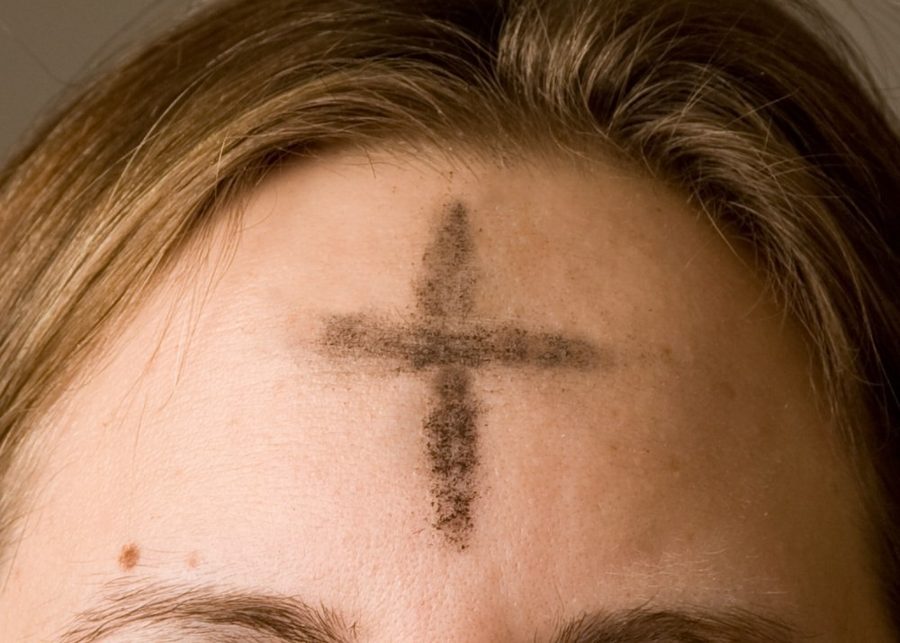 BBlessed ashesCenere benedettaAshes of burnt palms, blessed on Ash Wednesday.Bread, Ashes, and Chalk
 - EEpiphany chalkC+M+BChalk blessed at the Epiphany, with which the lintel of the house is marked for the new year, as 20+C+M+B+26.Bread, Ashes, and Chalk
Words, Images, and Instruments 32
Holy names and written prayers, medals and crosses, relics, and the instruments of the rite.
Words and Names
Written blessings, holy names, and charm words, folded and worn, written on walls, or carved on rings.
-
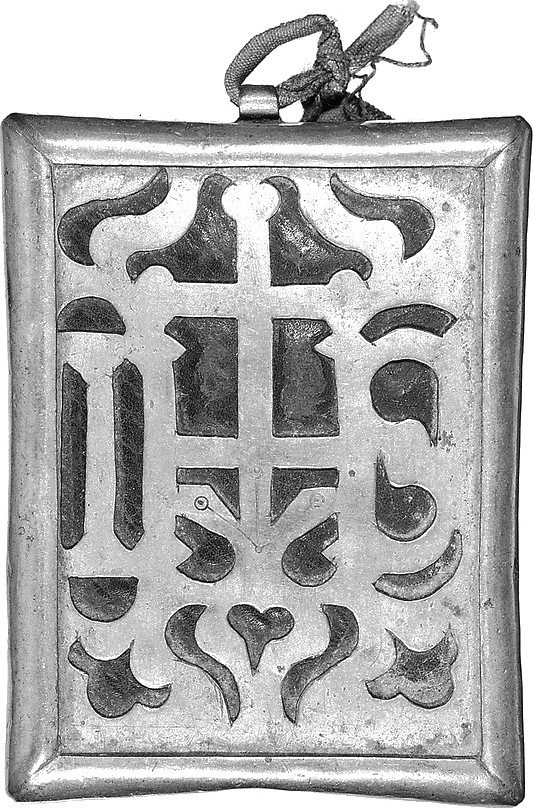 BBreveBreveA written prayer or holy names folded and worn on the body.Words and Names
 -
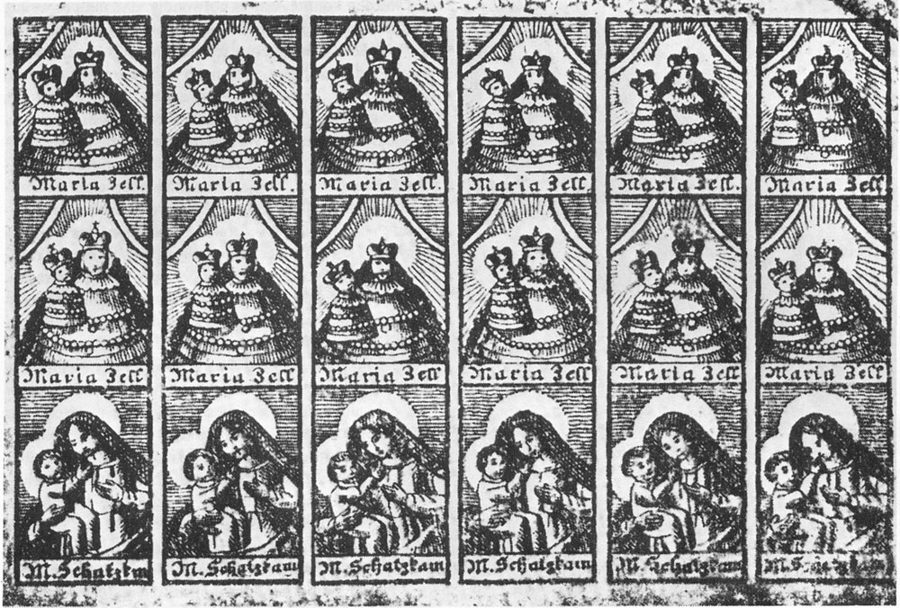 BBlessed paperCarta benedettaPaper blessed so that what is written on it may take effect.Words and Names
 - pThe prologue of JohnIn principio erat VerbumThe opening verses of the Gospel of John, “In the beginning was the Word,” written out and worn, or read over the sick, the fields, and the weather.Words and Names
- HThe Holy Name, IHSChristogramThe monogram IHS, the first three letters of Jesus in Greek, often within a sunburst.Words and Names
- IINRIIesus Nazarenus Rex IudaeorumThe initials of the title Pilate set over the cross, “Jesus of Nazareth, King of the Jews,” written, the Gospel says, in Hebrew, Greek, and Latin.Words and Names
- LLetters from HeavenHimmelsbriefLetters, copied by hand from one another, said to have been written by God or by Christ himself, promising protection to whoever kept them.Words and Names
- TTetragrammatonThe four letters, YHWHThe four-letter name of God in the Hebrew Bible, not pronounced in Jewish practice.Words and Names
- AAGLAAtah gibor le-olam AdonaiA name of God formed, as Agrippa explains, from the first letters of a Hebrew verse, “the mighty God for ever”; his modern editor notes that the words open the second benediction of the Shemoneh Esreh.Words and Names
- SThe SATOR squareSATOR AREPO TENET OPERA ROTASA five-line Latin word square that can be read in four directions.Words and Names
- AAbracadabraThe fever charmA charm word written out line by line, one letter shorter each time, into a narrowing triangle.Words and Names
Medals and Crosses
The crucifix, the rosary, and the scapular, and the medals and crosses worn against evil, plague, and storm.
-
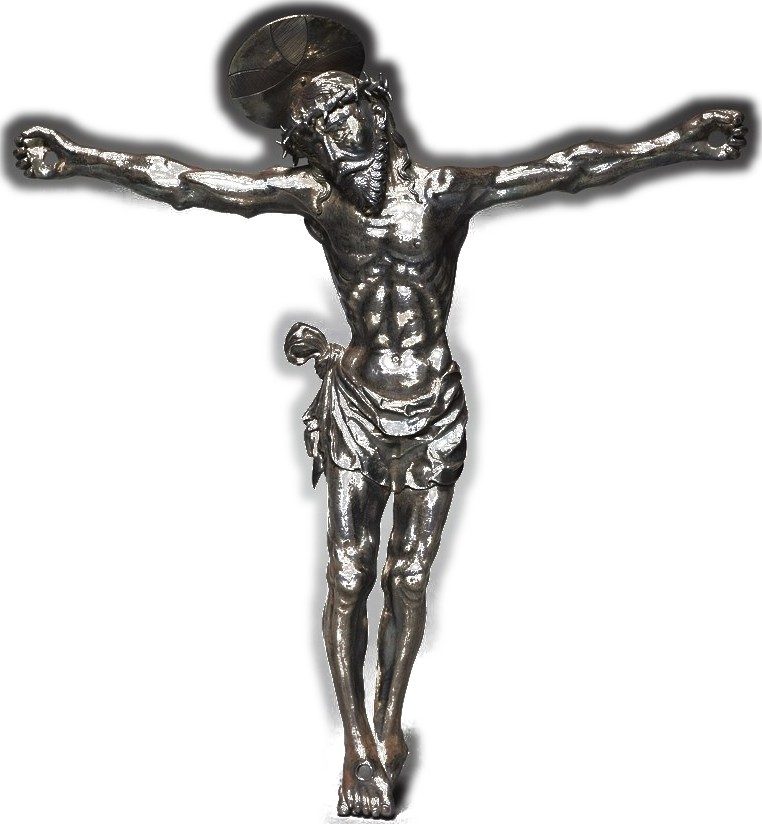 CCrucifixCrocifissoThe image of Christ on the Cross.Medals and Crosses
 -
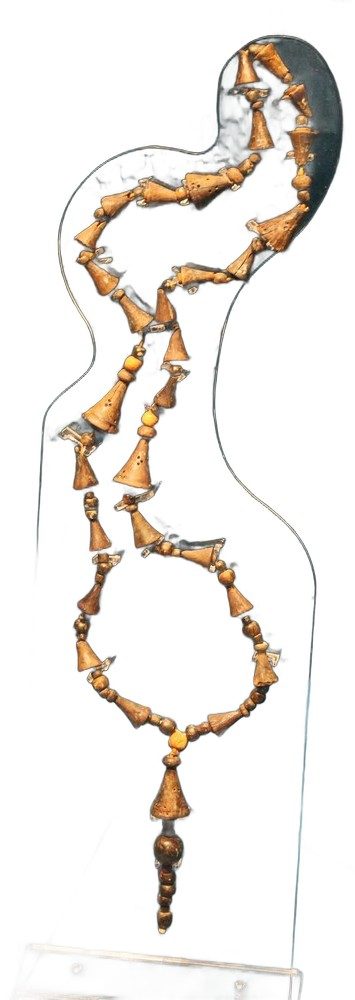 RRosaryCorone e rosarioStrings of prayer beads.Medals and Crosses
 -
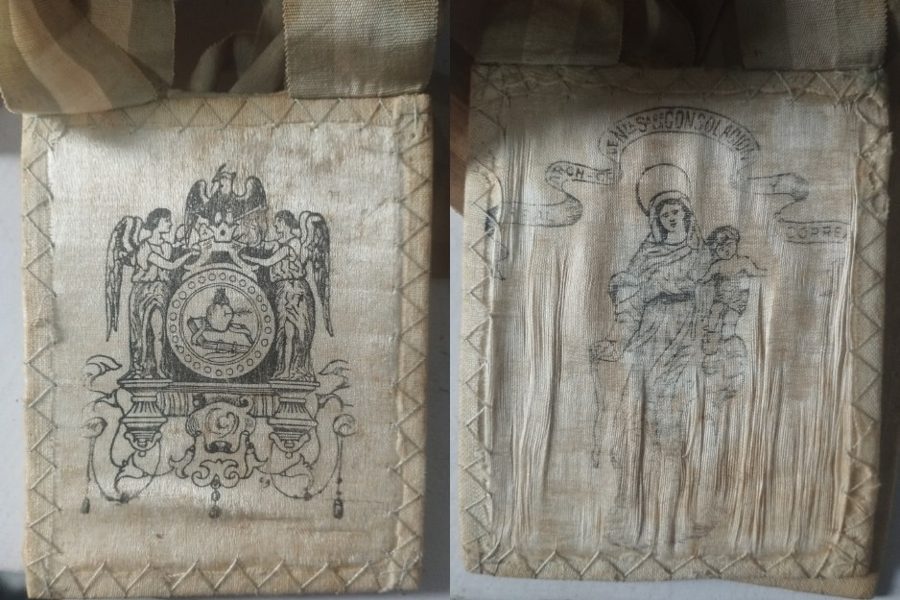 SScapularScapolareTwo small pieces of wool joined by strings, worn over the shoulders, a miniature of the monastic scapular.Medals and Crosses
 - SSt. Benedict medalCrux Sancti Patris BenedictiA medal of St. Benedict whose reverse bears a cross ringed by initials: Vade retro Satana, numquam suade mihi vana; sunt mala quae libas, ipse venena bibas, “Begone, Satan; never tempt me with vain things; what you offer is evil; drink your own poison.”Medals and Crosses
- MThe Miraculous MedalMedal of the Immaculate ConceptionAn oval medal of the Virgin with the prayer “O Mary, conceived without sin, pray for us who have recourse to thee,” made after the visions of Catherine Labouré, a Daughter of Charity, in the chapel of the Rue du Bac in Paris in 1830.Medals and Crosses
- CThe Caravaca crossCruz de CaravacaA patriarchal cross with two cross-arms, after the relic of the True Cross kept at Caravaca de la Cruz in Murcia, Spain.Medals and Crosses
- SSt. Zacharias crossThe Saint Zacharias BlessingA cross bearing a string of capital letters and small crosses, each standing for a Latin invocation against the plague; the crosses stand for those that begin “Crux.”Medals and Crosses
- SSt. Christopher medalChristophorus, “Christ-bearer”An image of St. Christopher carrying the Christ child across a river.Medals and Crosses
Relics and Pilgrimage
Things touched to the saints and carried home from the holy places.
- CContact relicsBrandeaCloths, oil, dust, or other things touched to a saint’s tomb or remains, and so made relics themselves.Relics and Pilgrimage
- EEarth of the Holy LandBlessings (eulogiae) of the holy placesEarth, stones, water, and oil brought back by pilgrims from the holy places of Palestine.Relics and Pilgrimage
- vThe vernicleThe Veil of Veronica; vera iconThe cloth with which Veronica was said to have wiped Christ’s face on the way to Calvary, leaving his image; and the copies and badges made of it.Relics and Pilgrimage
- PPilgrim badges and ampullaeSignaculaSmall badges of lead and tin, and tiny flasks called ampullae, sold at shrines as tokens of pilgrimage.Relics and Pilgrimage
Instruments of the Rite
What the priest and the exorcist carried: the stole, the sprinkler, the censer, the bells, and the books.
- sThe stoleStolaThe long band of cloth worn by the priest about the neck, the sign of his sacred office.Instruments of the Rite
- aThe aspergillumAspergillum; aspersoriumThe brush, or perforated ball on a handle, with which holy water is sprinkled.Instruments of the Rite
- tThe thuribleCenser; turibulumThe metal vessel hung on chains in which incense is burned on live coals.Instruments of the Rite
- hThe holy water stoupAcquasantieraThe basin of holy water at the door of a church, and the small stoups kept in homes.Instruments of the Rite
-
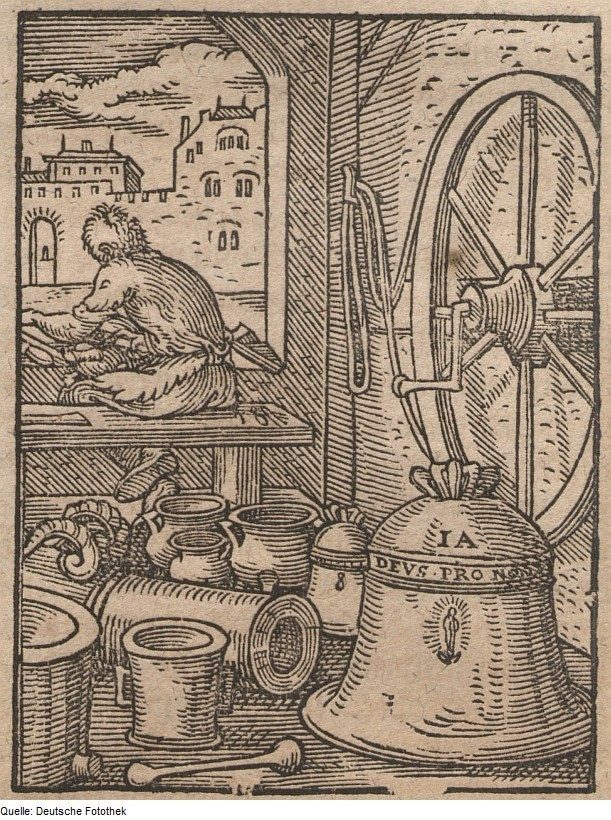 BBellsCampaneChurch bells blessed by the bishop in a rite popularly, and wrongly, called their “baptism.”Instruments of the Rite
 - RThe Roman RitualRituale RomanumThe book of rites for the priest, issued by Pope Paul V in 1614, the year of Canale’s treatise.Instruments of the Rite
- eThe exorcists’ manualsFlagellum Daemonum, Fustis Daemonum, Thesaurus exorcismorumThe handbooks of the exorcist’s art of the sixteenth and seventeenth centuries, above all those of the Franciscan Girolamo Menghi.Instruments of the Rite
Rings, Coins, and Keys
Healing by the king’s hand and the saint’s iron.
- CCramp ringsThe Good Friday ringsRings blessed by the kings of England on Good Friday, made from gold and silver offered at the cross.Rings, Coins, and Keys
- TTouch-piecesThe royal touch; the king’s evilGold coins, the angel and its successors, pierced and hung on a ribbon, given by the monarch to each person touched for scrofula, the “king’s evil.”Rings, Coins, and Keys
- SSt. Hubert’s keyClef de saint HubertA small iron in the shape of a key or horn, blessed at the shrine of St. Hubert, patron of hunters, in the Ardennes.Rings, Coins, and Keys
Wards and Amulets 19
What the house and the body carried against harm: wards, charms against the evil eye, protective stones, and one charm of darkness.
Wards of the House
What was hidden in the walls, buried under the hearth, cut in the beams, and hung in the window to keep a house safe.
- WWitch bottleBellarmine jugA bottle, often a bearded German stoneware “Bellarmine,” filled with urine, pins, nails, and hair or nail clippings, and buried under the hearth or threshold.Wards of the House
- CConcealed shoesThe hidden shoeWorn-out shoes, often a child’s, hidden in walls, chimneys, under floors, and above ceilings.Wards of the House
- WWitch marksProtection marks; apotropaic marks; daisy wheelsSymbols scratched or burned near doors and fireplaces: compass-drawn daisy wheels, overlapping Vs for the Virgin, and burn marks.Wards of the House
- WWitch ballA hollow ball of glass, often silvered or colored, hung in the window.Wards of the House
- HHagstoneHoled stone; hag-stoneA stone with a natural hole worn through it.Wards of the House
Against the Evil Eye
The charms of the Mediterranean against the envious gaze.
- fThe fig handMano fica; higaA hand with the thumb thrust between the first two fingers, made as a gesture or carved as a charm.Against the Evil Eye
- CCornicelloCornetto; the Neapolitan hornA small horn, most often of coral, but also of gold, silver, mother-of-pearl, amber, or lava.Against the Evil Eye
- eThe eye beadNazar; nazar boncuğuA bead of handmade glass worked in rings of dark blue, white, light blue, and black, like an eye.Against the Evil Eye
-
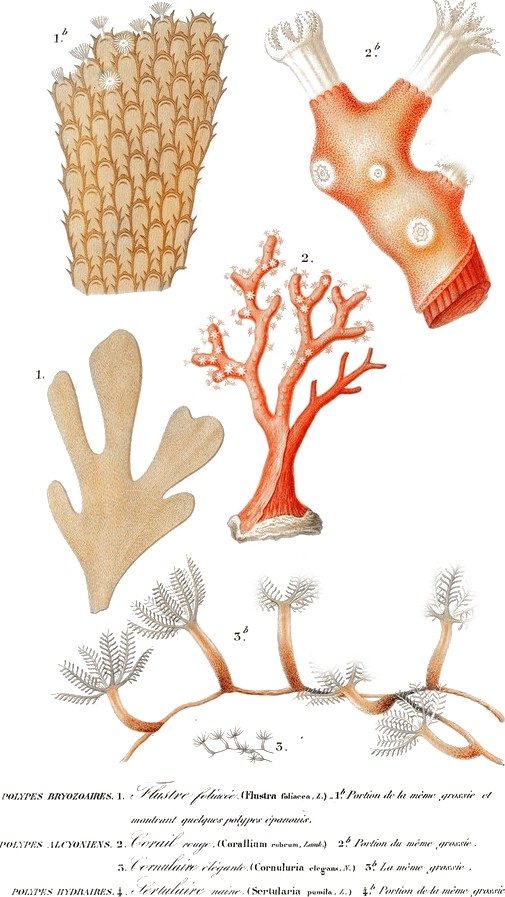 CCoral, redCorallo rossoPrecious red coral, Corallium rubrum, of the western Mediterranean, prepared as powder.Against the Evil Eye
Amulets and Stones
Stones and simples worn for their hidden virtues rather than taken as medicine.
-
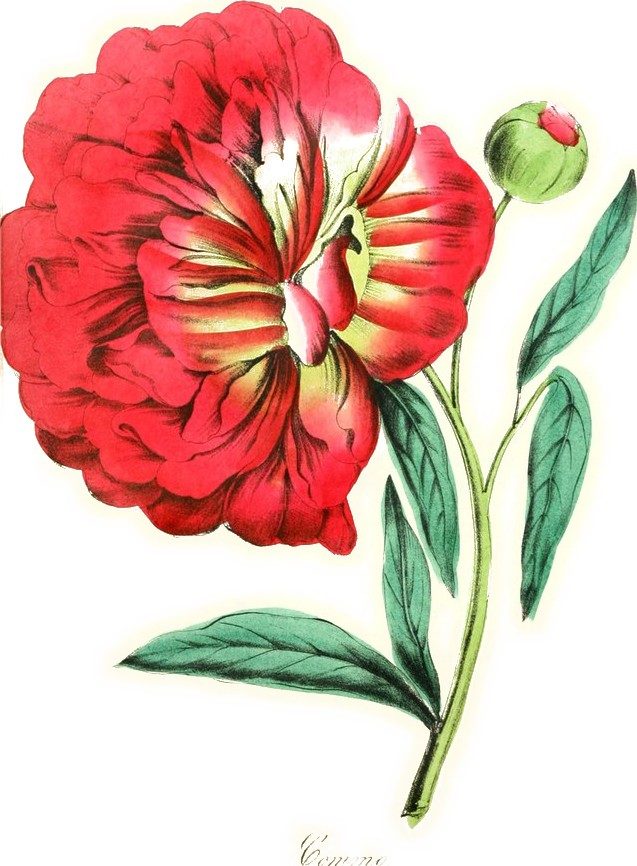 PPeonyPeoniaPaeonia officinalis and the “male” peony, the kind formerly grown for its medicinal root.Amulets and Stones
 - EEagle-stoneAetitesA hollow nodule of iron oxide with a loose stone rattling inside.Amulets and Stones
- BBezoar stoneFrom the Persian panzehr or the Arabic badzehr, “counterpoison”A concretion formed in the stomach of goats and other animals.Amulets and Stones
- TToadstoneBufonites, borax of the jewellersFossil teeth of an extinct fish, Lepidotes, believed to come from a toad’s head.Amulets and Stones
- AAmberSuccinum; Greek ēlektronFossil tree resin, chiefly from the Baltic coast.Amulets and Stones
- BBloodstoneHaematitesHematite, iron oxide, which streaks blood-red; the name was later given to green jasper spotted with red.Amulets and Stones
- LLodestoneMagnesMagnetite, naturally magnetic iron ore.Amulets and Stones
- EElf-shotElf-arrows; fairy dartsPrehistoric flint arrowheads turned up in the fields.Amulets and Stones
- TTongue stonesGlossopetraeFossil sharks’ teeth, called tongue-stones, and by the Germans adders’ tongues.Amulets and Stones
Charms of Darkness
Not every charm protected: some were made to steal and to harm.
Symbols of the Psyche
Symbols of the Psyche on a page of its own
“Learn as much as you can about symbolism; then forget it all when you are analysing a dream.”
A reference for the study of symbols, not a dictionary of dreams. Jung held that no symbol has a fixed meaning apart from the person in whose life it appears. Each entry gives what he and those after him wrote, and where, so that a reader can go to the sources; it serves the psychological case studies, appendices, and revised editions of the press’s books. What a reader makes of their own dreams is their own affair.
Figures of the Psyche 41
The persons of the inner drama, as Jung named them: the figures that appear in myth, tale, and dream with a life of their own.
The Persons of the Psyche
- The ShadowUmbraThe side of the personality one does not wish to be.The Persons of the Psyche
- The PersonaLatin: the actor’s maskThe face turned to the world.The Persons of the Psyche
- The AnimaLatin: soulThe feminine image in the psyche of a man.The Persons of the Psyche
- The AnimusLatin: spirit, mindThe masculine image in the psyche of a woman.The Persons of the Psyche
- The SelfDas SelbstThe whole of the psyche, and its centre.The Persons of the Psyche
- The DoubleDoppelgängerOneself met as another.The Persons of the Psyche
Parents and Elders
- The Great MotherMagna MaterThe mother behind every mother, who gives life and takes it back.Parents and Elders
- The FatherSenex, the old kingLaw, order, and spirit, and their hardening.Parents and Elders
- The Wise Old ManSenex sapiensSpirit in the form of a knowing elder.Parents and Elders
- The WitchThe mother’s dark face, who binds and devours.Parents and Elders
- The MagicianMagusThe master of hidden powers, and their temptation.Parents and Elders
- The Wise Old WomanThe old motherThe knowing elder of the feminine: counsel, fate, and the old ways.Parents and Elders
- The SenexThe old man, SaturnOrder, limit, and time, and their hardening into rigidity.Parents and Elders
Children and the Young
- The Divine ChildPuer divinusThe future, not yet born into the world.Children and the Young
- The MaidenKoreThe girl carried below and returned.Children and the Young
- The Eternal YouthPuer aeternusThe youth who will not be bound by time.Children and the Young
- The FoolThe innocent who knows nothing and finds the way.Children and the Young
- The VirginParthenosOne-in-herself: whole, and belonging to no one.Children and the Young
- The OrphanThe abandoned oneAlone and without origin: the lonely beginning of the self.Children and the Young
Heroes and Tricksters
- The HeroThe one who goes into the dark and comes back.Heroes and Tricksters
- The TricksterHermes, Loki, CoyoteThe shape-shifter who breaks every rule.Heroes and Tricksters
- The TwinsThe DioscuriThe pair who are one, one mortal and one divine.Heroes and Tricksters
- The Wounded HealerChironThe one who heals by virtue of a wound.Heroes and Tricksters
Spirits and Mediators
- The AngelAngelos, messengerThe messenger between the worlds.Spirits and Mediators
- The DevilLucifer, Satan, MephistophelesThe adversary, and the dark fourth.Spirits and Mediators
- The PsychopompThe guide of soulsThe one who leads the soul across.Spirits and Mediators
- SophiaWisdom, Hagia SophiaWisdom as a feminine figure beside God.Spirits and Mediators
- The RedeemerSalvatorThe one who frees what is bound.Spirits and Mediators
Wholes and Extremes
- The King and QueenRex and ReginaThe royal pair whose marriage makes the whole.Wholes and Extremes
- The AndrogyneRebis, the hermaphroditeMale and female in one body: the opposites united.Wholes and Extremes
- The AnthroposThe cosmic manThe first man, whose body is the world.Wholes and Extremes
- The GiantThe first, crude powers, before the order of the gods.Wholes and Extremes
- The DwarfThe CabiriSmall, hidden, and creative: the little powers of the deep.Wholes and Extremes
Monsters and Hybrids
Gods and Adversaries
- ApolloPhoebus, the god of lightForm, measure, clarity, and the beautiful image.Gods and Adversaries
- DionysusBacchus, the god of the vineEcstasy, intoxication, and the dissolving of every boundary.Gods and Adversaries
- The AntichristThe adversaryThe shadow of the redeemer, returning at the end of an age.Gods and Adversaries
Figures of The Red Book
Motifs of Transformation 32
The patterns of change the psyche goes through, and pictures to itself as a journey, a death, a wedding, or a birth.
Journeys
- The Night Sea JourneyNachtmeerfahrtSwallowed in the dark, carried to the east.Journeys
- The DescentNekyia, katabasisGoing down to the dead, to come back with knowledge.Journeys
- The AscentRising toward the light, and coming down again.Journeys
- FlightRising free of the ground, or fleeing from what pursues.Journeys
- InitiationThe passage through a threshold into a new state.Journeys
- The QuestThe GrailThe long search for what was lost.Journeys
- The ReturnNostosComing home with what was found.Journeys
Death and Birth
- DeathMortificatio, nigredoThe ending that belongs to a change.Death and Birth
- RebirthRenovatioBecoming new, in five forms.Death and Birth
- SacrificeGiving something up, so that something new may live.Death and Birth
- DismembermentSparagmosTorn apart, to be put together anew.Death and Birth
- The Miraculous BirthBorn another way, and so not wholly of this world.Death and Birth
- The FallThe loss of paradise, and the birth of consciousness.Death and Birth
- The CreationCosmogonyThe world, and consciousness, coming into being.Death and Birth
- The End of the WorldApocalypse, RagnarökDestruction, revelation, and what comes after.Death and Birth
- The Eternal ReturnEternal recurrenceAll things return, endlessly: the heaviest thought.Death and Birth
- The DeadThe ancestors, the departedThe unanswered questions of those who came before.Death and Birth
Unions, Spells, and Changes
- The Sacred MarriageHieros gamos, coniunctioThe union of opposites, pictured as a wedding.Unions, Spells, and Changes
- The Royal IncestThe union of like with like, read as a symbol.Unions, Spells, and Changes
- The EnchantmentThe spellHeld under a spell, waiting to be released.Unions, Spells, and Changes
- MetamorphosisShape-shiftingChanged into another form, and changed back.Unions, Spells, and Changes
- The FloodThe delugeThe waters that end one world and begin another.Unions, Spells, and Changes
- The Treasure Hard to AttainWhat is guarded because it is worth the danger.Unions, Spells, and Changes
- The WastelandThe barren land of a wounded king.Unions, Spells, and Changes
- The TemptationThe offer that tests who one is.Unions, Spells, and Changes
- The Theft of FirePrometheusStolen light, and the price of it.Unions, Spells, and Changes
- The AbductionThe rape of PersephoneSeized by the depths: the innocent carried below.Unions, Spells, and Changes
- PossessionBeing seizedAn archetype taking hold of the whole person.Unions, Spells, and Changes
Rites and Ordeals
- The Dragon FightThe combat with the monsterConsciousness wresting itself free from the devouring depths.Rites and Ordeals
- The Sacrificial MealCommunion, the MassEating the god: the sacrifice shared and taken in.Rites and Ordeals
- IncubationTemple sleepSleeping in the sacred place to receive the healing dream.Rites and Ordeals
- The DanceRound dance, ringMovement in the round: the rhythm that orders and releases.Rites and Ordeals
Operations of the Work 15
The operations of the alchemists’ laboratory, which Jung, and Edward Edinger after him, read as the processes by which the psyche is transformed.
- CalcinatioBurning to ashThe fire that dries and purifies.Operations of the Work
- SolutioDissolvingDissolved back into the waters.Operations of the Work
- CoagulatioBecoming solidWhat was fluid takes on body.Operations of the Work
- SublimatioRising as vapourWhat was heavy rises, and becomes spirit.Operations of the Work
- SeparatioDividingDividing the one into two, so it can be known.Operations of the Work
- CirculatioCirculationRound and round, until it is refined.Operations of the Work
- DistillatioDistillingRising and falling again, until only the essence is left.Operations of the Work
- FermentatioFermentingThe leaven that brings the dead matter to life.Operations of the Work
- MultiplicatioMultiplyingThe finished stone increasing its power.Operations of the Work
- ProjectioProjectionCasting the stone upon the metal to change it, and the psyche upon matter.Operations of the Work
- ConiunctioThe conjunctionThe union of opposites in the vessel.Operations of the Work
- PutrefactioPutrefactionRotting: the old form must decay before the new can grow.Operations of the Work
- MortificatioMortification, killingThe killing of what has ruled too long.Operations of the Work
- CibatioFeedingNourishing the matter in the vessel, a little at a time.Operations of the Work
- ExaltatioExaltationRaising the matter to its highest degree.Operations of the Work
Forms and Numbers 17
The shapes and numbers in which Jung found the psyche ordering itself: the circle, the centre, the three and the four.
Shapes
- The MandalaSanskrit: circleThe circle with a centre, a picture of wholeness.Shapes
- The CircleRotundumWholeness, without beginning or end.Shapes
- The CrossTwo ways crossing at a centre.Shapes
- The SpiralReturning to the same place, a little higher.Shapes
- The CentreAxis mundiThe still point around which everything turns.Shapes
- The SquareStability, the earth, and the four made firm.Shapes
- The TriangleThe three, rising toward a point.Shapes
- The HexagramSeal of SolomonTwo triangles joined: fire and water in one.Shapes
- The SphereThe round, the rotundumWholeness in three dimensions, with no beginning and no end.Shapes
- Squaring the CircleQuadratura circuliThe impossible figure of the whole.Shapes
Numbers
- The OneThe monadUnity, before and after the many.Numbers
- The TwoThe pair of oppositesThe first division, and the tension that drives the psyche.Numbers
- The TrinityThe threeThreeness, process, and the missing fourth.Numbers
- The QuaternityThe fourFourness, the pattern of completeness.Numbers
- The FiveThe quintessenceThe four, and the centre that unites them.Numbers
- The SevenThe number of the planets, the days, and the stages.Numbers
- The TwelveThe whole circle of time.Numbers
Colours and Metals 20
The colours by which the alchemists marked the stages of the work, and the metals, principles, and substances they worked with, read by Jung as stages and substances of the psyche.
The Colours of the Work
- BlackNigredoThe blackening at the start of the work.The Colours of the Work
- WhiteAlbedoThe whitening: the first light after the dark.The Colours of the Work
- YellowCitrinitasThe yellowing, as the dawn becomes day.The Colours of the Work
- RedRubedoThe reddening: the work completed in blood and life.The Colours of the Work
- GreenBenedicta viriditasThe blessed greenness of living things.The Colours of the Work
- The Peacock’s TailCauda pavonisAll the colours at once, before the white.The Colours of the Work
- BlueThe colour of sky and depth, of distance and spirit.The Colours of the Work
- VioletThe ultravioletWhere the spectrum passes beyond sight.The Colours of the Work
Metals, Principles, and Substances
- GoldAurumThe incorruptible: not the common gold.Metals, Principles, and Substances
- SilverArgentumThe metal of the moon.Metals, Principles, and Substances
- LeadSaturnThe heaviest and darkest metal, where the work begins.Metals, Principles, and Substances
- MercuryMercuriusThe quicksilver spirit, the elusive heart of the work.Metals, Principles, and Substances
- SaltSal sapientiaeWisdom, and the bitterness it costs.Metals, Principles, and Substances
- SulphurThe burning principle: desire and will.Metals, Principles, and Substances
- CopperVenusThe metal of Venus: love, beauty, and verdigris.Metals, Principles, and Substances
- IronMarsThe metal of Mars: strength, war, and will.Metals, Principles, and Substances
- TinJupiterThe metal of Jupiter, completing the seven.Metals, Principles, and Substances
- VitriolV.I.T.R.I.O.L.Go down into the earth, and you will find the hidden stone.Metals, Principles, and Substances
- The Prima MateriaThe first matterThe chaos from which the work begins: despised, everywhere, and everything.Metals, Principles, and Substances
- The QuintessenceThe fifth essenceThe fifth, beyond the four: what the elements hold in common.Metals, Principles, and Substances
The Natural World 40
Water, fire, stone, and tree, sun and moon, the mountain and the cave: the world outside, carrying the world within.
The Heavens
- The SunSolConsciousness, and its daily and yearly course.The Heavens
- The MoonLunaThe light of the night, waning and returning.The Heavens
- The StarA light in the dark: guidance and destiny.The Heavens
- The RainbowA bridge of light between heaven and earth.The Heavens
- LightningSudden illumination, and sudden change.The Heavens
- The WindSpirit that blows where it will.The Heavens
- NightNyxThe dark from which the day is born.The Heavens
- The DawnAuroraThe first light, before the sun.The Heavens
- The CloudWhat hides the divine, and brings the rain.The Heavens
- RainDewWhat falls from heaven to make the earth fertile.The Heavens
- The EclipseThe black sunThe light swallowed by the dark.The Heavens
- The PlanetsThe seven governorsThe seven wanderers, each ruling a metal, a day, and a temper.The Heavens
The Elements
- WaterThe sea, the lake, the springThe commonest symbol of the unconscious.The Elements
- FireEnergy that warms, purifies, and consumes.The Elements
- The EarthMatter, body, and the mother of all.The Elements
- The StoneLapis philosophorumWhat endures: the philosophers’ stone.The Elements
- The SeaThe collective unconscious, unfathomed.The Elements
- IceFeeling frozen; life held still.The Elements
- The DewRos, the heavenly moistureGrace falling in silence from above.The Elements
- The FountainThe mercurial fountainThe source that springs from the centre.The Elements
The Land
- The MountainThe height to be climbed, where heaven and earth meet.The Land
- The CaveThe hidden place of transformation, inside the earth.The Land
- The ForestWhere the known way ends.The Land
- The DesertThe wildernessThe empty place of trial and revelation.The Land
- The IslandA world apart, surrounded by the sea.The Land
- The RiverThe flow of life and time, and the border to be crossed.The Land
- The GardenParadise, hortus conclususThe walled and tended place, where nature is ordered.The Land
- The WellThe springThe deep source, and the way down.The Land
- The AbyssUngrundThe depth without a bottom.The Land
- The VolcanoFire breaking up from below.The Land
- The CrystalThe axial systemThe form that is there before the substance fills it.The Land
Growing Things
- The TreeArbor philosophicaGrowth, rootedness, and the axis of the world.Growing Things
- The FlowerThe golden flower, the rose, the lotusThe centre unfolding.Growing Things
- The SeedThe whole, hidden in the small.Growing Things
- The VineWineEcstasy, and the blood of the god.Growing Things
- The EggOvum philosophicumThe whole in potential, before it opens.Growing Things
- The PearlBeauty grown around a wound, in the depths.Growing Things
- The AppleThe fruit of knowledge, discord, and youth.Growing Things
- The RoseRosa mysticaThe flower of love, and of the centre.Growing Things
- The LotusPadmaRising from the mud, to open on the water.Growing Things
The Body 15
The heart, the eye, the hand, the blood, and the breath: the body as the psyche pictures itself, and as the traditions read it.
- The HeartThe seat of feeling, courage, and conscience.The Body
- The EyeSight, awareness, and the eye that watches.The Body
- The HandMaking, taking, blessing, and giving.The Body
- BloodLife itself, given and shed.The Body
- The SkullDeath remembered, and what outlasts the flesh.The Body
- BreathPneuma, spiritus, ruachSpirit, which is breath and wind.The Body
- The PhallusGenerative power, which is more than sexual.The Body
- The HeadThe seat of mind, and the oracle.The Body
- The FootStanding on the earth; the point of contact and of wounding.The Body
- The WombThe vessel of life, and of rebirth.The Body
- The BonesWhat remains, and what rises again.The Body
- The NavelOmphalosThe centre of the body, and of the world.The Body
- HairThe maneStrength and vitality, and what grows unbidden.The Body
- The BreastNourishmentThe first world: the source of milk and of comfort.The Body
- The SpineThe serpent’s pathThe axis of the body, climbed by the serpent power.The Body
Animals 37
The instinctive psyche in animal form: the serpent and the bird, the beasts of alchemy, and the animal the hero rides or slays.
Serpents and Dragons
Birds
- The BirdSpirit, soul, and thought in flight.Birds
- The EagleHeight, sight, and the spirit that rises.Birds
- The PhoenixBennuBurned, and risen from its own ashes.Birds
- The PelicanThe mother who feeds her young with her own blood.Birds
- The OwlWisdom that sees in the dark.Birds
- The RavenCaput corviThe black bird of the beginning.Birds
- The DovePeace, spirit, and the white light after the dark.Birds
- The CockThe herald of the light.Birds
- The SwanCygnusThe white bird of the hidden god and the dying song.Birds
Beasts
- The HorseInstinctive force, which carries.Beasts
- The LionLeoRoyal and devouring power.Beasts
- The BullFertile strength, offered in sacrifice.Beasts
- The WolfDevouring hunger, and a fierce kind of nurture.Beasts
- The DogGuardian of the threshold, and faithful guide.Beasts
- The StagCervus fugitivusThe fleeing spirit of the wild, crowned with antlers.Beasts
- The UnicornMonocerosWild power, tamed only by the pure.Beasts
- The ApeThe human made animal, and the animal made human.Beasts
- The BearInstinctive strength, and a fierce mothering.Beasts
- The HareQuick, fertile, and of the moon.Beasts
- The GoatLust, vitality, and the one who bears the sins.Beasts
- The FoxCunning that survives by wit.Beasts
- The LambAgnus DeiInnocence offered up.Beasts
- The CatBastet, the familiarIndependent, nocturnal, and never quite tame.Beasts
- The CamelThe first metamorphosisThe spirit that kneels to be loaded.Beasts
Creatures of the Water
- The FishIchthysLife in the depths, drawn up.Creatures of the Water
- The WhaleLeviathanThe monster of the deep that swallows.Creatures of the Water
- The CrocodileSobek, LeviathanThe devouring jaws of the depths.Creatures of the Water
- The CrabCancerMoving backward: the pull of the past, with a way forward hidden in it.Creatures of the Water
Small Creatures
- The ToadEarthbound and poisonous, with a jewel in its head.Small Creatures
- The SpiderThe weaver at the centre of the web.Small Creatures
- The BeeThe ordered community, and souls on the wing.Small Creatures
- The ButterflyPsycheThe soul, emerging transformed.Small Creatures
- The ScarabKhepriThe beetle that rolls the sun into rebirth.Small Creatures
Places and Vessels 33
The containers, thresholds, and ways of the work: the vessel and the house, the door and the bridge, the tower, the ring, and the sword.
Vessels and Enclosures
- The VesselVas hermeticumThe container in which change happens.Vessels and Enclosures
- The HouseThe structure of the psyche, lived in.Vessels and Enclosures
- The TowerHeight, enclosure, and the danger of reaching too high.Vessels and Enclosures
- The TempleTemenosThe sacred precinct, set apart.Vessels and Enclosures
- The CityThe ordered community, walled and centred.Vessels and Enclosures
- The TombThe grave that is also a womb.Vessels and Enclosures
- The BathBalneumImmersion that cleanses and joins.Vessels and Enclosures
- The AltarThe place of offering, where the human meets the divine.Vessels and Enclosures
- The ThroneThe seat of rule, and of what rules the soul.Vessels and Enclosures
- The CastleThe Grail castleThe fortress of the treasure, hard to find and harder to enter.Vessels and Enclosures
- The PrisonThe captive spiritBound in the dark, awaiting release.Vessels and Enclosures
- The TheatreThe stage of the dreamThe inner drama, and the seat of the one who watches it.Vessels and Enclosures
- The GrailThe vessel of the Last SupperThe vessel found by the one who asks the right question.Vessels and Enclosures
Ways and Thresholds
- The CrossroadsWhere the ways divide and a choice is forced.Ways and Thresholds
- The LabyrinthThe winding way to a centre.Ways and Thresholds
- The BridgeThe way across what divides.Ways and Thresholds
- The DoorThe gate, the thresholdThe threshold between one state and another.Ways and Thresholds
- The LadderScalaThe way up by stages.Ways and Thresholds
- The BoatThe ship, the arkThe vessel that carries across the waters.Ways and Thresholds
- The ChariotThe vehicle drawn by forces the driver must master.Ways and Thresholds
Things Held and Worn
- The WheelTurning time, fortune, and the round of birth and death.Things Held and Worn
- The KeyWhat opens, and what locks.Things Held and Worn
- The RingBond, circle, and power.Things Held and Worn
- The SwordThe blade that cuts, divides, and judges.Things Held and Worn
- The MirrorReflection, and the truth one would rather not see.Things Held and Worn
- The CrownSovereignty, and the work completed.Things Held and Worn
- The VeilWhat hides the mystery, and what may be lifted.Things Held and Worn
- The ThreadThe line of fate, and the way back out.Things Held and Worn
- The LampThe lanternA small light carried into the dark.Things Held and Worn
- The BookKnowledge written down, sealed, or to be opened.Things Held and Worn
- The ScalesThe balance, LibraWeighing the heart: judgment, justice, and equilibrium.Things Held and Worn
- The SpearThe lance of LonginusThe wound that pierces, and the wound that heals.Things Held and Worn
- The CaduceusThe staff of HermesTwo serpents about a winged staff: opposites held in balance.Things Held and Worn
Nothing in the Symbolarium matches.