
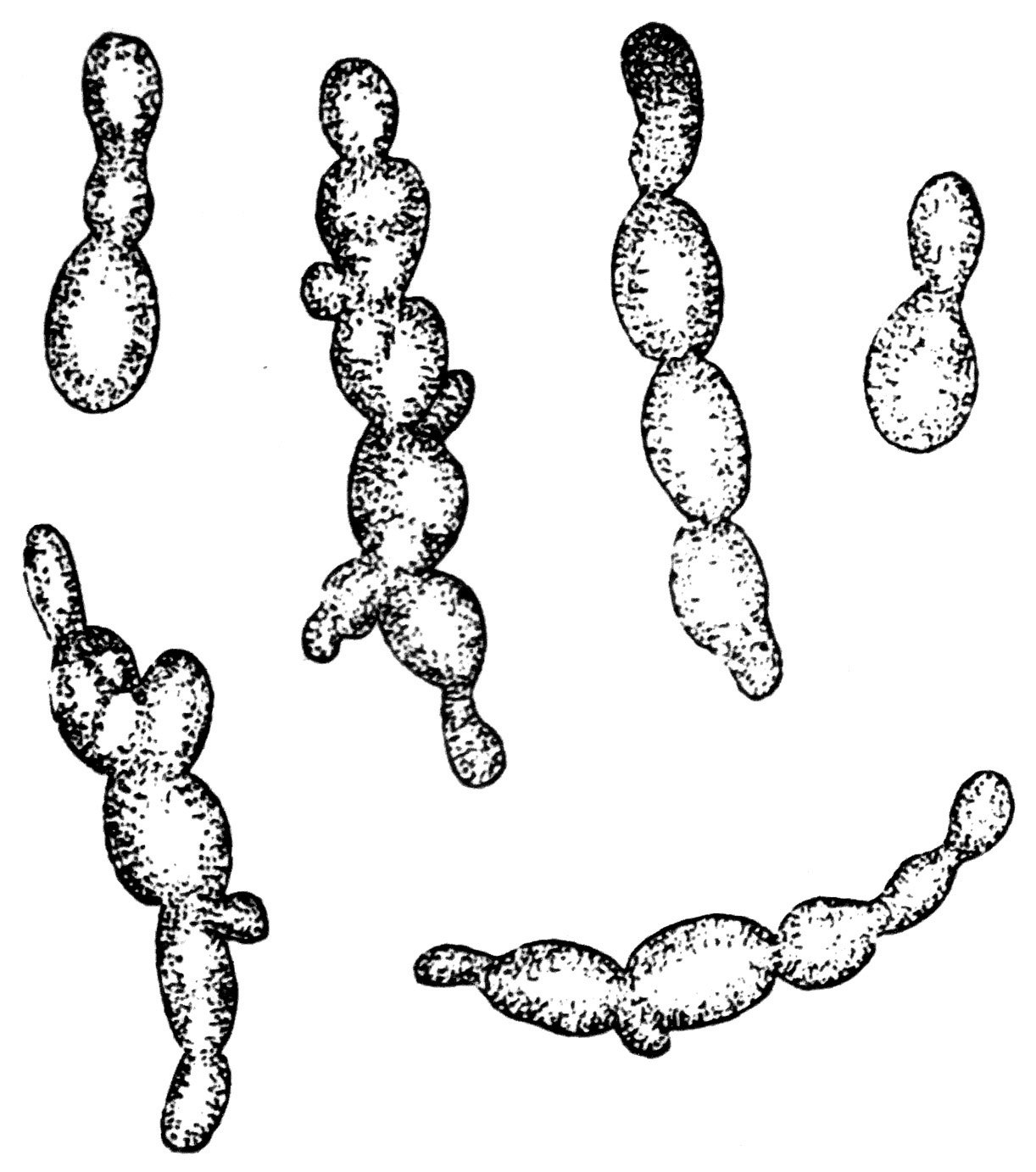
Brewer’s yeast
Saccharomyces cerevisiae
- Known today as
- The single-celled fungus of bread, beer, and wine.
- Kind
- Fungus
- Constituents
- B vitamins, beta-glucan
- In other databases
- GBIF search · Wikidata search
Revised October 17, 2026: Checked against its sources, each read in full, in part, or in its abstract. Version 1, first published September 25, 2026.
Brewer’s yeast: what was it used for?
Leavening, fermentation, and in old medicine a poultice for sloughing ulcers.
Brewer’s yeast: what does modern science say?
A source of B vitamins, and the workhorse of genetics and of modern drug manufacture, including insulin.
The toxic dose and the poisoning
- Toxic dose
- Fungaemia in the gravely ill given the live yeast.
The references for these lines are listed under Pharmacognosy, in Science. Doses are as the references give them, for description only; this is not medical advice. In a poisoning, call a poison centre.
Brewer’s yeast: what lore surrounds it?
Louis Pasteur showed in the 1850s that alcoholic fermentation was the work of living yeasts; in 1876 he wrote of the “organised and living ferments” found in the previous twenty years.
In Their Own Words
The 1911 Britannica defines yeast as a cellular organism produced in the alcoholic fermentation of saccharine liquids.
“…a cellular organism produced in the alcoholic fermentation of saccharine liquids”
Encyclopædia Britannica, eleventh edition: Yeast, “Yeast”, vol. 28. The 1911 Encyclopædia Britannica, as transcribed on Wikisource. The text, read in full
Cooke describes how yeast cells mixed with beer wort begin to bud within an hour and in six or eight hours form strings of cells like beads.
“…beer for an hour, budding will have commenced (as in fig. g). These buds will ultimately increase to the size of the parent cells, and these will again bud; so that in six or eight hours a string of cells will be found to have been produced, attached to each other like a string of beads”
M. C. Cooke, A Plain and Easy Account of British Fungi, the yeast-plant. London: Robert Hardwicke, 192, Piccadilly, 1862 (Internet Archive OCR text). The text, read in part
Each passage is quoted from the text named, which the press fetched and read, and was checked word for word against a fresh copy of it; the link opens that copy. Passages are given as printed, without the editors’ footnote numbers, and with words broken across lines joined.
Pharmacognosy
- Constituents
- Mechanism
- Very rich in the B vitamins, except B12; the live yeast Saccharomyces boulardii, a strain of it, prevents antibiotic-associated and travellers’ diarrhoea in trials and is used against acute diarrhoea.
- Standing
- S. boulardii is made industrially and used clinically as a medicine.
- McFarland, L. V. (2010). “Systematic review and meta-analysis of Saccharomyces boulardii in adult patients.” World Journal of Gastroenterology 16. Abstract read · the text read
The abstract of each source, beneath its citation. For Club members. About the Club or sign in.
Constituent names open the compound’s record at PubChem, and “ChEMBL” beside a name opens its record at ChEMBL, the European Bioinformatics Institute’s database of bioactive molecules. Where a mechanism line was checked against ChEMBL (ChEMBL 37, read 1 October 2026), the check is shown with the measured value and its source paper, or says plainly that nothing has been measured. Doses are as the references give them, for description only; this is not medical advice. Each source carries the result of its check against Crossref, PubMed, or the authority’s page: see Verification.
Sources
- Pasteur, L. (1876). Études sur la bière. Read in part · the text read
- Wikipedia, “Saccharomyces cerevisiae,” en.wikipedia.org (read 2 October 2026). Read in full · the text read
- Wikipedia, “Yeast,” en.wikipedia.org (read 2 October 2026). Read in full · the text read
- Wikipedia, “Louis Pasteur,” en.wikipedia.org (read 2 October 2026). Read in full · the text read
- Felter, H. W., and Lloyd, J. U. (1898). King’s American Dispensatory, “Cerevisiae Fermentum.—Beer Yeast.” Ohio Valley Co. Read in part · the text read
- Wikipedia, “Beta-glucan,” en.wikipedia.org (read 2 October 2026). Read in full · the text read
Verification
- Checked
- October 1, 2026, October 17, 2026
- Passes
- Read against its sources in the pass over the remaining 343 entries
- Every dated or regulatory claim checked by category across the database
- Every source read, in full, in part, or in its abstract, and every sentence checked against what was read (October 17, 2026)
- Sources
- 7 cited: 4 read in full, 2 read in part, 1 abstract read. 1 with the abstract on file.
- Corrections
- None recorded.
What was checked, how, and what was found is set out on the Verification page. A checked source is one whose record was found; it does not make the entry medical advice.
Club members can point at a technical term in this entry, such as a constituent, an action, or a word of Jung’s, to read its definition from the source. The Club.
Cite This Entry
Version 1 · first published September 25, 2026 · last revised October 17, 2026
- Chicago
“Brewer’s yeast.” In Materia Medica, edited by B. C. P. Statema. Version 1. The Thinking Press, 2026–. Last modified October 17, 2026. https://thethinkingpress.org/materia-medica/brewers-yeast.
- MLA
“Brewer’s yeast.” Materia Medica, edited by B. C. P. Statema, version 1, The Thinking Press, 17 Oct. 2026, thethinkingpress.org/materia-medica/brewers-yeast. Accessed 22 Nov. 2026.
- APA
Brewer’s yeast. (2026, October 17). In B. C. P. Statema (Ed.), Materia medica (Version 1). The Thinking Press. Retrieved November 22, 2026, from https://thethinkingpress.org/materia-medica/brewers-yeast
See Also
Sharing B vitamins, beta-glucan
Drawing on the same sources: Wikipedia, Felter
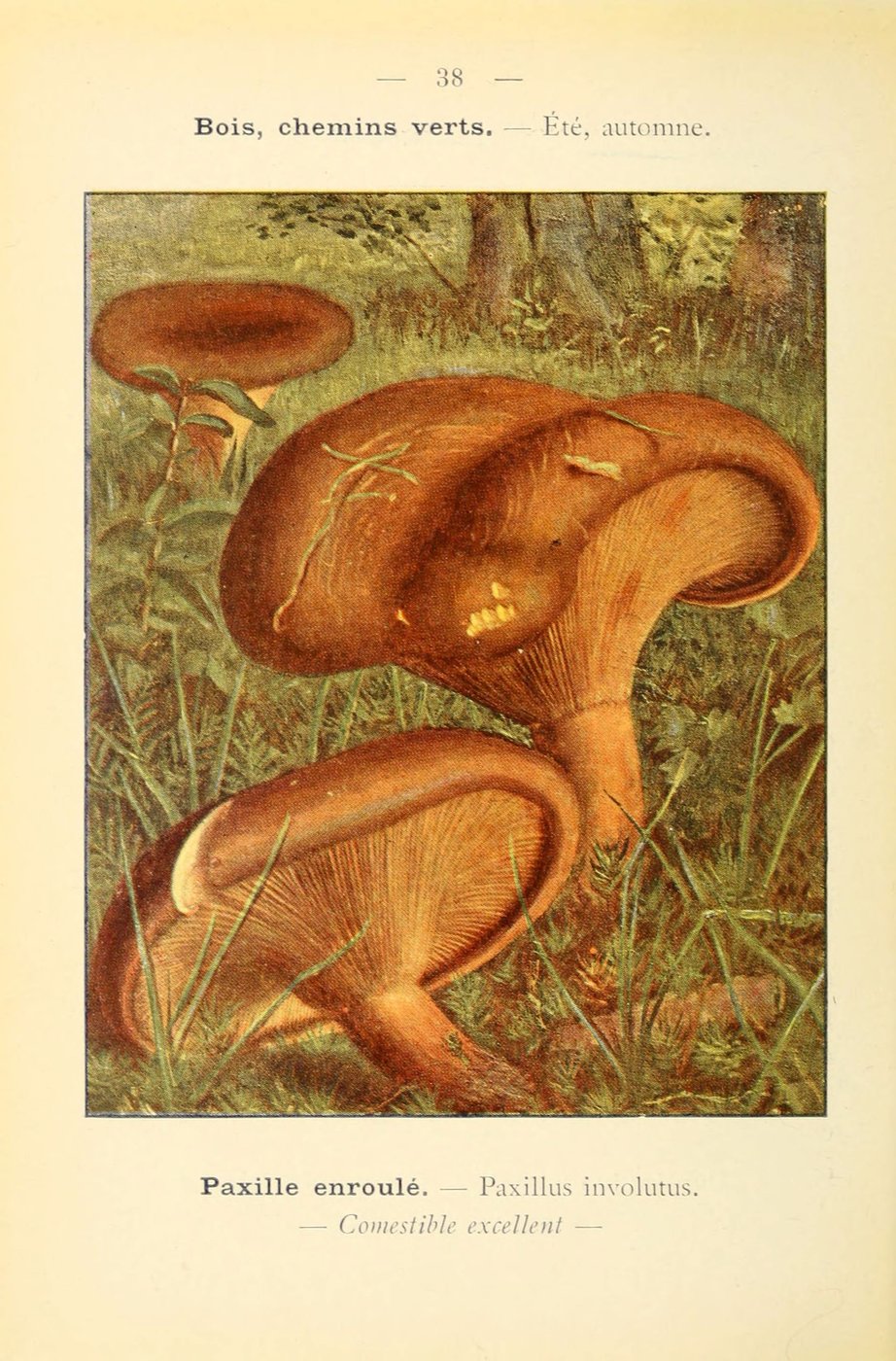
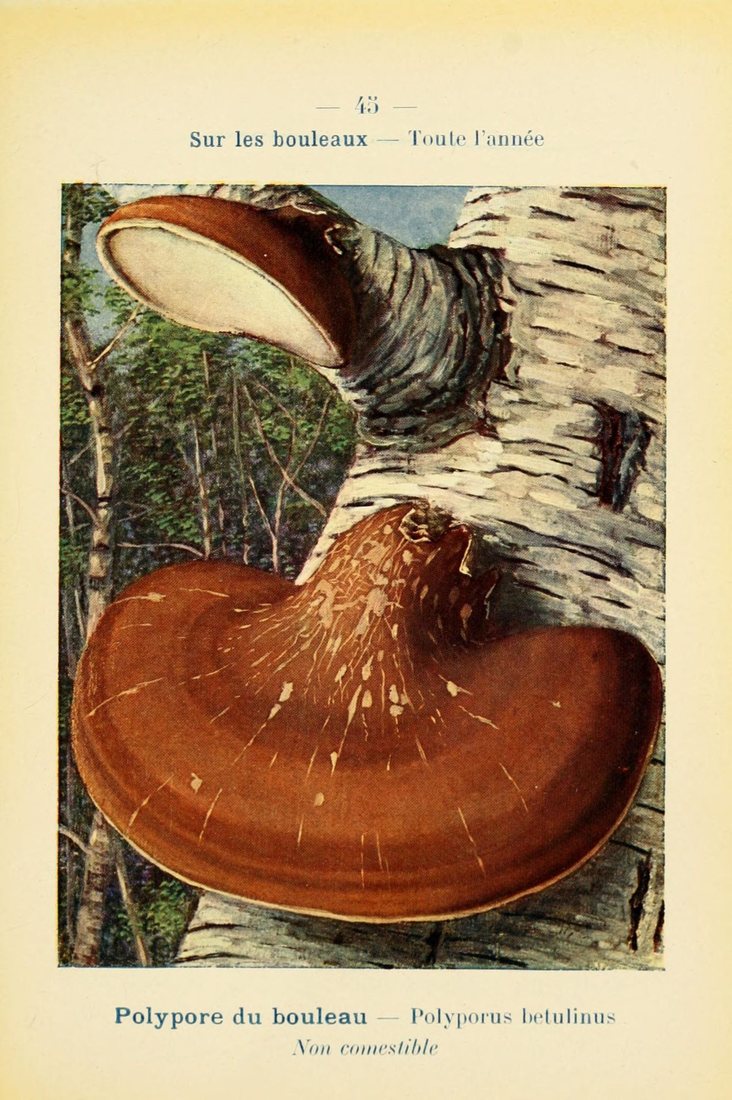
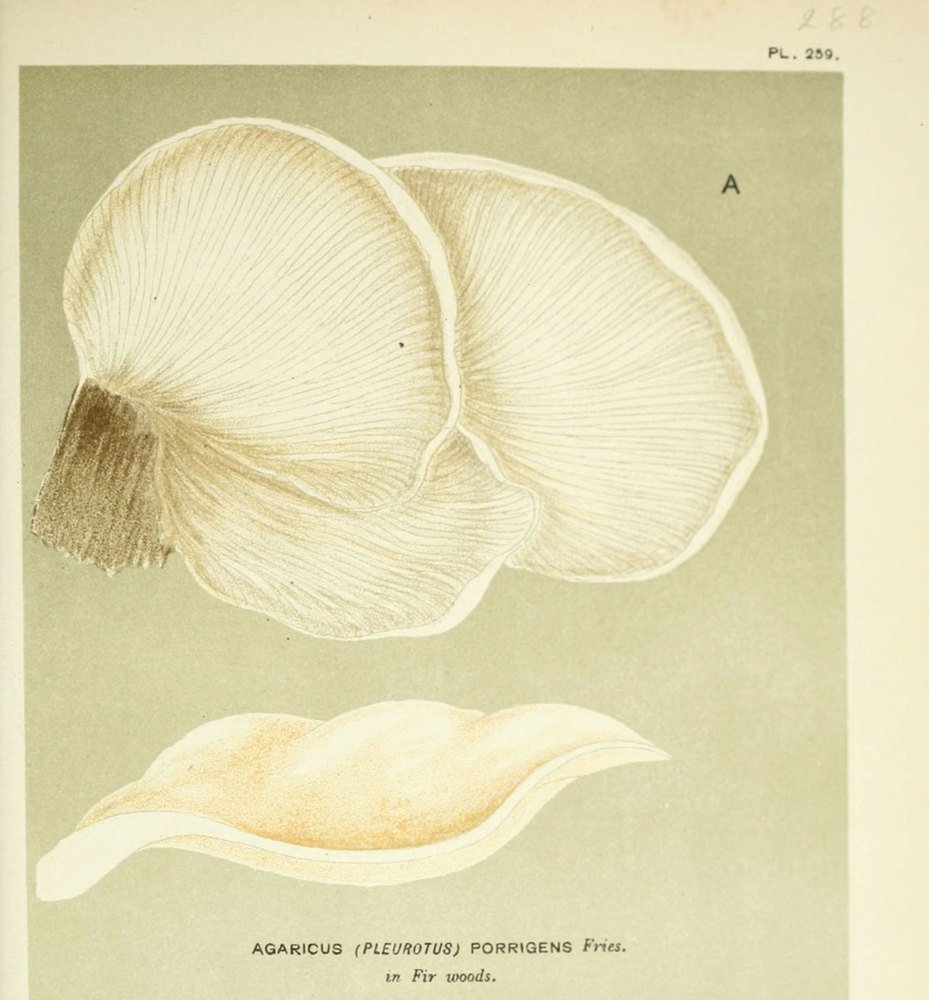
Brown roll-rim · Birch polypore · Caesar’s mushroom · Cascara · Borax · Chokecherry · the bibliography →
Historical description, not medical advice.

