
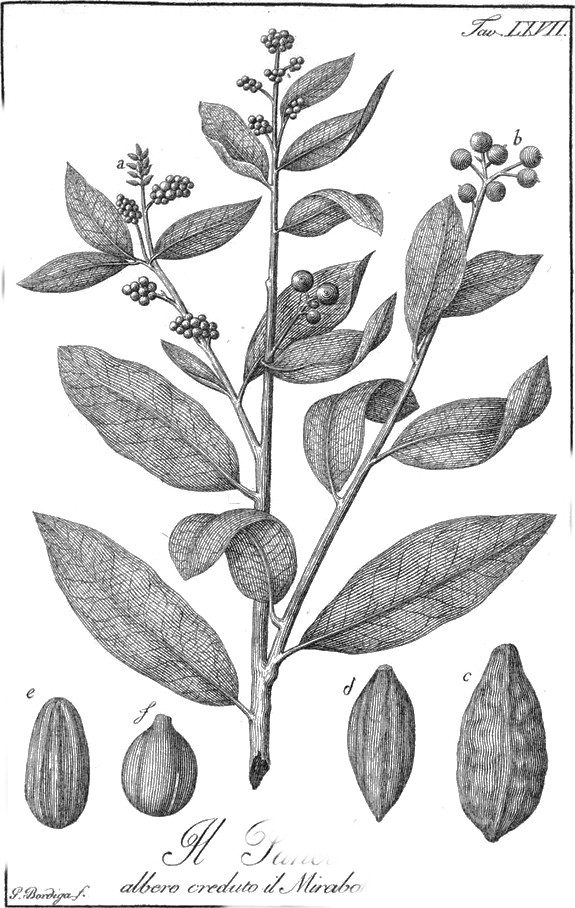
Hamech, confection of
Confettione Hamech
- Known today as
- A purgative confection containing myrobalans, senna, polypody, and colocynth, among many other purgatives.
- Kind
- Compound
- Constituents
- cucurbitacins, agaric acid (agaricin), senna, rhubarb, myrobalans, and 2 more
- Poisoning
- The drastic resins
- In the Canale glossary
- On the Manner of Discerning and Healing the Bewitched, Appendix A: Part Three, Chapter 4: Stronger Purgatives and Compound Medicines
Revised October 3, 2026: Checked against its sources, each read in full, in part, or in its abstract. Version 1, first published September 25, 2026.
Hamech, confection of: what did Canale use it for?
In the purge for melancholic patients (ch. 4; see note XXXIII).
Hamech, confection of: what does modern science say?
Culpeper calls it chiefly a purge for melancholy and salt phlegm, and warns that it “purgeth very violently, and is not safe given alone.”
Pharmacognosy & Toxicology
- Constituents
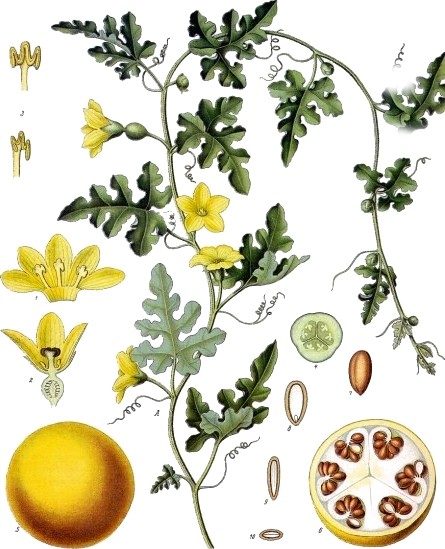
- cucurbitacinscolocynth
- agaric acid (agaricin)agaric
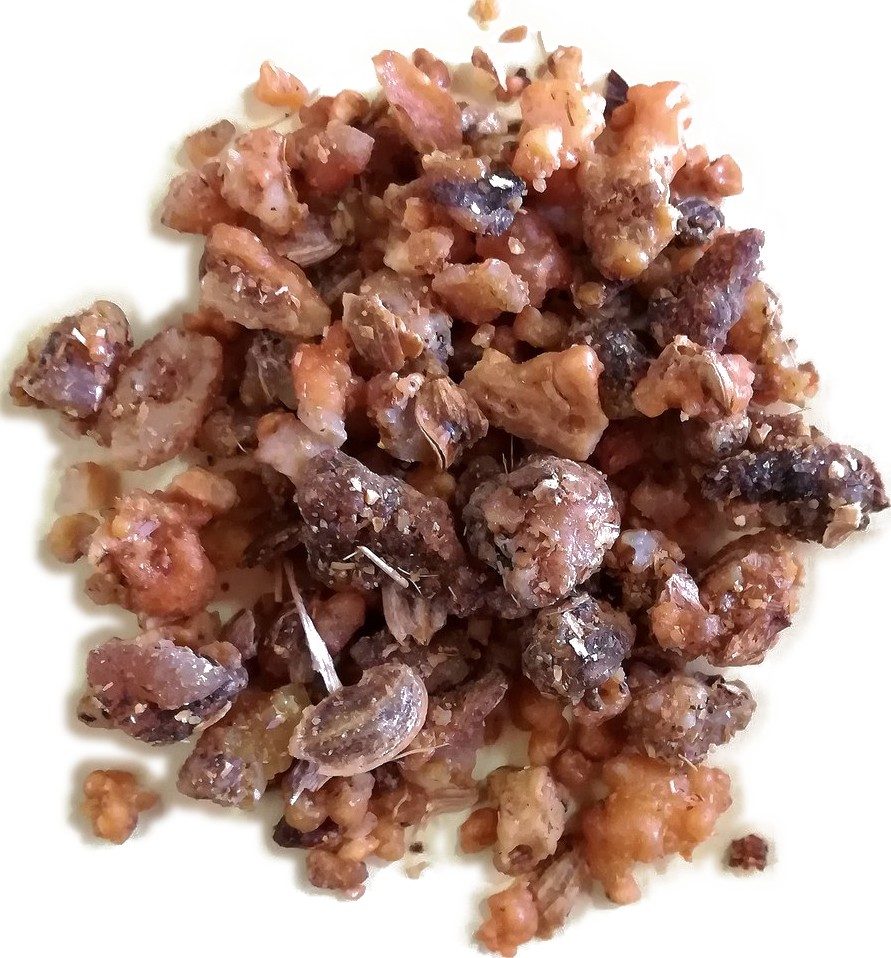
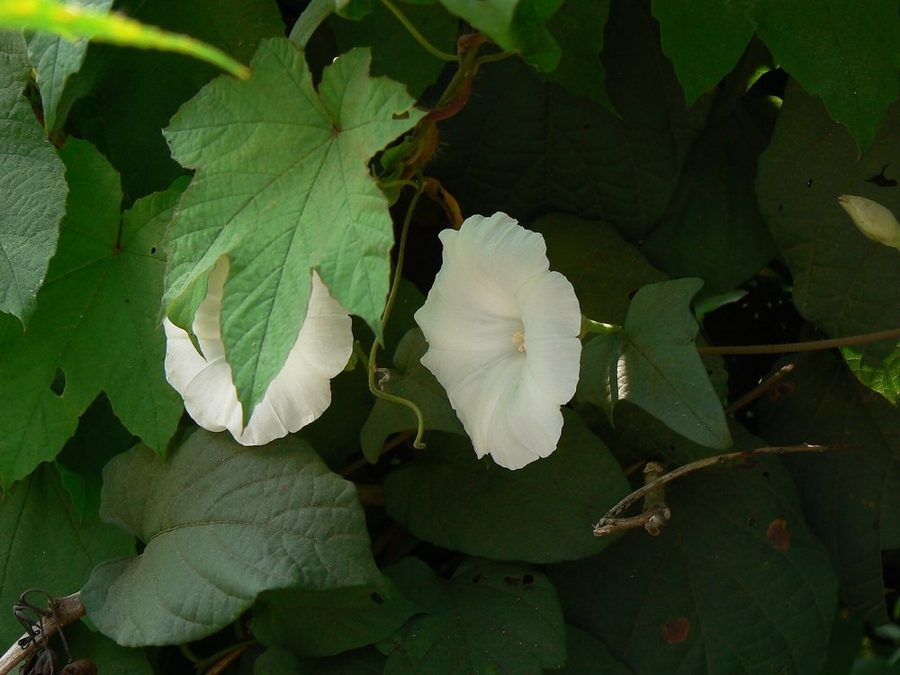
- senna, rhubarb, myrobalansthe milder purges; myrobalans, Culpeper says, purge phlegm “very gently”
- epithymum, fumitory, polypody, wormwoodin the recipe
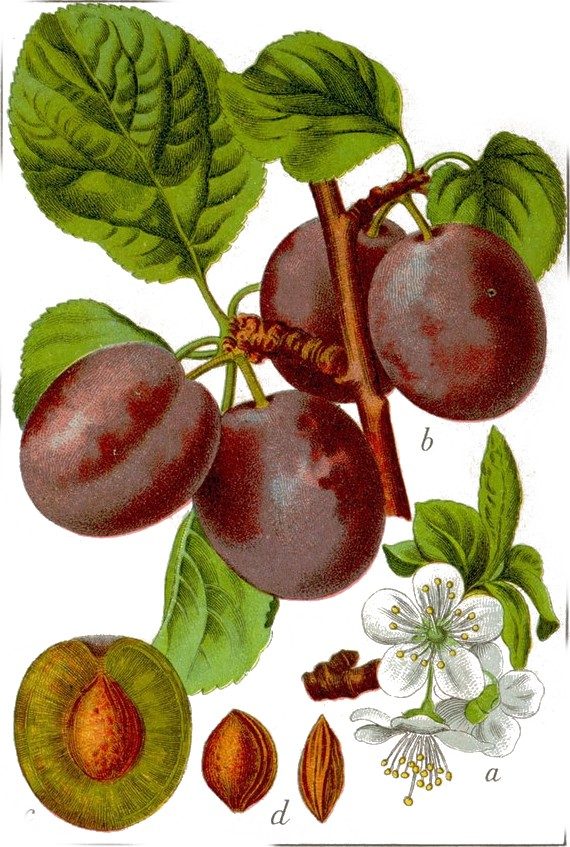
- pulp of prunes, raisins of the sun
- Mechanism
- A purge for melancholy: colocynth, agaric, and diacrydium with myrobalans, senna, rhubarb, polypody, and epithymum, boiled in whey and thickened with prunes, raisins, sugar, and honey. Culpeper: it “purgeth very violently.”
- Toxic dose
- A violent purge; Culpeper would not have the unskilled take it by mouth, and gives half an ounce in clysters.
- Syndrome
- The drastic resins
- Standing
- Obsolete.
- Culpeper, N. (1653). Pharmacopoeia Londinensis, “Confectio Hamech.” Read in part · the text read
Constituent names open the compound’s record at PubChem, and “ChEMBL” beside a name opens its record at ChEMBL, the European Bioinformatics Institute’s database of bioactive molecules. Where a mechanism line was checked against ChEMBL (ChEMBL 37, read 1 October 2026), the check is shown with the measured value and its source paper, or says plainly that nothing has been measured. Doses are as the references give them, for description only; this is not medical advice. Each source carries the result of its check against Crossref, PubMed, or the authority’s page: see Verification.
In Their Own Words
Culpeper says the confection is chiefly a purge for melancholy and salt phlegm and the skin diseases arising from them, and good against madness, melancholy, forgetfulness and vertigo.
“The receipt is chiefly appropriated as a purge for melancholy and salt flegm, and diseases thence arising, as scabs, itch, leprosies, cancers, infirmities of the skin, it purges adust humours, and is good against madness, melancholy, forgetfulness, vertigo.”
Nicholas Culpeper, The Complete Herbal, The College's electuaries, 'Confectio Hamech', Culpeper's remark. London: Thomas Kelly, 17, Paternoster Row, MDCCCL (Project Gutenberg eBook #49513). The text, read in part
Each passage is quoted from the text named, which the press fetched and read, and was checked word for word against a fresh copy of it; the link opens that copy. Passages are given as printed, without the editors’ footnote numbers, and with words broken across lines joined.
The Recipe
The recipe: 5 ingredients, each linked to its entry. For Club members. Create a free account or sign in.
Sources
- [28] Culpeper, N. (1653). Pharmacopœia Londinensis, or, The London Dispensatory [the Royal College of Physicians’ pharmacopoeia in English, with Culpeper’s commentary]. London: Peter Cole. Text Creation Partnership edition A35381. Read in part · the text read
- The British Pharmaceutical Codex (1911). London: Pharmaceutical Society of Great Britain. Monographs as transcribed at Henriette’s Herbal Homepage, henriettes-herb.com. Read in full · the text read
- Li, Q. Y., et al. (2021). Citrullus colocynthis (L.) Schrad (bitter apple fruit): promising traditional uses, pharmacological effects, aspects, and potential applications. Frontiers in Pharmacology 12: 791049. Read in part · the text read
Verification
- Checked
- October 1, 2026, and October 3, 2026
- Passes
- Every sentence read against its sources, in the pass over the remaining 343 entries
- The Standing line checked against the authority it names (EMA, WHO, FDA, CITES, Commission E)
- Every dated or regulatory claim checked by category across the database
- Every source read, in full, in part, or in its abstract, and every sentence checked against what was read (October 3, 2026)
- Sources
- 4 cited: 1 read in full, 3 read in part.
- Corrections
- None were needed.
What was checked, how, and what was found is set out on the Verification page. A checked source is one whose record was found; it does not make the entry medical advice.
Cite This Entry
Version 1 · first published September 25, 2026 · last revised October 3, 2026
- Chicago
“Hamech, confection of.” In Materia Medica, edited by B. C. P. Statema. Version 1. The Thinking Press, 2026–. Last modified October 3, 2026. https://thethinkingpress.org/materia-medica/hamech-confection-of.
- MLA
“Hamech, confection of.” Materia Medica, edited by B. C. P. Statema, version 1, The Thinking Press, 3 Oct. 2026, thethinkingpress.org/materia-medica/hamech-confection-of. Accessed 8 Oct. 2026.
- APA
Hamech, confection of. (2026, October 3). In B. C. P. Statema (Ed.), Materia medica (Version 1). The Thinking Press. Retrieved October 8, 2026, from https://thethinkingpress.org/materia-medica/hamech-confection-of
Club members keep entries on a shelf with private notes, print the plates as cards, and receive an entry by email each week. Create a free account before January 1, 2027 and all of it is yours for good. About the Club
See Also
Poisoned alike: the drastic resins
Hiera of Pacchius · Golden pills · Hiera with agaric · Gamboge · Indian and Arabian pills · Foetid pills · Indian electuary, greater and lesser · Diaphenicon · the syndrome, with all of them →
Sharing cucurbitacins, agaric acid (agaricin)
Drawing on the same sources: Li, Culpeper
Chokecherry · Hartshorn · Ground pine · Hawthorn · the bibliography →
Nearby in the alphabet
The Hand of Glory (holding a candle made from the fat of a hanged man) · Hagstone (A stone with a natural hole worn through it) · Gum arabic (The dried sap of Senegalia senegal and related acacias) · Guaiacum (The wood and resin of Guaiacum officinale and G) · Hazel (Corylus avellana)

Historical description, not medical advice.