
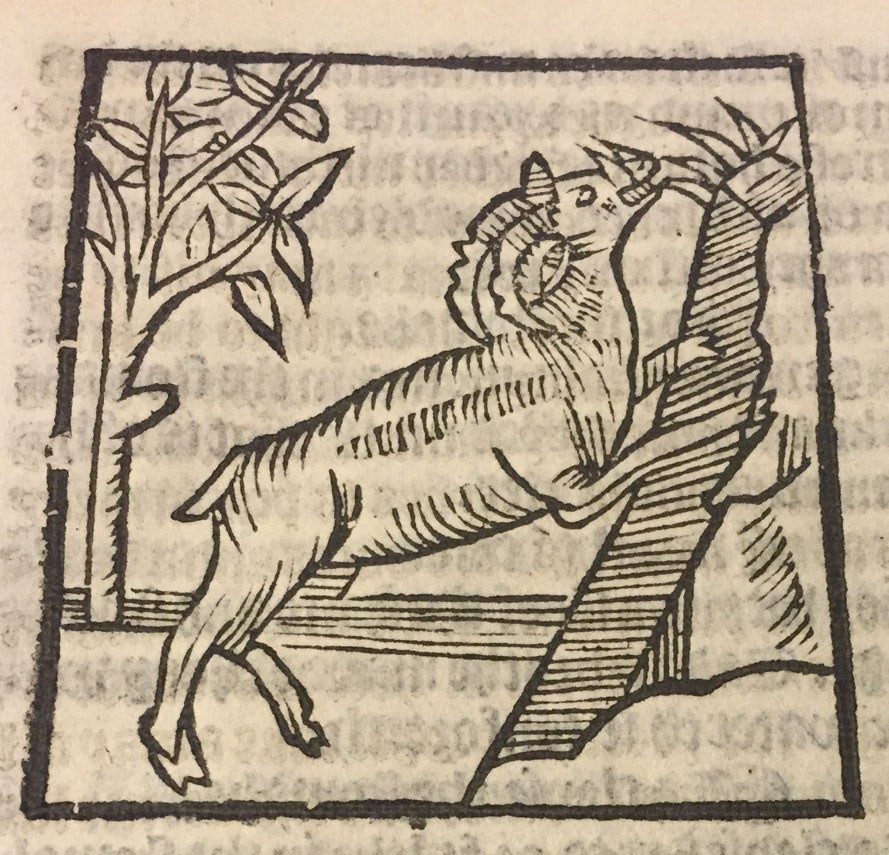
Diamoschu, sweet
Diamoscho dolce
- Known today as
- A cordial powder of musk with saffron, aloeswood, coral, pearls, and spices.
- Kind
- Compound, in 2 older authorities
- Constituents
- muscone, amber, pearl and coral, and 2 more
- Earliest authority here
- Mesue (11th–13th century)
- In the Canale glossary
- On the Manner of Discerning and Healing the Bewitched, Appendix A: Part Three, Chapter 6: Remedies Given by Mouth After the Purge
Revised October 3, 2026: Tradition, lore, modern assessment, and sources extended. Checked against its sources, each read in full, in part, or in its abstract. Version 1, first published September 25, 2026.
Diamoschu, sweet: what did Canale use it for?
In a powder and in morsels (ch. 6).
Diamoschu, sweet: what does modern science say?
Aromatic. Its pearls and coral are calcium carbonate, an antacid; the rest is perfume and spice.
Pharmacognosy & Toxicology
- Constituents
- muscone ChEMBLthe musk
- amberwhite amber
- pearl and coralcalcium carbonate
- saffron, cloves, nutmeg, galangalthe aromatics
- sugar
- Mechanism
- Mesue’s sweet electuary of musk, later made up with sugar: an aromatic sweet with pearls and coral that are calcium carbonate, an antacid. Nutmeg taken in small amounts as a spice has no noticeable effect; in large doses it can bring delirium.
- Toxic dose
- Culpeper gave half a dram or two scruples of the powder, or less, by age and strength; of Mesue’s electuary, two drams, in the morning fasting.
- Standing
- In the London Pharmacopoeia of 1653.
- Culpeper, N. (1653). Pharmacopoeia Londinensis, “Diamoschu dulce.” Read in part · the text read
Constituent names open the compound’s record at PubChem, and “ChEMBL” beside a name opens its record at ChEMBL, the European Bioinformatics Institute’s database of bioactive molecules. Where a mechanism line was checked against ChEMBL (ChEMBL 37, read 1 October 2026), the check is shown with the measured value and its source paper, or says plainly that nothing has been measured. Doses are as the references give them, for description only; this is not medical advice. Each source carries the result of its check against Crossref, PubMed, or the authority’s page: see Verification.
Diamoschu, sweet: what lore surrounds it?
Mesue had it made up with honey into an electuary, Culpeper reports, and Mesue’s Italian editor of 1589 notes that it was by then made in solid form with sugar.
The Recipe
The recipe: 6 ingredients, each linked to its entry. For Club members. Create a free account or sign in.
Diamoschu, sweet: what did the older authorities say?
- Mesue
- Gives the sweet electuary of musk (confectio de musco dulcis) and its bitter form: musk with saffron, aloeswood, pearls, burnt raw silk, amber, red coral, ginger, cubebs, and long pepper, made up with raw honey, for palpitation of the heart, melancholy and sadness without cause, and diseases of the brain such as vertigo and epilepsy; the bitter form adds wormwood, roses, aloes, castoreum, lovage, and cinnamon.
- The cordial powders
- These cordials, with their pearls and gems, were for the great: Mesue says that kings and great masters used his electuary of gems, which he tried for trembling of the heart, fainting, and sadness without cause; and Canale prescribes them to a patient whose heart the spirits have oppressed.
Sources
- [28] Culpeper, N. (1653). Pharmacopœia Londinensis, or, The London Dispensatory [the Royal College of Physicians’ pharmacopoeia in English, with Culpeper’s commentary]. London: Peter Cole. Text Creation Partnership edition A35381. Read in part · the text read
- Mesue, Grabadin. Read in part · the text read
- Wikipedia, “Musk,” en.wikipedia.org (read 2 October 2026). Read in part · the text read
- Wikipedia, “Nutmeg,” en.wikipedia.org (read 2 October 2026). Read in full · the text read
- Wikipedia, “Pearl,” en.wikipedia.org (read 2 October 2026). Read in part · the text read
- Wikipedia, “Precious coral,” en.wikipedia.org (read 2 October 2026). Read in full · the text read
- Wikipedia, “Calcium carbonate,” en.wikipedia.org (read 2 October 2026). Read in part · the text read
Verification
- Checked
- October 1, 2026, and October 3, 2026
- Passes
- Every sentence read against its sources, in the pass over the remaining 343 entries
- The Standing line checked against the authority it names (EMA, WHO, FDA, CITES, Commission E)
- Every dated or regulatory claim checked by category across the database
- Every source read, in full, in part, or in its abstract, and every sentence checked against what was read (October 3, 2026)
- Sources
- 8 cited: 2 read in full, 6 read in part.
- Corrections
- None were needed.
What was checked, how, and what was found is set out on the Verification page. A checked source is one whose record was found; it does not make the entry medical advice.
Cite This Entry
Version 1 · first published September 25, 2026 · last revised October 3, 2026
- Chicago
“Diamoschu, sweet.” In Materia Medica, edited by B. C. P. Statema. Version 1. The Thinking Press, 2026–. Last modified October 3, 2026. https://thethinkingpress.org/materia-medica/diamoschu-sweet.
- MLA
“Diamoschu, sweet.” Materia Medica, edited by B. C. P. Statema, version 1, The Thinking Press, 3 Oct. 2026, thethinkingpress.org/materia-medica/diamoschu-sweet. Accessed 8 Oct. 2026.
- APA
Diamoschu, sweet. (2026, October 3). In B. C. P. Statema (Ed.), Materia medica (Version 1). The Thinking Press. Retrieved October 8, 2026, from https://thethinkingpress.org/materia-medica/diamoschu-sweet
Club members keep entries on a shelf with private notes, print the plates as cards, and receive an entry by email each week. Create a free account before January 1, 2027 and all of it is yours for good. About the Club
See Also
Sharing muscone, sugar
Also in Mesue
Diatrion piperion in Mesue · Red roses in Mesue · Gallia moschata in Mesue · Indian electuary, greater and lesser in Mesue · everything Mesue names →
Drawing on the same sources: Mesue, Wikipedia, Culpeper
Senna · Marking-nut electuary · Diascordium · Diacatholicon · Garlic · Diaphenicon · Endive · the bibliography →
Nearby in the alphabet
Devil’s-bit scabious (Succisa pratensis) · Destroying angel (Pure white amanitas of Europe and North America) · Dill (Anethum graveolens) · Death cap (white-gilled mushroom of oak and beech woods, now spread worldwide)
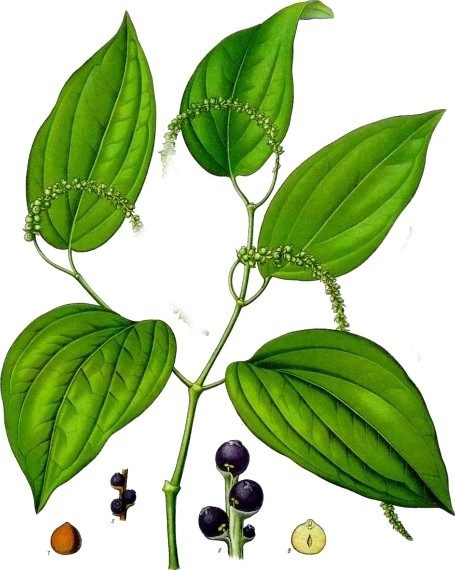
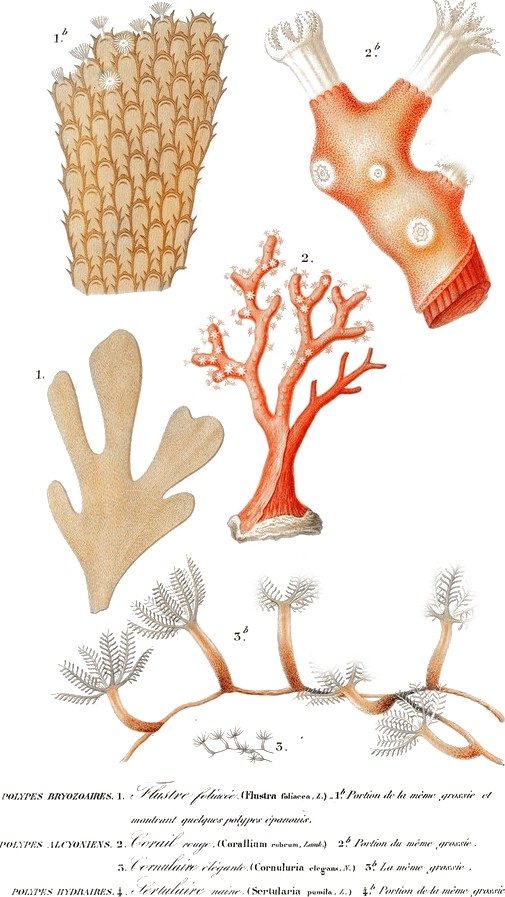
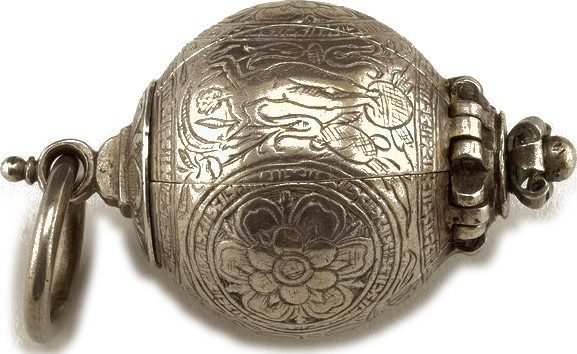
Historical description, not medical advice.