
Gaius Plinius Secundus, Roman admiral and encyclopedist. His thirty-seven-book Natural History gathers what some hundred authors had written of the heavens, the earth, animals, plants, drugs, and metals, with much hearsay and many marvels. He died in the eruption of Vesuvius, having sailed across the bay to observe it and help those trapped there.
147 Entries in the Materia Medica
The Thinking Press Club
Read What Pliny the Elder Says
Each passage in which the database cites Pliny the Elder, entry by entry.
For Club Members. Create a free account before January 1, 2027 and confirm your email: you become a Charter Member, and it is yours for good.
- AbracadabraA charm word written out line by line, one letter shorter each time, into a narrowing tria
- AgrimonyAgrimonia eupatoria.
- AlkanetAlkanna tinctoria (syn. Anchusa tinctoria). A Mediterranean relative of borage, grown for
- AloeHere the aloe of John 19:39, with which, mixed with myrrh, Nicodemus anointed Christ’s bod

- AlumPotassium aluminum sulfate.
- AmberFossil tree resin, chiefly from the Baltic coast.
- The amulet herbsSee each above.
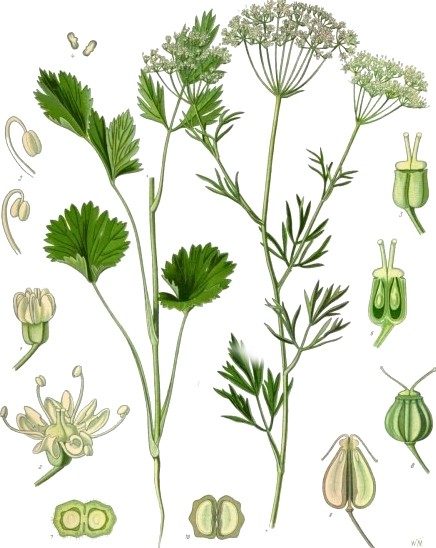
- AniseedPimpinella anisum.
- Armenian boleA fine red clay, colored by iron oxide.
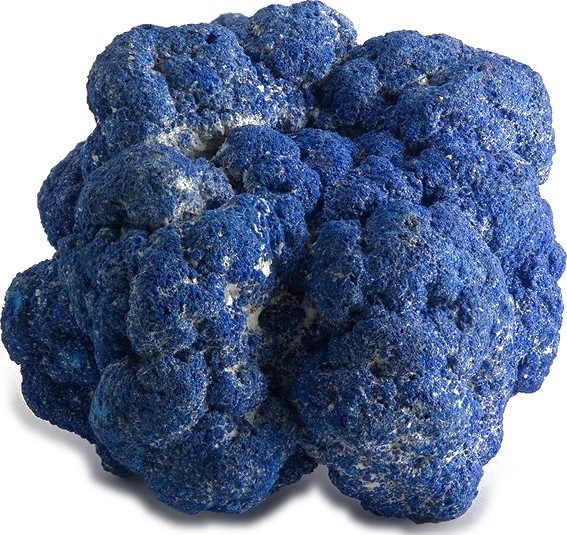
- Armenian stone, pills ofLapis armenus, azurite, a blue copper carbonate.
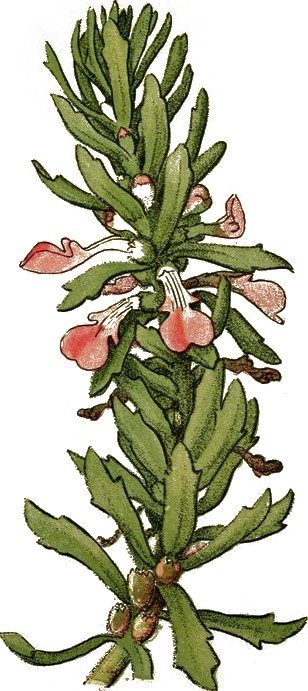
- ArthriticaAjuga iva, named for its use against gout (note XLIX).
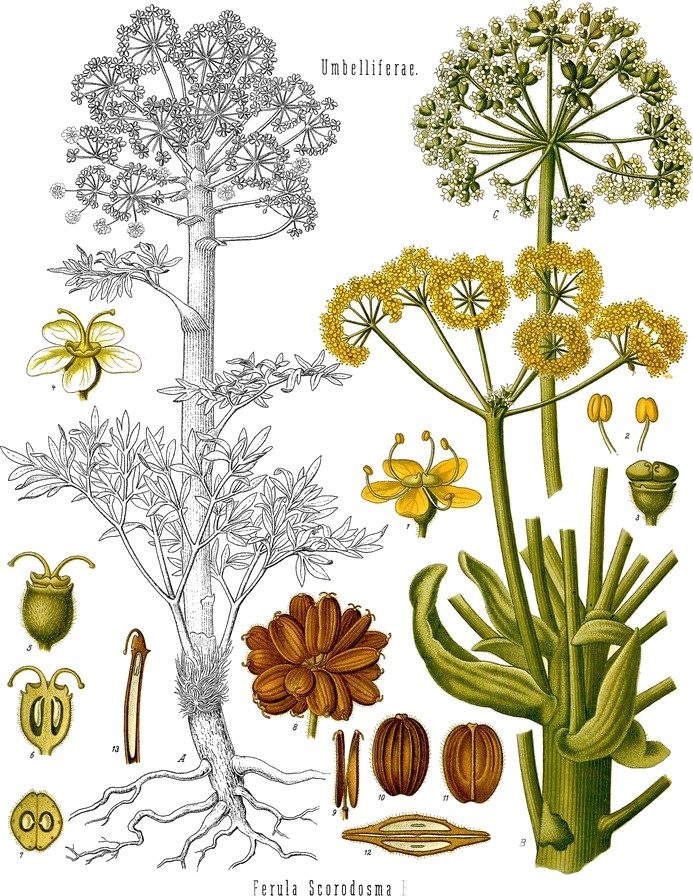
- AsafoetidaThe dried resin of Ferula assa-foetida, “devil’s dung.”
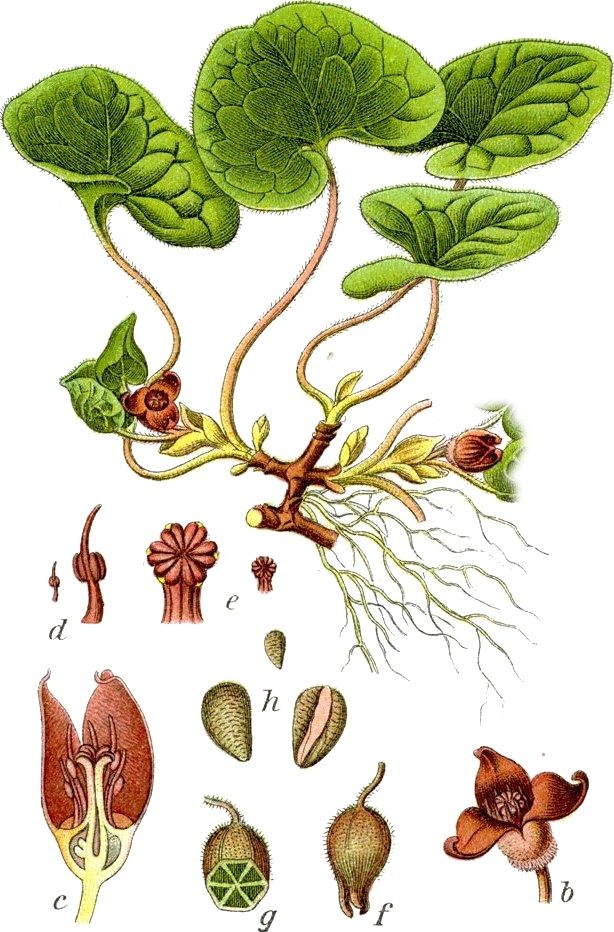
- AsarabaccaAsarum europaeum, wild ginger of European woods.
- Balm of GileadThe resin of Commiphora gileadensis.
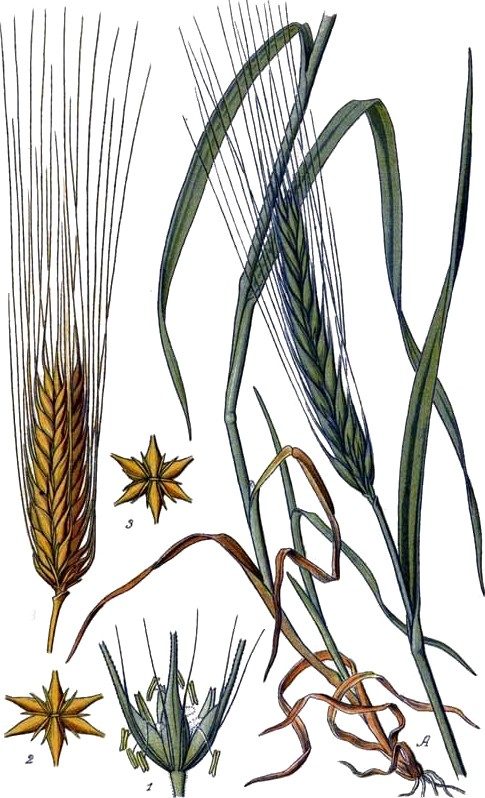
- Barley waterA thin decoction of barley.
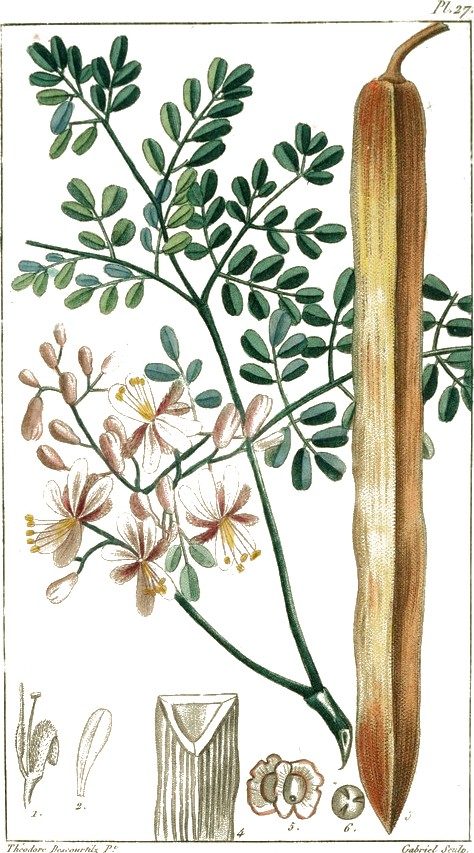
- Ben-nutProbably the seed of the horseradish tree, Moringa oleifera (or M. peregrina).
- Bitter aloesThe dried juice of Aloe vera, A. ferox, and A. perryi of Socotra.
- Black pepperThe dried fruit of Piper nigrum.
- BladderwrackFucus vesiculosus, a brown seaweed of rocky shores, buoyed by paired air bladders.
- BloodstoneHematite, iron oxide, which streaks blood-red; the name was later given to green jasper sp
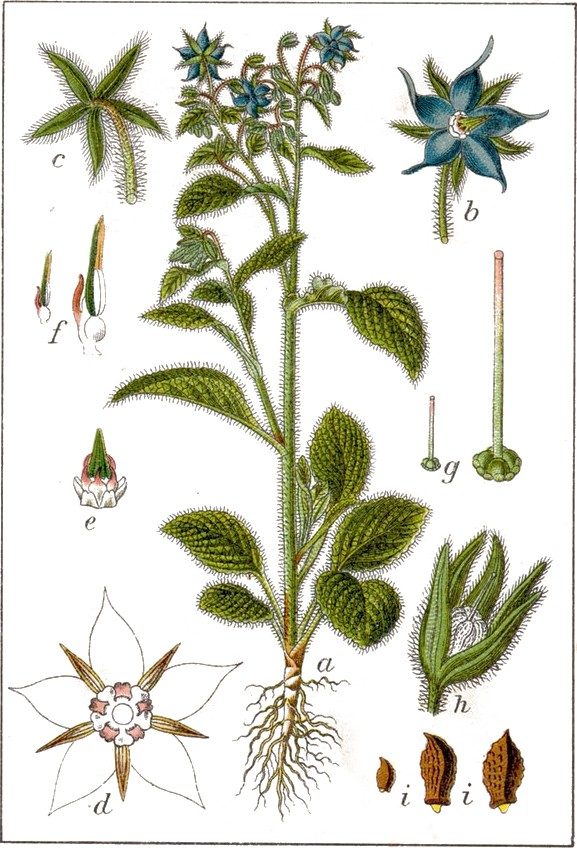
- BorageBorago officinalis.
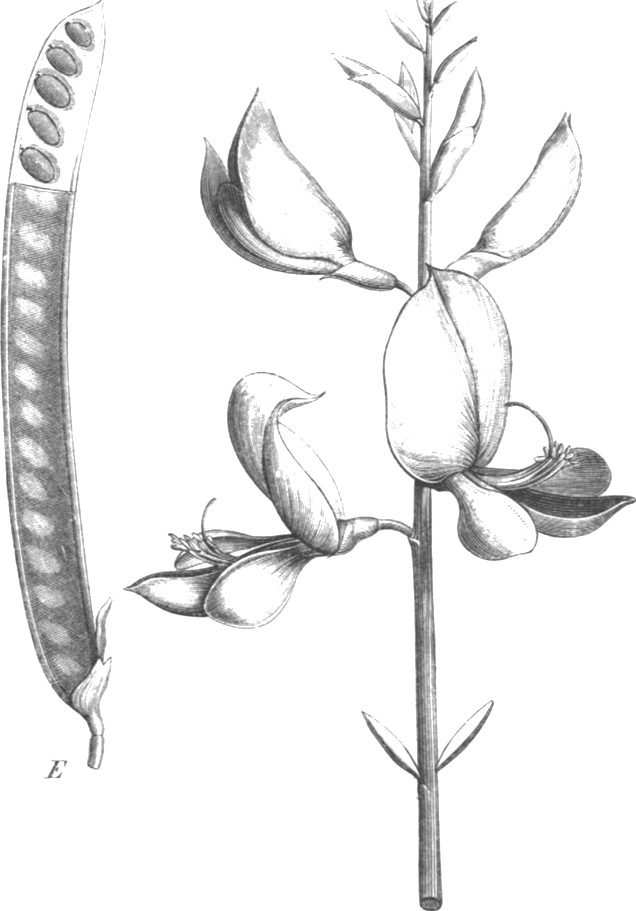
- BroomSpanish broom, Spartium junceum, or common broom, Cytisus scoparius.
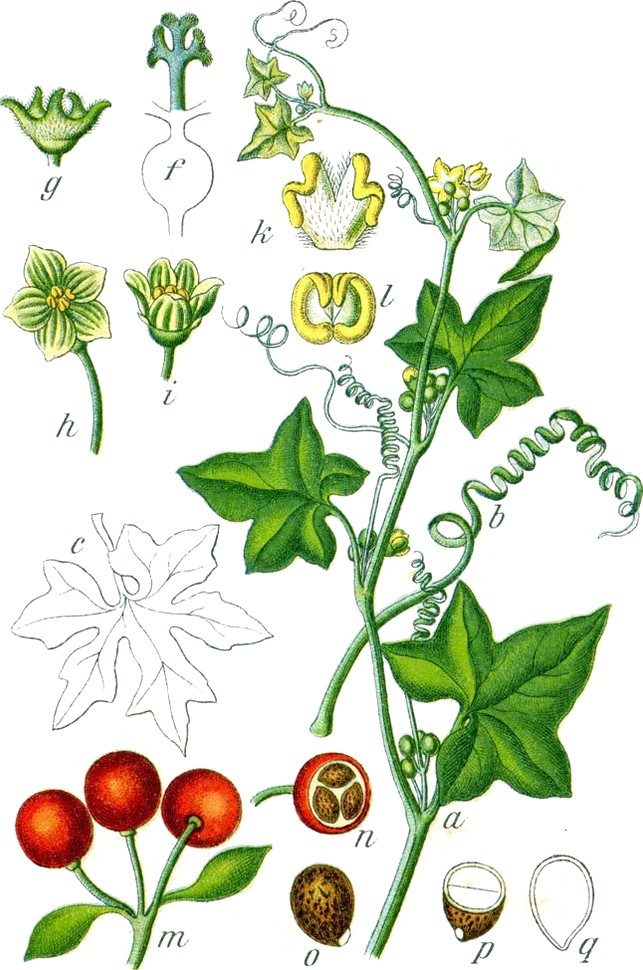
- BryonyWhite bryony, Bryonia dioica (now Bryonia cretica subsp. dioica), whose large root was sol
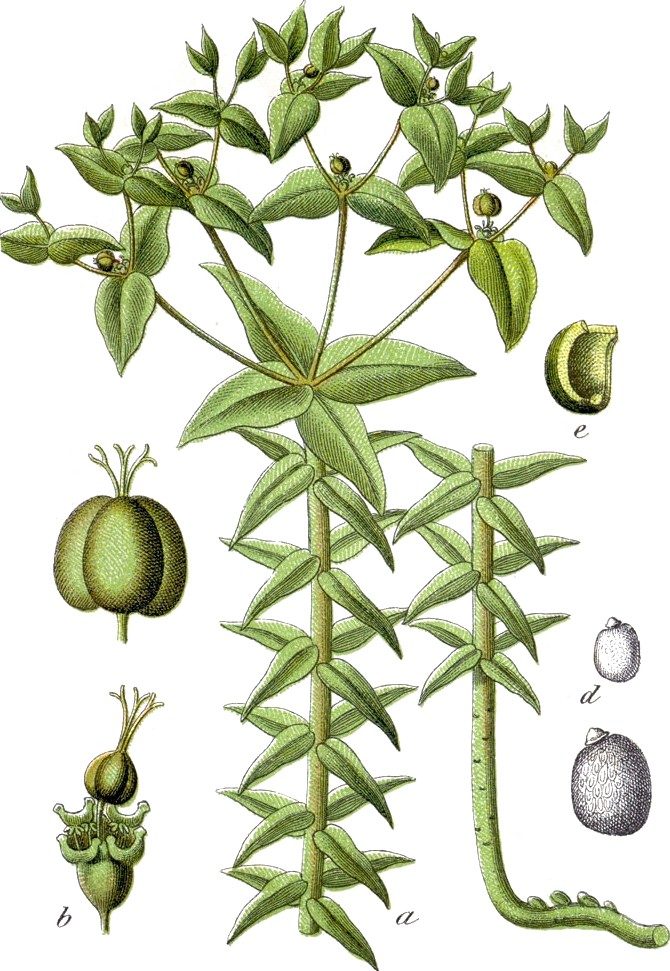
- Caper spurgeEuphorbia lathyris.
- CardamomElettaria cardamomum, of the ginger family, whose seeds come in pale three-sided pods from
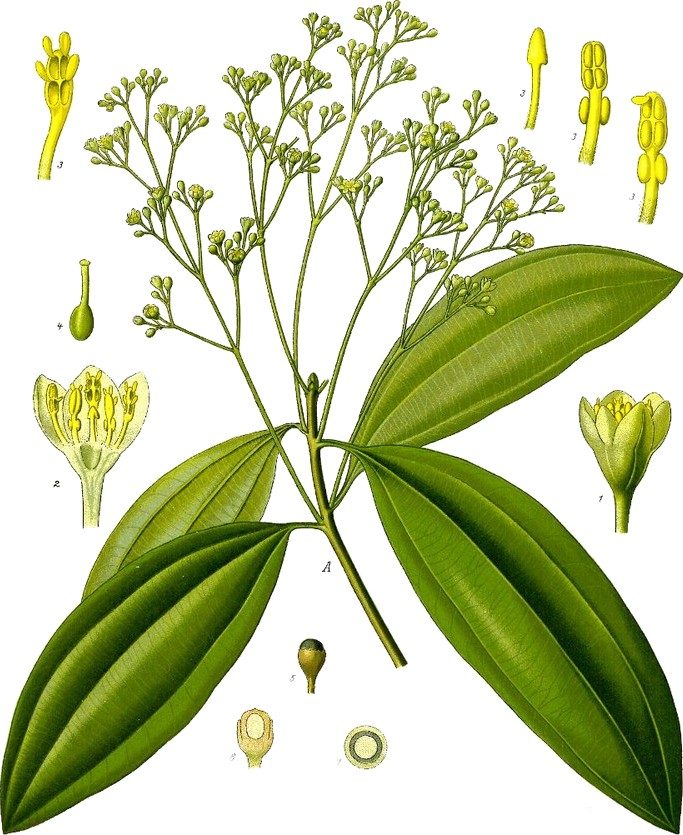
- Cassia woodThe bark of Chinese cassia, Cinnamomum aromaticum (long known as Cinnamomum cassia); disti
- CastoreumThe scent gland secretion of the beaver.
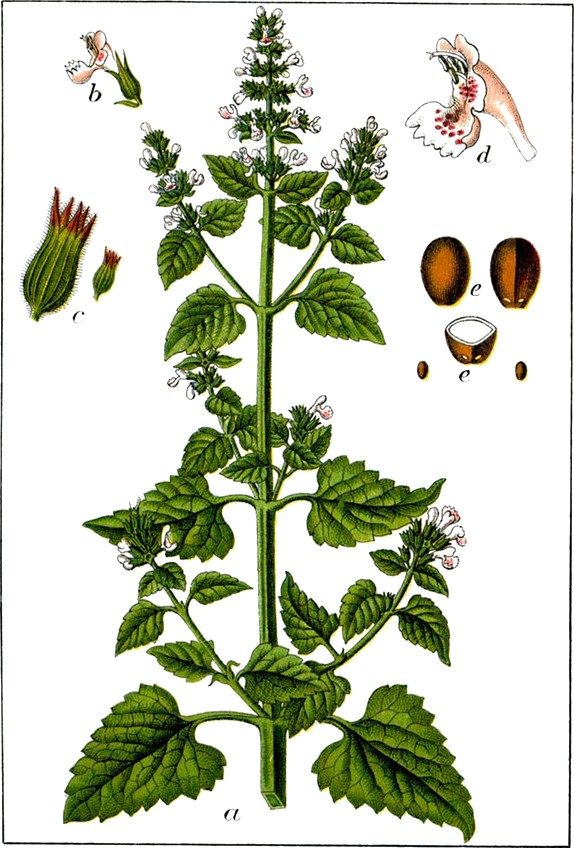
- CatmintNepeta cataria or calamint, Clinopodium nepeta.
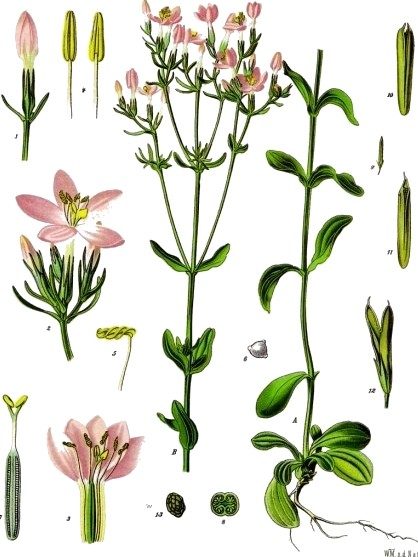
- CentauryCommon centaury, Centaurium erythraea.
- Chaste treeVitex agnus-castus, a Mediterranean shrub with spikes of lilac flowers and peppery fruit.
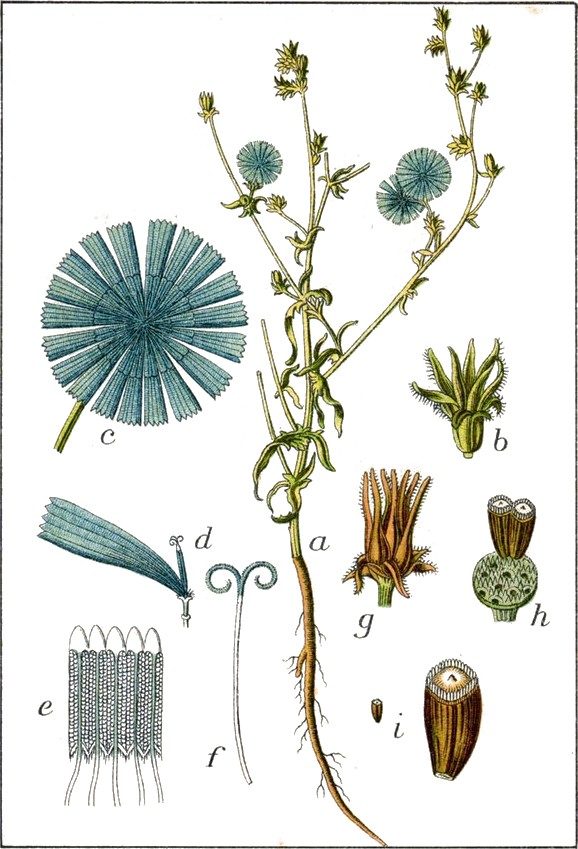
- ChicoryCichorium intybus.
- CinnabarMercury sulfide.
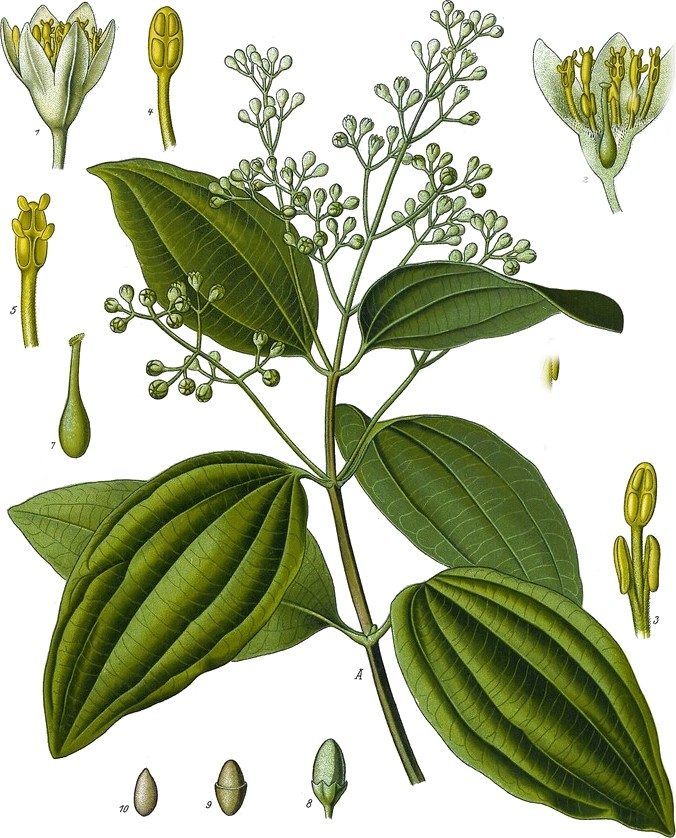
- CinnamonThe bark of Cinnamomum verum; “fine” cinnamon in the oil.
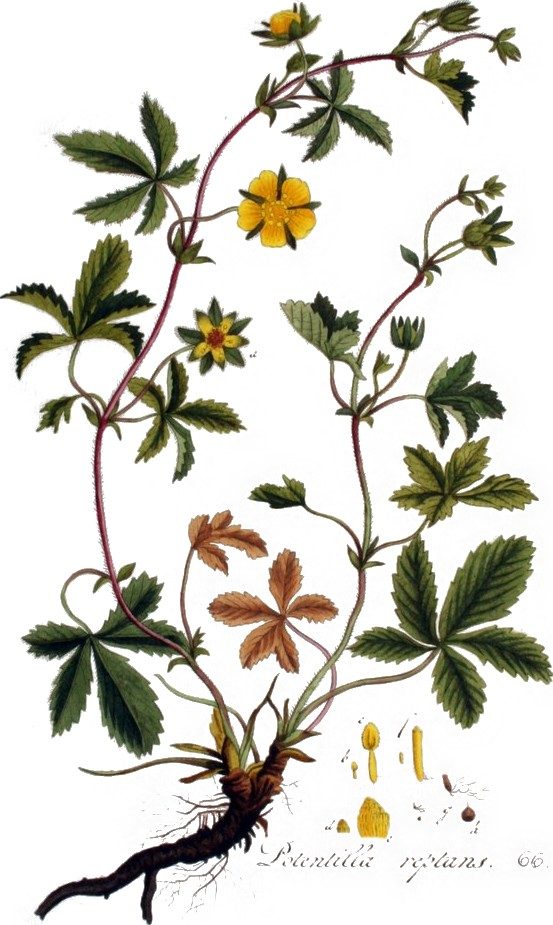
- CinquefoilPotentilla reptans.
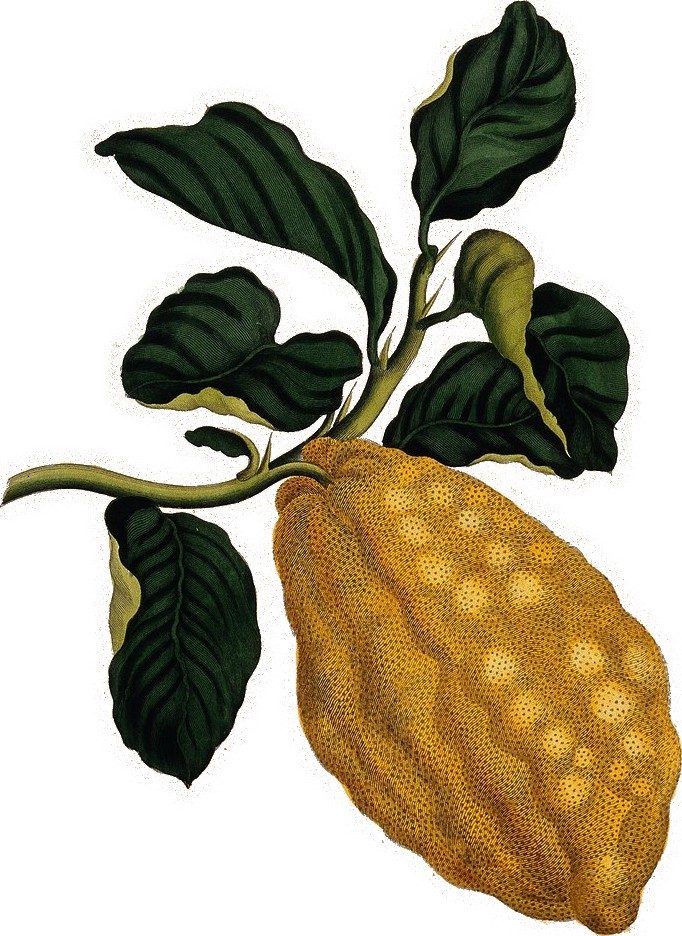
- CitronCitrus medica, the large thick-rinded ancestor of the lemon.
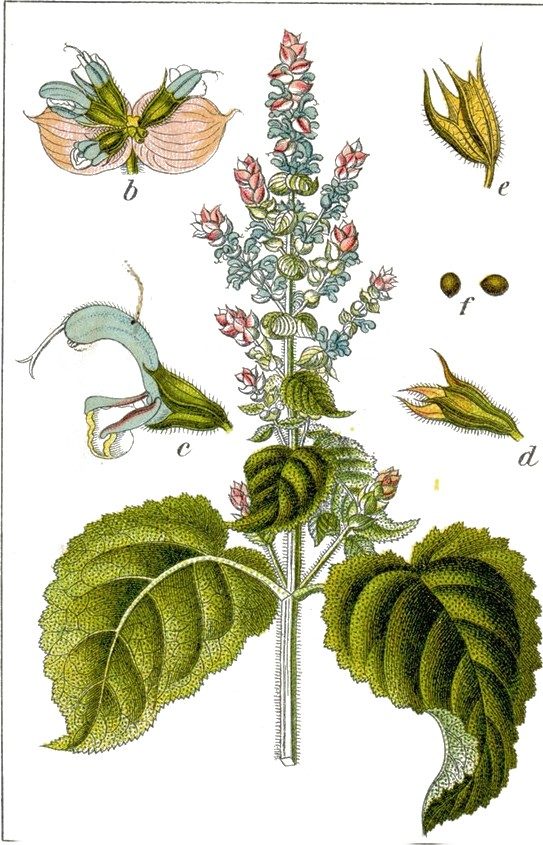
- Clary, gardenClary sage, Salvia sclarea.
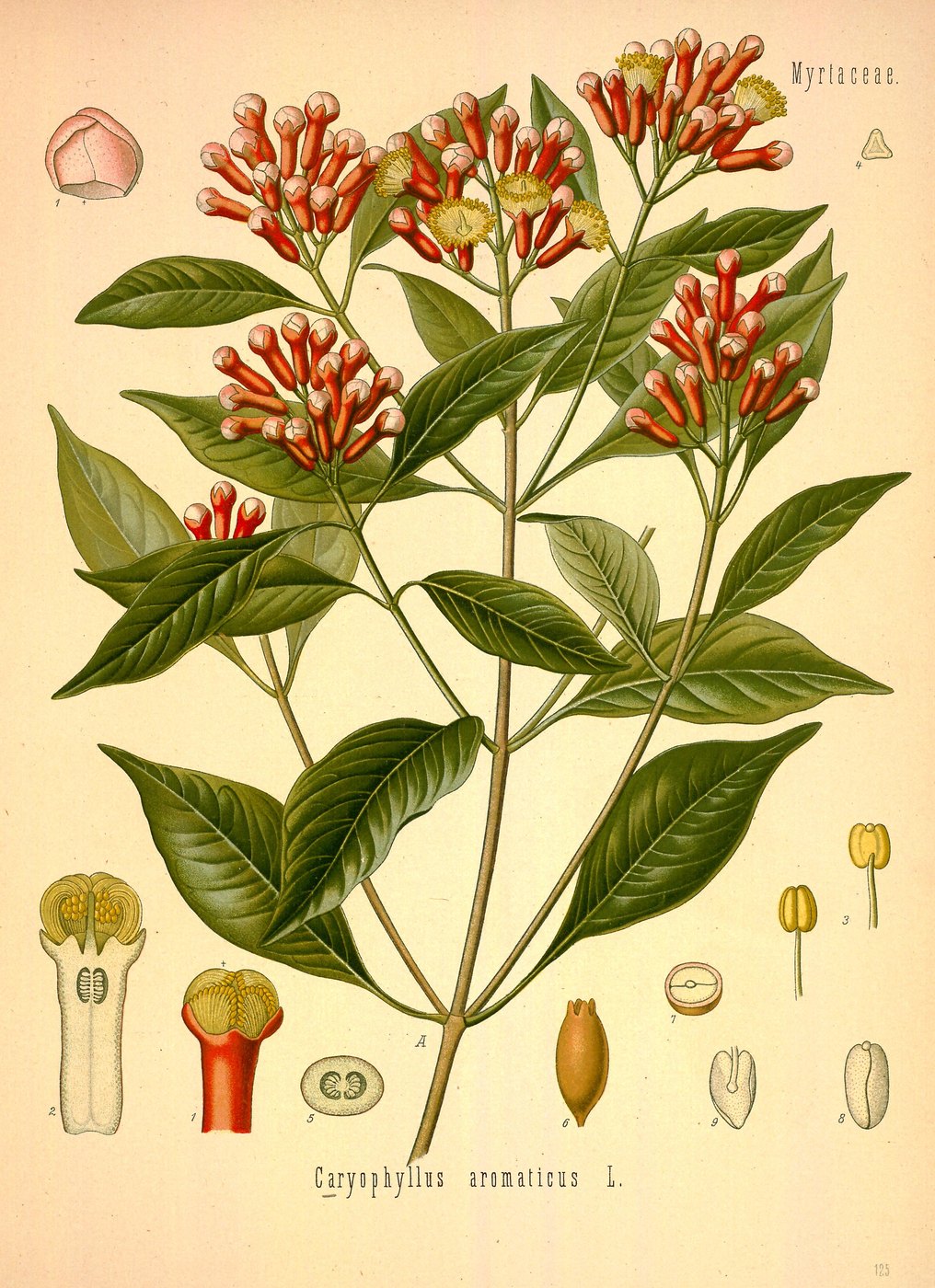
- CloveThe unopened flower-buds of a pyramidal evergreen tree of the myrtle family, up to twelve
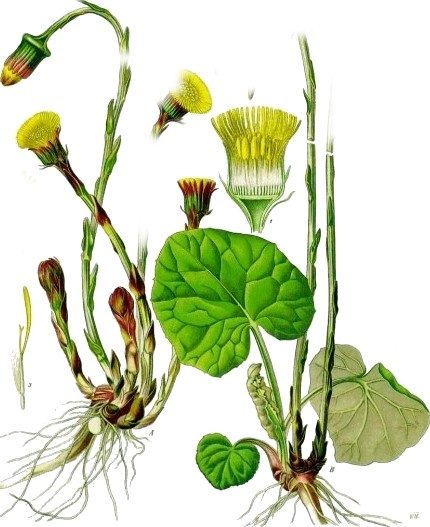
- ColtsfootTussilago farfara.
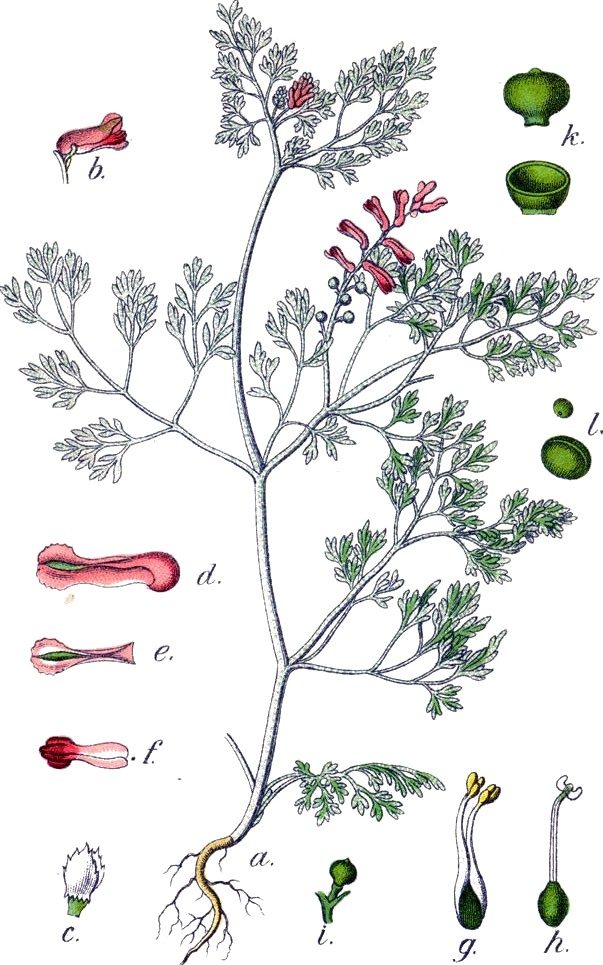
- Compound fumitoryA syrup or compound of fumitory, Fumaria officinalis, with other herbs.
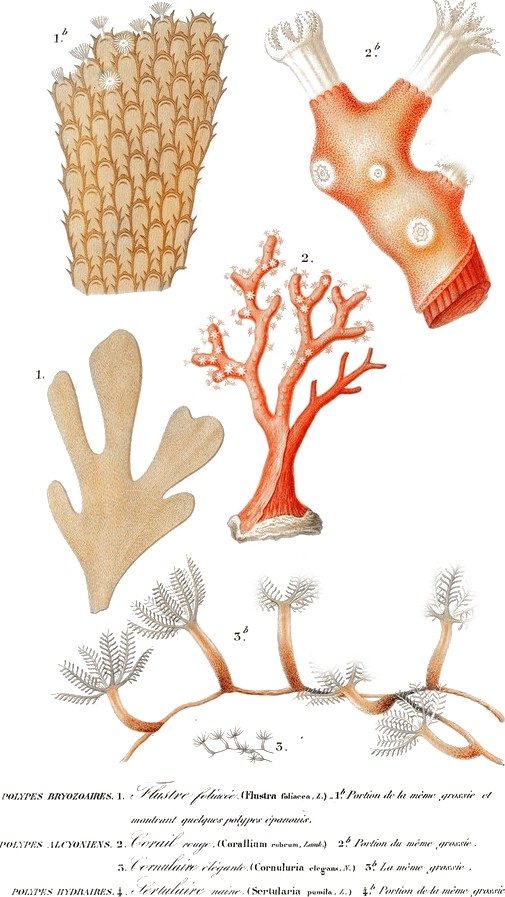
- Coral, redPrecious red coral, Corallium rubrum, of the western Mediterranean, prepared as powder.
- CornicelloA small horn, most often of coral, but also of gold, silver, mother-of-pearl, amber, or la
- CowslipPrimula veris. An early-spring meadow flower related to the primrose, its yellow blooms no
- CuminCuminum cyminum.
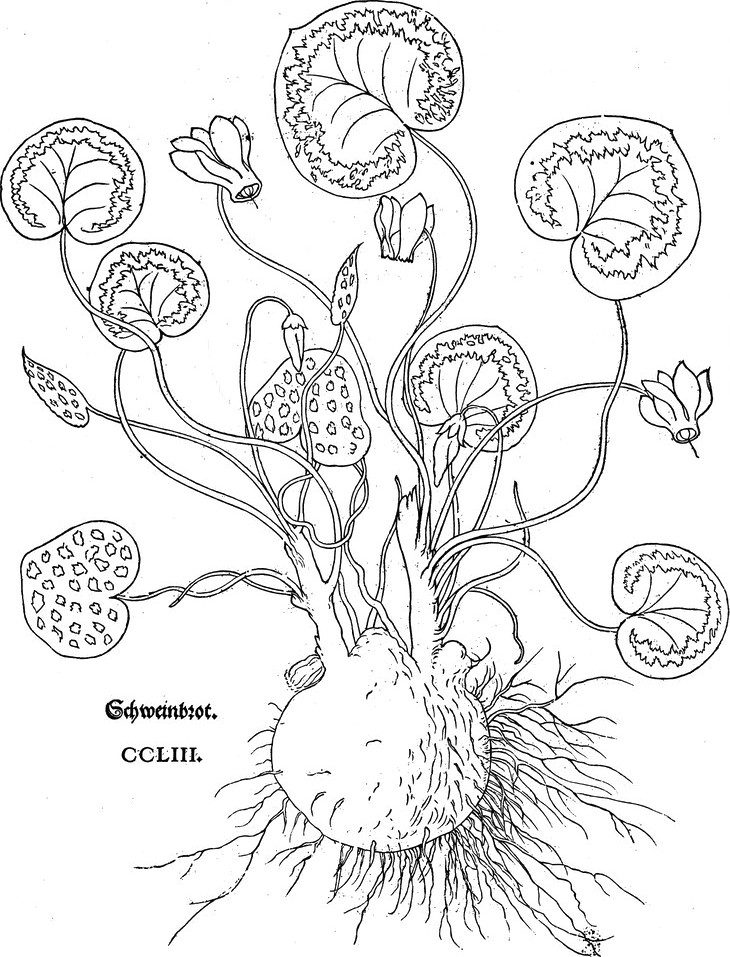
- Cyclamen, greaterSowbread, Cyclamen purpurascens or C. hederifolium, eaten by pigs, hence the name.
- Cyprus powderPoudre de Chypre, a perfumed toilet powder.
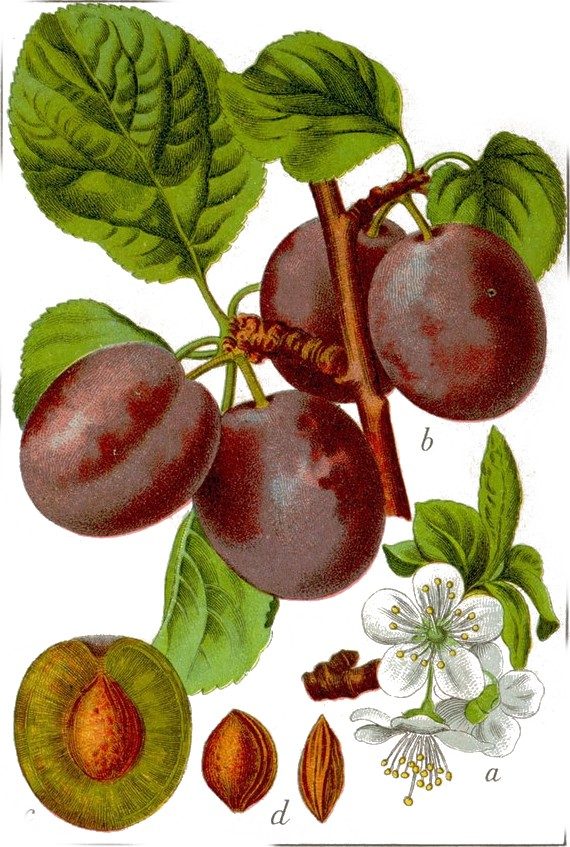
- Damascus prunesDamson plums, Prunus insititia, dried.
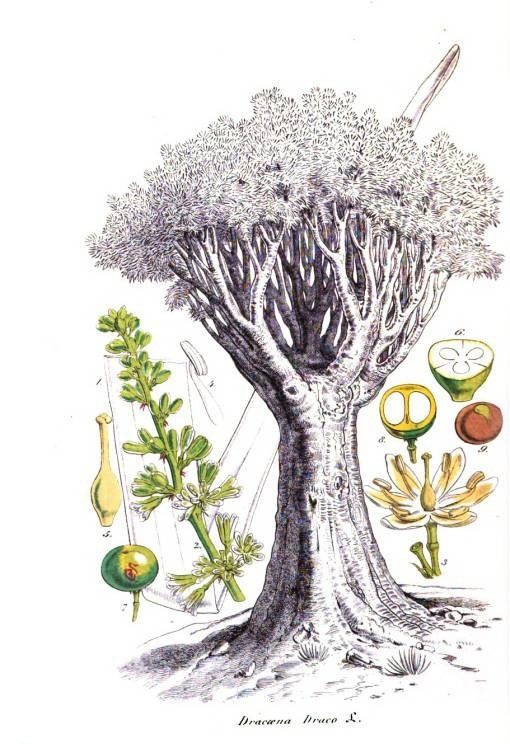
- Dragon’s bloodThe red resin of Dracaena cinnabari of Socotra, which came in tears (drops), or of the rat
- Eagle-stoneA hollow nodule of iron oxide with a loose stone rattling inside.
- ElecampaneThe root of Inula helenium.
- Elf-shotPrehistoric flint arrowheads turned up in the fields.
- EndiveCichorium endivia, the salad plant.
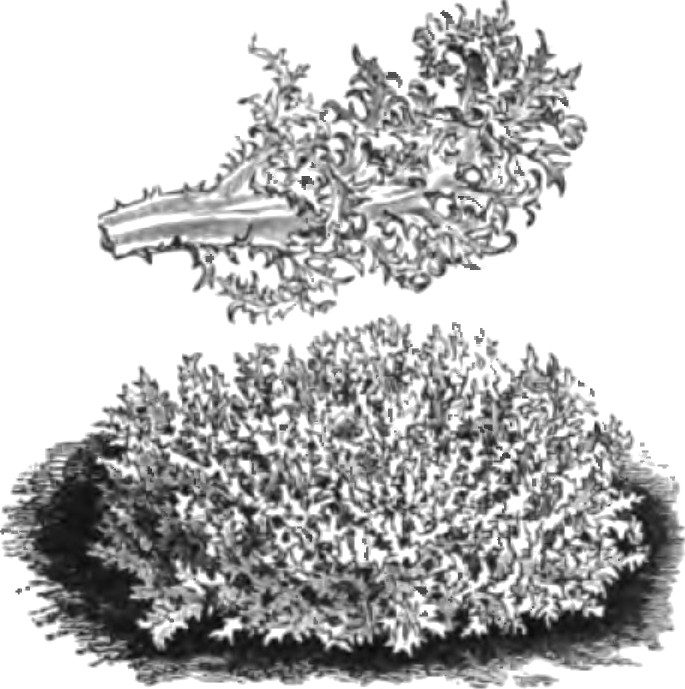
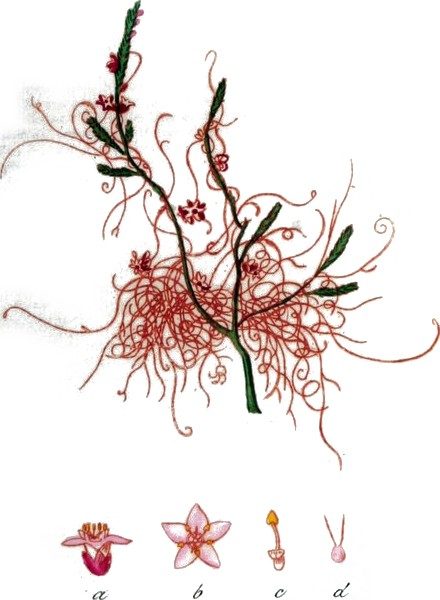
- EpithymumDodder growing on thyme, Cuscuta epithymum, a parasitic plant.
- EryngoEryngium maritimum, a spiny blue-grey thistle-like plant of sand dunes, with long sweet ro
- The eye beadA bead of handmade glass worked in rings of dark blue, white, light blue, and black, like
- EyebrightEuphrasia officinalis and relatives.
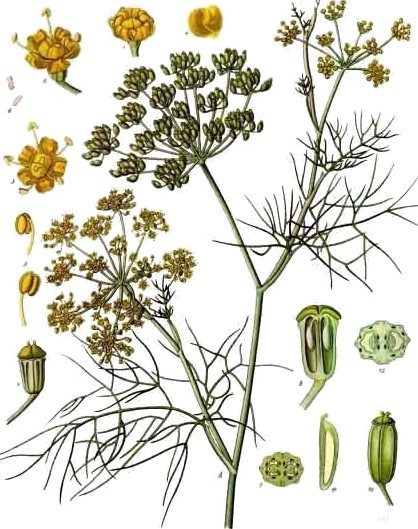
- FennelFoeniculum vulgare, seed and water.
- Fern seedThe spores of ferns, mistaken for seed.
- FigFicus carica.
- The fig handA hand with the thumb thrust between the first two fingers, made as a gesture or carved as
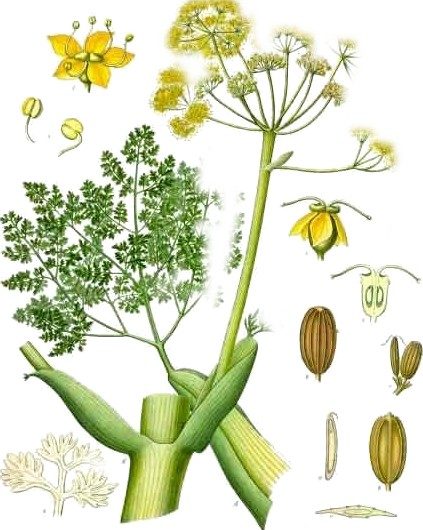
- GalbanumGum resin of Ferula gummosa.
- GingerThe rhizome of Zingiber officinale.
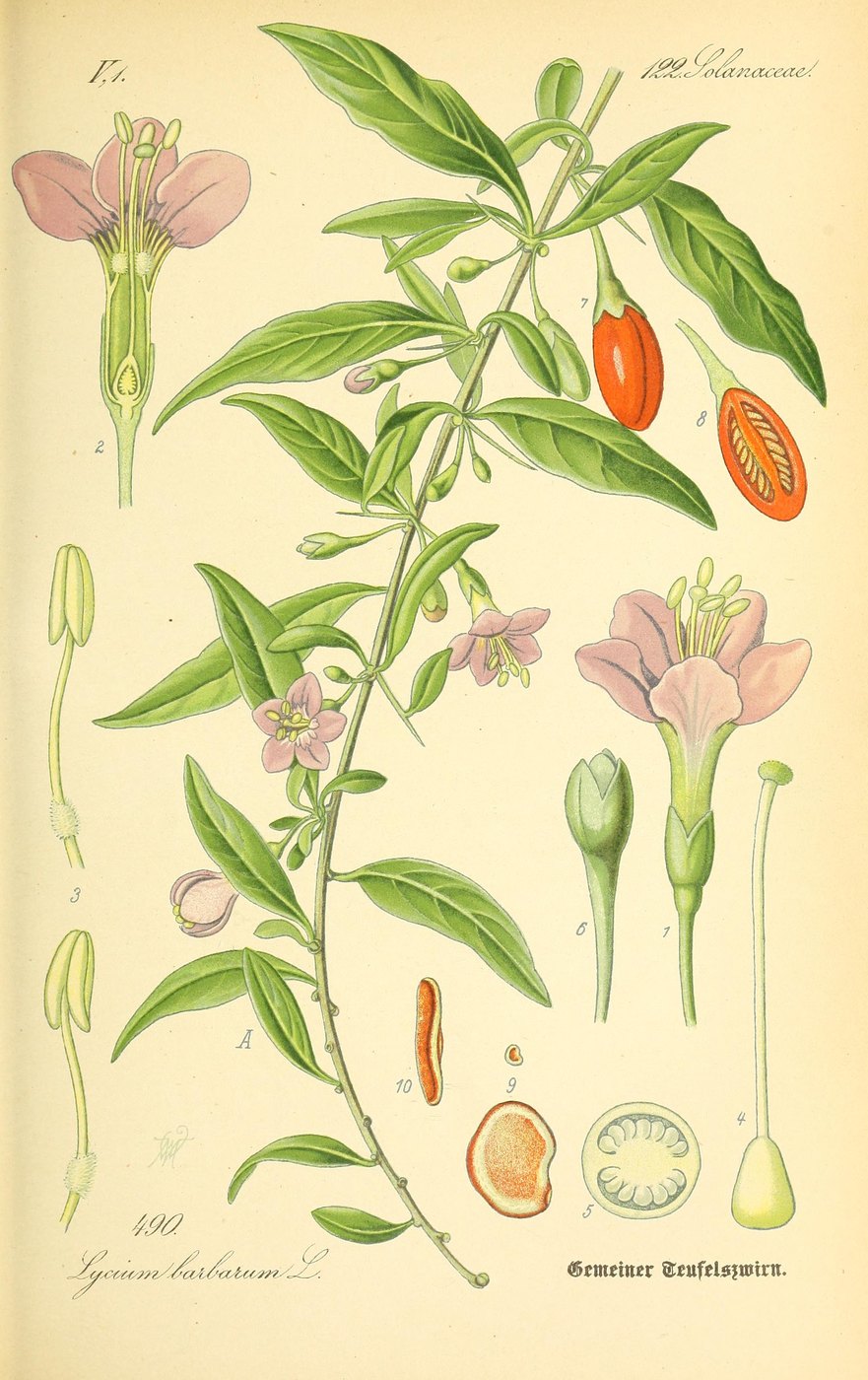
- Goji berryThe scarlet berry of Lycium barbarum and Lycium chinense, thin-leaved shrubs of the nights
- Gold leafBeaten gold.

- GorseUlex europaeus. A spiny, coconut-scented, yellow-flowered shrub of heath and common land.
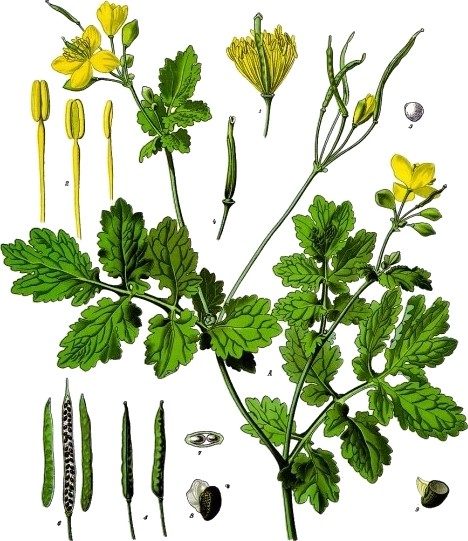
- Greater celandineChelidonium majus.
- Ground ivyGlechoma hederacea. A low, creeping weed of the mint family with small purple flowers, com
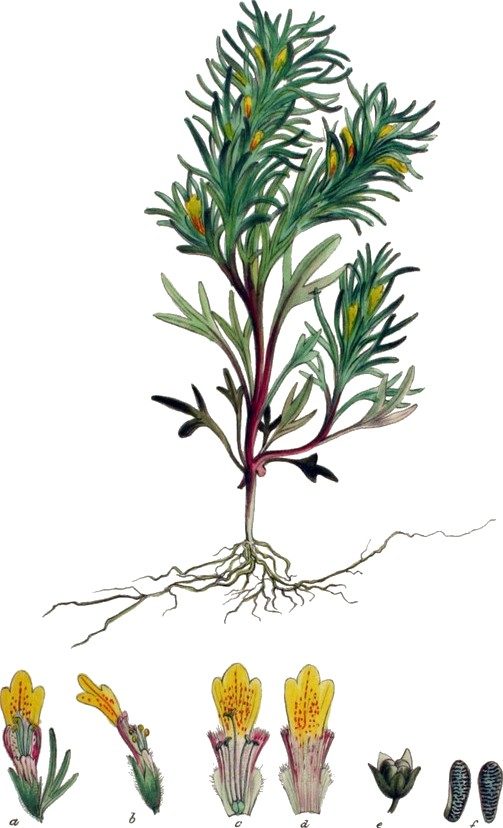
- Ground pineAjuga chamaepitys, yellow bugle, distinct from arthritica (note XLIX).
- Gum arabicThe dried sap of Senegalia senegal and related acacias.
- HagstoneA stone with a natural hole worn through it.
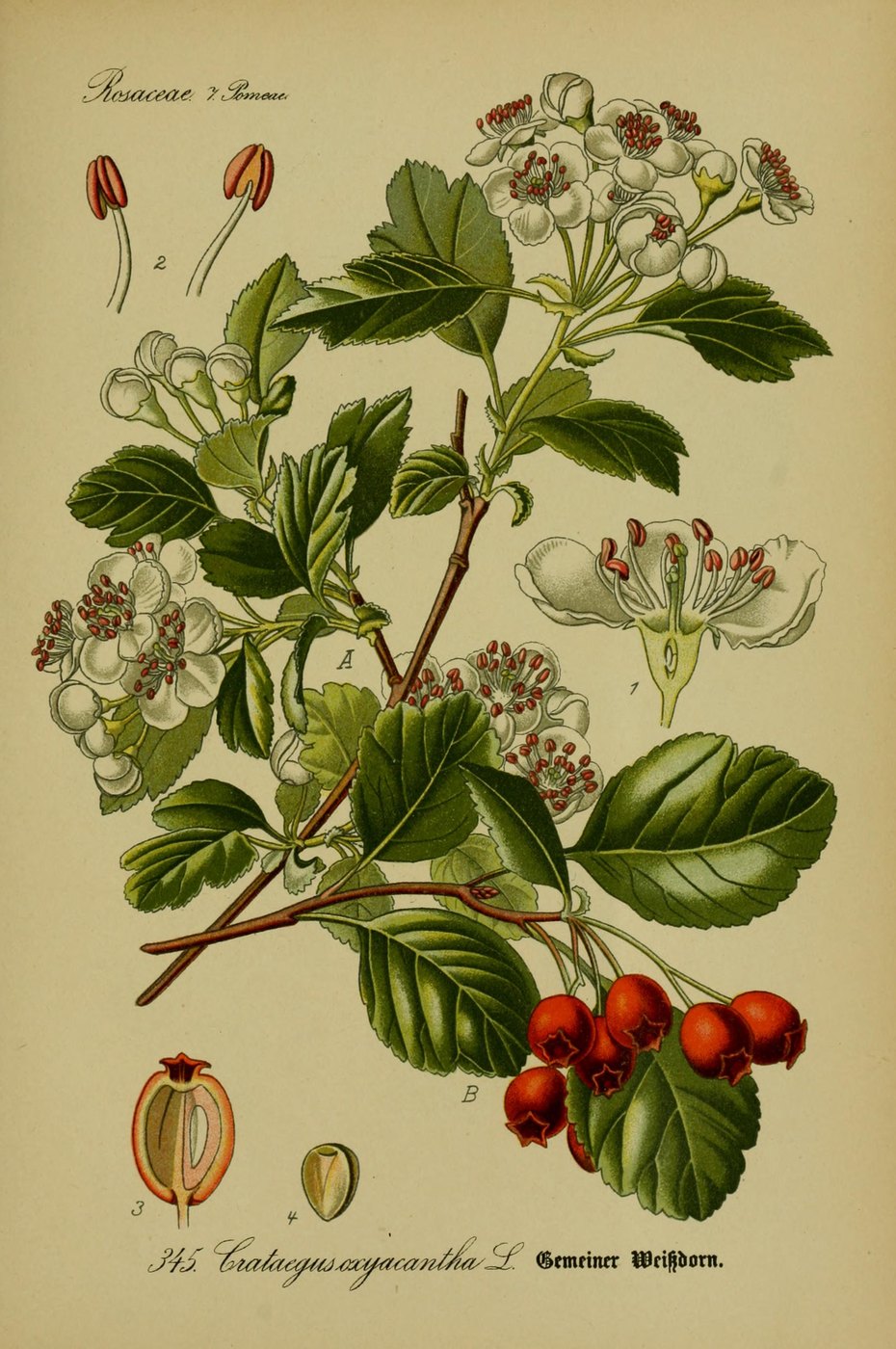
- HawthornCrataegus monogyna. The May tree, a thorned hedgerow tree whose white blossom marks the st
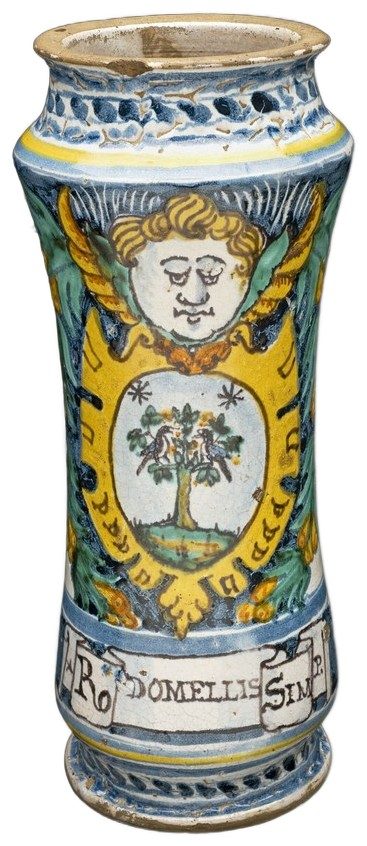
- Honeyed wine and honeyed waterWine or water sweetened with honey.
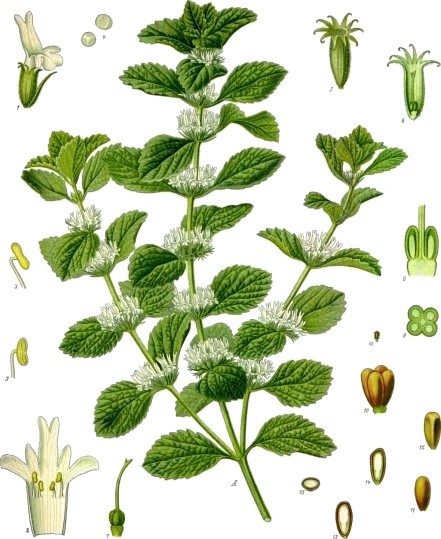
- HorehoundWhite horehound, Marrubium vulgare.
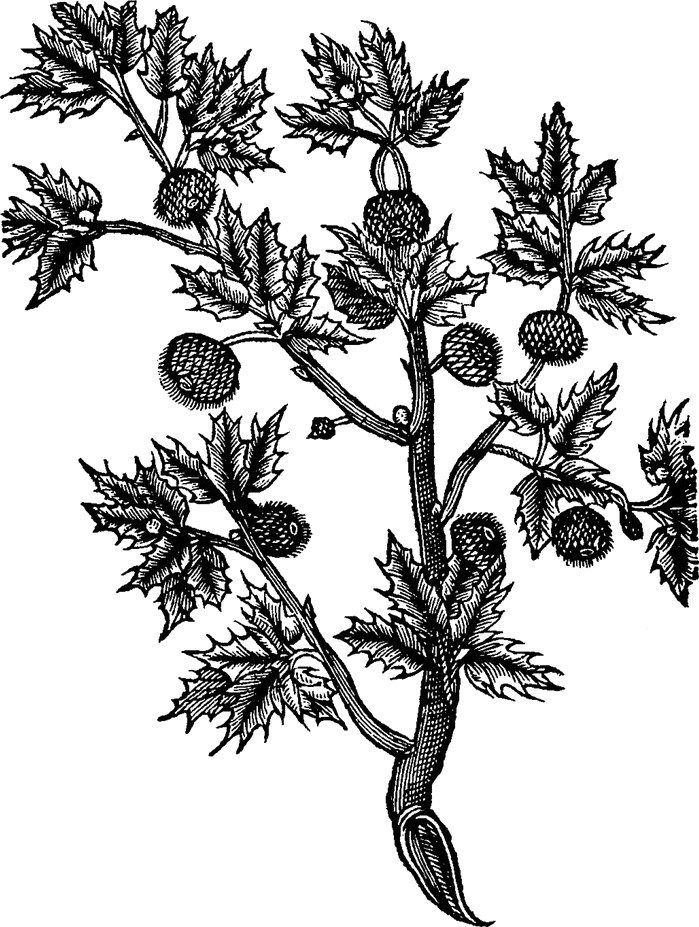
- HoundstongueCynoglossum officinale. A coarse, grey-leaved biennial of waste ground, named for its long
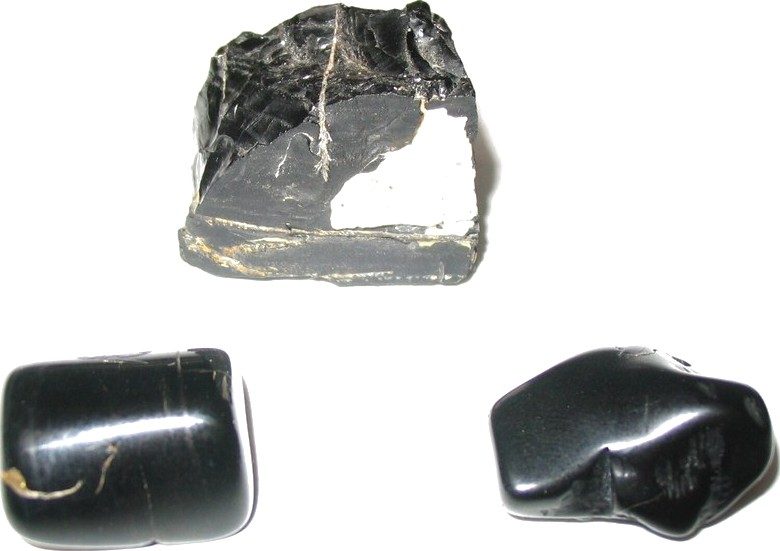
- Jet, oil ofJet is fossilized wood, a dense variety of lignite; the oil was distilled from it.
- JuniperThe berries and wood of Juniperus communis.
- KermesThe dried bodies of female kermes scale insects, which yield a red dye used since antiquit
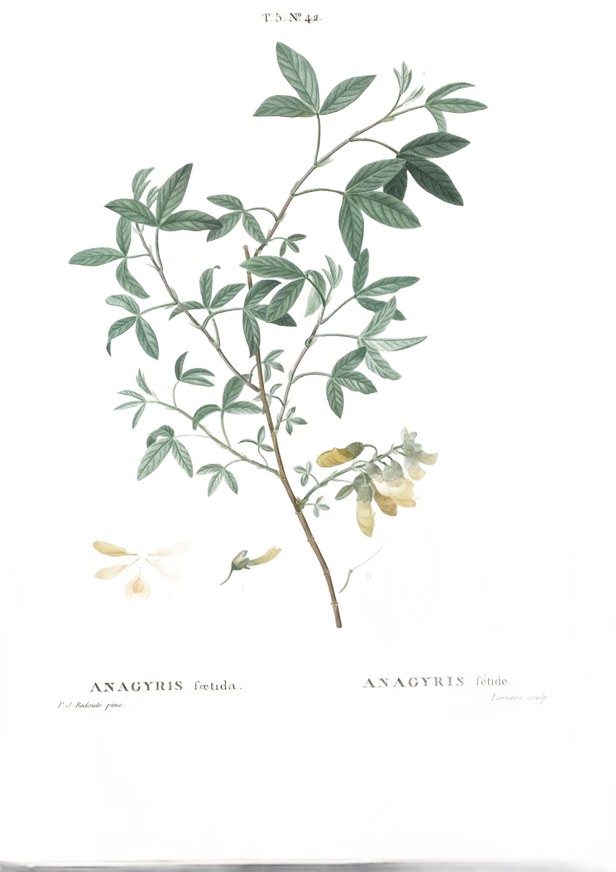
- Lesser bean-trefoilStinking bean trefoil, Anagyris foetida, a Mediterranean shrub. “Female bean trefoil” in t
- Long pepperThe catkin-like fruit of Piper longum.
- MadderRubia tinctorum. A scrambling perennial grown since antiquity for the red dye in its root.
- Madonna lilyLilium candidum.
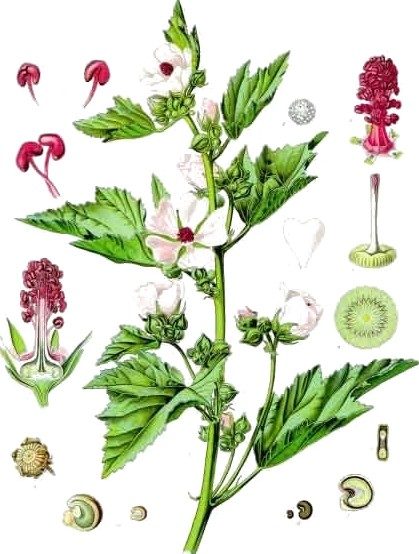
- Mallow and marshmallowMalva sylvestris and Althaea officinalis.
- MannaThe dried sap of the manna ash, Fraxinus ornus, of Calabria and Sicily.
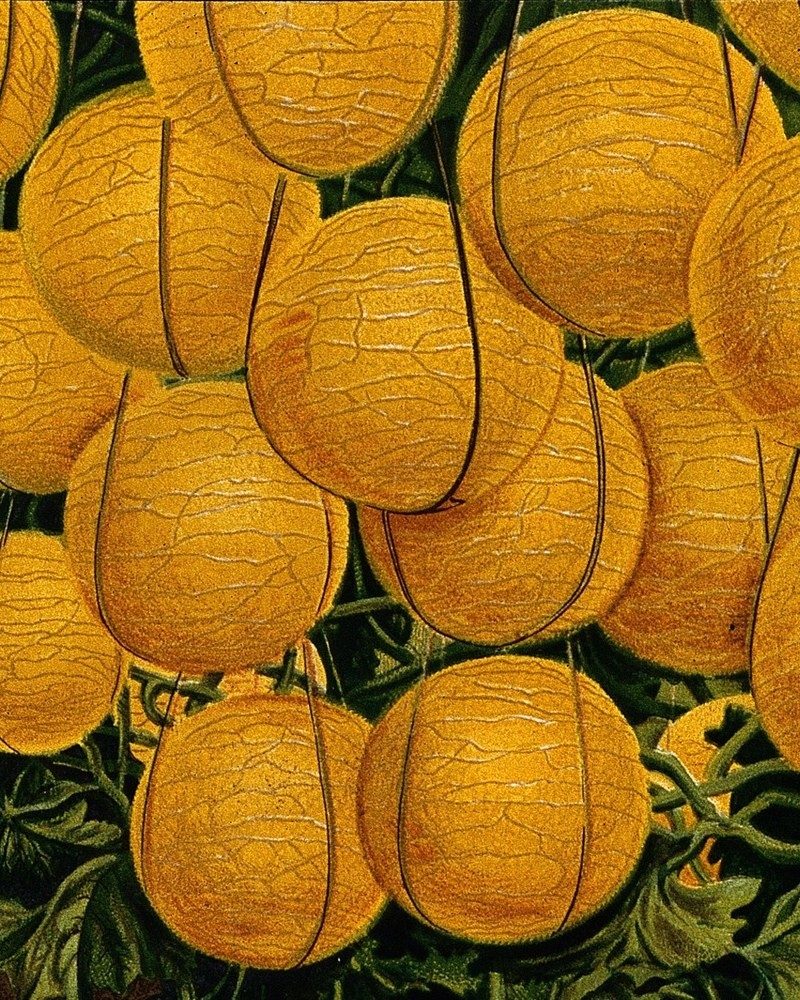
- Melon rootRoot of the melon plant, Cucumis melo.
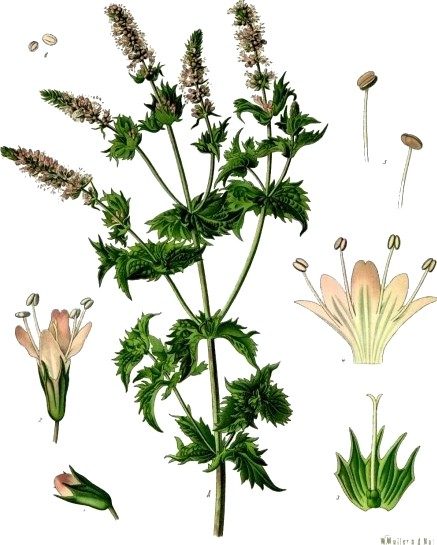
- Mint, oil ofOil of garden or spear mint.
- MistletoeViscum album, especially when found on oak.
- MithridateThe antidote attributed by legend to Mithridates VI of Pontus, the forerunner of theriac.
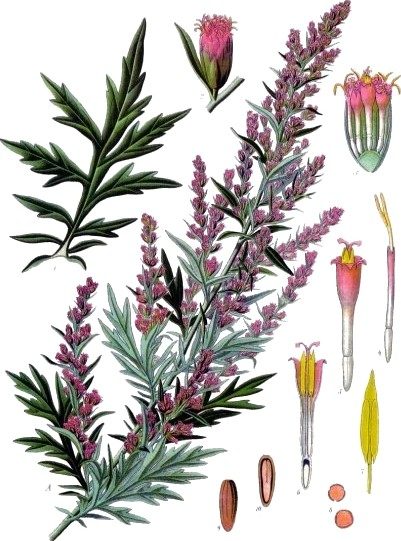
- MugwortArtemisia vulgaris.
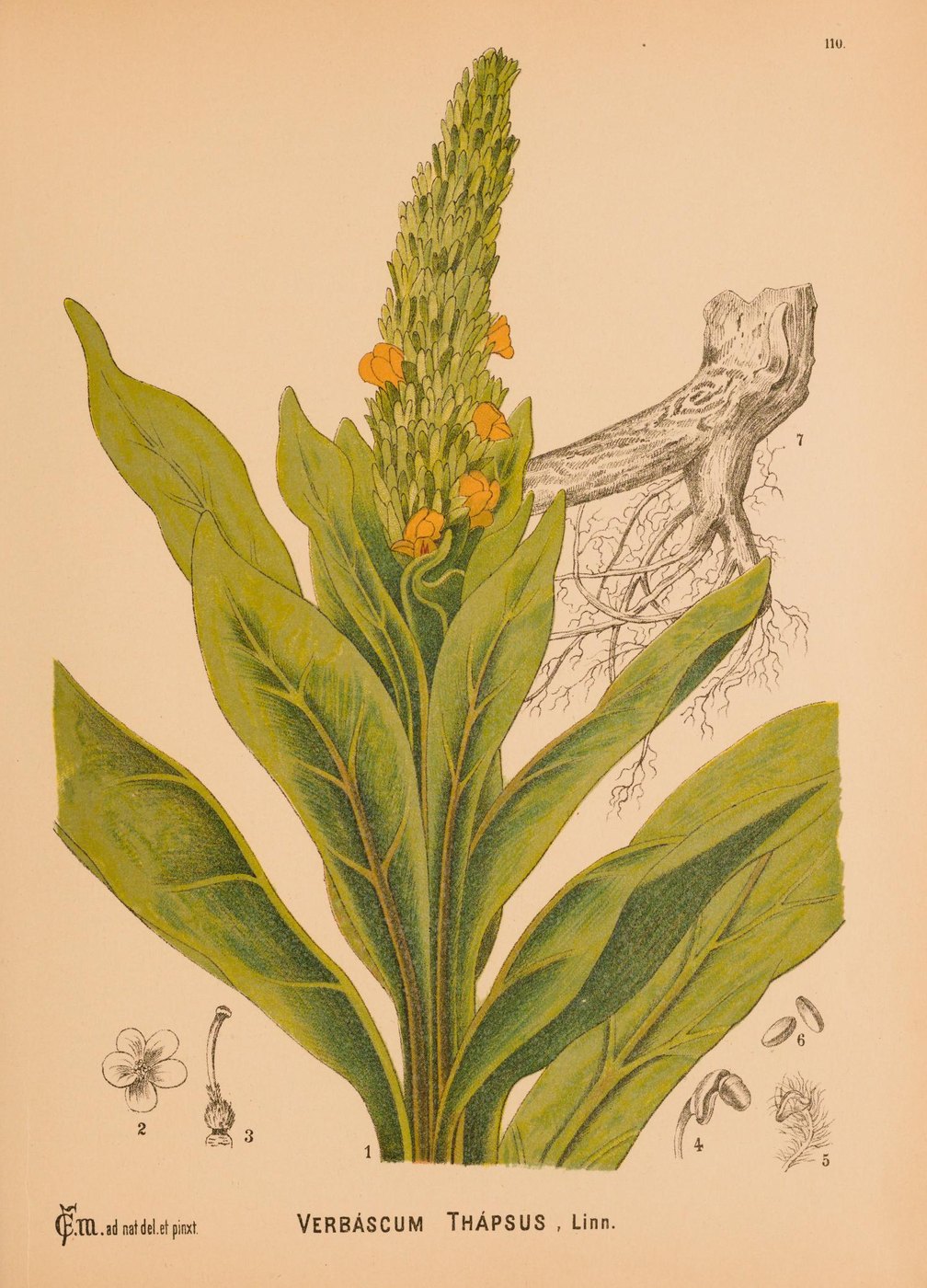
- MulleinVerbascum thapsus.
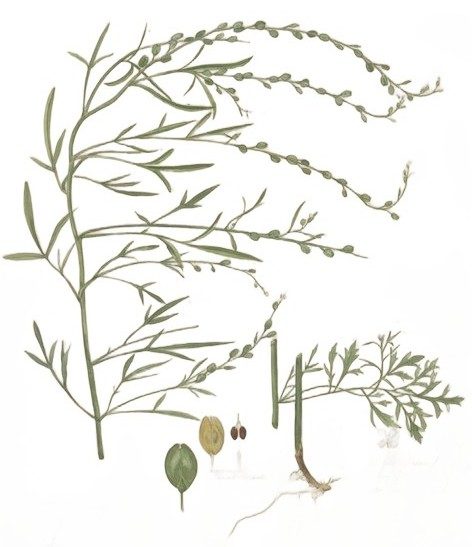
- Nasturtium, that is, garden cressGarden cress, Lepidium sativum. Not the flowering nasturtium (Tropaeolum) of modern garden
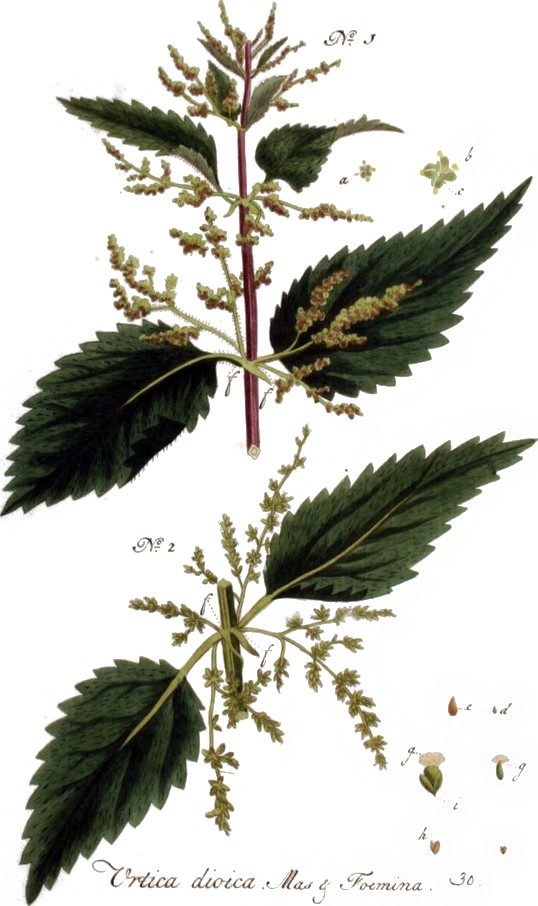
- Nettle seedSeed of the stinging nettle, Urtica dioica.
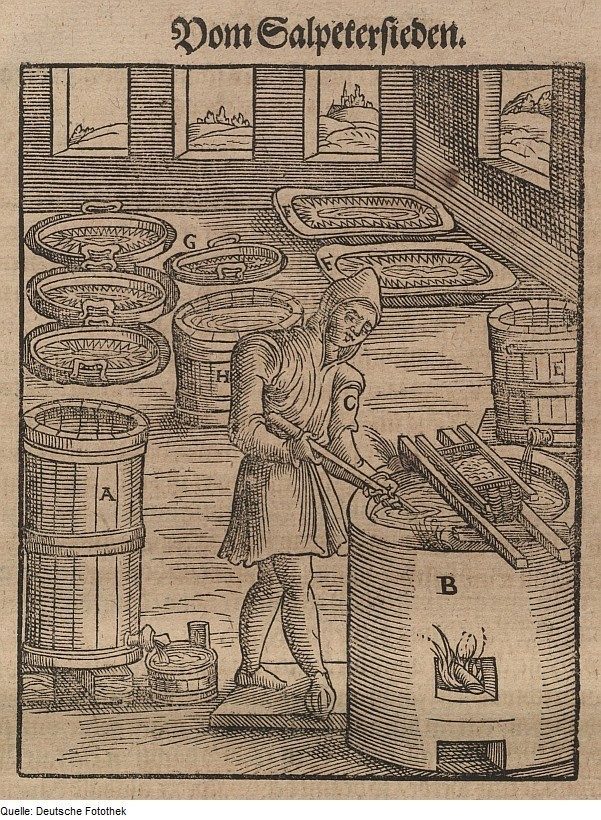
- Niter, pills ofSaltpeter, potassium nitrate.
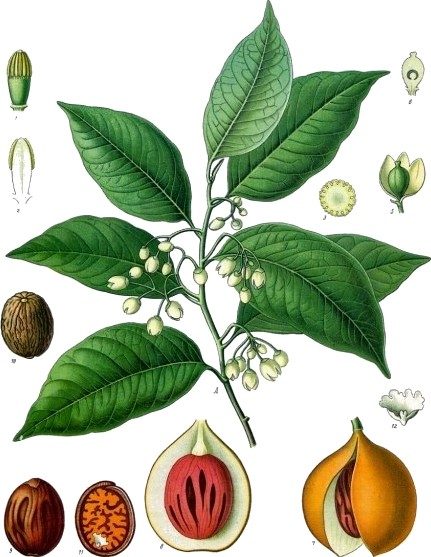
- Nutmeg and cloveMyristica fragrans and Syzygium aromaticum.
- Oak gallsRound growths raised on oaks by gall wasps.
- Olive oil and holy waterFine olive oil; water blessed by the Church.
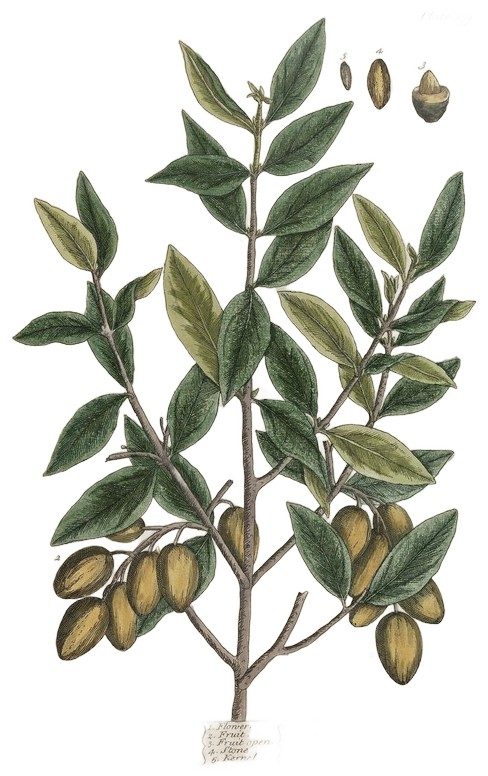
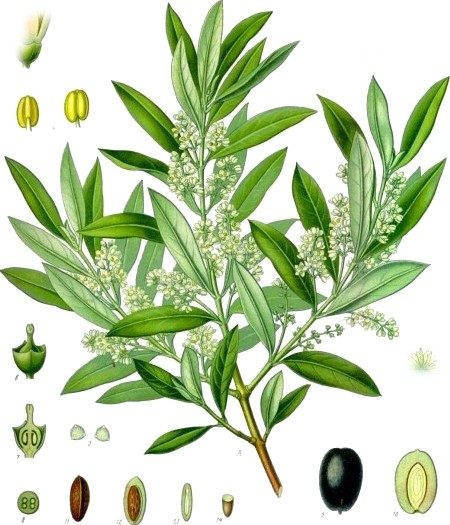
- Olive-wood ash lyeLye made by steeping the ash of olive wood in river water.
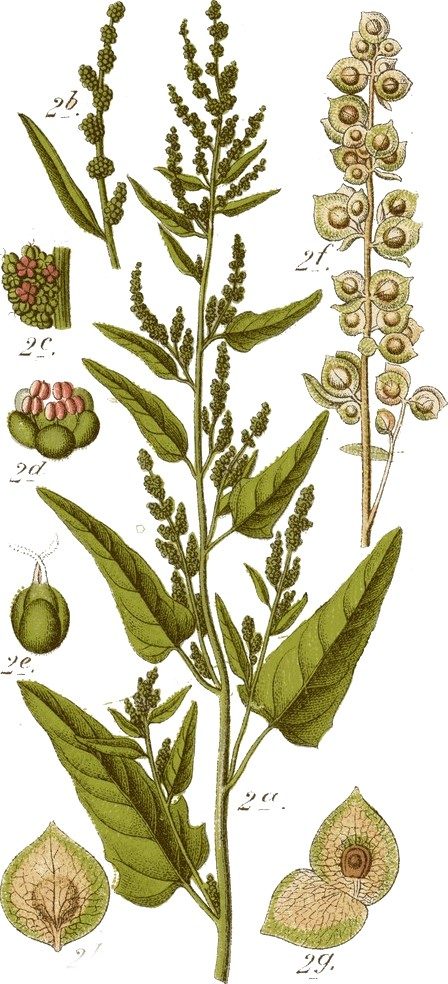
- OracheAtriplex hortensis, garden orache, a spinach-like plant.
- Orpiment and realgarYellow and red arsenic sulfides.
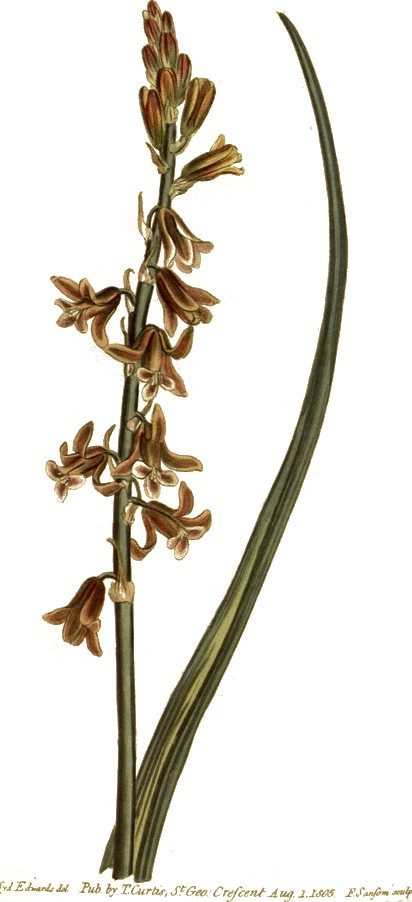
- Oxymel, and oxymel of squillHoney boiled with vinegar; the squill version adds the bulb of sea squill.
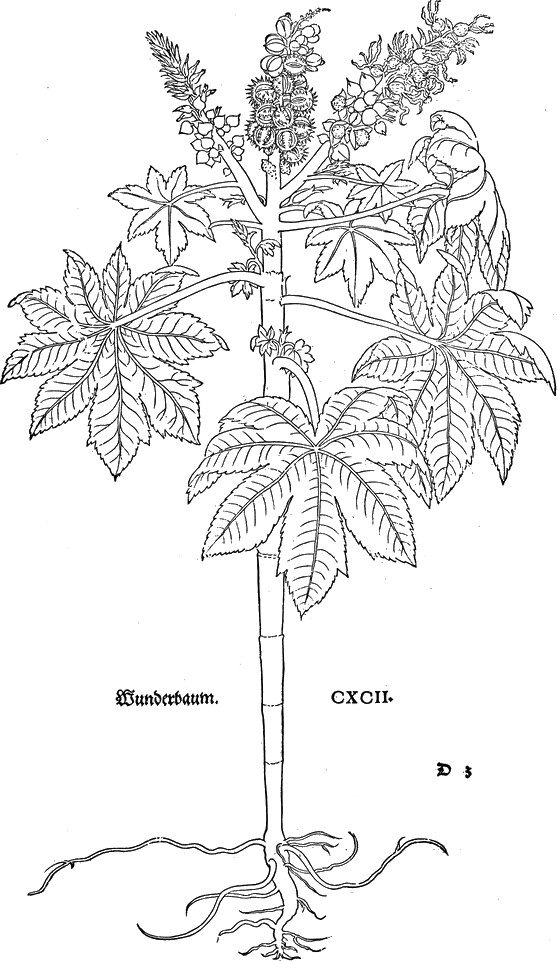
- Palm of ChristThe castor-oil plant, Ricinus communis (note XLII). The oil “of castor” in the anointings
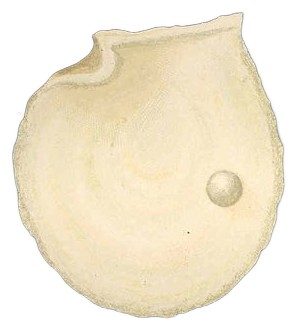
- Pearls, preparedPearls ground to a fine powder.
- PennyroyalMentha pulegium.
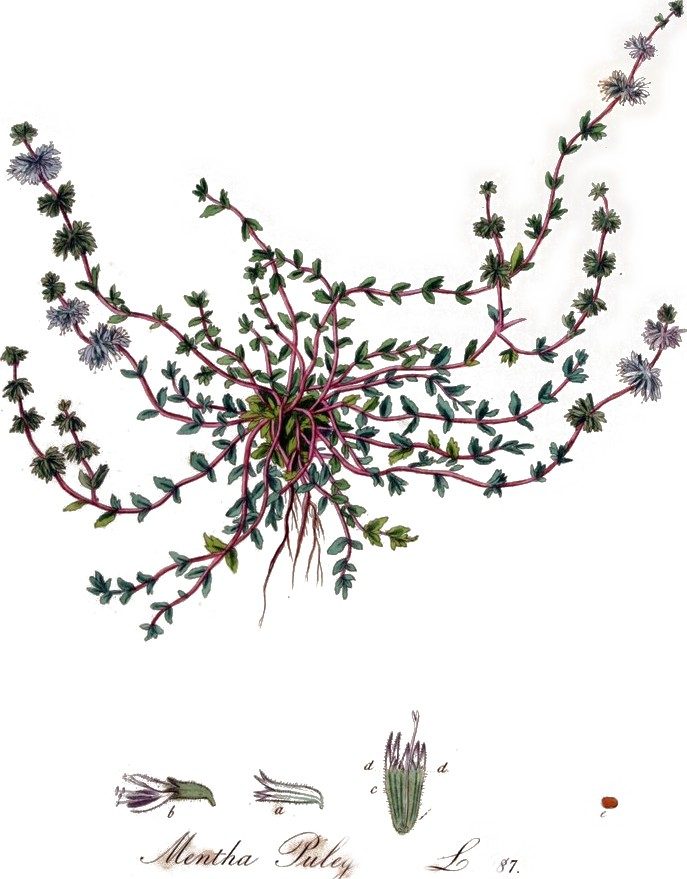
- PilewortFicaria verna (Ranunculus ficaria), of the buttercup family, whose glossy yellow stars ope
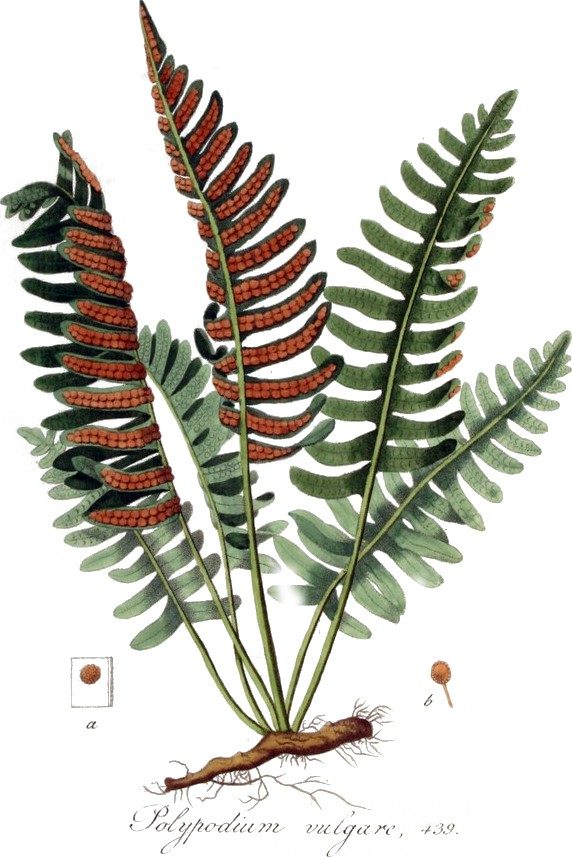
- Polypody of mercurialis, syrup ofA syrup of polypody fern root (Polypodium vulgare), named in Canale the syrup of polypody
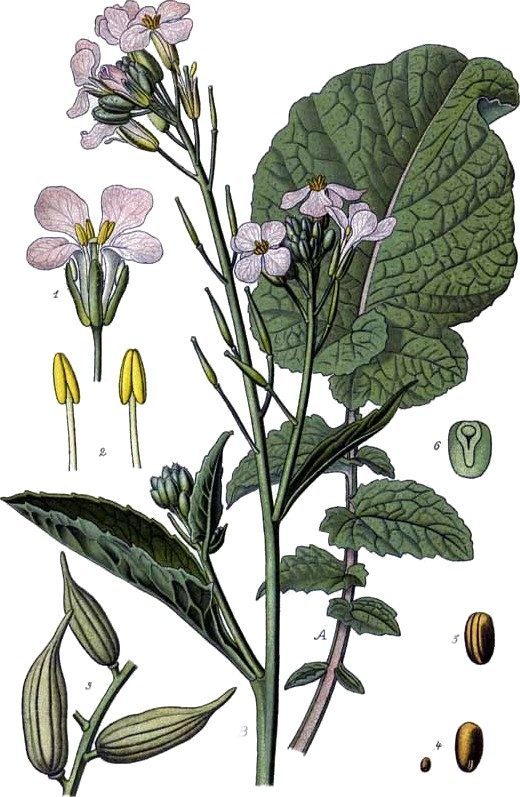
- RadishGarden radish, Raphanus sativus (now classed by Kew as Raphanus raphanistrum subsp. sativu
- RagwortJacobaea vulgaris (syn. Senecio jacobaea). A tall, weedy, yellow-flowered daisy of pasture
- RocketEruca vesicaria, salad rocket.
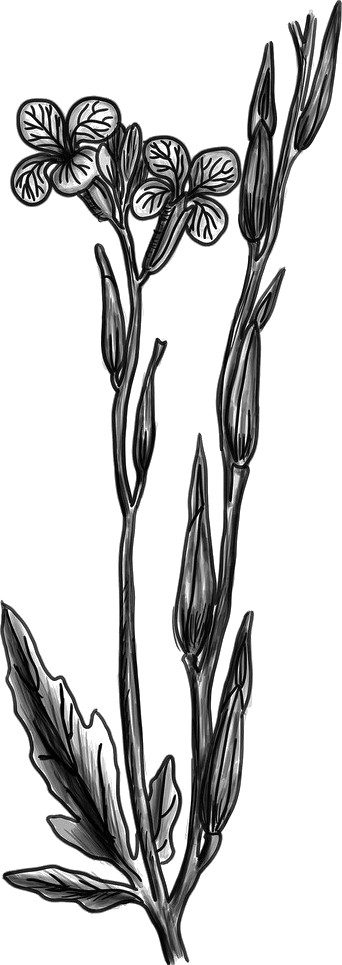
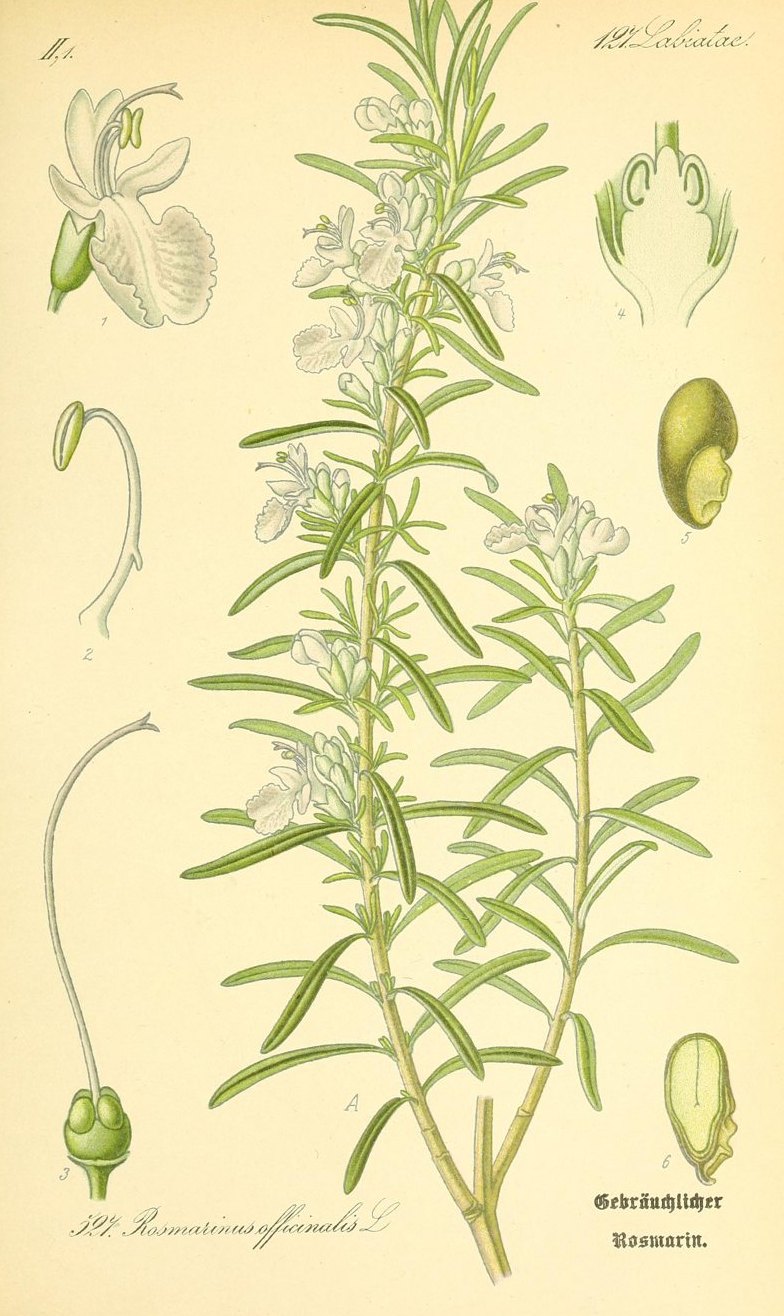
- Rosemary rice waterA rinse for the hair and the skin made in the kitchen: the cloudy water from rinsing rice,
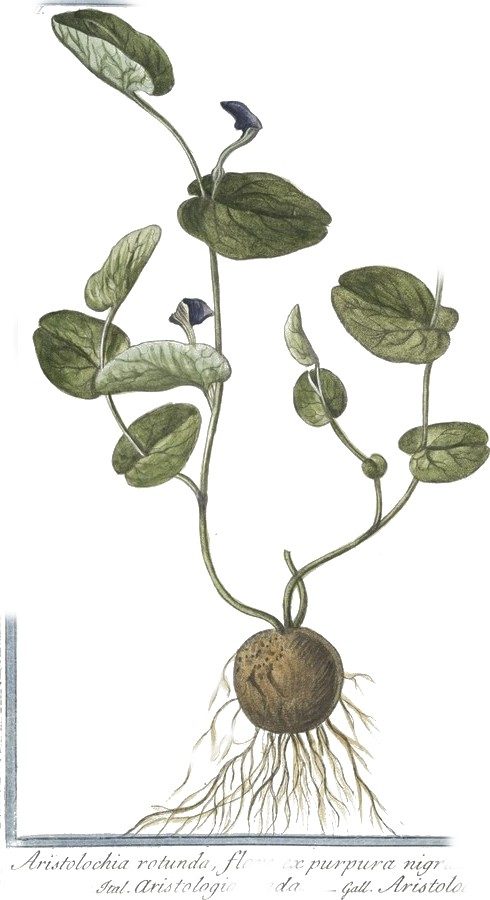
- Round birthwortAristolochia rotunda.
- RowanSorbus aucuparia.
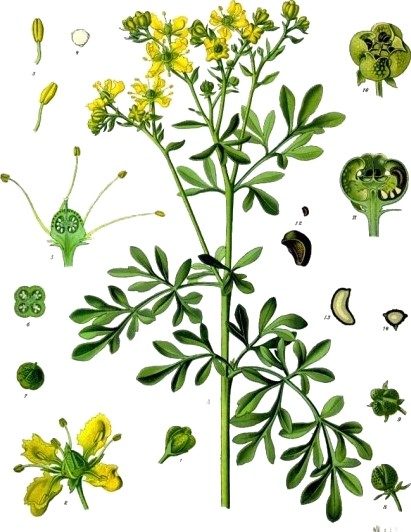
- RueRuta graveolens, garden rue.
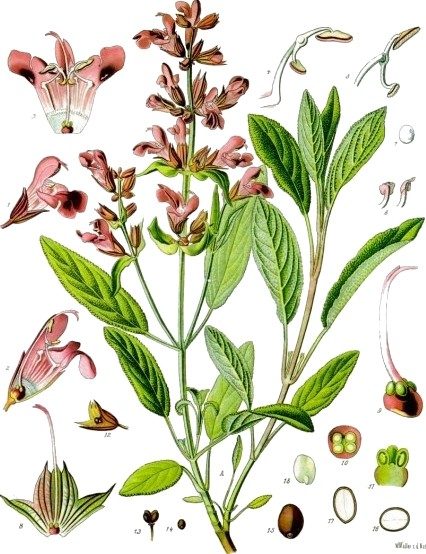
- SageSalvia officinalis.
- Sal ammoniacAmmonium chloride, from volcanic vents and later made from soot and urine.
- SaltSalt exorcized and blessed, “by the God who commanded you to be cast into the water throug
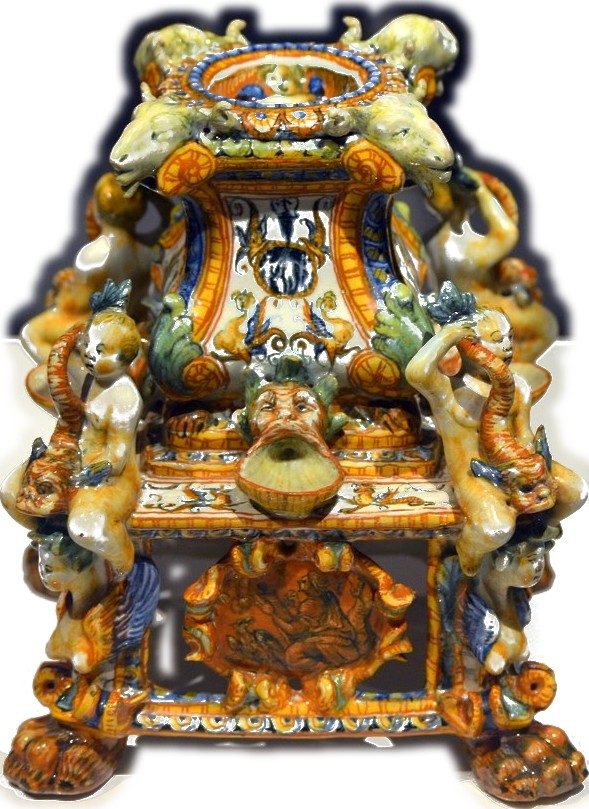
- SaltpetrePotassium nitrate, scraped as a white bloom from cellar walls, stables, and dung heaps.
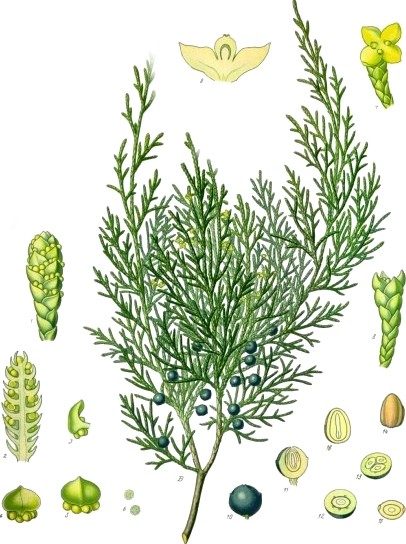
- SavinJuniperus sabina, a low juniper.
- ScammonyThe dried root resin of Convolvulus scammonia.
- Shepherd’s purseCapsella bursa-pastoris, of the cabbage family, a weed of every garden, its seed-pods shap
- SilphiumAn extinct plant of Cyrene in Libya, probably a giant fennel (Ferula).
- SnailGarden snails, shelled and boiled, distilled, or eaten.
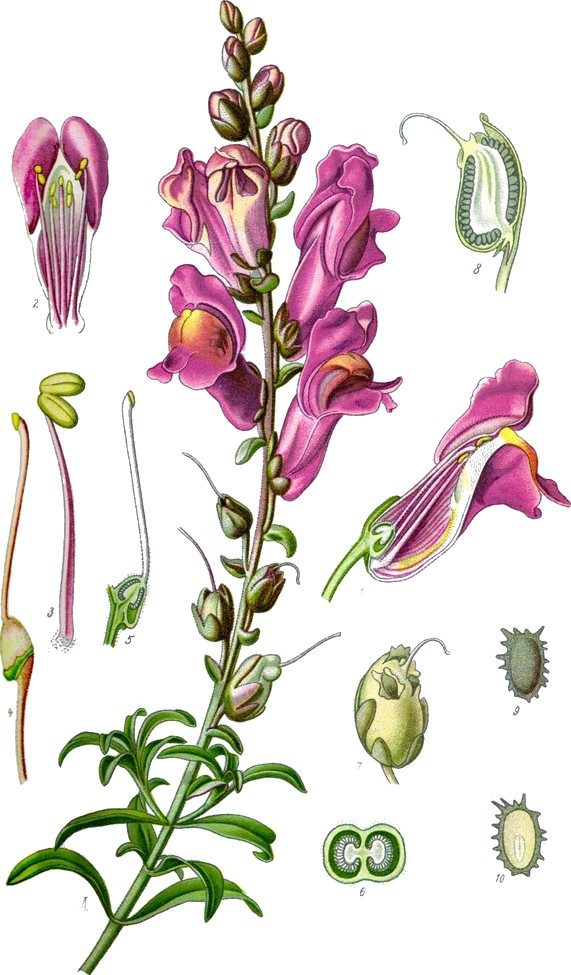
- SnapdragonAntirrhinum majus.
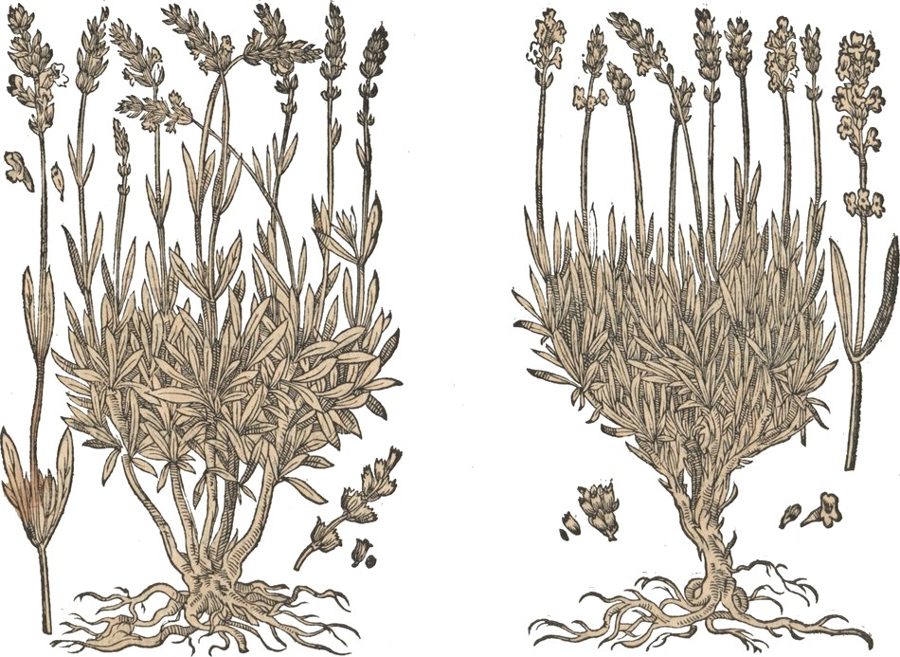
- SpikenardThe root of Nardostachys jatamansi, a Himalayan valerian.
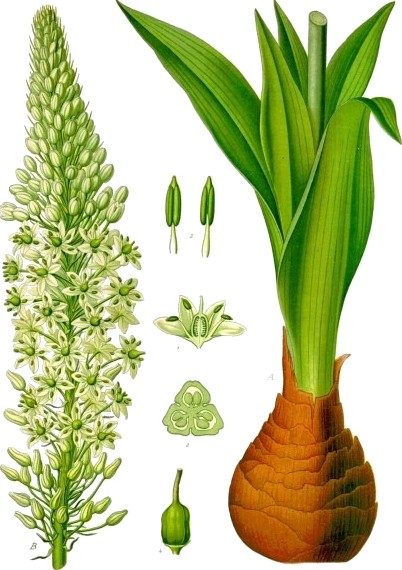
- SquillSea squill, Drimia maritima and its close relatives, large bulbs of the Mediterranean coas
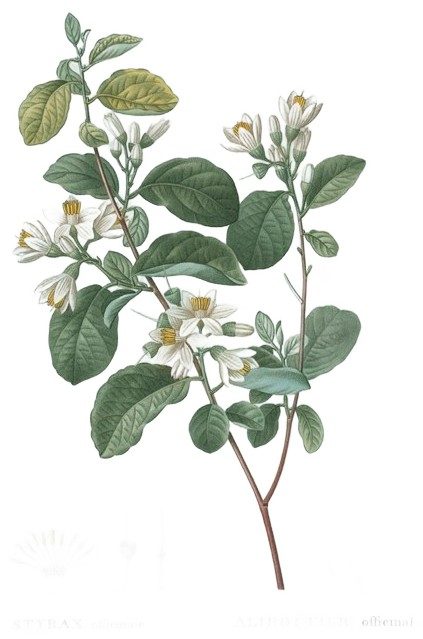
- Storax calamiteThe resin of Styrax officinalis, packed in reeds (calami) for export.
- SugarCane sugar, Saccharum officinarum.
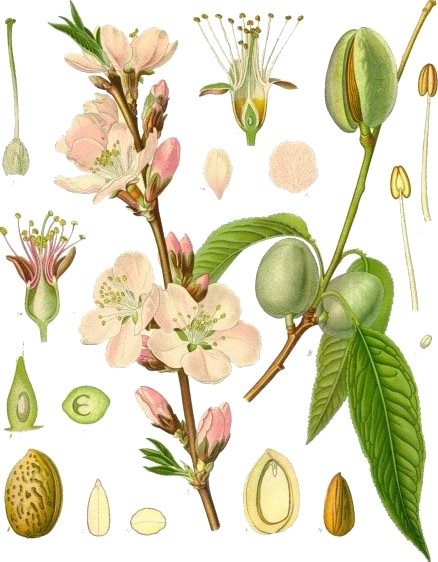
- Sweet almond, oil ofOil pressed from sweet almonds.
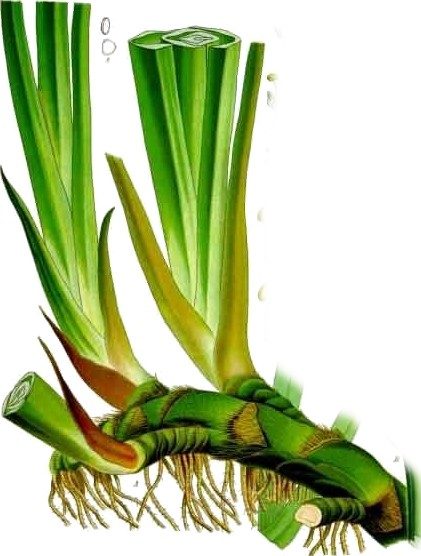
- Sweet flagAcorus calamus.
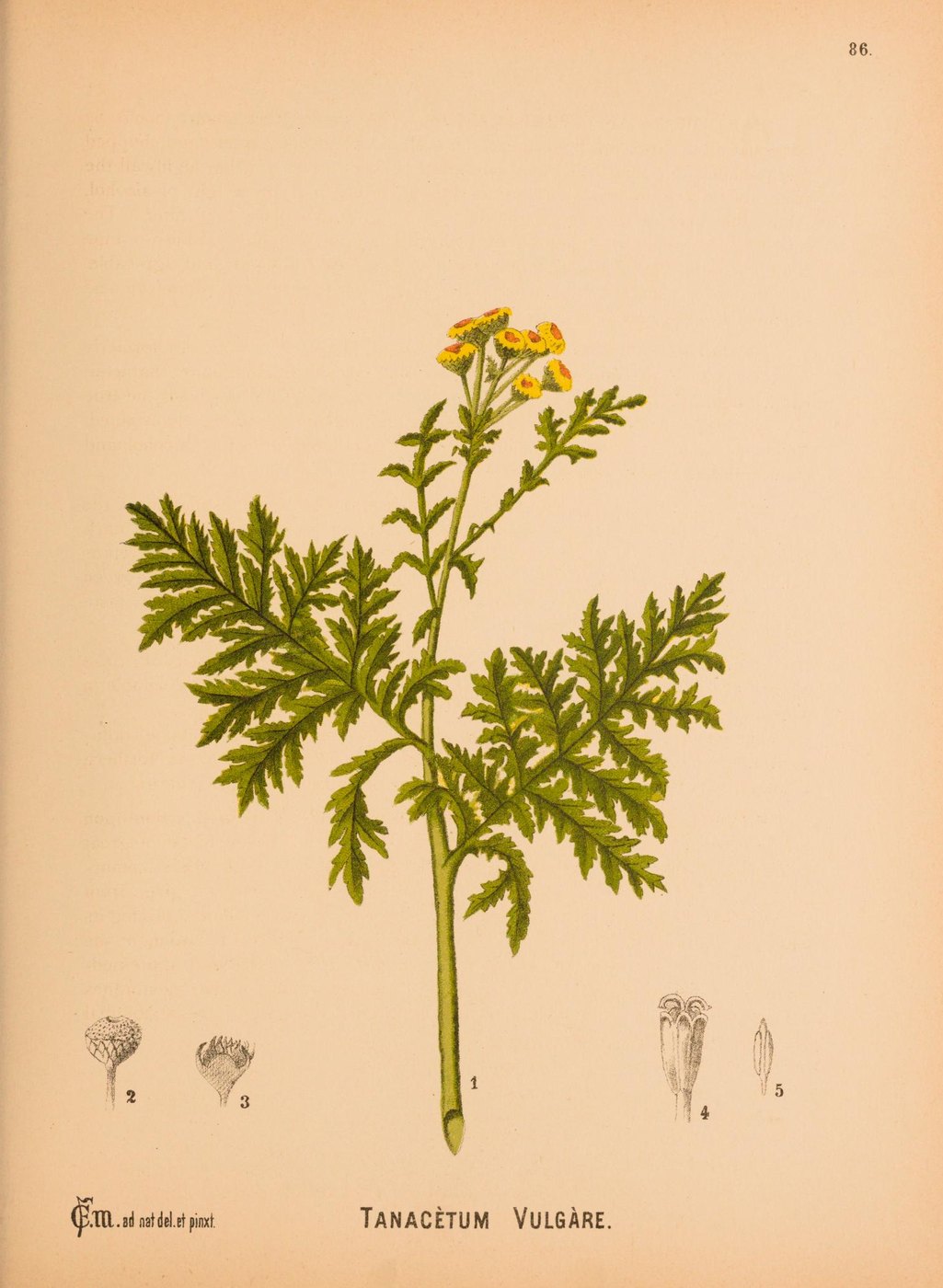
- TansyTanacetum vulgare.
- TeaselDipsacus fullonum. A tall, prickly biennial whose paired leaves clasp the stem to form a n
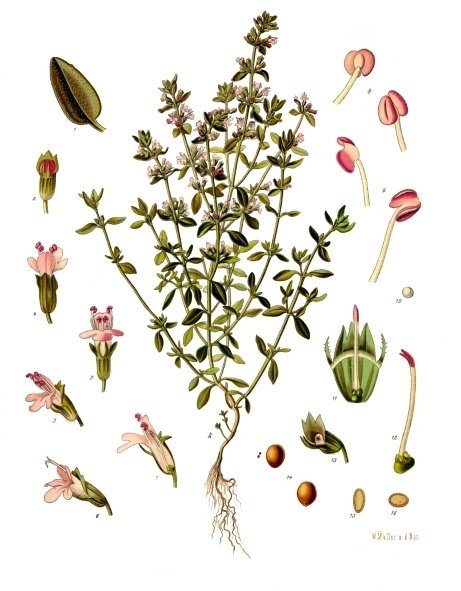
- ThymeThymus vulgaris and wild thyme, T. serpyllum.
- ToadThe common toad, dried, powdered, or worn.
- Tongue stonesFossil sharks’ teeth, called tongue-stones, and by the Germans adders’ tongues
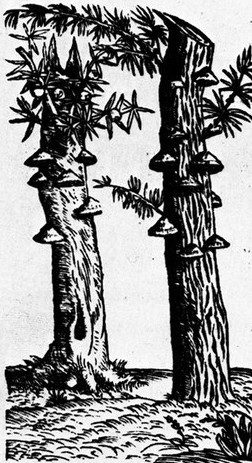
- Troche of agaricLozenges of larch agaric, Laricifomes officinalis (syn. Fomitopsis officinalis), a bracket
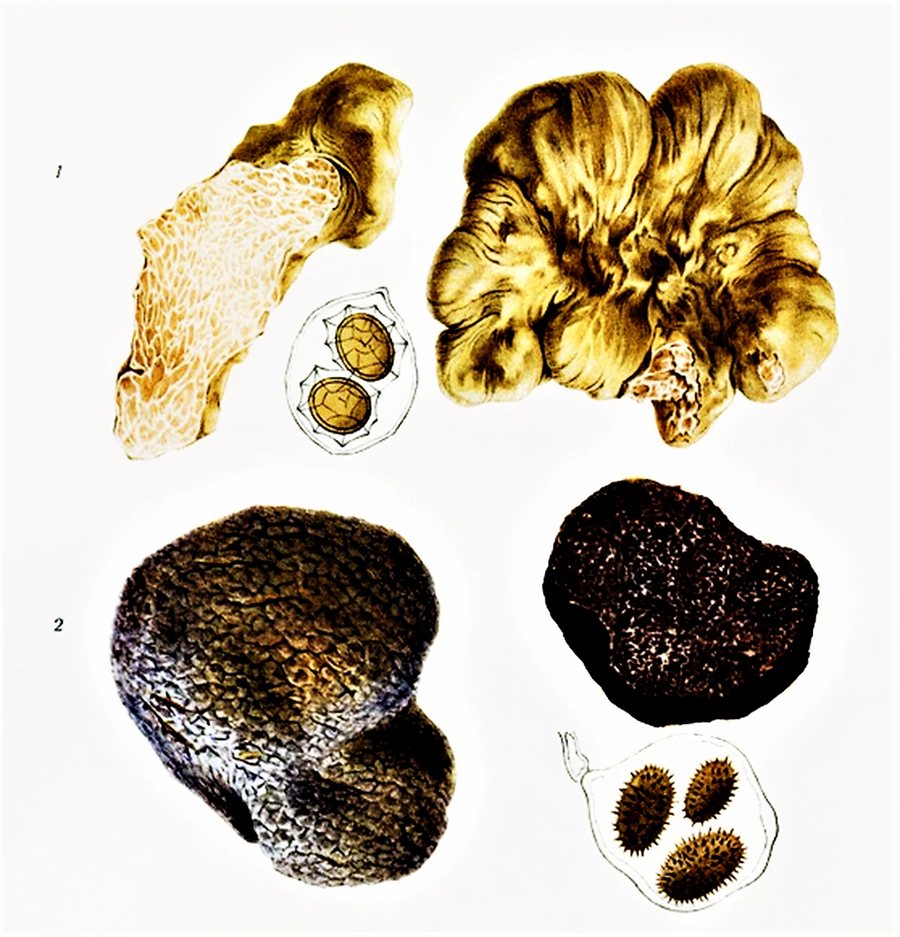
- TruffleUnderground fruiting bodies of fungi that live with the roots of oak and hazel.
- TurpentineThe oleoresin of the larch (“Venice” turpentine) or of the terebinth (“Chian” turpentine).
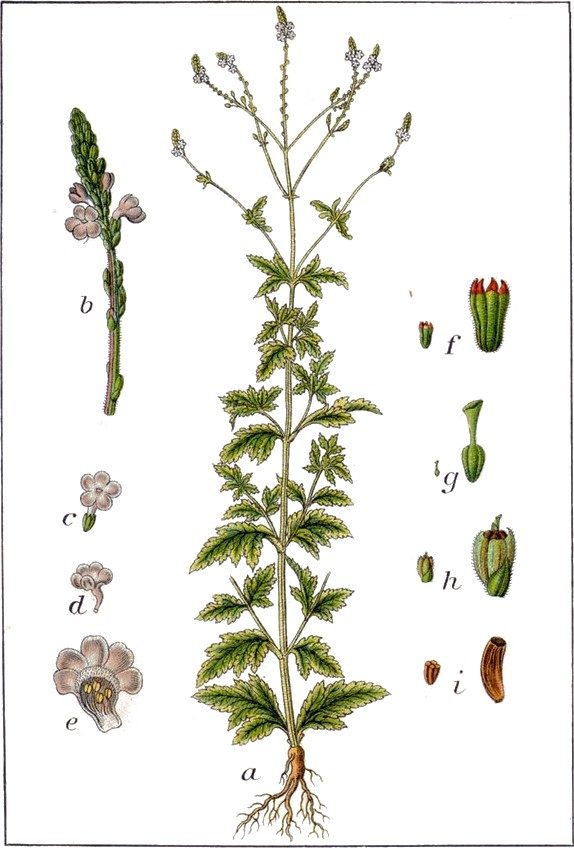
- VerbenaVervain, Verbena officinalis.
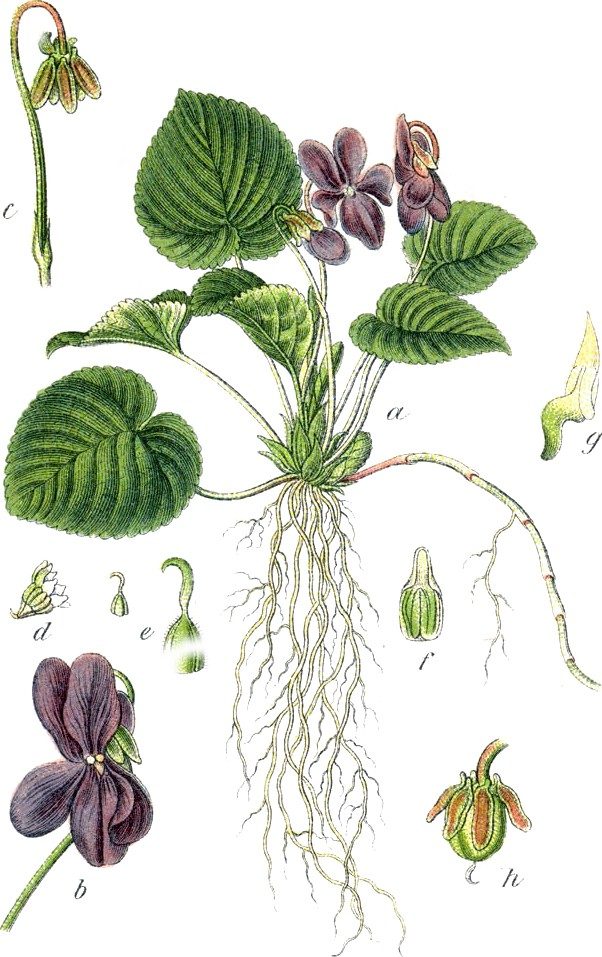
- Violet, lettuce, sow-thistleSweet violet (Viola odorata), garden lettuce (Lactuca sativa), sow-thistle (Sonchus olerac
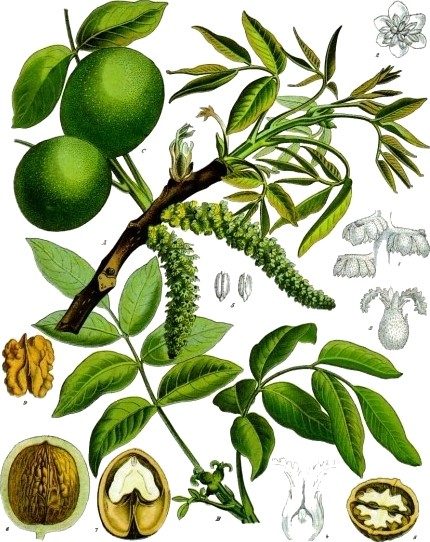
- Walnut, middle bark ofThe inner bark of Juglans regia.
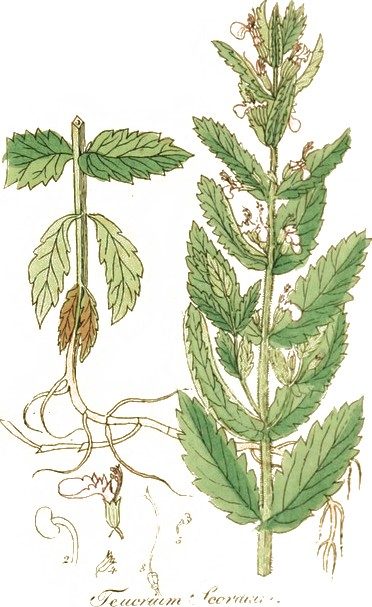
- Water germanderTeucrium scordium, of the same genus as wall germander, which has caused liver failure in
- WaxBeeswax; in the final oil, wax of the Paschal candle.

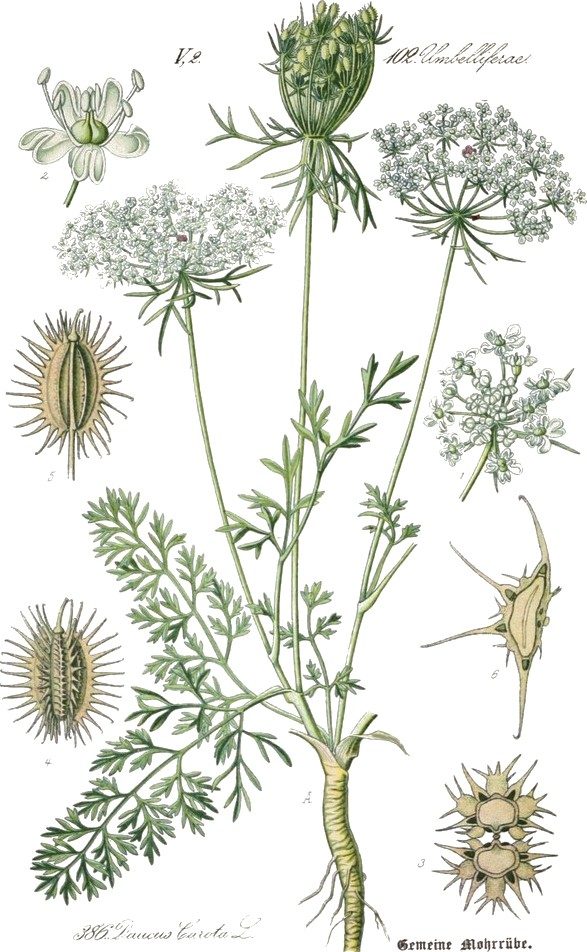
- Wild carrot, seed ofSeed of Daucus carota, Queen Anne’s lace.
- Wild garlicAllium ursinum. A broad-leaved, strongly garlic-scented woodland plant that carpets damp g
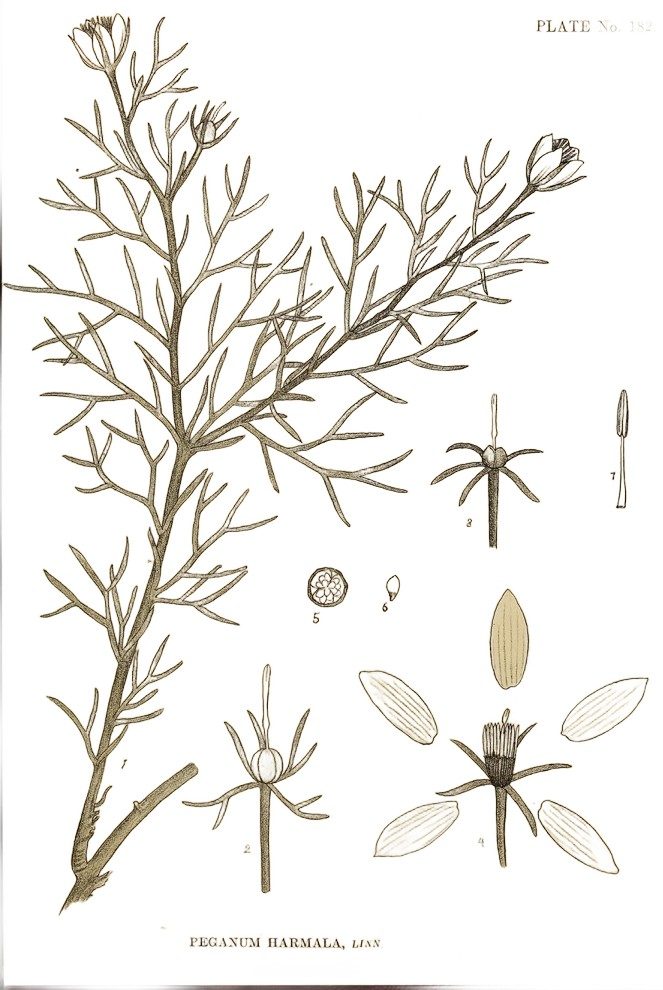
- Wild rueEither the wild form of Ruta graveolens or Syrian rue, Peganum harmala.
- WoadIsatis tinctoria. A biennial of the mustard family whose fermented leaves yielded Europe’s
- Wood sorrelOxalis acetosella. A delicate woodland plant with clover-like, sour-tasting leaves of thre
- WoodlouseWoodlice, the small crustaceans of damp places under rocks and logs, called millepedes in
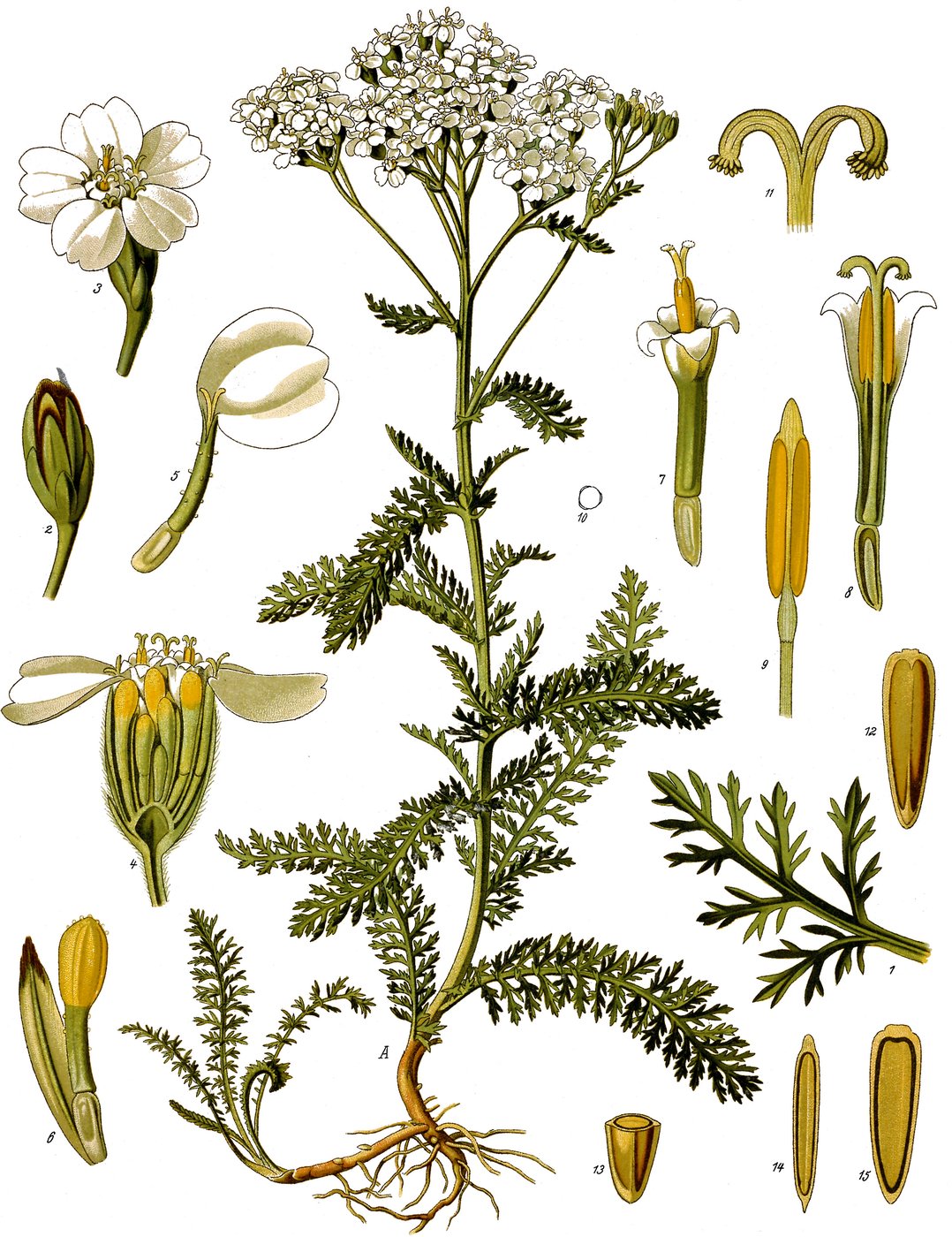
- YarrowAchillea millefolium.
- Yellow dockRumex crispus. A tall, coarse weed of waste ground with wavy-edged leaves and a tall spike