
Madonna lily
Lilium; Greek krinon
- Known today as
- Lilium candidum.
- Kind
- Plant, in 1 older authority
- Constituents
- steroidal saponins, mucilage, linalool
- Earliest authority quoted here
- Pliny (AD 23/24–79)
- In other databases
- Plants of the World Online · GBIF · Wikidata
Revised October 17, 2026: An older authority added from a text read in full. Checked against its sources, each read in full, in part, or in its abstract. Version 1, first published September 25, 2026.
Madonna lily: what was it used for?
The bulb, roasted or as a poultice, to ripen hard swellings and heal ulcers, and in ointment for burns; the ointment of the flowers, susinum, to soothe the sinews.
Madonna lily: what does modern science say?
Its bulb is highly mucilaginous, a soothing poultice; extracts have shown anti-inflammatory activity only in the laboratory.
The toxic dose and the poisoning
- Toxic dose
- Used externally, as poultice and ointment, in popular practice.
The references for these lines are listed under Pharmacognosy, in Science. Doses are as the references give them, for description only; this is not medical advice. In a poisoning, call a poison centre.
Madonna lily: what did the older authorities say?
- PlinyAD 23/24–79
- “The lily holds the next highest rank after the rose,” sharing with it the making of unguents, its oil being called lirinon; no flower grows taller, sometimes three cubits, “the head of it being always drooping, as though the neck of the flower were unable to support its weight,” and “the whiteness of the lily is quite remarkable”; he also records a method of tinting lilies by steeping the stalks in wine-lees, “thanks to the taste of mankind for monstrous productions.”
Madonna lily: what lore surrounds it?
The white lily of the Virgin: in nearly every Catholic country it is held the emblem of her purity and decks her shrine, above all at the feasts of the Visitation and the Annunciation.
Classical myth, as Folkard tells it, traced the lily to a pagan source: Jupiter set the infant Hercules at the breast of the sleeping Juno, and the drops of milk that fell to earth sprang up as the white lily, while more spilled across the heavens as the Milky Way. Dioscorides already gives rosa Iunonis, Juno’s rose, among its names.
Pharmacognosy
- Constituents
- steroidal saponinsspirostanol and furostanol saponins, isolated from the fresh bulbs
- mucilageabundant in the bulb, with a little acrid principle lost on drying or cooking
- linalool ChEMBLamong the volatile compounds of its extracts
- Mechanism
- The bulb is highly mucilaginous, and boiled in milk or water it makes an emollient poultice for tumours, ulcers and inflammation. Lilies are nephrotoxic to cats, in which one or two leaves or a single flower can bring on kidney failure; dogs suffer only mild stomach upset.
- Standing
- Only the bulb was still used in medicine in Grieve’s day, as a demulcent; a plant of the Virgin’s iconography more than of the pharmacy.
- Grieve, M. (1931). A Modern Herbal, “Lily, Madonna.” Read in full · the text read
Constituent names open the compound’s record at PubChem, and “ChEMBL” beside a name opens its record at ChEMBL, the European Bioinformatics Institute’s database of bioactive molecules. Where a mechanism line was checked against ChEMBL (ChEMBL 37, read 1 October 2026), the check is shown with the measured value and its source paper, or says plainly that nothing has been measured. Doses are as the references give them, for description only; this is not medical advice. Each source carries the result of its check against Crossref, PubMed, or the authority’s page: see Verification.
Sources
- Dioscorides, De materia medica. Read in part · the text read
- Pliny the Elder, Natural History 21.11, 21.13, trans. J. Bostock & H. T. Riley (1855), Perseus Digital Library. Read in full · the text read
- Pliny the Elder. Natural History 21.13, trans. J. Bostock & H. T. Riley (1855). Perseus Digital Library. Read in full · the text read
- Folkard, R. (1884). Plant Lore, Legends, and Lyrics. London: Sampson Low. Project Gutenberg #44638. Read in part · the text read
- Zaccai, M., et al. (2020). Medicinal properties of Lilium candidum L. and its phytochemicals. Plants 9(8): 959. doi:10.3390/plants9080959 Read in full · the text read
- Wang, Y., Chen, H., Feng, P., Wang, D., & Du, X. (2025). Traditional uses, nutritional properties, phytochemical metabolites, pharmacological properties, and potential applications of Lilium spp. Frontiers in Pharmacology. doi:10.3389/fphar.2025.1713957 Read in part · the text read
- Nagy, A. L., et al. (2023). Emerging plant intoxications in domestic animals: a European perspective. Toxins 15(7): 442. doi:10.3390/toxins15070442 Read in part · the text read
Verification
- Checked
- October 1, 2026, October 17, 2026
- Passes
- Read against its sources in the pass over the remaining 343 entries
- Every dated or regulatory claim checked by category across the database
- Each quotation from the older authorities checked word for word against the text, read in full
- Every source read, in full, in part, or in its abstract, and every sentence checked against what was read (October 17, 2026)
- Sources
- 8 cited: 4 read in full, 4 read in part.
- Corrections
- None recorded.
What was checked, how, and what was found is set out on the Verification page. A checked source is one whose record was found; it does not make the entry medical advice.
Club members can point at a technical term in this entry, such as a constituent, an action, or a word of Jung’s, to read its definition from the source. The Club.
Cite This Entry
Version 1 · first published September 25, 2026 · last revised October 17, 2026
- Chicago
“Madonna lily.” In Materia Medica, edited by B. C. P. Statema. Version 1. The Thinking Press, 2026–. Last modified October 17, 2026. https://thethinkingpress.org/materia-medica/madonna-lily.
- MLA
“Madonna lily.” Materia Medica, edited by B. C. P. Statema, version 1, The Thinking Press, 17 Oct. 2026, thethinkingpress.org/materia-medica/madonna-lily. Accessed 22 Nov. 2026.
- APA
Madonna lily. (2026, October 17). In B. C. P. Statema (Ed.), Materia medica (Version 1). The Thinking Press. Retrieved November 22, 2026, from https://thethinkingpress.org/materia-medica/madonna-lily
See Also
Sharing steroidal saponins, mucilage, linalool
Polygonatum multiflorum · Verbascum thapsus · Pulmonaria officinalis · Plantago ovata · Hepatica nobilis · Ocimum basilicum · Lavandula angustifolia · Citrus bergamia
Also in Pliny the Elder
Manna in Pliny the Elder · Madder in Pliny the Elder · Mistletoe in Pliny the Elder · Long pepper in Pliny the Elder · everything Pliny the Elder names →
Drawing on the same sources: Dioscorides, Folkard, Wang, Grieve
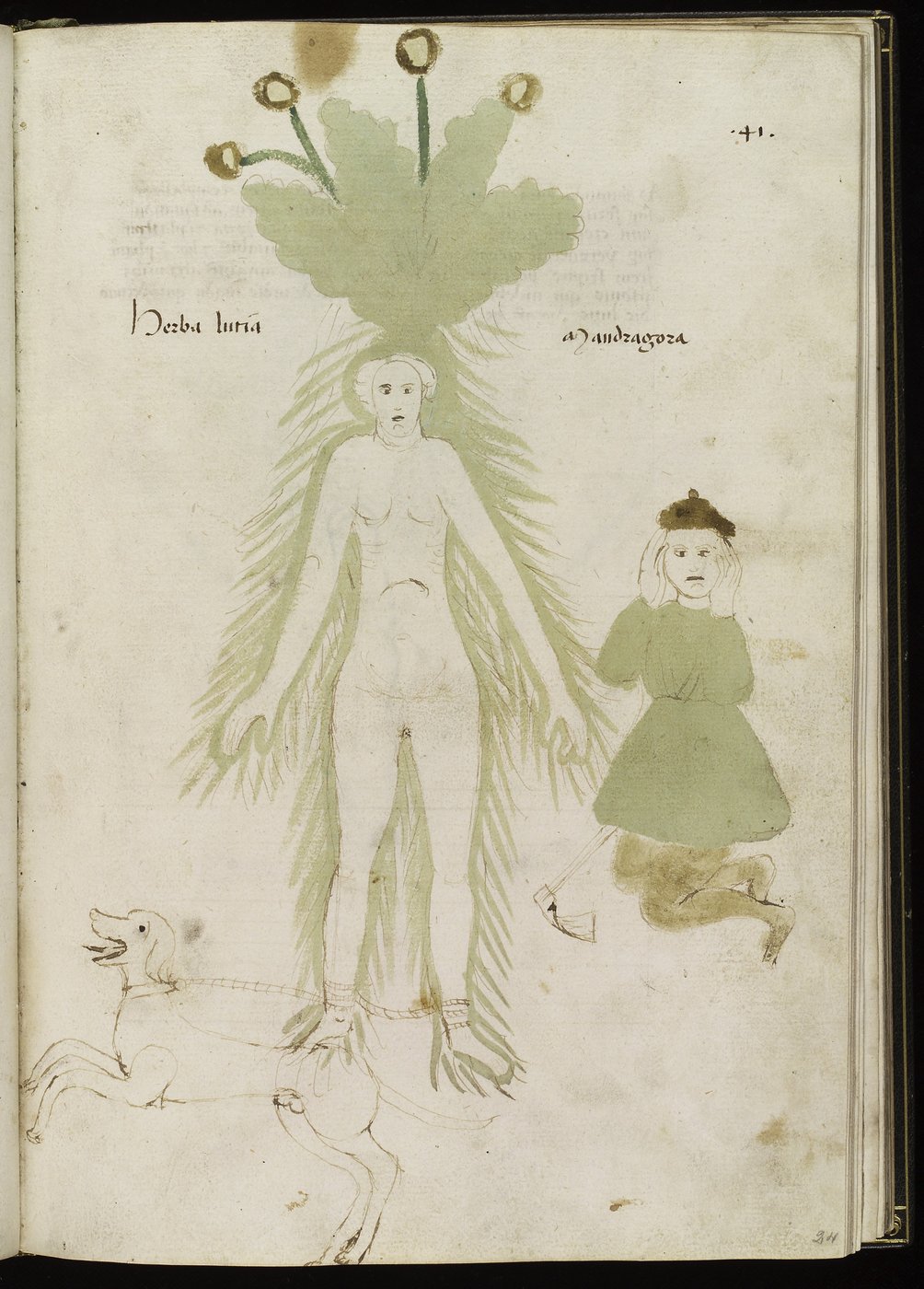
Mandrake · Litharge · Marjoram and jasmine · Mallow and marshmallow · Linseed · Oil of bricks · Ghost pipe · Puffball · the bibliography →
Nearby in the alphabet
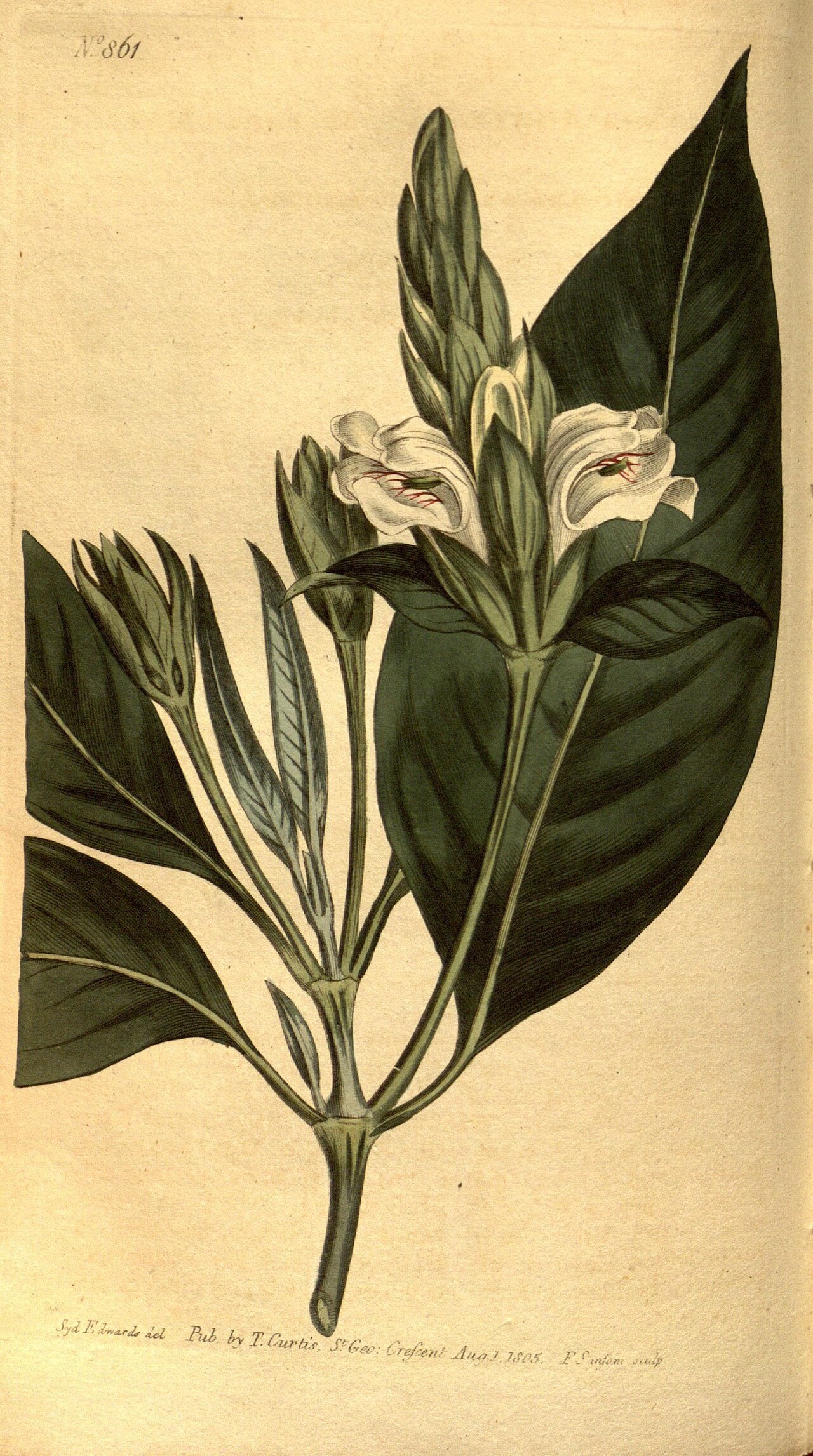
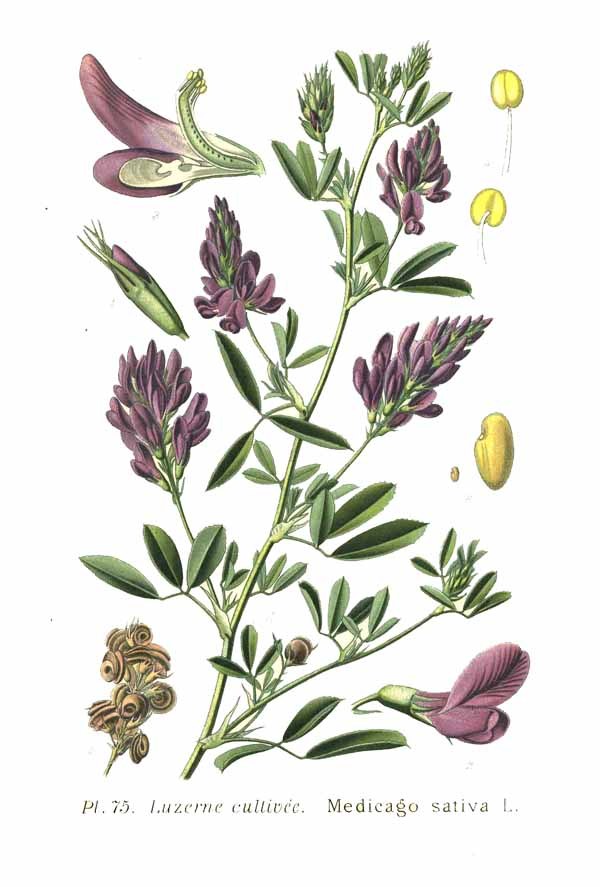
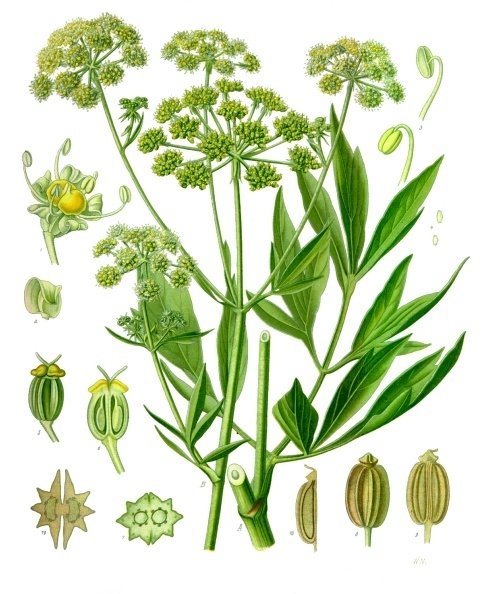
Malabar nut · Malmsey · Lucerne · Man on horseback (long counted a good edible) · Lovage (of the carrot family)
Historical description, not medical advice.
