
Juniper
Juniperus; French genièvre
- Known today as
- The berries and wood of Juniperus communis.
- Kind
- Plant, in 2 older authorities
- Constituents
- alpha-pinene, terpinen-4-ol, sabinene
- Earliest authority here
- Pliny (AD 23/24–79)
- Qualities
- Hot and dry (Galenic tradition). What the degrees mean
- In other databases
- Plants of the World Online search · GBIF search · Wikidata search
Revised October 1, 2026: An older authority added from a text read in full. Version 1, first published September 25, 2026.
Caution. Not for pregnancy or kidney disease.
Juniper: what was it used for?
The berries to provoke urine and warm the stomach; the wood and berries burnt against plague and foul air.
Juniper: how is it taken as a tea?
An ounce of the berries to a pint of boiling water, taken in the course of twenty-four hours.
All the herbal teas of the database. Historical directions, not medical advice.
Juniper: what does modern science say?
A diuretic and carminative; its oil irritates the kidneys in excess. Genever and gin take their name and flavor from it.
Pharmacognosy & Toxicology
- Constituents
- alpha-pinene ChEMBL
- terpinen-4-ol ChEMBLthe diuretic
- sabinene ChEMBL
- Mechanism
- Terpinen-4-ol increases the filtration of the kidney; the old warning that the berries damage the kidney rests on experiments with the oil of a related species, and Schilcher and Heil (1994) found no evidence for it at ordinary doses.
- Toxic dose
- The oil irritates the kidney in large amounts; the berries flavour gin without harm.
- Standing
- Approved in Germany for dyspepsia; the European monograph allows it for mild urinary complaints.
- Schilcher, H., and Heil, B. M. (1994). “Nierentoxizität von Wacholderbeerzubereitungen.” Zeitschrift für Phytotherapie 15. Not indexed
Constituent names open the compound’s record at PubChem, and “ChEMBL” beside a name opens its record at ChEMBL, the European Bioinformatics Institute’s database of bioactive molecules. Where a mechanism line was checked against ChEMBL (ChEMBL 37, read 1 October 2026), the check is shown with the measured value and its source paper, or says plainly that nothing has been measured. Doses are as the references give them, for description only; this is not medical advice. Each source carries the result of its check against Crossref, PubMed, or the authority’s page: see Verification.
Juniper: what lore surrounds it?
In Scotland juniper smoke was used in the saining, the ritual cleansing of house and byre at the New Year. See also Savin, its dangerous cousin.
The “juniper tree” that shelters Elijah in the King James text of 1 Kings 19 translates the Hebrew rotem, which modern scholarship identifies as the broom shrub, Retama raetam, not juniper at all. True juniper has a folklore of its own: its smoke was burned in Central European spring rites to drive out witchcraft, and in plague years communities burned juniper wood for its believed purifying power.
Juniper: what did the older authorities say?
- Pliny
- “The juniper is of a warming and resolvent nature beyond all other plants.” Of its two species “the odour of either, burnt, repels the approach of serpents.” The seed “is good for pains in the stomach, chest, and sides; it dispels flatulency and sudden chills, soothes cough,” and the berries “taken in red wine, act astringently upon the bowels.” It is diuretic, enters aperient antidotes, and is prescribed for convulsions, griping pains and sciatica “either in a dose of four berries in white wine, or in the form of a decoction of twenty berries in wine.” Some, he adds, “rub the body with juniper berries as a preventive of the attacks of serpents.”
- Culpeper
- “This admirable solar shrub is scarce to be paralleled for its virtues”: the berries, hot in the third degree, are “a most admirable counter-poison, and as great a resister of the pestilence, as any growing,” and provoke urine exceedingly; country people who cannot draw the chemical oil may eat ten or a dozen ripe berries every morning fasting; the ashes of the wood rubbed on the gums for scurvy.
Sources
- Dioscorides, De materia medica. Read in part · the text read
- Bible Hub, “Juniper-tree.” Primary text
- Trees for Life, on juniper mythology and folklore. Book, seen in reviews
- Grieve, M. A Modern Herbal, “Juniper Berries.” As published on botanical.com.
- Pliny the Elder, Natural History 24.36, trans. J. Bostock & H. T. Riley (1855), Perseus Digital Library. Primary text
- Culpeper, N. (1653). The Complete Herbal, “Juniper Bush.” Project Gutenberg #49513. Primary text
Verification
- Checked
- October 1, 2026
- Passes
- Every sentence read against its sources, in the pass over the remaining 343 entries
- The Standing line checked against the authority it names (EMA, WHO, FDA, CITES, Commission E)
- Every dated or regulatory claim checked by category across the database
- Each quotation from the older authorities checked word for word against the text, read in full
- Sources
- 7 cited: 1 read in part, 3 primary text, 1 book, seen in reviews, 1 not indexed, 1 not yet checked.
- Corrections
- the kidney-irritation finding is Schilcher and Heil (1994), not "a review in 2006."
What was checked, how, and what was found is set out on the Verification page. A checked source is one whose record was found; it does not make the entry medical advice.
Cite This Entry
Version 1 · first published September 25, 2026 · last revised October 1, 2026
- Chicago
“Juniper.” In Materia Medica, edited by B. C. P. Statema. Version 1. The Thinking Press, 2026–. Last modified October 1, 2026. https://thethinkingpress.org/materia-medica/juniper.
- MLA
“Juniper.” Materia Medica, edited by B. C. P. Statema, version 1, The Thinking Press, 1 Oct. 2026, thethinkingpress.org/materia-medica/juniper. Accessed 8 Oct. 2026.
- APA
Juniper. (2026, October 1). In B. C. P. Statema (Ed.), Materia medica (Version 1). The Thinking Press. Retrieved October 8, 2026, from https://thethinkingpress.org/materia-medica/juniper
Club members keep entries on a shelf with private notes, print the plates as cards, and receive an entry by email each week. Create a free account before January 1, 2027 and all of it is yours for good. About the Club
See Also
Sharing alpha-pinene, terpinen-4-ol, sabinene
Pistacia lentiscus · Cupressus sempervirens · Turpentine · Daucus carota · Origanum majorana · Juniperus sabina · Piper cubeba
Also in Pliny the Elder
Kermes in Pliny the Elder · Jet, oil of in Pliny the Elder · Lesser bean-trefoil in Pliny the Elder · Houndstongue in Pliny the Elder · everything Pliny the Elder names →
Also in Nicholas Culpeper
Madder in Nicholas Culpeper · Herb Paris in Nicholas Culpeper · Masterwort and angelica in Nicholas Culpeper · Hawthorn in Nicholas Culpeper · everything Nicholas Culpeper names →
Drawing on the same sources: Dioscorides, Grieve, Culpeper
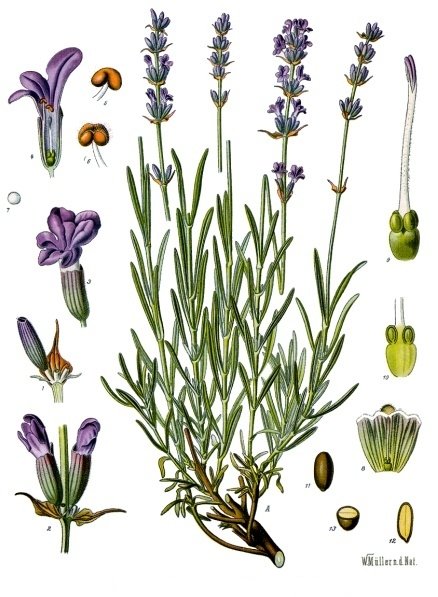
Lavender · Iva · Litharge · Lady’s mantle · Jelly ear · Lapis lazuli, pills of · the bibliography →
Of the same qualities: hot and dry
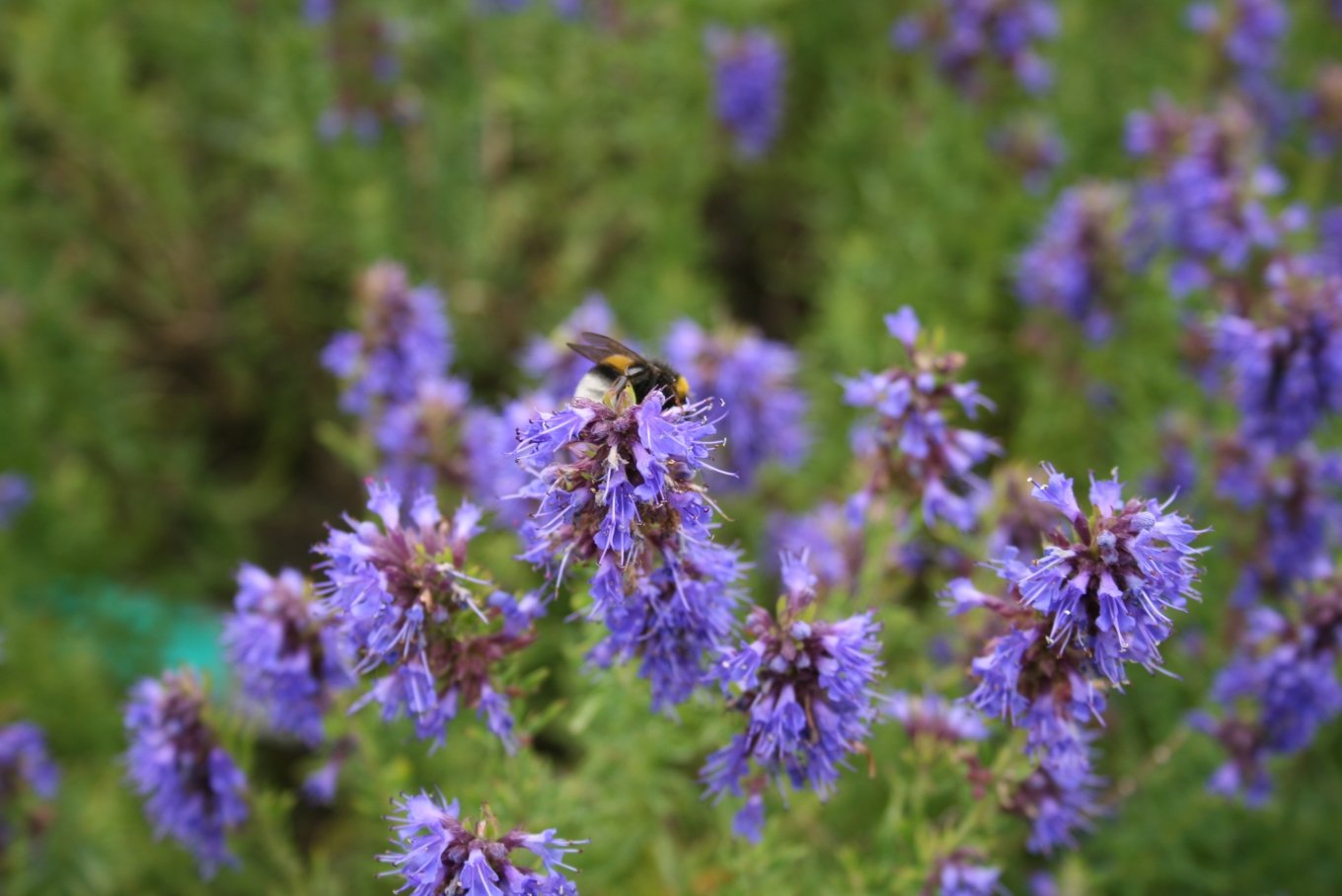
Hyssop · Long pepper · Honey · Myrrh · Garlic · what the degrees mean →
Nearby in the alphabet
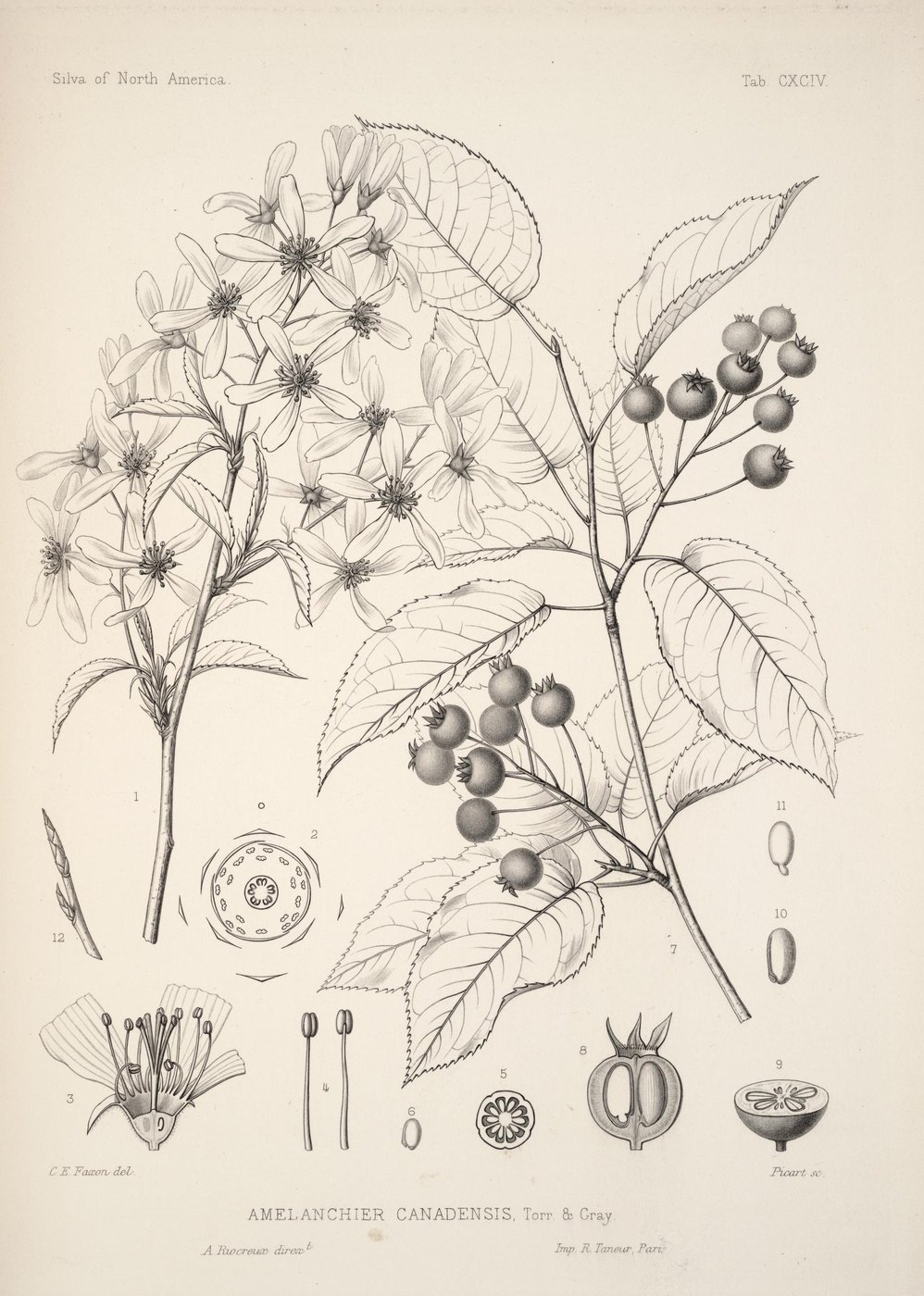
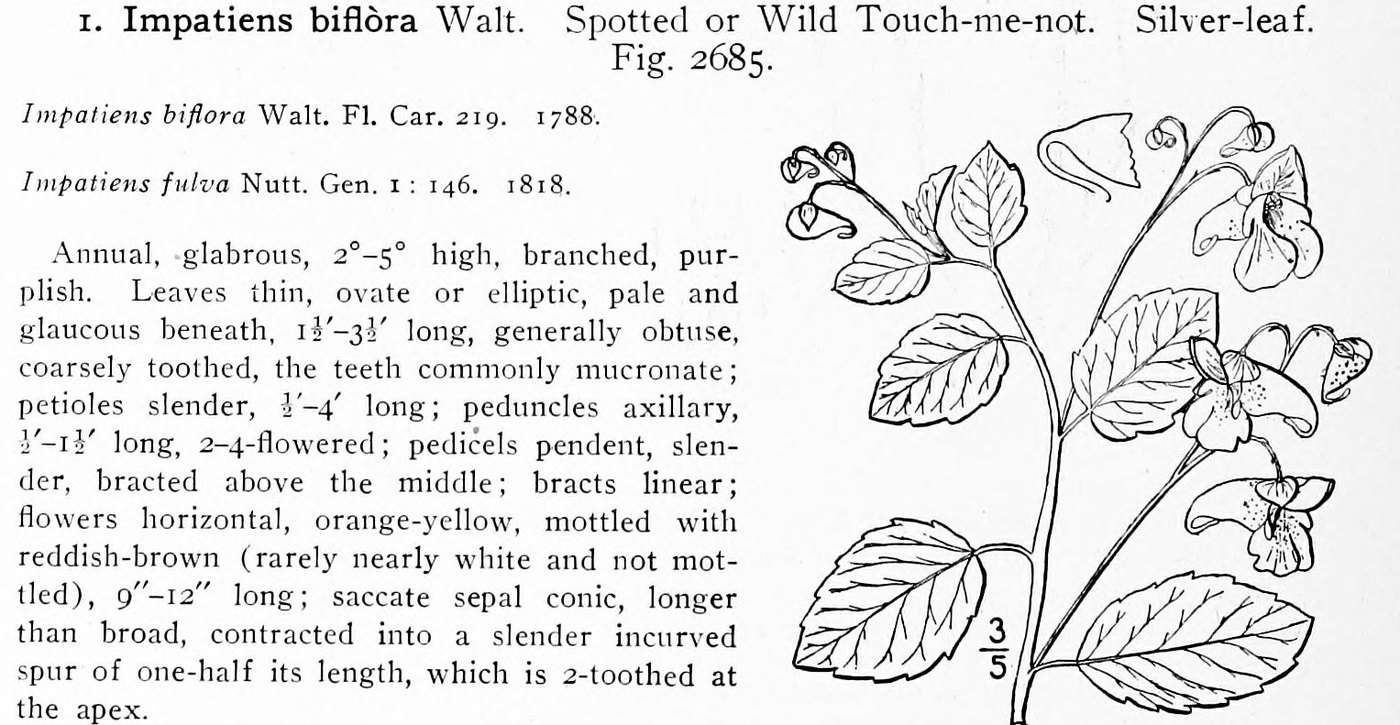
Juneberry · Koji mould (The mould grown on steamed rice or soybeans) · Jewelweed · Labdanum (Cistus ladanifer and C)
Historical description, not medical advice.