
A London apothecary-astrologer who put the College of Physicians’ Latin pharmacopoeia into English in 1649, to the physicians’ fury, so that anyone could read what their medicines contained. His English Physitian (1652), the herbal still in print, followed.
127 Entries in the Materia Medica
The Thinking Press Club
Read What Nicholas Culpeper Says
Each passage in which the database cites Nicholas Culpeper, entry by entry.
For Club Members. Create a free account before January 1, 2027 and confirm your email: you become a Charter Member, and it is yours for good.
- Adder’s-tongue fernOphioglossum vulgatum. A small, unfern-like fern of moist pastures and meadows, its single
- AgrimonyAgrimonia eupatoria.
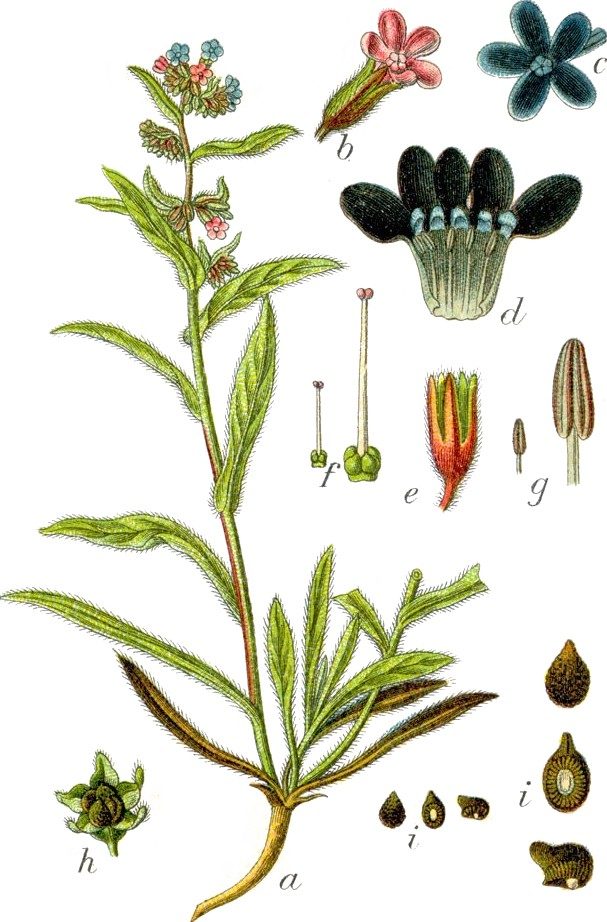
- AlkanetAlkanna tinctoria (syn. Lithospermum tinctorium). A relative of borage, of southern Europe
- The amulet herbsSee each above.
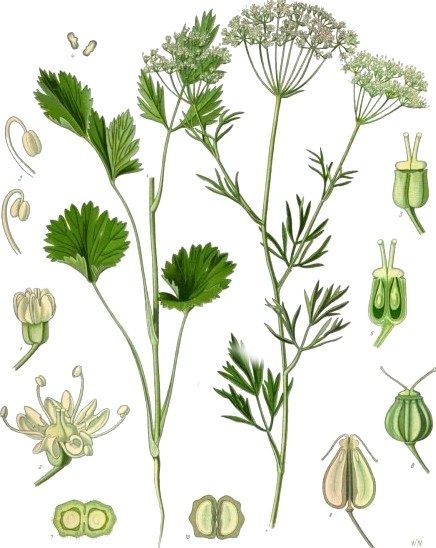
- AniseedPimpinella anisum.
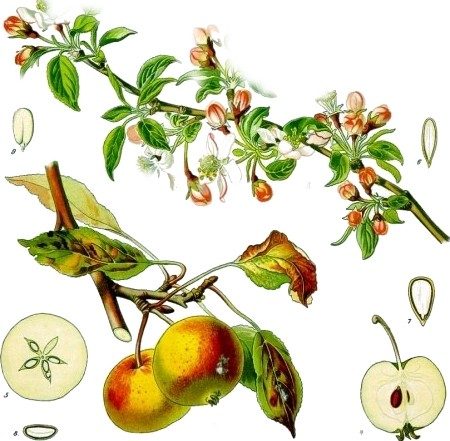
- Apples, syrup ofA syrup of sweet apples.
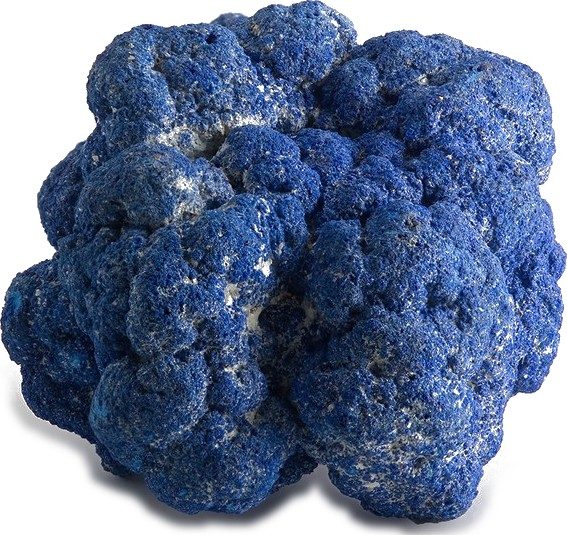
- Armenian stone, pills ofLapis armenus, azurite, a blue copper carbonate.
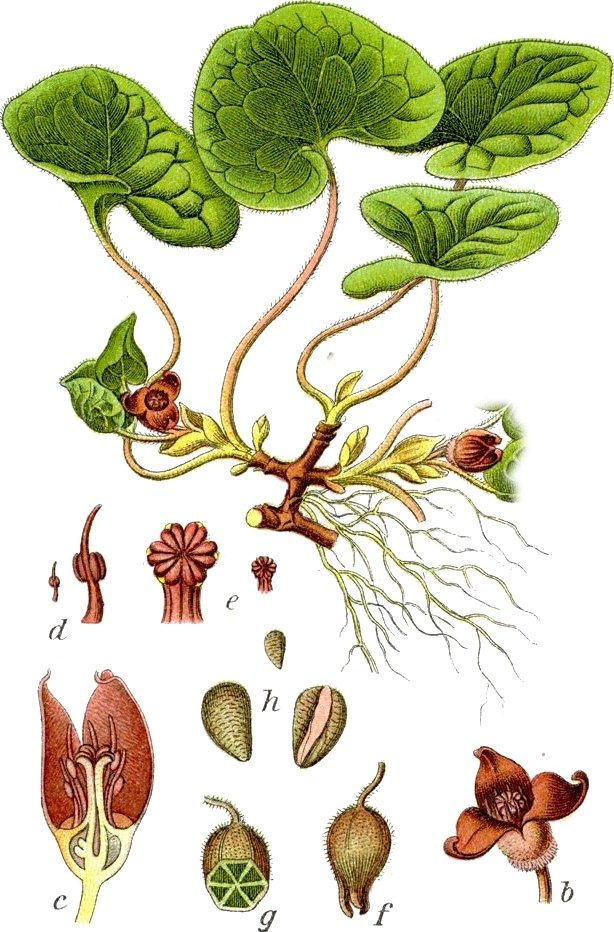
- AsarabaccaAsarum europaeum, hazelwort or wild nard, of the birthwort family; a rare plant of woods.
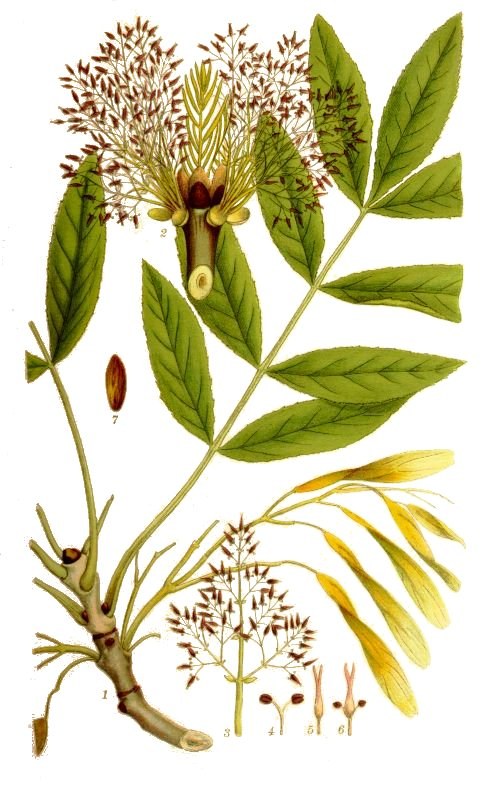
- Ash leafFraxinus excelsior, a tall tree of the olive family Oleaceae, with light-grey bark and lar
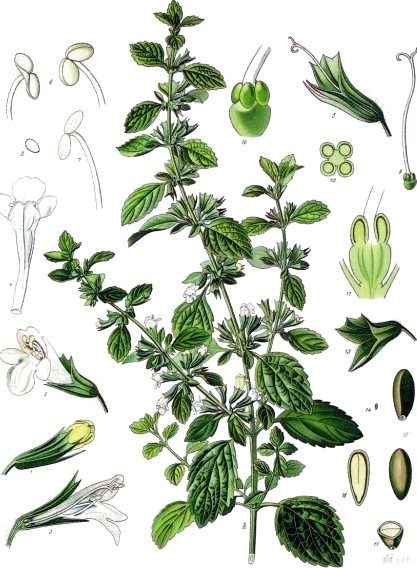
- BalmLemon balm, Melissa officinalis.
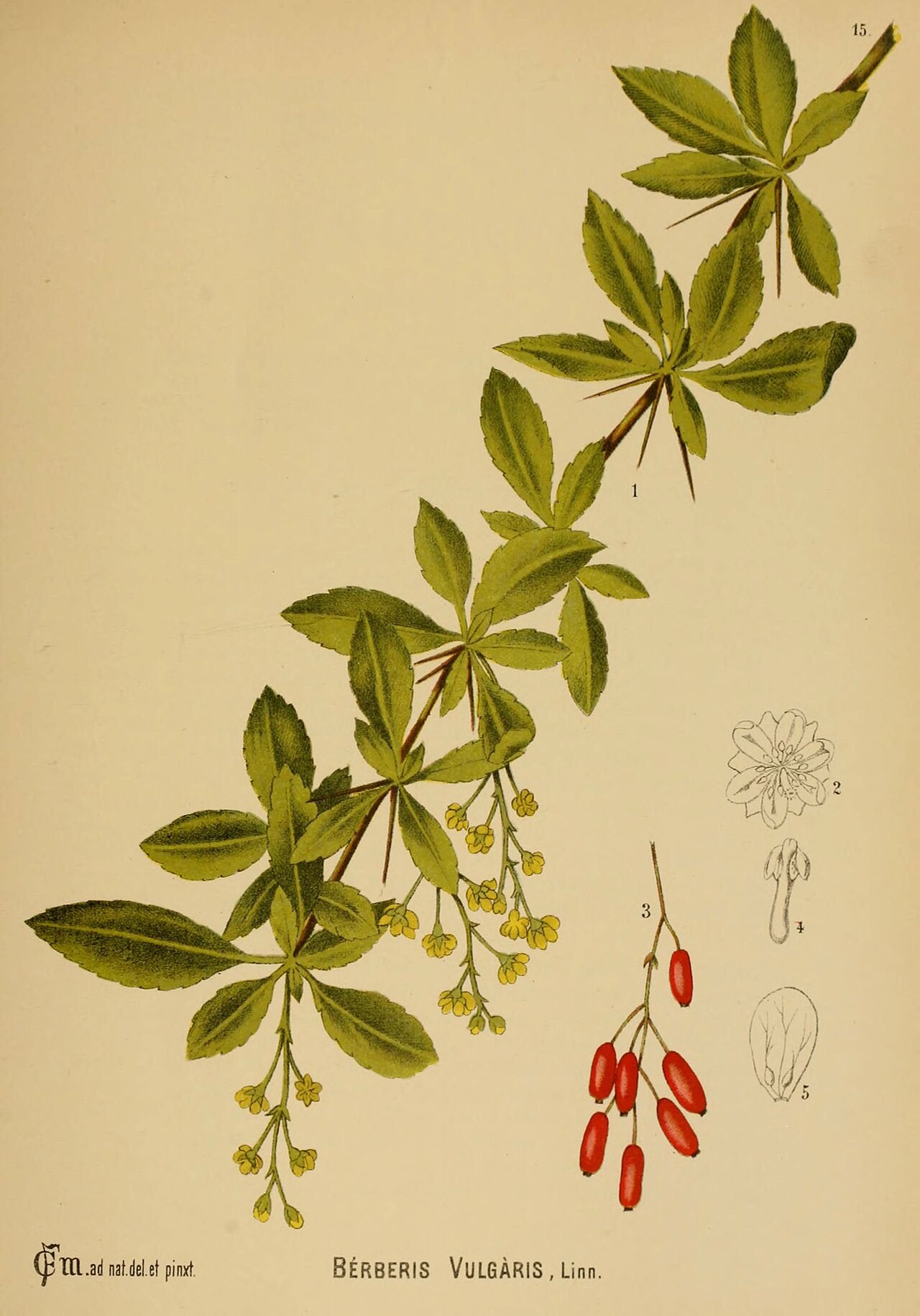
- BarberryBerberis vulgaris, of the family Berberidaceae, a bushy spiny shrub of copses and hedges a
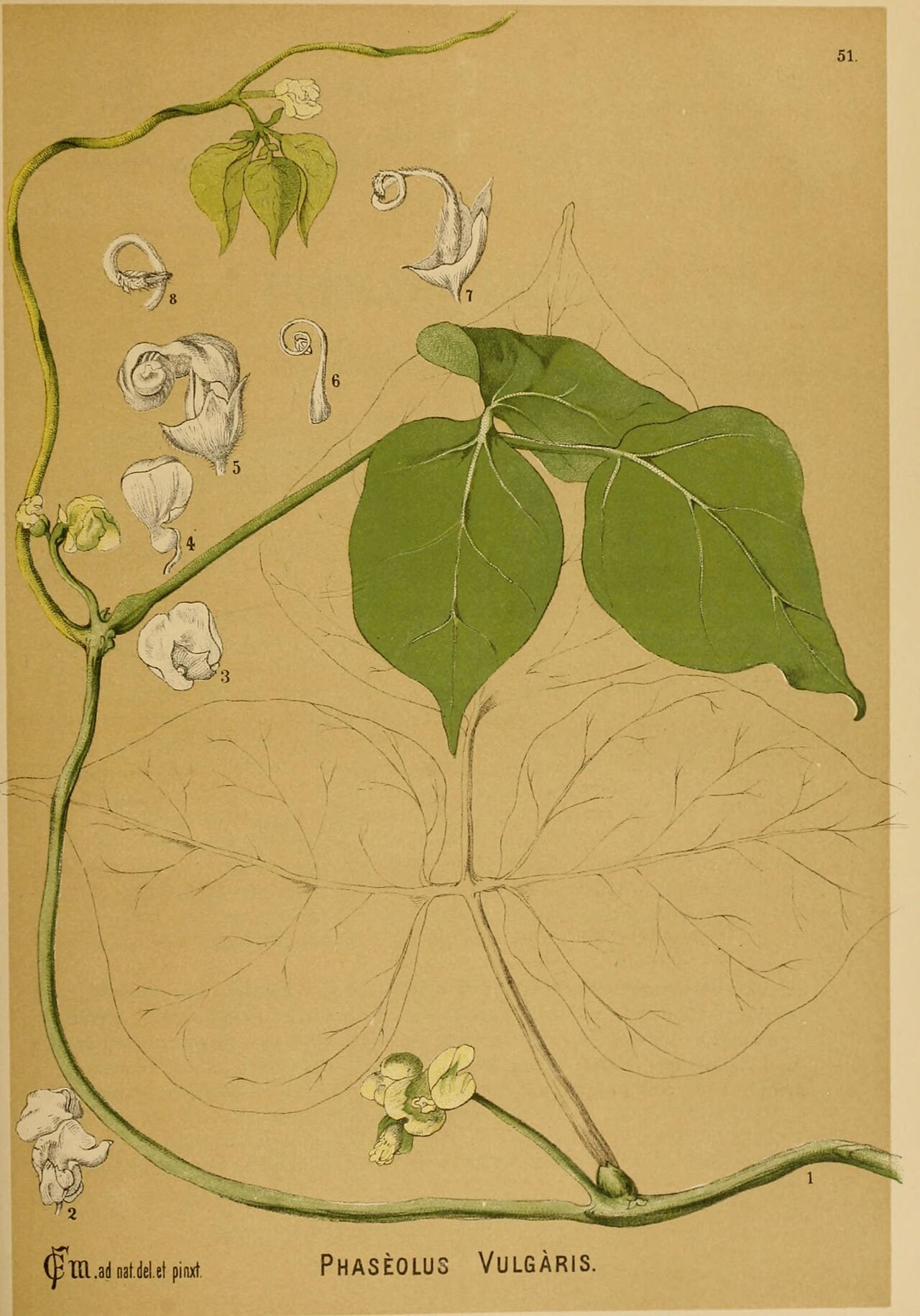
- Bean podThe pod, without its seeds, of the common French or kidney bean, Phaseolus vulgaris. Culpe
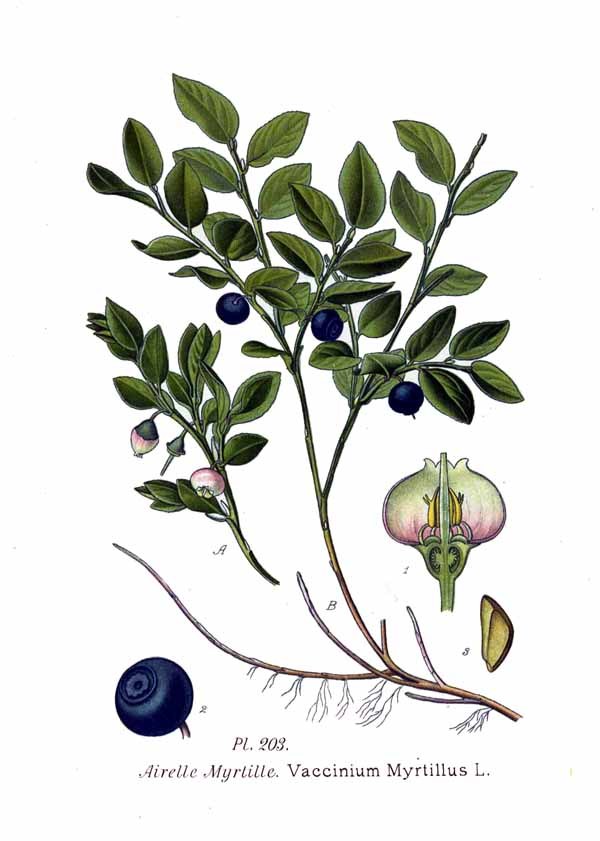
- BilberryVaccinium myrtillus, a small branched shrub of heaths and mountains, rarely over a foot hi
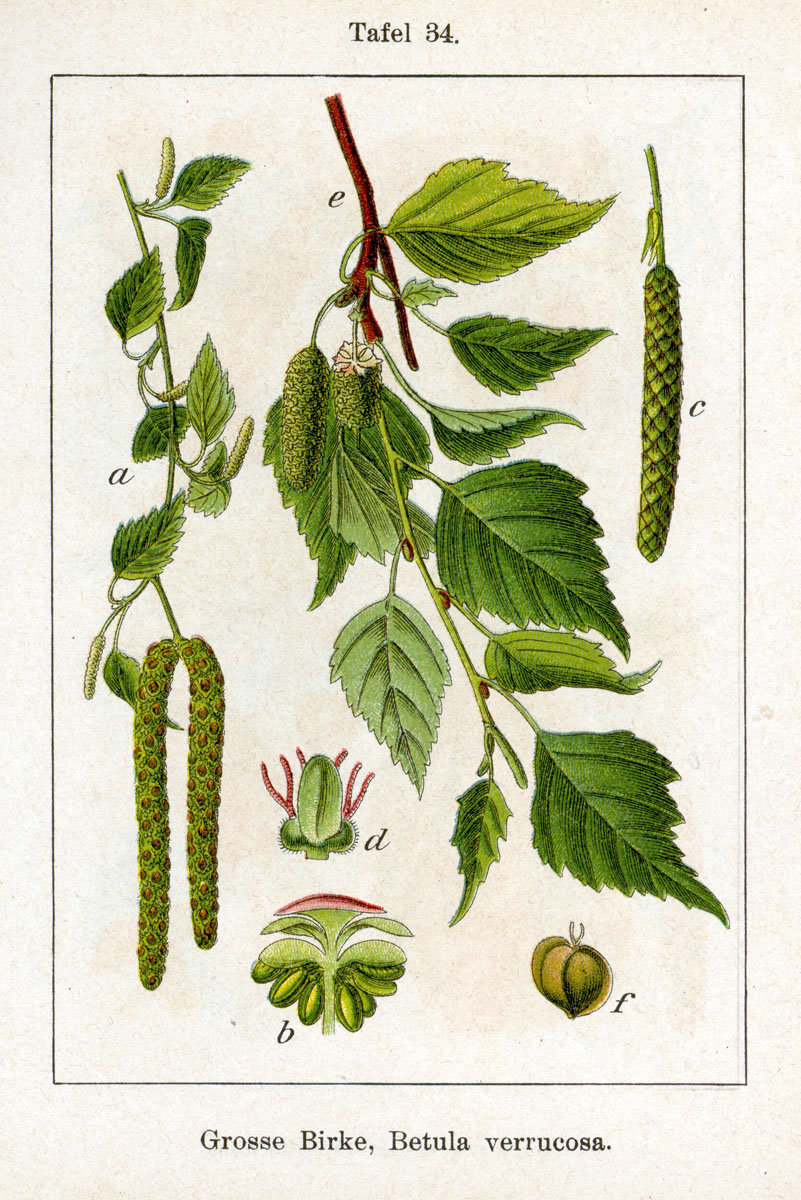
- Birch leafThe leaf of the silver and downy birches, trees of Europe from Sicily to Iceland and of no
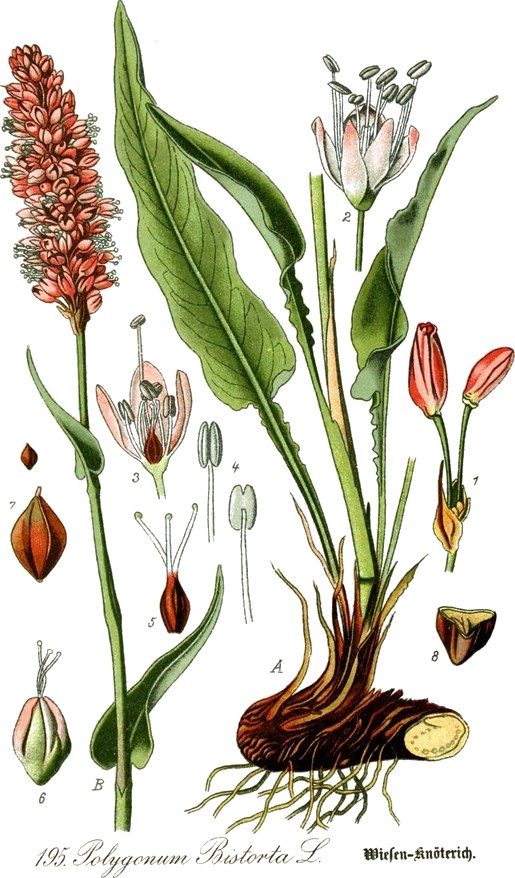
- BistortBistorta officinalis, snakeweed.
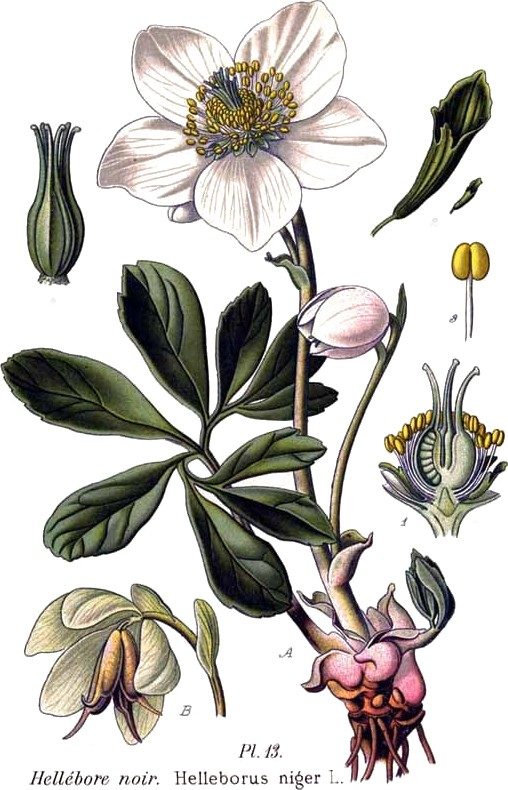
- Black helleboreThe Christmas rose, Helleborus niger; the bark of the root was used.
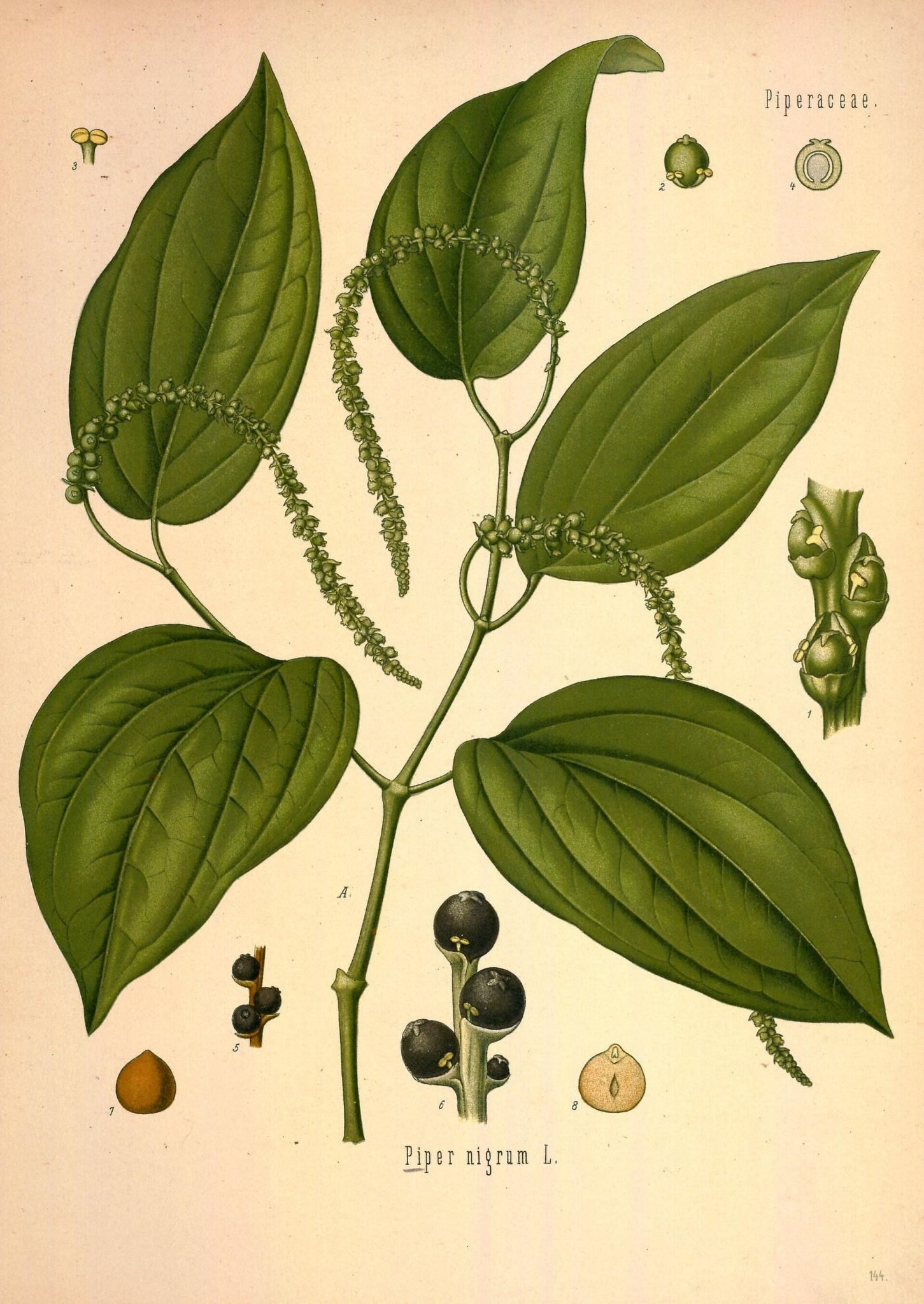
- Black pepperThe dried fruit of Piper nigrum.
- BlackthornPrunus spinosa. A thorny hedgerow shrub bearing small, bitter, blue-black plums, sloes, af
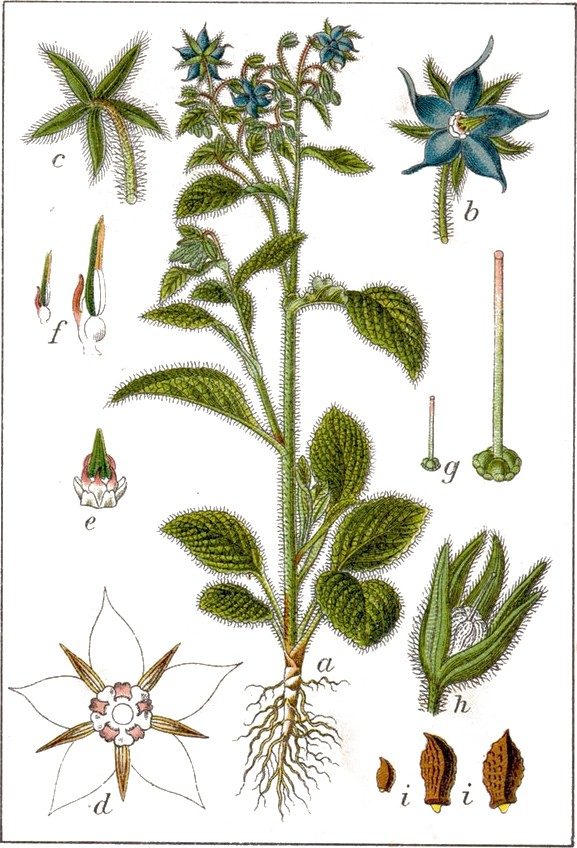
- BorageBorago officinalis.
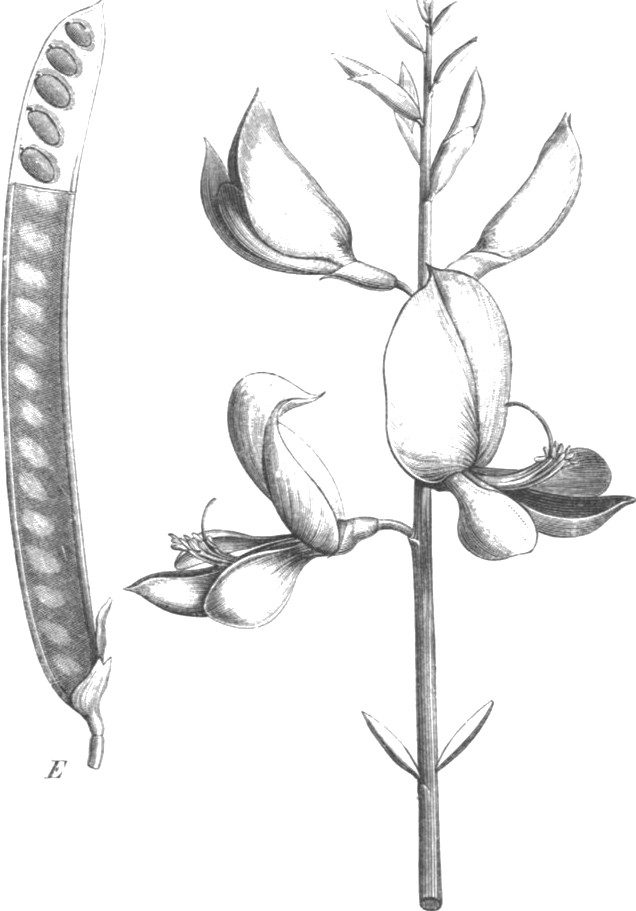
- BroomSpanish broom, Spartium junceum, or common broom, Cytisus scoparius.
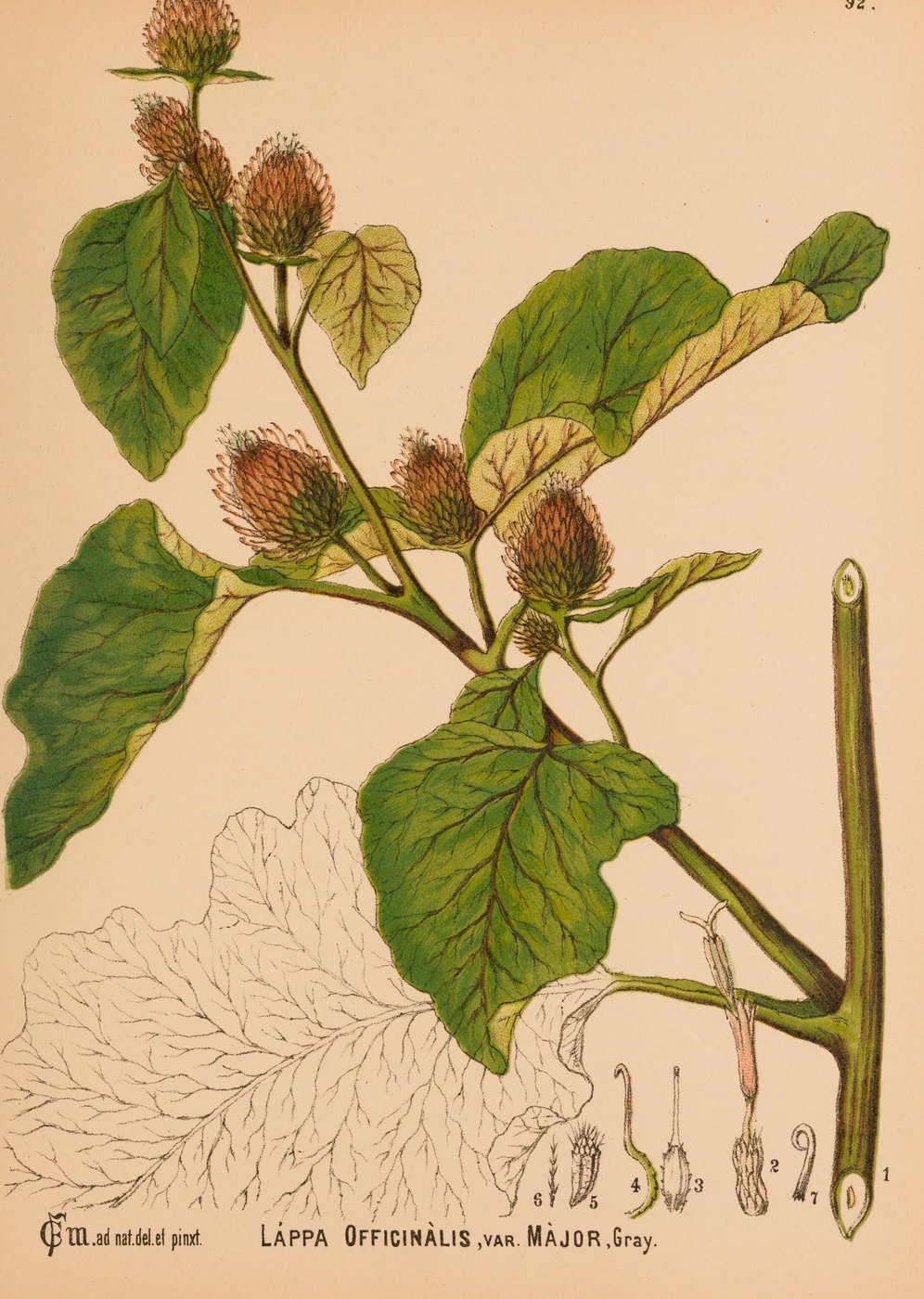
- BurdockThe coarse biennial emigrant of roadsides and dwellings, three to five feet high, with gre
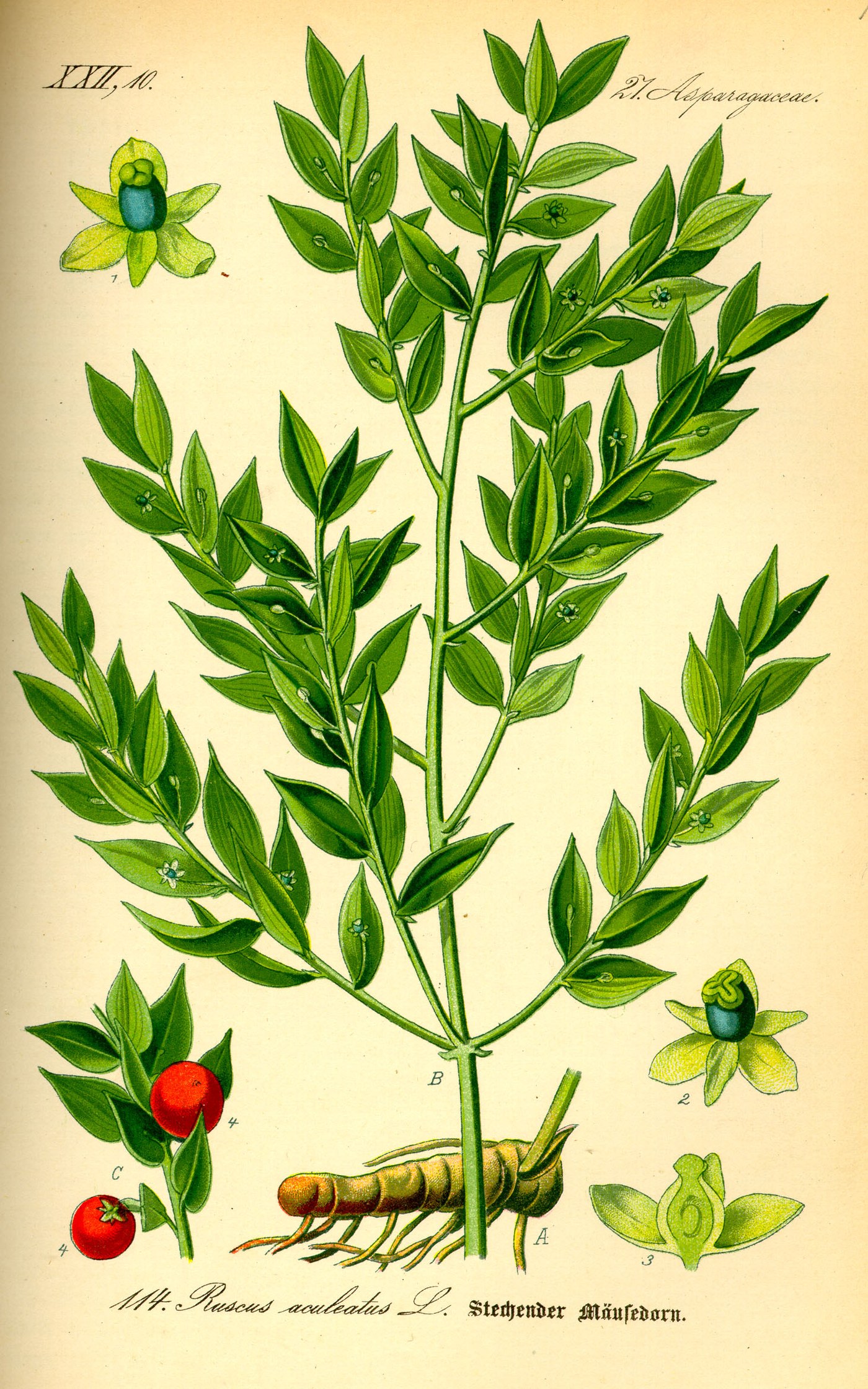
- Butcher’s broomRuscus aculeatus, a low, stiff evergreen of woods and waste places, especially in the sout
- CantharidesThe dried blister beetle Lytta vesicatoria.
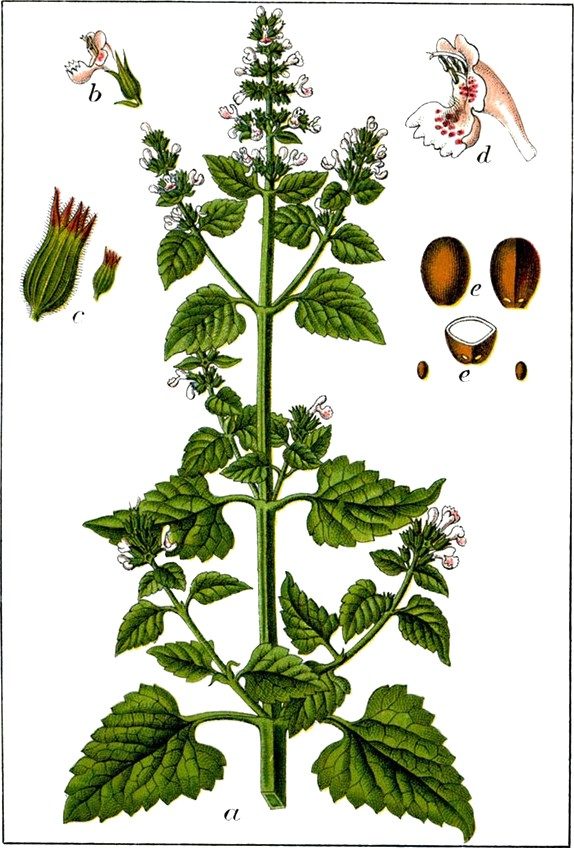
- CatmintNepeta cataria or calamint, Clinopodium nepeta.
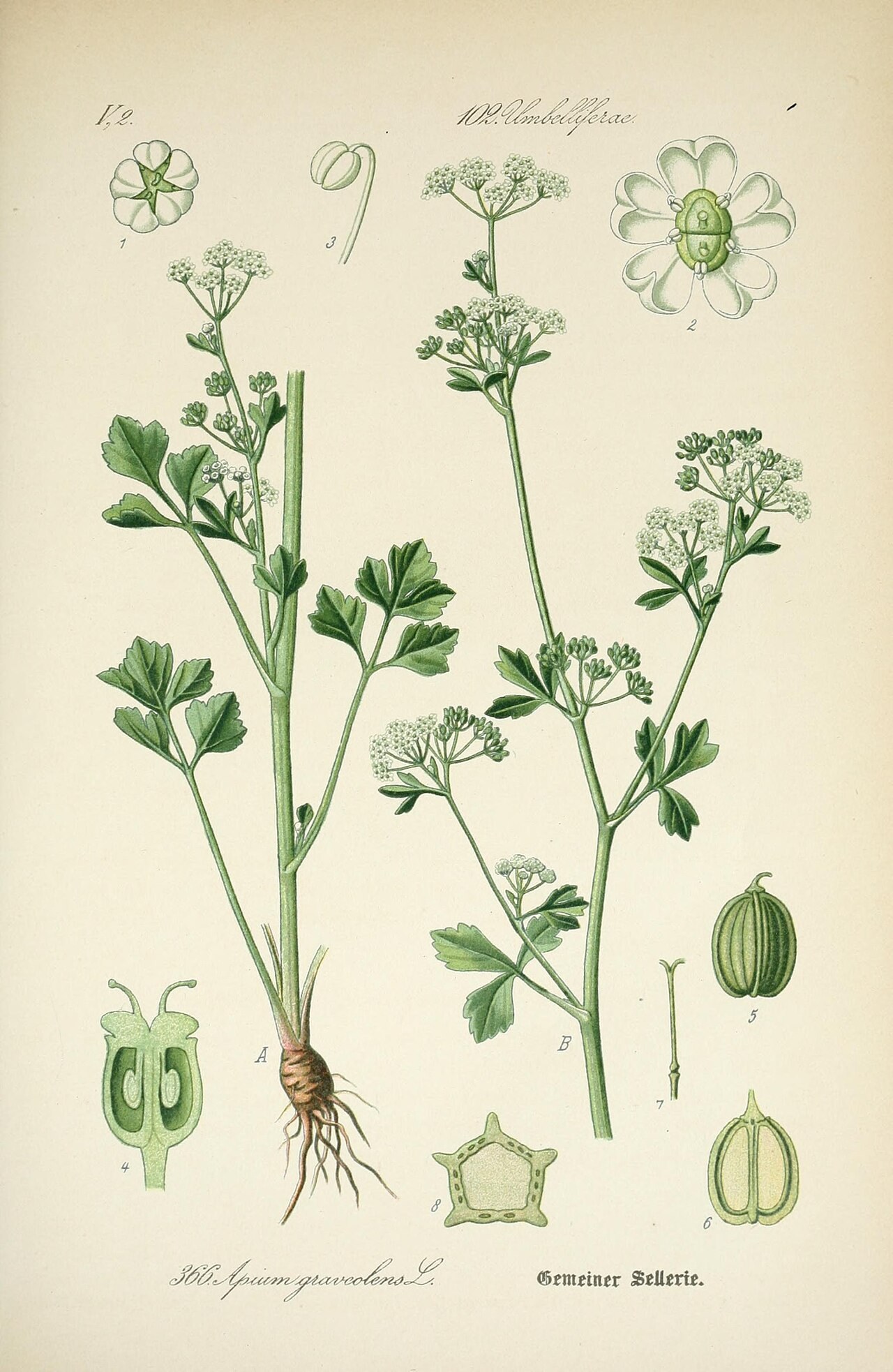
- CeleryApium graveolens, of the family Umbelliferae, native, Grieve writes, to the Levant and sou
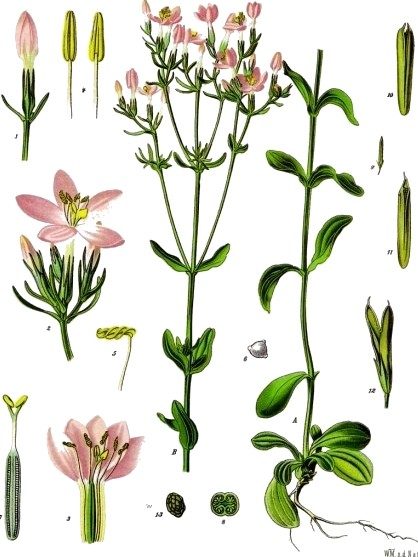
- CentauryRed centaury, Centaurium erythraea.
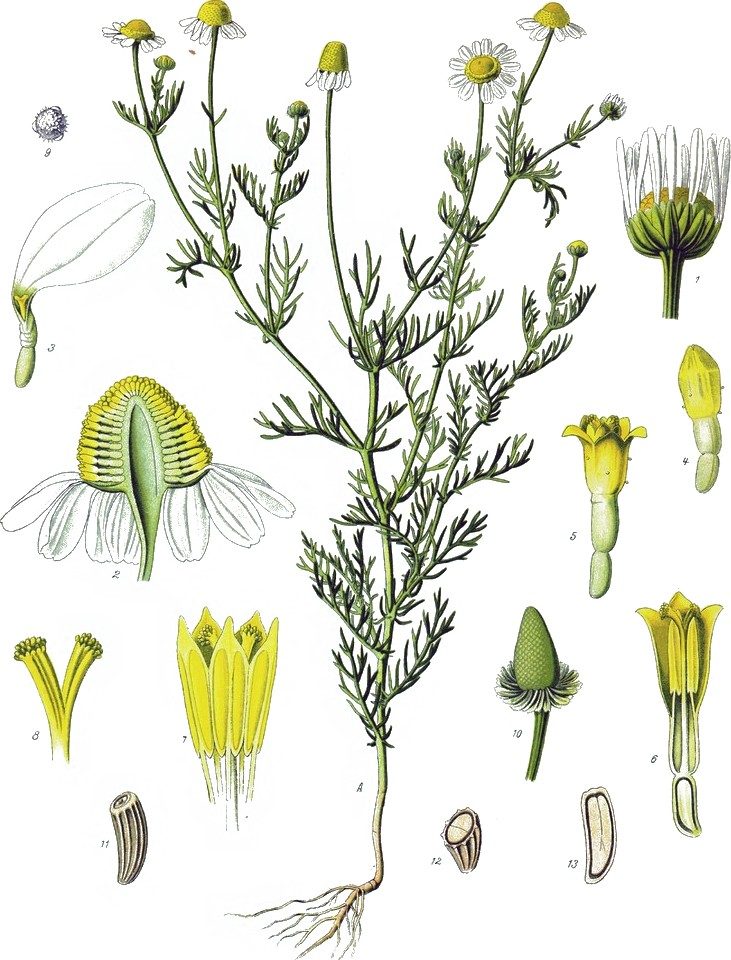
- ChamomileMatricaria chamomilla.
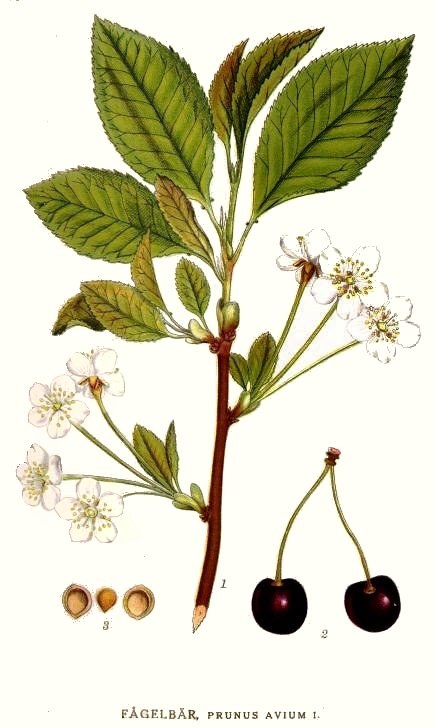
- Cherry stalksThe dried fruit stalks of the sweet and sour cherries. Grieve gives their marks as “
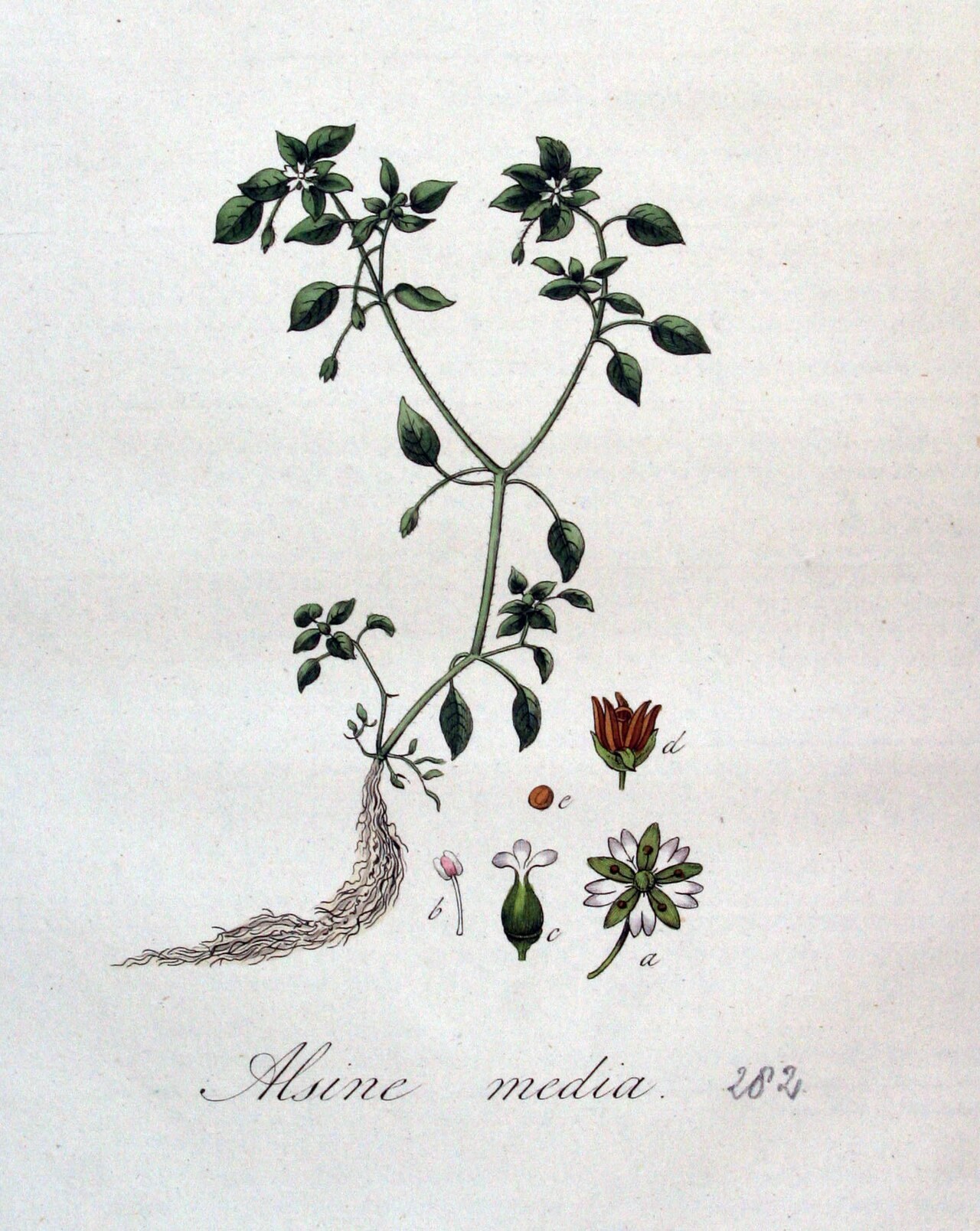
- ChickweedStellaria media, of the family Caryophyllaceae, the ubiquitous garden weed: native, Grieve
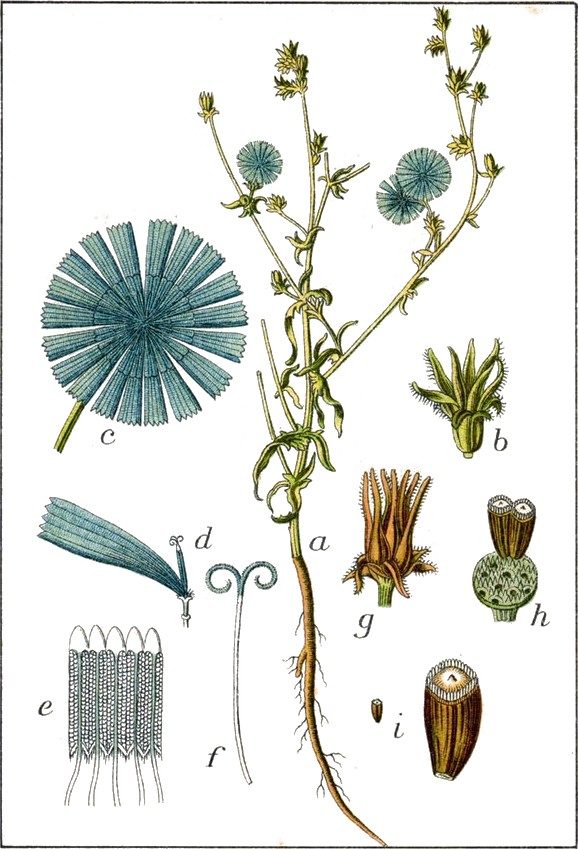
- ChicoryCichorium intybus.
- CinnamonThe bark of Cinnamomum verum; “fine” cinnamon in the oil.
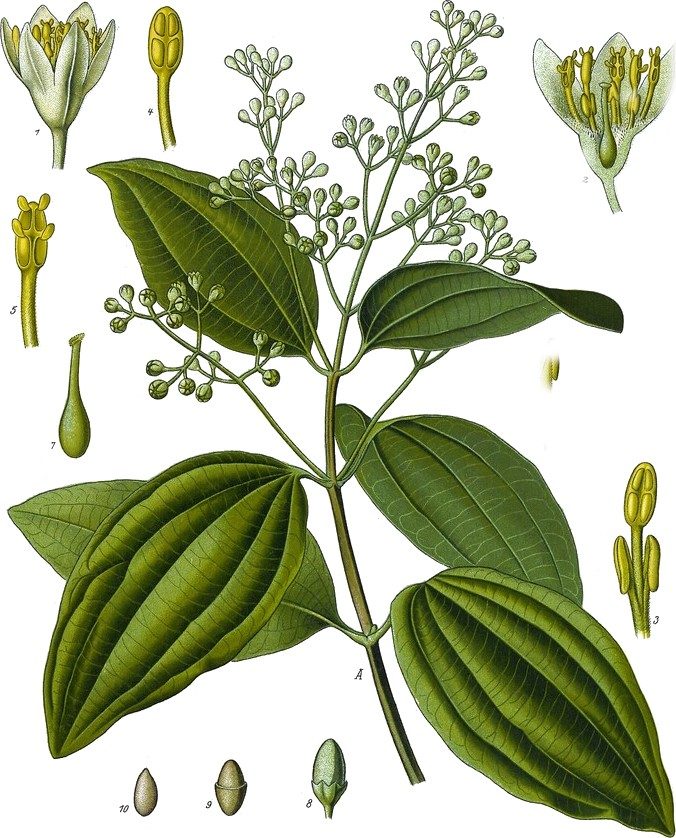
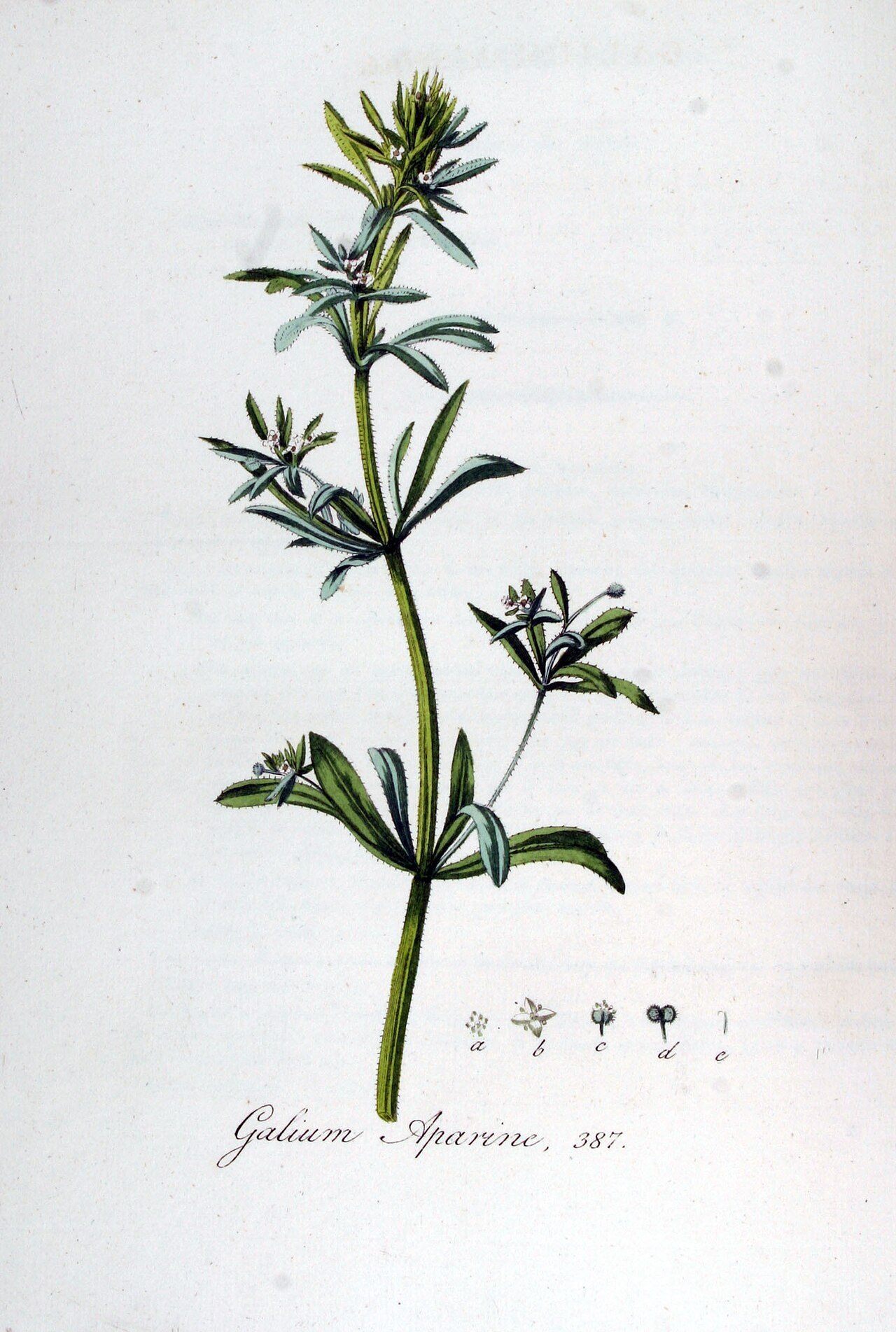
- CleaversGalium aparine, an annual hedgerow weed of the madder family, Rubiaceae, common throughout
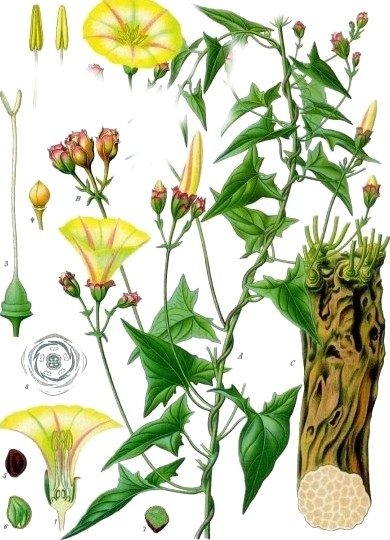
- Cochia pillsA standard purgative pill of aloes, scammony, and colocynth, given in the old pharmacopoei
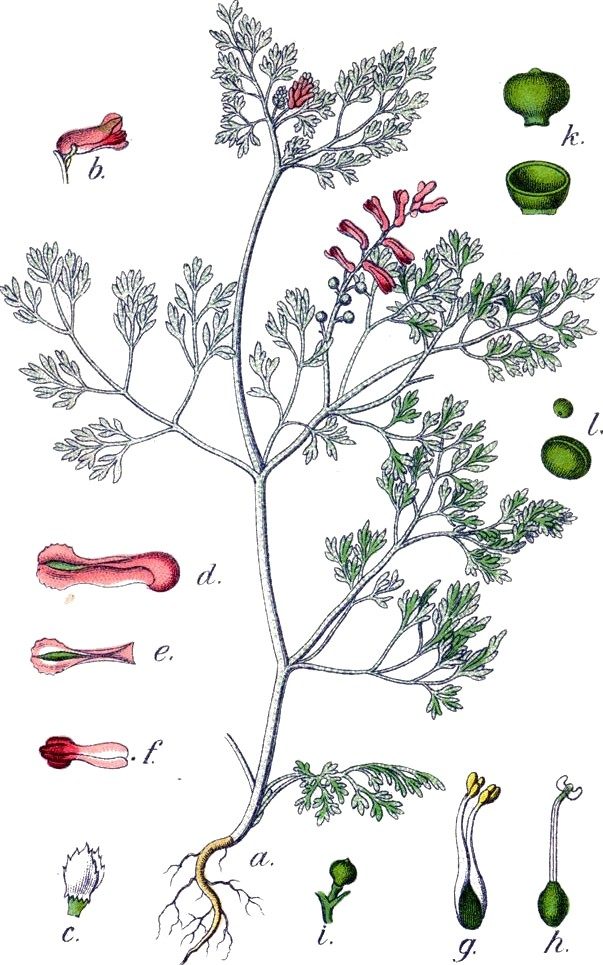
- Compound fumitoryA syrup or compound of fumitory, Fumaria officinalis, with other herbs.
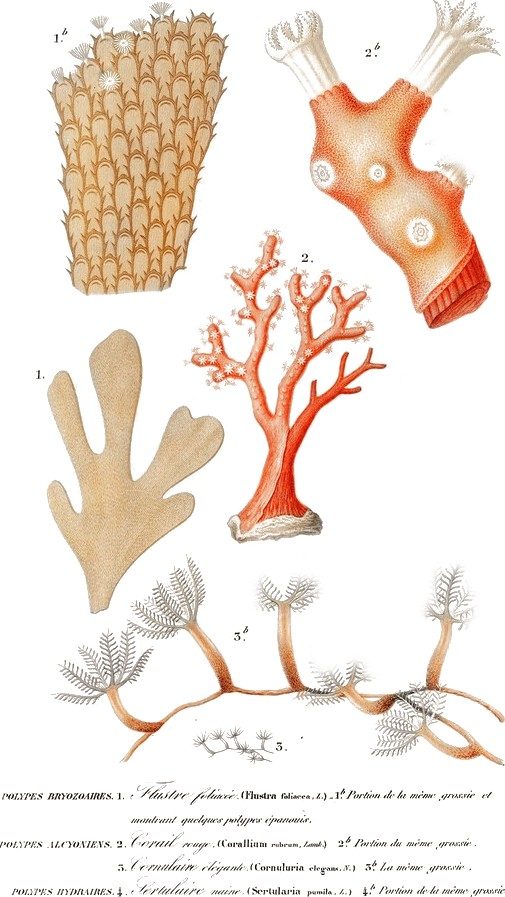
- Coral, redPrecious red coral, Corallium rubrum, of the western Mediterranean, prepared as powder.
- Cordial flowers and fruitsA standard apothecary decoction of “heart-strengthening” flowers (usually borage, bugloss,
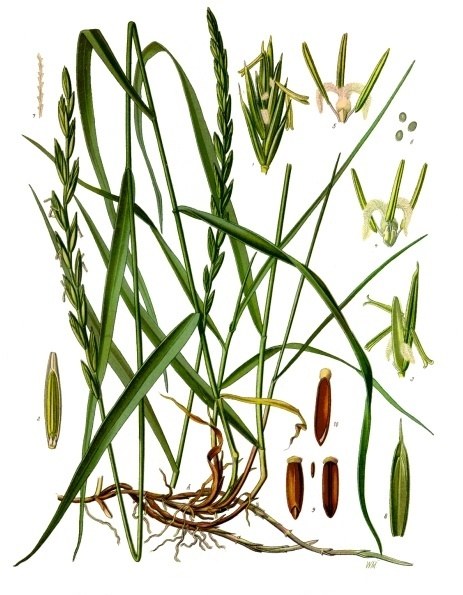
- Couch grassA grass of fields and waste places across Europe, northern Asia, Australia, and the Americ
- CowslipPrimula veris. A spring flower of the countryside, kin to the primrose, its yellow flowers
- Crabs’ eyesChalky stones from the stomachs of crayfish.
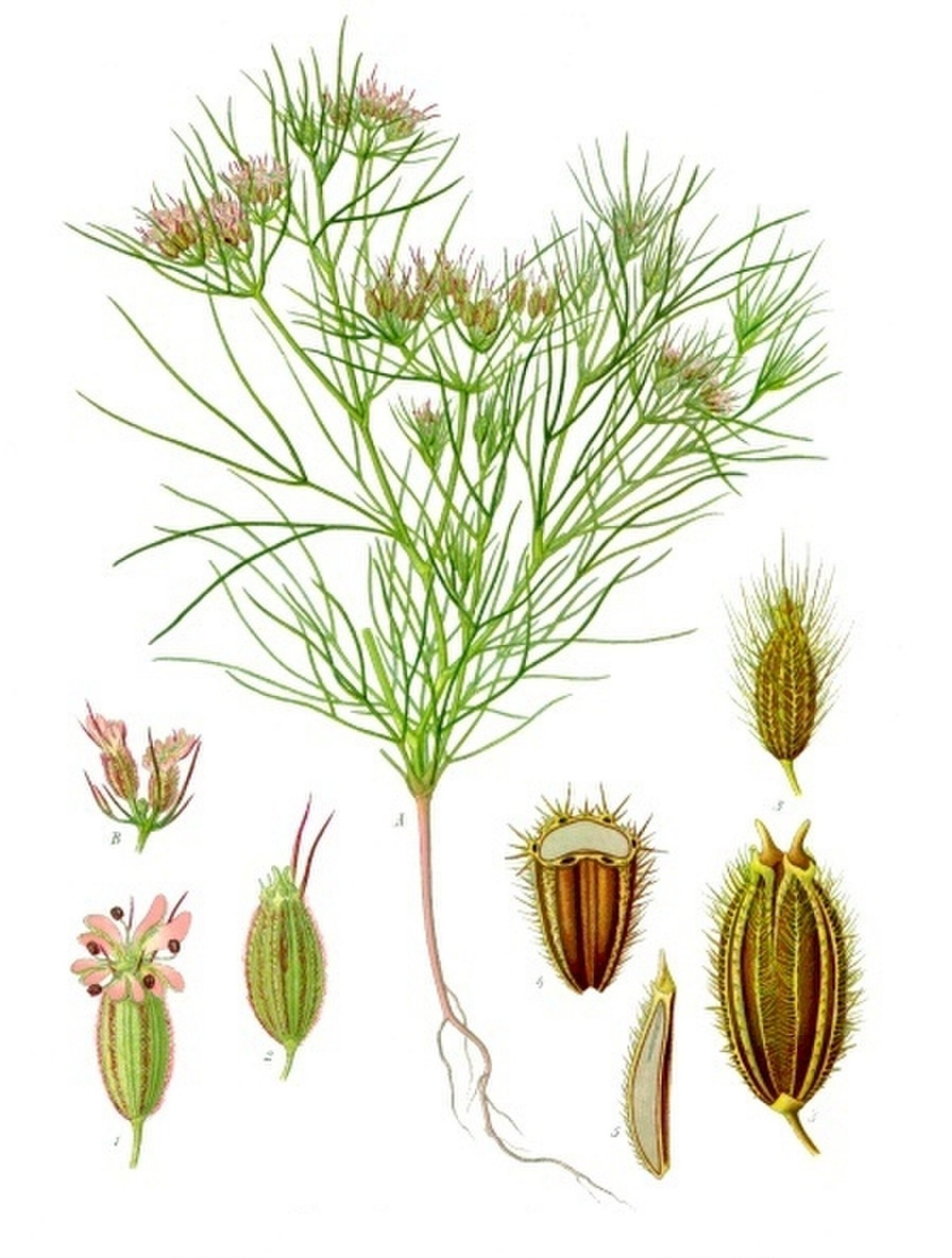
- CuminCuminum cyminum.
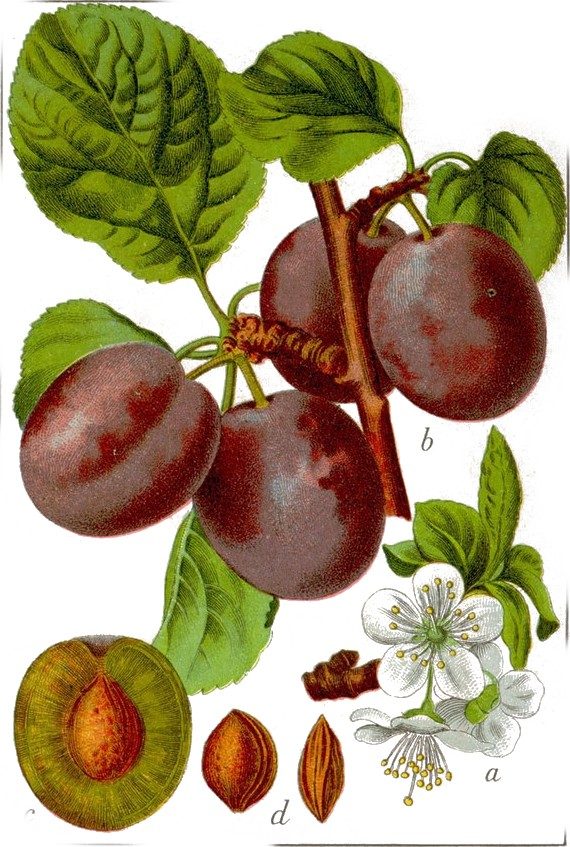
- Damascus prunesDamson plums, Prunus insititia, dried.
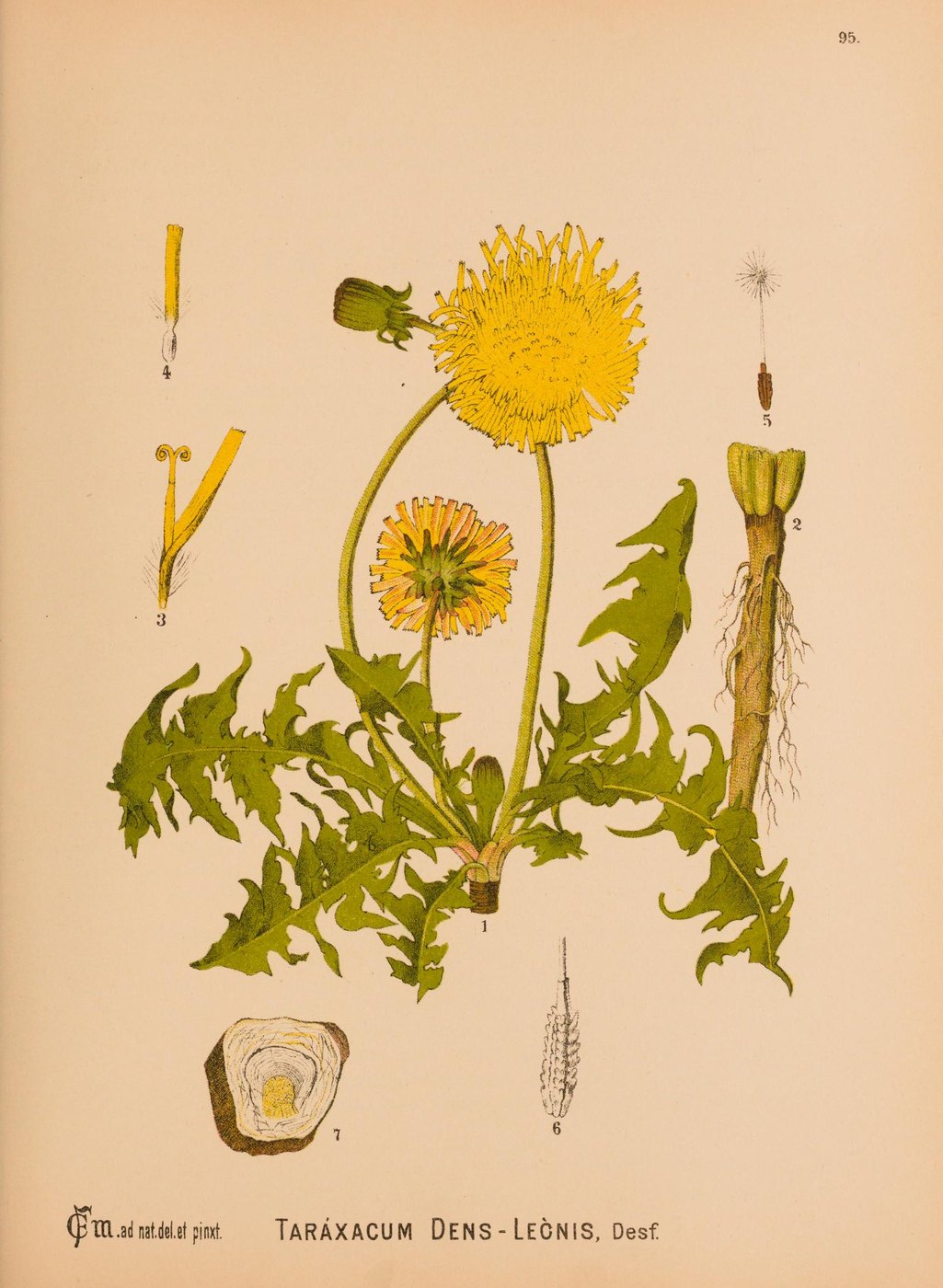
- DandelionTaraxacum officinale, of the daisy family.
- Devil’s-bit scabiousSuccisa pratensis. A blue-violet wildflower of meadows and heaths, known by its short, blu
- DiacatholiconA “universal” purgative electuary of the old apothecary, based on senna, rhubarb, cassia,
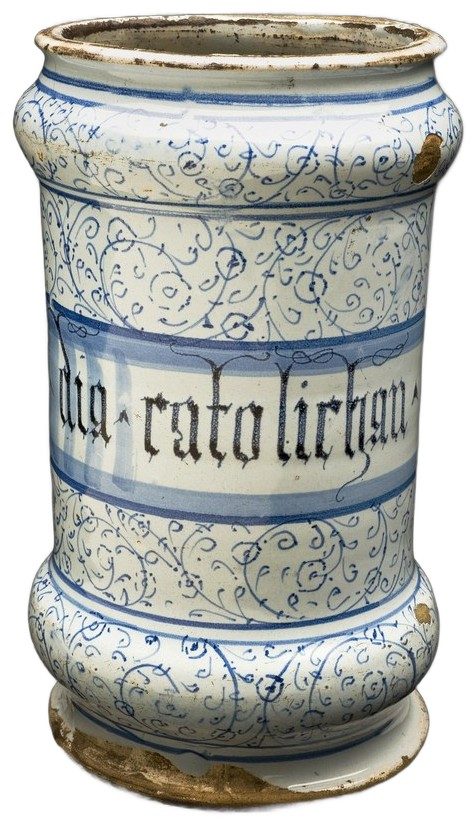
- Diamoschu, sweetA cordial powder of musk with saffron, aloeswood, coral, pearls, and spices.
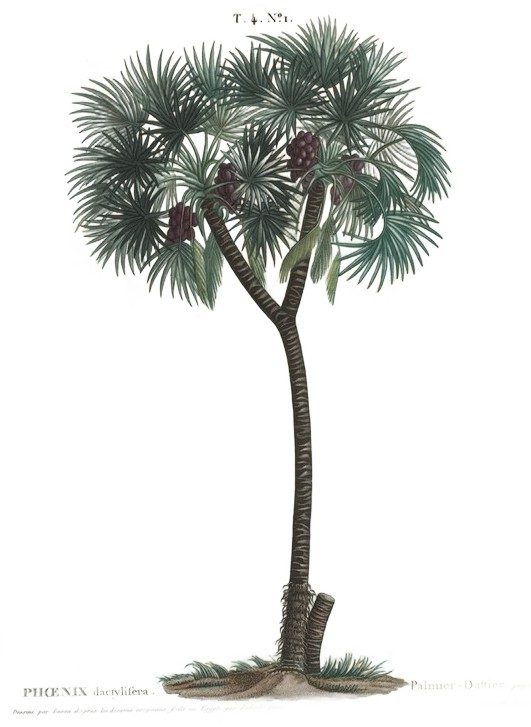
- DiapheniconA purgative electuary of dates, with turpeth, scammony, and spices.
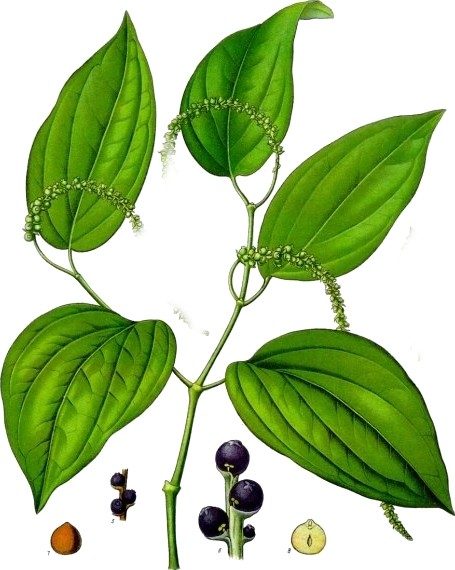
- Diatrion piperionA warming powder of the three peppers, with aniseed and ginger.
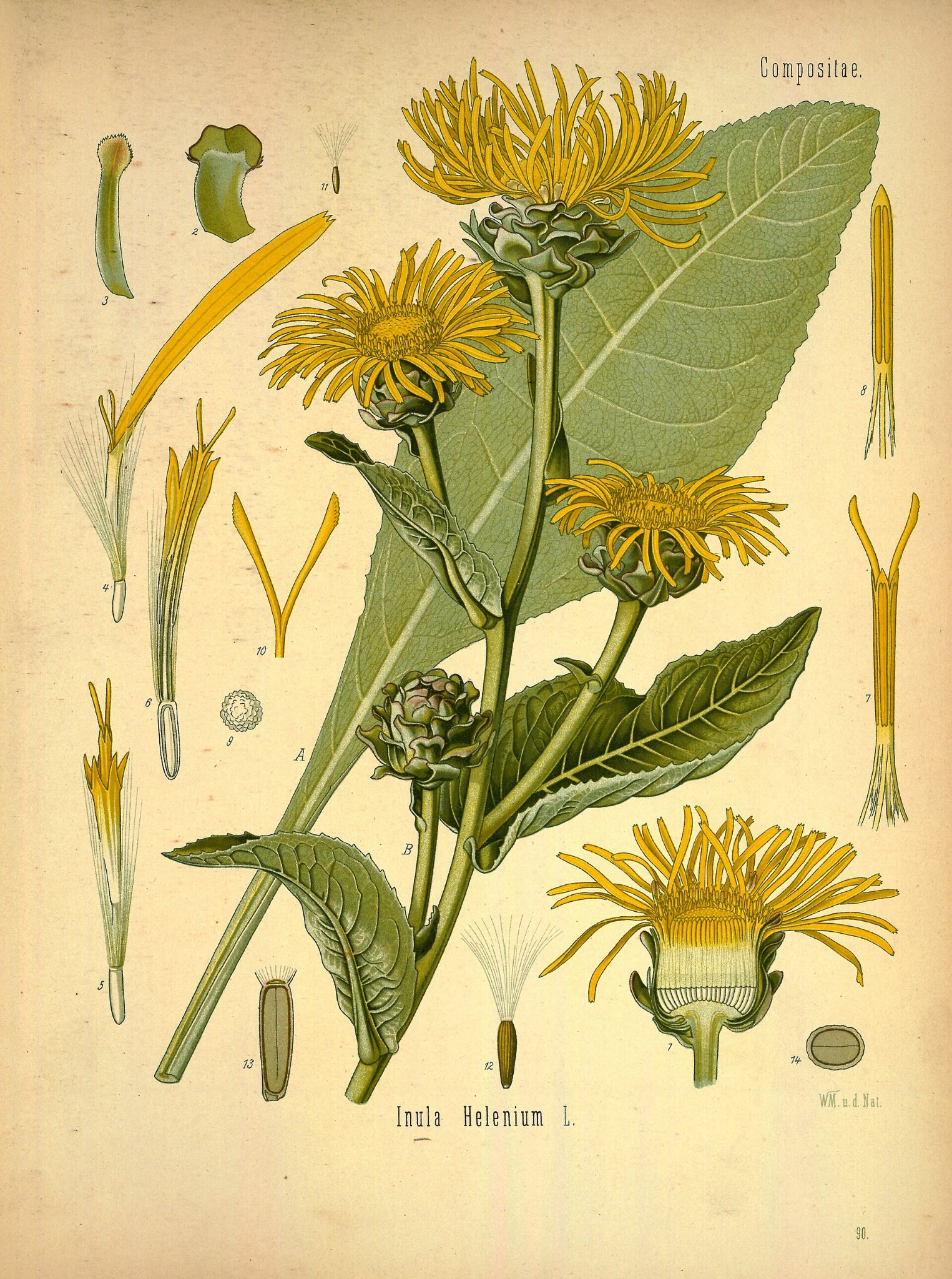
- ElecampaneThe root of Inula helenium.
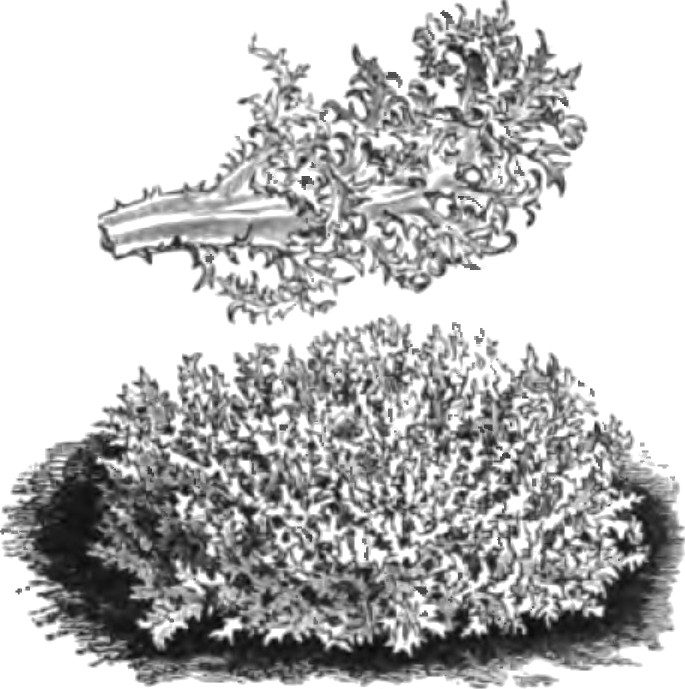
- EndiveCichorium endivia, the salad plant.
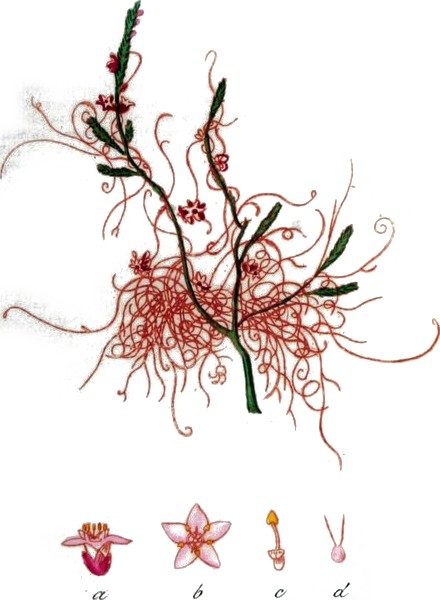
- EpithymumDodder growing on thyme, Cuscuta epithymum, a parasitic plant.
- EryngoEryngium maritimum, a spiny blue-grey thistle-like plant of sand dunes, with long sweet ro
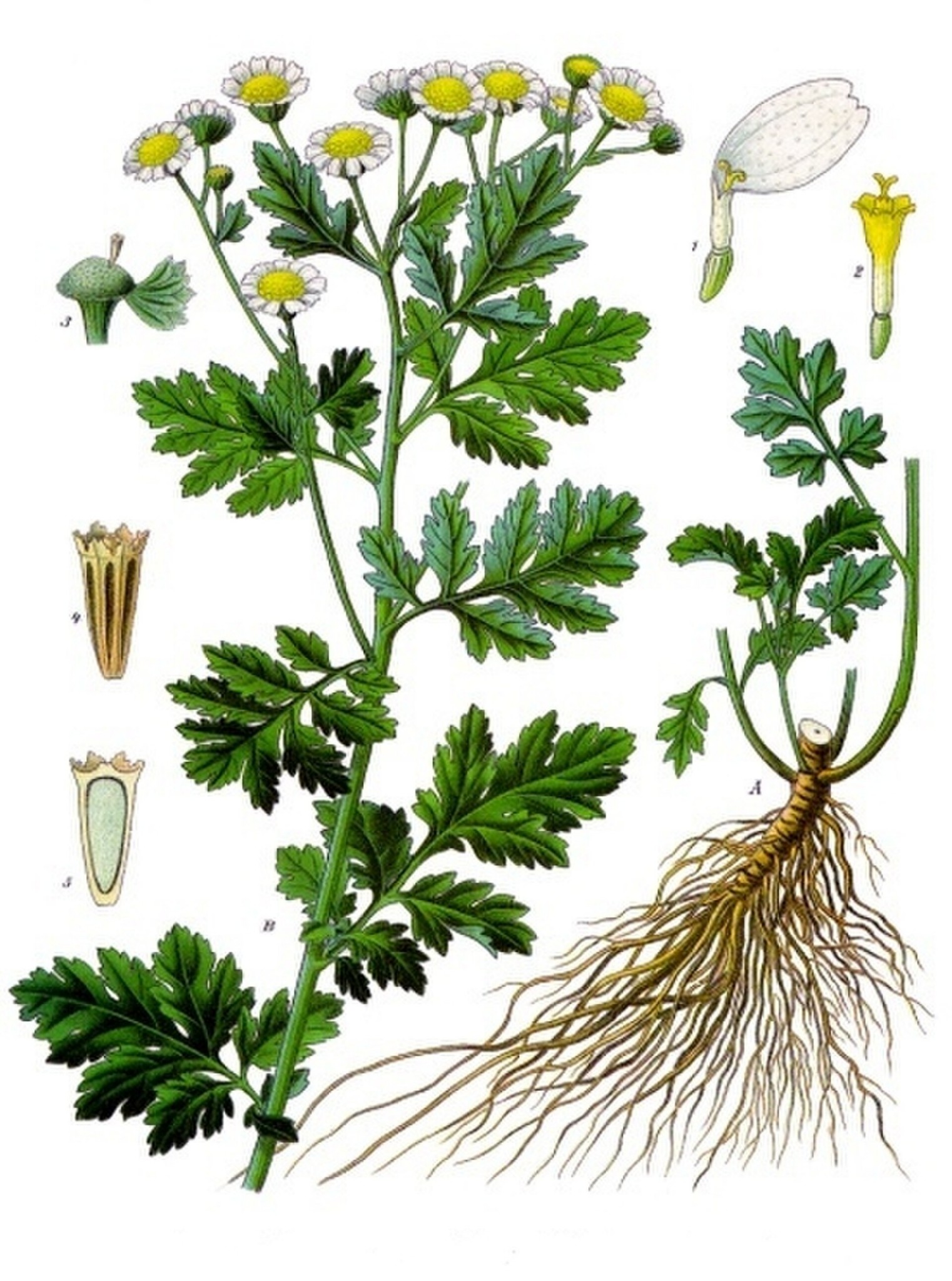
- FeverfewTanacetum parthenium.
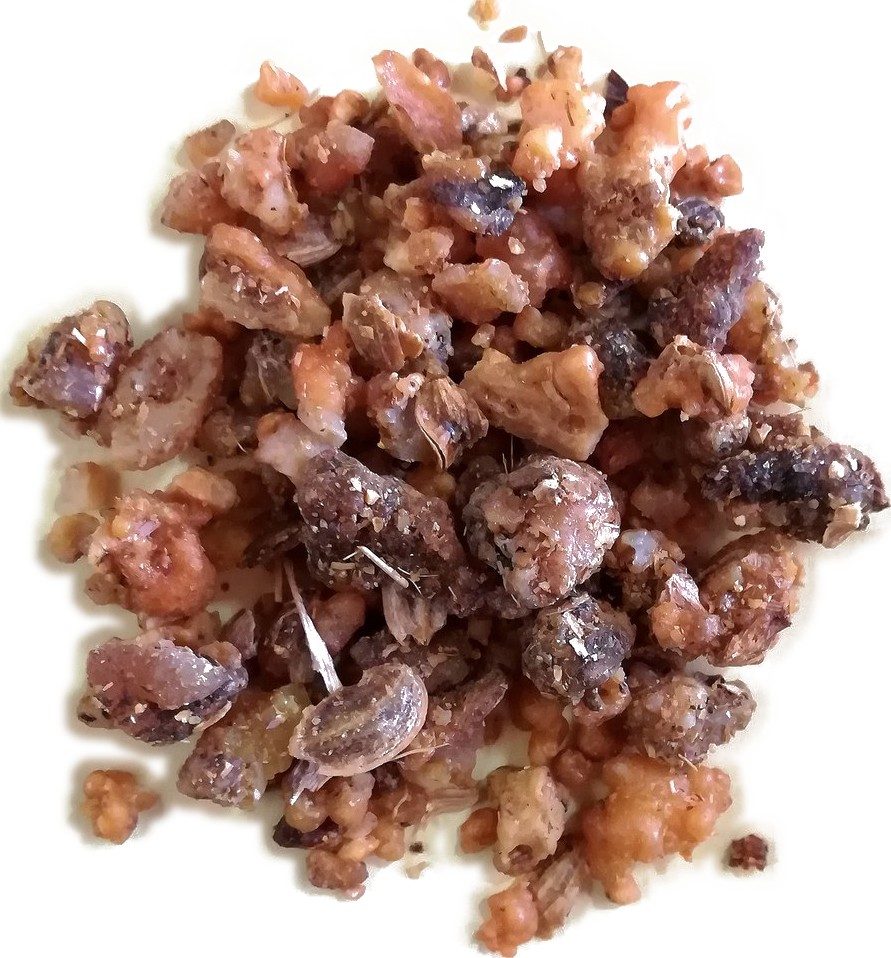
- Foetid pillsPilulae foetidae, named for their stench, made with foul-smelling gum resins such as sagap
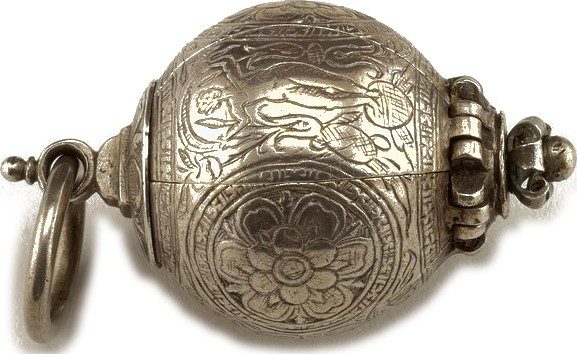
- Gallia moschataA named compound perfume of the apothecary, made into troches of aloeswood, ambergris, and
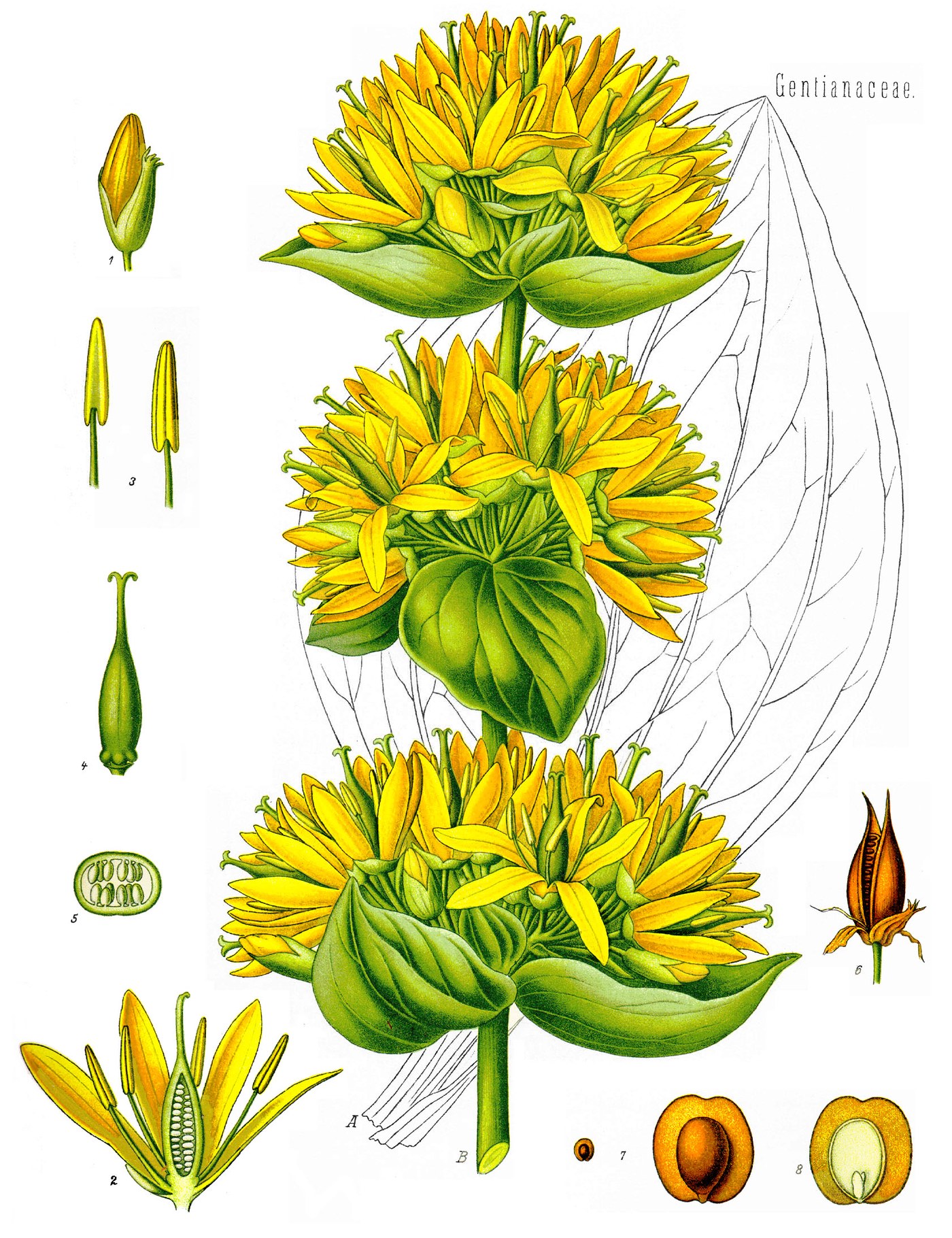
- GentianGentiana lutea, a stately perennial of the alpine and subalpine pastures of central and so
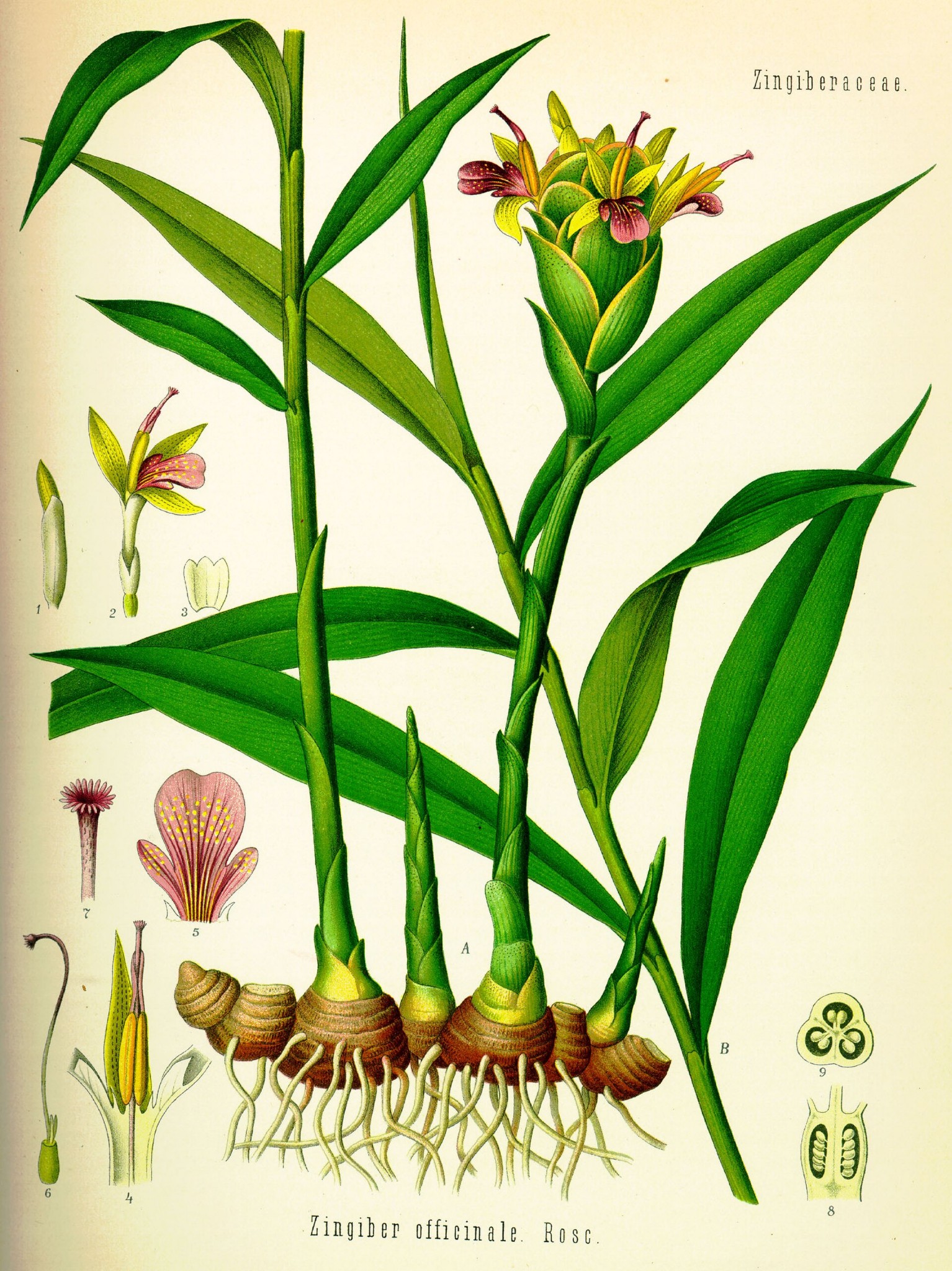
- GingerThe rhizome of Zingiber officinale.
- Golden pillsPilulae aureae, a standard compound of aloes, scammony, and colocynth.
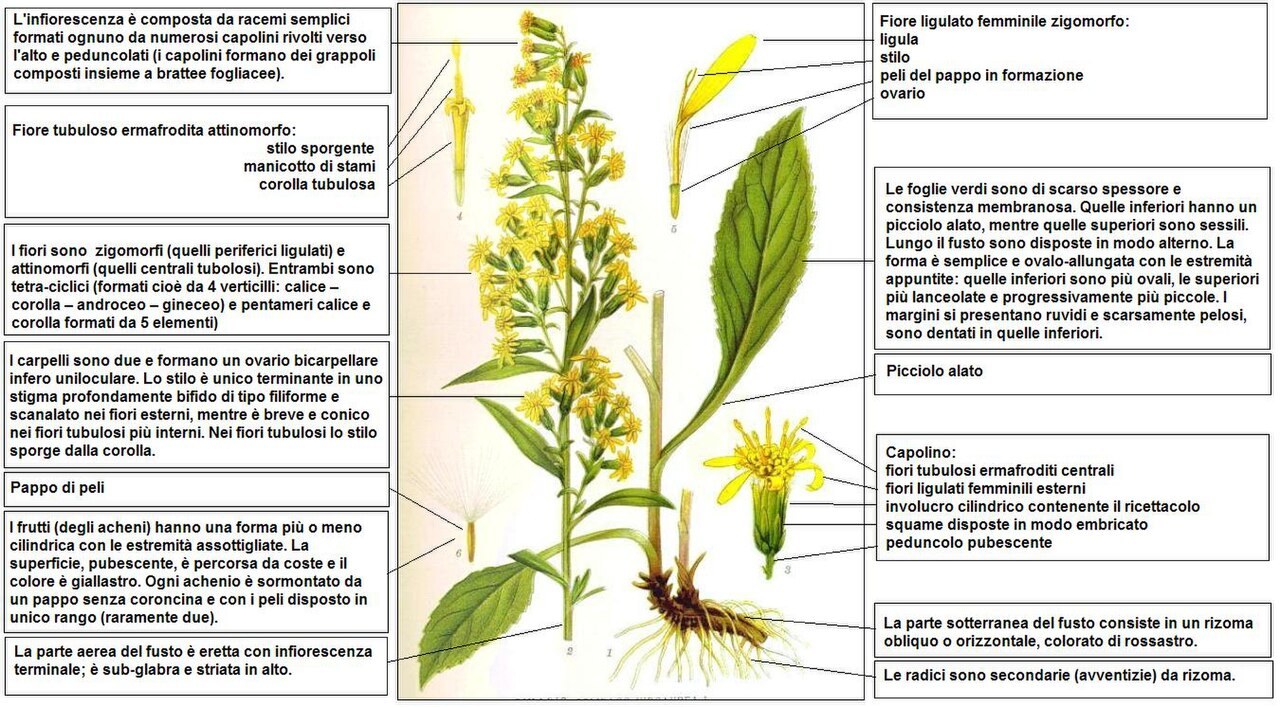
- GoldenrodSolidago virgaurea, of the family Asteraceae, two to three feet high, with alternate clear
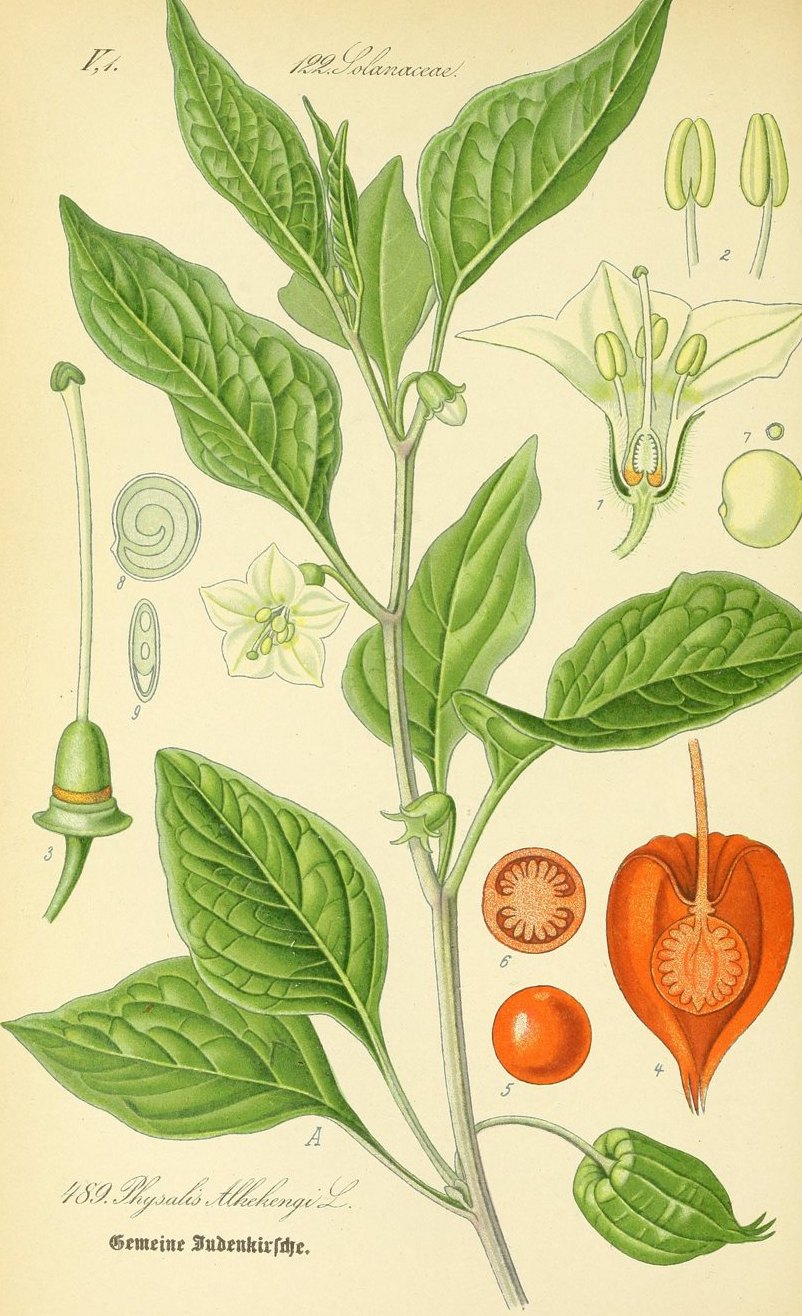
- Ground cherryPhysalis, the ground cherries: nightshades whose five-cleft calyx swells after the flower
- Ground ivyGlechoma hederacea. A low, creeping weed of the mint family with small purple flowers, com
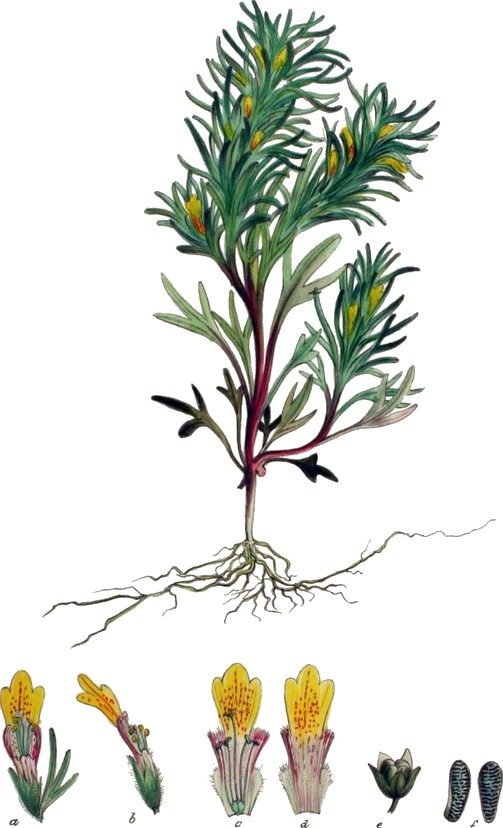
- Ground pineAjuga chamaepitys, yellow bugle, distinct from arthritica (note XLIX).
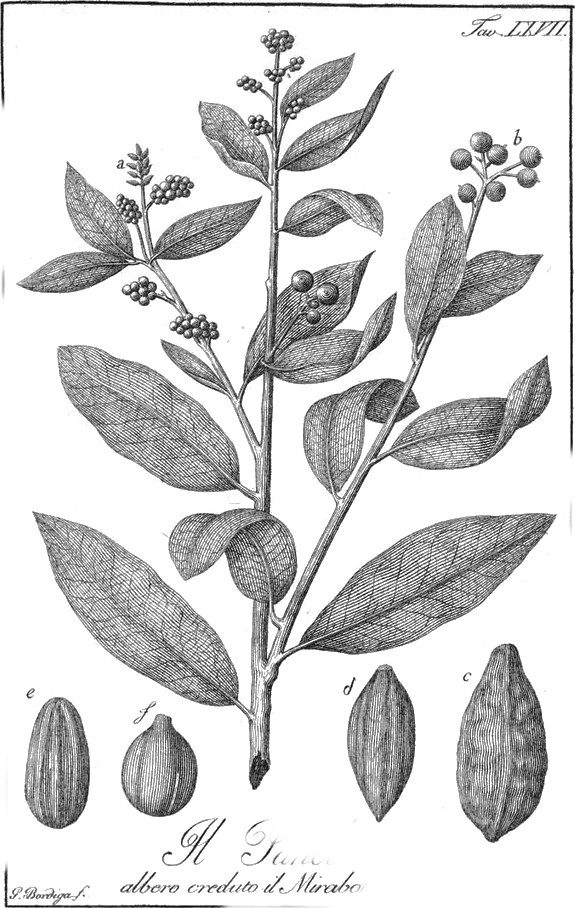
- Hamech, confection ofA purgative confection containing myrobalans, senna, polypody, and colocynth, among many o
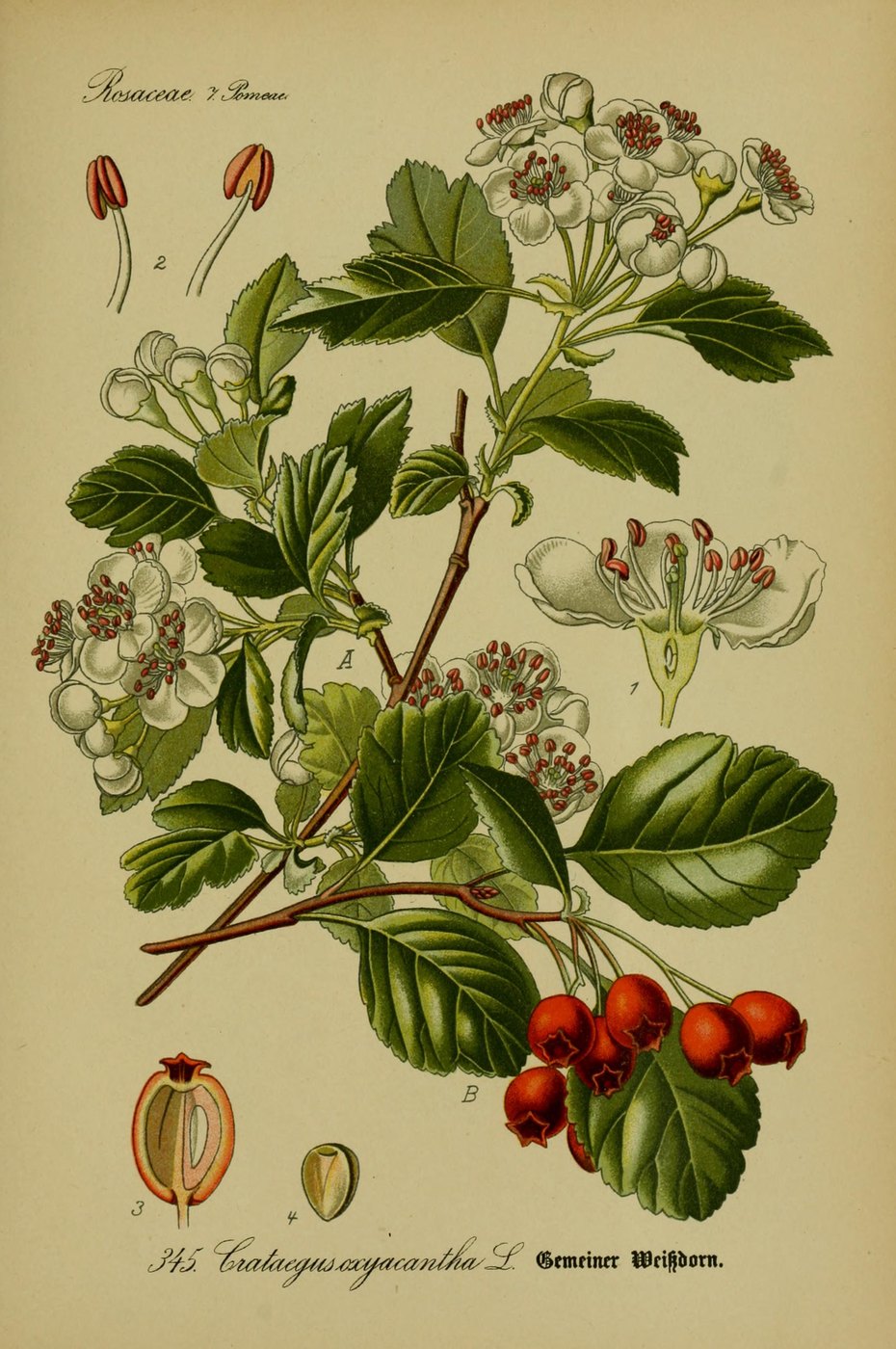
- HawthornCrataegus monogyna. The May tree, a thorned hedgerow tree whose white blossom marks the st
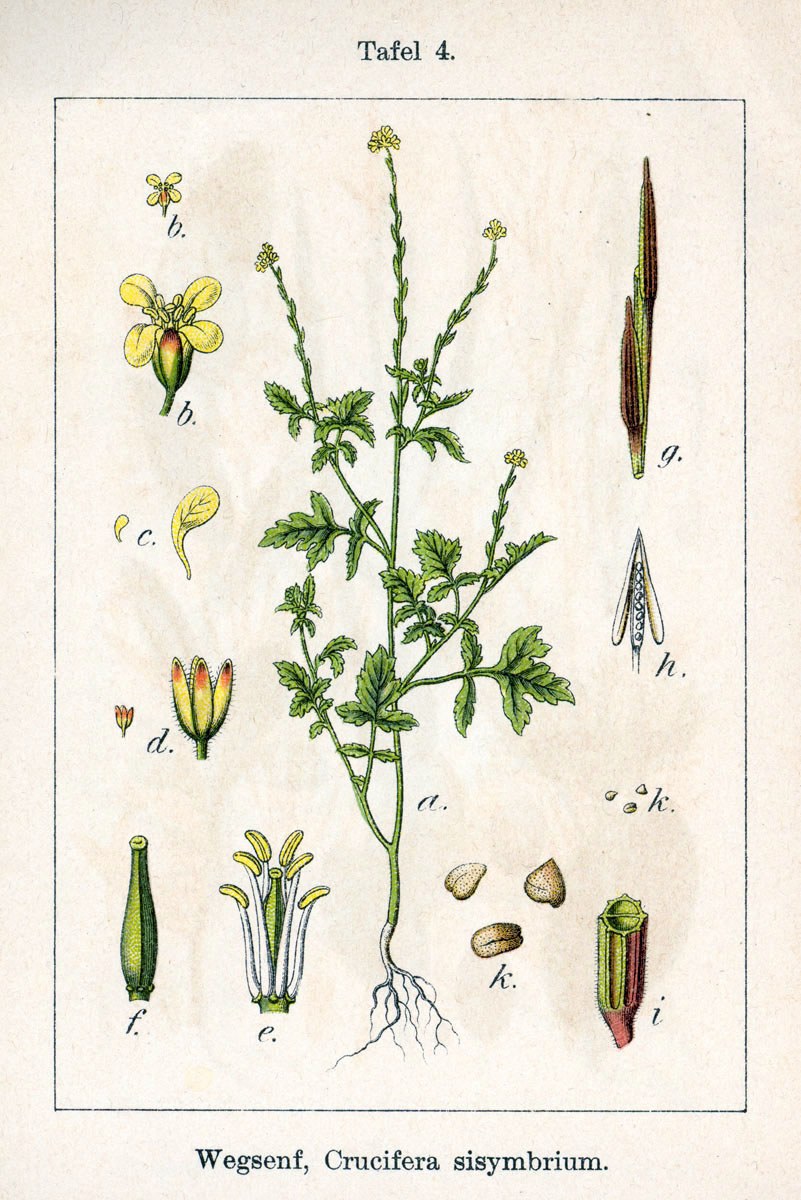
- Hedge mustardSisymbrium officinale, an annual of the family Brassicaceae, of Eurasian origin, growing b
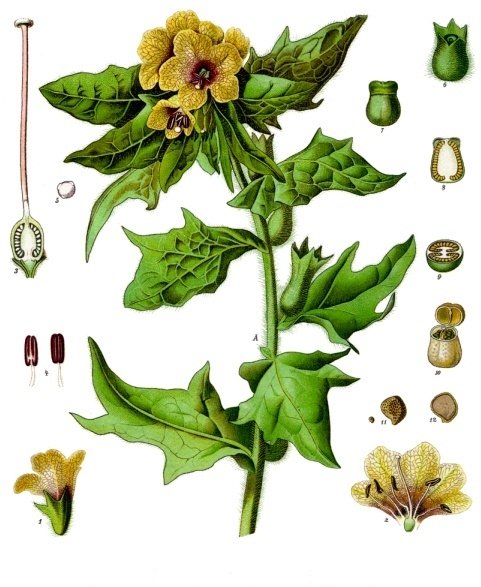
- HenbaneHyoscyamus niger, of the nightshade family.
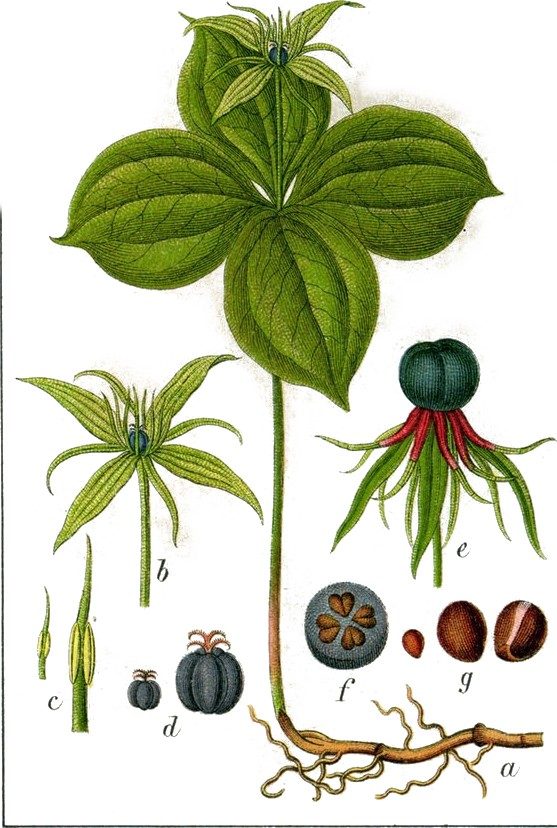
- Herb ParisParis quadrifolia, true-lover’s knot, a woodland plant with a single black berry.
- Hiera of PacchiusA bitter purgative compound, the “holy antidote” of Paccius Antiochus, a pupil of Philonid
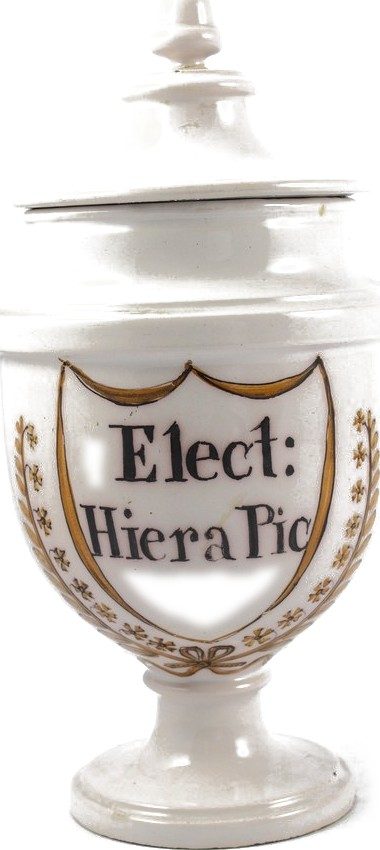
- Hiera picraA compound purge of aloes with cinnamon, mastic, saffron, and other aromatics.
- Hiera with agaricHiera picra, the bitter aloes compound, with added larch agaric (Laricifomes officinalis,
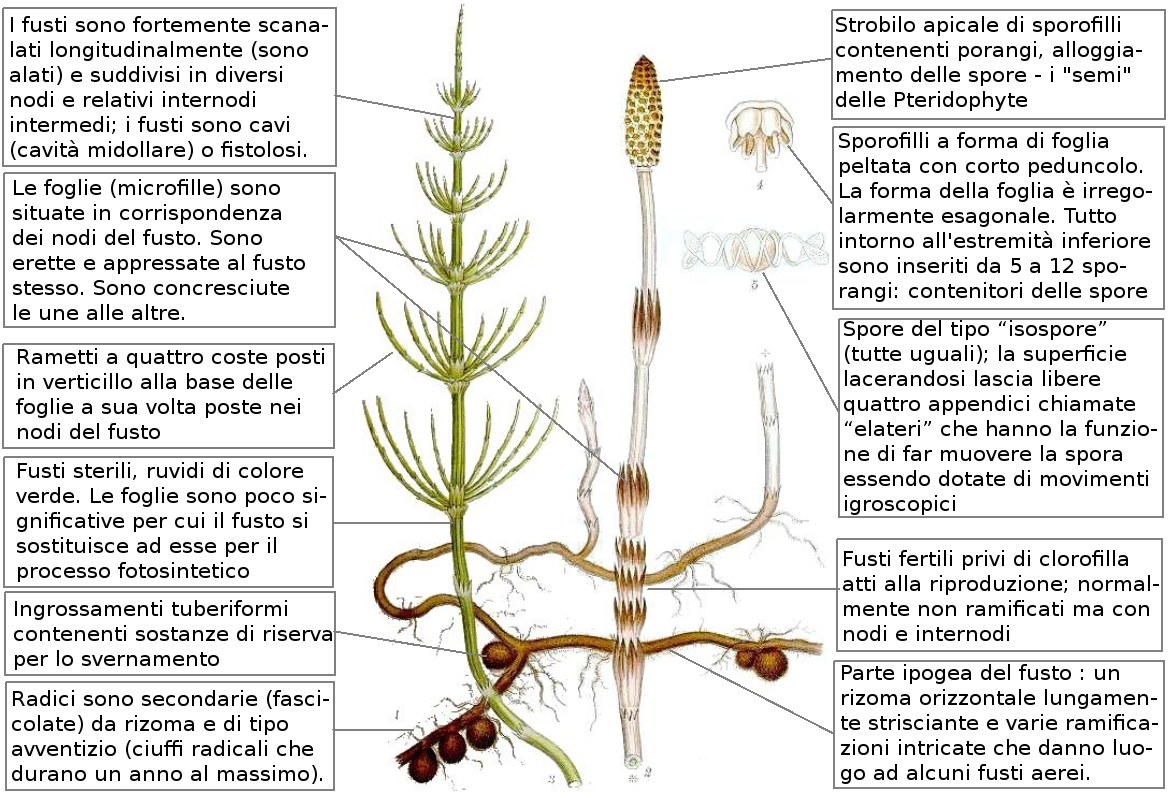
- HorsetailEquisetum arvense, the commonest British horsetail, a rush-like plant of cornfields and we
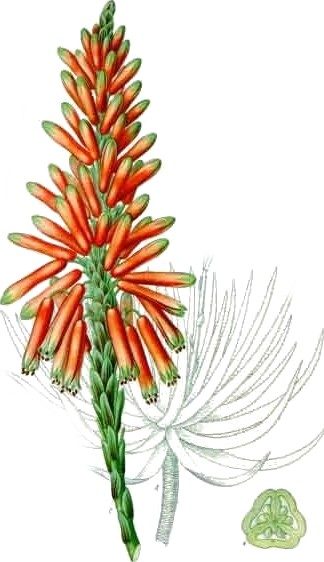
- HouseleekSempervivum tectorum.
- Indian and Arabian pillsTwo named compound pills of the Arabic-Latin tradition: the Indian pills (from Mesue, afte
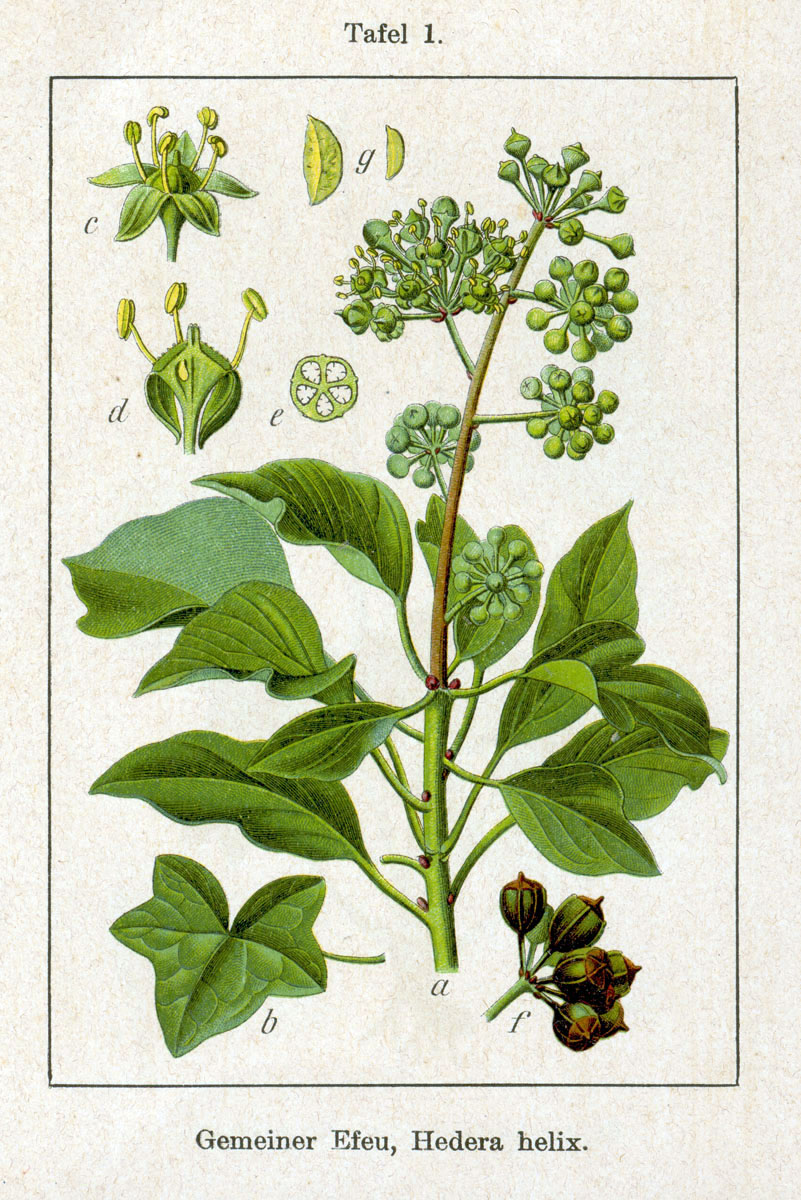
- Ivy leafHedera helix, the evergreen climber of Europe and northern and central Asia, with dark, gl
- JuniperThe berries and wood of Juniperus communis.
- KermesThe dried bodies of female kermes scale insects, which yield a red dye used since antiquit
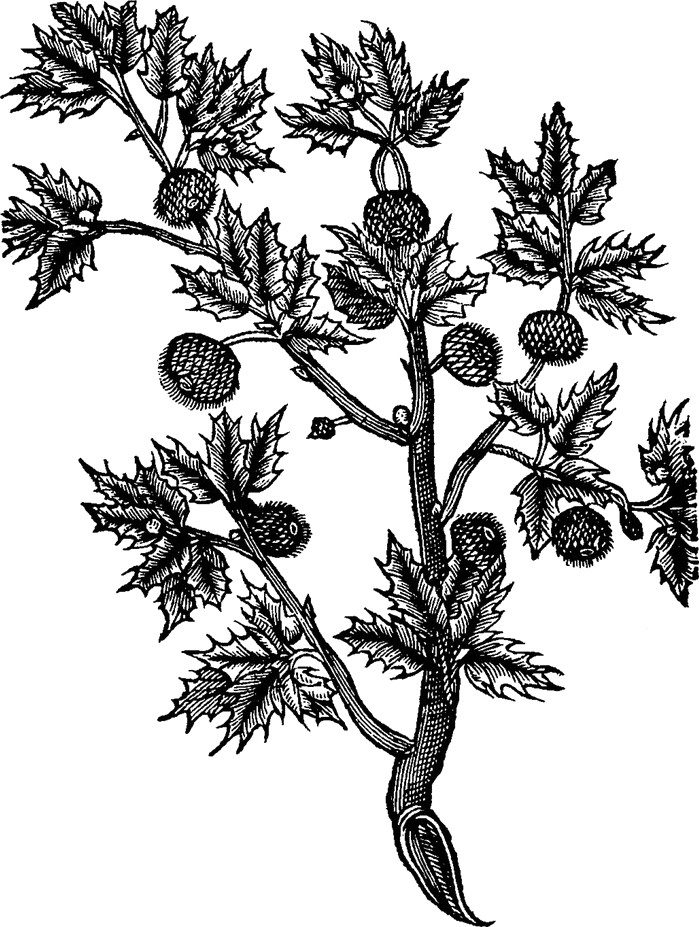
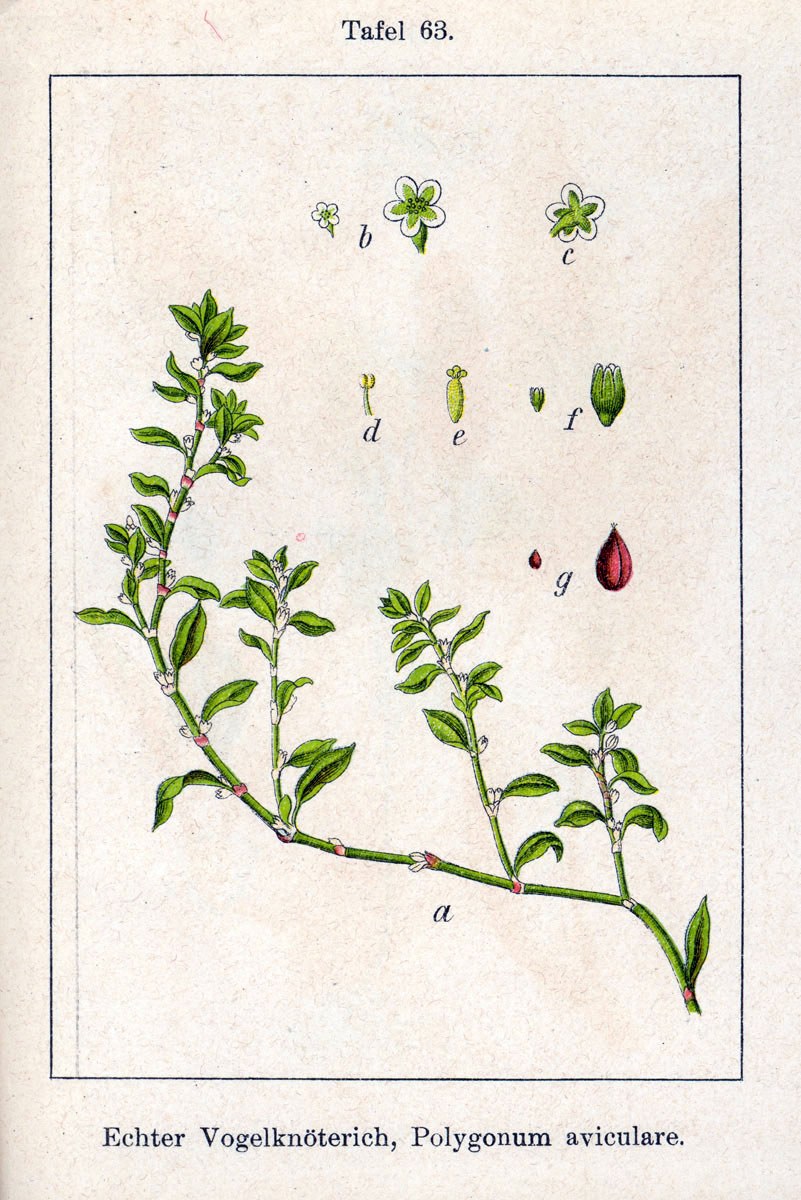
- KnotgrassPolygonum aviculare, of the family Polygonaceae, a common weed of arable land, waste groun
- Lady’s mantleAlchemilla vulgaris and its kin, of the rose family, with lobed and toothed leaves in whos
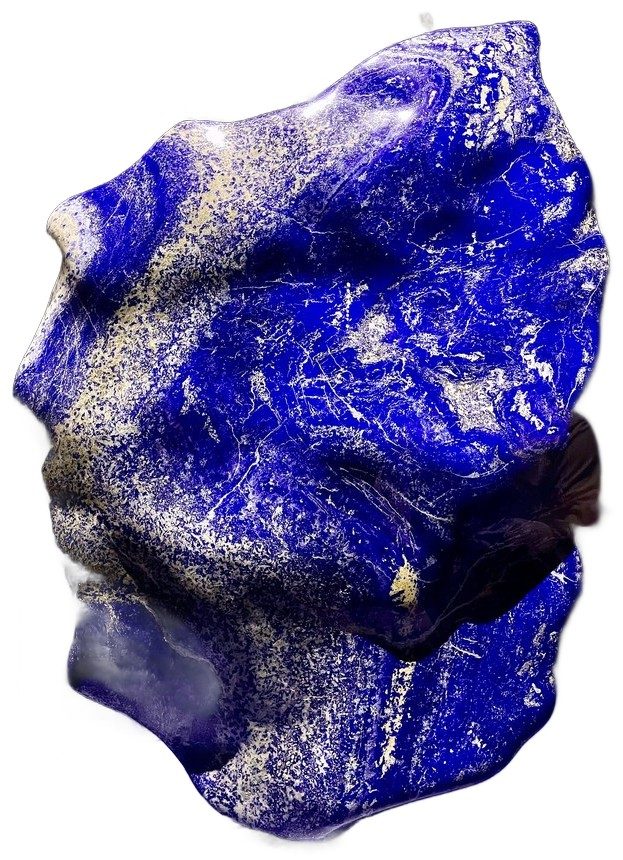
- Lapis lazuli, pills ofThe blue stone lapis lazuli, finely powdered, compounded in pills with scammony, black hel
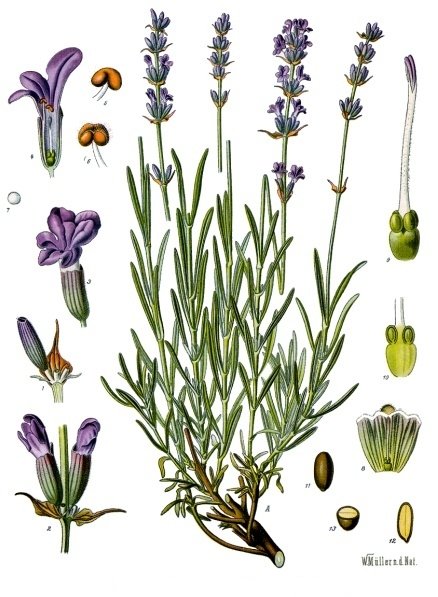
- LavenderLavandula angustifolia and French lavender, L. stoechas.
- Lenitive electuaryA mild compound laxative paste of the Galenic pharmacopoeia, typically of senna, polypody,
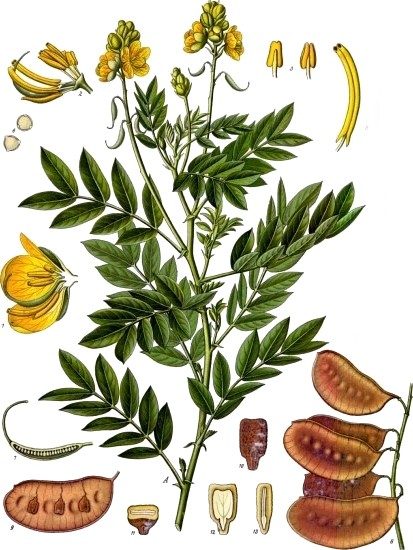
- MadderRubia tinctorum. A prickly perennial whose weak stalks often lie along the ground, sown si
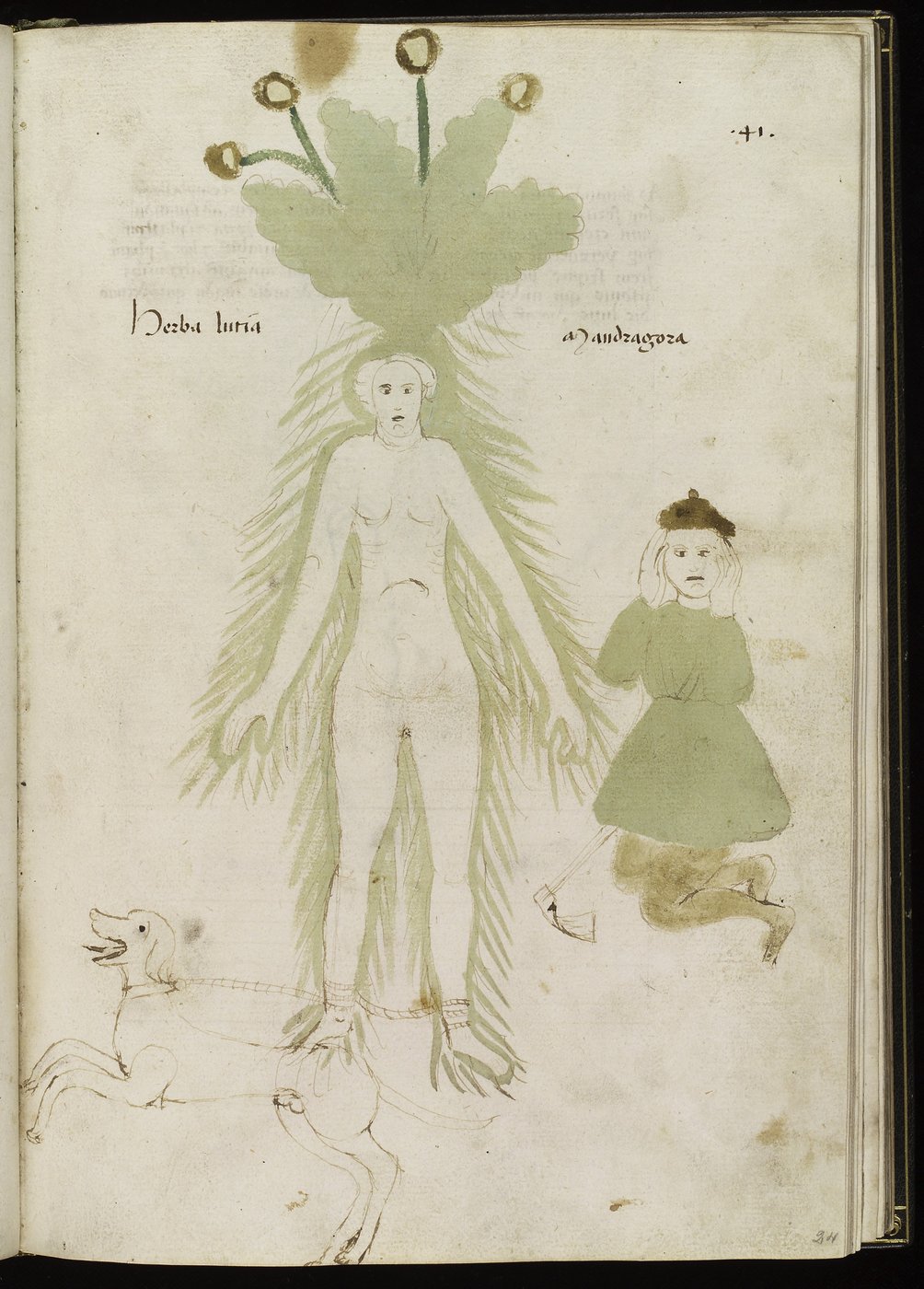
- MandrakeMandragora officinarum and its relatives, of the nightshade family.
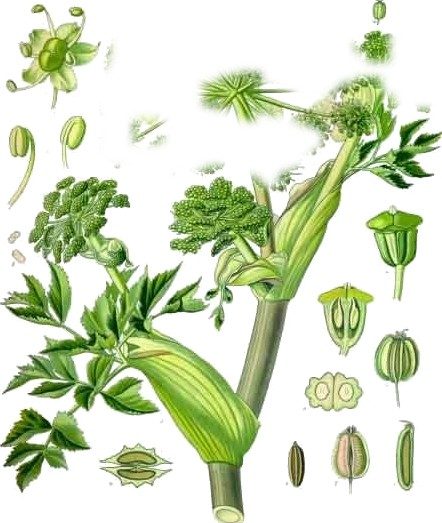
- Masterwort and angelicaPeucedanum ostruthium and Angelica archangelica.
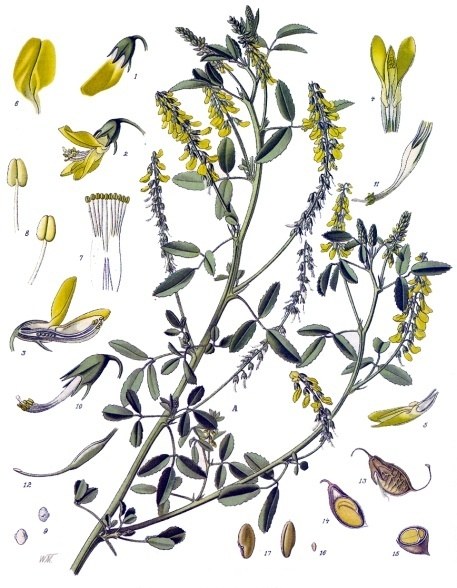
- MelilotMelilotus officinalis, a branching herb of the legume family two to four feet high, of dry
- MoonwortThe small fern Botrychium lunaria.
- MotherwortLeonurus cardiaca, of the mint family, a tall, prickly-calyxed herb of waste ground.
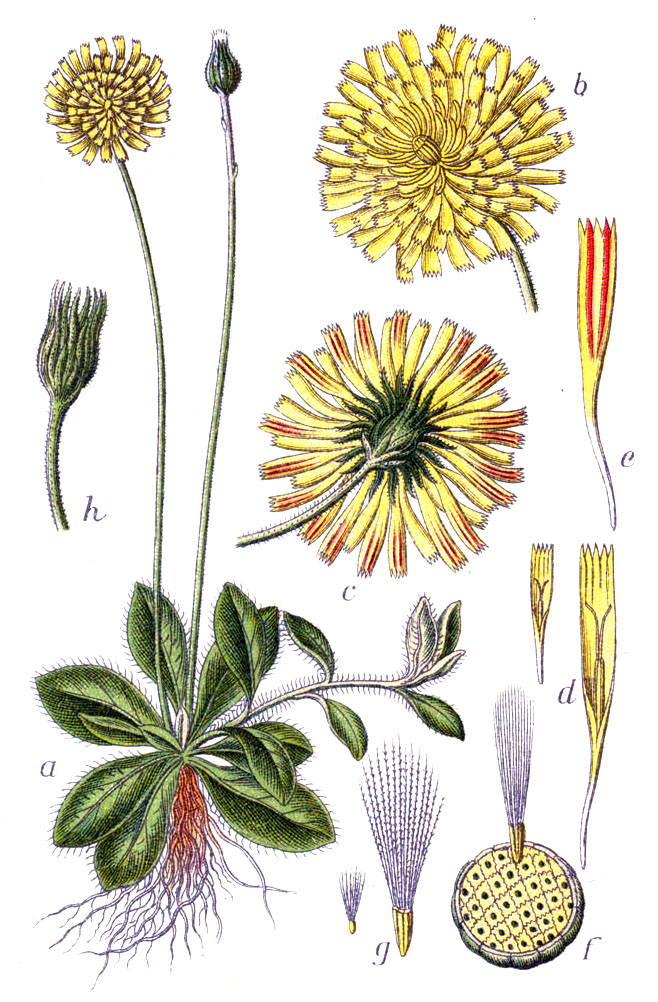
- Mouse-ear hawkweedPilosella officinarum, a small hawkweed of sunny banks, walls, and dry pastures, which Gri
- MuskThe secretion of the musk deer’s gland.

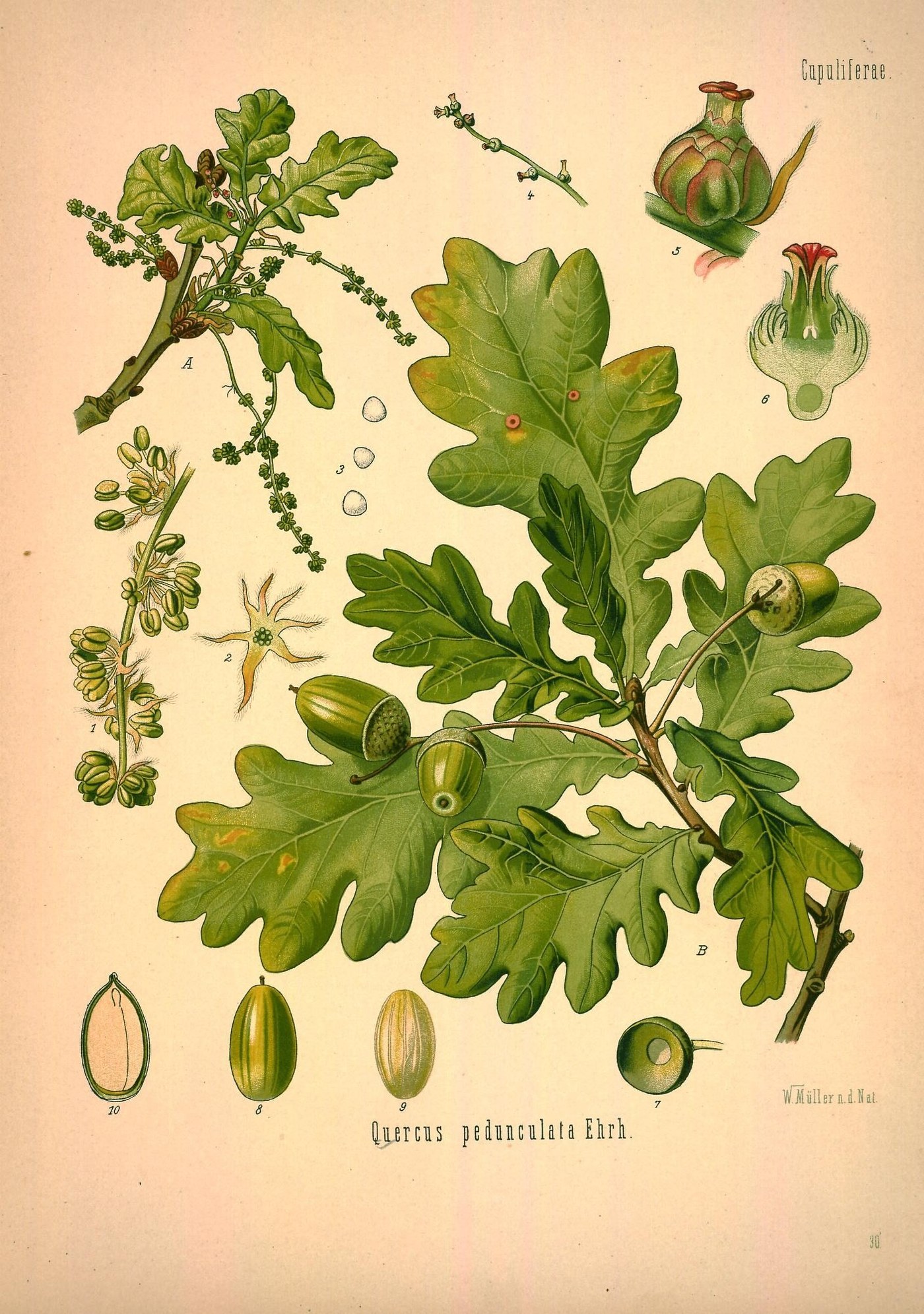
- Oak barkThe bark of the common oak, collected in spring from young trees, dried in the sun, greyis
- Oil of bricksOleum latericium philosophorum, “philosophers’ oil,” made by quenching red-hot brick in oi
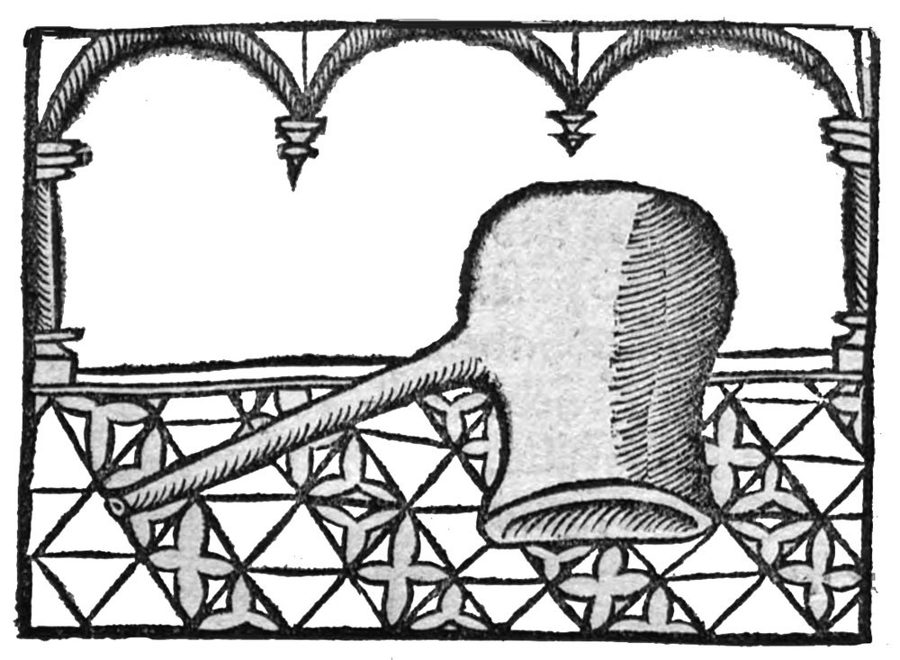
- Oxymel, and oxymel of squillHoney boiled with vinegar; the squill version adds the bulb of sea squill.
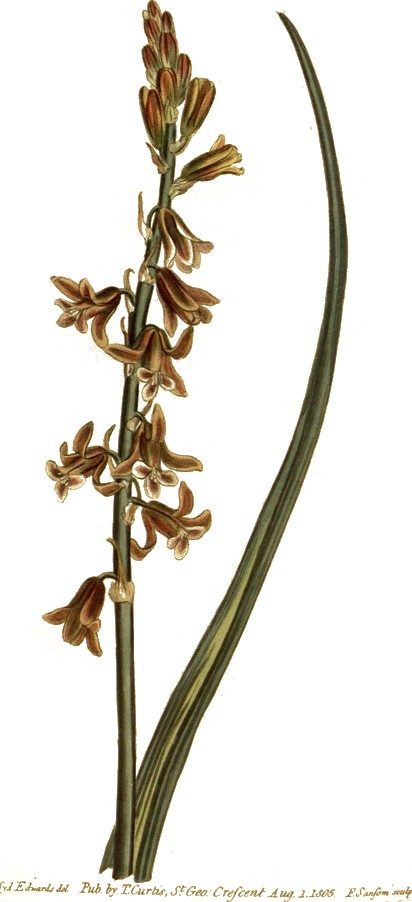
- PeriwinkleVinca minor, the lesser periwinkle, a trailing evergreen with blue flowers.
- The precious stonesGround garnet, jacinth, sapphire, sard and emerald, the “five fragments of precious
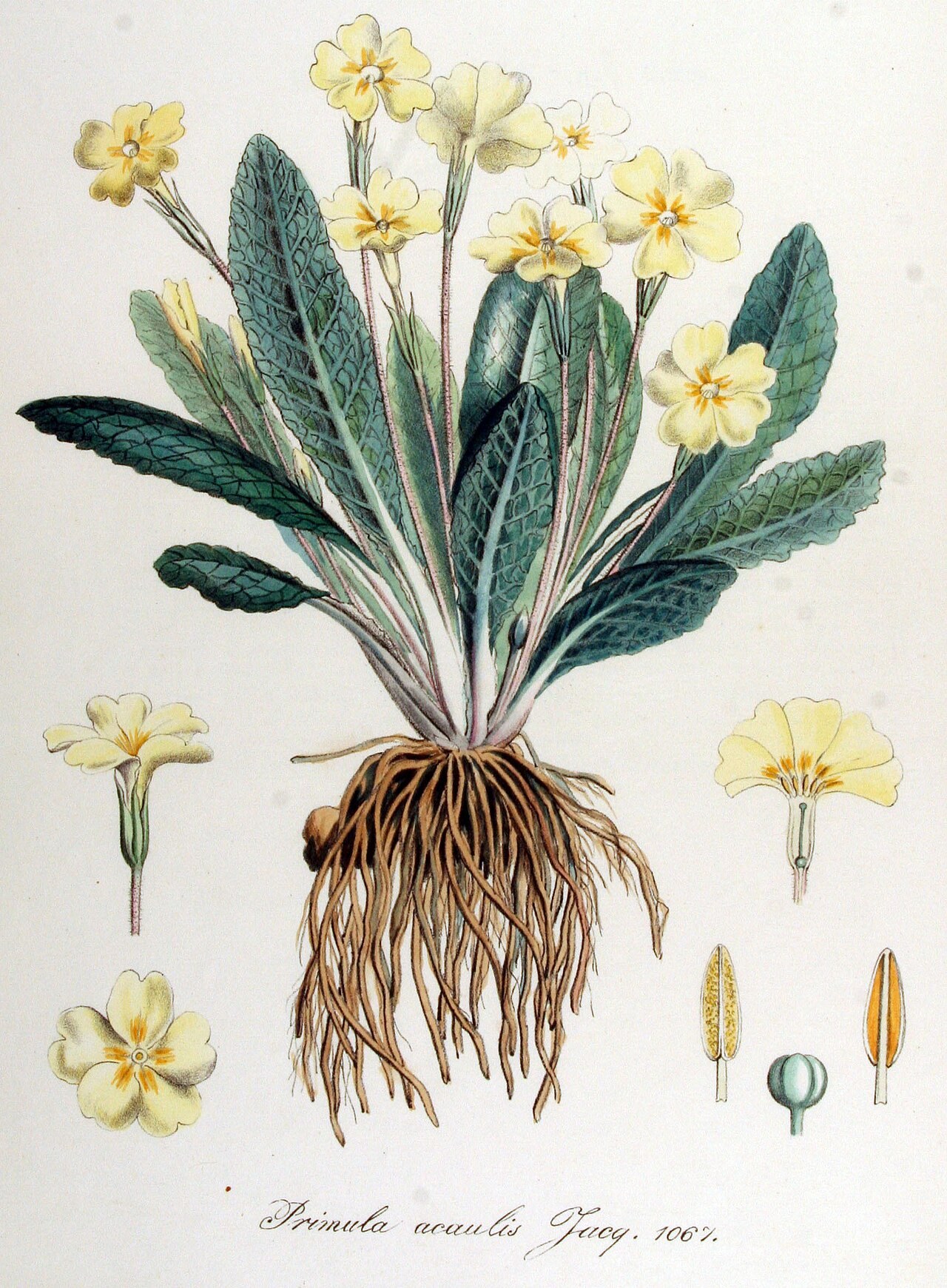
- PrimrosePrimula vulgaris, of the family Primulaceae, abundant in woods, hedgerows, pastures, and r
- RagwortJacobaea vulgaris (syn. Senecio jacobaea). A tall, weedy, yellow-flowered daisy of pasture
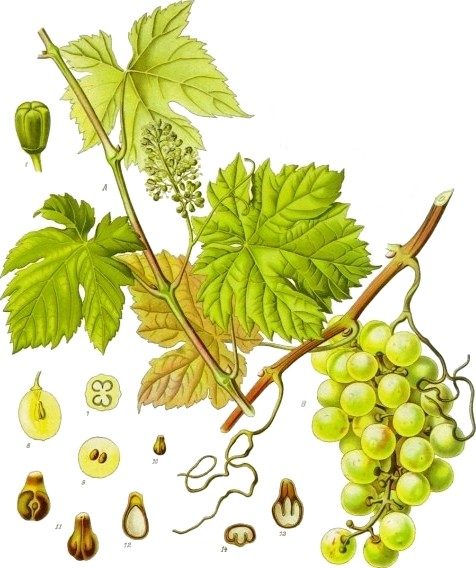
- RaisinsDried grapes.
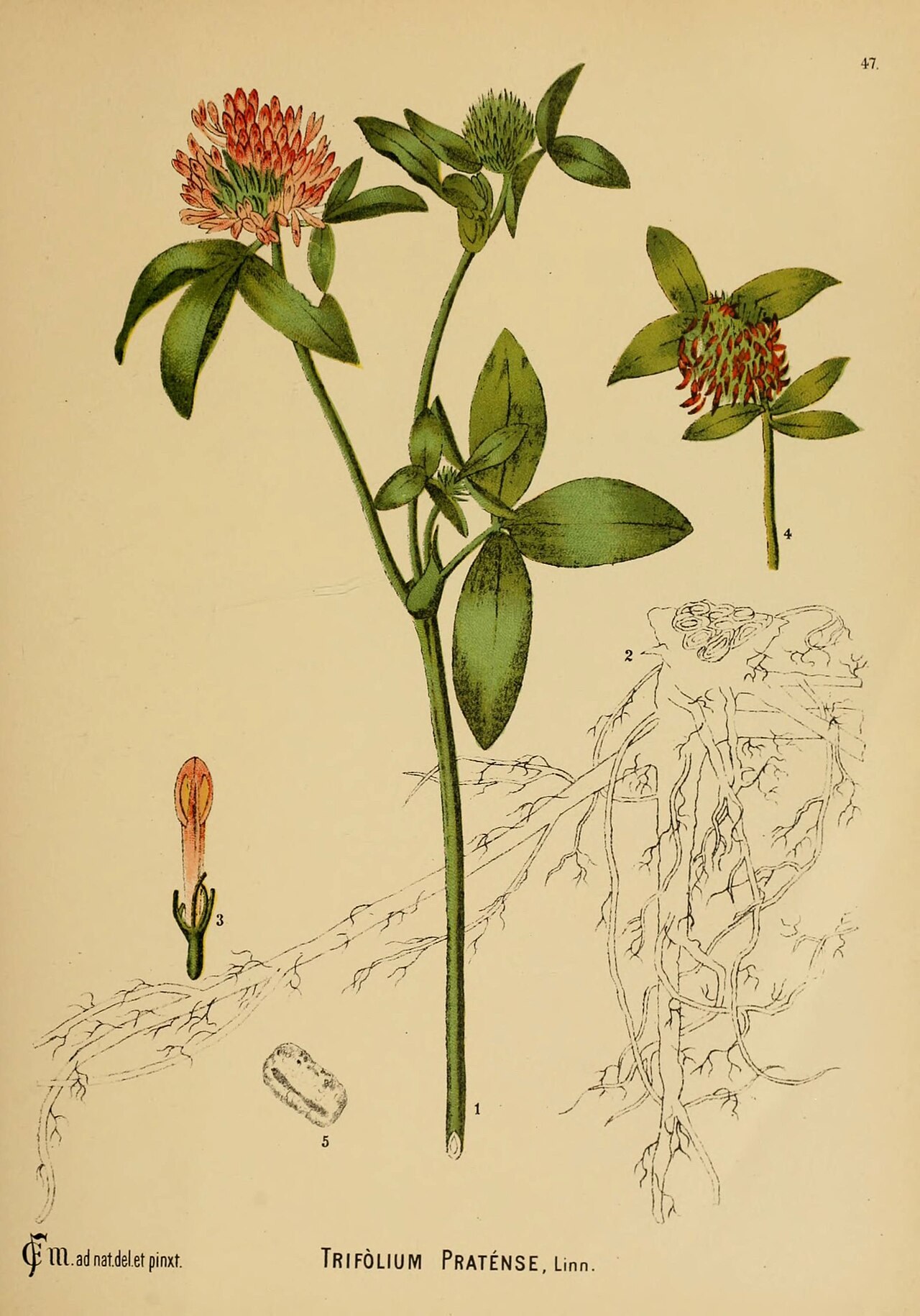
- Red cloverTrifolium pratense, of the family Leguminosae, a short-lived perennial of meadows across B
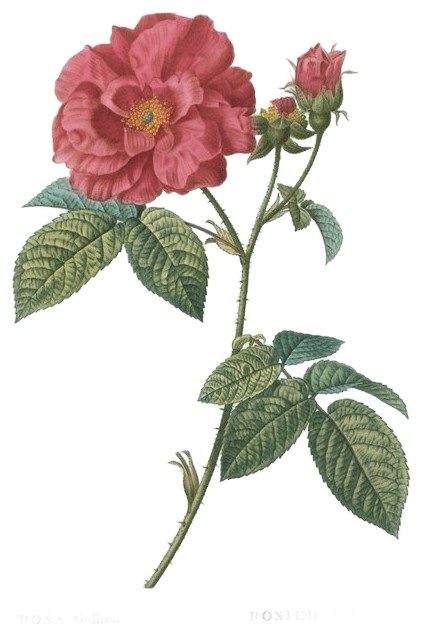
- Red rosesDried petals of Rosa gallica.
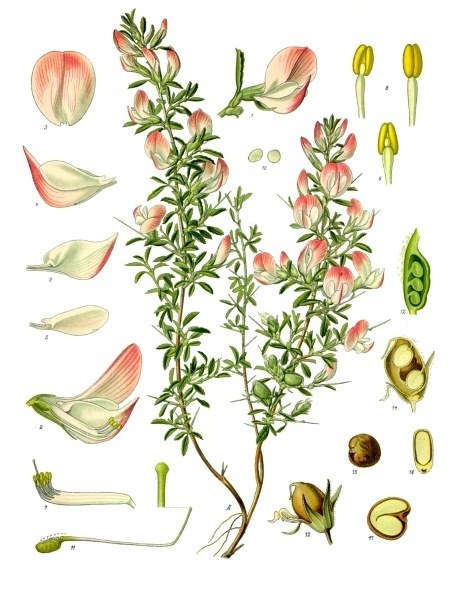
- Rest-harrowOnonis spinosa, a woody plant of the legume family of arable and waste ground, half a yard
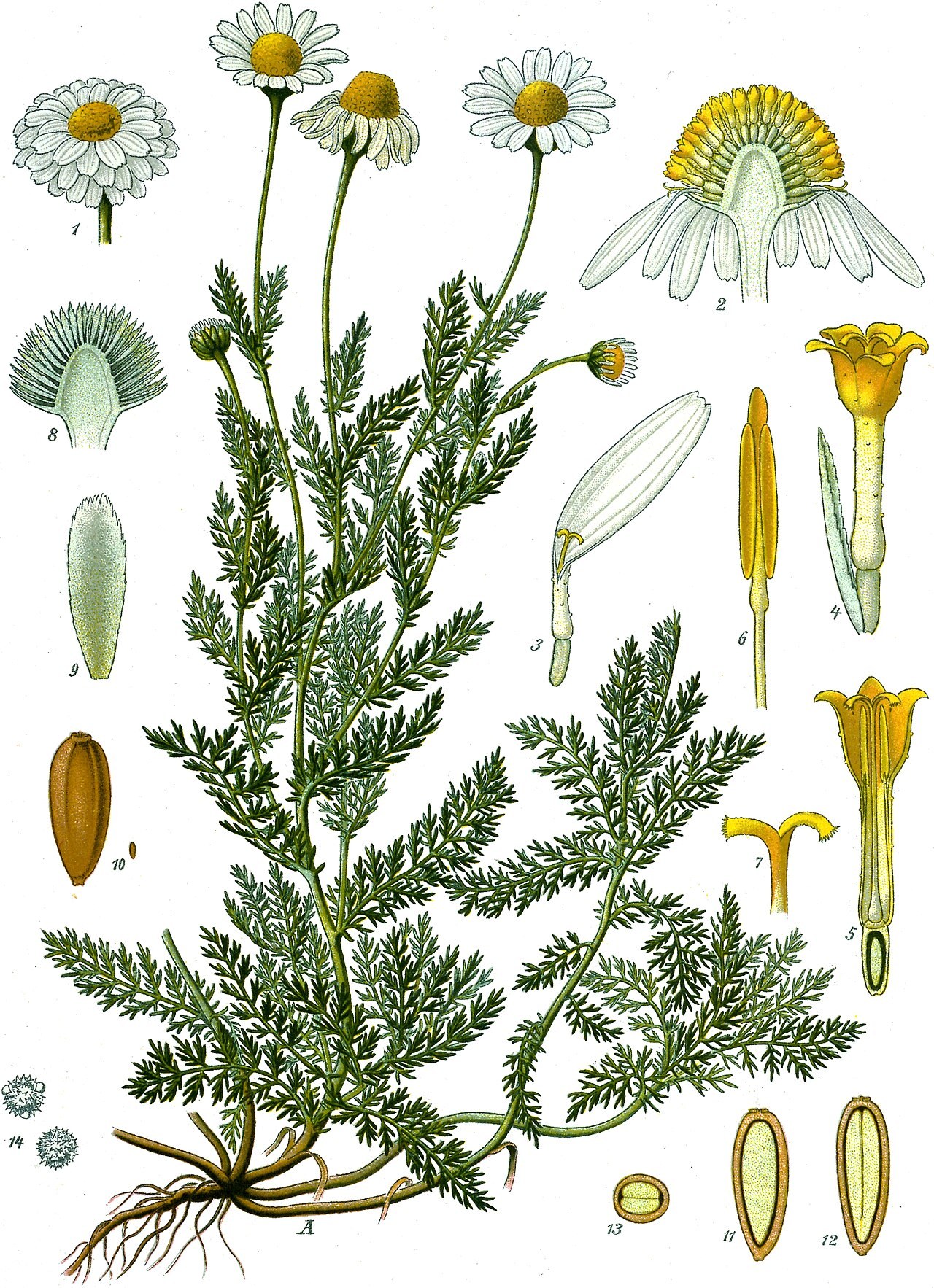
- Roman chamomileChamaemelum nobile, a low, creeping, downy, greyish-green perennial of dry commons and san
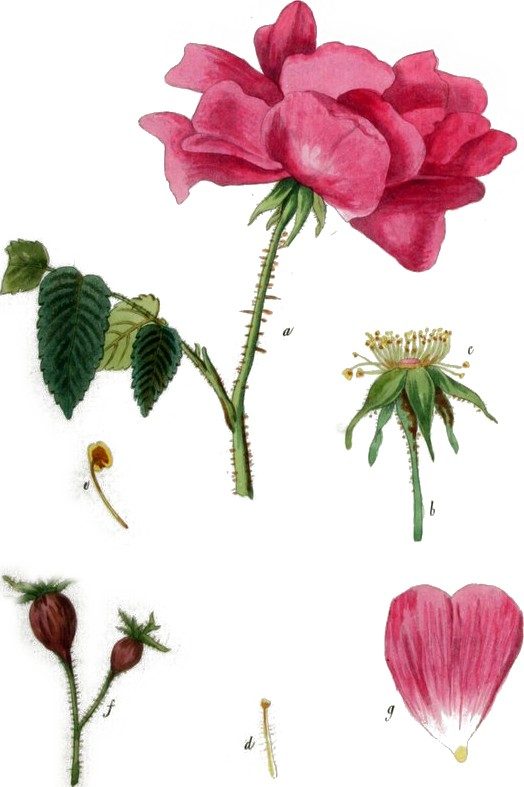
- RoseChiefly the red or apothecary’s rose, Rosa gallica, and the damask rose, Rosa × damascena,
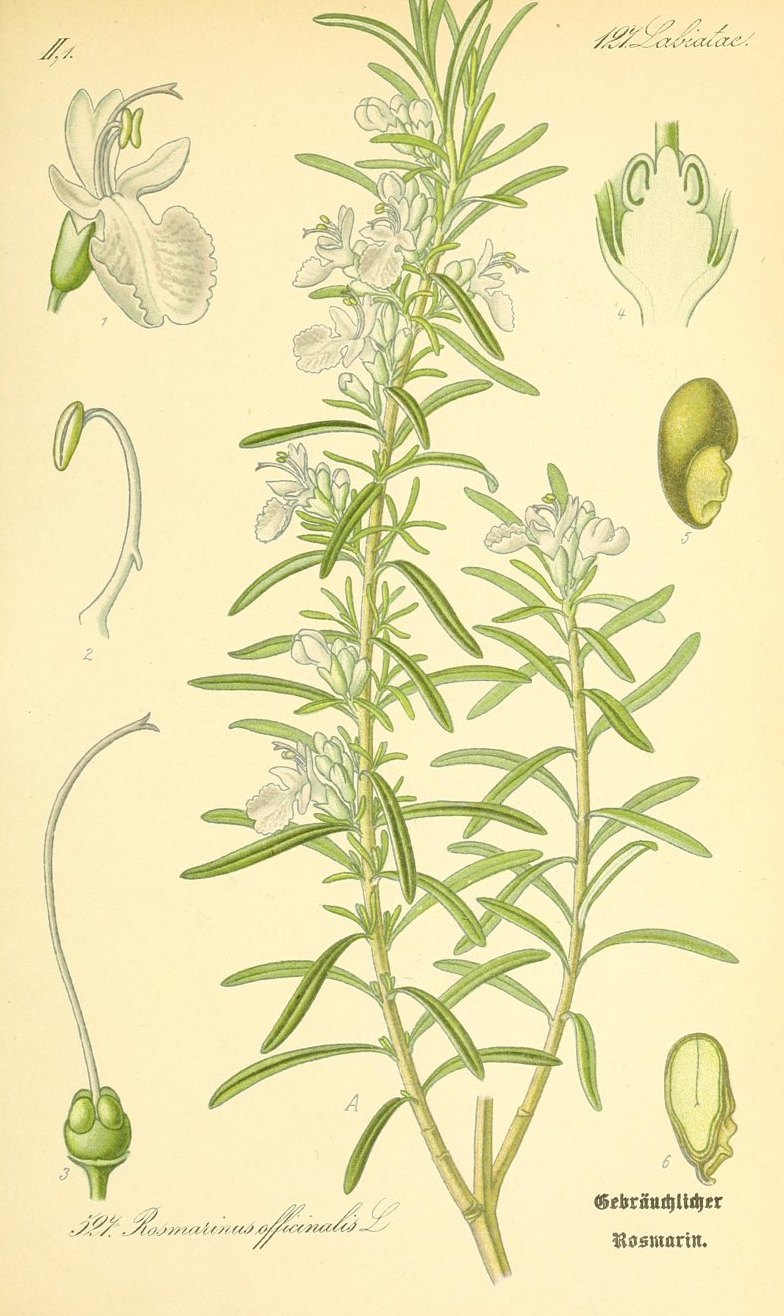
- Rosemary rice waterA rinse for the hair and the skin made in the kitchen: the cloudy water from rinsing rice,
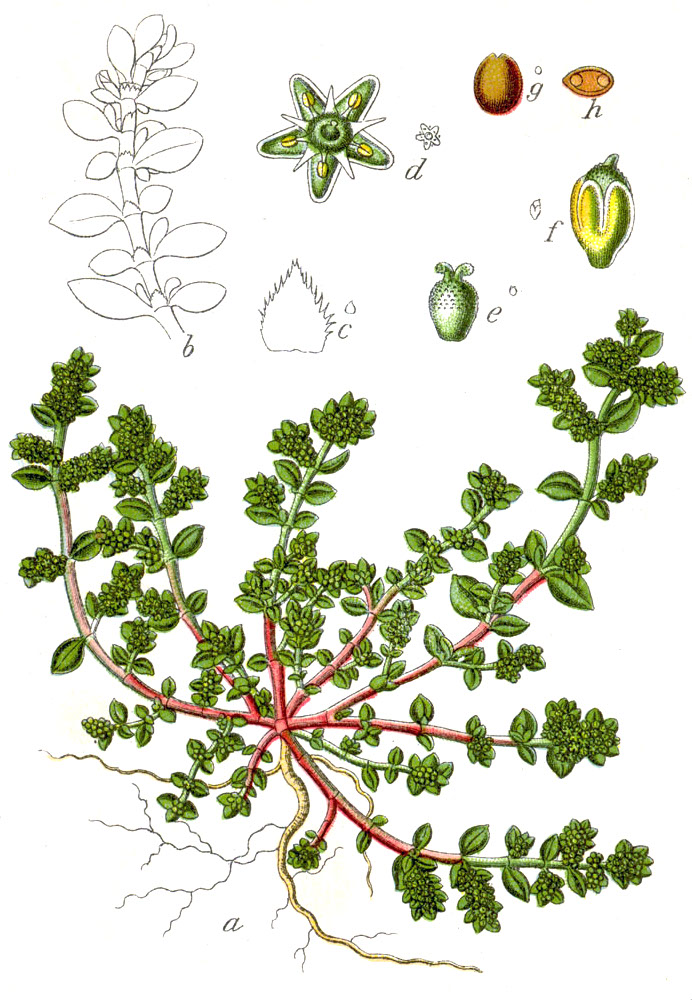
- RupturewortHerniaria glabra, a small plant of the family Caryophyllaceae that Culpeper saw spreading
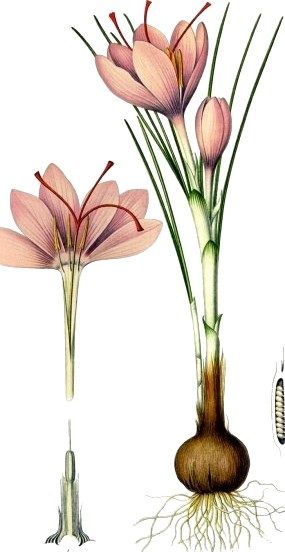
- SaffronThe stigmas of Crocus sativus.
- Self-healPrunella vulgaris.
- Shepherd’s purseCapsella bursa-pastoris, of the cabbage family, a weed of every garden, its seed-pods shap
- SnailGarden snails, shelled and boiled, distilled, or eaten.
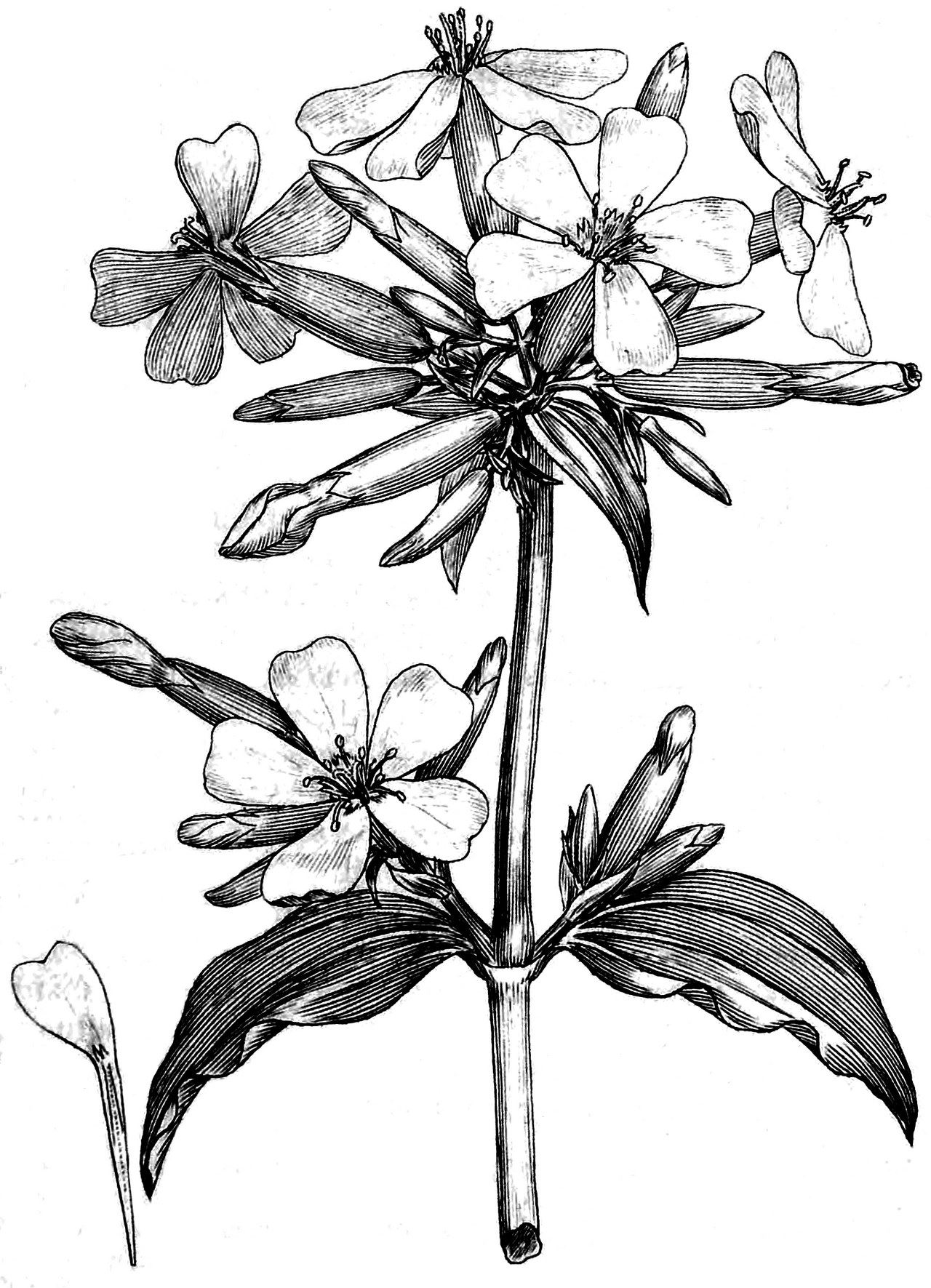
- SoapwortSaponaria officinalis, of the family Caryophyllaceae, a stout perennial of central and sou
- Solomon’s sealPolygonatum multiflorum and its relatives. A shade-loving woodland perennial with arching
- Sorrel, syrup ofProbably the syrupus acetosus of the pharmacopoeias, syrup of vinegar, which the London Di
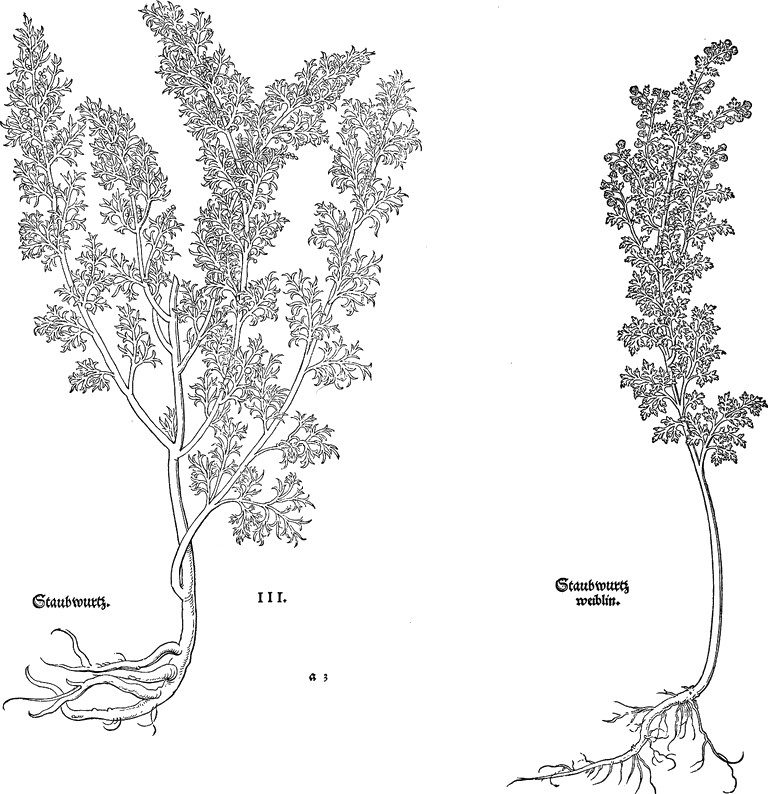
- SouthernwoodArtemisia abrotanum, “lad’s love.”
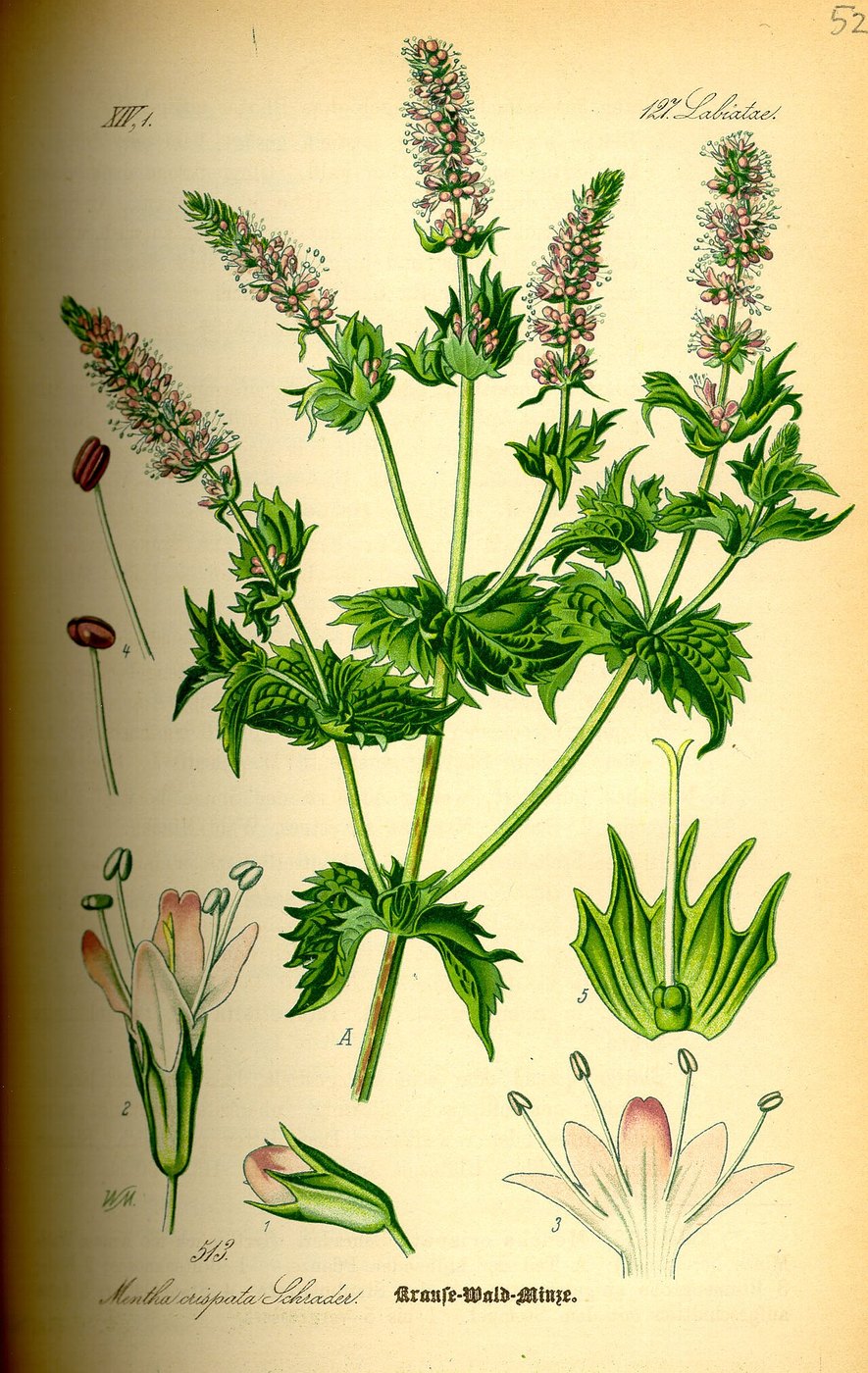
- SpearmintThe common garden mint, Mentha spicata: erect square stems about two feet high from creepi
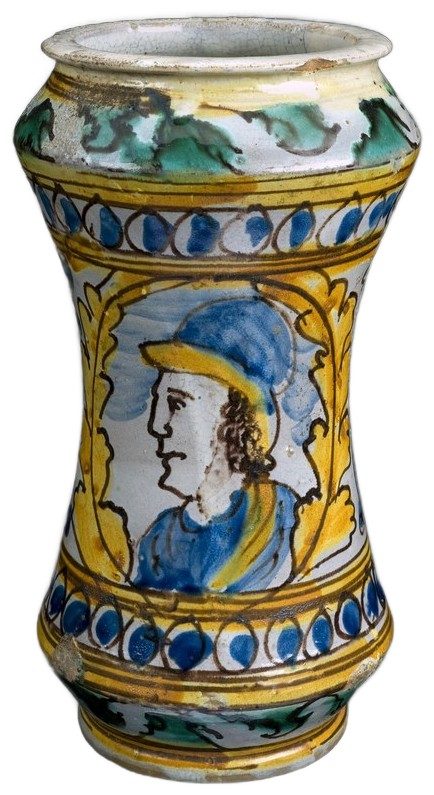
- Species Pleris ArchonticonA named compound powder of the apothecary, of aromatics such as cinnamon, cloves, aloeswoo
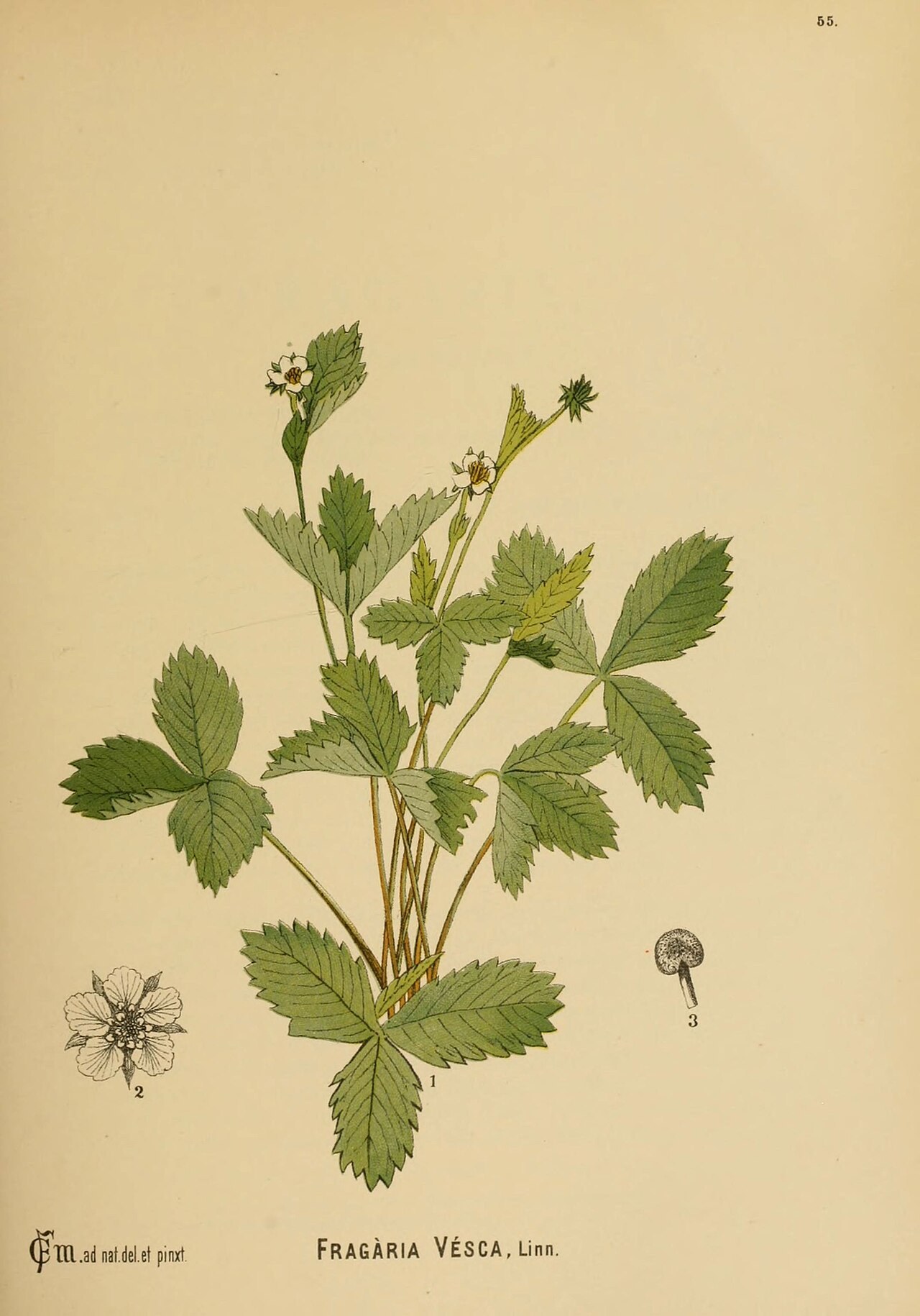
- StrawberryFragaria vesca, the wild strawberry of the rose family: in Grieve’s words “a d
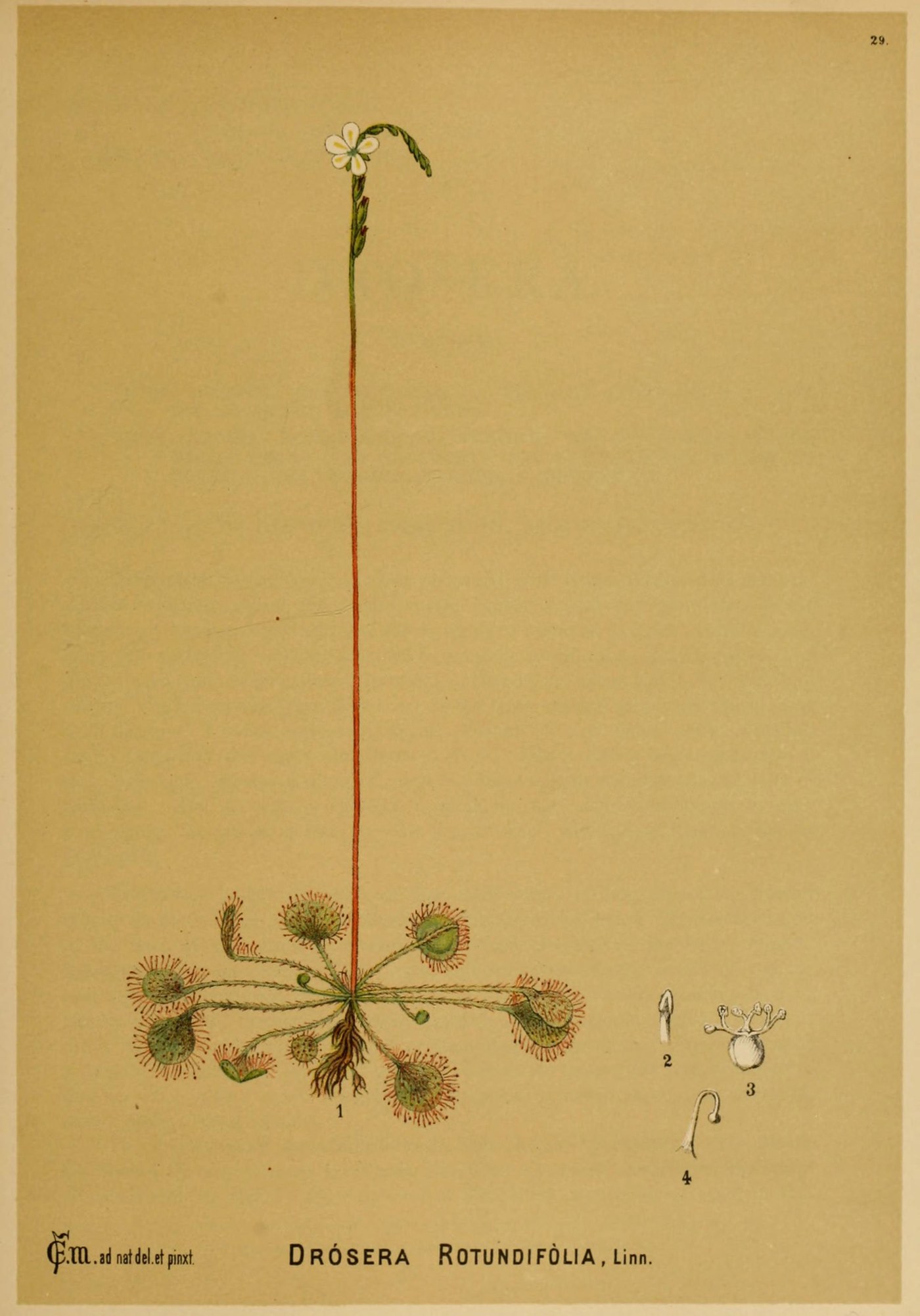
- SundewDrosera rotundifolia, of the family Droseraceae, a small insectivorous perennial of peaty
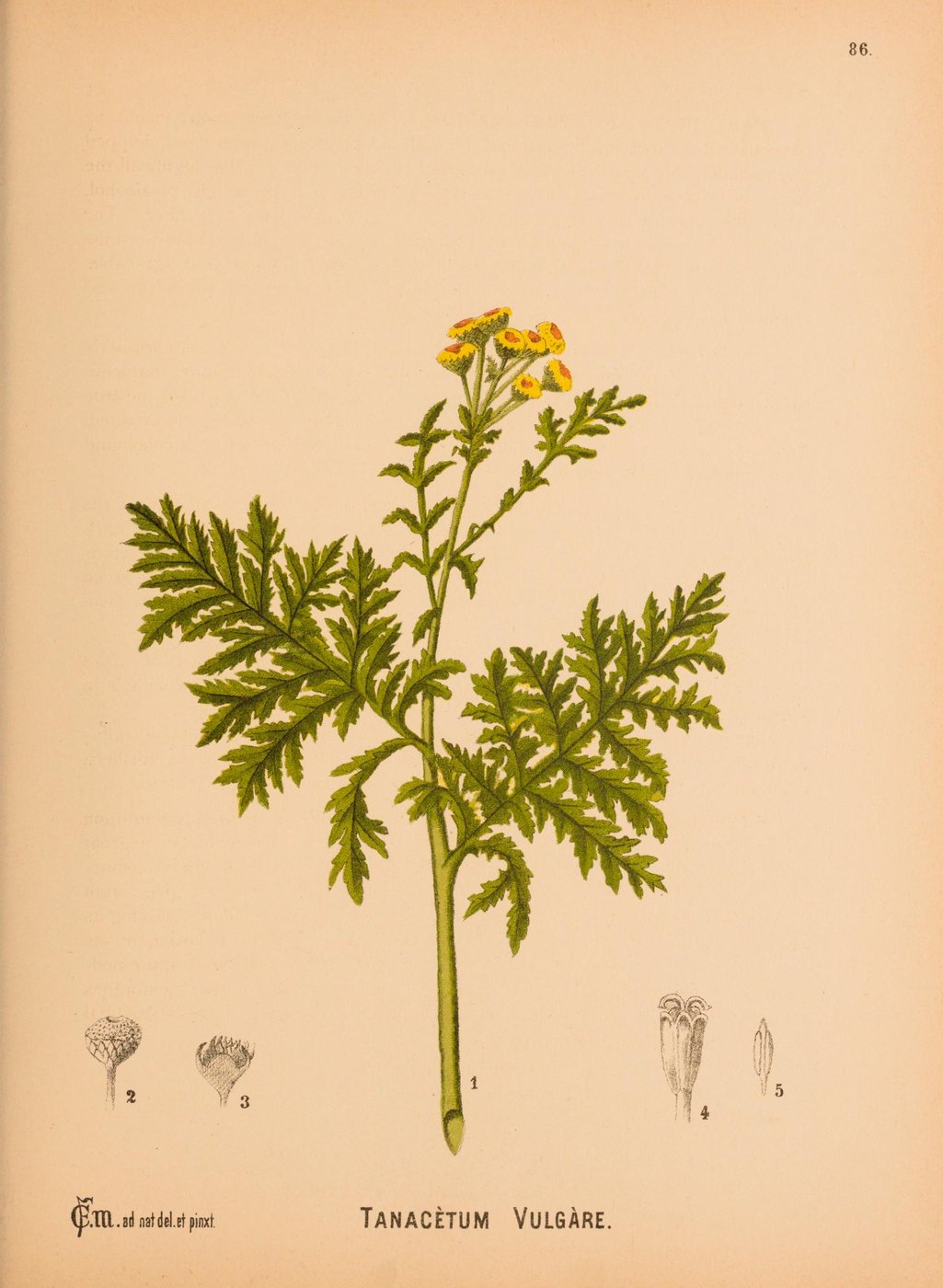
- TansyTanacetum vulgare.
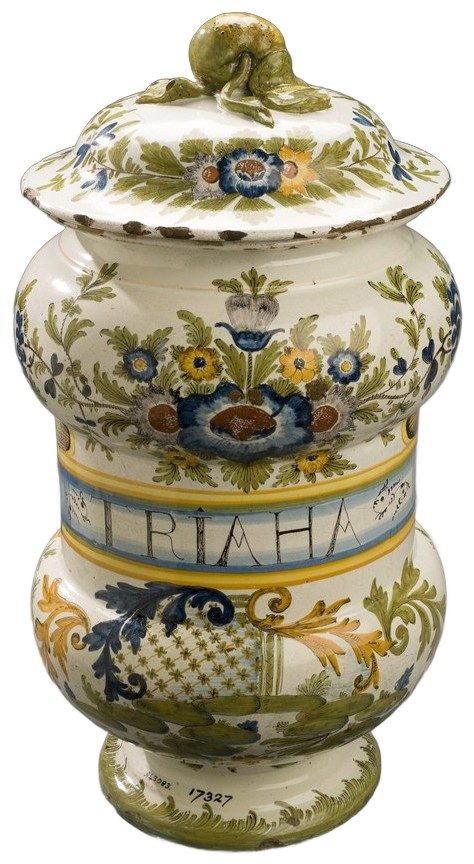
- TheriacThe great compound antidote of antiquity, with about sixty ingredients in Galen’s formulat
- ToadflaxLinaria vulgaris. “Butter and eggs,” a wild relative of the snapdragon with two-toned yell
- TormentilPotentilla erecta, of the rose family, a small yellow four-petalled flower of heaths, with
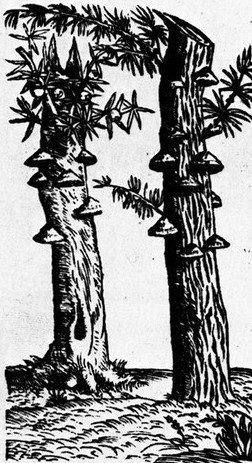
- Troche of agaricLozenges of larch agaric, Laricifomes officinalis (syn. Fomitopsis officinalis), a bracket
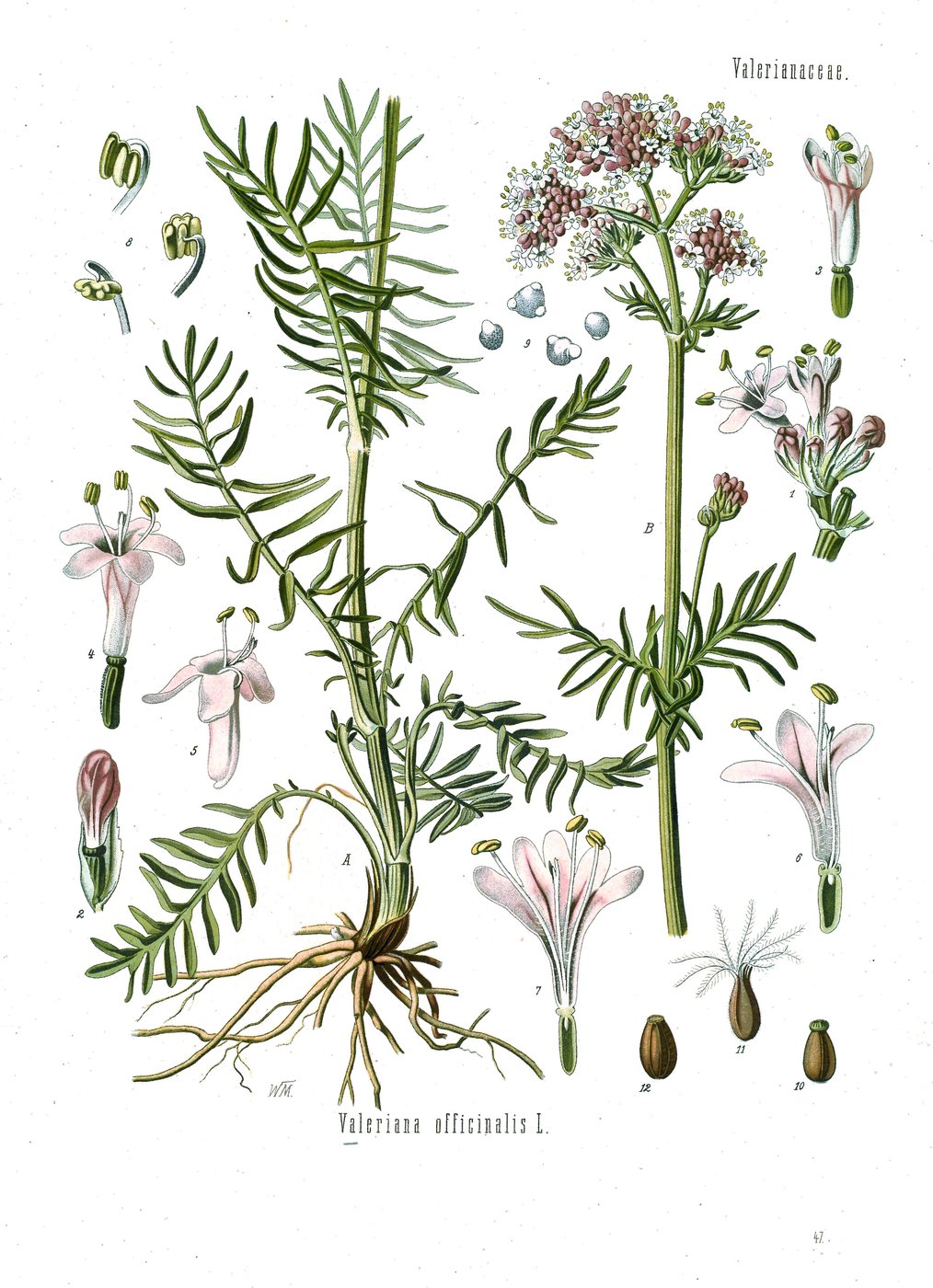
- ValerianValeriana officinalis; the root is used.
- ViperThe flesh of the viper, Vipera species, dried into troches.
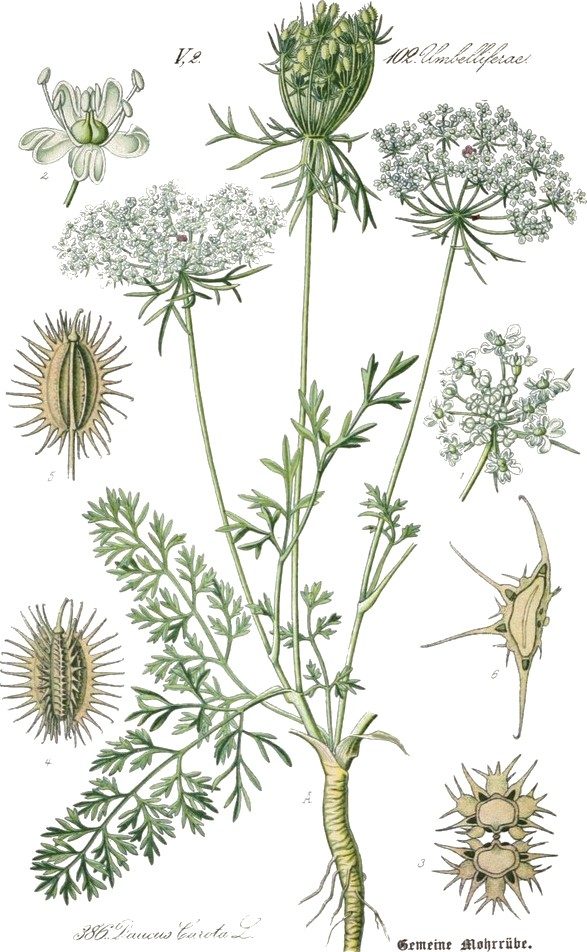
- Wild carrot, seed ofSeed of Daucus carota, Queen Anne’s lace.
- WoadIsatis tinctoria. A biennial of the mustard family whose fermented leaves yielded Europe’s
- Wood sorrelOxalis acetosella. A delicate woodland plant with clover-like, sour-tasting leaves of thre
- Woody nightshadeSolanum dulcamara, a climbing nightshade of hedges, with purple and yellow flowers and sca
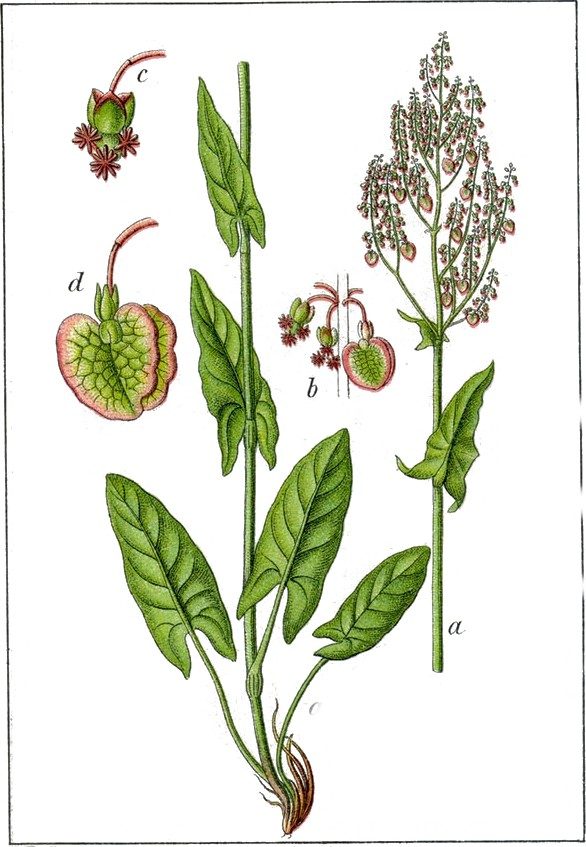
- Yellow dockRumex crispus. A tall, coarse weed of waste ground with wavy-edged leaves and a tall spike
