
Houseleek
Sempervivum; Jupiter’s beard
- Known today as
- Sempervivum tectorum.
- Kind
- Plant, in 1 older authority
- Constituents
- malic acid, phenolic acids, kaempferol glycosides, and 1 more
- Earliest authority quoted here
- Charlemagne (c. 747–814)
- Qualities
- Cold in the third degree (Culpeper). What the degrees mean
- In other databases
- Plants of the World Online · GBIF · Wikidata
Revised October 17, 2026: Checked against its sources, each read in full, in part, or in its abstract. Version 1, first published September 25, 2026.
Houseleek: what was it used for?
Cooling: its juice for burns, inflammations, and hot fevers.
Houseleek: what does modern science say?
A traditional soothing juice; in mice the leaf juice reduced pain in a laboratory test.
The toxic dose and the poisoning
- Toxic dose
- In large doses the juice is emetic and purgative; Grieve gives a dose of 2 to 10 drops.
The references for these lines are listed under Pharmacognosy, in Science. Doses are as the references give them, for description only; this is not medical advice. In a poisoning, call a poison centre.
Houseleek: what did the older authorities say?
- Charlemagnec. 747–814
- In its list of plants for the royal estates, the Capitulare de villis orders that the gardener have “Jupiter’s beard” on his house; its editor identifies the plant as Sempervivum tectorum.
Houseleek: what lore surrounds it?
Grown on roofs to ward off lightning and fire.
Pharmacognosy
- Constituents
- malic acid ChEMBLcombined with lime; the leaves taste saline, astringent and acid
- phenolic acidshydroxybenzoic and hydroxycinnamic acids
- kaempferol glycosides
- kaempferol-3-O-rhamnosyl-glucoside-7-O-rhamnosidethe main flavonol glycoside
- Mechanism
- The old authorities call it refrigerant and astringent; its thick leaves are reservoirs of moisture, and the leaf juice reduced pain in mice in a laboratory test.
- Standing
- A folk remedy for burns, scalds, and inflamed skin; Grieve says Charlemagne had it planted on roofs, probably against fire and lightning, though the capitulary itself gives no reason.
- Alberti, Á., et al. (2012). “Characterization of phenolic compounds and antinociceptive activity of Sempervivum tectorum L. leaf juice.” Journal of Pharmaceutical and Biomedical Analysis 70. Abstract read · the text read
The abstract of each source, beneath its citation. For Club members. About the Club or sign in.
Constituent names open the compound’s record at PubChem, and “ChEMBL” beside a name opens its record at ChEMBL, the European Bioinformatics Institute’s database of bioactive molecules. Where a mechanism line was checked against ChEMBL (ChEMBL 37, read 1 October 2026), the check is shown with the measured value and its source paper, or says plainly that nothing has been measured. Doses are as the references give them, for description only; this is not medical advice. Each source carries the result of its check against Crossref, PubMed, or the authority’s page: see Verification.
Sources
- Capitulare de villis (c. 800). Read in full · the text read
- Grieve, M. (1931). A Modern Herbal, “Houseleek.” botanical.com/botanical/mgmh/h/houlee41.html Read in full · the text read
- Culpeper, N. (1653; read in the Thomas Kelly edition, London, 1850). The Complete Herbal, the catalogue of simples and the tables of temperatures. Project Gutenberg #49513. Read in part · the text read
Verification
- Checked
- October 1, 2026, October 17, 2026
- Passes
- Read against its sources in the pass over the remaining 343 entries
- Every dated or regulatory claim checked by category across the database
- Every source read, in full, in part, or in its abstract, and every sentence checked against what was read (October 17, 2026)
- Sources
- 4 cited: 2 read in full, 1 read in part, 1 abstract read. 1 with the abstract on file.
- Corrections
- None recorded.
What was checked, how, and what was found is set out on the Verification page. A checked source is one whose record was found; it does not make the entry medical advice.
Club members can point at a technical term in this entry, such as a constituent, an action, or a word of Jung’s, to read its definition from the source. The Club.
Cite This Entry
Version 1 · first published September 25, 2026 · last revised October 17, 2026
- Chicago
“Houseleek.” In Materia Medica, edited by B. C. P. Statema. Version 1. The Thinking Press, 2026–. Last modified October 17, 2026. https://thethinkingpress.org/materia-medica/houseleek.
- MLA
“Houseleek.” Materia Medica, edited by B. C. P. Statema, version 1, The Thinking Press, 17 Oct. 2026, thethinkingpress.org/materia-medica/houseleek. Accessed 22 Nov. 2026.
- APA
Houseleek. (2026, October 17). In B. C. P. Statema (Ed.), Materia medica (Version 1). The Thinking Press. Retrieved November 22, 2026, from https://thethinkingpress.org/materia-medica/houseleek
See Also
Sharing malic acid
Hibiscus sabdariffa · Cherry stalks · Sumac · Apples, syrup of
Also in Charlemagne
Lovage in Charlemagne · Tansy in Charlemagne · Rosemary in Charlemagne · Sage in Charlemagne · everything Charlemagne names →
Drawing on the same sources: Grieve, Culpeper
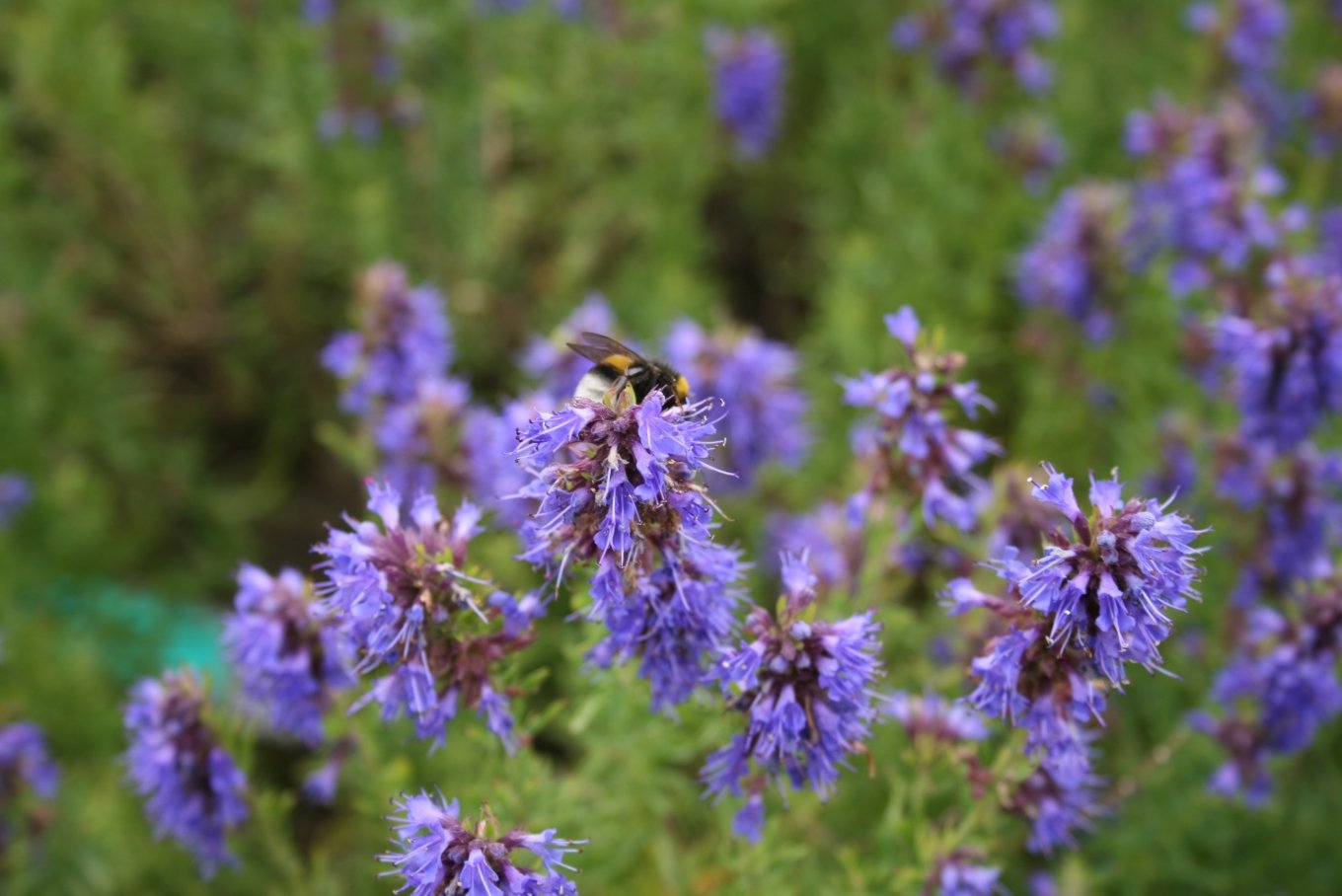
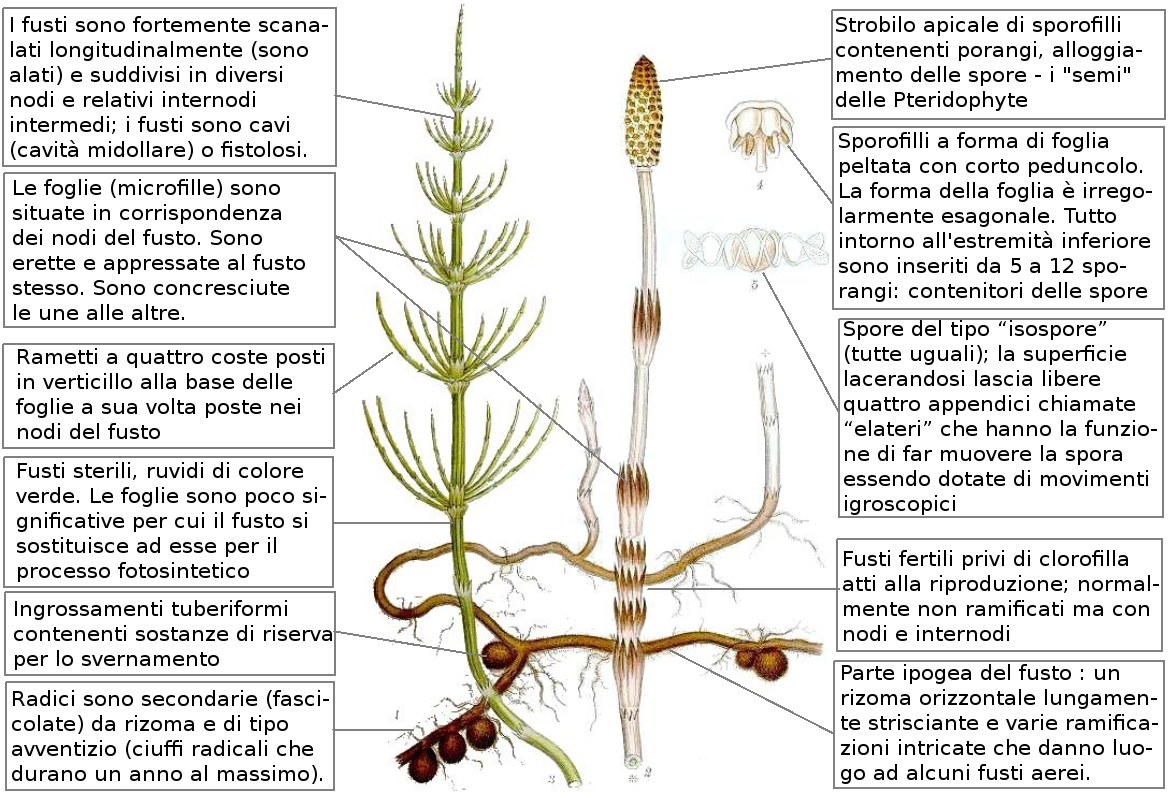
Hungary water · Houndstongue · Hyssop · Horsetail · Indian and Arabian pills · the bibliography →
Of the same qualities: cold and moist
Purslane · Caesar’s mushroom · Quicksilver · Violet, lettuce, sow-thistle · Saffron milk cap · Truffle · what the degrees mean →
Nearby in the alphabet
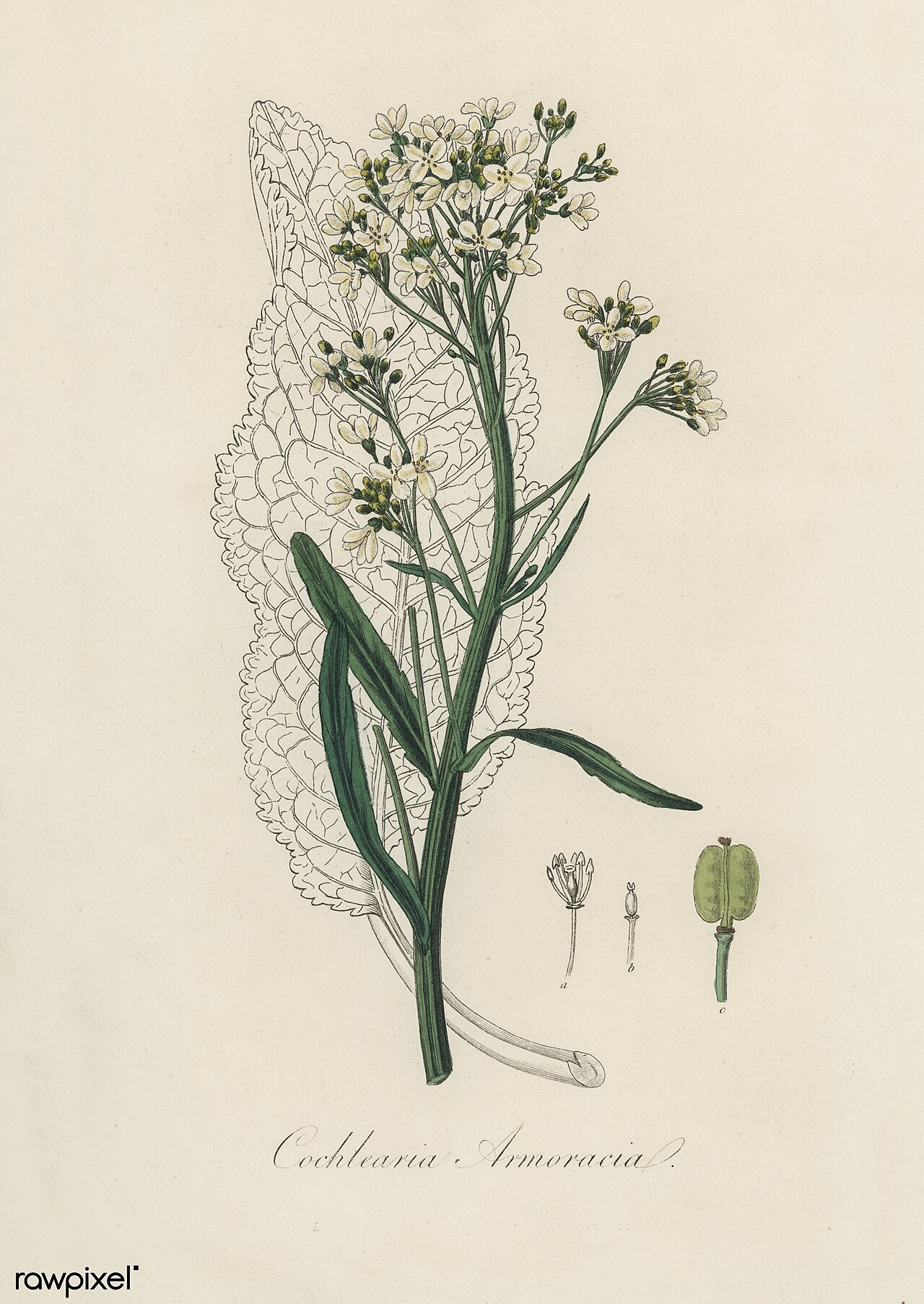
Human fat (Fat rendered from the bodies of the executed) · Horseradish (of the family Cruciferae, long cultivated and of obscure origin) · Iceland moss · Horse chestnut
Historical description, not medical advice.
