Richard Folkard the younger gathered his material, by his own preface, while associated in the conduct of a journal of horticulture, and published it in London in 1884 as Plant Lore, Legends, and Lyrics: the myths, traditions, superstitions, and folk-lore of the plant kingdom, plant by plant. Read here in the Project Gutenberg text.
43 Entries in the Materia Medica
The Thinking Press Club
Read What Richard Folkard Says
Each passage in which the database cites Richard Folkard, entry by entry.
For Club Members. Create a free account before January 1, 2027 and confirm your email: you become a Charter Member, and it is yours for good.
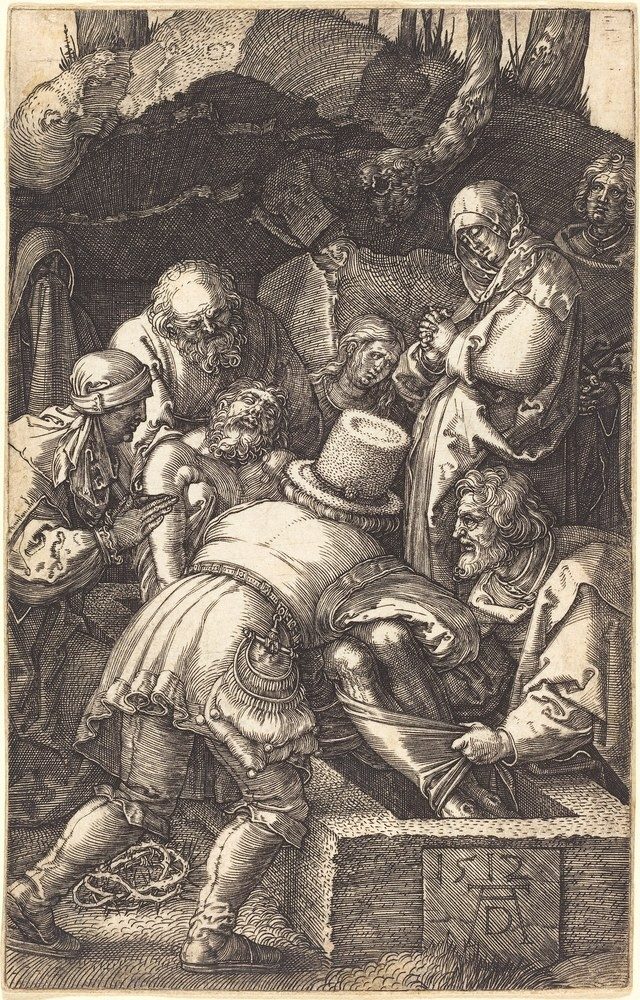
- AloeHere the aloe of John 19:39, with which, mixed with myrrh, Nicodemus anointed Christ’s bod
- The amulet herbsSee each above.
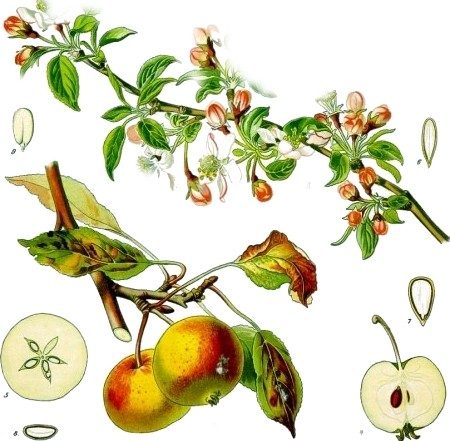
- Apples, syrup ofA syrup of sweet apples.
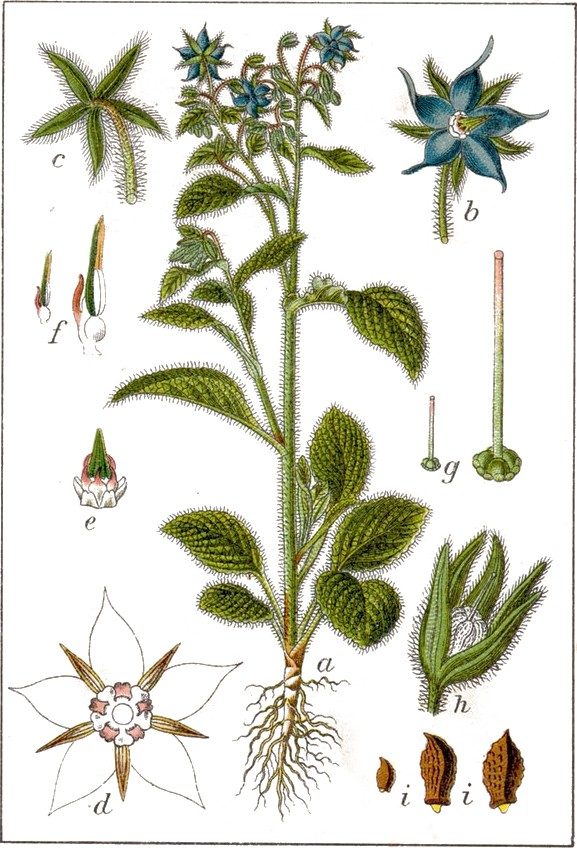
- BorageBorago officinalis.
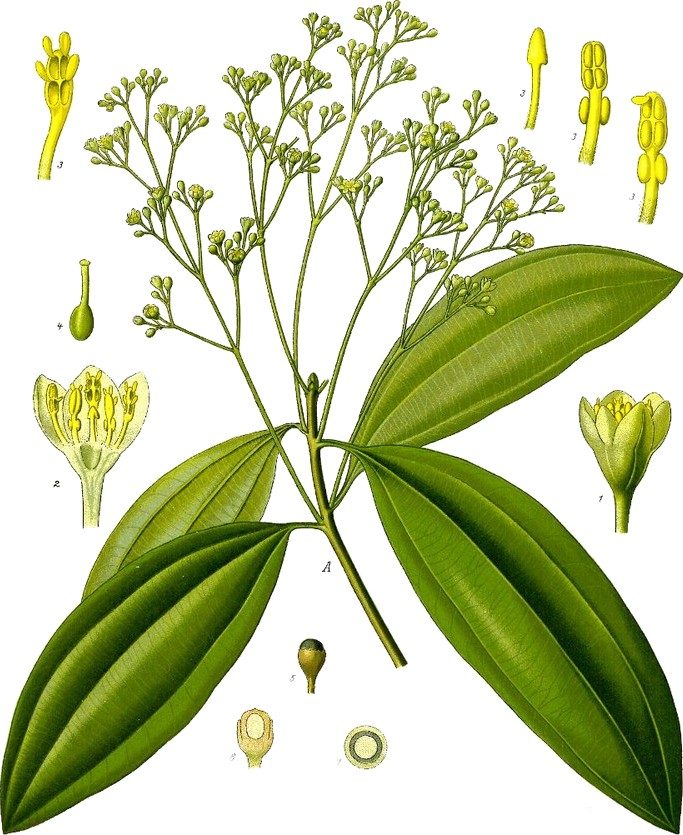
- Cassia woodThe bark of Chinese cassia, Cinnamomum aromaticum (long known as Cinnamomum cassia); disti
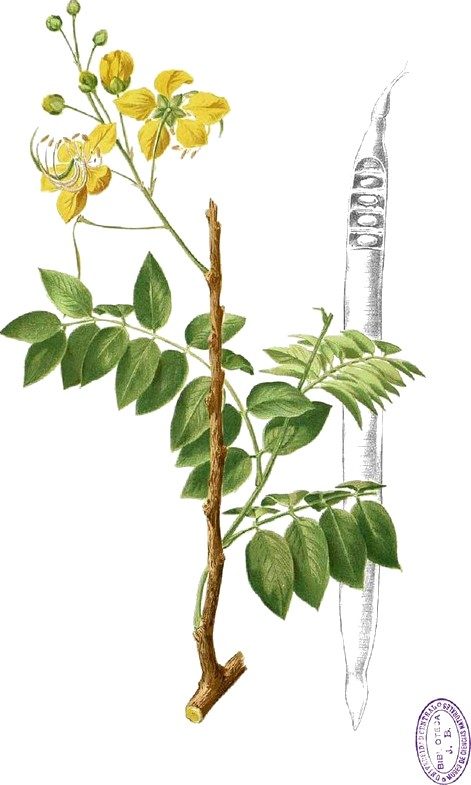
- Cassia, flower ofThe sweet black pulp of the pods of Cassia fistula, the Indian laburnum; not the bark spic
- CinchonaThe bark of Cinchona trees of the Andes.
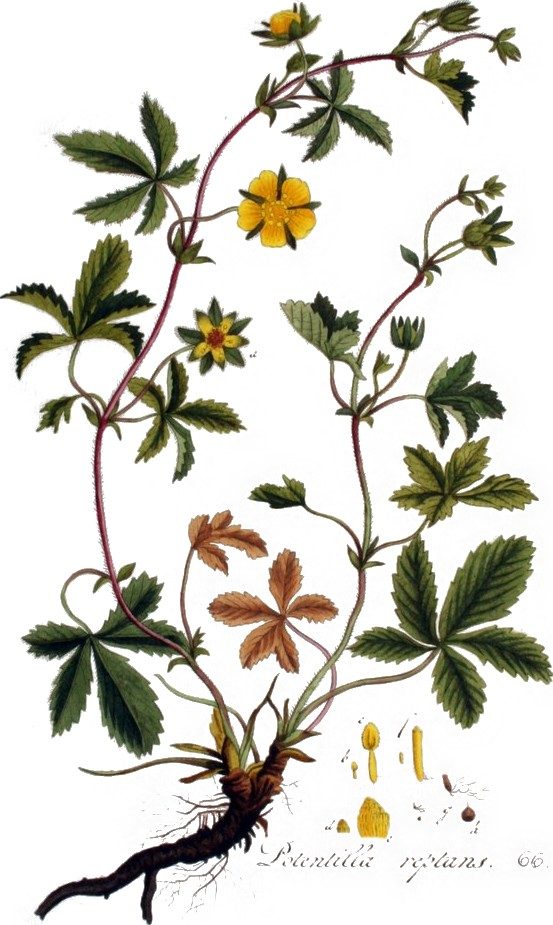
- CinquefoilPotentilla reptans.
- CorianderCoriandrum sativum, seed and leaf.
- CuminCuminum cyminum.
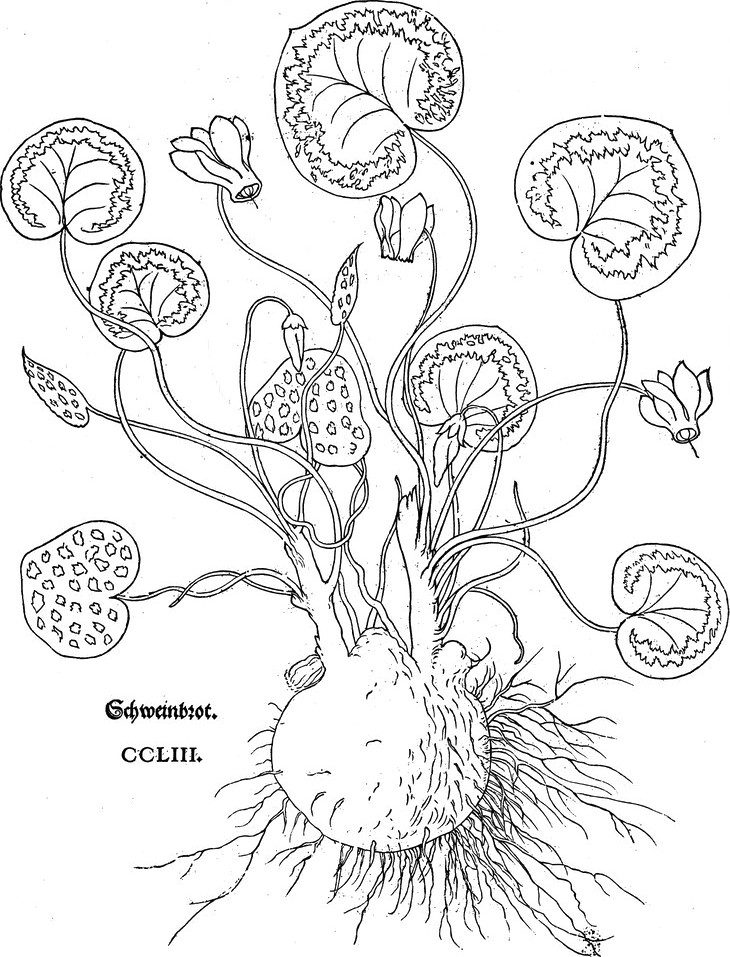
- Cyclamen, greaterSowbread, Cyclamen purpurascens or C. hederifolium, eaten by pigs, hence the name.
- DillAnethum graveolens.
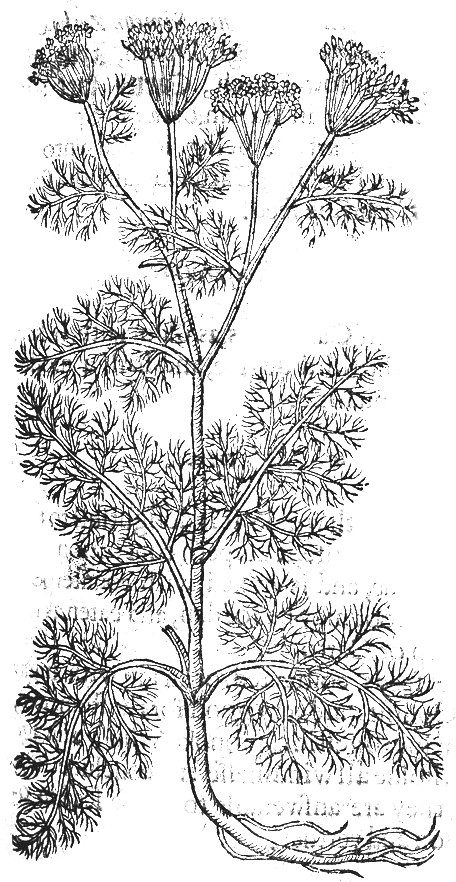
- DittanyDittany of Crete, Origanum dictamnus, famous in antiquity for drawing out arrows.
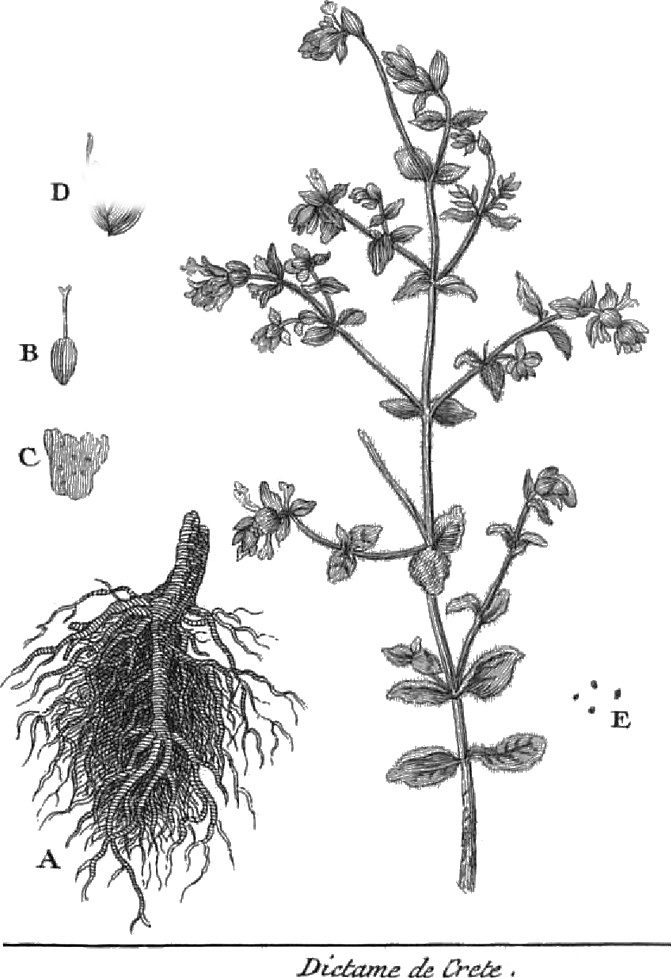
- ElecampaneThe root of Inula helenium.
- EndiveCichorium endivia, the salad plant.
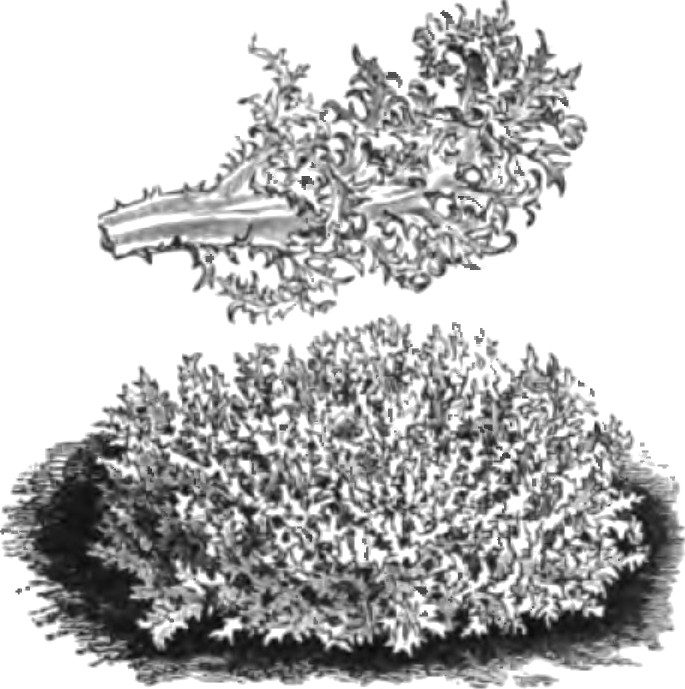
- EyebrightEuphrasia officinalis and relatives.
- FennelFoeniculum vulgare, seed and water.
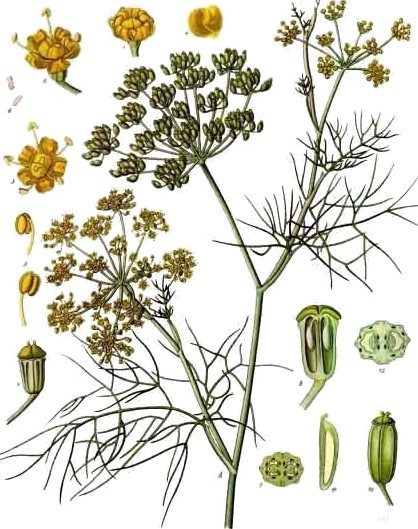
- FigFicus carica.
- Gum arabicThe dried sap of Senegalia senegal and related acacias.
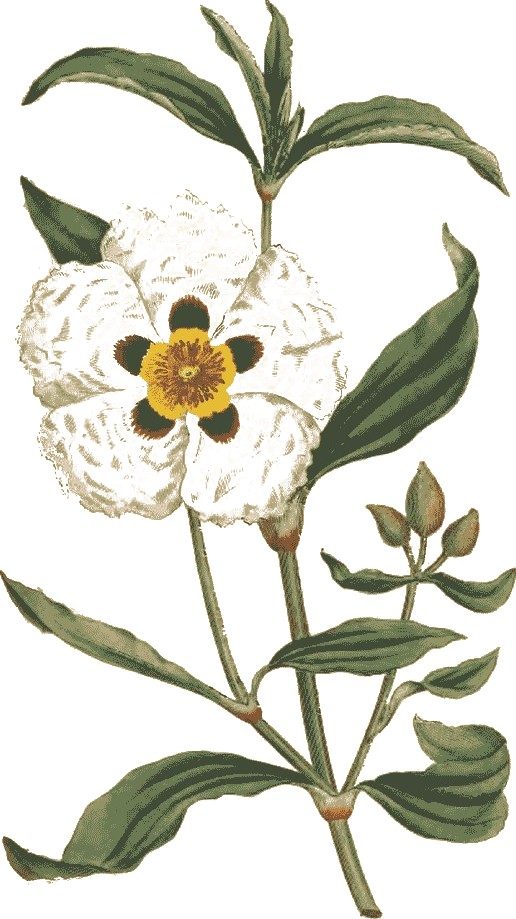
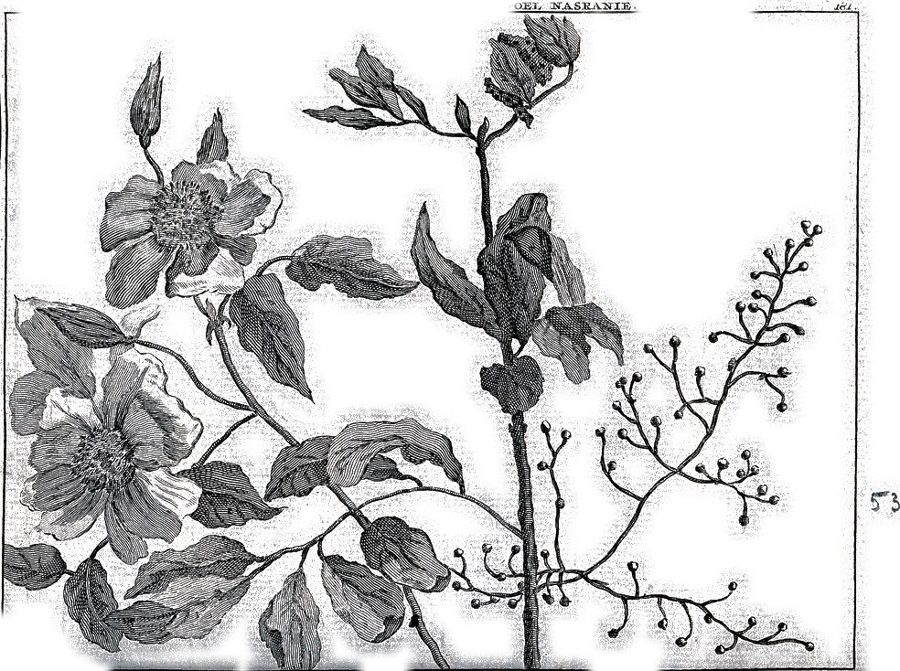
- LabdanumThe resin of the rockrose, Cistus ladanifer and C. creticus.
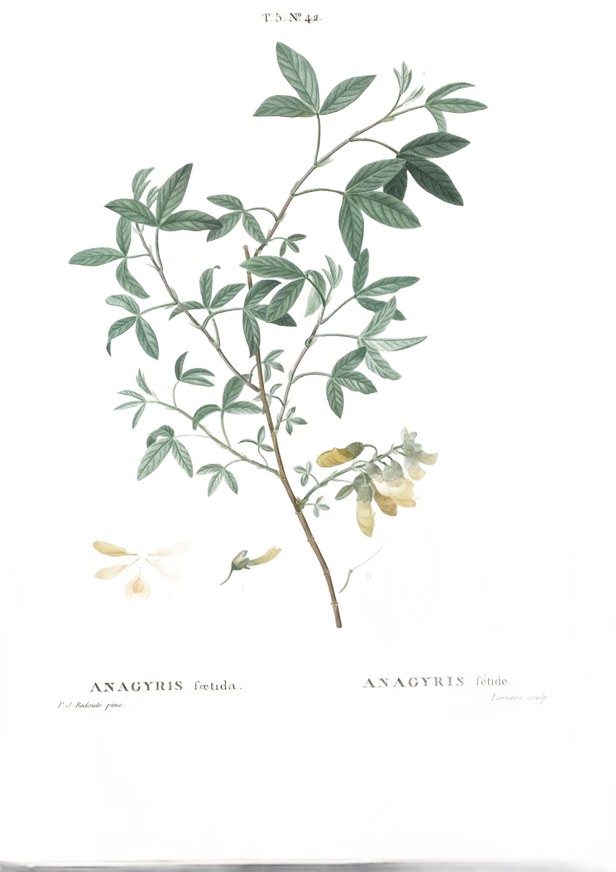
- Lesser bean-trefoilStinking bean trefoil, Anagyris foetida, a Mediterranean shrub. “Female bean trefoil” in t
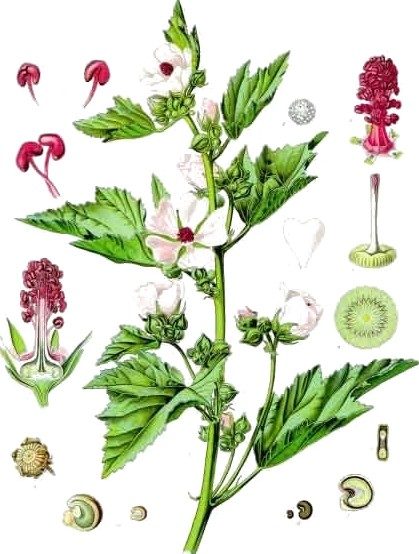
- Mallow and marshmallowMalva sylvestris and Althaea officinalis.
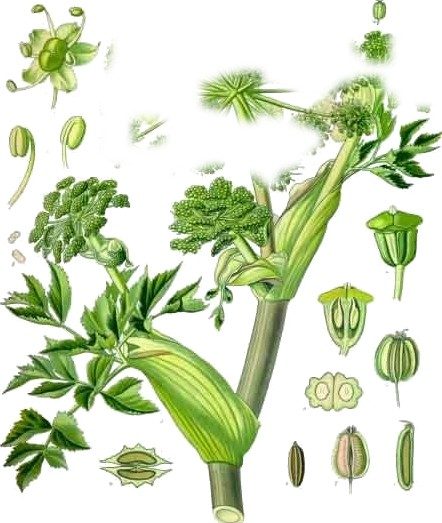
- Masterwort and angelicaPeucedanum ostruthium and Angelica archangelica.
- Mint, oil ofOil of garden or spear mint.
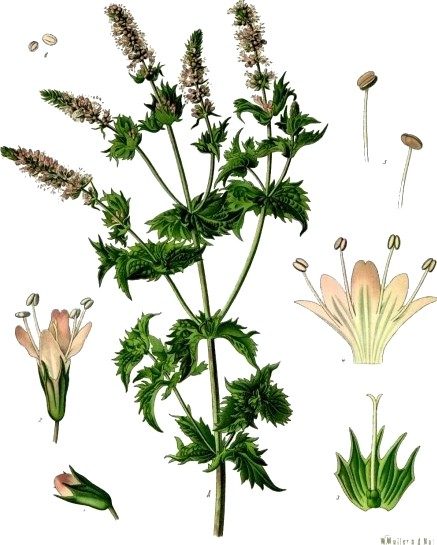
- MotherwortLeonurus cardiaca, of the mint family, a tall, prickly-calyxed herb of waste ground.
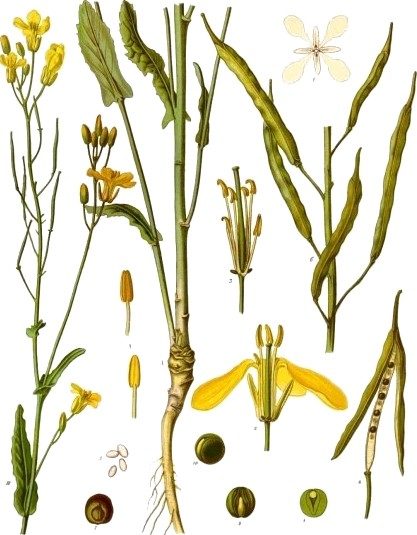
- Mustard seedThe English follows the 1674 text as “mustard”; the 1660 printing, whose Italian is given
- MyrobalansThe dried fruits of Terminalia chebula, T. bellirica, and Phyllanthus emblica.
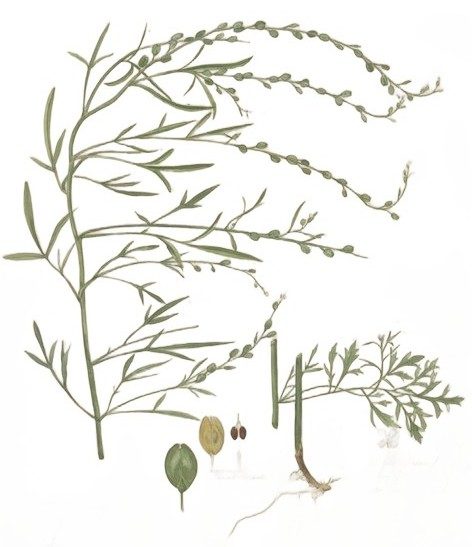
- Nasturtium, that is, garden cressGarden cress, Lepidium sativum. Not the flowering nasturtium (Tropaeolum) of modern garden
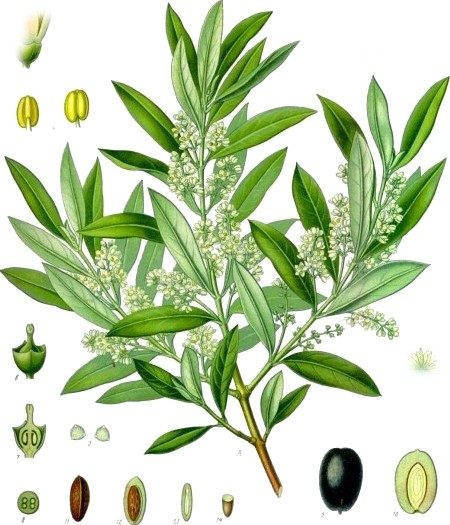
- Olive oil and holy waterFine olive oil; water blessed by the Church.
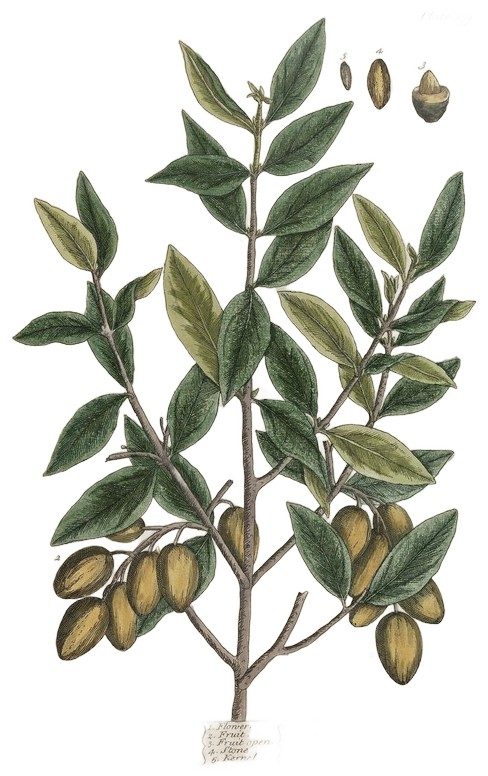
- Olive-wood ash lyeLye made by steeping the ash of olive wood in river water.
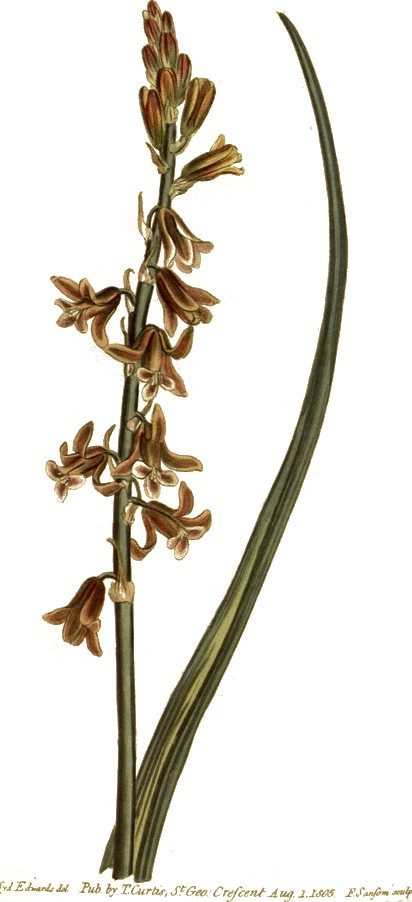
- Oxymel, and oxymel of squillHoney boiled with vinegar; the squill version adds the bulb of sea squill.
- PurslanePortulaca oleracea, a succulent, creeping herb of warm gardens.
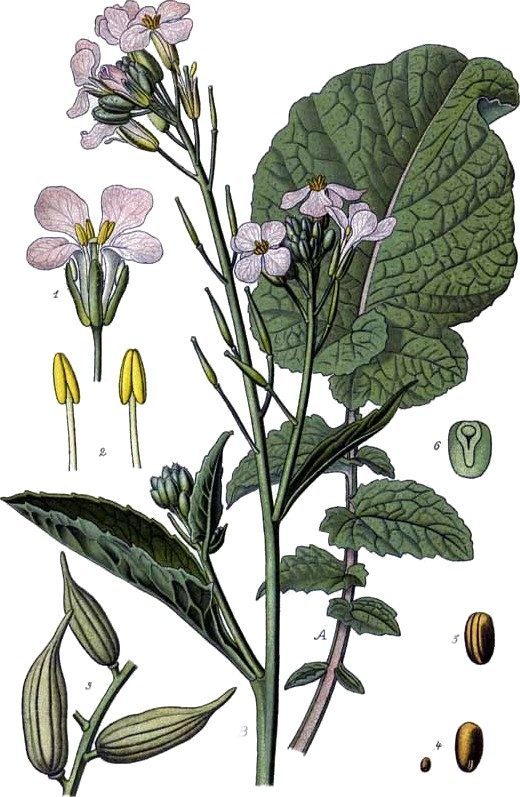
- RadishGarden radish, Raphanus sativus (now classed by Kew as Raphanus raphanistrum subsp. sativu
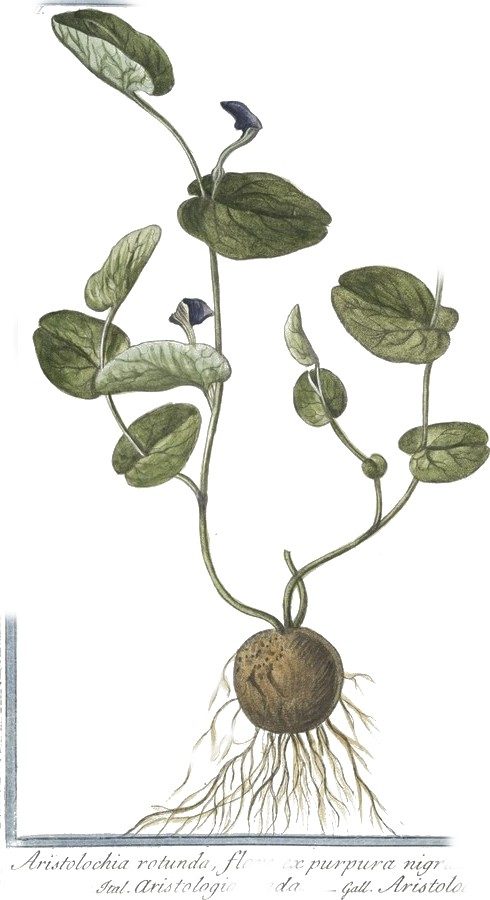
- Round birthwortAristolochia rotunda.
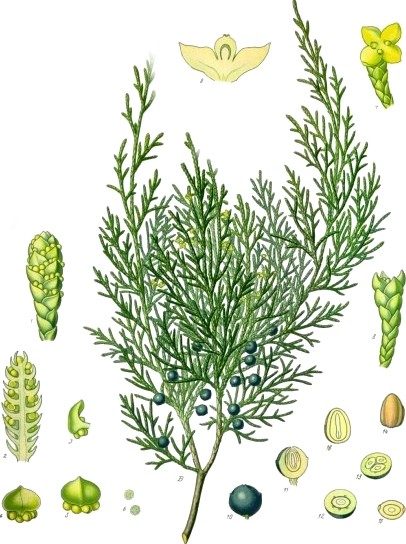
- SavinJuniperus sabina, a low juniper.
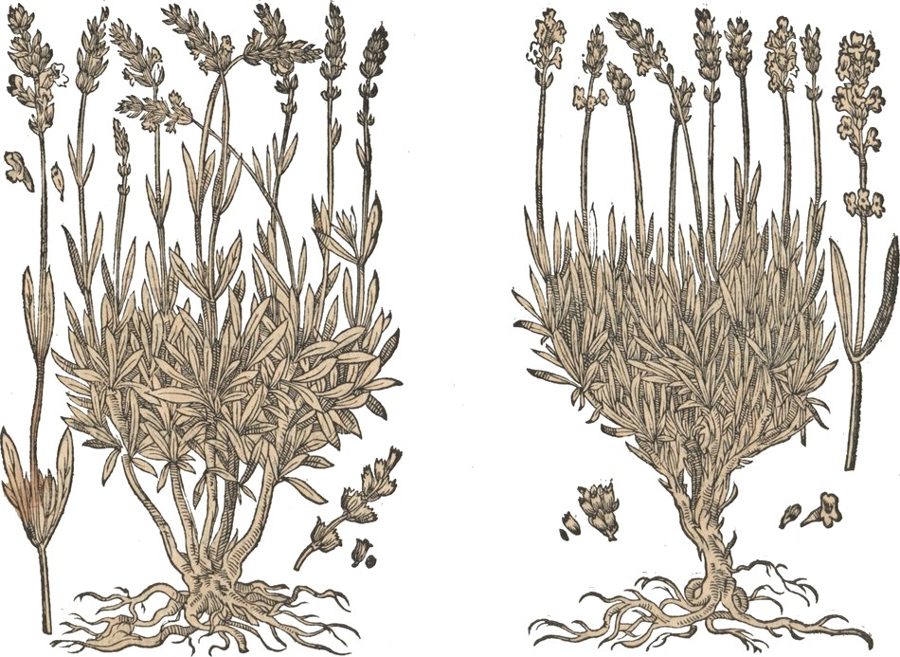
- SpikenardThe root of Nardostachys jatamansi, a Himalayan valerian.
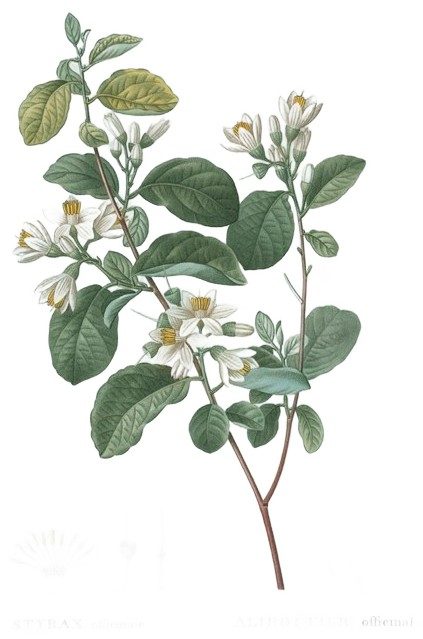
- Storax calamiteThe resin of Styrax officinalis, packed in reeds (calami) for export.
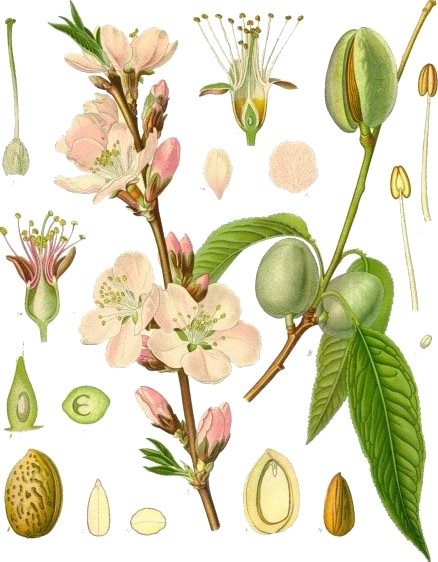
- Sweet almond, oil ofOil pressed from sweet almonds.
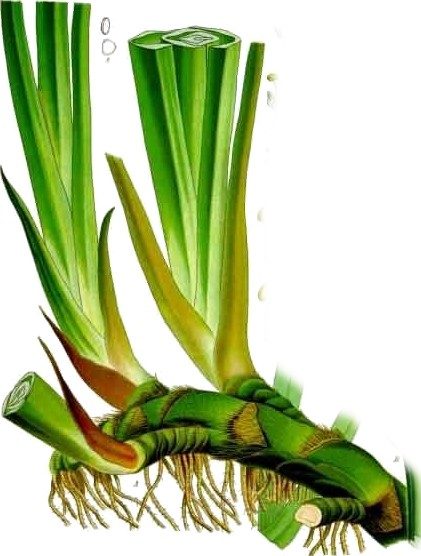
- Sweet flagAcorus calamus.
- TurpentineThe oleoresin of the larch (“Venice” turpentine) or of the terebinth (“Chian” turpentine).
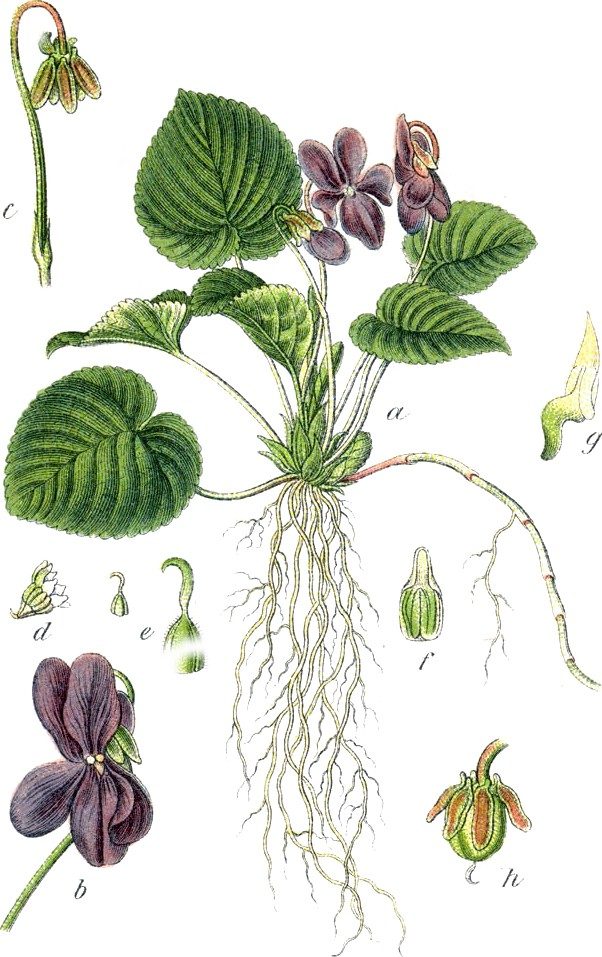
- Violet, lettuce, sow-thistleSweet violet (Viola odorata), garden lettuce (Lactuca sativa), sow-thistle (Sonchus olerac
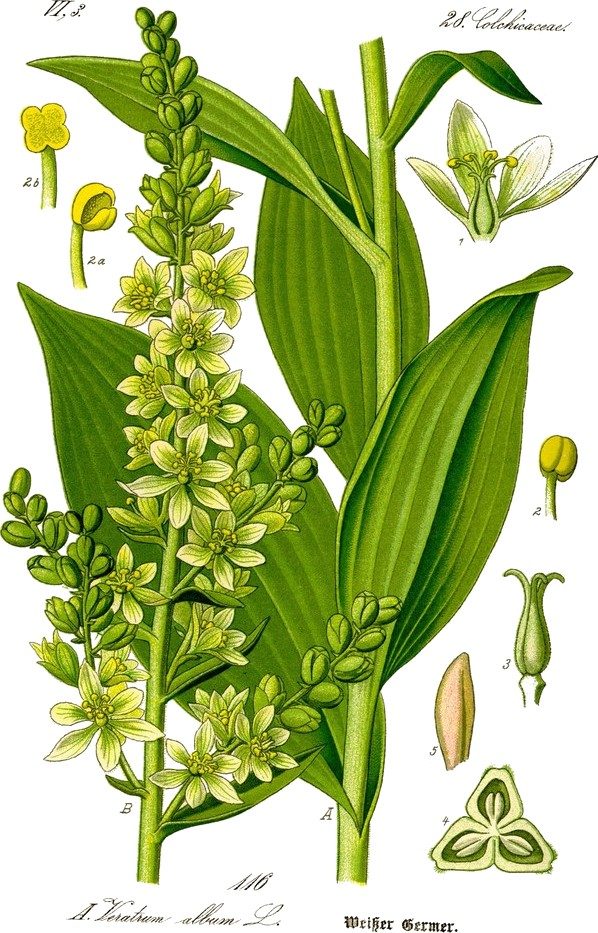
- White helleboreVeratrum album, false hellebore, of the family Melanthiaceae, unrelated to black hellebore
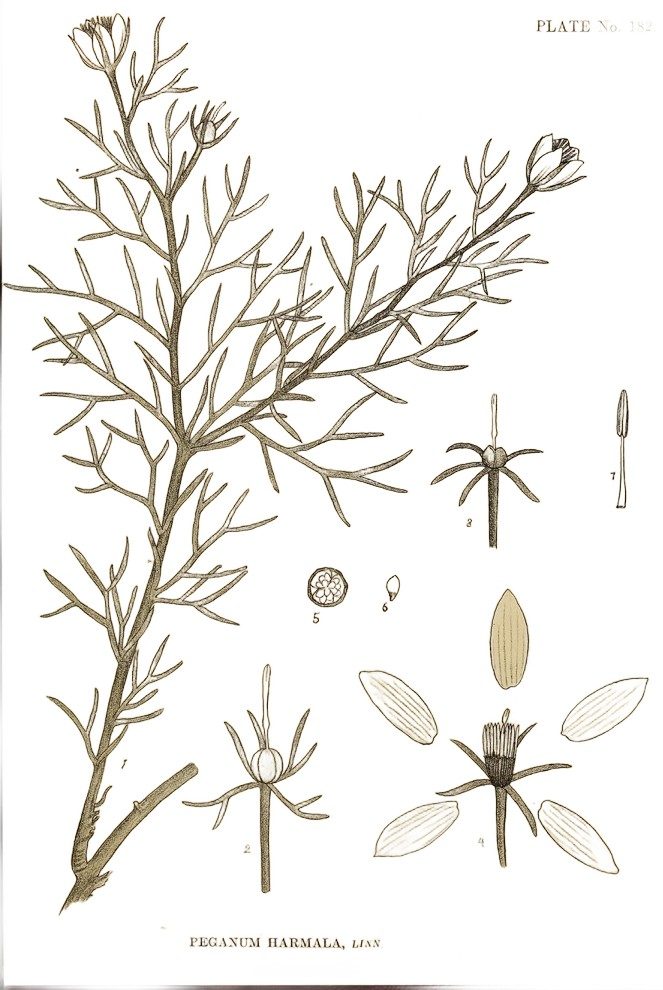
- Wild rueEither the wild form of Ruta graveolens or Syrian rue, Peganum harmala.