48 entries · An introduction to Galenic pharmacy
A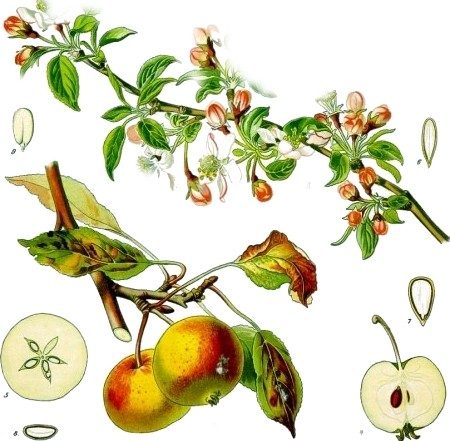
CompoundApples, syrup ofSiroppo di pomi
A syrup of sweet apples.CanaleA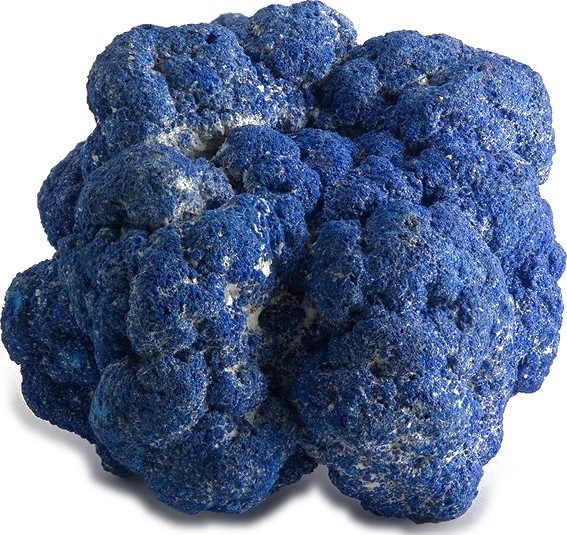
CompoundArmenian stone, pills ofPillole di lapide armeno
Lapis armenus, azurite, a blue copper carbonate.CanaleCautionA
CompoundAurum potabileDrinkable gold
Gold dissolved or suspended in liquid for drinking.C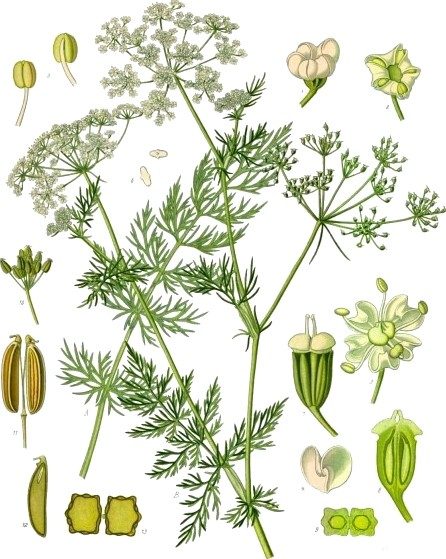
CompoundCaraway brothBrodo di carvi
A broth of caraway seed, Carum carvi.CanaleC
CompoundCarmelite waterEau de mélisse des Carmes
Lemon balm, with lemon peel, nutmeg, coriander, and angelica, distilled in spirit.C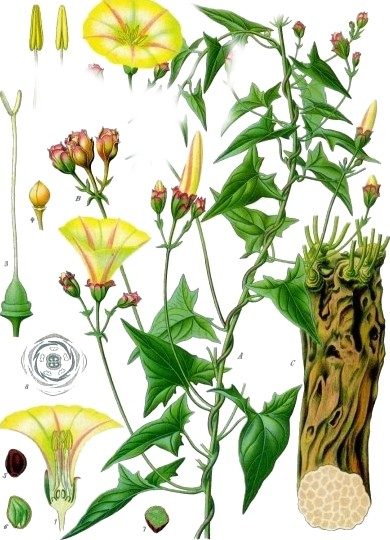
CompoundCochia pillsPilulae Cochiae
A standard purgative pill of aloes, scammony, and colocynth, given in the old pharmacopoeias under the names of Mesue, Rhazes, and Nicolaus Myrepsus. The 1674 printing reads “le occhie”; the 1660 printing reads “le cochie,” which confirms the identification (note XXXIV).CanaleCautionC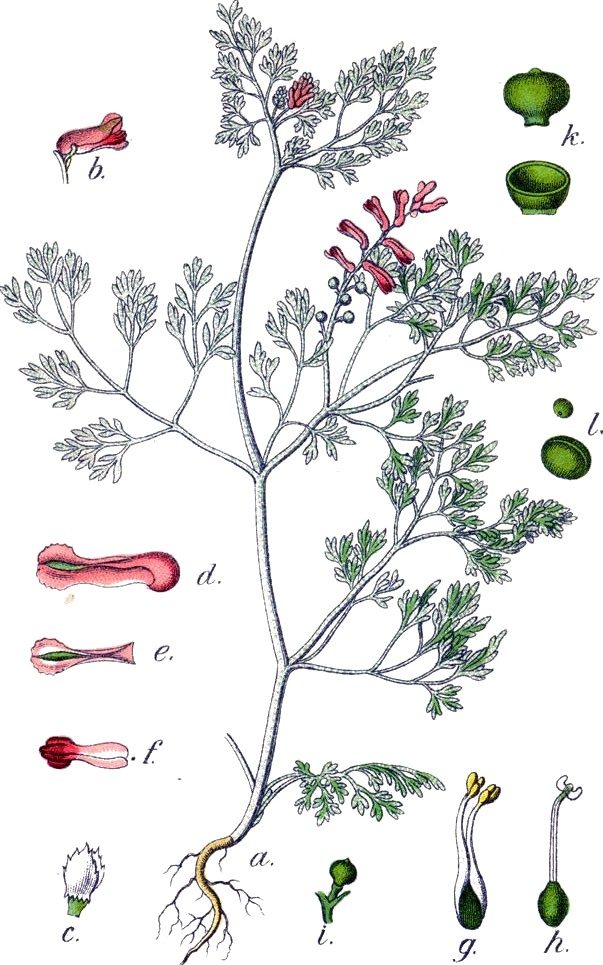
CompoundCompound fumitoryFumoterra composta
A syrup or compound of fumitory, Fumaria officinalis, with other herbs.CanaleC
CompoundConfection of alkermesConfectio alkermes
A cordial confection colored with kermes, with apple juice, rose water, sugar, ambergris, and gold.C
CompoundConfection of hyacinthConfectio de hyacintho
A cordial electuary of powdered jacinth, sapphire, emerald, and other stones, with coral, pearls, and gold.C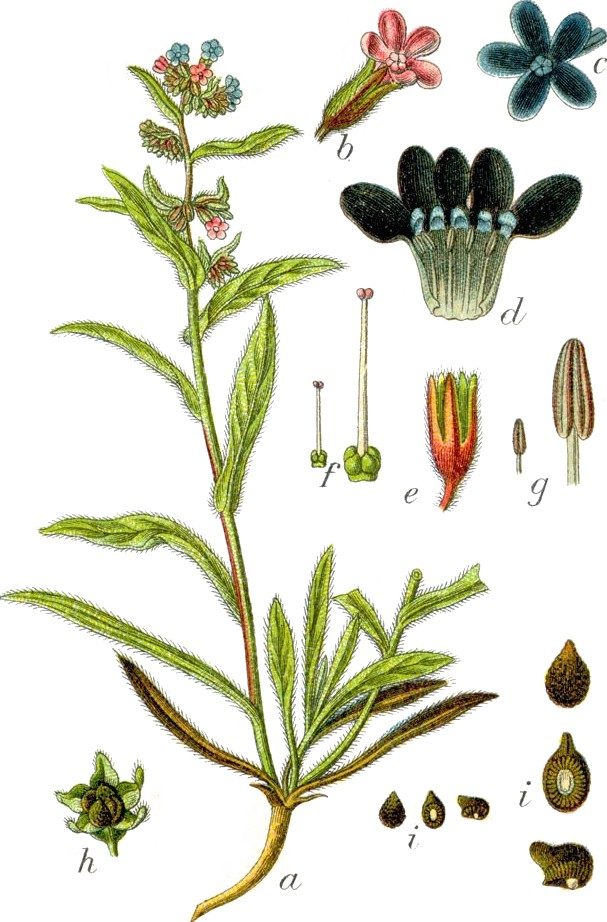
CompoundCordial flowers and fruitsFiori e frutti cordiali
A standard apothecary decoction of “heart-strengthening” flowers (usually borage, bugloss, violet, rose) and fruits (in the London College’s decoction of flowers and fruits, figs, prunes, jujubes, and tamarinds).CanaleC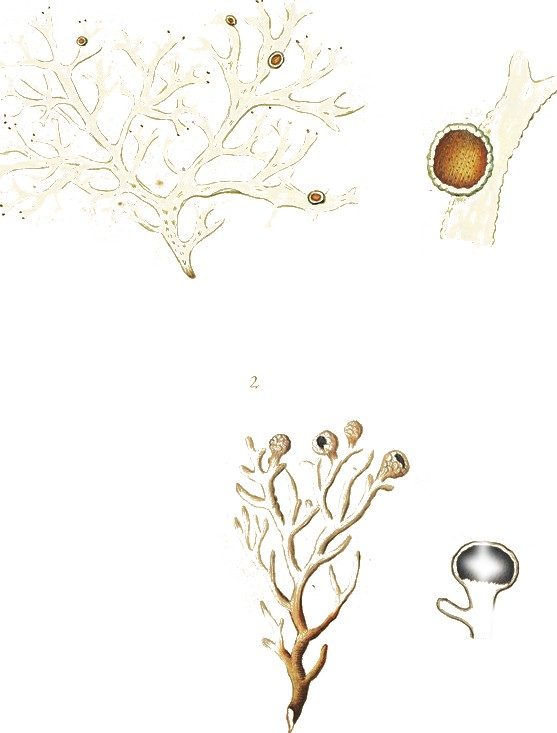
CompoundCyprus powderPolvere di Cipro
Poudre de Chypre, a perfumed toilet powder.CanaleD
CompoundDiacatholicon
A “universal” purgative electuary of the old apothecary, based on senna, rhubarb, cassia, and tamarind with various seeds.CanaleD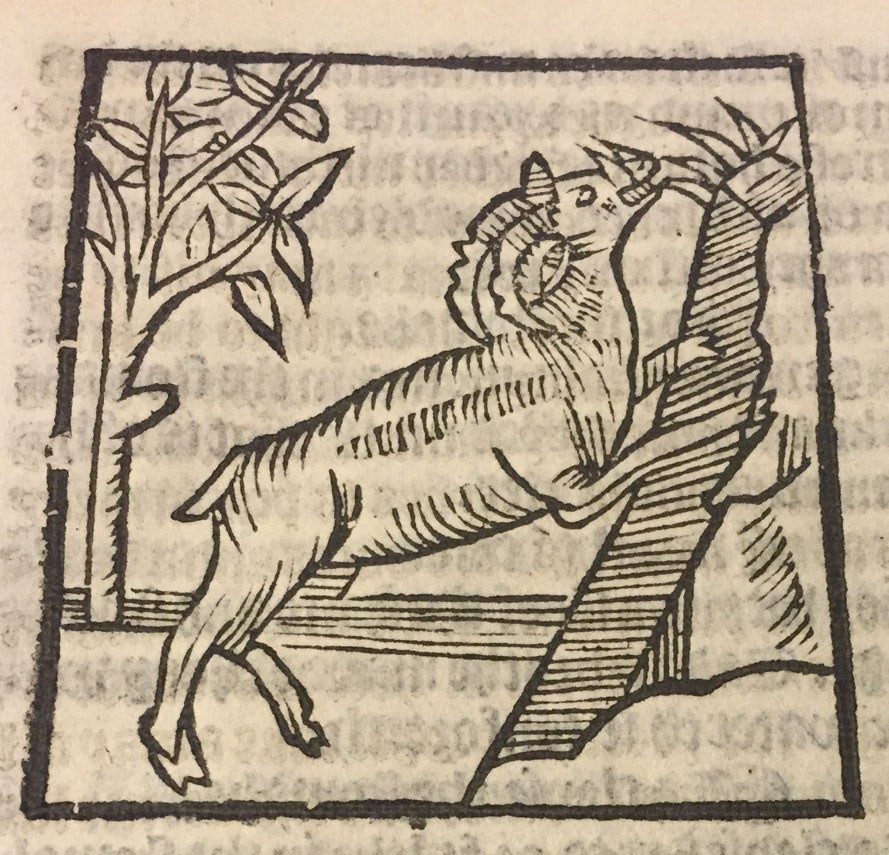
CompoundDiamoschu, sweetDiamoscho dolce
A cordial powder of musk with saffron, aloeswood, coral, pearls, and spices.CanaleD
CompoundDiaphenicon
A purgative electuary of dates, with turpeth, scammony, and spices.CanaleD
CompoundDiascordiumDiascordium Fracastorii
A confection of water germander with opium, cinnamon, bole, and other drugs.CautionD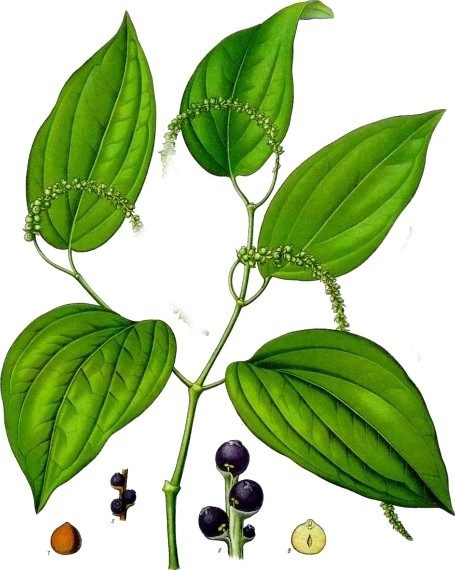
CompoundDiatrion piperionDiatrion pipereon
A warming powder of the three peppers, with aniseed and ginger.CanaleD
CompoundDover’s powderPulvis ipecacuanhae compositus; pulvis Doveri
Ipecacuanha and opium, with salts, in a powder.F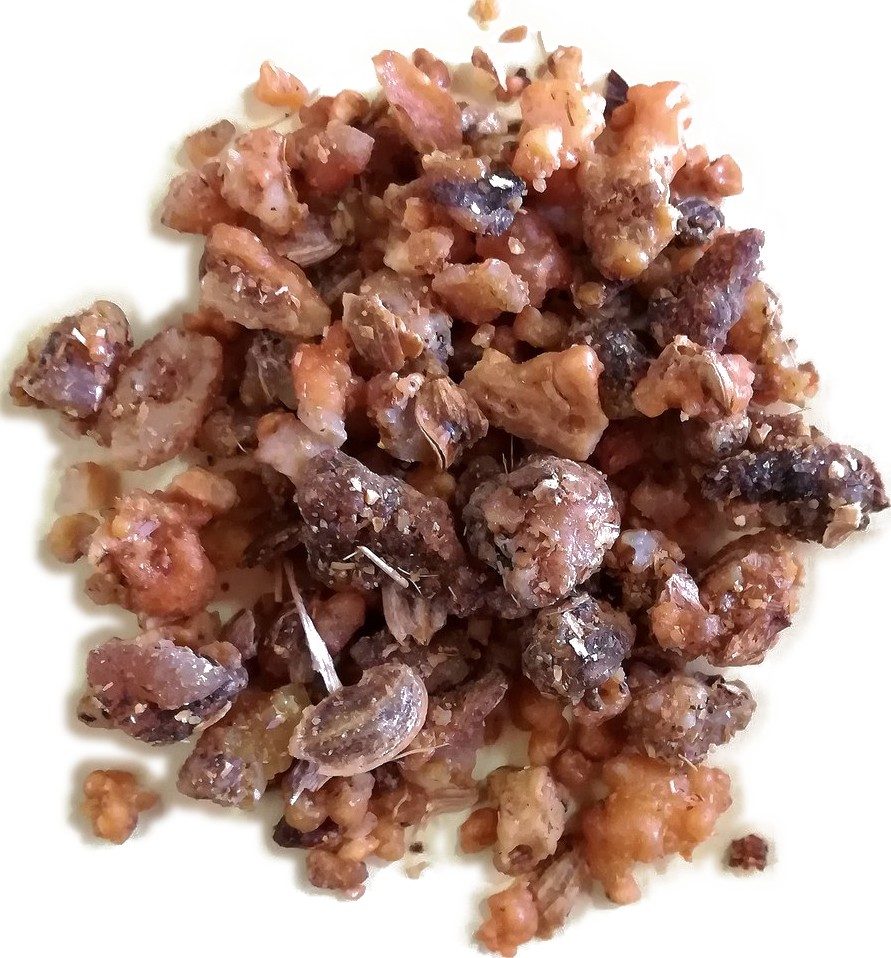
CompoundFoetid pillsPillole fetide
Pilulae foetidae, named for their stench, made with foul-smelling gum resins such as sagapenum and ammoniacum, together with aloes, colocynth, scammony, and other drastic purgatives.CanaleCautionF
CompoundFriar’s balsamCompound tincture of benzoin; balsamum traumaticum
Benzoin, storax, balsam of tolu, and aloes, in spirit.G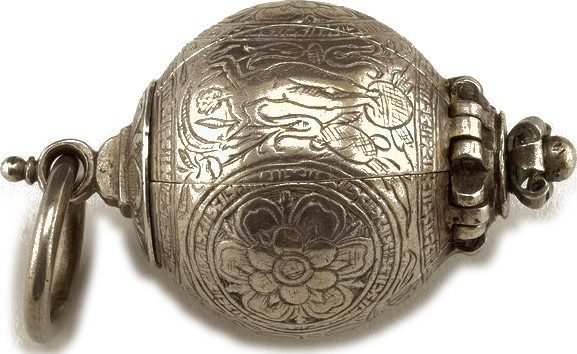
CompoundGallia moschataGallia muscata
A named compound perfume of the apothecary, made into troches of aloeswood, ambergris, and musk. The Antidotarium Nicolai gives a different confectio gallie muscate, of mastic, gum, and camphor with cinnamon, cloves, nutmeg, and musk.CanaleG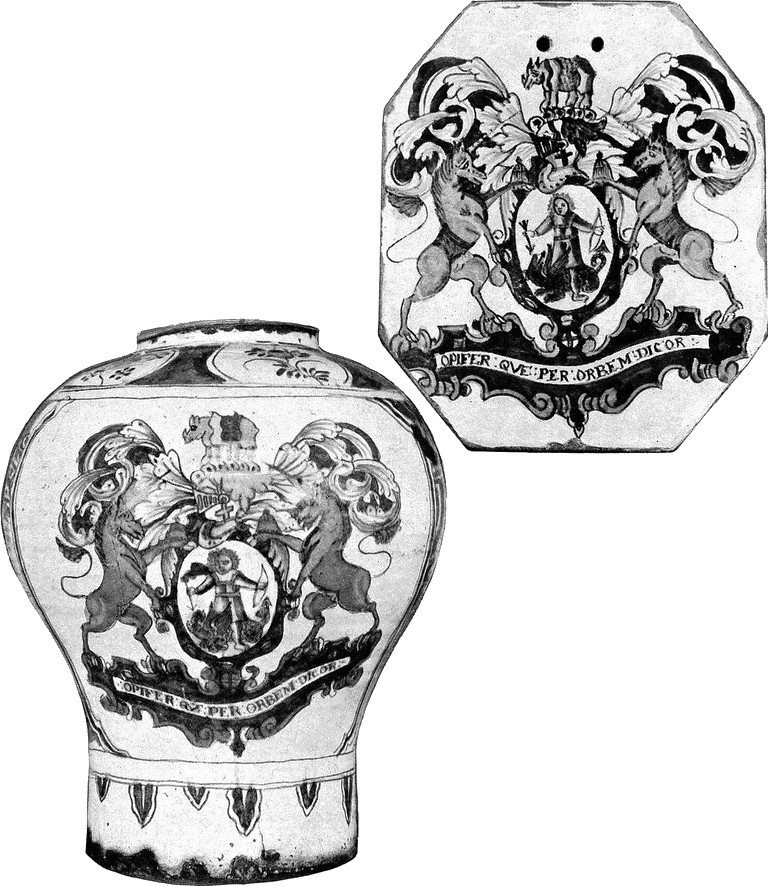
CompoundGolden pillsPillole auree
Pilulae aureae, a standard compound of aloes, scammony, and colocynth.CanaleCautionH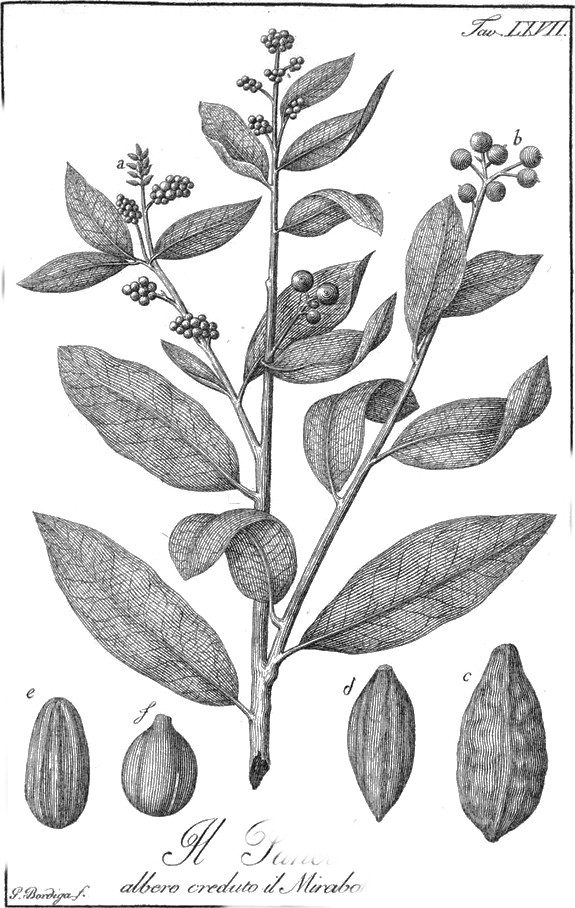
CompoundHamech, confection ofConfettione Hamech
A purgative confection containing myrobalans, senna, polypody, and colocynth, among many other purgatives.CanaleH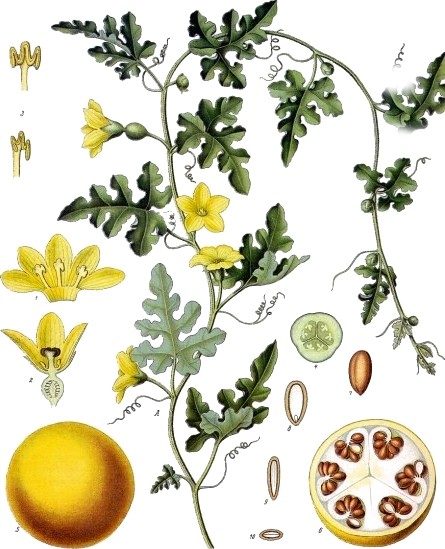
CompoundHiera of PacchiusHiera Pacchii
A bitter purgative compound, the “holy antidote” of Paccius Antiochus, a pupil of Philonides of Catina; Scribonius Largus recorded it after the recipe reached Tiberius Caesar on Paccius’s death, and says some called it picra, because it is bitter, and others diacolocynthidos. It has no aloes, unlike Hiera picra.CanaleCautionH
CompoundHiera picra“The holy bitter”
A compound purge of aloes with cinnamon, mastic, saffron, and other aromatics.CautionH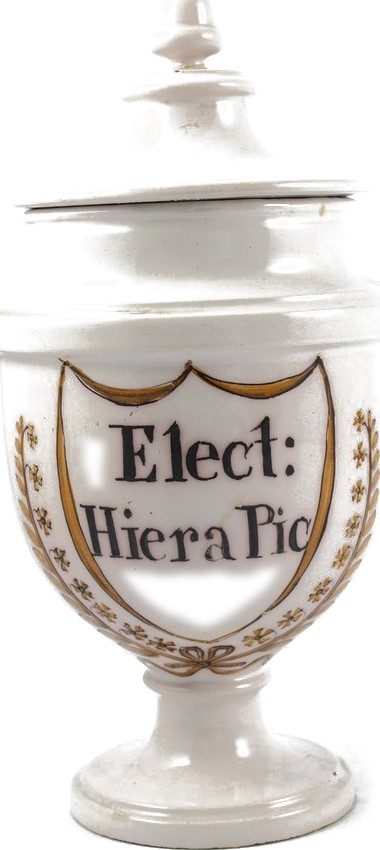
CompoundHiera with agaricHiera cum agarico
Hiera picra, the bitter aloes compound, with added larch agaric (Laricifomes officinalis, syn. Fomitopsis officinalis, a polypore that grows on larch).CanaleH
CompoundHungary waterAqua Hungarica Bateana, renamed spiritus rorismarini in 1746
Fresh rosemary tops in flower, steeped in spirit of wine and distilled.I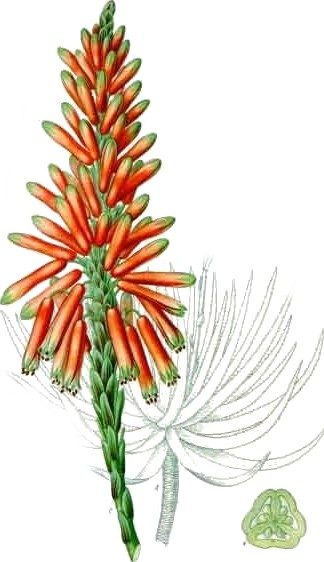
CompoundIndian and Arabian pillsPillole inde et arabiche
Two named compound pills of the Arabic-Latin tradition: the Indian pills (from Mesue, after Haly), with black hellebore, myrobalans, and colocynth; the Arabian pills (from Nicolaus), with aloes, bryony, and scammony.CanaleI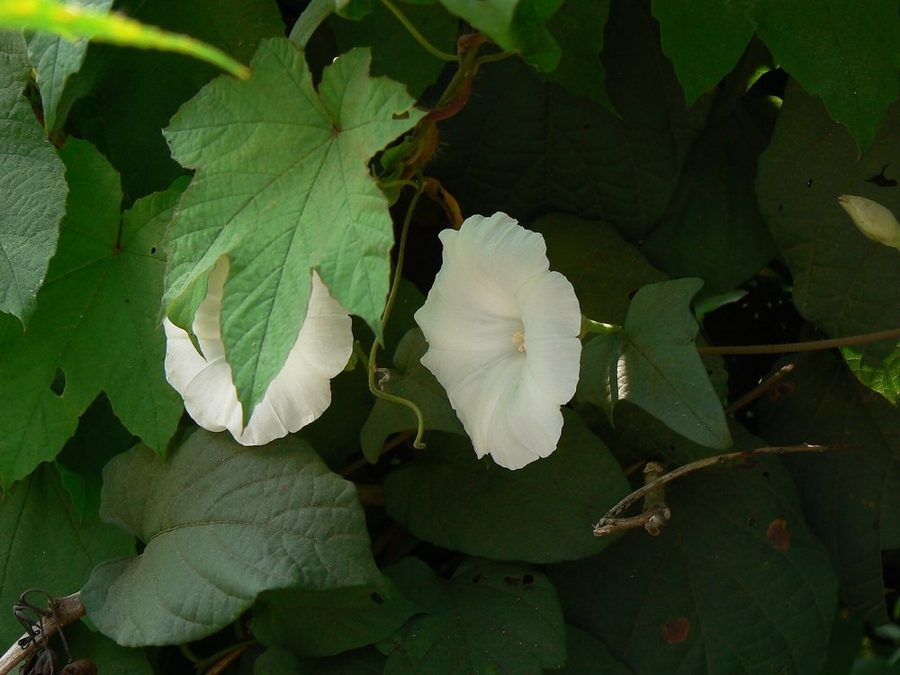
CompoundIndian electuary, greater and lesserElettuario indo
Two purgative electuaries of Mesue, the greater and the lesser.CanaleJ
CompoundJames’s powderDr. James’s fever powder
A patent powder of antimony and calcined bone, secret in its making.CautionL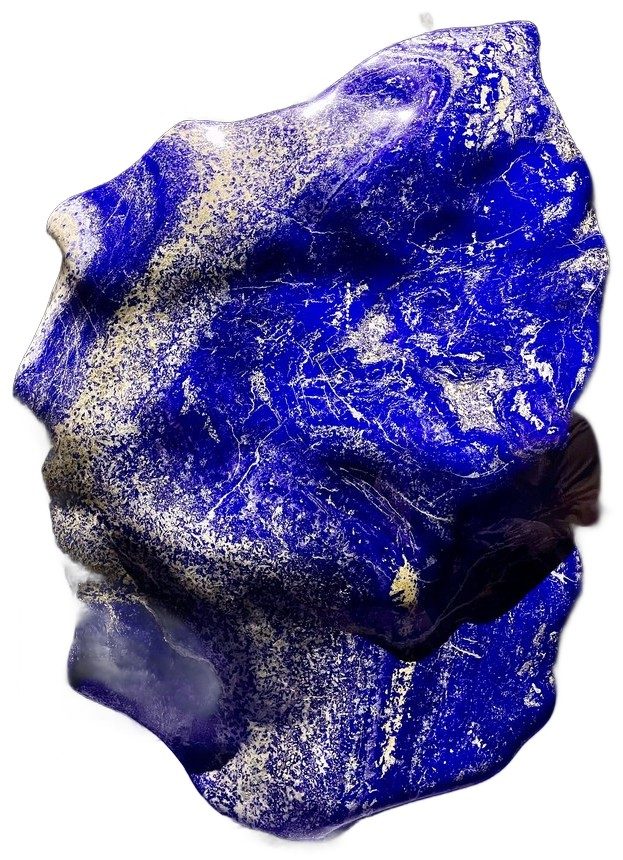
CompoundLapis lazuli, pills ofPillole di lapide lazuli
The blue stone lapis lazuli, finely powdered, compounded in pills with scammony, black hellebore, and agaric.CanaleCautionL
CompoundLaudanumSydenham’s laudanum
A tincture of opium in wine, with saffron, cinnamon, and cloves.DeadlyL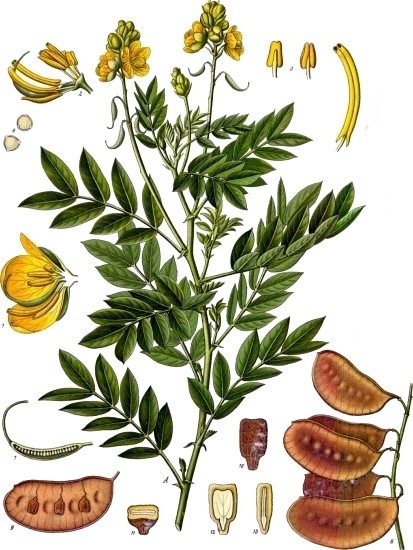
CompoundLenitive electuaryElettuario lenitivo
A mild compound laxative paste of the Galenic pharmacopoeia, typically of senna, polypody, tamarind, cassia pulp, prunes, raisins, and violets, made up with sugar.CanaleM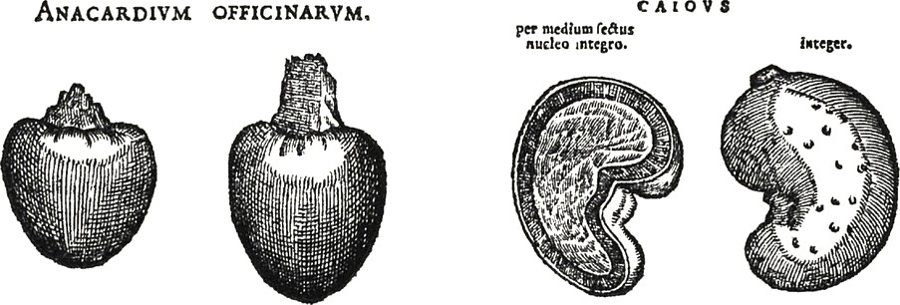
CompoundMarking-nut electuaryMel anacardinum
An electuary of the marking nut, Semecarpus anacardium (note XLIV).CanaleCautionM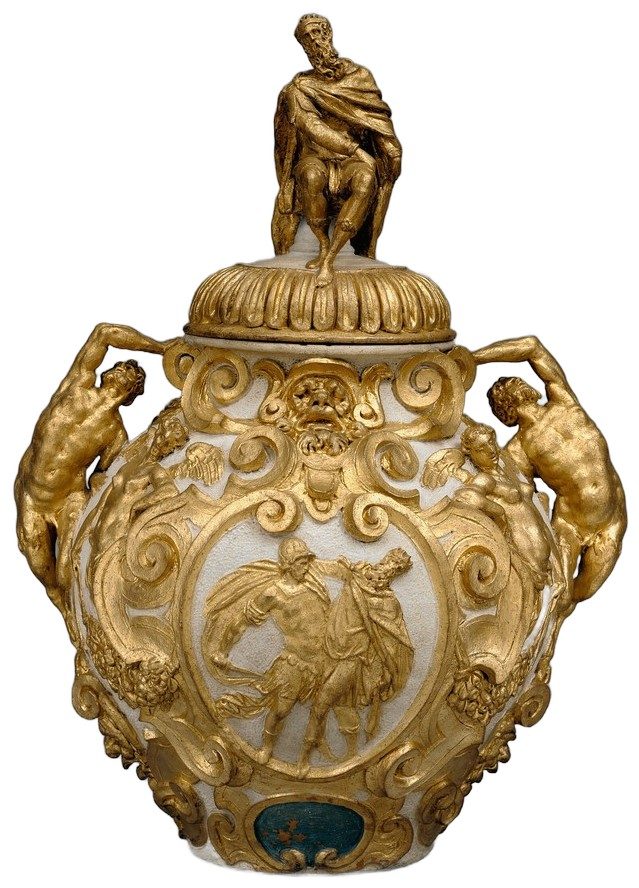
CompoundMithridateMitridato
The antidote attributed by legend to Mithridates VI of Pontus, the forerunner of theriac.CanaleN
CompoundNepentheGreek nēpenthes, “no-sorrow”
Unidentified; opium is the favorite guess.O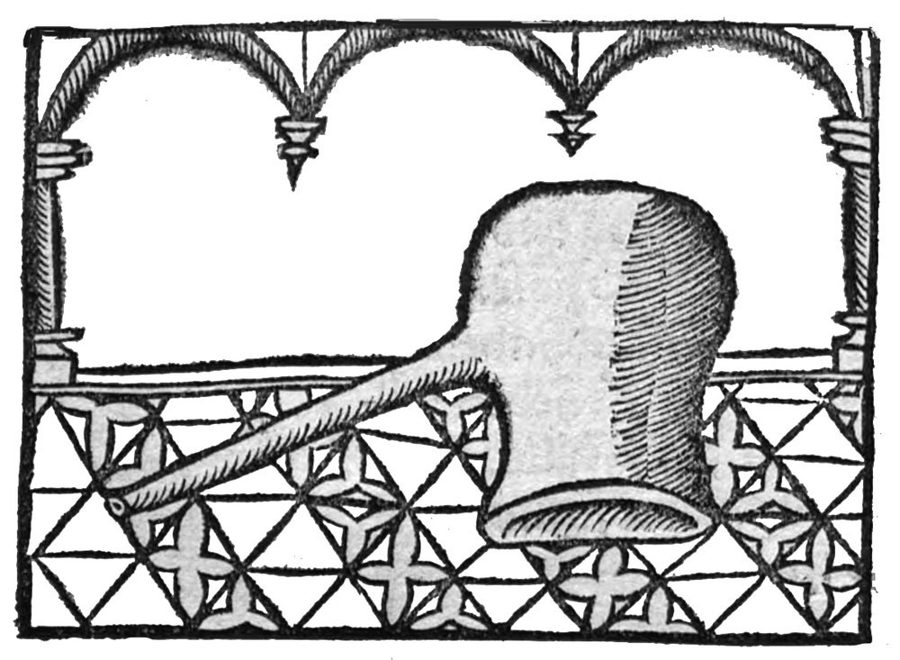
CompoundOil of bricksOglio de lateribus
Oleum latericium philosophorum, “philosophers’ oil,” made by quenching red-hot brick in oil, powdering it, and distilling it.CanaleO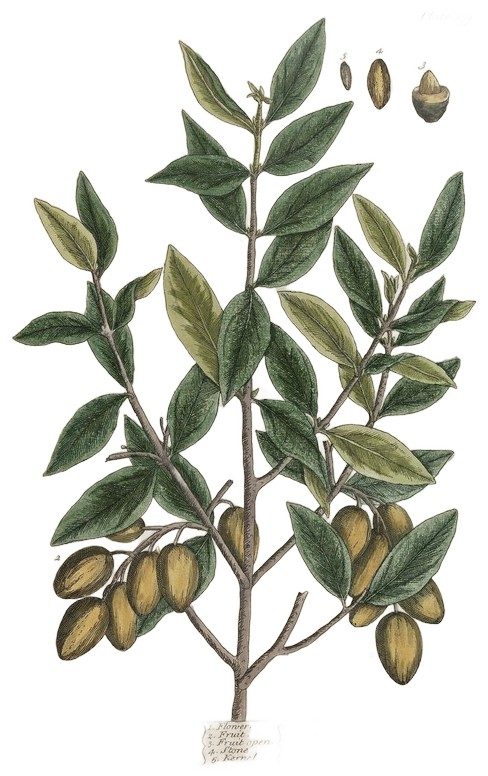
CompoundOlive oil and holy waterOglio d’oliva; acqua santa
Fine olive oil; water blessed by the Church.CanaleO
CompoundOxymel, and oxymel of squillOssimele; ossimele scillitico
Honey boiled with vinegar; the squill version adds the bulb of sea squill.CanaleP
CompoundParegoricElixir paregoricum; camphorated tincture of opium
Opium, camphor, benzoic acid, and anise oil in spirit.P
CompoundPassarino’s white powder
A very white powder prepared in Brescia “with great mastery” by Signor Giovanni Antonio Passarino, a man skilled in the spagyric (chemical) art (note XXXIX). Canale does not give its composition; it makes one vomit and purge, and he names it just after advising that well-prepared antimony is safer than hellebore, but what it was is not recorded.CanaleP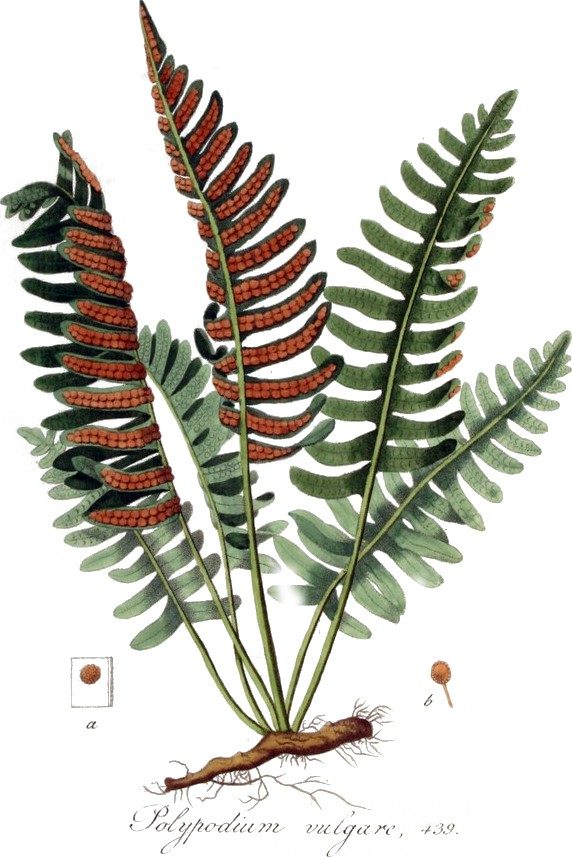
CompoundPolypody of mercurialis, syrup ofPolipodio del Mercuriale
A syrup of polypody fern root (Polypodium vulgare), named in Canale the syrup of polypody “del Mercuriale,” perhaps with annual mercury (Mercurialis annua).CanaleCautionP
CompoundPomanderPomme d’ambre, “apple of amber”
A ball of fragrant paste, of ambergris, musk, civet, and spices, carried in a pierced case.R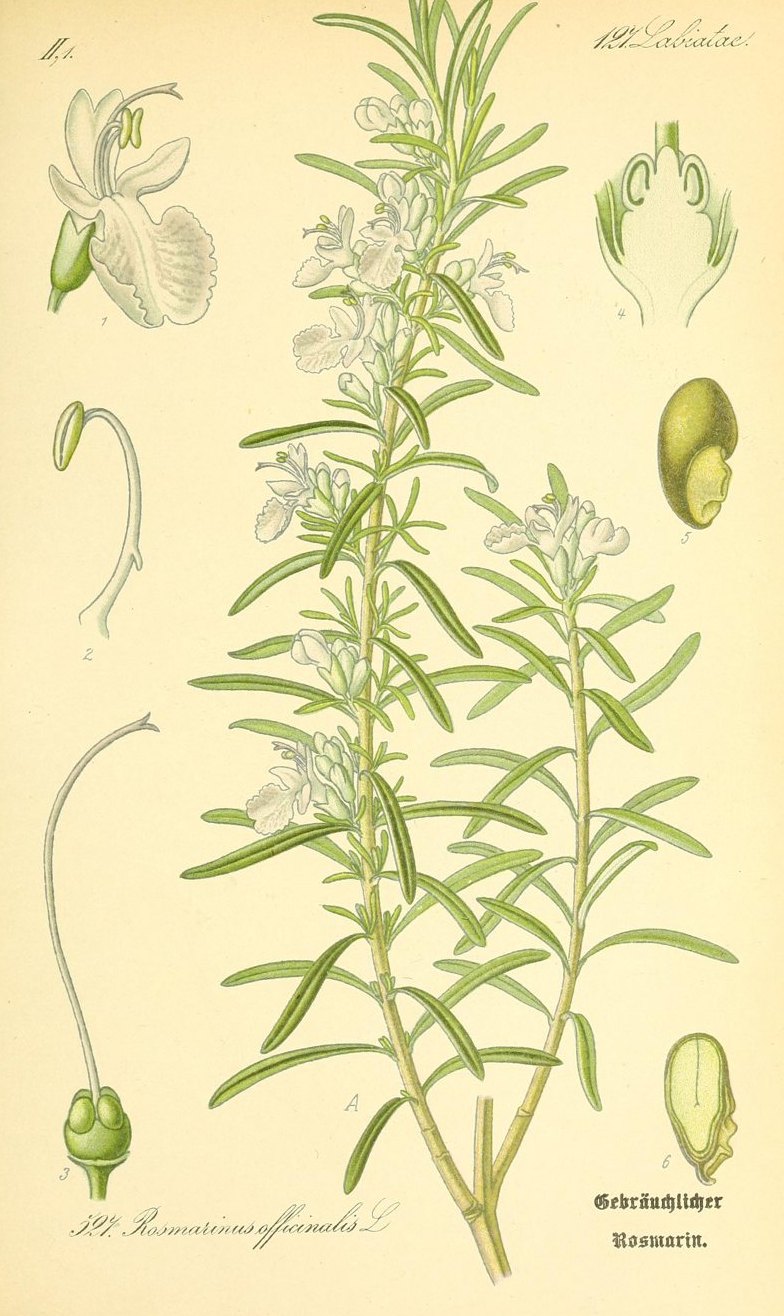
CompoundRosemary rice waterFermented rice water with rosemary; a rice-wash rinse; Oryza sativa and Rosmarinus officinalis in water
A rinse for the hair and the skin made in the kitchen: the cloudy water from rinsing rice, with sprigs of rosemary in it, left to stand a day or two until it turns faintly sour, then strained.S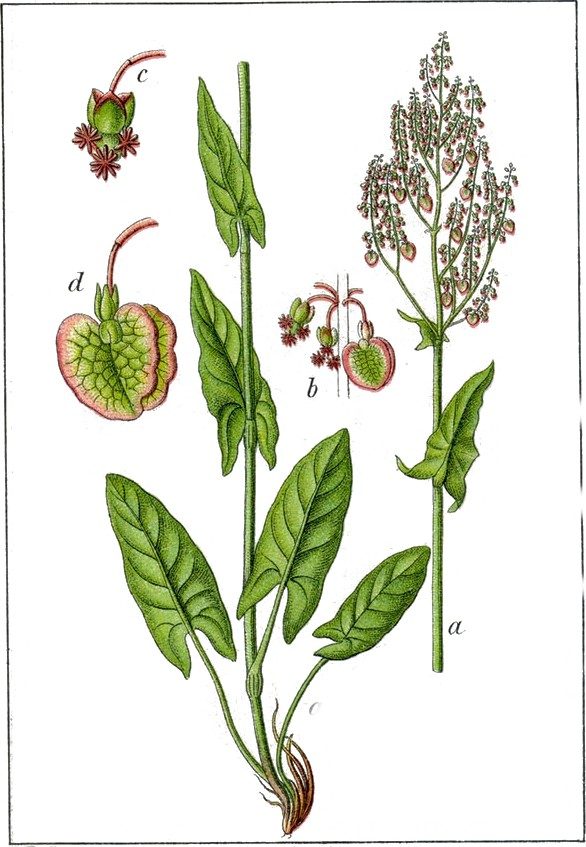
CompoundSorrel, syrup ofSiroppo acetoso
Probably the syrupus acetosus of the pharmacopoeias, syrup of vinegar, which the London Dispensatory gives to prepare the stomach for a vomit; the name could also mean a syrup of sorrel, Rumex acetosa, which the College made like the other sour syrups.CanaleS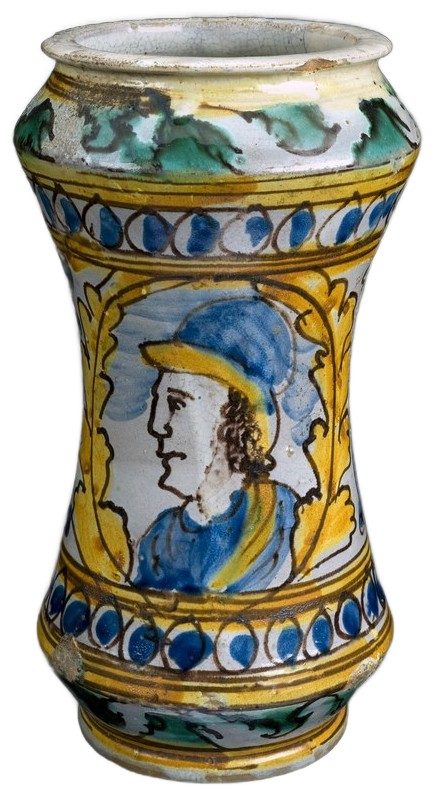
CompoundSpecies Pleris Archonticon
A named compound powder of the apothecary, of aromatics such as cinnamon, cloves, aloeswood, and spikenard, with red coral and musk (note XL).CanaleT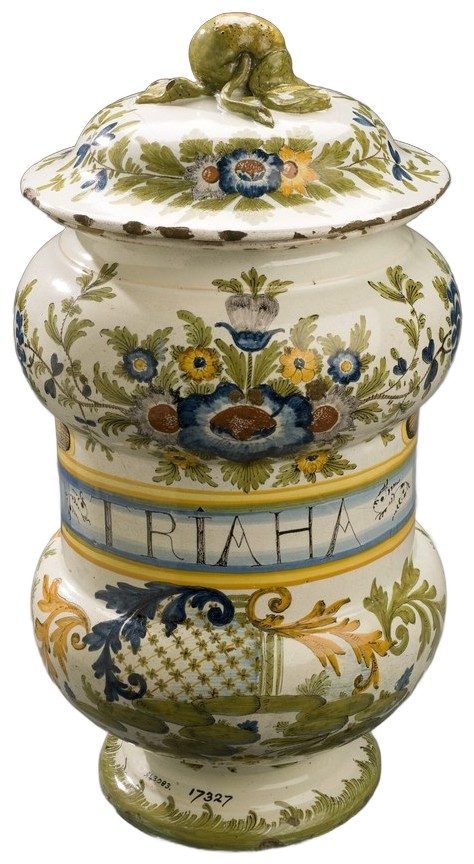
Compound TheriacTeriaca
The great compound antidote of antiquity, with about sixty ingredients in Galen’s formulation, including viper flesh and opium; Venice was a celebrated center of its manufacture.CanaleV
CompoundVinegar of the four thievesFour Thieves’ Vinegar
Vinegar steeped with herbs and garlic: in Gattefossé’s recipe, as Garcia gives it, angelica, camphor, cloves, garlic, marjoram, meadowsweet, wormwood, and sage. Grieve calls garlic its principal ingredient.W
CompoundWeapon-salveUnguentum armarium; the powder of sympathy
An ointment, with moss from a dead man’s skull, human fat, blood, and other ingredients, applied to the weapon that caused a wound.Historical description, not medical advice.
