
“Mesue the Younger,” the name under which a body of pharmacy of the Arabic tradition circulated in Latin: an antidotary of compound medicines and a book on purgatives. Whoever wrote them, they were the apothecary’s standard authorities for purges, syrups, and electuaries through the Renaissance.
10 Entries in the Materia Medica
The Thinking Press Club
Read What Mesue Says
Each passage in which the database cites Mesue, entry by entry.
For Club Members. Create a free account before January 1, 2027 and confirm your email: you become a Charter Member, and it is yours for good.
- Cochia pillsA standard purgative pill of aloes, scammony, and colocynth, given in the old pharmacopoei
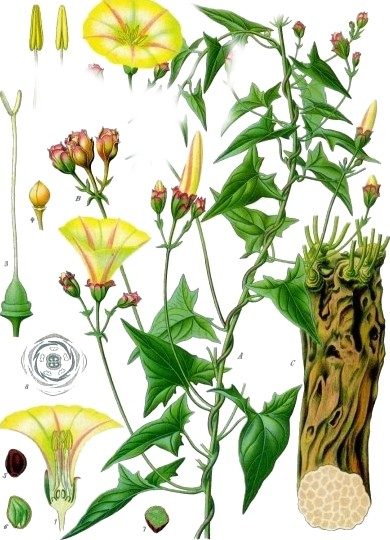
- Diamoschu, sweetA cordial powder of musk with saffron, aloeswood, coral, pearls, and spices.
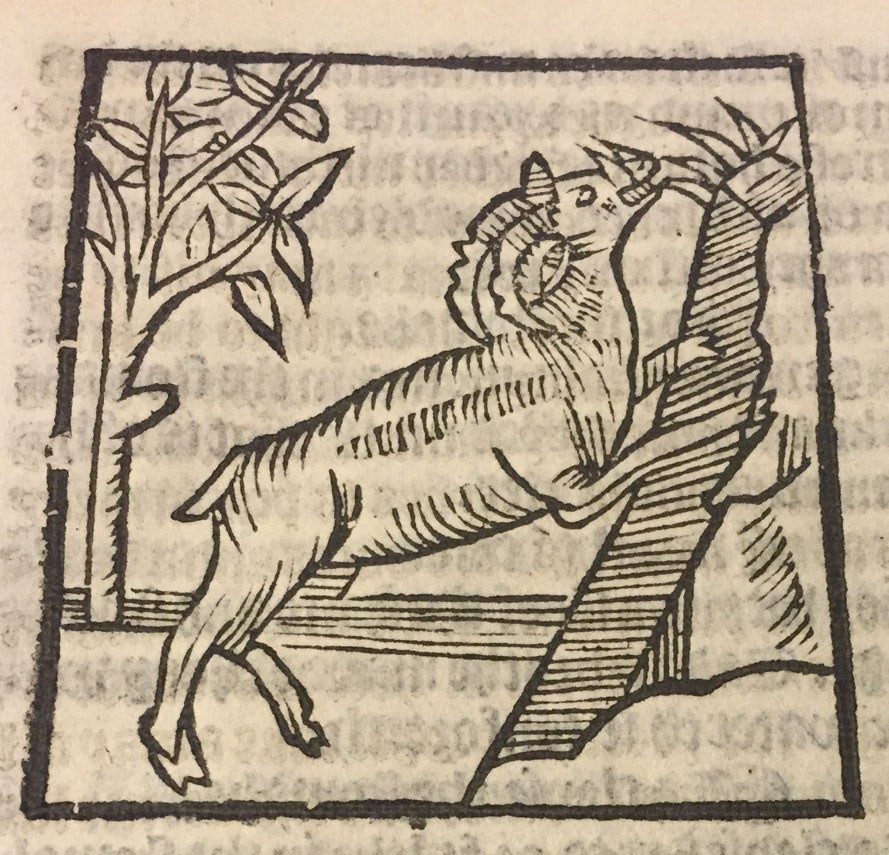
- Diatrion piperionA warming powder of the three peppers, with aniseed and ginger.
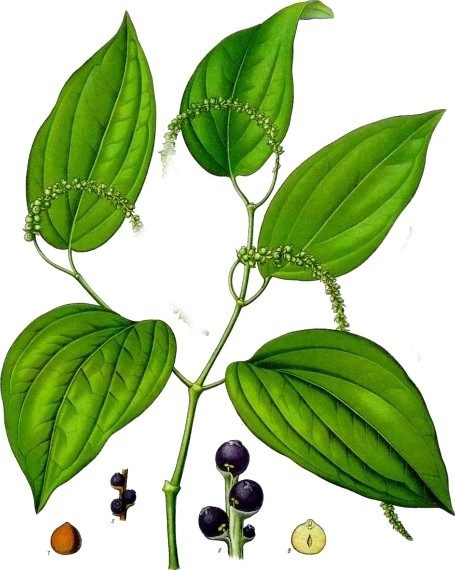
- Gallia moschataA named compound perfume of the apothecary, made into troches of aloeswood, ambergris, and
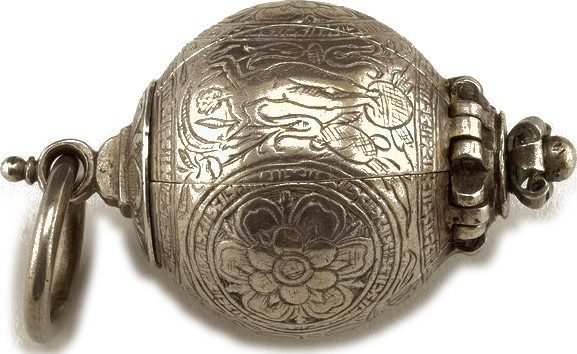
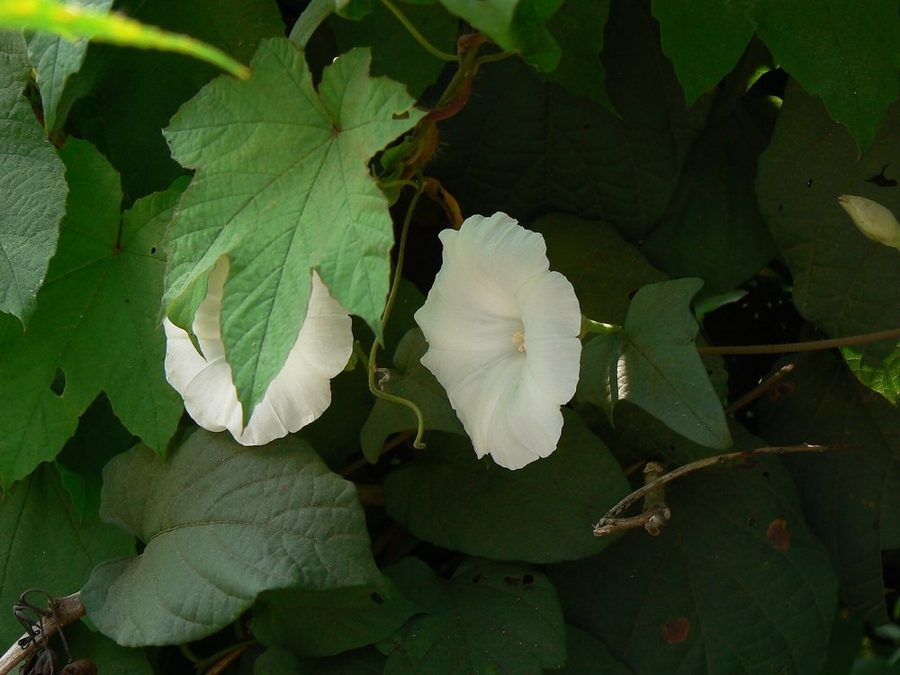
- Indian and Arabian pillsTwo named compound pills of the Arabic-Latin tradition: the Indian pills (from Mesue, afte
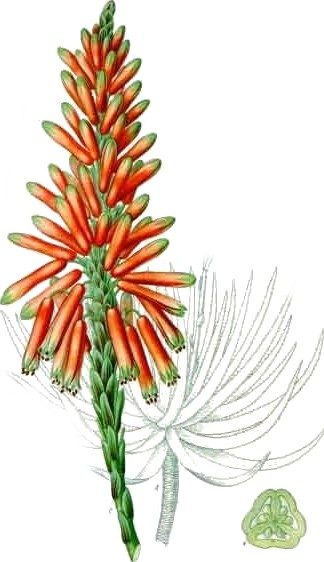
- Indian electuary, greater and lesserTwo purgative electuaries of Mesue, the greater and the lesser.
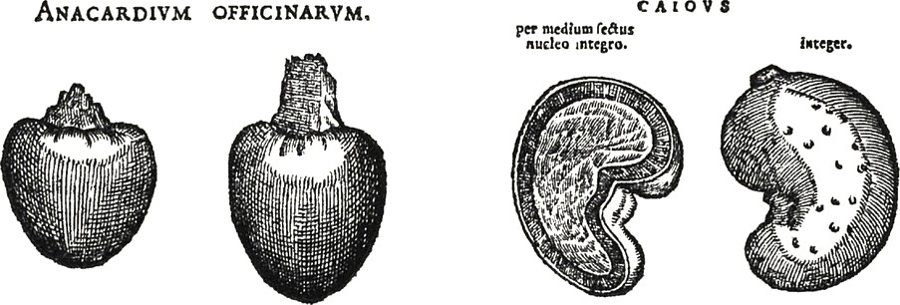
- Marking-nut electuaryAn electuary of the marking nut, Semecarpus anacardium (note XLIV).
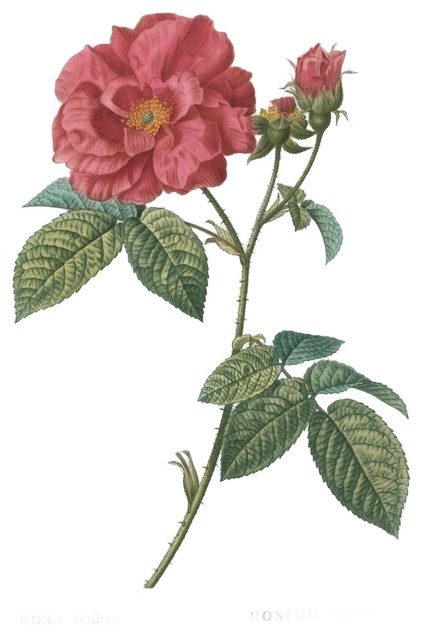
- Red rosesDried petals of Rosa gallica.
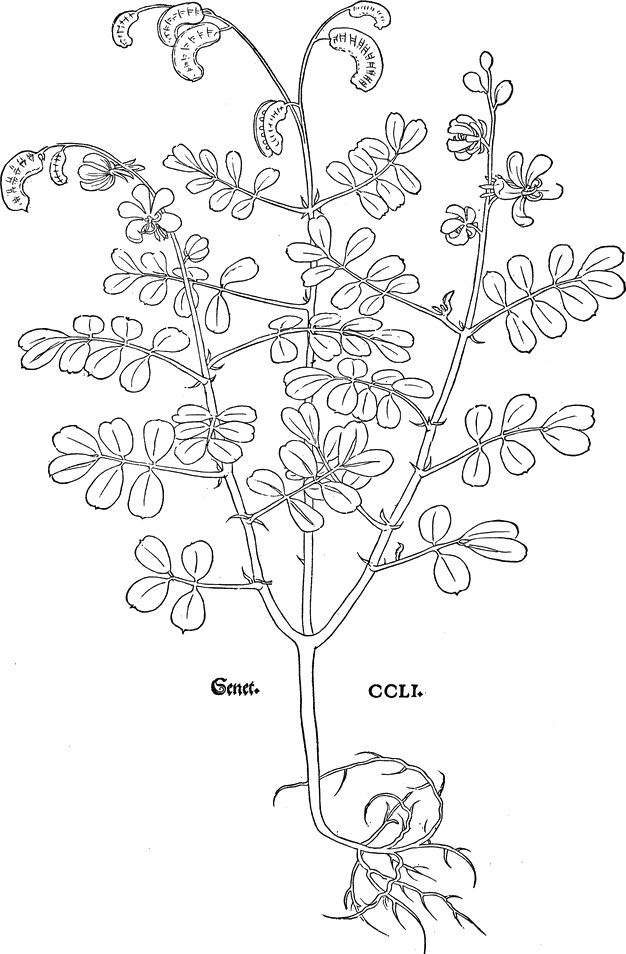
- SennaThe leaves and pods of Senna alexandrina.
- TamarindThe pod pulp of Tamarindus indica.