Gastrointestinal irritants

The commonest mushroom poisoning: the yellow stainer, the sickener, the livid pinkgill, the earthball, the jack-o’-lantern, raw morels and honey fungus, and dozens of others.

Gastrointestinal irritants: how soon does it show?

Thirty minutes to three hours: the short latency is reassuring, since the deadly syndromes come later.

How does it run?

Vomiting, cramps, and diarrhoea for a day; dangerous only through dehydration in the old and the very young.

What is done for it?

Fluids.

Historical and descriptive, not medical advice. In a poisoning, call a poison centre or emergency services.

Which substances in the database cause it?
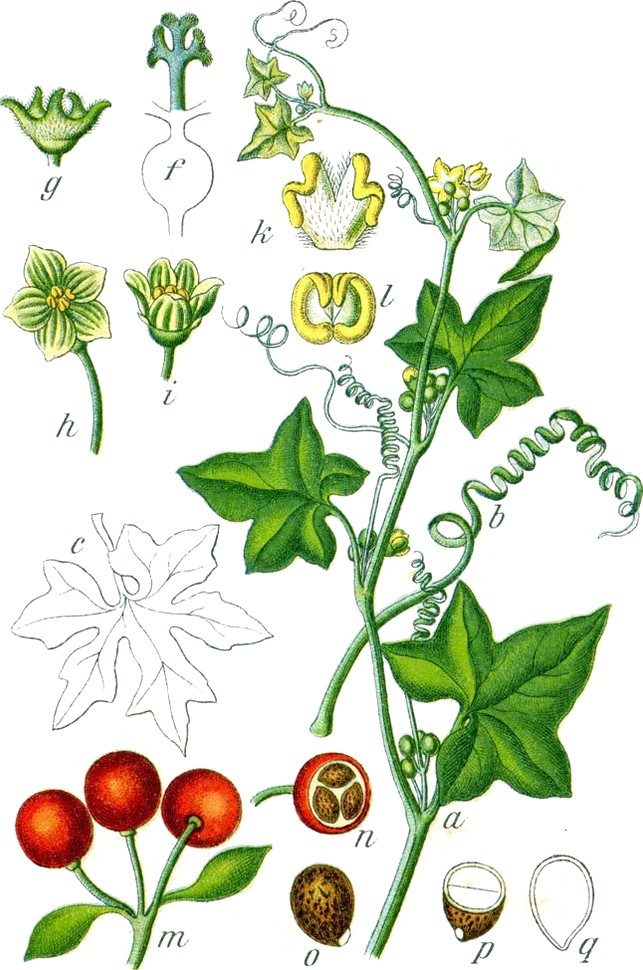
Bryony (Bryonia dioica), plate: White bryony
PlantBryonyBrionia White bryony, Bryonia dioica (now Bryonia cretica subsp. dioica), whose large root was sold as a false mandrake.CanaleCaution
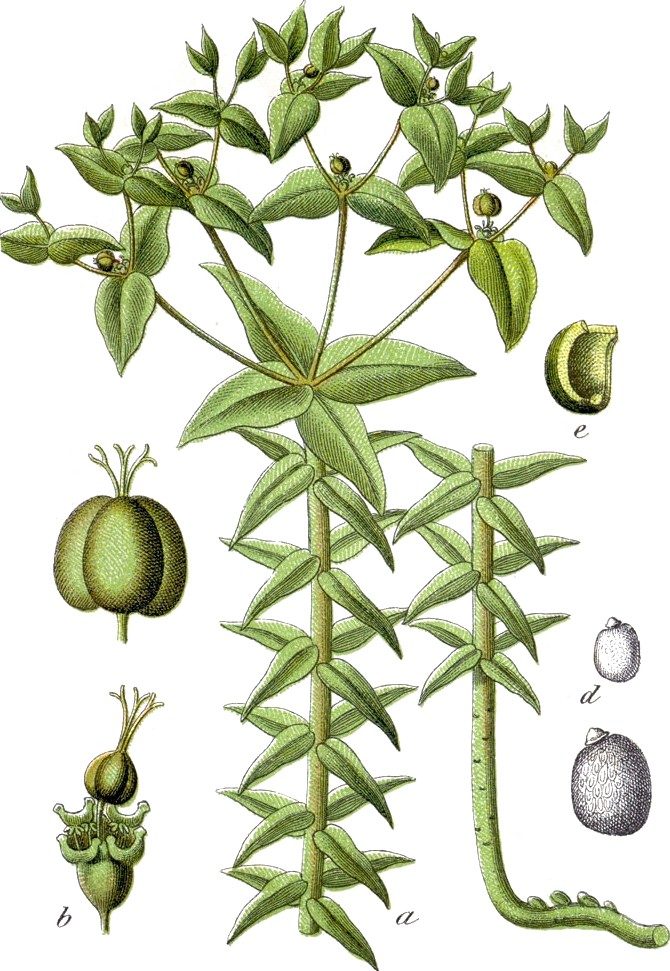
Caper spurge (Euphorbia lathyris), plate: Caper spurge
PlantCaper spurgeLatiri; cataputia minore Euphorbia lathyris.CanaleCaution
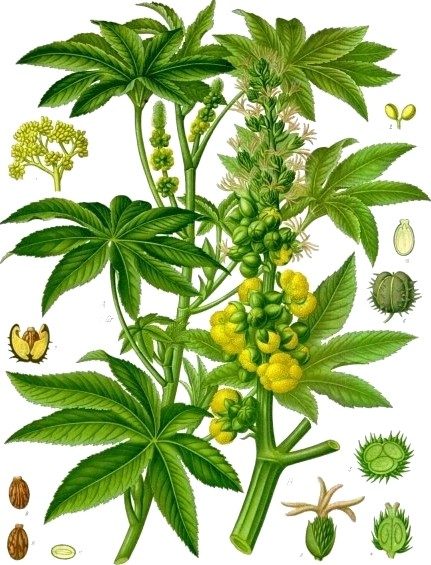
Castor-oil plant, seeds of (Ricinus communis), plate: Castor-oil plant
PlantCastor-oil plant, seeds ofRicino; kerua; grano regale Ricinus communis; Canale gives mirasole as its local name.CanaleCaution
PlantColocynthBitter apple; coloquintida The dried pulp of Citrullus colocynthis.Caution
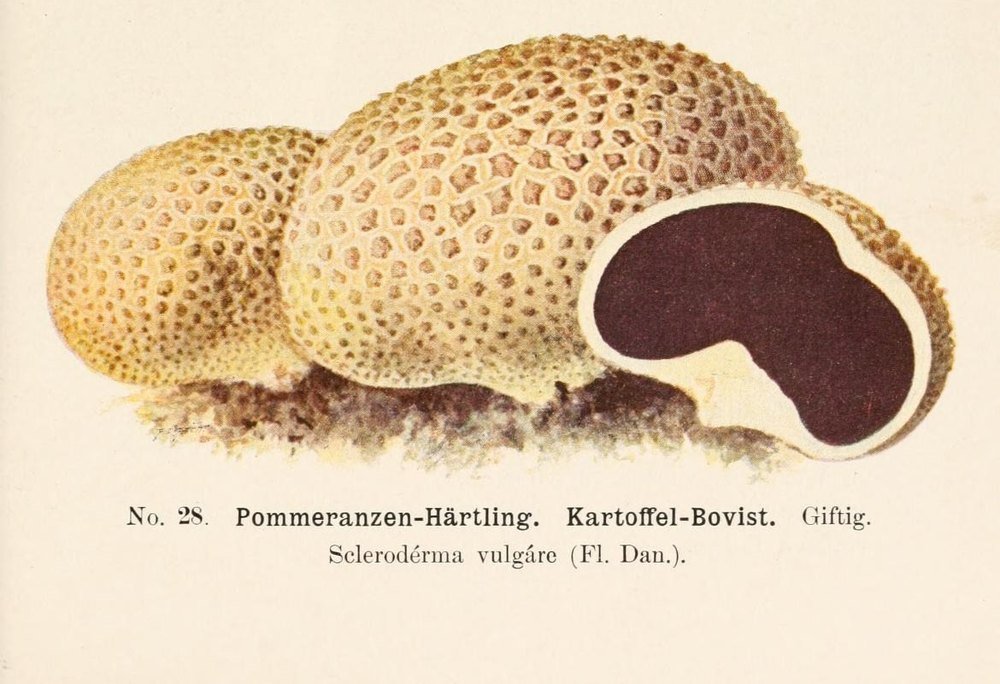
Common earthball (Scleroderma citrinum), plate: Kartoffel-Bovist (Scleroderma citrinum, labeled S
FungusCommon earthballScleroderma citrinum A hard, yellow-brown ball with a black interior, of acid woodland.Caution
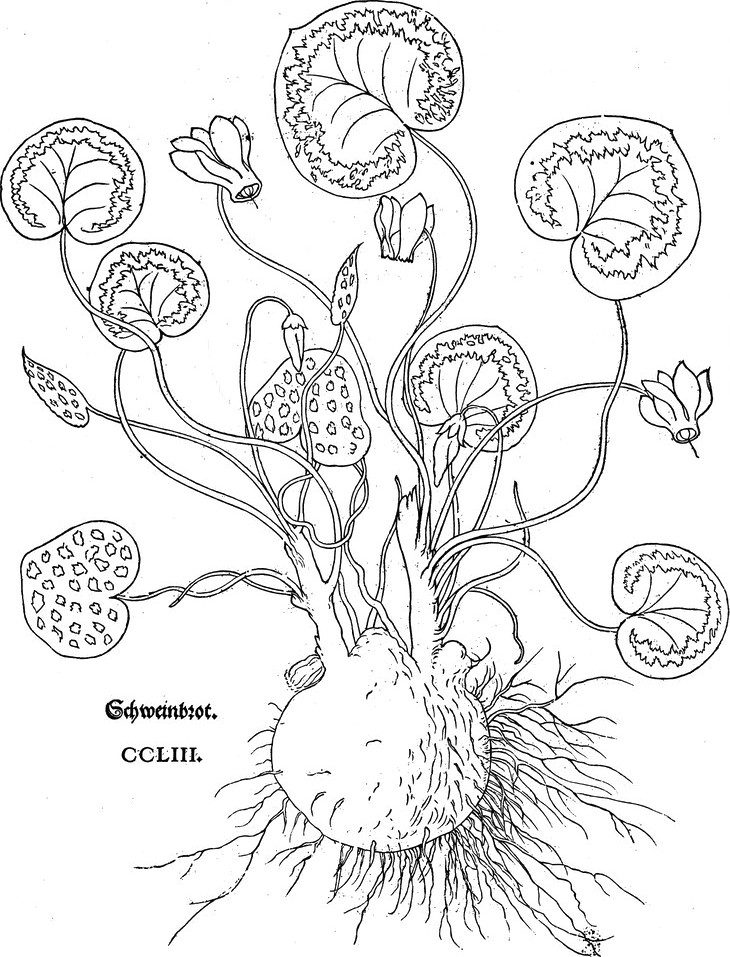
Cyclamen, greater (Cyclamen purpurascens), plate: Sowbread
PlantCyclamen, greaterCiclamino; pan porcino Sowbread, Cyclamen purpurascens or C. hederifolium, eaten by pigs, hence the name.CanaleCaution
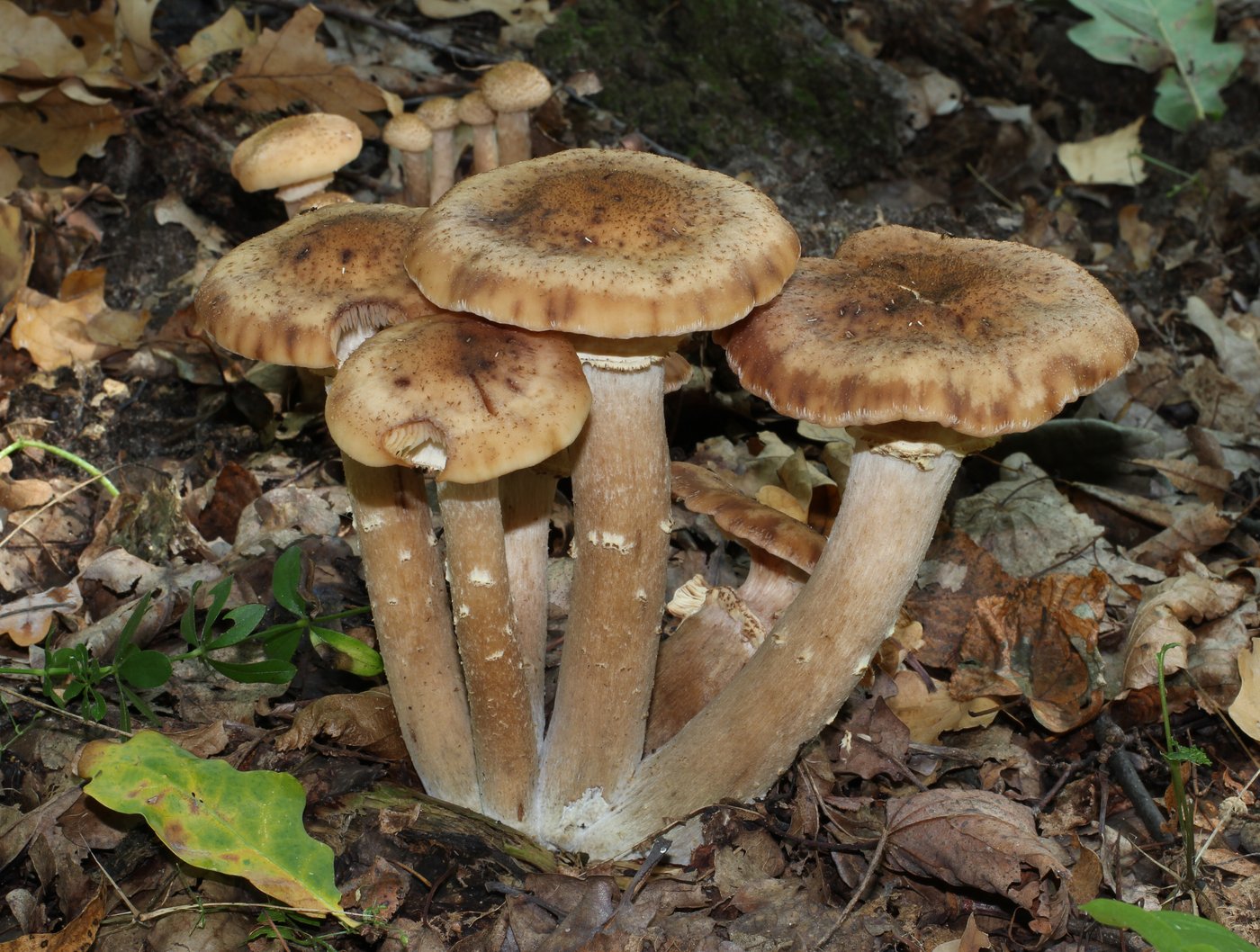
Honey fungus (Armillaria), plate: Armillaria mellea (honey fungus)
FungusHoney fungusArmillaria species Honey-colored clusters on stumps and trees, from black cords, the “shoestrings,” that spread beneath the bark.
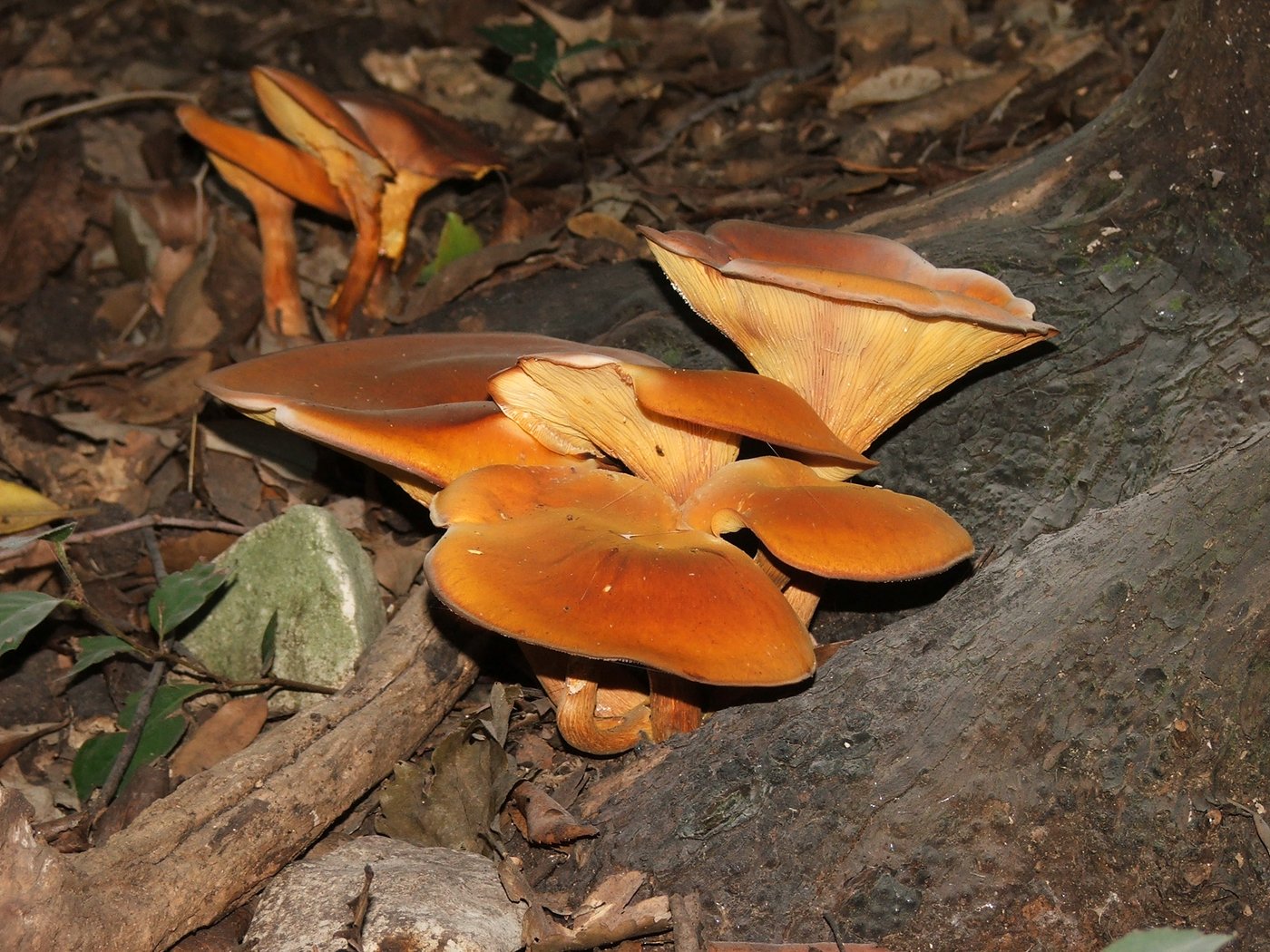
Jack-o’-lantern (Omphalotus olearius), plate: Omphalotus olearius (jack-o'-lantern)
FungusJack-o’-lanternOmphalotus olearius and O. illudens An orange mushroom clustered on the stumps and roots of olive and other hardwood trees.Caution
PlantJalapJalapa; the root of Xalapa Ipomoea purga, a Mexican morning glory whose tuber was shipped from the town of Xalapa.Caution
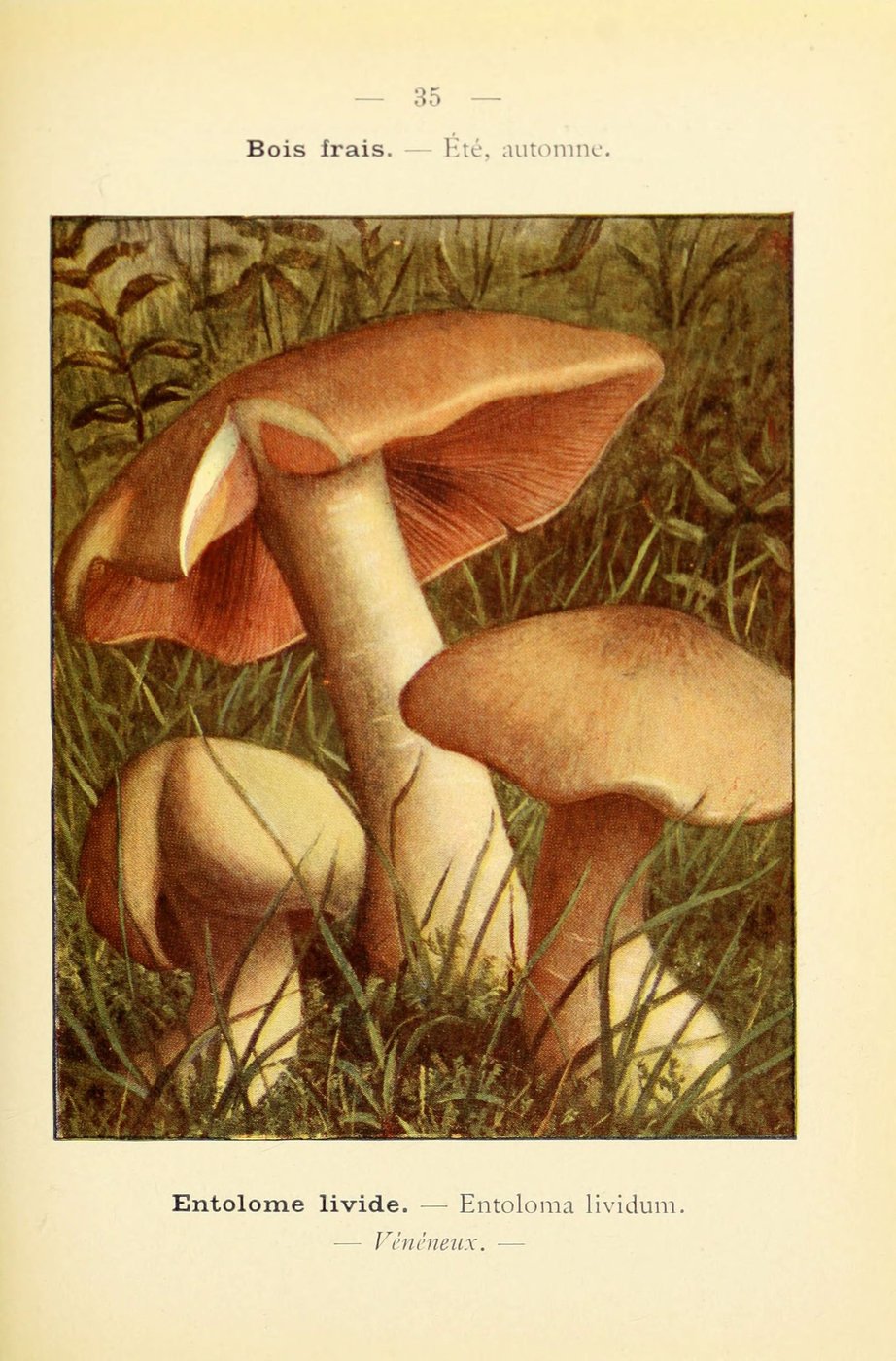
Livid pinkgill (Entoloma sinuatum), plate: Entolome livide (Entoloma sinuatum, labeled E
FungusLivid pinkgillEntoloma sinuatum A large grey mushroom with pinkish gills, of broadleaf woods.Caution
PlantMeadow saffronColchicum; hermodactyl Colchicum autumnale.Deadly
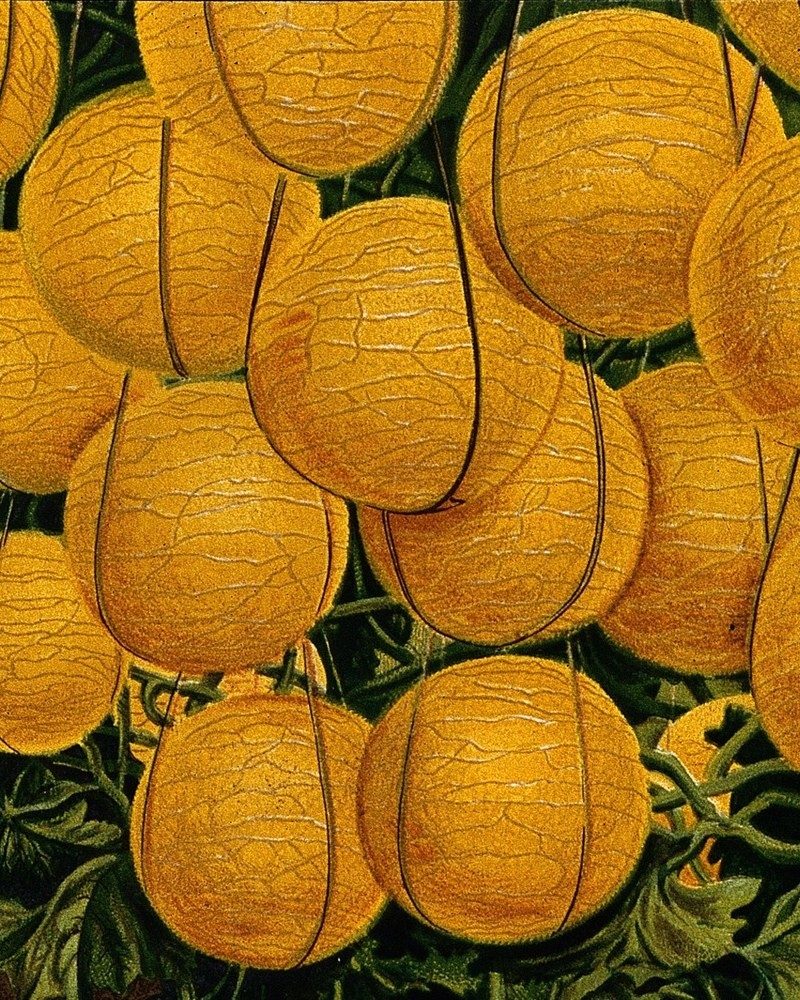
Melon root (Cucumis melo), plate: Melon
PlantMelon rootRadice di pepone Root of the melon plant, Cucumis melo.Canale
PlantMistletoeViscum; all-heal Viscum album, especially when found on oak.Caution
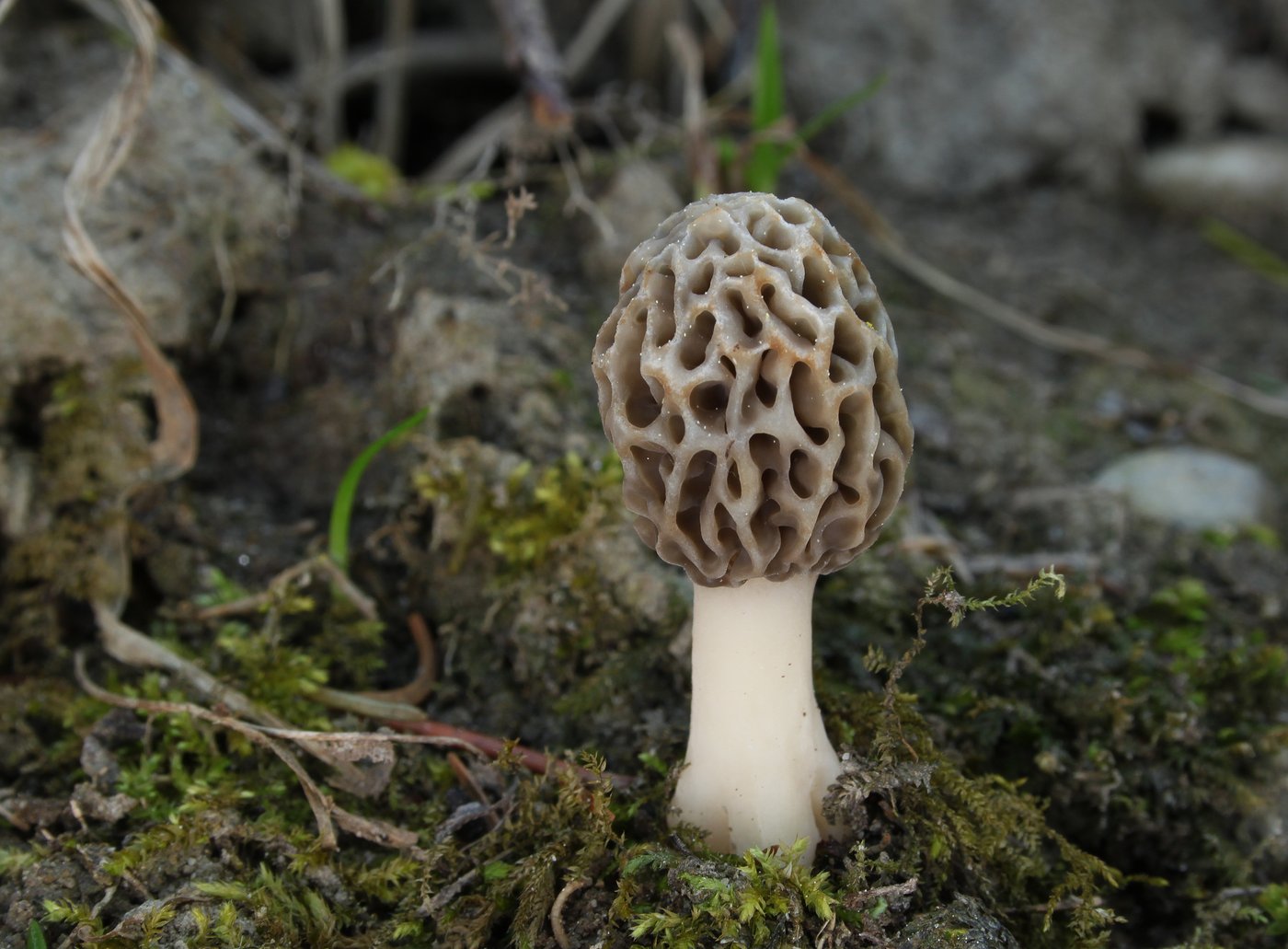
Morel (Morchella esculenta), plate: Morchella esculenta (morel)
FungusMorelMorchella esculenta and relatives A honeycombed, hollow spring mushroom.
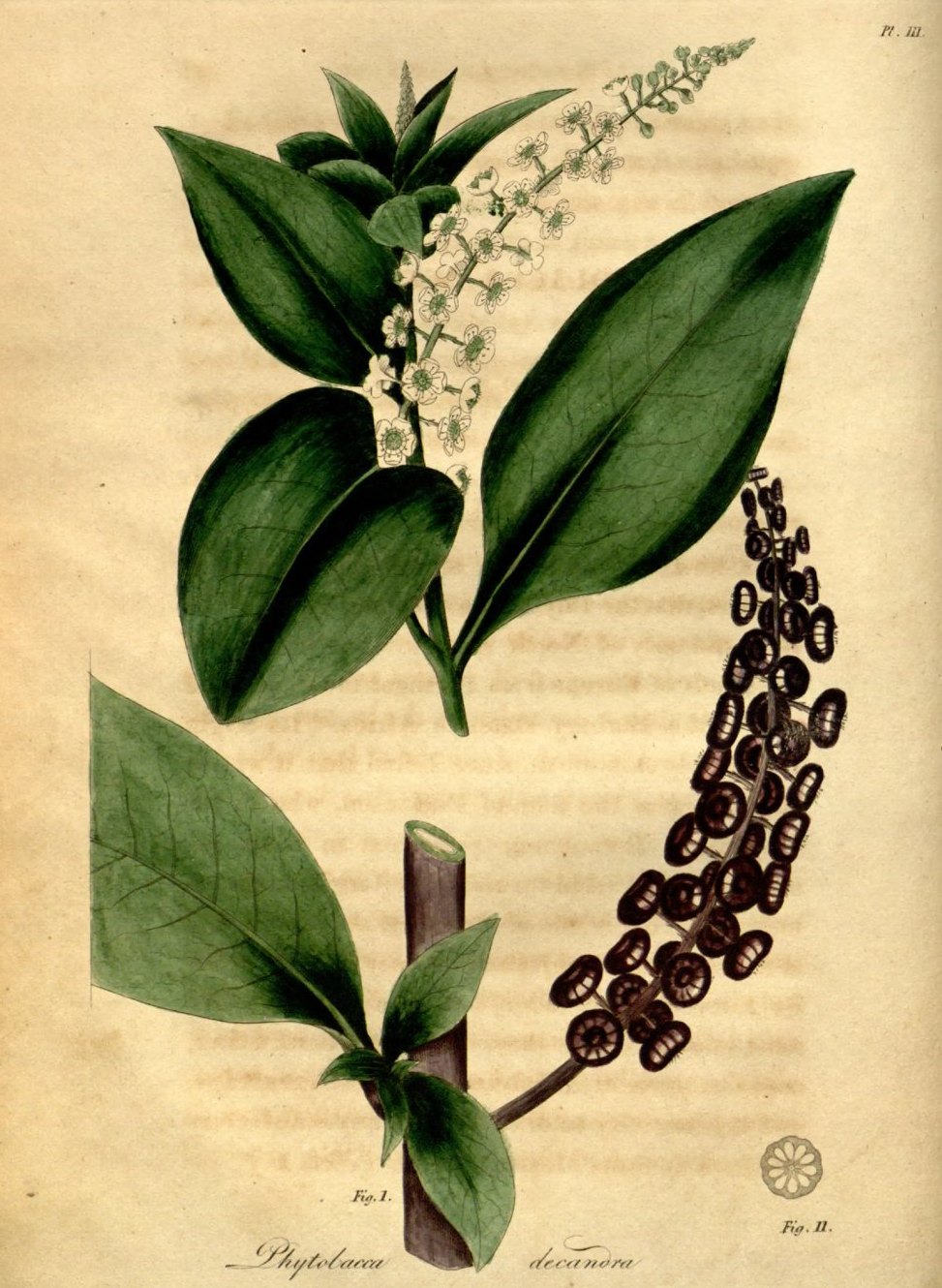
Pokeweed (Phytolacca americana), plate: Phytolacca decandra (poke)
PlantPokeweedPoke, poke root, garget, pigeon-berry, scoke; pocan of the Virginian tribes; Phytolacca decandra of the older books Phytolacca americana, the American pokeweed: a tall perennial of hedges and roadsides, purple-stemmed, with clusters of black berries full of crimson juice.Caution
Resin & WoodScammonyScammonium; diagrydium The dried root resin of Convolvulus scammonia.Caution
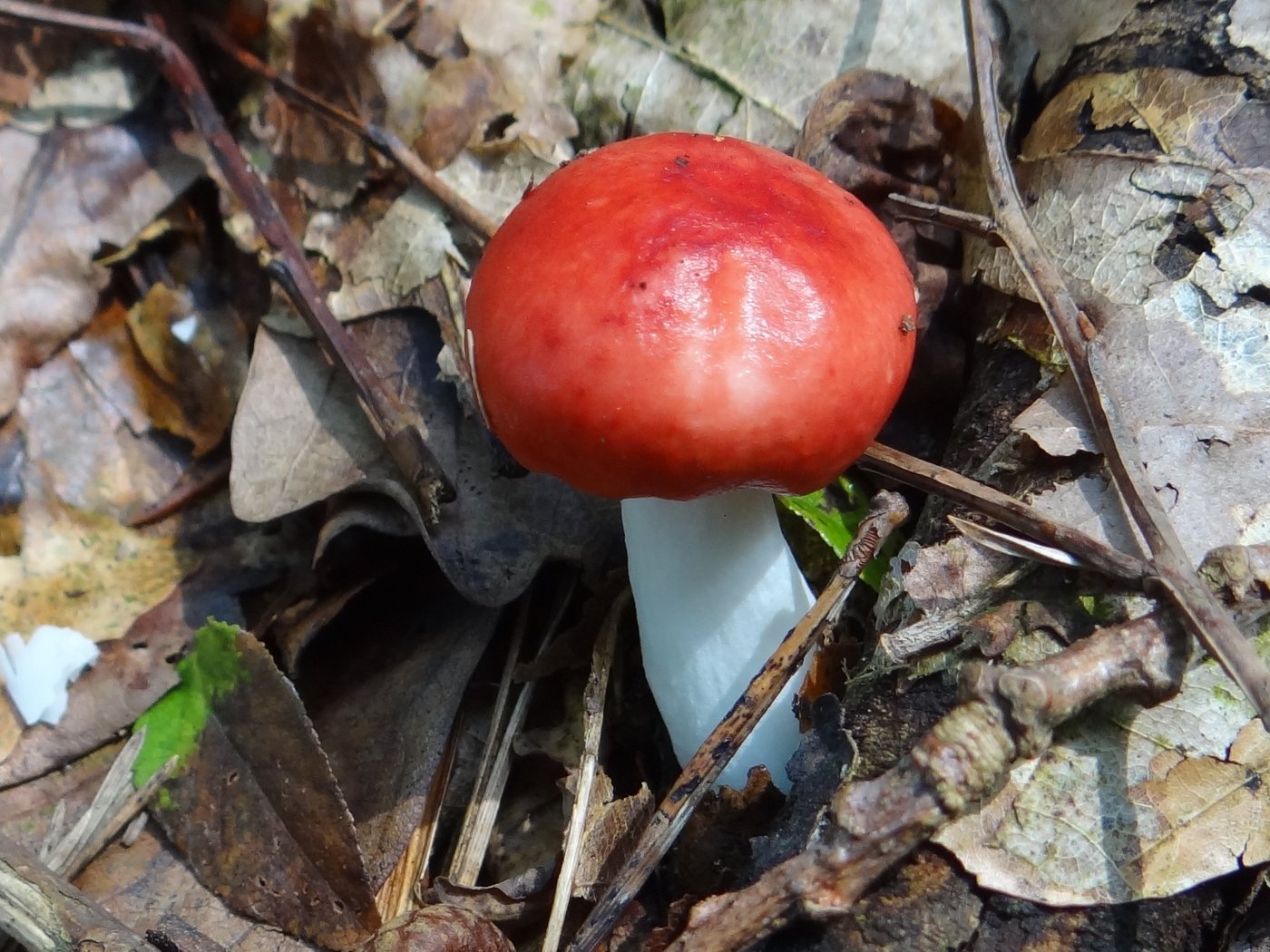
The sickener (Russula emetica), plate: Russula emetica (the sickener)
FungusThe sickenerRussula emetica A bright red, brittle mushroom of wet pine woods.Caution
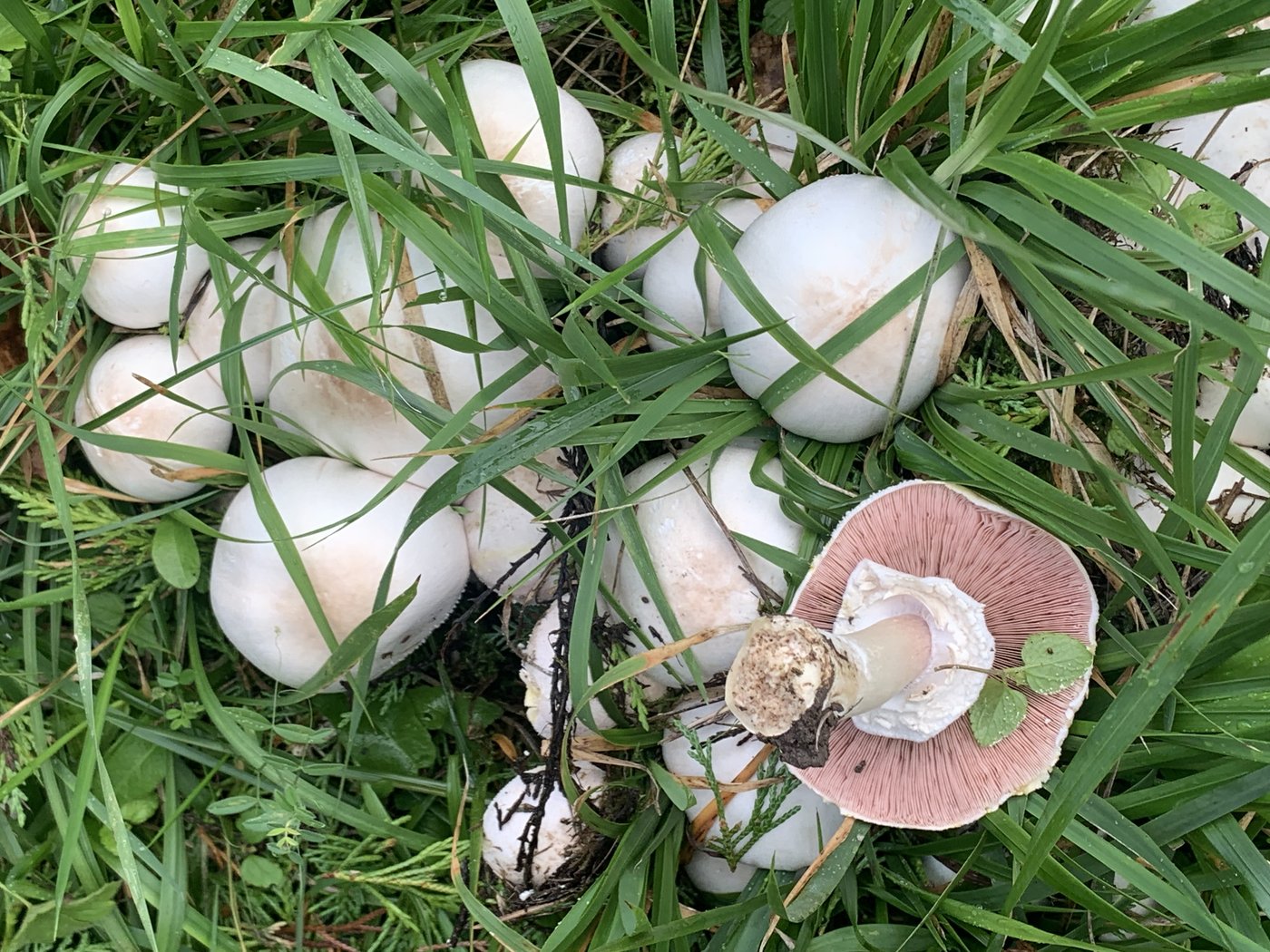
Yellow stainer (Agaricus xanthodermus), plate: Agaricus xanthodermus (yellow stainer)
FungusYellow stainerAgaricus xanthodermus A white field mushroom that bruises chrome yellow at the base and smells of ink or carbolic.Caution

Sources

  • Phillips, R. (2006). Mushrooms. Verified against its record · doi:10.5325/j.ctt7v3rx.7
  • Bresinsky, A., and Besl, H. (1990). A Colour Atlas of Poisonous Fungi. Book, seen in reviews