
Hazel
Corylus
- Known today as
- Corylus avellana.
- Kind
- Plant, in 1 older authority
- Constituents
- oleic acid, Cor a 1
- Earliest authority quoted here
- Georgius Agricola (1494–1555)
- In other databases
- Plants of the World Online · GBIF · Wikidata
Revised October 17, 2026: Checked against its sources, each read in full, in part, or in its abstract. Version 1, first published September 25, 2026.
Hazel: what was it used for?
The nuts as food; the kernels, in an electuary or as a milk with honeyed water, for an old cough.
Hazel: what does modern science say?
A nutritious nut, whose oil is mostly oleic acid.
The toxic dose and the poisoning
- Toxic dose
- A food; anaphylaxis in the allergic.
The references for these lines are listed under Pharmacognosy, in Science. Doses are as the references give them, for description only; this is not medical advice. In a poisoning, call a poison centre.
Hazel: what did the older authorities say?
- Georgius Agricola1494–1555
- Describes miners seeking veins of ore with a forked twig cut from a hazel bush, and judges that the twig turns by the hands that hold it, not by the power of the veins.
Hazel: what lore surrounds it?
The wood of wisdom in Irish tradition, and of the dowser’s rod, used to find water, metal, and hidden things.
In Lady Gregory’s retelling of the Irish tales, the nine hazels of wisdom grew over a well below the sea and dropped their nuts to the salmon waiting there, and “any person that would eat one of those salmon would know all wisdom and all poetry”; so Finn, burning his thumb on the salmon of knowledge, had “the knowledge that came from the nuts of the nine hazels of wisdom.” By an ancient Hebrew tradition the wands of magicians were made of hazel, and the forked hazel was the divining-rod.
Pharmacognosy
- Constituents
- oleic acid ChEMBLthe chief fatty acid of the nut oil
- Cor a 1the pollen-related allergen of the nut
- Mechanism
- The nut is a food whose oil is mostly monounsaturated oleic acid. Hazelnut allergy may be mild, with oral symptoms, when it rests on sensitization to birch pollen, or severe, when it rests on allergens shared with other nuts and peanut.
- Standing
- A food.
- Flinterman, A. E., et al. (2008). “Hazelnut allergy: from pollen-associated mild allergy to severe anaphylactic reactions.” Current Opinion in Allergy and Clinical Immunology 8. Abstract read · the text read
The abstract of each source, beneath its citation. For Club members. About the Club or sign in.
Constituent names open the compound’s record at PubChem, and “ChEMBL” beside a name opens its record at ChEMBL, the European Bioinformatics Institute’s database of bioactive molecules. Where a mechanism line was checked against ChEMBL (ChEMBL 37, read 1 October 2026), the check is shown with the measured value and its source paper, or says plainly that nothing has been measured. Doses are as the references give them, for description only; this is not medical advice. Each source carries the result of its check against Crossref, PubMed, or the authority’s page: see Verification.
Sources
- Agricola, G. (1556). De re metallica. Read in part · the text read
- Folkard, R. (1884). Plant Lore, Legends, and Lyrics. London: Sampson Low. Project Gutenberg #44638. Read in part · the text read
- Gregory, Lady A. (1904). Gods and Fighting Men. London: John Murray. Project Gutenberg #14465. Read in part · the text read
- Culpeper, N. (1653; read in the Thomas Kelly edition, London, 1850). The Complete Herbal. Project Gutenberg #49513. Read in part · the text read
- Polat, Y., et al. (2026). Impact of altitudinal variation on nutrient dynamics, and bioactive composition of hazelnut (Corylus avellana L.) kernel. BMC Plant Biology. Abstract read · the text read
Verification
- Checked
- October 1, 2026, October 17, 2026
- Passes
- Read against its sources in the pass over the remaining 343 entries
- Every dated or regulatory claim checked by category across the database
- Every source read, in full, in part, or in its abstract, and every sentence checked against what was read (October 17, 2026)
- Sources
- 6 cited: 4 read in part, 2 abstract read. 2 with the abstract on file.
- Corrections
- None recorded.
What was checked, how, and what was found is set out on the Verification page. A checked source is one whose record was found; it does not make the entry medical advice.
Club members can point at a technical term in this entry, such as a constituent, an action, or a word of Jung’s, to read its definition from the source. The Club.
Cite This Entry
Version 1 · first published September 25, 2026 · last revised October 17, 2026
- Chicago
“Hazel.” In Materia Medica, edited by B. C. P. Statema. Version 1. The Thinking Press, 2026–. Last modified October 17, 2026. https://thethinkingpress.org/materia-medica/hazel.
- MLA
“Hazel.” Materia Medica, edited by B. C. P. Statema, version 1, The Thinking Press, 17 Oct. 2026, thethinkingpress.org/materia-medica/hazel. Accessed 22 Nov. 2026.
- APA
Hazel. (2026, October 17). In B. C. P. Statema (Ed.), Materia medica (Version 1). The Thinking Press. Retrieved November 22, 2026, from https://thethinkingpress.org/materia-medica/hazel
See Also
Sharing oleic acid
Olive oil and holy water · Chrism · Sweet almond, oil of · Blessed oil
Drawing on the same sources: Folkard, Culpeper
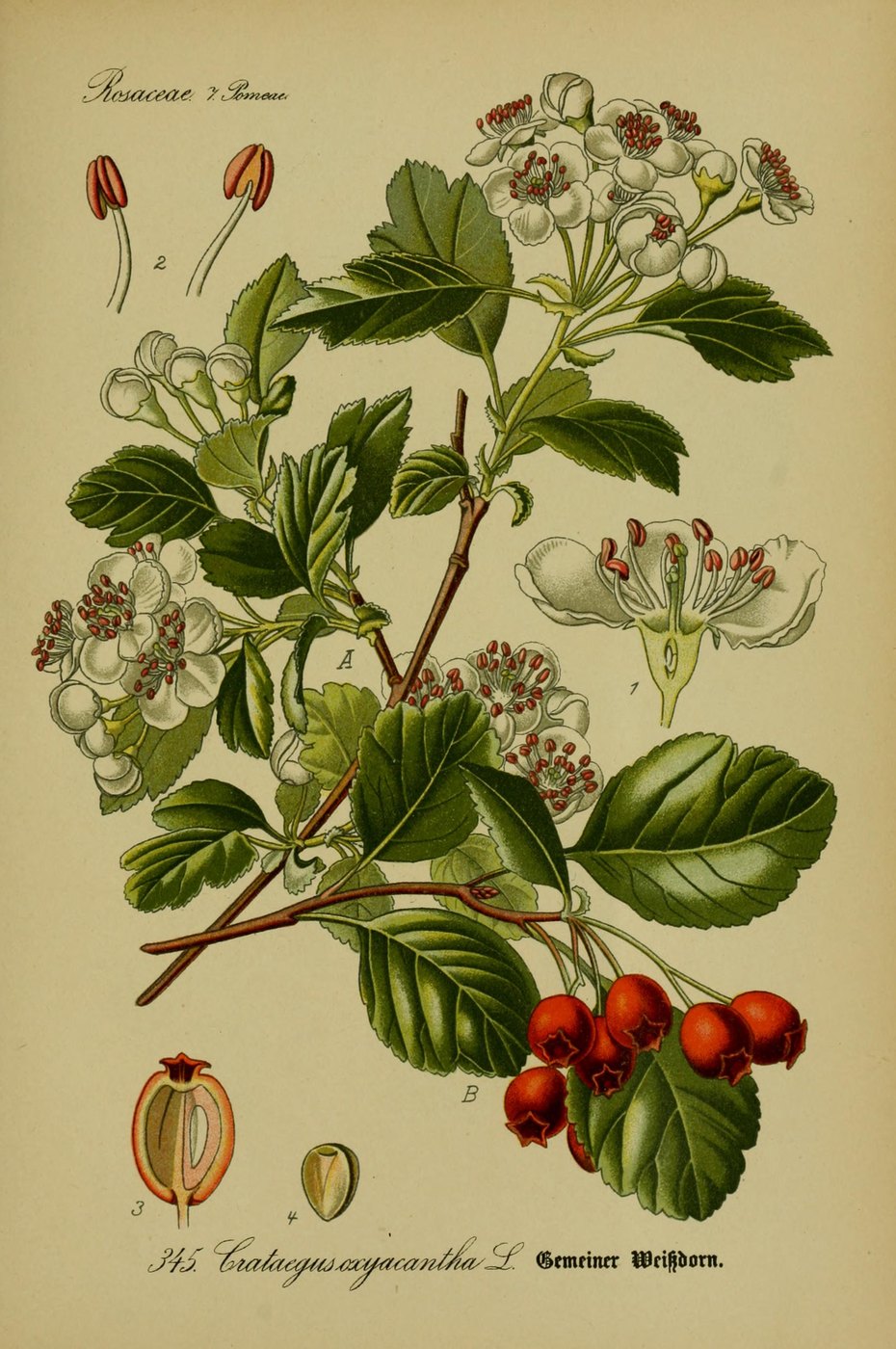
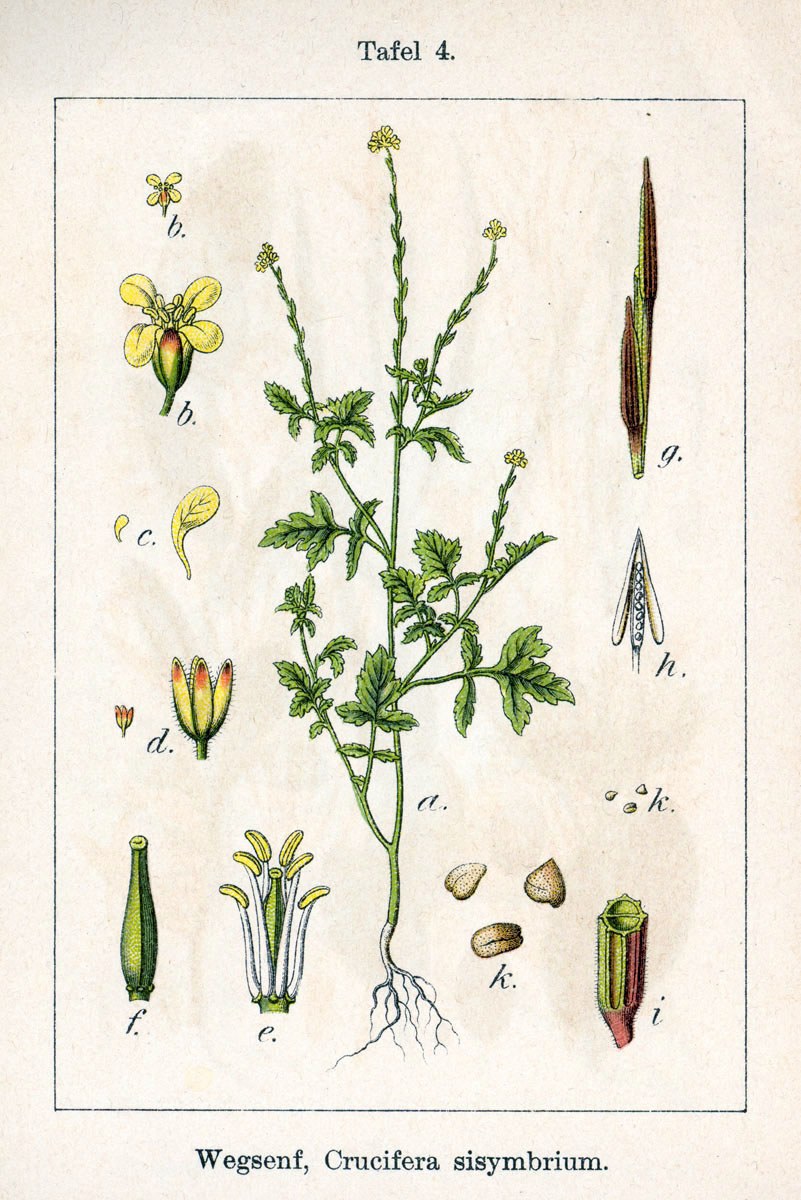
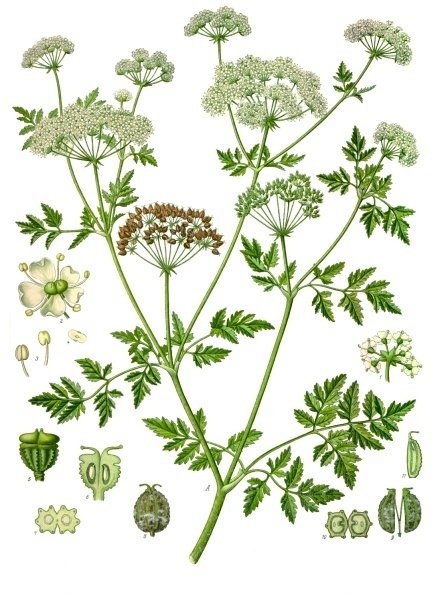
Hedge mustard · Hawthorn · Horseradish · Hemlock · the bibliography →
Nearby in the alphabet
Heartsease (the wild pansy of fields and banks, purple, white, and yellow) · Hartshorn (rasped, burnt, or distilled) · The Hand of Glory (holding a candle made from the fat of a hanged man) · Hemp (Cannabis sativa) · Hamech, confection of (senna, polypody, and colocynth, among many other purgatives)
Historical description, not medical advice.
