The drastic resins

Scammony, colocynth (cucurbitacins), gamboge (gambogic acid), jalap, turpeth, the larch agaric (agaricic acid), and the Galenic compounds that stacked them: Cochia and golden pills, hamech, diaphenicon, the hieras.

The drastic resins: how soon does it show?

One to four hours.

How does it run?

Violent colic, vomiting, and copious watery stools, often bloody, from direct irritation of the whole gut; dehydration, collapse, and in the worst cases death, as in the Morison’s pill cases of the 1830s (gamboge) and the colocynth deaths of the pharmacopoeial era. The Galenists held these drew the deep humours, and read the violence as strength.

What is done for it?

Fluids and salts; demulcents; nothing specific.

Historical and descriptive, not medical advice. In a poisoning, call a poison centre or emergency services.

Which substances in the database cause it?
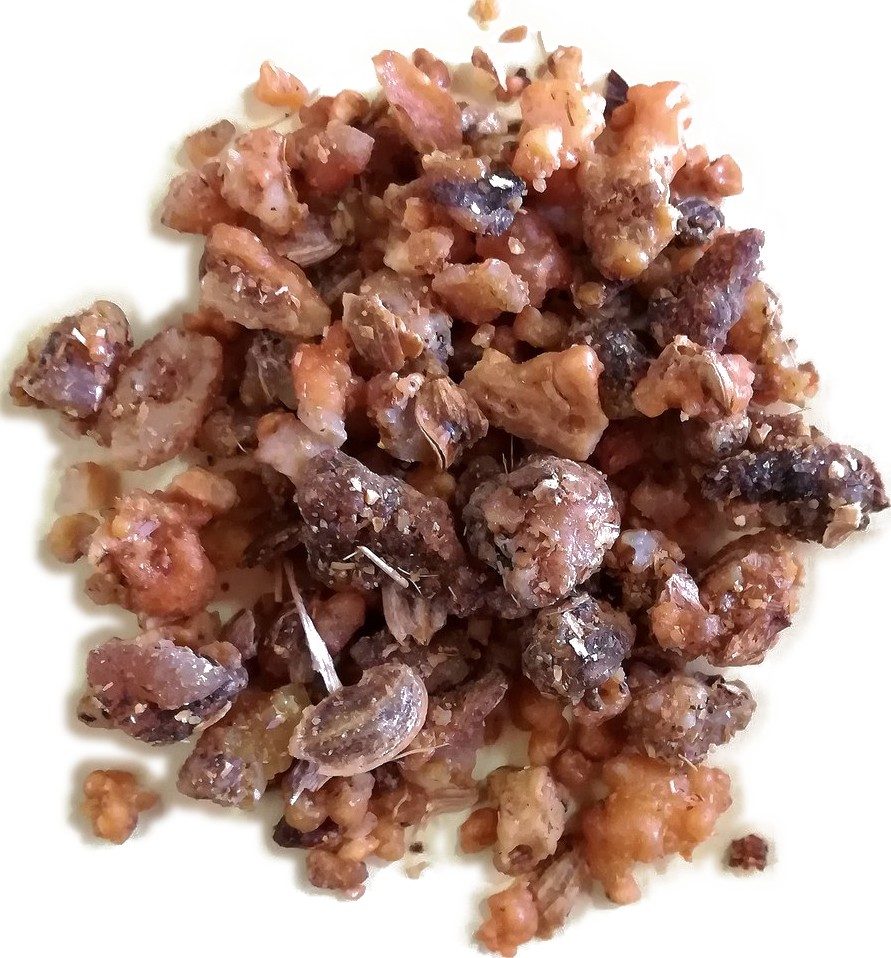
Cochia pills, plate: Scammony
CompoundCochia pillsPilulae Cochiae A standard purgative pill of aloes, scammony, and colocynth, given in the old pharmacopoeias under the names of Mesue, Rhazes, and Nicolaus Myrepsus. The 1674 printing reads “le occhie”; the 1660 printing reads “le cochie,” which confirms the identification (note XXXIV).CanaleCaution
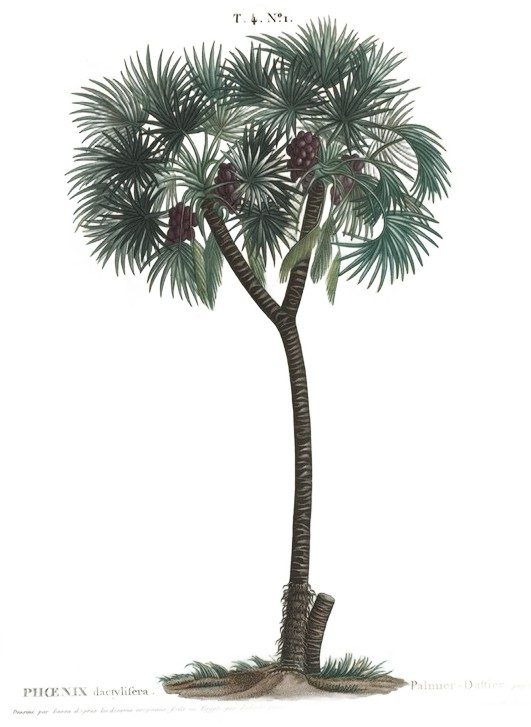
Diaphenicon, plate: Date palm
CompoundDiaphenicon A purgative electuary of dates, with turpeth, scammony, and spices.Canale
Foetid pills, plate: Sagapenum resin
CompoundFoetid pillsPillole fetide Pilulae foetidae, named for their stench, made with foul-smelling gum resins such as sagapenum and ammoniacum, together with aloes, colocynth, scammony, and other drastic purgatives.CanaleCaution
Resin & WoodGambogeGummi guttae; from Cambodia A gum-resin from Garcinia hanburyi of Cambodia and Thailand, yellow as egg yolk.Caution
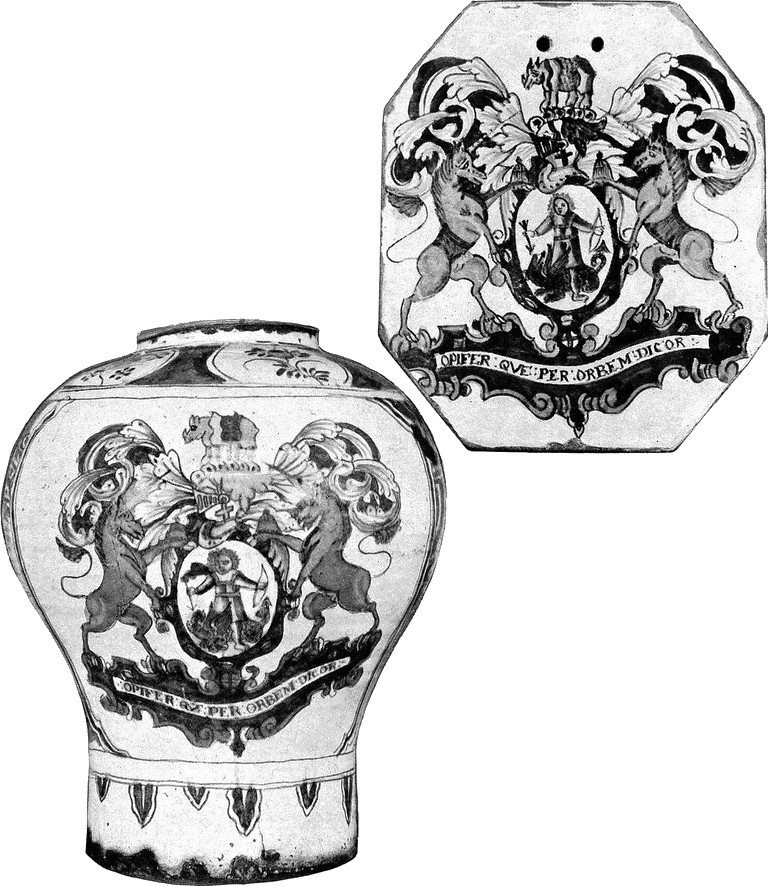
Golden pills, plate: Drug jar and pill tile, Lambeth delftware
CompoundGolden pillsPillole auree Pilulae aureae, a standard compound of aloes, scammony, and colocynth.CanaleCaution
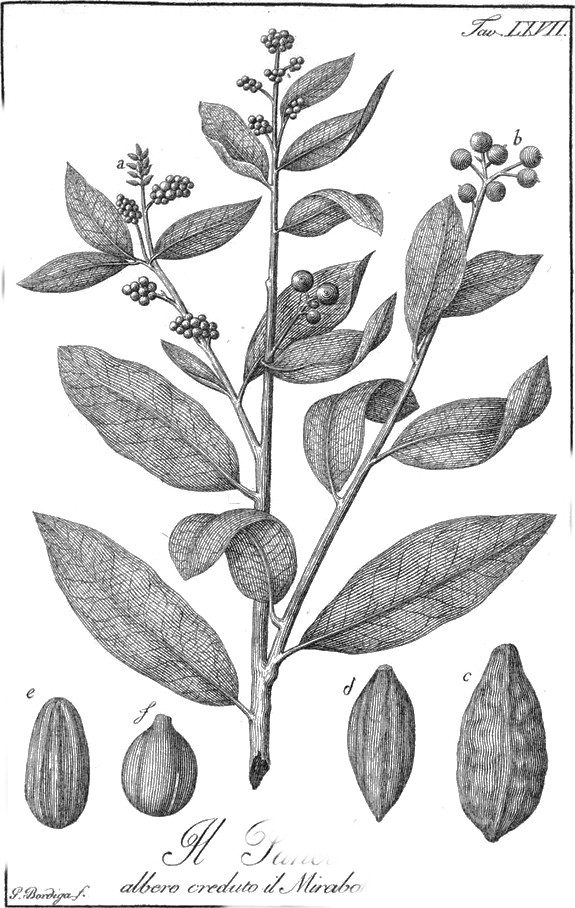
Hamech, confection of, plate: Myrobalan
CompoundHamech, confection ofConfettione Hamech A purgative confection containing myrobalans, senna, polypody, and colocynth, among many other purgatives.Canale
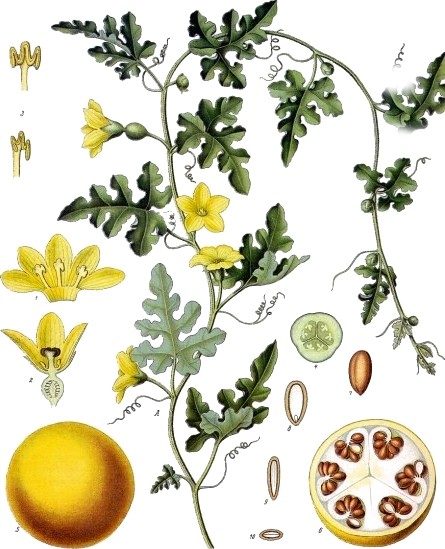
Hiera of Pacchius, plate: Colocynth
CompoundHiera of PacchiusHiera Pacchii A bitter purgative compound, the “holy antidote” of Paccius Antiochus, a pupil of Philonides of Catina; Scribonius Largus recorded it after the recipe reached Tiberius Caesar on Paccius’s death, and says some called it picra, because it is bitter, and others diacolocynthidos. It has no aloes, unlike Hiera picra.CanaleCaution
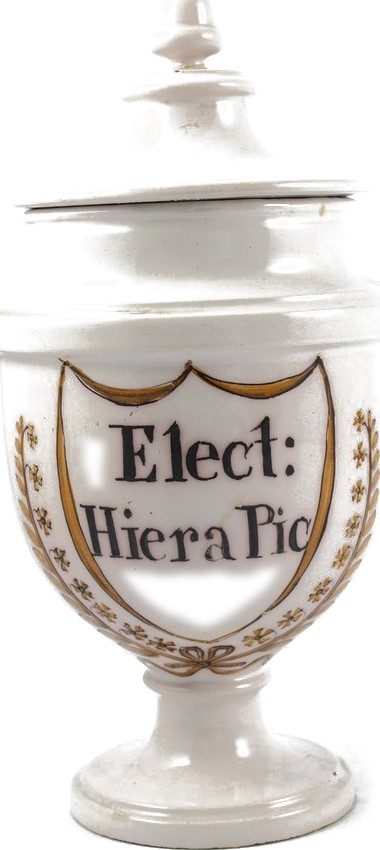
Hiera with agaric (Laricifomes officinalis), plate: Pharmacy jar for hiera picra
CompoundHiera with agaricHiera cum agarico Hiera picra, the bitter aloes compound, with added larch agaric (Laricifomes officinalis, syn. Fomitopsis officinalis, a polypore that grows on larch).Canale
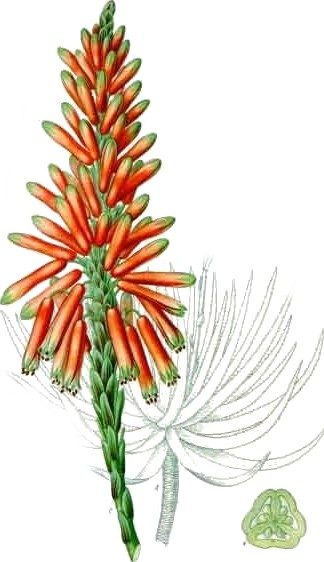
Indian and Arabian pills, plate: Aloe
CompoundIndian and Arabian pillsPillole inde et arabiche Two named compound pills of the Arabic-Latin tradition: the Indian pills (from Mesue, after Haly), with black hellebore, myrobalans, and colocynth; the Arabian pills (from Nicolaus), with aloes, bryony, and scammony.Canale
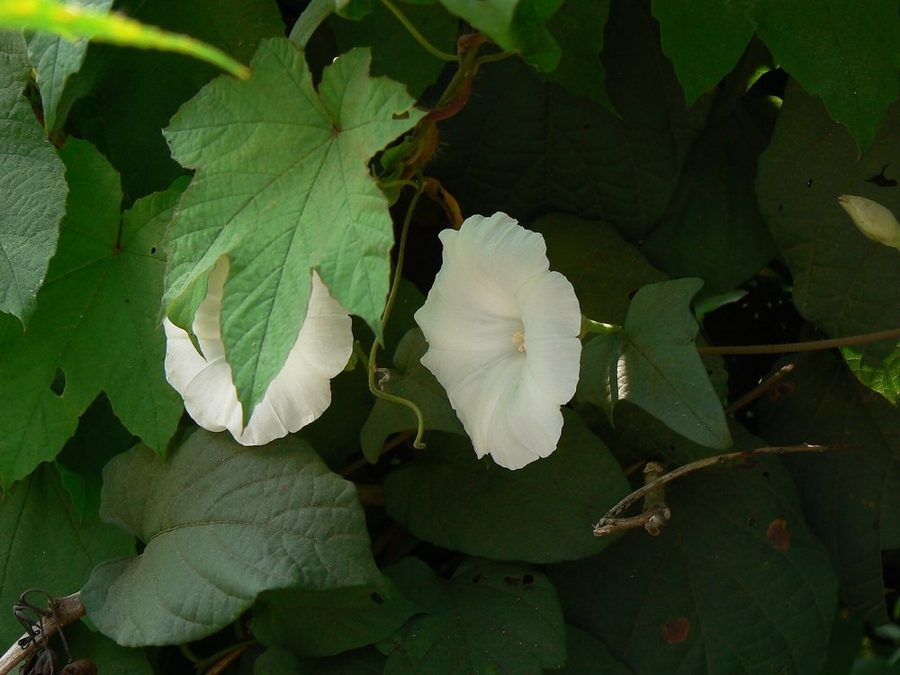
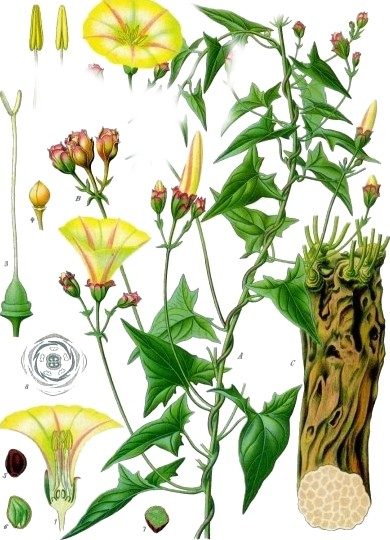
Indian electuary, greater and lesser, plate: Turpeth, Operculina turpethum
CompoundIndian electuary, greater and lesserElettuario indo Two purgative electuaries of Mesue, the greater and the lesser.Canale
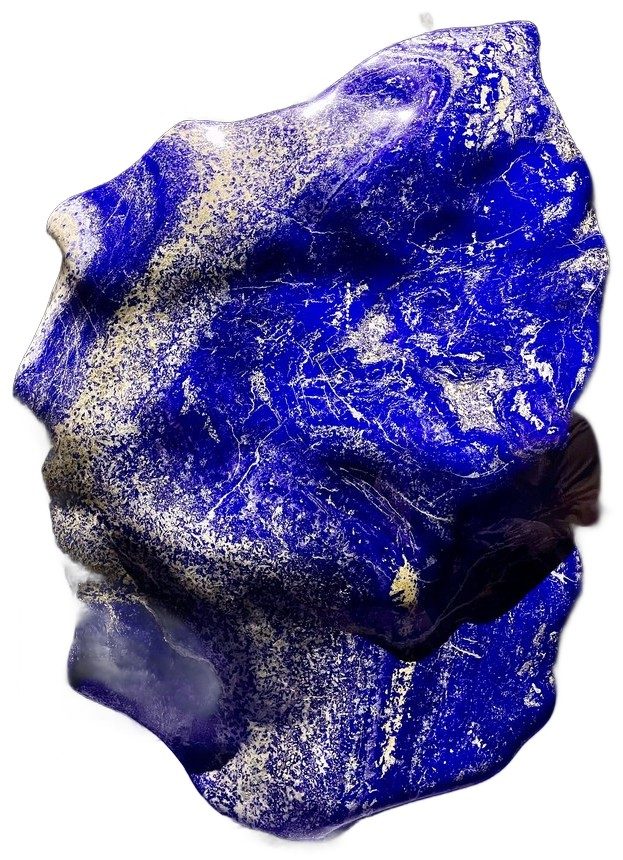
Lapis lazuli, pills of, plate: Lapis lazuli, National Museum of Natural History, Washington
CompoundLapis lazuli, pills ofPillole di lapide lazuli The blue stone lapis lazuli, finely powdered, compounded in pills with scammony, black hellebore, and agaric.CanaleCaution
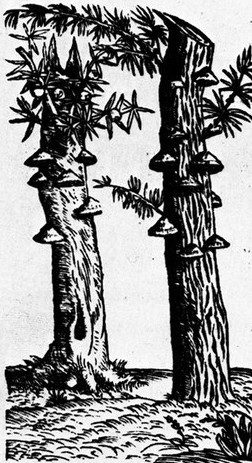
Troche of agaric (Laricifomes officinalis), plate: Agaric on the larch
FungusTroche of agaricTrocisci di agarico Lozenges of larch agaric, Laricifomes officinalis (syn. Fomitopsis officinalis), a bracket fungus.Canale

Sources

  • Goldfrank’s Toxicologic Emergencies, 11th ed. (2019), “Herbal preparations.” Standard reference work
  • Helfand, W. H. (1974). “James Morison and his pills.” Transactions of the British Society for the History of Pharmacy 1. Not indexed
  • Chen, J. C., et al. (2005). “Cucurbitacins and cucurbitane glycosides: structures and biological activities.” Natural Product Reports 22. Verified against its record · doi:10.1002/chin.200539234