
Published in New York between 1907 and 1914 and read here at New Advent, its articles on the sacramentals, relics, amulets, and superstition say what the Church allowed and what it condemned, and where a custom began in “some pagan usage of charms or amulets.”
59 Entries in the Materia Medica
The Thinking Press Club
Read What The Catholic Encyclopedia Says
Each passage in which the database cites The Catholic Encyclopedia, entry by entry.
For Club Members. Create a free account before January 1, 2027 and confirm your email: you become a Charter Member, and it is yours for good.
- AbracadabraA charm word written out line by line, one letter shorter each time, into a narrowing tria
- AGLAA name of God formed, as Agrippa explains, from the first letters of a Hebrew verse, &ldqu
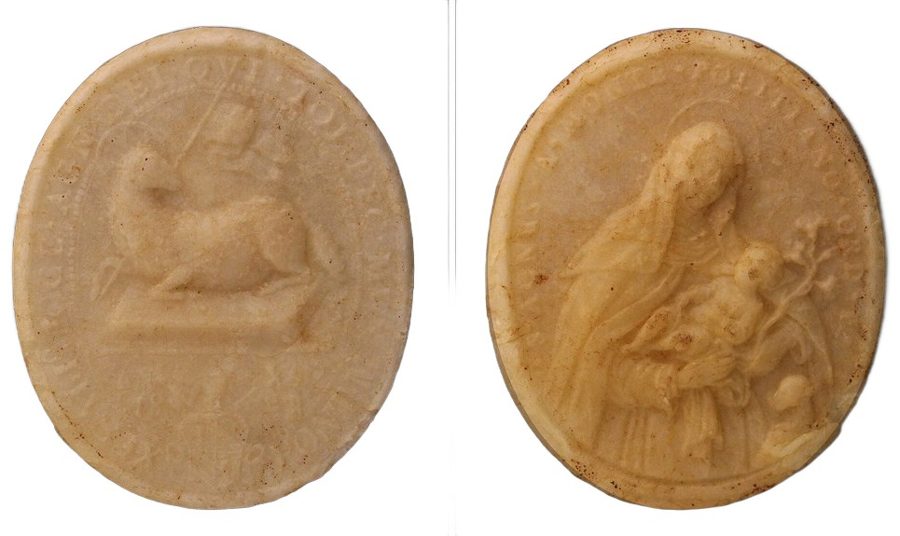
- Agnus DeiA wax medallion stamped with the Lamb of God, blessed by the pope (note LXX).
- The aspergillumThe brush, or perforated ball on a handle, with which holy water is sprinkled.
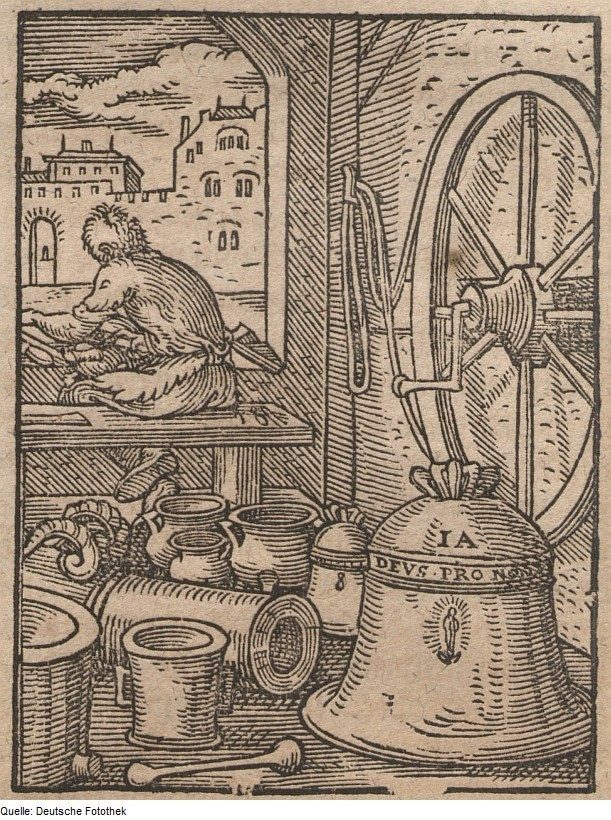
- BellsChurch bells blessed by the bishop in a rite popularly, and wrongly, called their “baptism
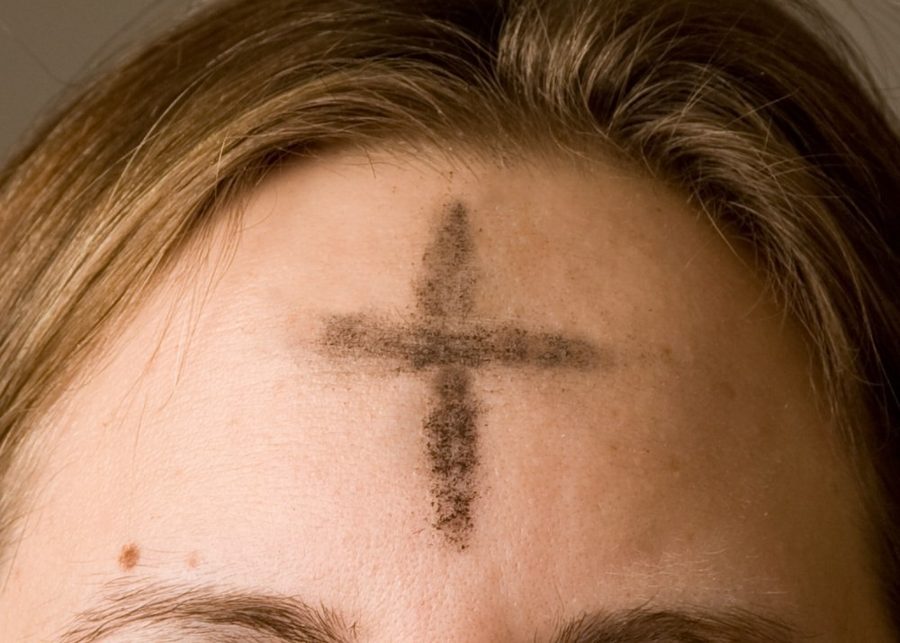
- Blessed ashesAshes of burnt palms, blessed on Ash Wednesday.
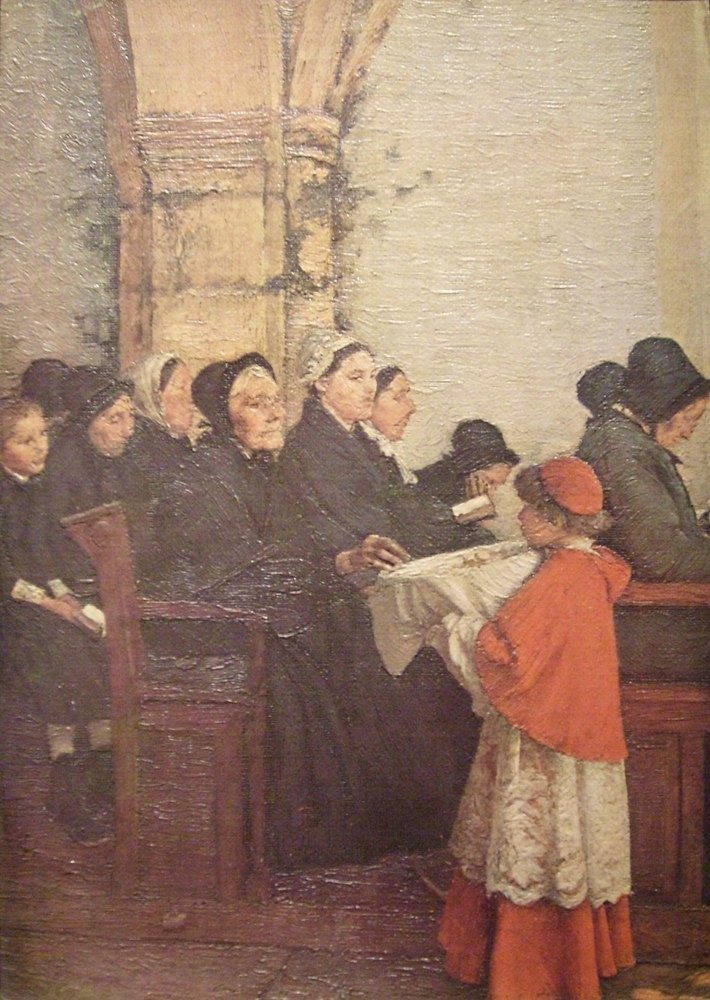
- Blessed breadBread blessed by a priest, distinct from the Eucharist.
- Blessed candlesCandles blessed at Candlemas (2 February), and the Paschal candle.
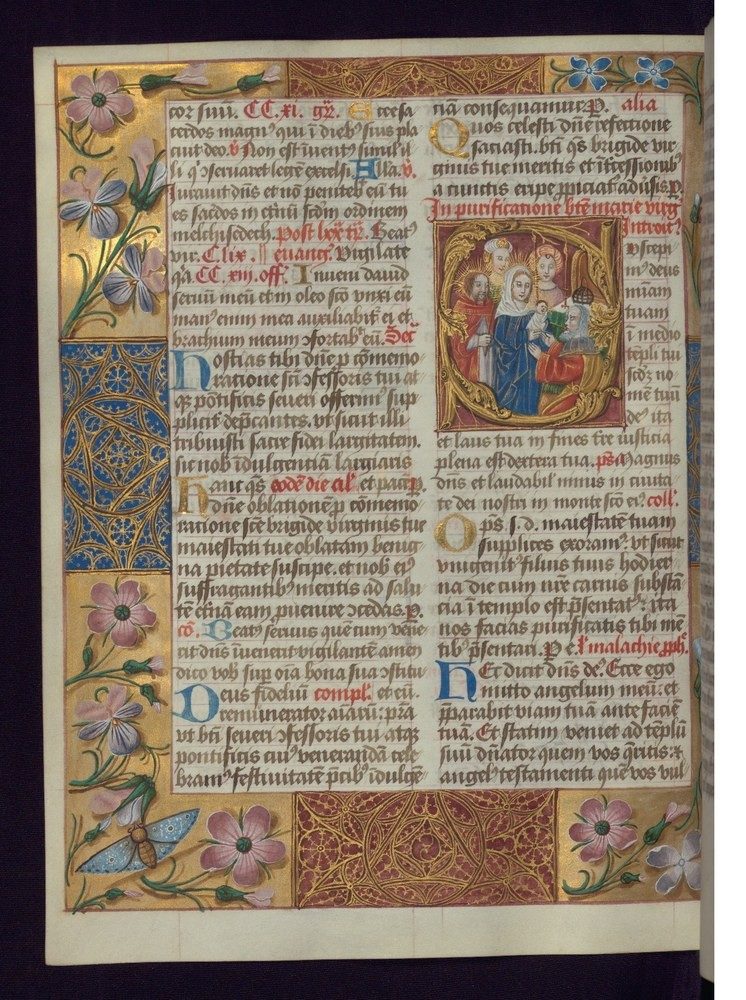
- Blessed paperPaper blessed so that what is written on it may take effect.
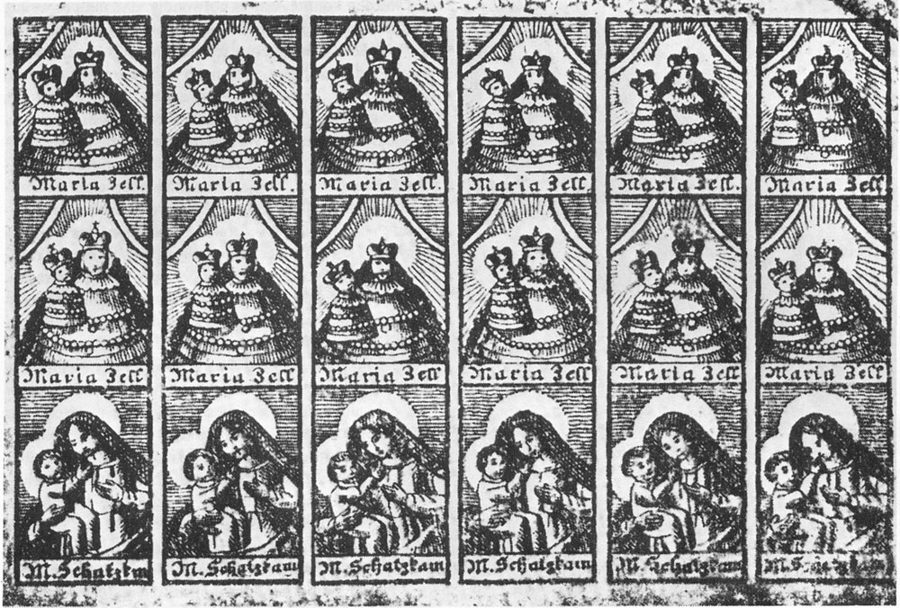
- BreveA written prayer or holy names folded and worn on the body.
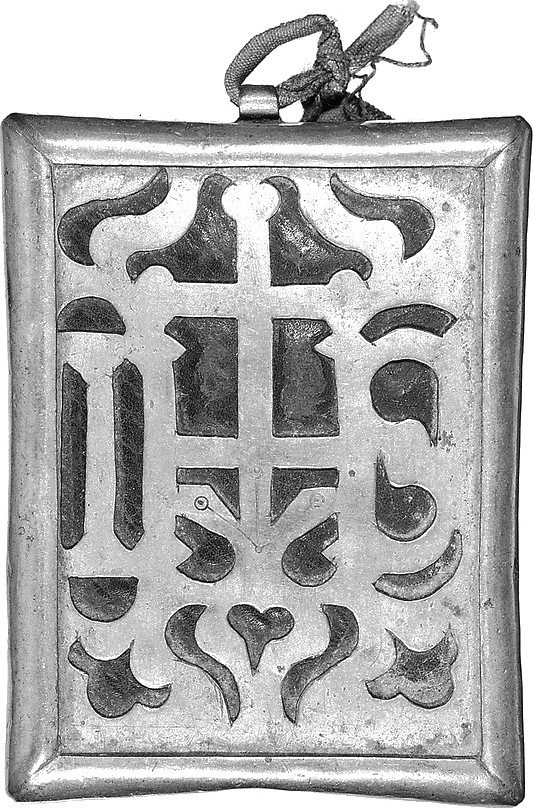
- The Caravaca crossA patriarchal cross with two cross-arms, after the relic of the True Cross kept at Caravac
- Concealed shoesWorn-out shoes, often a child’s, hidden in walls, chimneys, under floors, and above ceilin
- Contact relicsCloths, oil, dust, or other things touched to a saint’s tomb or remains, and so made relic
- CornicelloA small horn, most often of coral, but also of gold, silver, mother-of-pearl, amber, or la
- CrucifixThe image of Christ on the Cross.
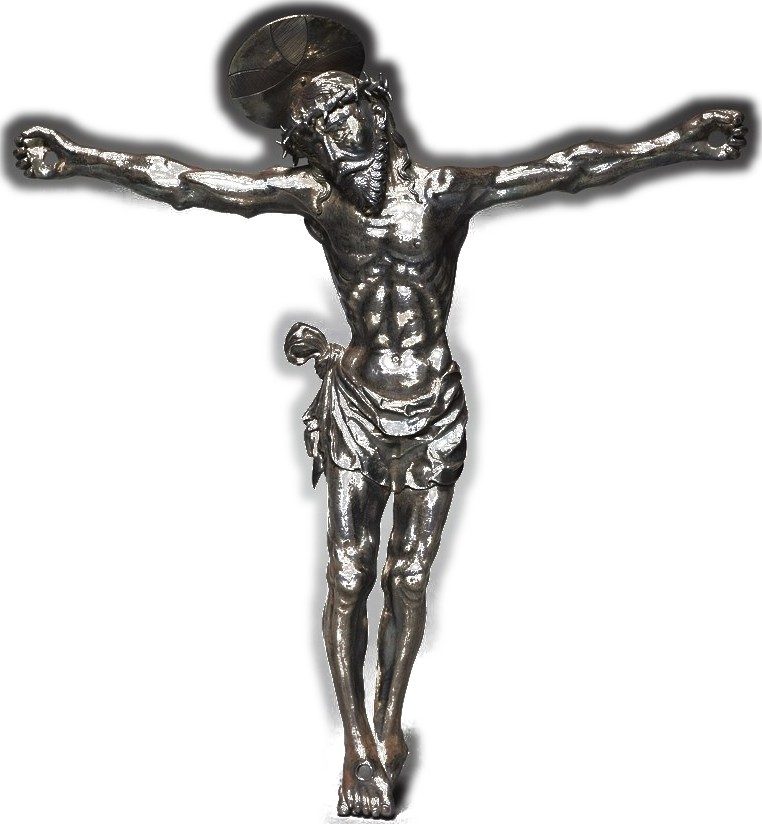
- Earth of the Holy LandEarth, stones, water, and oil brought back by pilgrims from the holy places of Palestine.
- Elf-shotPrehistoric flint arrowheads turned up in the fields.
- Epiphany chalkChalk blessed at the Epiphany, with which the lintel of the house is marked for the new ye
- Epiphany waterWater blessed at the Epiphany by a solemn rite with a long exorcism, in the East as the Gr
- The exorcists’ manualsThe handbooks of the exorcist’s art of the sixteenth and seventeenth centuries, above all
- The eye beadA bead of handmade glass worked in rings of dark blue, white, light blue, and black, like
- The fig handA hand with the thumb thrust between the first two fingers, made as a gesture or carved as
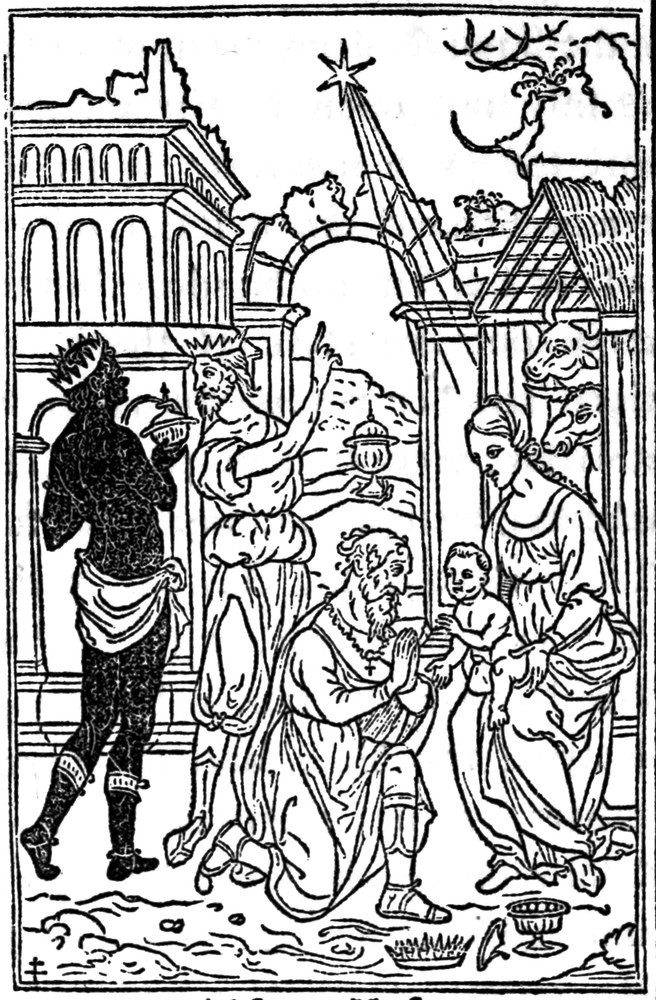
- Gold, frankincense, and myrrhThe gifts of the Magi.
- HagstoneA stone with a natural hole worn through it.
- The Hand of GloryThe dried and pickled hand of a hanged man, holding a candle made from the fat of a hanged
- The Holy Name, IHSThe monogram IHS, the first three letters of Jesus in Greek, often within a sunburst.
- Holy waterWater blessed by a priest, usually with exorcized salt mixed in.
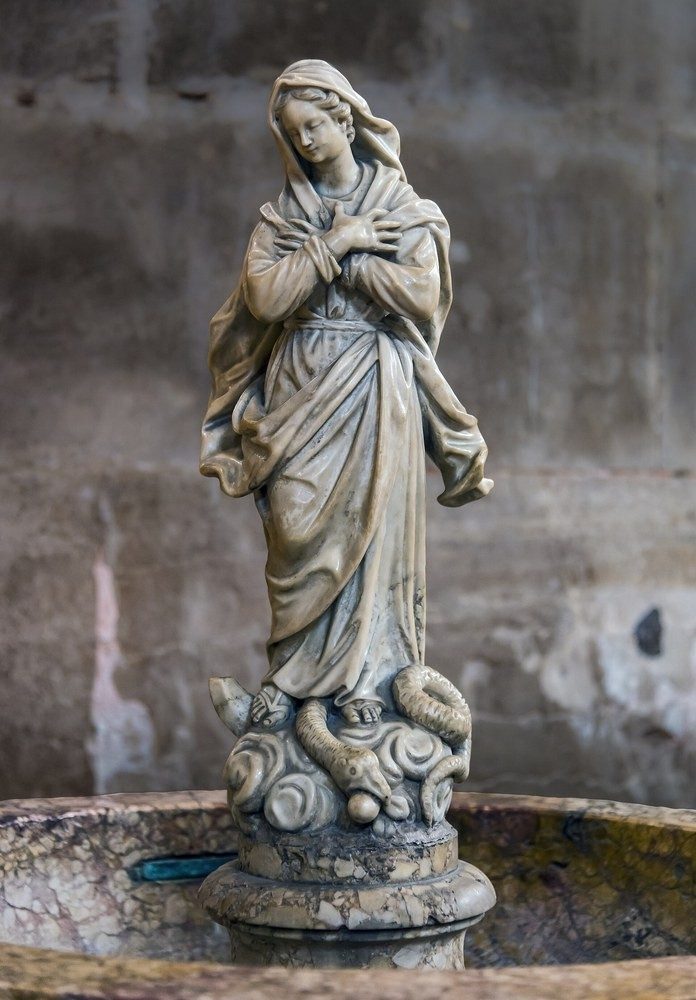
- The holy water stoupThe basin of holy water at the door of a church, and the small stoups kept in homes.
- Holy wellsSprings dedicated to saints, many of them sacred long before Christianity, visited for cur
- Letters from HeavenLetters, copied by hand from one another, said to have been written by God or by Christ hi
- Lourdes waterWater from the spring in the grotto of Massabielle at Lourdes, uncovered by Bernadette Sou
- The Miraculous MedalAn oval medal of the Virgin with the prayer “O Mary, conceived without sin, pray for us wh
- Oil of catechumensOlive oil blessed at the Chrism Mass for anointing those preparing for baptism.
- Oil of the sickOlive oil blessed by the bishop at the Chrism Mass of Holy Thursday for anointing the sick
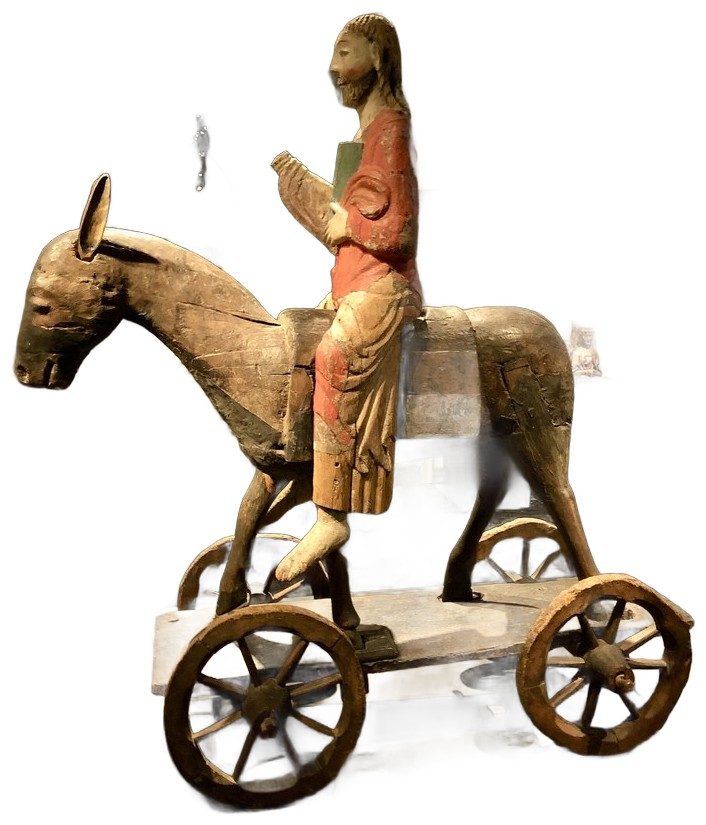
- Palm and olive branchesBranches blessed on Palm Sunday.
- Paschal candleThe great candle blessed and lit from the new fire at the Easter Vigil, marked with a cros
- Pilgrim badges and ampullaeSmall badges of lead and tin, and tiny flasks called ampullae, sold at shrines as tokens o
- The prologue of JohnThe opening verses of the Gospel of John, “In the beginning was the Word,” written out and
- The Roman RitualThe book of rites for the priest, issued by Pope Paul V in 1614, the year of Canale’s trea
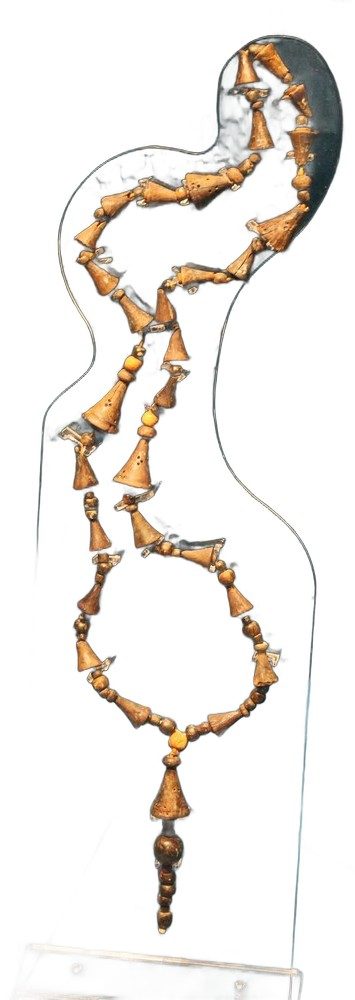
- RosaryStrings of prayer beads.
- The SATOR squareA five-line Latin word square that can be read in four directions.
- ScapularTwo small pieces of wool joined by strings, worn over the shoulders, a miniature of the mo
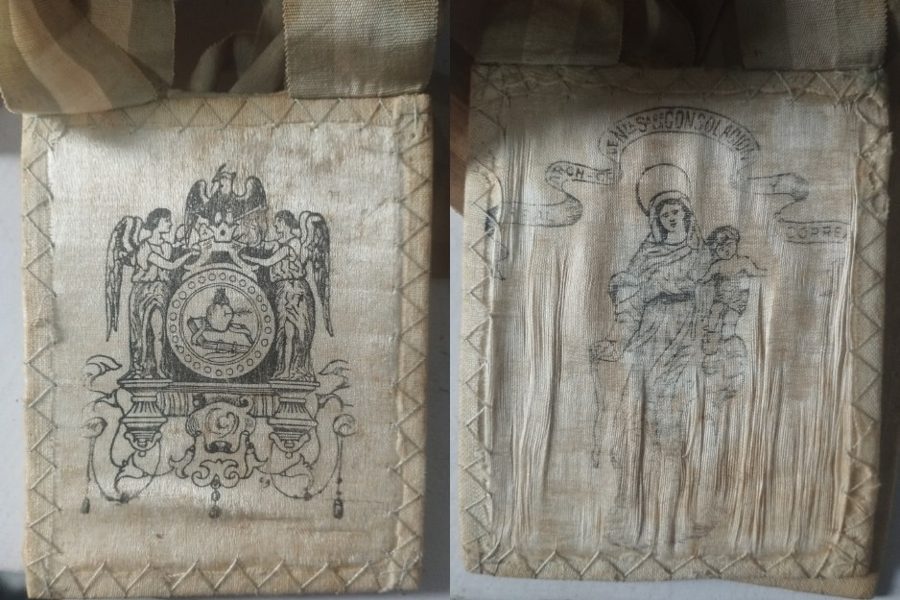
- St. Agatha’s breadBread blessed on 5 February, the feast of St. Agatha, virgin and martyr of Catania.
- St. Benedict medalA medal of St. Benedict whose reverse bears a cross ringed by initials: Vade retro Satana,
- St. Blaise candlesTwo blessed candles, crossed and held at the throat on 3 February, the feast of St. Blaise
- St. Christopher medalAn image of St. Christopher carrying the Christ child across a river.
- St. Hubert’s keyA small iron in the shape of a key or horn, blessed at the shrine of St. Hubert, patron of
- St. Ignatius waterWater blessed with a relic or medal of St. Ignatius of Loyola, by a formula of the Society
- St. John’s firesThe bonfires lit across Europe on the eve of the Nativity of St. John the Baptist, 23 June
- St. Walburga’s oilA clear liquid that gathers on the stone slab over the relics of St. Walburga (died 779),
- The stoleThe long band of cloth worn by the priest about the neck, the sign of his sacred office.
- TetragrammatonThe four-letter name of God in the Hebrew Bible, not pronounced in Jewish practice.
- The thuribleThe metal vessel hung on chains in which incense is burned on live coals.
- Tongue stonesFossil sharks’ teeth, called tongue-stones, and by the Germans adders’ tongues
- The vernicleThe cloth with which Veronica was said to have wiped Christ’s face on the way to Calvary,
- Wax ex-votosOfferings of wax shaped as eyes, limbs, hearts, children, or whole bodies, hung at a shrin
- Witch ballA hollow ball of glass, often silvered or colored, hung in the window.
- Witch bottleA bottle, often a bearded German stoneware “Bellarmine,” filled with urine, pi
- Witch marksSymbols scratched or burned near doors and fireplaces: compass-drawn daisy wheels, overlap