A Swedish physician and botanist whose Species Plantarum (1753) gave every plant a two-part Latin name, the system still used, and set the starting point from which botanical names are counted.
16 Entries in the Materia Medica
The Thinking Press Club
Read What Carl Linnaeus Says
Each passage in which the database cites Carl Linnaeus, entry by entry.
For Club Members. Create a free account before January 1, 2027 and confirm your email: you become a Charter Member, and it is yours for good.
- BladderwrackFucus vesiculosus, a brown seaweed of rocky shores, buoyed by paired air bladders.
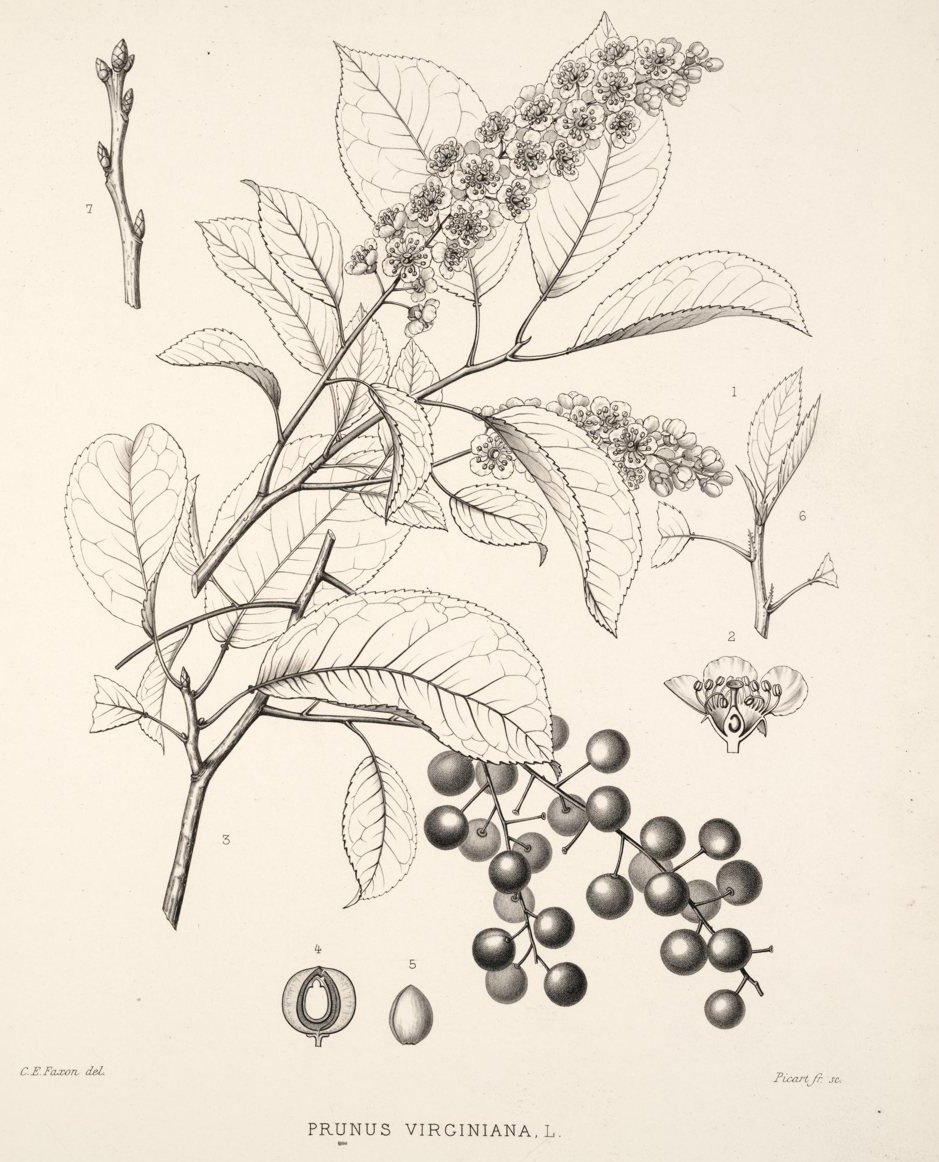
- ChokecherryPrunus virginiana, the chokecherry of North America: a tall shrub or small tree of forest
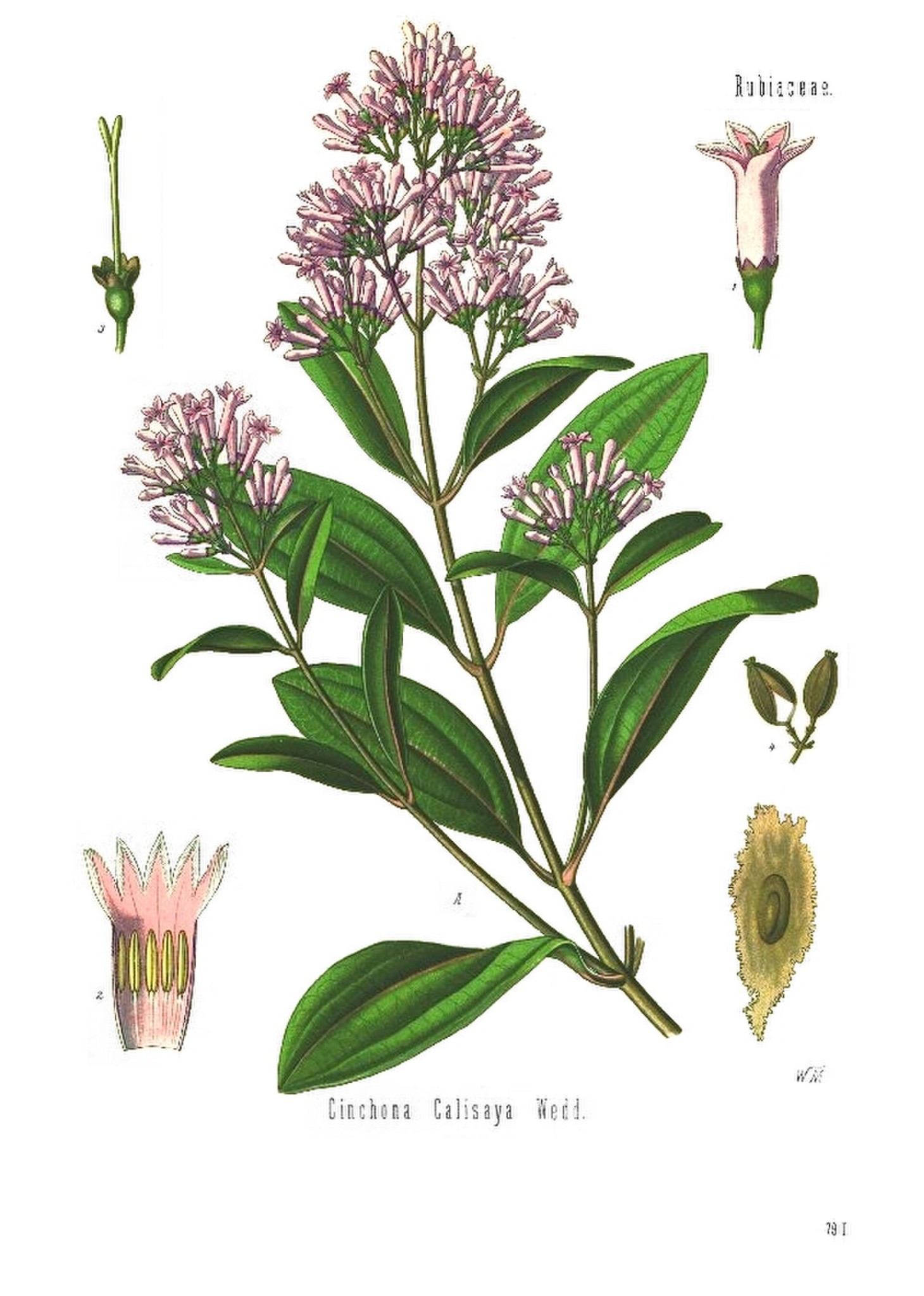
- CinchonaThe bark of Cinchona trees of the Andes.
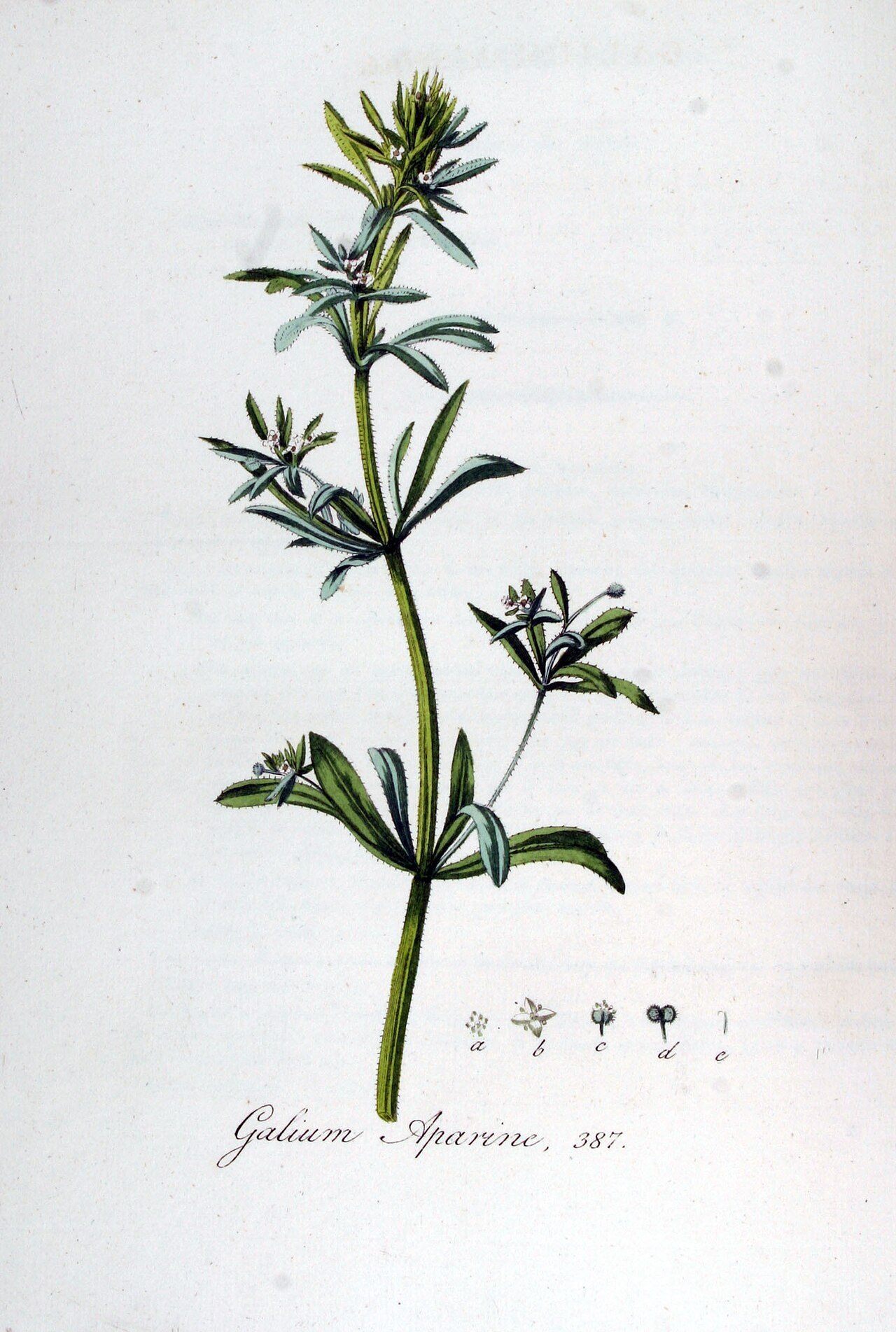
- CleaversGalium aparine, an annual hedgerow weed of the madder family, Rubiaceae, common throughout
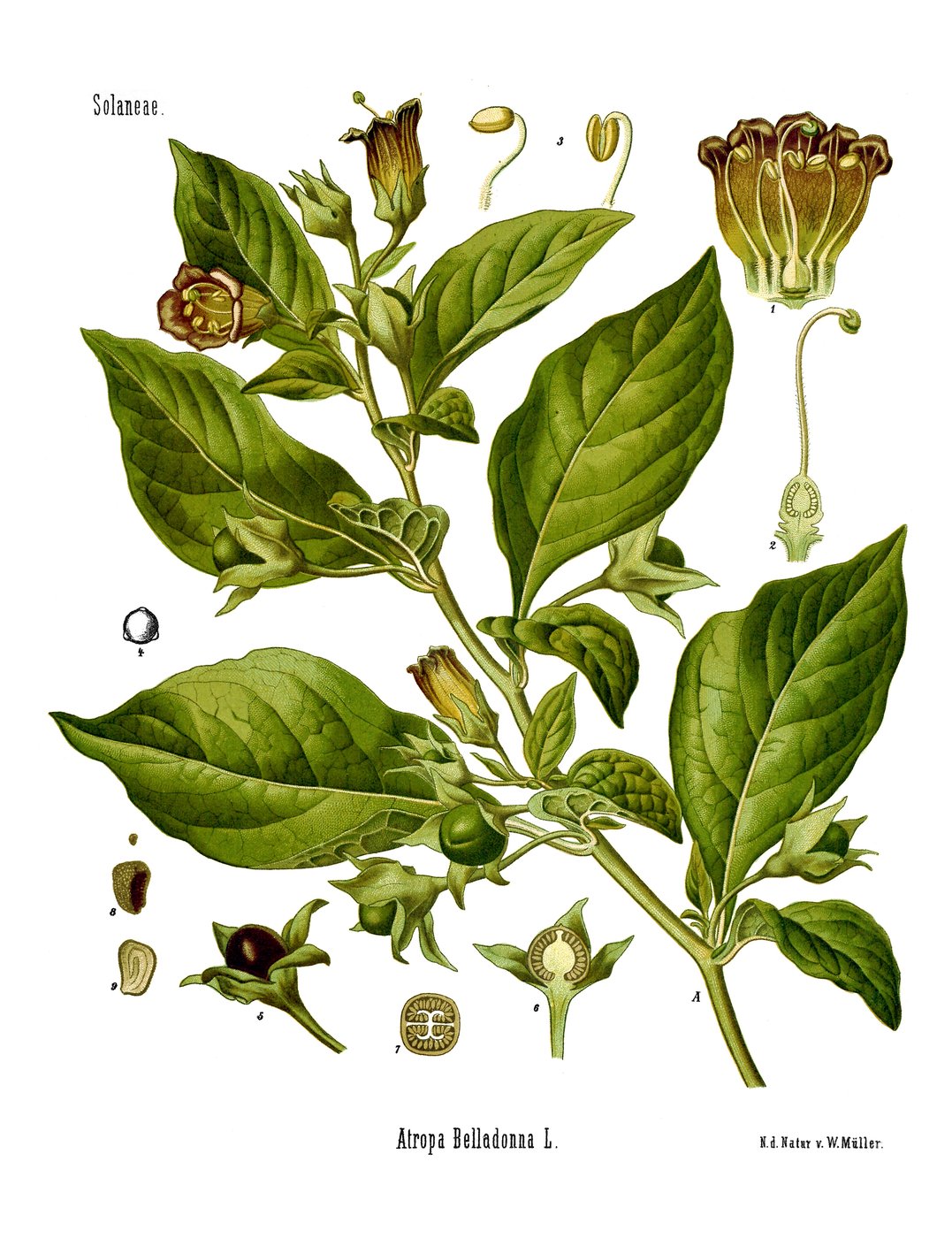
- Deadly nightshadeAtropa belladonna, of the nightshade family.
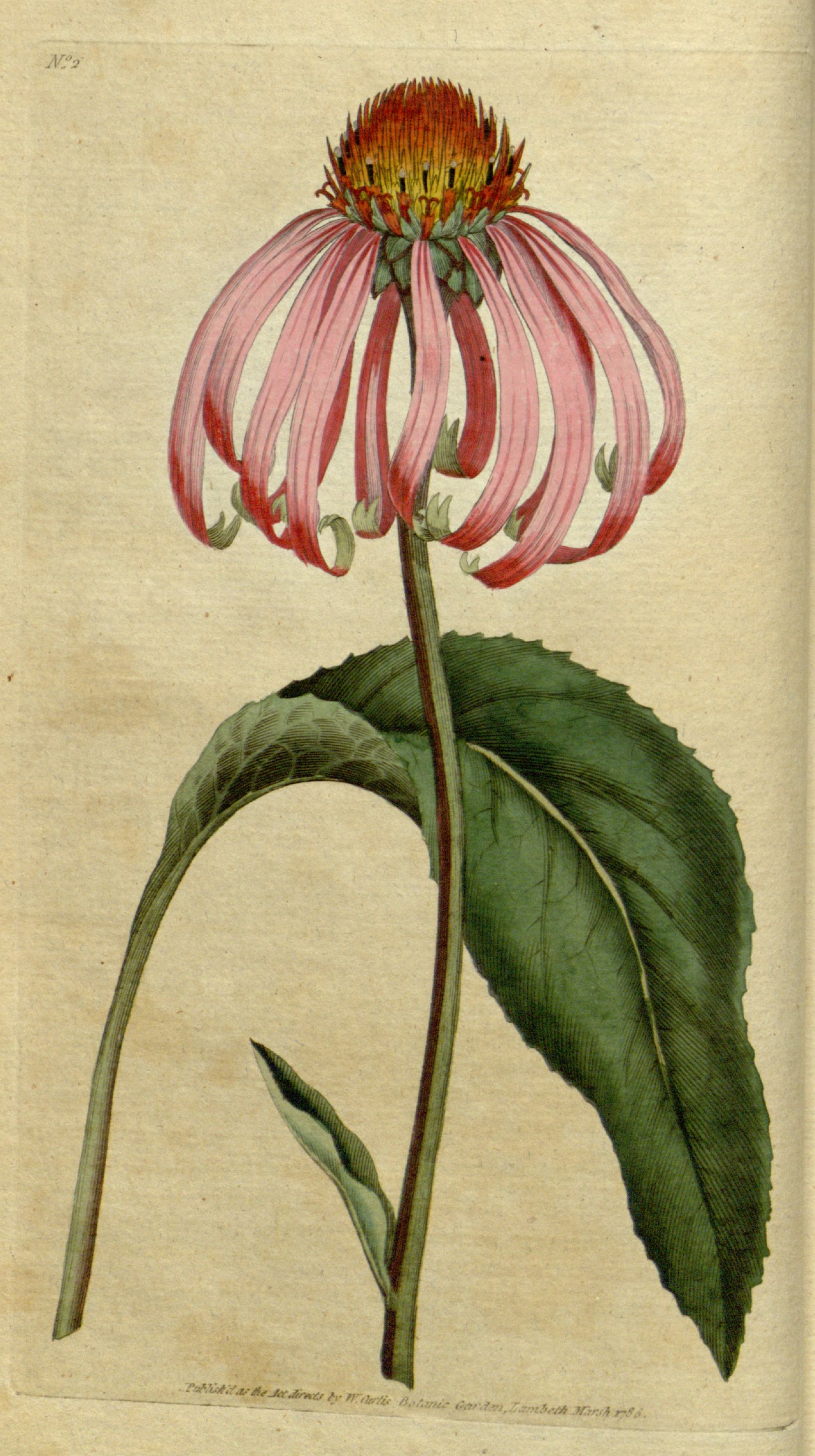
- EchinaceaThe coneflowers of North America, of the family Asteraceae, whose rich purple florets are
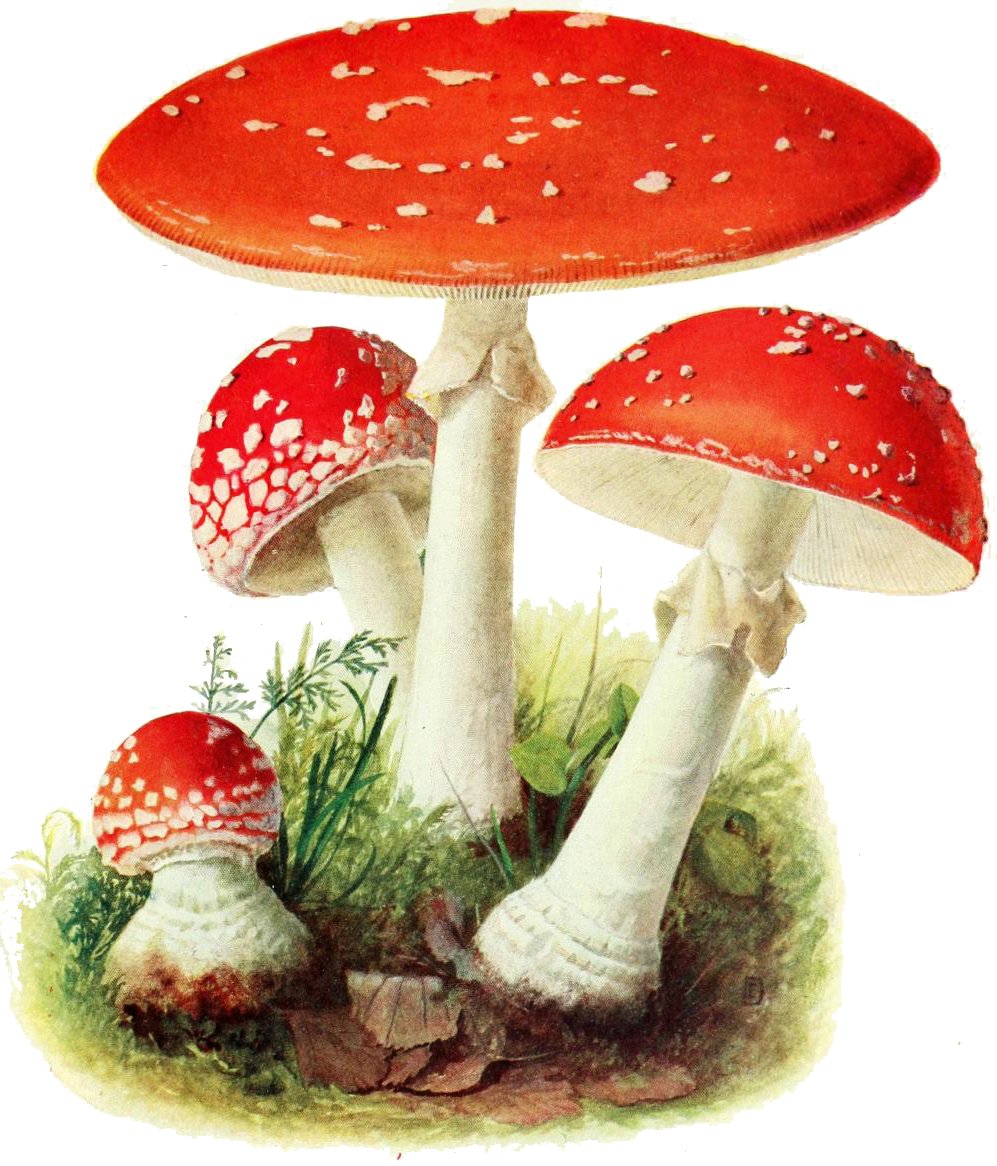
- Fly agaricThe red, white-spotted toadstool of fairy tales, of birch and pine woods.
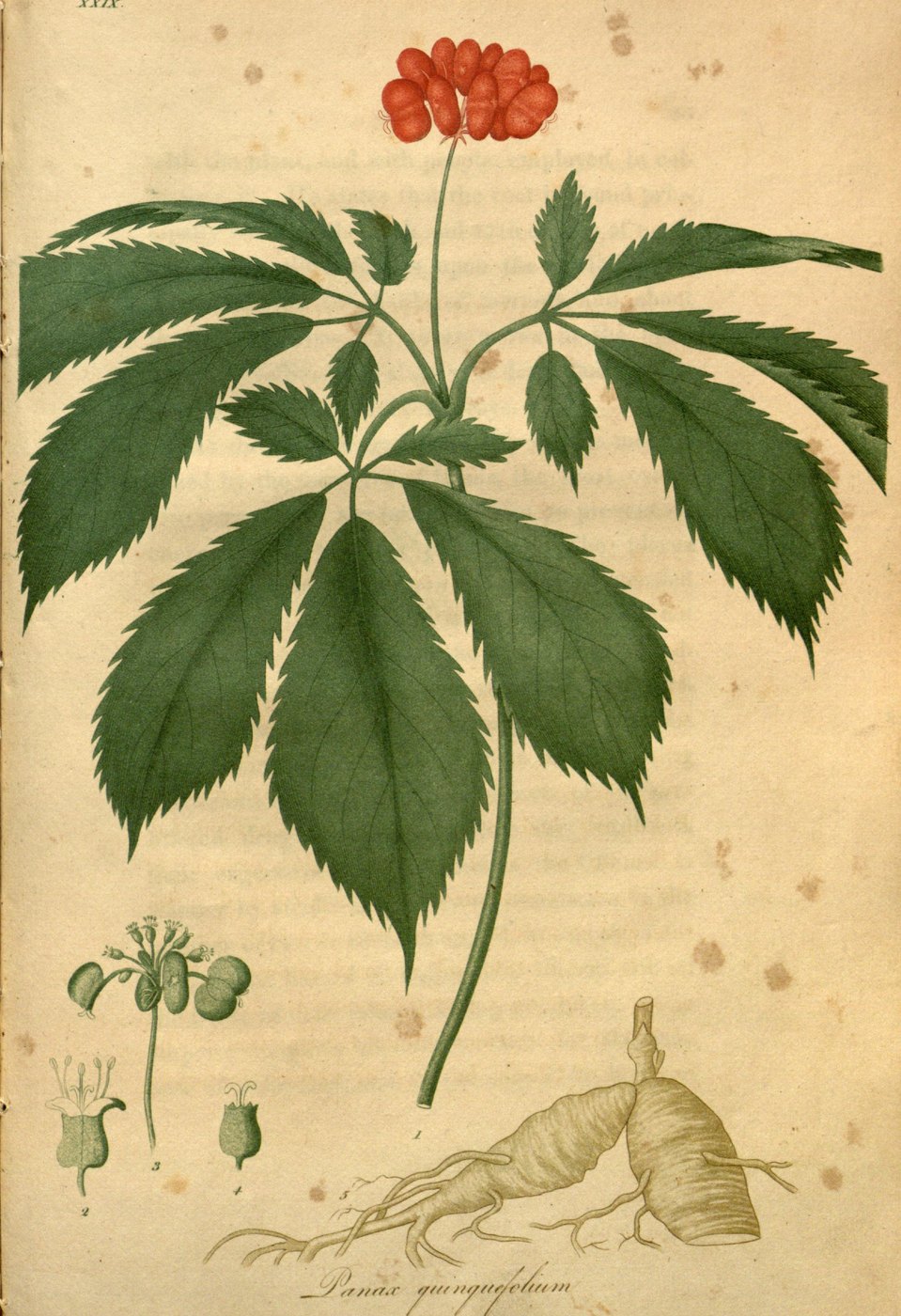
- GinsengPanax quinquefolius, the ginseng of the North American woods, and its Asian kin Panax gins
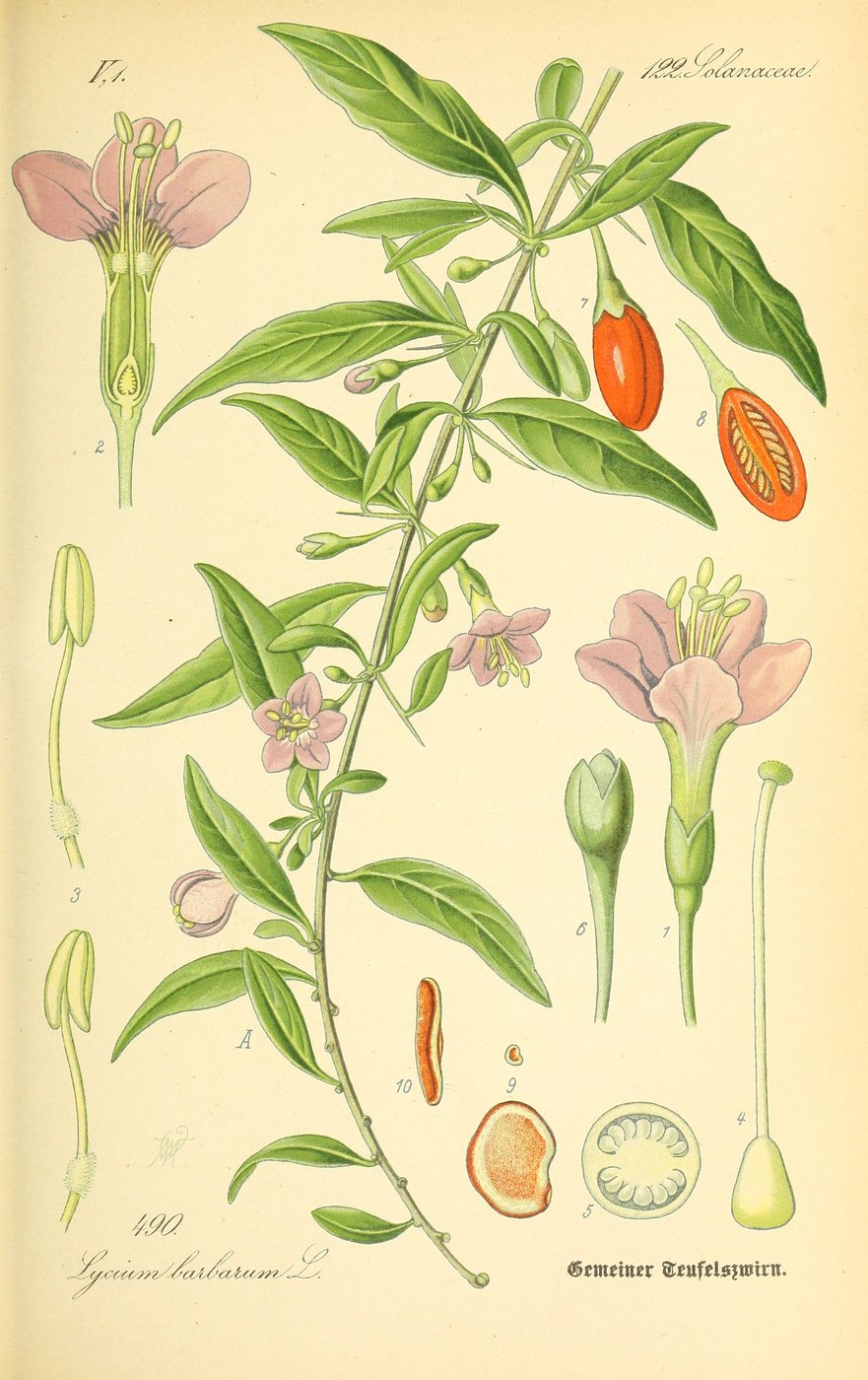
- Goji berryThe scarlet berry of Lycium barbarum and Lycium chinense, thin-leaved shrubs of the nights
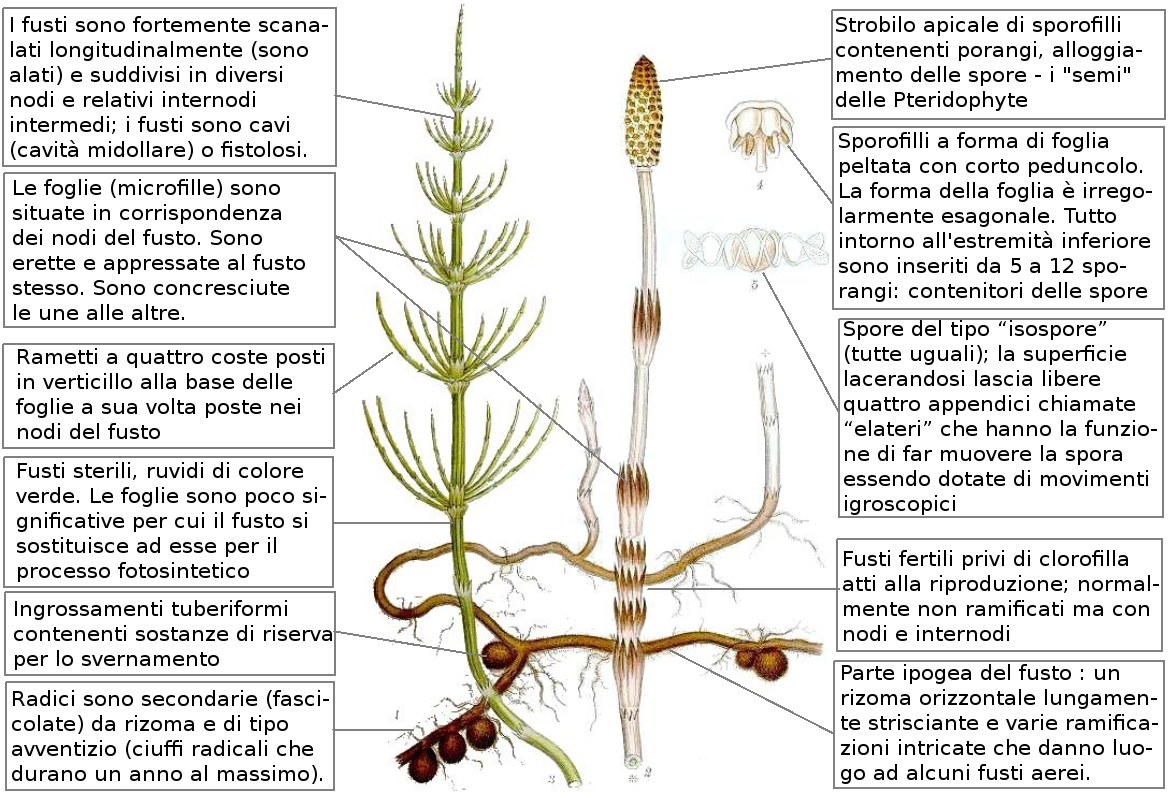
- HorsetailEquisetum arvense, the commonest British horsetail, a rush-like plant of cornfields and we
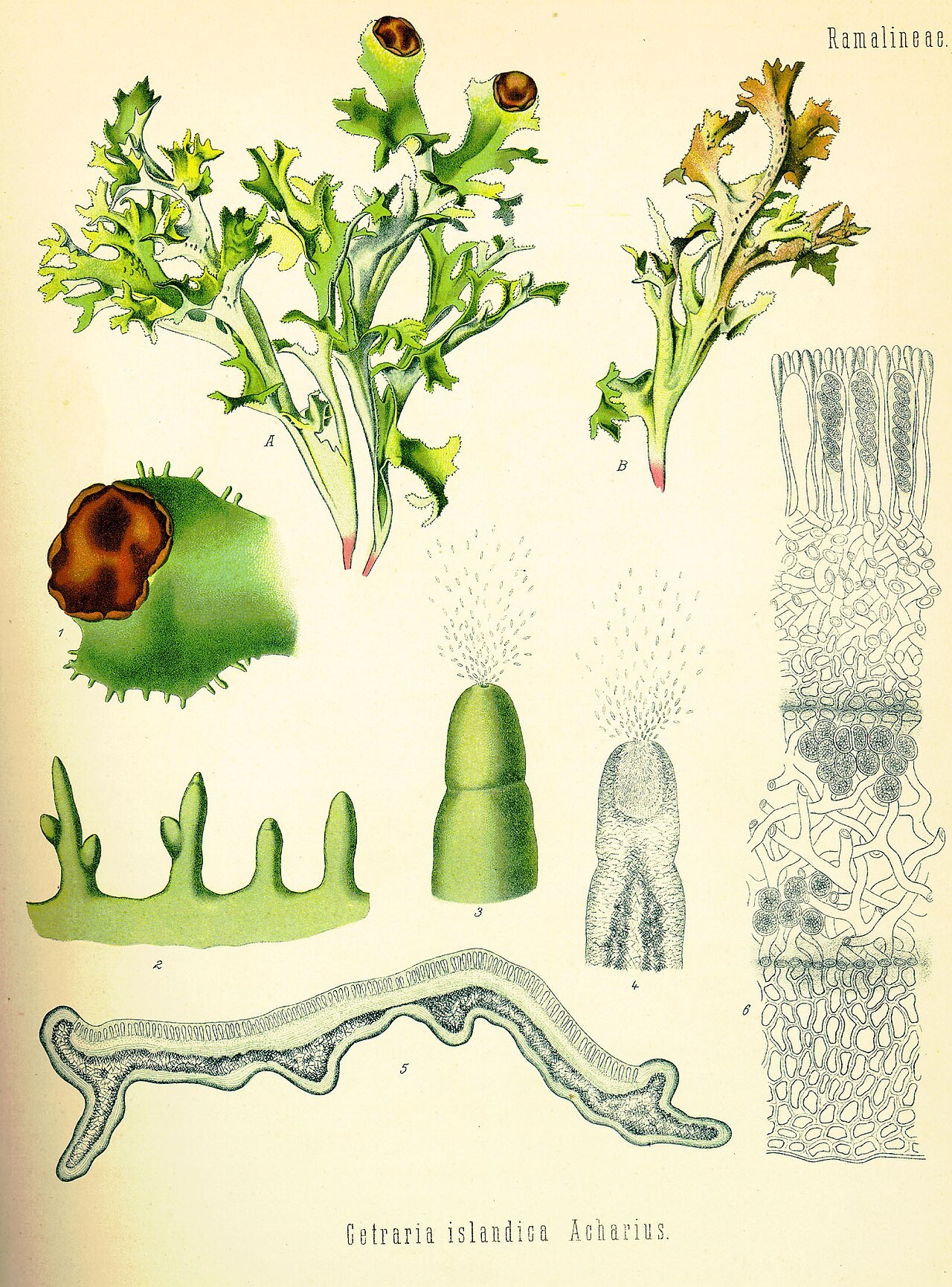
- Iceland mossCetraria islandica, which, Grieve writes, “In spite of its name is not a Moss but a
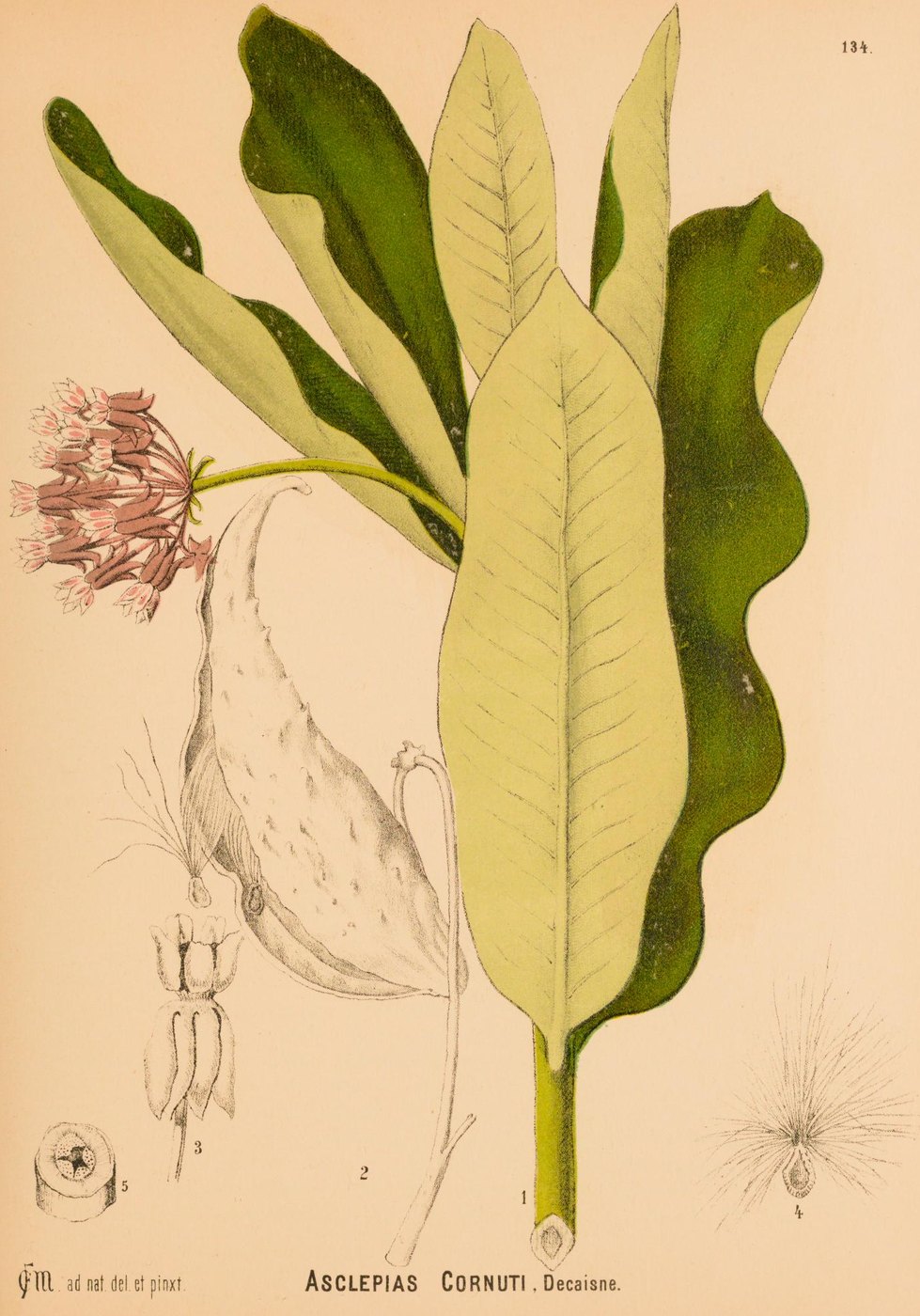
- MilkweedAsclepias syriaca, the stout milkweed of roadsides, fields, and waste places in Canada and
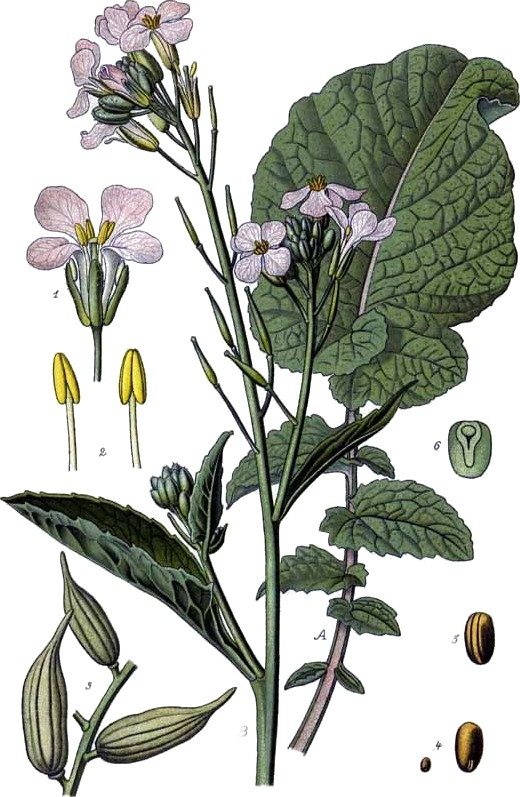
- RadishGarden radish, Raphanus sativus (now classed by Kew as Raphanus raphanistrum subsp. sativu
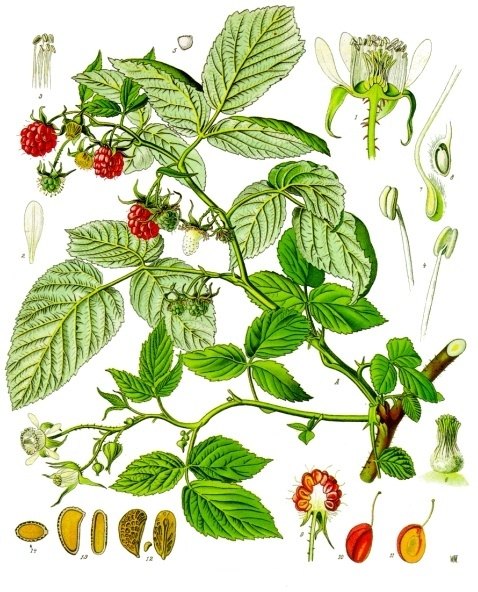
- Raspberry leafThe leaves of the raspberry, Rubus idaeus: a shrub with erect, biennial stems from creepin
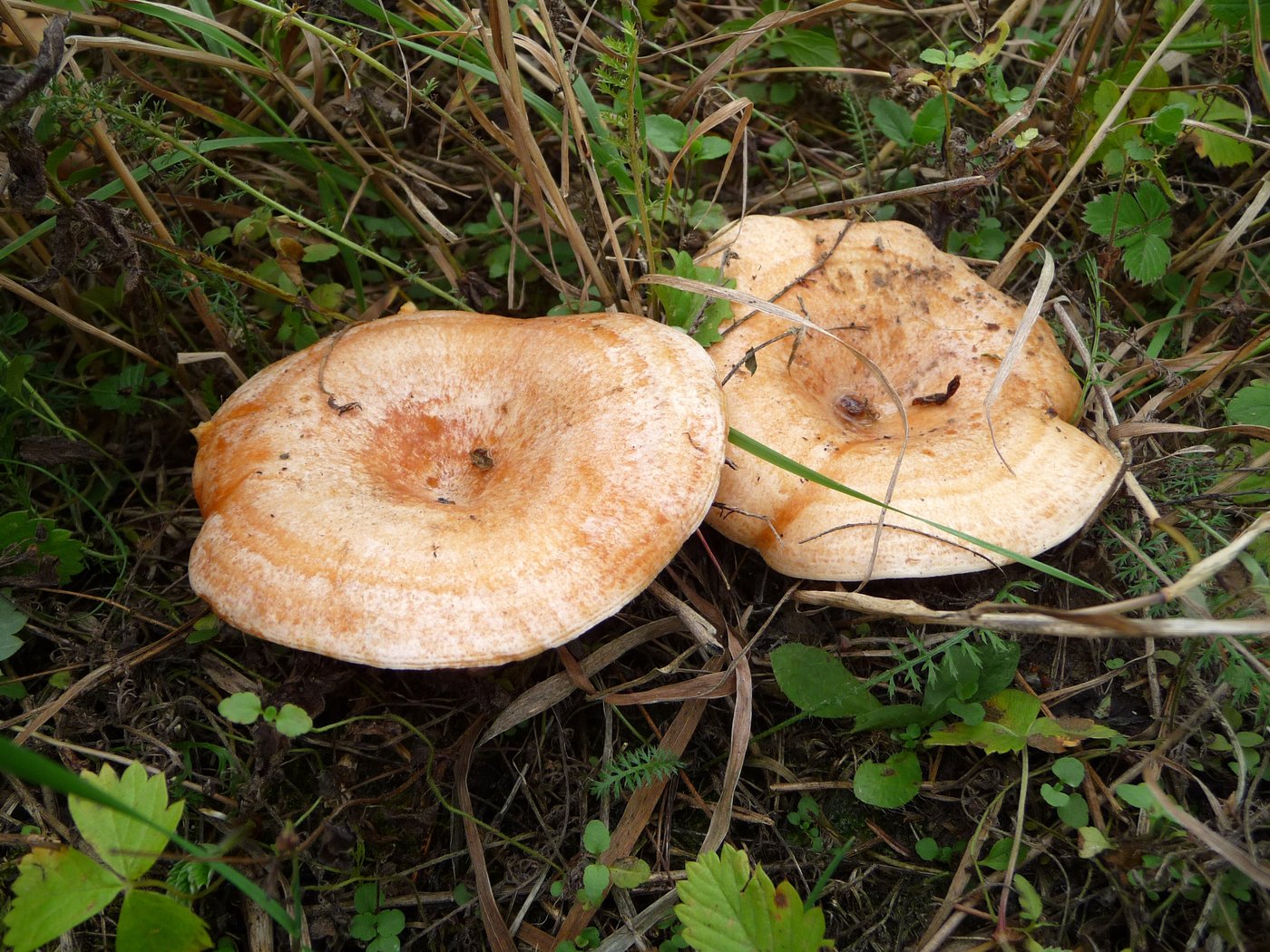
- Saffron milk capA brick-red, orange-tinged mushroom of conifer woods whose orange milk turns green.
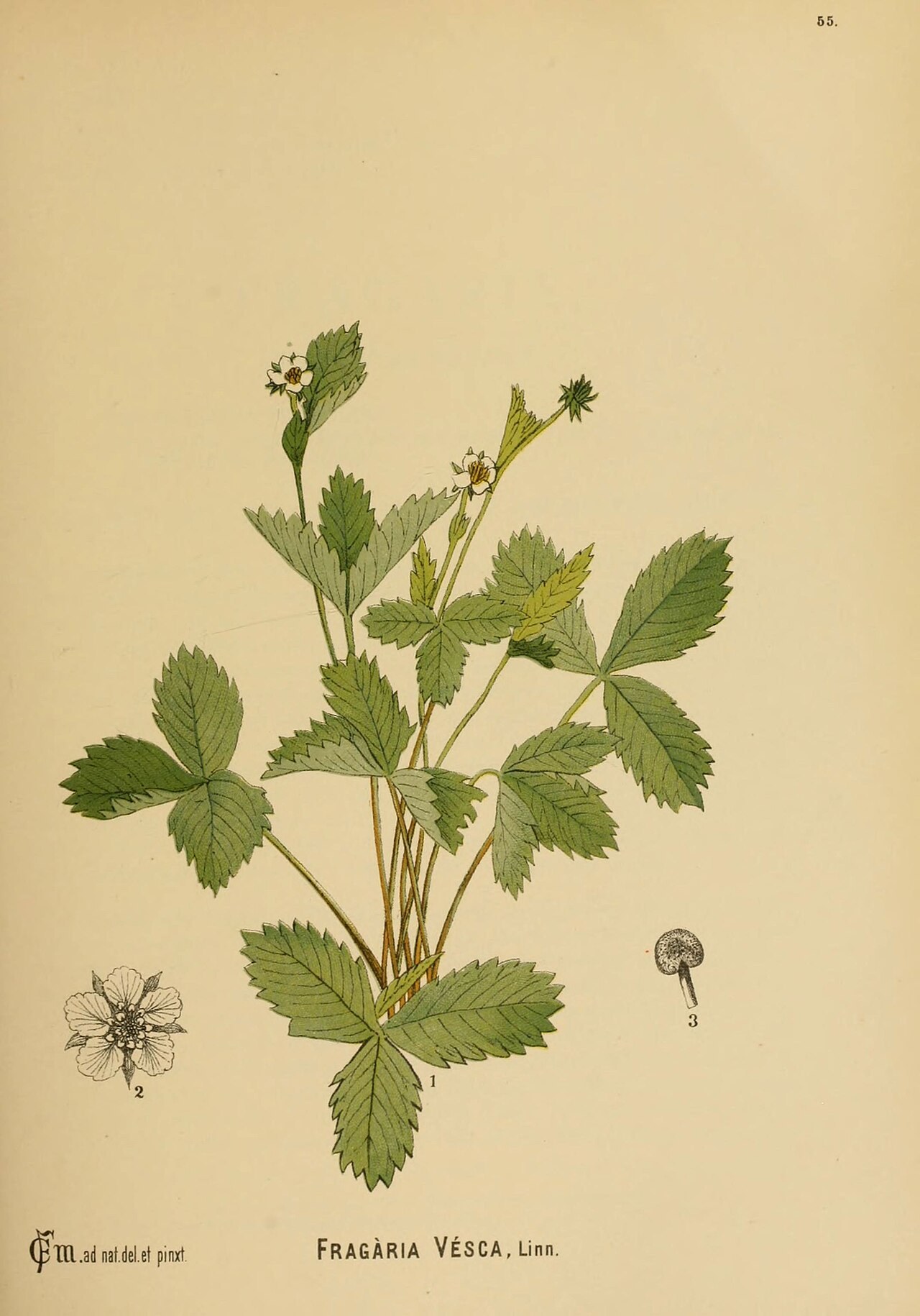
- StrawberryFragaria vesca, the wild strawberry of the rose family: in Grieve’s words “a d