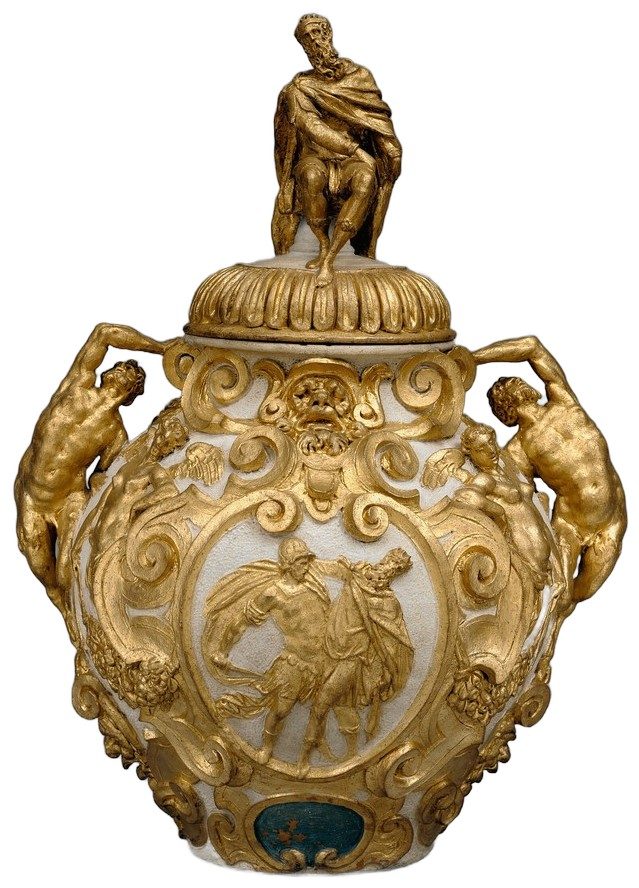
Galen of Pergamon, physician to gladiators and then to the emperor Marcus Aurelius and his successors at Rome. In hundreds of works he joined Hippocratic medicine to philosophy and anatomy. His books on simple and compound drugs set out the doctrine of the four qualities and their degrees on which the whole of this database’s older medicine rests, and he wrote at length on theriac, which he prepared for the emperors.
22 Entries in the Materia Medica
The Thinking Press Club
Read What Galen Says
Each passage in which the database cites Galen, entry by entry.
For Club Members. Create a free account before January 1, 2027 and confirm your email: you become a Charter Member, and it is yours for good.
- Armenian boleA fine red clay, colored by iron oxide.
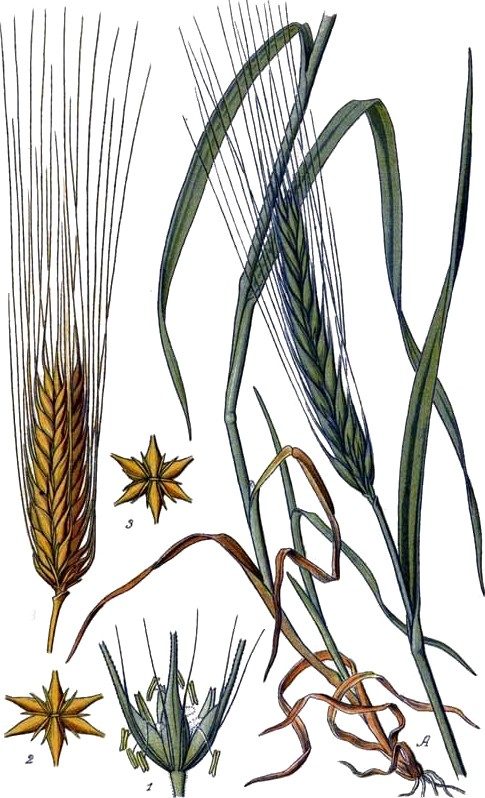
- Barley waterA thin decoction of barley.
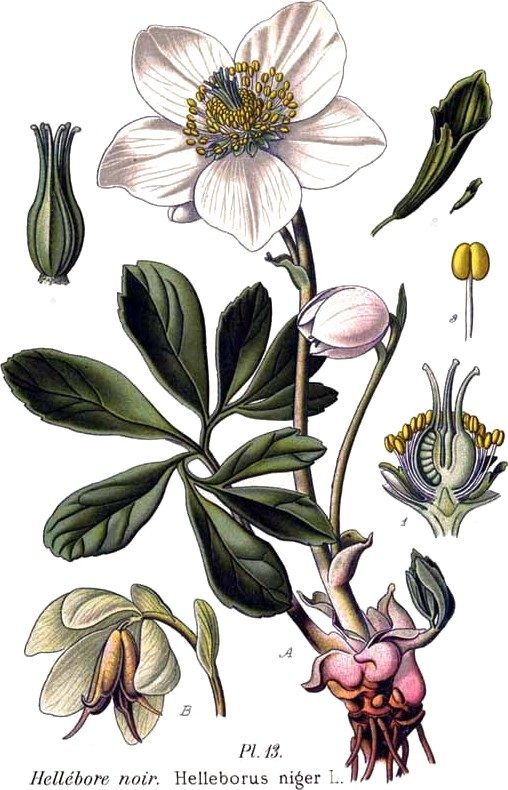
- Black helleboreThe Christmas rose, Helleborus niger; the bark of the root was used.
- Caesar’s mushroomAn orange-capped amanita of southern Europe’s oak and pine woods, egg-like when youn
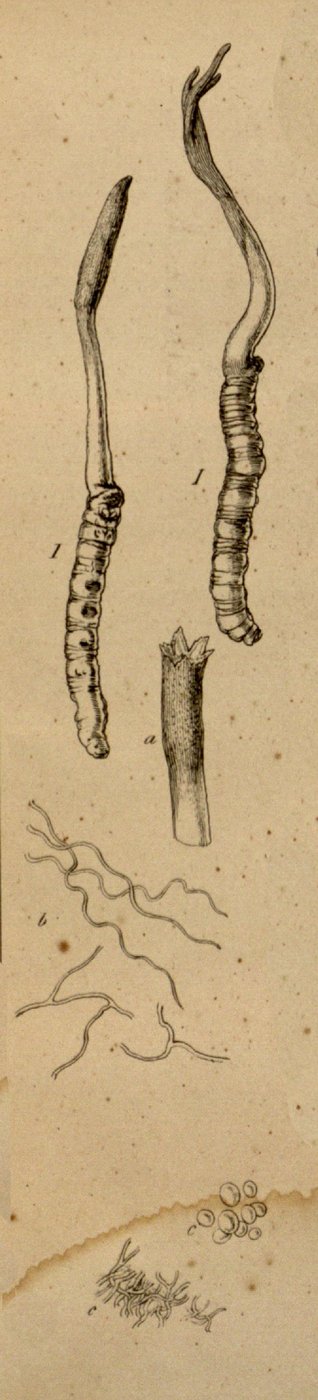
- Caterpillar fungusA fungus that fills and kills the buried larvae of ghost moths on the Tibetan plateau, sen
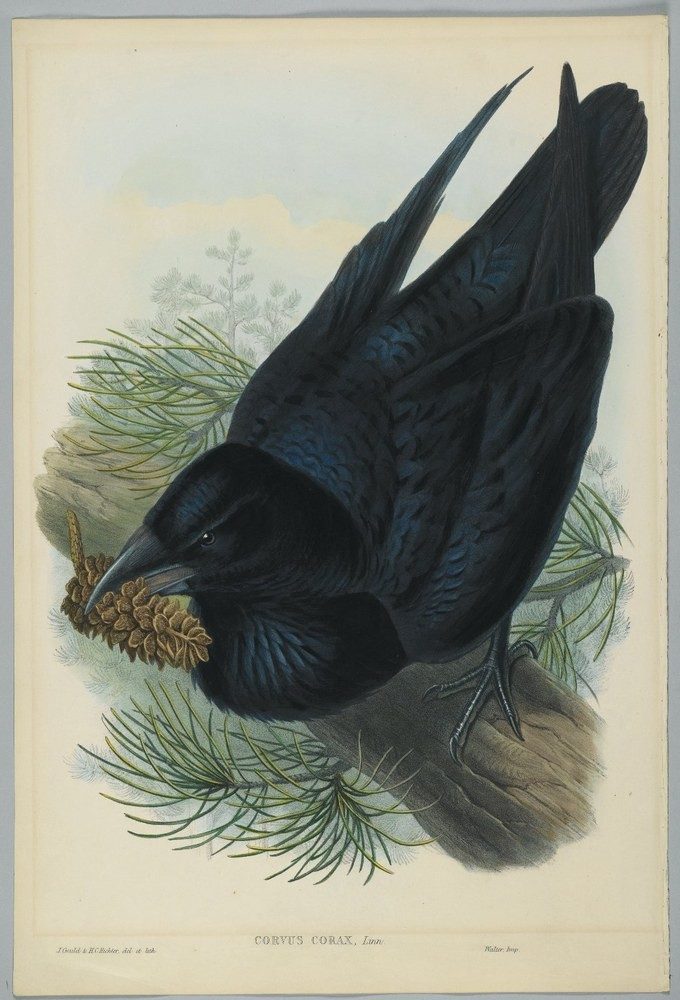
- Crow’s gallThe bile of a crow.
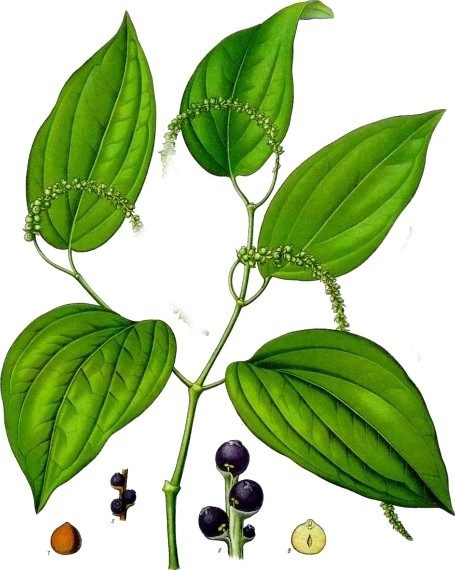
- Diatrion piperionA warming powder of the three peppers, with aniseed and ginger.
- EyebrightEuphrasia officinalis and relatives.
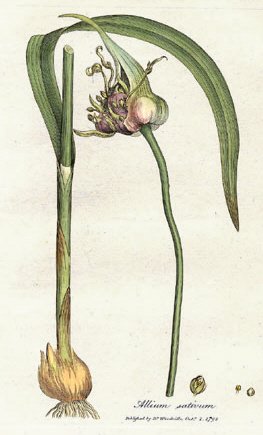
- GarlicAllium sativum.
- Ground ivyGlechoma hederacea. A low, creeping weed of the mint family with small purple flowers, com
- Hiera picraA compound purge of aloes with cinnamon, mastic, saffron, and other aromatics.
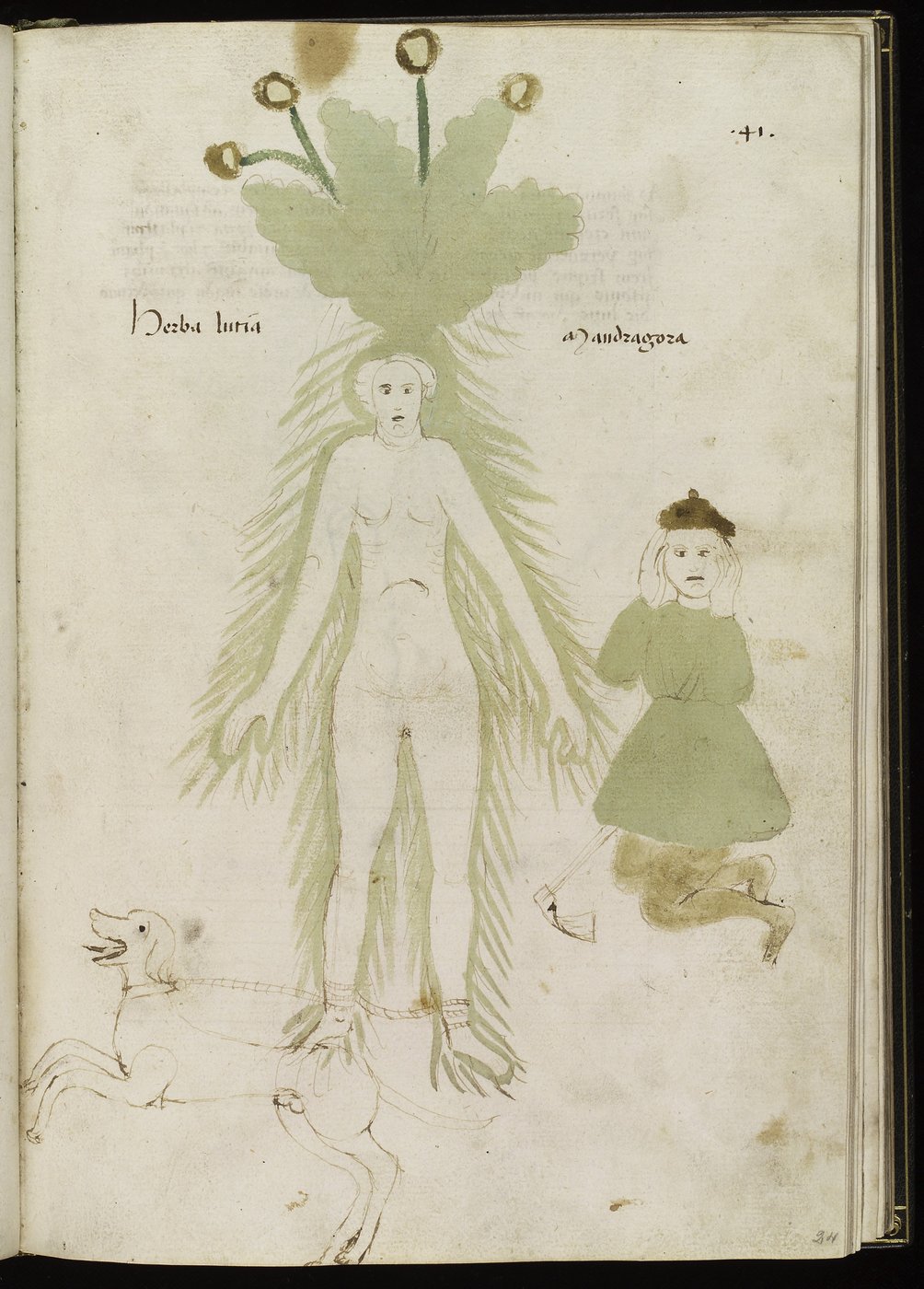
- MandrakeMandragora officinarum and its relatives, of the nightshade family.
- MithridateThe antidote attributed by legend to Mithridates VI of Pontus, the forerunner of theriac.
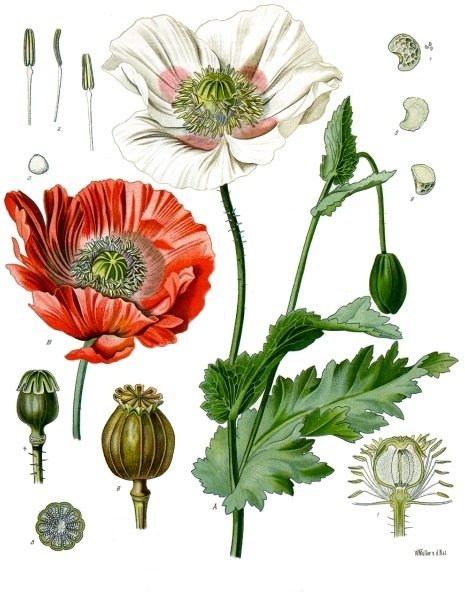
- Opium poppyPapaver somniferum; opium is the dried latex of its unripe seed heads.
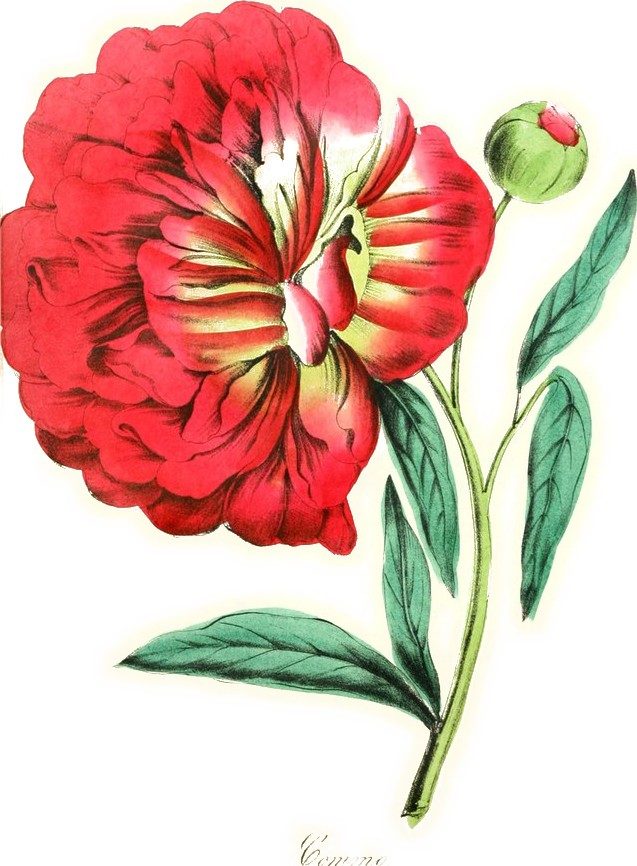
- PeonyPaeonia officinalis and the “male” peony, the kind formerly grown for its medicinal root.
- PurslanePortulaca oleracea, a succulent, creeping herb of warm gardens.
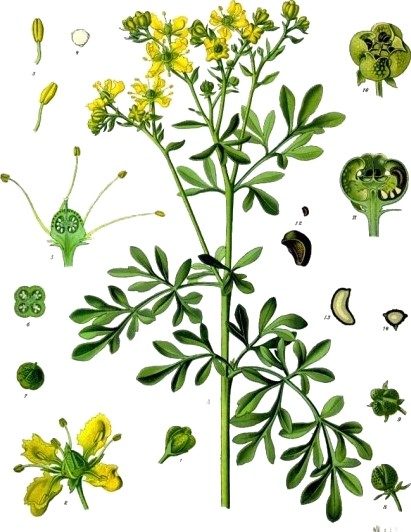
- RueRuta graveolens, garden rue.
- Saffron milk capAn orange mushroom of pine woods that weeps carrot-colored milk.
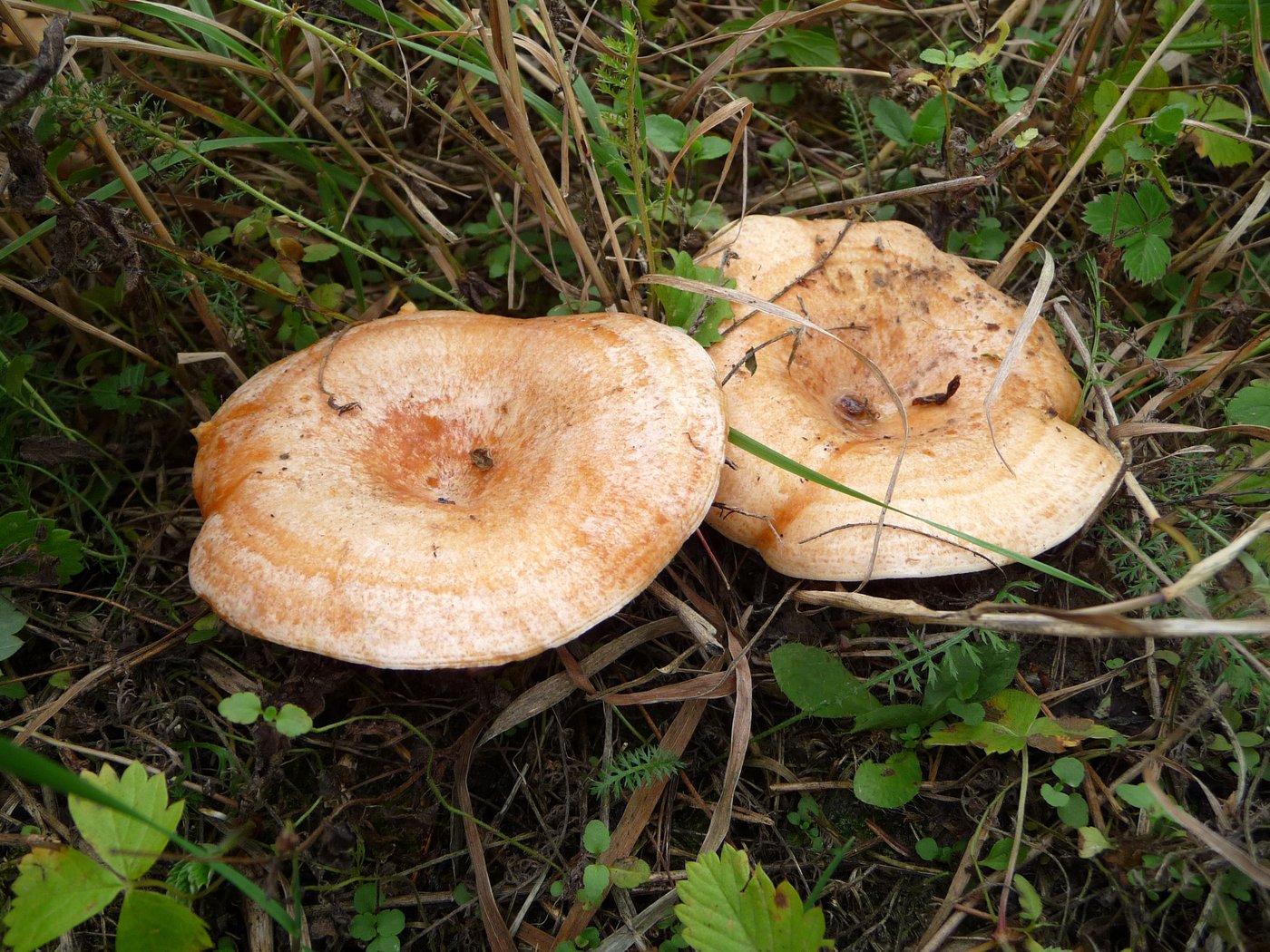
- Terra sigillataA clay dug on the island of Lemnos and stamped with a seal.
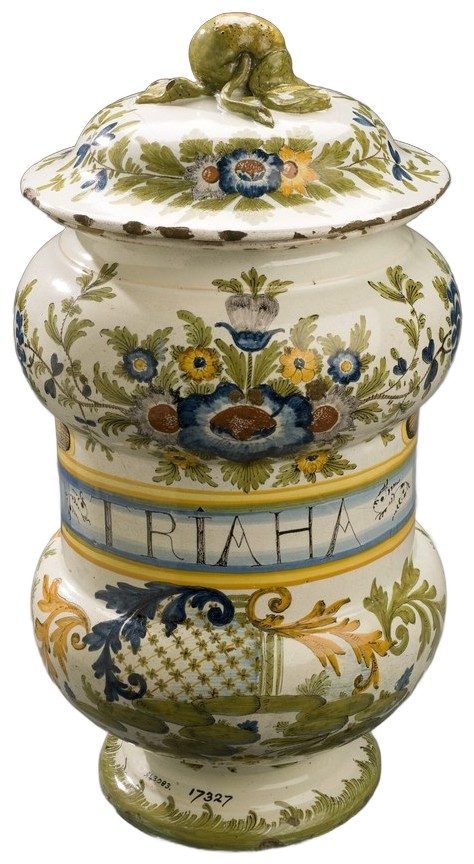
- TheriacThe great compound antidote of antiquity, with about sixty ingredients in Galen’s formulat
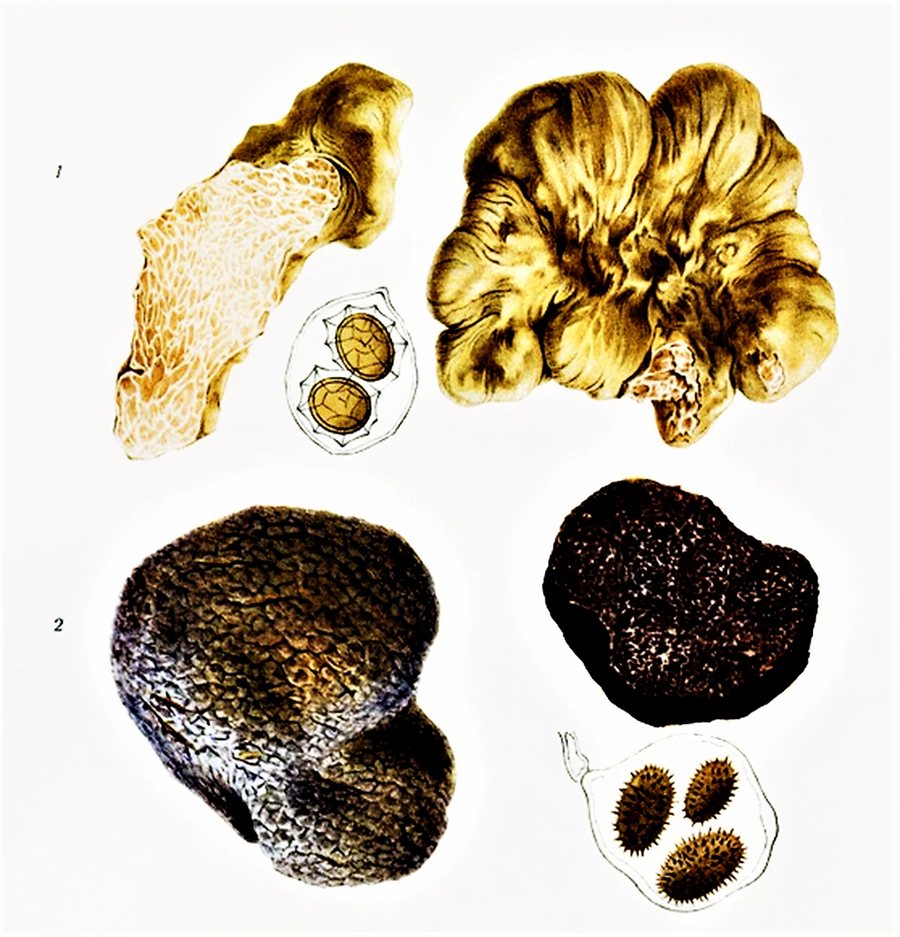
- TruffleUnderground fruiting bodies of fungi that live with the roots of oak and hazel.
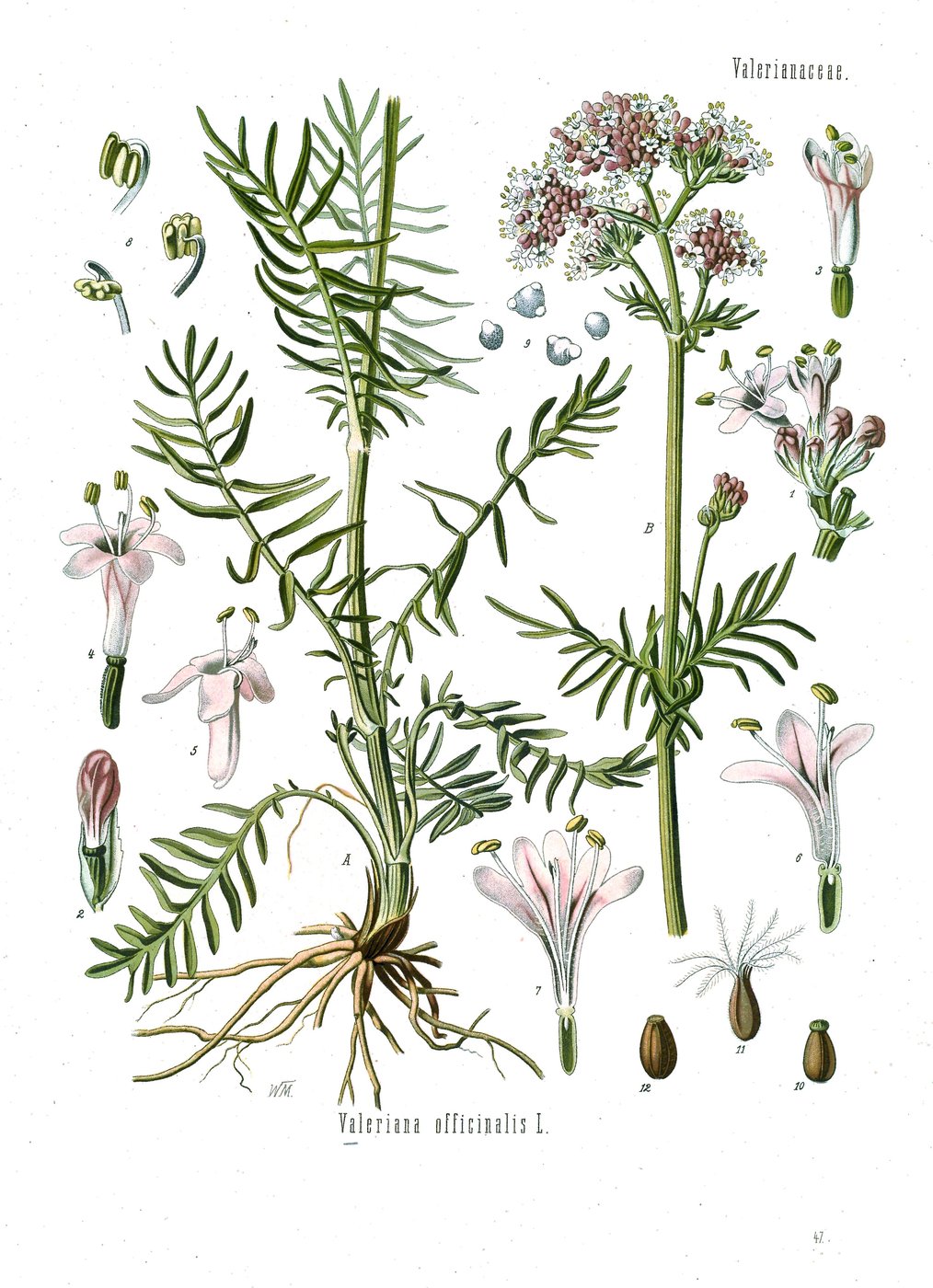
- ValerianValeriana officinalis; the root is used.