
The Purge, the Vomit, and the Bath
What the regimen did to the body.
In the Texts
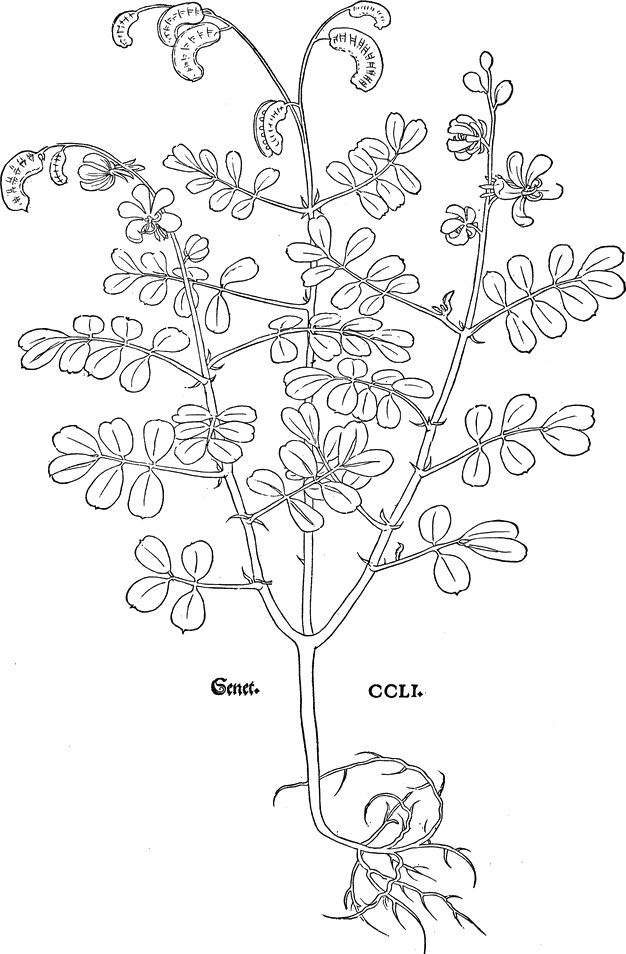
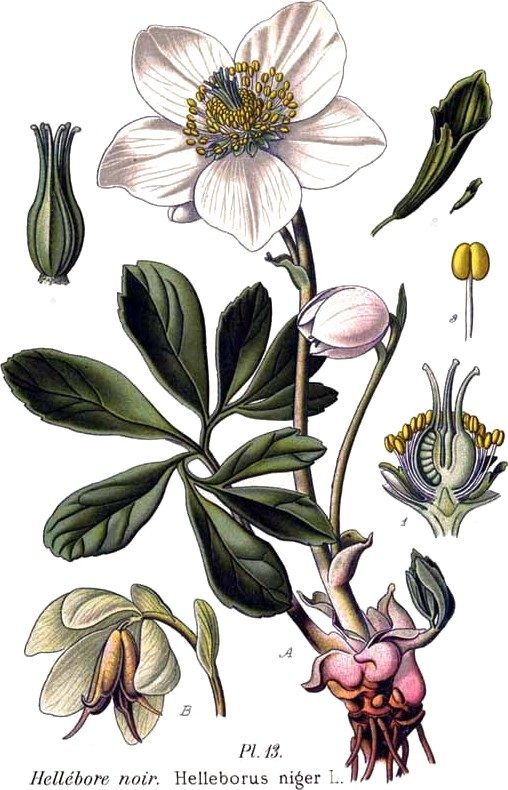
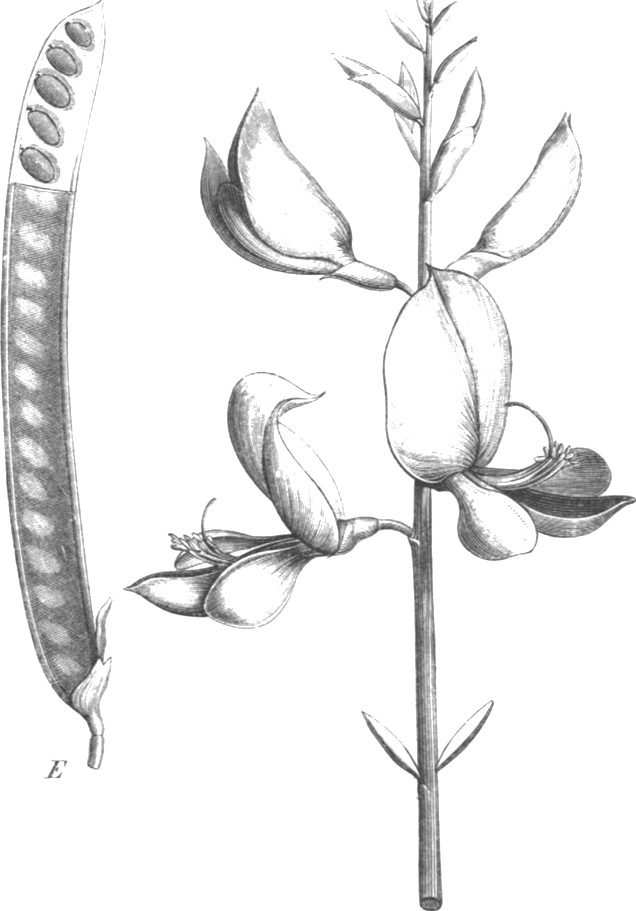
The first three parts of Canale’s treatise are a course of physic before any rite: purgatives for every complexion, vomits of hellebore and broom, the bath and the fumigation, and the anointing. The theory is that the demon lodges in corrupt humours and leaves with them.
What Medicine Makes of It
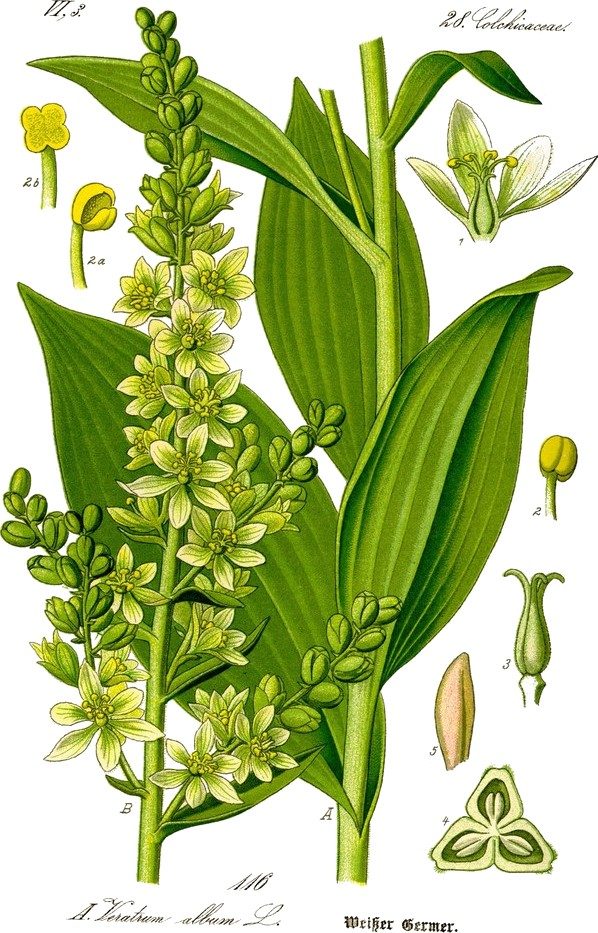
A strong purge empties the gut, drops the blood pressure, and leaves the patient weak, calm, and suggestible for a day; a vomit of white hellebore does the same more violently and sometimes fatally. The warm bath lowers muscle tension and, in the cold rooms of the age, brought on a rare comfort; the fumigations with resins and the anointing with warming oils were sensory experiences of a strength modern life seldom offers. What follows a week of this is a patient quieted by exhaustion, attended to as never before, and ready for a rite that promises an ending. The clinic calls the quieting iatrogenic and the attention the active ingredient; it is the preparation of a ritual healing, and Canale knew the order mattered.
The Evidence
- Risse (1979) and Wootton (2006) estimate that until the 1860s a physician’s treatment more often harmed than helped: bleeding and purging weakened patients who would otherwise have recovered.
- Hellebore vomits were dangerous: the veratrum alkaloids drop blood pressure and slow the heart, and Hippocrates already warned of deaths.
- Warm bathing lowers cortisol and muscle tension and is used in modern psychiatric and palliative wards; a Japanese cohort (Ukai et al., 2020) linked daily tub bathing to lower cardiovascular risk.
- Kleinman (1980) found that Taiwanese patients of shamans reported satisfaction and improvement at rates comparable to the hospital for complaints without organic cause.
- The sequence Canale gives, a week of preparation before the rite, matches the modern finding that expectation and attention before a treatment predict its placebo response (Benedetti, 2009).
Where They Part
The manuals’ humoral explanation is false and their observation sound: the regimen changed the patient. Modern medicine has no use for the purge, and has rediscovered, in the hospice and the psychiatric ward, the bath, the attention, and the ending.
In the Materia Medica

Sources
- Risse, G. B. (1979). “The Renaissance of bloodletting: a chapter in modern therapeutics.” Journal of the History of Medicine and Allied Sciences 34.
- Kleinman, A. (1980). Patients and Healers in the Context of Culture. University of California Press.
Historical and interpretive; not medical advice.