
The Evil Eye
Envy, the glance, and the anthropology of misfortune.
In the Texts
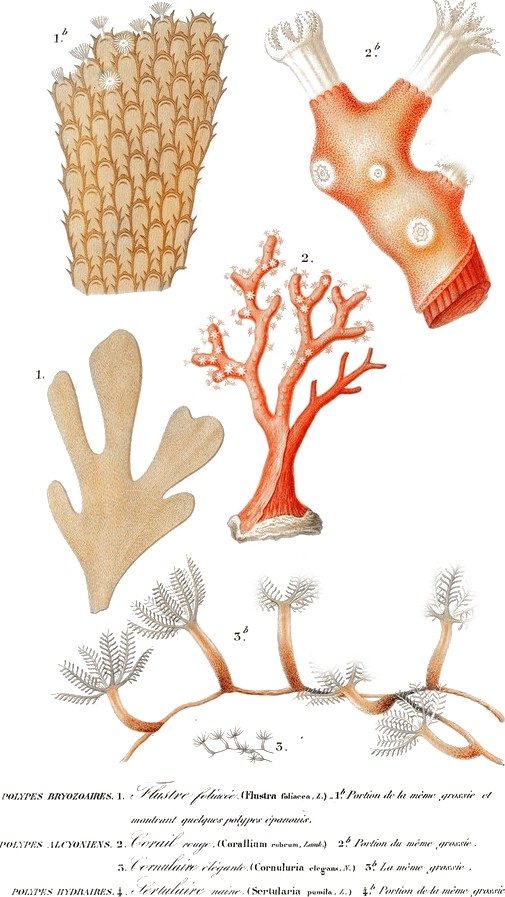
The fascinatio of the manuals is the harm done by a look, usually an envious one: children sicken, milk sours, the bewitched waste. Against it Canale and the folk set the horn, the coral, the fig hand, the holed stone, and the written word; della Porta, in Magia naturalis, tried to explain the eye’s effect by a physical emission of spirits.
What Medicine Makes of It
The evil eye belief runs from India through the Mediterranean to Mexico, and the anthropologists read it as a theory of envy: where goods are scarce and fortune uneven, a neighbour’s admiring glance is a threat, and the amulet, the spitting, and the modest denial of good fortune are a social etiquette that keeps envy from becoming accusation. Alan Dundes connected it with the ancient physiology of the eye as a source of light and of the body as a vessel of fluids that envy dries. The affliction attributed to it, a child’s failure to thrive, is the commonest misfortune of pre-modern life, which needed a cause.
The Evidence
- Dundes’s casebook (1981) gathers reports from Mesopotamia, the Bible, Greece, Rome, the Mediterranean, India, and Latin America; the belief is absent from most of sub-Saharan Africa, East Asia, and the Americas before contact, which argues for a single Indo-European and Semitic origin.
- Foster (1972) explained it as the institutional form of envy in peasant societies with a “limited good”: where one person’s gain is another’s loss, admiration is dangerous and must be deflected.
- Maloney’s survey (1976) found the eye blamed above all for the sicknesses of infants and livestock, the two kinds of misfortune least explicable before germ theory.
- In contemporary Mediterranean and Latin American clinics, patients still attribute children’s illnesses to the eye (mal de ojo), and the DSM-5 lists it among the cultural concepts of distress.
- Della Porta’s theory of a physical emission from the eye (1558) was the last learned defence; after Weyer and the Enlightenment the eye survived only in folk practice.
Where They Part
No study has found a glance to harm; many have found that fear of the eye shapes how people live and give. The horn on the taxi mirror is the belief’s last social form, and still a courtesy to the envious.
In the Materia Medica

Sources
- Dundes, A. (ed.) (1981). The Evil Eye: A Casebook. Garland.
- Maloney, C. (ed.) (1976). The Evil Eye. Columbia University Press.
- Foster, G. M. (1972). “The anatomy of envy.” Current Anthropology 13.
Historical and interpretive; not medical advice.