
Melancholy and the Demon
The black bile, the devil’s bath, and depression.
In the Texts
Melancholy, the excess of black bile, is the humour the demons love: “the devil’s bath,” the old physicians called it, and Canale’s whole regimen of purges, cooling diet, and cheerful company is a treatment of melancholy before it is an exorcism. Burton’s Anatomy of Melancholy (1621), written in the same decade as Canale’s book, gives the same remedies by the hundred, and the same uncertainty whether the devil or the bile came first.
What Medicine Makes of It
The melancholic of the manuals, with sleeplessness, fear without object, self-accusation, the conviction of being damned or possessed, and the refusal of food, is the patient with major depression, and sometimes with its psychotic form, in which the delusions are of guilt, ruin, and possession. The religious content follows the culture: the demon-possessed depressive of 1620 is the microchip-tormented depressive of today. Depression responds to the social and the bodily remedies the manuals gave, exercise, company, light, routine, and sleep, and the purges did harm. The convulsive therapy of the twentieth century, which began with camphor, is a strange echo of the manuals’ faith in shock.
The Evidence
- Burton’s Anatomy (1621) lists among the causes of melancholy the devil, witches, the stars, diet, idleness, solitude, and sorrow, and among its cures exercise, company, music, mirth, and the purges; Jackson (1986) traces this list unchanged from Galen to 1800.
- Religious delusions occur in about a quarter of psychotic depressions and a fifth of schizophrenia in Western samples (Koenig, 2009); their content follows the culture, and “possession” and “damnation” are the forms in the historical records.
- Exercise, structured activity, and social contact are treatments of depression with evidence from trials (Cooney et al., 2013): the regimen the manuals gave, without the purges.
- Camphor-induced seizures were the first convulsive therapy for melancholia (Meduna, 1934), before insulin and electricity; the hunch that a violent crisis breaks the disease is as old as the purge.
- The Rituale of 1614 warned that many who seem possessed are melancholic and need the physician; the 1999 rite requires that a medical cause be excluded before exorcism.
Where They Part
The manuals saw the disease clearly and misnamed its cause; Burton saw it and left the cause open. The clinic’s advantage is not the diagnosis, which Galen had, but the drugs and the evidence that company and work are treatment.
In the Materia Medica



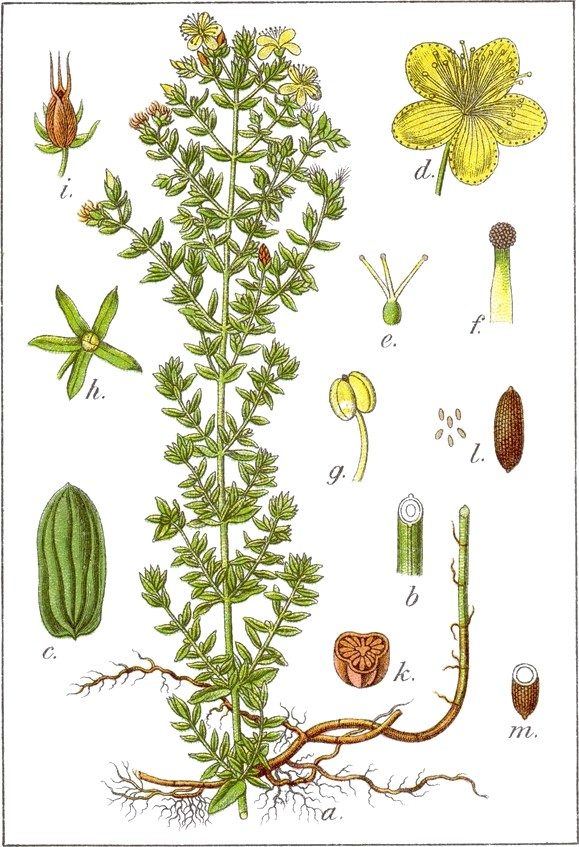
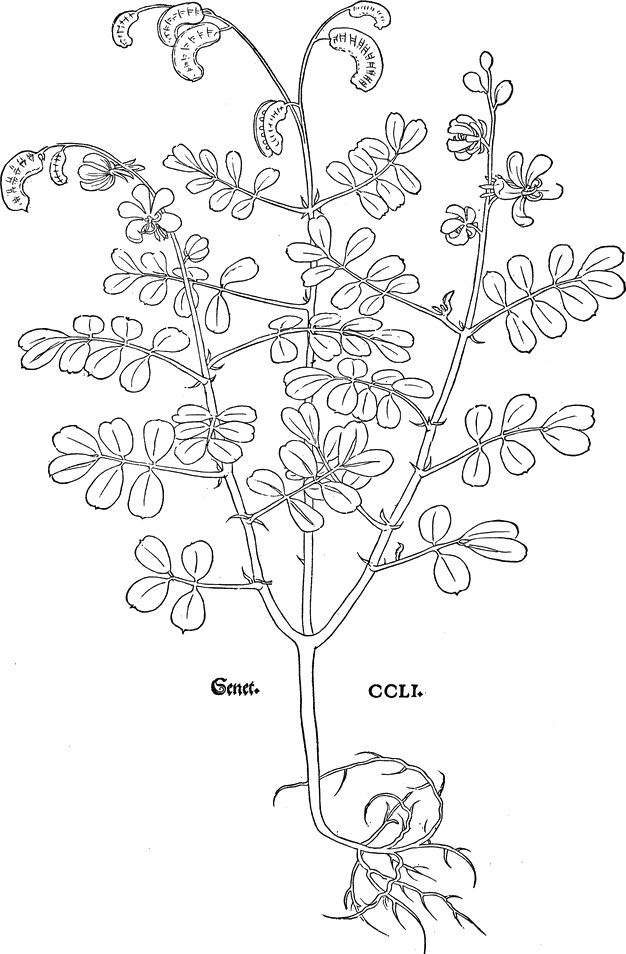
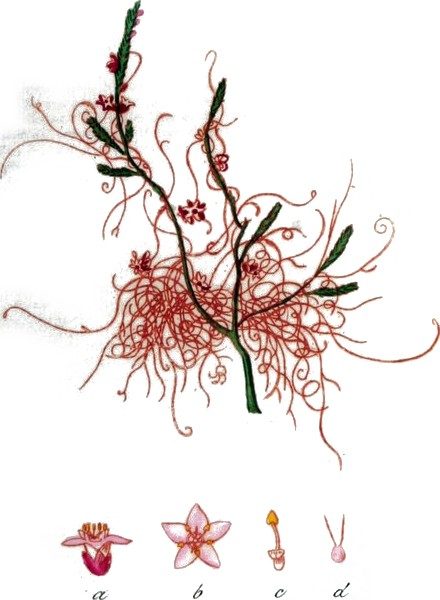
Sources
- Burton, R. (1621). The Anatomy of Melancholy, I.2.1.2, “Of the Devil.”
- Jackson, S. W. (1986). Melancholia and Depression: From Hippocratic Times to Modern Times. Yale University Press.
- American Psychiatric Association (2013). DSM-5, major depressive disorder with psychotic features.
Historical and interpretive; not medical advice.