
In the Texts
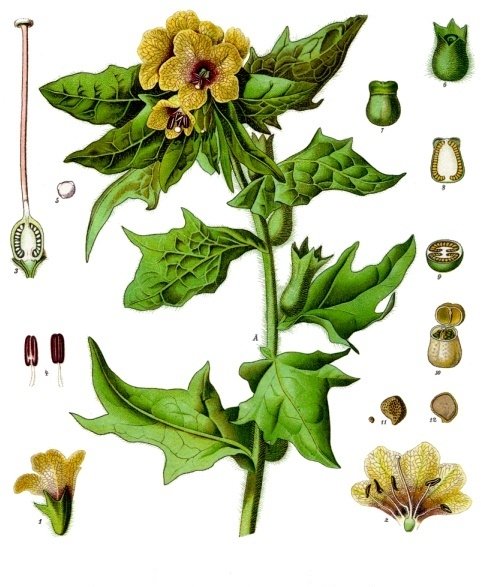
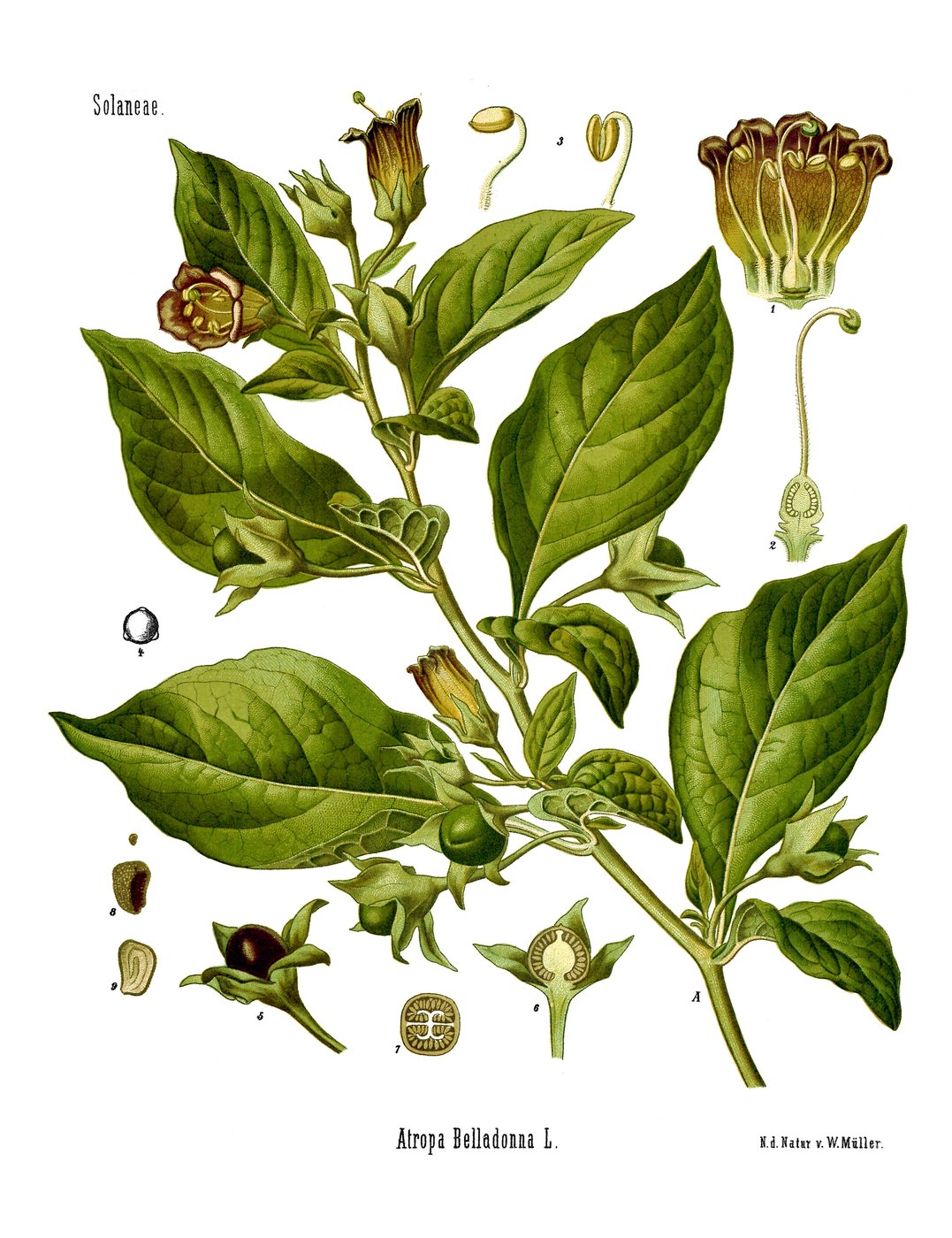
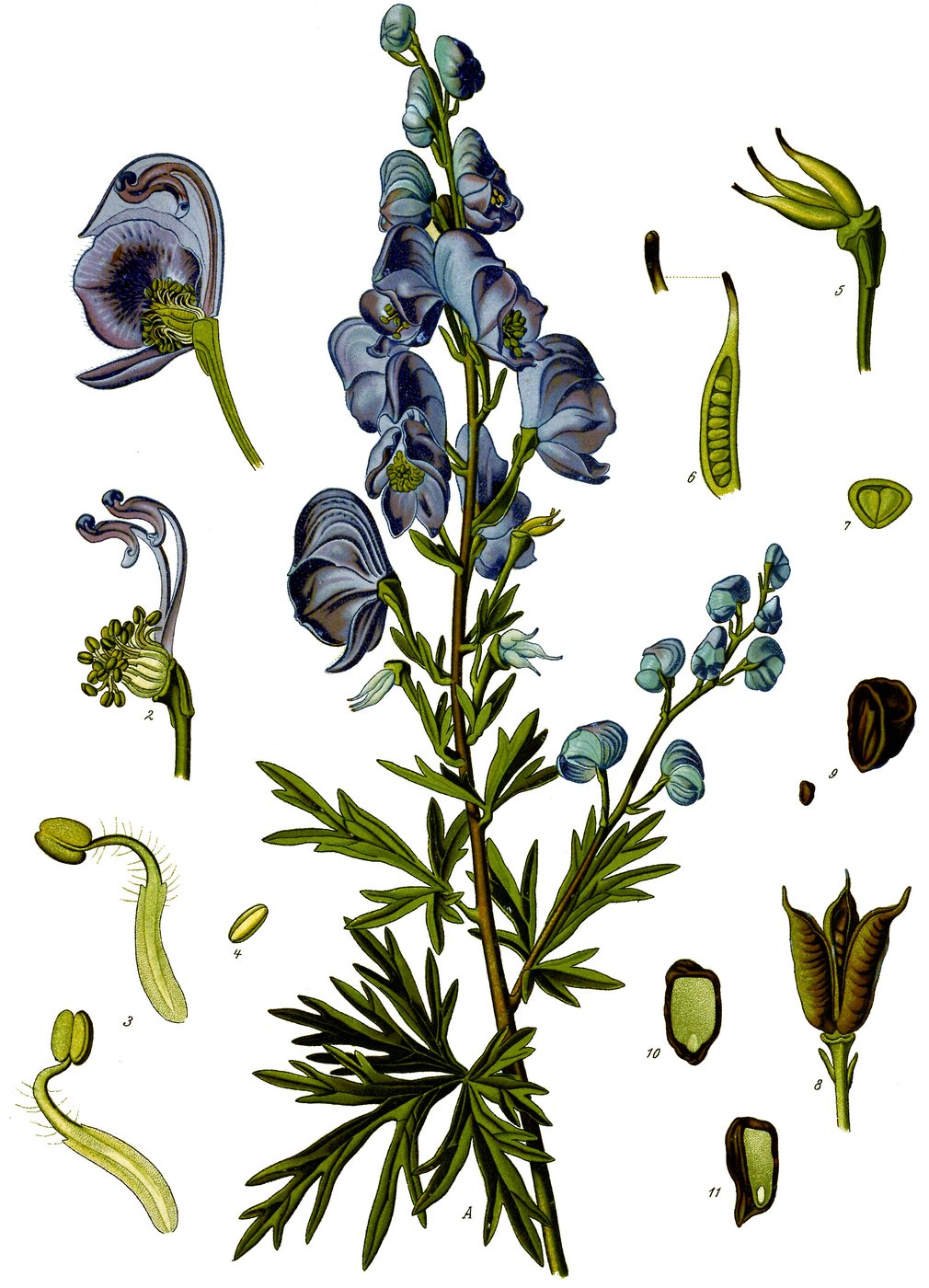
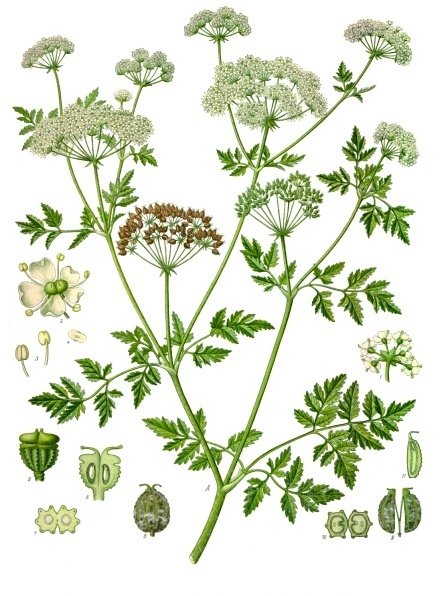
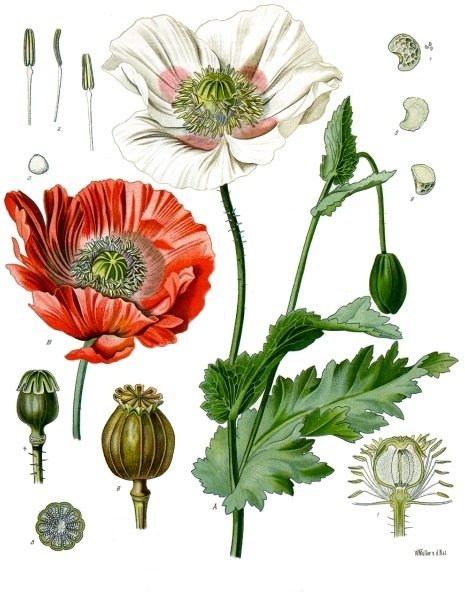
The manuals and the demonologists before them, Nider, Weyer, della Porta, describe the ointment with which witches anointed themselves to fly to the sabbath: made with the fat of children in the confessions, with henbane, nightshade, aconite, hemlock, and poppy in the recipes that Porta and Cardano actually give. Weyer, in 1563, already argued from this that the flight was a dream of the drugged, and that the witches should be treated, not burned.
What Medicine Makes of It
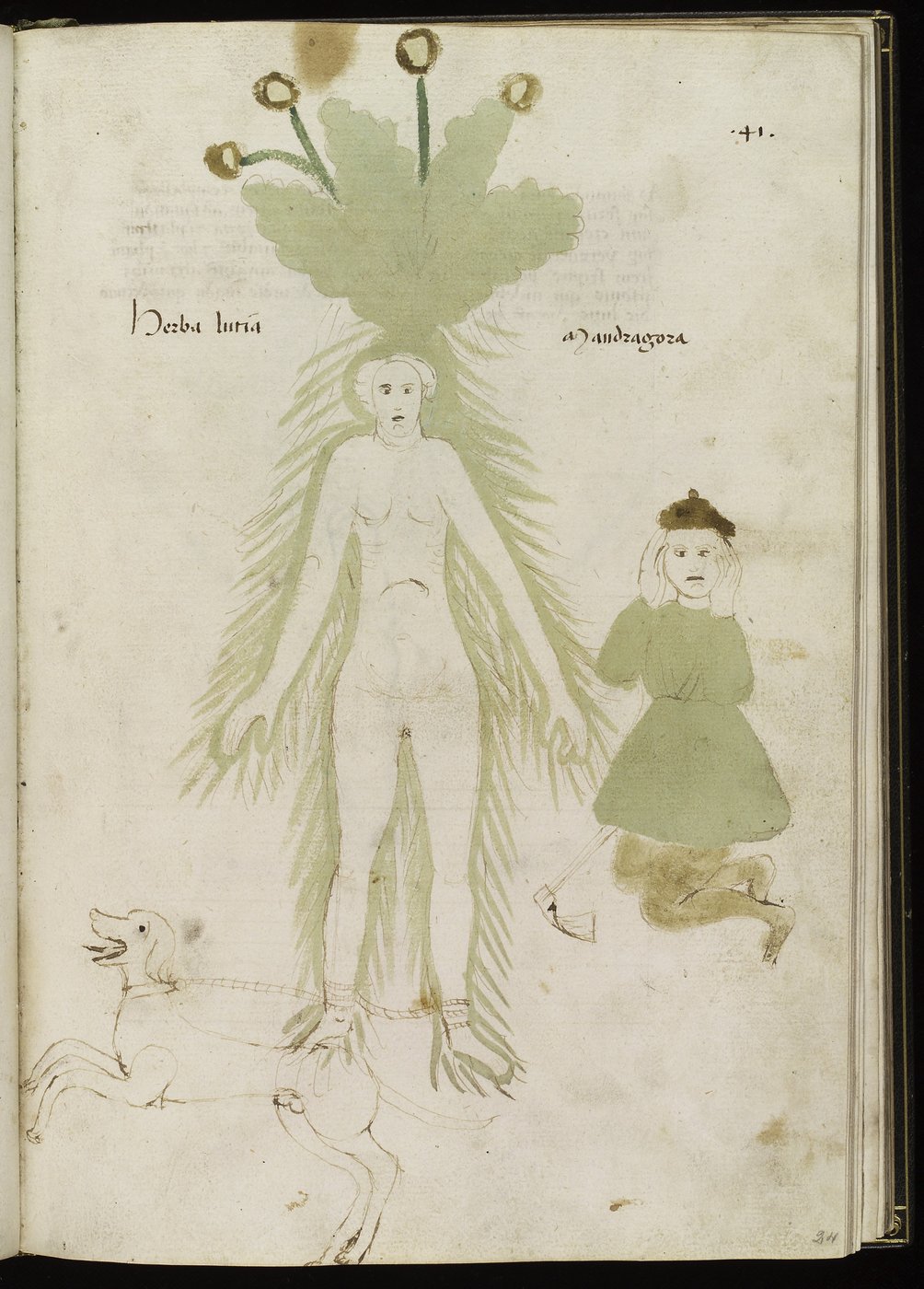
The tropane alkaloids of henbane, belladonna, and mandrake pass through the skin, and scopolamine in particular brings a delirium with vivid sensations of flight, of falling, and of travel, followed by amnesia, which is the picture of the sabbath confession. The experiments of Will-Erich Peuckert in 1960, who anointed himself with a Porta recipe and dreamed of wild rides, and of Siegbert Ferckel, are often cited and were uncontrolled; the pharmacology is sound. How many accused witches had ever used such a salve is another matter: the ointment is in the learned sources, not in most of the trial records.
The Evidence
- Porta’s Magia naturalis (1558) gives two recipes with aconite, nightshade, and the fat of children; Cardano’s De subtilitate (1550) gives one; both say the witches sleep and dream the sabbath, and both were on the Index.
- Scopolamine crosses the skin: the transdermal patch for motion sickness (1979) delivers about a milligram over three days, and delirium from the patches is recorded in the old.
- The pharmacologist Siegbert Ferckel (1954) and the folklorist Will-Erich Peuckert (1960) each anointed themselves from Porta’s recipe and reported sleep with dreams of flight and feasting; neither experiment was controlled.
- A review of the trial records (Ostling, 2016) finds the ointment confessed to under torture far more often than found, and concludes that the salve was real, its use among the accused rare, and the sabbath a learned fantasy imposed on them.
- Modern cases of Datura and belladonna poisoning in adolescents (Krenzelok, 2010) describe the same flight, the same amnesia, and the same frightened confusion the demonologists took for diabolical travel.
Where They Part
Weyer’s reading has won: the physician’s account of the ointment is the one the courts should have heard. The manuals’ own remedy for the bewitched, an anointing oil of warming herbs, is a mirror image of the ointment they feared, and nearly as pharmacological.
In the Materia Medica
Sources
- Weyer, J. (1563). De praestigiis daemonum, III.17.
- Porta, G. della (1558). Magia naturalis, II.26.
- Harner, M. (1973). “The role of hallucinogenic plants in European witchcraft,” in Hallucinogens and Shamanism. Oxford University Press.
- Hansen, H. A. (1978). The Witch’s Garden. Unity Press.
Historical and interpretive; not medical advice.