
Yew
Taxus
- Known today as
- Taxus baccata.
- Kind
- Plant, in 1 older authority
- Constituents
- taxine B, paclitaxel
- Poisoning
- Cardiac glycoside poisoning
- Earliest authority here
- Caesar
- In other databases
- Plants of the World Online search · GBIF search · Wikidata search
Revised October 1, 2026: The mechanism extended from ChEMBL's curated records. Version 1, first published September 25, 2026.
Deadly. Leaves, bark, and seeds are deadly; only the red flesh around the seed is not.
Yew: what was it used for?
None, save as a poison; its wood made the longbow.
Yew: what does modern science say?
Its taxines stop the heart. From the bark of the Pacific yew came paclitaxel (Taxol), and from European yew needles docetaxel, both drugs against cancer.
Yew: is it poisonous?
Yes, and it can kill. Leaves, bark, and seeds are deadly; only the red flesh around the seed is not. Its poisoning is cardiac glycoside poisoning: Hours. Historical description, not medical advice; in a poisoning, call a poison centre.
Pharmacognosy & Toxicology
- Constituents
- taxine B
- paclitaxel ChEMBLin the Pacific yew; traces in the European
- Mechanism
- The taxine alkaloids block the sodium and calcium channels of the heart. Paclitaxel binds tubulin; it is the cancer drug, not the poison.
- Checked against ChEMBL
- paclitaxel: ChEMBL’s curated mechanism: inhibitor Tubulin.
- Toxic dose
- Fifty to a hundred grams of the needles; death within hours by arrhythmia, often with no warning.
- Syndrome
- Cardiac glycoside poisoning
- Standing
- Paclitaxel, from the yew, is a cancer drug on the WHO list; the tree itself has no medicinal use.
- Nelson, L. S., et al. (2007). Handbook of Poisonous and Injurious Plants. Verified against its record · doi:10.1007/978-1-4939-8926-3
Constituent names open the compound’s record at PubChem, and “ChEMBL” beside a name opens its record at ChEMBL, the European Bioinformatics Institute’s database of bioactive molecules. Where a mechanism line was checked against ChEMBL (ChEMBL 37, read 1 October 2026), the check is shown with the measured value and its source paper, or says plainly that nothing has been measured. Doses are as the references give them, for description only; this is not medical advice. Each source carries the result of its check against Crossref, PubMed, or the authority’s page: see Verification.
Yew: what lore surrounds it?
Planted in English churchyards, often older than the church, a tree of death and of everlasting life.
The saying that some churchyard yews are older than their churches is no exaggeration: the Fortingall Yew, in a Perthshire churchyard, is estimated by Forestry and Land Scotland at up to five thousand years old, among the oldest living things in Europe, and long outlived the local legend, now dismissed, that Pontius Pilate played in its shade as a boy.
Yew: what did the older authorities say?
- Caesar
- Records that Catuvolcus, king of the Eburones, took his own life with yew.
Sources
- Caesar, The Gallic War VI. Book, seen in reviews
- Wikipedia, “Fortingall Yew.” Book, not indexed
Verification
- Checked
- October 1, 2026
- Passes
- Every sentence read against its sources, in the pass over the remaining 343 entries
- The Standing line checked against the authority it names (EMA, WHO, FDA, CITES, Commission E)
- Every dated or regulatory claim checked by category across the database
- The mechanism read against ChEMBL (ChEMBL 37): curated mechanisms and measured activity
- Sources
- 3 cited: 1 verified against its record, 1 book, seen in reviews, 1 book, not indexed.
- Corrections
- None were needed.
What was checked, how, and what was found is set out on the Verification page. A checked source is one whose record was found; it does not make the entry medical advice.
Cite This Entry
Version 1 · first published September 25, 2026 · last revised October 1, 2026
- Chicago
“Yew.” In Materia Medica, edited by B. C. P. Statema. Version 1. The Thinking Press, 2026–. Last modified October 1, 2026. https://thethinkingpress.org/materia-medica/yew.
- MLA
“Yew.” Materia Medica, edited by B. C. P. Statema, version 1, The Thinking Press, 1 Oct. 2026, thethinkingpress.org/materia-medica/yew. Accessed 8 Oct. 2026.
- APA
Yew. (2026, October 1). In B. C. P. Statema (Ed.), Materia medica (Version 1). The Thinking Press. Retrieved October 8, 2026, from https://thethinkingpress.org/materia-medica/yew
Club members keep entries on a shelf with private notes, print the plates as cards, and receive an entry by email each week. Create a free account before January 1, 2027 and all of it is yours for good. About the Club
See Also
Poisoned alike: cardiac glycoside poisoning
Black hellebore · Toad · Foxglove · Squill · Oxymel, and oxymel of squill · the syndrome, with all of them →
Drawing on the same sources: Wikipedia, Nelson
Adder’s-tongue fern · Woodlouse · Aurum potabile · Woody nightshade · Bryony · the bibliography →
Nearby in the alphabet
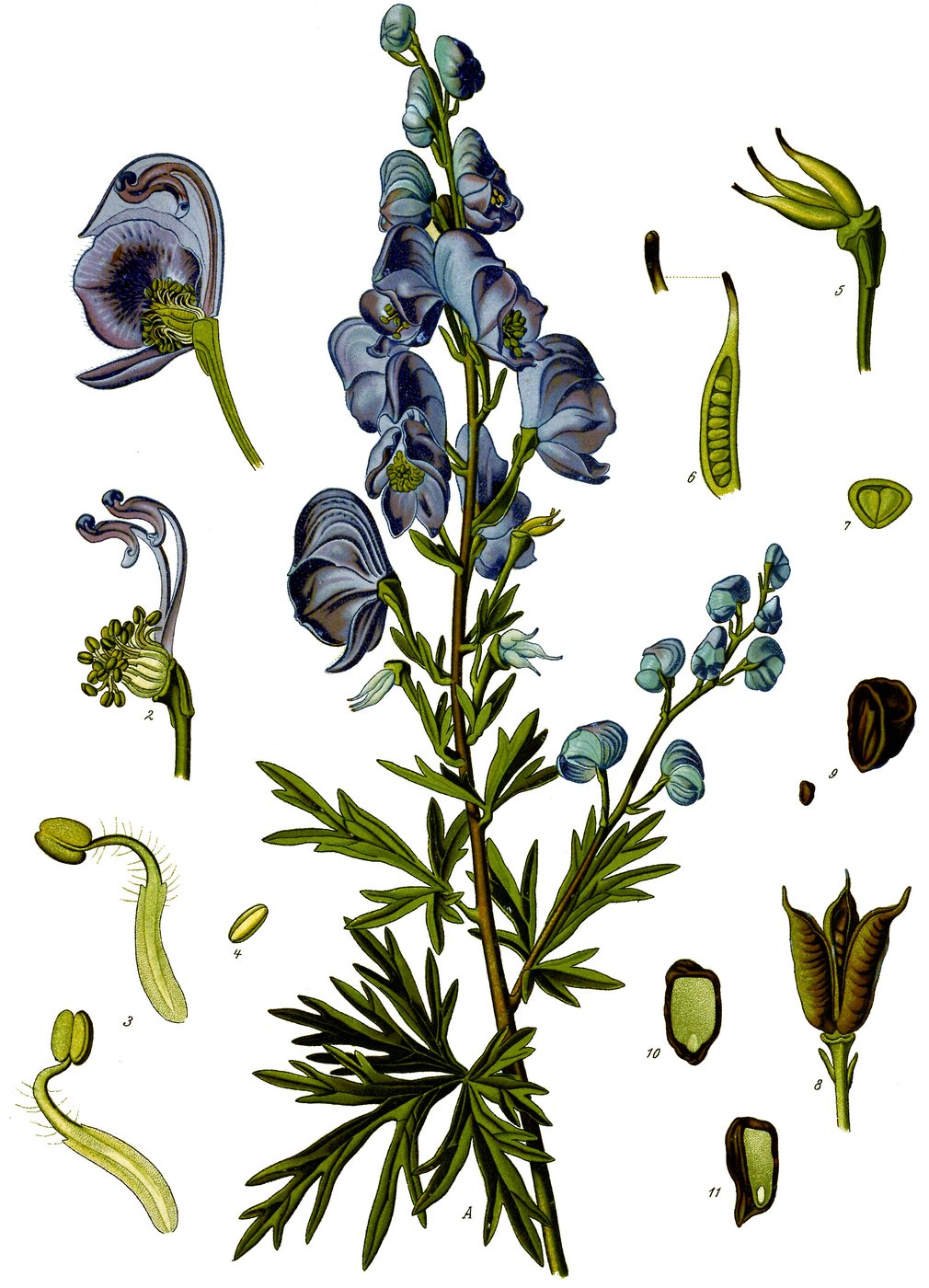
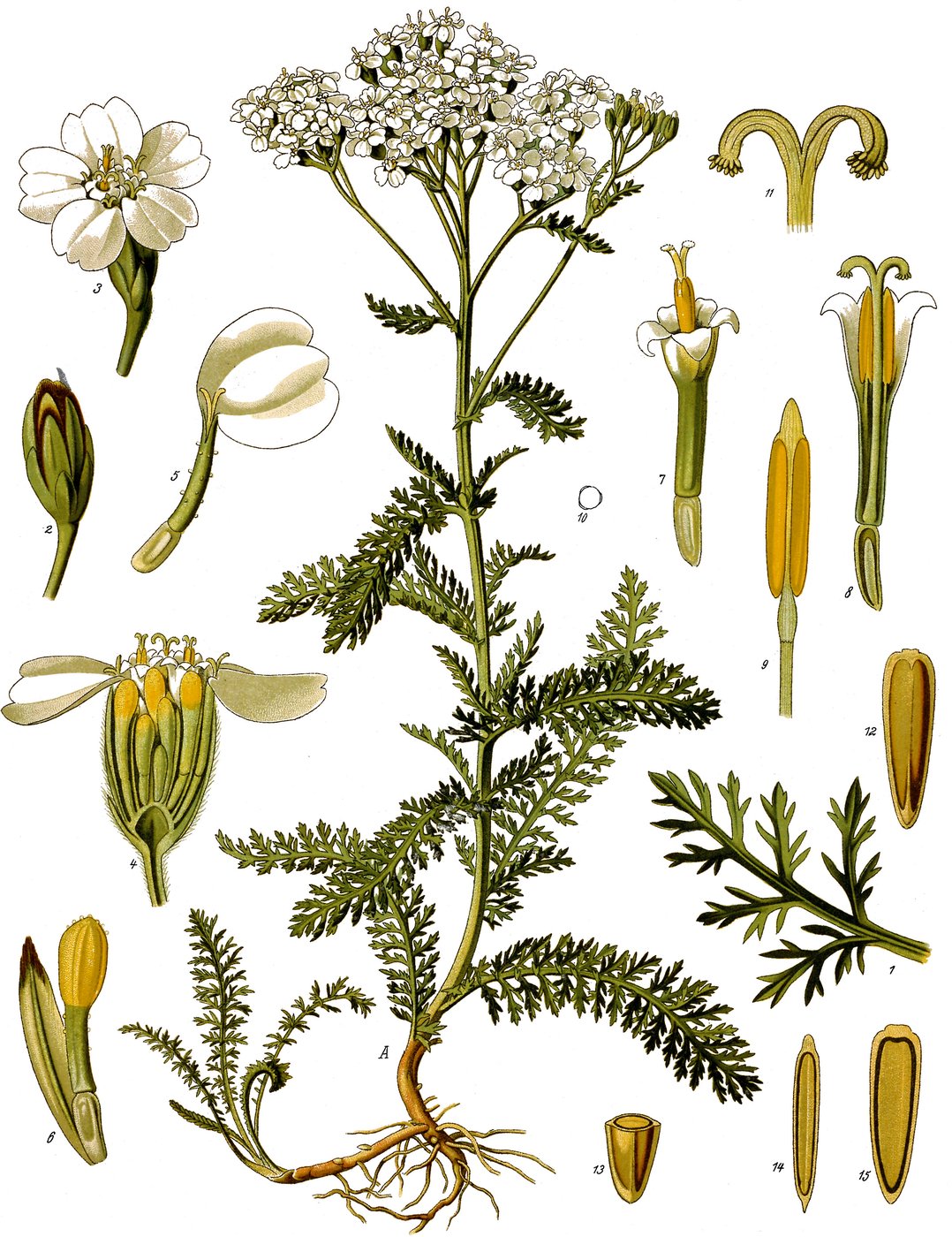
Zedoary (of the ginger family, a bitter, camphor-scented root from India) · Yellow stainer · Abracadabra (one letter shorter each time, into a narrowing triangle) · Yellow dock (Rumex crispus) · Aconite (of the buttercup family) · Yarrow (Achillea millefolium) · Wormwood, oil of (Artemisia absinthium)
Historical description, not medical advice.