The Roman poet of the Metamorphoses, the great collection of myths of transformation, in which many plants have their origin stories: the laurel, the narcissus, the hyacinth, and the myrrh.
9 Entries in the Materia Medica
The Thinking Press Club
Read What Ovid Says
Each passage in which the database cites Ovid, entry by entry.
For Club Members. Create a free account before January 1, 2027 and confirm your email: you become a Charter Member, and it is yours for good.
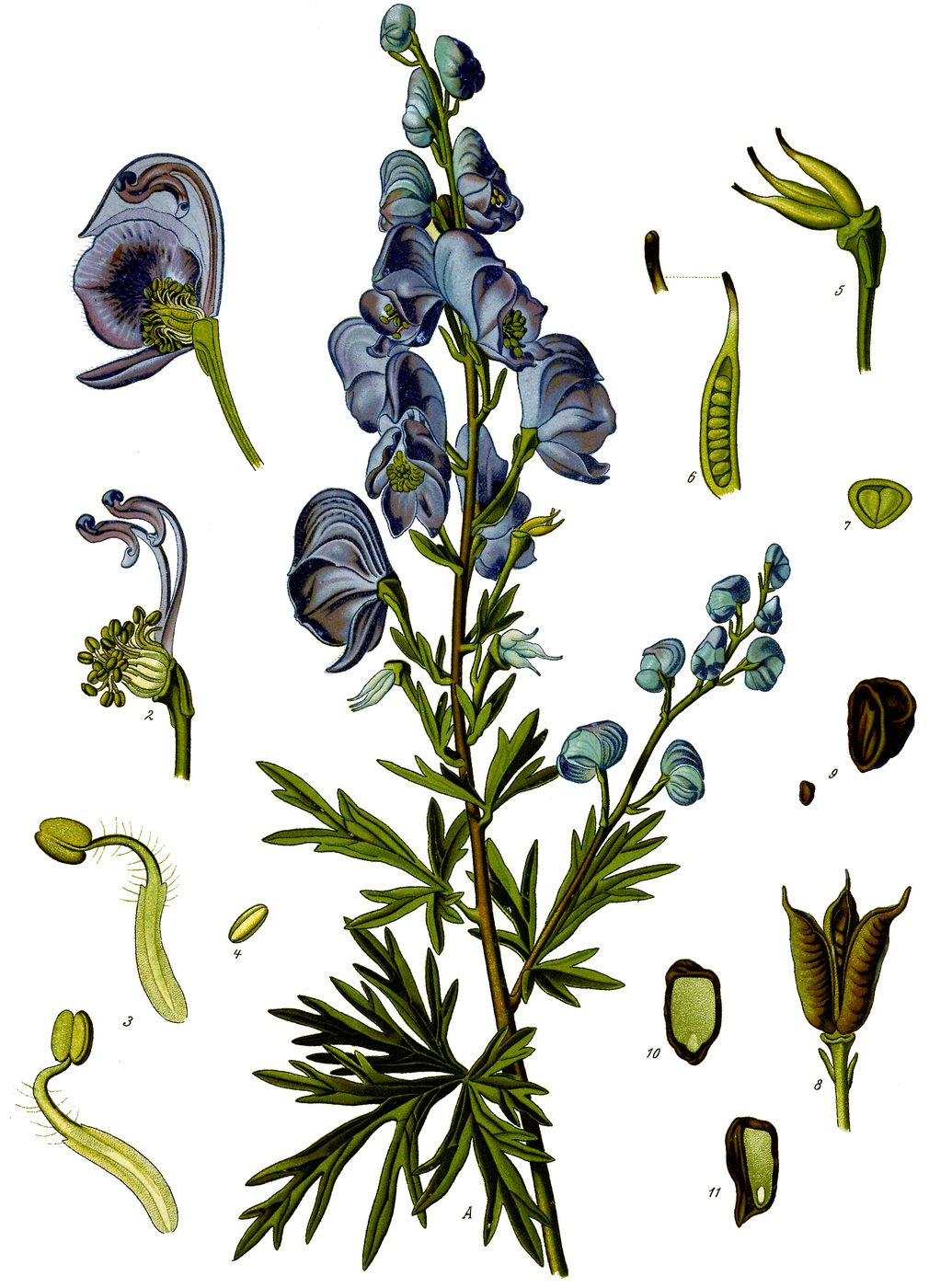
- AconiteAconitum napellus and its relatives, of the buttercup family.
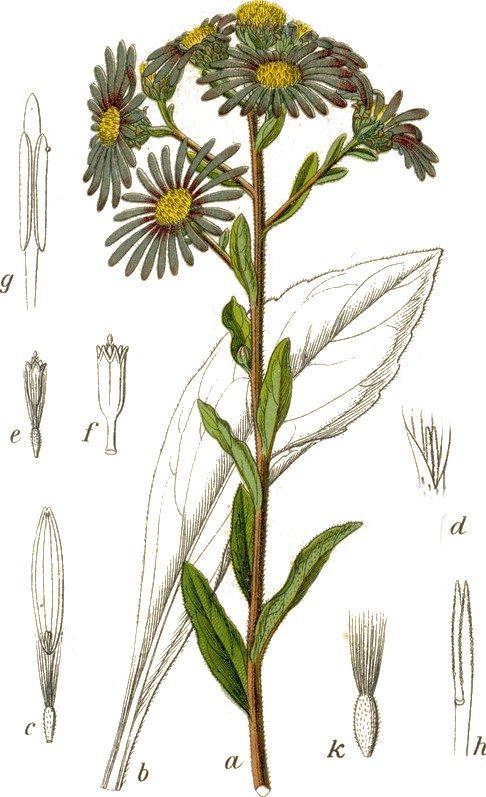
- AsterAster amellus.
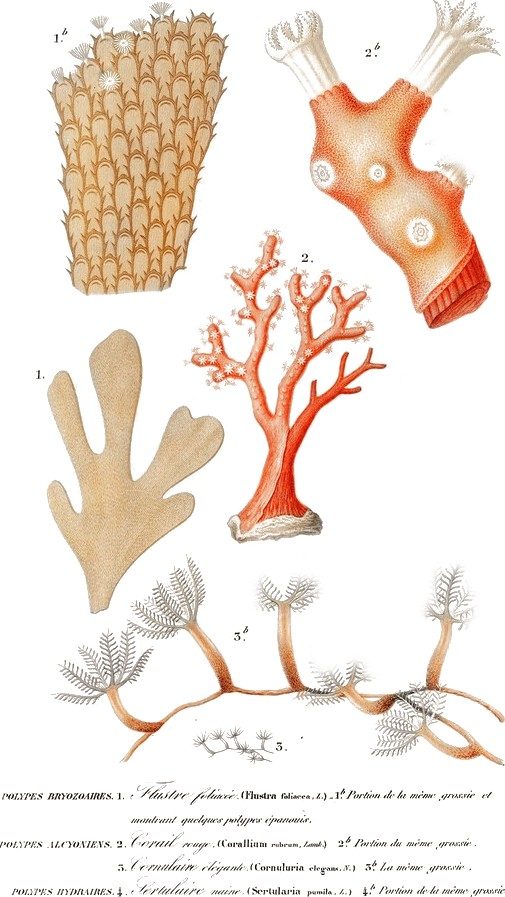
- Coral, redPrecious red coral, Corallium rubrum, of the western Mediterranean, prepared as powder.
- CypressCupressus sempervirens: cones, leaves, and wood.
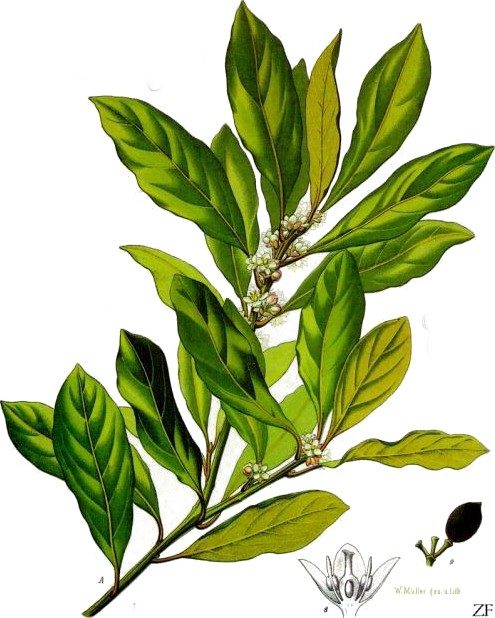
- LaurelBay laurel, Laurus nobilis: oil, leaves, and berries.
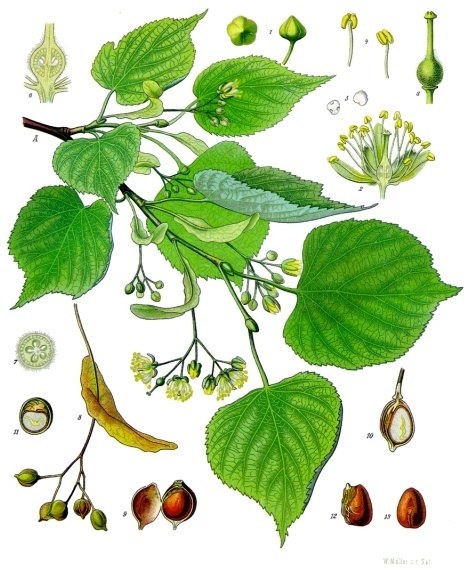
- Lime flowerThe dried flower clusters of the European limes, tall trees of the family Malvaceae (Griev
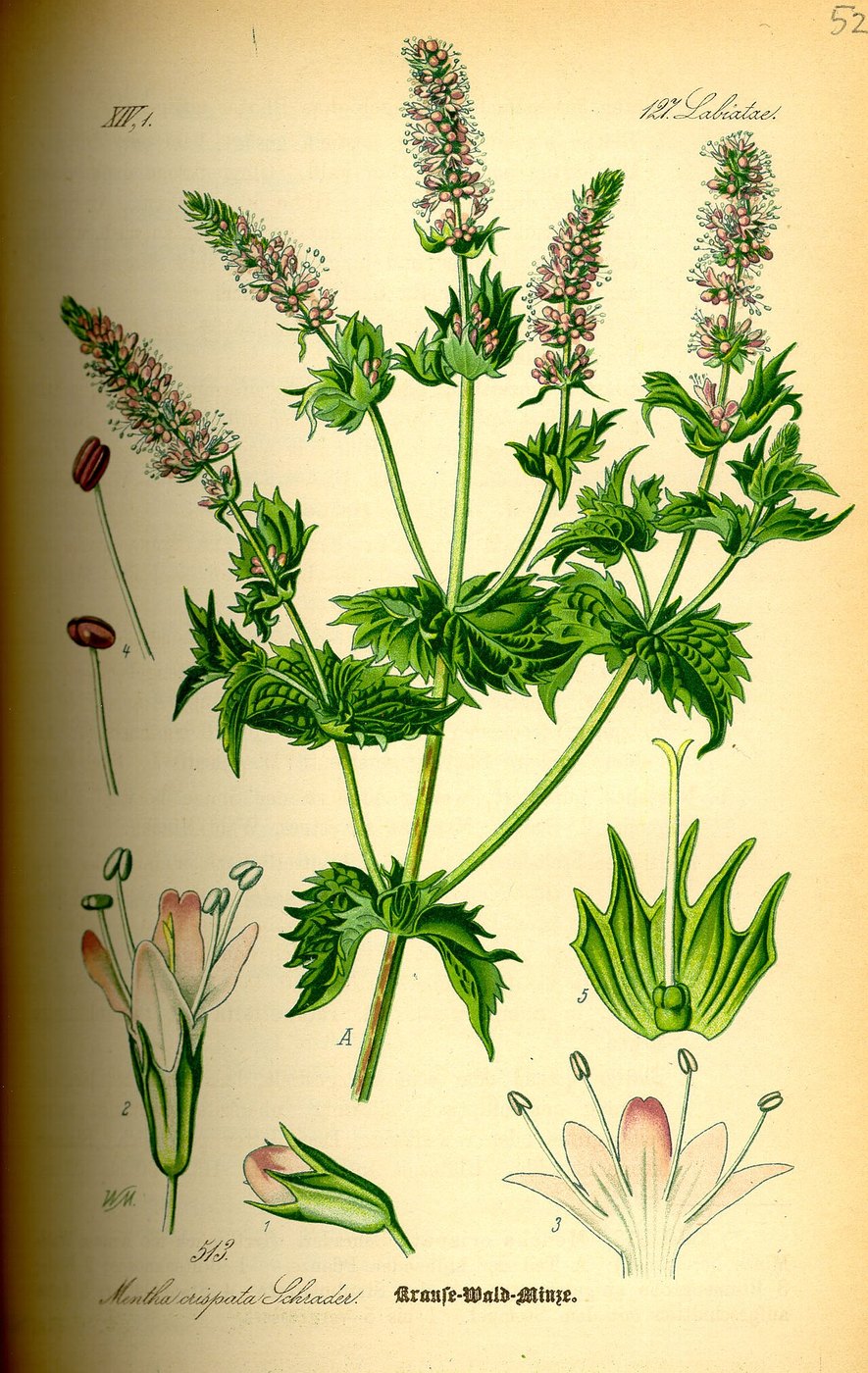
- Mint, oil ofOil of garden or spear mint.
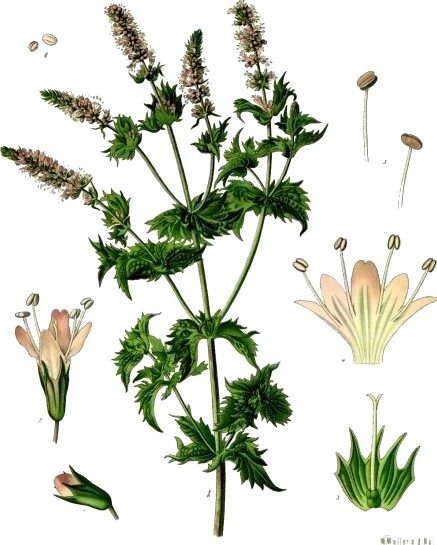
- PeppermintMentha × piperita, a mint of moist places and stream banks across Europe, often esca
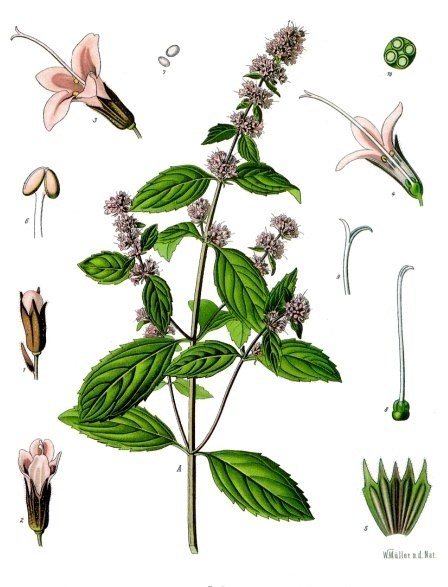
- SpearmintThe common garden mint, Mentha spicata: erect square stems about two feet high from creepi