
Amulets, Blessed Objects, and the Meaning Response
Why what cannot work sometimes works.
In the Texts
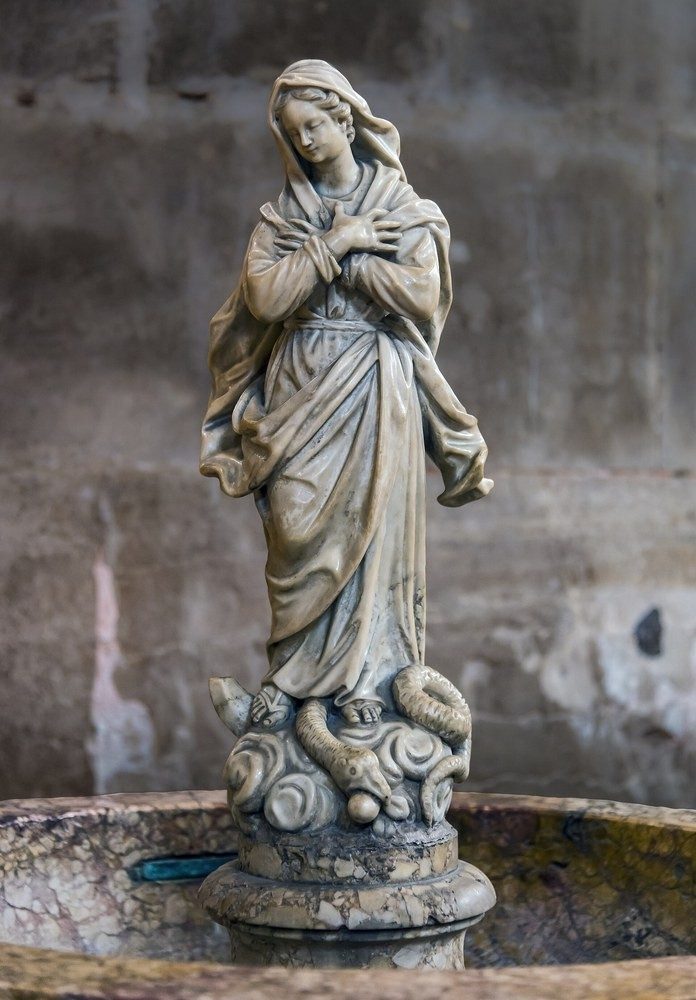
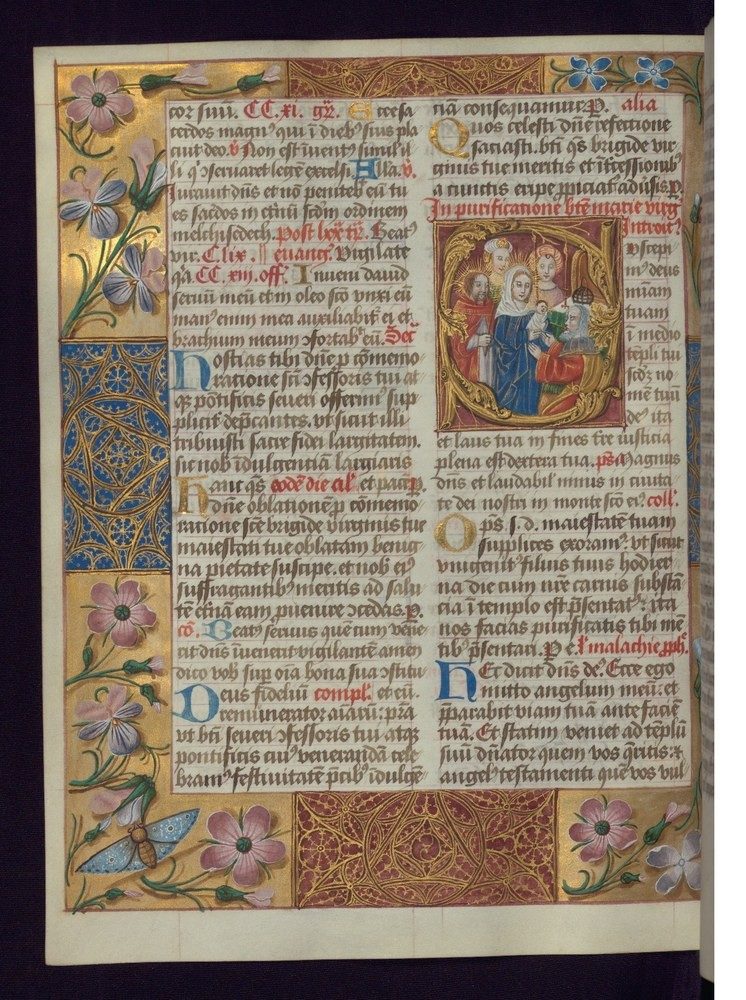
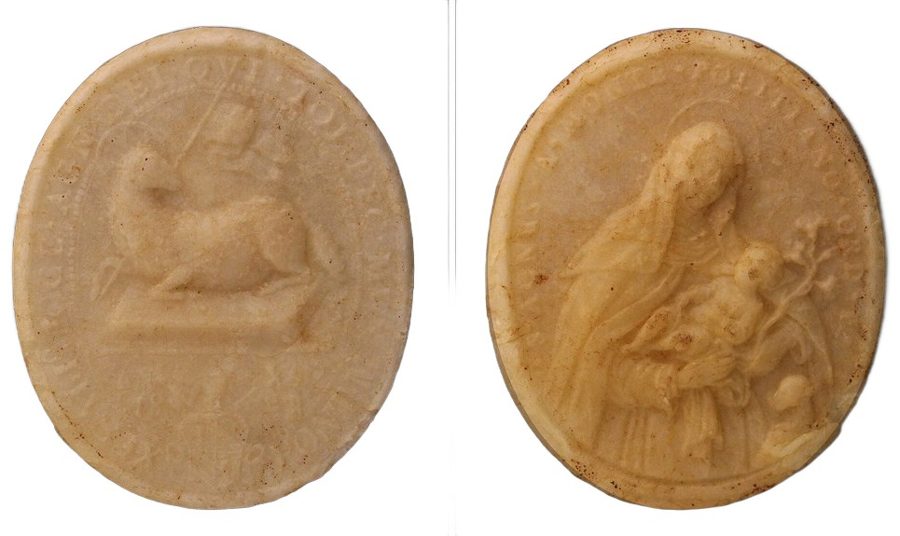
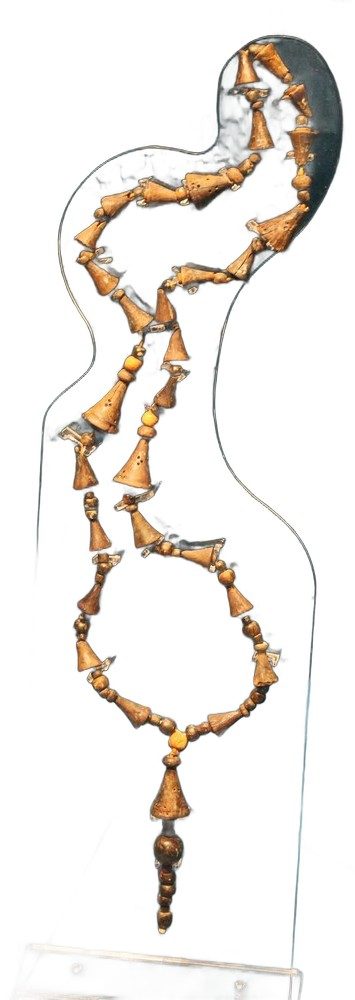
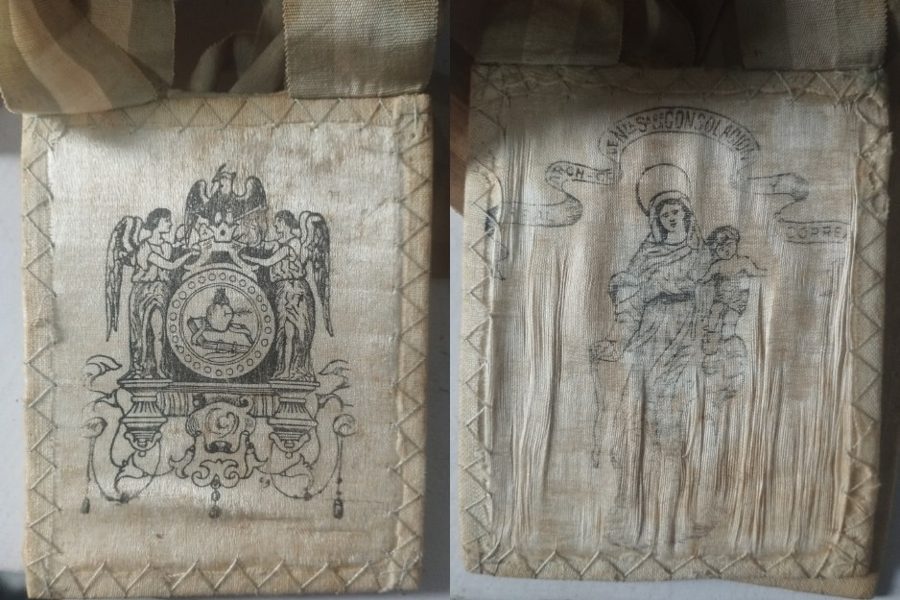
Treatise Two of Canale’s book is a catalogue of blessed things, water, salt, oil, candles, bread, herbs, the Agnus Dei, the rosary, with the cures recorded for each; and the amulet herbs of Treatise One are hung at the neck against the spells. The Church was careful to distinguish the sacramental, which works by the Church’s prayer, from the amulet, which it condemned as superstition, while the people used both alike.
What Medicine Makes of It
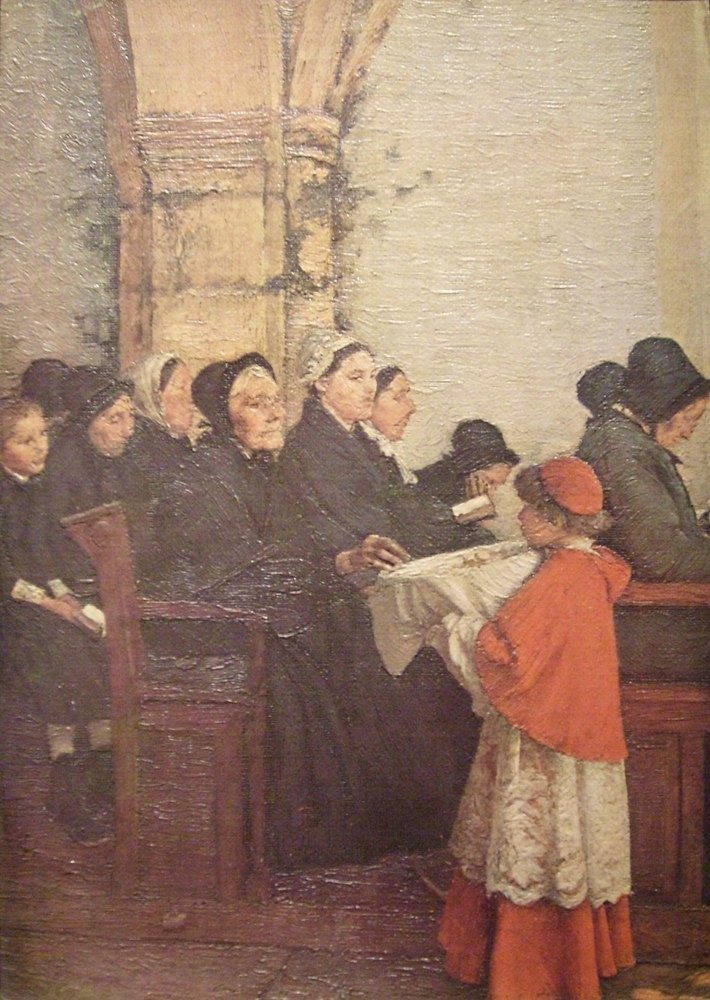
The placebo effect is now one of the best-measured phenomena in medicine: a sugar pill, a sham operation, or a healer’s confident word relieves pain, nausea, fatigue, and low mood by a third or more in controlled trials, and does so through the brain’s own opioids and dopamine, as Fabrizio Benedetti’s work has shown. Daniel Moerman proposed calling it the meaning response: the effect of what the treatment means to the patient, which is larger when the treatment is costly, ritual, and given by an authority. A blessed candle and a drop of holy water from a priest in vestments are a strong meaning response; they do nothing against bacteria and much against fear, and most of what afflicted the bewitched was fear.
The Evidence
- Benedetti’s laboratory has shown that placebo analgesia is blocked by naloxone, so it is carried by the brain’s own opioids (Levine, Gordon, and Fields, 1978; Benedetti, 2009); placebo in Parkinson’s disease releases dopamine in the striatum (de la Fuente-Fernández et al., 2001).
- Kaptchuk et al. (2008) showed that the healer’s manner was the largest part of the response: a warm, attentive sham acupuncturist relieved irritable bowel in 62 per cent, a cold one in 44, no treatment in 28.
- Price matters: a placebo described as costing $2.50 a pill relieved more pain than the same pill at ten cents (Waber et al., 2008); a blessed object brought from a shrine carries that weight.
- Open-label placebo, given with the truth that it is inert, still relieved irritable bowel, back pain, and fatigue in trials (Kaptchuk et al., 2010), which suggests the ritual of taking it, not the deception, is the active part.
- The Church’s theology of the sacramental, that it works ex opere operantis Ecclesiae, by the Church’s prayer and the recipient’s disposition, is a theory of the meaning response avant la lettre.
Where They Part
The Church’s distinction between sacramental and amulet is invisible to the clinic, which sees one mechanism; the clinic’s distinction between the meaning response and the drug was invisible to the manuals, which saw one grace. Neither account explains why a cure that works for pain does not work for a tumour, which the manuals also noticed, and attributed to the sins of the patient.
In the Materia Medica
Sources
- Benedetti, F. (2009). Placebo Effects. Oxford University Press.
- Moerman, D. E. (2002). Meaning, Medicine and the “Placebo Effect”. Cambridge University Press.
- Kaptchuk, T. J. (2002). “The placebo effect in alternative medicine: can the performance of a healing ritual have clinical significance?” Annals of Internal Medicine 136.
Historical and interpretive; not medical advice.