
Aristotle’s successor at the head of the Lyceum. His Enquiry into Plants is the first systematic work of botany, and its ninth book, on the juices and powers of plants, records the lore of the root-cutters and drug-sellers of his day.
10 Entries in the Materia Medica
The Thinking Press Club
Read What Theophrastus Says
Each passage in which the database cites Theophrastus, entry by entry.
For Club Members. Create a free account before January 1, 2027 and confirm your email: you become a Charter Member, and it is yours for good.
- CinnabarMercury sulfide.
- CuminCuminum cyminum.
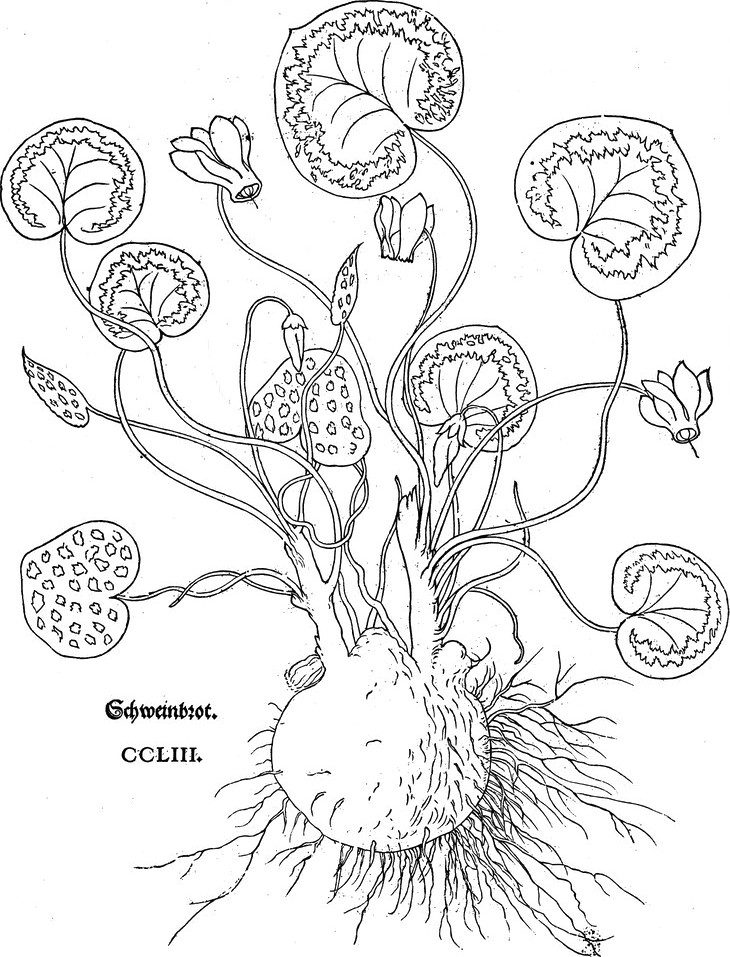
- Cyclamen, greaterSowbread, Cyclamen purpurascens or C. hederifolium, eaten by pigs, hence the name.
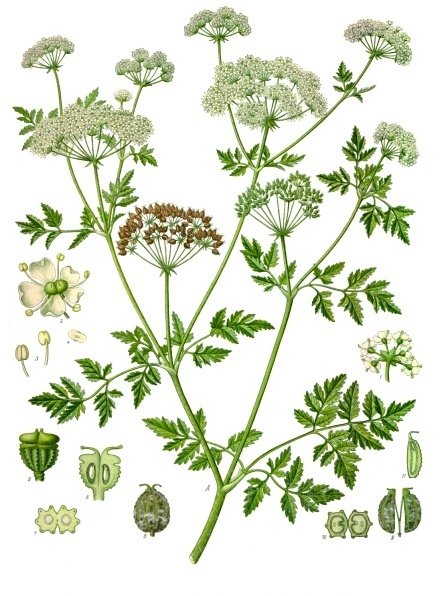
- HemlockPoison hemlock, Conium maculatum, of the carrot family.
- LicoriceThe root of Glycyrrhiza glabra.
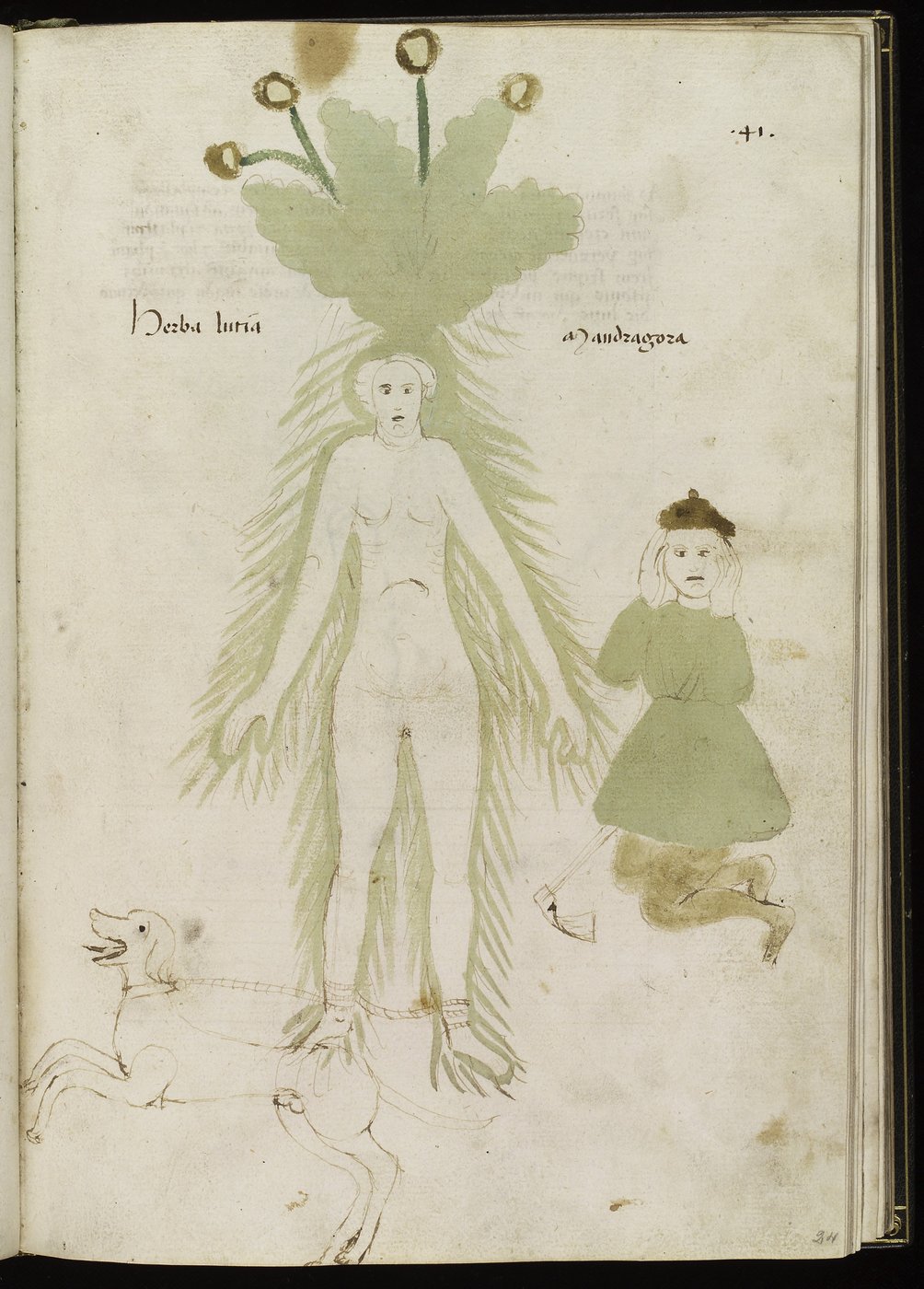
- MandrakeMandragora officinarum and its relatives, of the nightshade family.
- OpopanaxA gum-resin of Opopanax chironium, a Mediterranean plant of the carrot family; the name ha
- Oxymel, and oxymel of squillHoney boiled with vinegar; the squill version adds the bulb of sea squill.
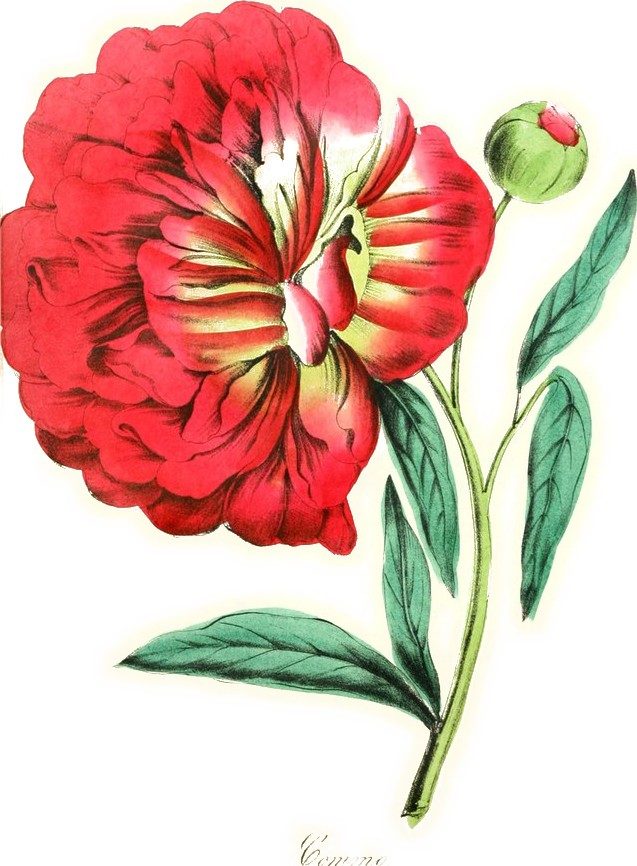
- PeonyPaeonia officinalis and the “male” peony, the kind formerly grown for its medicinal root.
- White leadBasic lead carbonate.