
Phytophotodermatitis
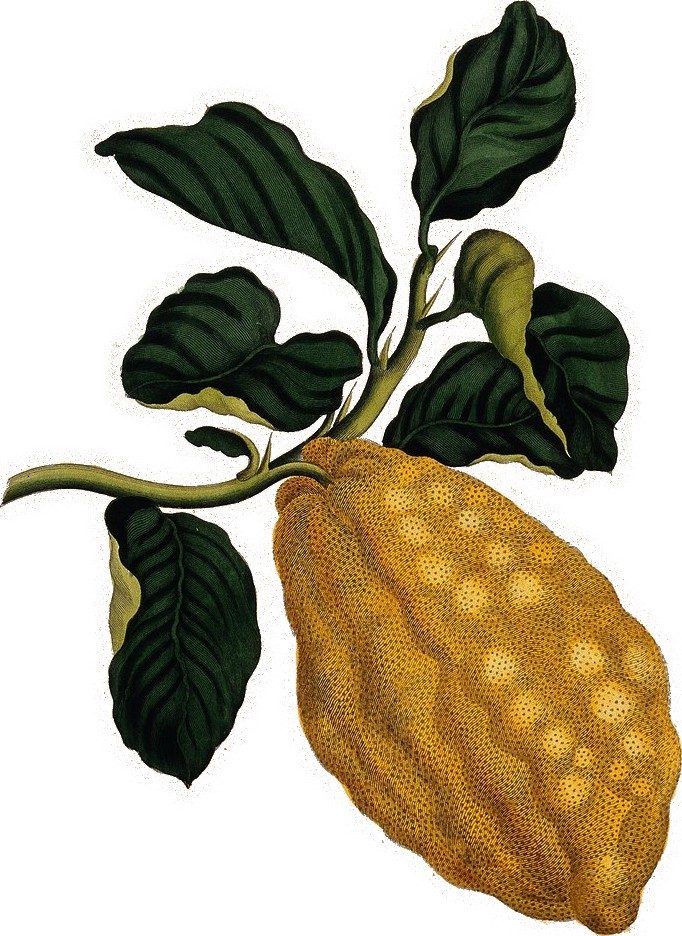
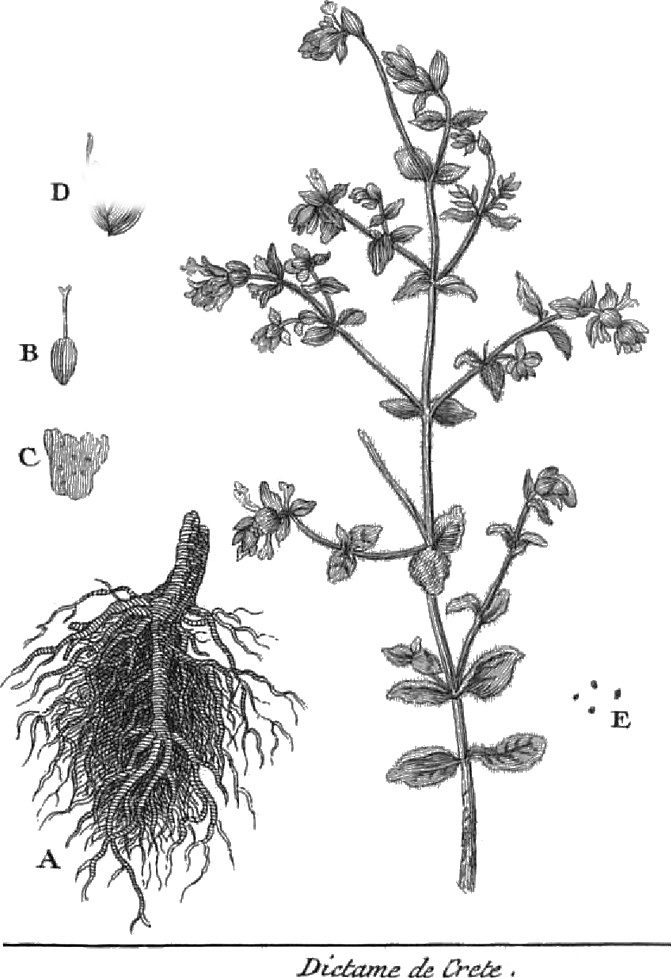
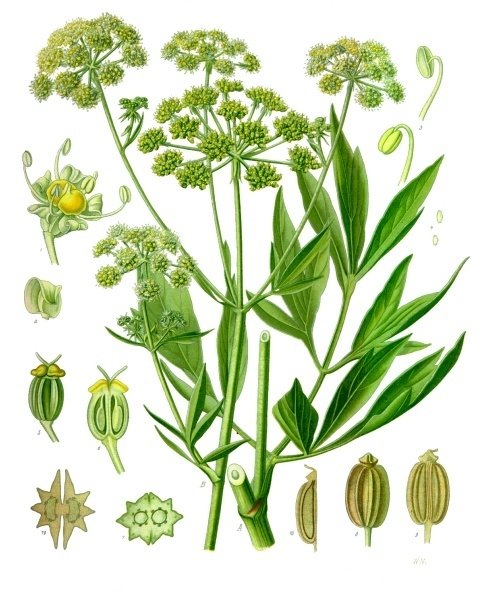
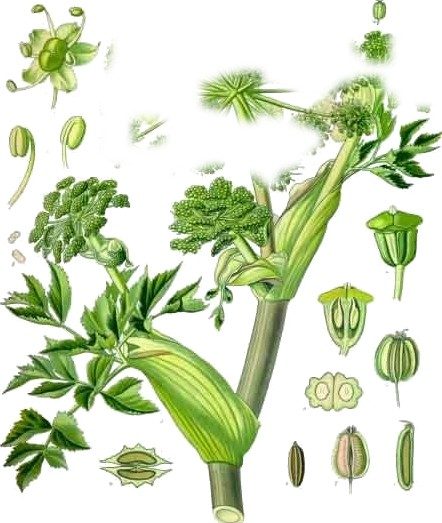
The furanocoumarins (psoralen, bergapten, xanthotoxin) of the fig, the rue, the citrus peel, white dittany, angelica, masterwort, lovage, giant hogweed, and the carrot family generally.
Phytophotodermatitis: how soon does it show?
Twelve to thirty-six hours after the skin, wet with the sap, meets ultraviolet light.
How does it run?
A burn in the shape of the contact, streaks and drips, with blisters in a day and a brown pigmentation that lasts months; the furanocoumarins cross-link DNA under UV-A. Not an allergy: it happens to everyone, which is how the lime-and-sun “margarita dermatitis” of bartenders and the fig-leaf tanning burns are made.
What is done for it?
Cool compresses, steroids for the blistering, and shade; the same chemistry, controlled, is the PUVA treatment of psoriasis.
Historical and descriptive, not medical advice. In a poisoning, call a poison centre or emergency services.
Which substances in the database cause it?
Sources
- Wagner, A. M., et al. (2002). “Bullous phytophotodermatitis associated with high natural concentrations of furanocoumarins in limes.” American Journal of Contact Dermatitis 13. Verified against its record · doi:10.1053/ajcd.2002.29948
- Pathak, M. A. (1986). “Phytophotodermatitis.” Clinics in Dermatology 4. Verified against its record · doi:10.1016/0738-081x(86)90069-6