
Coumarin and the liver
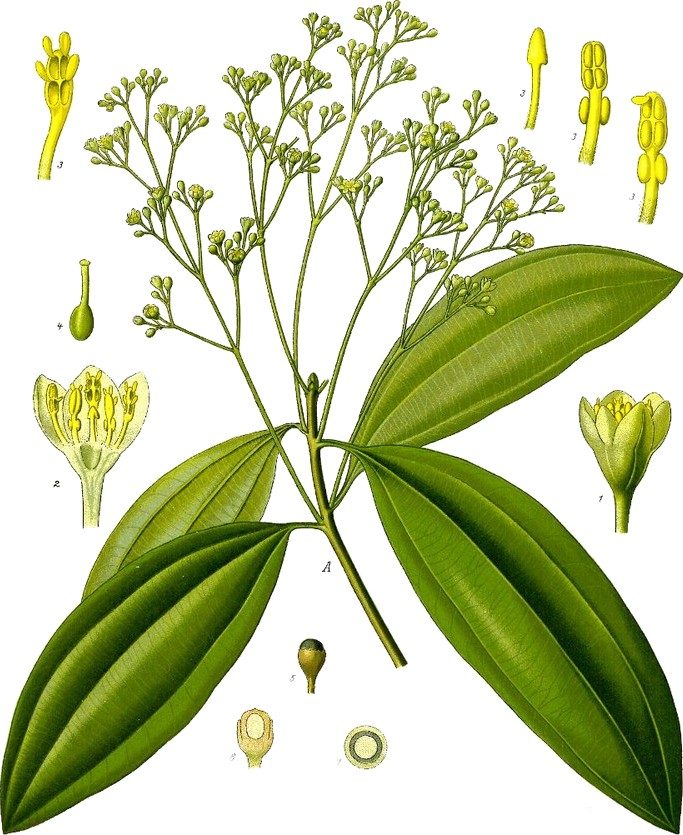
Coumarin, in sweet woodruff, cassia cinnamon, tonka bean, and sweet clover; and its spoiled-hay product dicoumarol, the first anticoagulant.
Coumarin and the liver: how soon does it show?
Weeks of daily intake for the liver; days for dicoumarol bleeding.
How does it run?
Coumarin itself does not thin the blood; in a minority of people, by a slow-metabolising liver enzyme, daily doses above the tolerable 0.1 mg per kilogram raise the liver enzymes and have caused hepatitis, reversible on stopping; the German cassia-cinnamon warnings of 2006 followed. Dicoumarol, formed in mouldy sweet clover, killed cattle by bleeding in the 1920s, was identified by Link in 1940, and gave warfarin.
What is done for it?
Stopping; vitamin K for the anticoagulant.
Historical and descriptive, not medical advice. In a poisoning, call a poison centre or emergency services.
Which substances in the database cause it?
Sources
- Abraham, K., et al. (2010). “Toxicology and risk assessment of coumarin: focus on human data.” Molecular Nutrition and Food Research 54. Verified against its record · doi:10.1002/mnfr.200900281
- Link, K. P. (1959). “The discovery of dicumarol and its sequels.” Circulation 19. Verified against its record · doi:10.1161/01.cir.19.1.97