The name the Greeks gave to the poet of the Iliad and the Odyssey, the oldest works of Greek literature. The epics know wound-herbs and the drugs of Egypt, and they name two plants the herbalists spent centuries trying to identify: the moly Hermes gives Odysseus against Circe, and the nepenthe Helen pours into the wine at Sparta.
8 Entries in the Materia Medica
The Thinking Press Club
Read What Homer Says
Each passage in which the database cites Homer, entry by entry.
For Club Members. Create a free account before January 1, 2027 and confirm your email: you become a Charter Member, and it is yours for good.
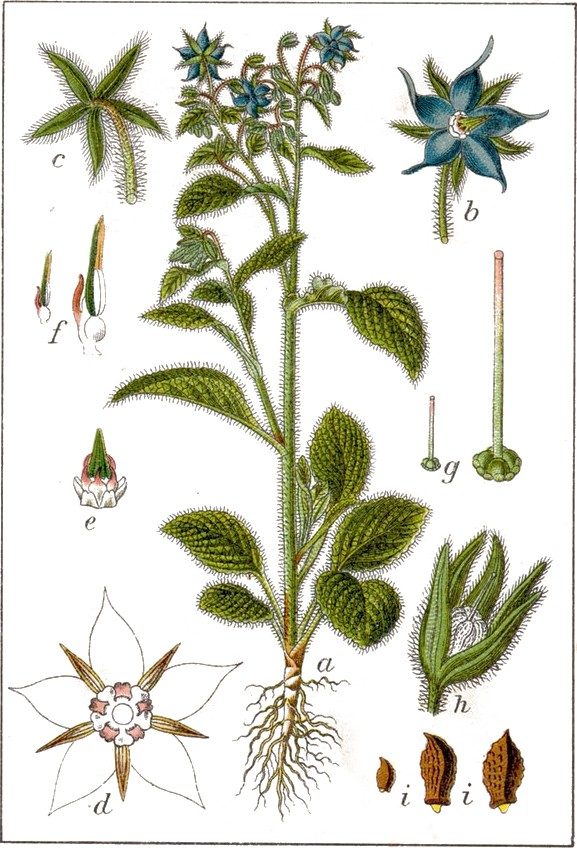
- BorageBorago officinalis.
- MolyUnidentified. The snowdrop, Galanthus nivalis, is the most discussed candidate.
- NepentheUnidentified; opium is the favorite guess.
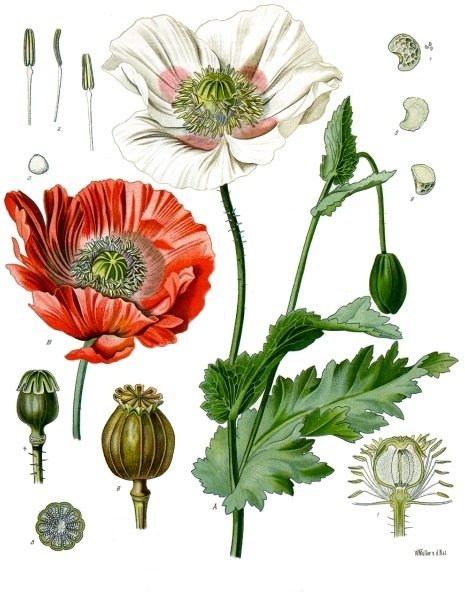
- Opium poppyPapaver somniferum; opium is the dried latex of its unripe seed heads.
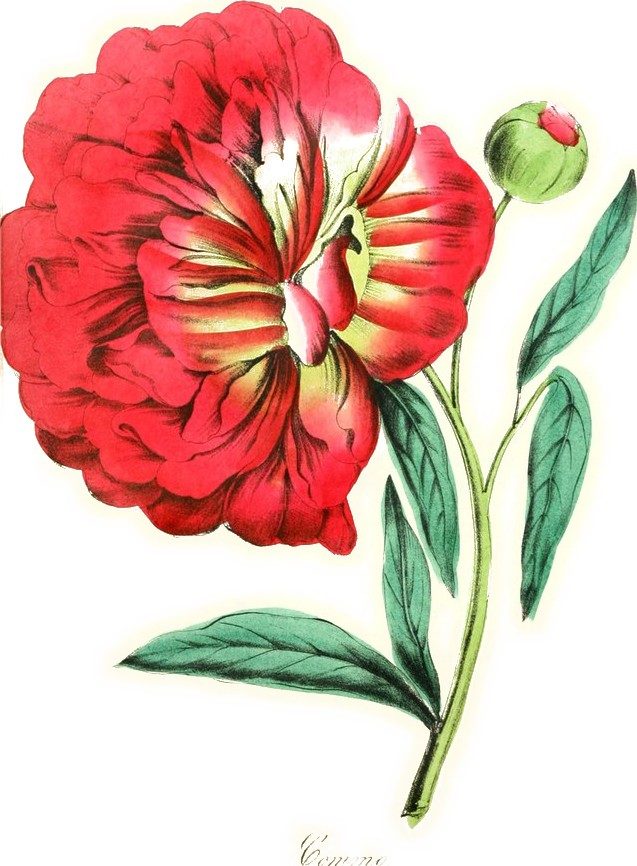
- PeonyPaeonia officinalis and the “male” peony, the kind formerly grown for its medicinal root.
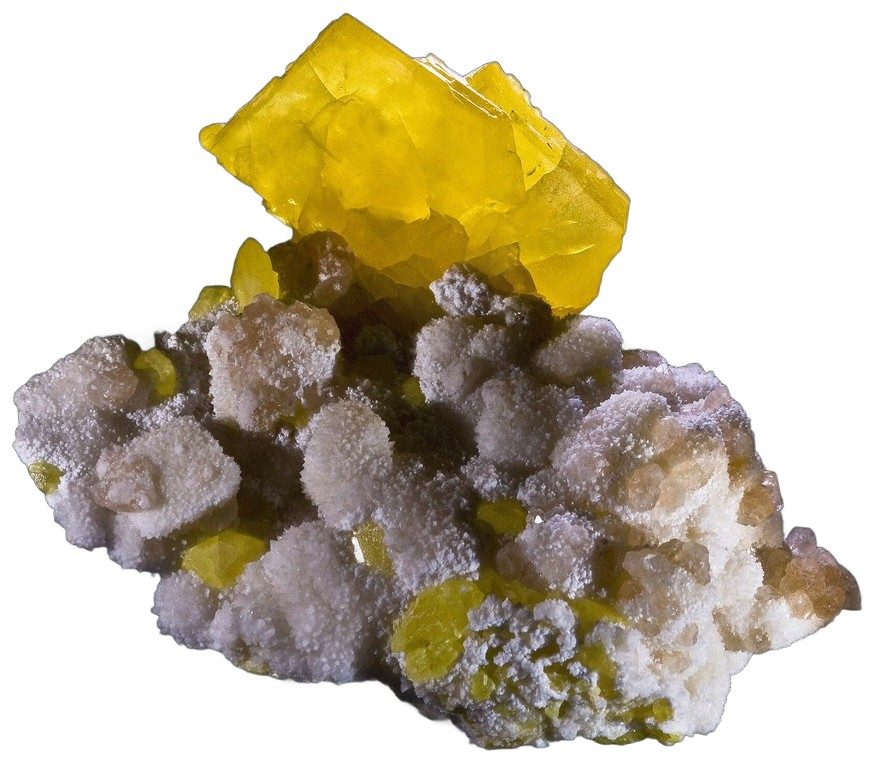
- SulfurBrimstone; “live” sulfur (solfo vivo) is native sulfur.
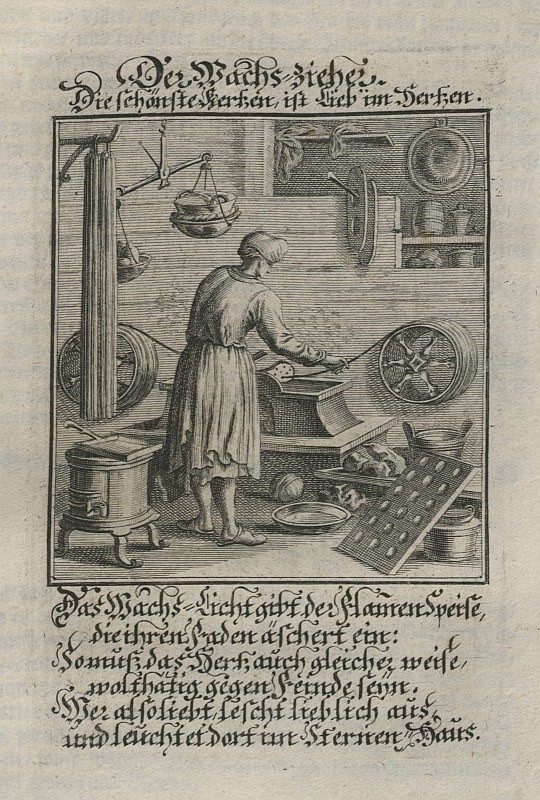
- WaxBeeswax; in the final oil, wax of the Paschal candle.
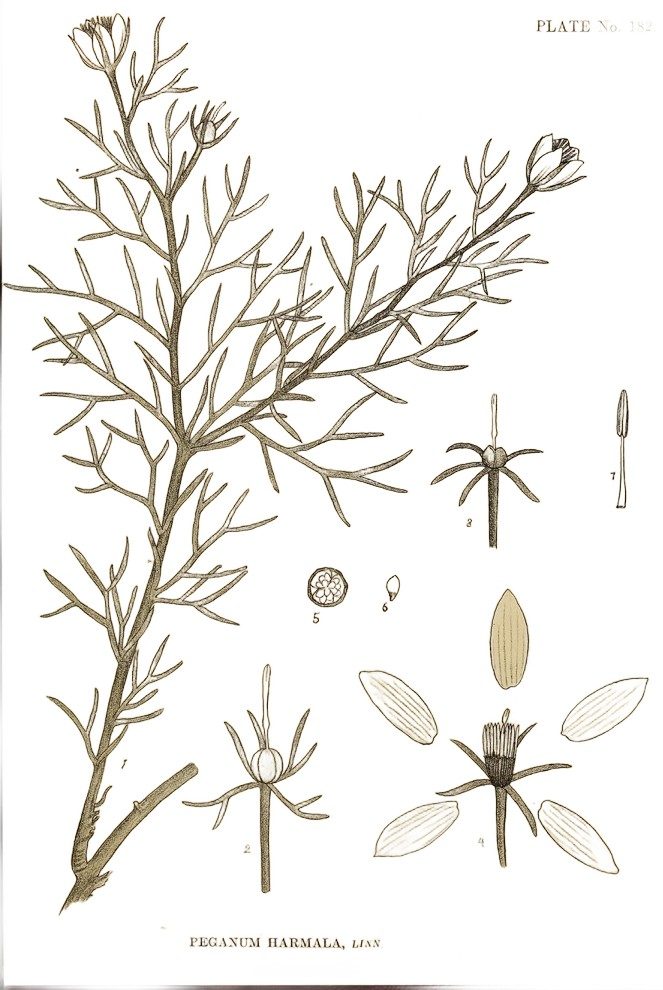
- Wild rueEither the wild form of Ruta graveolens or Syrian rue, Peganum harmala.