
Aristolochic acid nephropathy
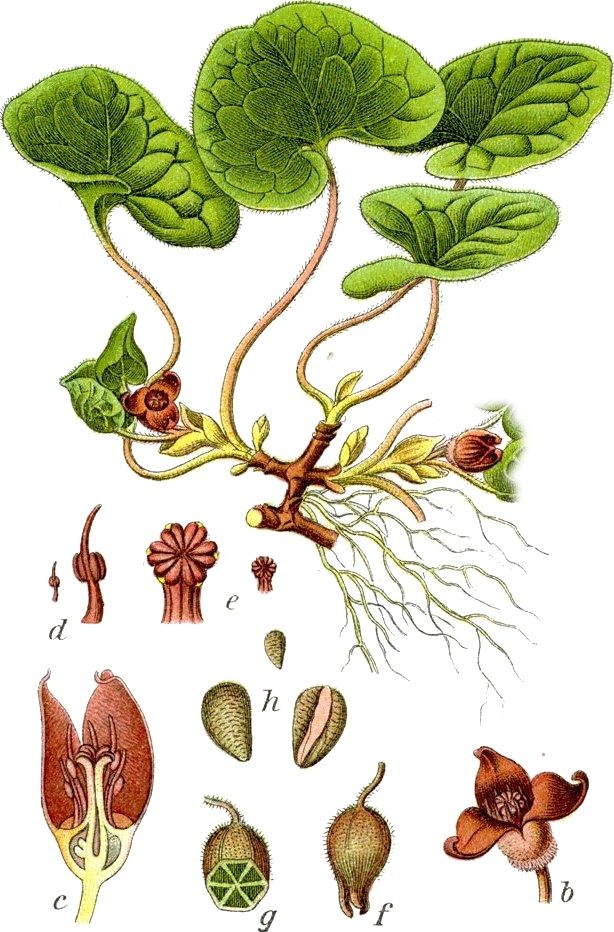
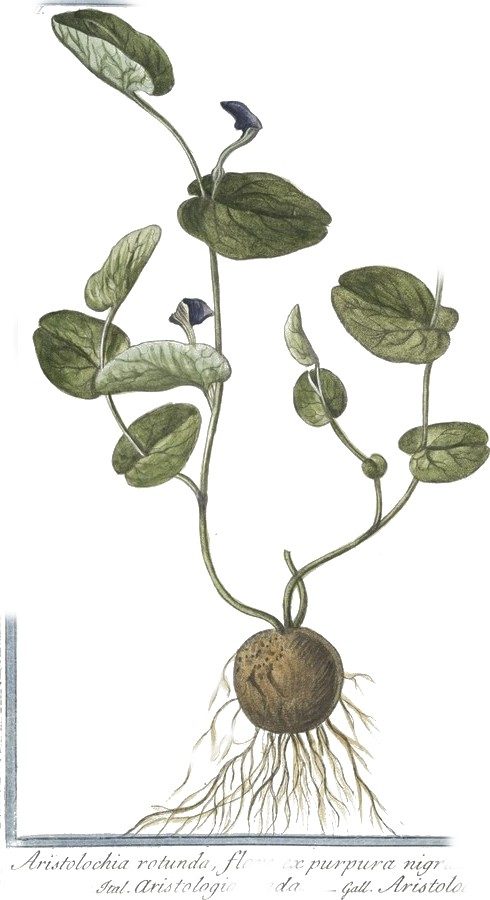
Aristolochic acids, in the birthworts (Aristolochia), the long and the round.
Aristolochic acid nephropathy: how soon does it show?
Months to years of exposure; the kidney damage is cumulative and silent.
How does it run?
A scarring of the kidney’s tubules that ends in dialysis, and cancers of the urinary tract years later: the aristolochic acids bind DNA and leave a mutational signature found in those tumours. Recognised in 1993 in nine Belgian women given the herb, in place of another, at a slimming clinic; by the follow-up of the exposed cohort more than a hundred had lost their kidneys (Debelle, Vanherweghem, and Nortier, 2008); Balkan endemic nephropathy, known since the 1950s along the Danube, is the same poison from the seeds of the plant in the wheat.
What is done for it?
None but stopping the exposure; dialysis and transplant; surveillance for cancer.
Historical and descriptive, not medical advice. In a poisoning, call a poison centre or emergency services.
Which substances in the database cause it?
Sources
- Vanherweghem, J.-L., et al. (1993). “Rapidly progressive interstitial renal fibrosis in young women: association with slimming regimen including Chinese herbs.” Lancet 341. Verified against its record · doi:10.1016/0140-6736(93)92984-2
- Debelle, F. D., Vanherweghem, J.-L., and Nortier, J. L. (2008). “Aristolochic acid nephropathy: a worldwide problem.” Kidney International 74.
- Grollman, A. P., et al. (2007). “Aristolochic acid and the etiology of endemic (Balkan) nephropathy.” PNAS 104. Verified against its record · doi:10.3410/f.1089631.543667
- IARC (2012). Monographs, vol. 100A: aristolochic acids, Group 1. Standard reference work