
Gassner and Mesmer
The exorcist and the magnetiser, 1775: how exorcism became psychotherapy.
In the Texts
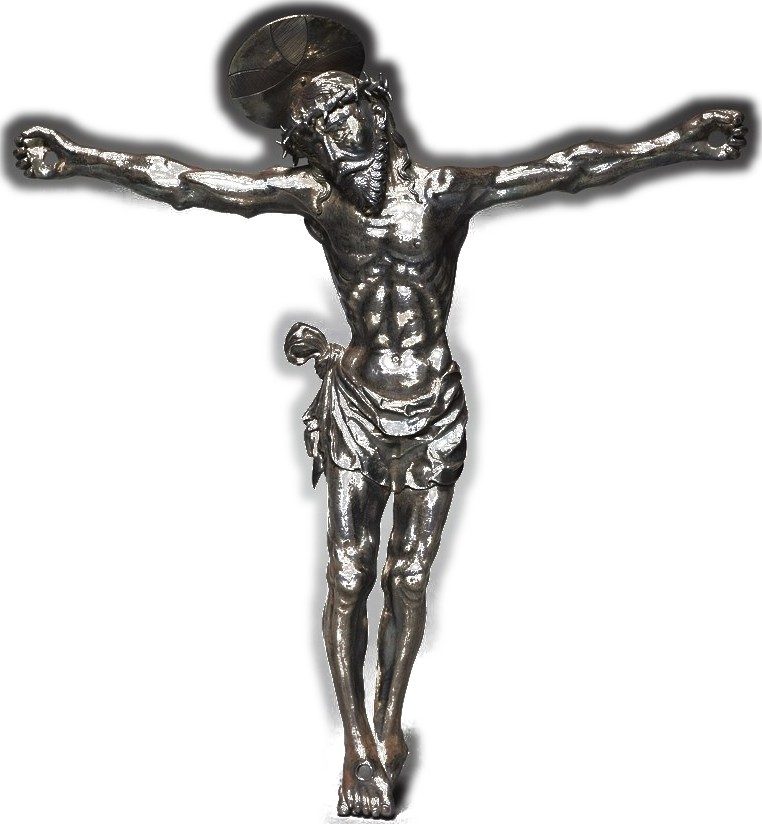
Johann Joseph Gassner, a parish priest of the Vorarlberg, cured thousands in the 1770s by exorcism, holding that most illnesses were the devil’s work and could be commanded away in the name of Jesus; his method was Canale’s, a century and a half on. The crowds brought him to Regensburg and Ellwangen, and the Bavarian Academy, in 1775, asked a Viennese physician, Franz Anton Mesmer, to explain his cures.
What Medicine Makes of It
Mesmer said the cures were real and the demon was not: Gassner had a strong share of the universal fluid, animal magnetism, which Mesmer could command without prayer. The Academy, and the Emperor, sided with science as they understood it; Gassner was silenced, Mesmer went to Paris, and in 1784 a royal commission with Franklin and Lavoisier found that Mesmer’s fluid did not exist either, and that the cures were the work of imagination. Henri Ellenberger opened his history of dynamic psychiatry with this: the exorcist’s cross, the magnetiser’s passes, the hypnotist’s voice, and the analyst’s couch are one practice under four names, and the thing each commands is the patient’s expectation.
The Evidence
- Ellenberger (1970) opens The Discovery of the Unconscious with the confrontation of 1775 and calls it the birth of dynamic psychiatry: the moment exorcism became psychotherapy by changing its name.
- Gassner’s method, recorded by witnesses, was to command the demon in Latin to produce the symptoms and then to remove them, in front of the patient, before the cure: the induction and the suggestion of hypnosis.
- Mesmer’s own cures were investigated by a royal commission in Paris in 1784, with Franklin and Lavoisier, which found the effects real and the magnetic fluid imaginary, and attributed them to “imagination”: the first controlled study of a placebo.
- Puységur’s “magnetic sleep” (1784), Braid’s renaming of it as hypnotism (1843), Charcot’s use of it on the hysterics, and Freud’s abandonment of it for free association are one line from Gassner’s cross.
- Modern hypnosis has trial evidence for pain, irritable bowel, and procedural anxiety (Montgomery et al., 2000); the mechanism is attention and expectation, which Gassner commanded in the name of Jesus.
Where They Part
Gassner and Mesmer agreed that the patient could be cured by a command and disagreed only about who was commanding; the commission of 1784 said no one was, and that the patient did it. That is the modern view, and it leaves the manuals their cures while taking away their demons.
In the Materia Medica
Sources
- Ellenberger, H. F. (1970). The Discovery of the Unconscious. Basic Books, ch. 2.
- Midelfort, H. C. E. (2005). Exorcism and Enlightenment: Johann Joseph Gassner and the Demons of Eighteenth-Century Germany. Yale University Press.
- Franklin, B., et al. (1784). Rapport des commissaires chargés par le roi de l’examen du magnétisme animal.
Historical and interpretive; not medical advice.