
Esoterica
The Materia Medica and the New Herbal
For readers of the Materia Medica and of Castore Durante's New Herbal (1585): the plants, the old authorities, the plates, and what you find as you read.
-
B. C. P. StatemaModeratorKeeperIn 1585 Castore Durante, a physician of Rome, explained how the mandrake trade really worked. The little root-men sold to barren women as a cure were, he writes, "roots of the stalks of bryony, and of other plants, carved into that shape and made with art, and then planted again with grains of barley set about the places where they wish those little roots to grow that make the hair, the beard, and the other hairs." The mandrake's beard was barley, sprouting where the carver had set it.
He doesn't throw out the real plant with the fraud, though. A few lines on he gives a wine of the root bark for anyone about to lose a limb or be cauterized, "for, sleeping deeply, they feel no pain at all," and he warns that in too great a quantity it is "altogether deadly." The same plant serves as the surgeon's anesthetic and the quack's prop, in a single chapter.
B. C. P. Statema
27 October 2026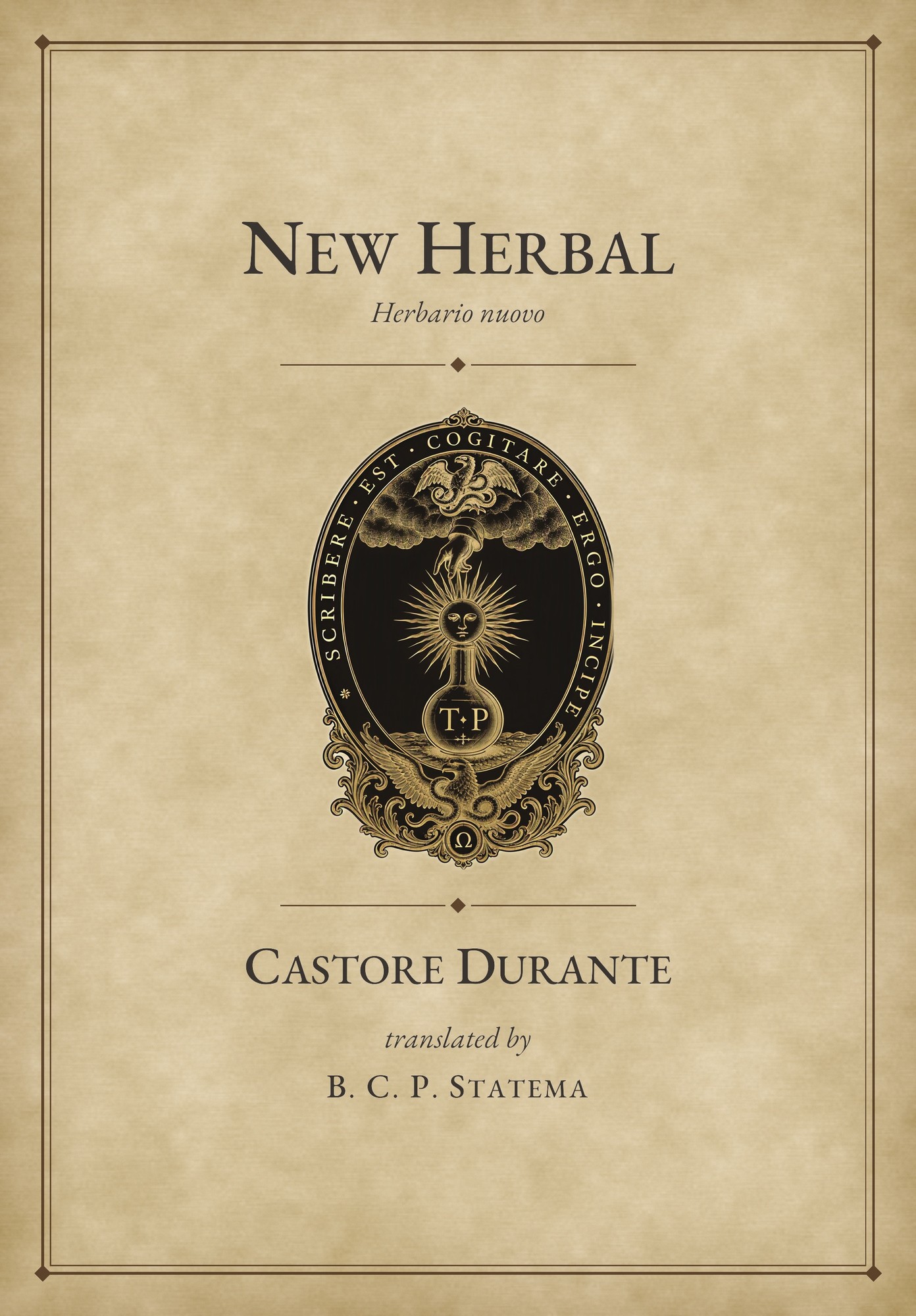 Castore Durante, 1585New HerbalDurante’s herbal, printed in Rome in 1585: each plant with its woodcut, a Latin verse on its powers, and its names, kinds, form, place, quality and virtues.
Join the conversation. Anyone may read this board; to write in it, sign in with a free account.
Esoterica is the readers’ boards of The Thinking Press. The guidelines · All boards
