
Justinus Kerner · Kleksographs · 4 of 7
Memento mori!
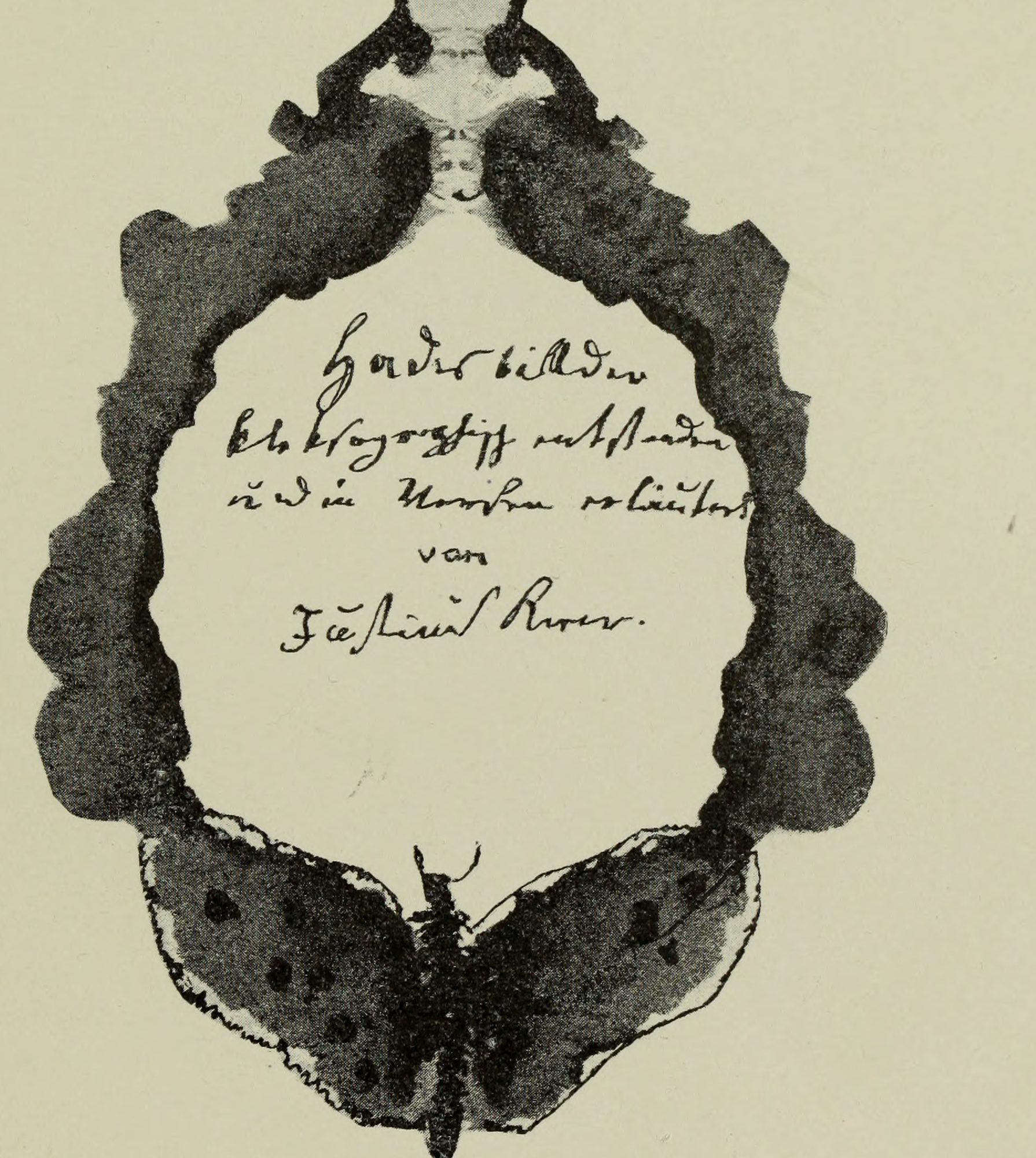
Inside the wreath, in Kerner’s hand: Hades pictures, made by kleksography and explained in verse, by Justinus Kerner.
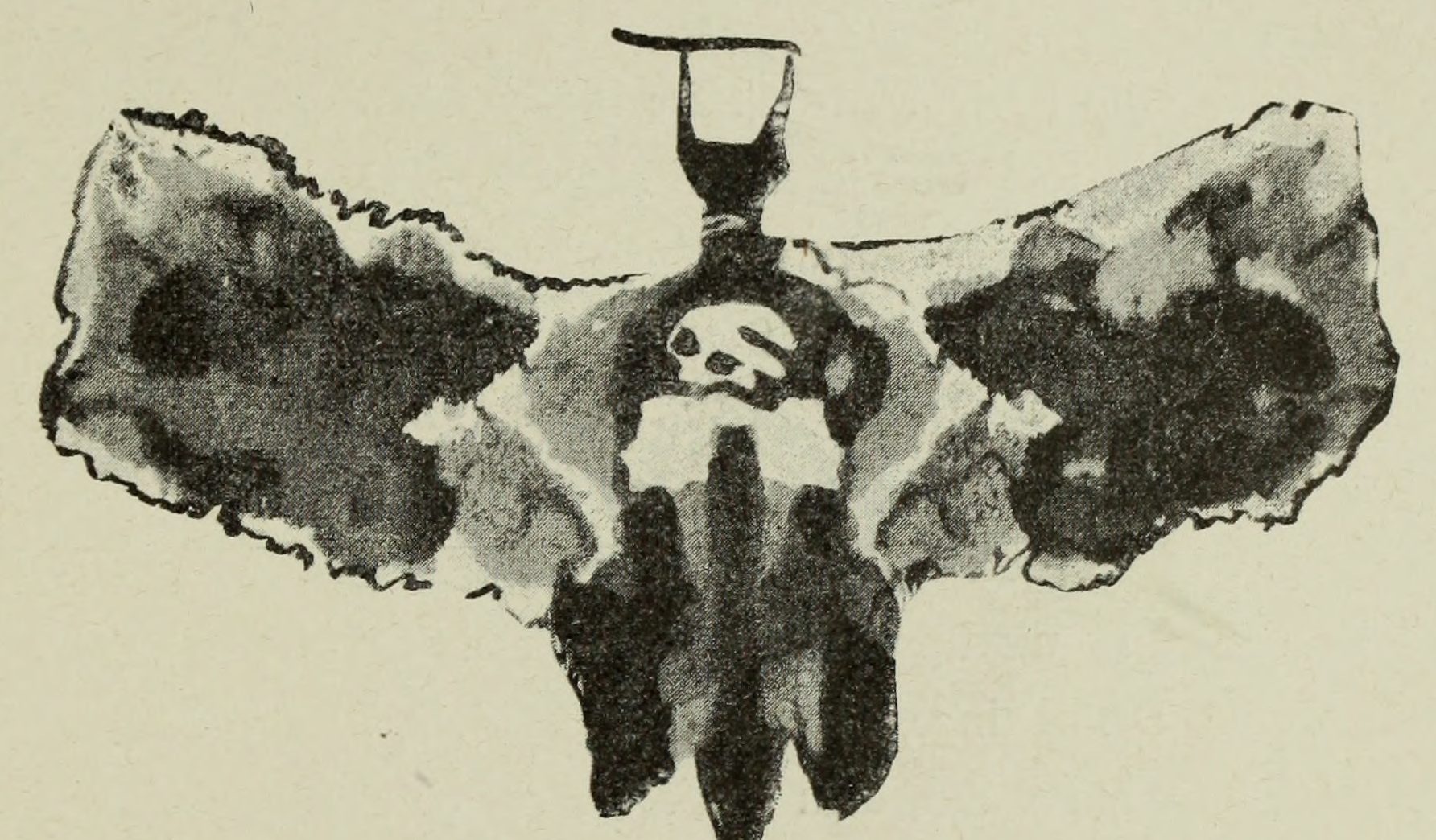
Memento mori!Memento mori!
Each one carries death within him,
However it may glitter and laugh outside;
Today you walk in the red of morning
And tomorrow in the night of the shades.
Why then do you cling so fast,
O man! to this world, the dream?
Let go! let go! before it lets you go;
Often the fruit falls unripe from the tree.
Call up! call up the spirit that, deep
As in the night of a dungeon,
Has long been sleeping within you,
So that it may wake for your salvation.
From hard flint
The glow of earthly fire can be coaxed;
O man! however hard you are,
In you there rests a spark of God.
But as from hard stone only
By a hard blow the spark breaks forth,
It takes a struggle with nature
Till the light of God breaks out of it.
So wrestle, labour, till the spirit,
Though it hurt the flesh, has won,
Tears itself from night into the light,
And the dross lies beneath it.
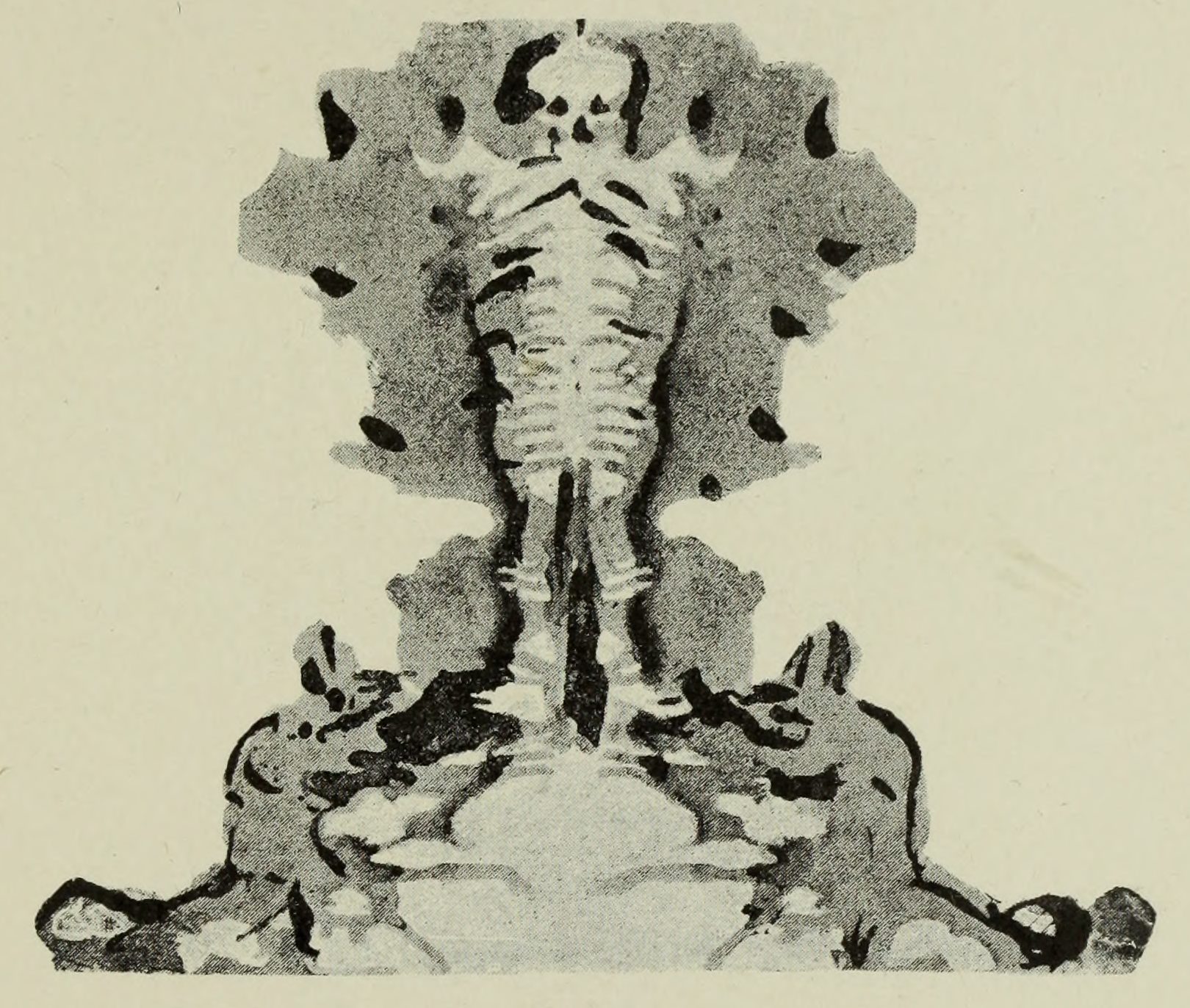
Before the Hades pictures, even before them,
There rose out of the ink’s night
(My heart had not thought of them)
The messengers of death.
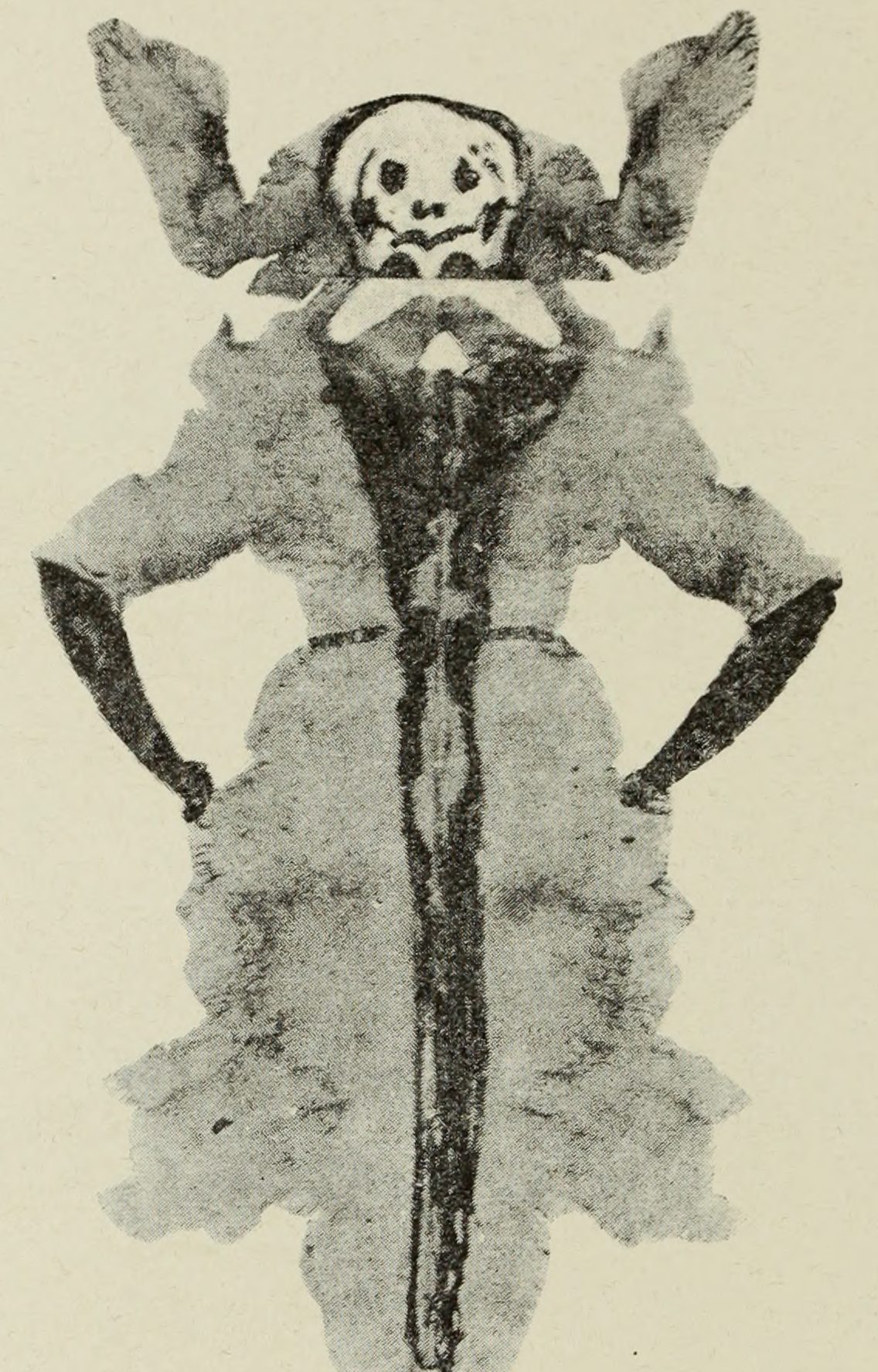
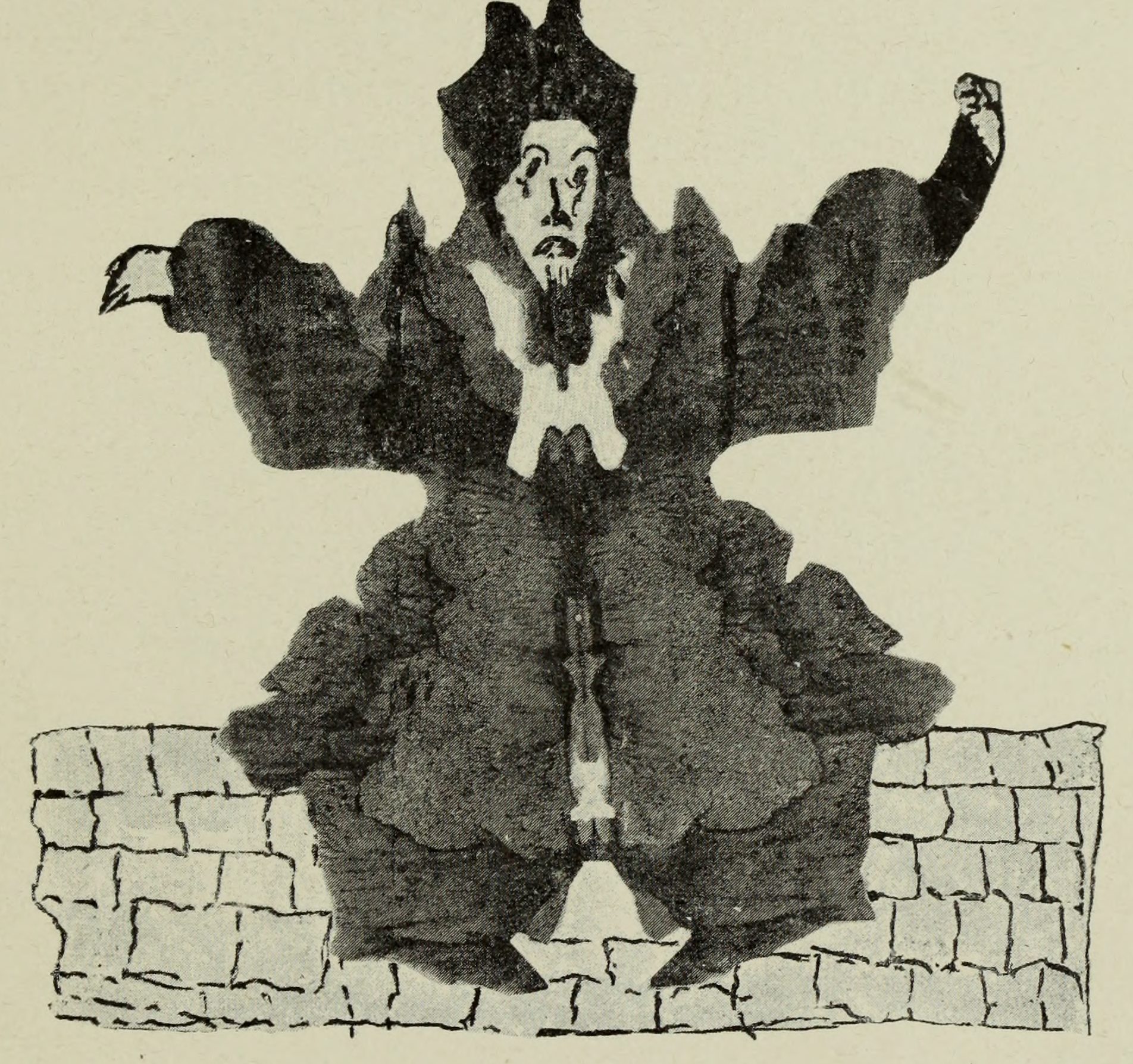
Messengers of Death.Todesboten.
Look at the flying she-messenger of death,
An evil spectre like the White Lady;
When such a one flies into a house at night,
Lays against the windowpane, like a glow-worm’s gleam,
Her head, so that it shines into the room,
Then someone is soon carried out of there dead.
The ghost before foretells single deaths;
This one, though, goes ahead of long black plagues.
Before this night-spectre appears
One often hears, far off, a wailing, a weeping;
The Glass-head says: “That is a howling
Of owls in the solitude of the woods.”
But soon he too sees, as the peasant does,
That high on the churchyard wall there sits
The Wailing Woman, now a horror to him too;
She stretches her arms far out
And calls out into the night:
“May God have mercy on your souls!
Set, set your house in order!
Soon the Black Death breaks out here!”
And at that she melts into air.
But soon that plague then appears;
They carry corpse on corpse to the churchyard,
So that soon it lacks graves and vaults.
Often one goes about honourable and devout
And everyone thinks that he really is so;
But alas and woe! that is only a cloak,
Hiding the deep dung of his inner self.
Often one goes about in this world
So that everyone holds him wicked and sinful;
He is not; only his outside makes it so,
His inner nature is good and devout.
You cannot say: That one is pure, yes, pure!
God will one day let him into his heaven!
You cannot say: That one is wicked, yes, wicked!
He will one day feel the wrath of his God!
No! no! the Spirit who is above nature,
God, God alone sees through the inner being of man.
He sends, wholly by its inner worth,
The soul after death below, above,
Often otherwise than, at the grave, its life story
In well-turned oration would have it.
See the caterpillar in her chrysalis,
Her still, dark realm of shadow,
Now parted from her companions,
Wholly shut up within herself,
Not dead, although she is buried;
She sees the dew of the pastures no more,
Is bare of blossom and herb,
Given up wholly to herself alone,
She carries her past life
Within her as a clear small point.
And in such a quiet cell
She strips off her earthly garment;
Her bright wings ripen,
Which one day, as Psyche, will carry her
Heavenward out of the gloomy land.
See the caterpillar in her chrysalis!
Believe: that death will not one day
Carry you either with the speed of lightning,
However bright your inner self may be,
Into an eternal dawn.
Translation © 2026 B. C. P. Statema. The Thinking Press, Kenosha, Wisconsin. All rights reserved.
